

The UK Biobank resource with deep phenotyping and genomic data
Open accessThe DOI matches its Crossref record; 39 of the 41 references it cites were found in a registry or an index.
Abstract
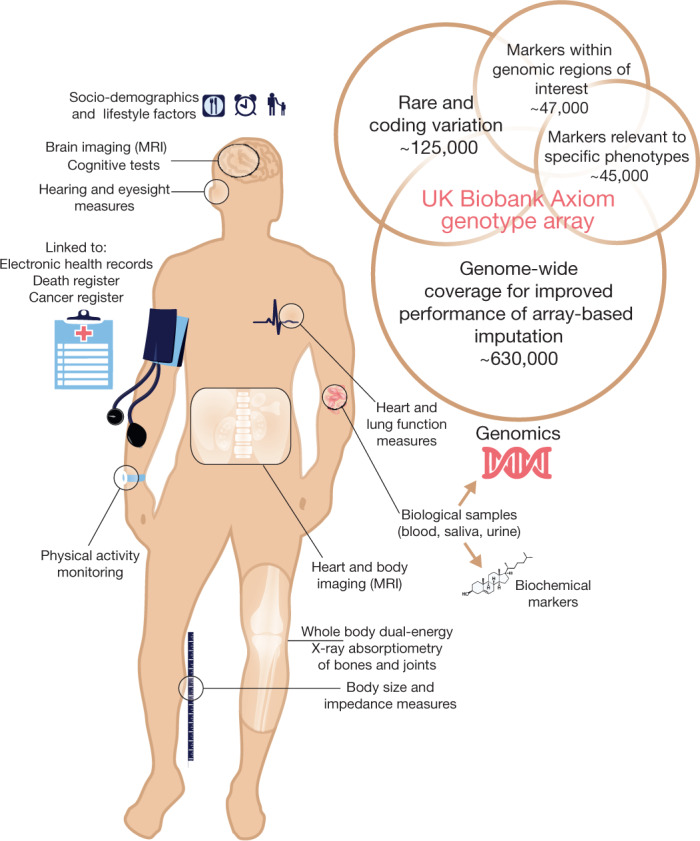
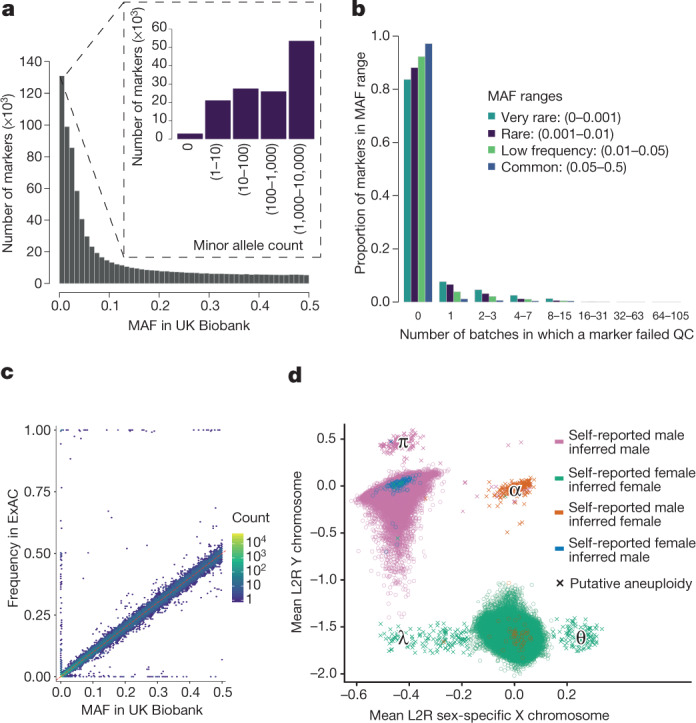
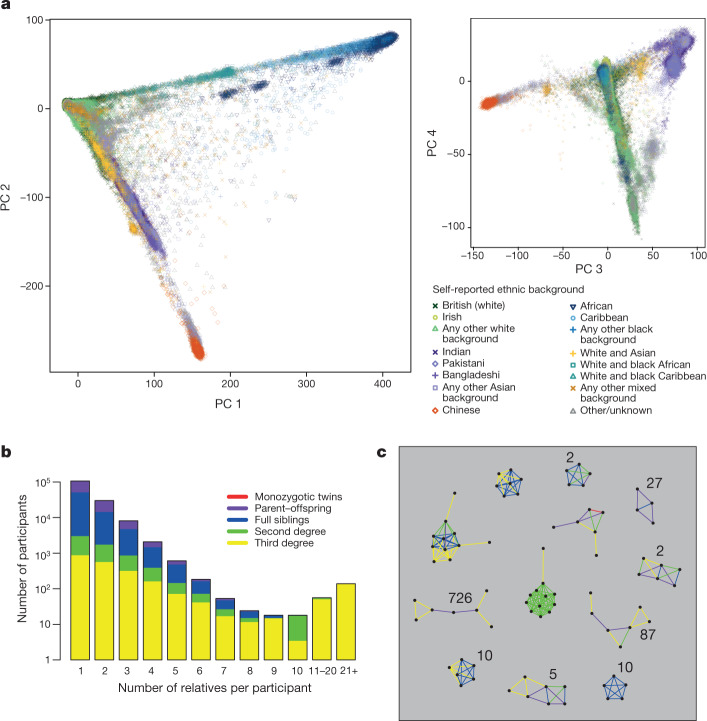
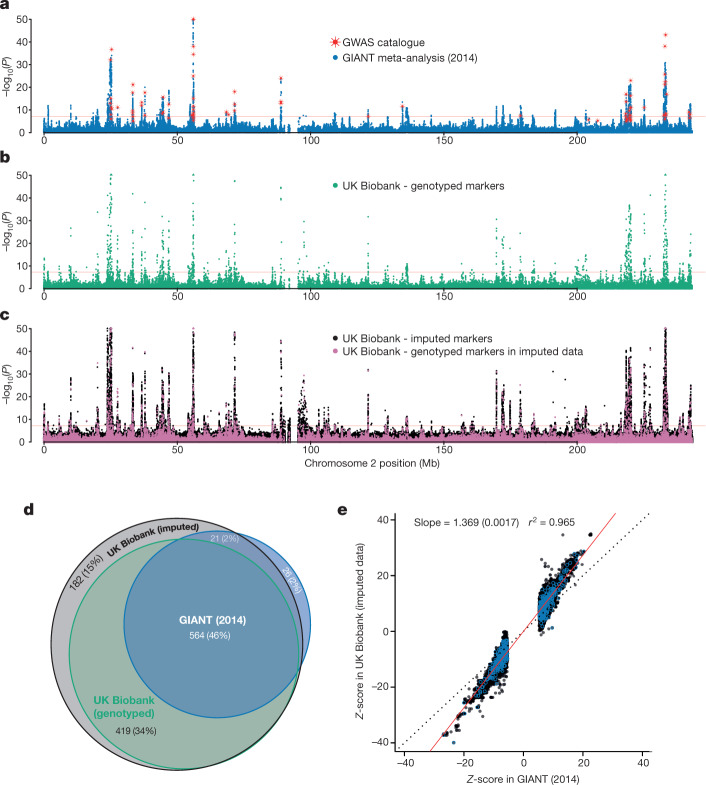
The UK Biobank project is a prospective cohort study with deep genetic and phenotypic data collected on approximately 500,000 individuals from across the United Kingdom, aged between 40 and 69 at recruitment. The open resource is unique in its size and scope. A rich variety of phenotypic and health-related information is available on each participant, including biological measurements, lifestyle indicators, biomarkers in blood and urine, and imaging of the body and brain. Follow-up information is provided by linking health and medical records. Genome-wide genotype data have been collected on all participants, providing many opportunities for the discovery of new genetic associations and the genetic bases of complex traits. Here we describe the centralized analysis of the genetic data, including genotype quality, properties of population structure and relatedness of the genetic data, and efficient phasing and genotype imputation that increases the number of testable variants to around 96 million. Classical allelic variation at 11 human leukocyte antigen genes was imputed, resulting in the recovery of signals with known associations between human leukocyte antigen alleles and many diseases.
Overview
The claims and statistics of this paper haven’t been checked yet.
Free: it reads the open-access text and checks the first 5 claims that cite a source we can check. Create a free account to check every claim.
Integrity signals
Registry
Cites
Statistics
Figures
Verification
Claims the paper makes
The claims and statistics of this paper haven’t been checked yet.
Free: it reads the open-access text and checks the first 5 claims that cite a source we can check. Create a free account to check every claim.
Claims other papers make about this one
Each is checked against this paper’s own text: does it say what the citing paper says it does?
The source backs part of the claim, not all of it — or backs it for a different population, condition or comparison.
In the citing paper
“The UKBB dataset provides information regarding more than 7000 phenotypes assessed in up to 500,000 participants from six ancestry groups [32].”
From Denisovan and Neanderthal archaic introgression differentially impacted the genetics of complex traits in modern populations (2022) · cites this paper as [32]
Experimental — accuracy not yet measuredThe source backs part of the claim, not all of it — or backs it for a different population, condition or comparison.
In the citing paper
“In the UK, the UK Biobank initiated enrollment in 2006, reaching a final participant count of over 500,000, and plans to follow participants for at least 30 years after enrollment 81 .”
From Multimodal biomedical AI (2022) · cites this paper as [81]
Experimental — accuracy not yet measuredThe source backs part of the claim, not all of it — or backs it for a different population, condition or comparison.
In the citing paper
“Approximately 9.2 million people living 25 miles (40 km) from one of 22 assessment centers across England, Wales and Scotland were invited to participate, with 5.5% participating in the baseline studies.”
From Plasma proteomic associations with genetics and health in the UK Biobank (2023) · cites this paper as Bycroft et al (Nature, 2018)
Experimental — accuracy not yet measuredThe cited source says what the claim attributes to it.
In the citing paper
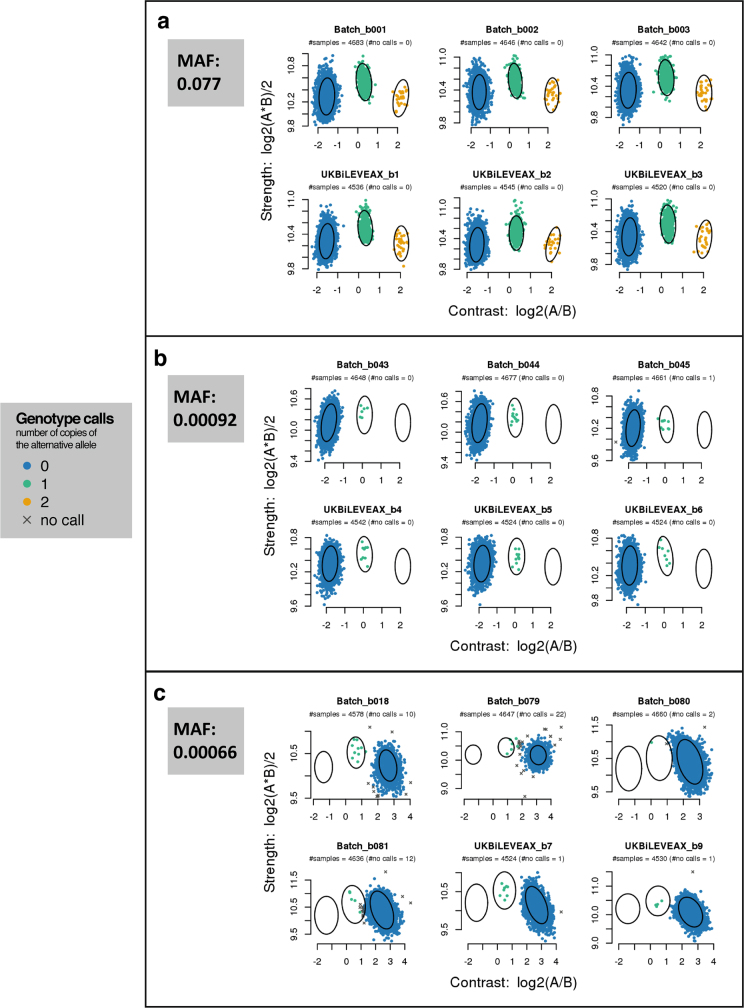
“Amongst the genetics community, it is generally well recognised that SNP-chips perform poorly for genotyping rare genetic variants [9-11] due to their reliance upon data clustering (Figure 1).”
From Assessing the analytical validity of SNP-chips for detecting very rare pathogenic variants: implications for direct-to-consumer genetic testing (2019) · cites this paper as [10]
The cited source says what the claim attributes to it.
In the citing paper
“The genetics community generally recognises that SNP chips perform poorly for genotyping rare genetic variants owing to their reliance on data clustering (fig 1).9 10 11”
From Use of SNP chips to detect rare pathogenic variants: retrospective, population based diagnostic evaluation (2021) · cites this paper as [10]
6 more claims about this paper
Create a free account to see every claim other papers make about this one.
Self-check
Percentages, sums and reported differences re-computed from the paper’s own numbers.
The self-check needs the paper’s full text.
Citations
Cites
A global reference for human genetic variation
The 1000 Genomes Project Consortium, authors, C., Auton, A., Abecasis, G. R., Steering committee, Altshuler, D. M., Durbin, R. M., Abecasis, G. R., Bentley, D. R., Chakravarti, A., et al. (2015) · Nature · doi:10.1038/nature15393 · Cited by 18,247
Self-citationSudlow, C., Gallacher, J., Allen, N., Beral, V., Burton, P., Danesh, J., Downey, P., Elliott, P., Green, J., Landray, M., et al. (2015) · PLOS Medicine · doi:10.1371/journal.pmed.1001779 · Cited by 12,728
Self-citationAnalysis of protein-coding genetic variation in 60,706 humans
Exome Aggregation Consortium, Lek, M., Karczewski, K. J., Minikel, E. V., Samocha, K. E., Banks, E., Fennell, T., O’Donnell-Luria, A. H., Ware, J. S., Hill, A. J., et al. (2016) · Nature · doi:10.1038/nature19057 · Cited by 9,587
A haplotype map of the human genome
The International HapMap Consortium (2005) · Nature · doi:10.1038/nature04226 · Cited by 5,858
Robust relationship inference in genome-wide association studies
Manichaikul, A., Mychaleckyj, J. C., Rich, S. S., Daly, K., Sale, M., & Chen, W.-M. (2010) · Bioinformatics · doi:10.1093/bioinformatics/btq559 · Cited by 3,541
A reference panel of 64,976 haplotypes for genotype imputation
the Haplotype Reference Consortium (2016) · Nature Genetics · doi:10.1038/ng.3643 · Cited by 2,836
Self-citationThe NHGRI GWAS Catalog, a curated resource of SNP-trait associations
Welter, D., MacArthur, J., Morales, J., Burdett, T., Hall, P., Junkins, H., Klemm, A., Flicek, P., Manolio, T., Hindorff, L., et al. (2014) · Nucleic Acids Research · doi:10.1093/nar/gkt1229 · Cited by 2,707
Genetic risk and a primary role for cell-mediated immune mechanisms in multiple sclerosis
The International Multiple Sclerosis Genetics Consortium & The Wellcome Trust Case Control Consortium 2 (2011) · Nature · doi:10.1038/nature10251 · Cited by 2,697
Self-citationMultimodal population brain imaging in the UK Biobank prospective epidemiological study
Miller, K. L., Alfaro-Almagro, F., Bangerter, N. K., Thomas, D. L., Yacoub, E., Xu, J., Bartsch, A. J., Jbabdi, S., Sotiropoulos, S. N., Andersson, J. L. R., et al. (2016) · Nature Neuroscience · doi:10.1038/nn.4393 · Cited by 2,020
The Electronic Medical Records and Genomics (eMERGE) Consortium, Wood, A. R., The MIGen Consortium, The PAGE Consortium, Study, T. L. C., Esko, T., Yang, J., Vedantam, S., Pers, T. H., Gustafsson, S., et al. (2014) · Nature Genetics · doi:10.1038/ng.3097 · Cited by 1,853
Self-citation
Cited by
Items 601–700 of 1,145
Vitamin D and brain health: an observational and Mendelian randomization study
Navale, S. S., Mulugeta, A., Zhou, A., Llewellyn, D. J., & Hyppönen, E. (2022) · American Journal of Clinical Nutrition · doi:10.1093/ajcn/nqac107 · Cited by 107
“We extracted these variants from the third release of imputed genetic data by the UK Biobank (33).”
MethodYe, Y., Noche, R. B., Szejko, N., Both, C. P., Acosta, J., Leasure, A. C., Brown, S. C., Sheth, K. N., Gill, T. M., Zhao, H., et al. (2023) · GeroScience · doi:10.1007/s11357-023-00771-z · Cited by 110
“We used phase three genotype data released by UKB [20] where the participants underwent genotyping with one of two closely related Affymetrix micro-arrays (UK BiLEVE Axiom Array or UK Biobank Axiom Array) for ~ 820,000 variants.”
MethodUK Biobank shares the promise of big data
Cox, N. J. (2018) · Nature · doi:10.1038/d41586-018-06948-3 · Cited by 108
Olafsdottir, T. A., Theódórs, F., Bjarnadóttir, K., Björnsdóttir, U. S., Agustsdottir, A. B., Stefánsson, Ó. A., Ivarsdottir, E. V., Sigurdsson, J. K., Benónísdóttir, S., Eyjolfsson, G. I., et al. (2020) · Nature Communications · doi:10.1038/s41467-019-14144-8 · Cited by 117
Insights into Dyslexia Genetics Research from the Last Two Decades
Erbeli, F., Rice, M., & Paracchini, S. (2021) · Brain Sciences · doi:10.3390/brainsci12010027 · Cited by 107
Barr, P. B., Bigdeli, T. B., & Meyers, J. L. (2022) · JAMA Psychiatry · doi:10.1001/jamapsychiatry.2022.0685 · Cited by 115
Genetic analysis of right heart structure and function in 40,000 people
Pirruccello, J. P., Achille, P. D., Nauffal, V., Nekoui, M., Friedman, S. F., Klarqvist, M. D. R., Chaffin, M. D., Weng, L.-C. C., Cunningham, J. W., Khurshid, S. S., et al. (2022) · Nature Genetics · doi:10.1038/s41588-022-01090-3 · Cited by 106
de Lange, A. G., Barth, C., Kaufmann, T., Maximov, I. I., van der Meer, D., Agartz, I., & Westlye, L. T. (2020) · Human Brain Mapping · doi:10.1002/hbm.25180 · Cited by 100
“For genotyping, we used the UK Biobank version 3 imputed data, which has undergone extensive quality control procedures as described by the UK Biobank genetics team (Bycroft et al., 2018).”
MethodSchmiedel, B. J., González-Colín, C., Fajardo, V., Rocha, J., Madrigal, A., Ramírez-Suástegui, C., Bhattacharyya, S., Simon, H. A., Greenbaum, J., Peters, B., et al. (2022) · Science Immunology · doi:10.1126/sciimmunol.abm2508 · Cited by 112
Amplification is the primary mode of gene-by-sex interaction in complex human traits
Zhu, C., Ming, M. J., Cole, J. M., Edge, M. D., Kirkpatrick, M., & Harpak, A. (2023) · Cell Genomics · doi:10.1016/j.xgen.2023.100297 · Cited by 108
Lin, A. E., Bapat, A. C., Xiao, L., Niroula, A., Ye, J., Wong, W. J., Agrawal, M., Farady, C. J., Boettcher, A., Hergott, C. A., et al. (2024) · Circulation · doi:10.1161/circulationaha.123.065597 · Cited by 109
Wang, Q. S., Kelley, D. R., Ulirsch, J., Kanai, M., Sadhuka, S., Cui, R., Albors, C., Cheng, N., Okada, Y., The Biobank Japan Project, et al. (2021) · Nature Communications · doi:10.1038/s41467-021-23134-8 · Cited by 87
Mirshahi, U. L., Colclough, K., Wright, C. F., Wood, A. R., Beaumont, R. N., Tyrrell, J., Laver, T. W., Stahl, R. C., Golden, A. M., Goehringer, J., et al. (2022) · The American Journal of Human Genetics · doi:10.1016/j.ajhg.2022.09.014 · Cited by 107
“UK Biobank UK Biobank is a population-based cohort from the UK with deep phenotyping data and genetic data for around 500,000 individuals aged 40–70 years at recruitment.(15) Participants provided a range of information via questionnaires and interviews including diabetes status.”
BackgroundMethodInfluentialBiomedical Big Data Technologies, Applications, and Challenges for Precision Medicine: A Review
Yang, X., Huang, K., Yang, D., Zhao, W., & Zhou, X. (2023) · Global Challenges · doi:10.1002/gch2.202300163 · Cited by 121
Predicting functional effect of missense variants using graph attention neural networks
Zhang, H., Xu, M. S., Fan, X., Chung, W. K., & Shen, Y. (2022) · Nature Machine Intelligence · doi:10.1038/s42256-022-00561-w · Cited by 98
Overcoming barriers to data sharing with medical image generation: a comprehensive evaluation
Schütte, A. D., Hetzel, J., Gatidis, S., Hepp, T., Dietz, B., Bauer, S., & Schwab, P. (2021) · npj Digital Medicine · doi:10.1038/s41746-021-00507-3 · Cited by 127
Blood Pressure and Risk of Cardiovascular Disease in UK Biobank: A Mendelian Randomization Study
Wan, E. Y. F., Fung, W. T., Schooling, C. M., Au Yeung, S. L., Kwok, M. K., Yu, E. Y. T., Wang, Y., Chan, E. W. Y., Wong, I. C. K., & Lam, C. L. K. (2021) · Hypertension · doi:10.1161/hypertensionaha.120.16138 · Cited by 102
MegaLMM: Mega-scale linear mixed models for genomic predictions with thousands of traits
Runcie, D. E., Qu, J., Cheng, H., & Crawford, L. (2021) · Genome Biology · doi:10.1186/s13059-021-02416-w · Cited by 80
Alcohol consumption and telomere length: Mendelian randomization clarifies alcohol’s effects
Topiwala, A., Taschler, B., Ebmeier, K. P., Smith, S. M., Zhou, H., Levey, D. F., Codd, V., Samani, N. J., Gelernter, J. E., Nichols, T. E., et al. (2022) · Molecular Psychiatry · doi:10.1038/s41380-022-01690-9 · Cited by 106
“UKB genetic data (single nucleotide polymorphisms, SNPs) were generated from the Affymetrix Axiom UK Biobank array (~450,000 individuals) and UK BiLEVE array (~50,000 individuals) following extensive quality control [17].”
MethodInoue‐Choi, M., Ramirez, Y., Cornelis, M. C., de González, A. B., Freedman, N. D., & Loftfield, E. (2022) · Annals of Internal Medicine · doi:10.7326/m22-0041 · Cited by 111
“…our analytic cohort after excluding sample outliers based on heterozygosity and missingness, participants whose reported sex did not agree with X-chromosome heterozygosity, and those potentially related to other participants, based on estimated kinship coef fi cients for all pairs of samples (22).”
BackgroundEye-brain connections revealed by multimodal retinal and brain imaging genetics
Zhao, B., Li, Y., Fan, Z., Wu, Z., Shu, J., Yang, X., Yang, Y., Wang, X., Li, B., Wang, X., et al. (2024) · Nature Communications · doi:10.1038/s41467-024-50309-w · Cited by 104
Bridging genomics’ greatest challenge: The diversity gap
Corpas, M., Pius, M., Vincent, C. M., Guio, H., Dwek, M. V., Nagaraj, S. H., López-Correa, C., Popejoy, A. B., & Fatumo, S. (2024) · Cell Genomics · doi:10.1016/j.xgen.2024.100724 · Cited by 110
Hyppönen, E., Mulugeta, A., Zhou, A., & Vimaleswaran, K. S. (2019) · The Lancet Digital Health · doi:10.1016/s2589-7500(19)30028-7 · Cited by 108
Zeng, P., Wang, T., Zheng, J., & Zhou, X. (2019) · BMC Medicine · doi:10.1186/s12916-019-1448-9 · Cited by 95
“genome-wide meta-analysis on three previous T2D studies: DIAbetes Genetics Replication and Meta-analysis (DIAGRAM) [42], Genetic Epidemiology Research on Adult Health and Aging (GERA) [43], and UK Biobank cohort [44].”
MethodZhou, T., Yuan, Y. L., Xue, Q., Li, X., Wang, M., Ma, H., Heianza, Y., & Qi, L. (2021) · Journal of Internal Medicine · doi:10.1111/joim.13367 · Cited by 100
Oxidized Phospholipids Promote NETosis and Arterial Thrombosis in LNK(SH2B3) Deficiency
Dou, H., Kotini, A. G., Liu, W., Fidler, T., Endo‐Umeda, K., Sun, X., Olszewska, M., Xiao, T., Abramowicz, S., Yalçınkaya, M., et al. (2021) · Circulation · doi:10.1161/circulationaha.121.056414 · Cited by 103
Rapid genotype imputation from sequence with reference panels
Davies, R. W., Kučka, M., Su, D., Shi, S., Flanagan, M., Cunniff, C. M., Chan, Y. F., & Myers, S. (2021) · Nature Genetics · doi:10.1038/s41588-021-00877-0 · Cited by 103
Siddiqui, M. K., Anjana, R. M., Dawed, A. Y., Martoeau, C., Srinivasan, S., Saravanan, J., Madanagopal, S. K., Taylor, A., Bell, S., Veluchamy, A., et al. (2022) · Diabetologia · doi:10.1007/s00125-022-05671-z · Cited by 88
“Ethnicity in UK Biobank was classified using selfreported ethnicity cross-validated with principal components analyses [35].”
MethodCalvin, C. M., Conroy, M. C., Moore, S. F., Kuźma, E., & Littlejohns, T. J. (2022) · JAMA Network Open · doi:10.1001/jamanetworkopen.2022.32124 · Cited by 98
Multi-omics data integration methods and their applications in psychiatric disorders
Sathyanarayanan, A., Mueller, T. T., Moni, M. A., Schueler, K., Baune, B. T., Lió, P., Mehta, D., Baune, B. T., Dierssen, M., Ebert, B., et al. (2023) · European Neuropsychopharmacology · doi:10.1016/j.euroneuro.2023.01.001 · Cited by 112
Genetics of myocardial interstitial fibrosis in the human heart and association with disease
Nauffal, V., Achille, P. D., Klarqvist, M. D. R., Cunningham, J. W., Hill, M. C., Pirruccello, J. P., Weng, L.-C. C., Morrill, V. N., Choi, S. H., Khurshid, S. S., et al. (2023) · Nature Genetics · doi:10.1038/s41588-023-01371-5 · Cited by 98
GREENER principles for environmentally sustainable computational science
Lannelongue, L., Aronson, H. G., Bateman, A. G., Birney, E., Caplan, T., Juckes, M. N., McEntyre, J., Morris, A. D., Reilly, G., & Inouye, M. (2023) · Nature Computational Science · doi:10.1038/s43588-023-00461-y · Cited by 116
“In genomics, the popular UK Biobank cohort 84 is expected to reach 15 PB by 2025 85 , and the first image of a black hole required the collection of 5 PB of data 86 .”
BackgroundClonal haematopoiesis of indeterminate potential predicts incident cardiac arrhythmias
Schuermans, A., Vlasschaert, C., Nauffal, V., Cho, S. M. J., Uddin, M. M., Nakao, T., Niroula, A., Klarqvist, M. D. R., Weeks, L. D., Lin, A. E., et al. (2023) · European Heart Journal · doi:10.1093/eurheartj/ehad670 · Cited by 105
Evolution and emergence ofMycobacterium tuberculosis
Orgeur, M., Sous, C., Madacki, J., & Brosch, R. (2024) · FEMS Microbiology Reviews · doi:10.1093/femsre/fuae006 · Cited by 117
“Consequently, a study of TYK2 P1104A in the UK Biobank cohort (Bycroft et al. 2018 ) has shown that 1% of TB patients of European ancestry are homozygotes (Kerner et al. 2019 ).”
BackgroundFurlong, M., & Klimentidis, Y. C. (2020) · Environmental Research · doi:10.1016/j.envres.2020.109364 · Cited by 105
A deep learning method for HLA imputation and trans-ethnic MHC fine-mapping of type 1 diabetes
Naito, T., Suzuki, K., Hirata, J., Kamatani, Y., Matsuda, K., Toda, T., & Okada, Y. (2021) · Nature Communications · doi:10.1038/s41467-021-21975-x · Cited by 89
The individual and global impact of copy-number variants on complex human traits
Auwerx, C., Lepamets, M., Sadler, M. C., Patxot, M., Stojanov, M., Baud, D., Mägi, R., Esko, T., Metspalu, A., Milani, L. A., et al. (2022) · The American Journal of Human Genetics · doi:10.1016/j.ajhg.2022.02.010 · Cited by 112
“0012.(22) We retained 16,179 pairs with one individual among samples selected for the main CNV-GWASs (Sample selection).”
BackgroundMethodInfluentialGenome-wide association studies of cardiovascular disease
Walsh, R., Jurgens, S. J., Erdmann, J., & Bezzina, C. R. (2023) · Physiological Reviews · doi:10.1152/physrev.00024.2022 · Cited by 103
Polygenic Hyperlipidemias and Coronary Artery Disease Risk
Ripatti, P., Rämö, J. T., Mars, N. J., Fu, Y., Lin, J., Söderlund, S., Benner, C., Surakka, I., Kiiskinen, T., Havulinna, A. S., et al. (2020) · Circulation Genomic and Precision Medicine · doi:10.1161/circgen.119.002725 · Cited by 104
Han, X., Ong, J.-S., An, J., Hewitt, A. W., Gharahkhani, P., & MacGregor, S. (2020) · European Journal of Epidemiology · doi:10.1007/s10654-019-00598-z · Cited by 96
A large multiethnic GWAS meta-analysis of cataract identifies new risk loci and sex-specific effects
Choquet, H., Melles, R. B., Anand, D., Yin, J., Cuéllar-Partida, G., Wang, W., Hoffmann, T. J., Nair, K. S., Hysi, P. G., Lachke, S. A., et al. (2021) · Nature Communications · doi:10.1038/s41467-021-23873-8 · Cited by 102
Meta-analysis fine-mapping is often miscalibrated at single-variant resolution
Kanai, M., Elzur, R., Zhou, W., Zhou, W., Kanai, M., Wu, K.-H., Rasheed, H., Tsuo, K., Hirbo, J. B., Wang, Y., et al. (2022) · Cell Genomics · doi:10.1016/j.xgen.2022.100210 · Cited by 108
Ergothioneine: an underrecognised dietary micronutrient required for healthy ageing?
Tian, X., Thorne, J. L., & Moore, J. B. (2023) · British Journal Of Nutrition · doi:10.1017/s0007114522003592 · Cited by 103
“the Biobank cohort with n 500 000(62)).”
Huang, Y., Shan, Y., Zhang, W., Lee, A. M., Li, F., Stranger, B. E., & Huang, R. S. (2023) · Nature Communications · doi:10.1038/s41467-023-35808-6 · Cited by 109
He, P., Zhang, Y., Ye, Z., Li, H., Liu, M., Zhou, C., Yang, S., Gan, X., Zhang, Y., & Qin, X. (2023) · Metabolism · doi:10.1016/j.metabol.2023.155643 · Cited by 100
Geographic variation of mutagenic exposures in kidney cancer genomes
Senkin, S., Moody, S., Díaz‐Gay, M., Abedi‐Ardekani, B., Cattiaux, T., Ferreiro-Iglesias, A., Wang, J., Fitzgerald, S., Kazachkova, M., Vangara, R., et al. (2024) · Nature · doi:10.1038/s41586-024-07368-2 · Cited by 104
“Additionally, an exploratory analysis was performed to evaluate whether any common germline genetic variants (MAF>1”
Gut Microbiota Metabolites Sensed by Host GPR41/43 Protect Against Hypertension
Muralitharan, R. R., Zheng, T., Dinakis, E., Xie, L., Barbaro-Wahl, A., Jama, H. A., Nakai, M. E., Patterson, M., Leung, K. C., McArdle, Z. M., et al. (2025) · Circulation Research · doi:10.1161/circresaha.124.325770 · Cited by 112
Caballero, M., Seidman, D. N., Qiao, Y., Sannerud, J., Dyer, T. D., Lehman, D. M., Curran, J. E., Duggirala, R., Blangero, J., Carmi, S., et al. (2019) · PLoS Genetics · doi:10.1371/journal.pgen.1007979 · Cited by 111
Sex-specific genetic effects across biomarkers
Flynn, E., Tanigawa, Y., Rodríguez, F., Altman, R. B., Sinnott-Armstrong, N., & Rivas, M. A. (2020) · European Journal of Human Genetics · doi:10.1038/s41431-020-00712-w · Cited by 122
Biological Aging Predicts Vulnerability to COVID-19 Severity in UK Biobank Participants
Kuo, C.-L., Pilling, L. C., Atkins, J. L., Masoli, J. A. H., Delgado, J., Tignanelli, C., Kuchel, G. A., Melzer, D., Beckman, K. B., & Levine, M. E. (2021) · The Journals of Gerontology: Series A · doi:10.1093/gerona/glab060 · Cited by 56
“UKB (16,17) is a volunteer community cohort, recruiting over 500 000 participants between the ages of 40 and 70 during 2006– 2010.”
Sharma, S., Tapper, W., Collins, A. R., & Hamady, Z. Z. R. (2022) · Gastroenterology · doi:10.1053/j.gastro.2022.01.016 · Cited by 101
Evans, D. M., Moen, G.-H., Hwang, L.-D., Lawlor, D. A., & Warrington, N. M. (2019) · International Journal of Epidemiology · doi:10.1093/ije/dyz019 · Cited by 92
Mulugeta, A., Zhou, A., King, C. E., & Hyppönen, E. (2019) · Molecular Psychiatry · doi:10.1038/s41380-019-0486-1 · Cited by 108
Advances in asthma and allergic disease genetics: Is bigger always better?
Schoettler, N., Rodríguez, E., Weidinger, S., & Ober, C. (2019) · Journal of Allergy and Clinical Immunology · doi:10.1016/j.jaci.2019.10.023 · Cited by 87
Systematic Review of Polygenic Risk Scores for Type 1 and Type 2 Diabetes
Padilla-Martínez, F., Collin, F., Kwaśniewski, M., & Kretowski, A. J. (2020) · International Journal of Molecular Sciences · doi:10.3390/ijms21051703 · Cited by 106
“The generation of genome-wide variation data has become common for prediction of metabolic diseases [20,21].”
BackgroundHujoel, M. L. A., Gazal, S., Loh, P.-R., Patterson, N., & Price, A. L. (2020) · Nature Genetics · doi:10.1038/s41588-020-0613-6 · Cited by 95
Sex-stratified genome-wide association study of multisite chronic pain in UK Biobank
Johnston, K. J. A., Ward, J., Ray, P. R., Adams, M. J., McIntosh, A. M., Smith, B. H., Strawbridge, R. J., Price, T. J., Smıth, D. J., Nicholl, B. I., et al. (2021) · PLoS Genetics · doi:10.1371/journal.pgen.1009428 · Cited by 98
Clonal myelopoiesis promotes adverse outcomes in chronic kidney disease
Dawoud, A. A. Z., Gilbert, R. D., Tapper, W. J., & Cross, N. C. P. (2022) · Leukemia · doi:10.1038/s41375-021-01382-3 · Cited by 92
A scalable variational inference approach for increased mixed-model association power
Loya, H., Kalantzis, G., Cooper, F., & Palamara, P. F. (2025) · Nature Genetics · doi:10.1038/s41588-024-02044-7 · Cited by 88
“We applied Quickdraws and other methods to 13.3 million variants for 79 quantitative and 50 disease traits in ~405,000 UK Biobank individuals 5 .”
InfluentialShi, H., Burch, K. S., Johnson, R., Freund, M. K., Kichaev, G., Mancuso, N., Manuel, A. M., Dong, N., & Paşaniuc, B. (2020) · The American Journal of Human Genetics · doi:10.1016/j.ajhg.2020.04.012 · Cited by 115
Chami, N., Preuss, M., Walker, R. W., Moscati, A., & Loos, R. J. F. (2020) · PLOS Medicine · doi:10.1371/journal.pmed.1003196 · Cited by 84
“They made the following recommendations, based on quality control procedures reported by others [18,28,29] Specifically, we examined the individual cluster plots for each of the 69 variants and assessed the concordance and discordance between the genotyped and sequenced data available in approximately 10% of the UK Bi…”
BackgroundMethodAssessing Lung Cancer Absolute Risk Trajectory Based on a Polygenic Risk Model
Hung, R. J., Warkentin, M. T., Brhane, Y., Chatterjee, N., Christiani, D. C., Landi, M. T., Caporaso, N. E., Liu, G., Johansson, M., Albanes, D., et al. (2021) · Cancer Research · doi:10.1158/0008-5472.can-20-1237 · Cited by 96
“Yes 3,514 (31) 1,565 (19) 180 (10) 5,311 (2) 196 (10) 2,381 (5) Polygenic Model for Lung Cancer Absolute Risk Trajectory”
BackgroundIdentifying Novel Causes of Cancers to Enhance Cancer Prevention: New Strategies Are Needed
Brennan, P., & Smith, G. D. (2021) · JNCI Journal of the National Cancer Institute · doi:10.1093/jnci/djab204 · Cited by 103
“example is UK Biobank that has been revolutionary in the scope: 500,000 individuals with extensive baseline, demographic, clinical and biological data, as well as comprehensive followup [49].”
BackgroundMutz, J., Choudhury, U., Zhao, J., & Dregan, A. (2022) · BMC Medicine · doi:10.1186/s12916-022-02474-2 · Cited by 100
“The study rationale and design have been described elsewhere [23].”
BackgroundHindy, G., Tyrrell, D. J., Vasbinder, A. L., Wei, C., Presswalla, F., Wang, H., Blakely, P. K., Ozel, A. B., Graham, S. E., Holton, G. H., et al. (2022) · Journal of Clinical Investigation · doi:10.1172/jci158788 · Cited by 95
“quality control have been previously reported (94).”
Using human genetics to improve safety assessment of therapeutics
Carss, K., Deaton, A. M., Río-Espínola, A. D., Diogo, D., Fielden, M. R., Kulkarni, D. A., Moggs, J. G., Newham, P., Nelson, M. R., Sistare, F. D., et al. (2022) · Nature Reviews Drug Discovery · doi:10.1038/s41573-022-00561-w · Cited by 100
Mono- and biallelic variant effects on disease at biobank scale
Heyne, H., Karjalainen, J. M., Karczewski, K. J., Lemmelä, S. M., Zhou, W., FinnGen, Havulinna, A. S., Kurki, M., Rehm, H. L., Palotie, A. V., et al. (2023) · Nature · doi:10.1038/s41586-022-05420-7 · Cited by 111
Inferring disease architecture and predictive ability with LDpred2-auto
Privé, F., Albiñana, C., Arbel, J., Paşaniuc, B., & Vilhjálmsson, B. J. (2023) · The American Journal of Human Genetics · doi:10.1016/j.ajhg.2023.10.010 · Cited by 107
Lower Lymphocyte Count is Associated With Increased Risk of Parkinson's Disease
Jensen, M. P., Jacobs, B. M., Dobson, R., Bandres‐Ciga, S., Blauwendraat, C., Schrag, A., Noyce, A. J., & The International Parkinson's Disease Genomics Consortium (IPDGC) (2021) · Annals of Neurology · doi:10.1002/ana.26034 · Cited by 91
“Prospective follow-up data, including census data, blood tests, and healthcare records, are regularly obtained.(18) Institutional review board approval was not required as all data provided by UKB is de-identified.”
MethodAccurate estimation of SNP-heritability from biobank-scale data irrespective of genetic architecture
Hou, K., Burch, K. S., Majumdar, A., Shi, H., Mancuso, N., Wu, Y., Sankararaman, S., & Pasaniuc, B. (2019) · Nature Genetics · doi:10.1038/s41588-019-0465-0 · Cited by 91
Warrier, V., Stauffer, E.-M., Huang, Q. Q., Wigdor, E. M., Slob, E. A. W., Seidlitz, J., Ronan, L., Valk, S. L., Mallard, T. T., Grotzinger, A. D., et al. (2023) · Nature Genetics · doi:10.1038/s41588-023-01475-y · Cited by 91
Wiberg, A., Ng, M., Schmid, A. B., Smillie, R. W., Baskozos, G., Holmes, M. V., Künnapuu, K., Mägi, R., Bennett, D. L., & Furniss, D. (2019) · Nature Communications · doi:10.1038/s41467-019-08993-6 · Cited by 88
The transferability of lipid loci across African, Asian and European cohorts
Kuchenbaecker, K., Telkar, N., Reiker, T., Walters, R. G., Lin, K., Eriksson, A., Gurdasani, D., Gilly, A., Southam, L., Tsafantakis, E., et al. (2019) · Nature Communications · doi:10.1038/s41467-019-12026-7 · Cited by 95
Paquette, M., Bernard, S., Cariou, B., Hegele, R. A., Genest, J., Trinder, M., Brunham, L. R., Béliard, S., & Baass, A. (2021) · Arteriosclerosis, Thrombosis, and Vascular Biology · doi:10.1161/atvbaha.121.316106 · Cited by 82
Photoreceptor Layer Thinning Is an Early Biomarker for Age-Related Macular Degeneration
Zekavat, S. M., Sekimitsu, S., Ye, Y., Raghu, V. K., Zhao, H., Elze, T., Segrè, A. V., Wiggs, J. L., Natarajan, P., Priore, L. V. D., et al. (2022) · Ophthalmology · doi:10.1016/j.ophtha.2022.02.001 · Cited by 92
Nakao, T., Bick, A. G., Taub, M. A., Zekavat, S. M., Uddin, M. M., Niroula, A., Carty, C. L., Lane, J., Honigberg, M. C., Weinstock, J. S., et al. (2022) · Science Advances · doi:10.1126/sciadv.abl6579 · Cited by 94
Berstein, F. M., McCartney, D. L., Lu, A. T., Tsilidis, K. K., Bouras, E., Haycock, P., Burrows, K., Phipps, A. I., Buchanan, D. D., Cheng, I. C., et al. (2022) · eLife · doi:10.7554/elife.75374 · Cited by 104
Genetic modification of inflammation- and clonal hematopoiesis–associated cardiovascular risk
Yu, Z., Fidler, T. P., Ruan, Y., Vlasschaert, C., Nakao, T., Uddin, M. M., Mack, T., Niroula, A., Heimlich, J. B., Zekavat, S. M., et al. (2023) · Journal of Clinical Investigation · doi:10.1172/jci168597 · Cited by 83
“cohort have been described elsewhere in detail (60).”
A general and efficient representation of ancestral recombination graphs
Wong, Y., Ignatieva, A., Koskela, J., Gorjanc, G., Wohns, A. W., & Kelleher, J. (2024) · Genetics · doi:10.1093/genetics/iyae100 · Cited by 100
“As datasets approach the population scale (e.g. Bycroft et al. 2018; Turnbull et al. 2018; Hayes and Daetwyler 2019; Karczewski et al. 2020; Ros-Freixedes et al. 2020; Tanjo et al. 2021; Halldorsson et al. 2022) representing such uncertainty directly through the data structure is a useful…”
Hwang, L., Lin, C., Gharahkhani, P., Cuéllar-Partida, G., Ong, J., An, J., Gordon, S. D., Zhu, G., MacGregor, S., Lawlor, D. A., et al. (2019) · American Journal of Clinical Nutrition · doi:10.1093/ajcn/nqz043 · Cited by 94
Si, S., Li, J., Li, Y., Li, W., Chen, X., Yuan, T., Liu, C., Li, H., Hou, L., Wang, B., et al. (2021) · Frontiers in Cardiovascular Medicine · doi:10.3389/fcvm.2020.583473 · Cited by 93
“The database contains genome-wide genotyping of all participants, blood biochemistry, and detailed health information from self-reported and electronic health records (11).”
Weale, M. E., Riveros-Mckay, F., Selzam, S., Seth, P., Moore, R., Tarran, W. A., Gradovich, E., Giner-Delgado, C., Palmer, D., Wells, D., et al. (2021) · The American Journal of Cardiology · doi:10.1016/j.amjcard.2021.02.032 · Cited by 90
Self-citationHübel, C., Abdulkadir, M., Herle, M., Loos, R. J. F., Breen, G. D., Bulik, C. M., & Micali, N. (2021) · International Journal of Eating Disorders · doi:10.1002/eat.23481 · Cited by 121
“Genomewide array data for this study were available for 488,363 individuals (Bycroft et al., 2018).”
BackgroundMethodDecoding disease: from genomes to networks to phenotypes
Wong, A. K., Sealfon, R. S. G., Theesfeld, C. L., & Troyanskaya, O. G. (2021) · Nature Reviews Genetics · doi:10.1038/s41576-021-00389-x · Cited by 98
Association of Lipid-Lowering Drugs With Risk of Psoriasis: A Mendelian Randomization Study
Zhao, S. S., Yiu, Z. Z. N., Barton, A. C., & Bowes, J. (2023) · JAMA Dermatology · doi:10.1001/jamadermatol.2022.6051 · Cited by 94
Laskar, R. S., Qu, C., Huyghe, J. R., Harrison, T. A., Hayes, R. B., Cao, Y., Campbell, P. T., Steinfelder, R. S., Talukdar, F. R., Brenner, H., et al. (2024) · Annals of Oncology · doi:10.1016/j.annonc.2024.02.008 · Cited by 94
An integrative cross-omics analysis of DNA methylation sites of glucose and insulin homeostasis
Liu, J., Carnero‐Montoro, E., van Dongen, J., Lent, S., Nedeljkovic, I., Ligthart, S., Tsai, P.-C., Martin, T. C., Mandaviya, P. R., Jansen, R., et al. (2019) · Nature Communications · doi:10.1038/s41467-019-10487-4 · Cited by 99
New alcohol-related genes suggest shared genetic mechanisms with neuropsychiatric disorders
Εvangelou, Ε., Gao, H., Chu, C., Ntritsos, G., Blakeley, P., Butts, A. R., Pazoki, R., Suzuki, H., Koskeridis, F., Yiorkas, A. M., et al. (2019) · Nature Human Behaviour · doi:10.1038/s41562-019-0653-z · Cited by 97
Warrier, V., & Baron‐Cohen, S. (2019) · Molecular Psychiatry · doi:10.1038/s41380-019-0550-x · Cited by 98
Sport and exercise genomics: the FIMS 2019 consensus statement update
Tanisawa, K., Wang, G., Seto, J. T., Verdouka, I., Twycross-Lewis, R., Karanikolou, A., Tanaka, M., Börjesson, M., Luigi, L. D., Dohi, M., et al. (2020) · British Journal of Sports Medicine · doi:10.1136/bjsports-2019-101532 · Cited by 97
Broad phenotype of cysteine-altering NOTCH3 variants in UK Biobank: CADASIL to nonpenetrance
Rutten, J. W., Hack, R. J., Duering, M., Gravesteijn, G., Dauwerse, J. G., Overzier, M., van den Akker, E. B., Slagboom, E., Holstege, H., Nho, K., et al. (2020) · Neurology · doi:10.1212/wnl.0000000000010525 · Cited by 86
Reilly, S. K., Gosai, S. J., Gutierrez, A., Mackay-Smith, A., Ulirsch, J. C., Kanai, M., Mouri, K., Berenzy, D., Kales, S., Butler, G. M., et al. (2021) · Nature Genetics · doi:10.1038/s41588-021-00900-4 · Cited by 99
A reusable benchmark of brain-age prediction from M/EEG resting-state signals
Engemann, D. A., Mellot, A., Höchenberger, R., Banville, H. J., Sabbagh, D., Gemein, L. A. W., Ball, T., & Gramfort, A. (2022) · NeuroImage · doi:10.1016/j.neuroimage.2022.119521 · Cited by 110
Alzheimer disease risk genes: 29 and counting
Bertram, L., & Tanzi, R. E. (2019) · Nature Reviews Neurology · doi:10.1038/s41582-019-0158-4 · Cited by 97
Seidman, D. N., Shenoy, S. A., Kim, M., Babu, R. K., Woods, I. G., Dyer, T. D., Lehman, D. M., Curran, J. E., Duggirala, R., Blangero, J., et al. (2020) · The American Journal of Human Genetics · doi:10.1016/j.ajhg.2020.02.012 · Cited by 99
“Recent efforts in human genetics have focused on generating and analyzing large-scale samples, including data from up to (cid:1) 500,000 individuals, 1 with more projects underway.”
BackgroundLu, T., Zhou, S., Wu, H., Forgetta, V., Greenwood, C. M. T., & Richards, J. B. (2020) · Genetics in Medicine · doi:10.1038/s41436-020-01007-7 · Cited by 98
Intraocular Pressure, Glaucoma, and Dietary Caffeine Consumption
Kim, J., Aschard, H., Kang, J. H., Lentjes, M. A. H., Do, R., Wiggs, J. L., Khawaja, A. P., & Pasquale, L. R. (2020) · Ophthalmology · doi:10.1016/j.ophtha.2020.12.009 · Cited by 99
Academic careers and the COVID-19 pandemic: Reversing the tide
Carr, R. M., Lane-Fall, M. B., South, E. C., Brady, D. C., Momplaisir, F. M., Guerra, C. E., Montoya‐Williams, D., Dalembert, G., Lavizzo‐Mourey, R. J., & Hamilton, R. H. (2021) · Science Translational Medicine · doi:10.1126/scitranslmed.abe7189 · Cited by 94
Twin studies to GWAS: there and back again
Friedman, N. P., Banich, M. T., & Keller, M. C. (2021) · Trends in Cognitive Sciences · doi:10.1016/j.tics.2021.06.007 · Cited by 86
“Large GWAS sample sizes are enabled by biobanks such as the UK Biobank [55], databases compiled by companies like 23andMe, and consortia that harmonize samples across the globe with relevant phenotypes.”
BackgroundZorina-Lichtenwalter, K., Bango, C. I., Oudenhove, L. V., Čeko, M., Lindquist, M. A., Grotzinger, A. D., Keller, M. C., Friedman, N. P., & Wager, T. D. (2023) · Pain · doi:10.1097/j.pain.0000000000002922 · Cited by 90
Metadata
- Authors
- Bycroft, C., Freeman, C., Petkova, D., Band, G., Elliott, L. T., Sharp, K., Motyer, A., Vukcevic, D., Delaneau, O., O’Connell, J., Cortes, A., Welsh, S., Young, A., Effingham, M., McVean, G., Leslie, S., Allen, N., Donnelly, P., & Marchini, J.
- Affiliations
- Centre for Human Genetics (GB)
- University of Oxford (GB)
- The University of Melbourne (AU)
- University of Geneva (CH)
- Illumina (United Kingdom) (GB)
- UK Biobank (GB)
- Corresponding author
- Marchini, Jonathan
- ORCID
- Venue
- Nature
- Published
- 2018-10-10
- Volume
- 562
- Issue
- 7726
- Pages
- 203-209
- ISSN
- 0028-0836 (ISSN-L)
- 1476-4687
- PMC
- PMC6786975
- OpenAlex
- W2895486342
- Semantic Scholar
- a9cc79a5df0f7802145401b464e4bb30c23b8efa
- Cited by
- 8,876
- References
- 41
- Citations by year
- 2026: 1242 · 2025: 1612 · 2024: 1546 · 2023: 1331 · 2022: 1185 · 2021: 928 · 2020: 643 · 2019: 336 · 2018: 40
- FWCI
- 299.77
- Type
- journal article
- Language
- en
- Open access
- hybrid
- doi.org
- Licence
- cc-by
- creativecommons.org/licenses/by/4.0 (tdm)
- creativecommons.org/licenses/by/4.0 (vor)
- Locations
- Nature (publishedVersion, cc-by)
- PubMed Central (publishedVersion, cc-by)
- PubMed (publishedVersion)
- RePEc: Research Papers in Economics (submittedVersion)
- IRIS (submittedVersion, cc-by)
- Minerva Access (University of Melbourne) (submittedVersion, cc-by)
- SERVAL (Université de Lausanne) (submittedVersion, cc-by)
- Funders
- Wellcome Trust (095552/Z/11/Z, 203141/Z/16/Z, 10956/Z/13Z, 100308/Z/12/Z, 090532/Z/09/Z, 100956/Z/13/Z)
- National Institute for Health and Care Research
- British Heart Foundation
- Medical Research Council
- National Health and Medical Research Council (1053756)
- FP7 Ideas: European Research Council (617306)
- Topics
- Life Sciences › Biochemistry, Genetics and Molecular Biology › Genetics › Genetic Associations and Epidemiology
- Life Sciences › Biochemistry, Genetics and Molecular Biology › Genetics › Genetic and phenotypic traits in livestock
- Life Sciences › Biochemistry, Genetics and Molecular Biology › Genetics › Forensic and Genetic Research
- Keywords
- UK Biobank, prospective cohort, deep phenotyping, complex traits, population structure, relatedness, genotype phasing, genotype imputation, biomarkers
- MeSH terms
- Adult, Aged, Alleles, Body Height, Brain, Family, Female, United Kingdom, Haplotypes, Humans, Life Style, Major Histocompatibility Complex, Male, Middle Aged, Phenotype, Quality Control, Cohort Studies, Biomarkers, Databases, Factual, Genomics, Databases, Genetic, Racial Groups, Genome-Wide Association Study, Electronic Health Records
About these checks
Registry, retraction, Cites and statistics results are computed, not judged, with one exception: a printed reference that no index lists is read once by a model before it counts as a citation error. Claims are extracted by a model and kept only when their quote appears verbatim in the text; each cited source is then checked, with a model’s help, for whether it says what the claim relies on. Those verdicts can be wrong — read the claim’s quote and the cited source before relying on one.
Statistics and arithmetic are recomputed, not judged.
Confidence bands are shown only for fields calibrated on our annotated test set. None is calibrated yet, so no band is shown.
What counts as a claim ›How we measure confidence ›How we check this ›
Are you an author, or do you see a problem with this page? Request a review
Data sources
Bibliographic data: Semantic Scholar, OpenAlex, Crossref.
Contains information from the Semantic Scholar Academic Graph Datasets, made available under the ODC Attribution License (ODC-BY 1.0).
Semantic Scholar’s data is described in: Kinney, R., et al. (2023). The Semantic Scholar Open Data Platform. arXiv:2301.10140.
