

Effect of the intratumoral microbiota on spatial and cellular heterogeneity in cancer
Open accessThe DOI matches its Crossref record; 41 of the 41 references it cites were found in a registry or an index.
Abstract
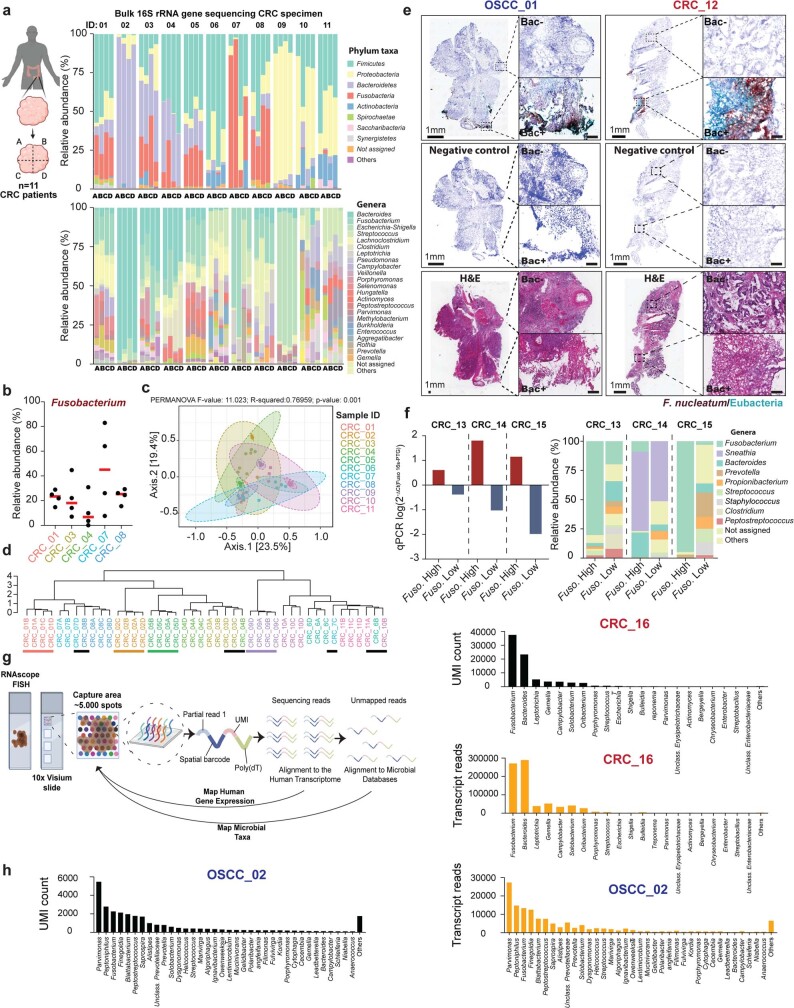
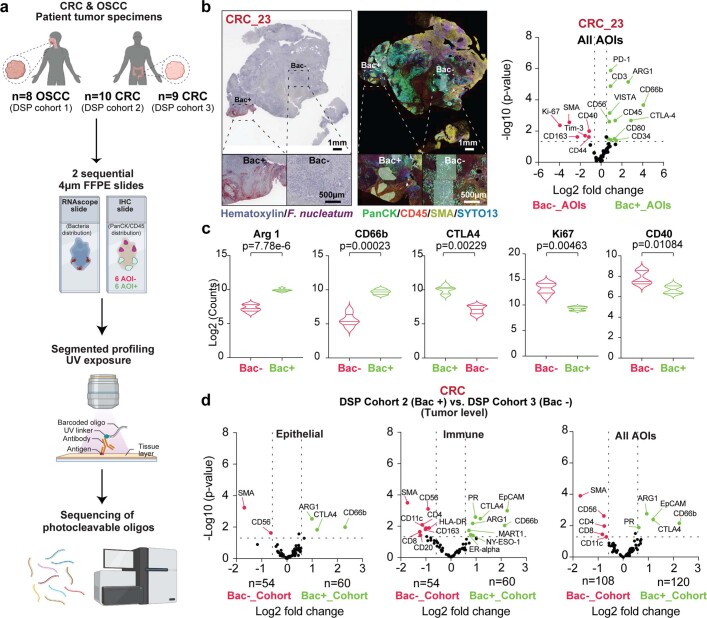
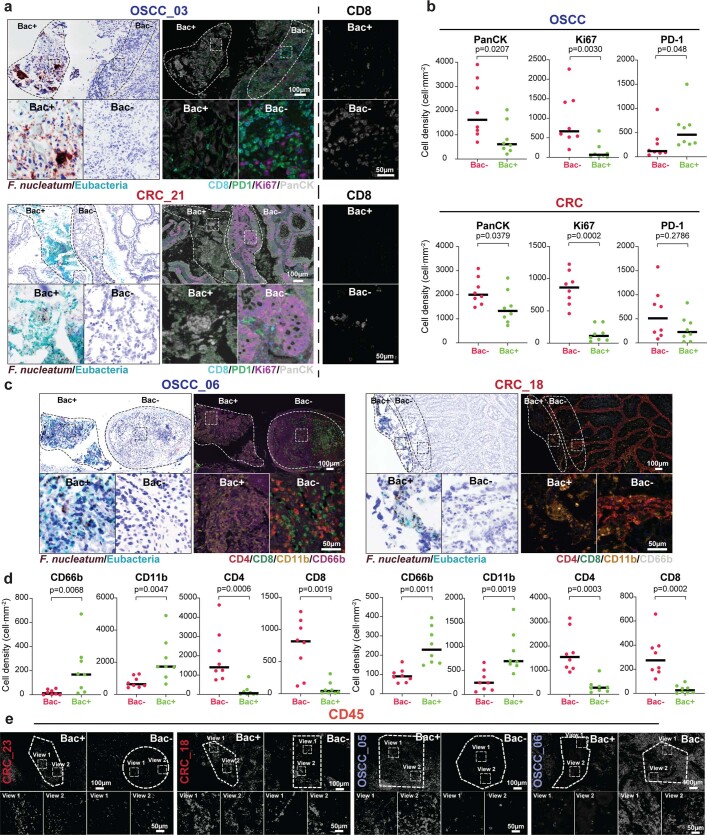
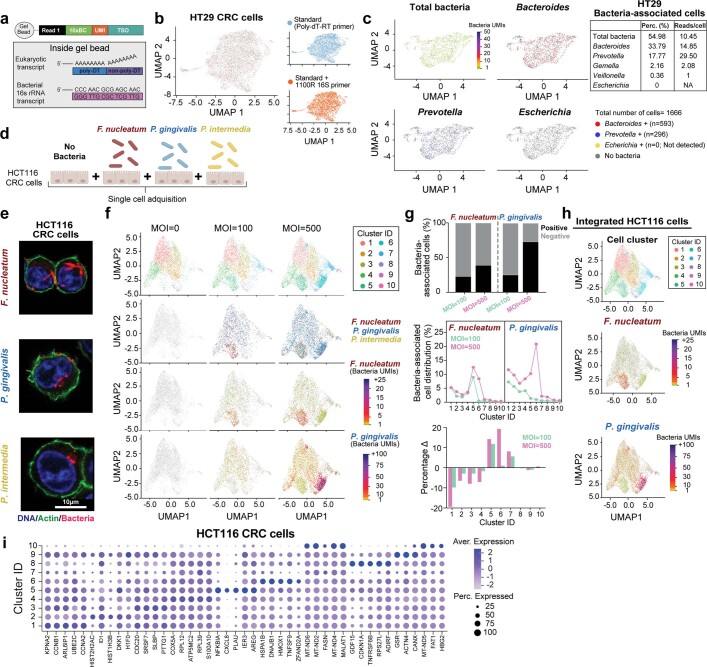
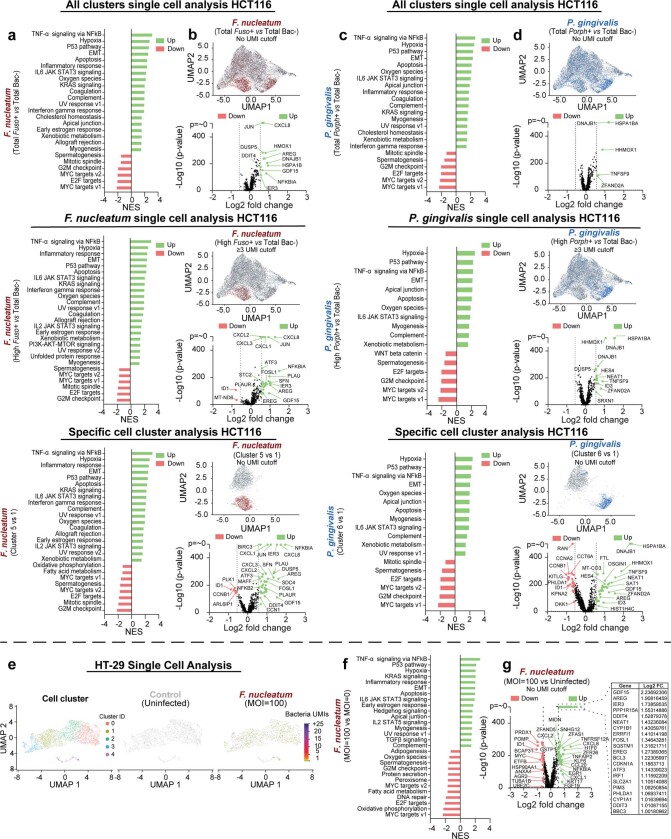
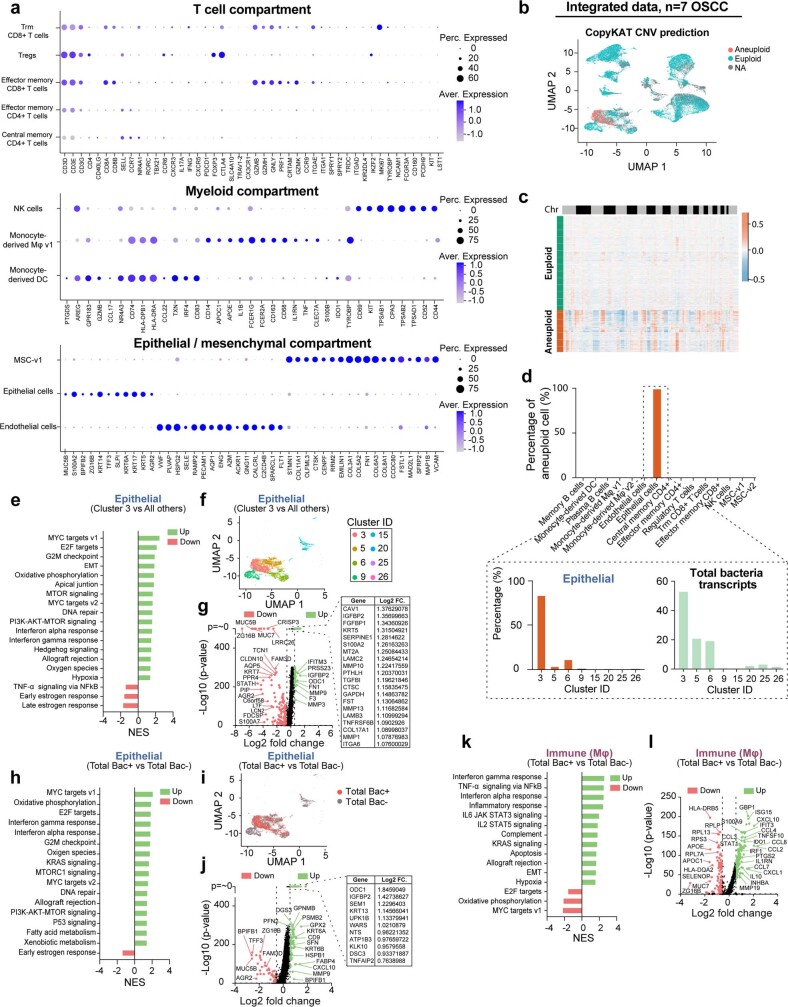
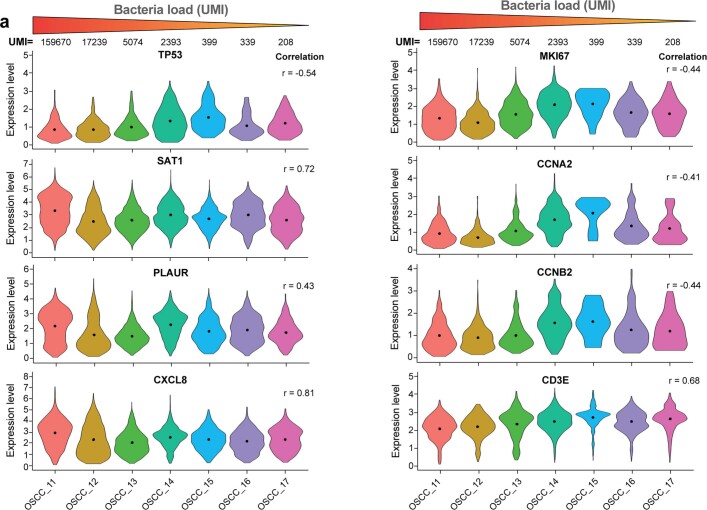
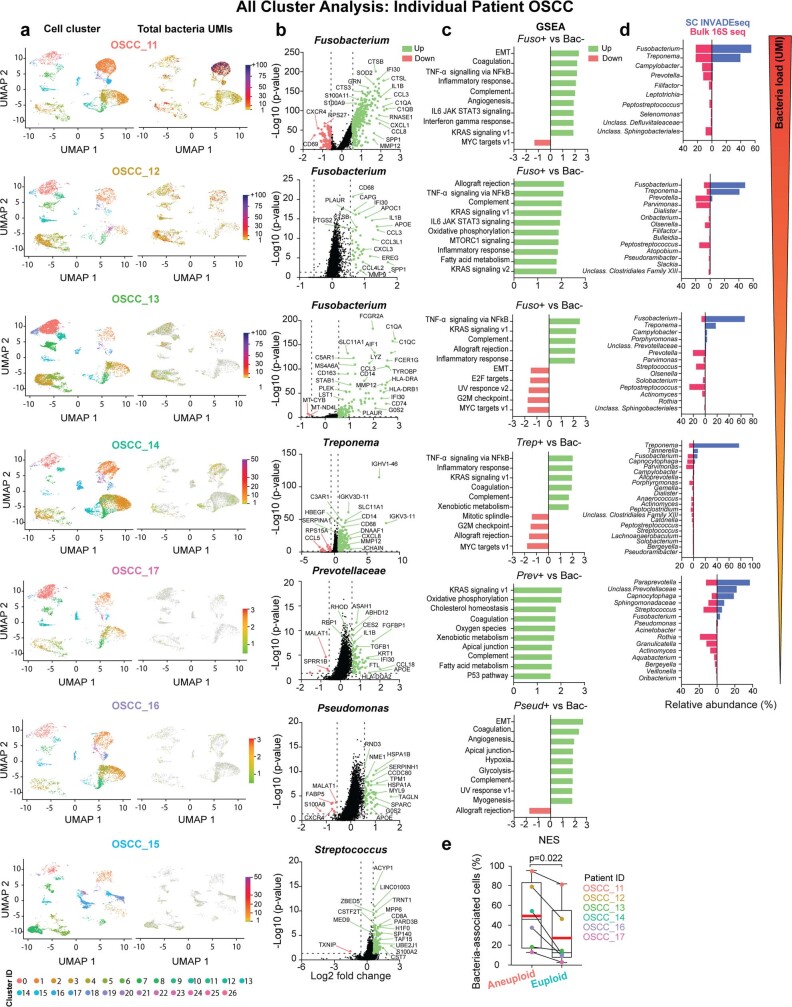
The tumour-associated microbiota is an intrinsic component of the tumour microenvironment across human cancer types 1,2 . Intratumoral host–microbiota studies have so far largely relied on bulk tissue analysis 1–3 , which obscures the spatial distribution and localized effect of the microbiota within tumours. Here, by applying in situ spatial-profiling technologies 4 and single-cell RNA sequencing 5 to oral squamous cell carcinoma and colorectal cancer, we reveal spatial, cellular and molecular host–microbe interactions. We adapted 10x Visium spatial transcriptomics to determine the identity and in situ location of intratumoral microbial communities within patient tissues. Using GeoMx digital spatial profiling 6 , we show that bacterial communities populate microniches that are less vascularized, highly immuno‑suppressive and associated with malignant cells with lower levels of Ki-67 as compared to bacteria-negative tumour regions. We developed a single-cell RNA-sequencing method that we name INVADEseq (invasion–adhesion-directed expression sequencing) and, by applying this to patient tumours, identify cell-associated bacteria and the host cells with which they interact, as well as uncovering alterations in transcriptional pathways that are involved in inflammation, metastasis, cell dormancy and DNA repair. Through functional studies, we show that cancer cells that are infected with bacteria invade their surrounding environment as single cells and recruit myeloid cells to bacterial regions. Collectively, our data reveal that the distribution of the microbiota within a tumour is not random; instead, it is highly organized in microniches with immune and epithelial cell functions that promote cancer progression.
Overview
The claims and statistics of this paper haven’t been checked yet.
Free: it reads the open-access text and checks the first 5 claims that cite a source we can check. Create a free account to check every claim.
Integrity signals
Registry
Cites
Statistics
Figures
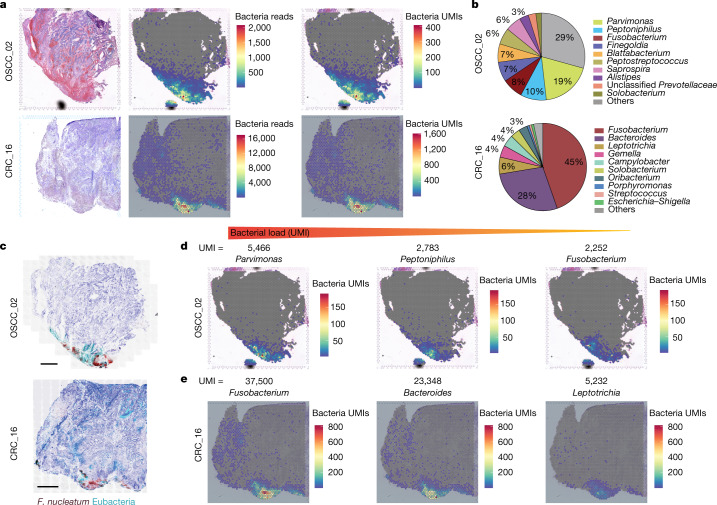
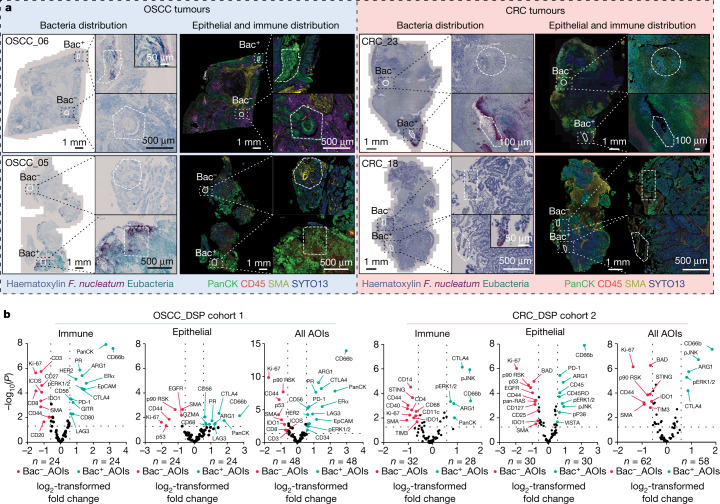
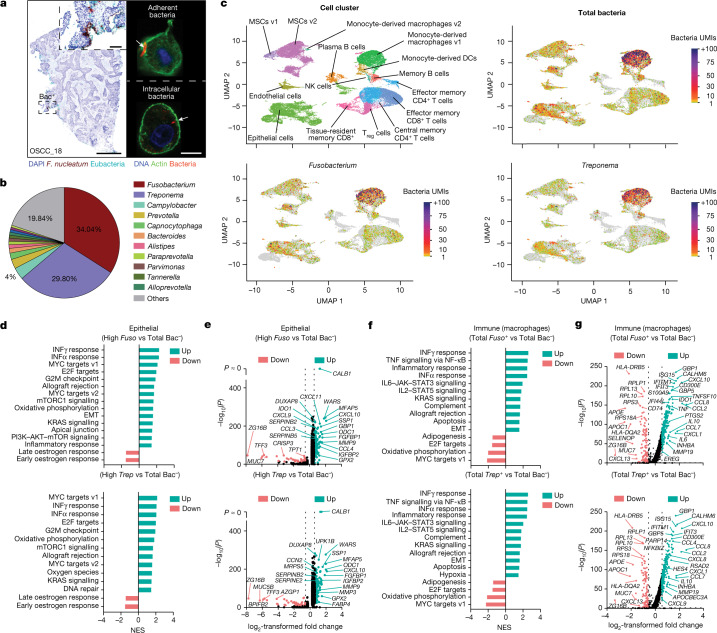
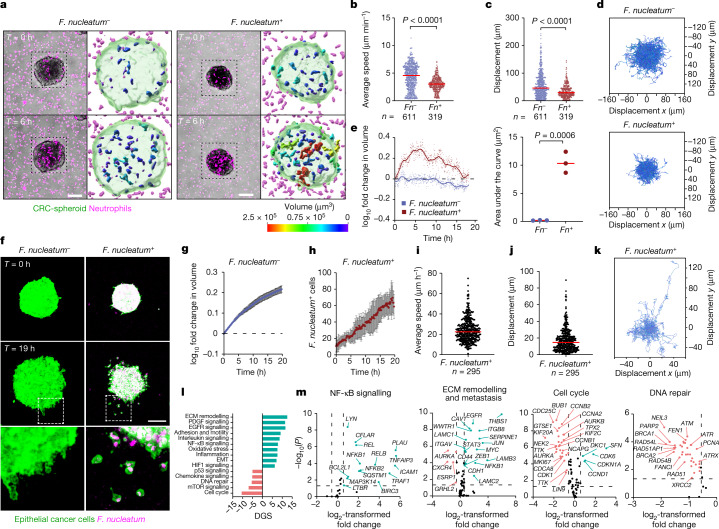
Verification
Claims the paper makes
The claims and statistics of this paper haven’t been checked yet.
Free: it reads the open-access text and checks the first 5 claims that cite a source we can check. Create a free account to check every claim.
Claims other papers make about this one
Each is checked against this paper’s own text: does it say what the citing paper says it does?
The cited source says what the claim attributes to it.
In the citing paper
“Galeano et al. introduced invasion-adhesion-directed expression sequencing (INVADEseq) targeting a conserved area of the bacterial 16 S rRNA, enabling the effective creation of cDNA libraries containing bacterial transcripts derived from human cells associated with bacteria.”
From Single-cell sequencing to multi-omics: technologies and applications (2024) · cites this paper as [158]
The cited source says what the claim attributes to it.
In the citing paper
“These microbes interact with both tumor and immune cells, influencing tumor dynamics by modulating immune responses, producing pro-proliferative metabolites, and reshaping the structural and biochemical landscape of the TME [38–40]”
From Phage therapy in oncology: opportunities for cancer prevention and treatment (2026) · cites this paper as [39]
The check wasn’t confident either way, so it gives no verdict — never disputed.
In the citing paper
“These microbes interact with both tumor and immune cells, influencing tumor dynamics by modulating immune responses, producing pro-proliferative metabolites, and reshaping the structural and biochemical landscape of the TME [38–40]”
From Phage therapy in oncology: opportunities for cancer prevention and treatment (2026) · cites this paper as [39]
Experimental — accuracy not yet measured
Self-check
Percentages, sums and reported differences re-computed from the paper’s own numbers.
The self-check needs the paper’s full text.
Citations
Cites
1 retracted
RETRACTED ARTICLE: Microbiome analyses of blood and tissues suggest cancer diagnostic approach
Poore, G. D., Kopylova, E., Zhu, Q., Carpenter, C., Fraraccio, S., Wandro, S., Kosciolek, T., Janssen, S., Metcalf, J., Song, S. J., et al. (2020) · Nature · doi:10.1038/s41586-020-2095-1 · Cited by 989
RetractedHighly parallel genome-wide expression profiling of individual cells using nanoliter droplets.
Macosko, E. Z., Basu, A., Satija, R., Nemesh, J., Shekhar, K., Goldman, M., Tirosh, I., Bialas, A. R., Kamitaki, N., Martersteck, E. M., et al. (2015) · Cell · doi:10.1016/j.cell.2015.05.002 · Cited by 7,110
Tumors: Wounds That Do Not Heal
Flier, J. S., Underhill, L. H., & Dvorak, H. F. (1986) · New England Journal of Medicine · doi:10.1056/nejm198612253152606 · Cited by 4,391
mRNA-Seq whole-transcriptome analysis of a single cell
Tang, F., Barbacioru, C., Wang, Y., Nordman, E., Lee, C., Xu, N., Wang, X., Bodeau, J., Tuch, B. B., Siddiqui, A., et al. (2009) · Nature Methods · doi:10.1038/nmeth.1315 · Cited by 3,969
Tumour heterogeneity and resistance to cancer therapies
Dagogo-Jack, I., & Shaw, A. T. (2018) · Nature Reviews Clinical Oncology · doi:10.1038/nrclinonc.2017.166 · Cited by 3,846
A Gene Encoding an Antigen Recognized by Cytolytic T Lymphocytes on a Human Melanoma
van der Bruggen, P., Traversari, C., Chomez, P., Lurquin, C., De Plaen, E., Van den Eynde, B., Knuth, A., & Boon, T. (1991) · Science · doi:10.1126/science.1840703 · Cited by 3,545
EMT Transition States during Tumor Progression and Metastasis
Pastushenko, I., & Blanpain, C. (2019) · Trends in Cell Biology · doi:10.1016/j.tcb.2018.12.001 · Cited by 2,876
Anderson, N. M., & Simon, M. C. (2020) · Current Biology · doi:10.1016/j.cub.2020.06.081 · Cited by 2,718
T cell exclusion, immune privilege, and the tumor microenvironment
Joyce, J. A., & Fearon, D. T. (2015) · Science · doi:10.1126/science.aaa6204 · Cited by 2,473
The human tumor microbiome is composed of tumor type–specific intracellular bacteria
Nejman, D., Livyatan, I., Fuks, G., Gavert, N., Zwang, Y., Geller, L. T., Rotter-Maskowitz, A., Weiser, R., Mallel, G., Gigi, E., et al. (2020) · Science · doi:10.1126/science.aay9189 · Cited by 2,464
Cited by
Items 901–997 of 997
Latif, R., & Nawaz, T. (2026) · Critical Reviews in Oncology/Hematology · doi:10.1016/j.critrevonc.2026.105529
Han, L., Wu, X., Gong, B., Li, X., Li, X., & Wang, Z. (2026) · PubMed Central · doi:10.3290/j.ohpd.c_2778
“Full causal effect estimates are provided in Supplementary Tables 4 and 5.”
InfluentialProgress in regulating cell-cell communication to enhance immunotherapy
Pu, F., Shu, Y., Ren, J., & Qu, X. (2026) · Scientia Sinica Chimica · doi:10.1360/ssc-2026-0141
Gao, M., Li, G., Zheng, X., Yang, Y., Zhong, H., Zhang, Y., & Zhang, X. (2026) · Journal of Drug Delivery Science and Technology · doi:10.1016/j.jddst.2026.108829
Zhang, S., Wang, M., Chen, J., Zhu, Y., Zhu, B., Xu, Z., Liao, Y., & Wang, Y. (2026) · Advanced Science · doi:10.1002/advs.77219
“However, this inherent bias obscures broad-spectrum exploratory signals, failing to capture crucial non-coding RNAs and tissue-resident microbial transcripts [ 18, 19 ].”
A 3D Tumor Spheroid Platform to Model Fusobacterium nucleatum-Induced Tumorigenesis
Chen, Y.-W., Kariv, O., & Ton‐That, H. (2026) · Methods in molecular biology · doi:10.1007/978-1-0716-5388-3_14
Putra, A., & Soleiman, H. (2025) · Crown Journal of Dentistry and Health Research · doi:10.59345/crown.v3i2.328
Wang, Y., Li, J., Du, X., Li, W., Wang, D., & Li, Y. (2026) · iScience · doi:10.1016/j.isci.2026.117254 · Cited by 1
Beyond Seed and Soil: A Bacterial-Passenger Framework for Organ-Tropic Breast Cancer Metastasis
Yumian, H., Li, Z., Gao, F., Huang, L., & Sun, G. (2026) · Research · doi:10.34133/research.1429
“Spatial tools such as MERFISH and 10x Visium map host gene expression patterns and spatial tumor organization but require dedicated microbial probes, strict validation, and contamination controls to localize microbes; they do not automatically provide robust microbial profiling [ 11 ].”
Zhang, L., Qian, Y., Chen, Y., Zhang, Y., Chen, M., Feng, D., Sun, Q., Shen, J., Xia, J., & Wang, J. (2026) · Chemical Engineering Journal · doi:10.1016/j.cej.2026.181225
Duan, X., Ma, P., Ao, X., Li, X., Huang, J., & Song, L. (2026) · Frontiers in Immunology · doi:10.3389/fimmu.2026.1933734
Chu, J., Huang, H., Hu, Y., Wang, Q., Yuan, T., Huang, S., Lin, J., He, C., Li, H., Shen, H., et al. (2026) · Frontiers in Immunology · doi:10.3389/fimmu.2026.1938606
“At the phylum level, Firmicutes , Bacteroidetes , Proteobacteria , Fusobacteria , and Actinobacteria were the main taxa detected across groups (Figure 1A), broadly consistent with previous descriptions of tumor-associated microbial communities (15 – 17).”
Gut-to-Tumor Translocation of Bifidobacterium longum Potentiates Radio-Immunotherapy
Yu, J., Xu, P., Qiu, L., Gu, Y., Wang, Y., Zhang, L. W., Qin, S., & Wang, Y. (2026) · Fundamental Research · doi:10.1016/j.fmre.2026.08.012
Bacteriophages as emerging modulators of antitumor immunity in the tumor microenvironment
Chen, X., Zhang, J., Gao, F., & Du, H. (2026) · Microbiological Research · doi:10.1016/j.micres.2026.128700
Dang, L., Eskelson, L., Hamm, J., Blumberg, J., Wegener, U., Beißbarth, T., Ellenrieder, V., Neeße, A., & Ammer‐Herrmenau, C. (2026) · bioRxiv (Cold Spring Harbor Laboratory) · doi:10.64898/2026.08.24.746744
“Here, a spatial distribution of microbes has been discussed and observed in several tumor entities (24).”
Adam, M., Venugopal, A., Almohana, A., Awadallah, M., Purohit, P., Abid, A., Jose, E., Rajendiran, A., Banka, P., Ilipilla, C., et al. (2026) · Cell Cycle · doi:10.1080/15384101.2026.2725418
Park, G. Y., Baek, B.-S., Kim, K.-H., Kim, S.-J., Eccles, J. D., Kim, M., You, S., & Ascoli, C. (2026) · Research Square · doi:10.21203/rs.3.rs-10682967/v1
Baek, B.-S., Kim, K.-H., Kim, S.-J., Eccles, J. D., Kim, M., You, S., Ascoli, C., & Park, G. Y. (2026) · bioRxiv (Cold Spring Harbor Laboratory) · doi:10.64898/2026.08.31.748358
The circulating metatranscriptome in acute myeloid leukemia patients: an RNA-seq reanalysis
Nguyen, A. D. D., Kern, R., Dombrovski, T., & LaFramboise, T. (2026) · Frontiers in Microbiomes · doi:10.3389/frmbi.2026.1903806
“For instance, in a study performing spatial transcriptomics and single-cell RNA sequencing in oral squamous cell carcinoma and colorectal cancer (Galeano Nino et al., 2022), cells infected with bacteria were shown to invade their surrounding environment as single cells and recruit myeloid cells to…”
The hidden microbiome within: microbial architecture of the pancreatic cancer microenvironment
Chohan, S., Punhani, P., Zaheer, S., & Kishore, A. (2026) · Surgical and Experimental Pathology · doi:10.1186/s42047-026-00259-y
“…(Cao et al. 2024, Yang et al. 2023, Fierer et al. 2025, Leng et al. 2024, Gao et al. 2025). host gene-expression programs within intact tissue, demonstrating in situ microbe–host co-localization beyond conventional bulk sequencing (Wu et al. 2025, Sirajee et al. 2024, Galeano Niño et al. 2022).”
Hu, Y., Teng, C., & Zhang, D. (2026) · Frontiers in Cellular and Infection Microbiology · doi:10.3389/fcimb.2026.1876450
Yu, M., Shi, X., Li, D., Li, Y., & Sun, M. (2026) · Frontiers in Cellular and Infection Microbiology · doi:10.3389/fcimb.2026.1904188
“Intratumoral microbiota comprise low-biomass microbial populations or signals detected within tumor tissues and are commonly conceptualized as a highly specialized niche shaped by the selective pressures of the TME, including hypoxia, acidity, nutrient competition, immunosuppression, and metabolic heterogeneity.”
InfluentialShi, M., Zeng, Y., Chen, C., & Zuo, X. (2026) · Frontiers in Immunology · doi:10.3389/fimmu.2026.1951036
“Spatial-level analyses should assess whether pathogen-enriched regions colocalize with DNA damage, TAM/MDSC accumulation, T cell exclusion, barrier disruption, and aberrant repair (45, 195, 196).”
Zhang, Y., Cai, D., Zhao, J., Zhu, H., Xia, Y., Gai, B., Qi, H., Hu, C., Huang, R., Mai, M., et al. (2026) · Microbiology Spectrum · doi:10.1128/spectrum.00815-26
Liu, X., Ding, G., Jin, L., Song, W., Li, Y., Chen, X., & Cui, J. (2026) · Frontiers in Immunology · doi:10.3389/fimmu.2026.1939497
Microbiome and Diseases: Colorectal Cancer
Zeißig, S., Jokisch, F., Peuker, K., & Janssen, K. (2026) · Springer eBooks · doi:10.1007/978-3-032-26410-7_15
Advancing the Deciphering of Host-Microbe Crosstalk with Spatial Omics: A Mini-Review
Chen, R., Huang, S., & Sun, H.-X. (2026) · Current Microbiology · doi:10.1007/s00284-026-05149-w
Lu, J., Xuan, M., Yu, L., Xie, Z., Chu, Q., Wei, S., Wang, T., Xue, C., & Li, L. (2026) · MedComm · doi:10.1002/mco2.70994
Advances in Spatial Heterogeneity and Cellular Localization Specificity of Intratumoral Bacteria
Ren, M., Jia, J., Li, T., Li, Y., Shen, N., Shi, Y., Wang, Z., Fan, H., Sun, G., Xiong, G., et al. (2026) · Cancer Science · doi:10.1111/cas.70536
Illuminating point‐of‐care diagnostics with aggregation‐induced emission biosensors
Hu, D., Hu, Y., Wang, D., & Tang, B. Z. (2026) · FlexMat. · doi:10.1002/flm2.70126
Intratumoral microbiota: implications for colorectal cancer pathogenesis and therapy
Liu, J., & Qi, Z. (2026) · Frontiers in Immunology · doi:10.3389/fimmu.2026.1832875
Tumor progression-related intratumoral microbiota: from detection to eradication
Li, X., Gao, Y., Zhang, Y., Li, Y., & Song, E. (2026) · TrAC Trends in Analytical Chemistry · doi:10.1016/j.trac.2026.119143
Decoding the cancer microbiome: multi-omics, AI, and translational opportunities
Sun, Y., Cheng, O., Ma, A., Shabnaz, S., Huang, X., Zhao, J., Tan, A. C., & Ma, Q. (2026) · Genome biology · doi:10.1186/s13059-026-04284-8
“Evidence from experimental models and human datasets has linked the intratumoral microbiome to cancer progression, prognosis, and treatment response across multiple cancer types [22, 28–34].”
Yan, S., Zhang, Y., Tan, W., Guo, J., Si, J., Li, H., & Shi, J. (2026) · Frontiers in Cellular and Infection Microbiology · doi:10.3389/fcimb.2026.1928595
Tao, M., Wei, B., Yang, Y., Zou, H., Xiao, Y., Xu, J., Feng, J., He, B., Zhong, Y., Yu, Y., et al. (2026) · Advanced Materials · doi:10.1002/adma.74928
Pinon, L., Debache, A., Thuaud, A., Tiraboschi, L., Vella, G., Riou-Ramon, J., Cordier, C., Helal, C., Hersen, P., Rescigno, M., et al. (2026) · Communications Biology · doi:10.1038/s42003-026-10675-1
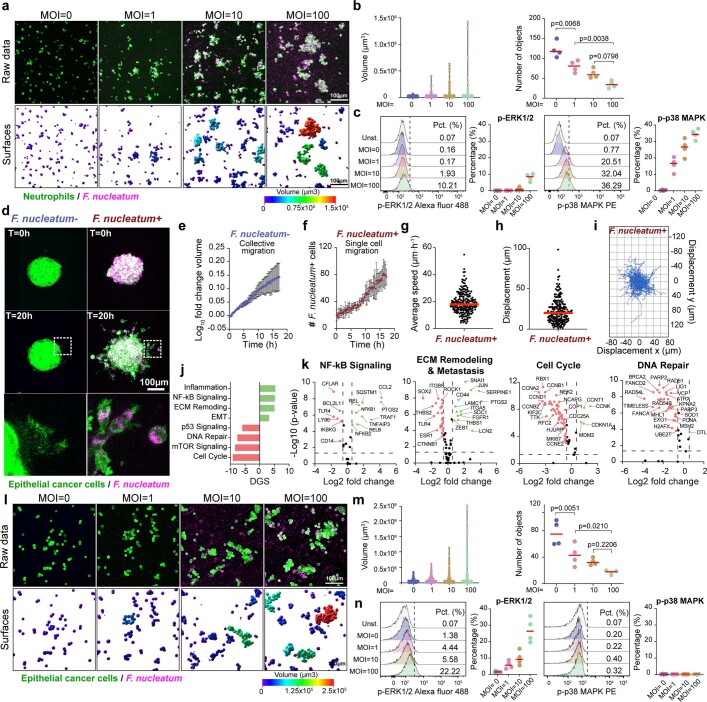
“While the spheroid core expandscollectively,peripheralcancercellsdetachandmigrateindividually intothesurroundingcollagengel 193 (Figs.”
Shao, M., Liu, L., Wang, Q., Shen, X., & Zhang, W. (2026) · Frontiers in Oncology · doi:10.3389/fonc.2026.1972980
“…microenvironment, directly linking microbial localization with host cell transcriptional states; landmark studies using spatial transcriptomics and single-cell RNA sequencing have shown that intratumoral bacteria populate immunosuppressive microniches and interact with speci fi c host cells (52).”
Heterogeneity in cancer: molecular mechanisms and therapeutic strategies
He, Y., Niu, L., Ren, Y.-M., Yuan, G.-Q., Pan, Y.-W., & Jin, W. (2026) · Signal Transduction and Targeted Therapy · doi:10.1038/s41392-026-03064-x
Negri, F., Bottarelli, L., Gnetti, L., Boni, L., Campanini, N., Azzoni, C., Tamberi, S., Bergamo, F., Frisinghelli, M., Chiaulon, G., et al. (2026) · JCO Precision Oncology · doi:10.1200/po-26-00278
Zheng, P., Xie, Q., Cheng, K. K. Y., Sulaiman, J. E., Huang, X., & Gan, G. (2026) · Frontiers in Cellular and Infection Microbiology · doi:10.3389/fcimb.2026.1923618
Chen, Z., Gan, W., Cao, F., Yu, F., Lin, W., Wang, X., Hong, Y., Yang, M., Hong, L., Chen, C., et al. (2026) · Frontiers in Microbiology · doi:10.3389/fmicb.2026.1934580
Wu, Y., Tang, F., Zengin, G., & Li, M. (2026) · The Innovation Oncology · doi:10.59717/j.xinn-oncol.2026.100045
Li, Y., Yu, Y., Qin, F., Li, S., Li, X., Liu, P., Liu, J., Liu, H., Jing, S., Zou, J., et al. (2026) · Advanced Science · doi:10.1002/advs.78127
Research progress in intratumoral microbiota: unlocking the potential of cancer immunotherapy
Tian, T., & Chen, M. (2026) · Frontiers in Immunology · doi:10.3389/fimmu.2026.1956198
“…bacteria tend to localize in microniches characterized by distinct immune and metabolic pro fi les, in fl uencing the TIME and modulating therapeutic responses (23, 98), as exempli-fi ed by Fusobacterium nucleatum preferentially localizing to tumor-cell-rich regions in breast cancer(BC) (99).”
INTRATUMORAL MICROBIOME: A NEW PARADIGM IN CANCER DIAGNOSIS AND THERAPY
Ra’no Sh. Boltayeva, D. O. T., qizi, T. D. O., & qizi, E. D. B. (2026) · Journal of Applied Science and Social Science
Yi-zhe, L., Jin, W., & Li, X. (2026) · Cancer Bioscience · doi:10.1016/j.cbs.2026.100014
Spatial organization of intratumoral microbiome and regional tumor immunity
Bautista, J., & López‐Cortés, A. (2026) · Frontiers in Immunology · doi:10.3389/fimmu.2026.1961794
“These regional differences establish a spatial association between bacterial localization and a distinct local tissue con fi guration, while the direction of that relationship remains unresolved (12).”
InfluentialRNases: Critical Regulators From Cellular Guardian to Tumor Progression and Drug Resistance
Lin, Z., Chen, Y., Lee, K., Liu, M., & Wang, Z. (2026) · Cancer Bioscience · doi:10.1016/j.cbs.2026.100015
Intratumoral Microbiota in Fueling Cancer and Steering Treatment Response
Xu, M., Yu, J., Chen, Y., Ge, S., Ye, L., Wang, Y., 周一雄, & Jia, R. (2026) · MedComm · doi:10.1002/mco2.71052
“…tend to colonize immunosuppressive and poorly vascularized microniches, and that intracellular bacteria can cause chromosomal instability in epithelial cell clusters and affect the expression of host cell genes, such as multiple proinflammatory cytokines, chemokines, and metalloproteinases [ 50 ].”
InfluentialZhang, F., Hu, K., Sun, C., Liu, X., Wei, L., & Su, R. (2026) · Medical Image Analysis · doi:10.1016/j.media.2026.104343
Cossu, C., Adamo, M., Lorenzo, A. D., & Conti, L. (2026) · Frontiers in Immunology · doi:10.3389/fimmu.2026.1944056
“Thus, extracellular microorganisms can in fl uence the TME through both cell-surface interactions and diffusible microbial products, even when viable bacteria are present at low abundance (54).”
ZHANG, Y.-F., Ran, X. U. E., & Lin, S. H. E. N. (2026) · Shengming kexue · doi:10.3724/cbls.2026124
Biswas, B. (2026) · International Journal of Contemporary Microbiology · doi:10.37506/secmqj89
Meng, Q., Huo, D., Xu, F., Liu, N., Fan, M., Wu, Y., & Chen, X. (2026) · Frontiers in Immunology · doi:10.3389/fimmu.2026.1925952
Mei, J., Imin, I., Gao, X., Xue, Y., Xu, K., Zhu, M., Bai, R., & Liu, Y. (2026) · Acta Pharmaceutica Sinica B · doi:10.1016/j.apsb.2026.09.033
Wang, L., Chen, Y., Shang, Y., Liu, J., Zhao, M., Jin, L., Shi, Y., Zhang, R., Chen, Z., Yin, T., et al. (2026) · Cell Reports Medicine · doi:10.1016/j.xcrm.2026.103111
Yan, Y., Ying, D., Xue, Z., Sun, W., Fang, J., Su, H., Yuan, D., Heling, X., Yang, Y., Pan, Z., et al. (2026) · Biomaterials · doi:10.1016/j.biomaterials.2026.124703
Meyers, M., Evora, G. M., Tijeras, J. A. M., Brauer, M., Benzarti, M., Jans, M., Delgado, L. F., Schorr, L., Rodriguez, F., Ternes, D., et al. (2026) · Cell Host & Microbe · doi:10.1016/j.chom.2026.09.016
Yongjie, Z., Cheng, M., 刘金玲, Xiong, M., Lan, J., Han, K., Yi, S., Jiang, S., Tan, W., & Zheng, J. H. (2026) · Molecular Therapy · doi:10.1016/j.ymthe.2026.08.036
Zhang, D., Li, S.-H., Zhang, W.-H., Weng, J., Li, Z.-H., & Bai, K. (2026) · World Journal of Gastrointestinal Oncology · doi:10.4251/wjgo.126418
Zhao, N., Zhang, H., Pang, Y., Zhu, L., Liu, Q., Zhang, Z., Shen, L., He, Y., & Lin, S. (2026) · Experimental Hematology and Oncology · doi:10.1186/s40164-026-00840-x
Li, Z., Chen, Q., Xiang, M., Li, Z., He, X., He, Y., & Ou, C. (2026) · 癌症:英文版 · doi:10.34133/cancomm.0067
Missaoui, N. (2026) · IntechOpen eBooks · doi:10.5772/intechopen.1017862
Qi, Z., Wang, M., Li, Y., Tian, L., & Liu, J. (2026) · Frontiers in Immunology · doi:10.3389/fimmu.2026.1970900
Shang, C., Zhu, Z., Liu, Y., Sun, S., Dong, K., & Chen, X. (2026) · Colloids and Surfaces B Biointerfaces · doi:10.1016/j.colsurfb.2026.116257
Liang, Y., Ning, Z., Su, B., Liang, N., Zhu, F., & Sun, T. (2026) · Pharmaceutics · doi:10.3390/pharmaceutics18111354
Microbiome interactions in renal cell carcinoma: evidence, challenges and opportunities
Lindgaard, C., Hvidt, A. K., Keller, A. K., Thingholm, L., Kristensen, S. S., & Lyskjær, I. (2026) · Nature Reviews Urology · doi:10.1038/s41585-026-01198-9
Fusobacterium nucleatum-associated metabolites in disease pathogenesis: from cancer to immunotherapy
Farah, H. S., Padmapriya, G., Sahoo, S., Alhasso, B., Srivastav, S. K., Rani, A., Singh, R., & Khdyr, A. H. (2026) · Frontiers in Microbiology · doi:10.3389/fmicb.2026.1996310
Guo, T., & Du, H. (2026) · Translational Cancer Research · doi:10.21037/tcr-2026-1983
Khan, A., Tareen, A., Farid, A. A. M., Amin, A., Khan, H. N., Hadi, D. K., Khan, S. R., & Raza, A. (2026) · Frontiers in Oncology · doi:10.3389/fonc.2026.1985675
Pulmonary colonization of Candida albicans drives breast cancer lung metastasis via candidalysinPreprint
Ma, Z., Chen, L., Fang, Y., Gao, F., Liu, L., Wu, J., Chen, H., Tian, Y., Zhang, Y., Yang, X., et al. (2026) · bioRxiv (Cold Spring Harbor Laboratory) · doi:10.64898/2026.10.23.759946
Zhou, W., Zhu, H., Liu, Y., Li, H., Wu, M., Li, S., Qu, R., Liu, S., Qian, H., Xue, B., et al. (2026) · Journal of the American Chemical Society · doi:10.1021/jacs.6c14587
Garcia, M. R., Bronnec, V., Kerdreux, M., Rosenbaum, W., Löwenmark, T., Löfgren‐Burström, A., Ljuslinder, I., Edin, S., & Palmqvist, R. (2026) · Cancer Medicine · doi:10.1002/cam4.72391
“Recently, Galeano et al. demonstrated that the intratumoural microbiota is not randomly distributed, but highly organised in micro-niches characterised by epithelial and immune cell functions that promote tumour progression and metastasis [16].”
Expanding the therapeutic window of bacteria for cancer therapyPreprint
Im, J., Komaranchath, M., Windemuth, S. X., Kim, H., Hu, X., Adapa, A. R., Ashraf, M., Cummins, K. A., Coker, C., Jang, Y., et al. (2026) · bioRxiv (Cold Spring Harbor Laboratory) · doi:10.64898/2026.10.27.761579
Wang, L.-F., Shen, Q.-Y., & Liu, S.-C. (2026) · World Journal of Gastrointestinal Oncology · doi:10.4251/wjgo.126186
Sano, H., Okabe, R., Imai, M., Sato, T., & Okada, Y. (2026) · Journal of Microbiological Methods · doi:10.1016/j.mimet.2026.107763
Liang, L., Hu, F., Wang, X., Tang, C., Chun, W., Jiang, G., Zhao, C., Zhang, Y., & Li, C. (2026) · Clinical and Translational Medicine · doi:10.1002/ctm2.70862
Xue, J., Jia, T., Yu, J., Wang, S., & Liang, J. (2026) · Frontiers in Immunology · doi:10.3389/fimmu.2026.2011622
田, 萌. (2026) · Hans Journal of Biomedicine · doi:10.12677/hjbm.2026.166100
Sun, S., Chen, J., Zhong, Y., 罗乙欢, & Zhang, G. (2026) · Frontiers in Immunology · doi:10.3389/fimmu.2026.1995496
Laryngeal Cancer Microbiome Study Reveals Parvimonas and Campylobacter as Potential Therapy Targets
Lad, H., Shah, A., Thompson, E. R., Javid, S., Chee, R. H., Zaransky, S., Dhanda, A. K., Mudhar, A., Lamichhane, S., Chua, A. T., et al. (2026) · The Laryngoscope · doi:10.1002/lary.71027
Chieng, M., Gögenur, M., Hauge, M., Bjarnsholt, T., & Gögenür, I. (2026) · Apmis · doi:10.1111/apm.70274
Immune landscape of early-onset cancers: Clinical significance and novel intervention targets
Prostakishina, E. A., Kozlova, P. K., Belianina, V., Сергеевна, К. Е., Aboobacker, S. S., Srinivasalu, V. K., Subramaniam, N., & Denisov, E. V. (2026) · EXCLI journal · doi:10.17179/excli2026-9733
How microbes reprogram immunity through epigenetic and epitranscriptomic regulation
Si, W., Ding, X., & Wang, L. (2026) · The EMBO Journal · doi:10.1038/s44318-026-00962-2
Liu, P., Wang, X., Cao, J., Xiao, J., Xie, R., Wang, B., Yang, Q., Zhou, X., Huang, S., & Tang, X. (2026) · Frontiers in Microbiology · doi:10.3389/fmicb.2026.1909304
Nachman, E. J., Neilson, T., & White, M. G. (2026) · Journal of Surgical Oncology · doi:10.1002/jso.70451
Dong, L., Song, Y., Li, X., Wu, J., Luo, X., Du, Y., & Xu, T. (2026) · Critical Reviews in Oncology/Hematology · doi:10.1016/j.critrevonc.2026.105698
Huang, G.-J., Luo, N., Zhu, J.-X., Li, P.-S., Fan, Z.-J., & Lu, B.-Q. (2026) · Frontiers in Immunology · doi:10.3389/fimmu.2026.1991284
Ban, C., Lin, H., Cheng, M., Chen, S., Hao, Z., Shen, Y., 沙裕彬, Xue, Y., Feng, J., Chen, J., et al. (2026) · ACS Applied Materials & Interfaces · doi:10.1021/acsami.6c15932
Bacteria-inspired drug delivery systems for cancer immunotherapy: from exploiting to mimicking
Gan, T., Yuan, S., Wang, J., Mu, W., Liu, Y., & Zhang, N. (2026) · Journal of Controlled Release · doi:10.1016/j.jconrel.2026.115543
Isgandarov, I., Abilbayeva, A., Tarabayeva, A., Шамекова, М., Bitanova, E., Yessenkulova, S., Kulmanbetov, R., Zhubanturliyeva, A., Nurmukhanbetova, A., Tulepbergenova, A., et al. (2026) · International Journal of Molecular Sciences · doi:10.3390/ijms272210189
Chen, L., Wan, Y., Yang, T., Zhang, Q., Zeng, Y., Zheng, S., Ling, Z., Xiao, Y., Wan, Q., Liu, R., et al. (2024) · doi:10.3389/fgene.2023.1285599.s001
Chen, F., Yang, J., Guo, Y., Su, D., Sheng, Y., & Wu, Y. (2023) · doi:10.3389/fimmu.2023.1140995.s001
Vietsch, E. E., Latifi, D., Verheij, M., van der Oost, E. W. A., de Wilde, R. F., Haen, R., van den Boom, A. L., Koerkamp, B. G., Doornebosch, P. G., van Verschuer, V. M. T., et al. (2023) · doi:10.3389/fimmu.2023.1230306.s007
Microbiome-Modulating Nanoplatforms for Breast Cancer Therapy
Pawar, A., Leharwani, M., Gupta, G., Goh, K. W., Sharma, A., Sahebkar, A., & Kesharwani, P. (2026) · Cancer Biome and Targeted Therapy · doi:10.66505/cbtt.v1i4.59
Nión, P., Varela-Eirín, M., González‐Castellano, I., Galindo-Morales, S., Aja‐Macaya, P., Ramil‐Gómez, O., Crespo-Leiro, M. G., Celeiro‐Muñoz, C., Concha, A., Gallardo-Martín, E., et al. (2026) · Frontiers in Cellular and Infection Microbiology · doi:10.3389/fcimb.2026.1993167
Metadata
- Authors
- Galeano Niño, J. L., Wu, H., LaCourse, K. D., Kempchinsky, A. G., Baryiames, A., Barber, B., Futran, N., Houlton, J., Sather, C., Sicinska, E., Taylor, A., Minot, S. S., Johnston, C. D., & Bullman, S.
- Affiliations
- Fred Hutch Cancer Center (US)
- University of Washington Medical Center (US)
- Herbert Irving Comprehensive Cancer Center (US)
- Corresponding author
- Johnston, Christopher D.
- Bullman, Susan
- ORCID
- Venue
- Nature
- Published
- 2022-11-16
- Volume
- 611
- Issue
- 7937
- Pages
- 810-817
- ISSN
- 0028-0836 (ISSN-L)
- 1476-4687
- PMC
- PMC9684076
- OpenAlex
- W4309334544
- Semantic Scholar
- 6717f1fc0c94d26c6693afed742936786e4a4011
- Cited by
- 887
- References
- 41
- Citations by year
- 2026: 214 · 2025: 292 · 2024: 228 · 2023: 148 · 2022: 4
- FWCI
- 55.33
- Type
- journal article
- Language
- en
- Open access
- hybrid
- doi.org
- Licence
- cc-by
- creativecommons.org/licenses/by/4.0 (tdm)
- creativecommons.org/licenses/by/4.0 (vor)
- Locations
- Nature (publishedVersion, cc-by)
- PubMed Central (publishedVersion, cc-by)
- PubMed (publishedVersion)
- RePEc: Research Papers in Economics (submittedVersion)
- Funders
- Cancer Research Institute (CRI4208)
- Fred Hutchinson Cancer Research Center (P30CA015704)
- University of Washington (P30 CA015704)
- National Institutes of Health (1s10od028685-01, CA015704)
- National Cancer Institute (CA015704, R00CA229984, CA080416, P30CA015704, T32CA080416)
- National Institute of Dental and Craniofacial Research (R01DE027850)
- Office of Research Infrastructure Programs, National Institutes of Health (S10OD028685)
- Topics
- Life Sciences › Biochemistry, Genetics and Molecular Biology › Molecular Biology › Gut microbiota and health
- Life Sciences › Biochemistry, Genetics and Molecular Biology › Molecular Biology › Single-cell and spatial transcriptomics
- Health Sciences › Medicine › Oncology › Cancer Immunotherapy and Biomarkers
- Keywords
- intratumoral microbiota, tumor microenvironment, spatial heterogeneity, oral squamous cell carcinoma, colorectal cancer, host-microbe interactions, single-cell RNA sequencing, spatial transcriptomics, GeoMx digital spatial profiling, tumor invasion, cell dormancy, DNA repair, inflammation, metastasis, Ki-67
- MeSH terms
- Host Microbial Interactions, Carcinoma, Squamous Cell, Humans, Mouth Neoplasms, Colorectal Neoplasms, Sequence Analysis, RNA, Disease Progression, Ki-67 Antigen, Gene Expression Profiling, Myeloid Cells, Tumor Microenvironment, Microbiota
About these checks
Registry, retraction, Cites and statistics results are computed, not judged, with one exception: a printed reference that no index lists is read once by a model before it counts as a citation error. Claims are extracted by a model and kept only when their quote appears verbatim in the text; each cited source is then checked, with a model’s help, for whether it says what the claim relies on. Those verdicts can be wrong — read the claim’s quote and the cited source before relying on one.
Statistics and arithmetic are recomputed, not judged.
Confidence bands are shown only for fields calibrated on our annotated test set. None is calibrated yet, so no band is shown.
What counts as a claim ›How we measure confidence ›How we check this ›
Are you an author, or do you see a problem with this page? Request a review
Data sources
Bibliographic data: Semantic Scholar, OpenAlex, Crossref.
Contains information from the Semantic Scholar Academic Graph Datasets, made available under the ODC Attribution License (ODC-BY 1.0).
Semantic Scholar’s data is described in: Kinney, R., et al. (2023). The Semantic Scholar Open Data Platform. arXiv:2301.10140.
