

Effect of the intratumoral microbiota on spatial and cellular heterogeneity in cancer
Open accessThe DOI matches its Crossref record; 41 of the 41 references it cites were found in a registry or an index.
Abstract
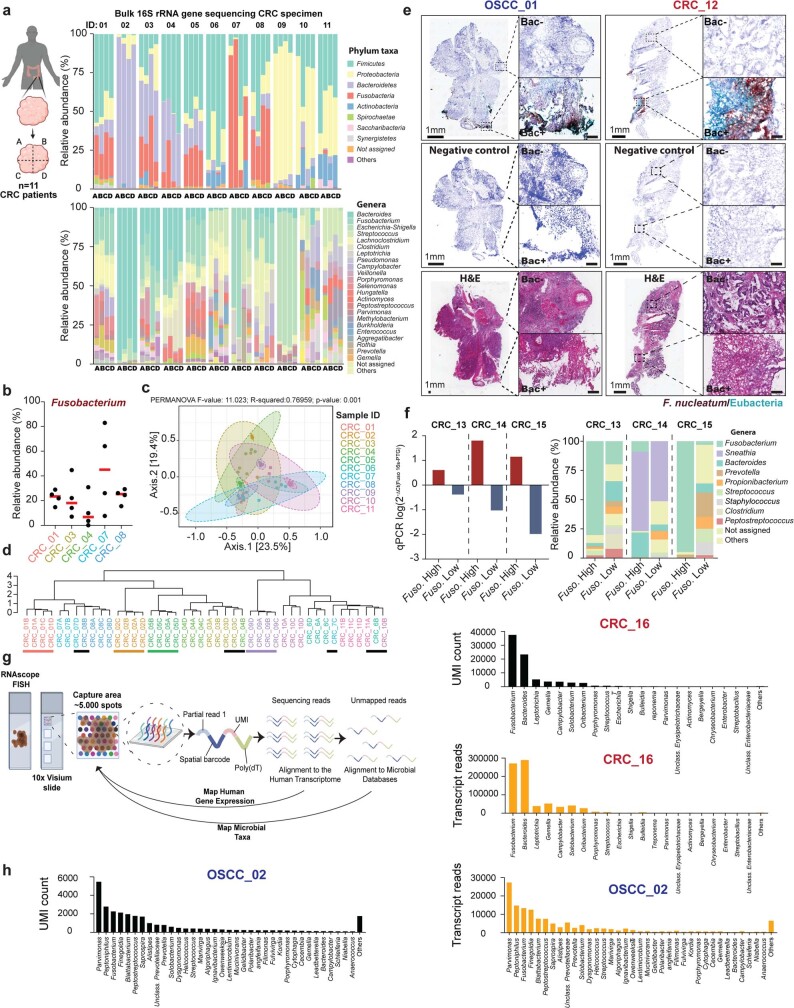
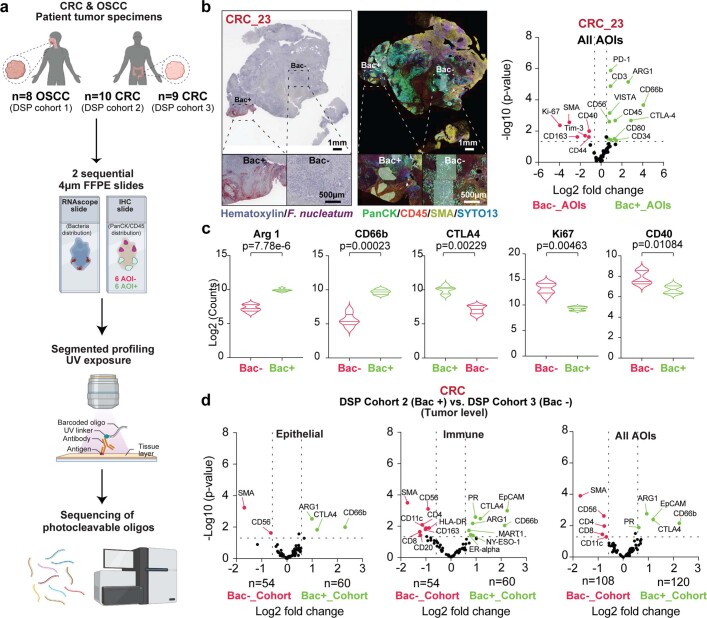
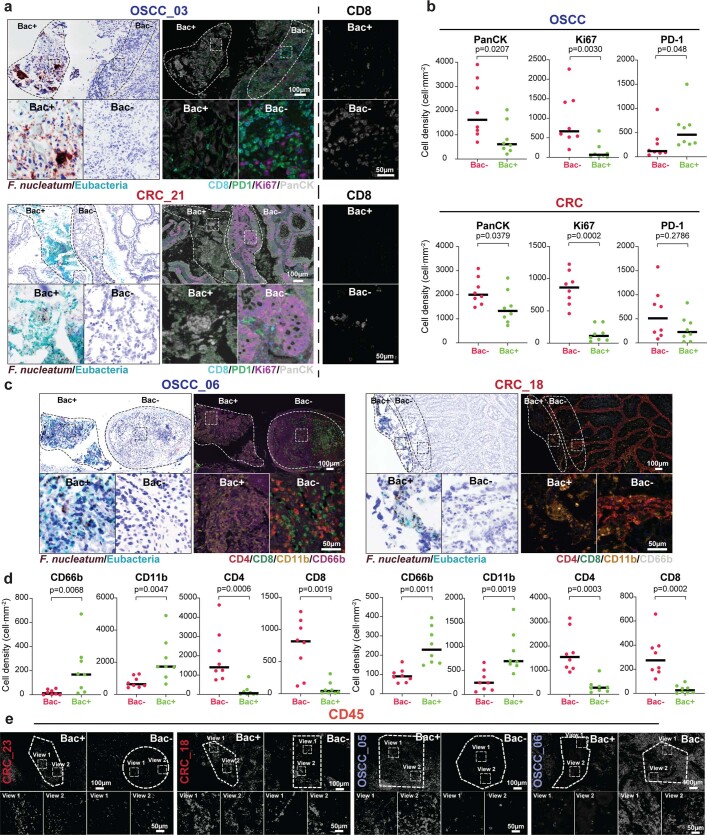
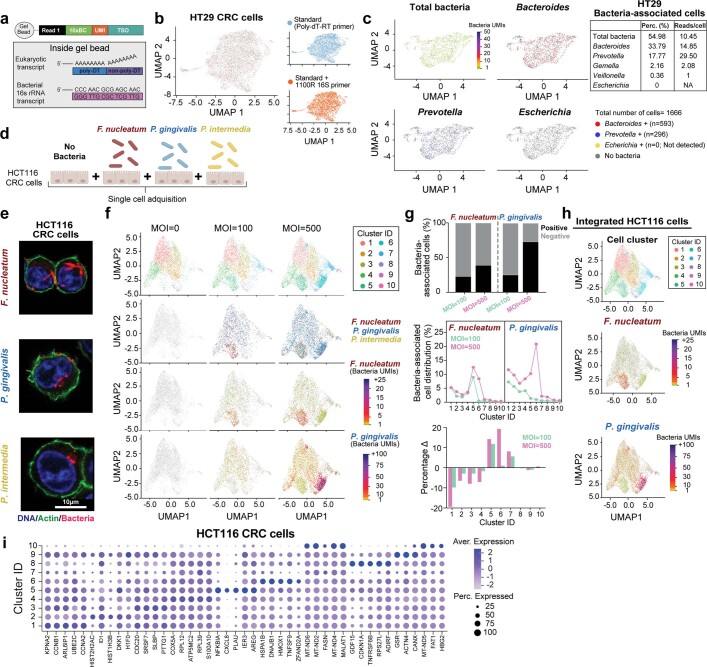
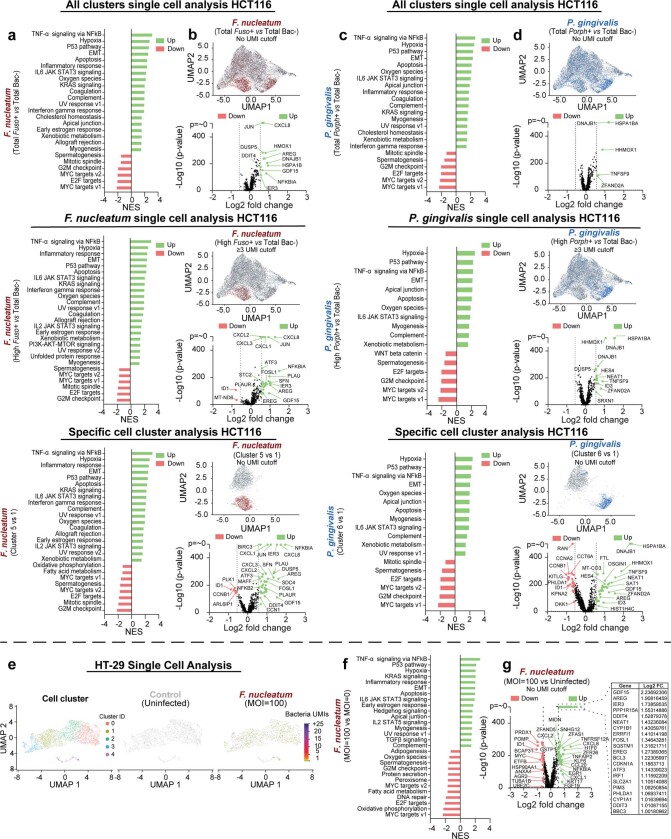
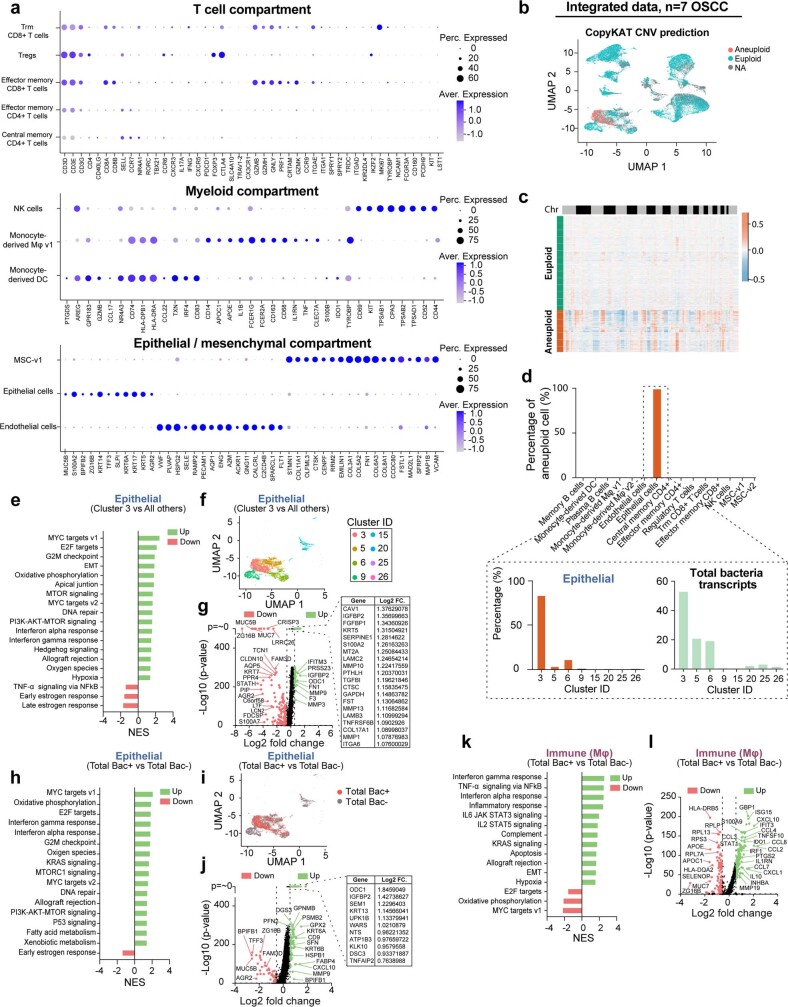
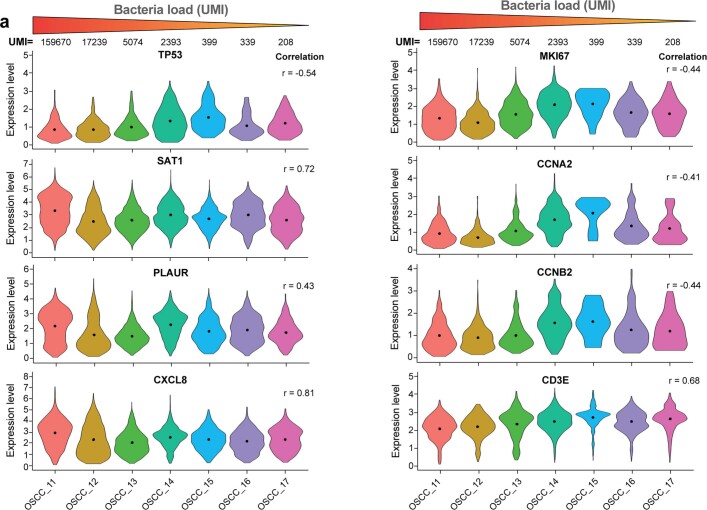
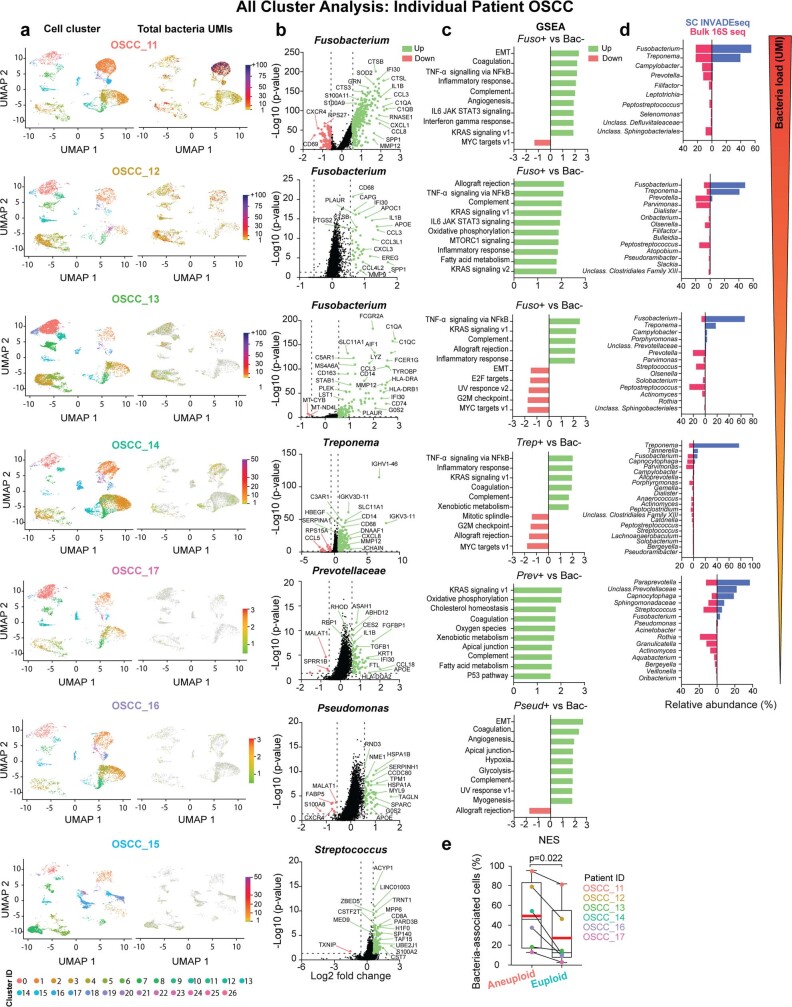
The tumour-associated microbiota is an intrinsic component of the tumour microenvironment across human cancer types 1,2 . Intratumoral host–microbiota studies have so far largely relied on bulk tissue analysis 1–3 , which obscures the spatial distribution and localized effect of the microbiota within tumours. Here, by applying in situ spatial-profiling technologies 4 and single-cell RNA sequencing 5 to oral squamous cell carcinoma and colorectal cancer, we reveal spatial, cellular and molecular host–microbe interactions. We adapted 10x Visium spatial transcriptomics to determine the identity and in situ location of intratumoral microbial communities within patient tissues. Using GeoMx digital spatial profiling 6 , we show that bacterial communities populate microniches that are less vascularized, highly immuno‑suppressive and associated with malignant cells with lower levels of Ki-67 as compared to bacteria-negative tumour regions. We developed a single-cell RNA-sequencing method that we name INVADEseq (invasion–adhesion-directed expression sequencing) and, by applying this to patient tumours, identify cell-associated bacteria and the host cells with which they interact, as well as uncovering alterations in transcriptional pathways that are involved in inflammation, metastasis, cell dormancy and DNA repair. Through functional studies, we show that cancer cells that are infected with bacteria invade their surrounding environment as single cells and recruit myeloid cells to bacterial regions. Collectively, our data reveal that the distribution of the microbiota within a tumour is not random; instead, it is highly organized in microniches with immune and epithelial cell functions that promote cancer progression.
Overview
The claims and statistics of this paper haven’t been checked yet.
Free: it reads the open-access text and checks the first 5 claims that cite a source we can check. Create a free account to check every claim.
Integrity signals
Registry
Cites
Statistics
Figures
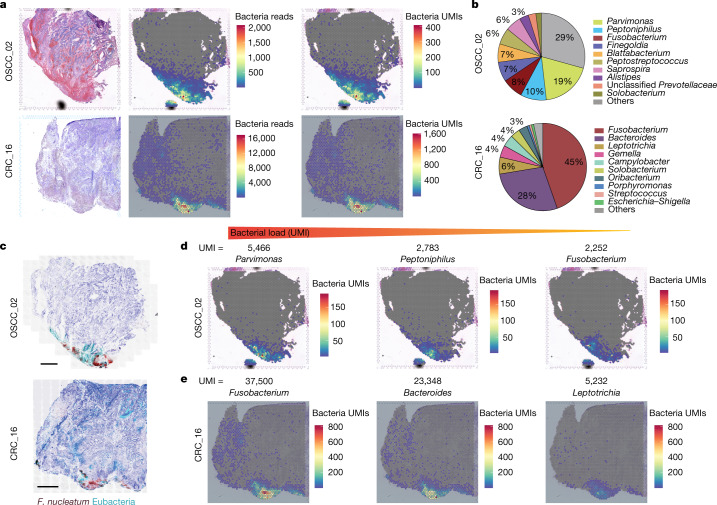
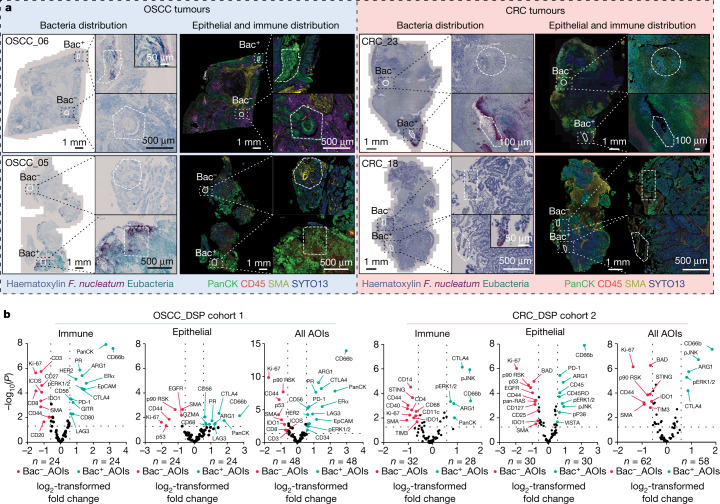
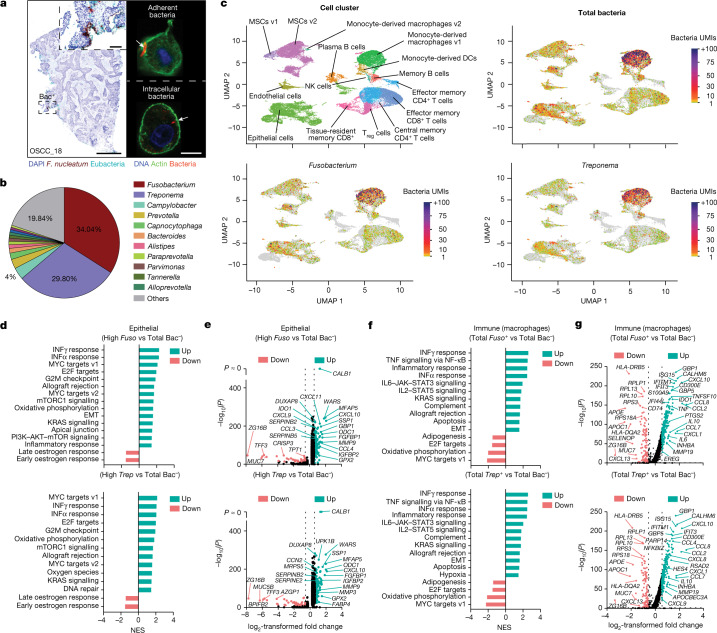
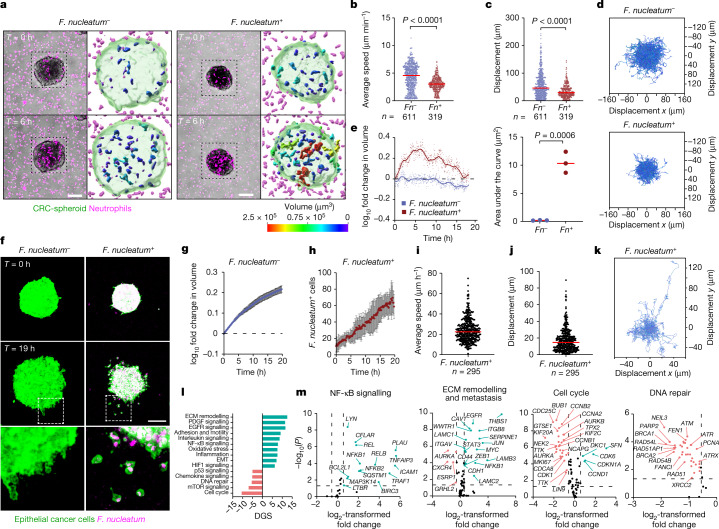
Verification
Claims the paper makes
The claims and statistics of this paper haven’t been checked yet.
Free: it reads the open-access text and checks the first 5 claims that cite a source we can check. Create a free account to check every claim.
Claims other papers make about this one
Each is checked against this paper’s own text: does it say what the citing paper says it does?
The cited source says what the claim attributes to it.
In the citing paper
“Galeano et al. introduced invasion-adhesion-directed expression sequencing (INVADEseq) targeting a conserved area of the bacterial 16 S rRNA, enabling the effective creation of cDNA libraries containing bacterial transcripts derived from human cells associated with bacteria.”
From Single-cell sequencing to multi-omics: technologies and applications (2024) · cites this paper as [158]
The cited source says what the claim attributes to it.
In the citing paper
“These microbes interact with both tumor and immune cells, influencing tumor dynamics by modulating immune responses, producing pro-proliferative metabolites, and reshaping the structural and biochemical landscape of the TME [38–40]”
From Phage therapy in oncology: opportunities for cancer prevention and treatment (2026) · cites this paper as [39]
The check wasn’t confident either way, so it gives no verdict — never disputed.
In the citing paper
“These microbes interact with both tumor and immune cells, influencing tumor dynamics by modulating immune responses, producing pro-proliferative metabolites, and reshaping the structural and biochemical landscape of the TME [38–40]”
From Phage therapy in oncology: opportunities for cancer prevention and treatment (2026) · cites this paper as [39]
Experimental — accuracy not yet measured
Self-check
Percentages, sums and reported differences re-computed from the paper’s own numbers.
The self-check needs the paper’s full text.
Citations
Cites
1 retracted
RETRACTED ARTICLE: Microbiome analyses of blood and tissues suggest cancer diagnostic approach
Poore, G. D., Kopylova, E., Zhu, Q., Carpenter, C., Fraraccio, S., Wandro, S., Kosciolek, T., Janssen, S., Metcalf, J., Song, S. J., et al. (2020) · Nature · doi:10.1038/s41586-020-2095-1 · Cited by 989
RetractedHighly parallel genome-wide expression profiling of individual cells using nanoliter droplets.
Macosko, E. Z., Basu, A., Satija, R., Nemesh, J., Shekhar, K., Goldman, M., Tirosh, I., Bialas, A. R., Kamitaki, N., Martersteck, E. M., et al. (2015) · Cell · doi:10.1016/j.cell.2015.05.002 · Cited by 7,110
Tumors: Wounds That Do Not Heal
Flier, J. S., Underhill, L. H., & Dvorak, H. F. (1986) · New England Journal of Medicine · doi:10.1056/nejm198612253152606 · Cited by 4,391
mRNA-Seq whole-transcriptome analysis of a single cell
Tang, F., Barbacioru, C., Wang, Y., Nordman, E., Lee, C., Xu, N., Wang, X., Bodeau, J., Tuch, B. B., Siddiqui, A., et al. (2009) · Nature Methods · doi:10.1038/nmeth.1315 · Cited by 3,969
Tumour heterogeneity and resistance to cancer therapies
Dagogo-Jack, I., & Shaw, A. T. (2018) · Nature Reviews Clinical Oncology · doi:10.1038/nrclinonc.2017.166 · Cited by 3,846
A Gene Encoding an Antigen Recognized by Cytolytic T Lymphocytes on a Human Melanoma
van der Bruggen, P., Traversari, C., Chomez, P., Lurquin, C., De Plaen, E., Van den Eynde, B., Knuth, A., & Boon, T. (1991) · Science · doi:10.1126/science.1840703 · Cited by 3,545
EMT Transition States during Tumor Progression and Metastasis
Pastushenko, I., & Blanpain, C. (2019) · Trends in Cell Biology · doi:10.1016/j.tcb.2018.12.001 · Cited by 2,876
Anderson, N. M., & Simon, M. C. (2020) · Current Biology · doi:10.1016/j.cub.2020.06.081 · Cited by 2,718
T cell exclusion, immune privilege, and the tumor microenvironment
Joyce, J. A., & Fearon, D. T. (2015) · Science · doi:10.1126/science.aaa6204 · Cited by 2,473
The human tumor microbiome is composed of tumor type–specific intracellular bacteria
Nejman, D., Livyatan, I., Fuks, G., Gavert, N., Zwang, Y., Geller, L. T., Rotter-Maskowitz, A., Weiser, R., Mallel, G., Gigi, E., et al. (2020) · Science · doi:10.1126/science.aay9189 · Cited by 2,464
Cited by
Items 501–600 of 997
Unlocking the potential of engineered microbes in immunotoxin-based cancer therapy
Wang, Q., Cao, R., Xie, Y., Zhang, Z., Li, X., Zhang, Y., Luo, H., Yao, H., Xue, P., & Ni, S. (2025) · Frontiers in Microbiology · doi:10.3389/fmicb.2025.1603671 · Cited by 6
Liu, Q., Wang, J., Yao, Y., Sun, X., Fang, W. J., Zhang, Y., Liu, Z., & Zheng, Y. Z. (2025) · Current Research in Microbial Sciences · doi:10.1016/j.crmicr.2025.100428 · Cited by 6
Targeted Discovery and Characterization of Type‐II PKS‐NRPS Hybrid DNA‐Alkylating Antibiotics
Nie, Q., Fang, S., Wu, L., Gao, R., Hu, Y., Ding, D., Pan, H., Pei, Z., He, J., Zhou, Q., et al. (2025) · Angewandte Chemie International Edition · doi:10.1002/anie.202512820 · Cited by 6
Microbiome unlocks cancer immunotherapeutic potential: State of the art and future
Luo, H.-Y., Cao, L., Zhou, K., Xiao, Y., Li, Z., Liu, B., & Bu, L. (2025) · Seminars in Cancer Biology · doi:10.1016/j.semcancer.2025.08.001 · Cited by 6
Shimizu, T., Ohkuma, R., Homma, M., Nakayama, S., Sasaki, Y., Muto, S., Ieguchi, K., Watanabe, M., Taguchi, A., Takayanagi, D., et al. (2025) · Frontiers in Immunology · doi:10.3389/fimmu.2025.1528594 · Cited by 6
Microorganisms in cancer tertiary lymphoid structure formation
Li, H., Chen, F., Wang, Q., Wu, T., & Sun, Z. (2025) · Seminars in Cancer Biology · doi:10.1016/j.semcancer.2025.09.005 · Cited by 6
SMTdb: A Comprehensive Spatial Meta-Transcriptome Resource in Cancer
Zhou, W., Yang, Q., Guo, J., Li, S., Su, M., Leng, F., Rong, T., Shi, J., Gao, Y., Jiang, T., et al. (2025) · Molecular Biology and Evolution · doi:10.1093/molbev/msaf263 · Cited by 6
Unveiling the interplay between microbiota and PD1/PD-L1 axis in tumor immunity and immunotherapy
Lu, Q., Wu, J., Yu, X., Qian, J., & Song, Z. (2025) · Frontiers in Immunology · doi:10.3389/fimmu.2025.1690374 · Cited by 6
Wang, J., Su, Z., Zhang, X., Wang, S., Chen, X., Xu, X., He, B., & Zheng, Y. (2025) · Biomaterials · doi:10.1016/j.biomaterials.2025.123915 · Cited by 6
Luo, W., Gao, Y., Feng, S., He, B., Li, J., Yang, J., Yin, Y., Wang, M., Xue, B., Cao, Y., et al. (2026) · Nature Communications · doi:10.1038/s41467-025-68152-y · Cited by 6
The role of the microbiota in cancer drug resistance and emerging therapeutic strategies
Che, C., Zhou, Y., Chen, L., Li, S., fan, D., Lu, Y., & Zhao, X. (2026) · Cancer Letters · doi:10.1016/j.canlet.2026.218305 · Cited by 6
Intracellular bacteria modulate the immune microenvironment of oral squamous cell carcinoma
Wang, Y., Lin, Q., Xiang, Z., Qi, R., Niu, M., Luo, X., Lei, L., Zou, Q., & Xu, L. (2026) · Cell Reports · doi:10.1016/j.celrep.2026.117019 · Cited by 7
Lu, Y., & Yu, J. Q. (2026) · Cancer Biology and Medicine · doi:10.20892/j.issn.2095-3941.2025.0762 · Cited by 6
“The development of invasion-adhesion-directed expression sequencing (INVADEseq) represents a major technological leap, enabling precise identification of bacterial invasion events at the single-cell resolution 25 .”
Walberg, Ã., Reuss, A. M., Ziadlou, R., Mamie, C., Gottier, C., White, A., Ameri, M., Brüggen, M., Turina, M., Ramser, M., et al. (2026) · Gut Microbes · doi:10.1080/19490976.2026.2665878 · Cited by 6
Intratumoral Microorganisms in Tumors: Current Understanding and Emerging Therapeutic Strategies
Zhang, H., Du, Z., Lu, P., Jiang, A., Guo, Y., Liu, Y., Song, Z., Dai, B., & Zhang, W. (2026) · MedComm · doi:10.1002/mco2.70754 · Cited by 6
Antibacterial activity of mulberry extracts and purified fractions against oral pathogenic bacteria
Shirai, T., Satoh, Y., & Ishihara, K. (2024) · Journal of Oral Biosciences · doi:10.1016/j.job.2023.12.009 · Cited by 6
Zuo, Y., Lu, Y., Pang, J., Jin, S., Zhang, X., Zhao, E., & Li, Y. (2024) · Frontiers in Oncology · doi:10.3389/fonc.2024.1374769 · Cited by 6
Nam, K.-M., & Yan, J. Q. (2025) · Soft Matter · doi:10.1039/d4sm01180e · Cited by 6
How to optimize the immune checkpoint blockade therapy for cancers?
Guo, H., Hou, Y., Wang, C., & Ding, J. (2024) · ONCOLOGIE · doi:10.1515/oncologie-2024-0037 · Cited by 6
“Host-related biomarkers are equally crucial, encompass immune cell in fi ltrates, gut microbiota composition, and peripheral cytokine pro fi les [18, 19].”
An emerging role for the gut microbiome in tauopathy
Zhu, Y., Self, W. K., & Holtzman, D. M. (2024) · Neurotherapeutics · doi:10.1016/j.neurot.2024.e00423 · Cited by 7
Antibiotic nanoparticles boost antitumor immunity
Han, K., Cho, Y. S., & Moon, J. J. (2023) · Nature Biotechnology · doi:10.1038/s41587-023-02046-6 · Cited by 6
Fang, X., Tong, W., Wu, S., Zhu, Z., & Zhu, J. (2024) · ONCOLOGIE · doi:10.1515/oncologie-2023-0511 · Cited by 5
He, Y. M., Li, X., Hu, A.-Q., & Qian, D. (2024) · Journal of Oral Microbiology · doi:10.1080/20002297.2024.2359887 · Cited by 5
“Additionally, the differentially abundant microbiome inside tumor tissues has been identified as a critical marker of tumorigenesis in spatial and cellular heterogeneity in cancer [28].”
Background16S rRNA Sequencing Reveals Alterations of Gut Bacteria in Hirschsprung-Associated Enterocolitis
Shi, H., She, Y., Mao, W., Xiang, Y., Lu, X., Yin, S., & Zhao, Q. (2024) · Global Medical Genetics · doi:10.1055/s-0044-1789237 · Cited by 6
Darawshy, F., Tsay, J.-C. J., Segal, L. N., & Pass, H. I. (2025) · Cancer Biomarkers · doi:10.1177/18758592251322045 · Cited by 5
Easter, Q. T., Alvarado‐Martinez, Z., Kunz, M., Matuck, B. F., Rupp, B., Weaver, T., Ren, Z. F., Tata, A., Caballero-Pérez, J., Oscarson, N., et al. (2025) · npj Biofilms and Microbiomes · doi:10.1038/s41522-025-00735-5 · Cited by 5
“Toassessthis,weappliedourmultipleximmuno fl uorescence and RNAinsituhybridizationprotocol — usingantibodiesagainstLTAandLPS alongside RNA probes for CXCL1 and CXCL8 — to fi ve additional healthy upper airway tissues: nasal epithelium, tonsillar epithelium, tracheal epithelium, nasal glands, and tracheal glands.”
InfluentialTumour Cell Size Control and Its Impact on Tumour Cell Function
Zhou, M., Zhou, M. L., & Jin, Y. (2025) · Cell Proliferation · doi:10.1111/cpr.70080 · Cited by 6
Live bacteria found in gastric cancer tumor tissue
Lv, X., Song, P., Zhang, N., Guo, P., Zhang, R., Wang, H., Hong, L., Xu, R., Wang, Y., Lv, G., et al. (2025) · Frontiers in Microbiology · doi:10.3389/fmicb.2025.1591735 · Cited by 6
Sherry, C., Dadgar, N., Park, H., Knotts, C. M., Grayhack, E. E., Blodgett, R. J., Xiao, K., Omstead, A. N., Donnenberg, A. D., Bartlett, D. L., et al. (2025) · Microorganisms · doi:10.3390/microorganisms13071644 · Cited by 5
“Although a quantitative measure of Fn clusters per unit tissue volume is presented, we regard these findings to be semi-quantitative since intra-tumoral spatial variation in bacterial density is expected to be a significant potential source of random error in descriptive studies [22].”
Cancer-associated fibroblasts as mediators of tissue microenvironment remodeling in cancer
Kugeratski, F. G., Kay, E. J., & Zanivan, S. R. (2025) · Current Opinion in Cell Biology · doi:10.1016/j.ceb.2025.102567 · Cited by 5
Ribonucleotide reductases in cancer: Mechanisms, clinical progress, and prospects
Chen, S., Huang, Y. H., Zhang, S., Zhang, J., Chen, C., Chen, G., & Zhou, D. (2025) · Cell investigation. · doi:10.1016/j.clnves.2025.100034 · Cited by 5
The role and challenges of intratumoral microbiota in colorectal cancer immunotherapy
Hao, M., Xu, H., Li, M., & Jiao, D. (2025) · Frontiers in Pharmacology · doi:10.3389/fphar.2025.1634703 · Cited by 5
“For instance, spatial transcriptomics and single-cell RNA sequencing have con fi rmed that Fusobacterium nucleatum in CRC is primarily enriched in CD45 + immune cells and CD66b+ myeloid cells (Galeano Niño et al., 2022).”
Intratumoral core microbiota predicts prognosis and therapeutic response in gastrointestinal cancers
Liu, J., Wei, D., Chen, Y., & Liu, X. (2025) · Microbiology Spectrum · doi:10.1128/spectrum.00390-25 · Cited by 5
Zhang, J., Wei, Z., & Fan, G. (2025) · Foods · doi:10.3390/foods14173040 · Cited by 5
“This study concludes the significance of the intratumoral microbiota in the constitution of the tumor microenvironment [82].”
Non-oncologic to oncologic drug: A systematic review of drug repurposing in cancer
Dhanush, Y., & Ganesh, V. S. (2025) · Cancer Chemotherapy and Pharmacology · doi:10.1007/s00280-025-04822-4 · Cited by 5
Inflammatory niches as spatial drivers of disease mechanisms and targets for personalized treatment
Jiang, R., Fang, Z., Tsoi, L. C., & Gudjonsson, J. E. (2025) · Journal of the European Academy of Dermatology and Venereology · doi:10.1111/jdv.70170 · Cited by 5
“47 These bacterial communities colonize highly localized microniches characterized by poor vascularization, immunosuppressive features and preferential association with malignant cells exhibiting reduced proliferative activity compared to bacteria-negative tumour regions.”
Xie, X., Lü, Z., Kong, Y., Jin, C., Sun, Z., Yang, X., Li, Z., Qu, F., & Tan, W. (2025) · Angewandte Chemie · doi:10.1002/ange.202520221 · Cited by 5
Opportunities and challenges in applying microbiota to clinical cancer immunotherapy
Jia, D., & Wang, L. (2025) · Trends in Microbiology · doi:10.1016/j.tim.2025.11.011 · Cited by 5
Intra-tumoral microbiota: Key modulators of tumor immunity and therapeutic potential
He, J., Tan, H. Z., Qiu, Y., Dan, Y., Wan, Q., Li, L., Wu, J., Song, Q., Chen, H., & Xu, B. (2025) · Genes & Diseases · doi:10.1016/j.gendis.2025.101963 · Cited by 5
Tao, M., Wu, T., Li, S., Tan, Y., Zhou, X., Chen, Y., Huang, L., Wang, W., Li, S., Wang, L., et al. (2025) · Journal of Translational Medicine · doi:10.1186/s12967-025-07543-7 · Cited by 5
“Notably, bacterial colonization correlates with reduced Ki-67 expression, likely reflecting p53-mediated cell cycle regulation [61].”
Unveiling hidden players: the role of intratumoral microbiota in gastrointestinal cancer dynamics
Tang, W., Li, F., Zheng, H., Zhou, S., Li, C., Xu, X., & Fu, J. (2025) · Journal of Cancer Research and Clinical Oncology · doi:10.1007/s00432-025-06401-9 · Cited by 5
“The emergence of spatial omics technologies has revolutionized our understanding of the intratumoral microbiota in gastrointestinal (GI) cancers by preserving the critical anatomical context of host‒microbe interactions (Galeano Niño et al. 2022; Zhao et al. 2022b; Erickson et al. 2022).”
InfluentialColorectal microenvironment determines the prognosis of colorectal cancer
Bang, Y. H., Choi, J. H., Park, K., Lee, B., Han, K. Y., Pyo, D. H., Cho, Y. B., Kim, T. M., Park, K. J., Ryoo, S., et al. (2026) · Experimental & Molecular Medicine · doi:10.1038/s12276-025-01599-7 · Cited by 5
“Bacteria-infected cancer cells were reported to be related to colon cancer metastasis 8 , and bacterial bio fi lms — aggregations of the microbial community that contact unshielded epithelial cells and invade the tumor — have been observed not only within the tumor but also in NBTs, even far from…”
InfluentialYang, X., Zhang, K., Xia, L., & Li, J. (2026) · iMetaMed · doi:10.1002/imm3.70030 · Cited by 5
Female reproductive microbiome in fertility care
Dash, S., Zhao, D., Schuppe‐Koistinen, I., & Du, J. (2026) · Fertility and Sterility · doi:10.1016/j.fertnstert.2026.02.015 · Cited by 5
Wu, Q., Zhou, Y.-R., Chen, Z.-R., Liu, M.-X., Liu, M.-X., Liu, Y.-F., Li, Z., Zhao, Q.-R., Zhang, Y.-Q., Zhang, H., et al. (2026) · Critical Reviews in Oncology/Hematology · doi:10.1016/j.critrevonc.2026.105230 · Cited by 5
The microbiome: regulating anti-tumor immunity
Tao, Y.-L., Wu, X.-X., Wang, J.-R., Liu, M., Liu, Y.-N., Lian, Y.-Q., Liang, Z., & Zhu, S.-F. (2026) · Frontiers in Immunology · doi:10.3389/fimmu.2026.1781872 · Cited by 5
“Most are distributed in ecological niches with immune and epithelial functions, facilitating the progression of cancer and in fl uencing the treatment response of patients (21).”
Integrated single‑cell and spatial transcriptomics reveal the colorectal cancer microenvironment
Yang, R., Hu, S., Li, K., Wang, H., Zhou, X., Han, T., & Guan, L. (2026) · Critical Reviews in Oncology/Hematology · doi:10.1016/j.critrevonc.2026.105311 · Cited by 5
Intratumoral microbiota in cancer: molecular mechanism and therapeutic strategies
Yu, Y., Guo, Z., Luo, Z., Dian, Y., Yang, X., Chen, X., Zeng, F., & Deng, G. (2026) · Molecular Biomedicine · doi:10.1186/s43556-026-00473-w · Cited by 5
“Spatial transcriptomics and GeoMx digital spatial profiling have shown that intratumoral bacteria are not randomly distributed, but instead occupy organized microniches associated with distinct epithelial and immune states [462].”
Migration of immune cells in tumors and inflammation: molecular mechanisms and therapeutic targets
Lu, Y., Shao, D., Xiao, Y., Jiang, Y., & Shao, Z. (2026) · Signal Transduction and Targeted Therapy · doi:10.1038/s41392-026-02851-w · Cited by 5
The role of fungi in the diagnosis of colorectal cancer
Li, X.-H., Luo, M., Wang, Z.-X., Wang, Q., & Xu, B. (2023) · Mycology: An International Journal on Fungal Biology · doi:10.1080/21501203.2023.2249492 · Cited by 5
“After a comprehensive analysis of the spatial distribution of microorganisms in tissue samples of OSCC and CRC (Galeano Nino et al. 2022), it was speculated that the distribution of microbial populations within tumours was not random.”
BackgroundMicrobiome dynamics in immune checkpoint blockade
Kim, C. W., Kim, H.-J., & Lee, H. K. (2024) · Trends in Endocrinology and Metabolism · doi:10.1016/j.tem.2024.04.013 · Cited by 5
Datorre, J. G., dos Reis, M. B., de Carvalho, A. C., Porto, J., Rodrigues, G. H., Lima, A. B., Reis, M. T., Hirai, W. Y., HASHIMOTO, C. L., Guimarães, D. P., et al. (2024) · Cancer Prevention Research · doi:10.1158/1940-6207.capr-23-0331 · Cited by 6
Facts and Hopes on Neutralization of Protumor Inflammatory Mediators in Cancer Immunotherapy
Olivera, I., Luri‐Rey, C., Teijeira, Á., Eguren‐Santamaría, I., Gomis, G., Palencia, B., Berraondo, P., & Melero, I. (2023) · Clinical Cancer Research · doi:10.1158/1078-0432.ccr-22-3653 · Cited by 5
Learning from the microbes: exploiting the microbiome to enforce T cell immunotherapy
Staudt, S., Ziegler-Martin, K., Visekruna, A., Slingerland, J. B., Shouval, R., Hudecek, M., van den Brink, M. R. M., & Luu, M. (2023) · Frontiers in Immunology · doi:10.3389/fimmu.2023.1269015 · Cited by 5
“The presence of tumor-associated bacteria in immunosuppressive micro niches points to a highly organized colonization of transformed tissues that affects the behavior of tumor and immune cells (12).”
BackgroundWhittling down the bacterial subspecies that might drive colon cancer
Sears, C. L., & Queen, J. (2024) · Nature · doi:10.1038/d41586-024-00662-z · Cited by 5
Mapping the pancancer metastasis tumor microbiome
Wong, C. C., & Yu, J. (2024) · Cell · doi:10.1016/j.cell.2024.03.040 · Cited by 5
Martínez-Vargas, I. U., León, M., & Alvarado, M. (2024) · Pattern Recognition Letters · doi:10.1016/j.patrec.2024.07.006 · Cited by 5
Characteristics and clinical significance of tertiary lymphoid structures in OSCC
Yao, M., Yang, T., Li, Q., Zhang, X., Zheng, Z., Jiang, L., Huang, J., Sun, Y., Gao, X., & Fang, C. (2024) · Oral Diseases · doi:10.1111/odi.15080 · Cited by 5
Liu, J., Wang, H., Zhang, S., & Liu, J. (2024) · Physiological Genomics · doi:10.1152/physiolgenomics.00036.2024 · Cited by 5
Host–microbiota interaction during cancer progression from bulk to single‐cell level
Ma, Y., Zhu, R., & Liu, N. (2024) · Clinical and Translational Discovery · doi:10.1002/ctd2.263 · Cited by 5
Altered Bacteria Abundance Is Associated With Outcomes in Head and Neck Squamous Cell Carcinoma
Sheehan, D. H., Asam, K. R., Knight, N. D., Patel, J. J., Stewart, J. H., Molina, P. A., Yi, N., Viet, C. T., Aouizerat, B. E., Silver, N. L., et al. (2025) · Otolaryngology · doi:10.1002/ohn.1262 · Cited by 4
Charting the landscape of intratumoral microbiota in lung cancer: From bench to bedside
Yu, Y., Wu, K., Song, H., & Wang, K. (2025) · Biochimica et Biophysica Acta (BBA) - Reviews on Cancer · doi:10.1016/j.bbcan.2025.189348 · Cited by 4
Lang, S., Lin, X., Wang, S., Sun, W., Yang, Y., Chen, Y., Bao, Z., Feng, W., Wang, Y., & Luo, Y. (2025) · Environment & Health · doi:10.1021/envhealth.5c00072 · Cited by 4
Morsy, Y., Walberg, Ã., Wawrzyniak, P., Hubeli, B., Truscello, L., Mamie, C., Niechcial, A., Gueguen, E., Manzini, R., Gottier, C., et al. (2025) · Gut Microbes · doi:10.1080/19490976.2025.2530157 · Cited by 5
“4,8 In patients with CRC, Fusobacterium nucleatum has been detected in the primary tumor tissue in the intestine, as well as in the liver metastasis 8 and was additionally suggested to reach tumors via the blood.”
InfluentialDzutsev, A., & Trinchieri, G. (2025) · Cancer Discovery · doi:10.1158/2159-8290.cd-25-0899 · Cited by 4
Shi, Y., Liu, L., Wu, J., Gao, M., Sheng, K., Hou, W., Xu, L., & Wang, H. (2025) · Microbiome Research Reports · doi:10.20517/mrr.2025.41 · Cited by 4
Microbial infection and treatment strategies in cancer patients
Zhu, K., Yuan, Z., Li, J., & Fu, A. (2025) · Frontiers in Microbiology · doi:10.3389/fmicb.2025.1582382 · Cited by 6
The role of microbiome in immunotherapy: Insights and perspectives
Ye, M., Ju, H., Ren, G., & Hu, J. (2025) · Seminars in Cancer Biology · doi:10.1016/j.semcancer.2025.11.001 · Cited by 4
HGMT: a database of human gut microbiota for tumors and immunotherapy response
Liu, J., Wang, M., Xu, C., Jia, L., Lai, S., Zhang, Z.-C., Zhang, J., Chen, W., Yang, Y., & Zhao, X. (2025) · Genome biology · doi:10.1186/s13059-025-03865-3 · Cited by 4
Kołat, D., Gromek, P., Zhao, L.-Y., Kałuzińska‐Kołat, Ż., Kciuk, M., Kontek, R., & Płuciennik, E. (2025) · International Journal of Molecular Sciences · doi:10.3390/ijms262311587 · Cited by 4
“…focused on the influence of gut microbiota on the efficacy of anti-cancer therapies (particularly immunotherapy) [3–5], emerging evidence reveals that microbial communities within non-gastrointestinal tumors actively participate in disease development, progression, and clinical outcomes [6,7].”
Intratumoral microbiota in colorectal cancer: roles, therapeutic potential, and challenges
Zhang, X., Qi, J., Dong, C., Zhang, L., Chen, J., Li, M., Jiang, T., & Song, J. (2025) · Journal of Advanced Research · doi:10.1016/j.jare.2025.11.067 · Cited by 5
“The microbial community within tumors has been confirmed to exhibit heterogeneity in CRC, and it is a fundamental part of the TME, i nfluencing anti-tumor immunity and the migration of tumor epithelial cells[57].”
The application of AI-driven and engineered intratumoral microbes in cancer therapy
Guo, Y., Yu, R., Wang, Z., Chang, J., & Han, L. (2025) · Journal of Translational Medicine · doi:10.1186/s12967-025-07546-4 · Cited by 4
“The results revealed transcriptional alterations in signaling pathways that govern inflammation, metastasis, cellular dormancy, and DNA repair [17].”
Targeting Intratumoral Bacteria for Cancer Nanotherapeutics
Wang, Y., Yu, J. S., & Gao, L. (2025) · ACS Applied Materials & Interfaces · doi:10.1021/acsami.5c16720 · Cited by 4
Zhang, R., Li, Z., Liu, X., Qiu, Z., Li, Y., Gao, C., & Guo, C. (2026) · Frontiers in Immunology · doi:10.3389/fimmu.2025.1653727 · Cited by 4
Wang, J., Nan, Y., Liu, Q., Ding, T., Liu, D., Duo, L., Zhao, J., Gao, S., Zhang, Y., Dai, Z., et al. (2026) · Cancer Research · doi:10.1158/0008-5472.can-25-3780 · Cited by 4
“The microbial consortium within neoplasia can modulate tumor cell viability and enhance tumor heterogeneity through direct interactions or through the secretion of toxic proteins (18–20).”
Li, X. Y., Wang, Q., Yuan, Q., & Wang, L. (2026) · Frontiers in Immunology · doi:10.3389/fimmu.2026.1795736 · Cited by 4
“Researchers have successfully elucidated the spatial associations between bacterial communities and tumor cell proliferative activity, vascularization levels, and immune status (30).”
Association of Intratumoral Microbiota with Prognosis in Head and Neck Squamous Cell Carcinoma
Yin, S., Cheng, L., Hu, E., Li, J., Wu, G., An, J., Núñez, L., Kawachi, N., Zhu, J., Rosenblatt, G., et al. (2026) · Clinical Cancer Research · doi:10.1158/1078-0432.ccr-25-4420 · Cited by 4
Yu, S., Chen, J., Shu, W., Chen, G., Shen, X., Cheng, S., Dong, K., & Wang, H. (2026) · International Journal of Medical Sciences · doi:10.7150/ijms.128450 · Cited by 4
“Secondly, the heterogeneity and dynamic changes of microbiota among different patients make it complicated to explore the mechanisms and clinical translation [2].”
InfluentialTumor-associated bacterial effectors: novel frontiers in tumor biology and immunity
Dai, J.-H., Lu, Y.-Q., Feng, S.-Y., Tan, X.-R., Li, L., Zeng, Y.-C., Chen, J., Ma, J., & Liu, N. (2026) · Science Bulletin · doi:10.1016/j.scib.2026.04.034 · Cited by 4
Fragkoulis, K., Łasut-Szyszka, B., Végvári, Á., Ayona, D., Saei, A. A., Aschtgen, M., & Peuget, S. (2026) · Cell Death and Disease · doi:10.1038/s41419-026-08756-4 · Cited by 4
Deneuve, S., Fervers, B., Bruno, J. S., Bach, E., Senkin, S., Goldman‐Lévy, G., Carreira, C., Laklouk, I. A., Hu, R., Bouaoun, L., et al. (2026) · International Journal of Oral Science · doi:10.1038/s41368-026-00437-4 · Cited by 4
“This aligns with previous reports of intratumoral and intracellular presence of bacteria in cancers, including OCSCC, 70,72,77,78 possibly contributing to tumor development through in fl ammatory, signaling, mutagenic and metastatic pathways 79 However, the relationship between bacterial presence…”
Microbiota-targeted nanoplatforms for colorectal cancer immunotherapy
Li, S.-Q., Wang, J.-N., Zhao, S.-N., Feng, G., & Sun, Y.-D. (2026) · Pharmacological Research · doi:10.1016/j.phrs.2026.108219 · Cited by 4
Gut microbiota and metabolic control of immune checkpoint blockade in cancer
Gladstone, J. L., & Sonnenberg, G. F. (2026) · Cell Metabolism · doi:10.1016/j.cmet.2026.04.018 · Cited by 4
Zhao, F., An, R., Yu, S., Ma, Y., Liu, W., 盛彩霞, Xie, X., & Zhang, J. (2026) · Clinical and Translational Medicine · doi:10.1002/ctm2.70704 · Cited by 4
“22,39,40,57,58 Recent studies have further expanded the spectrum of implicated tumour types.”
Lin, Z., Mu, S., Zhang, W., Guo, Y., Dong, C., Song, L., Zhang, H., Wu, R., Luo, P., & Liang, L. (2026) · Genes & Diseases · doi:10.1016/j.gendis.2026.102428 · Cited by 4
Wang, J., Yang, H., Chen, J., Sun, Y., Pei, H., & Li, L. (2025) · ACS Applied Materials & Interfaces · doi:10.1021/acsami.5c00383 · Cited by 4
Zhao, T., Sun, N., Ding, J., Peng, Z., Han, F., & Qi, X. (2025) · Genes & Diseases · doi:10.1016/j.gendis.2025.101733 · Cited by 4
Microbiome and gartynecologic cancer
Liao, B., Chen, L., Ruan, J., Wang, R., Hu, B., Long, R., Li, Y., Zhang, G., Yu, J., zhang, M., et al. (2025) · Cancer Letters · doi:10.1016/j.canlet.2025.217940 · Cited by 4
El-Dwaikat, B., Karim, I. A. E., Longley, D. B., Moynagh, P. N., & Lundy, F. T. (2025) · Archives of Oral Biology · doi:10.1016/j.archoralbio.2025.106369 · Cited by 4
Nanodrug-based therapeutic interventions for tumor-associated microbiota modulation
Nie, C., Yao, Q., Wang, T., Shan, Y., Xie, C., Jiang, Z., Ke, Z., Zhang, L., Du, S. M., Xiong, H., et al. (2025) · Journal of Controlled Release · doi:10.1016/j.jconrel.2025.114196 · Cited by 5
Bacterial population dynamics during colonization of solid tumors
Sayin, S., ElGamel, M., Rosener, B., Brehm, M. A., Mugler, A., & Mitchell, A. (2025) · Molecular Systems Biology · doi:10.1038/s44320-025-00175-5 · Cited by 4
Host Microbiomes Influence the Effects of Diet on Inflammation and Cancer
Mahmood, R., Voisin, A., Olof, H., Khorasaniha, R., Lawal, S. A., & Armstrong, H. (2023) · Cancers · doi:10.3390/cancers15020521 · Cited by 4
Wang, S., Liu, P., Yu, J., & Liu, T. (2023) · Translational Oncology · doi:10.1016/j.tranon.2023.101754 · Cited by 4
Deciphering the spatiotemporal transcriptional landscape of intestinal diseases (Review)
Guo, Y., Ren, C., He, Y., Wu, Y., & Yang, X. (2024) · Molecular Medicine Reports · doi:10.3892/mmr.2024.13281 · Cited by 4
“Experimental findings have demonstrated that the tumor microenvironment (TME) serves an important role in the development of cancer, and its spatial distribution and specific host‑microbe cell interactions to some extent influence the progression of tumors (155,156).”
BackgroundDetection of hepatitis B virus mRNA from single cell RNA sequencing data without prior knowledge
Renne, N. V., & Vanwolleghem, T. (2025) · PLoS ONE · doi:10.1371/journal.pone.0314060 · Cited by 4
Multiomics insights into BMI-related intratumoral microbiota in gastric cancer
Liu, K., Jiang, Z., Ma, Y., Xia, R., Zheng, Y., Yin, K., Pang, C., Li, Y., Cheng, X., Liu, Z., et al. (2025) · Frontiers in Cellular and Infection Microbiology · doi:10.3389/fcimb.2025.1511900 · Cited by 4
Threading the Needle: Navigating Novel Immunotherapeutics in Pancreatic Ductal Adenocarcinoma
Demir, T., Moloney, C., & Mahalingam, D. (2025) · Cancers · doi:10.3390/cancers17050715 · Cited by 4
“Highly sensitive liquid biopsy assays have been developed to detect and characterize minimal residual disease (MRD) [76].”
Ye, L., Deng, R., Zhi, A., Sun, D., Ye, W., Hu, S., Zhan, T., Hao, R., Chen, X., Sun, B., et al. (2025) · Microchemical Journal · doi:10.1016/j.microc.2025.113136 · Cited by 4
Li, H., Leaman, A. A., & Zheng, Q. (2025) · Advances in clinical chemistry · doi:10.1016/bs.acc.2025.04.001 · Cited by 4
Environmental insults and compensative responses: when microbiome meets cancer
Nagpal, S., & Mande, S. S. (2023) · Discover Oncology · doi:10.1007/s12672-023-00745-9 · Cited by 4
“…vasculature of the tumor [23,24], survival/thrival/co-existence is not only dependent on the availability of favourable micro-niches in the tumor microenvironment [18] but also on the activation of microbial stress responses against the perceived unfavourable ‘ environmental insults ’…”
BackgroundInfluential
Metadata
- Authors
- Galeano Niño, J. L., Wu, H., LaCourse, K. D., Kempchinsky, A. G., Baryiames, A., Barber, B., Futran, N., Houlton, J., Sather, C., Sicinska, E., Taylor, A., Minot, S. S., Johnston, C. D., & Bullman, S.
- Affiliations
- Fred Hutch Cancer Center (US)
- University of Washington Medical Center (US)
- Herbert Irving Comprehensive Cancer Center (US)
- Corresponding author
- Johnston, Christopher D.
- Bullman, Susan
- ORCID
- Venue
- Nature
- Published
- 2022-11-16
- Volume
- 611
- Issue
- 7937
- Pages
- 810-817
- ISSN
- 0028-0836 (ISSN-L)
- 1476-4687
- PMC
- PMC9684076
- OpenAlex
- W4309334544
- Semantic Scholar
- 6717f1fc0c94d26c6693afed742936786e4a4011
- Cited by
- 887
- References
- 41
- Citations by year
- 2026: 214 · 2025: 292 · 2024: 228 · 2023: 148 · 2022: 4
- FWCI
- 55.33
- Type
- journal article
- Language
- en
- Open access
- hybrid
- doi.org
- Licence
- cc-by
- creativecommons.org/licenses/by/4.0 (tdm)
- creativecommons.org/licenses/by/4.0 (vor)
- Locations
- Nature (publishedVersion, cc-by)
- PubMed Central (publishedVersion, cc-by)
- PubMed (publishedVersion)
- RePEc: Research Papers in Economics (submittedVersion)
- Funders
- Cancer Research Institute (CRI4208)
- Fred Hutchinson Cancer Research Center (P30CA015704)
- University of Washington (P30 CA015704)
- National Institutes of Health (1s10od028685-01, CA015704)
- National Cancer Institute (CA015704, R00CA229984, CA080416, P30CA015704, T32CA080416)
- National Institute of Dental and Craniofacial Research (R01DE027850)
- Office of Research Infrastructure Programs, National Institutes of Health (S10OD028685)
- Topics
- Life Sciences › Biochemistry, Genetics and Molecular Biology › Molecular Biology › Gut microbiota and health
- Life Sciences › Biochemistry, Genetics and Molecular Biology › Molecular Biology › Single-cell and spatial transcriptomics
- Health Sciences › Medicine › Oncology › Cancer Immunotherapy and Biomarkers
- Keywords
- intratumoral microbiota, tumor microenvironment, spatial heterogeneity, oral squamous cell carcinoma, colorectal cancer, host-microbe interactions, single-cell RNA sequencing, spatial transcriptomics, GeoMx digital spatial profiling, tumor invasion, cell dormancy, DNA repair, inflammation, metastasis, Ki-67
- MeSH terms
- Host Microbial Interactions, Carcinoma, Squamous Cell, Humans, Mouth Neoplasms, Colorectal Neoplasms, Sequence Analysis, RNA, Disease Progression, Ki-67 Antigen, Gene Expression Profiling, Myeloid Cells, Tumor Microenvironment, Microbiota
About these checks
Registry, retraction, Cites and statistics results are computed, not judged, with one exception: a printed reference that no index lists is read once by a model before it counts as a citation error. Claims are extracted by a model and kept only when their quote appears verbatim in the text; each cited source is then checked, with a model’s help, for whether it says what the claim relies on. Those verdicts can be wrong — read the claim’s quote and the cited source before relying on one.
Statistics and arithmetic are recomputed, not judged.
Confidence bands are shown only for fields calibrated on our annotated test set. None is calibrated yet, so no band is shown.
What counts as a claim ›How we measure confidence ›How we check this ›
Are you an author, or do you see a problem with this page? Request a review
Data sources
Bibliographic data: Semantic Scholar, OpenAlex, Crossref.
Contains information from the Semantic Scholar Academic Graph Datasets, made available under the ODC Attribution License (ODC-BY 1.0).
Semantic Scholar’s data is described in: Kinney, R., et al. (2023). The Semantic Scholar Open Data Platform. arXiv:2301.10140.
