

The DOI matches its Crossref record; 120 of the 120 references it cites were found in a registry or an index.
An atlas of substrate specificities for the human serine/threonine kinome
Open accessPublished version of a preprint
Abstract
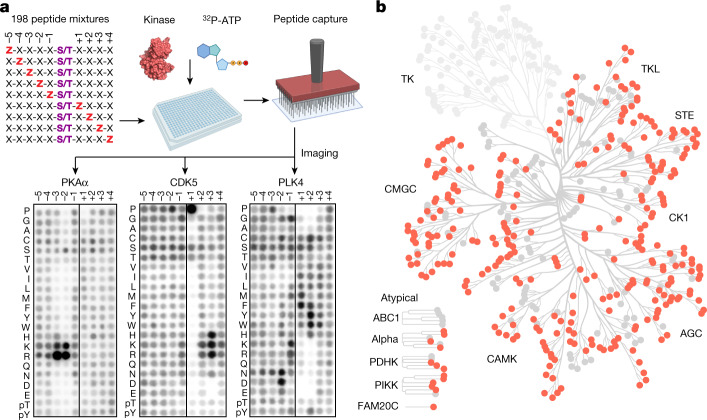
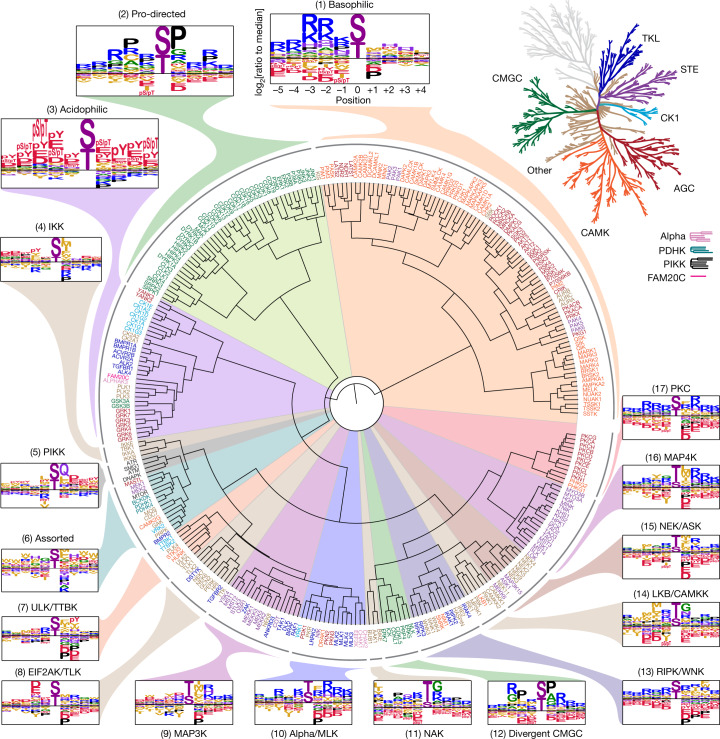
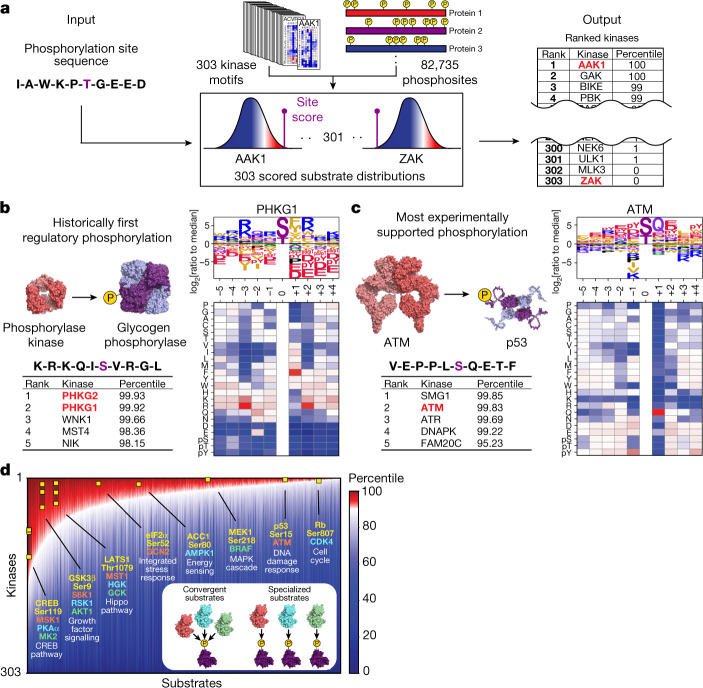
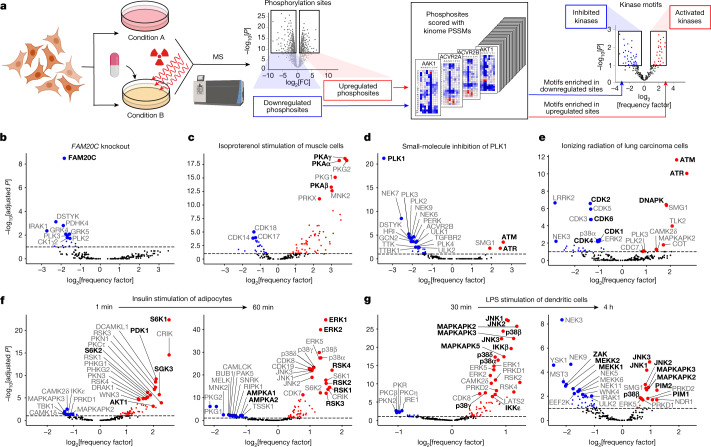
Protein phosphorylation is one of the most widespread post-translational modifications in biology 1,2 . With advances in mass-spectrometry-based phosphoproteomics, 90,000 sites of serine and threonine phosphorylation have so far been identified, and several thousand have been associated with human diseases and biological processes 3,4 . For the vast majority of phosphorylation events, it is not yet known which of the more than 300 protein serine/threonine (Ser/Thr) kinases encoded in the human genome are responsible 3 . Here we used synthetic peptide libraries to profile the substrate sequence specificity of 303 Ser/Thr kinases, comprising more than 84% of those predicted to be active in humans. Viewed in its entirety, the substrate specificity of the kinome was substantially more diverse than expected and was driven extensively by negative selectivity. We used our kinome-wide dataset to computationally annotate and identify the kinases capable of phosphorylating every reported phosphorylation site in the human Ser/Thr phosphoproteome. For the small minority of phosphosites for which the putative protein kinases involved have been previously reported, our predictions were in excellent agreement. When this approach was applied to examine the signalling response of tissues and cell lines to hormones, growth factors, targeted inhibitors and environmental or genetic perturbations, it revealed unexpected insights into pathway complexity and compensation. Overall, these studies reveal the intrinsic substrate specificity of the human Ser/Thr kinome, illuminate cellular signalling responses and provide a resource to link phosphorylation events to biological pathways.
Overview
The claims and statistics of this paper haven’t been checked yet.
Run the check — free, no account needed. It reads the open-access text and checks the sources it cites.
Integrity signals
Registry
Cites
Statistics
Figures
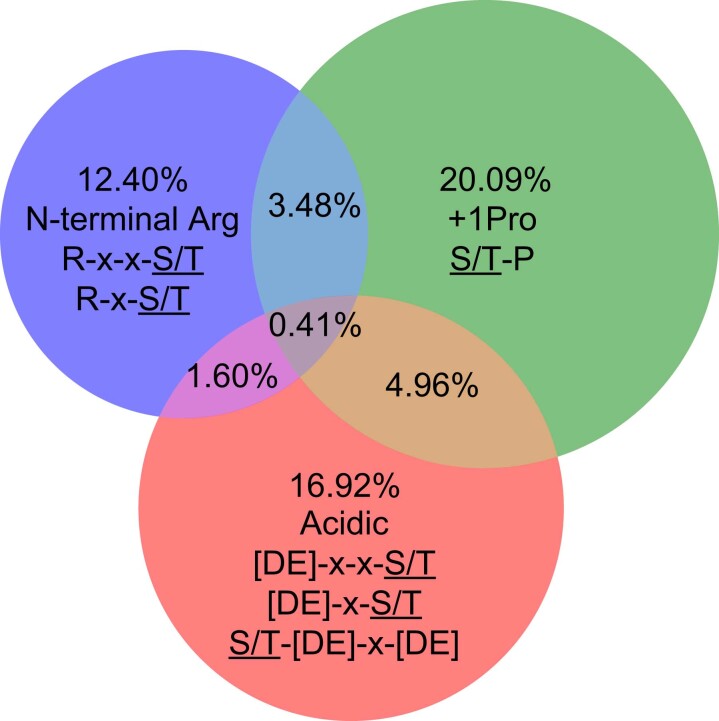
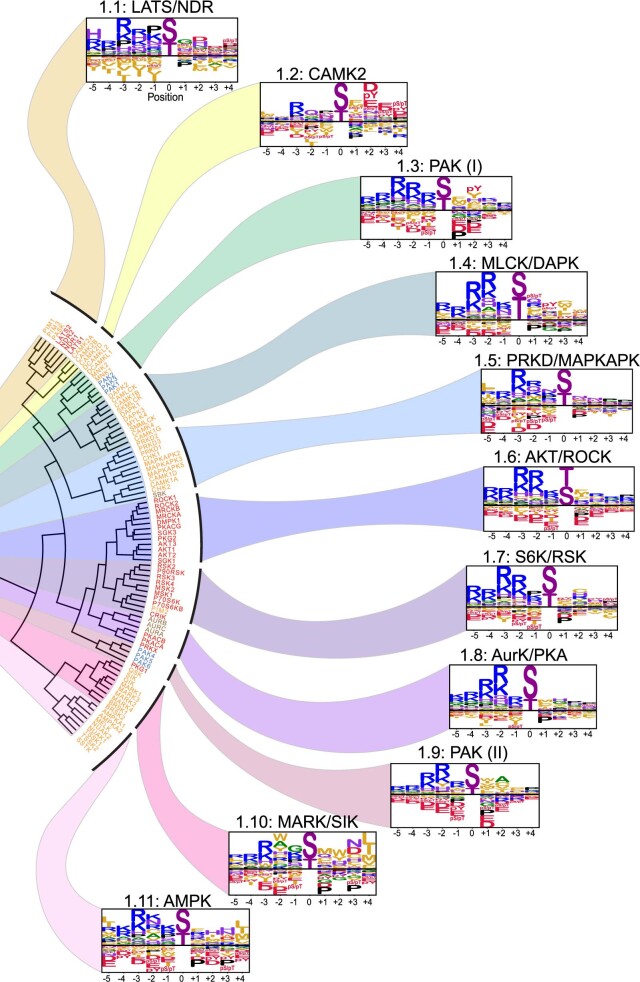
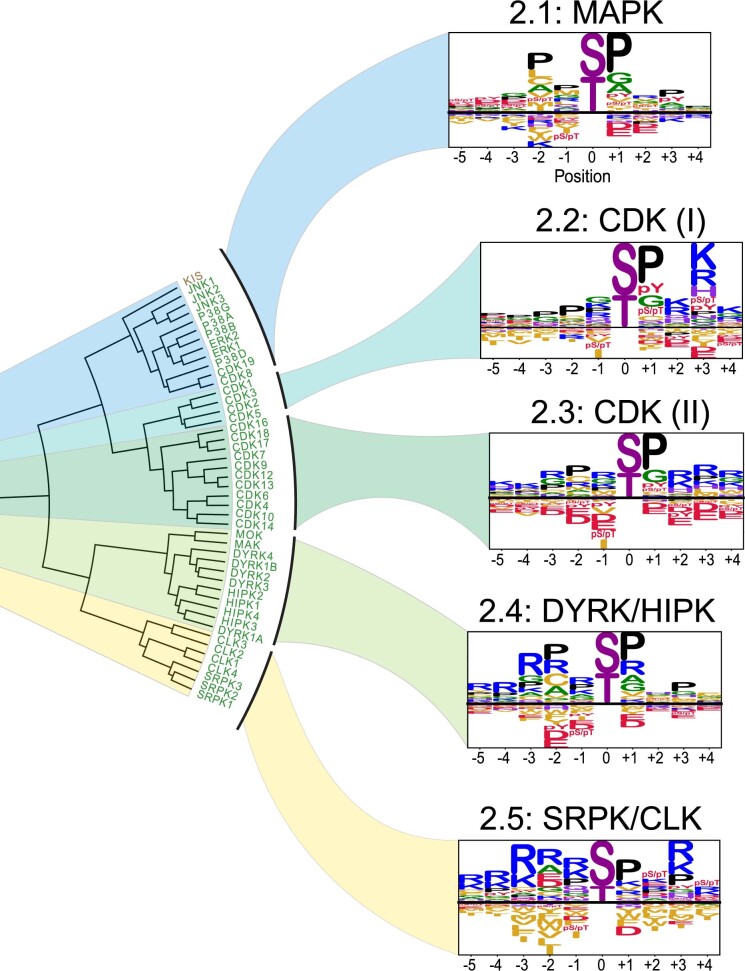
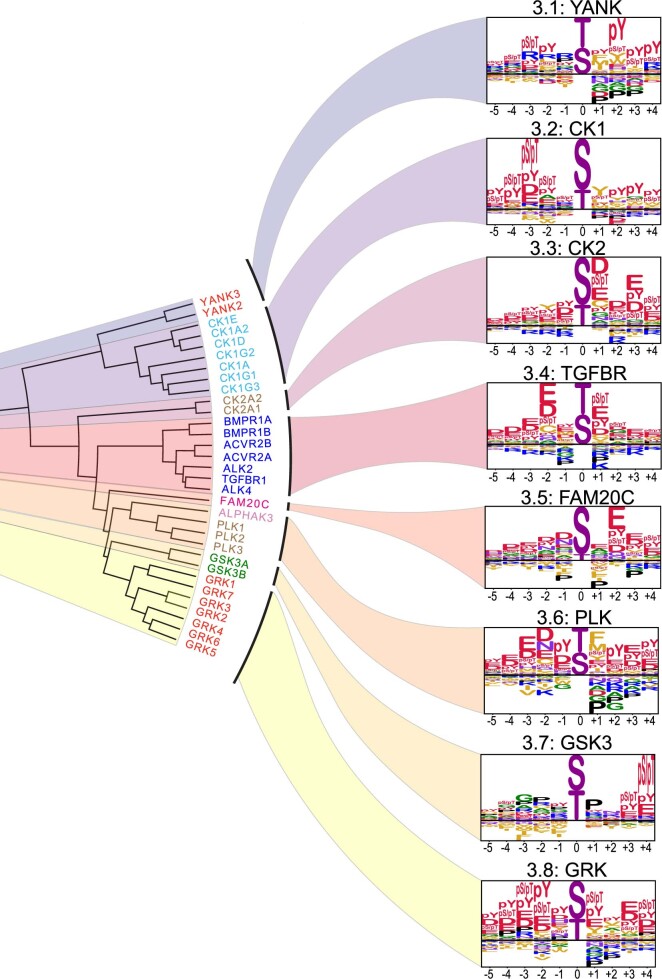
Verification
Claims the paper makes
The claims and statistics of this paper haven’t been checked yet.
Run the check — free, no account needed. It reads the open-access text and checks the sources it cites.
Claims other papers make about this one
Each is checked against this paper’s own text: does it say what the citing paper says it does?
The source backs part of the claim, not all of it — or backs it for a different population, condition or comparison.
In the citing paper
“Our comprehensive in silico kinase library screen for SNX17 S38 phosphorylation has expanded the list of candidates to include SNRK, DAPK2, DAPK1, and kinases of the CAMK class (45, 46).”
From Phosphorylation of SNX17 impedes activation of Retriever-mediated sorting (2025) · cites this paper as [45]
Experimental — accuracy not yet measured
Self-check
Percentages, sums and reported differences re-computed from the paper’s own numbers.
The self-check needs the paper’s full text.
Citations
Cites
Highly accurate protein structure prediction with AlphaFold
Jumper, J., Evans, R., Pritzel, A., Green, T., Figurnov, M., Ronneberger, O., Tunyasuvunakool, K., Bates, R., Žídek, A., Potapenko, A., et al. (2021) · Nature · doi:10.1038/s41586-021-03819-2 · Cited by 43,764
Berman, H. M. (2000) · Nucleic Acids Research · doi:10.1093/nar/28.1.235 · Cited by 40,196
The protein kinase complement of the human genome
Manning, G., Whyte, D. B., Martinez, R., Hunter, T., & Sudarsanam, S. (2002) · Science · doi:10.1126/science.1075762 · Cited by 8,145
Accurate prediction of protein structures and interactions using a 3-track network
Baek, M., DiMaio, F., Anishchenko, I., Dauparas, J., Ovchinnikov, S., Lee, G. R., Wang, J., Cong, Q., Kinch, L. N., Schaeffer, R. D., et al. (2021) · doi:10.1101/2021.06.14.448402 · Cited by 5,549
Mitogen-Activated Protein Kinase Pathways Mediated by ERK, JNK, and p38 Protein Kinases
Johnson, G. L., & Lapadat, R. (2002) · Science · doi:10.1126/science.1072682 · Cited by 4,295
Blume-Jensen, P., & Hunter, T. (2001) · Nature · doi:10.1038/35077225 · Cited by 3,738
Mass-spectrometric exploration of proteome structure and function
Aebersold, R., & Mann, M. (2016) · Nature · doi:10.1038/nature19949 · Cited by 2,334
CREB: A Stimulus-Induced Transcription Factor Activated by A Diverse Array of Extracellular Signals
Shaywitz, A. J., & Greenberg, M. E. (1999) · Annual Review of Biochemistry · doi:10.1146/annurev.biochem.68.1.821 · Cited by 2,133
GSK-3: tricks of the trade for a multi-tasking kinase
Doble, B. W., & Woodgett, J. R. (2003) · Journal of Cell Science · doi:10.1242/jcs.00384 · Cited by 2,084
Scansite 2.0: proteome-wide prediction of cell signaling interactions using short sequence motifs
Obenauer, J. C. (2003) · Nucleic Acids Research · doi:10.1093/nar/gkg584 · Cited by 1,609
Cohen, P., & Frame, S. (2001) · Nature Reviews Molecular Cell Biology · doi:10.1038/35096075 · Cited by 1,493
Mechanisms of specificity in protein phosphorylation
Ubersax, J. A., & Ferrell Jr, J. E. (2007) · Nature Reviews Molecular Cell Biology · doi:10.1038/nrm2203 · Cited by 1,451
An Adenosine 3′,5′-Monophosphate-dependant Protein Kinase from Rabbit Skeletal Muscle
Walsh, D. A., Perkins, J. P., & Krebs, E. G. (1968) · Journal of Biological Chemistry · doi:10.1016/s0021-9258(19)34204-8 · Cited by 1,448
One‐thousand‐and‐one substrates of protein kinase CK2?
Meggio, F., & Pinna, L. A. (2003) · The FASEB Journal · doi:10.1096/fj.02-0473rev · Cited by 1,329
The nuts and bolts of AGC protein kinases
Pearce, L. R., Komander, D., & Alessi, D. R. (2010) · Nature Reviews Molecular Cell Biology · doi:10.1038/nrm2822 · Cited by 1,294
The origins of protein phosphorylation
Cohen, P. (2002) · Nature Cell Biology · doi:10.1038/ncb0502-e127 · Cited by 1,183
Kinase inhibitors: the road ahead
Ferguson, F. M., & Gray, N. S. (2018) · Nature Reviews Drug Discovery · doi:10.1038/nrd.2018.21 · Cited by 1,009
Protein kinase recognition sequence motifs
Kemp, B. E., & Pearson, R. B. (1990) · Trends in Biochemical Sciences · doi:10.1016/0968-0004(90)90073-k · Cited by 988
Regulation of p53 in response to DNA damage
Lakin, N. D., & Jackson, S. P. (1999) · Oncogene · doi:10.1038/sj.onc.1203015 · Cited by 987
Protein kinases: evolution of dynamic regulatory proteins
Taylor, S. S., & Kornev, A. P. (2010) · Trends in Biochemical Sciences · doi:10.1016/j.tibs.2010.09.006 · Cited by 940
ggseqlogo: a versatile R package for drawing sequence logos
Wagih, O. (2017) · Bioinformatics · doi:10.1093/bioinformatics/btx469 · Cited by 933
Sutherland, E. W., & Rall, T. W. (1960) · Pharmacological Reviews · doi:10.1016/s0031-6997(25)06975-3 · Cited by 913
Quantitative Analysis of Hsp90-Client Interactions Reveals Principles of Substrate Recognition
Taipale, M., Krykbaeva, I., Koeva, M., Kayatekin, C., Westover, K. D., Karras, G. I., & Lindquist, S. (2012) · Cell · doi:10.1016/j.cell.2012.06.047 · Cited by 879
Kemp, B. E., Graves, D. J., Benjamini, E., & Krebs, E. G. (1977) · Journal of Biological Chemistry · doi:10.1016/s0021-9258(17)40137-2 · Cited by 835
Substrate Specificities and Identification of Putative Substrates of ATM Kinase Family Members
Kim, S.-T., Lim, D.-S., Canman, C. E., & Kastan, M. B. (1999) · Journal of Biological Chemistry · doi:10.1074/jbc.274.53.37538 · Cited by 810
Systematic Discovery of In Vivo Phosphorylation Networks
Linding, R., Jensen, L. J., Ostheimer, G. J., van Vugt, M. A. T. M., Jørgensen, C., Miron, I. M., Diella, F., Colwill, K., Taylor, L., Elder, K., et al. (2007) · Cell · doi:10.1016/j.cell.2007.05.052 · Cited by 739
Self-citationThe biological impact of mass-spectrometry-based proteomics
Cravatt, B. F., Simon, G. M., & Yates, J. R. (2007) · Nature · doi:10.1038/nature06525 · Cited by 717
Polo-like kinase-1 is activated by aurora A to promote checkpoint recovery
Macůrek, L., Lindqvist, A., Lim, D., Lampson, M. A., Klompmaker, R., Freire, R., Clouin, C., Taylor, S. S., Yaffe, M. B., & Medema, R. H. (2008) · Nature · doi:10.1038/nature07185 · Cited by 710
Self-citationRegulation of Receptor Trafficking by GRKs and Arrestins
Moore, C. A. C., Milano, S. K., & Benovic, J. (2006) · Annual Review of Physiology · doi:10.1146/annurev.physiol.69.022405.154712 · Cited by 709
GRKs and β-arrestins: roles in receptor silencing, trafficking and signaling
Reiter, É., & Lefkowitz, R. J. (2006) · Trends in Endocrinology and Metabolism · doi:10.1016/j.tem.2006.03.008 · Cited by 680
Linn, T. C., Pettit, F. H., & Reed, L. J. (1969) · Proceedings of the National Academy of Sciences · doi:10.1073/pnas.62.1.234 · Cited by 671
Use of an oriented peptide library to determine the optimal substrates of protein kinases
Songyang, Z., Blechner, S., Hoagland, N., Hoekstra, M. F., Piwnica-Worms, H. M., & Cantley, L. C. (1994) · Current Biology · doi:10.1016/s0960-9822(00)00221-9 · Cited by 654
Self-citationReinhardt, H. C., Aslanian, A., Lees, J. A., & Yaffe, M. B. (2007) · Cancer Cell · doi:10.1016/j.ccr.2006.11.024 · Cited by 614
Self-citationSignalling ballet in space and time
Kholodenko, B. Ν., Hancock, J. F., & Kölch, W. (2010) · Nature Reviews Molecular Cell Biology · doi:10.1038/nrm2901 · Cited by 612
Johannessen, M., Delghandi, M. P., & Moens, U. L. (2004) · Cellular Signalling · doi:10.1016/j.cellsig.2004.05.001 · Cited by 586
Mixed-lineage kinase control of JNK and p38 MAPK pathways
Gallo, K. A., & Johnson, G. L. (2002) · Nature Reviews Molecular Cell Biology · doi:10.1038/nrm906 · Cited by 572
Kettenbach, A. N., Schweppe, D. K., Faherty, B. K., Pechenick, D. A., Pletnev, A. A., & Gerber, S. A. (2011) · Science Signaling · doi:10.1126/scisignal.2001497 · Cited by 545
MAP4K family kinases act in parallel to MST1/2 to activate LATS1/2 in the Hippo pathway
Meng, Z., Moroishi, T., Mottier, V., Plouffe, S. W., Hansen, C. G., Hong, A. W., Park, H. W., Mo, J., Lü, W., Lu, S., et al. (2015) · Nature Communications · doi:10.1038/ncomms9357 · Cited by 537
Kinases that control the cell cycle in response to DNA damage: Chk1, Chk2, and MK2
Reinhardt, H. C., & Yaffe, M. B. (2009) · Current Opinion in Cell Biology · doi:10.1016/j.ceb.2009.01.018 · Cited by 522
Self-citationA motif-based profile scanning approach for genome-wide prediction of signaling pathways
Yaffe, M. B., Leparc, G. G., Lai, J., Obata, T., Volinia, S., & Cantley, L. C. (2001) · Nature Biotechnology · doi:10.1038/86737 · Cited by 517
Self-citationThe RNA Polymerase II Carboxy-Terminal Domain (CTD) Code
Eick, D., & Geyer, M. (2013) · Chemical Reviews · doi:10.1021/cr400071f · Cited by 500
Cyclin-dependent kinases: a family portrait
Malumbres, M., Harlow, E. E., Hunt, T., Hunter, T. R., Lahti, J. M., Manning, G., Morgan, D. O., Tsai, L., & Wolgemuth, D. J. (2009) · Nature Cell Biology · doi:10.1038/ncb1109-1275 · Cited by 499
The functional landscape of the human phosphoproteome
Ochoa, D., Jarnuczak, A. F., Viéitez, C., Gehre, M., Soucheray, M., Mateus, A., Kleefeldt, A. A., Hill, A., Garcia-Alonso, L., Stein, F., et al. (2020) · Nature Biotechnology · doi:10.1038/s41587-019-0344-3 · Cited by 491
How do protein kinases recognize their substrates?
Pinna, L. A., & Ruzzene, M. (1996) · Biochimica et Biophysica Acta (BBA) - Molecular Cell Research · doi:10.1016/s0167-4889(96)00083-3 · Cited by 472
Small-molecule kinase inhibitors: an analysis of FDA-approved drugs
Wu, P., Nielsen, T. E., & Clausen, M. H. (2016) · Drug Discovery Today · doi:10.1016/j.drudis.2015.07.008 · Cited by 457
Linear Motif Atlas for Phosphorylation-Dependent Signaling
Miller, M. L., Jensen, L. J., Diella, F., Jørgensen, C., Tinti, M., Li, L., Hsiung, M. S., Parker, S. A., Bordeaux, J., Sicheritz‐Pontén, T., et al. (2008) · Science Signaling · doi:10.1126/scisignal.1159433 · Cited by 445
Self-citationThe Structural Basis for Control of Eukaryotic Protein Kinases
Endicott, J., Noble, M. E. M., & Johnson, L. N. (2012) · Annual Review of Biochemistry · doi:10.1146/annurev-biochem-052410-090317 · Cited by 440
Why nature chose phosphate to modify proteins
Hunter, T. R. (2012) · Philosophical Transactions of the Royal Society B Biological Sciences · doi:10.1098/rstb.2012.0013 · Cited by 430
Kinase mutations in human disease: interpreting genotype–phenotype relationships
Lahiry, P., Torkamani, A., Schork, N. J., & Hegele, R. A. (2010) · Nature Reviews Genetics · doi:10.1038/nrg2707 · Cited by 420
Dynamic Adipocyte Phosphoproteome Reveals that Akt Directly Regulates mTORC2
Humphrey, S. J., Yang, G., Yang, P., Fazakerley, D. J., Stöckli, J., Yang, J. Y. H., & James, D. E. (2013) · Cell Metabolism · doi:10.1016/j.cmet.2013.04.010 · Cited by 412
Edwards, A. M., Isserlin, R., Bader, G. D., Frye, S. V., Willson, T. M., & Yu, F. H. (2011) · Nature · doi:10.1038/470163a · Cited by 411
Clark‐Lewis, I., Sanghera, J. S., & Pelech, S. (1991) · Journal of Biological Chemistry · doi:10.1016/s0021-9258(18)98601-1 · Cited by 400
A rapid method for determining protein kinase phosphorylation specificity
Hutti, J. E., Jarrell, E. T., Chang, J. D., Abbott, D. W., Störz, P., Toker, A., Cantley, L. C., & Turk, B. E. (2004) · Nature Methods · doi:10.1038/nmeth708 · Cited by 356
Self-citationHornbeck, P. V., Kornhauser, J. M., Latham, V. M., Murray, B., Nandhikonda, V., Nord, A., Skrzypek, E., Wheeler, T. J., Zhang, B., & Gnad, F. (2018) · Nucleic Acids Research · doi:10.1093/nar/gky1159 · Cited by 355
Self-citationMok, J., Kim, P. M., Lam, H. Y. K., Piccirillo, S., Zhou, X., Jeschke, G. R., Sheridan, D. L., Parker, S. A., Desai, V., Jwa, M., et al. (2010) · Science Signaling · doi:10.1126/scisignal.2000482 · Cited by 348
Self-citationA Single Kinase Generates the Majority of the Secreted Phosphoproteome
Tagliabracci, V. S., Wiley, S. E., Guo, X. Q., Kinch, L. N., Durrant, E. S., Wen, J., Xiao, J., Cui, J., Nguyen, K. B., Engel, J. D., et al. (2015) · Cell · doi:10.1016/j.cell.2015.05.028 · Cited by 347
Phosphate groups as substrate determinants for casein kinase I action.
Flotow, H., Graves, P. R., Wang, A. Q., Fiol, C. J., Roeske, R. W., & Roach, P. J. (1990) · Journal of Biological Chemistry · doi:10.1016/s0021-9258(18)77295-5 · Cited by 337
Illuminating the dark phosphoproteome
Needham, E. J., Parker, B. L., Burykin, T., James, D. E., & Humphrey, S. J. (2019) · Science Signaling · doi:10.1126/scisignal.aau8645 · Cited by 336
Intrinsically disordered proteins drive membrane curvature
Busch, D. J., Houser, J. R., Hayden, C. C., Sherman, M. B., Lafer, E. M., & Stachowiak, J. C. (2015) · Nature Communications · doi:10.1038/ncomms8875 · Cited by 282
Alpha-kinase 1 is a cytosolic innate immune receptor for bacterial ADP-heptose
Zhou, P., She, Y., Dong, N., Li, P., He, H., Borio, A., Wu, Q., Lu, S., Ding, X., Cao, Y., et al. (2018) · Nature · doi:10.1038/s41586-018-0433-3 · Cited by 270
Phosphoproteomics in the Age of Rapid and Deep Proteome Profiling
Riley, N. M., & Coon, J. J. (2016) · Analytical Chemistry · doi:10.1021/acs.analchem.5b04123 · Cited by 265
van Vugt, M. A. T. M., Gardino, A. K., Linding, R., Ostheimer, G. J., Reinhardt, H. C., Ong, S.-E., Tan, C. S. H., Miao, H., Keezer, S. M., Li, J., et al. (2010) · PLoS Biology · doi:10.1371/journal.pbio.1000287 · Cited by 236
Self-citationXie, S., Wu, H., Wang, Q., Cogswell, J. P., Husain, I., Conn, C. W., Stambrook, P. J., Jhanwar‐Uniyal, M., & Dai, W. H. (2001) · Journal of Biological Chemistry · doi:10.1074/jbc.m106050200 · Cited by 228
Homing in: Mechanisms of Substrate Targeting by Protein Kinases
Miller, C. J., & Turk, B. E. (2018) · Trends in Biochemical Sciences · doi:10.1016/j.tibs.2018.02.009 · Cited by 202
Self-citationStructure of the Site Phosphorylated in the Phosphorylase b to a Reaction
Fischer, E. H., Graves, D. J., Snyder, E. R., & Krebs, E. G. (1959) · Journal of Biological Chemistry · doi:10.1016/s0021-9258(18)69910-7 · Cited by 198
Serine-7 but not serine-5 phosphorylation primes RNA polymerase II CTD for P-TEFb recognition
Czudnochowski, N., Bösken, C. A., & Geyer, M. (2012) · Nature Communications · doi:10.1038/ncomms1846 · Cited by 191
Utilization of Oriented Peptide Libraries to Identify Substrate Motifs Selected by ATM
O'Neill, T., Dwyer, A. J., Ziv, Y., Chan, D. W., Lees-Miller, S. P., Abraham, R. H., Lai, J. H., Hill, D., Shiloh, Y., Cantley, L. C., et al. (2000) · Journal of Biological Chemistry · doi:10.1074/jbc.m001002200 · Cited by 189
Self-citationSite specificity of casein kinase‐2 (TS) from rat liver cytosol
Marin, O., Meggio, F., Marchiori, F., Borin, G., & Pinna, L. A. (1986) · European Journal of Biochemistry · doi:10.1111/j.1432-1033.1986.tb09962.x · Cited by 188
The phosphoproteomics data explosion
Lemeer, S., & Heck, A. J. R. (2009) · Current Opinion in Chemical Biology · doi:10.1016/j.cbpa.2009.06.022 · Cited by 179
MELK is not necessary for the proliferation of basal-like breast cancer cells
Huang, H., Seo, H., Zhang, T., Wang, Y., Jiang, B., Li, Q., Buckley, D. L., Nabet, B., Roberts, J. M., Paulk, J., et al. (2017) · eLife · doi:10.7554/elife.26693 · Cited by 178
Alexander, J., Lim, D., Joughin, B. A., Hegemann, B., Hutchins, J. R. A., Ehrenberger, T., Ivins, F. J., Sessa, F., Hudecz, O., Nigg, E. A., et al. (2011) · Science Signaling · doi:10.1126/scisignal.2001796 · Cited by 174
Self-citationA Structurally-Validated Multiple Sequence Alignment of 497 Human Protein Kinase Domains
Modi, V., & Dunbrack, R. L. (2019) · Scientific Reports · doi:10.1038/s41598-019-56499-4 · Cited by 171
Crystal structure of a BRAF kinase domain monomer explains basis for allosteric regulation
Thevakumaran, N., Lavoie, H., Critton, D., Tebben, A. J., Marinier, A., Sicheri, F., & Therrien, M. (2014) · Nature Structural & Molecular Biology · doi:10.1038/nsmb.2924 · Cited by 169
pHisphorylation: the emergence of histidine phosphorylation as a reversible regulatory modification
Fuhs, S. R., & Hunter, T. R. (2017) · Current Opinion in Cell Biology · doi:10.1016/j.ceb.2016.12.010 · Cited by 167
Fiol, C. J., Wang, A. Q., Roeske, R. W., & Roach, P. J. (1990) · Journal of Biological Chemistry · doi:10.1016/s0021-9258(19)39291-9 · Cited by 158
Structural and functional analysis of the Cdk13/Cyclin K complex
Greifenberg, A. K., Hönig, D., Pilarova, K., Düster, R., Bartholomeeusen, K., Bösken, C. A., Anand, K., Blazek, D., & Geyer, M. (2016) · Cell Reports · doi:10.1016/j.celrep.2015.12.025 · Cited by 157
Structure Guided Design of Potent and Selective Ponatinib-Based Hybrid Inhibitors for RIPK1
Najjar, M., Suebsuwong, C., Ray, S. S., Thapa, R. J., Maki, J. L., Nogusa, S., Shah, S., Saleh, D., Gough, P. J., Bertin, J., et al. (2015) · Cell Reports · doi:10.1016/j.celrep.2015.02.052 · Cited by 156
Self-citationMO25 is a master regulator of SPAK/OSR1 and MST3/MST4/YSK1 protein kinases
Filippi, B., Heros, P. D. L., Mehellou, Y., Navratilova, I. H., Gourlay, R., Deák, M., Plater, L., Toth, R. L., Zeqiraj, E., & Alessi, D. R. (2011) · The EMBO Journal · doi:10.1038/emboj.2011.78 · Cited by 144
Berginski, M. E., Moret, N., Liu, C., Goldfarb, D., Sorger, P. K., & Gomez, S. M. (2020) · Nucleic Acids Research · doi:10.1093/nar/gkaa853 · Cited by 144
Tagliabracci, V. S., Pinna, L. A., & Dixon, J. E. (2012) · Trends in Biochemical Sciences · doi:10.1016/j.tibs.2012.11.008 · Cited by 131
Xu, B.-E., Wilsbacher, J. L., Collisson, T., & Cobb, M. H. (1999) · Journal of Biological Chemistry · doi:10.1074/jbc.274.48.34029 · Cited by 109
Rimel, J. K., Poss, Z. C., Erickson, B., Maas, Z. L., Ebmeier, C. C., Johnson, J. L., Decker, T.-M., Yaron, T. M., Bradley, M. J., Hamman, K. B., et al. (2020) · Genes & Development · doi:10.1101/gad.341545.120 · Cited by 103
Self-citationIdentification of a Major Determinant for Serine-Threonine Kinase Phosphoacceptor Specificity
Chen, C., Ha, B. H., Thévenin, A. F., Lou, H. J., Zhang, R., Yip, K. Y.-L., Peterson, J. R., Gerstein, M., Kim, P. M., Filippakopoulos, P., et al. (2014) · Molecular Cell · doi:10.1016/j.molcel.2013.11.013 · Cited by 102
Self-citationDiscovery of a selective inhibitor of doublecortin like kinase 1
Ferguson, F. M., Nabet, B., Raghavan, S., Liu, Y., Leggett, A. L., Kuljanin, M., Kalekar, R. L., Yang, A., He, S., Wang, J., et al. (2020) · Nature Chemical Biology · doi:10.1038/s41589-020-0506-0 · Cited by 102
Shah, N. H., Wang, Q., Yan, Q., Karandur, D., Kadlecek, T. A., Fallahee, I., Russ, W. P., Ranganathan, R., Weiss, A., & Kuriyan, J. (2016) · eLife · doi:10.7554/elife.20105 · Cited by 97
Melero, R., Uchiyama, A., Castaño, R., Kataoka, N., Kurosawa, H., Ohno, S., Yamashita, A., & Llorca, Ó. (2014) · Structure · doi:10.1016/j.str.2014.05.015 · Cited by 91
Self-citationHost protein kinases required for SARS-CoV-2 nucleocapsid phosphorylation and viral replication
Yaron, T. M., Heaton, B. E., Levy, T. M., Johnson, J. L., Jordan, T. X., Cohen, B. M., Kerelsky, A., Lin, T.-Y., Liberatore, K. M., Bulaon, D. K., et al. (2022) · Science Signaling · doi:10.1126/scisignal.abm0808 · Cited by 89
Self-citationUnmasking Determinants of Specificity in the Human Kinome
Creixell, P., Palmeri, A., Miller, C. J., Lou, H. J., Santini, C. C., Nielsen, M., Turk, B. E., & Linding, R. (2015) · Cell · doi:10.1016/j.cell.2015.08.057 · Cited by 85
Self-citationA precisely positioned MED12 activation helix stimulates CDK8 kinase activity
Klatt, F., Leitner, A., Kim, I. V., Ho-Xuan, H., Schneider, E. V., Langhammer, F., Weinmann, R., Müller, M., Huber, R., Meister, G., et al. (2020) · Proceedings of the National Academy of Sciences · doi:10.1073/pnas.1917635117 · Cited by 78
Wynn, R., Davie, J., Cox, R. P., & Chuang, D. (1992) · Journal of Biological Chemistry · doi:10.1016/s0021-9258(18)42286-7 · Cited by 78
Macrophages employ quorum licensing to regulate collective activation
Muldoon, J. J., Chuang, Y., Bagheri, N., & Leonard, J. N. (2020) · Nature Communications · doi:10.1038/s41467-020-14547-y · Cited by 70
Villa, F., Capasso, P., Tortorici, M., Forneris, F., de Marco, A., Mattevi, A., & Musacchio, A. (2009) · Proceedings of the National Academy of Sciences · doi:10.1073/pnas.0908485106 · Cited by 69
Sekiguchi, M., Katayama, S., Hatano, N., Shigeri, Y., Sueyoshi, N., & Kameshita, I. (2013) · Archives of Biochemistry and Biophysics · doi:10.1016/j.abb.2013.04.012 · Cited by 68
Wan, L. C. K., Maisonneuve, P., Szilard, R. K., Lambert, J., Ng, T. F., Manczyk, N., Huang, H., Laister, R. C., Caudy, A. A., Gingras, A., et al. (2016) · Nucleic Acids Research · doi:10.1093/nar/gkw1181 · Cited by 67
Zhu, G., Fujii, K., Belkina, N., Liu, Y., James, M. N. G., Herrero, J. J., & Shaw, S. (2005) · Journal of Biological Chemistry · doi:10.1074/jbc.m413159200 · Cited by 64
Shah, N. H., Löbel, M., Weiss, A., & Kuriyan, J. (2018) · eLife · doi:10.7554/elife.35190 · Cited by 63
Phosphorylation-dependent substrate selectivity of protein kinase B (AKT1)
Balasuriya, N., Davey, N. E., Johnson, J. L., Liu, H., Biggar, K. K., Cantley, L. C., Li, S. S. ‐., & O’Donoghue, P. (2020) · Journal of Biological Chemistry · doi:10.1074/jbc.ra119.012425 · Cited by 61
Self-citationAmino acid sequence of the phosphorylated site in rabbit liver glycogen phosphorylase
Wolf, D. P., Fischer, E. H., & Krebs, E. G. (1970) · Biochemistry · doi:10.1021/bi00811a010 · Cited by 61
Quantitative phosphoproteomics to characterize signaling networks
Rigbolt, K. T. G., & Blagoev, B. (2012) · Seminars in Cell and Developmental Biology · doi:10.1016/j.semcdb.2012.05.006 · Cited by 60
hSMG-1 and ATM sequentially and independently regulate the G1 checkpoint during oxidative stress
Gehen, S. C., Staversky, R. J., Bambara, R. A., Keng, P. C., & O’Reilly, M. A. (2008) · Oncogene · doi:10.1038/onc.2008.48 · Cited by 59
Murillo‐de‐Ozores, A. R., Chávez‐Canales, M., Heros, P. D. L., Gamba, G., & Castañeda‐Bueno, M. (2020) · Frontiers in Physiology · doi:10.3389/fphys.2020.585907 · Cited by 56
Major phosphorylation of SF1 on adjacent Ser‐Pro motifs enhances interaction with U2AF65
Manceau, V., Swenson, M. C., Caër, J. L., Sobel, A., Kielkopf, C. L., & Maucuer, A. (2006) · FEBS Journal · doi:10.1111/j.1742-4658.2005.05091.x · Cited by 53
Self-citationAn Open Library of Human Kinase Domain Constructs for Automated Bacterial Expression
Albanese, S. K., Parton, D. L., Işık, M., Rodríguez‐Laureano, L., Hanson, S. M., Behr, J. M., Gradia, S., Jeans, C., Levinson, N. M., Seeliger, M. A., et al. (2018) · Biochemistry · doi:10.1021/acs.biochem.7b01081 · Cited by 51
Yaron, T. M., Heaton, B. E., Levy, T. M., Johnson, J. L., Jordan, T. X., Cohen, B. M., Kerelsky, A., Lin, T.-Y., Liberatore, K. M., Bulaon, D. K., et al. (2020) · bioRxiv (Cold Spring Harbor Laboratory) · doi:10.1101/2020.08.14.251207 · Cited by 49
Self-citationSanz-García, M., Vázquez-Cedeira, M., Kellerman, E., Renbaum, P., Levy‐Lahad, E., & Lazo, P. A. (2011) · Journal of Proteomics · doi:10.1016/j.jprot.2011.08.019 · Cited by 45
Zhu, Y., Aebersold, R. H., Mann, M., & Guo, T. (2021) · Cell · doi:10.1016/j.cell.2021.08.015 · Cited by 43
STK25 suppresses Hippo signaling by regulating SAV1-STRIPAK antagonism
Bae, S. J., Ni, L., & Luo, X. (2020) · eLife · doi:10.7554/elife.54863 · Cited by 42
Zheng, Y., Ramsamooj, S., Li, Q., Johnson, J. L., Yaron, T. M., Sharra, K., & Cantley, L. C. (2019) · Scientific Reports · doi:10.1038/s41598-019-40950-7 · Cited by 39
Self-citationGonzález-Hunt, C. P., Thacker, E., Toste, C. M., Boularand, S., Deprets, S., Dubois, L., & Sanders, L. H. (2020) · Scientific Reports · doi:10.1038/s41598-020-74195-6 · Cited by 39
Needham, E. J., Humphrey, S. J., Cooke, K. C., Fazakerley, D. J., Duan, X., Parker, B. L., & James, D. E. (2019) · Cell Reports · doi:10.1016/j.celrep.2019.10.001 · Cited by 33
A resource for exploring the understudied human kinome for research and therapeutic opportunitiesPreprint
Moret, N., Liu, C., Gyori, B. M., Bachman, J. A., Steppi, A., Hug, C. B., Taujale, R., Huang, L., Berginski, M. E., Gomez, S. M., et al. (2020) · bioRxiv (Cold Spring Harbor Laboratory) · doi:10.1101/2020.04.02.022277 · Cited by 33
Winter, M., Đokić, I., Schlegel, J., Warnken, U. H., Debus, J., Abdollahi, A., & Schnölzer, M. (2017) · Molecular & Cellular Proteomics · doi:10.1074/mcp.m116.066597 · Cited by 32
Discovery of Covalent CDK14 Inhibitors with Pan-TAIRE Family Specificity
Ferguson, F. M., Doctor, Z. M., Ficarro, S. B., Browne, C. M., Marto, J. A., Johnson, J. L., Yaron, T. M., Cantley, L. C., Kim, N. D., Sim, T., et al. (2019) · Cell chemical biology · doi:10.1016/j.chembiol.2019.02.015 · Cited by 31
Self-citationSequence and Structure-Based Analysis of Specificity Determinants in Eukaryotic Protein Kinases
Bradley, D. T. C., Viéitez, C., Rajeeve, V., Selkrig, J., Cutillas, P. R., & Beltrão, P. (2021) · Cell Reports · doi:10.1016/j.celrep.2020.108602 · Cited by 31
An Integrative Framework Reveals Signaling-to-Transcription Events in Toll-like Receptor Signaling
Mertins, P., Przybylski, D., Yosef, N., Qiao, J., Clauser, K. R., Raychowdhury, R., Eisenhaure, T., Maritzen, T., Haucke, V., Satoh, T., et al. (2017) · Cell Reports · doi:10.1016/j.celrep.2017.06.016 · Cited by 28
Self-citationRobert, T., Johnson, J. L., Guichaoua, R., Yaron, T. M., Bach, S., Cantley, L. C., & Colas, P. (2020) · Frontiers in Chemistry · doi:10.3389/fchem.2020.00147 · Cited by 28
Self-citationChemical Biology Toolkit for DCLK1 Reveals Connection to RNA Processing
Liu, Y., Ferguson, F. M., Li, L., Kuljanin, M., Mills, C. E., Subramanian, K., Harshbarger, W. D., Gondi, S. R., Wang, J., Sorger, P. K., et al. (2020) · Cell chemical biology · doi:10.1016/j.chembiol.2020.07.011 · Cited by 21
Song, J., Li, ., Huang, Y., & Chuang, D. (2003) · Journal of Biological Chemistry · doi:10.1074/jbc.m209705200 · Cited by 15
Self-citationMutation of Serine 1333 in the ATR HEAT Repeats Creates a Hyperactive Kinase
Luzwick, J. W., Nam, E. A., Zhao, R., & Cortez, D. (2014) · PLoS ONE · doi:10.1371/journal.pone.0099397 · Cited by 14
Joughin, B. A., Liu, C., Lauffenburger, D. A., Hogue, C. W. V., & Yaffe, M. B. (2012) · Philosophical Transactions of the Royal Society B Biological Sciences · doi:10.1098/rstb.2012.0010 · Cited by 12
Self-citation
Cited by
Sorted by citations
Enrichr-KG: bridging enrichment analysis across multiple libraries
Evangelista, J. E., Xie, Z., Marino, G. B., Nguyen, N. L. U., Clarke, D. J. B., & Ma’ayan, A. (2023) · Nucleic Acids Research · doi:10.1093/nar/gkad393 · Cited by 238
Geffen, Y., Anand, S. K., Akiyama, Y., Yaron, T. M., Song, Y., Johnson, J. L., Govindan, A., Babur, Ö., Li, Y., Huntsman, E. M., et al. (2023) · Cell · doi:10.1016/j.cell.2023.07.013 · Cited by 217
Self-citationELM—the Eukaryotic Linear Motif resource—2024 update
Kumar, M., Michael, S., Alvarado-Valverde, J., Zeke, A., Lázár, T., Glavina, J., Nagy‐Kanta, E., Donagh, J. M., Kálmán, Z. E., Pascarelli, S., et al. (2023) · Nucleic Acids Research · doi:10.1093/nar/gkad1058 · Cited by 185
Multi-pass, single-molecule nanopore reading of long protein strands
Motone, K., Kontogiorgos-Heintz, D., Wee, J., Kurihara, K., Yang, S., Roote, G., Fox, O. E., Fang, Y., Queen, M., Tolhurst, M., et al. (2024) · Nature · doi:10.1038/s41586-024-07935-7 · Cited by 183
The intrinsic substrate specificity of the human tyrosine kinome
Yaron-Barir, T. M., Joughin, B. A., Huntsman, E. M., Kerelsky, A., Cizin, D. M., Cohen, B. M., Regev, A., Song, J., Vasan, N., Lin, T.-Y., et al. (2024) · Nature · doi:10.1038/s41586-024-07407-y · Cited by 189
Self-citation
Metadata
- Authors
- Johnson, J. L., Yaron, T. M., Huntsman, E. M., Kerelsky, A., Song, J., Regev, A., Lin, T.-Y., Liberatore, K., Cizin, D. M., Cohen, B. M., Vasan, N., Ma, Y., Krismer, K., Robles, J. T., van de Kooij, B., van Vlimmeren, A. E., Andrée-Busch, N., Käufer, N. F., Dorovkov, M. V., Ryazanov, A. G., Takagi, Y., Kastenhuber, E. R., Goncalves, M. D., Hopkins, B. D., Elemento, O., Taatjes, D. J., Maucuer, A., Yamashita, A., Degterev, A., Uduman, M., Lu, J., Landry, S. D., Zhang, B., Cossentino, I., Linding, R., Blenis, J., Hornbeck, P. V., Turk, B. E., Yaffe, M. B., & Cantley, L. C.
- Affiliations
- Weill Cornell Medicine (US)
- Memorial Sloan Kettering Cancer Center (US)
- Cornell University (US)
- Columbia University Irving Medical Center (US)
- MIT Computer Science and Artificial Intelligence Laboratory (US)
- Yale University (US)
- Massachusetts Institute of Technology (US)
- Technische Universität Braunschweig (DE)
- Rutgers, The State University of New Jersey (US)
- Indiana University School of Medicine (US)
- Icahn School of Medicine at Mount Sinai (US)
- University of Colorado Boulder (US)
- Inserm (FR)
- University of the Ryukyus (JP)
- Tufts University (US)
- Cell Signaling Technology (United States) (US)
- Humboldt-Universität zu Berlin (DE)
- National Institutes of Health (US)
- Corresponding author
- Turk, Benjamin E.
- Yaffe, Michael B.
- Cantley, Lewis C.
- ORCID
- Johnson, Jared L.
- Yaron, Tomer M.
- Huntsman, Emily M.
- Song, Junho
- Regev, Amit
- Lin, Ting-Yu
- Liberatore, Katarina
- Cohen, Benjamin M.
- Vasan, Neil
- Ma, Yilun
- Krismer, Konstantin
- Robles, Jaylissa Torres
- van de Kooij, Bert
- van Vlimmeren, Anne E.
- Andrée-Busch, Nicole
- Dorovkov, Maxim V.
- Takagi, Yuichiro
- Kastenhuber, Edward R.
- Goncalves, Marcus D.
- Hopkins, Benjamin D.
- Elemento, Olivier
- Taatjes, Dylan J.
- Maucuer, Alexandre
- Yamashita, Akio
- Degterev, Alexei
- Uduman, Mohamed
- Lu, Jingyi
- Landry, Sean D.
- Cossentino, Ian
- Linding, Rune
- Blenis, John
- Hornbeck, Peter V.
- Turk, Benjamin E.
- Yaffe, Michael B.
- Cantley, Lewis C.
- Venue
- Nature
- Published
- 2023-01-11
- Volume
- 613
- Issue
- 7945
- Pages
- 759-766
- ISSN
- 0028-0836 (ISSN-L)
- 1476-4687
- PMC
- PMC9876800
- OpenAlex
- W4315642941
- Cited by
- 728
- References
- 120
- Citations by year
- 2026: 206 · 2025: 223 · 2024: 193 · 2023: 102
- FWCI
- 67.03
- Type
- journal article
- Language
- en
- Open access
- hybrid
- doi.org
- Locations
- Nature (publishedVersion, cc-by)
- bioRxiv (Cold Spring Harbor Laboratory) (acceptedVersion, cc-by-nc)
- PubMed Central (publishedVersion, cc-by)
- PubMed (publishedVersion)
- HAL (submittedVersion, cc-by)
- RePEc: Research Papers in Economics (submittedVersion)
- Institutional Repositories DataBase (IRDB) (submittedVersion, cc-by)
- University of Groningen research database (University of Groningen / Centre for Information Technology) (submittedVersion, cc-by)
- IUScholarWorks (Indiana University) (submittedVersion, cc-by)
- University oh the Ryukyus Repository (submittedVersion, cc-by-nc-nd)
- Funders
- Cancer Research UK (A28596, C42454/A28596)
- National Cancer Institute (CA120964, CA14051, T32CA203702, CA197588, CA226898, R01CA226898, Grant P30-CA14051, R35CA197588, P01CA120964, P30CA014051, P01CA117969, P30-CA-14051)
- National Institute of General Medical Sciences (R01GM104047, R35GM139550)
- National Institute of Diabetes and Digestive and Kidney Diseases (U24DK116204)
- National Institute of Environmental Health Sciences (R35ES028374)
- Topics
- Physical Sciences › Chemistry › Spectroscopy › Advanced Proteomics Techniques and Applications
- Life Sciences › Biochemistry, Genetics and Molecular Biology › Molecular Biology › Protein Kinase Regulation and GTPase Signaling
- Life Sciences › Biochemistry, Genetics and Molecular Biology › Molecular Biology › Protein Tyrosine Phosphatases
- Keywords
- serine/threonine kinase, kinase substrate specificity, protein phosphorylation, phosphoproteome, synthetic peptide libraries, kinase profiling
- MeSH terms
- Cell Line, Humans, Phosphoproteins, Phosphorylation, Phosphoserine, Phosphothreonine, Serine, Substrate Specificity, Threonine, Protein Serine-Threonine Kinases, Proteome, Datasets as Topic
About these checks
Registry, retraction, Cites and statistics results are computed, not judged, with one exception: a printed reference that no index lists is read once by a model before it counts as a citation error. Claims are extracted by a model and kept only when their quote appears verbatim in the text; each cited source is then checked, with a model’s help, for whether it says what the claim relies on. Those verdicts can be wrong — read the claim’s quote and the cited source before relying on one.
Statistics and arithmetic are recomputed, not judged.
Confidence bands are shown only for fields calibrated on our annotated test set. None is calibrated yet, so no band is shown.
What counts as a claim ›How we measure confidence ›How we check this ›
Are you an author, or do you see a problem with this page? Request a review
