

The person-to-person transmission landscape of the gut and oral microbiomes
Open accessThe DOI matches its Crossref record; 129 of the 129 references it cites were found in a registry or an index.
Abstract
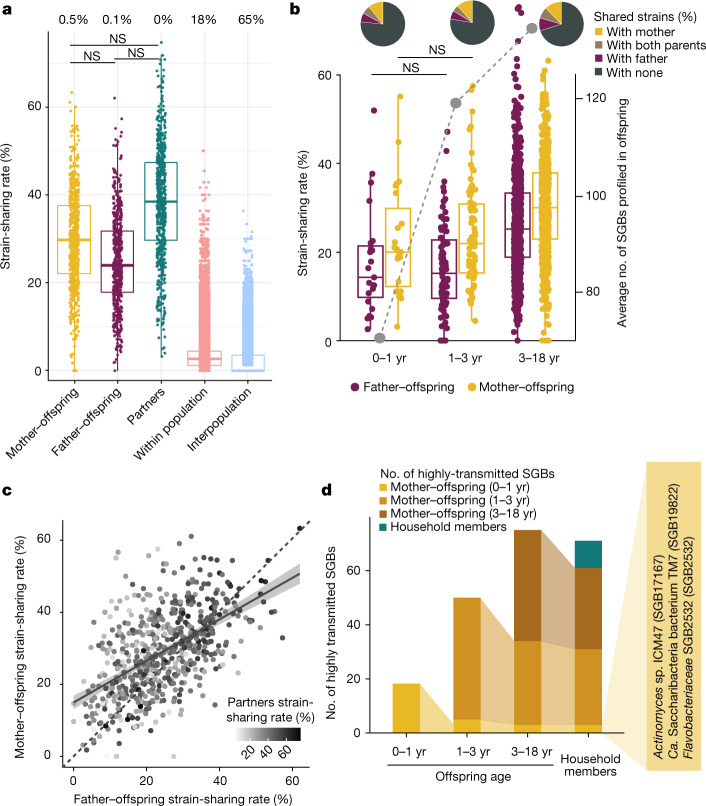
The human microbiome is an integral component of the human body and a co-determinant of several health conditions 1,2 . However, the extent to which interpersonal relations shape the individual genetic makeup of the microbiome and its transmission within and across populations remains largely unknown 3,4 . Here, capitalizing on more than 9,700 human metagenomes and computational strain-level profiling, we detected extensive bacterial strain sharing across individuals (more than 10 million instances) with distinct mother-to-infant, intra-household and intra-population transmission patterns. Mother-to-infant gut microbiome transmission was considerable and stable during infancy (around 50% of the same strains among shared species (strain-sharing rate)) and remained detectable at older ages. By contrast, the transmission of the oral microbiome occurred largely horizontally and was enhanced by the duration of cohabitation. There was substantial strain sharing among cohabiting individuals, with 12% and 32% median strain-sharing rates for the gut and oral microbiomes, and time since cohabitation affected strain sharing more than age or genetics did. Bacterial strain sharing additionally recapitulated host population structures better than species-level profiles did. Finally, distinct taxa appeared as efficient spreaders across transmission modes and were associated with different predicted bacterial phenotypes linked with out-of-host survival capabilities. The extent of microorganism transmission that we describe underscores its relevance in human microbiome studies 5 , especially those on non-infectious, microbiome-associated diseases.
Overview
The claims and statistics of this paper haven’t been checked yet.
Free: it reads the open-access text and checks the first 5 claims that cite a source we can check. Create a free account to check every claim.
Integrity signals
Registry
Cites
Statistics
Figures
Verification
Claims the paper makes
The claims and statistics of this paper haven’t been checked yet.
Free: it reads the open-access text and checks the first 5 claims that cite a source we can check. Create a free account to check every claim.
Claims other papers make about this one
Each is checked against this paper’s own text: does it say what the citing paper says it does?
The source backs part of the claim, not all of it — or backs it for a different population, condition or comparison.
In the citing paper
“adult microbial communities seem to be predominantly shaped by prior stochastic environmental exposures, as well as multiple other factors such as diet, antibiotic therapy and host genetics, with direct 'inheritance' from the mother at birth playing a lesser role.”
From Human microbiome myths and misconceptions (2023) · cites this paper as [15]
Experimental — accuracy not yet measuredThe source backs part of the claim, not all of it — or backs it for a different population, condition or comparison.
In the citing paper
“proportionally few microbiota species are truly 'heritable' and persist through from birth to adulthood in the offspring 15,16 .”
From Human microbiome myths and misconceptions (2023) · cites this paper as [15]
Experimental — accuracy not yet measuredThe cited source says what the claim attributes to it.
In the citing paper
“Although some microbes are directly transferred from mother to baby during birth 14,15 ,”
From Human microbiome myths and misconceptions (2023) · cites this paper as [15]
The cited source says what the claim attributes to it.
In the citing paper
“However, the recently described horizontal and vertical person-to-person microbial transmission 42 is likely not the only source of microbiome diversity, 43”
From Unexplored microbial diversity from 2,500 food metagenomes and links with the human microbiome. (2024) · cites this paper as [42]
The cited source says what the claim attributes to it.
In the citing paper
“A large fraction of the infant gut microbiome contained food SGBs (mean = 56%, Figure 5C), despite direct acquisition from food being only one of the possible routes of transmission (e.g., vertical and horizontal transmission 42,44,122 ).”
From Unexplored microbial diversity from 2,500 food metagenomes and links with the human microbiome. (2024) · cites this paper as [42]
2 more claims about this paper
Create a free account to see every claim other papers make about this one.
Self-check
Percentages, sums and reported differences re-computed from the paper’s own numbers.
The self-check needs the paper’s full text.
Citations
Cites
Fast gapped-read alignment with Bowtie 2
Langmead, B., & Salzberg, S. L. (2012) · Nature Methods · doi:10.1038/nmeth.1923 · Cited by 56,400 · cited 1×
“This was done by a procedure that first divided core genes into fragments of 150 nt and then aligned the fragments against the genomes of all SGBs using Bowtie2 (version 2.3.5.1; -sensitive option) 66 .”
MethodInfluentialphyloseq: An R Package for Reproducible Interactive Analysis and Graphics of Microbiome Census Data
McMurdie, P. J., & Holmes, S. (2013) · PLoS ONE · doi:10.1371/journal.pone.0061217 · Cited by 21,322 · cited 1×
“28.0) 126 , using one randomly selected sample per individual ( n = 4,840 gut samples, n = 2,069 oral samples).”
MethodInfluentialProkka: rapid prokaryotic genome annotation
Seemann, T. (2014) · Bioinformatics · doi:10.1093/bioinformatics/btu153 · Cited by 18,818
Fast and sensitive protein alignment using DIAMOND
Buchfink, B., Xie, C., & Huson, D. H. (2015) · Nature Methods · doi:10.1038/nmeth.3176 · Cited by 14,201 · cited 1×
“Coding sequences were then assigned to a UniRef90 cluster 90 by performing a Diamond search (version 0.9.24) 91 of the coding sequences against the UniRef90 database (version 201906) and assigning a UniRef90 ID if the mean sequence identity to the centroid sequence was above 90% and covered more…”
MethodInfluentialParks, D. H., Imelfort, M., Skennerton, C. T., Hugenholtz, P., & Tyson, G. W. (2015) · Genome Research · doi:10.1101/gr.186072.114 · Cited by 12,496
Diet rapidly and reproducibly alters the human gut microbiome
David, L. A., Maurice, C. F., Carmody, R. N., Gootenberg, D. B., Button, J. E., Wolfe, B. E., Ling, A. V., Devlin, A. S., Varma, Y., Fischbach, M. A., et al. (2014) · Nature · doi:10.1038/nature12820 · Cited by 10,100 · cited 1×
“711 pairs [261] 18 datasets [8] 14 countries [3]”
Human gut microbiome viewed across age and geography
Yatsunenko, T., Rey, F. E., Manary, M. J., Trehan, I., Dominguez-Bello, M. G., Contreras, M., Magris, M., Hidalgo, G., Baldassano, R. N., Anokhin, A. P., et al. (2012) · Nature · doi:10.1038/nature11053 · Cited by 7,815 · cited 3×
“3e) in concordance with their divergent microbiome composition 30,45,50,51 .”
BackgroundInfluentialMMseqs2 enables sensitive protein sequence searching for the analysis of massive data sets
Steinegger, M., & Söding, J. (2017) · Nature Biotechnology · doi:10.1038/nbt.3988 · Cited by 4,840
metaSPAdes: a new versatile metagenomic assembler
Nurk, S., Meleshko, D., Korobeynikov, A., & Pevzner, P. A. (2017) · Genome Research · doi:10.1101/gr.213959.116 · Cited by 4,496 · cited 1×
“MAGs from the Italian mother–infant dataset, and those of non-human hosts were assembled using MEGAHIT 85 , while those of the Italian centenarian dataset and non-westernized populations were assembled with metaSPAdes 86 , using default parameters in both cases.”
MethodKang, D. D., Li, F., Kirton, E., Thomas, A., Egan, R., An, H., & Wang, Z. (2019) · PeerJ · doi:10.7717/peerj.7359 · Cited by 3,750 · cited 1×
“Assembled contigs longer than 1,500 nucleotides were binned into MAGs using MetaBAT2 87 .”
MethodMash: fast genome and metagenome distance estimation using MinHash
Ondov, B. D., Treangen, T. J., Melsted, P., Mallonee, A. B., Bergman, N. H., Koren, S., & Phillippy, A. M. (2016) · Genome biology · doi:10.1186/s13059-016-0997-x · Cited by 3,373
Dynamics and Stabilization of the Human Gut Microbiome during the First Year of Life
Bäckhed, F., Roswall, J., Peng, Y., Feng, Q., Jia, H., Kovatcheva-Datchary, P., Li, Y., Xia, Y., Xie, H., Zhong, H., et al. (2015) · Cell Host & Microbe · doi:10.1016/j.chom.2015.04.004 · Cited by 3,315 · cited 1×
“…gut species was highly consistent across geographically distant datasets with diverse lifestyles (Spearman’s tests, P adj < 0.05; mother-to-infant: 71%, intra-population: 75% significant associations; Supplementary Tables 15, 21 and 25, with transmissibility estimates ranging between 0 and 100%).”
BackgroundInfluentialMulti-omics of the gut microbial ecosystem in inflammatory bowel diseases
Lloyd-Price, J., Arze, C., Ananthakrishnan, A. N., Schirmer, M., Avila-Pacheco, J., Poon, T. W., Andrews, E., Ajami, N. J., Bonham, K. S., Brislawn, C. J., et al. (2019) · Nature · doi:10.1038/s41586-019-1237-9 · Cited by 3,143
Environment dominates over host genetics in shaping human gut microbiota
Rothschild, D., Weissbrod, O., Barkan, E., Kurilshikov, A., Korem, T., Zeevi, D., Costea, P. I., Godneva, A., Kalka, I. N., Bar, N., et al. (2018) · Nature · doi:10.1038/nature25973 · Cited by 2,859 · cited 1×
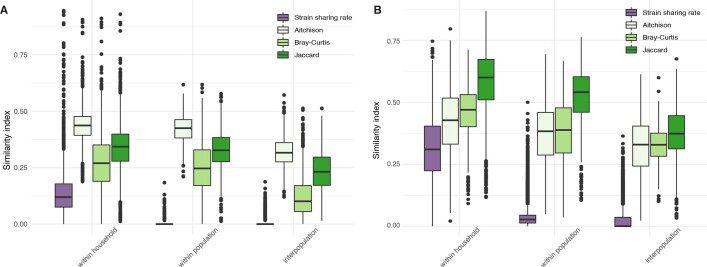
“Gut microbiome similarities among household members are well documented 45,47–49 , but because of the missing strain-level resolution, most studies have not been able to conclude whether similarities at higher taxonomic levels reflected microorganism transmission or rather modulation by similar…”
BackgroundA framework for human microbiome research
The Human Microbiome Project Consortium (2012) · Nature · doi:10.1038/nature11209 · Cited by 2,650 · cited 1×
“DNA was extracted using the PowerSoil DNA Isolation Kit (MoBio Laboratories), as described in the HMP protocol (Human Microbiome Project Consortium) 65 , with addition of a preliminary heating step (65 °C for 10 min, 95 °C for 10 min).”
MethodSelf-citationPopulation-level analysis of gut microbiome variation
Falony, G., Joossens, M., Vieira-Silva, S., Wang, J., Darzi, Y., Faust, K., Kurilshikov, A., Bonder, M. J., Valles-Colomer, M., Vandeputte, D., et al. (2016) · Science · doi:10.1126/science.aad3503 · Cited by 2,400 · cited 4×
“1,315 individuals [1,286] 2,069 individuals [1,929]”
BackgroundInfluentialSelf-citationBeghini, F., McIver, L. J., Blanco-Míguez, A., Dubois, L., Asnicar, F., Maharjan, S., Mailyan, A., Manghi, P., Scholz, M., Thomas, A. M., et al. (2021) · eLife · doi:10.7554/elife.65088 · Cited by 2,303
Self-citationLi, D., Luo, R., Liu, C.-M., Leung, C.-M., Ting, H.-F., Sadakane, K., Yamashita, H., & Lam, T.-W. (2016) · Methods · doi:10.1016/j.ymeth.2016.02.020 · Cited by 2,079 · cited 1×
“MAGs from the Italian mother–infant dataset, and those of non-human hosts were assembled using MEGAHIT 85 , while those of the Italian centenarian dataset and non-westernized populations were assembled with metaSPAdes 86 , using default parameters in both cases.”
MethodTemporal development of the gut microbiome in early childhood from the TEDDY study
Stewart, C. J., Ajami, N. J., O’Brien, J. L., Hutchinson, D. S., Smith, D. P., Wong, M. C., Ross, M. C., Lloyd, R. E., Doddapaneni, H., Metcalf, G. A., et al. (2018) · Nature · doi:10.1038/s41586-018-0617-x · Cited by 2,014 · cited 1×
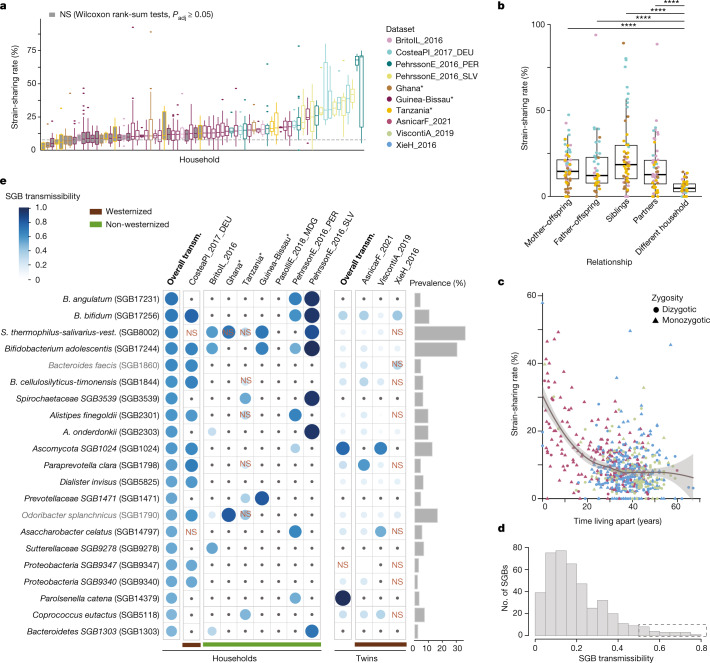
“Strain sharing between cohabiting individuals decreased with age (Wilcoxon rank-sum test for under 4 years of age versus 4 years and older, n = 1,843, r = −0.12, P = 1.3 × 10 −7 ), supporting a lower colonization resistance in early life 6,32 .”
BackgroundInfluentialUniRef clusters: a comprehensive and scalable alternative for improving sequence similarity searches
Suzek, B. E., Wang, Y., Huang, H., McGarvey, P. B., Wu, C. H., & the UniProt Consortium (2015) · Bioinformatics · doi:10.1093/bioinformatics/btu739 · Cited by 1,928
Recovery of nearly 8,000 metagenome-assembled genomes substantially expands the tree of life
Parks, D. H., Rinke, C., Chuvochina, M., Chaumeil, P.-A., Woodcroft, B. J., Evans, P. N., Hugenholtz, P., & Tyson, G. W. (2017) · Nature Microbiology · doi:10.1038/s41564-017-0012-7 · Cited by 1,882 · cited 1×
“…PRJNA366363, PRJNA366255, PRJNA366256, PRJNA366257, PRJNA366253, PRJNA405704, PRJNA366254 and PRJNA405781), 7,760 MAGs available from a previous catalogue 84 , 2,137 MAGs from NCBI GenBank, and 63,142 reference genomes from NCBI GenBank (see https://github. com/SegataLab/MetaRefSGB for details).”
BackgroundFecal microbiota transplant overcomes resistance to anti–PD-1 therapy in melanoma patients
Davar, D., Dzutsev, A. K., McCulloch, J. A., Rodrigues, R. R., Chauvin, J.-M., Morrison, R. M., Deblasio, R. N., Menna, C., Ding, Q., Pagliano, O., et al. (2021) · Science · doi:10.1126/science.abf3363 · Cited by 1,781
Fecal microbiota transplant promotes response in immunotherapy-refractory melanoma patients
Baruch, E. N., Youngster, I., Ben-Betzalel, G., Ortenberg, R., Lahat, A., Katz, L., Adler, K., Dick-Necula, D., Raskin, S., Bloch, N., et al. (2021) · Science · doi:10.1126/science.abb5920 · Cited by 1,757 · cited 1×
“…(2) the limited length of the marker gene alignment of some SGBs (mean trimmed alignment length = 74,348 nt, median = 70,879 and IQR = [42,513, 104,347]) that would make SNV rates rather unreliable; and (3) the valuable information on evolutionary models (for example, distinguishing…”
BackgroundDiet-induced extinctions in the gut microbiota compound over generations
Sonnenburg, E. D., Smits, S. A., Tikhonov, M., Higginbottom, S. K., Wingreen, N. S., & Sonnenburg, J. L. (2016) · Nature · doi:10.1038/nature16504 · Cited by 1,730
Pasolli, E., Asnicar, F., Manara, S., Zolfo, M., Karcher, N., Armanini, F., Beghini, F., Manghi, P., Tett, A., Ghensi, P., et al. (2019) · Cell · doi:10.1016/j.cell.2019.01.001 · Cited by 1,591 · cited 4×
“1a) with remarkably diverse lifestyles: from traditional subsistence in rural areas 17,23,30,34 , to crowding conditions in large developing cities 23 and medium-sized industrialized affluent cities 27 .”
BackgroundInfluentialSelf-citationBlanco-Míguez, A., Beghini, F., Cumbo, F., McIver, L. J., Thompson, K. N., Zolfo, M., Manghi, P., Dubois, L., Huang, K. D., Thomas, A. M., et al. (2023) · Nature Biotechnology · doi:10.1038/s41587-023-01688-w · Cited by 1,442
Self-citationFerretti, P., Pasolli, E., Tett, A., Asnicar, F., Gorfer, V., Fedi, S., Armanini, F., Truong, D. T., Manara, S., Zolfo, M., et al. (2018) · Cell Host & Microbe · doi:10.1016/j.chom.2018.06.005 · Cited by 1,292 · cited 3×
“Three other studies 9,34 in Africa (Ghana and Tanzania) and Europe (Italy) were further expanded here for a total of 978 stool and 1,929 saliva samples (Supplementary Tables 1 and 2).”
BackgroundMethodSelf-citationStrains, functions and dynamics in the expanded Human Microbiome Project
Lloyd-Price, J., Mahurkar, A., Rahnavard, G., Crabtree, J., Orvis, J., Hall, A. B., Brady, A., Creasy, H. H., McCracken, C., Giglio, M. G., et al. (2017) · Nature · doi:10.1038/nature23889 · Cited by 1,267 · cited 1×
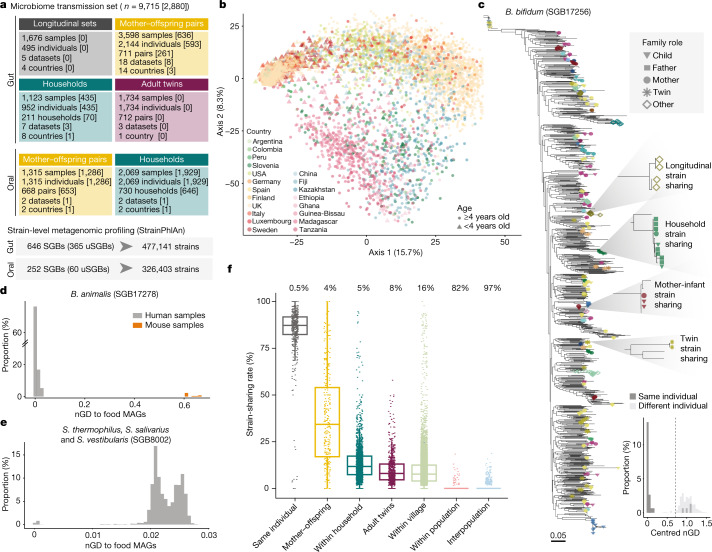
“Microorganism strain transmission inference via metagenomics exploits the validated assumption that strains usually persist within an individual’s gut over periods of at least a few months but are rarely found in unrelated individuals unless direct or indirect transmission has occurred 19,35–38 .”
BackgroundMetaHIT Consortium, Nielsen, H. B., Almeida, M., Juncker, A. S., Rasmussen, S., Li, J., Sunagawa, S., Plichta, D. R., Gautier, L., Pedersen, A. G., et al. (2014) · Nature Biotechnology · doi:10.1038/nbt.2939 · Cited by 1,184 · cited 6×
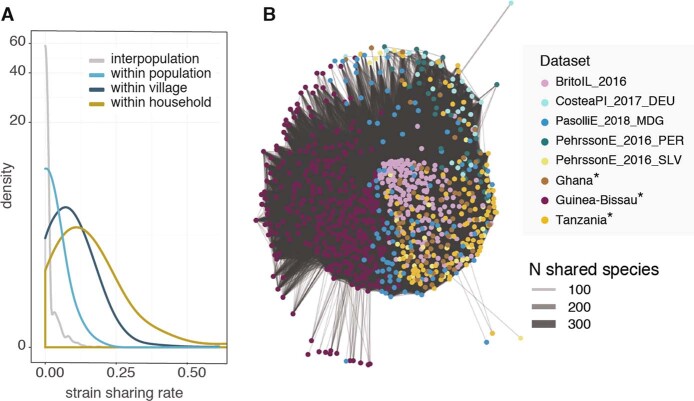
“To unravel the modes of person-to-person microbiome transmission we performed an integrative analysis on a large set of metagenomic datasets 2,9,10,12,20–34 with known family relationships ( n = 31) that were analysed using improved strain-level profiling metagenomic tools (Methods).”
BackgroundMethodInfluentialStunted microbiota and opportunistic pathogen colonization in caesarean-section birth
Shao, Y., Forster, S. C., Tsaliki, E., Vervier, K., Strang, A., Simpson, N., Kumar, N., Stares, M. D., Rodger, A., Brocklehurst, P., et al. (2019) · Nature · doi:10.1038/s41586-019-1560-1 · Cited by 1,088
Cohabiting family members share microbiota with one another and with their dogs
Song, S. J., Lauber, C., Costello, E. K., Lozupone, C. A., Humphrey, G., Berg-Lyons, D., Caporaso, J. G., Knights, D., Clemente, J. C., Nakielny, S., et al. (2013) · eLife · doi:10.7554/elife.00458 · Cited by 1,082 · cited 1×
“Gut microbiome similarities among household members are well documented 45,47–49 , but because of the missing strain-level resolution, most studies have not been able to conclude whether similarities at higher taxonomic levels reflected microorganism transmission or rather modulation by similar…”
BackgroundChu, D. M., Ma, J., Prince, A. L., Antony, K. M., Seferovic, M. D., & Aagaard, K. M. (2017) · Nature Medicine · doi:10.1038/nm.4272 · Cited by 1,063
Asnicar, F., Berry, S. E., Valdes, A. M., Nguyen, L. H., Piccinno, G., Drew, D. A., Leeming, E., Gibson, R., Le Roy, C., Khatib, H. A., et al. (2021) · Nature Medicine · doi:10.1038/s41591-020-01183-8 · Cited by 995 · cited 2×
“To unravel the modes of person-to-person microbiome transmission we performed an integrative analysis on a large set of metagenomic datasets 2,9,10,12,20–34 with known family relationships ( n = 31) that were analysed using improved strain-level profiling metagenomic tools (Methods).”
BackgroundMethodSelf-citationCharacterization of the gut microbiome using 16S or shotgun metagenomics
Jovel, J., Patterson, J., Wang, W., Hotte, N., O'Keefe, S., Mitchel, T., Perry, T., Kao, D., Mason, A. L., Madsen, K. L., et al. (2016) · Frontiers in Microbiology · doi:10.3389/fmicb.2016.00459 · Cited by 942
Asnicar, F., Thomas, A. M., Beghini, F., Mengoni, C., Manara, S., Manghi, P., Zhu, Q., Bolzan, M., Cumbo, F., May, U., et al. (2020) · Nature Communications · doi:10.1038/s41467-020-16366-7 · Cited by 869
Self-citationWild Mouse Gut Microbiota Promotes Host Fitness and Improves Disease Resistance
Rosshart, S. P., Vassallo, B. G., Angeletti, D., Hutchinson, D. S., Morgan, A. P., Takeda, K., Hickman, H. D., McCulloch, J. A., Badger, J. H., Ajami, N. J., et al. (2017) · Cell · doi:10.1016/j.cell.2017.09.016 · Cited by 862
Microbial strain-level population structure and genetic diversity from metagenomes
Truong, D. T., Tett, A., Pasolli, E., Huttenhower, C., & Segata, N. (2017) · Genome Research · doi:10.1101/gr.216242.116 · Cited by 839 · cited 12×
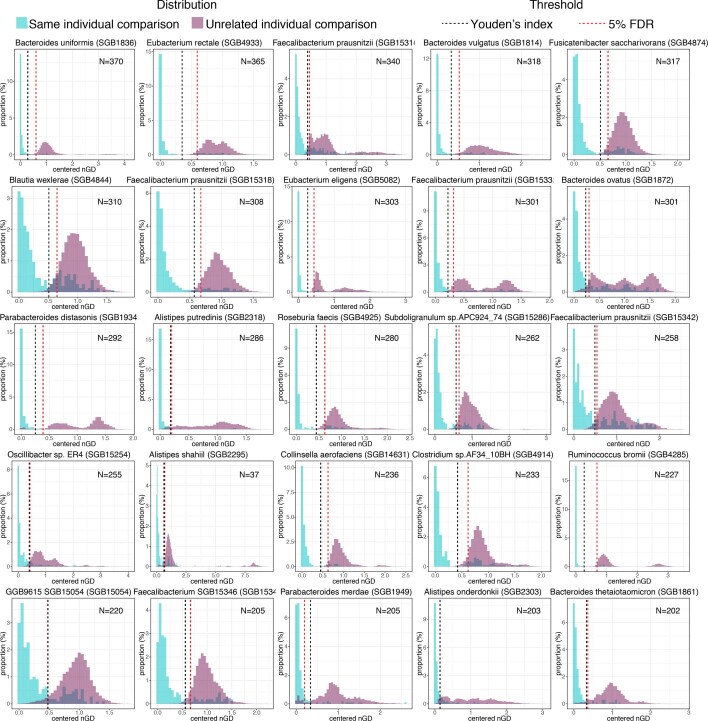
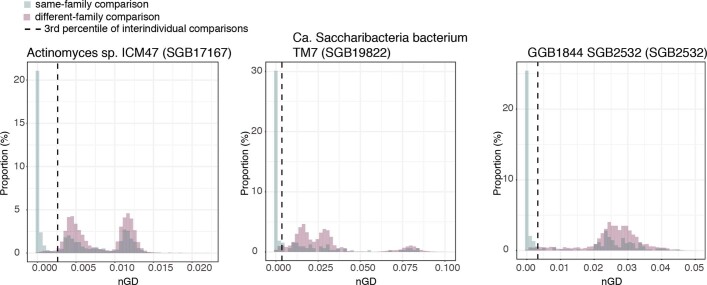
“We compared the new species-specific strain identity thresholds with the nGD = 0.1 threshold (that is, considering the lowest 10% phylogenetic distances to be between the same strains) used in some previous publications and StrainPhlAn versions prior to version 4 (refs.”
BackgroundInfluentialSelf-citationUS immigration westernizes the human gut microbiome
Vangay, P., Johnson, A. J., Ward, T. L., Al-Ghalith, G. A., Shields-Cutler, R. R., Hillmann, B. M., Lucas, S. K., Beura, L. K., Thompson, E. A., Till, L. M., et al. (2018) · Cell · doi:10.1016/j.cell.2018.10.029 · Cited by 794
Interplay between the human gut microbiome and host metabolism
Visconti, A., Le Roy, C. I., Rosa, F., Rossi, N., Martin, T. C., Mohney, R. P., Li, W., de Rinaldis, E., Bell, J. T., Venter, J. C., et al. (2019) · Nature Communications · doi:10.1038/s41467-019-12476-z · Cited by 782 · cited 1×
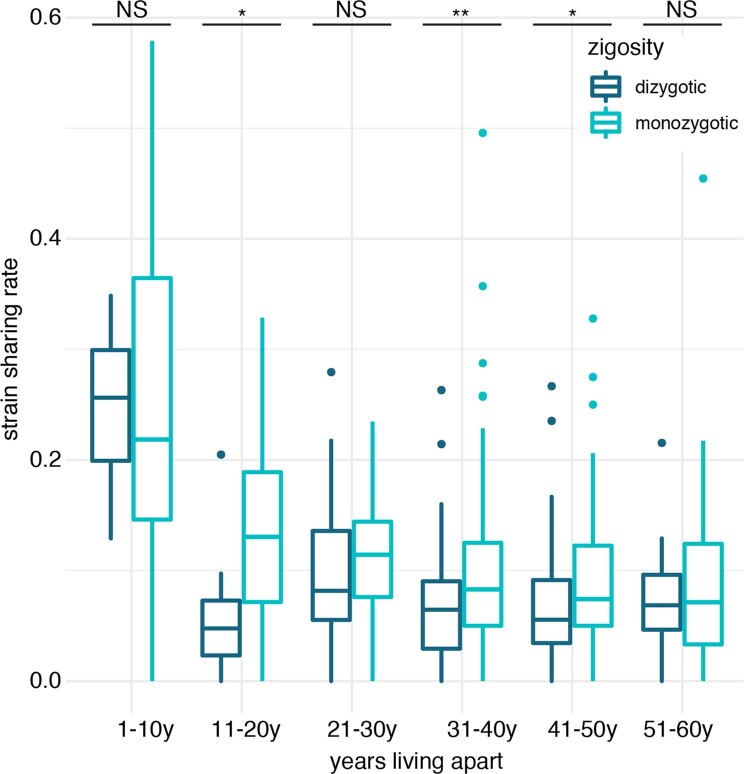
“…extent to which co-housing impacts strain sharing later in life, we analysed metagenomes from non-cohabiting adult twins who had lived together in the past (1,734 samples from three published cross-sectional datasets 2,25,33 in the United Kingdom), including both monozygotic and dizygotic twins.”
BackgroundSelf-citationUniclust databases of clustered and deeply annotated protein sequences and alignments
Mirdita, M., von den Driesch, L., Galiez, C., Martin, M. J., Söding, J., & Steinegger, M. (2017) · Nucleic Acids Research · doi:10.1093/nar/gkw1081 · Cited by 759 · cited 1×
“SGB core genes were defined as open reading frames in an existing UniRef90 or in a de novo clustered gene family (following the Uniclust90 clustering procedure 93 ) pre-sent in at least half of the genomes (that is, ‘coreness’ 50”
BackgroundPotential roles of gut microbiome and metabolites in modulating ALS in mice
Blacher, E., Bashiardes, S., Shapiro, H., Rothschild, D., Mor, U., Dori-Bachash, M., Kleimeyer, C., Moresi, C., Harnik, Y., Zur, M., et al. (2019) · Nature · doi:10.1038/s41586-019-1443-5 · Cited by 700
The role of motility as a virulence factor in bacteria
Josenhans, C., & Suerbaum, S. (2002) · International Journal of Medical Microbiology · doi:10.1078/1438-4221-00173 · Cited by 658 · cited 1×
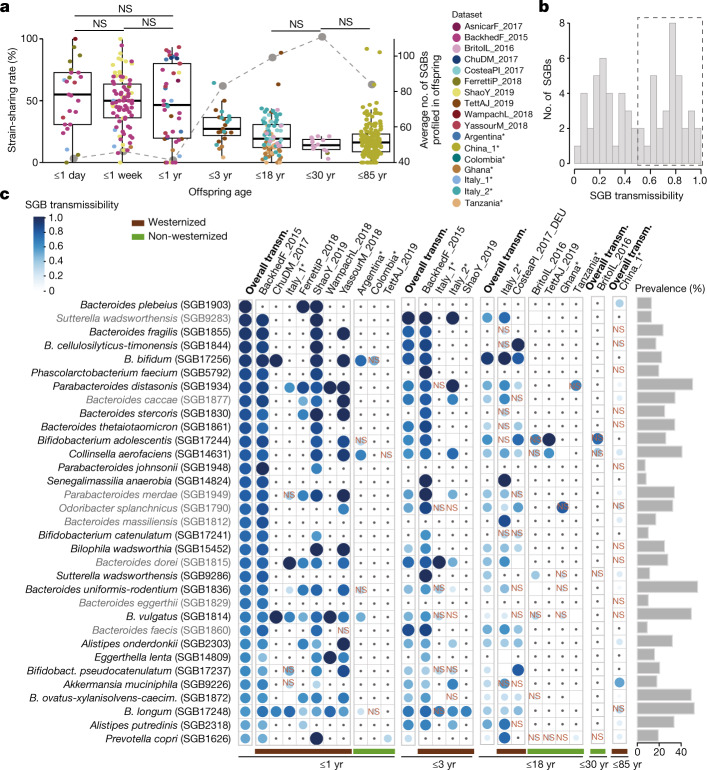
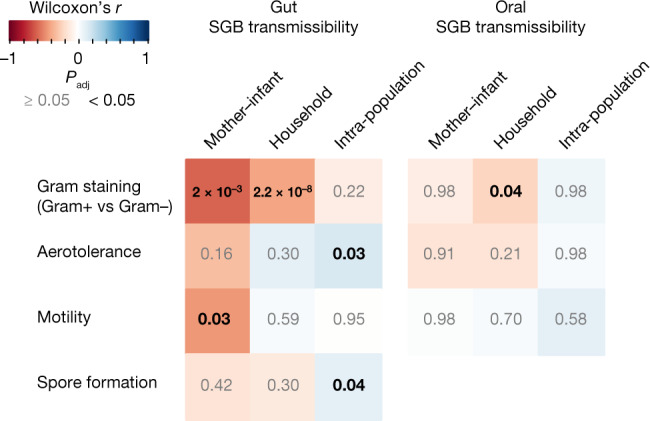
“Finally, the motile species that are frequent but unstable inhabitants of the infant gut 58 were less frequently transmitted from mothers to offspring than non-motile SGBs ( n = 35, r = −0.43, P adj = 0.03), which could be beneficial given the link between motility and virulence 59 .”
BackgroundInfluentialRutayisire, E., Huang, K., Liu, Y., & Tao, F. (2016) · BMC Gastroenterology · doi:10.1186/s12876-016-0498-0 · Cited by 657 · cited 1×
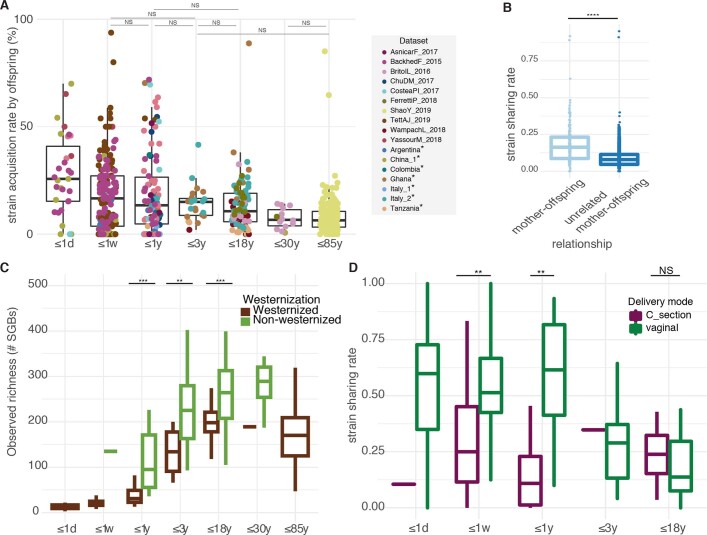
“However, paralleling the age-associated decreased influence of mode of delivery on the infants’ microbiome 46 , no difference was detected after 3 years of age ( n = 56, r = 0.2, P adj = 0.18; Supplementary Table 14).”
BackgroundInfluentialSelf-citationInterconnected microbiomes and resistomes in low-income human habitats
Pehrsson, E. C., Tsukayama, P., Patel, S., Mejía-Bautista, M., Sosa-Soto, G., Navarrete, K. M., Calderon, M., Cabrera, L., Hoyos-Arango, W., Bertoli, M. T., et al. (2016) · Nature · doi:10.1038/nature17672 · Cited by 607
Stewart, R. D., Auffret, M. D., Warr, A., Walker, A. W., Roehe, R., & Watson, M. (2019) · Nature Biotechnology · doi:10.1038/s41587-019-0202-3 · Cited by 604 · cited 1×
“…stool samples of individuals in non-westernized populations 34 , 2,985 MAGs from stool samples of non-human primates 68 , 20,404 MAGs from cow rumen 69 , 14,097 MAGs from mouse samples 70–83 , 1,235 MAGs from termites (PRJNA365052, PRJNA365053, PRJNA365054, PRJNA365049, PRJNA365050, PRJNA365051,…”
BackgroundSubsistence strategies in traditional societies distinguish gut microbiomes
Obregon-Tito, A. J., Tito, R. Y., Metcalf, J., Sankaranarayanan, K., Clemente, J. C., Ursell, L. K., Zech Xu, Z., Van Treuren, W., Knight, R., Gaffney, P. M., et al. (2015) · Nature Communications · doi:10.1038/ncomms7505 · Cited by 587 · cited 1×
“3e) in concordance with their divergent microbiome composition 30,45,50,51 .”
BackgroundLaboratory mice born to wild mice have natural microbiota and model human immune responses
Rosshart, S. P., Herz, J., Vassallo, B. G., Hunter, A., Wall, M. K., Badger, J. H., McCulloch, J. A., Anastasakis, D. G., Sarshad, A. A., Leonardi, I., et al. (2019) · Science · doi:10.1126/science.aaw4361 · Cited by 572 · cited 1×
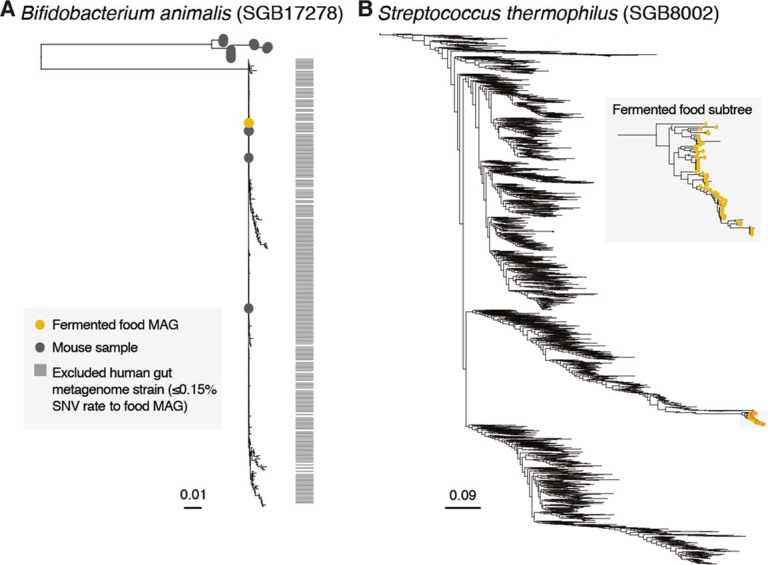
“For B. ani-malis (SGB17278), 62 strains profiled in 7 public mouse metagenome datasets 73,75,97–101 were added to better assess its phylogenetic diversity.”
BackgroundDurable coexistence of donor and recipient strains after fecal microbiota transplantation
Li, S. S., Zhu, A., Benes, V., Costea, P. I., Hercog, R., Hildebrand, F., Huerta-Cepas, J., Nieuwdorp, M., Salojärvi, J., Voigt, A. Y., et al. (2016) · Science · doi:10.1126/science.aad8852 · Cited by 547
A catalog of the mouse gut metagenome
Xiao, L., Feng, Q., Liang, S., Sonne, S. B., Xia, Z., Qiu, X., Li, X., Long, H., Zhang, J., Zhang, D., et al. (2015) · Nature Biotechnology · doi:10.1038/nbt.3353 · Cited by 520 · cited 1×
“…populations 34 , 2,985 MAGs from stool samples of non-human primates 68 , 20,404 MAGs from cow rumen 69 , 14,097 MAGs from mouse samples 70–83 , 1,235 MAGs from termites (PRJNA365052, PRJNA365053, PRJNA365054, PRJNA365049, PRJNA365050, PRJNA365051, PRJNA405700, PRJNA405701,…”
BackgroundAccessible, curated metagenomic data through ExperimentHub
Pasolli, E., Schiffer, L., Manghi, P., Renson, A., Obenchain, V., Truong, D. T., Beghini, F., Malik, F., Ramos, M., Dowd, J. B., et al. (2017) · Nature Methods · doi:10.1038/nmeth.4468 · Cited by 514
Self-citationLagkouvardos, I., Pukall, R., Abt, B., Foesel, B. U., Meier-Kolthoff, J. P., Kumar, N., Bresciani, A., Martínez, I., Just, S., Ziegler, C., et al. (2016) · Nature Microbiology · doi:10.1038/nmicrobiol.2016.131 · Cited by 505
Tett, A., Huang, K. D., Asnicar, F., Fehlner-Peach, H., Pasolli, E., Karcher, N., Armanini, F., Manghi, P., Bonham, K., Zolfo, M., et al. (2019) · Cell Host & Microbe · doi:10.1016/j.chom.2019.08.018 · Cited by 476
Self-citationNayfach, S., Rodriguez-Mueller, B., Garud, N., & Pollard, K. S. (2016) · Genome Research · doi:10.1101/gr.201863.115 · Cited by 470 · cited 1×
“Indeed, similar numbers of strains were maternally transmitted in westernized and non-westernized communities (Wilcoxon rank-sum tests, P adj ≥ 0.05 for all age categories except for 3–18 years; Supplementary Table 13).”
BackgroundInfluentialStrain-Level Analysis of Mother-to-Child Bacterial Transmission during the First Few Months of Life
Yassour, M., Jason, E., Hogstrom, L. J., Arthur, T. D., Tripathi, S., Siljander, H., Selvenius, J., Oikarinen, S., Hyöty, H., Virtanen, S. M., et al. (2018) · Cell Host & Microbe · doi:10.1016/j.chom.2018.06.007 · Cited by 455 · cited 2×
“To unravel the modes of person-to-person microbiome transmission we performed an integrative analysis on a large set of metagenomic datasets 2,9,10,12,20–34 with known family relationships ( n = 31) that were analysed using improved strain-level profiling metagenomic tools (Methods).”
BackgroundMethodInfluentialSelf-citationAsnicar, F., Manara, S., Zolfo, M., Truong, D. T., Scholz, M., Armanini, F., Ferretti, P., Gorfer, V., Pedrotti, A., Tett, A., et al. (2017) · mSystems · doi:10.1128/msystems.00164-16 · Cited by 445 · cited 1×
“To unravel the modes of person-to-person microbiome transmission we performed an integrative analysis on a large set of metagenomic datasets 2,9,10,12,20–34 with known family relationships ( n = 31) that were analysed using improved strain-level profiling metagenomic tools (Methods).”
MethodSelf-citationDiversity within Species: Interpreting Strains in Microbiomes
Van Rossum, T., Ferretti, P., Maistrenko, O. M., & Bork, P. (2020) · Nature Reviews Microbiology · doi:10.1038/s41579-020-0368-1 · Cited by 441 · cited 2×
“Microorganism strain transmission inference via metagenomics exploits the validated assumption that strains usually persist within an individual’s gut over periods of at least a few months but are rarely found in unrelated individuals unless direct or indirect transmission has occurred 19,35–38 .”
BackgroundSequencing error profiles of Illumina sequencing instruments
Stoler, N., & Nekrutenko, A. (2021) · NAR Genomics and Bioinformatics · doi:10.1093/nargab/lqab019 · Cited by 425 · cited 1×
“Overall, the median SNV rate nGD thresholds corresponded to is 0.005, below the estimated >0.1% sequencing error rate by Illumina HiSeq and NovaSeq platforms 96 (Supplementary Table 4).”
BackgroundInfluentialSmillie, C. S., Sauk, J., Gevers, D., Friedman, J., Sung, J., Youngster, I., Hohmann, E. L., Staley, C., Khoruts, A., Sadowsky, M. J., et al. (2018) · Cell Host & Microbe · doi:10.1016/j.chom.2018.01.003 · Cited by 411
Compositional analysis: a valid approach to analyze microbiome high-throughput sequencing data
Gloor, G. B., & Reid, G. (2016) · Canadian Journal of Microbiology · doi:10.1139/cjm-2015-0821 · Cited by 373 · cited 1×
“99.6) 125 , using the minimum proportional abundance detected for each taxon for the imputation of zeros.”
MethodInfluentialLarge-scale genome-wide analysis links lactic acid bacteria from food with the gut microbiome
Pasolli, E., De Filippis, F., Mauriello, I. E., Cumbo, F., Walsh, A. M., Leech, J., Cotter, P. D., Segata, N., & Ercolini, D. (2020) · Nature Communications · doi:10.1038/s41467-020-16438-8 · Cited by 367 · cited 2×
“…the chances of detecting strain sharing resulting from co-acquisition from common dietary sources by identifying and discarding in each SGB those strains with high similarity (≤0.0015 SNV rate) to MAGs or isolate genomes of microorganisms obtained from commercial fermented foods 40 (Methods).”
BackgroundInfluentialSelf-citationIaniro, G., Punčochář, M., Karcher, N., Porcari, S., Armanini, F., Asnicar, F., Beghini, F., Blanco-Míguez, A., Cumbo, F., Manghi, P., et al. (2022) · Nature Medicine · doi:10.1038/s41591-022-01964-3 · Cited by 366
Self-citationGnotobiotic mouse model of phage–bacterial host dynamics in the human gut
Reyes, A., Wu, M., McNulty, N. P., Rohwer, F. L., & Gordon, J. I. (2013) · Proceedings of the National Academy of Sciences · doi:10.1073/pnas.1319470110 · Cited by 355
Hughes, E. R., Winter, M. G., Duerkop, B. A., Spiga, L., Furtado de Carvalho, T., Zhu, W., Gillis, C. C., Büttner, L., Smoot, M. P., Behrendt, C. L., et al. (2017) · Cell Host & Microbe · doi:10.1016/j.chom.2017.01.005 · Cited by 353 · cited 1×
“…populations 34 , 2,985 MAGs from stool samples of non-human primates 68 , 20,404 MAGs from cow rumen 69 , 14,097 MAGs from mouse samples 70–83 , 1,235 MAGs from termites (PRJNA365052, PRJNA365053, PRJNA365054, PRJNA365049, PRJNA365050, PRJNA365051, PRJNA405700, PRJNA405701, PRJNA405702,…”
BackgroundThe long-term genetic stability and individual specificity of the human gut microbiome
Chen, L., Wang, D., Garmaeva, S., Kurilshikov, A., Vich Vila, A., Gacesa, R., Sinha, T., Segal, E., Weersma, R. K., Wijmenga, C., et al. (2021) · Cell · doi:10.1016/j.cell.2021.03.024 · Cited by 345
Xie, H., Guo, R., Zhong, H., Feng, Q., Lan, Z., Qin, B., Ward, K. J., Jackson, M. A., Xia, Y., Chen, X., et al. (2016) · Cell Systems · doi:10.1016/j.cels.2016.10.004 · Cited by 341 · cited 2×
“…gut species was highly consistent across geographically distant datasets with diverse lifestyles (Spearman’s tests, P adj < 0.05; mother-to-infant: 71%, intra-population: 75% significant associations; Supplementary Tables 15, 21 and 25, with transmissibility estimates ranging between 0 and 100%).”
BackgroundInfluentialSelf-citationSelective maternal seeding and environment shape the human gut microbiome
Korpela, K., Costea, P., Coelho, L. P., Kandels-Lewis, S., Willemsen, G., Boomsma, D. I., Segata, N., & Bork, P. (2018) · Genome Research · doi:10.1101/gr.233940.117 · Cited by 333 · cited 2×
“Mother-to-offspring microbiome transmission has been descri bed 9–11, 29, 32, Whereas ample strain sharing at birth confirms the substantial extent of maternal microbiome seeding of the infant’s gut, strain sharing remained significant in senior individuals (50–85 years of age), with non-cohabiting…”
BackgroundInfluentialSelf-citationSocial behavior shapes the chimpanzee pan-microbiome
Moeller, A. H., Foerster, S., Wilson, M. L., Pusey, A. E., Hahn, B. H., & Ochman, H. (2016) · Science Advances · doi:10.1126/sciadv.1500997 · Cited by 296 · cited 6×
“Merged gut and oral SGBs (SGB_group) can be found in Supplementary Tables 3 and 4, respectively.”
BackgroundInfluentialWampach, L., Heintz-Buschart, A., Fritz, J. V., Ramiro-Garcia, J., Habier, J., Herold, M., Narayanasamy, S., Kaysen, A., Hogan, A. H., Bindl, L., et al. (2018) · Nature Communications · doi:10.1038/s41467-018-07631-x · Cited by 292 · cited 4×
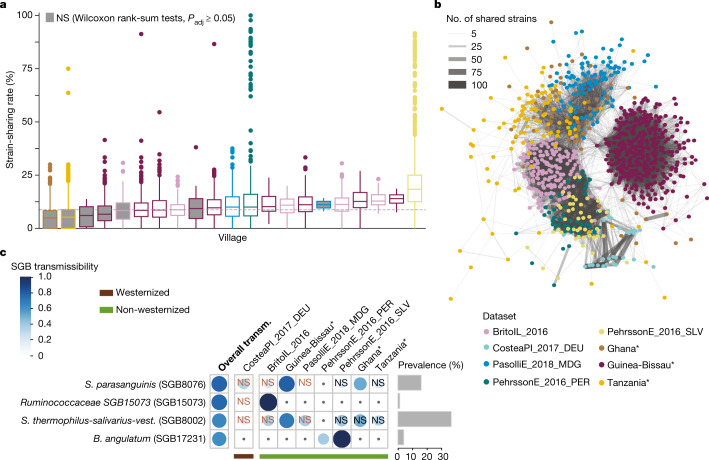
“Post hoc Dunn two-sided tests, Supplementary Table 29.”
BackgroundMethodInfluentialMobile genes in the human microbiome are structured from global to individual scales
Brito, I. L., Yilmaz, S., Huang, K., Xu, L., Jupiter, S. D., Jenkins, A. P., Naisilisili, W., Tamminen, M., Smillie, C. S., Wortman, J. R., et al. (2016) · Nature · doi:10.1038/nature18927 · Cited by 288
Self-citationStability of the human faecal microbiome in a cohort of adult men
Mehta, R. S., Abu-Ali, G. S., Drew, D. A., Lloyd-Price, J., Subramanian, A., Lochhead, P., Joshi, A. D., Ivey, K. L., Khalili, H., Brown, G. T., et al. (2018) · Nature Microbiology · doi:10.1038/s41564-017-0096-0 · Cited by 273 · cited 5×
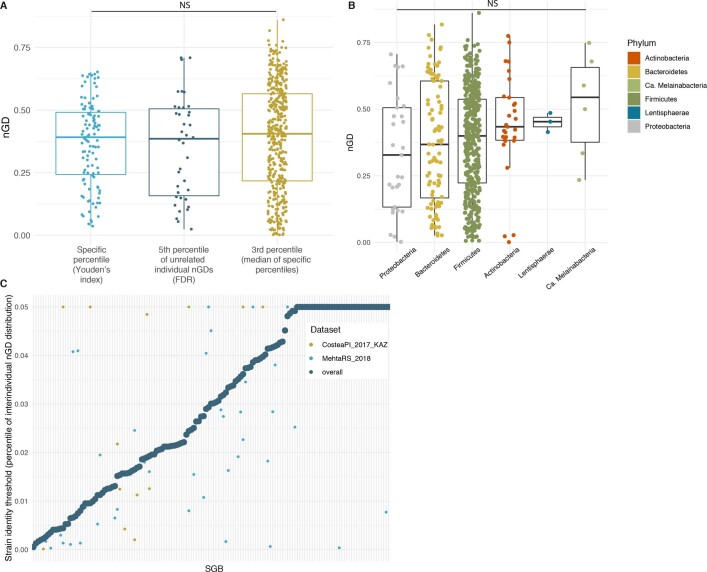
“…five published stool metagenomic datasets from four different countries (Germany, Kazakhstan, Spain and United States) on three continents 20,22,27,28,31 . nGDs were calculated as leaf-to-leaf branch lengths normalized by total tree branch length in phylogenetic trees produced by StrainPhlAn,…”
BackgroundMethodInfluentialKibe, R., Kurihara, S., Sakai, Y., Suzuki, H., Ooga, T., Sawaki, E., Muramatsu, K., Nakamura, A., Yamashita, A., Kitada, Y., et al. (2014) · Scientific Reports · doi:10.1038/srep04548 · Cited by 271
Louis, S., Tappu, R.-M., Damms-Machado, A., Huson, D. H., & Bischoff, S. C. (2016) · PLoS ONE · doi:10.1371/journal.pone.0149564 · Cited by 269 · cited 5×
“8a and Supplementary Table 22).”
BackgroundMethodInfluentialTransmission of human-associated microbiota along family and social networks
Brito, I. L., Gurry, T., Zhao, S., Huang, K., Young, S. K., Shea, T. P., Naisilisili, W., Jenkins, A. P., Jupiter, S. D., Gevers, D., et al. (2019) · Nature Microbiology · doi:10.1038/s41564-019-0409-6 · Cited by 246 · cited 4×
“1a) with remarkably diverse lifestyles: from traditional subsistence in rural areas 17,23,30,34 , to crowding conditions in large developing cities 23 and medium-sized industrialized affluent cities 27 .”
BackgroundInfluentialSelf-citationSuskind, D. L., Brittnacher, M. J., Wahbeh, G., Shaffer, M. L., Hayden, H. S., Qin, X., Singh, N., Damman, C. J., Hager, K. R., Nielson, H., et al. (2015) · Inflammatory Bowel Diseases · doi:10.1097/mib.0000000000000307 · Cited by 243
Fabbiano, S., Suárez-Zamorano, N., Chevalier, C., Lazarević, V., Kieser, S., Rigo, D., Leo, S., Veyrat-Durebex, C., Gaïa, N., Maresca, M., et al. (2018) · Cell Metabolism · doi:10.1016/j.cmet.2018.08.005 · Cited by 233
Transmission of the gut microbiota: spreading of health
Browne, H. P., Neville, B. A., Forster, S. C., & Lawley, T. D. (2017) · Nature Reviews Microbiology · doi:10.1038/nrmicro.2017.50 · Cited by 232 · cited 6×
“Merged gut and oral SGBs (SGB_group) can be found in Supplementary Tables 3 and 4, respectively.”
BackgroundResultInfluentialVaughn, B. P., Vatanen, T., Allegretti, J. R., Bai, A., Xavier, R. J., Korzenik, J., Gevers, D., Ting, A., Robson, S. C., & Moss, A. C. (2016) · Inflammatory Bowel Diseases · doi:10.1097/mib.0000000000000893 · Cited by 230
Lysogeny is prevalent and widely distributed in the murine gut microbiota
Kim, M.-S., & Bae, J.-W. (2018) · The ISME Journal · doi:10.1038/s41396-018-0061-9 · Cited by 224 · cited 1×
“For B. ani-malis (SGB17278), 62 strains profiled in 7 public mouse metagenome datasets 73,75,97–101 were added to better assess its phylogenetic diversity.”
BackgroundMicrobial transmission in animal social networks and the social microbiome
Sarkar, A., Harty, S., Johnson, K. V.-A., Moeller, A. H., Archie, E. A., Schell, L. D., Carmody, R. N., Clutton-Brock, T. H., Dunbar, R. I. M., & Burnet, P. W. J. (2020) · Nature Ecology & Evolution · doi:10.1038/s41559-020-1220-8 · Cited by 223 · cited 1×
“This corroborates already suggested hypotheses 3–5, 16 and reveals that the transfer of microorganism strains among Species showing particularly high transmissibility (Figs.”
ResultMan-made microbial resistances in built environments
Mahnert, A., Moissl-Eichinger, C., Zojer, M., Bogumil, D., Mizrahi, I., Rattei, T., Martinez, J. L., & Berg, G. (2019) · Nature Communications · doi:10.1038/s41467-019-08864-0 · Cited by 221 · cited 1×
“Gram-negative bacteria—generally more resistant to sanitizers and disinfectants 57 —displayed enhanced gut maternal and household transmissibility (Wilcoxon rank-sum tests on first versus fourth quartiles of SGB transmissibility, n = 35, r = −0.59, P adj = 2.0 × 10 −3 and n = 213, r = −0.40, P adj…”
BackgroundInfluentialShaping the oral microbiota through intimate kissing
Kort, R., Caspers, M., van de Graaf, A., van Egmond, W., Keijser, B., & Roeselers, G. (2014) · Microbiome · doi:10.1186/2049-2618-2-41 · Cited by 205 · cited 2×
“Oral microbiome strains are probably more easily transmitted among individuals than gut strains, as saliva can be a direct vehicle 54 , but person-to-person oral microbiome transmission remains underex-plored 17,54,55 .”
BackgroundWu, L., Zeng, T., Zinellu, A., Rubino, S., Kelvin, D. J., & Carru, C. (2019) · mSystems · doi:10.1128/msystems.00325-19 · Cited by 191
Gut Microbiome: Westernization and the Disappearance of Intestinal Diversity
Segata, N. (2015) · Current Biology · doi:10.1016/j.cub.2015.05.040 · Cited by 184 · cited 1×
“Although the newly sequenced non-westernized populations reinforced the well-documented westernization-associated reduction in microorganism diversity 43–45 both in mothers (Wilcoxon rank-sum test, n = 721, r = −0.37, P = 7.4 × 10 −24 ) and their offspring ( P adj 0.05, Extended Data Fig.”
BackgroundInfluentialSelf-citationHost genotype and gut microbiome modulate insulin secretion and diet-induced metabolic phenotypes
Kreznar, J. H., Keller, M. P., Traeger, L. L., Rabaglia, M. E., Schueler, K. L., Stapleton, D. S., Zhao, W., Vivas, E. I., Yandell, B. S., Broman, A. T., et al. (2017) · Cell Reports · doi:10.1016/j.celrep.2017.01.062 · Cited by 177
From Genomes to Phenotypes: Traitar, the Microbial Trait Analyzer
Weimann, A., Mooren, K., Frank, J., Pope, P. B., Bremges, A., & McHardy, A. C. (2016) · mSystems · doi:10.1128/msystems.00101-16 · Cited by 170
Xiao, L., Sonne, S. B., Feng, Q., Chen, N., Xia, Z., Li, X., Fang, Z., Zhang, D., Fjære, E., Midtbø, L. K., et al. (2017) · Microbiome · doi:10.1186/s40168-017-0258-6 · Cited by 154
A fiber-deprived diet disturbs the fine-scale spatial architecture of the murine colon microbiome
Riva, A., Kuzyk, O., Forsberg, E. M., Siuzdak, G. E., Pfann, C., Herbold, C. W., Daims, H., Loy, A., Warth, B., & Berry, D. (2019) · Nature Communications · doi:10.1038/s41467-019-12413-0 · Cited by 149
Subspecies in the global human gut microbiome
Costea, P. I., Coelho, L. P., Sunagawa, S., Munch, R., Huerta‐Cepas, J., Forslund, K., Hildebrand, F., Kushugulova, A., Zeller, G., & Bork, P. (2017) · Molecular Systems Biology · doi:10.15252/msb.20177589 · Cited by 146 · cited 5×
“…in five published stool metagenomic datasets from four different countries (Germany, Kazakhstan, Spain and United States) on three continents 20,22,27,28,31 . nGDs were calculated as leaf-to-leaf branch lengths normalized by total tree branch length in phylogenetic trees produced by StrainPhlAn,…”
BackgroundMethodInfluentialTrait-based community assembly and succession of the infant gut microbiome
Guittar, J., Shade, A., & Litchman, E. (2019) · Nature Communications · doi:10.1038/s41467-019-08377-w · Cited by 144
Aggarwala, V., Mogno, I., Li, Z., Yang, C., Britton, G. J., Chen-Liaw, A., Mitcham, J., Bongers, G., Gevers, D., Clemente, J. C., et al. (2021) · Nature Microbiology · doi:10.1038/s41564-021-00966-0 · Cited by 141 · cited 4×
“To assess the reproducibility of the species-specific strain identity thresholds on additional unrelated data, we used independent datasets of patients undergoing faecal microbiome transplantation (FMT).”
MethodInfluentialGut Metagenomics-Derived Genes as Potential Biomarkers of Parkinson’s Disease
Qian, Y., Yang, X., Xu, S., Huang, P., Li, B., Du, J., He, Y., Su, B., Xu, L.-M., Wang, L., et al. (2020) · Brain · doi:10.1093/brain/awaa201 · Cited by 139
Ianiro, G., Rossi, E., Thomas, A. M., Schinzari, G., Masucci, L., Quaranta, G., Settanni, C. R., Lopetuso, L. R., Armanini, F., Blanco-Miguez, A., et al. (2020) · Nature Communications · doi:10.1038/s41467-020-18127-y · Cited by 139
Self-citationStrain profiling and epidemiology of bacterial species from metagenomic sequencing
Albanese, D., & Donati, C. (2017) · Nature Communications · doi:10.1038/s41467-017-02209-5 · Cited by 135
Dispersal strategies shape persistence and evolution of human gut bacteria
Hildebrand, F., Gossmann, T. I., Frioux, C., Özkurt, E., Myers, P. N., Ferretti, P., Kuhn, M., Bahram, M., Nielsen, H. B., & Bork, P. (2021) · Cell Host & Microbe · doi:10.1016/j.chom.2021.05.008 · Cited by 129
An Integrated Metagenome Catalog Reveals New Insights into the Murine Gut Microbiome
Lesker, T. R., Durairaj, A. C., Gálvez, E. J. C., Lagkouvardos, I., Baines, J. F., Clavel, T., Sczyrba, A., McHardy, A. C., & Strowig, T. (2020) · Cell Reports · doi:10.1016/j.celrep.2020.02.036 · Cited by 128
On the road to strain-resolved comparative metagenomics
Segata, N. (2018) · mSystems · doi:10.1128/msystems.00190-17 · Cited by 127 · cited 1×
“Strains are the individual-specific building blocks of the human microbiome 18,19 .”
BackgroundSelf-citationStreptococcus thermophilus: From yogurt starter to a new promising probiotic candidate?
Uriot, O., Denis, S., Junjua, M., Roussel, Y., Dary-Mourot, A., & Blanquet-Diot, S. (2017) · Journal of Functional Foods · doi:10.1016/j.jff.2017.07.038 · Cited by 125
A Gut Microbial Mimic that Hijacks Diabetogenic Autoreactivity to Suppress Colitis
Nanjundappa, R. H., Ronchi, F., Wang, J., Clemente‐Casares, X., Yamanouchi, J., Umeshappa, C. S., Yang, Y., Blanco, J., Bassolas-Molina, H., Salas, A., et al. (2017) · Cell · doi:10.1016/j.cell.2017.09.022 · Cited by 122 · cited 1×
“For B. ani-malis (SGB17278), 62 strains profiled in 7 public mouse metagenome datasets 73,75,97–101 were added to better assess its phylogenetic diversity.”
BackgroundAre noncommunicable diseases communicable?
Finlay, B. B., Humans, C., & Microbiome, T. (2020) · Science · doi:10.1126/science.aaz3834 · Cited by 106
Manara, S., Asnicar, F., Beghini, F., Bazzani, D., Cumbo, F., Zolfo, M., Nigro, E., Karcher, N., Manghi, P., Metzger, M. I., et al. (2019) · Genome Biology · doi:10.1186/s13059-019-1923-9 · Cited by 95 · cited 1×
“…67 , 3,584 MAGs obtained from stool samples of individuals in non-westernized populations 34 , 2,985 MAGs from stool samples of non-human primates 68 , 20,404 MAGs from cow rumen 69 , 14,097 MAGs from mouse samples 70–83 , 1,235 MAGs from termites (PRJNA365052, PRJNA365053, PRJNA365054,…”
BackgroundSelf-citationLou, Y. C., Olm, M. R., Diamond, S., Crits-Christoph, A., Firek, B. A., Baker, R., Morowitz, M. J., & Banfield, J. F. (2021) · Cell Reports Medicine · doi:10.1016/j.xcrm.2021.100393 · Cited by 92
Variation and transmission of the human gut microbiota across multiple familial generations
Valles-Colomer, M., Bacigalupe, R., Vieira-Silva, S., Suzuki, S., Darzi, Y., Tito, R. Y., Yamada, T., Segata, N., Raes, J., & Falony, G. (2021) · Nature Microbiology · doi:10.1038/s41564-021-01021-8 · Cited by 90 · cited 1×
“9,32,102 ).”
Self-citationBlanco-Miguez, A., Beghini, F., Cumbo, F., McIver, L. J., Thompson, K. N., Zolfo, M., Manghi, P., Dubois, L., Huang, K. D., Thomas, A. M., et al. (2022) · bioRxiv (Cold Spring Harbor Laboratory) · doi:10.1101/2022.08.22.504593 · Cited by 89 · cited 6×
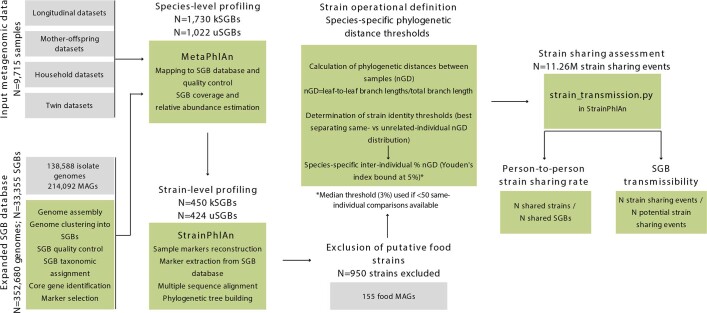
“Here, we first improved our strain-level profiling methodology 39 (Methods), and then further refined strain tracking with operational species-specific definitions of strain identity (Extended Data Fig.”
BackgroundMethodInfluentialSelf-citationBenezra, A. (2020) · Science, Technology, & Human Values · doi:10.1177/0162243920911998 · Cited by 85 · cited 1×
“While we acknowledge that this binary classification has evident limitations 62 , it enables insight into the association of person-to-person microbiome transmission with host lifestyle.”
BackgroundYang, H., Yang, S., Jing, L., Huang, L., Chen, L., Zhao, X., Yang, W., Pan, Y., Yin, P., Qin, Z. S., et al. (2020) · Nature Communications · doi:10.1038/s41467-020-16318-1 · Cited by 83 · cited 1×
“For B. ani-malis (SGB17278), 62 strains profiled in 7 public mouse metagenome datasets 73,75,97–101 were added to better assess its phylogenetic diversity.”
BackgroundDamman, C. J., Brittnacher, M. J., Westerhoff, M., Hayden, H. S., Radey, M., Hager, K. R., Marquis, S. R., Miller, S. I., & Zisman, T. L. (2015) · PLOS ONE · doi:10.1371/journal.pone.0133925 · Cited by 74
Podlesny, D., Arze, C., Dörner, E., Verma, S., Dutta, S., Walter, J., & Fricke, W. F. (2022) · Microbiome · doi:10.1186/s40168-022-01251-w · Cited by 73
Kumar, R., Yi, N., Zhi, D., Eipers, P., Goldsmith, K. T., Dixon, P., Crossman, D. K., Crowley, M. R., Lefkowitz, E. J., Rodriguez, J. M., et al. (2017) · npj Biofilms and Microbiomes · doi:10.1038/s41522-017-0020-7 · Cited by 72
Bar-Yoseph, H., Carasso, S., Shklar, S., Korytny, A., Even Dar, R., Daoud, H., Nassar, R., Maharshak, N., Hussein, K., Geffen, Y., et al. (2021) · Clinical Infectious Diseases · doi:10.1093/cid/ciaa737 · Cited by 69
Kong, L., Lloyd-Price, J., Vatanen, T., Seksik, P., Beaugerie, L., Simon, T., Vlamakis, H., Sokol, H., & Xavier, R. J. (2020) · Gastroenterology · doi:10.1053/j.gastro.2020.08.045 · Cited by 69
Koopen, A. M., Almeida, E. L., Attaye, I., Witjes, J. J., Rampanelli, E., Majait, S., Kemper, M., Levels, J. H. M., Schimmel, A. W. M., Herrema, H., et al. (2021) · Frontiers in Microbiology · doi:10.3389/fmicb.2021.662159 · Cited by 64
Xu, Q., Wu, C., Zhu, Q. R., Gao, R., Lu, J., Valles‐Colomer, M., Zhu, J., Yin, F., Huang, L., Ding, L., et al. (2022) · Nature Aging · doi:10.1038/s43587-022-00193-0 · Cited by 64
Self-citationMoss, E. L., Falconer, S. B., Tkachenko, E., Wang, M., Systrom, H., Mahabamunuge, J., Relman, D. A., Hohmann, E. L., & Bhatt, A. S. (2017) · PLOS ONE · doi:10.1371/journal.pone.0182585 · Cited by 63
Goll, R., Johnsen, P. H., Hjerde, E., Diab, J., Valle, P. C., Hilpusch, F., & Cavanagh, J. P. (2020) · Gut Microbes · doi:10.1080/19490976.2020.1794263 · Cited by 59
Scales of persistence: transmission and the microbiome
Robinson, C. D., Bohannan, B. J., & Britton, R. A. (2019) · Current Opinion in Microbiology · doi:10.1016/j.mib.2019.09.009 · Cited by 56 · cited 3×
“Taxonomic assignment of SGBs profiled at strain level in this study can be found in Supplementary Tables 3 and 4.”
BackgroundStrain inheritance and neonatal gut microbiota development: A meta-analysis
Podlesny, D., & Fricke, W. F. (2021) · International Journal of Medical Microbiology · doi:10.1016/j.ijmm.2021.151483 · Cited by 55
Sharpton, T., Lyalina, S., Luong, J., Pham, J., Deal, E. M., Armour, C., Gaulke, C., Sanjabi, S., & Pollard, K. S. (2017) · mSystems · doi:10.1128/msystems.00036-17 · Cited by 45
Hourigan, S. K., Ahn, M., Gibson, K. M., Pérez-Losada, M., Felix, G., Weidner, M., Leibowitz, I., Niederhuber, J. E., Sears, C. L., Crandall, K. A., et al. (2019) · Open Forum Infectious Diseases · doi:10.1093/ofid/ofz379 · Cited by 43
Comparison of oral microbiome profiles in 18-month-old infants and their parents
Jo, R., Yama, K., Aita, Y., Tsutsumi, K., Ishihara, C., Maruyama, M., Takeda, K., Nishinaga, E., SHIBASAKI, K.-I., & Morishima, S. (2021) · Scientific Reports · doi:10.1038/s41598-020-78295-1 · Cited by 43
Infant motor milestones: poor predictive value for outcome of healthy children
Jenni, O. G., Chaouch, A., Caflisch, J., & Rousson, V. (2012) · Acta Paediatrica · doi:10.1111/apa.12129 · Cited by 43 · cited 1×
“…estimations; (2) the limited length of the marker gene alignment of some SGBs (mean trimmed alignment length = 74,348 nt, median = 70,879 and IQR = [42,513, 104,347]) that would make SNV rates rather unreliable; and (3) the valuable information on evolutionary models (for example, distinguishing…”
BackgroundZhao, H.-J., Luo, X., Shi, Y.-C., Li, J.-F., Pan, F., Ren, R.-R., Peng, L.-H., Shi, X.-Y., Yang, G., Wang, J., et al. (2020) · Frontiers in Psychiatry · doi:10.3389/fpsyt.2020.554441 · Cited by 39 · cited 1×
“We included 1,371 samples from 25 different cohorts of patients undergoing FMT 103– 123 that were analysed as part of a meta-analysis”
MethodMetabolic independence drives gut microbial colonization and resilience in health and disease
Watson, A. R., Füssel, J., Veseli, I., DeLongchamp, J. Z., Silva, M., Trigodet, F., Lolans, K., Shaiber, A., Fogarty, E., Runde, J. M., et al. (2021) · bioRxiv (Cold Spring Harbor Laboratory) · doi:10.1101/2021.03.02.433653 · Cited by 33
Verma, S., Dutta, S., Firnberg, E., Phillips, L. E., Vinayek, R., & Nair, P. P. (2021) · PLoS ONE · doi:10.1371/journal.pone.0251590 · Cited by 32
Leo, S., Lazarevic, V., Girard, M., Gaïa, N., Schrenzel, J., de Lastours, V., Fantin, B., Bonten, M., Carmeli, Y., Rondinaud, E., et al. (2020) · Microorganisms · doi:10.3390/microorganisms8060941 · Cited by 30
Ni, Y., Wong, V. H. Y., Tai, W. C. S., Li, J., Wong, W. Y., Lee, M. M. L., Fong, F. L. Y., El-Nezami, H., & Panagiotou, G. (2017) · Journal of Applied Microbiology · doi:10.1111/jam.13386 · Cited by 29
Farrant, O., Marlais, T., Houghton, J., Gonçalves, A., Cassama, E. T. D. S., Cabral, M. G., Nakutum, J., Manjuba, C., Rodrigues, A., Mabey, D. C. W., et al. (2020) · PLoS neglected tropical diseases · doi:10.1371/journal.pntd.0008938 · Cited by 26 · cited 2×
“After homogenization and washing, DNA was extracted using the DNeasy PowerSoil PRO kit (Qiagen) with custom modifications 64 .”
MethodSelf-citationMicrobial Strain Engraftment, Persistence and Replacement after Fecal Microbiota TransplantationPreprint
Podlesny, D., & Fricke, W. F. (2020) · medRxiv · doi:10.1101/2020.09.29.20203638 · Cited by 20
The Microbe Directory v2.0: An Expanded Database of Ecological and Phenotypical Features of MicrobesPreprint
Sierra, M. A., Bhattacharya, C., Ryon, K. A., Meierovich, S., Shaaban, H., Westfall, D. A., Mohammad, R., Kuchin, K., Afshinnekoo, E., Danko, D., et al. (2019) · bioRxiv (Cold Spring Harbor Laboratory) · doi:10.1101/2019.12.20.860569 · Cited by 16
Lou, Y. C., Olm, M. R., Diamond, S., et al. (2021) · SSRN Electronic Journal · doi:10.2139/ssrn.3778932 · Cited by 1
Research works printed but not linked: 2
- Bergey, D. H. et al. Bergey’s Manual of Systematic Bacteriology (Lippincott Raven, 1989).
- Csardi G Nepusz T The igraph software package for complex network research InterJournal Complex Syst. 2006 1695 1 9
Cited by
Discovery of antimicrobial peptides in the global microbiome with machine learning
Santos-Júnior, C. D., Torres, M. D. T., Duan, Y., Rodríguez del Río, Á., Schmidt, T. S. B., Chong, H., Fullam, A., Kuhn, M., Zhu, C., Houseman, A., et al. (2024) · Cell · doi:10.1016/j.cell.2024.05.013 · Cited by 419
Key determinants of success in fecal microbiota transplantation: From microbiome to clinic
Porcari, S., Benech, N., Valles-Colomer, M., Segata, N., Gasbarrini, A., Cammarota, G., Sokol, H., & Ianiro, G. (2023) · Cell Host & Microbe · doi:10.1016/j.chom.2023.03.020 · Cited by 331
Self-citationMa, Z., Zuo, T., Frey, N., & Rangrez, A. Y. (2024) · Signal Transduction and Targeted Therapy · doi:10.1038/s41392-024-01946-6 · Cited by 259
“616,617 This gives rise to another concept: the social microbiome, which encapsulates the intricate interplay of microbial communities across a host ’ s social fabric, shaping the landscape of health and disease.”
BackgroundAn ANI gap within bacterial species that advances the definitions of intra-species units
Rodriguez-R, L. M., Conrad, R. E., Viver, T., Feistel, D. J., Lindner, B. G., Venter, S. N., Orellana, L. H., Amann, R., Rossello-Mora, R., & Konstantinidis, K. T. (2024) · mBio · doi:10.1128/mbio.02696-23 · Cited by 210
“15 microbiome (38) have also revealed distinct intra-species units closely matching the 99.”
BackgroundUtilization of the microbiome in personalized medicine
Ratiner, K., Ciocan, D., Abdeen, S. K., & Elinav, E. (2024) · Nature Reviews Microbiology · doi:10.1038/s41579-023-00998-9 · Cited by 170
“Whereas the host genome is largely determined by parental genomes, the human microbiome is constantly evolving and displays significant personalization and temporal variability 3–5 .”
Metadata
- Authors
- Valles-Colomer, M., Blanco-Míguez, A., Manghi, P., Asnicar, F., Dubois, L., Golzato, D., Armanini, F., Cumbo, F., Huang, K. D., Manara, S., Masetti, G., Pinto, F., Piperni, E., Punčochář, M., Ricci, L., Zolfo, M., Farrant, O., Goncalves, A., Selma-Royo, M., Binetti, A. G., Becerra, J. E., Han, B., Lusingu, J., Amuasi, J., Amoroso, L., Visconti, A., Steves, C. M., Falchi, M., Filosi, M., Tett, A., Last, A., Xu, Q., Qin, N., Qin, H., May, J., Eibach, D., Corrias, M. V., Ponzoni, M., Pasolli, E., Spector, T. D., Domenici, E., Collado, M. C., & Segata, N.
- Affiliations
- University of Trento (IT)
- European Institute of Oncology (IT)
- London School of Hygiene & Tropical Medicine (GB)
- Consejo Nacional de Investigaciones Científicas y Técnicas (AR)
- Universidad Metropolitana (CO)
- Xi'an Jiaotong University (CN)
- National Institute for Medical Research (TZ)
- Kwame Nkrumah University of Science and Technology (GH)
- Istituto Giannina Gaslini (IT)
- King's College London (GB)
- University of Vienna (AT)
- Tongji University (CN)
- Bernhard Nocht Institute for Tropical Medicine (DE)
- University of Naples Federico II (IT)
- Corresponding author
- Segata, Nicola
- ORCID
- Valles-Colomer, Mireia
- Blanco-Míguez, Aitor
- Manghi, Paolo
- Asnicar, Francesco
- Golzato, Davide
- Armanini, Federica
- Cumbo, Fabio
- Huang, Kun D.
- Manara, Serena
- Masetti, Giulia
- Pinto, Federica
- Piperni, Elisa
- Punčochář, Michal
- Ricci, Liviana
- Zolfo, Moreno
- Farrant, Olivia
- Binetti, Ana G.
- Becerra, Jimmy E.
- Han, Bei
- Lusingu, John
- Amuasi, John
- Amoroso, Loredana
- Visconti, Alessia
- Falchi, Mario
- Filosi, Michele
- Tett, Adrian
- Last, Anna
- Xu, Qian
- Qin, Nan
- Qin, Huanlong
- May, Jürgen
- Eibach, Daniel
- Corrias, Maria Valeria
- Ponzoni, Mirco
- Pasolli, Edoardo
- Spector, Tim D.
- Domenici, Enrico
- Segata, Nicola
- Venue
- Nature
- Published
- 2023-01-18
- Volume
- 614
- Issue
- 7946
- Pages
- 125-135
- ISSN
- 0028-0836 (ISSN-L)
- 1476-4687
- PMC
- PMC9892008
- OpenAlex
- W4317242243
- Cited by
- 449
- References
- 128
- Citations by year
- 2026: 98 · 2025: 147 · 2024: 124 · 2023: 80
- FWCI
- 40.81
- Type
- journal article
- Language
- en
- Open access
- hybrid
- doi.org
- Licence
- cc-by
- creativecommons.org/licenses/by/4.0 (tdm)
- creativecommons.org/licenses/by/4.0 (vor)
- Locations
- Nature (publishedVersion, cc-by)
- PubMed Central (publishedVersion, cc-by)
- PubMed (publishedVersion)
- LSHTM Research Online (London School of Hygiene and Tropical Medicine) (acceptedVersion)
- DIGITAL.CSIC (Spanish National Research Council (CSIC)) (submittedVersion, cc-by)
- Iris (University of Trento) (submittedVersion, cc-by)
- RePEc: Research Papers in Economics (submittedVersion)
- Institutional Research Information System University of Turin (University of Turin) (submittedVersion, cc-by)
- Research Portal (King's College London) (submittedVersion, other-oa)
- Funders
- Simons Foundation
- National Institute for Health and Care Research (ACF-2022-21-007)
- Ministero dell’Istruzione, dell’Università e della Ricerca (H2020, RBFR13EWWI_001)
- Università degli Studi di Trento
- National Institutes of Health (1u01ca230551-01a1, H2020, 1U01CA230551)
- Horizon 2020 Framework Programme (OncoBiome 825410, 818368, ONCOBIOME-825410 project, MASTER-818368 project, 964590, 825410)
- Medical Research Council (MR/S005013/1, MR/N01183X/1)
- National Cancer Institute (1U01CA230551, U01 CA230551, R01CA230551)
- H2020 European Research Council (639226, 716575)
- HORIZON EUROPE European Research Council (101045015)
- Topics
- Life Sciences › Biochemistry, Genetics and Molecular Biology › Molecular Biology › Gut microbiota and health
- Health Sciences › Dentistry › Periodontics › Oral microbiology and periodontitis research
- Physical Sciences › Environmental Science › Ecology › Microbial Community Ecology and Physiology
- Keywords
- human-to-human transmission, gut microbiota, oral microbiota, mother-to-child transmission, cohabitation, host population structure, horizontal transmission
- MeSH terms
- Gastrointestinal Microbiome, Home Environment, Aging, Bacteria, Family Characteristics, Female, Humans, Infant, Mothers, Mouth, Time Factors, Infectious Disease Transmission, Vertical, Disease Transmission, Infectious, Microbial Viability, Metagenome, Microbiota
About these checks
Registry, retraction, Cites and statistics results are computed, not judged, with one exception: a printed reference that no index lists is read once by a model before it counts as a citation error. Claims are extracted by a model and kept only when their quote appears verbatim in the text; each cited source is then checked, with a model’s help, for whether it says what the claim relies on. Those verdicts can be wrong — read the claim’s quote and the cited source before relying on one.
Statistics and arithmetic are recomputed, not judged.
Confidence bands are shown only for fields calibrated on our annotated test set. None is calibrated yet, so no band is shown.
What counts as a claim ›How we measure confidence ›How we check this ›
Are you an author, or do you see a problem with this page? Request a review
Data sources
Bibliographic data: Semantic Scholar, OpenAlex, Crossref.
Contains information from the Semantic Scholar Academic Graph Datasets, made available under the ODC Attribution License (ODC-BY 1.0).
Semantic Scholar’s data is described in: Kinney, R., et al. (2023). The Semantic Scholar Open Data Platform. arXiv:2301.10140.
