

Slide-tags enables single-nucleus barcoding for multimodal spatial genomics
Open accessThe DOI matches its Crossref record; 99 of the 99 references it cites were found in a registry or an index.
Abstract
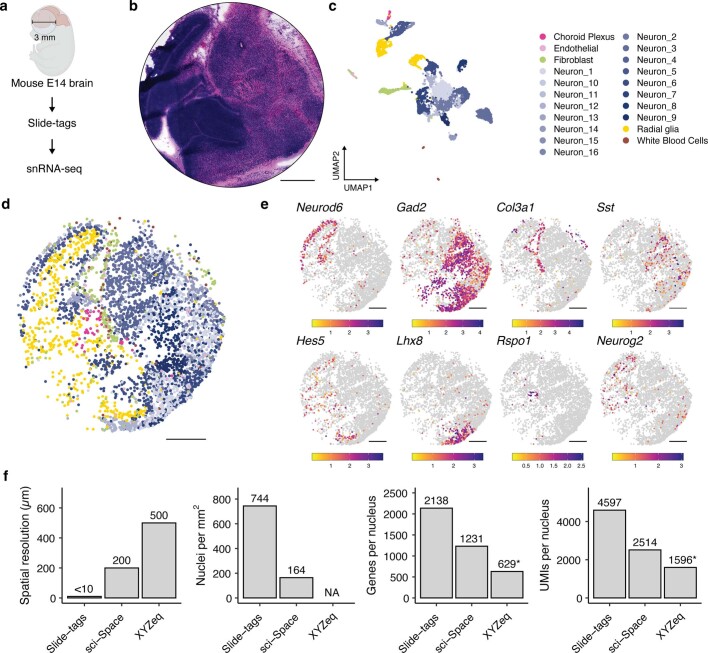
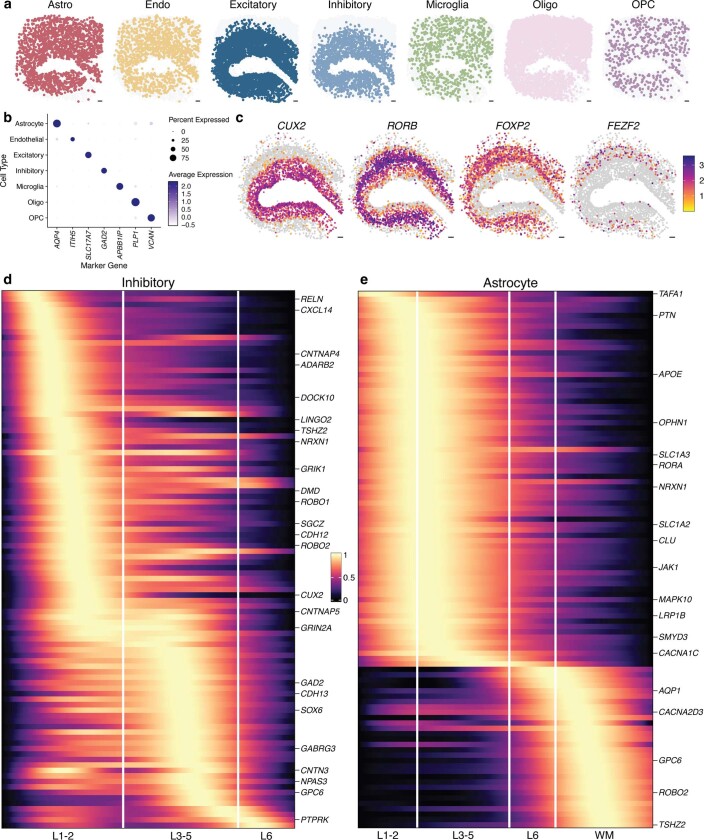
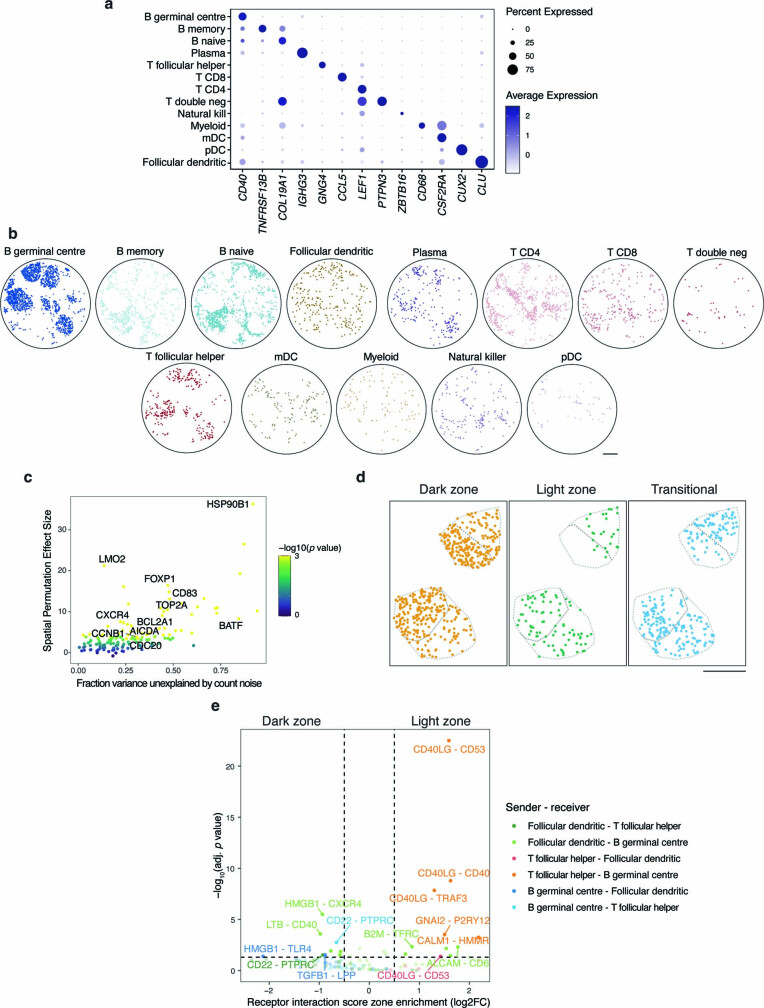
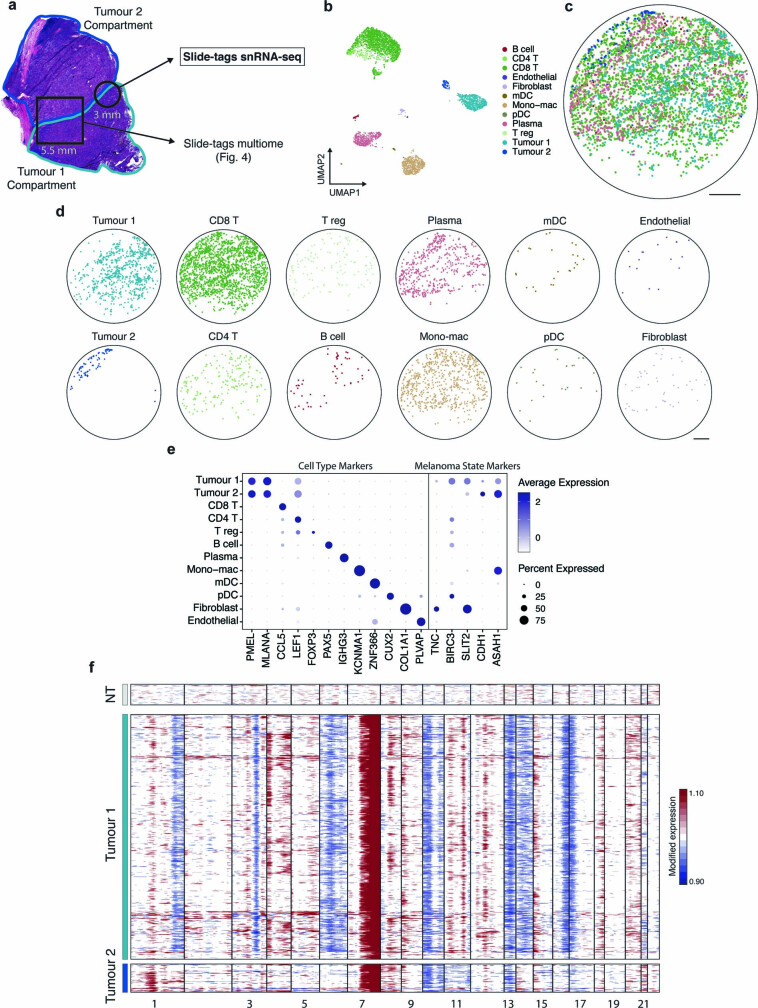
Recent technological innovations have enabled the high-throughput quantification of gene expression and epigenetic regulation within individual cells, transforming our understanding of how complex tissues are constructed 1–6. However, missing from these measurements is the ability to routinely and easily spatially localize these profiled cells. We developed a strategy, Slide-tags, in which single nuclei within an intact tissue section are tagged with spatial barcode oligonucleotides derived from DNA-barcoded beads with known positions. These tagged nuclei can then be used as an input into a wide variety of single-nucleus profiling assays. Application of Slide-tags to the mouse hippocampus positioned nuclei at less than 10 μm spatial resolution and delivered whole-transcriptome data that are indistinguishable in quality from ordinary single-nucleus RNA-sequencing data. To demonstrate that Slide-tags can be applied to a wide variety of human tissues, we performed the assay on brain, tonsil and melanoma. We revealed cell-type-specific spatially varying gene expression across cortical layers and spatially contextualized receptor–ligand interactions driving B cell maturation in lymphoid tissue. A major benefit of Slide-tags is that it is easily adaptable to almost any single-cell measurement technology. As a proof of principle, we performed multiomic measurements of open chromatin, RNA and T cell receptor (TCR) sequences in the same cells from metastatic melanoma, identifying transcription factor motifs driving cancer cell state transitions in spatially distinct microenvironments. Slide-tags offers a universal platform for importing the compendium of established single-cell measurements into the spatial genomics repertoire.
Overview
The claims and statistics of this paper haven’t been checked yet.
Free: it reads the open-access text and checks the first 5 claims that cite a source we can check. Create a free account to check every claim.
Integrity signals
Registry
Cites
Statistics
Figures
Verification
Claims the paper makes
The claims and statistics of this paper haven’t been checked yet.
Free: it reads the open-access text and checks the first 5 claims that cite a source we can check. Create a free account to check every claim.
Claims other papers make about this one
Each is checked against this paper’s own text: does it say what the citing paper says it does?
The cited source says what the claim attributes to it.
In the citing paper
“A very recently developed technology, Slide-tags, can label single nuclei with spatial barcodes and isolate them for multi-omics analysis [88].”
From Single-cell sequencing to multi-omics: technologies and applications (2024) · cites this paper as [88]
Self-check
Percentages, sums and reported differences re-computed from the paper’s own numbers.
The self-check needs the paper’s full text.
Citations
Cites
STAR: ultrafast universal RNA-seq aligner
Dobin, A., Davis, C. A., Schlesinger, F., Drenkow, J., Zaleski, C., Jha, S., Batut, P., Chaisson, M., & Gingeras, T. R. (2013) · Bioinformatics · doi:10.1093/bioinformatics/bts635 · Cited by 51,709
RSEM: accurate transcript quantification from RNA-Seq data with or without a reference genome
Li, B., & Dewey, C. N. (2011) · BMC Bioinformatics · doi:10.1186/1471-2105-12-323 · Cited by 22,179
Model-based Analysis of ChIP-Seq (MACS)
Zhang, Y., Liu, T., Meyer, C. A., Eeckhoute, J., Johnson, D. S., Bernstein, B. E., Nusbaum, C., Myers, R. M., Brown, M., Li, W., et al. (2008) · Genome Biology · doi:10.1186/gb-2008-9-9-r137 · Cited by 18,386
Integrated analysis of multimodal single-cell data
Hao, Y., Hao, S., Andersen-Nissen, E., Mauck, W. M., Zheng, S., Butler, A., Lee, M. J., Wilk, A. J., Darby, C., Zagar, M., et al. (2020) · doi:10.1101/2020.10.12.335331 · Cited by 15,508 · cited 20×
“The Cell Ranger output was filtered by CellBender and read into R (v.4.1.1) using Seurat (v.4.3.0) 21 .”
InfluentialComprehensive Integration of Single-Cell Data
Stuart, T., Butler, A., Hoffman, P., Hafemeister, C., Papalexi, E., Mauck, W. M., Hao, Y., Stoeckius, M., Smibert, P., & Satija, R. (2019) · Cell · doi:10.1016/j.cell.2019.05.031 · Cited by 15,453
Local Indicators of Spatial Association—LISA
Anselin, L. (1995) · Geographical Analysis · doi:10.1111/j.1538-4632.1995.tb00338.x · Cited by 12,919
Enrichr: a comprehensive gene set enrichment analysis web server 2016 update
Kuleshov, M. V., Jones, M. R., Rouillard, A. D., Fernandez, N. F., Duan, Q., Wang, Z., Koplev, S., Jenkins, S. L., Jagodnik, K. M., Lachmann, A., et al. (2016) · Nucleic Acids Research · doi:10.1093/nar/gkw377 · Cited by 10,799
UMAP: Uniform Manifold Approximation and Projection
McInnes, L., Healy, J., Saul, N., & Großberger, L. (2018) · Journal of Open Source Software · doi:10.21105/joss.00861 · Cited by 9,826
ape 5.0: an environment for modern phylogenetics and evolutionary analyses in R
Paradis, E., & Schliep, K. (2019) · Bioinformatics · doi:10.1093/bioinformatics/bty633 · Cited by 9,108
Enrichr: interactive and collaborative HTML5 gene list enrichment analysis tool
Chen, E. Y., Tan, C. M., Kou, Y., Duan, Q., Wang, Z., Meirelles, G. V., Clark, N. R., & Ma’ayan, A. (2013) · BMC Bioinformatics · doi:10.1186/1471-2105-14-128 · Cited by 7,814
Massively parallel digital transcriptional profiling of single cells
Zheng, G. X. Y., Terry, J. M., Belgrader, P., Ryvkin, P., Bent, Z. W., Wilson, R., Ziraldo, S. B., Wheeler, T. D., McDermott, G. P., Zhu, J., et al. (2017) · Nature Communications · doi:10.1038/ncomms14049 · Cited by 7,353
Highly parallel genome-wide expression profiling of individual cells using nanoliter droplets.
Macosko, E. Z., Basu, A., Satija, R., Nemesh, J., Shekhar, K., Goldman, M., Tirosh, I., Bialas, A. R., Kamitaki, N., Martersteck, E. M., et al. (2015) · Cell · doi:10.1016/j.cell.2015.05.002 · Cited by 7,110
Self-citationUMAP: Uniform Manifold Approximation and Projection for Dimension Reduction
McInnes, L., Healy, J., & Melville, J. (2018) · arXiv · doi:10.48550/arxiv.1802.03426 · Cited by 7,101
Genome-wide atlas of gene expression in the adult mouse brain
Lein, E. S., Hawrylycz, M. J., Ao, N., Ayres, M., Bensinger, A., Bernard, A., Boe, A. F., Boguski, M. S., Brockway, K. S., Byrnes, E. J., et al. (2007) · Nature · doi:10.1038/nature05453 · Cited by 5,572 · cited 4×
“In situ hybridization data for comparative plots were obtained from the Allen Mouse Brain Atlas 23 .”
InfluentialDissecting the multicellular ecosystem of metastatic melanoma by single-cell RNA-seq
Tirosh, I., Izar, B., Prakadan, S. M., Wadsworth, M. H., Treacy, D., Trombetta, J. J., Rotem, A., Rodman, C., Lian, C., Murphy, G., et al. (2016) · Science · doi:10.1126/science.aad0501 · Cited by 4,944 · cited 1×
“Negatively correlated transcription factor motifs included MITF, a factor involved in maintaining the melanocytic lineage 49,50 .”
Self-citationLa Manno, G., Soldatov, R., Zeisel, A., Braun, E., Hochgerner, H., Petukhov, V., Lidschreiber, K., Kastriti, M. E., Lönnerberg, P., Furlan, A., et al. (2018) · Nature · doi:10.1038/s41586-018-0414-6 · Cited by 4,118
Visualization and analysis of gene expression in tissue sections by spatial transcriptomics
Ståhl, P. L., Salmén, F., Vickovic, S., Lundmark, A., Navarro, J. F., Magnusson, J., Giacomello, S., Asp, M., Westholm, J. O., Huss, M., et al. (2016) · Science · doi:10.1126/science.aaf2403 · Cited by 3,834 · cited 1×
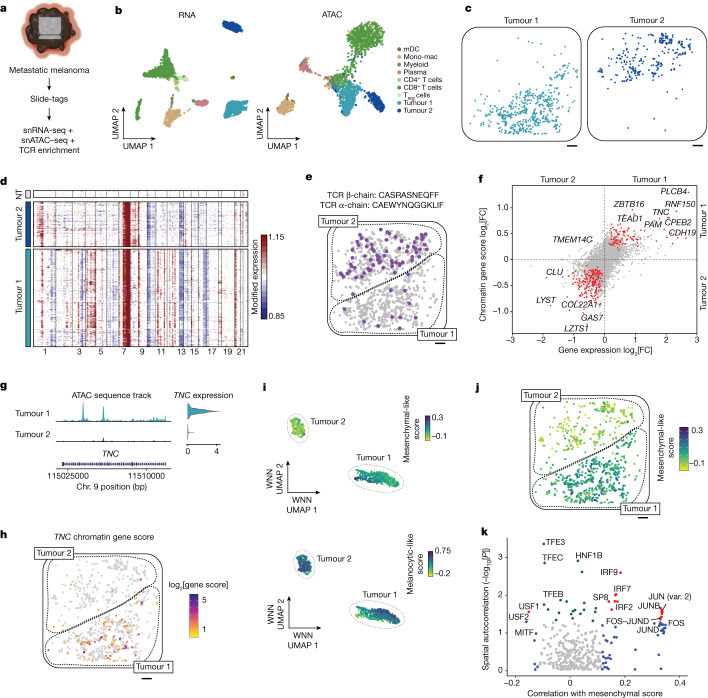
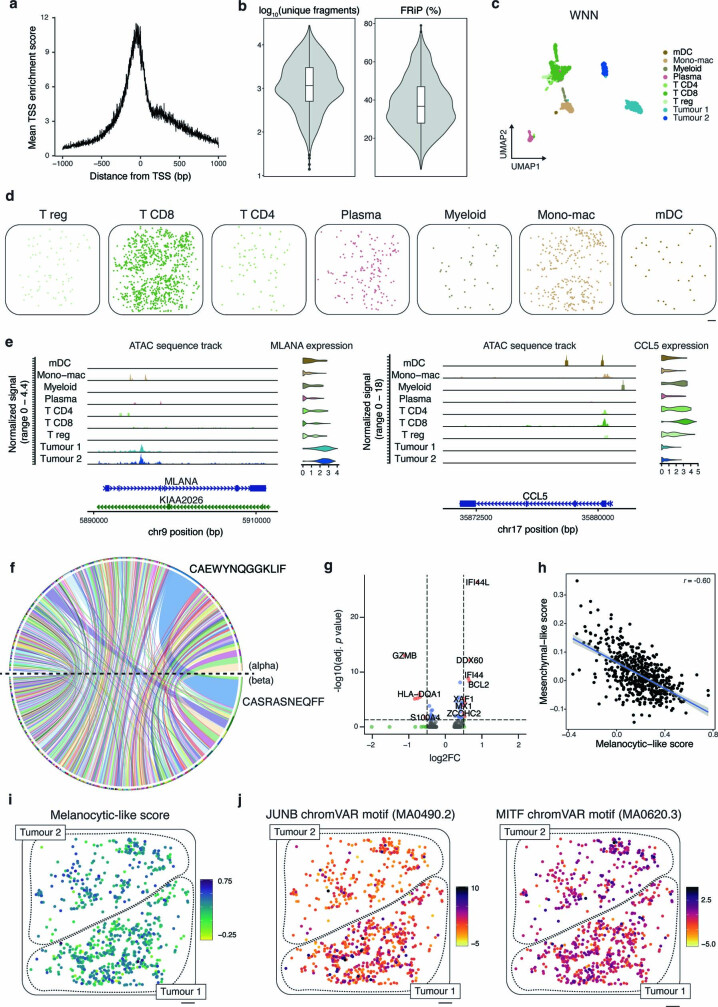
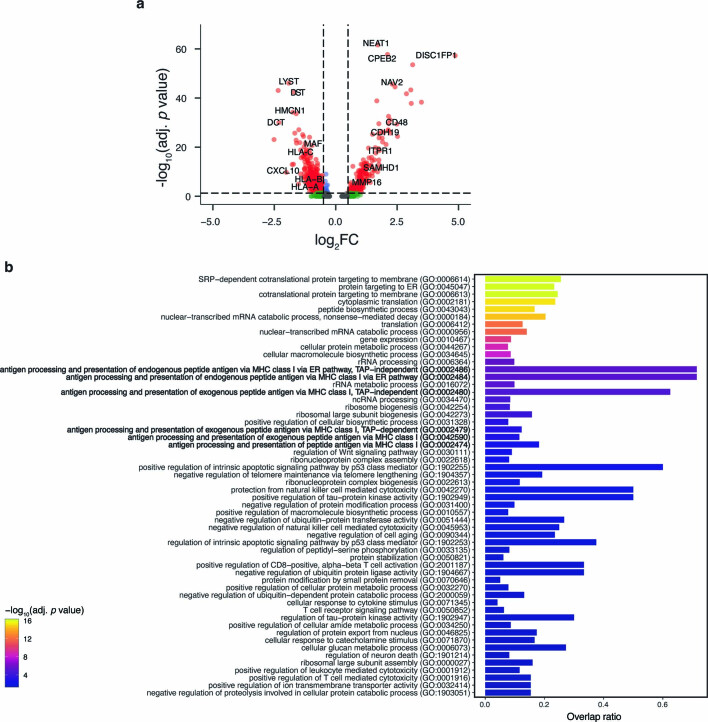
“7 and 8; log 2 [FC] = 2.1, P adj = 2.4 × 10 −61 ) and differentially accessible by chromatin gene score (Wilcoxon rank-sum test, log 2 [FC] = 0.81, P adj = 1.0 × 10 −12 ) in tumour cluster 1 compared with in tumour cluster 2 (Fig.”
InfluentialMuramatsu, M., Kinoshita, K., Fagarasan, S., Yamada, S., Shinkai, Y., & Honjo, T. (2000) · Cell · doi:10.1016/s0092-8674(00)00078-7 · Cited by 3,474 · cited 1×
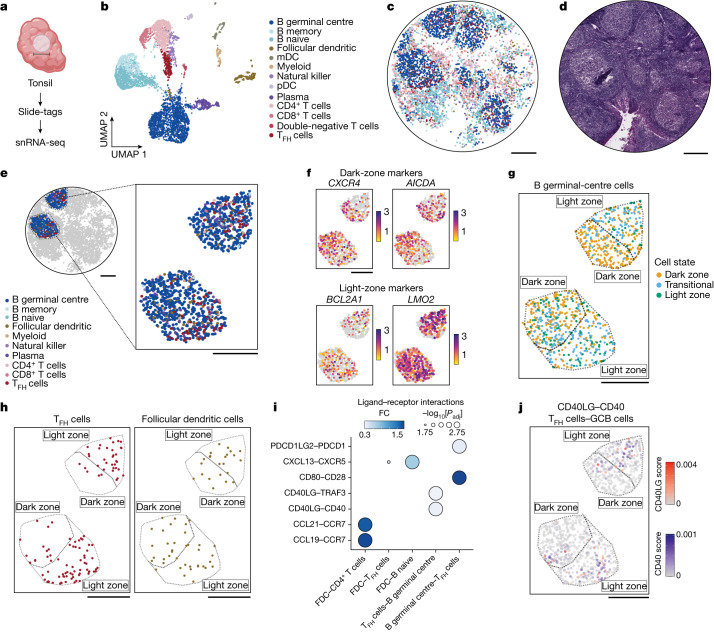
“Dark-zone marker genes included CXCR4 (double-sided permutation test, Z score = 7.6, P 0.001) and AICDA ( Z score = 6.9, P 0.001)—genes associated with dark-zone organization and somatic hypermutation, respectively 27–29 .”
InfluentialGene set knowledge discovery with enrichr
Xie, Z., Bailey, A., Kuleshov, M. V., Clarke, D. J. B., Evangelista, J. E., Jenkins, S. L., Lachmann, A., Wojciechowicz, M. L., Kropiwnicki, E., Jagodnik, K. M., et al. (2021) · Current Protocols · doi:10.1002/cpz1.90 · Cited by 3,451
Droplet barcoding for single-cell transcriptomics applied to embryonic stem cells
Klein, A. M., Mazutis, L., Akartuna, I., Tallapragada, N., Veres, A., Li, V., Peshkin, L., Weitz, D. A., & Kirschner, M. W. (2015) · Cell · doi:10.1016/j.cell.2015.04.044 · Cited by 3,356
Finak, G., McDavid, A., Yajima, M., Deng, J., Gersuk, V., Shalek, A. K., Slichter, C. K., Miller, H. W., McElrath, M. J., Prlic, M., et al. (2015) · Genome Biology · doi:10.1186/s13059-015-0844-5 · Cited by 3,159
Simultaneous epitope and transcriptome measurement in single cells
Stoeckius, M., Hafemeister, C., Stephenson, W., Houck-Loomis, B., Chattopadhyay, P. K., Swerdlow, H., Satija, R., & Smibert, P. (2017) · Nature Methods · doi:10.1038/nmeth.4380 · Cited by 3,098
A Chromatin-Mediated Reversible Drug-Tolerant State in Cancer Cell Subpopulations
Sharma, S. V., Lee, D. Y., Li, B., Quinlan, M. P., Takahashi, F., Maheswaran, S., McDermott, U., Azizian, N., Zou, L., Fischbach, M. A., et al. (2010) · Cell · doi:10.1016/j.cell.2010.02.027 · Cited by 2,770 · cited 1×
“Local clustering of epigenetic states is suggestive of inheritance of epigenetically reprogrammed states in cell division, or local signalling environmental drivers 37,51 .”
Tumour evolution inferred by single-cell sequencing
Navin, N., Kendall, J., Troge, J., Andrews, P., Rodgers, L., McIndoo, J., Cook, K., Stepansky, A., Levy, D., Esposito, D., et al. (2011) · Nature · doi:10.1038/nature09807 · Cited by 2,598
Slide-seq: A scalable technology for measuring genome-wide expression at high spatial resolution
Rodriques, S. G., Stickels, R. R., Goeva, A., Martin, C. A., Murray, E., Vanderburg, C. R., Welch, J., Chen, L. M., Chen, F., & Macosko, E. Z. (2019) · Science · doi:10.1126/science.aaw1219 · Cited by 2,424 · cited 3×
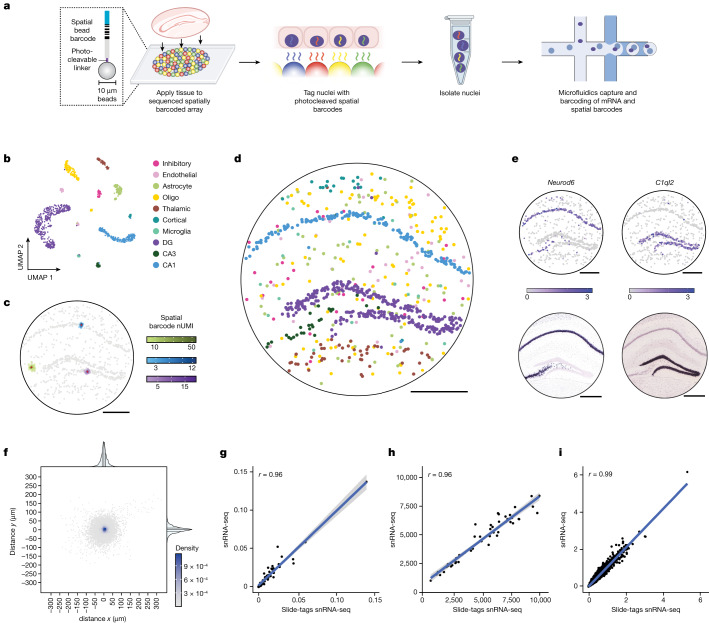
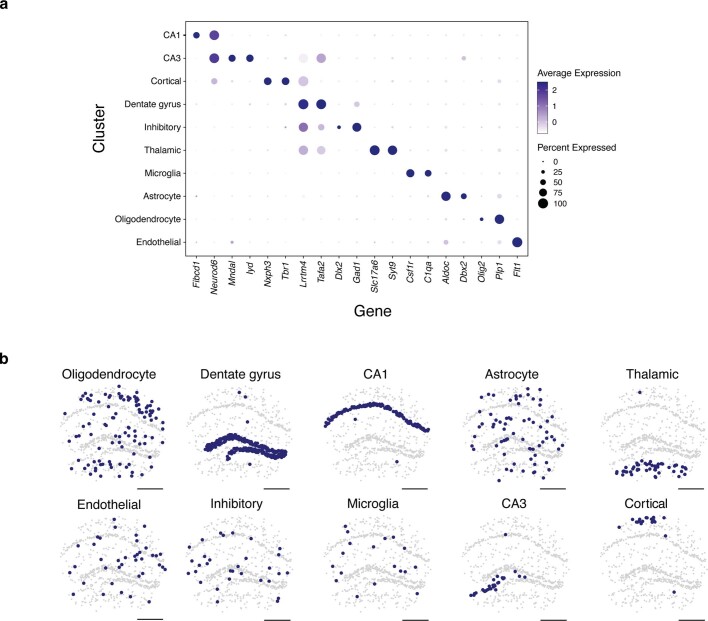
“To benchmark our approach, we performed Slide-tags followed by droplet-based snRNA-seq on a 20 μm coronal section of the adult mouse hippocampus, which has a highly stereotyped architecture that is useful for validating spatial techniques 9 .”
Self-citationCUT&Tag for efficient epigenomic profiling of small samples and single cells
Kaya-Okur, H. S., Wu, S. J., Codomo, C. A., Pledger, E. S., Bryson, T. D., Henikoff, J. G., Ahmad, K., & Henikoff, S. (2019) · Nature Communications · doi:10.1038/s41467-019-09982-5 · Cited by 2,187 · cited 1×
“Beyond our demonstration of spatial snRNA-seq + snATAC–seq, we envision that future adaptations of Slide-tags will enable the profiling of DNA 5,52 , additional epigenetic modifications 6,53,54 and proteins 55 .”
The ENCODE Blacklist: Identification of Problematic Regions of the Genome
Amemiya, H. M., Kundaje, A., & Boyle, A. P. (2019) · Scientific Reports · doi:10.1038/s41598-019-45839-z · Cited by 1,831 · cited 1×
“Peaks in non-standard chromosomes were removed using keepStandardChro-mosomes from GenomeInfoDb (v.1.35.15) 79 and problematic regions of the hg38 genome were removed using subsetByOverlaps according to the blacklist available at GitHub (https://github.com/Boyle-Lab/ Blacklist) 80 .”
InfluentialSpatiotemporal transcriptomic atlas of mouse organogenesis using DNA nanoball-patterned arrays
Chen, A., Liao, S., Cheng, M., Ma, K., Wu, L., Lai, Y., Qiu, X., Yang, J., Xu, J., Hao, S., et al. (2022) · Cell · doi:10.1016/j.cell.2022.04.003 · Cited by 1,784
Self-citationSingle-cell chromatin state analysis with Signac
Stuart, T., Srivastava, A., Madad, S., Lareau, C. A., & Satija, R. (2021) · Nature Methods · doi:10.1038/s41592-021-01282-5 · Cited by 1,769 · cited 1×
“The ATAC-filtered feature-barcode matrix generated by Cell Ranger was read into R (v.4.1.1) using Signac (v.1.9.0) 77 , and added as its own assay slot in the Seurat object containing RNA expression counts.”
InfluentialMiXCR: software for comprehensive adaptive immunity profiling
Bolotin, D. A., Poslavsky, S., Mitrophanov, I., Shugay, M., Mamedov, I. Z., Putintseva, E. V., & Chudakov, D. M. (2015) · Nature Methods · doi:10.1038/nmeth.3364 · Cited by 1,722
stm : An R Package for Structural Topic Models
Roberts, M. E., Stewart, B. M., & Tingley, D. (2019) · Journal of Statistical Software · doi:10.18637/jss.v091.i02 · Cited by 1,714
chromVAR: inferring transcription-factor-associated accessibility from single-cell epigenomic data
Schep, A. N., Wu, B., Buenrostro, J. D., & Greenleaf, W. J. (2017) · Nature Methods · doi:10.1038/nmeth.4401 · Cited by 1,680
Revy, P., Muto, T., Levy, Y., Geissmann, F., Plebani, A., Sanal, O., Catalan, N., Forveille, M., Dufourcq-Lagelouse, R., Gennery, A., et al. (2000) · Cell · doi:10.1016/s0092-8674(00)00079-9 · Cited by 1,647
Molecular mechanism and function of CD40/CD40L engagement in the immune system
Elgueta, R., Benson, M. J., De Vries, V. C., Wasiuk, A., Guo, Y., & Noelle, R. J. (2009) · Immunological Reviews · doi:10.1111/j.1600-065x.2009.00782.x · Cited by 1,625 · cited 1×
“For example, we predicted interactions between CD40 and CD40LG within GCB cells and T follicular helper cells, a fundamental driver of the germinal-centre reaction 34 .”
Robust decomposition of cell type mixtures in spatial transcriptomics
Cable, D. M., Murray, E., Zou, L. S., Goeva, A., Macosko, E. Z., Chen, F., & Irizarry, R. A. (2022) · Nature Biotechnology · doi:10.1038/s41587-021-00830-w · Cited by 1,487
Self-citationArchR is a scalable software package for integrative single-cell chromatin accessibility analysis
Granja, J. M., Corces, M. R., Pierce, S. E., Bagdatli, S. T., Choudhry, H., Chang, H. Y., & Greenleaf, W. J. (2021) · Nature Genetics · doi:10.1038/s41588-021-00790-6 · Cited by 1,392 · cited 1×
“Computational analyses of such data are uniquely enabled by the ability of Slide-tags to seamlessly leverage many existing single-cell computational workflows (for example, Seurat 21 , InferCNV 43 , ArchR 56 ).”
Highly sensitive spatial transcriptomics at near-cellular resolution with Slide-seqV2
Stickels, R. R., Murray, E., Kumar, P., Li, J., Marshall, J. L., Di Bella, D. J., Arlotta, P., Macosko, E. Z., & Chen, F. (2021) · Nature Biotechnology · doi:10.1038/s41587-020-0739-1 · Cited by 1,295
Self-citationCell2location maps fine-grained cell types in spatial transcriptomics
Kleshchevnikov, V., Shmatko, A., Dann, E., Aivazidis, A., King, H. W., Li, T., Elmentaite, R., Lomakin, A., Kedlian, V., Gayoso, A., et al. (2022) · Nature Biotechnology · doi:10.1038/s41587-021-01139-4 · Cited by 1,279 · cited 2×
“Each cell was then assigned a predicted identity based on mapping to a mouse adult brain reference dataset 16 , using FindTransferAnchors and then TransferData, with the first 25 principal components in both cases.”
Multiplex single-cell profiling of chromatin accessibility by combinatorial cellular indexing
Cusanovich, D. A., Daza, R., Adey, A., Pliner, H. A., Christiansen, L., Gunderson, K. L., Steemers, F. J., Trapnell, C., & Shendure, J. (2015) · Science · doi:10.1126/science.aab1601 · Cited by 1,248
Transcriptome-scale spatial gene expression in the human dorsolateral prefrontal cortex
Maynard, K. R., Collado-Torres, L., Weber, L. M., Uytingco, C., Barry, B. K., Williams, S. R., Catallini, J. L., Tran, M. N., Besich, Z., Tippani, M., et al. (2021) · Nature Neuroscience · doi:10.1038/s41593-020-00787-0 · Cited by 1,222 · cited 1×
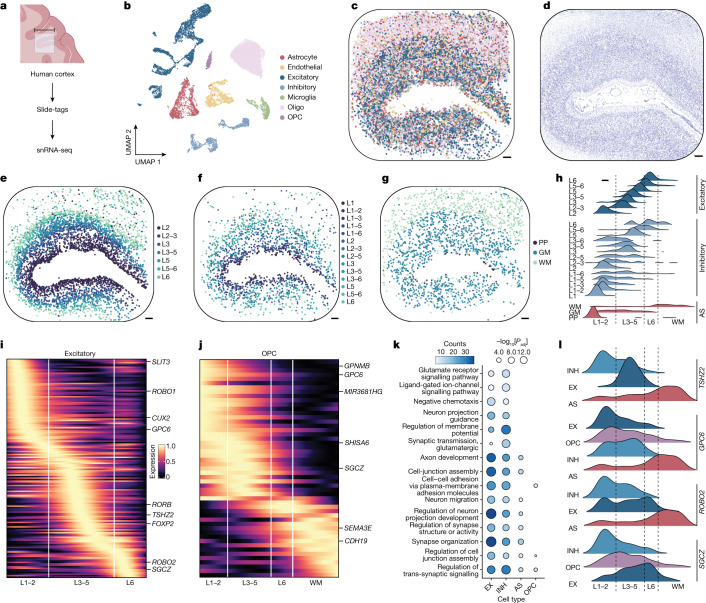
“Existing spatial sequencing approaches can resolve broad patterns of spatially varying gene expression in human cortex 24 , but assignment of spatially variable genes to specific cell types is challenging using these methods.”
Rare cell variability and drug-induced reprogramming as a mode of cancer drug resistance
Shaffer, S. M., Dunagin, M. C., Torborg, S. R., Torre, E. A., Emert, B., Krepler, C., Beqiri, M., Sproesser, K., Brafford, P. A., Xiao, M., et al. (2017) · Nature · doi:10.1038/nature22794 · Cited by 1,218
Single-cell genome-wide bisulfite sequencing for assessing epigenetic heterogeneity
Smallwood, S. A., Lee, H. J., Angermueller, C., Krueger, F., Saadeh, H., Peat, J., Andrews, S. R., Stegle, O., Reik, W., & Kelsey, G. (2014) · Nature Methods · doi:10.1038/nmeth.3035 · Cited by 1,125
The evolutionary history of 2,658 cancers
Gerstung, M., Jolly, C., Leshchiner, I., Dentro, S. C., Gonzalez, S., Rosebrock, D., Mitchell, T. J., Rubanova, Y., Anur, P., Yu, K., et al. (2020) · Nature · doi:10.1038/s41586-019-1907-7 · Cited by 1,057 · cited 1×
“As CNV has an important role in melanoma tumour evolution 41,42 , we sought to identify whether these transcriptional subpopulations represented distinct genetic clones.”
Self-citationHigh-Spatial-Resolution Multi-Omics Sequencing via Deterministic Barcoding in Tissue
Liu, Y., Yang, M., Deng, Y., Su, G., Enninful, A., Guo, C. C., Tebaldi, T., Zhang, D., Kim, D., Bai, Z., et al. (2020) · Cell · doi:10.1016/j.cell.2020.10.026 · Cited by 966 · cited 1×
“5a,b), which has been frequently used for benchmarking new spatial transcriptomics technologies 10,20 .”
Deep learning and alignment of spatially resolved single-cell transcriptomes with Tangram
Biancalani, T., Scalia, G., Buffoni, L., Avasthi, R., Lu, Z., Sanger, A., Tokcan, N., Vanderburg, C. R., Segerstolpe, Å., Zhang, M., et al. (2021) · Nature Methods · doi:10.1038/s41592-021-01264-7 · Cited by 931
Self-citationMassively parallel digital transcriptional profiling of single cellsPreprint
Zheng, G. X. Y., Terry, J. M., Belgrader, P., et al. (2016) · bioRxiv (Cold Spring Harbor Laboratory) · doi:10.1101/065912 · Cited by 897
Fleming, S. J., Chaffin, M. D., Arduini, A., Akkad, A.-D., Banks, E., Marioni, J. C., Philippakis, A. A., Ellinor, P. T., & Babadi, M. (2023) · Nature Methods · doi:10.1038/s41592-023-01943-7 · Cited by 867 · cited 1×
“For mouse embryo, human brain, tonsil and melanoma, we used CellBender v.0.2.0 for background noise correction and cell calling 61 , setting --expected-cells to the number of Cell Ranger cell calls, --total-droplets-included to 40,000 and --learning-rate to 0.00005 (only when the default parameters…”
InfluentialWadman, I. A. (1997) · The EMBO Journal · doi:10.1093/emboj/16.11.3145 · Cited by 844 · cited 1×
“Light-zone-enriched genes included BCL2A1 ( Z score = 9.1, P 0.001), an apoptosis regulator gene 30 , and LMO2 ( Z score = 21.3, P 0.001), a transcription factor 31 .”
InfluentialVictora, G. D., & Nussenzweig, M. C. (2022) · Annual Review of Immunology · doi:10.1146/annurev-immunol-120419-022408 · Cited by 824 · cited 1×
“Subclassification of GCB cells into light-zone and dark-zone GCB cells is challenging using snRNA-seq data alone, as variation in gene expression space is low, requiring many cells to be sampled to uncover the distinction 26 .”
Comparative cellular analysis of motor cortex in human, marmoset and mouse
Bakken, T. E., Jorstad, N. L., Hu, Q., Lake, B. B., Tian, W., Kalmbach, B. E., Crow, M., Hodge, R. D., Krienen, F. M., Sorensen, S. A., et al. (2021) · Nature · doi:10.1038/s41586-021-03465-8 · Cited by 812 · cited 2×
“Subsequently, excitatory and inhibitory neuron subtypes were mapped from a published human cortex dataset 25 by label transfer using Harmony v.0.1.1 and spatially plotted in Supplementary Figs.”
InfluentialSelf-citationGerminal center dark and light zone organization is mediated by CXCR4 and CXCR5
Allen, C. D. C., Ansel, K. M., Low, C., Lesley, R., Tamamura, H., Fujii, N., & Cyster, J. G. (2004) · Nature Immunology · doi:10.1038/ni1100 · Cited by 802 · cited 1×
“Dark-zone marker genes included CXCR4 (double-sided permutation test, Z score = 7.6, P 0.001) and AICDA ( Z score = 6.9, P 0.001)—genes associated with dark-zone organization and somatic hypermutation, respectively 27–29 .”
Influentialdbscan: Fast Density-Based Clustering with R
Hahsler, M., Piekenbrock, M., & Doran, D. (2019) · Journal of Statistical Software · doi:10.18637/jss.v091.i01 · Cited by 802
A single-cell and single-nucleus RNA-Seq toolbox for fresh and frozen human tumors
Slyper, M., Porter, C. B. M., Ashenberg, O., Waldman, J., Drokhlyansky, E., Wakiro, I., Smillie, C., Smith-Rosario, G., Wu, J., Dionne, D., et al. (2020) · Nature Medicine · doi:10.1038/s41591-020-0844-1 · Cited by 744
Self-citationEpigenetic reprogramming in cancer
Suvà, M. L., Riggi, N., & Bernstein, B. E. (2013) · Science · doi:10.1126/science.1230184 · Cited by 706 · cited 1×
“Epigenetic dysregulation in cancer facilitates drug resistance and pro-metastatic cell state transitions 36–38 .”
Dimitrov, D., Türei, D., Garrido-Rodriguez, M., Burmedi, P. L., Nagai, J. S., Boys, C., Ramirez Flores, R. O., Kim, H., Szalai, B., Costa, I. G., et al. (2022) · Nature Communications · doi:10.1038/s41467-022-30755-0 · Cited by 664 · cited 3×
“We first ran LIANA 33 (v.0.1.12) to generate a putative list of receptor–ligand interactions between cell type pairs in a spatial agnostic manner, filtering to receptor–ligand interactions that are expressed in at least 50 cells of sender and receiver cell types (log[CPM] > 0), or in 30% of sender and receiver cells.”
InfluentialComparison and evaluation of statistical error models for scRNA-seq
Choudhary, S., & Satija, R. (2022) · Genome Biology · doi:10.1186/s13059-021-02584-9 · Cited by 634 · cited 1×
“…between cell type pairs, we computed a receptor–ligand score based on a spatial correlation index 74 , SCI, which we defined as: between N cells of ‘sender cell type’ expressing receptor r and M cells of ‘receiver cell type’ expressing ligand l , where expression is sctrans-form counts 75 .”
Lineage Tracing in Humans Enabled by Mitochondrial Mutations and Single-Cell Genomics
Ludwig, L. S., Lareau, C. A., Ulirsch, J. C., Christian, E., Muus, C., Li, L. H., Pelka, K., Ge, W., Oren, Y., Brack, A., et al. (2019) · Cell · doi:10.1016/j.cell.2019.01.022 · Cited by 567 · cited 1×
“Some methodologies strongly benefit from single-cell data, such as lineage tracing using mitochondrial genomic variants 58 and quantification of transcriptional kinetics 59 .”
Adaptive Chromatin Remodeling Drives Glioblastoma Stem Cell Plasticity and Drug Tolerance
Liau, B. B., Sievers, C., Donohue, L. K., Gillespie, S. M., Flavahan, W. A., Miller, T. E., Venteicher, A. S., Hebert, C. H., Carey, C. D., Rodig, S. J., et al. (2017) · Cell stem cell · doi:10.1016/j.stem.2016.11.003 · Cited by 535 · cited 1×
“Epigenetic dysregulation in cancer facilitates drug resistance and pro-metastatic cell state transitions 36–38 .”
Single-cell CUT&Tag profiles histone modifications and transcription factors in complex tissues
Bartosovic, M., Kabbe, M., & Castelo-Branco, G. (2021) · Nature Biotechnology · doi:10.1038/s41587-021-00869-9 · Cited by 483 · cited 1×
“Beyond our demonstration of spatial snRNA-seq + snATAC–seq, we envision that future adaptations of Slide-tags will enable the profiling of DNA 5,52 , additional epigenetic modifications 6,53,54 and proteins 55 .”
Spatial epigenome–transcriptome co-profiling of mammalian tissues
Zhang, D., Deng, Y., Kukanja, P., Agirre, E., Bartosovic, M., Dong, M., Ma, C., Ma, S., Su, G., Bao, S., et al. (2023) · Nature · doi:10.1038/s41586-023-05795-1 · Cited by 483 · cited 1×
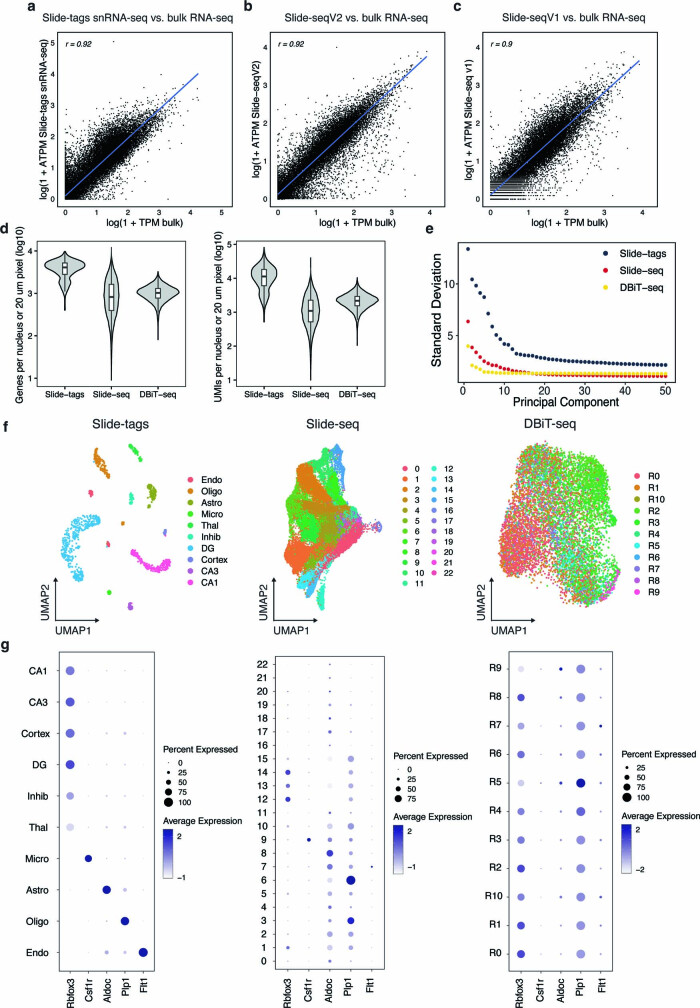
“RNA clusters from the Spatial-ATAC– RNA-seq publication 13 were used for DBiT-seq data.”
Single-cell DNA methylome sequencing and bioinformatic inference of epigenomic cell-state dynamics
Farlik, M., Sheffield, N. C., Nuzzo, A., Datlinger, P., Schönegger, A., Klughammer, J., & Bock, C. (2015) · Cell Reports · doi:10.1016/j.celrep.2015.02.001 · Cited by 422
Spatial profiling of chromatin accessibility in mouse and human tissues
Deng, Y., Bartosovic, M., Ma, S., Zhang, D., Kukanja, P., Xiao, Y., Su, G., Liu, Y., Qin, X., Rosoklija, G. B., et al. (2022) · Nature · doi:10.1038/s41586-022-05094-1 · Cited by 417
Victora, G. D., Dominguez-Sola, D., Holmes, A. B., Deroubaix, S., Dalla-Favera, R., & Nussenzweig, M. C. (2012) · Blood · doi:10.1182/blood-2012-03-415380 · Cited by 411 · cited 1×
“We intersected our computed spatially varying genes with genes that were previously implicated in germinal centre zone distinction 73 .”
Genomic–anatomic evidence for distinct functional domains in hippocampal field CA1
Dong, H.-W., Swanson, L. W., Chen, L., Fanselow, M. S., & Toga, A. W. (2009) · Proceedings of the National Academy of Sciences · doi:10.1073/pnas.0812608106 · Cited by 360 · cited 2×
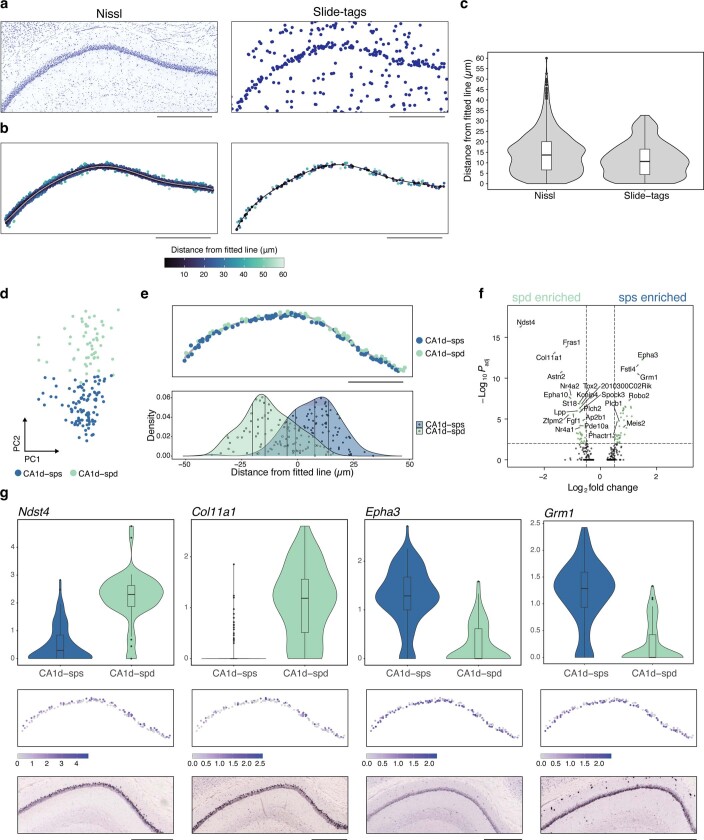
“Sublayer labels were assigned to each cluster using previously identified gene expression markers 68,69 .”
Antigen receptor repertoire profiling from RNA-seq data
Bolotin, D. A., Poslavsky, S., Davydov, A. N., Frenkel, F. E., Fanchi, L., Zolotareva, O. I., Hemmers, S., Putintseva, E. V., Obraztsova, A. S., Shugay, M., et al. (2017) · Nature Biotechnology · doi:10.1038/nbt.3979 · Cited by 333 · cited 1×
“TCR sequences were identified using MiXCR (v.4.1.0) 64,65 and assigned to cell barcodes using a hamming distance 1 collapse.”
InfluentialSpatial components of molecular tissue biology
Palla, G., Fischer, D. S., Regev, A., & Theis, F. J. (2022) · Nature Biotechnology · doi:10.1038/s41587-021-01182-1 · Cited by 327
Spatially resolved clonal copy number alterations in benign and malignant tissue
Erickson, A., He, M., Berglund, E., Marklund, M., Mirzazadeh, R., Schultz, N., Kvastad, L., Andersson, A., Bergenstråhle, L., Bergenstråhle, J., et al. (2022) · Nature · doi:10.1038/s41586-022-05023-2 · Cited by 303 · cited 1×
“Numerous studies of tumour heterogeneity have revealed clone-specific niches and immune compartments 7,39,40 , but the role of epigenetic regulation in establishing and maintaining these spatial niches remains difficult to study.”
Sequencing thousands of single-cell genomes with combinatorial indexing
Vitak, S. A., Torkenczy, K. A., Rosenkrantz, J. L., Fields, A. J., Christiansen, L., Wong, M. H., Carbone, L., Steemers, F. J., & Adey, A. (2017) · Nature Methods · doi:10.1038/nmeth.4154 · Cited by 294 · cited 5×
“Beyond our demonstration of spatial snRNA-seq + snATAC–seq, we envision that future adaptations of Slide-tags will enable the profiling of DNA 5,52 , additional epigenetic modifications 6,53,54 and proteins 55 .”
InfluentialHighly scalable generation of DNA methylation profiles in single cells
Mulqueen, R. M., Pokholok, D., Norberg, S. J., Torkenczy, K. A., Fields, A. J., Sun, D., Sinnamon, J. R., Shendure, J., Trapnell, C., O'Roak, B. J., et al. (2018) · Nature Biotechnology · doi:10.1038/nbt.4112 · Cited by 289 · cited 1×
“Beyond our demonstration of spatial snRNA-seq + snATAC–seq, we envision that future adaptations of Slide-tags will enable the profiling of DNA 5,52 , additional epigenetic modifications 6,53,54 and proteins 55 .”
Spatial genomics enables multi-modal study of clonal heterogeneity in tissues
Zhao, T., Chiang, Z. D., Morriss, J. W., LaFave, L. M., Murray, E. M., Del Priore, I., Meli, K., Lareau, C. A., Nadaf, N. M., Li, J., et al. (2022) · Nature · doi:10.1038/s41586-021-04217-4 · Cited by 268 · cited 2×
“Numerous studies of tumour heterogeneity have revealed clone-specific niches and immune compartments 7,39,40 , but the role of epigenetic regulation in establishing and maintaining these spatial niches remains difficult to study.”
Self-citationEmbryo-scale, single-cell spatial transcriptomics
Srivatsan, S. R., Regier, M. C., Barkan, E., Franks, J. M., Packer, J. S., Grosjean, P., Duran, M., Saxton, S., Ladd, J. J., Spielmann, M., et al. (2021) · Science · doi:10.1126/science.abb9536 · Cited by 267 · cited 1×
“Each cell was then assigned a predicted identity based on mapping to a mouse embryo at E14 reference dataset 18 , using FindTransferAnchors and then TransferData, with the first 25 principal components in both cases.”
Microfluidics-free single-cell genomics with templated emulsification
Clark, I. C., Fontanez, K. M., Meltzer, R. H., Xue, Y., Hayford, C., May-Zhang, A., D’Amato, C., Osman, A., Zhang, J. Q., Hettige, P., et al. (2023) · Nature Biotechnology · doi:10.1038/s41587-023-01685-z · Cited by 219 · cited 1×
“This represents a path for substantial improvement through tissue-specific optimizations to the dissociation, and improved droplet microfluidics or, potentially, microfluidics-free single-nucleus methods that may barcode nuclei more efficiently 57 .”
Shaffer, S. M., Emert, B. L., Reyes Hueros, R. A., Cote, C., Harmange, G., Schaff, D. L., Sizemore, A. E., Gupte, R., Torre, E., Singh, A., et al. (2020) · Cell · doi:10.1016/j.cell.2020.07.003 · Cited by 194 · cited 1×
“Local clustering of epigenetic states is suggestive of inheritance of epigenetically reprogrammed states in cell division, or local signalling environmental drivers 37,51 .”
Osada, H., Grutz, G., Axelson, H., Forster, A., & Rabbitts, T. H. (1995) · Proceedings of the National Academy of Sciences · doi:10.1073/pnas.92.21.9585 · Cited by 192
Systematic classification of melanoma cells by phenotype‐specific gene expression mapping
Widmer, D. S., Cheng, P. F., Eichhoff, O. M., Belloni, B. C., Zipser, M. C., Schlegel, N. C., Javelaud, D., Mauviel, A., Dummer, R., & Hoek, K. S. (2012) · Pigment Cell & Melanoma Research · doi:10.1111/j.1755-148x.2012.00986.x · Cited by 185
An atlas of cells in the human tonsil
Massoni-Badosa, R., Aguilar-Fernández, S., Nieto, J. C., Soler-Vila, P., Elosua-Bayes, M., Marchese, D., Kulis, M., Vilas-Zornoza, A., Bühler, M. M., Rashmi, S., et al. (2024) · Immunity · doi:10.1016/j.immuni.2024.01.006 · Cited by 183
Accurate genomic variant detection in single cells with primary template-directed amplification
Gonzalez-Pena, V., Natarajan, S., Xia, Y., Klein, D., Carter, R., Pang, Y., Shaner, B., Annu, K., Putnam, D., Chen, W., et al. (2021) · Proceedings of the National Academy of Sciences · doi:10.1073/pnas.2024176118 · Cited by 181 · cited 1×
“Beyond our demonstration of spatial snRNA-seq + snATAC–seq, we envision that future adaptations of Slide-tags will enable the profiling of DNA 5,52 , additional epigenetic modifications 6,53,54 and proteins 55 .”
Spatial genomics maps the structure, nature and evolution of cancer clones
Lomakin, A., Svedlund, J., Strell, C., Gataric, M., Shmatko, A., Rukhovich, G., Park, J. S., Ju, Y. S., Dentro, S., Kleshchevnikov, V., et al. (2022) · Nature · doi:10.1038/s41586-022-05425-2 · Cited by 181 · cited 1×
“Numerous studies of tumour heterogeneity have revealed clone-specific niches and immune compartments 7,39,40 , but the role of epigenetic regulation in establishing and maintaining these spatial niches remains difficult to study.”
Fleming, S. J., Chaffin, M. D., Arduini, A., Akkad, A.-D., Banks, E., Marioni, J. C., Philippakis, A. A., Ellinor, P. T., & Babadi, M. (2019) · doi:10.1101/791699 · Cited by 164
Robust decomposition of cell type mixtures in spatial transcriptomicsPreprint
Cable, D. M., Murray, E. M., Zou, L. S., et al. (2020) · bioRxiv (Cold Spring Harbor Laboratory) · doi:10.1101/2020.05.07.082750 · Cited by 154
Liu, S., Iorgulescu, J. B., Li, S., Borji, M., Barrera-Lopez, I. A., Shanmugam, V., Lyu, H., Morriss, J. W., Garcia, Z. N., Murray, E., et al. (2022) · Immunity · doi:10.1016/j.immuni.2022.09.002 · Cited by 148
Self-citationJoint single-cell measurements of nuclear proteins and RNA in vivo
Chung, H., Parkhurst, C. N., Magee, E. M., Phillips, D., Habibi, E., Chen, F., Yeung, B. Z., Waldman, J., Artis, D., & Regev, A. (2021) · Nature Methods · doi:10.1038/s41592-021-01278-1 · Cited by 144 · cited 1×
“Beyond our demonstration of spatial snRNA-seq + snATAC–seq, we envision that future adaptations of Slide-tags will enable the profiling of DNA 5,52 , additional epigenetic modifications 6,53,54 and proteins 55 .”
Self-citationMolecular basis for CD40 signaling mediated by TRAF3
Ni, C.-Z., Welsh, K., Leo, E., Chiou, C.-K., Wu, H., Reed, J. C., & Ely, K. R. (2000) · Proceedings of the National Academy of Sciences · doi:10.1073/pnas.97.19.10395 · Cited by 143
Epithelial‐to‐mesenchymal‐like transition events in melanoma
Pedri, D., Karras, P., Landeloos, E., Marine, J., & Rambow, F. (2022) · The FEBS Journal · doi:10.1111/febs.16021 · Cited by 126 · cited 1×
“Negatively correlated transcription factor motifs included MITF, a factor involved in maintaining the melanocytic lineage 49,50 .”
Transcriptome-scale spatial gene expression in the human dorsolateral prefrontal cortexPreprint
Maynard, K. R., Collado‐Torres, L., Weber, L. M., et al. (2020) · bioRxiv (Cold Spring Harbor Laboratory) · doi:10.1101/2020.02.28.969931 · Cited by 119
Lee, Y., Bogdanoff, D., Wang, Y., Hartoularos, G. C., Woo, J. M., Mowery, C. T., Nisonoff, H. M., Lee, D. S., Sun, Y., Lee, J., et al. (2021) · Science Advances · doi:10.1126/sciadv.abg4755 · Cited by 114
Solid-phase capture and profiling of open chromatin by spatial ATAC
Llorens-Bobadilla, E., Zamboni, M., Marklund, M., Bhalla, N., Chen, X., Hartman, J., Frisén, J., & Ståhl, P. L. (2023) · Nature Biotechnology · doi:10.1038/s41587-022-01603-9 · Cited by 112
Balázs, M., Ádám, Z., Treszl, A., Bégány, Á., Hunyadi, J., & Ádány, R. (2001) · Cytometry · doi:10.1002/cyto.1131 · Cited by 109
A New Methodology of Spatial Cross-Correlation Analysis
Chen, Y. (2015) · PLoS ONE · doi:10.1371/journal.pone.0126158 · Cited by 106 · cited 1×
“To detect receptor–ligand interactions between cell type pairs, we computed a receptor–ligand score based on a spatial correlation index 74 , SCI, which we defined as: between N cells of ‘sender cell type’ expressing receptor r and M cells of ‘receiver cell type’ expressing ligand l , where…”
Tenascin-C promotes melanoma progression by maintaining the ABCB5-positive side population
Fukunaga-Kalabis, M., Martinez, G., Nguyen, T. K., Kim, D., Santiago-Walker, A., Roesch, A., & Herlyn, M. (2010) · Oncogene · doi:10.1038/onc.2010.350 · Cited by 94 · cited 1×
“We observed heterogeneity in TNC chromatin accessibility and gene expression within tumour cluster 1, which has previously been associated with a mesenchymal-like cell state 46,47 .”
A single-cell and single-nucleus RNA-seq toolbox for fresh and frozen human tumors
Slyper, M., Porter, C. B. M., Ashenberg, O., Waldman, J., Drokhlyansky, E., Wakiro, I., Smillie, C., Smith-Rosario, G., Wu, J., Dionne, D., et al. (2019) · bioRxiv (Cold Spring Harbor Laboratory) · doi:10.1101/761429 · Cited by 66
Self-citationCid, E., Márquez-Galera, Á., Valero, M., Gal, B., Medeiros, D. D. C., Navarrón, C. M., Ballesteros-Esteban, L., Reig‐Viader, R., Morales, A. V., Fernández‐Lamo, I., et al. (2021) · Cell Reports · doi:10.1016/j.celrep.2021.109229 · Cited by 66
Ottina, E., Grespi, F., Tischner, D., Soratroi, C., Geley, S., Ploner, A., Reichardt, H. M., Villunger, A., & Herold, M. J. (2012) · Blood · doi:10.1182/blood-2011-12-399089 · Cited by 61 · cited 1×
“Light-zone-enriched genes included BCL2A1 ( Z score = 9.1, P 0.001), an apoptosis regulator gene 30 , and LMO2 ( Z score = 21.3, P 0.001), a transcription factor 31 .”
InfluentialSynaptic Interactions in Germinal Centers
Papa, I., & Vinuesa, C. G. (2018) · Frontiers in Immunology · doi:10.3389/fimmu.2018.01858 · Cited by 61
An Atlas of Cells in the Human TonsilPreprint
Massoni-Badosa, R., Soler-Vila, P., Aguilar-Fernández, S., et al. (2022) · bioRxiv (Cold Spring Harbor Laboratory) · doi:10.1101/2022.06.24.497299 · Cited by 31
Shaffer, S. M., Emert, B. L., Reyes-Hueros, R., et al. (2018) · bioRxiv (Cold Spring Harbor Laboratory) · doi:10.1101/379016 · Cited by 27
CDK7 and MITF repress a transcription program involved in survival and drug tolerance in melanoma
Berico, P., Cigrang, M., Davidson, G., Braun, C., Sandoz, J., Gras, S. L., Vokshi, B., Slovic, N., Peyresaubes, F., Robles, C. M. G., et al. (2021) · EMBO Reports · doi:10.15252/embr.202051683 · Cited by 19 · cited 2×
“We observed heterogeneity in TNC chromatin accessibility and gene expression within tumour cluster 1, which has previously been associated with a mesenchymal-like cell state 46,47 .”
Cid, E., Márquez-Galera, Á., Valero, M., et al. (2021) · bioRxiv (Cold Spring Harbor Laboratory) · doi:10.1101/2021.02.03.429560 · Cited by 9 · cited 2×
“Sublayer labels were assigned to each cluster using previously identified gene expression markers 68,69 .”
Engblom, C., Thrane, K., Lin, Q., Andersson, A., Toosi, H., Chen, X., Steiner, E., Mantovani, G., Hagemann-Jensen, M., Saarenpää, S., et al. (2022) · bioRxiv (Cold Spring Harbor Laboratory) · doi:10.1101/2022.11.22.516865 · Cited by 8 · cited 1×
“Although TCR expression has previously been spatially mapped 44,45 , Slide-tags enables unambiguous assignment of receptor pairs to single cells.”
Research works printed but not linked: 2
- Xu, X., Ester, M., Kriegel, H.-P. & Sander, J. A distribution-based clustering algorithm for mining in large spatial databases. In Proc. 14th International Conference on Data Engineering 324–331 (IEEE, 1998).
- Ester, M., Kriegel, H.-P., Sander, J. & Xu, X. A density-based algorithm for discovering clusters in large spatial databases with noise. In Proc. Second International Conference on Knowledge Discovery and Data Mining (eds Simoudis, E. et al.) 226–231 (AAAI Press, 1996).
Cited by
Empowering biomedical discovery with AI agents
Gao, S., Fang, A., Huang, Y., Giunchiglia, V., Noori, A., Schwarz, J. R., Ektefaie, Y., Kondic, J., & Zitnik, M. (2024) · Cell · doi:10.1016/j.cell.2024.09.022 · Cited by 315
Profiling cell identity and tissue architecture with single-cell and spatial transcriptomics
Gulati, G. S., D’Silva, J. P., Liu, Y., Wang, L., & Newman, A. M. (2025) · Nature Reviews Molecular Cell Biology · doi:10.1038/s41580-024-00768-2 · Cited by 293
“These methods, which include XYZeq, sc-Space and Slide-Tags achieve high transcript capture efficiency, but at the cost of spatial resolution (500 µm, 222 µm and 10 µm, respectively), dissociation artifacts and under-sampling of tissues 159–161 .”
LIANA+ Provides an All-in-One Framework for Cell–Cell Communication Inference
Dimitrov, D., Schäfer, P. S. L., Farr, E., Rodriguez-Mier, P., Lobentanzer, S., Badia-i-Mompel, P., Dugourd, A., Tanevski, J., Ramirez Flores, R. O., & Saez-Rodriguez, J. (2024) · Nature Cell Biology · doi:10.1038/s41556-024-01469-w · Cited by 263
“Leveraging Slide-tags, a recent technology capable of measuring full transcriptome single-nucleus data while also preserving spatial information 41 , we evaluated spatially uniformed CCC methods using cell type and gene expression co-localization as an indirect ground truth 3 —assuming that…”
Spatiotemporal omics for biology and medicine
Liu, L., Chen, A., Li, Y., Mulder, J., Heyn, H., & Xu, X. (2024) · Cell · doi:10.1016/j.cell.2024.07.040 · Cited by 230
Systematic comparison of sequencing-based spatial transcriptomic methods
You, Y., Fu, Y., Li, L., Zhang, Z., Jia, S., Lu, S., Ren, W., Liu, Y., Xu, Y., Liu, X., et al. (2024) · Nature Methods · doi:10.1038/s41592-024-02325-3 · Cited by 220
“This shows that the data from other technologies suffer from diffusion and cannot represent a true single-cell expression profile 17 .”
Self-citation
Metadata
- Authors
- Russell, A. J. C., Weir, J. A., Nadaf, N. M., Shabet, M., Kumar, V., Kambhampati, S., Raichur, R., Marrero, G. J., Liu, S., Balderrama, K. S., Vanderburg, C. R., Shanmugam, V., Tian, L., Iorgulescu, J. B., Yoon, C. H., Wu, C. J., Macosko, E. Z., & Chen, F.
- Affiliations
- Broad Institute (US)
- Brigham and Women's Hospital (US)
- Corresponding author
- Macosko, Evan Z.
- Chen, Fei
- ORCID
- Venue
- Nature
- Published
- 2023-12-13
- Volume
- 625
- Issue
- 7993
- Pages
- 101-109
- ISSN
- 0028-0836 (ISSN-L)
- 1476-4687
- PMC
- PMC10764288
- OpenAlex
- W4389670531
- Cited by
- 225
- References
- 85
- Citations by year
- 2026: 75 · 2025: 92 · 2024: 54 · 2023: 4
- FWCI
- 19.88
- Type
- journal article
- Language
- en
- Update notices
- correction (2023-12-18)
- Open access
- hybrid
- doi.org
- Licence
- cc-by
- creativecommons.org/licenses/by/4.0 (tdm)
- creativecommons.org/licenses/by/4.0 (vor)
- Locations
- Nature (publishedVersion, cc-by)
- PubMed Central (publishedVersion, cc-by)
- PubMed (publishedVersion)
- Digital Access to Scholarship at Harvard (DASH) (Harvard University) (submittedVersion, cc-by)
- RePEc: Research Papers in Economics (submittedVersion)
- Funders
- National Human Genome Research Institute (R01HG010647)
- National Cancer Institute (UH3CA246632)
- National Institute of Neurological Disorders and Stroke (UG3NS132135)
- Topics
- Life Sciences › Biochemistry, Genetics and Molecular Biology › Molecular Biology › Single-cell and spatial transcriptomics
- Life Sciences › Biochemistry, Genetics and Molecular Biology › Molecular Biology › Genomics and Chromatin Dynamics
- Life Sciences › Biochemistry, Genetics and Molecular Biology › Cell Biology › Biotin and Related Studies
- Keywords
- spatial genomics, single-nucleus RNA sequencing, whole transcriptome profiling, hippocampus, B cell maturation, ligand-receptor interactions, multi-omics, open chromatin, T cell receptor sequences, metastatic melanoma, transcription factor binding motifs, tumor microenvironment, cortical layers
- MeSH terms
- Single-Cell Gene Expression Analysis, Animals, Brain, Chromatin, Hippocampus, Humans, Ligands, Melanoma, Organ Specificity, Receptors, Antigen, T-Cell, RNA, Palatine Tonsil, Transcription Factors, Response Elements, Gene Expression Profiling, Genomics, Epigenesis, Genetic, Mice, DNA Barcoding, Taxonomic, Single-Cell Analysis, Tumor Microenvironment, Transcriptome
About these checks
Registry, retraction, Cites and statistics results are computed, not judged, with one exception: a printed reference that no index lists is read once by a model before it counts as a citation error. Claims are extracted by a model and kept only when their quote appears verbatim in the text; each cited source is then checked, with a model’s help, for whether it says what the claim relies on. Those verdicts can be wrong — read the claim’s quote and the cited source before relying on one.
Statistics and arithmetic are recomputed, not judged.
Confidence bands are shown only for fields calibrated on our annotated test set. None is calibrated yet, so no band is shown.
What counts as a claim ›How we measure confidence ›How we check this ›
Are you an author, or do you see a problem with this page? Request a review
Data sources
Bibliographic data: Semantic Scholar, OpenAlex, Crossref.
Contains information from the Semantic Scholar Academic Graph Datasets, made available under the ODC Attribution License (ODC-BY 1.0).
Semantic Scholar’s data is described in: Kinney, R., et al. (2023). The Semantic Scholar Open Data Platform. arXiv:2301.10140.
