

Information Systems and Developing Countries: Failure, Success, and Local Improvisations
Open accessThe DOI matches its Crossref record; 53 of the 53 references it cites were found in a registry or an index.
Abstract
The article develops the design-actuality gaps model to explain why many information systems in developing countries fail totally or partially.
Overview
CoChat Summary
## TL;DR
The paper argues that many information systems in developing countries fail totally or partially, and proposes a contingency-theory-based model of “design-actuality gaps” to explain why. It identifies two high-risk gap types—country context gaps and hard-soft gaps—and also discusses constraints on local improvisation.
## Key findings
- The paper states that, alongside successes, “many information systems in developing countries can be categorized as failing either totally or partially.”
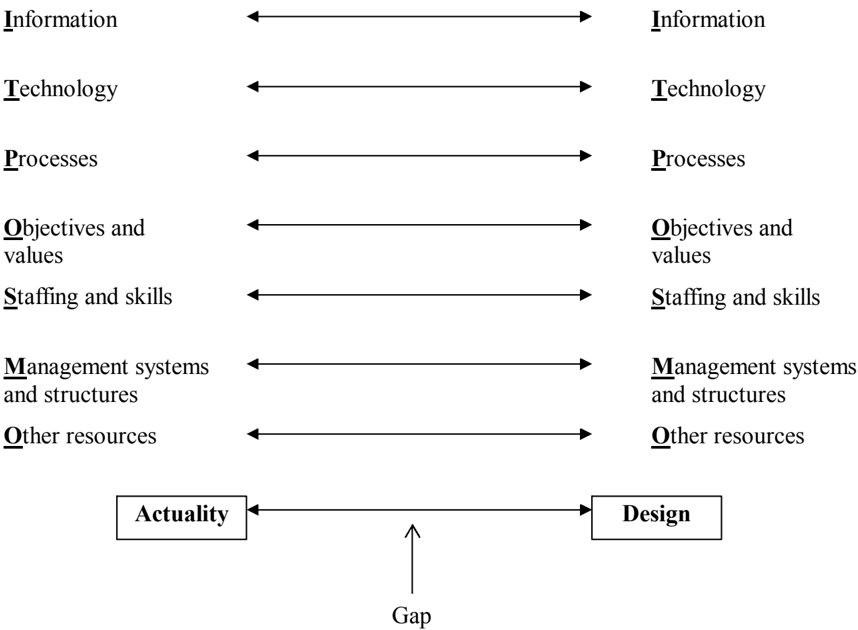
- It develops the notion of “design-actuality gaps,” defined as “the match or mismatch between IS designs and local user actuality.”
- The model highlights two “high-risk archetypes” affecting IS in developing countries: “country context gaps” and “hard-soft gaps.”
- The model is also presented as useful for explaining “the constraints that exist to local IS improvisations in developing countries.”
## Methods
- The paper is a journal article that develops a conceptual model “drawing on contingency theory.”
- The abstract does not specify a dataset, sample, or number of cases; the text only says the article presents “evidence” about IS in developing countries.
- The main analysis appears to be conceptual/theoretical, using the model to interpret IS cases and to refine IS theory.
## Limitations
- The paper does not report a specific sample size, case count, or empirical dataset in the provided text; this limits what can be assessed from the excerpt.
- The abstract does not state formal limitations or boundary conditions of the model beyond noting its focus on developing countries and local user actuality.
- The evidence base is not described in the provided text, so the scope of the claims cannot be independently evaluated from the excerpt alone.
Model-written summary. Check it against the paper before relying on it.
Integrity signals
Registry
Cites
Statistics
Figures
Verification
Claims the paper makes
0 Valid · 0 Not valid · 0 Not checked · 3 Own results and interpretations
A result the paper reports from its own data — it cites no other source for it, so there is none to check. The quote shows it is in the paper.
In the paper
“This article presents evidence that-alongside the successes-many information systems in developing countries can be categorized as failing either totally or partially.”
plain- Asserted: passes — The authors put it forward as true.
- Checkable: passes — It can be checked against evidence.
- Load-bearing: passes — The paper’s conclusions depend on it.
- Based: passes — The paper gives a reason why it holds.
A conclusion the paper draws from its own results — it cites no other source for it, so there is none to check. The quote shows it is in the paper.
In the paper
“The model draws on contingency theory in order to advance the notion of design-actuality gaps: the match or mismatch between IS designs and local user actuality.”
plainstates a possible cause- Asserted: passes — The authors put it forward as true.
- Checkable: passes — It can be checked against evidence.
- Load-bearing: passes — The paper’s conclusions depend on it.
- Based: passes — The paper gives a reason why it holds.
- Rests on an assumption not shown here.
- It may state two separate claims as one. 1
Claims other papers make about this one
Each is checked against this paper’s own text: does it say what the citing paper says it does?
In the citing paper
“This suggests that adoption can be seen as simply the first and perhaps least problematic phase in the drive towards the integration of an innovation into the health system. The greater risk is that of ‘sustainability failure’ [25, 26]”
From Beyond pilotitis: taking digital health interventions to the national level in China and Uganda (2017) · cites this paper as [26]
Citations
Cites
Task-Technology Fit and Individual Performance
Goodhue, D. L., & Thompson, R. L. (1995) · MIS Quarterly · doi:10.2307/249689 · Cited by 6,006 · cited 1×
“IS implementation models drawing on this theme have involved e t between “tool”/“technology” and “task” ( Goodhue & Thompson, 1995; Agarwal & Sinha, 1996), or between multiple factors (Scott Morton, 1991; Southon et al., 1997).”
MethodSoftware Engineering Economics
Boehm, B. W. (2001) · Pioneers and Their Contributions to Software Engineering · doi:10.1007/978-3-642-48354-7_5 · Cited by 5,981
Thompson, V. A., & March, J. G. (1966) · American Sociological Review · doi:10.2307/2090830 · Cited by 3,351
The Concept of Fit in Strategy Research: Toward Verbal and Statistical Correspondence
Venkatraman, N. (1989) · The Academy of Management Review · doi:10.2307/258177 · Cited by 2,367
Suchman, L. A. (1987) · Cited by 2,279
The Concept of Fit in Strategy Research: Towards Verbal and Statistical Correspondence
Venkatraman, N. V. (1988) · DSpace@MIT (Massachusetts Institute of Technology) · Cited by 2,038
Improvising Organizational Transformation Over Time: A Situated Change Perspective
Orlikowski, W. J. (1996) · Information Systems Research · doi:10.1287/isre.7.1.63 · Cited by 1,952
Management strategies for information technology
(1990) · Long Range Planning · doi:10.1016/0024-6301(90)90040-b · Cited by 1,033
Shaping technology/building society
(1993) · Choice Reviews Online · doi:10.5860/choice.30-3774 · Cited by 939
The corporation of the 1990s: Information technology and organizational transformation
(1993) · Futures · doi:10.1016/0016-3287(93)90030-w · Cited by 886
Research works printed but not linked: 19
- Avgerou, C. 2000. The multiple rationalities of information systems development. In Information ? ows, local improvisations and work practices. Proceedings of the IFIP WG9.4 Conference 2000. Cape Town: IFIP.
- Avgerou C., 2000, Information technology in context, 1
- Bijker W. E., 1992, Shaping tech-nology/building society, 1
- Butler R., 1991, Designing organizations
- Goonatilake, L., Maizza-Neto, O., and Jayawardene, P. 2000. Enhancing enterprise competitiveness in developing countries through the promotion of management information and benchmarking tools. In Information ? ows, local improvisations and work practices. Proceedings of the IFIP WG9.4 Conference 2000. Cape Town: IFIP.
- IFIP WG9.4. 2000. Information ? ows, local improvisations and work practices. Proceedings of the IFIP WG9.4 Conference 2000. Cape Town: IFIP.
- Jayasuriya R., 1995, Medinfo ’95, 1603
- Korac-Boisvert N., 1995, Information Infrastructure and Policy, 4, 131
- Macias-Chapula, C. A. 2000. Issues learned, challenges and opportunities to implement a library automation project at Mexico’s General Hospital. In Information ? ows, local improvisations and work practices. Proceedings of the IFIP WG9.4 Conference 2000. Cape Town: IFIP.
- Calitz, A. P. 2000. Transforming work practices with IT. In Information ? ows, local improvisations and work practices. Proceedings of the IFIP WG9.4 Conference 2000. Cape Town: IFIP.
- Oyomno G. Z., 1996, Global information technology and socio-economic development, 19
- Puri, S. K., Chauhan, K. P. S., and Admedullah, M. 2000. Prospects of biological diversity information management. In Information ? ows, local improvisations and work practices. Proceedings of the IFIP WG9.4 Conference 2000. Cape Town: IFIP.
- Silva L. O., 2000, Outsourcing as an improvisation. In Information ? ows, local improvisations and work practices. Proceedings of the IFIP WG9.4 Conference 2000
- Walsham G., 2000, Information technology in context, 291
- Wynn, E. and deLyra, J. 2000. A strange attractor in the chaos of global IS development. In Information ? ows, local improvisations and work practices. Proceedings of the IFIP WG9.4 Conference 2000. Cape Town: IFIP.
- Cain P., 2001, Reinventing government in the information age, 135
- Kenny C., 2001, The Internet and economic growth in LDCs. Draft paper
- Kitiyadisai, K. 2000. The implementation of IT in reengineering the Thai Revenue Department. In Information ? ows, local improvisations and work practices. Proceedings of the IFIP WG9.4 Conference 2000. Cape Town: IFIP.
- Mundy D., 2001, Reinventing government in the information age, 271
Cited by
Items 301–400 of 1,386
Aryee, J., & Hansen, A. S. (2021) · Case Studies on Transport Policy · doi:10.1016/j.cstp.2021.11.009 · Cited by 31
Reflections on MobileActive 2008 and the M4D Landscape
Donner, J., Verclas, K., & Toyama, K. (2008) · DiVA (Digitala Vetenskapliga Arkivet) · Cited by 27
Akinnuwesi, B. A., Uzoka, F., Olabiyisi, S. O., Omidiora, E. O., & Fiddi, P. (2013) · The Electronic Journal of Information Systems in Developing Countries · doi:10.1002/j.1681-4835.2013.tb00413.x · Cited by 24
“Heeks (2002) points to the high failure rate of information systems (IS) projects in the developing world, which may have in part resulted from low end-user participation.”
InfluentialHow Trust and Credibility Affect Technology-Based Development Projects
Walton, R. (2012) · Technical Communication Quarterly · doi:10.1080/10572252.2013.726484 · Cited by 23
“However, the widespread failure of ICTD projects has established the need for a better understanding of ICTD research and implementation (Brand & Schwittay, 2006; Heeks, 2002; Toyama, 2011).”
BackgroundAlam, M. M., & Wagner, C. (2016) · Information Technology for Development · doi:10.1080/02681102.2016.1155142 · Cited by 25
“…its role in removing inequalities and information access barriers, ICT-led projects have recently been adopted in numerous developing country initiatives (e.g. Avgerou, 2008; Cook, 2005; Dada, 2006), however the projects often failed (Heeks, 2002) and successes have been seemingly unpredictable.”
BackgroundFair Partnerships – Working with NGOs
Gitau, S., & Marsden, G. (2009) · Lecture notes in computer science · doi:10.1007/978-3-642-03655-2_77 · Cited by 21
“These disconnects have had costly effects in ICT4D projects, with close to 70% of all initiated projects failing within the first few years of conception [1].”
Kossi, E. K., Sæbø, J. I., Braa, J. A., Jalloh, M. M., & Manya, A. S. (2012) · The Journal of Community Informatics · doi:10.15353/joci.v9i2.3164 · Cited by 30
E-Business Strategy in Developing Countries: A Framework and Checklist for the Small Business Sector
Wynn, M. G., & Olayinka, O. (2021) · Sustainability · doi:10.3390/su13137356 · Cited by 35
“In a broader context, Heeks’ studies on information systems in developing countries [35] similarly identified four aspects of an organization that must change as it adopts new technologies.”
Ly, B., & Ly, R. (2023) · Computers in Human Behavior Reports · doi:10.1016/j.chbr.2023.100347 · Cited by 28
An Early-Stage ICT Maturity Model Derived from Ethiopian Education Institutions
Bass, J. M. (2011) · The International Journal of Education and Development using Information and Communication Technology (The University of the West Indies) · Cited by 20
Analysing South Korea's ICT for Development Aid Programme
Lee, H., Jang, S., Ko, K., et al. (2008) · The Electronic Journal of Information Systems in Developing Countries · doi:10.1002/j.1681-4835.2008.tb00239.x · Cited by 20
“This view, for example, explains the failure of some ICT4D projects in terms of a mismatch between the technology design and the social context (Heeks, 2002).”
BackgroundSelf-citationCultural Patterns Influencing Project Team Behavior in Sub-Saharan Africa: A Case Study in Ethiopia
Jetu, F. T., Riedl, R., & Roithmayr, F. (2011) · Project Management Journal · doi:10.1002/pmj.20260 · Cited by 46
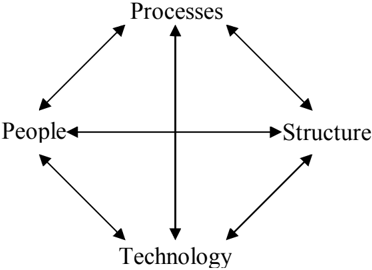
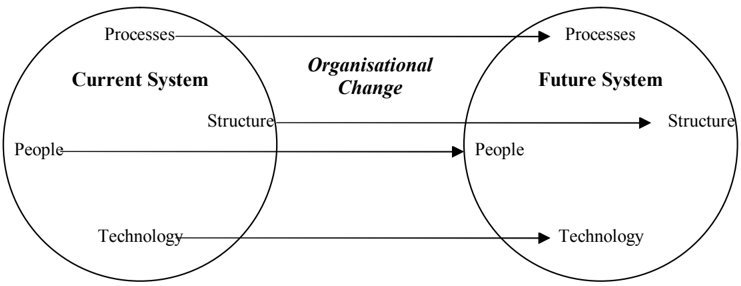
“Thus, organizationwide transformational programs targeting processes, structure, technology, and people (Hammer & Champy, 1995; Heeks, 2002) have come and gone under different names over the last 18 years: the civil service reform program initiated in 1993, the performance and service delivery improvement program pilo…”
Kyem, P. A. K. (2012) · Progress in Development Studies · doi:10.1177/146499341101200309 · Cited by 25
“Heeks (2002) describes information technology as a dead box which becomes useful when it adds value to human actions or when it is used to process information.”
Baraka, H. A., Baraka, H. A., Baraka, H. A., et al. (2014) · Egyptian Informatics Journal · doi:10.1016/j.eij.2014.11.004 · Cited by 20
Best, M. L., Thakur, D., & Kolko, B. E. (2009) · SMARTech Repository (Georgia Institute of Technology) · doi:10.5555/1812530.1812550 · Cited by 21
Therias, E., Bird, J., & Marshall, P. (2015) · CHI Conference on Human Factors in Computing Systems · doi:10.1145/2702123.2702595 · Cited by 22
“However, it is not just OLPC that has found it challenging to successfully facilitate the long-term adoption of ICTs in low-resource settings: some estimates suggest that half of these projects have been total or partial failures [10].”
BackgroundScaling inclusive digital innovation successfully: the case of crowdfunding social enterprises
Braund, P., & Schwittay, A. F. (2015) · Innovation and Development · doi:10.1080/2157930x.2015.1067392 · Cited by 20
“This is not only because scaling up is often challenging for ICTD projects, many of which fail to move out of the pilot stage (Heeks 2002).”
BackgroundSuccess and Failure of Local E-Government Projects: Lessons Learned from Egypt
AbdelSalam, H. M. E.-S., Reddick, C. G., & Kadi, H. A. E. (2011) · IGI Global eBooks · doi:10.4018/978-1-4666-0086-7.ch010 · Cited by 25
“184 E-Government in Africa shows significant promise according to the United Nations egovernment surveys.”
InfluentialOreglia, E. (2013) · International Conference on Information and Communication Technologies and Development (ICTD) · doi:10.1145/2516604.2516610 · Cited by 25
“This is not even an example of the design-actuality gap theorized by [18], which explains the failure of ICT projects for development by measuring the distance”
Vatanasakdakul, S., & D’Ambra, J. (2007) · International Journal of Information Technology and Management · doi:10.1504/ijitm.2007.014008 · Cited by 24
“Most of the IS research adopts the widely accepted Hofstede (1997) national cultural framework.”
Towards Digital Anti-Corruption Typology for Public Service Delivery
Mutungi, F., Baguma, R., Janowski, T., & Danube University Krems, A. (2019) · Annual International Conference on Digital Government Research · doi:10.1145/3325112.3325266 · Cited by 26
“Despite considerable success, there have also been many failed attempts to use ICTs in fighting corruption in the delivery of public services [19] [20] [21].”
BackgroundReceptivity of India's small and medium-sized enterprises to information system adoption
Sharma, M. K. (2009) · Enterprise Information Systems · doi:10.1080/17517570802317901 · Cited by 25
“This has raised significant concerns about how firms in developing countries could harness the advances in information technologies to improve their productivity and business performance (Heeks 2002).”
BackgroundHulikal Muralidhar, S., Bossen, C., Mehra, A., & O'Neill, J. (2018) · Proceedings of the ACM on Human-Computer Interaction · doi:10.1145/3274341 · Cited by 20
Young, A., Zhu, Y., & Venkatesh, V. (2021) · Hawaii International Conference on System Sciences (HICSS) · doi:10.24251/hicss.2021.767 · Cited by 25
“[47] Presents evidence that technologies are used as tools of oppression in developing countries”
Is Digital Economy a Good Samaritan to Developing Countries?
Lazović, V., Jovović, M., Backović, T., Đuričković, T., & Rondović, B. (2022) · Sustainability · doi:10.3390/su14148471 · Cited by 22
Tolera, A., Oljira, L., Dingeta, T., Abera, A., & Roba, H. S. (2022) · Frontiers in Digital Health · doi:10.3389/fdgth.2022.935945 · Cited by 34
Okon, U. (2015) · Information Technology for Development · doi:10.1080/02681102.2015.1007819 · Cited by 35
“There is ample evidence of ICT projects that have folded after one or two years (Heeks, 2002).”
BackgroundThe Negligible Role of Fees as a Barrier to Public Access Computing in Developing Countries
Clark, M., & Gómez, R. (2011) · The Electronic Journal of Information Systems in Developing Countries · doi:10.1002/j.1681-4835.2011.tb00323.x · Cited by 19
“After the early euphoria of the 90s, public access venues for development have recently been targeted by criticisms including low usage, lack of project sustainability and scalability, poor management, and utilizing a top-down approach driven by the North (Etta, 2002; Heeks, 2002; Heeks, 2009; Thirumavalavan & Garfort…”
ICT4what? - using the choice framework to operationalise the capability approach to development
Kleine, D. (2009) · Information and Communication Technologies and Development · doi:10.5555/1812530.1812542 · Cited by 19
Al‐Sobhi, F., Kamal, M. M., & Weerakkody (2009) · Brunel University Research Archive (BURA) (Brunel University London) · Cited by 30
Citizen Perceptions of E-Government in the Kurdistan Region of Iraq
Ahmed, K. M., & Campbell, J. (2015) · AJIS. Australasian journal of information systems/AJIS. Australian journal of information systems/Australian journal of information systems · doi:10.3127/ajis.v19i0.1201 · Cited by 23
Dasuki, S. I., Abbott, P. Y., & Kashefi, A. (2012) · The African journal of information systems · Cited by 26
Addo, A. (2021) · Information Systems Journal · doi:10.1111/isj.12371 · Cited by 43
“…are said to have “ alternative rationalities ” (Avgerou, 2000) to those of IT, and “ design-actuality gaps ” are said to exist between the context of developing countries where IT is implemented and used and the typical western contexts from where IT is designed and developed (Heeks, 2002).”
BackgroundCultural values influencing project team success: An empirical investigation in Ethiopia
Jetu, F. T., & Riedl, R. (2013) · International Journal of Managing Projects in Business · doi:10.1108/ijmpb-11-2011-0072 · Cited by 35
Evaluating e-government systems in Turkey: The case of the 'e-movable system'
Sebetçi, Ö., & Aksu, G. (2014) · Information Polity · doi:10.3233/ip-140341 · Cited by 28
“The most common failure factor observed in developing countries occurs when the implementation of information systems fails to meet the objectives of the originally set goals [29].”
Supporting Home Based Health Care in South African Rural Communities Using USSD Technology
Wouters, B. H., Barjis, J., Maponya, G., Maritz, J., & Mashiri, M. (2009) · AIS Electronic Library (AISeL) · Cited by 25
Mengiste, S. A., & Aanestad, M. (2013) · Information and Organization · doi:10.1016/j.infoandorg.2013.08.001 · Cited by 25
Facilitated video instruction in low resource schools
Anderson, R., Robertson, C., Nabi, E., Sahni, U., & Setia, T. (2012) · International Conference on Information and Communication Technologies and Development (ICTD) · doi:10.1145/2160673.2160675 · Cited by 20
“Heeks develops a taxonomy of factors to explain failure in a series of papers [12] [13] and other papers focus on specific conditions such as incentives [17] and cultural norms [14].”
Integrating systems thinking into IS education
Vo, H. V., Chae, B. K., & Olson, D. L. (2006) · Systems Research and Behavioral Science · doi:10.1002/sres.720 · Cited by 19
“IS failure(1) has been observed and documented in various articles (Barker and Frolick, 2003; Beresford et al., 1976; Bostrom and Heinen, 1977; Bussen andMichael, 1997; Heeks, 2002; Kay et al., 1999; Kaye, 1990; Keil and Robey, 2001, Mitev, 1994).”
Rega, I., Vannini, S., Fino, E., & Cantoni, L. (2013) · Bournemouth University Research Online (Bournemouth University) · Cited by 23
Spiegel, J., Lockhart, K., Dyck, C., Wilson, A. L., O’Hara, L. M., & Yassi, A. (2012) · BMC Medical Informatics and Decision Making · doi:10.1186/1472-6947-12-84 · Cited by 20
“O: Context – Method - Outcome; HICs: High Income Countries; HSC: Health Sciences Centre (Winnipeg Manitoba Canada); ICOH: International Commission on Occupational Health; IS: Information System; LMICs: Low and Middle Income Countries; NHLS: National Health Laboratory System (South Africa); NIOH: National Institute of…”
InfluentialBitsini, N. (2015) · Journal of Enterprise Resource Planning Studies · doi:10.5171/2015.570821 · Cited by 19
“Deodar and Aiming (2011) argue that when organizations implement an ERP system that was developed in a different social context, they are more likely to experience misalignment or misfit.”
Almajed, A. I., & Mayhew, P. J. (2013) · IBIMA Business Review · doi:10.5171/2013.260919 · Cited by 27
“Many IT projects have been categorized as failures in developing countries, “Alongside the successes many information systems in developing countries can be categorized as failing either totally or partially” (Heeks, 2002).”
BackgroundHayes, N., & Westrup, C. (2012) · New Technology Work and Employment · doi:10.1111/j.1468-005x.2012.00274.x · Cited by 23
Designing a sustainable business model for e-governance embedded rural telecentres (EGERT) in India
Naik, G. (2011) · IIMB Management Review · doi:10.1016/j.iimb.2011.04.001 · Cited by 19
Design Processes for User Engagement with Mobile Health: A Systematic Review
Ikwunne, T. A., Hederman, L., & Wall, P. J. (2022) · International Journal of Advanced Computer Science and Applications · doi:10.14569/ijacsa.2022.0130235 · Cited by 23
“The author in [1] states that "most information systems in developing countries fail either completely or partially," while [19] states that "successful examples of computerisation can be found.”
Empirical analysis of open government data usage in Tanzania
Shao, D. D. (2023) · Information Discovery and Delivery · doi:10.1108/idd-10-2022-0098 · Cited by 24
Ncube, T., Murray, Ú., & Dennehy, D. (2023) · Communications of the Association for Information Systems · doi:10.17705/1cais.05306 · Cited by 31
E-government adoption among businesses in Jordan
Alzoubi, M., Thi, L. S., Lim, H. E., & Al-Zoubi, S. (2010) · Universiti Utara Malaysia Institutional Repository (Universiti Utara Malaysia) · Cited by 22
Motlhabi, M. B., Tucker, W. D., Parker, M., & Glaser, M. (2013) · ACM Symposium on Computing for Development (ACM DEV) · doi:10.1145/2537052.2537063 · Cited by 20
“We were conscious of the history of failed ICT4D projects [12].”
Setback and remedy of local e-government projects: a case study from Egypt
AbdelSalam, H. M. E.-S., ElKadi, H. A., & Gamal, S. (2010) · International Conference on Theory and Practice of Electronic Governance · doi:10.1145/1930321.1930336 · Cited by 21
“These models include ‘ITPOSMO model’ [9], ‘designreality’ gaps [10], challenges for e-government initiatives [5], and e-projects challenges and barriers [2].”
IT and Porter’s Competitive Forces Model and Strategies
Mohapatra, S. (2011) · Integrated series on information systems/Integrated series in information systems · doi:10.1007/978-1-4419-6108-2_14 · Cited by 20
Soja, E. (2017) · Information Systems Management · doi:10.1080/10580530.2017.1366217 · Cited by 23
“…developed countries may not easily translate to less developed economies, using a prior research framework, typically elaborated and used in developed countries, may not encompass essential differences between developed and emerging economies (Heeks, 2002; Hoskisson, Eden, Lau, & Wright, 2000).”
“What do others think?” An emic approach to participatory action research in Bangladesh
Sarrica, M., Denison, T., Stillman, L., Chakraborty, T., & Auvi, P. (2017) · AI & Society · doi:10.1007/s00146-017-0765-9 · Cited by 25
Masiero, S. (2018) · The Electronic Journal of Information Systems in Developing Countries · doi:10.1002/isd2.12053 · Cited by 25
“As in Heeks (2002), building causal theory does not only mean discovering the roots of failure, but also becoming able to imagine and devise systems to prevent it in a given context.”
BackgroundInfluentialMustafa, M., & Alzubi, S. (2020) · Studies in big data · doi:10.1007/978-981-15-8097-0_5 · Cited by 22
Rajão, R., & Marcolino, C. (2016) · Journal of Information Technology · doi:10.1057/s41265-016-0024-4 · Cited by 25
“In this way, the developers of ICT are able to embed specific values and goals and hide them away from their users as they become taken for granted aspects of technology (Akrich, 1992; Heeks, 2002; Latour, 1987; Pinch, 1992; Walsham and Sahay, 2006).”
Hwabamungu, B., Brown, I., & Williams, Q. (2017) · International Journal of Medical Informatics · doi:10.1016/j.ijmedinf.2017.11.002 · Cited by 26
Research on digital governance based on Web of Science—a bibliometric analysis
Zhao, L., & Yaakop, M. R. (2024) · Frontiers in Political Science · doi:10.3389/fpos.2024.1403404 · Cited by 58
Software Project Risk Management Practice in Ethiopia
Teklemariam, M. A., & Mnkandla, E. (2017) · The Electronic Journal of Information Systems in Developing Countries · doi:10.1002/j.1681-4835.2017.tb00583.x · Cited by 19
Yu, J., Granados, J., Hayden, R., & Roque, R. V. (2021) · Proceedings of the ACM on Human-Computer Interaction · doi:10.1145/3476048 · Cited by 23
“However, successfully facilitating adoption and effective utilization of technologies in low-resource educational settings has been found to be challenging [17] and simply providing ICTs is not enough to bridge gaps in learning.”
BackgroundTesting a recent model of ICT in development: Botswana and its university
Gerhan, D. R., & Mutula, S. M. (2007) · Information Technology for Development · doi:10.1002/itdj.20060 · Cited by 17
“These projects, for example, report troubling contingencies: • The risk of disempowerment arises when technology planners fail to account for user expectation (Morales-Gomez & Melesse, 1998; Heeks, 2002, p. 104, 106).”
BackgroundExploring Women's Everyday Mobile Phone Experiences in Nairobi, Kenya
Wyche, S. P. (2016) · Interacting with Computers · doi:10.1093/iwc/iww028 · Cited by 22
“Despite their developers’ best intentions, these applications are rarely adopted and many fail to achieve their intended benefit (Heeks, 2002).”
In Search for Holistic ICT4D Research: A Systematic Literature Review
Ramadani, L., Kurnia, S., & Breidbach, C. F. (2018) · Hawaii International Conference on System Sciences (HICSS) · doi:10.24251/hicss.2018.304 · Cited by 28
Major Issues in the Successful Implementation of Information Systems in Developing Countries
Vaidya, R., Myers, M. D., & Gardner, L. A. (2013) · IFIP advances in information and communication technology · doi:10.1007/978-3-642-38862-0_10 · Cited by 17
“Ontologically, the conceptual and empirical challenges together represent the design-reality gap (Heeks, 2002).”
IT Implementation in a Developing Country Municipality: A Sociocognitive Analysis
Sanford, C. C., & Bhattacherjee, A. (2007) · Journal of Global Information Management · doi:10.4018/jgim.2007070102 · Cited by 18
Harry, R., Sewchurran, K., & Brown, I. (2014) · The Electronic Journal of Information Systems in Developing Countries · doi:10.1002/j.1681-4835.2014.tb00442.x · Cited by 19
“This is echoed by Heeks (2002) who argues that there should be a shift from focusing on adoption studies to impact related studies that can improve the sustainability of these systems and business environments.”
BackgroundLocal e-government Benchlearning: Impact analysis and applicability to smart cities benchmarking
Montserrat, J. B., Blat, J., & Abadal, E. (2016) · Information Polity · doi:10.3233/ip-150366 · Cited by 19
“Therefore, as a first step to reducing the existing design-actually gap [27], BLM adopted a simplified approach that could be self-assessed: expected versus actual adoption.”
Moving ICTD Research Beyond Bungee Jumping: Practical Case Studies and Recommendations
Dearden, A., & Tucker, W. D. (2016) · IEEE Technology and Society Magazine · doi:10.1109/mts.2016.2593267 · Cited by 22
“Evaluating ICTD Research Heeks [7] highlights the high frequency of failure in ICTD initiatives, and attributes these failures to “design-reality gaps” arising because decision makers and engineers lack sufficient understanding of context.”
An ontological view in telemedicine
Kamsu-Foguem, B. (2014) · European Research in Telemedicine / La Recherche Européenne en Télémédecine · doi:10.1016/j.eurtel.2014.04.001 · Cited by 16
“The participatory approach is a social problem solving perspective for better analyzing the social and cultural dimensions in the user’s context in order to ensure further compliance between information system design and local user reality [26].”
Tun, S. Y. Y., & Madanian, S. (2023) · Journal of the American Medical Informatics Association · doi:10.1093/jamia/ocad011 · Cited by 24
Impact of e-governments on carbon emission reduction targets: evidence from global 51 countries
Huang, J., Cui, J., & Dong, F. (2024) · Clean Technologies and Environmental Policy · doi:10.1007/s10098-023-02715-9 · Cited by 23
“International organizations and international financial institutions often provide financial and technical support to developing countries to develop e-government systems (Heeks 2002).”
The Survey of Information Systems in Public Administration in Poland
Ziemba, E. W., & Obłąk, I. (2014) · Interdisciplinary Journal of Information Knowledge and Management · doi:10.28945/1939 · Cited by 26
“Typology of Information Systems IS in the public sector is a tool to support delivering new and better government services to government stakeholders by increasing efficiency and transparency and by improving accountability in public administration procedures and management (Bekkers & Zouridis, 1999; Dunleavy et al.,…”
BackgroundMethodKabashi, A. H., & Elmirghani, J. M. H. (2008) · doi:10.1109/ngmast.2008.64 · Cited by 16
“On the other hand the link cost has to be minimized, as the running cost should be affordable to the local community to assure long-term sustainability and avoid the dilemma of project falldown by the end of funding, which is so common in this type of projects [17].”
Persistent themes in ICT4D Research: priorities for inter- methodological exchange
Donner, J., & Toyama, K. (2009) · Cited by 16
Developing a roadmap for planning and implementation of interoperability capability in e-government
Sharma, R., & Panigrahi, P. K. (2015) · Transforming Government People Process and Policy · doi:10.1108/tg-06-2014-0023 · Cited by 41
ICT Based Agro-Advisory Services in Nepal
Paudel, R., Baral, P., Lamichhane, S., et al. (2018) · Journal of the Institute of Agriculture and Animal Science · doi:10.3126/jiaas.v35i1.22510 · Cited by 16
John, E. B., Pfalzer, L., Fry, D. K., Glickman, L. B., Sakamoto, M., Sabus, C. H., Okafor, U. A. C., & Al-Jarrah, M. D. (2012) · Journal of Physical Therapy Education · doi:10.1097/00001416-201210000-00007 · Cited by 17
Multiple interests or unified voice? Online communities as intermediary spaces for development
Ferguson, J., & Soekijad, M. (2016) · Journal of Information Technology · doi:10.1057/jit.2015.25 · Cited by 26
“We also engage with prior studies in the realm of ICT4D, which have usefully addressed the importance of ‘intermediaries’ (Madon, 2000; Heeks, 2002; Molla and Heeks, 2007) between invited and self-mobilized spaces (Cornwall, 2004).”
Purushothaman, A. (2013) · VBN Forskningsportal (Aalborg Universitet) · Cited by 18
The Map and the Territory: An Ethnographic Study of the Low Utilisation of a Global eHealth Network
Duclos, V. (2016) · Journal of Information Technology · doi:10.1057/jit.2016.3 · Cited by 15
“Over a decade ago, Heeks noted that while the evidence base is not strong, it all points ‘toward high rates of IS failure in developing countries’ (Heeks, 2002a: 103).”
InfluentialBridging gaps in health information systems: a case study from Somaliland, Somalia
Askar, A., Ardakani, M., & Majdzade, R. (2017) · Eastern Mediterranean Health Journal · doi:10.26719/2017.23.11.764 · Cited by 22
“In addition, sustainability of HMIS becomes critical once donor funding ceases (20).”
Frans, C., & Pather, S. (2021) · African Journal of Science Technology Innovation and Development · doi:10.1080/20421338.2021.1975354 · Cited by 23
Information Systems and Actor-Network Theory Analysis
Iyamu, T., & Sekgweleo, T. (2013) · International Journal of Actor-Network Theory and Technological Innovation · doi:10.4018/jantti.2013070101 · Cited by 20
Atsu, M. Y., Andoh‐Baidoo, F. K., Osatuyi, B., & Amoako‐Gyampah, K. (2010) · Journal of Information Technology Case and Application Research · doi:10.1080/15228053.2010.10856189 · Cited by 17
Bailey, A., & Ngwenyama, O. K. (2013) · Information Technology for Development · doi:10.1080/02681102.2012.751571 · Cited by 17
“Increasingly, attention is being placed on the role of information and communication technologies (ICTs) in enhancing social and economic development (Avgerou & Walsham, 2000; Heeks, 2002; Madon, 2000; Sein & Harindranath, 2004).”
A Socio‐Technical Analysis of ICT Investments in Developing Countries: A Capability Perspective
Dasuki, S. I., & Abbott, P. Y. (2015) · The Electronic Journal of Information Systems in Developing Countries · doi:10.1002/j.1681-4835.2015.tb00484.x · Cited by 23
An Investigate on the Critical Factors that can Affect the Implementation of E-government in Oman
Al-Shuaili, S., Ali, M. A. M., Jaharadak, A. A., & Al-Shekly, M. (2019) · IEEE International Colloquium on Signal Processing & Its Applications (CSPA) · doi:10.1109/cspa.2019.8695988 · Cited by 18
“Scholars and researchers have published different types of e-government services and categorized these into four main different types [6]:”
The politics of co-design in ICT for sustainable development
Kendall, L., & Dearden, A. (2020) · CoDesign · doi:10.1080/15710882.2020.1722176 · Cited by 20
“One issue is that projects commonly focus on priorities set by the donor agency and operate on timescales aligned with their needs (Heeks 2002).”
ERP implementation in the private hospitals of Saudi Arabia
Abukhader, S. M. (2014) · International Journal of Healthcare Management · doi:10.1179/2047971914y.0000000092 · Cited by 15
Exploring Hybridity in Digital Social Entrepreneurship
Masiero, S., & Ravishankar, M. N. (2019) · IFIP advances in information and communication technology · doi:10.1007/978-3-030-18400-1_24 · Cited by 17
Information security management : a case study of an information security culture
Alfawaz, S. (2011) · Cited by 19
To govern or be governed: an integrated framework for AI governance in the public sector
Choi, H., & Park, M. J. (2023) · Science and Public Policy · doi:10.1093/scipol/scad045 · Cited by 15
An analysis of the COVID-19 contact tracing App in South Africa: Challenges experienced by users
Albertus, R. W., & Makoza, F. (2022) · African Journal of Science Technology Innovation and Development · doi:10.1080/20421338.2022.2043808 · Cited by 18
“The theoretical contribution of our study is the extension of the design-reality gap model (Heeks 2002).”
BackgroundMethodInfluentialDigital connectivity and the SDGs: Conceptualising the link through an institutional resilience lens
Madon, S., & Masiero, S. (2024) · Telecommunications Policy · doi:10.1016/j.telpol.2024.102879 · Cited by 41
Mobilising Local Networks of Implementers to Address Health Information Systems Sustainability
Sheikh, Y. H., & Braa, K. (2011) · The Electronic Journal of Information Systems in Developing Countries · doi:10.1002/j.1681-4835.2011.tb00342.x · Cited by 15
“This implies that the donor policies on the project implementation including the timing of the support are highly influential (Baark and Heeks, 1999; Heeks, 2002).”
BackgroundRevealing the Socio-Technical Context of Design Settings: Toward Participatory IS Design
Camara, S. B., & Abdelnour-Nocera, J. (2013) · International Journal of Human-Computer Interaction · doi:10.1080/10447318.2013.765767 · Cited by 18
“(cid:129) Fitness for purpose—“design–actuality gaps” (Heeks, 2002) We should be doing stuff to publicise and keeping a record of publicity relating to the Vesel project(e.g.”
BackgroundZambia and e-Government: An Assessment and Recommendations
Coates, N., & Nikolaus, L. (2010) · IGI Global eBooks · doi:10.4018/978-1-60566-820-8.ch009 · Cited by 15
Sociotechnical Transformative Effects of an ICT Project in Rural Bangladesh
Stillman, L., Sarrica, M., Anwar, M., Sarker, A., & Farinosi, M. (2020) · American Behavioral Scientist · doi:10.1177/0002764220952126 · Cited by 18
“Research challenges of this sort are not new and points to the well-documented history of failure or limited outcomes in ICT4D initiatives due to the lack of nuanced and realistic “fit” between technology and local social and political environments (Avgerou, 2010; Heeks, 2002).”
From Exploration to Design: Aligning Intentionality in Community Informatics Projects
Halabi, A., Sabiescu, A. G., David, S., Vannini, S., & Nemer, D. (2015) · The Journal of Community Informatics · doi:10.15353/joci.v11i3.2697 · Cited by 16
“The project's conceptual and methodological framework resided in the belief that a "design-reality gap" (Heeks, 2002) is often at the basis of the failure of Information and Communication Technologies for Development (ICT4D) interventions, and that the specificities of different local contexts are…”
Metadata
- Authors
- Heeks, R.
- Corresponding author
- Heeks, Richard
- ORCID
- Heeks, Richard
- Venue
- The Information Society
- Publisher
- Informa UK Limited
- Published
- 2002-03
- Volume
- 18
- Issue
- 2
- Pages
- 101-112
- ISSN
- 0197-2243 (ISSN-L)
- 1087-6537
- OpenAlex
- W2136941206
- Semantic Scholar
- dd6c8931d276f258d356e65416018725912d2dbd
- Cited by
- 1,390
- References
- 53
- Citations by year
- 2026: 71 · 2025: 42 · 2024: 37 · 2023: 41 · 2022: 49 · 2021: 60 · 2020: 58 · 2019: 72 · 2018: 39 · 2017: 70 · 2016: 81 · 2015: 114 · 2014: 95 · 2013: 97 · 2012: 97
- FWCI
- 34.02
- Type
- journal article
- Language
- en
- Open access
- Licence
- other-oa
- Locations
- The Information Society (publishedVersion)
- Research Explorer (The University of Manchester) (publishedVersion, other-oa)
- Topics
- Physical Sciences › Computer Science › Information Systems › ICT in Developing Communities
- Social Sciences › Business, Management and Accounting › Management Information Systems › Information Systems Theories and Implementation
- Social Sciences › Economics, Econometrics and Finance › Economics and Econometrics › ICT Impact and Policies
- Keywords
- contingency theory, IS success factors
About these checks
Registry, retraction, Cites and statistics results are computed, not judged, with one exception: a printed reference that no index lists is read once by a model before it counts as a citation error. Claims are extracted by a model and kept only when their quote appears verbatim in the text; each cited source is then checked, with a model’s help, for whether it says what the claim relies on. Those verdicts can be wrong — read the claim’s quote and the cited source before relying on one.
A language model drew the claims from the paper on 2026-10-10, under version 3 of the claim definition (model deepseek-v4.1-flash, prompt extract-v3).
A second model labelled each claim on 2026-10-10 (model jev-1.13-20260917, definition revision gold-guideline-v0.2).
Statistics and arithmetic are recomputed, not judged.
Confidence bands are shown only for fields calibrated on our annotated test set. None is calibrated yet, so no band is shown.
What counts as a claim ›How we measure confidence ›How we check this ›
Are you an author, or do you see a problem with this page? Request a review
Data sources
Bibliographic data: Semantic Scholar, OpenAlex, Crossref.
Contains information from the Semantic Scholar Academic Graph Datasets, made available under the ODC Attribution License (ODC-BY 1.0).
Semantic Scholar’s data is described in: Kinney, R., et al. (2023). The Semantic Scholar Open Data Platform. arXiv:2301.10140.
