

Fundamentals of glycogen metabolism for coaches and athletes
Open accessThe DOI matches its Crossref record; 148 of the 149 references it cites were found in a registry or an index.
Abstract
The ability of athletes to train day after day depends in large part on adequate restoration of muscle glycogen stores, a process that requires the consumption of sufficient dietary carbohydrates and ample time. Providing effective guidance to athletes and others wishing to enhance training adaptations and improve performance requires an understanding of the normal variations in muscle glycogen content in response to training and diet; the time required for adequate restoration of glycogen stores; the influence of the amount, type, and timing of carbohydrate intake on glycogen resynthesis; and the impact of other nutrients on glycogenesis. This review highlights the practical implications of the latest research related to glycogen metabolism in physically active individuals to help sports dietitians, coaches, personal trainers, and other sports health professionals gain a fundamental understanding of glycogen metabolism, as well as related practical applications for enhancing training adaptations and preparing for competition.
Overview
The claims and statistics of this paper haven’t been checked yet.
Free: it reads the open-access text and checks the first 5 claims that cite a source we can check. Create a free account to check every claim.
Integrity signals
Registry
Cites
Statistics
Figures
Verification
Claims the paper makes
The claims and statistics of this paper haven’t been checked yet.
Free: it reads the open-access text and checks the first 5 claims that cite a source we can check. Create a free account to check every claim.
Claims other papers make about this one
Each is checked against this paper’s own text: does it say what the citing paper says it does?
The source backs part of the claim, not all of it — or backs it for a different population, condition or comparison.
In the citing paper
“Complete replenishment of muscle glycogen stores typically unfolds over a 24–36 h period post-exercise, provided that 7–12 g·kg−1 carbohydrate are consumed per day [15–18].”
From Nutritional Strategies to Improve Post-exercise Recovery and Subsequent Exercise Performance: A Narrative Review (2025) · cites this paper as [17]
Experimental — accuracy not yet measuredThe source backs part of the claim, not all of it — or backs it for a different population, condition or comparison.
In the citing paper
“research suggests that carbohydrate intake is often insufficient among youth athletes, particularly those engaged in aerobic or team-based sports [47,48].”
From Optimizing Performance Nutrition for Adolescent Athletes: A Review of Dietary Needs, Risks, and Practical Strategies (2025) · cites this paper as [47]
Experimental — accuracy not yet measuredThe cited source says what the claim attributes to it.
In the citing paper
“Thus, carbohydrates are fundamental for supporting high‐intensity exercise performance, providing the substrate for rapid ATP resynthesis during short maximal efforts dependent on anaerobic glycolysis, as well as during prolonged intense exercise characterized by high rates of carbohydrate oxidation [2].”
From Carbohydrate Storage and Supplementation Strategies for Peak Performance in Cross-Country Skiing (2026) · cites this paper as [2]
The check wasn’t confident either way, so it gives no verdict — never disputed.
In the citing paper
“Studies have shown that the depletion of muscle glycogen occurs faster in young athletes than in adult athletes (58, 59).”
From Junior athletes’ nutritional demands: a narrative review of consumption and prevalence of eating disorders (2024) · cites this paper as [58]
Experimental — accuracy not yet measuredIn the citing paper
“Additionally, compared to carbohydrate ingestion alone, multiday supplementation with creatine monohydrate along with an adequate amount of carbohydrates has been reported to have a higher positive impact on muscle glycogen synthesis [40].”
From The 4R’s Framework of Nutritional Strategies for Post-Exercise Recovery: A Review with Emphasis on New Generation of Carbohydrates (2020) · cites this paper as [40]
1 more claim about this paper
Create a free account to see every claim other papers make about this one.
Self-check
Percentages, sums and reported differences re-computed from the paper’s own numbers.
The self-check needs the paper’s full text.
Citations
Cites
Trumbo, P., Schlicker, S., Yates, A. A., & Poos, M. (2002) · Journal of the American Dietetic Association · doi:10.1016/s0002-8223(02)90346-9 · Cited by 5,993
Glycemic index of foods: a physiological basis for carbohydrate exchange
Jenkins, D. J., Wolever, T. M., Taylor, R. H., Barker, H., Fielden, H., Baldwin, J. M., Bowling, A. C., Newman, H. C., Jenkins, A. L., & Goff, D. V. (1981) · The American Journal of Clinical Nutrition · doi:10.1093/ajcn/34.3.362 · Cited by 3,857
Diet, muscle glycogen and physical performance.
Bergström, J., Hermansen, L., Hultman, E., & Saltin, B. (1967) · Acta Physiologica Scandinavica · doi:10.1111/j.1748-1716.1967.tb03720.x · Cited by 1,740
(2010) · Cited by 1,697
Nutrition and Athletic Performance
(2016) · Medicine & Science in Sports & Exercise · doi:10.1249/mss.0000000000000852 · Cited by 1,305
Nutrition and Athletic Performance
(2009) · Medicine & Science in Sports & Exercise · doi:10.1249/mss.0b013e31890eb86 · Cited by 1,084
Muscle glycogen utilization during prolonged strenuous exercise when fed carbohydrate
Coyle, E. F., Coggan, A. R., Hemmert, M. K., & Ivy, J. L. (1986) · Journal of Applied Physiology · doi:10.1152/jappl.1986.61.1.165 · Cited by 1,022 · cited 1×
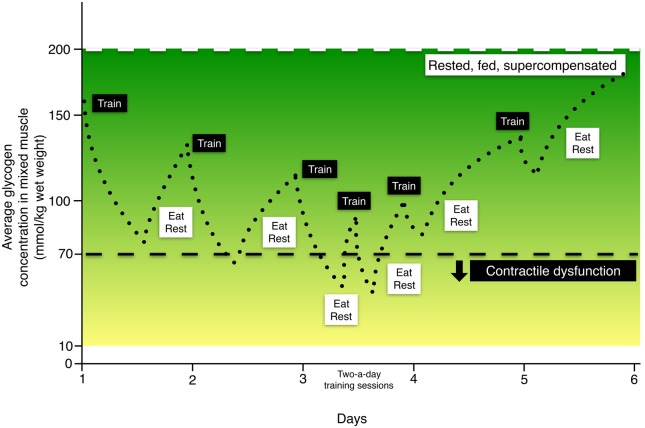
“muscle glycogen might fall to < 50 mmol/kg wet weight.(4,84) When muscle glycogen falls to < 70 mmol/”
BackgroundCarbohydrates for training and competition
Burke, L. M., Hawley, J. A., Wong, S. H. S., & Jeukendrup, A. E. (2011) · Journal of Sports Sciences · doi:10.1080/02640414.2011.585473 · Cited by 985 · cited 1×
“When 24 hours of rest occur between exercise sessions, ingesting a total of 10 g/kg BW, along with enough energy (calories) to maintain energy balance, will maximize glycogen restoration.(4,65,97) As noted above, timing of carbohydrate intake following physical activity is very important during training and competitio…”
BackgroundDietary Guidelines for Americans: Implications for Primary Care Providers
Mosher, A. L., Piercy, K. L., Webber, B. J., Goodwin, S. K., Casavale, K. O., & Olson, R. D. (2016) · American Journal of Lifestyle Medicine · doi:10.1177/1559827614521755 · Cited by 868
Muscle Glycogen during Prolonged Severe Exercise
Hermansen, L., Hultman, E., & Saltin, B. (1967) · Acta Physiologica Scandinavica · doi:10.1111/j.1748-1716.1967.tb03719.x · Cited by 752
Research works printed but not linked: 6
- 40. Hargreaves M. The metabolic systems: carbohydrate metabolism. In: Farrell P, ed. ACSM's Advanced Exercise Physiology. 2nd ed. Philadelphia: Lippincott Williams & Wilkins; 2012:379-391.
- 41. Ivy J. The regulation and synthesis of muscle glycogen by means of nutrient in- tervention. In: Maughan R, ed. Sports Nutrition. Vol. 19. West Sussex, UK: Wiley Blackwell; 2014:113-125.
- 60. Hawley J. Manipulating carbohydrate availability to promote training adaptation. Sports Sci Exchange. 2014;27:1-7.
- US Department of Health and Human Services; US Department of Agriculture, 2015, 2015–2020 Dietary Guidelines for Americans.
- US Department of Agriculture, National Nutrition Database.
- Zelman, Web MD Portion Size Guide.
Cited by
Regulation of Skeletal Muscle Glucose Transport and Glucose Metabolism by Exercise Training
Evans, P. L., McMillin, S. L., Weyrauch, L. A., & Witczak, C. A. (2019) · Nutrients · doi:10.3390/nu11102432 · Cited by 190
“Thus, together these results suggest that aerobic training-induced increases in muscle glycogen content occur to provide a greater capacity to fuel future muscle contractions [182,183].”
BackgroundMuscle Glycogen Metabolism and High-Intensity Exercise Performance: A Narrative Review
Vigh-Larsen, J. F., Ørtenblad, N., Spriet, L. L., Overgaard, K., & Mohr, M. (2021) · Sports Medicine · doi:10.1007/s40279-021-01475-0 · Cited by 169
Tiller, N. B., Roberts, J. D., Beasley, L., Chapman, S., Pinto, J. M., Smith, L., Wiffin, M., Russell, M., Sparks, S. A., Duckworth, L., et al. (2019) · Journal of the International Society of Sports Nutrition · doi:10.1186/s12970-019-0312-9 · Cited by 164
The competitive athlete with type 1 diabetes
Riddell, M. C., Scott, S. N., Fournier, P. A., Colberg, S. R., Gallen, I. W., Moser, O., Stettler, C., Yardley, J. E., Zaharieva, D. P., Adolfsson, P., et al. (2020) · Diabetologia · doi:10.1007/s00125-020-05183-8 · Cited by 101
Viribay, A., Arribalzaga, S., Mielgo-Ayuso, J., Castañeda-Babarro, A., Seco-Calvo, J., & Urdampilleta, A. (2020) · Nutrients · doi:10.3390/nu12051367 · Cited by 74
“According to earlier studies, ingesting a high CHO intake (9 g CHO/kg BM/day) could end up restoring almost 90–93% of previous muscle glycogen [52,53].”
BackgroundHenselmans, M., Bjørnsen, T., Hedderman, R., & Vårvik, F. T. (2022) · Nutrients · doi:10.3390/nu14040856 · Cited by 97
“Glycogen resynthesis post-workout follows a biphasic recovery that is greatly enhanced by a high carbohydrate intake in the first four hours [80,104].”
BackgroundUtility of Ketone Supplementation to Enhance Physical Performance: A Systematic Review
Margolis, L. M., & O'Fallon, K. S. (2020) · Advances in Nutrition · doi:10.1093/advances/nmz104 · Cited by 77
“It is well established that reduction in carbohydrate availability within skeletal muscle (i.e., glycogen) is associated with fatigue and impaired physical performance (1–3).”
Castillo, Í. M. P., Argilés, J. M. A., Rueda, R., Ramírez, M., & Pedrosa, J. M. L. (2025) · Reviews in Endocrine and Metabolic Disorders · doi:10.1007/s11154-025-09954-9 · Cited by 83
“It serves as the primary reservoir of glucose (stored as glycogen) [10], accounts for ≈80% glucose disposal under hyperinsulinemic-euglycemic conditions [11], and is responsible for 30% to over 90% of whole-body metabolic rate at rest and during intense physical exercise, respectively [12].”
Naderi, A., Rothschild, J. A., Santos, H. O., Hamidvand, A., Koozehchian, M. S., Ghazzagh, A., Berjisian, E., & Podlogar, T. (2025) · Sports Medicine · doi:10.1007/s40279-025-02213-6 · Cited by 77
Bonilla, D. A., Pérez-Idárraga, A., Odriozola-Martínez, A., & Kreider, R. B. (2020) · International Journal of Environmental Research and Public Health · doi:10.3390/ijerph18010103 · Cited by 77
“Additionally, compared to carbohydrate ingestion alone, multiday supplementation with creatine monohydrate along with an adequate amount of carbohydrates has been reported to have a higher positive impact on muscle glycogen synthesis [40].”
BackgroundBays, H. E., Bindlish, S., & Clayton, T. L. (2023) · Obesity Pillars · doi:10.1016/j.obpill.2023.100056 · Cited by 74
“While muscle stores the greatest amount of body glycogen [68], during basal conditions, it is the liver that is the main organ for glucose regulation via endogenous glucose production by glycogenolysis and gluconeogenesis [69].”
BackgroundMorano, A. E. V. A., Dorneles, G. P., Peres, A., & Lira, F. S. (2019) · Journal of Cellular Physiology · doi:10.1002/jcp.29228 · Cited by 76
“The daily recommendation for carbohydrate consumption for sedentary adults is currently 130 g (Murray & Rosenbloom, 2018).”
BackgroundUrdampilleta, A., Arribalzaga, S., Viribay, A., Castañeda-Babarro, A., Seco-Calvo, J., & Mielgo-Ayuso, J. (2020) · Nutrients · doi:10.3390/nu12072094 · Cited by 45
“Although fatigue is multifactorial, neuromuscular fatigue represents a determining factor in mountain endurance events [3,20], and both glycogen content and high intensity run capacity are also supposed to be determinants in endurance and high intensity exercises [12,34,42].”
BackgroundNutritional Strategies to Optimize Performance and Recovery in Rowing Athletes
Kim, J., & Kim, E.-K. (2020) · Nutrients · doi:10.3390/nu12061685 · Cited by 61
“Whereas it is a basic fuel for rowing performance, glycogen also plays a role in helping prevent fatigue during a competition or training, as well as for cognitive function enhancement and maintenance [11].”
BackgroundPranoto, A., Cahyono, M. B. A., Yakobus, R., Izzatunnisa, N., Ramadhan, R. N., Rejeki, P. S., Miftahussurur, M., Effendi, W. I., Wungu, C. D. K., & Yamaoka, Y. (2023) · Sports · doi:10.3390/sports11030054 · Cited by 60
Pérez-Castillo, Í. M., Williams, J. A. S., Chicharro, J. L., Mihic, N., Rueda, R., Bouzamondo, H., & Horswill, C. A. (2023) · Nutrients · doi:10.3390/nu16010017 · Cited by 58
“Since whole-body glycogen stores are limited (mostly stored in muscle (i.e., 500 g) and liver (i.e., 80 g)), carbohydrate provision during exercise is key to sustaining energy demands during high-intensity and/or longer-duration physical exercise [120].”
BackgroundInfluentialThe Potential Role of Nutrition in Overtraining Syndrome: A Narrative Review
Torre, M. E. L., Monda, A., Messina, A., de Stefano, M. I., Monda, V., Moscatelli, F., Tafuri, F., Saraiello, E., Latino, F., Monda, M., et al. (2023) · Nutrients · doi:10.3390/nu15234916 · Cited by 56
“In fact, incorrect hydration could have a negative effect not only on performance but also on the metabolism of some macronutrients, such as glycogen, which can only be stored in the muscle when bound to water in a ratio of 1:3 g [72].”
BackgroundRicci, A., Evans, C., Stull, C., Peacock, C. A., French, D. N., Stout, J. R., Fukuda, D. H., Bounty, P. L., Kalman, D., Galpin, A. J., et al. (2025) · Journal of the International Society of Sports Nutrition · doi:10.1080/15502783.2025.2467909 · Cited by 54
Cao, W., He, Y., Fu, R. G., Chen, Y., Yu, J., & He, Z. (2025) · Nutrients · doi:10.3390/nu17050918 · Cited by 49
“As a result, athletes often exhibit divergent blood glucose dynamics during competition, with varied trends in blood glucose and pacing, thereby rendering the effects of carbohydrate supplementation uncertain.”
Lodge, M. T., Ward-Ritacco, C. L., & Melanson, K. J. (2023) · Nutrients · doi:10.3390/nu15204457 · Cited by 48
“High-intensity activity (e.g., repeated sprinting) can rapidly decrease glycogen stores contained within the active muscle cells, despite the total activity time being relatively brief [32].”
BackgroundThe Current State of Subjective Training Load Monitoring: Follow-Up and Future Directions
Coyne, J. O. C., Coutts, A. J., Newton, R. U., & Haff, G. G. (2022) · Sports Medicine - Open · doi:10.1186/s40798-022-00433-y · Cited by 47
“, considering the conceptual basis for sRPE is derived from agreement with heart rate [4] and the greater the exercise intensity, the greater the rate at which muscle glycogen is depleted [49], sRPE may help inform nutritional strategies peri-training with higher sRPE scores meaning an athlete may require more carbohy…”
BackgroundKetogenic Diet and Skeletal Muscle Hypertrophy: a Frenemy Relationship?
Paoli, A., Cancellara, P., Pompei, P., & Moro, T. (2019) · Journal of Human Kinetics · doi:10.2478/hukin-2019-0071 · Cited by 39
“Glycogen is stored in skeletal muscles at a rate of 500 g (Murray and Rosenbloom, 2018) and each gram of glycogen is bound to 3 grams of water (Fernandez-Elias et al., 2015), thus glycogen and associated water may significantly contribute to the whole muscle mass in athletes, especially in…”
BackgroundMorante, V. H. P., Copatti, C. E., Souza, A. R. L., da Costa, M. M., Braga, L. G. T., de Souza, A. M., de Melo, F. V. S. T., Camargo, A. C. D. S., & Melo, J. F. B. (2021) · Aquaculture · doi:10.1016/j.aquaculture.2021.737068 · Cited by 44
Is there Evidence for the Suggestion that Fatigue Accumulates Following Resistance Exercise?
Kataoka, R., Vasenina, E., Hammert, W. B., Ibrahim, A. H., Dankel, S. J., & Buckner, S. L. (2021) · Sports Medicine · doi:10.1007/s40279-021-01572-0 · Cited by 42
Molecular regulation of skeletal muscle mass and the contribution of nitric oxide: A review
Kobayashi, J., Uchida, H., Kofuji, A., Ito, J., Shimizu, M., Kim, H., Sekiguchi, Y., & Kushibe, S. (2019) · FASEB BioAdvances · doi:10.1096/fba.2018-00080 · Cited by 40
Dai, Z., Zhang, H., Wu, F., Chen, Y., Yang, C., Wang, H., Sui, X., Guo, Y., Xin, B., Zhifeng, G. U. O., et al. (2022) · Nutrients · doi:10.3390/nu14183860 · Cited by 39
“The metabolic switch does not truly take effect during short-time fasting because the glycogen, free fatty acid and amino acid stored in the tissues is able to supply energy substrates for 24–36 h, depending on the physical activity and recovery intervals [22,23].”
BackgroundPortuguese Football Federation consensus statement 2020: nutrition and performance in football
Abreu, R., Figueiredo, P., Beckert, P., Marques, J. P., Amorim, S., Caetano, C., Carvalho, P., Sá, C., Cotovio, R., Cruz, J., et al. (2021) · BMJ Open Sport & Exercise Medicine · doi:10.1136/bmjsem-2021-001082 · Cited by 38
Pedersen, S., Heitmann, K. A., Sagelv, E. H., Johansen, D., & Pettersen, S. A. (2019) · BMC Sports Science Medicine and Rehabilitation · doi:10.1186/s13102-019-0133-9 · Cited by 38
Nutrition, supplementation and weight reduction in combat sports: a review
Januszko, P., & Lange, E. (2021) · AIMS Public Health · doi:10.3934/publichealth.2021038 · Cited by 38
Everett, S. (2025) · Nutrients · doi:10.3390/nu17172792 · Cited by 37
“Despite their importance, research suggests that carbohydrate intake is often insufficient among youth athletes, particularly those engaged in aerobic or team-based sports [47,48].”
Aerobic mechanochemical reversible-deactivation radical polymerization
Feng, H., Chen, Z., Li, L., Shao, X., Fan, W., Wang, C., Song, L. Y., Matyjaszewski, K. A., Pan, X., & Wang, Z. (2024) · Nature Communications · doi:10.1038/s41467-024-50562-z · Cited by 36
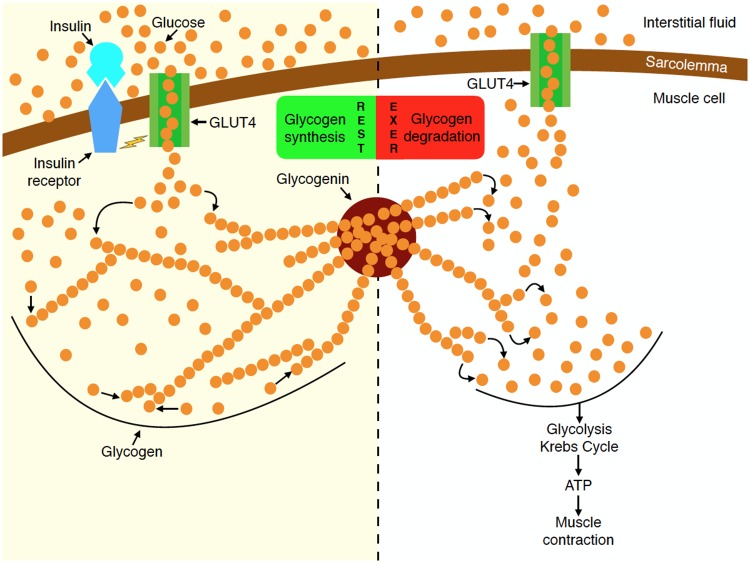
“During aerobic excises, muscle glycogen particles are broken down under external force, freeing glucose molecules that can be further oxidized through aerobic processes to produce the adenosine triphosphate (ATP) molecules required for biological activities 48 – 50 .”
BackgroundThe complex relationship between physical activity and diabetes: an overview
Palermi, S., Iacono, O., Sirico, F., Modestino, M., Ruosi, C., Spera, R., & De Luca, M. (2022) · Journal of Basic and Clinical Physiology and Pharmacology · doi:10.1515/jbcpp-2021-0279 · Cited by 35
Bays, H. E., Golden, A., & Tondt, J. (2022) · Obesity Pillars · doi:10.1016/j.obpill.2022.100034 · Cited by 34
“…are multifold: The fi rst phases of many hypocaloric weight reduction nutritional intervention typically include a reduction in the body's glycogen pool (i.e., mainly from skeletal muscle), and its associated water (i.e., each gram of glycogen is stored with at least 3 grams of water [232]).”
BackgroundYeh, W., Hsu, Y.-J., Ho, C.-S., Ho, H.-H., Kuo, Y., Tsai, S., Huang, C., & Lee, M. (2022) · Frontiers in Nutrition · doi:10.3389/fnut.2022.896503 · Cited by 32
“Glycogen is a glucose polymer that produces adenosine triphosphate (ATP) through glycogen catabolism and provides the main source of fuel for muscles during exercise (39).”
BackgroundPotato as a Source of Nutrition for Physical Performance
Kanter, M., & Elkin, C. (2019) · American Journal of Potato Research · doi:10.1007/s12230-018-09701-8 · Cited by 31
Load-induced human skeletal muscle hypertrophy: Mechanisms, myths, and misconceptions
Every, D. W. V., Lees, M. J., Wilson, B., Nippard, J., & Phillips, S. M. (2025) · Journal of sport and health science/Journal of Sport and Health Science · doi:10.1016/j.jshs.2025.101104 · Cited by 30
“It should be noted that the provision of carbohydrate can signifi-cantly increase the relative space taken up by glycogen, 96 whereas immediately following hard resistance training, the relative space taken up by glycogen is decreased, 102 suggesting that if glycogen were driving sarcoplasmic…”
Cannataro, R., Cione, E., Gallelli, L., Marzullo, N., & Bonilla, D. A. (2020) · Sports · doi:10.3390/sports8100137 · Cited by 30
“, if 500 g of glycogen are reduced, it would have decreased between 1500 and 2500 mL of fluid content), which will result in a total reduction in body mass of approximately 2–3 kg, as it has been reported previously [8,19].”
BackgroundMethodResultInfluentialTiming Matters: Time of Day Impacts the Ergogenic Effects of Caffeine—A Narrative Review
Zhang, Y., Yang, W., Xue, Y., Hou, D., Chen, S., Xu, Z., Peng, S., Zhao, H., Wang, C., & Liu, C. (2024) · Nutrients · doi:10.3390/nu16101421 · Cited by 29
“Increased reliance on fat oxidation may potentially reduce glycogen breakdown, the body’s stored form of carbohydrates, thereby preserving it for later use and potentially delaying the onset of fatigue or exhaustion, ultimately enhancing performance [60].”
BackgroundUbiquinol Supplementation Alters Exercise Induced Fatigue by Increasing Lipid Utilization in Mice
Chen, H.-C., Huang, C., Lin, T.-J., Hsu, M., & Hsu, Y.-J. (2019) · Nutrients · doi:10.3390/nu11112550 · Cited by 29
“Glycogen, glucose, and free fatty acids provide the vast majority of fuel required for energy production in skeletal muscle during aerobic exercise [41].”
BackgroundD’Alleva, M., Vaccari, F., Graniero, F., Giovanelli, N., Floreani, M., Fiori, F., Marinoni, M., Parpinel, M. T., & Lazzer, S. (2023) · Journal of Exercise Science & Fitness · doi:10.1016/j.jesf.2023.01.004 · Cited by 28
Durability is improved by both low and high intensity endurance training
Matomäki, P., Heinonen, O. J., Nummela, A. T., Laukkanen, J. A., Auvinen, E.-P., Pirkola, L., & Kyröläinen, H. (2023) · Frontiers in Physiology · doi:10.3389/fphys.2023.1128111 · Cited by 27
“Glycogen content of a muscle is increased by endurance training (Murray and Rosenbloom, 2018), as well as fat oxidation capacity and efficiency (Phillips et al.”
Amawi, A., Khataybeh, B., Al Aqaili, R., Ababneh, N., Alnimer, L., Qoqazeh, A., Oukal, F., Jahrami, H., Mousa Ay, K., Al Saoud, H., et al. (2024) · Frontiers in Nutrition · doi:10.3389/fnut.2024.1390204 · Cited by 26
“Studies have shown that the depletion of muscle glycogen occurs faster in young athletes than in adult athletes (58, 59).”
BackgroundDietary and Lifestyle Management of Functional Hypothalamic Amenorrhea: A Comprehensive Review
Dobranowska, K., Plińska, S., & Dobosz, A. (2024) · Nutrients · doi:10.3390/nu16172967 · Cited by 26
“An adequate supply of carbohydrates in the diet is essential, as they are the body’s primary and fastest energy source, and a low supply of carbohydrates is correlated with glycogen depletion [53,54].”
BackgroundKaddi, C. D., Tao, M., Bergeler, S., George, K., Geerts, H., van der Graaf, P. H., Batista, J. L., Foster, M. C., Ortemann, C., Zaher, A., et al. (2024) · Clinical Pharmacology & Therapeutics · doi:10.1002/cpt.3498 · Cited by 26
Fernández‐Lázaro, D., Mielgo‐Ayuso, J., Soto, M. D. V., Adams, D. P., Gutiérrez‐Abejón, E., & Seco‐Calvo, J. (2021) · Nutrients · doi:10.3390/nu13113746 · Cited by 25
“It becomes necessary, therefore, to guarantee an adequate intake of carbohydrates (CHO) and protein during within the first four hours of the recovery period, not only to replenish hepatic glycogen reserves, but also to maximize connective repair tissue and stimulate muscle recovery [9,10].”
BackgroundCraven, J., Desbrow, B., Sabapathy, S., Bellinger, P., McCartney, D., & Irwin, C. (2021) · Sports Medicine - Open · doi:10.1186/s40798-020-00297-0 · Cited by 24
“Carbohydrate (CHO) is the main substrate for muscle glycogen re-synthesis [1].”
BackgroundAchieving an optimal fat loss phase in resistance-trained athletes: a narrative review
Ruiz-Castellano, C., Espinar, S., Contreras, C., Mata, F., Aragon, A. A., & Martínez-Sanz, J. M. (2021) · Nutrients · doi:10.3390/nu13093255 · Cited by 24
“Unlike endurance sports, in which a single multi-hour training session could completely deplete the glycogen stores [81], a strength training session can result in a 24–40% reduction in muscle glycogen stores [82–85], depending on the volume and intensity of the session, the musculature recruited and the rest between…”
BackgroundThe Emergence of eSports Nutrition: A Review
Ribeiro, F. J., Viana, V., Borges, N., & Teixeira, V. H. (2021) · Central European Journal of Sport Sciences and Medicine · doi:10.18276/cej.2021.1-08 · Cited by 24
International society of sports nutrition position stand: ketogenic diets
Leaf, A., Rothschild, J. A., Sharpe, T. M., Sims, S. T., Macias, C. J., Futch, G. G., Roberts, M. D., Stout, J. R., Ormsbee, M. J., Aragon, A. A., et al. (2024) · Journal of the International Society of Sports Nutrition · doi:10.1080/15502783.2024.2368167 · Cited by 23
“The collective evidence indicates that a typical resistance training session can reduce muscle glycogen stores by approximately 25–40% [107].”
BackgroundCalcaterra, V., Magenes, V. C., Bianchi, A., Rossi, V., Gatti, A., Marin, L., Vandoni, M., & Zuccotti, G. (2024) · Life · doi:10.3390/life14091198 · Cited by 23
“However, exercise leads to an increase in glycogen synthesis [82] this After seven other sequential reactions, fructose-1,6-bisphosphate is finally converted to pyruvate. process, glucose-6-phosphate is first converted to glucose-1-phosphate by the phosphoglucomutase Pyruvate can be reduced to…”
BackgroundAcute Maltodextrin Supplementation During Resistance Exercise.
Wilburn, D. T., Machek, S. B., Cardaci, T. D., Hwang, P. S., & Willoughby, D. S. (2020) · International Journal of Exercise Science: Conference Proceedings · Cited by 23
β-Hydroxybutyrate Oxidation in Exercise Is Impaired by Low-Carbohydrate and High-Fat Availability
Dearlove, D., Holdsworth, D., Kirk, T., Hodson, L., Charidemou, E., Kvalheim, E., Stubbs, B. J., Beevers, A. P. G., Griffin, J. L., Evans, R. D., et al. (2021) · Frontiers in Medicine · doi:10.3389/fmed.2021.721673 · Cited by 22
“Thus, in glycogen-depleted states, such as prolonged vigorous exercise (16) or low CHO intake (17), ketone oxidation might be impaired.”
BackgroundAl-Doaiss, A. A. (2020) · International Journal of Morphology · doi:10.4067/s0717-95022020000501444 · Cited by 21
Namma-Motonaga, K., Kondo, E., Osawa, T., Shiose, K., Kamei, A., Taguchi, M., & Takahashi, H. (2022) · Nutrients · doi:10.3390/nu14071320 · Cited by 21
“Muscle glycogen is an important source of energy during exercise [1] and affects endurance performance [2].”
BackgroundSahoo, B., & Roy, A. (2022) · Journal of Food Process Engineering · doi:10.1111/jfpe.14214 · Cited by 20
Konopka, M. J., Zeegers, M. P., Solberg, P. A., Delhaije, L., MEEUSEN, R. R., Ruigrok, G., Rietjens, G. J., & Sperlich, B. (2022) · PLoS ONE · doi:10.1371/journal.pone.0279492 · Cited by 20
“Replenishing energy storage efficiently and quickly reduces time between training and competition and simultaneously can prevent injuries when training again with full energy storages [30].”
D’Alleva, M., Lazzer, S., Tringali, G., Micheli, R. D., Bondesan, A., Abbruzzese, L., & Sartório, A. (2023) · Scientific Reports · doi:10.1038/s41598-023-44953-3 · Cited by 21
“From a physiological perspective, COMB and MICT helped in reducing BM and FM may be due to similar improvements in skeletal muscle capacity to increase the glycogen and fatty acid content and utilization during aerobic exercise 33,34 which are typically impaired in obesity 24 .”
BackgroundLeonkiewicz, M., & Wawrzyniak, A. (2022) · Journal of Eating Disorders · doi:10.1186/s40337-022-00574-1 · Cited by 20
The Role of Nutri(epi)genomics in Achieving the Body’s Full Potential in Physical Activity
Petracci, I., Gabbianelli, R., & Bordoni, L. (2020) · Antioxidants · doi:10.3390/antiox9060498 · Cited by 20
“However, the glycogen store of active muscle cells cannot fall further than 10% of initial values, even after intense and prolonged exercise [159], thus, replenishment of the glycogen reservoir is essential to maintain performance [160].”
BackgroundSolsona, R., Méline, T., Borrani, F., Deriaz, R., Lacroix, J., Normand‐Gravier, T., Candau, R. B., Racinais, S., & Sanchez, A. M. J. (2023) · Journal of Sports Sciences · doi:10.1080/02640414.2023.2259267 · Cited by 19
“…the other hand, glycogen levels are related to training capacity and performance during high-intensity exercises and faster muscle glycogen resynthesis is related to performance ( i.e . power output) during such exercise sessions (Cheng et al., 2017; Méline et al., 2017; Murray & Rosenbloom, 2018).”
BackgroundReal-Time Monitoring of Metabolism during Exercise by Exhaled Breath
Osswald, M., Kohlbrenner, D., Nowak, N., Spörri, J., Sinues, P., Nieman, D. C., Sievi, N. A., Scherr, J., & Kohler, M. (2021) · Metabolites · doi:10.3390/metabo11120856 · Cited by 18
“However, since the glycogen storage capacity of the liver is on average 80 g (equivalent to an energy amount of 320 kcal) [32], the theory of limited carbohydrate availability seems to be more likely.”
BackgroundIntermittent Fasting and Fat Mass: What Is the Clinical Magnitude?
Santos, H. O. (2022) · Obesities · doi:10.3390/obesities2010001 · Cited by 19
“Thus, IF can be an approach to not shortening the hours of sleep to prepare breakfast and wait for a proper digestion time; however, exercise while fasting can be uncomfortable for many individuals, although it is metabolically viable given that muscle glycogen stores depend on the previous day’s food intake [53] and…”
BackgroundCarb‐Loaded Passion: A Comprehensive Exploration of Carbohydrates in Shaping Aphrodisiac Effects
Chandra, P., Porwal, M., Rastogi, V., Tyagi, S. J., Sharma, H., & Verma, A. K. (2024) · Macromolecular Symposia · doi:10.1002/masy.202400064 · Cited by 17
Epinephrine responsiveness is reduced in livers from trained mice
Dibe, H. A., Townsend, L. K., McKie, G. L., & Wright, D. C. (2020) · Physiological Reports · doi:10.14814/phy2.14370 · Cited by 17
Sabag, A., Lovell, R. J., Walsh, N. P., Grantham, N., Lacome, M., & Buchheit, M. (2021) · International Journal of Sports Physiology and Performance · doi:10.1123/ijspp.2020-0762 · Cited by 17
Barakat, C., Escalante, G., Stevenson, S. W., Bradshaw, J. T., Barsuhn, A., Tinsley, G. M., & Walters, J. (2022) · Sports · doi:10.3390/sports10070106 · Cited by 17
Dynamic changes in energy expenditure in response to underfeeding: a review
Egan, A. M., & Collins, A. L. (2021) · Proceedings of The Nutrition Society · doi:10.1017/s0029665121003669 · Cited by 16
“Once mobilised, the associated water is excreted in urine (85) .”
Lukasiewicz, C. J., Waterman-Vandiver, K. J., Albert, E. D., Kirby, B. S., & Jacobs, R. A. (2023) · Journal of Applied Physiology · doi:10.1152/japplphysiol.00521.2023 · Cited by 16
Task-Dependent Mechanisms Underlying Prolonged Low-Frequency Force Depression
Richards, A. J., Watanabe, D., Yamada, T., Westerblad, H., & Cheng, A. J. (2024) · Exercise and Sport Sciences Reviews · doi:10.1249/jes.0000000000000352 · Cited by 16
“The reversal of PLFFD can be accelerated by carbohydrate supplementation that speeds up glycogen resynthesis (44,45).”
Brizzolari, A., Bosco, G., Vezzoli, A., Dellanoce, C., Barassi, A., Paganini, M., Cialoni, D., & Mrakic‐Sposta, S. (2023) · International Journal of Environmental Research and Public Health · doi:10.3390/ijerph20043157 · Cited by 16
“Since both hypohydration and dehydration may compromise performance, re-hydrating during recovery is equally important because a decreased intracellular fluid volume is reported to impair glycogen and protein resynthesis [27,28].”
BackgroundLee, M., Hsu, Y.-J., Yang, L.-H., Huang, C., & Ho, C.-S. (2021) · Nutrients · doi:10.3390/nu13124547 · Cited by 16
Optimizing recovery strategies for winter athletes: insights for Milano-Cortina 2026 Olympic Games
Edholm, P., Ørtenblad, N., Holmberg, H., & Sperlich, B. (2024) · Sport Sciences for Health · doi:10.1007/s11332-024-01245-1 · Cited by 16
“However, a substantial glycogen super-compensation can be obtained by decreasing exercise training load while increasing carbohydrate intake a few days before competition [29, 32].”
Díaz–Garzón, J., Fernández–Calle, P., Aarsand, A. K., Sandberg, S., Coşkun, A., Carobene, A., Jonker, N., Itkonen, O., Bartlett, W. A., & Soto, A. B. (2021) · Clinical Chemistry and Laboratory Medicine (CCLM) · doi:10.1515/cclm-2021-0910 · Cited by 16
“drives to consumption and resynthesis of glycogen [41],”
BackgroundHutchinson, N. T., Wang, S. S., DOKHANCHI, J., Johnson, R. W., Buford, T. W., Allen, J. M., & Woods, J. A. (2022) · Medicine & Science in Sports & Exercise · doi:10.1249/mss.0000000000003051 · Cited by 15
“The “fast twitch” nature of these higher-intensity protocols relative to our treadmill performance test may indicate greater dependence on utilization of muscular glycogen stores, as they become the body’s primary fuel source during high-intensity exercise (30).”
BackgroundRapid discrimination of glycogen particles originated from different eukaryotic organisms
Tang, J.-W., Qiao, R., Xiong, X., Tang, B.-X., He, Y.-W., Yang, Y., Ju, P. J., Wen, P., Zhang, X. L., & Wang, L. (2022) · International Journal of Biological Macromolecules · doi:10.1016/j.ijbiomac.2022.09.233 · Cited by 15
Anti‐fatigue properties of the ethanol extract of Moringa oleifera leaves in mice
Bian, X., Wang, Y., Yang, R., Ma, Y., Dong, W., Guo, C., & Gao, W. (2023) · Journal of the Science of Food and Agriculture · doi:10.1002/jsfa.12628 · Cited by 15
Sports Nutrition and Performance
Arcusa, R., Rentero, M. P. Z., & Hernández, J. M. (2019) · IntechOpen eBooks · doi:10.5772/intechopen.84467 · Cited by 15
Nootropic supplements for esports: A scoping review
Ribeiro, F. J., & Poínhos, R. (2023) · International Journal for Vitamin and Nutrition Research · doi:10.1024/0300-9831/a000790 · Cited by 15
Franchi, M. V., Candia, J., Sarto, F., Sirago, G., Valli, G., Paganini, M., Hartnell, L. M., Giacomello, E., Toniolo, L., Monti, E., et al. (2025) · The Journal of Physiology · doi:10.1113/jp287003 · Cited by 15
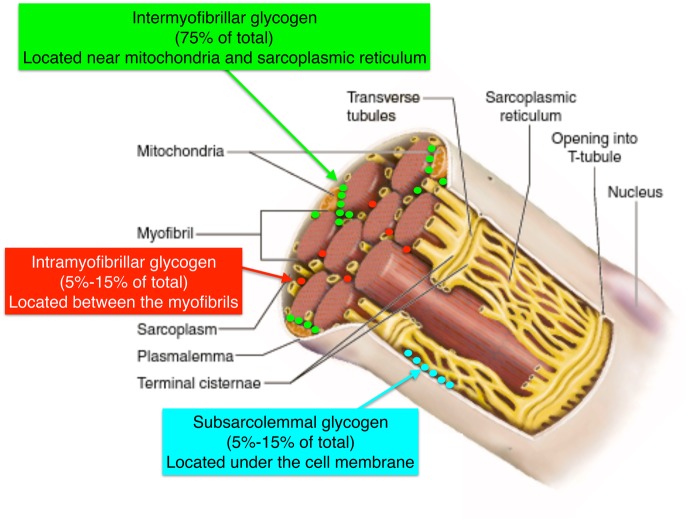
“Skeletal muscle glycogen particles are usually distributed between myofibrils and glycogen content declines in response to intense activity (Murray & Rosenbloom, 2018).”
Jiménez-Alfageme, R., Garrone, F. P., Rodríguez-Sánchez, N., Romero-García, D., Sospedra, I., Giménez-Monzó, D., Ayala-Guzmán, C. I., & Sanz, J. M. M. (2025) · Sports Medicine - Open · doi:10.1186/s40798-024-00801-w · Cited by 15
“Regarding CHO consumption, current recommendations emphasize the importance of CHO intake for endurance sports [36].”
Inflammation and Physical Performance in Overweight and Obese Schoolchildren
Popescu, C., Matei, D. V., Amzolini, A. M., & Trăistaru, M. R. (2024) · Life · doi:10.3390/life14121583 · Cited by 13
Saturated fat in an evolutionary context
Garnås, E. (2025) · Lipids in Health and Disease · doi:10.1186/s12944-024-02399-0 · Cited by 13
“Some 300–700 g of glycogen can be stored in the muscles [230], serving as an important energy substrate particularly at higher training intensities.”
The interplay between gut microbiome and physical exercise in athletes
Quaresma, M. V. L. D. S., Mancin, L., Paoli, A., & Mota, J. F. (2024) · Current Opinion in Clinical Nutrition & Metabolic Care · doi:10.1097/mco.0000000000001056 · Cited by 14
Highly Branched Cyclic Dextrin and its Ergogenic Effects in Athletes: A Brief Review
Wilburn, D. T., Machek, S. B., & Ismaeel, A. (2021) · Journal of Exercise and Nutrition · doi:10.53520/jen2021.103100 · Cited by 13
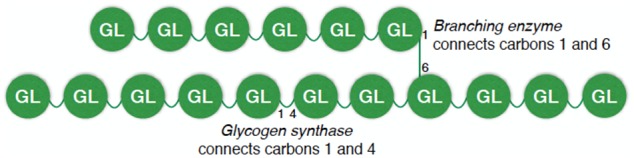
“HBCD molecules contains short linear chains of α-(1,4) linked glucose units with branching via α-(1,6) glucosidic bonds.”
BackgroundMolecular structural insights into starch and glycogen: Impact on health
Hu, X., & Gilbert, R. G. (2025) · Carbohydrate Polymers · doi:10.1016/j.carbpol.2025.123958 · Cited by 12
Biochemical and Physiological Response During Oxidative Stress - From Invertebrates to Vertebrates
Cordaro, M., Paola, R. D., & Fusco, R. (2024) · Biochemistry · doi:10.5772/intechopen.1003333 · Cited by 11
Siahbalaei, R., & Kavoosi, G. (2020) · Iranian Journal of Science and Technology Transactions A Science · doi:10.1007/s40995-020-01031-x · Cited by 11
Ramos, C., Cheng, A. J., Kamandulis, S., Subocius, A., Brazaitis, M., Venckūnas, T., & Chaillou, T. (2021) · European Journal of Applied Physiology · doi:10.1007/s00421-021-04594-8 · Cited by 11
“…weight after the short recovery period (3 h) in all participants of both the PLA and CHO trials [average of ~ 105 and 180 mmol glucosyl units/kg dry muscle weight, respectively; data converted from wet-weight values to dry-wet values using the conversion factor 4.325 (Murray and Rosenbloom 2018)].”
MethodInfluentialNaderi, A., Samanipour, M. H., Sarshin, A., Forbes, S. C., Koozehchian, M., Franchini, É., Reale, R., Berjisian, E., de Oliveira, E. P., Miraftabi, H., et al. (2021) · Journal of the International Society of Sports Nutrition · doi:10.1186/s12970-021-00434-4 · Cited by 11
“, glycogen depletion) and enhances exercise performance [16].”
BackgroundSustained Endurance Training Leads to Metabolomic Adaptation
Weiß, A., Alack, K., Klatt, S., Zukunft, S., SCHERMULY, R. T., Frech, T., Mooren, F., & Krüger, K. (2022) · Metabolites · doi:10.3390/metabo12070658 · Cited by 11
“Indeed, the ability to conserve glycogen stores through adaptations of lipid metabolism might be one of the performance-determining factors of long endurance athletes [5].”
BackgroundFuchs, C. J., Veeraiah, P., Hermans, W. J. H., Brauwers, B., Voncken, R., Brouwers, K., Petrick, H. L., Hendriks, F. K., Bels, J. L. M., van den Hurk, J., et al. (2025) · The Journal of Physiology · doi:10.1113/jp289115 · Cited by 10
The Role of Biomarkers in Elite Sports
Anghel, L., Gurau, T. V., Gurău, G., Mușat, C. L., Voinescu, D. C., Onu, I., Cordun, M., Codreanu, C. M., & Iordan, D. A. (2023) · Balneo and PRM Research Journal · doi:10.12680/balneo.2023.581 · Cited by 10
Marcotte‐Chénard, A., Tremblay, R., Deslauriers, L., Geraldes, P., Gayda, M., Christou, D., Mampuya, W. M., Little, J. P., & Riesco, É. (2023) · Applied Physiology, Nutrition, and Metabolism · doi:10.1139/apnm-2023-0326 · Cited by 10
Tea seed saponin‑reduced extract ameliorates palmitic acid‑induced insulin resistance in HepG2 cells
Cho, S.-C., & Shaw, S. (2023) · Molecular Medicine Reports · doi:10.3892/mmr.2023.13149 · Cited by 10
“…into glucose, which is subsequently conveyed to the blood and tissues to maintain appropriate blood sugar levels and provide fuel, respectively (55). in insulin resistance, reduced insulin signaling leads to decreased liver glycogen levels (56). activated akt serves an essential role in…”
BackgroundNutrition knowledge, weight loss practices, and supplement use in senior competition climbers
Gibson-Smith, E., Storey, R., Michael, M. K., & Ranchordas, M. K. (2024) · Frontiers in Nutrition · doi:10.3389/fnut.2023.1277623 · Cited by 10
“This is a concerning number, considering that acute weight loss may hinder climbing performance, especially if it is due to dehydration and/or glycogen depletion (56, 57).”
BackgroundBarahona, M. J., Ferrada, L., Vera, M., & Nualart, F. (2024) · Molecular Metabolism · doi:10.1016/j.molmet.2024.101940 · Cited by 10
“Since glycogen breakdown during hypoglycaemia is a process that can take minutes or even hours [58], we propose that tanycytes use this mechanism for rapid transfer of glucose to the hypothalamic parenchyma, overcoming the need for glycogen to mediate this response.”
BackgroundLundstrom, E. A., Souza, M. J. D., Khen, K. M., & Williams, N. I. (2025) · Journal of the International Society of Sports Nutrition · doi:10.1080/15502783.2025.2494846 · Cited by 10
Roberts, C. J., Gill, N. D., Beaven, C. M., Posthumus, L. R., & Sims, S. T. (2022) · International Journal of Sports Science & Coaching · doi:10.1177/17479541221124119 · Cited by 10
“Muscle glycogen can be depleted rapidly in response to high-intensity intermittent activity such as that observed in rugby match 11 ; previous research has demonstrated a 40% muscle glycogen depletion following a rugby match, 12 supporting the reliance on CHO as a fuel source for rugby players.”
BackgroundTakahashi, Y., Matsunaga, Y., Banjo, M., Takahashi, K., Sato, Y., Seike, K., Nakano, S., & Hatta, H. (2019) · Nutrients · doi:10.3390/nu11112555 · Cited by 10
Ishiyama, M., Gotoh, H., Oe, S., Nomura, T., Kitada, M., & Ono, K. (2024) · Molecular Neurobiology · doi:10.1007/s12035-024-04345-8 · Cited by 9
“These observations suggested that glycogen was degraded soon after LPS administration and that a compensatory mechanism, which is frequently observed to replenish deprived glycogen [31], might help to restore intracellular glycogen level to the normal level.”
Metadata
- Authors
- Murray, B., & Rosenbloom, C.
- Affiliations
- Sports Science Insights, LLC, Crystal Lake, Illinois, USA
- Georgia State University (US)
- Corresponding author
- Murray, Bob
- ORCID
- Murray, Bob
- Venue
- Nutrition Reviews
- Publisher
- Oxford University Press (OUP)
- Published
- 2018-02-10
- Volume
- 76
- Issue
- 4
- Pages
- 243-259
- ISSN
- 0029-6643 (ISSN-L)
- 1753-4887
- PMC
- PMC6019055
- OpenAlex
- W2792179056
- Semantic Scholar
- 926db46bc3f6eac98a99debb4d3500305b65ca76
- Cited by
- 224
- References
- 149
- Citations by year
- 2026: 28 · 2025: 47 · 2024: 27 · 2023: 34 · 2022: 29 · 2021: 27 · 2020: 16 · 2019: 15 · 2018: 1
- FWCI
- 1.66
- Type
- journal article
- Language
- en
- Open access
- hybrid
- doi.org
- Licence
- Locations
- Nutrition Reviews (publishedVersion, cc-by-nc-nd)
- Europe PMC (PubMed Central) (publishedVersion, cc-by-nc-nd)
- PubMed Central (publishedVersion, cc-by-nc-nd)
- PubMed (publishedVersion)
- Topics
- Health Sciences › Nursing › Nutrition and Dietetics › Muscle metabolism and nutrition
- Health Sciences › Medicine › Orthopedics and Sports Medicine › Sports Performance and Training
- Life Sciences › Biochemistry, Genetics and Molecular Biology › Molecular Biology › Metabolism, Diabetes, and Cancer
- Keywords
- glycogen metabolism, muscle glycogen, glycogen resynthesis, carbohydrate intake, glycogen synthesis, training effects, athletic performance, sports nutrition, post-exercise recovery
- MeSH terms
- Diet, Dietary Carbohydrates, Glycogen, Humans, Sports, Time Factors, Exercise, Muscle, Skeletal, Athletes
About these checks
Registry, retraction, Cites and statistics results are computed, not judged, with one exception: a printed reference that no index lists is read once by a model before it counts as a citation error. Claims are extracted by a model and kept only when their quote appears verbatim in the text; each cited source is then checked, with a model’s help, for whether it says what the claim relies on. Those verdicts can be wrong — read the claim’s quote and the cited source before relying on one.
Statistics and arithmetic are recomputed, not judged.
Confidence bands are shown only for fields calibrated on our annotated test set. None is calibrated yet, so no band is shown.
What counts as a claim ›How we measure confidence ›How we check this ›
Are you an author, or do you see a problem with this page? Request a review
Data sources
Bibliographic data: Semantic Scholar, OpenAlex, Crossref.
Contains information from the Semantic Scholar Academic Graph Datasets, made available under the ODC Attribution License (ODC-BY 1.0).
Semantic Scholar’s data is described in: Kinney, R., et al. (2023). The Semantic Scholar Open Data Platform. arXiv:2301.10140.
