

The DOI matches its Crossref record; 115 of the 117 references it cites were found in a registry or an index.
Neural Mechanisms of Acceptance and Commitment Therapy for Chronic Pain: A Network-Based fMRI Approach
Open accessAbstract
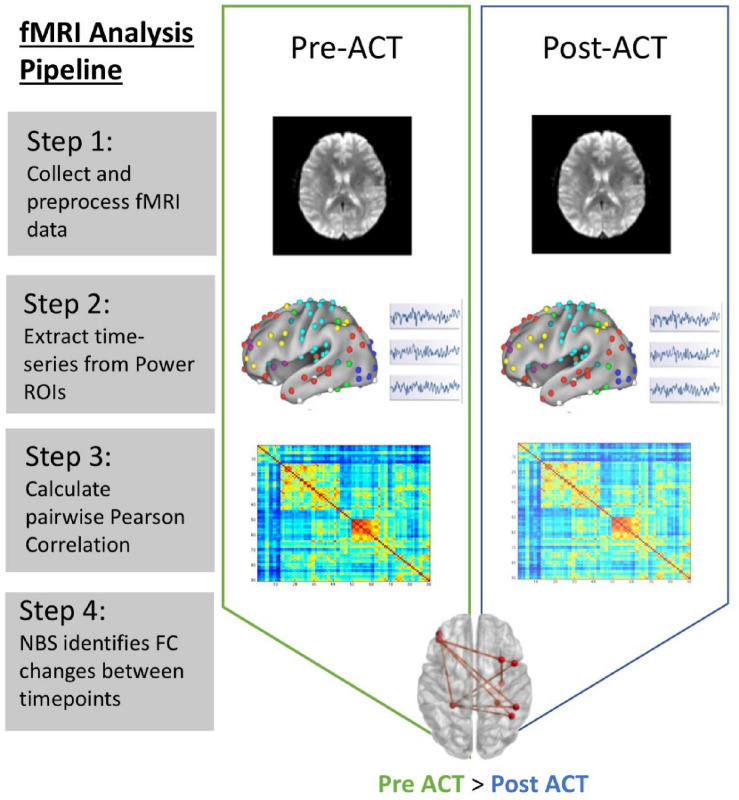
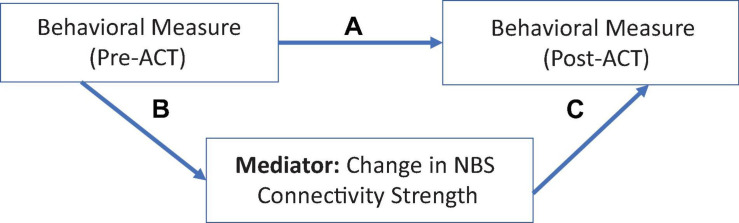
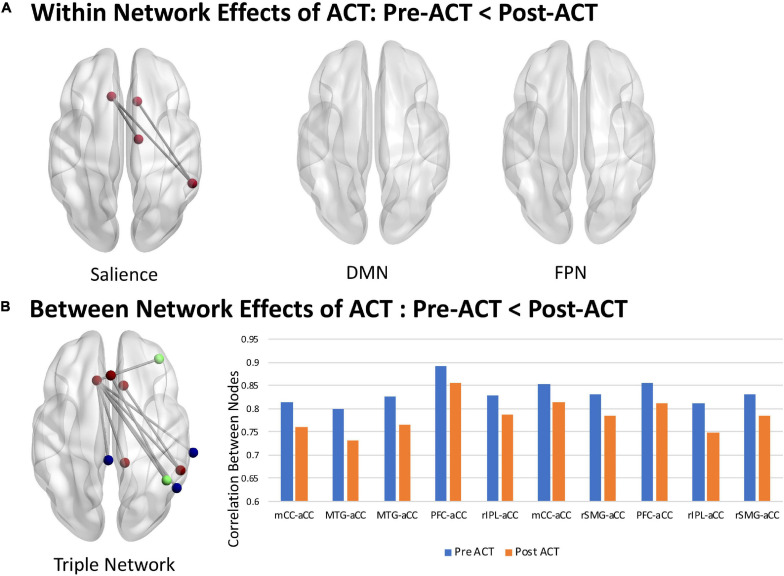
Over 100 million Americans suffer from chronic pain (CP), which causes more disability than any other medical condition in the U.S. at a cost of $560-$635 billion per year (IOM, 2011). Opioid analgesics are frequently used to treat CP. However, long term use of opioids can cause brain changes such as opioid-induced hyperalgesia that, over time, increase pain sensation. Also, opioids fail to treat complex psychological factors that worsen pain-related disability, including beliefs about and emotional responses to pain. Cognitive behavioral therapy (CBT) can be efficacious for CP. However, CBT generally does not focus on important factors needed for long-term functional improvement, including attainment of personal goals and the psychological flexibility to choose responses to pain. Acceptance and Commitment Therapy (ACT) has been recognized as an effective, non-pharmacologic treatment for a variety of CP conditions. However, little is known about the neurologic mechanisms underlying ACT. We conducted an ACT intervention in women (n=9) with chronic musculoskeletal pain. Functional magnetic resonance imaging (fMRI) data were collected pre- and post-ACT, and changes in functional connectivity (FC) were measured using Network-Based Statistics (NBS). Behavioral outcomes were measured using validated assessments such as the Acceptance & Action Questionnaire (AAQ-II), the Chronic Pain Acceptance Questionnaire (CPAQ), the Center for Epidemiologic Studies Depression Scale (CES-D), and the NIH Toolbox Neuro-QoL™ (Quality of Life in Neurological Disorders) scales. Results suggest that, following the four-week ACT intervention, participants exhibited reductions in brain activation within and between key networks including self-reflection (default mode, DMN), emotion (salience, SN), and cognitive control (frontal parietal, FPN). These changes in connectivity strength were correlated with changes in behavioral outcomes including decreased depression and pain interference, and increased participation in social roles. This study is one of the first to demonstrate that improved function across the DMN, SN, and FPN may drive the positive outcomes associated with ACT. This study contributes to the emerging evidence supporting the use of neurophysiological indices to characterize treatment effects of alternative and complementary mind-body therapies. Perspective: This article identifies neural mechanisms that may mediate behavioral changes associated with Acceptance and Commitment Therapy (ACT) in persons with chronic musculoskeletal pain. This information could potentially help clinicians to determine which mind-body therapies may benefit specific patients as part of an integrative pain management approach.
Overview
The claims and statistics of this paper haven’t been checked yet.
Run the check — free, no account needed. It reads the open-access text and checks the sources it cites.
Integrity signals
Registry
Cites
Statistics
Figures
Verification
Claims the paper makes
The claims and statistics of this paper haven’t been checked yet.
Run the check — free, no account needed. It reads the open-access text and checks the sources it cites.
Claims other papers make about this one
Each is checked against this paper’s own text: does it say what the citing paper says it does?
The source backs part of the claim, not all of it — or backs it for a different population, condition or comparison.
In the citing paper
“In our initial report [21] we tested for changes in brain networks underlying ACT-related outcomes in those with CMP using only triple network nodes without the inclusion of pain nodes (t > 2.1 for the 101 nodes of the DMN, FPN, and SN). We observed effects in 10 nodes out of 101 triple network nodes and used those same 10 for the following analysis in conjunction with Waller and colleagues’ [35]”
From Graph theory analysis of induced neural plasticity post-Acceptance and Commitment Therapy for chronic pain (2020) · cites this paper as [21]
Experimental — accuracy not yet measuredThe source backs part of the claim, not all of it — or backs it for a different population, condition or comparison.
In the citing paper
“These functional connectivity changes involving regions of the DMN, FPN, SN, and pain network (alongside previously reported positive behavioral outcomes, [21]) are convincing underlying reasons for the way ACT effectively alleviates chronic pain symptomology.”
From Graph theory analysis of induced neural plasticity post-Acceptance and Commitment Therapy for chronic pain (2020) · cites this paper as [21]
Experimental — accuracy not yet measuredThe source backs part of the claim, not all of it — or backs it for a different population, condition or comparison.
In the citing paper
“So, decreased functional connectivity in these regions may contribute to enhanced quality of life that is reported post-ACT [21,40].”
From Graph theory analysis of induced neural plasticity post-Acceptance and Commitment Therapy for chronic pain (2020) · cites this paper as [21]
Experimental — accuracy not yet measuredThe source backs part of the claim, not all of it — or backs it for a different population, condition or comparison.
In the citing paper
“Those results suggest that levels of heightened connectivity between the triple network returned to a lower, healthier level of connectivity post-ACT.”
From Graph theory analysis of induced neural plasticity post-Acceptance and Commitment Therapy for chronic pain (2020) · cites this paper as [21]
Experimental — accuracy not yet measuredThe cited source says what the claim attributes to it.
In the citing paper
“Additionally, available evidence points to the neurophysiological brain correlates of clinical improvement after ACT in chronic pain [88,89], supporting the usefulness of ACT in chronic pain populations such as CPSS.”
From Effectiveness of acceptance and commitment therapy in central pain sensitization syndromes: A systematic review (2021) · cites this paper as [88]
The cited source says what the claim attributes to it.
In the citing paper
“A study exploring the mechanisms of ACT for persistent pain revealed statistically significant improvements in depression, satisfaction with social role and pain acceptance pre-to-post ACT [22].”
The check wasn’t confident either way, so it gives no verdict — never disputed.
In the citing paper
“Individual sensitivity to sound varies considerably: while some individuals are highly sensitive to even minor sounds, others benefit from gentle background noise that masks disturbances [54,55].”
From Pre-Sleep Anxiety: Mechanisms and Therapeutic Approaches in Clinical Practice. (2026) · cites this paper as [55]
Experimental — accuracy not yet measured
Self-check
Percentages, sums and reported differences re-computed from the paper’s own numbers.
The self-check needs the paper’s full text.
Citations
Cites
Baron, R. M., & Kenny, D. A. (1986) · Journal of Personality and Social Psychology · doi:10.1037/0022-3514.51.6.1173 · Cited by 91,532
The CES-D Scale: A Self-Report Depression Scale for Research in the General Population
Radloff, L. S. (1977) · Applied Psychological Measurement · doi:10.1177/014662167700100306 · Cited by 53,267
Complex brain networks: graph theoretical analysis of structural and functional systems
Bullmore, E., & Sporns, O. (2009) · Nature Reviews Neuroscience · doi:10.1038/nrn2575 · Cited by 11,820
Complex network measures of brain connectivity: Uses and interpretations
Rubinov, M., & Sporns, O. (2010) · NeuroImage · doi:10.1016/j.neuroimage.2009.10.003 · Cited by 11,522
The human brain is intrinsically organized into dynamic, anticorrelated functional networks
Fox, M. D., Snyder, A. Z., Vincent, J. L., Corbetta, M., Van Essen, D. C., & Raichle, M. E. (2005) · Proceedings of the National Academy of Sciences · doi:10.1073/pnas.0504136102 · Cited by 8,553
MacKinnon, D. P., Fairchild, A. J., & Fritz, M. S. (2007) · Annual Review of Psychology · doi:10.1146/annurev.psych.58.110405.085542 · Cited by 5,688
Pain assessment: global use of the Brief Pain Inventory.
Cs, C., & Km, R. (1994) · PubMed · Cited by 5,178
Cella, D., Riley, W., Stone, A., Rothrock, N., Reeve, B., Yount, S., Amtmann, D., Bode, R., Buysse, D., Choi, S., et al. (2010) · Journal of Clinical Epidemiology · doi:10.1016/j.jclinepi.2010.04.011 · Cited by 5,128
Functional Network Organization of the Human Brain
Power, J. D., Cohen, A. L., Nelson, S. M., Wig, G. S., Barnes, K. A., Church, J. A., Vogel, A. C., Laumann, T. O., Miezin, F. M., Schlaggar, B. L., et al. (2011) · Neuron · doi:10.1016/j.neuron.2011.09.006 · Cited by 4,124
Bond, F. W., Hayes, S. C., Baer, R. A., Carpenter, K. M., Guenole, N., Orcutt, H. K., Waltz, T., & Zettle, R. D. (2011) · Behavior Therapy · doi:10.1016/j.beth.2011.03.007 · Cited by 3,950
Central sensitization: a generator of pain hypersensitivity by central neural plasticity
Latremoliere, A., & Woolf, C. J. (2009) · The Journal of Pain · doi:10.1016/j.jpain.2009.06.012 · Cited by 3,913
Statistical Parametric Mapping: The Analysis of Functional Brain Images
Penny, W. D., Friston, K. J., Ashburner, J., Kiebel, S. J., & Thomas, N. (2007) · UCL Discovery (University College London) · Cited by 3,339
Psychological flexibility as a fundamental aspect of health
Kashdan, T. B., & Rottenberg, J. (2010) · Clinical Psychology Review · doi:10.1016/j.cpr.2010.03.001 · Cited by 3,054 · cited 1×
“Prior research suggests that both close and extended social ties may be relevant for positive outcomes (Kuehner and Huffziger, 2013).”
BackgroundNetwork-based statistic: identifying differences in brain networks
Zalesky, A., Fornito, A., & Bullmore, E. T. (2010) · NeuroImage · doi:10.1016/j.neuroimage.2010.06.041 · Cited by 2,750
RELIEVING PAIN IN AMERICA: A BLUEPRINT FOR TRANSFORMING PREVENTION, CARE, EDUCATION, AND RESEARCH
Simon, L. S. (2012) · Journal of Pain & Palliative Care Pharmacotherapy · doi:10.3109/15360288.2012.678473 · Cited by 2,200
Sex differences in pain: a brief review of clinical and experimental findings
Bartley, E. J., & Fillingim, R. B. (2013) · British Journal of Anaesthesia · doi:10.1093/bja/aet127 · Cited by 2,168
Valeri, L., & VanderWeele, T. J. (2013) · Psychological Methods · doi:10.1037/a0031034 · Cited by 2,132
Mediation Analysis: A Practitioner's Guide
VanderWeele, T. J. (2016) · Annual Review of Public Health · doi:10.1146/annurev-publhealth-032315-021402 · Cited by 1,985
Mindfulness practice leads to increases in regional brain gray matter density
Hölzel, B. K., Carmody, J., Vangel, M., Congleton, C., Yerramsetti, S. M., Gard, T., & Lazar, S. W. (2011) · Psychiatry Research: Neuroimaging · doi:10.1016/j.pscychresns.2010.08.006 · Cited by 1,914
Identifiability and exchangeability for direct and indirect effects
Robins, J. M., & Greenland, S. (1992) · Epidemiology · doi:10.1097/00001648-199203000-00013 · Cited by 1,793
Gu, J., Strauss, C., Bond, R., & Cavanagh, K. (2015) · Clinical Psychology Review · doi:10.1016/j.cpr.2015.01.006 · Cited by 1,712 · cited 1×
“…of literature has begun to employ mediation analysis to assess the mechanisms underlying behavioral and clinical outcomes (Atlas et al., 2014; DasMahapatra et al., 2015; Gu et al., 2015; Lee et al., 2015; Cederberg et al., 2016; Sanders et al., 2017; Mischkowski et al., 2019; Whibley et al., 2019).”
BackgroundNeuroinflammation and Central Sensitization in Chronic and Widespread Pain
Ji, R.-R., Nackley, A., Huh, Y., Terrando, N., & Maixner, W. (2018) · Anesthesiology · doi:10.1097/aln.0000000000002130 · Cited by 1,630
Explanation in Causal Inference: Methods for Mediation and Interaction
VanderWeele, T. J. (2015) · Cited by 1,540
Development of a PROMIS item bank to measure pain interference
Amtmann, D., Cook, K. F., Jensen, M. P., Chen, W.-H., Choi, S., Revicki, D., Cella, D., Rothrock, N., Keefe, F., Callahan, L., et al. (2010) · Pain · doi:10.1016/j.pain.2010.04.025 · Cited by 1,199
Brain Graphs: Graphical Models of the Human Brain Connectome
Bullmore, E. T., & Bassett, D. S. (2011) · Annual Review of Clinical Psychology · doi:10.1146/annurev-clinpsy-040510-143934 · Cited by 1,165
Tsang, A., Von Korff, M., Lee, S., Alonso, J., Karam, E., Angermeyer, M. C., Borges, G. L. G., Bromet, E. J., de Girolamo, G., de Graaf, R., et al. (2008) · The Journal of Pain · doi:10.1016/j.jpain.2008.05.005 · Cited by 1,157
Hayes, S. C., Levin, M. E., Plumb-Vilardaga, J., Villatte, J. L., & Pistorello, J. (2013) · Behavior Therapy · doi:10.1016/j.beth.2009.08.002 · Cited by 1,120
Acceptance of chronic pain: component analysis and a revised assessment method
McCracken, L. M., Vowles, K. E., & Eccleston, C. (2004) · Pain · doi:10.1016/j.pain.2003.10.012 · Cited by 1,101
Vilagut, G., Forero, C. G., Barbaglia, G., & Alonso, J. (2016) · PLoS ONE · doi:10.1371/journal.pone.0155431 · Cited by 1,053
Cella, D. F., Lai, J., Nowinski, C. J., Victorson, D. E., Peterman, A. H., Miller, D. M., Béthoux, F., Heinemann, A. W., Rubin, S., Cavazos, J. E., et al. (2012) · Neurology · doi:10.1212/wnl.0b013e318258f744 · Cited by 789
Hashmi, J. A., Baliki, M. N., Huang, L., Baria, A. T., Torbey, S., Hermann, K. M., Schnitzer, T. J., & Apkarian, A. V. (2013) · Brain · doi:10.1093/brain/awt211 · Cited by 762
Veehof, M. M., Trompetter, H. R., Bohlmeijer, E. T., & Schreurs, K. M. G. (2016) · Cognitive Behaviour Therapy · doi:10.1080/16506073.2015.1098724 · Cited by 737 · cited 1×
“ACT aims to increase psychological flexibility, and has been associated with improved health outcomes in many randomized controlled clinical trials (Feliu-Soler et al., 2018), including three systematic reviews specific to CP (Hann and McCracken, 2014; Veehof et al., 2016; Hughes et al., 2017).”
BackgroundGraph theory methods: applications in brain networks
Sporns, O. (2018) · Dialogues in Clinical Neuroscience · doi:10.31887/dcns.2018.20.2/osporns · Cited by 671
Intrinsic brain connectivity in fibromyalgia is associated with chronic pain intensity
Napadow, V., LaCount, L., Park, K., As‐Sanie, S., Clauw, D. J., & Harris, R. E. (2010) · Arthritis & Rheumatism · doi:10.1002/art.27497 · Cited by 645
Brain Mechanisms Supporting the Modulation of Pain by Mindfulness Meditation
Zeidan, F., Martucci, K. T., Kraft, R. A., Gordon, N. S., McHaffie, J. G., & Coghill, R. C. (2011) · The Journal of Neuroscience · doi:10.1523/jneurosci.5791-10.2011 · Cited by 640
The empirical status of acceptance and commitment therapy: A review of meta-analyses
Gloster, A. T., Walder, N., Levin, M. E., Twohig, M. P., & Karekla, M. (2020) · Journal of Contextual Behavioral Science · doi:10.1016/j.jcbs.2020.09.009 · Cited by 622
Graph-based network analysis of resting-state functional MRI
Wang, J. (2010) · Frontiers in Systems Neuroscience · doi:10.3389/fnsys.2010.00016 · Cited by 614
Acceptance and Commitment Therapy (ACT) for Chronic Pain: A Systematic Review and Meta-Analyses
Hughes, L. S., Clark, J., Colclough, J. A., Dale, E., & McMillan, D. (2017) · The Clinical Journal of Pain · doi:10.1097/ajp.0000000000000425 · Cited by 611
Wetherell, J. L., Afari, N., Rutledge, T., Sorrell, J. T., Stoddard, J. A., Petkus, A. J., Solomon, B. C., Lehman, D. H., Liu, L., Lang, A. J., et al. (2011) · PAIN · doi:10.1016/j.pain.2011.05.016 · Cited by 508 · cited 9×
“However, CBT does not focus on important factors needed for long-term functional improvement, including attainment of personal goals and the psychological flexibility to choose responses to pain (Wetherell et al., 2011).”
BackgroundResultInfluentialAcceptance and Values-Based Action in Chronic Pain: A Study of Treatment Effectiveness and Process
Vowles, K. E., & McCracken, L. M. (2008) · Journal of Consulting and Clinical Psychology · doi:10.1037/0022-006x.76.3.397 · Cited by 500 · cited 2×
“ACT is a “third wave” behavioral treatment that has been shown to be efficacious for treating CP, as well as co-morbid conditions and factors (e.g., goal selection) related to long-term functional improvement (Vowles and McCracken, 2008; Yu et al., 2017).”
BackgroundMcCracken, L. M., Vowles, K. E., & Eccleston, C. (2005) · Behaviour Research and Therapy · doi:10.1016/j.brat.2004.10.003 · Cited by 466 · cited 1×
“The practice involves rehabilitation and management of both acute pain and CMP, with a higher prevalence of females versus male patients reporting CMP (Meier et al., 2021).”
BackgroundDahl, J., Wilson, K. G., & Nilsson, A. (2004) · Behavior Therapy · doi:10.1016/s0005-7894(04)80020-0 · Cited by 448
The efficacy of non-directive supportive therapy for adult depression: A meta-analysis
Cuijpers, P., Driessen, E., Hollon, S. D., van Oppen, P., Barth, J., & Andersson, G. (2012) · Clinical Psychology Review · doi:10.1016/j.cpr.2012.01.003 · Cited by 369
Zeidan, F., Emerson, N. M., Farris, S. R., Ray, J. N., Jung, Y., McHaffie, J. G., & Coghill, R. C. (2015) · The Journal of Neuroscience · doi:10.1523/jneurosci.2542-15.2015 · Cited by 369
Mechanisms of white matter changes induced by meditation
Tang, Y.-Y., Lu, Q., Fan, M., Yang, Y., & Posner, M. I. (2012) · Proceedings of the National Academy of Sciences · doi:10.1073/pnas.1207817109 · Cited by 335 · cited 1×
“However, it is also important to note that prior researchers have documented that the prevalence of chronic pain is higher among females than males (Tsang et al., 2008).”
BackgroundMindfulness meditation-based pain relief: a mechanistic account
Zeidan, F., & Vago, D. R. (2016) · Annals of the New York Academy of Sciences · doi:10.1111/nyas.13153 · Cited by 300
Zeidan, F., Grant, J. A., Brown, C. A., McHaffie, J. G., & Coghill, R. C. (2012) · Neuroscience Letters · doi:10.1016/j.neulet.2012.03.082 · Cited by 284
Structural Brain Anomalies and Chronic Pain: A Quantitative Meta-Analysis of Gray Matter Volume
Smallwood, R. F., Laird, A. R., Ramage, A. E., Parkinson, A. L., Lewis, J. D., Clauw, D. J., Williams, D. A., Schmidt‐Wilcke, T., Farrell, M. J., Eickhoff, S. B., et al. (2013) · Journal of Pain · doi:10.1016/j.jpain.2013.03.001 · Cited by 281
Self-citationBarriers and facilitators to use of non-pharmacological treatments in chronic pain
Becker, W. C., Dorflinger, L., Edmond, S. N., Islam, L., Heapy, A. A., & Fraenkel, L. (2017) · BMC Family Practice · doi:10.1186/s12875-017-0608-2 · Cited by 281
(2012) · Re-Unir (International University of La Rioja) · Cited by 262
Hann, K. E. J., & McCracken, L. M. (2014) · Journal of Contextual Behavioral Science · doi:10.1016/j.jcbs.2014.10.001 · Cited by 259
Evolving the future: Toward a science of intentional change
Wilson, D. S., Hayes, S. C., Biglan, A., & Embry, D. D. (2014) · Behavioral and Brain Sciences · doi:10.1017/s0140525x13001593 · Cited by 255
(2006) · Psychotherapy in Australia · Cited by 254
Pain Management and the Opioid Epidemic
Board on Health Sciences Policy, Division, H. A. M., & National Academies of Sciences, E. (2017) · National Academies Press eBooks · doi:10.17226/24781 · Cited by 231
Jensen, K. B., Kosek, E., Wicksell, R., Kemani, M., Olsson, G., Merle, J. V., Kadetoff, D., & Ingvar, M. (2012) · PAIN · doi:10.1016/j.pain.2012.04.010 · Cited by 230 · cited 8×
“Cognitive behavioral therapy (CBT) can be efficacious for CP.”
BackgroundInfluentialVowles, K. E., McCracken, L. M., McLeod, C., & Eccleston, C. (2008) · Pain · doi:10.1016/j.pain.2008.08.012 · Cited by 226
Jensen, K. B., Srinivasan, P., Spaeth, R. B., Tan, Y. H. V., Kosek, E., Petzke, F. W., Carville, S. F., Fransson, P., Marcus, H. E., Williams, S., et al. (2013) · Arthritis & Rheumatism · doi:10.1002/art.38170 · Cited by 225
Hemington, K. S., Wu, Q., Kucyi, A., Inman, R. D., & Davis, K. D. (2016) · Brain Structure and Function · doi:10.1007/s00429-015-1161-1 · Cited by 220
Comparison between an acceptance-based and a cognitive- control-based protocol for coping with pain
Gutiérrez, O., Luciano, C., Rodríguez, M., & Fink, B. C. (2004) · Behavior Therapy · doi:10.1016/s0005-7894(04)80019-4 · Cited by 217
Juárez, P. D., Matthews-Juarez, P., Hood, D. B., Im, W., Levine, R. S., Kilbourne, B. S., Langston, M. A., Al‐Hamdan, M. Z., Crosson, W. L., Estes, M. G., et al. (2014) · International Journal of Environmental Research and Public Health · doi:10.3390/ijerph111212866 · Cited by 201
Current status of acceptance and commitment therapy for chronic pain: A narrative review
Feliu Soler, A., Montesinos, F., Gutiérrez-Martínez, O., Scott, W., McCracken, L., & Luciano, J. (2018) · Journal of Pain Research · doi:10.2147/jpr.s144631 · Cited by 198
Whibley, D., AlKandari, N., Kristensen, K., Barnish, M. S., Rzewuska, M., Druce, K. L., & Tang, N. K. Y. (2019) · Clinical Journal of Pain · doi:10.1097/ajp.0000000000000697 · Cited by 191
Wolitzky-Taylor, K. B., Arch, J. J., Rosenfield, D., & Craske, M. G. (2012) · Journal of Consulting and Clinical Psychology · doi:10.1037/a0029418 · Cited by 185
Disruption of default mode network dynamics in acute and chronic pain states
Alshelh, Z., Marciszewski, K. K., Akhter, R., Pietro, F. D., Mills, E. P., Vickers, E. R., Peck, C. C., Murray, G. M., & Henderson, L. A. (2017) · NeuroImage Clinical · doi:10.1016/j.nicl.2017.10.019 · Cited by 182
Vowles, K. E., McCracken, L. M., & O’Brien, J. Z. (2011) · Behaviour Research and Therapy · doi:10.1016/j.brat.2011.08.002 · Cited by 179
Haugmark, T., Hagen, K. B., Smedslund, G., & Zangi, H. A. (2019) · PLoS ONE · doi:10.1371/journal.pone.0221897 · Cited by 161 · cited 2×
“…has suggested that CP results in abnormal hyper-connectivity of brain networks associated with self-reflection (default mode, DMN), emotion (salience, SN), and cognitive control (frontal parietal, FPN) networks (Napadow et al., 2010; Hemington et al., 2016; van Ettinger-Veenstra et al., 2019).”
BackgroundMcCracken, L. M., & Vowles, K. E. (2006) · Current Pain and Headache Reports · doi:10.1007/s11916-006-0018-y · Cited by 148
Acceptance and Commitment Therapy for Chronic Pain
(2012) · PsycEXTRA Dataset · doi:10.1037/e674542012-001 · Cited by 147
Vowles, K. E., Wetherell, J. L., & Sorrell, J. T. (2009) · Cognitive and Behavioral Practice · doi:10.1016/j.cbpra.2008.08.001 · Cited by 144
Lazaridou, A., Kim, J., Cahalan, C. M., Loggia, M. L., Franceschelli, O., Berna, C., Schur, P. H., Napadow, V., & Edwards, R. R. (2016) · Clinical Journal of Pain · doi:10.1097/ajp.0000000000000422 · Cited by 136
Modeling Pain Using fMRI: From Regions to Biomarkers
Reddan, M. C., & Wager, T. D. (2017) · Neuroscience Bulletin · doi:10.1007/s12264-017-0150-1 · Cited by 132
Bair, M. J., Ang, D., Wu, J., Outcalt, S. D., Sargent, C., Kempf, C., Froman, A., Schmid, A. A., Damush, T. M., Yu, Z., et al. (2015) · JAMA Internal Medicine · doi:10.1001/jamainternmed.2015.97 · Cited by 125
Simons, L. E., Pielech, M., Erpelding, N., Linnman, C., Moulton, E. A., Sava, S., Lebel, A., Serrano, P. V., Sethna, N. F., Berde, C. B., et al. (2014) · Pain · doi:10.1016/j.pain.2014.05.023 · Cited by 124
The Mediation Formula: A Guide to the Assessment of Causal Pathways in Nonlinear Models
Pearl, J. (2012) · Wiley series in probability and statistics · doi:10.1002/9781119945710.ch12 · Cited by 118
Brain mediators of the effects of noxious heat on pain
Atlas, L. Y., Lindquist, M. A., Bolger, N. P., & Wager, T. D. (2014) · Pain · doi:10.1016/j.pain.2014.05.015 · Cited by 115
Amtmann, D., Cook, K. F., Johnson, K. L., & Cella, D. F. (2011) · Archives of Physical Medicine and Rehabilitation · doi:10.1016/j.apmr.2011.04.025 · Cited by 114
Shpaner, M., Kelly, C. A. M., Lieberman, G., Perelman, H., Davis, M., Keefe, F. J., & Naylor, M. R. (2014) · NeuroImage Clinical · doi:10.1016/j.nicl.2014.07.008 · Cited by 113
Mindfulness Meditation for Fibromyalgia: Mechanistic and Clinical Considerations
Adler-Neal, A. L., & Zeidan, F. Z. (2017) · Current Rheumatology Reports · doi:10.1007/s11926-017-0686-0 · Cited by 101
van Ettinger-Veenstra, H., Lundberg, P., Alföldi, P., Södermark, M., Graven-Nielsen, T., Sjörs, A., Engström, M., & Gerdle, B. (2019) · Journal of Pain Research · doi:10.2147/jpr.s189443 · Cited by 97
Functional Causal Mediation Analysis With an Application to Brain Connectivity
Lindquist, M. A. (2012) · Journal of the American Statistical Association · doi:10.1080/01621459.2012.695640 · Cited by 95
Different brain networks mediate the effects of social and conditioned expectations on pain
Koban, L., Jepma, M., López‐Solà, M., & Wager, T. D. (2019) · Nature Communications · doi:10.1038/s41467-019-11934-y · Cited by 95
Gloster, A. T., Sonntag, R., Hoyer, J., Meyer, A. H., Heinze, S., Ströhle, A., Eifert, G., & Wittchen, H.-U. (2015) · Psychotherapy and Psychosomatics · doi:10.1159/000370162 · Cited by 88
Yu, L., Norton, S., & McCracken, L. M. (2017) · The Journal of Pain · doi:10.1016/j.jpain.2017.01.005 · Cited by 88
Cognitive-behavioral therapy for patients with chronic pain
Lim, J.-A., Choi, S., Lee, W. J., Jang, J. H., Moon, J. Y., Kim, Y. C., & Kang, D. (2018) · Medicine · doi:10.1097/md.0000000000010867 · Cited by 88
O'Neill, L., Latchford, G., McCracken, L. M., & Graham, C. D. (2019) · Journal of Contextual Behavioral Science · doi:10.1016/j.jcbs.2019.08.008 · Cited by 87
REX: Response Exploration for Neuroimaging Datasets
Duff, E. P., Cunnington, R., & Egan, G. F. (2007) · Neuroinformatics · doi:10.1007/s12021-007-9001-y · Cited by 81
Cederberg, J. T., Cernvall, M., Dahl, J., von Essen, L., & Ljungman, G. (2016) · International Journal of Behavioral Medicine · doi:10.1007/s12529-015-9494-y · Cited by 79 · cited 1×
“A growing body of literature has begun to employ mediation analysis to assess the mechanisms underlying behavioral and clinical outcomes (Atlas et al., 2014; DasMahapatra et al., 2015; Gu et al., 2015; Lee et al., 2015; Cederberg et al., 2016; Sanders et al., 2017; Mischkowski et al., 2019; Whibley et al., 2019).”
BackgroundWetherell, J. L., Petkus, A. J., Alonso‐Fernandez, M., Bower, E. S., Steiner, A. R. W., & Afari, N. (2016) · International Journal of Geriatric Psychiatry · doi:10.1002/gps.4330 · Cited by 78
Changes in resting-state brain networks after cognitive–behavioral therapy for chronic pain
Yoshino, A., Okamoto, Y., Okada, G., Takamura, M., Ichikawa, N., Shibasaki, C., Yokoyama, S., Doi, M., Jinnin, R., Yamashita, H., et al. (2017) · Psychological Medicine · doi:10.1017/s0033291717002598 · Cited by 78
Neural mechanisms supporting the relationship between dispositional mindfulness and pain
Zeidan, F., Salomons, T., Farris, S. R., Emerson, N. M., Adler-Neal, A., Jung, Y., & Coghill, R. C. (2018) · Pain · doi:10.1097/j.pain.0000000000001344 · Cited by 77
Anatomical Global Spatial Normalization
Lancaster, J. L., Cykowski, M. D., McKay, D. R., Kochunov, P. V., Fox, P. T., Rogers, W., Toga, A. W., Zilles, K., Amunts, K., & Mazziotta, J. C. (2010) · Neuroinformatics · doi:10.1007/s12021-010-9074-x · Cited by 76
Acceptance and commitment therapy for chronic pain
Vowles, K. E., & McCracken, L. M. (2009) · PsycEXTRA Dataset · doi:10.1037/e558122009-002 · Cited by 73
A framework for intentional cultural change
Biglan, A., & Embry, D. D. (2013) · Journal of Contextual Behavioral Science · doi:10.1016/j.jcbs.2013.06.001 · Cited by 67
A translational neuroscience perspective on mindfulness meditation as a prevention strategy
Tang, Y.-Y., & Leve, L. D. (2016) · Translational Behavioral Medicine · doi:10.1007/s13142-015-0360-x · Cited by 63
Gloster, A., Hauke, C., Höfler, M., Einsle, F., Fydrich, T., Hamm, A., Sthröhle, A., & Wittchen, H. (2013) · Behaviour Research and Therapy · doi:10.1016/j.brat.2013.09.009 · Cited by 52
The Mediation Formula: A Guide to the Assessment of Causal Pathways in Nonlinear Models
Pearl, J. (2011) · Defense Technical Information Center (DTIC) · doi:10.21236/ada557435 · Cited by 44
Mediators and moderators of chronic pain outcomes in an online self-management program.
DasMahapatra, P., Chiauzzi, E., Pujol, L. M., Los, C., & Trudeau, K. J. (2015) · The Clinical Journal of Pain · doi:10.1097/ajp.0000000000000125 · Cited by 40
Causal Mediation in the Development of Painful Temporomandibular Disorder
Sanders, A. E., Akinkugbe, A. A., Fillingim, R. B., Ohrbach, R. K., Greenspan, J. D., Maixner, W. D., Bair, E., & Slade, G. D. (2016) · Journal of Pain · doi:10.1016/j.jpain.2016.12.003 · Cited by 40
Mischkowski, D., Palacios‐Barrios, E. E., Banker, L., Dildine, T. C., & Atlas, L. Y. (2019) · Pain · doi:10.1097/j.pain.0000000000001573 · Cited by 40
Economic Change in Early Modern China: An Analytic Framework
Fairbank, J. Κ., Eckstein, A., & Yang, L. S. (1960) · Economic Development and Cultural Change · doi:10.1086/449865 · Cited by 39
Smallwood, R. F., Potter, J. S., & Robin, D. A. (2016) · Psychiatry Research: Neuroimaging · doi:10.1016/j.pscychresns.2016.03.001 · Cited by 39 · cited 2×
“…fMRI was used to identify changes in brain networks underlying ACT-related behavioral outcomes in CP. Based on our prior work examining ACT in CP (Smallwood et al., 2016, 2019), we hypothesize that: (1) ACT will reduce connectivity strength within and between the DMN, SN, and FPN, and that (2)…”
MethodSelf-citationFrom cue to meaning: Brain mechanisms supporting the construction of expectations of pain
Lobanov, O. V., Zeidan, F., McHaffie, J. G., Kraft, R. A., & Coghill, R. C. (2014) · Pain · doi:10.1016/j.pain.2013.09.014 · Cited by 38
Central sensitization as a component of post-deployment syndrome
Lewis, J. D., Wassermann, E. M., Chao, W., Ramage, A. E., Robin, D. A., & Clauw, D. J. (2012) · Neurorehabilitation · doi:10.3233/nre-2012-00805 · Cited by 31
Self-citationNaimi, A. I., Moodie, E. E. M., Auger, N., & Kaufman, J. S. (2014) · American Journal of Epidemiology · doi:10.1093/aje/kwu138 · Cited by 30
Tang, Y. R., Wang, M., Zheng, T., Xiao, Y., Wang, S., Han, F., & Chen, G. (2020) · Brain Research · doi:10.1016/j.brainres.2020.147219 · Cited by 30
Valeri, L., & VanderWeele, T. J. (2013) · Psychological Methods · doi:10.1037/a0035596 · Cited by 29
Acceptance and Commitment Therapy and the Cognitive Behavioral Tradition
Chin, F. T., & Hayes, S. C. (2017) · Elsevier eBooks · doi:10.1016/b978-0-12-803457-6.00007-6 · Cited by 29
Kanzler, K. E., Pugh, J. A., McGeary, D. D., Hale, W. J., Mathias, C. W., Kilpela, L. S., Karns‐Wright, T. E., Robinson, P. J., Dixon, S. A., Bryan, C. J., et al. (2018) · Pain Medicine · doi:10.1093/pm/pny197 · Cited by 29
Yu, L., Scott, W., & McCracken, L. M. (2019) · European Journal of Pain · doi:10.1002/ejp.1480 · Cited by 28
Mindfulness-Based Therapy Regulates Brain Connectivity in Major Depression
Lifshitz, M., Sacchet, M. D., Huntenburg, J. M., Thiery, T., Fan, Y., Gärtner, M., Grimm, S., Winnebeck, E., Fißler, M., Schroeter, T. A., et al. (2019) · Psychotherapy and Psychosomatics · doi:10.1159/000501170 · Cited by 28
Factors predicting the long-term illness course in a cohort of depressed inpatients
Kuehner, C., & Huffziger, S. (2012) · European Archives of Psychiatry and Clinical Neuroscience · doi:10.1007/s00406-012-0379-7 · Cited by 25
Villanueva, J., Meyer, A. H., Rinner, M. T. B., Firsching, V. J., Benoy, C., Brogli, S., Walter, M., Bader, K., & Gloster, A. T. (2019) · BMC Psychiatry · doi:10.1186/s12888-019-2109-4 · Cited by 25
Meier, S. K., Ray, K. L., Waller, N. C., Gendron, B. C., Aytur, S. A., & Robin, D. A. (2020) · doi:10.1101/2020.10.19.20212605 · Cited by 21
Self-citationLee, H., Moseley, G. L., Hübscher, M., Kamper, S. J., Traeger, A. C., Skinner, I., & McAuley, J. H. (2015) · Journal of physiotherapy · doi:10.1016/j.jphys.2015.03.004 · Cited by 17
Network Alterations in Comorbid Chronic Pain and Opioid Addiction: An Exploratory Approach
Smallwood, R. F., Price, L. R., Campbell, J. L., Garrett, A. S., Atalla, S., Monroe, T. B., Aytur, S., Potter, J. S., & Robin, D. A. (2019) · Frontiers in Human Neuroscience · doi:10.3389/fnhum.2019.00174 · Cited by 13
Self-citation
Research works printed but not linked: 1
- Schabenberger, O (1996). Introducing the GLIMMIX Procedure for Generalized Linear Mixed Models. SAS Institute Inc., Cary, NC Paper 196–30. Retrieved from https://support.sas.com/resources/papers/proceedings/proceedings/sugi30/196-30.pdf
Cited by
Sorted by citations
New generation psychological treatments in chronic pain
McCracken, L. M., Yu, L., & Vowles, K. E. (2022) · BMJ · doi:10.1136/bmj-2021-057212 · Cited by 123
Aboushaar, N., & Serrano, N. (2024) · Frontiers in Pain Research · doi:10.3389/fpain.2024.1445280 · Cited by 78
Galvez-Sánchez, C. M., Montoro, C. I., Moreno-Padilla, M., Reyes del Paso, G. A., & de la Coba, P. (2021) · Journal of Clinical Medicine · doi:10.3390/jcm10122706 · Cited by 45
“Additionally, available evidence points to the neurophysiological brain correlates of clinical improvement after ACT in chronic pain [88,89], supporting the usefulness of ACT in chronic pain populations such as CPSS.”
BackgroundAdvances in targeting central sensitization and brain plasticity in chronic pain
Bazzari, A. H., & Bazzari, F. H. (2022) · The Egyptian Journal of Neurology Psychiatry and Neurosurgery · doi:10.1186/s41983-022-00472-y · Cited by 40
Rao, Y., Liu, W., Zhu, Y., Lin, Q., Kuang, C., Huang, H., Jiao, B., Ma, L., & Lin, J. (2023) · Scientific Reports · doi:10.1038/s41598-023-36437-1 · Cited by 26
Metadata
- Authors
- Aytur, S. A., Ray, K. L., Meier, S. K., Campbell, J., Gendron, B., Waller, N., & Robin, D. A.
- Affiliations
- University of New Hampshire (US)
- The University of Texas at Austin (US)
- Wentworth Douglass Hospital (US)
- Corresponding author
- Aytur, Semra A.
- Venue
- Frontiers in Human Neuroscience
- Publisher
- openRxiv
- Published
- 2020-08-13
- Volume
- 15
- Pages
- 587018-587018
- ISSN
- 1662-5161 (ISSN-L)
- PMC
- PMC7892587
- OpenAlex
- W3129133049
- Cited by
- 49
- References
- 117
- Citations by year
- 2026: 4 · 2025: 10 · 2024: 7 · 2023: 12 · 2022: 10 · 2021: 5 · 2020: 1
- FWCI
- 5.80
- Type
- journal article
- Language
- en
- Open access
- gold
- doi.org
- Licence
- cc-by
- Locations
- Frontiers in Human Neuroscience (publishedVersion, cc-by)
- medRxiv (acceptedVersion, cc-by-nc-nd)
- PubMed Central (publishedVersion, cc-by)
- PubMed (publishedVersion)
- DOAJ (DOAJ: Directory of Open Access Journals) (submittedVersion, cc-by-sa)
- Topics
- Social Sciences › Psychology › Clinical Psychology › Mindfulness and Compassion Interventions
- Life Sciences › Neuroscience › Cognitive Neuroscience › Pain Management and Placebo Effect
- Health Sciences › Medicine › Physiology (medical) › Pain Mechanisms and Treatments
- Keywords
- acceptance and commitment therapy, chronic pain, chronic musculoskeletal pain, functional connectivity, default mode network, salience network, frontoparietal network, psychological flexibility, pain interference, depression, quality of life, mind-body interventions, network-based statistics
About these checks
Registry, retraction, Cites and statistics results are computed, not judged, with one exception: a printed reference that no index lists is read once by a model before it counts as a citation error. Claims are extracted by a model and kept only when their quote appears verbatim in the text; each cited source is then checked, with a model’s help, for whether it says what the claim relies on. Those verdicts can be wrong — read the claim’s quote and the cited source before relying on one.
Statistics and arithmetic are recomputed, not judged.
Confidence bands are shown only for fields calibrated on our annotated test set. None is calibrated yet, so no band is shown.
What counts as a claim ›How we measure confidence ›How we check this ›
Are you an author, or do you see a problem with this page? Request a review
