

The DOI matches its Crossref record; 104 of the 105 references it cites were found in a registry or an index.
Gene Essentiality Analyzed by In Vivo Transposon Mutagenesis and Machine Learning in a Stable Haploid Isolate of Candida albicans
Open accessAbstract
Comprehensive understanding of an organism requires that we understand the contributions of most, if not all, of its genes. Classical genetic approaches to this issue have involved systematic deletion of each gene in the genome, with comprehensive sets of mutants available only for very-well-studied model organisms. We took a different approach, harnessing the power of in vivo transposition coupled with deep sequencing to identify >500,000 different mutations, one per cell, in the prevalent human fungal pathogen Candida albicans and to map their positions across the genome. The transposition approach is efficient and less labor-intensive than classic approaches. Here, we describe the production and analysis (aided by machine learning) of a large collection of mutants and the comprehensive identification of 1,610 C. albicans genes that are essential for growth under standard laboratory conditions. Among these C. albicans essential genes, we identify those that are also essential in two distantly related model yeasts as well as those that are conserved in all four major human fungal pathogens and that are not conserved in the human genome. This list of genes with functions important for the survival of the pathogen provides a good starting point for the development of new antifungal drugs, which are greatly needed because of the emergence of fungal pathogens with elevated resistance and/or tolerance of the currently limited set of available antifungal drugs.
Overview
The claims and statistics of this paper haven’t been checked yet.
Run the check — free, no account needed. It reads the open-access text and checks the sources it cites.
Integrity signals
Registry
Cites
Statistics
Figures
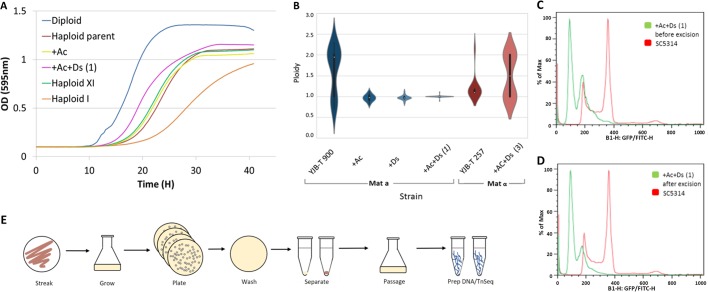
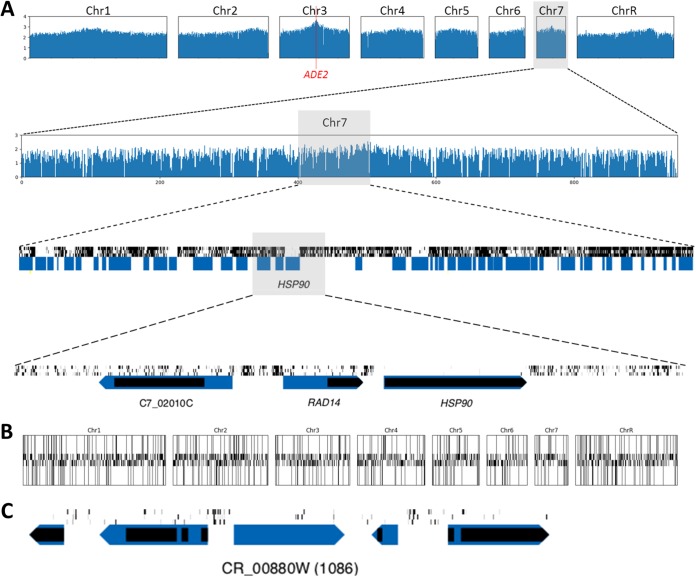
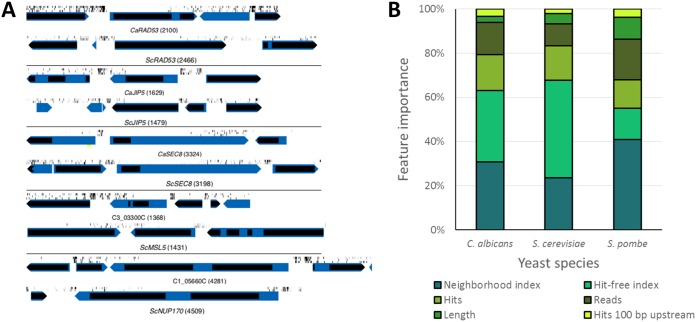
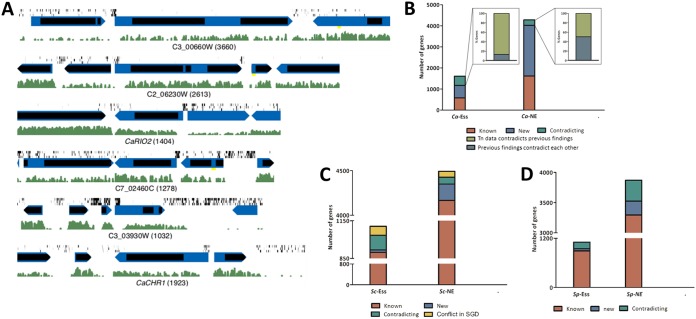
Verification
Claims the paper makes
The claims and statistics of this paper haven’t been checked yet.
Run the check — free, no account needed. It reads the open-access text and checks the sources it cites.
Claims other papers make about this one
Each is checked against this paper’s own text: does it say what the citing paper says it does?
In the citing paper
“In several fungal species, including the model yeast Saccharomyces cerevisiae and the distantly related fungal pathogen C. albicans, it is estimated that ∼20% of the open reading frames in their genomes are essential (Winzeler et al. 1999; Segal et al. 2018).”
From Genetic analysis of Hsp90 function in Cryptococcus neoformans highlights key roles in stress tolerance and virulence (2022) · cites this paper as Segal et al. 2018
Self-check
Percentages, sums and reported differences re-computed from the paper’s own numbers.
The self-check needs the paper’s full text.
Citations
Cites
Breiman, L. (2001) · Machine Learning · doi:10.1023/a:1010933404324 · Cited by 133,538
Scikit-learn: Machine Learning in Python
Pedregosa, F., Varoquaux, G., Gramfort, A., Michel, V., Thirion, B., Grisel, O., Blondel, M., Müller, A., Nothman, J., Louppe, G., et al. (2012) · arXiv · doi:10.48550/arxiv.1201.0490 · Cited by 71,016
The Sequence Alignment/Map format and SAMtools
Li, H., Handsaker, B., Wysoker, A., Fennell, T., Ruan, J., Homer, N., Marth, G., Abecasis, G., Durbin, R., & 1000 Genome Project Data Processing Subgroup (2009) · Bioinformatics · doi:10.1093/bioinformatics/btp352 · Cited by 62,041
Fast gapped-read alignment with Bowtie 2
Langmead, B., & Salzberg, S. L. (2012) · Nature Methods · doi:10.1038/nmeth.1923 · Cited by 56,400
Cutadapt removes adapter sequences from high-throughput sequencing reads
Martin, M. (2011) · EMBnet.journal · doi:10.14806/ej.17.1.200 · Cited by 33,889
Classification And Regression Trees
Breiman, L., Friedman, J. H., Olshen, R. A., & Stone, C. J. (2017) · doi:10.1201/9781315139470 · Cited by 11,417
Database resources of the National Center for Biotechnology Information: update
Wheeler, D. L. (2003) · Nucleic Acids Research · doi:10.1093/nar/gkh073 · Cited by 10,695
Database resources of the National Center for Biotechnology Information
Agarwala, R., Barrett, T., Beck, J., Benson, D., Bollin, C., Bolton, E. E., Bourexis, D., Brister, J., Bryant, S. H., Canese, K., et al. (2017) · Nucleic Acids Res. · doi:10.1093/nar/gkx1095 · Cited by 6,277
Current protocols in molecular biology
Dudley, R. K. (1988) · FEBS Letters · doi:10.1016/0014-5793(88)80264-3 · Cited by 6,004
NWChem: A comprehensive and scalable open-source solution for large scale molecular simulations
Valiev, M., Bylaska, E. J., Govind, N., Kowalski, K., Straatsma, T. P., van Dam, H. J. J., Wang, D., Nieplocha, J., Aprà, E., Windus, T. L., et al. (2010) · Computer Physics Communications · doi:10.1016/j.cpc.2010.04.018 · Cited by 5,849
Functional profiling of the Saccharomyces cerevisiae genome
Giaever, G., Chu, A. M., Ni, L., Connelly, C., Riles, L., Véronneau, S., Dow, S., Lucau-Danila, A., Anderson, K., André, B., et al. (2002) · Nature · doi:10.1038/nature00935 · Cited by 4,316
Hidden Killers: Human Fungal Infections
Brown, G. D., Denning, D. W., Gow, N. A. R., Levitz, S. M., Netea, M. G., & White, T. C. (2012) · Science Translational Medicine · doi:10.1126/scitranslmed.3004404 · Cited by 4,284
Self-citationCurrent protocols in molecular biology
(1988) · Trends in Biochemical Sciences · doi:10.1016/0968-0004(88)90131-4 · Cited by 4,234
Functional Characterization of the S. cerevisiae Genome by Gene Deletion and Parallel Analysis
Winzeler, E. A., Shoemaker, D. D., Astromoff, A., Liang, H., Anderson, K., Andre, B., Bangham, R., Benito, R., Boeke, J. D., Bussey, H., et al. (1999) · Science · doi:10.1126/science.285.5429.901 · Cited by 3,953
Hoffman, C. S., & Winston, F. (1987) · Gene · doi:10.1016/0378-1119(87)90131-4 · Cited by 2,492
Saccharomyces Genome Database: the genomics resource of budding yeast
Cherry, J., Hong, E., Amundsen, C., Balakrishnan, R., Binkley, G., Chan, E. T., Christie, K., Costanzo, M., Dwight, S., Engel, S., et al. (2011) · Nucleic Acids Res. · doi:10.1093/nar/gkr1029 · Cited by 1,886
Methods in yeast genetics : a Cold Spring Harbor Laboratory course manual
Amberg, D. C., Burke, D. J., & Strathern, J. N. (2005) · Cited by 1,803
The origin and behavior of mutable loci in maize
McClintock, B. (1950) · Proceedings of the National Academy of Sciences · doi:10.1073/pnas.36.6.344 · Cited by 1,752
The genome sequence of Schizosaccharomyces pombe
Wood, V., Gwilliam, R., Rajandream, M.-A., Lyne, M. H., Lyne, R., Stewart, A., SGOUROS, J. G., Peat, N., Hayles, J., Baker, S. G., et al. (2002) · Nature · doi:10.1038/nature724 · Cited by 1,671
Kullberg, B. J., & Arendrup, M. C. (2015) · New England Journal of Medicine · doi:10.1056/nejmra1315399 · Cited by 1,315
A global genetic interaction network maps a wiring diagram of cellular function
Costanzo, M., VanderSluis, B., Koch, E. N., Baryshnikova, A., Pons, C., Tan, G., Wang, W., Usaj, M., Hanchard, J., Lee, S. D., et al. (2016) · Science · doi:10.1126/science.aaf1420 · Cited by 1,240
Griffin, J. E., Gawronski, J. D., DeJesus, M. A., Ioerger, T. R., Akerley, B. J., & Sassetti, C. M. (2011) · PLoS Pathogens · doi:10.1371/journal.ppat.1002251 · Cited by 1,048
An Introduction to Sequence Similarity (“Homology”) Searching
Pearson, W. R. (2013) · Current Protocols in Bioinformatics · doi:10.1002/0471250953.bi0301s42 · Cited by 946
van Opijnen, T., Bodi, K. L., & Camilli, A. (2009) · Nature Methods · doi:10.1038/nmeth.1377 · Cited by 926
Analysis of a genome-wide set of gene deletions in the fission yeast Schizosaccharomyces pombe
Kim, D.-U., Hayles, J., Kim, D., Wood, V., Park, H.-O., Won, M., Yoo, H.-S., Duhig, T., Nam, M., Palmer, G., et al. (2010) · Nature Biotechnology · doi:10.1038/nbt.1628 · Cited by 742
Byrne, K. P., & Wolfe, K. H. (2005) · Genome Research · doi:10.1101/gr.3672305 · Cited by 720
Noble, S. M., French, S., Kohn, L. A., Chen, V., & Johnson, A. D. (2010) · Nature Genetics · doi:10.1038/ng.605 · Cited by 678
Simultaneous assay of every Salmonella Typhi gene using one million transposon mutantsPreprint
Langridge, G. C., Phan, M.-D., Turner, D., Perkins, T. T., Parts, L., Haase, J., Charles, I., Maskell, D. J., Peters, S. E., Dougan, G., et al. (2009) · Genome Research · doi:10.1101/gr.097097.109 · Cited by 641
Mutant phenotypes for thousands of bacterial genes of unknown function
Price, M. N., Wetmore, K. M., Waters, R. J., Callaghan, M., Ray, J., Liu, H., Kuehl, J. V., Melnyk, R. A., Lamson, J. S., Suh, Y., et al. (2018) · Nature · doi:10.1038/s41586-018-0124-0 · Cited by 576
The BLAST Sequence Analysis Tool
Madden, T. (2013) · Cited by 535
Roemer, T., Jiang, B., Davison, J., Ketela, T. W., Veillette, K., Breton, A., Tandia, F., Linteau, A., Sillaots, S., Marta, C., et al. (2003) · Molecular Microbiology · doi:10.1046/j.1365-2958.2003.03697.x · Cited by 513
Transposon insertion sequencing: a new tool for systems-level analysis of microorganisms
van Opijnen, T., & Camilli, A. (2013) · Nature Reviews Microbiology · doi:10.1038/nrmicro3033 · Cited by 510
How to bolster the antifungal pipeline
Denning, D. W., & Bromley, M. (2015) · Science · doi:10.1126/science.aaa6097 · Cited by 489
Skrzypek, M. S., Binkley, J., Binkley, G., Miyasato, S. R., Simison, M., & Sherlock, G. (2017) · Nucleic Acids Research · doi:10.1093/nar/gkw924 · Cited by 455
A Phenotypic Profile of the Candida albicans Regulatory Network
Homann, O. R., Dea, J., Noble, S. M., & Johnson, A. D. (2009) · PLoS Genetics · doi:10.1371/journal.pgen.1000783 · Cited by 444
The Reference Genome Sequence ofSaccharomyces cerevisiae: Then and Now
Engel, S. R., Dietrich, F. S., Fisk, D. G., Binkley, G., Balakrishnan, R., Costanzo, M. C., Dwight, S. S., Hitz, B. C., Karra, K., Nash, R. S., et al. (2014) · G3 Genes Genomes Genetics · doi:10.1534/g3.113.008995 · Cited by 428
Genotype to Phenotype: A Complex Problem
Dowell, R. D., Ryan, O., Jansen, A., Cheung, D., Agarwala, S., Danford, T., Bernstein, D. A., Rolfe, P. A., Heisler, L. E., Chin, B., et al. (2010) · Science · doi:10.1126/science.1189015 · Cited by 396
A Candida albicans CRISPR system permits genetic engineering of essential genes and gene families
Vyas, V. K., Barrasa, M. I., & Fink, G. R. (2015) · Science Advances · doi:10.1126/sciadv.1500248 · Cited by 376
Quantitative analysis of fitness and genetic interactions in yeast on a genome scale
Baryshnikova, A., Costanzo, M., Kim, Y., Ding, H., Koh, J., Toufighi, K., Youn, J.-Y., Ou, J., San Luis, B.-J., Bandyopadhyay, S., et al. (2010) · Nature Methods · doi:10.1038/nmeth.1534 · Cited by 364
Isolation of quiescent and nonquiescent cells from yeast stationary-phase cultures
Allen, C., Büttner, S., Aragon, A. D., Thomas, J., Meirelles, O., Jaetao, J. E., Benn, D., Ruby, S. W., Marten Veenhuis, A., Madeo, F., et al. (2006) · The Journal of Cell Biology · doi:10.1083/jcb.200604072 · Cited by 338
PomBase: a comprehensive online resource for fission yeast
Wood, V., Harris, M. A., McDowall, M. D., Rutherford, K., Vaughan, B. W., Staines, D. M., Aslett, M., Lock, A., Bahler, J., Kersey, P. J., et al. (2012) · Nucleic Acids Research · doi:10.1093/nar/gkr853 · Cited by 321
Rewiring of the Yeast Transcriptional Network Through the Evolution of Motif Usage
Ihmels, J., Bergmann, S., Gerami‐Nejad, M., Yanai, I., McClellan, M., Berman, J. G., & Barkai, N. (2005) · Science · doi:10.1126/science.1113833 · Cited by 295
Self-citationThe ‘obligate diploid’ Candida albicans forms mating-competent haploids
Hickman, M. A., Zeng, G., Forche, A., Hirakawa, M. P., Abbey, D., Harrison, B. D., Wang, Y.-M., Su, C.-H., Bennett, R. J., Wang, Y., et al. (2013) · Nature · doi:10.1038/nature11865 · Cited by 284
Self-citationThe art and design of genetic screens: yeast
Forsburg, S. L. (2001) · Nature Reviews Genetics · doi:10.1038/35088500 · Cited by 265
Genome-Wide Fitness Test and Mechanism-of-Action Studies of Inhibitory Compounds in Candida albicans
Xu, D., Jiang, B., Ketela, T. W., Lemieux, S., Veillette, K., Martel, N., Davison, J., Sillaots, S., Trosok, S., Bachewich, C., et al. (2007) · PLoS Pathogens · doi:10.1371/journal.ppat.0030092 · Cited by 256
Candida albicans Gene Deletion with a Transient CRISPR-Cas9 System
Min, K., Ichikawa, Y., Woolford, C. A., & Mitchell, A. P. (2016) · mSphere · doi:10.1128/msphere.00130-16 · Cited by 246
Where does fission yeast sit on the tree of life?
Sipiczki, M. (2000) · Genome biology · doi:10.1186/gb-2000-1-2-reviews1011 · Cited by 243
Global analysis of fungal morphology exposes mechanisms of host cell escape
O’Meara, T. R., Veri, A. O., Ketela, T., Jiang, B., Roemer, T., & Cowen, L. E. (2015) · Nature Communications · doi:10.1038/ncomms7741 · Cited by 243
The Role of Nucleosome Positioning in the Evolution of Gene Regulation
Tsankov, A. M., Thompson, D. A., Socha, A. L., Regev, A., & Rando, O. J. (2010) · PLoS Biology · doi:10.1371/journal.pbio.1000414 · Cited by 223
Global Gene Deletion Analysis Exploring Yeast Filamentous Growth
Ryan, O. W., Shapiro, R. S., Kurat, C. F., Mayhew, D. N., Baryshnikova, A., Chin, B., Lin, Z., Cox, M. J., Vizeacoumar, F. S., Cheung, D., et al. (2012) · Science · doi:10.1126/science.1224339 · Cited by 216
Bruno, V. M., Wang, Z., Marjani, S. L., Euskirchen, G. M., Martin, J. V., Sherlock, G., & Snyder, M. P. (2010) · Genome Research · doi:10.1101/gr.109553.110 · Cited by 212
One library to make them all: streamlining the creation of yeast libraries via a SWAp-Tag strategy
Yofe, I., Weill, U., Meurer, M., Chuartzman, S. G., Zalckvar, E., Goldman, O., Ben‐Dor, S., Schütze, C., Wiedemann, N., Knop, M., et al. (2016) · Nature Methods · doi:10.1038/nmeth.3795 · Cited by 211
McEntyre, J. R., & Ostell, J. (2002) · Cited by 210
Bromodomain factor 1 corresponds to a missing piece of yeast TFIIDPreprint
Matangkasombut, O., Buratowski, R. M., Swilling, N. W., & Buratowski, S. (2000) · Genes & Development · doi:10.1101/gad.14.8.951 · Cited by 203
Genome-wide Consequences of Deleting Any Single Gene
Teng, X., Dayhoff-Brannigan, M., Cheng, W., Gilbert, C. E., Sing, C. N., Diny, N. L., Wheelan, S. J., Dunham, M. J., Boeke, J. D., Pineda, F. J., et al. (2013) · Molecular Cell · doi:10.1016/j.molcel.2013.09.026 · Cited by 199
McKee, A. H. Z., & Kleckner, N. E. (1997) · Genetics · doi:10.1093/genetics/146.3.797 · Cited by 191
Uhl, M. A., Biery, M., Craig, N., & Johnson, A. D. (2003) · The EMBO Journal · doi:10.1093/emboj/cdg256 · Cited by 191
Davis, D. A., Bruno, V. M., Loza, L., Filler, S. G., & Mitchell, A. P. (2002) · Genetics · doi:10.1093/genetics/162.4.1573 · Cited by 184
Genome-wide SWAp-Tag yeast libraries for proteome exploration
Weill, U., Yofe, I., Sass, E., Stynen, B., Davidi, D., Natarajan, J., Ben‐Menachem, R., Avihou, Z., Goldman, O., Harpaz, N., et al. (2018) · Nature Methods · doi:10.1038/s41592-018-0044-9 · Cited by 184
Hromatka, B. S., Noble, S. M., & Johnson, A. D. (2005) · Molecular Biology of the Cell · doi:10.1091/mbc.e05-05-0435 · Cited by 183
Chandler, C. H., Chari, S., & Dworkin, I. M. (2013) · Trends in Genetics · doi:10.1016/j.tig.2013.01.009 · Cited by 182
Brown, A. J., Dyos, S. L., Whiteway, M. S., White, J. H. M., Watson, M.-A., Marzioch, M., Clare, J. J., Cousens, D. J., Paddon, C. J., Plumpton, C., et al. (2000) · Yeast · doi:10.1002/(sici)1097-0061(20000115)16:1 · Cited by 174
Functional mapping of yeast genomes by saturated transposition
Michel, A. H., Hatakeyama, R., Kimmig, P., Arter, M., Peter, M., Matos, J., VIRGILIO, C. D., & Kornmann, B. (2017) · eLife · doi:10.7554/elife.23570 · Cited by 155
A CRISPR–Cas9-based gene drive platform for genetic interaction analysis in Candida albicans
Shapiro, R. S., Chavez, A., Porter, C. B. M., Hamblin, M., Kaas, C. S., DiCarlo, J. E., Zeng, G., Xu, X., Revtovich, A. V., Kirienko, N. V., et al. (2017) · Nature Microbiology · doi:10.1038/s41564-017-0043-0 · Cited by 155
Backup without redundancy: genetic interactions reveal the cost of duplicate gene loss
Ihmels, J., Collins, S. R., Schuldiner, M., Krogan, N. J., & Weissman, J. S. (2007) · Molecular Systems Biology · doi:10.1038/msb4100127 · Cited by 152
Candida auris : An emerging multidrug-resistant pathogen
Sears, D., & Schwartz, B. S. (2017) · International Journal of Infectious Diseases · doi:10.1016/j.ijid.2017.08.017 · Cited by 146
An Efficient, Rapid, and Recyclable System for CRISPR-Mediated Genome Editing in Candida albicans
Nguyen, N., Quail, M. M., & Hernday, A. D. (2017) · mSphere · doi:10.1128/mspheredirect.00149-17 · Cited by 138
Pathway analysis of Candida albicans survival and virulence determinants in a murine infection model
Becker, J. M., Kauffman, S., Hauser, M., Huang, L.-Y., Lin, M. T.-Y., Sillaots, S., Jiang, B., Xu, D., & Roemer, T. (2010) · Proceedings of the National Academy of Sciences · doi:10.1073/pnas.1009845107 · Cited by 136
Genome-Wide Distribution of TransposedDissociationElements in Maize
Vollbrecht, E., Duvick, J. P., Schares, J. A., Ahern, K. R., Deewatthanawong, P., Xu, L., Conrad, L. J., Kikuchi, K., Kubinec, T. A., Hall, B. D., et al. (2010) · The Plant Cell · doi:10.1105/tpc.109.073452 · Cited by 131
Shi, Q.-M., Wang, Y.-M., Zheng, X., Lee, R. T. H., & Wang, Y. (2006) · Molecular Biology of the Cell · doi:10.1091/mbc.e06-05-0442 · Cited by 126
Muzzey, D., Schwartz, K., Weissman, J. S., & Sherlock, G. (2013) · Genome biology · doi:10.1186/gb-2013-14-9-r97 · Cited by 123
The extensive and condition-dependent nature of epistasis among whole-genome duplicates in yeastPreprint
Musso, G. A., Costanzo, M., Huangfu, M., Smith, A. M., Paw, J., Luis, B.-J. S., Boone, C. M., Giaever, G. N., Nislow, C., Emili, A., et al. (2008) · Genome Research · doi:10.1101/gr.076174.108 · Cited by 122
Advanced Methods for High-Throughput Microscopy Screening of Genetically Modified Yeast Libraries
Cohen, Y., & Schuldiner, M. (2011) · Methods in molecular biology · doi:10.1007/978-1-61779-276-2_8 · Cited by 117
Richter, G., Fischer, M. J., Krieger, C., Eberhardt, S., Lüttgen, H., Schaaff‐Gerstenschläger, I., & Bacher, A. (1997) · Journal of Bacteriology · doi:10.1128/jb.179.6.2022-2028.1997 · Cited by 112
Bdf1, a Yeast Chromosomal Protein Required for Sporulation
Chua, P. R., & Roeder, G. S. (1995) · Molecular and Cellular Biology · doi:10.1128/mcb.15.7.3685 · Cited by 112
Transposition of maize Ac/Ds transposable elements in the yeast Saccharomyces cerevisiae
Weil, C. F., & Kunze, R. (2000) · Nature Genetics · doi:10.1038/82827 · Cited by 105
Self-citationDNA transposon Hermes inserts into DNA in nucleosome-free regions in vivo
Gangadharan, S., Mularoni, L., Fain-Thornton, J., Wheelan, S. J., & Craig, N. L. (2010) · Proceedings of the National Academy of Sciences · doi:10.1073/pnas.1016382107 · Cited by 102
Oh, J., Fung, E., Schlecht, U., Davis, R. W., Giaever, G. N., St.Onge, R. P., Deutschbauer, A. M., & Nislow, C. (2010) · PLoS Pathogens · doi:10.1371/journal.ppat.1001140 · Cited by 96
Padmanabhan, S., Thakur, J., Siddharthan, R., & Sanyal, K. (2008) · Proceedings of the National Academy of Sciences · doi:10.1073/pnas.0809770105 · Cited by 87
Lygerou, Z., Conesa, C., Lesage, P., Swanson, R. N., Ruet, A., Carlson, M., Sentenac, A., & Séraphin, B. (1994) · Nucleic Acids Research · doi:10.1093/nar/22.24.5332 · Cited by 87
Gerami‐Nejad, M., Zacchi, L. F., McClellan, M., Matter, K. J., & Berman, J. G. (2013) · Microbiology · doi:10.1099/mic.0.064097-0 · Cited by 84
Self-citationThe G 1 Cyclin Cln3 Regulates Morphogenesis in Candida albicans
Chapa‐y‐Lazo, B., Bates, S., & Sudbery, P. E. (2005) · Eukaryotic Cell · doi:10.1128/ec.4.1.90-94.2005 · Cited by 80
Meir, Y. J., Weirauch, M. T., Yang, H.-S., Chung, P.-C., Yu, R. K., & Wu, S. C. (2011) · BMC Biotechnology · doi:10.1186/1472-6750-11-28 · Cited by 77
Vitamin Biosynthesis as an Antifungal Target
Meir, Z., & Osherov, N. (2018) · Journal of Fungi · doi:10.3390/jof4020072 · Cited by 71
FYPO: the fission yeast phenotype ontology
Harris, M. A., Lock, A., Bähler, J., Oliver, S. G., & Wood, V. (2013) · Bioinformatics · doi:10.1093/bioinformatics/btt266 · Cited by 69
Analysis of Candida albicans plasma membrane proteome
Cabezón, V., Llama‐Palacios, A., Nombela, C., Monteoliva, L., & Gil, C. (2009) · PROTEOMICS · doi:10.1002/pmic.200800988 · Cited by 62
Integration Profiling of Gene Function With Dense Maps of Transposon Integration
Guo, Y.-B., Park, J.-M., Cui, B.-W., Humes, E., Gangadharan, S., Hung, S., FitzGerald, P., Hoe, K.-L., Grewal, S., Craig, N., et al. (2013) · Genetics · doi:10.1534/genetics.113.152744 · Cited by 62
Vandeputte, P., Ischer, F., Sanglard, D., & Coste, A. T. (2011) · PLoS ONE · doi:10.1371/journal.pone.0026962 · Cited by 61
Large-Scale Gene Disruption Using the UAU1 Cassette
Nobile, C. J., & Mitchell, A. P. (2009) · Methods in molecular biology · doi:10.1007/978-1-60327-151-6_17 · Cited by 60
Generation of conditional lethal Candida albicans mutants by inducible deletion of essential genes
Michel, S., Ushinsky, S. C., Klebl, B., Leberer, E., Thomas, D. Y., Whiteway, M. S., & Morschhäuser, J. (2002) · Molecular Microbiology · doi:10.1046/j.1365-2958.2002.03167.x · Cited by 56
Selective BET bromodomain inhibition as an antifungal therapeutic strategy
Mietton, F., Ferri, E., Champleboux, M., Zala, N., Maubon, D., Zhou, Y., Harbut, M., Spittler, D., Garnaud, C., Courçon, M., et al. (2017) · Nature Communications · doi:10.1038/ncomms15482 · Cited by 56
Suliman, H. S., Appling, D. R., & Robertus, J. D. (2007) · Archives of Biochemistry and Biophysics · doi:10.1016/j.abb.2007.09.003 · Cited by 51
Burrack, L. S., Applen, S. E., & Berman, J. G. (2011) · Current Biology · doi:10.1016/j.cub.2011.04.002 · Cited by 51
Self-citationVanderSluis, B., Costanzo, M., Billmann, M., Ward, H. N., Myers, C. L., Andrews, B., & Boone, C. M. (2018) · Current Opinion in Microbiology · doi:10.1016/j.mib.2018.06.004 · Cited by 50
Molecular Biology of Maize Ac/Ds Elements: An Overview
Lazarow, K., Doll, M.-L., & Kunze, R. (2013) · Methods in molecular biology · doi:10.1007/978-1-62703-568-2_5 · Cited by 49
Self-citationGenetic Network Complexity Shapes Background-Dependent Phenotypic Expression
Hou, J., van Leeuwen, J. S., Andrews, B., & Boone, C. M. (2018) · Trends in Genetics · doi:10.1016/j.tig.2018.05.006 · Cited by 44
Carr, P. D., Tuckwell, D. S., Hey, P., Simon, L., d’Enfert, C., Birch, M., Oliver, J. D., & Bromley, M. (2010) · Eukaryotic Cell · doi:10.1128/ec.00324-09 · Cited by 38
Genetic backgrounds and hidden trait complexity in natural populations
Fournier, T., & Schacherer, J. (2017) · Current Opinion in Genetics & Development · doi:10.1016/j.gde.2017.08.009 · Cited by 36
Chemogenomic Profiling of the Fungal Pathogen Candida albicans
Chen, Y., Mallick, J., Maqnas, A., Sun, Y., Choudhury, B. I., Côte, P., Yan, L., Ni, T., Li, Y., Zhang, D., et al. (2017) · Antimicrobial Agents and Chemotherapy · doi:10.1128/aac.02365-17 · Cited by 35
A Hyperactive Transposase of the Maize Transposable ElementActivator(Ac)
Lazarow, K., Du, M.-L., Weimer, R., & Kunze, R. (2012) · Genetics · doi:10.1534/genetics.112.139642 · Cited by 34
Self-citationMaize Transposable Elements Ac/Ds as Insertion Mutagenesis Tools in Candida albicans
Mielich, K., Shtifman‐Segal, E., Golz, J. C., Zeng, G., Wang, Y., Berman, J. G., & Kunze, R. (2018) · G3 Genes Genomes Genetics · doi:10.1534/g3.117.300388 · Cited by 29
Self-citationEvolution of small nuclear RNAs in S. cerevisiae, C. albicans, and other hemiascomycetous yeasts
Mitrovich, Q. M., & Guthrie, C. (2007) · RNA · doi:10.1261/rna.766607 · Cited by 28
One-step targeted gene deletion in Candida albicans haploids
Zeng, G., Wang, Y., Chan, F. Y., & Wang, Y. (2014) · Nature Protocols · doi:10.1038/nprot.2014.029 · Cited by 26
Using the Candida Genome Database
Skrzypek, M. S., Binkley, J., & Sherlock, G. J. (2018) · Methods in molecular biology · doi:10.1007/978-1-4939-7737-6_3 · Cited by 18
Cited by
Sorted by citations
Drug resistance and tolerance in fungi.
Berman, J., & Krysan, D. J. (2020) · Nature Reviews Microbiology · doi:10.1038/s41579-019-0322-2 · Cited by 642
Self-citationThe importance of antimicrobial resistance in medical mycology
Gow, N. A. R., Johnson, C., Berman, J. G., Coste, A. T., Cuomo, C. A., Perlin, D. S., Bicanic, T. A., Harrison, T. S., Wiederhold, N. P., Bromley, M., et al. (2022) · Nature Communications · doi:10.1038/s41467-022-32249-5 · Cited by 232
Self-citationCandida albicans and Candida glabrata : global priority pathogens
Katsipoulaki, M., Stappers, M. H. T., Malavia-Jones, D., Brunke, S., Hube, B., & Gow, N. A. R. (2024) · Microbiology and Molecular Biology Reviews · doi:10.1128/mmbr.00021-23 · Cited by 180
Self-citationExtensive loss of cell-cycle and DNA repair genes in an ancient lineage of bipolar budding yeasts
Steenwyk, J. L., Opulente, D. A., Kominek, J., Shen, X.-X., Zhou, X., Labella, A. L., Bradley, N. P., Eichman, B. F., Čadež, N., Libkind, D., et al. (2019) · PLoS Biology · doi:10.1371/journal.pbio.3000255 · Cited by 162
“cerevisiae [64], and 73% of Candida albicans [65] genes are 459 dispensable in laboratory conditions.”
BackgroundSelf-citationFrom Jekyll to Hyde: The Yeast–Hyphal Transition of Candida albicans
Chow, E. W. L., Pang, L. M., & Wang, Y. (2021) · Pathogens · doi:10.3390/pathogens10070859 · Cited by 154
Metadata
- Authors
- Segal, E. S., Gritsenko, V., Levitan, A., Yadav, B., Dror, N., Steenwyk, J. L., Silberberg, Y., Mielich, K., Rokas, A., Gow, N. A. R., Kunze, R., Sharan, R., & Berman, J.
- Affiliations
- Tel Aviv University (IL)
- University of Aberdeen (GB)
- Vanderbilt University (US)
- Freie Universität Berlin (DE)
- Corresponding author
- Berman, Judith
- ORCID
- Venue
- mBio
- Publisher
- American Society for Microbiology
- Published
- 2018-11-07
- Volume
- 9
- Issue
- 5
- ISSN
- 2150-7511 (ISSN-L)
- 2161-2129
- PMC
- PMC6212825
- OpenAlex
- W2898801056
- Cited by
- 150
- References
- 105
- Citations by year
- 2026: 11 · 2025: 20 · 2024: 18 · 2023: 9 · 2022: 21 · 2021: 20 · 2020: 26 · 2019: 24 · 2018: 1
- FWCI
- 6.31
- Type
- journal article
- Language
- en
- Open access
- gold
- doi.org
- Licence
- Locations
- mBio (publishedVersion, cc-by)
- Europe PMC (PubMed Central) (publishedVersion, cc-by)
- PubMed Central (publishedVersion, cc-by)
- PubMed (publishedVersion)
- Aberdeen University Research Archive (Aberdeen University) (submittedVersion)
- DOAJ (DOAJ: Directory of Open Access Journals) (submittedVersion, cc-by-sa)
- DOAJ (DOAJ: Directory of Open Access Journals) (submittedVersion)
- Refubium (Universitätsbibliothek der Freien Universität Berlin) (submittedVersion, cc-by)
- Universitätsbibliothek der FU Berlin Hochschulschriftenstelle u. Dokumentenserver (cc-by)
- Funders
- Wellcome Trust (086827 075470 101873 200208)
- MRC Center for Medical Mycology (N006364/1)
- European Research Council (340087 RAPLODAPT)
- Dahlem Center of Plant Sciences (DCPS)
- Israel Science Foundation (715/18)
- Topics
- Life Sciences › Biochemistry, Genetics and Molecular Biology › Molecular Biology › Fungal and yeast genetics research
- Health Sciences › Medicine › Infectious Diseases › Antifungal resistance and susceptibility
- Life Sciences › Biochemistry, Genetics and Molecular Biology › Genetics › Bacterial Genetics and Biotechnology
- Keywords
- gene essentiality, Candida albicans, transposon mutagenesis, essential genes, fungal pathogens, antifungal drug targets, machine learning, deep sequencing
- MeSH terms
- Machine Learning, Aspergillus fumigatus, Candida albicans, Cryptococcus neoformans, DNA Transposable Elements, Genes, Fungal, Genetics, Microbial, Haploidy, Histoplasma, Mutagenesis, Insertional, Genes, Essential
About these checks
Registry, retraction, Cites and statistics results are computed, not judged, with one exception: a printed reference that no index lists is read once by a model before it counts as a citation error. Claims are extracted by a model and kept only when their quote appears verbatim in the text; each cited source is then checked, with a model’s help, for whether it says what the claim relies on. Those verdicts can be wrong — read the claim’s quote and the cited source before relying on one.
Statistics and arithmetic are recomputed, not judged.
Confidence bands are shown only for fields calibrated on our annotated test set. None is calibrated yet, so no band is shown.
What counts as a claim ›How we measure confidence ›How we check this ›
Are you an author, or do you see a problem with this page? Request a review
