

The DOI matches its Crossref record; 117 of the 118 references it cites were found in a registry or an index.
Use of probiotics to correct dysbiosis of normal microbiota following disease or disruptive events : a systematic review
Open accessAbstract
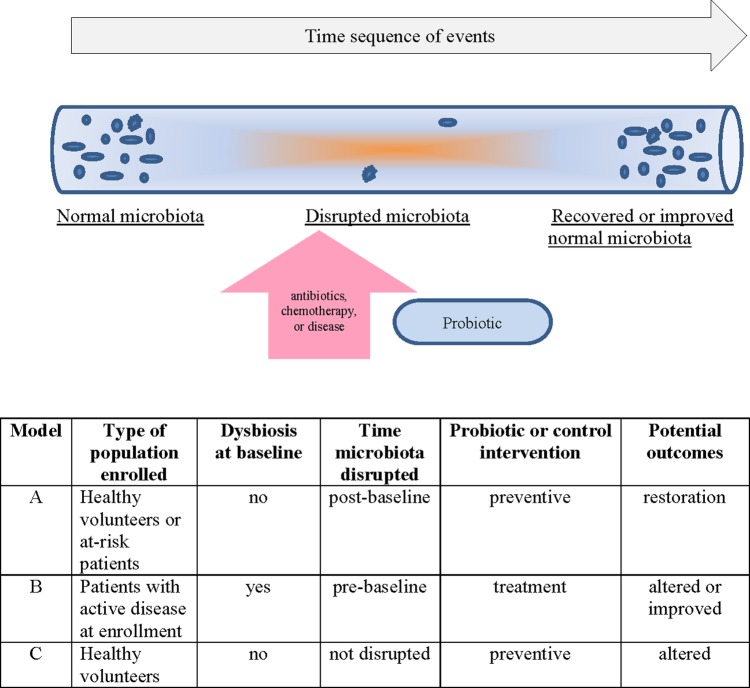
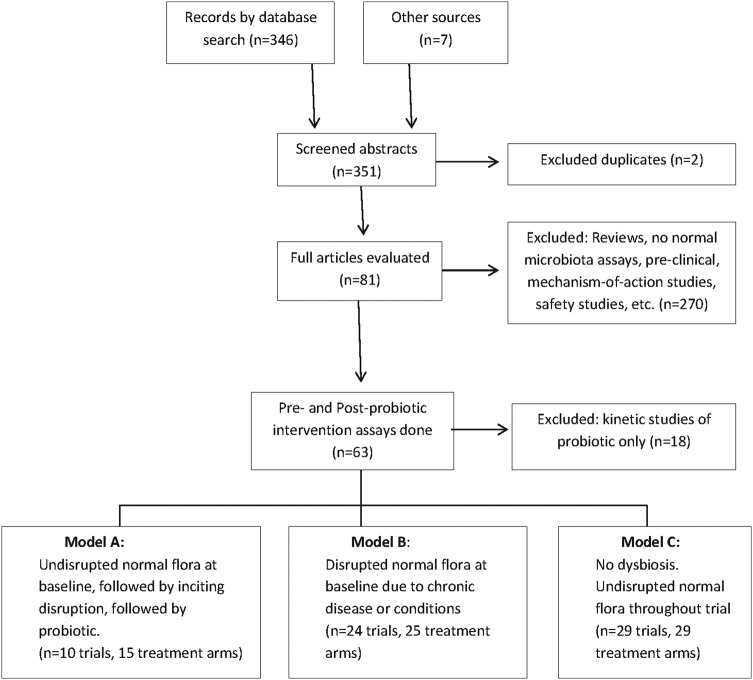
OBJECTIVE: To assess the evidence for the claim probiotics can correct dysbiosis of the normal microbiota resulting from disease or disruptive events. SETTING: Systematic review of published clinical trials of patients receiving a probiotic intervention for the prevention or treatment of various diseases. DATA SOURCES: Sources searched (1985-2013): PubMed, EMBASE, Cochrane Database of Systematic Reviews, CINAHL, AMED and ISI Web of Science. Three on-line clinical trial registries were searched: Cochrane Central Register of Controlled trials, MetaRegister of Controlled Trials and National Institutes of Health. REVIEW METHODS: Included studies were randomised clinical trials of probiotic interventions having microbiological assays. Studies were evaluated following Preferred Reporting Items for Systematic Reviews and Meta-Analyses guidelines for specific probiotic strains. A standard data extraction form was used to collect the raw data. OUTCOME MEASURES: The primary outcome is the degree of microbiota correction by specific probiotic strains. Secondary outcome was the association between the degree of dysbiosis correction and clinical efficacy. RESULTS: The review of the literature found three distinct study designs: model A (restoration) assayed patients enrolled with a healthy, undisturbed microbiota and then assayed postdisruptive event and probiotic therapy; model B (alteration) assayed patients with pre-existing disrupted microbiota and then postprobiotic therapy; model C (no dysbiosis) assayed volunteers with no disruptive event prebiotic and postprobiotic. From a total of 63 trials, 83% of the probiotic products using model A restored the microbiota, 56% using model B improved the microbiota and only 21% using model C had any effect on microbiota. Clinical efficacy was more commonly associated with strains capable of restoration of the normal microbiota. CONCLUSIONS: The ability to assess the degree of dysbiosis improvement is dependent on the enrolled population and the timing of microbiological assays. The functional claim for correcting dysbiosis is poorly supported for most probiotic strains and requires further research. TRIAL REGISTRATION NUMBER: PROSPERO (CRD42014007224).
Overview
The claims and statistics of this paper haven’t been checked yet.
Run the check — free, no account needed. It reads the open-access text and checks the sources it cites.
Integrity signals
Registry
Cites
Statistics
Figures
Verification
Claims the paper makes
The claims and statistics of this paper haven’t been checked yet.
Run the check — free, no account needed. It reads the open-access text and checks the sources it cites.
Claims other papers make about this one
Each is checked against this paper’s own text: does it say what the citing paper says it does?
In the citing paper
“and probiotics seem to offer some promising potential for re-establishing the microbiome following antimicrobial insult (Mcfarland, 2014).”
From Viral Infections, the Microbiome, and Probiotics (2021) · cites this paper as Mcfarland, 2014
Self-check
Percentages, sums and reported differences re-computed from the paper’s own numbers.
The self-check needs the paper’s full text.
Citations
Cites
Preferred Reporting Items for Systematic Reviews and Meta-Analyses: the PRISMA statement
Moher, D., Liberati, A., Tetzlaff, J., Altman, D. G., & for the PRISMA Group (2009) · BMJ · doi:10.1136/bmj.b2535 · Cited by 83,823
Preferred reporting items for systematic reviews and meta-analyses: the PRISMA Statement.
(2009) · PubMed Central · Cited by 44,859
Metagenomic Analysis of the Human Distal Gut Microbiome
Gill, S. R., Pop, M., DeBoy, R. T., Eckburg, P. B., Turnbaugh, P. J., Samuel, B. S., Gordon, J. I., Relman, D. A., Fraser-Liggett, C. M., & Nelson, K. E. (2006) · Science · doi:10.1126/science.1124234 · Cited by 4,699
Nugent, R. P., Krohn, M. A., & Hillier, S. L. (1991) · Journal of Clinical Microbiology · doi:10.1128/jcm.29.2.297-301.1991 · Cited by 3,332
The gut flora as a forgotten organ
O'Hara, A. M., & Shanahan, F. (2006) · The EMBO Reports · doi:10.1038/sj.embor.7400731 · Cited by 2,791
Metagenomics: Application of Genomics to Uncultured Microorganisms
Handelsman, J. (2004) · Microbiology and Molecular Biology Reviews · doi:10.1128/mmbr.68.4.669-685.2004 · Cited by 2,528
Dethlefsen, L., Huse, S., Sogin, M. L., & Relman, D. A. (2008) · PLoS Biology · doi:10.1371/journal.pbio.0060280 · Cited by 2,361
Franks, A. H., Harmsen, H. J. M., Raangs, G. C., Jansen, G. J., Schut, F., & Welling, G. W. (1998) · Applied and Environmental Microbiology · doi:10.1128/aem.64.9.3336-3345.1998 · Cited by 1,056
Glaser, E. (1972) · New England Journal of Medicine · doi:10.1056/nejm197210192871623 · Cited by 970
McFarland, L. V. (2006) · The American Journal of Gastroenterology · doi:10.1111/j.1572-0241.2006.00465.x · Cited by 872
Probiotics for the prevention of Clostridium difficile-associated diarrhea in adults and children
Goldenberg, J. Z., Ma, S. S., Saxton, J. D., Martzen, M. R., Vandvik, P. O., Thorlund, K., Guyatt, G. H., & Johnston, B. C. (2013) · Cochrane Database of Systematic Reviews · doi:10.1002/14651858.cd006095.pub3 · Cited by 741
Nobaek, S., Johansson, M.-L., Molin, G., Ahrné, S., & Jeppsson, B. (2000) · American Journal of Gastroenterology · doi:10.1111/j.1572-0241.2000.02015.x · Cited by 653
Systematic review and meta-analysis ofSaccharomyces boulardiiin adult patients
McFarland, L. V. (2010) · World Journal of Gastroenterology · doi:10.3748/wjg.v16.i18.2202 · Cited by 611
Dietary synbiotics reduce cancer risk factors in polypectomized and colon cancer patients
Rafter, J. J., Bennett, M., Caderni, G., Clune, Y., Hughes, R., Karlsson, P. C., Klinder, A., O'Riordan, M., O’Sullivan, G. C., Pool-Zobel, B. L., et al. (2007) · American Journal of Clinical Nutrition · doi:10.1093/ajcn/85.2.488 · Cited by 601
Venturi, Gionchetti, P., Rizzello, F., Johansson, Zucconi, Brigidi, P., Matteuzzi, & Campieri, M. (1999) · Alimentary Pharmacology & Therapeutics · doi:10.1046/j.1365-2036.1999.00560.x · Cited by 567
McNulty, N. P., Yatsunenko, T., Hsiao, A., Faith, J. J., Muegge, B. D., Goodman, A. L., Henrissat, B., Oozeer, R., Cools-Portier, S., Gobert, G., et al. (2011) · Science Translational Medicine · doi:10.1126/scitranslmed.3002701 · Cited by 559
Reid, G., Charbonneau, D., Erb, J., Kochanowski, B., Beuerman, D., Poehner, R., & Bruce, A. W. (2003) · FEMS Immunology & Medical Microbiology · doi:10.1016/s0928-8244(02)00465-0 · Cited by 514
An update on the use and investigation of probiotics in health and disease
Sanders, M. E., Guarner, F., Guerrant, R., Holt, P. R., Quigley, E. M., Sartor, R. B., Sherman, P. M., & Mayer, E. A. (2013) · Gut · doi:10.1136/gutjnl-2012-302504 · Cited by 503 · cited 2×
“With the advent of these newer metagenomic tools, the role of probiotics in the restoration of normal microbiota is being revisited.(29) In light of new guidance documents and recommendations, the goal of this systematic review is to determine how claims for the restoration of the normal microbiota and the correction…”
Preidis, G. A., & Versalovic, J. A. (2009) · Gastroenterology · doi:10.1053/j.gastro.2009.01.072 · Cited by 494
Kirpich, I., Solovieva, N., Leikhter, S., Shidakova, N. A., Lebedeva, O. V., Sidorov, P., Bazhukova, T. A., Soloviev, A., Barve, S., McClain, C., et al. (2008) · Alcohol · doi:10.1016/j.alcohol.2008.08.006 · Cited by 464
World Gastroenterology Organisation Global Guidelines: Probiotics and Prebiotics October 2011
Guarner, F., Khan, A. G., Garisch, J., Eliakim, R., Gangl, A., Thomson, A., Krabshuis, J., Lemair, T., Kaufmann, P., de Paula, J. A., et al. (2012) · Journal of Clinical Gastroenterology · doi:10.1097/mcg.0b013e3182549092 · Cited by 418
Meta-analysis of probiotics for the prevention of traveler's diarrhea
McFarland, L. V. (2005) · Travel Medicine and Infectious Disease · doi:10.1016/j.tmaid.2005.10.003 · Cited by 412
Gastrointestinal microbiology enters the metagenomics era
Frank, D. N., & Pace, N. R. (2008) · Current Opinion in Gastroenterology · doi:10.1097/mog.0b013e3282f2b0e8 · Cited by 410
Non-communicable diseases must have greater priority, says WHO
Zarocostas, J. (2009) · British medical journal · doi:10.1136/bmj.b2857 · Cited by 391
Aagaard, K., Petrosino, J., Keitel, W., Watson, M., Katancik, J., Garcia, N., Patel, S., Cutting, M., Madden, T., Hamilton, H., et al. (2013) · The FASEB Journal · doi:10.1096/fj.12-220806 · Cited by 383
Mustafa, R. A., Santesso, N., Brozek, J., Akl, E. A., Walter, S. D., Norman, G., Kulasegaram, M., Christensen, R., Guyatt, G. H., Falck-Ytter, Y., et al. (2013) · Journal of Clinical Epidemiology · doi:10.1016/j.jclinepi.2013.02.004 · Cited by 370
Shen, J., Zuo, Z.-X., & Mao, A.-P. (2014) · Inflammatory Bowel Diseases · doi:10.1097/01.mib.0000437495.30052.be · Cited by 364
KAJANDER, K., HATAKKA, K., POUSSA, T., FÄRKKILÄ, M., & KORPELA, R. (2005) · Alimentary Pharmacology & Therapeutics · doi:10.1111/j.1365-2036.2005.02579.x · Cited by 361
Wong, V. W., Tse, C., Lam, T. T., Wong, G. L., Chim, A. M., Chu, C. W., Yeung, D. K., Law, P. T. W., Kwan, H. S., Yu, J. Q., et al. (2013) · PLoS ONE · doi:10.1371/journal.pone.0062885 · Cited by 350
Antibiotic-Associated Diarrhea: Epidemiology, Trends and Treatment
McFarland, L. V. (2008) · Future Microbiology · doi:10.2217/17460913.3.5.563 · Cited by 349
Meta-analysis of probiotics for the treatment of irritable bowel syndrome
McFarland, L. V., & Dublin, S. (2008) · World Journal of Gastroenterology · doi:10.3748/wjg.14.2650 · Cited by 341
Young, V. B., & Schmidt, T. M. (2004) · Journal of Clinical Microbiology · doi:10.1128/jcm.42.3.1203-1206.2004 · Cited by 337
Teughels, W., Durukan, A., Özçelik, O., Pauwels, M., Quirynen, M., & Haytaç, M. C. (2013) · Journal Of Clinical Periodontology · doi:10.1111/jcpe.12155 · Cited by 329
Probiotic Lactobacillus dose required to restore and maintain a normal vaginal flora
Reid, G., Beuerman, D., Heinemann, C., & Bruce, A. W. (2001) · FEMS Immunology & Medical Microbiology · doi:10.1111/j.1574-695x.2001.tb00531.x · Cited by 328
Beneficial effects of lactic acid bacteria on human beings
Masood, M. I., Qadir, M. I., Shirazi, J. H., & Khan, I. U. (2010) · Critical Reviews in Microbiology · doi:10.3109/1040841x.2010.536522 · Cited by 328
Metagenomics, biotechnology with non-culturable microbes
Schmeisser, C., Steele, H. L., & Streit, W. R. (2007) · Applied Microbiology and Biotechnology · doi:10.1007/s00253-007-0945-5 · Cited by 321
Krebs, N. F., Westcott, J., Butler, N. N., Robinson, C. C., Bell, M. L., & Hambidge, K. M. (2006) · Journal of Pediatric Gastroenterology and Nutrition · doi:10.1097/01.mpg.0000189346.25172.fd · Cited by 315
Bacterial and fungal microbiota in relation to probiotic therapy (VSL#3) in pouchitis
Kühbacher, T., Ott, S. J., Helwig, U., Mimura, T., Rizzello, F., Kleessen, B., Gionchetti, P., Blaut, M., Campieri, M., Fölsch, U. R., et al. (2006) · Gut · doi:10.1136/gut.2005.078303 · Cited by 257
Prevention of antibiotic‐associated diarrhea in children by Clostridium butyricum MIYAIRI
SEKI, H., SHIOHARA, M., MATSUMURA, T., MIYAGAWA, N., TANAKA, M., KOMIYAMA, A., & KURATA, S. (2003) · Pediatrics International · doi:10.1046/j.1442-200x.2003.01671.x · Cited by 253
Health benefits and health claims of probiotics: bridging science and marketing
Rijkers, G. T., de Vos, W. M., Brummer, R. J., Morelli, L., Corthier, G., & Marteau, P. R. (2011) · British Journal Of Nutrition · doi:10.1017/s000711451100287x · Cited by 232
Mastromarino, P., Macchia, S., Meggiorini, L., Trinchieri, V., Mosca, L., Perluigi, M., & Midulla, C. (2009) · Clinical Microbiology and Infection · doi:10.1111/j.1469-0691.2008.02112.x · Cited by 194
He, T., Priebe, M. G., Zhong, Y., Huang, C., Harmsen, H. J. M., Raangs, G. C., Antoine, J., Welling, G. W., & Vonk, R. J. (2007) · Journal of Applied Microbiology · doi:10.1111/j.1365-2672.2007.03579.x · Cited by 190
Brigidi, P., Vitali, B., Swennen, E., Bazzocchi, G., & Matteuzzi, D. (2001) · Research in Microbiology · doi:10.1016/s0923-2508(01)01254-2 · Cited by 188
Biostructure of Fecal Microbiota in Healthy Subjects and Patients With Chronic Idiopathic Diarrhea
Swidsinski, A., Loening–Baucke, V., Verstraelen, H., Osowska, S., & Doerffel, Y. (2008) · Gastroenterology · doi:10.1053/j.gastro.2008.04.017 · Cited by 178
Iniesta, M., Herrera, D., Montero, E., Zurbriggen, M. M., Matos, A. R. F., Marín, M. J., Sánchez‐Beltrán, M. C., Llama‐Palacios, A., & Sanz, M. (2012) · Journal Of Clinical Periodontology · doi:10.1111/j.1600-051x.2012.01914.x · Cited by 167
Langhendries, J. P., Detry, J., Hees, J. N. V., Lamboray, J. M., Darimont, J., Mozin, M. J., Secretin, M. C., & Senterre, J. (1995) · Journal of Pediatric Gastroenterology and Nutrition · doi:10.1097/00005176-199508000-00009 · Cited by 164
Effect of a new synbiotic mixture on atopic dermatitis in infants: a randomized‐controlled trial
van der Aa, L. B., Heymans, H. S. A., van Aalderen, W. M. C., Smitt, J. H. S., Knol, J., Amor, K. B., Goossens, D. A. M., Sprikkelman, A. B., & the Synbad Study Group (2010) · Clinical & Experimental Allergy · doi:10.1111/j.1365-2222.2010.03465.x · Cited by 160
Wada, M., Nagata, S., Saito, M., Shimizu, T., Yamashiro, Y., Matsuki, T., Asahara, T., & Nomoto, K. (2009) · Supportive Care in Cancer · doi:10.1007/s00520-009-0711-6 · Cited by 156
Guérin-Danan, C., Chabanet, C., Pedone, C., Popot, F., Vaissade, P., Bouley, C., Szylit, O., & Andrieux, C. (1998) · American Journal of Clinical Nutrition · doi:10.1093/ajcn/67.1.111 · Cited by 154
Nylund, L., Satokari, R. M., Nikkilä, J., Rajilić-Stojanović, M. D., Kalliomäki, M. A., Isolauri, E., Salminen, S., & de Vos, W. M. (2013) · BMC Microbiology · doi:10.1186/1471-2180-13-12 · Cited by 154
Impact of Probiotics on Colonizing Microbiota of the Gut
Sanders, M. E. (2011) · Journal of Clinical Gastroenterology · doi:10.1097/mcg.0b013e318227414a · Cited by 153
Normal flora: diversity and functions
McFarland, L. V. (2000) · Microbial Ecology in Health and Disease · doi:10.1080/08910600050216183 · Cited by 152
Prince, T., McBain, A. J., & O’Neill, C. A. (2012) · Applied and Environmental Microbiology · doi:10.1128/aem.00595-12 · Cited by 133
Lata, J., Novotný, I., Příbramská, V., Juránková, J., Fric, P., Kroupa, R., & Stibůrek, O. (2007) · European Journal of Gastroenterology & Hepatology · doi:10.1097/meg.0b013e3282efa40e · Cited by 129
Brunser, O., Gotteland, M., Cruchet, S., Figueroa, G., Garrido, D. A., & Steenhout, P. G. (2006) · Pediatric Research · doi:10.1203/01.pdr.0000198773.40937.61 · Cited by 127
Impact of Bifidobacterium longum on Human Fecal Microflora
Benno, Y., & MITSUOKA, T. (1992) · Microbiology and Immunology · doi:10.1111/j.1348-0421.1992.tb02071.x · Cited by 124
Effectiveness and safety ofSaccharomyces boulardiifor acute infectious diarrhea
Dinleyici, E. Ç., Eren, M., Özen, M., Yargıç, Z. A., & Vandenplas, Y. (2012) · Expert Opinion on Biological Therapy · doi:10.1517/14712598.2012.664129 · Cited by 118
The safety of PolyGlycopleX® (PGX®) as shown in a 90-day rodent feeding study
Matulka, R. A., Lyon, M. R., Wood, S., Marone, P. A., Merkel, D. J., & Burdock, G. A. (2009) · Nutrition Journal · doi:10.1186/1475-2891-8-1 · Cited by 117
Karlsson, C., Ahrné, S., Molin, G., Berggren, A., Palmquist, I., Fredrikson, G. N., & Jeppsson, B. W. (2009) · Atherosclerosis · doi:10.1016/j.atherosclerosis.2009.06.019 · Cited by 117
Vanhoutte, T., Preter, V. D., Brandt, E. D., Verbeke, K., Swings, J., & Huys, G. R. B. (2006) · Applied and Environmental Microbiology · doi:10.1128/aem.00233-06 · Cited by 116
Yang, Y., & Sheu, B. (2012) · Helicobacter · doi:10.1111/j.1523-5378.2012.00941.x · Cited by 113
Petričević, L., & Witt, A. (2008) · BJOG An International Journal of Obstetrics & Gynaecology · doi:10.1111/j.1471-0528.2008.01882.x · Cited by 113
Sierra, S., Lara‐Villoslada, F., Sempere, L., Olivares, M. M., Bozá, J., & Xaus, J. (2010) · Anaerobe · doi:10.1016/j.anaerobe.2010.02.001 · Cited by 112
Klein, S. M., Elmer, G. W., McFarland, L. V., Surawicz, C. M., & Levy, R. H. (1993) · Pharmaceutical Research · doi:10.1023/a:1018924820333 · Cited by 107
Vitali, B., Cruciani, F., Baldassarre, M. E., Capursi, T., Spisni, E., Valerii, M. C., Candela, M., Turroni, S., & Brigidi, P. (2012) · BMC Microbiology · doi:10.1186/1471-2180-12-236 · Cited by 107
Hummelen, R., Changalucha, J. M., Butamanya, N. L., Cook, A. D., Habbema, J. D. F., & Reid, G. (2010) · International Journal of Gynecology & Obstetrics · doi:10.1016/j.ijgo.2010.07.008 · Cited by 107
Klarin, B., Molin, G., Jeppsson, B. W., & Larsson, A. (2008) · Critical Care · doi:10.1186/cc7109 · Cited by 104
Goossens, D. A. M., Jonkers, D. M. A. E., Rüssel, M. G., Stobberingh, E. E., van den Bogaard, A. E. J. M., & Stockbrügger, R. W. (2003) · Alimentary Pharmacology & Therapeutics · doi:10.1046/j.1365-2036.2003.01708.x · Cited by 99
Guidance on the scientific requirements for health claims related to gut and immune function
EFSA Panel on Dietetic Products, N. A. A. (. (2011) · EFSA Journal · doi:10.2903/j.efsa.2011.1984 · Cited by 99
Effect of probiotic bacteria on the intestinal microbiota in irritable bowel syndrome
Ng, S. C., Lam, E. F. C., Lam, T. T., Chan, Y., Law, W., Tse, P. C., Kamm, M. A., Sung, J. J. �., Chan, F. K. L., & Wu, J. C. Y. (2013) · Journal of Gastroenterology and Hepatology · doi:10.1111/jgh.12306 · Cited by 96
Jernberg, C., Sullivan, Å., Edlund, C., & Jansson, J. K. (2005) · Applied and Environmental Microbiology · doi:10.1128/aem.71.1.501-506.2005 · Cited by 95
Black, F. T., Einarsson, K., Lidbeck, A., Orrhage, K., & Nord, C. E. (1991) · Scandinavian Journal of Infectious Diseases · doi:10.3109/00365549109023408 · Cited by 92
Huang, H., Song, L., & Zhao, W. (2013) · Archives of Gynecology and Obstetrics · doi:10.1007/s00404-013-3117-0 · Cited by 87
Lyra, A., Krogius-Kurikka, L., Nikkilä, J., Malinen, E., Kajander, K., Kurikka, K., Korpela, R., & Palva, A. (2010) · BMC Gastroenterology · doi:10.1186/1471-230x-10-110 · Cited by 86
Madden, J. A. J., Plummer, S. F., Tang, J., Garaiova, I., Plummer, N. T., Herbison, M., Hunter, J. O., Shimada, T., Cheng, L., & Shirakawa, T. (2005) · International Immunopharmacology · doi:10.1016/j.intimp.2005.02.006 · Cited by 86
Effects of probiotics on the composition of the intestinal microbiota following antibiotic therapy
Plummer, S. F., Garaiova, I., Sarvotham, T., Cottrell, S. L., Le Scouiller, S., Weaver, M. A., Tang, J., Dee, P., & Hunter, J. (2005) · International Journal of Antimicrobial Agents · doi:10.1016/j.ijantimicag.2005.04.004 · Cited by 84
Orrhage, K., Brismar, B., & Nord, C. E. (1994) · Microbial Ecology in Health and Disease · doi:10.3402/mehd.v7i1.8155 · Cited by 84
Sullivan, Å., Nord, C. E., & Evengård, B. (2009) · Nutrition Journal · doi:10.1186/1475-2891-8-4 · Cited by 80
Composition and metabolism of the intestinal microbiota in consumers and non-consumers of yogurt
Alvaro, E., Andrieux, C., Rochet, V., Rigottier‐Gois, L., Lepercq, P., Sutren, M., Galan, P., Duval, Y., Juste, C., & Dore, J. M. (2007) · British Journal Of Nutrition · doi:10.1017/s0007114507243065 · Cited by 79
Klarin, B., Johansson, M.-L., Molin, G., Larsson, A. O., & Jeppsson, B. W. (2005) · Critical Care · doi:10.1186/cc3522 · Cited by 77
Larsen, N., Vogensen, F. K., Gøbel, R. J., Michaelsen, K. F., Al‐Soud, W. A., Sørensen, S. J., Hansen, L. H., & Jakobsen, M. (2010) · FEMS Microbiology Ecology · doi:10.1111/j.1574-6941.2010.01024.x · Cited by 73
Morelli, L., Zonenschain, D., Callegari, M. L., Grossi, E., Maisano, F., & Fusillo, M. (2003) · Nutrition Journal · doi:10.1186/1475-2891-2-11 · Cited by 73
Bezirtzoglou, E. (2000) · Microbial Ecology in Health and Disease · doi:10.1080/089106000750060305 · Cited by 73
Barc, M. C., Charrin-Sarnel, C., Rochet, V., Bourlioux, F., Sandré, C., Boureau, H., Dore, J. M., & Collignon, A. (2008) · Anaerobe · doi:10.1016/j.anaerobe.2008.04.003 · Cited by 72
Marseglia, G. L., Tosca, M., Cirillo, I., Licari, A., Leone, M., Marseglia, A., Castellazzi, A. M., & Ciprandi, G. (2007) · Therapeutics and Clinical Risk Management · doi:10.2147/tcrm.2007.3.1.13 · Cited by 65
Rochet, V., Rigottier‐Gois, L., Sutren, M., Krementscki, M.-N., Andrieux, C., Furet, J., Tailliez, P., Levenez, F., Mogenet, A., Bresson, J., et al. (2006) · British Journal Of Nutrition · doi:10.1079/bjn20051625 · Cited by 63
Fujiwara, S., Seto, Y., Kimura, A., & Hashiba, H. (2001) · Journal of Applied Microbiology · doi:10.1046/j.1365-2672.2001.01205.x · Cited by 61
Zoppi, G., Cinquetti, M., Benini, A., Bonamini, E., & Minelli, E. B. (2001) · Current Therapeutic Research · doi:10.1016/s0011-393x(01)89006-8 · Cited by 59
Mah, K. W., Chin, V. I. L., Wong, W. S., Lay, C., Tannock, G. W., Shek, L. P., Aw, M., Chua, K. Y., Wong, H. B., Panchalingham, A., et al. (2007) · Pediatric Research · doi:10.1203/pdr.0b013e31815991d5 · Cited by 59
Why the European Food Safety Authority was right to reject health claims for probiotics
Katan, M. (2012) · Beneficial Microbes · doi:10.3920/bm2012.0008 · Cited by 59
Immunonutritional effects during synbiotics therapy in pediatric patients with short bowel syndrome
Uchida, K., Takahashi, T., Inoue, M., Morotomi, M., Otake, K., Nakazawa, M., Tsukamoto, Y., Miki, C., & Kusunoki, M. (2007) · Pediatric Surgery International · doi:10.1007/s00383-006-1866-6 · Cited by 59
Goossens, D. A. M., Jonkers, D. M. A. E., Rüssel, M. G., Thijs, A., van den Bogaard, A. E. J. M., Stobberingh, E. E., & Stockbrügger, R. W. (2004) · Digestive and Liver Disease · doi:10.1016/j.dld.2004.07.018 · Cited by 57
Harmsen, H. J. M., Raangs, G. C., Franks, A. H., Wildeboer-Veloo, A. C. M., & Welling, G. W. (2002) · Microbial Ecology in Health and Disease · doi:10.1080/08910600310002091 · Cited by 56
Shah, M. P. (2013) · JOURNAL OF CLINICAL AND DIAGNOSTIC RESEARCH · doi:10.7860/jcdr/2013/5225.2834 · Cited by 53
Odamaki, T., Xiao, J.-Z., Iwabuchi, N., Sakamoto, M., Takahashi, N., Kondo, S., Miyaji, K., Iwatsuki, K., Togashi, H., Enomoto, T., et al. (2007) · Journal of Medical Microbiology · doi:10.1099/jmm.0.47306-0 · Cited by 53
Goossens, D. A. M., Jonkers, D. M. A. E., Rüssel, M. G., Stobberingh, E. E., & Stockbrügger, R. W. (2005) · Alimentary Pharmacology & Therapeutics · doi:10.1111/j.1365-2036.2006.02749.x · Cited by 52
Harmsen, H. J. M., Raangs, G. C., Franks, A. H., Wildeboer-Veloo, A. C. M., & Welling, G. W. (2002) · Microbial Ecology in Health and Disease · doi:10.3402/mehd.v14i4.8246 · Cited by 52
Analysis of treatment effects on the microbial ecology of the human intestine
Engelbrektson, A. L., Korzenik, J. R., Sanders, M. E., Clement, B., Leyer, G. J., Klaenhammer, T. R., & Kitts, C. L. (2006) · FEMS Microbiology Ecology · doi:10.1111/j.1574-6941.2006.00112.x · Cited by 51
Lidbeck, A., Edlund, C., Gustafsson, J.-Α., Kager, L., & Nora, C. (1988) · Infection · doi:10.1007/bf01644541 · Cited by 50
Binnendijk, K. H., & Rijkers, G. T. (2013) · Beneficial Microbes · doi:10.3920/bm2013.0019 · Cited by 46
META-ANALYSIS OF PROBIOTICS FOR THE PREVENTION AND TREATMENT OF ACUTE PEDIATRIC DIARRHEA
McFarland, L. V., Elmer, G. W., & Mcfarland, M. (2006) · Cited by 46
Szajewska, H., Ruszczyński, M., & Kolaček, S. (2013) · Acta Paediatrica · doi:10.1111/apa.12487 · Cited by 45
Roessler, A., Forssten, S. D., Glei, M., Ouwehand, A. C., & Jahreis, G. (2011) · Clinical Nutrition · doi:10.1016/j.clnu.2011.08.012 · Cited by 38
Bacillus clausii exerts immuno-modulatory activity in allergic subjects: a pilot study.
Ciprandi, G., Vizzaccaro, A., Cirillo, I., & Tosca, M. A. (2005) · PubMed · Cited by 38
Rochet, V., Rigottier‐Gois, L., Ledaire, A., Andrieux, C., Sutren, M., Rabot, S., Mogenet, A., Bresson, J., Cools-Portier, S., Picard, C., et al. (2007) · Microbial Physiology · doi:10.1159/000106092 · Cited by 34
McFarland, L. V. (2013) · World Journal of Meta-Analysis · doi:10.13105/wjma.v1.i3.102 · Cited by 33
Kleessen, B., Bezirtzoglou, E., & Mättö, J. (2000) · Microbial Ecology in Health and Disease · doi:10.3402/mehd.v12i2.8104 · Cited by 30
Oswari, H., Prayitno, L., Dwipoerwantoro, P. G., Firmansyah, A., Makrides, M., Lawley, B., Kuhn‐Sherlock, B., Cleghorn, G. J., & Tannock, G. W. (2013) · Journal of Paediatrics and Child Health · doi:10.1111/jpc.12307 · Cited by 29
Rochet, V., Rigottier‐Gois, L., Levenez, F., Cadiou, J., Marteau, P. R., Bresson, J., Goupil-Feuillerat, N., & Dore, J. M. (2008) · Canadian Journal of Microbiology · doi:10.1139/w08-050 · Cited by 28
Buts, J., Stilmant, C., Bernasconi, P., Neirinck, C., & Keyser, N. D. (2008) · Scandinavian Journal of Gastroenterology · doi:10.1080/00365520802308862 · Cited by 27
Swidsinski, A. V., Loening-Baucke, V. A., Kirsch, S., & Döerffel, Y. (2010) · Gastroentérologie Clinique et Biologique · doi:10.1016/s0399-8320(10)70025-7 · Cited by 26
Lactobacillus strains stabilize intestinal microbiota in Japanese cedar pollinosis patients
Kubota, A., He, F., Kawase, M., Harata, G., Hiramatsu, M., Salminen, S., & Iino, H. (2009) · Microbiology and Immunology · doi:10.1111/j.1348-0421.2009.00113.x · Cited by 22
Establishing and Evaluating Health Claims for Probiotics
Donovan, S. M., Schneeman, B. O., Gibson, G. R., & Sanders, M. E. (2012) · Advances in Nutrition · doi:10.3945/an.112.002592 · Cited by 21
[Effect of probiotics and yogurt on colonic microflora in subjects with lactose intolerance].
Zhong, Y., Huang, C.-Y., He, T., & Harmsen, H. (2006) · PubMed · Cited by 20
EFSA Panel on Nutrition, N. F. A. F. A. (. N. P., Turck, D., Castenmiller, J. J. M., Henauw, S. D., Hirsch‐Ernst, K. I., Kearney, J., Knutsen, H. K., Maciuk, A., Mangelsdorf, I., McArdle, H. J., et al. (2018) · EFSA Journal · doi:10.2903/j.efsa.2018.5434 · Cited by 18
Berggren, A., Söderberg, L., Önning, G., Hagslätt, M.-L. J., & Axelsson, I. (2003) · Microbial Ecology in Health and Disease · doi:10.1080/08910600410024825 · Cited by 6
[The comparative study of Linex and Lacto-G in treatment of adult patients with disbacteriosis].
Ng, Z., Ma, M., Mt, D., & Nn, A. (2009) · PubMed · Cited by 5
Research works printed but not linked: 2
- Orrhage, 1994, Effects of supplements of Bifidobacterium longum and Lactobacillus acidophilus on the intestinal microbiota during administration of clindamycin, Microb Ecol Health Dis, 7, 17
- Girard-Pipau, 2002, Intestinal microflora, short chain and cellular fatty acids, influence of a probiotic S. boulardii, Microb Ecology Health Dis, 14, 220
Cited by
Sorted by citations
The pros, cons, and many unknowns of probiotics
Suez, J., Zmora, N., Segal, E., & Elinav, E. (2019) · Nature Medicine · doi:10.1038/s41591-019-0439-x · Cited by 1,398
Suez, J., Zmora, N., Zilberman-Schapira, G., Mor, U., Dori-Bachash, M., Bashiardes, S., Zur, M., Regev-Lehavi, D., Ben-Zeev Brik, R., Federici, S., et al. (2018) · Cell · doi:10.1016/j.cell.2018.08.047 · Cited by 1,184
Langdon, A. E., Crook, N., & Dantas, G. A. (2016) · Genome Medicine · doi:10.1186/s13073-016-0294-z · Cited by 968
Shaping the Future of Probiotics and Prebiotics
Cunningham, M., Azcarate-Peril, M. A., Barnard, A., Benoit, V., Grimaldi, R., Guyonnet, D., Holscher, H. D., Hunter, K., Manurung, S., Obis, D., et al. (2021) · Trends in Microbiology · doi:10.1016/j.tim.2021.01.003 · Cited by 637
Review article: dietary fibre-microbiota interactions
Simpson, H. L., & Campbell, B. J. (2015) · Alimentary Pharmacology & Therapeutics · doi:10.1111/apt.13248 · Cited by 602
Metadata
- Authors
- McFarland, L. V.
- Affiliations
- University of Washington (US)
- Corresponding author
- McFarland, Lynne V
- ORCID
- McFarland, Lynne V
- Venue
- BMJ Open
- Publisher
- BMJ
- Published
- 2014-08
- Volume
- 4
- Issue
- 8
- Pages
- e005047
- ISSN
- 2044-6055 (ISSN-L)
- PMC
- PMC4156804
- OpenAlex
- W1987378090
- Cited by
- 235
- References
- 118
- Citations by year
- 2026: 8 · 2025: 23 · 2024: 23 · 2023: 28 · 2022: 22 · 2021: 33 · 2020: 19 · 2019: 15 · 2018: 19 · 2017: 15 · 2016: 14 · 2015: 16
- FWCI
- 1.87
- Type
- journal article
- Language
- en
- Open access
- gold
- doi.org
- Licence
- cc-by-nc
- Locations
- BMJ Open (publishedVersion, cc-by-nc)
- Europe PMC (PubMed Central) (publishedVersion, cc-by-nc)
- PubMed Central (publishedVersion, cc-by-nc)
- PubMed (publishedVersion)
- HighWire Press Open Archive (submittedVersion)
- Topics
- Life Sciences › Agricultural and Biological Sciences › Food Science › Probiotics and Fermented Foods
- Life Sciences › Biochemistry, Genetics and Molecular Biology › Molecular Biology › Gut microbiota and health
- Life Sciences › Immunology and Microbiology › Microbiology › Reproductive tract infections research
- Keywords
- probiotics, dysbiosis, gut microbiota, microbiota restoration, probiotic strains, microbiological assay, disruptive events, clinical efficacy, prebiotics
- MeSH terms
- Disease, Humans, Severity of Illness Index, Treatment Outcome, Probiotics, Microbiota, Dysbiosis
About these checks
Registry, retraction, Cites and statistics results are computed, not judged, with one exception: a printed reference that no index lists is read once by a model before it counts as a citation error. Claims are extracted by a model and kept only when their quote appears verbatim in the text; each cited source is then checked, with a model’s help, for whether it says what the claim relies on. Those verdicts can be wrong — read the claim’s quote and the cited source before relying on one.
Statistics and arithmetic are recomputed, not judged.
Confidence bands are shown only for fields calibrated on our annotated test set. None is calibrated yet, so no band is shown.
What counts as a claim ›How we measure confidence ›How we check this ›
Are you an author, or do you see a problem with this page? Request a review
