

Artificial intelligence in healthcare: past, present and future
Open accessThe DOI matches its Crossref record; 63 of the 63 references it cites were found in a registry or an index; 25 of the 96 sources its claims cite were checked for support.
Abstract
Artificial intelligence (AI) aims to mimic human cognitive functions. It is bringing a paradigm shift to healthcare, powered by increasing availability of healthcare data and rapid progress of analytics techniques. We survey the current status of AI applications in healthcare and discuss its future. AI can be applied to various types of healthcare data (structured and unstructured). Popular AI techniques include machine learning methods for structured data, such as the classical support vector machine and neural network, and the modern deep learning, as well as natural language processing for unstructured data. Major disease areas that use AI tools include cancer, neurology and cardiology. We then review in more details the AI applications in stroke, in the three major areas of early detection and diagnosis, treatment, as well as outcome prediction and prognosis evaluation. We conclude with discussion about pioneer AI systems, such as IBM Watson, and hurdles for real-life deployment of AI.
Overview
CoChat Summary
TL;DR
This review surveys artificial intelligence in healthcare, covering motivations, data types, machine learning and natural language processing techniques, major disease areas, and stroke applications. It argues AI will assist rather than replace physicians in the foreseeable future, while real-world deployment faces regulatory and data-sharing hurdles.
Key findings
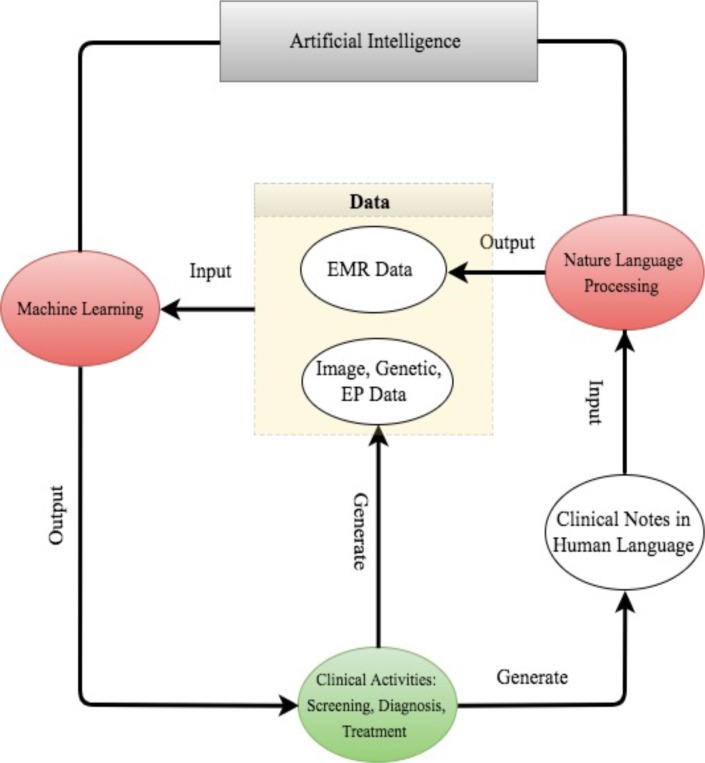
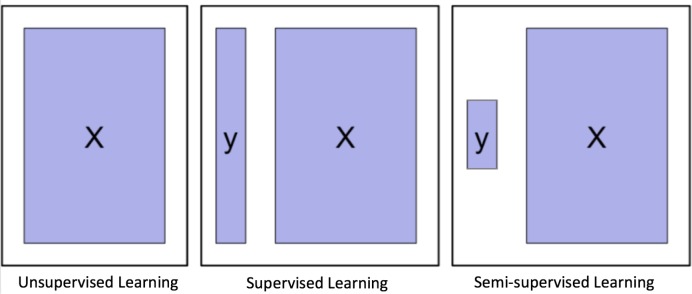
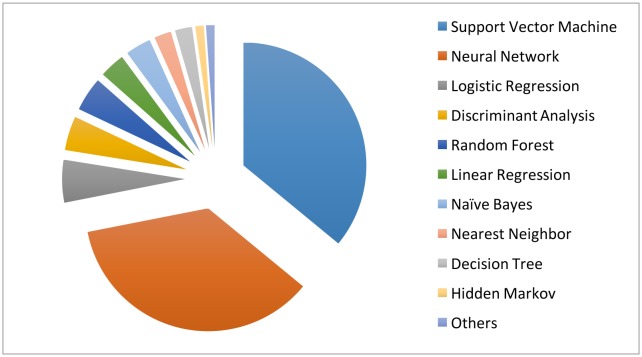
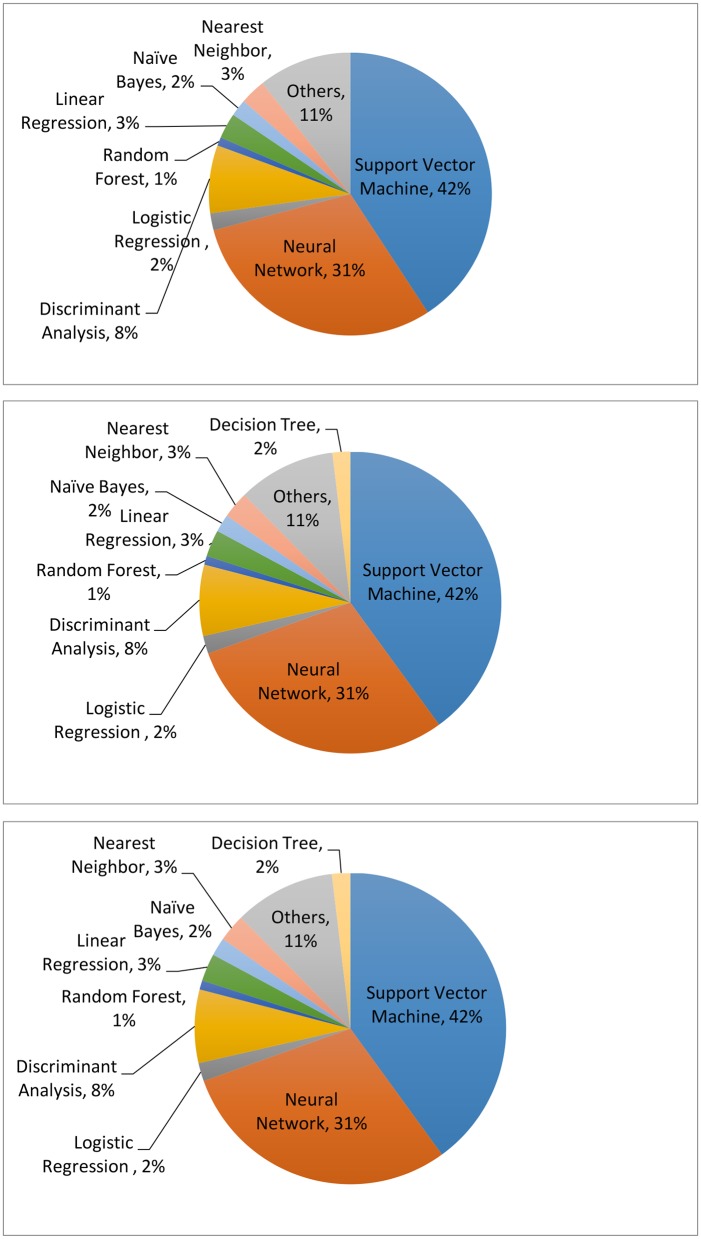
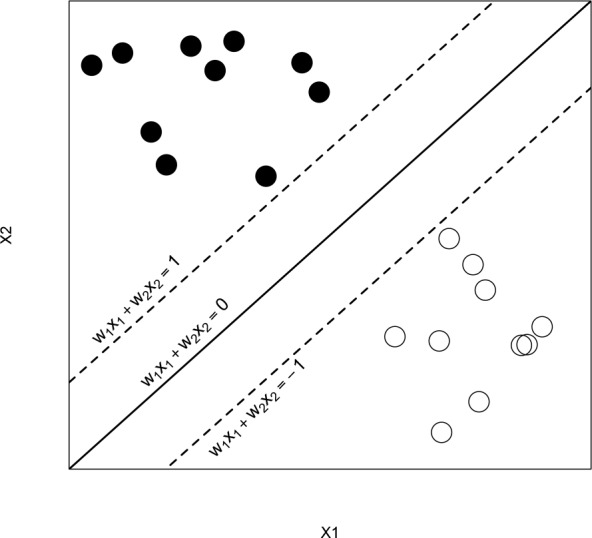
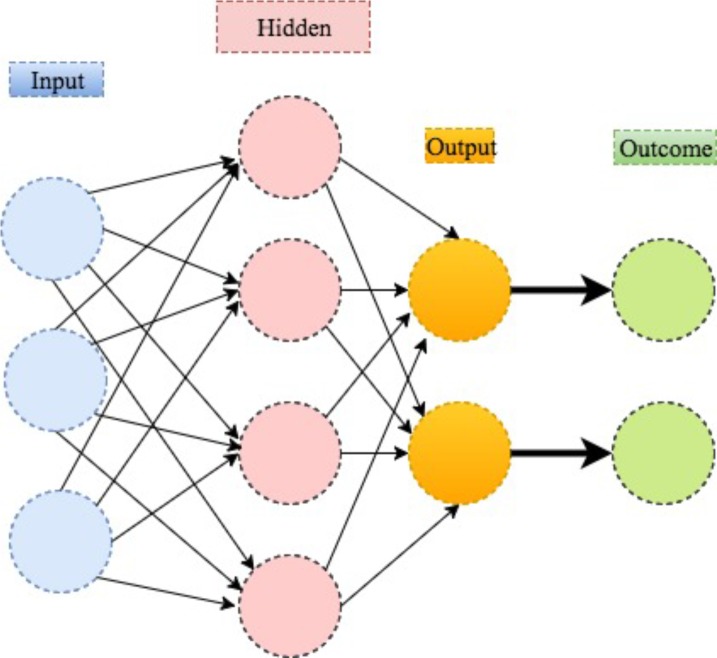
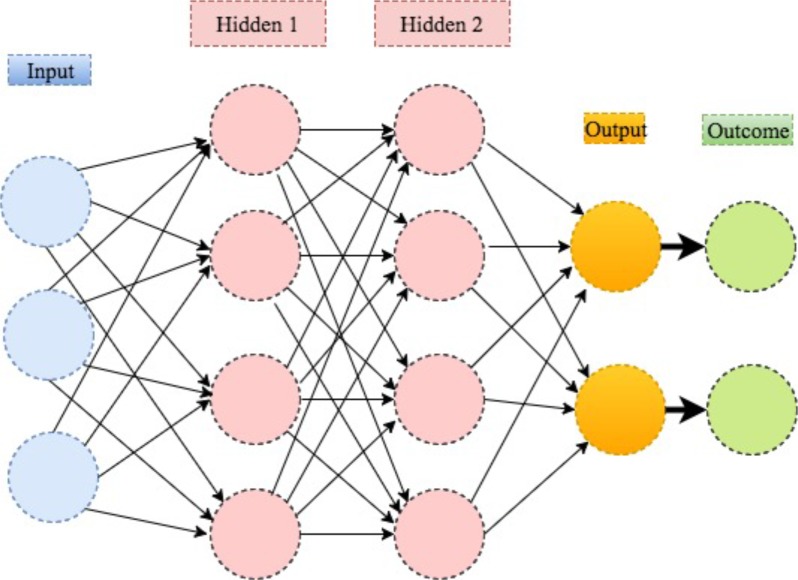
- AI techniques divide into machine learning for structured data (imaging, genetic, electrophysiological) and natural language processing for unstructured clinical text; supervised learning is most common in healthcare, with support vector machines and neural networks the most popular classical methods.
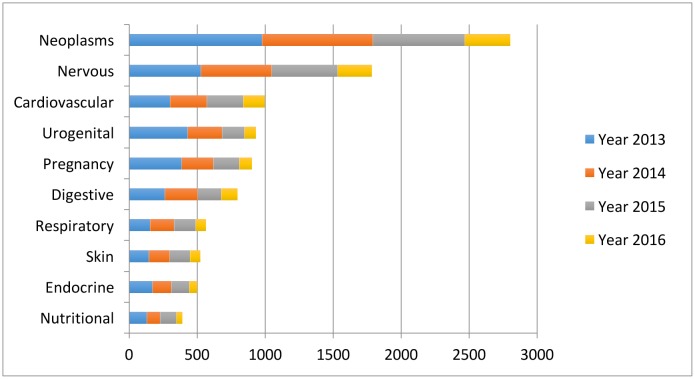
- Major disease areas using AI are cancer, nervous system disease, and cardiovascular disease; stroke applications span early detection and diagnosis, treatment, and outcome prediction/prognosis evaluation.
- Reported performance examples include CNN accuracy over 90% for congenital cataract diagnosis and treatment suggestion; sensitivity and specificity both over 90% for skin cancer and referable diabetic retinopathy; 90.5% correct gait classification; 87.6% SVM stroke classification; 97.5% accuracy for brain arteriovenous malformation outcome prediction versus 43% for standard regression; 95% training and 86% validation accuracy for NLP cerebral aneurysm classification; and 99% of IBM Watson treatment recommendations coherent with physician decisions.
- IBM Watson is described as a pioneer system with both ML and NLP modules; Arterys Cardio DL received FDA clearance as a deep learning clinical platform.
Methods
- Narrative review/survey of AI in healthcare, not a systematic review or meta-analysis.
- Reviews four aspects: motivations for AI in healthcare, healthcare data types, AI devices (classical ML, deep learning, NLP), and disease types, then details AI applications in stroke.
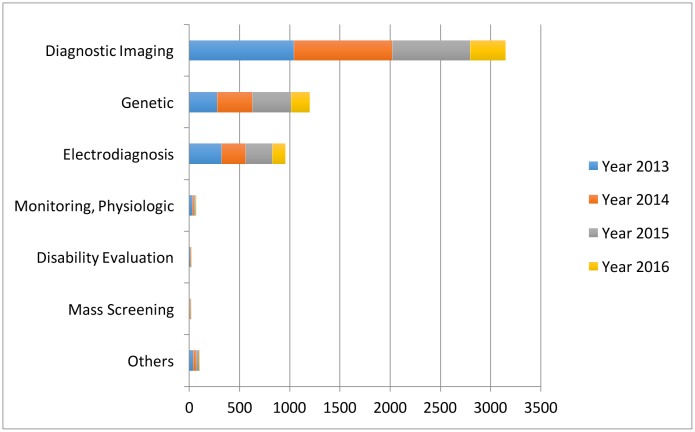
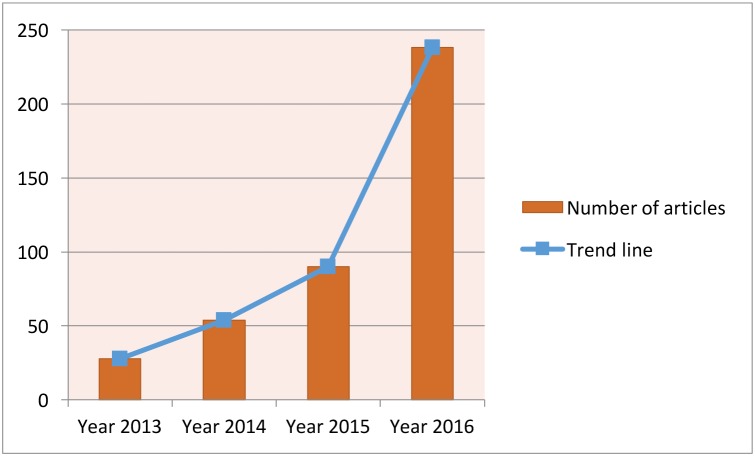
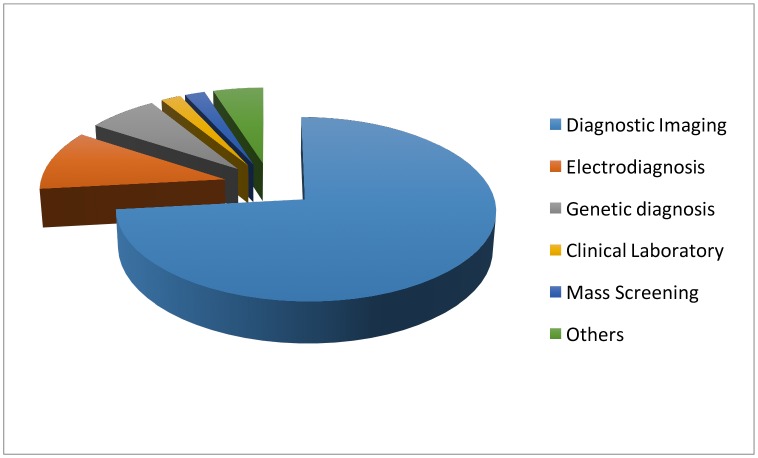
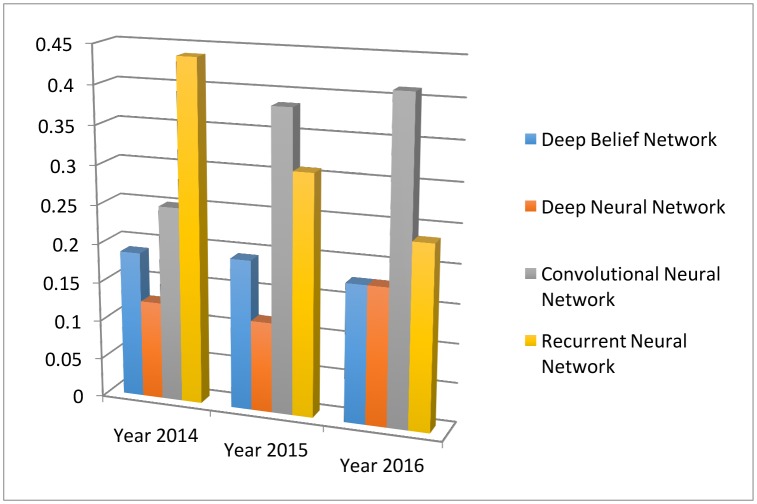
- Figures summarize PubMed searches on diagnosis techniques, disease types, ML algorithms, and deep learning trends; no formal search strategy or quality appraisal is reported.
Limitations
- The paper states real-life implementation hurdles: current regulations lack standards to assess AI system safety and efficacy, and the current healthcare environment lacks incentives for continuous data sharing.
- Evident from the text: as a narrative survey, it does not report systematic search terms, inclusion criteria, study counts, or risk-of-bias assessment; performance figures are cited from individual studies without meta-analysis.
- The paper includes a correction notice that a scripting error affected some publisher names in references and that figures 6–9 were corrected; competing interests are none declared, and no additional data are available.
Model-written summary. Check it against the paper before relying on it.
Integrity signals
Registry
Cites
Statistics
Figures
Verification
Claims the paper makes
22 Valid · 5 Not valid · 62 Not checked · 22 Own results and interpretations
At least one cited source doesn’t support this claim or points to a different paper, and none confirmed it — see the verdicts below.
In the paper
“Miller et al used NLP to automatically monitor the laboratory-based adverse effects.44”
§ Artificial intelligence in healthcare: past, present and future > natural language processing
What the sources say
- Disputedcites [44] Miller TP, Li Y, Getz KD, et al. Using electronic medical record data to report laboratory adverse events. Br J Haematol 2017;177:283-6. sourceExperimental — accuracy not yet measured
The Discussion says the study automated laboratory adverse-event ascertainment, but explicitly states that it did not include free-text laboratory results requiring NLP. It describes NLP as a possible future approach, not a method Miller et al. used. (LLM, conf=0.93)
Checked by a reasoning model — may be wrong.
plainstates a cause- Asserted: passes — The authors put it forward as true.
- Checkable: passes — It can be checked against evidence.
- Load-bearing: unclear — It is unclear whether the paper’s conclusions depend on it.
- Based: passes — The paper gives a reason why it holds.
- Disputed
Every source the paper cites for this claim was checked and supports it.
In the paper
“Esteva et al analysed clinical images to identify skin cancer subtypes.20”
§ Artificial intelligence in healthcare: past, present and future > disease focus
What the sources say
- Supportedcites [20] Esteva A, Kuprel B, Novoa RA, et al. Dermatologist-level classification of skin Cancer with deep neural networks. Nature 2017;542:115-8. source
The Abstract (p. 1) states the authors trained and tested a single CNN on a dataset of 129,450 clinical images against 21 board-certified dermatologists on the binary tasks 'keratinocyte carcinomas versus benign seborrheic keratoses' and 'malignant melanomas versus benign nevi', and (Abstract, p. 8) across three tasks including keratinocyte carcinoma and melanoma classification. Methods > Datasets (p. 1) enumerates the subtypes covered: malignant basal and squamous cell carcinomas, intraepithelial carcinomas, pre-malignant actinic keratosis, and melanomas versus benign nevi. Both elements of the paraphrase — analysis of clinical images and identification of skin cancer subtypes — are stated in our copy. (LLM, conf=0.92)
plain- Asserted: passes — The authors put it forward as true.
- Checkable: passes — It can be checked against evidence.
- Load-bearing: unclear — It is unclear whether the paper’s conclusions depend on it.
- Based: passes — The paper gives a reason why it holds.
- Supported
Every source the paper cites for this claim was checked and supports it.
In the paper
“Esteva et al performed the CNN to identify skin cancer from clinical images.20”
§ Artificial intelligence in healthcare: past, present and future > neural network
What the sources say
- Supportedcites [20] Esteva A, Kuprel B, Novoa RA, et al. Dermatologist-level classification of skin Cancer with deep neural networks. Nature 2017;542:115-8. source
The Abstract (p.1) states the paper demonstrates 'classification of skin lesions using a single CNN, trained end-to-end from images directly' using 'a dataset of 129,450 clinical images', tested on biopsy-proven clinical images for keratinocyte carcinomas and melanomas versus benign lesions — i.e. identifying skin cancer from clinical images. The Discussion (p.4) reiterates the development of a CNN matching dermatologists at melanoma and carcinoma classification. The paraphrase is fully consistent with the source. (LLM, conf=0.95)
plain- Asserted: passes — The authors put it forward as true.
- Checkable: passes — It can be checked against evidence.
- Load-bearing: unclear — It is unclear whether the paper’s conclusions depend on it.
- Based: passes — The paper gives a reason why it holds.
- Supported
The cited sources support only part of this claim — read each source’s verdict below.
In the paper
“Similarly, Maninini et al proposed a wearable device for collecting data about normal/pathological gaits for stroke prediction.49”
§ Artificial intelligence in healthcare: past, present and future > early detection and diagnosis
What the sources say
- Partly supportedcites [49] Mannini A, Trojaniello D, Cereatti A, et al. A machine Learning Framework for Gait classification using inertial sensors: application to Elderly, Post-Stroke and Huntington's Disease Patients. Sensors 2016;16:134. sourceExperimental — accuracy not yet measured
The Acquisition Protocol describes wearable inertial sensors used to collect gait data, and the Abstract reports classifying healthy elderly, post-stroke, and Huntington’s disease subjects. The paper used existing sensors rather than proposing a new wearable device, and it classified gait in people who had already had a stroke; it did not predict strokes. The indexed copy provides section labels but no page numbers. (LLM, conf=0.90)
plain- Asserted: passes — The authors put it forward as true.
- Checkable: passes — It can be checked against evidence.
- Load-bearing: unclear — It is unclear whether the paper’s conclusions depend on it.
- Based: passes — The paper gives a reason why it holds.
- Partly supported
Every source the paper cites for this claim was checked and supports it.
In the paper
“The result is comparable with human expert manual lesion delineation.”
§ Artificial intelligence in healthcare: past, present and future > early detection and diagnosis
What the sources say
- Supportedcites [51] Griffis JC, Allendorfer JB, Szaflarski JP. Voxel-based gaussian naïve Bayes classification of ischemic stroke lesions in individual T1- weighted MRI scans. J Neurosci Methods 2016;257:97-108. source
The Results section reports that post-processed out-of-sample predictions on 30 cases showed "high spatial overlap (mean Dice similarity coefficient = 0.66) and volume agreement (mean percent volume difference = 28.91; Pearson's r = 0.97) with manual lesion delineations", where the ground truth was hand-drawn delineation by an experienced neuroanatomist (Section 2.3). The Conclusions state "Our automated approach agrees with manual tracing", and Section 4.2 adds that the method's PVDs "compare favorably" to other automated methods and lie between those and what would be expected from inter-rater variability in manual delineation. Section 2.5 notes DSC 0.6-0.8 is regarded as "good", so characterizing the naïve Bayes result as comparable with expert manual delineation is faithful to the source. (LLM, conf=0.88)
plain- Asserted: passes — The authors put it forward as true.
- Checkable: passes — It can be checked against evidence.
- Load-bearing: unclear — It is unclear whether the paper’s conclusions depend on it.
- Based: passes — The paper gives a reason why it holds.
- Supported
63 more claims · 15 with their cited sources checked
Create a free account to see all 111 claims and to verify the 71 references still open.
- Probably not a substantial claim. 33
- It may state two separate claims as one. 12
Claims other papers make about this one
Each is checked against this paper’s own text: does it say what the citing paper says it does?
The source backs part of the claim, not all of it — or backs it for a different population, condition or comparison.
In the citing paper
“AI applications have proven effective in various clinical domains, such as reducing documentation burdens for clinicians, improving image interpretation in radiology, supporting intraoperative surgical guidance, and facilitating public health risk stratification2,3.”
From Developing a Canadian artificial intelligence medical curriculum using a Delphi study (2024) · cites this paper as [2]
Experimental — accuracy not yet measuredThe source backs part of the claim, not all of it — or backs it for a different population, condition or comparison.
In the citing paper
“The integration of artificial intelligence (AI) in healthcare is transformative, enhancing diagnostic accuracy, risk stratification, and treatment efficiency1,2.”
From Developing a Canadian artificial intelligence medical curriculum using a Delphi study (2024) · cites this paper as [2]
Experimental — accuracy not yet measuredThe source backs part of the claim, not all of it — or backs it for a different population, condition or comparison.
In the citing paper
“AI has evolved from an academic concept to a practical tool that is reshaping various sectors, including healthcare [17].”
From Opportunities, challenges, and requirements for Artificial Intelligence (AI) implementation in Primary Health Care (PHC): a systematic review (2025) · cites this paper as [17]
Experimental — accuracy not yet measuredThe check wasn’t confident either way, so it gives no verdict — never disputed.
In the citing paper
“For instance, only about one-fifth of the available trial results are used when diagnosing and treating cancer patients.18”
From Artificial intelligence: opportunities and implications for the health workforce (2020) · cites this paper as [18]
Experimental — accuracy not yet measuredIn the citing paper
“Furthermore, AI applications can aid in image-based diagnoses of conditions such as stroke and heart diseases.7”
From Artificial intelligence and endo-histo-omics: new dimensions of precision endoscopy and histology in inflammatory bowel disease (2024) · cites this paper as [7]
3 more claims about this paper
Create a free account to see every claim other papers make about this one.
Self-check
Percentages, sums and reported differences re-computed from the paper’s own numbers.
Each contradiction between two passages listed here was confirmed by an independent check.
Rated minor: it would not touch a result — a value no result rests on, a p-value that stays on the same side of the significance level, or a conflict that is clerical, resolved elsewhere in the paper, or outside its own findings.
In the paper
§ Artificial intelligence in healthcare: past, present and future > early detection and diagnosis
“Similarly, King et al used SVM to predict stroke mortality at discharge.62”
§ Artificial intelligence in healthcare: past, present and future > References
“62. Ho KC, Speier W, El-Saden S, et al. Predicting discharge mortality after acute ischemic stroke using balanced data. AMIA Annu Symp Proc 2014;2014:1787-96.”
Rated minor: it would not touch a result — a value no result rests on, a p-value that stays on the same side of the significance level, or a conflict that is clerical, resolved elsewhere in the paper, or outside its own findings.
In the paper
§ Artificial intelligence in healthcare: past, present and future > 2. Neurology: Bouton et al developed an AI system to
“The decision rule then follows that if a i >0, the ith patient is classified to group 1, that is, labelling Y i = -1; if a i <0, the patient is classified to group 2, that is, labelling Y i =1.”
§ Artificial intelligence in healthcare: past, present and future > 2. Neurology: Bouton et al developed an AI system to
“Intuitively, the best weights must allow (1) the sign of a i to be the same as Y i so the classification is correct;”
Rated minor: it would not touch a result — a value no result rests on, a p-value that stays on the same side of the significance level, or a conflict that is clerical, resolved elsewhere in the paper, or outside its own findings.
In the paper
§ Artificial intelligence in healthcare: past, present and future > motivation
“For example, Jha and Topol urged radiologists to adopt AI technologies when analysing diagnostic images that contain vast data information.13”
§ Artificial intelligence in healthcare: past, present and future > References
“13. Gillies RJ, Kinahan PE, Hricak H. Radiomics: images are more than pictures, they are data. Radiology 2016;278:563-77.”
Citations
Cites
LeCun, Y., Bengio, Y., & Hinton, G. (2015) · Nature · doi:10.1038/nature14539 · Cited by 84,126
Gradient-based learning applied to document recognition
Lecun, Y., Bottou, L., Bengio, Y., & Haffner, P. (1998) · Proceedings of the IEEE · doi:10.1109/5.726791 · Cited by 58,805 · cited 1×
“The CNN was first proposed and advocated for the high-dimensional image analysis by Lecun et al.(38) The”
MethodDermatologist-level classification of skin cancer with deep neural networks
Esteva, A., Kuprel, B., Novoa, R. A., Ko, J., Swetter, S. M., Blau, H. M., & Thrun, S. (2017) · Nature · doi:10.1038/nature21056 · Cited by 14,362
An Introduction to Statistical Learning
James, G., Witten, D., Hastie, T., & Tibshirani, R. (2013) · Springer Texts in Statistics · doi:10.1007/978-1-4614-7138-7 · Cited by 12,106
(2016) · Cited by 11,679
Pattern Recognition and Machine Learning
(2006) · doi:10.1007/978-0-387-45528-0 · Cited by 9,824
Foundations of statistical natural language processing
Manning, C. D., & Schütze, H. (1999) · Cited by 9,816
TensorFlow: Large-Scale Machine Learning on Heterogeneous Distributed Systems
Abadi, M., Agarwal, A., Barham, P., Brevdo, E., Chen, Z., Citro, C., Corrado, G. S., Davis, A., Dean, J., Devin, M., et al. (2016) · arXiv · doi:10.48550/arxiv.1603.04467 · Cited by 9,408 · cited 2×
“The implementation of CNN has been included in popular software packages such as Caffe from Berkeley AI Research, 39 CNTK from Microsoft 40 and TensorFlow from Google.”
MethodRadiomics: Images Are More than Pictures, They Are Data
Gillies, R. J., Kinahan, P. E., & Hricak, H. (2016) · Radiology · doi:10.1148/radiol.2015151169 · Cited by 8,421
(2006) · Springer eBooks · Cited by 8,123
Research works printed but not linked: 2
- Pearson T. How to replicate Watson hardware and systems design for your own use in your basement. 2011 https://www. ibm. com/ developerworks/ community/ blogs/ InsideSystemStorage/ entry/ ibm_ watson_ how_ to_ build_ your_ own_ watson_ jr_ in_ your_ basement7? lang= en (accessed 1 Jun 2017).
- Kayyali B, Knott D, Kuiken SV. The big-data revolution in US health care: accelerating value and innovation. 2013 http://www. mckinsey. com/ industries/ healthcare-systems-and-services/ our-insights/ the- big-data-revolution-in-us-health-care (accessed 1 Jun 2017). on July 18, 2023 by guest. Protected by copyright. http://svn.bmj.com/ Stroke Vasc Neurol: first published as 10.1136/svn-2017-000101 on 21 June 2017. Downloaded from
Cited by
Revolutionizing healthcare: the role of artificial intelligence in clinical practice
Alowais, S. A., Alghamdi, S. S., Alsuhebany, N., Alqahtani, T., Alshaya, A. I., Almohareb, S. N., Aldairem, A., Alrashed, M., Bin Saleh, K., Badreldin, H. A., et al. (2023) · BMC Medical Education · doi:10.1186/s12909-023-04698-z · Cited by 3,146
“Additionally, there may be a chance for algorithm support and automated decisionmaking to optimize ED flow measurements and resource allocation [30].”
BackgroundA Survey on Explainable Artificial Intelligence (XAI): Toward Medical XAI
Tjoa, E., & Guan, C. (2021) · IEEE Transactions on Neural Networks and Learning Systems · doi:10.1109/tnnls.2020.3027314 · Cited by 2,524
The practical implementation of artificial intelligence technologies in medicine
He, J., Baxter, S. L., Xu, J., Xu, J., Zhou, X., & Zhang, K. (2019) · Nature Medicine · doi:10.1038/s41591-018-0307-0 · Cited by 2,246
Big data and machine learning algorithms for health-care delivery
Ngiam, K. Y., & Khor, I. W. (2019) · The Lancet Oncology · doi:10.1016/s1470-2045(19)30149-4 · Cited by 1,424
Dong, K., Peng, X., & Wang, Z. L. (2020) · Advanced Materials · doi:10.1002/adma.201902549 · Cited by 1,322
Wamba-Taguimdje, S.-L., Fosso Wamba, S., Kala Kamdjoug, J. R., & Tchatchouang Wanko, C. E. (2020) · Business Process Management Journal · doi:10.1108/bpmj-10-2019-0411 · Cited by 1,280
Taiwan’s National Health Insurance Research Database: past and future
Hsieh, C.-Y., Su, C.-C., Shao, S.-C., Sung, S.-F., Lin, S.-J., Yang Kao, Y.-H., & Lai, E. C.-C. (2019) · Clinical Epidemiology · doi:10.2147/clep.s196293 · Cited by 1,213
The ethics of AI in health care: A mapping review
Morley, J., Machado, C. C. V., Burr, C., Cowls, J., Joshi, I., Taddeo, M., & Floridi, L. (2020) · Social Science & Medicine · doi:10.1016/j.socscimed.2020.113172 · Cited by 1,105
The role of artificial intelligence in healthcare: a structured literature review
Secinaro, S., Calandra, D., Secinaro, A., Muthurangu, V., & Biancone, P. (2021) · BMC Medical Informatics and Decision Making · doi:10.1186/s12911-021-01488-9 · Cited by 1,085
Ahmed, Z., Mohamed, K., Zeeshan, S., & Dong, X. (2020) · Database · doi:10.1093/database/baaa010 · Cited by 1,035
“Deep learning has four categories: deep belief network, deep neural network, convolutional neural network and recurrent neural network (39) for implementing pattern recognition and predictive modeling at high-dimensional big data sets.”
BackgroundMethodInfluentialArtificial intelligence in drug development: Present status and future prospects
Mak, K.-K., & Pichika, M. R. (2019) · Drug Discovery Today · doi:10.1016/j.drudis.2018.11.014 · Cited by 1,018
Privacy and artificial intelligence: challenges for protecting health information in a new era
Murdoch, B. (2021) · BMC Medical Ethics · doi:10.1186/s12910-021-00687-3 · Cited by 991
“Several new AI technologies are approaching feasibility and a few are close to being integrated into healthcare systems [1, 2].”
BackgroundArtificial intelligence for mental health and mental illnesses: an overview
Graham, S., Depp, C., Lee, E. E., Nebeker, C., Tu, X., Kim, H.-C., & Jeste, D. V. (2019) · Current Psychiatry Reports · doi:10.1007/s11920-019-1094-0 · Cited by 970
Plant leaf disease classification using EfficientNet deep learning model
Atila, Ü., Uçar, M., Akyol, K., & Uçar, E. (2021) · Ecological Informatics · doi:10.1016/j.ecoinf.2020.101182 · Cited by 952
A Review of the Role of Artificial Intelligence in Healthcare
Al Kuwaiti, A., Nazer, K., Al-Reedy, A., Al-Shehri, S., Al-Muhanna, A., Subbarayalu, A. V., Al Muhanna, D., & Al-Muhanna, F. A. (2023) · Journal of Personalized Medicine · doi:10.3390/jpm13060951 · Cited by 915
“It brings a paradigm shift in healthcare, driven by the increasing availability of health data and the rapid growth of analytical techniques [16].”
BackgroundRasmy, L., Xiang, Y., Xie, Z., Tao, C., & Zhi, D. (2021) · npj Digital Medicine · doi:10.1038/s41746-021-00455-y · Cited by 886
Artificial Intelligence and Human Trust in Healthcare: Focus on Clinicians
Asan, O., Bayrak, A. E., & Choudhury, A. (2020) · Journal of Medical Internet Research · doi:10.2196/15154 · Cited by 825
Nadarzynski, T., Miles, O., Cowie, A., & Ridge, D. (2019) · DIGITAL HEALTH · doi:10.1177/2055207619871808 · Cited by 810
“AI has been applied in medicine and various healthcare services such as diagnostic imaging and genetic diagnosis, as well as clinical laboratory, screening and health communications.(2,3) These systems aid physicians by providing pertinent medical information in order to reduce diagnostic or therapeutic errors, and al…”
BackgroundArtificial intelligence in retina
Schmidt-Erfurth, U., Sadeghipour, A., Gerendas, B. S., Waldstein, S. M., & Bogunović, H. (2018) · Progress in Retinal and Eye Research · doi:10.1016/j.preteyeres.2018.07.004 · Cited by 779
“2) (Jiang et al., 2017).”
AI revolutionizing industries worldwide: A comprehensive overview of its diverse applications
Rashid, A. B., & Kausik, M. A. K. (2024) · Hybrid Advances · doi:10.1016/j.hybadv.2024.100277 · Cited by 764
Yang, G., Ye, Q., & Xia, J. (2022) · Information Fusion · doi:10.1016/j.inffus.2021.07.016 · Cited by 717
IoT for Smart Cities: Machine Learning Approaches in Smart Healthcare—A Review
Ghazal, T. M., Hasan, M. K., Alshurideh, M. T., Alzoubi, H. M., Ahmad, M., Akbar, S. S., Al Kurdi, B., & Akour, I. A. (2021) · Future Internet · doi:10.3390/fi13080218 · Cited by 674
Artificial intelligence: a survey on evolution, models, applications and future trends
Lu, Y. (2019) · Journal of Management Analytics · doi:10.1080/23270012.2019.1570365 · Cited by 641
Manickam, P., Mariappan, S. A., Murugesan, S. M., Hansda, S., Kaushik, A., Shinde, R., & Thipperudraswamy, S. P. (2022) · Biosensors · doi:10.3390/bios12080562 · Cited by 637
Artificial intelligence-enabled healthcare delivery
Reddy, S., Fox, J., & Purohit, M. P. (2019) · Journal of the Royal Society of Medicine · doi:10.1177/0141076818815510 · Cited by 635
Reinforcement Learning in Healthcare: A Survey
Yu, C., Liu, J., Nemati, S., & Yin, G. (2023) · ACM Computing Surveys · doi:10.1145/3477600 · Cited by 628
Artificial Intelligence Transforms the Future of Health Care
Noorbakhsh-Sabet, N., Zand, R., Zhang, Y., & Abedi, V. (2019) · The American Journal of Medicine · doi:10.1016/j.amjmed.2019.01.017 · Cited by 626
Kuziemski, M., & Misuraca, G. (2020) · Telecommunications Policy · doi:10.1016/j.telpol.2020.101976 · Cited by 610
“The rush to understand new socio-economic contexts created by the wide adoption of AI is justified by its far-ranging consequences, spanning almost every walk of life - from labour markets (Frey & Osborne, 2013), through human rights protection (Eubanks, 2018) to healthcare (Jiang et al., 2017).”
Darko, A., Chan, A. P. C., Adabre, M. A., Edwards, D. J., Hosseini, M. R., & Ameyaw, E. E. (2020) · Automation in Construction · doi:10.1016/j.autcon.2020.103081 · Cited by 603
Improving the accuracy of medical diagnosis with causal machine learning
Richens, J. G., Lee, C. M., & Johri, S. (2020) · Nature Communications · doi:10.1038/s41467-020-17419-7 · Cited by 598
Artificial intelligence and the changing sources of competitive advantage
Krakowski, S., Luger, J., & Raisch, S. (2023) · Strategic Management Journal · doi:10.1002/smj.3387 · Cited by 594
COVID-19: A Global Challenge with Old History, Epidemiology and Progress So Far
Khan, M., Adil, S. F., Alkhathlan, H. Z., Tahir, M. N., Saif, S., Khan, M., & Khan, S. T. (2020) · Molecules · doi:10.3390/molecules26010039 · Cited by 584
Machine learning and natural language processing in mental health: systematic review
Le Glaz, A., Haralambous, Y., Kim-Dufor, D.-H., Lenca, P., Billot, R., Ryan, T. C., Marsh, J., DeVylder, J., Walter, M., Berrouiguet, S., et al. (2021) · Journal of Medical Internet Research · doi:10.2196/15708 · Cited by 576
“Indeed, ML is widely used in critical disease models in cardiology, neurology, and diabetes research [6] to automatically identify heart disease risk factors [7], to classify primary progressive aphasia subtypes [8], and for the characterization and diagnosis of cognitive impairments [9], diabetes,…”
Shahid, N., Rappon, T., & Berta, W. (2019) · PLOS ONE · doi:10.1371/journal.pone.0212356 · Cited by 529
Stephanidis, C., Salvendy, G., Antona, M., Chen, J. Y. C., Dong, J., Duffy, V. G., Fang, X., Fidopiastis, C., Fragomeni, G., Fu, L. P., et al. (2019) · International Journal of Human–Computer Interaction · doi:10.1080/10447318.2019.1619259 · Cited by 524
“However, new potentials emerge through the evolution of deep learning methods, achieving high accuracy and performance comparable to that of experienced physicians (Jiang et al., 2017).”
BackgroundAung, Y. Y. M., Wong, D. C. S., & Ting, D. S. W. (2021) · British Medical Bulletin · doi:10.1093/bmb/ldab016 · Cited by 511
“22 Additionally, technical developments may alleviate the challenge of limited datasets, for example through improved algorithms that can work on a unimodal or less expansive basis as opposed to multimodal learning 28 ; as well as the converse challenge of storing these ever-increasing datasets,…”
BackgroundInfluentialUse of AI-based tools for healthcare purposes: a survey study from consumers’ perspectives
Esmaeilzadeh, P. (2020) · BMC Medical Informatics and Decision Making · doi:10.1186/s12911-020-01191-1 · Cited by 507
Why digital medicine depends on interoperability
Lehne, M., Sass, J., Essenwanger, A., Schepers, J., & Thun, S. (2019) · npj Digital Medicine · doi:10.1038/s41746-019-0158-1 · Cited by 501
Desai, M., & Shah, M. (2021) · Clinical eHealth · doi:10.1016/j.ceh.2020.11.002 · Cited by 479
Global evolution of research in artificial intelligence in health and medicine: a bibliometric study
Tran, B. X., Vu, G. T., Ha, G. H., Vuong, Q.-H., Ho, M.-T., Vuong, T.-T., La, V.-P., Ho, M.-T., Nghiem, K.-C. P., Nguyen, H. L. T., et al. (2019) · Journal of Clinical Medicine · doi:10.3390/jcm8030360 · Cited by 472
“Within the medical literature, scholars have written extensively on the benefits of AI applications, highlighting the technology’s potential to improve diagnostic and therapeutic accuracy and the overall clinical treatment process [10,11].”
BackgroundMedical 4.0 technologies for healthcare: Features, capabilities, and applications
Haleem, A., Javaid, M., Pratap Singh, R., & Suman, R. (2022) · Internet of Things and Cyber-Physical Systems · doi:10.1016/j.iotcps.2022.04.001 · Cited by 468
Drawbacks of artificial intelligence and their potential solutions in the healthcare sector.
khan, B., Fatima, H., Qureshi, A., Kumar, S., Hanan, A., Hussain, J., & Abdullah, S. (2023) · Biomedical Materials & Devices · doi:10.1007/s44174-023-00063-2 · Cited by 461
Allam, Z., & Jones, D. S. (2020) · Healthcare · doi:10.3390/healthcare8010046 · Cited by 450
Prediction of the development of acute kidney injury following cardiac surgery by machine learning
Tseng, P.-Y., Chen, Y.-T., Wang, C.-H., Chiu, K.-M., Peng, Y.-S., Hsu, S.-P., Chen, K.-L., Yang, C.-Y., & Lee, O. K.-S. (2020) · Critical Care · doi:10.1186/s13054-020-03179-9 · Cited by 442
Role of artificial intelligence in patient safety outcomes: systematic literature review
Choudhury, A., & Asan, O. (2020) · JMIR Medical Informatics · doi:10.2196/18599 · Cited by 440
Barriers to and facilitators of artificial intelligence adoption in health care: scoping review
Hassan, M., Kushniruk, A., & Borycki, E. (2024) · JMIR Human Factors · doi:10.2196/48633 · Cited by 435
Petersson, L., Larsson, I., Nygren, J. M., Nilsen, P., Neher, M., Reed, J. E., Tyskbo, D., & Svedberg, P. (2022) · BMC Health Services Research · doi:10.1186/s12913-022-08215-8 · Cited by 434
RETRACTED ARTICLE: Artificial intelligence and machine learning in precision and genomic medicine
Quazi, S. (2022) · Medical Oncology · doi:10.1007/s12032-022-01711-1 · Cited by 432
RetractedGroundwater level prediction using machine learning models: A comprehensive review
Tao, H., Hameed, M. M., Marhoon, H. A., Zounemat-Kermani, M., Heddam, S., Kim, S., Sulaiman, S. O., Tan, M. L., Sa’adi, Z., Mehr, A. D., et al. (2022) · Neurocomputing · doi:10.1016/j.neucom.2022.03.014 · Cited by 430
Jussupow, E., Spohrer, K., Heinzl, A., & Gawlitza, J. (2021) · Information Systems Research · doi:10.1287/isre.2020.0980 · Cited by 422
Role of Artificial Intelligence Applications in Real-Life Clinical Practice: Systematic Review
Yin, J., Ngiam, K. Y., & Teo, H. H. (2021) · Journal of Medical Internet Research · doi:10.2196/25759 · Cited by 419
A Survey of Healthcare Internet of Things (HIoT): A Clinical Perspective
Habibzadeh, H., Dinesh, K., Rajabi Shishvan, O., Boggio-Dandry, A., Sharma, G., & Soyata, T. (2020) · IEEE Internet of Things Journal · doi:10.1109/jiot.2019.2946359 · Cited by 417
Dwivedi, R., Mehrotra, D., & Chandra, S. (2022) · Journal of Oral Biology and Craniofacial Research · doi:10.1016/j.jobcr.2021.11.010 · Cited by 413
Koleck, T. A., Dreisbach, C., Bourne, P. E., & Bakken, S. (2019) · Journal of the American Medical Informatics Association · doi:10.1093/jamia/ocy173 · Cited by 408
The Application of Medical Artificial Intelligence Technology in Rural Areas of Developing Countries
Guo, J., & Li, B. (2018) · Health Equity · doi:10.1089/heq.2018.0037 · Cited by 401
“agnosis, treatment protocol development, patient monitoring and care, personalized medicine, robotic surgery, and health system management.(11,12) In this article, we first briefly introduce the prospect of medical AI technology, and then review the inequities and quality of healthcare in rural areas of developing cou…”
BackgroundRahman, A., Hossain, M. S., Muhammad, G., Kundu, D., Debnath, T., Rahman, M., Khan, M. S. I., Tiwari, P., & Band, S. S. (2023) · Cluster Computing · doi:10.1007/s10586-022-03658-4 · Cited by 399
Artificial intelligence (AI) and big data in cancer and precision oncology
Dlamini, Z., Francies, F. Z., Hull, R., & Marima, R. (2020) · Computational and Structural Biotechnology Journal · doi:10.1016/j.csbj.2020.08.019 · Cited by 398
Artificial intelligence and the implementation challenge
Shaw, J., Rudzicz, F., Jamieson, T., & Goldfarb, A. (2019) · Journal of Medical Internet Research · doi:10.2196/13659 · Cited by 389
“We agree with a growing chorus of health care providers and researchers who suggest that ML will primarily serve to augment as opposed to replace the work of humans in the provision of health care in the near term [31], despite applications of automation in health care.”
BackgroundHung, K., Montalvao, C., Tanaka, R., Kawai, T., & Bornstein, M. M. (2020) · Dentomaxillofacial Radiology · doi:10.1259/dmfr.20190107 · Cited by 387
Esmaeilzadeh, P. (2024) · Artificial Intelligence in Medicine · doi:10.1016/j.artmed.2024.102861 · Cited by 377
Iqbal, M. J., Javed, Z., Sadia, H., Qureshi, I. A., Irshad, A., Ahmed, R., Malik, K., Raza, S., Abbas, A., Pezzani, R., et al. (2021) · Cancer Cell International · doi:10.1186/s12935-021-01981-1 · Cited by 369
How can artificial intelligence impact sustainability: A systematic literature review
Kar, A. K., Choudhary, S. K., & Singh, V. K. (2022) · Journal of Cleaner Production · doi:10.1016/j.jclepro.2022.134120 · Cited by 366
IoT and artificial intelligence implementations for remote healthcare monitoring systems: A survey
Alshamrani, M. (2022) · Journal of King Saud University - Computer and Information Sciences · doi:10.1016/j.jksuci.2021.06.005 · Cited by 364
Wang, K., Tian, J., Zheng, C., Yang, H., Ren, J., Liu, Y., Han, Q., & Zhang, Y. (2021) · Computers in Biology and Medicine · doi:10.1016/j.compbiomed.2021.104813 · Cited by 361
Comparison of deep learning approaches to predict COVID-19 infection
Alakus, T. B., & Turkoglu, I. (2020) · Chaos, Solitons & Fractals · doi:10.1016/j.chaos.2020.110120 · Cited by 357
Digitization of healthcare sector: A study on privacy and security concerns
Paul, M., Maglaras, L., Ferrag, M. A., & Almomani, I. (2023) · ICT Express · doi:10.1016/j.icte.2023.02.007 · Cited by 347
Artificial Intelligence and Its Role in Shaping Organizational Work Practices and Culture
Murire, O. T. (2024) · Administrative Sciences · doi:10.3390/admsci14120316 · Cited by 344
Shahsavar, Y., & Choudhury, A. (2023) · JMIR Human Factors · doi:10.2196/47564 · Cited by 341
“The literature has demonstrated the potential of AI-based chatbots, such as ChatGPT, to revolutionize patient care and service delivery [4-6].”
BackgroundMachine Learning and Deep Learning in smart manufacturing: The Smart Grid paradigm
Kotsiopoulos, T., Sarigiannidis, P., Ioannidis, D., & Tzovaras, D. (2021) · Computer Science Review · doi:10.1016/j.cosrev.2020.100341 · Cited by 341
Triple-Negative Breast Cancer: A Review of Conventional and Advanced Therapeutic Strategies
Medina, M. A., Oza, G., Sharma, A., Arriaga, L. G., Hernández Hernández, J. M., Rotello, V. M., & Ramirez, J. T. (2020) · International Journal of Environmental Research and Public Health · doi:10.3390/ijerph17062078 · Cited by 333
AI-Generated Content (AIGC): A SurveyPreprint
Wu, J., Gan, W., Chen, Z., Wan, S., & Hong, L. (2023) · arXiv (Cornell University) · doi:10.48550/arxiv.2304.06632 · Cited by 339
Lysaght, T., Lim, H. Y., Xafis, V., & Ngiam, K. Y. (2019) · Asian Bioethics Review · doi:10.1007/s41649-019-00096-0 · Cited by 332
Madurai Elavarasan, R., & Pugazhendhi, R. (2020) · Science of The Total Environment · doi:10.1016/j.scitotenv.2020.138858 · Cited by 326
Bertsimas, D., Dunn, J., Velmahos, G. C., & Kaafarani, H. M. A. (2018) · Annals of Surgery · doi:10.1097/sla.0000000000002956 · Cited by 321
Mannuru, N. R., Shahriar, S., Teel, Z. A., Wang, T., Lund, B. D., Tijani, S., Pohboon, C. O., Agbaji, D., Alhassan, J., Galley, J., et al. (2025) · Information Development · doi:10.1177/02666669231200628 · Cited by 314
Nazar, M., Alam, M. M., Yafi, E., & Su'ud, M. M. (2021) · IEEE Access · doi:10.1109/access.2021.3127881 · Cited by 312
Securing internet of medical things systems: limitations, issues and recommendations
Yaacoub, J.-P. A., Noura, M., Noura, H. N., Salman, O., Yaacoub, E., Couturier, R., & Chehab, A. (2020) · Future Generation Computer Systems · doi:10.1016/j.future.2019.12.028 · Cited by 308
Rosenbacke, R., Melhus, Å., McKee, M., & Stuckler, D. (2024) · JMIR AI · doi:10.2196/53207 · Cited by 305
Roles, Users, Benefits, and Limitations of Chatbots in Health Care: Rapid Review
Laymouna, M., Ma, Y., Lessard, D., Schuster, T., Engler, K., & Lebouché, B. (2024) · Journal of Medical Internet Research · doi:10.2196/56930 · Cited by 305
Linking AI quality performance and customer engagement: The moderating effect of AI preference
Prentice, C., Weaven, S., & Wong, I. A. (2020) · International Journal of Hospitality Management · doi:10.1016/j.ijhm.2020.102629 · Cited by 303
Roles, Users, Benefits, and Limitations of Chatbots in Health Care: Rapid Review (Preprint)
Laymouna, M., Ma, Y., Lessard, D., Schuster, T., Engler, K., & Lebouché, B. (2024) · doi:10.2196/preprints.56930 · Cited by 302
Machine Learning‐Driven Biomaterials Evolution
Suwardi, A., Wang, F., Xue, K., Han, M., Teo, P., Wang, P., Wang, S., Liu, Y., Ye, E., Li, Z., et al. (2022) · Advanced Materials · doi:10.1002/adma.202102703 · Cited by 299
Yue Yim, I. H. (2024) · Computers and Education: Artificial Intelligence · doi:10.1016/j.caeai.2024.100319 · Cited by 125
A Review on Deep Learning Techniques for the Diagnosis of Novel Coronavirus (COVID-19)
Islam, M. M., Karray, F., Alhajj, R., & Zeng, J. (2021) · IEEE Access · doi:10.1109/access.2021.3058537 · Cited by 292
Challenges and opportunities beyond structured data in analysis of electronic health records
Tayefi, M., Ngo, P., Chomutare, T., Dalianis, H., Salvi, E., Budrionis, A., & Godtliebsen, F. (2021) · WIREs Computational Statistics · doi:10.1002/wics.1549 · Cited by 290
Process mining for healthcare: Characteristics and challenges
Munoz-Gama, J., Martin, N., Fernandez-Llatas, C., Johnson, O. A., Sepúlveda, M., Helm, E., Galvez-Yanjari, V., Rojas, E., Martinez-Millana, A., Aloini, D., et al. (2022) · Journal of Biomedical Informatics · doi:10.1016/j.jbi.2022.103994 · Cited by 287
Health Care Employees’ Perceptions of the Use of Artificial Intelligence Applications: Survey Study
Abdullah, R., & Fakieh, B. (2020) · Journal of Medical Internet Research · doi:10.2196/17620 · Cited by 286
“From the health care perspective, AI brings a “paradigm shift to health care, powered by increasing availability of health care data and rapid progress of analytics techniques” [6].”
BackgroundBlockchain and AI-Based Solutions to Combat Coronavirus (COVID-19)-Like Epidemics: A Survey
Nguyen, D. C., Ding, M., Pathirana, P. N., & Seneviratne, A. (2021) · IEEE Access · doi:10.1109/access.2021.3093633 · Cited by 286
Blockchain and Artificial Intelligence Technology in E-Health
Tagde, P., Tagde, S., Bhattacharya, T., Tagde, P., Chopra, H., Akter, R., Kaushik, D., & Rahman, M. H. (2021) · Environmental Science and Pollution Research · doi:10.1007/s11356-021-16223-0 · Cited by 281
“Healthcare is likely to remain the first industry where artificial intelligence can have an effect beyond usability and positively impacts individual lives, considering the strides that many other sectors have created (Jiang et al. 2017).”
BackgroundArtificial Intelligence and Patient-Centered Decision-Making
Bjerring, J. C., & Busch, J. (2021) · Philosophy & Technology · doi:10.1007/s13347-019-00391-6 · Cited by 274
Using artificial intelligence to improve public health: a narrative review
Olawade, D. B., Wada, O. J., David-Olawade, A. C., Kunonga, E., Abaire, O., & Ling, J. (2023) · Frontiers in Public Health · doi:10.3389/fpubh.2023.1196397 · Cited by 274
Chakraborty, C., Bhattacharya, M., Pal, S., & Lee, S.-S. (2024) · Current Research in Biotechnology · doi:10.1016/j.crbiot.2023.100164 · Cited by 274
Stafford, I. S., Kellermann, M., Mossotto, E., Beattie, R. M., MacArthur, B. D., & Ennis, S. (2020) · npj Digital Medicine · doi:10.1038/s41746-020-0229-3 · Cited by 272
Wijayati, D. T., Rahman, Z., Fahrullah, A., Rahman, M. F. W., Arifah, I. D. C., & Kautsar, A. (2022) · International Journal of Manpower · doi:10.1108/ijm-07-2021-0423 · Cited by 272
Recommendations for Reporting Machine Learning Analyses in Clinical Research
Stevens, L. M., Mortazavi, B. J., Deo, R. C., Curtis, L., & Kao, D. P. (2020) · Circulation: Cardiovascular Quality and Outcomes · doi:10.1161/circoutcomes.120.006556 · Cited by 268
“…of this discussion focuses on key reporting elements and examples important to both supervised and unsupervised ML applications in clinical research as outlined above 20 and is presented in accordance to the research process in conjunction with the universal workflow for ML analyses (Figure 1).”
Method(2021) · doi:10.2196/25856 · Cited by 268
Current status and applications of Artificial Intelligence (AI) in medical field: An overview
Haleem, A., Javaid, M., & Khan, I. H. (2019) · Current Medicine Research and Practice · doi:10.1016/j.cmrp.2019.11.005 · Cited by 268
Sezgin, E. (2023) · DIGITAL HEALTH · doi:10.1177/20552076231186520 · Cited by 261
The future of radiology augmented with Artificial Intelligence: A strategy for success
Liew, C. (2018) · European Journal of Radiology · doi:10.1016/j.ejrad.2018.03.019 · Cited by 257
Aminizadeh, S., Heidari, A., Dehghan, M., Toumaj, S., Rezaei, M., Jafari Navimipour, N., Stroppa, F., & Unal, M. (2024) · Artificial Intelligence in Medicine · doi:10.1016/j.artmed.2024.102779 · Cited by 252
Metadata
- Authors
- Jiang, F., Jiang, Y., Zhi, H., Dong, Y., Li, H., Ma, S., Wang, Y., Dong, Q., Shen, H., & Wang, Y.
- Affiliations
- University of Hong Kong (HK)
- Capital Medical University (CN)
- Fudan University (CN)
- China National Clinical Research Center for Neurological Diseases, Beijing, China
- DotHealth, Shanghai, China
- Beijing Tian Tan Hospital (CN)
- Corresponding author
- Wang, Yongjun
- Venue
- Stroke and Vascular Neurology
- Publisher
- BMJ
- Published
- 2017-06-21
- Volume
- 2
- Issue
- 4
- Pages
- 230-243
- ISSN
- 2059-8688 (ISSN-L)
- 2059-8696
- PMC
- PMC5829945
- OpenAlex
- W2664267452
- Semantic Scholar
- 10f919b1a5161b560504c225cfb2d1b3a4768f80
- Cited by
- 4,837
- References
- 63
- Citations by year
- 2026: 655 · 2025: 1052 · 2024: 817 · 2023: 620 · 2022: 523 · 2021: 508 · 2020: 385 · 2019: 212 · 2018: 59 · 2017: 4
- FWCI
- 5.26
- Type
- journal article
- Language
- en
- Open access
- gold
- doi.org
- Licence
- cc-by-nc
- Locations
- Stroke and Vascular Neurology (publishedVersion, cc-by-nc)
- Europe PMC (PubMed Central) (publishedVersion, cc-by-nc)
- PubMed Central (publishedVersion, cc-by-nc)
- PubMed (publishedVersion)
- eScholarship (California Digital Library) (submittedVersion, cc-by-nc)
- Topics
- Health Sciences › Medicine › Health Informatics › Artificial Intelligence in Healthcare and Education
- Health Sciences › Health Professions › Health Information Management › Artificial Intelligence in Healthcare
- Physical Sciences › Computer Science › Artificial Intelligence › Machine Learning in Healthcare
- Keywords
- artificial intelligence in healthcare, deep learning, natural language processing, machine learning, stroke, early detection and diagnosis, treatment, outcome prediction, prognosis, IBM Watson, deployment barriers, health data
- MeSH terms
- Artificial Intelligence, Delivery of Health Care, Diagnosis, Computer-Assisted, Diffusion of Innovation, Forecasting, Humans, Predictive Value of Tests, Prognosis, Therapy, Computer-Assisted, Stroke, Early Diagnosis, History, 20th Century, History, 21st Century, Data Mining
About these checks
Registry, retraction, Cites and statistics results are computed, not judged, with one exception: a printed reference that no index lists is read once by a model before it counts as a citation error. Claims are extracted by a model and kept only when their quote appears verbatim in the text; each cited source is then checked, with a model’s help, for whether it says what the claim relies on. Those verdicts can be wrong — read the claim’s quote and the cited source before relying on one.
The claim verdicts this report counts are experimental: their accuracy is not yet measured.
A language model drew the claims from the paper on 2026-10-04, under version 3 of the claim definition (model deepseek-v4.1-flash, prompt extract-v3).
A second model labelled each claim on 2026-10-04 (model jev-1.13-20260917, definition revision gold-guideline-v0.2).
Cited sources are checked with a language model’s help (gpt-6-sol and qwen3.8-omni-flash).
Statistics and arithmetic are recomputed, not judged.
Confidence bands are shown only for fields calibrated on our annotated test set. None is calibrated yet, so no band is shown.
What counts as a claim ›How we measure confidence ›How we check this ›
Are you an author, or do you see a problem with this page? Request a review
Data sources
Bibliographic data: Semantic Scholar, OpenAlex, Crossref.
Contains information from the Semantic Scholar Academic Graph Datasets, made available under the ODC Attribution License (ODC-BY 1.0).
Semantic Scholar’s data is described in: Kinney, R., et al. (2023). The Semantic Scholar Open Data Platform. arXiv:2301.10140.
