

Protecting the Protectors: Moral Injury, Coping Styles, and Mental Health of UK Police Officers and Staff Investigating Child Sexual Abuse Material
Open accessThe DOI matches its Crossref record; 96 of the 97 references it cites were found in a registry or an index.
Abstract
Police officers and staff who investigate child sexual abuse material (CSAM) may be at elevated risk for mental health problems, which may be mitigated or exacerbated by institutional and interpersonal factors. The current work examined mental health in a large sample of UK CSAM investigators (N = 661). Results suggest substantially elevated rates of depression and anxiety but not posttraumatic stress disorder (PTSD). Feeling successful and supported powerfully buffered against negative outcomes, whereas moral injury—particularly feelings of institutional betrayal—predicted worse outcomes. Although exposure to CSAM and contact with victims predicted worse outcomes, these effects were much smaller. Regarding coping styles, self‐blame, rumination, catastrophizing, withdrawal, ignoring, and negative religious coping predicted worse outcomes, whereas positive refocusing, seeking distraction, and social support were effective. These results held controlling for demographics. These results suggest that UK CSAM police officers and staff experience elevated depression and anxiety, but institutional and interpersonal support can buffer outcomes.
Overview
The claims and statistics of this paper haven’t been checked yet.
Free: it reads the open-access text and checks the first 5 claims that cite a source we can check. Create a free account to check every claim.
Integrity signals
Registry
Cites
Statistics
Figures
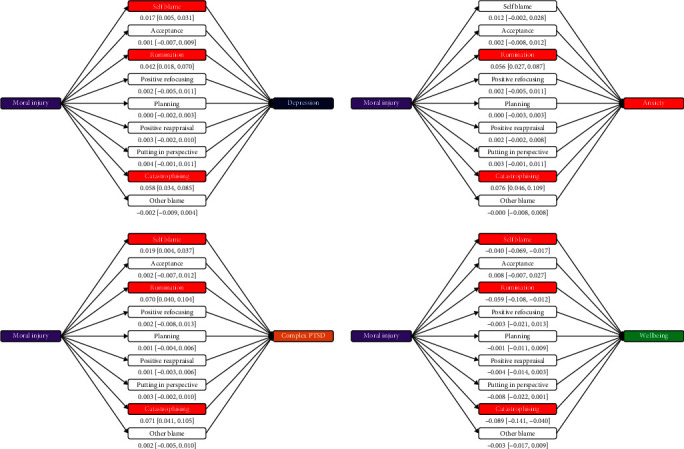
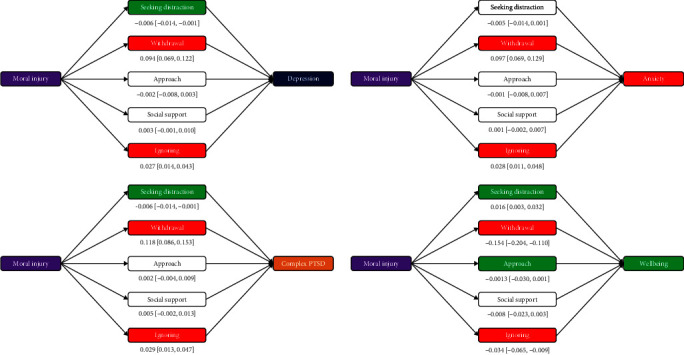
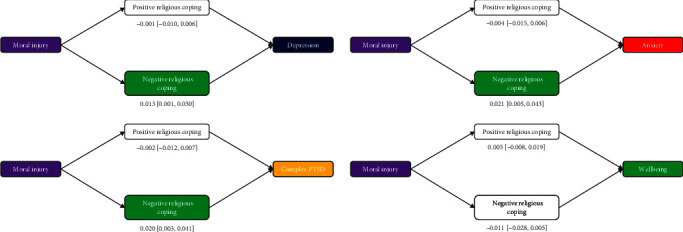
Verification
Claims the paper makes
The claims and statistics of this paper haven’t been checked yet.
Free: it reads the open-access text and checks the first 5 claims that cite a source we can check. Create a free account to check every claim.
Claims other papers make about this one
Each is checked against this paper’s own text: does it say what the citing paper says it does?
The source backs part of the claim, not all of it — or backs it for a different population, condition or comparison.
In the citing paper
“This rate is higher than in other professions such as policing, where a quarter of the personnel scored in the clinical range for depression due to dealing with child sexual abuse and exploitation material [38,169].”
From Measuring the Mental Health of Content Reviewers, a Systematic Review (2025) · cites this paper as [38]
Experimental — accuracy not yet measured
Self-check
Percentages, sums and reported differences re-computed from the paper’s own numbers.
The self-check needs the paper’s full text.
Citations
Cites
Tabachnick, B. G., & Fidell, L. S. (1983) · Cited by 80,054
The PHQ-9: Validity of a brief depression severity measure
Kroenke, K., Spitzer, R. L., & Williams, J. B. W. (2001) · Journal of General Internal Medicine · doi:10.1046/j.1525-1497.2001.016009606.x · Cited by 44,910
Statistical power analyses using G∗Power 3.1: tests for correlation and regression analyses
Faul, F., Erdfelder, E., Buchner, A., & Lang, A.-G. (2009) · Behavior Research Methods · doi:10.3758/brm.41.4.1149 · Cited by 37,615 · cited 1×
“A sensitivity analysis in G ∗ Power [53] showed that 661 provides 95 % power to detect a small effect of Cohen ’ s f 2 = 0.04 at α = 0.025 in the most complex linear multiple regression analysis in this study with 9 predictors and 10 control variables [54].”
InfluentialA Brief Measure for Assessing Generalized Anxiety Disorder: The GAD-7
Spitzer, R. L., Kroenke, K., Williams, J. B. W., & Löwe, B. (2006) · Archives of Internal Medicine · doi:10.1001/archinte.166.10.1092 · Cited by 31,765 · cited 2×
“We summed GAD-7 items to group people into four clinical categories [60]: > 5 = minimal , 5 – 9 = mild , 10 – 4 = moderate , and 15 – 21 = severe , where ≥ 10 “ represents a reasonable cut point for identifying cases of GAD ” (p. 1096).”
How stigma interferes with mental health care.
Corrigan, P. (2004) · American Psychologist · doi:10.1037/0003-066x.59.7.614 · Cited by 3,648 · cited 1×
“Moreover, the current fi ndings (see Supporting Information 4: File S4) align with work showing that law enforcement personnel are often unlikely to seek treatment for mental health issues due to factors like stigma, potential career impacts, and concerns over their image [6, 84, 85].”
Instructional manipulation checks: Detecting satisficing to increase statistical power
Oppenheimer, D. M., Meyvis, T., & Davidenko, N. (2009) · Journal of Experimental Social Psychology · doi:10.1016/j.jesp.2009.03.009 · Cited by 3,493
Moral injury and moral repair in war veterans: A preliminary model and intervention strategy
Litz, B. T., Stein, N., Delaney, E., Lebowitz, L., Nash, W. P., Silva, C., & Maguen, S. (2009) · Clinical Psychology Review · doi:10.1016/j.cpr.2009.07.003 · Cited by 2,738 · cited 3×
“Hence, CSAM investigators may fi nd the environment of their workplace morally contaminating, leading to moral injury — damage to the moral self-concept from conducting or witnessing, especially pow-erlessly witnessing, acts that transgress moral values [2].”
Patterns of Positive and Negative Religious Coping with Major Life Stressors
Pargament, K. I., Smith, B. W., Koenig, H. G., & Perez, L. (1998) · Journal for the Scientific Study of Religion · doi:10.2307/1388152 · Cited by 2,425 · cited 5×
“Moreover, little research on moral injury — or CSAM for that matter — examines cognitive, emotional, behavioral, and religious coping [9 – 11].”
InfluentialHandbook of research methods in personality psychology
(2007) · Choice Reviews Online · doi:10.5860/choice.45-2315 · Cited by 2,373
Cloitre, M., Shevlin, M., Brewin, C. R., Bisson, J. I., Roberts, N. P., Maercker, A., Karatzias, T., & Hyland, P. (2018) · Acta Psychiatrica Scandinavica · doi:10.1111/acps.12956 · Cited by 1,314 · cited 1×
“However, the current work numbers are notably lower than civilian samples, including 18.3 % in a UK representative sample [78] and 14.6 % in our online UK comparison sample Supporting Information 2: File S2.”
InfluentialA Practical Guide to Calculating Cohen’s f2, a Measure of Local Effect Size, from PROC MIXED
Selya, A. S., Rose, J. S., Dierker, L. C., Hedeker, D., & Mermelstein, R. J. (2012) · Frontiers in Psychology · doi:10.3389/fpsyg.2012.00111 · Cited by 1,297
The Brief RCOPE: Current Psychometric Status of a Short Measure of Religious Coping
Pargament, K., Feuille, M., & Burdzy, D. (2011) · Religions · doi:10.3390/rel2010051 · Cited by 1,013 · cited 1×
“…coping would be weakly negatively or unassociated with depression, anxiety, and PTSD but positively associated with wellbeing, whereas negative religious coping would be positively associated with PTSD, anxiety, and depression, but weakly negatively or unassociated with wellbeing [49, 50, 67].”
Garnefski, N., & Kraaij, V. (2006) · Personality and Individual Differences · doi:10.1016/j.paid.2005.12.009 · Cited by 908
Moral character predominates in person perception and evaluation.
Goodwin, G. P., Piazza, J., & Rozin, P. (2014) · Journal of Personality and Social Psychology · doi:10.1037/a0034726 · Cited by 852
A systematic review of reviews on the prevalence of anxiety disorders in adult populations
Remes, O., Brayne, C., van der Linde, R., & Lafortune, L. (2016) · Brain and Behavior · doi:10.1002/brb3.497 · Cited by 802
Reed, A. E., Chan, L., & Mikels, J. A. (2014) · Psychology and Aging · doi:10.1037/a0035194 · Cited by 767 · cited 1×
“For example, younger people often report worse mental health than older people [101], and people in relationships often report better mental health outcomes than single people [102].”
Moral Injury: An Integrative Review
Griffin, B. J., Purcell, N., Burkman, K., Litz, B. T., Bryan, C. J., Schmitz, M., Villierme, C., Walsh, J., & Maguen, S. (2019) · Journal of Traumatic Stress · doi:10.1002/jts.22362 · Cited by 752
Shay, J. (2014) · Psychoanalytic Psychology · doi:10.1037/a0036090 · Cited by 749 · cited 1×
“Moral injury entails damage to the self-concept from situations where harm is experienced or observed, which violates an individual ’ s core moral values, and where that person knows the morally right response but is powerless to prevent what is happening [2, 25].”
Berger, W., Coutinho, E. S. F., Figueira, I., Marques-Portella, C., Luz, M. P., Neylan, T. C., Marmar, C. R., & Mendlowicz, M. V. (2012) · Social Psychiatry and Psychiatric Epidemiology · doi:10.1007/s00127-011-0408-2 · Cited by 712 · cited 1×
“That said, PTSD rates for CSAM investigators in the current sample are higher than global estimates: a meta-analysis found an average of 4.7 % PTSD among police [76], estimates of 3 % – 6 % PTSD among UK veterans of war [77].”
InfluentialMarital Status and Happiness: A 17-Nation Study
Stack, S., & Eshleman, J. R. (1998) · Journal of Marriage and the Family · doi:10.2307/353867 · Cited by 608 · cited 1×
“For example, younger people often report worse mental health than older people [101], and people in relationships often report better mental health outcomes than single people [102].”
Psychometric Evaluation of the Moral Injury Events Scale
Nash, W. P., Marino Carper, T. L., Mills, M. A., Au, T., Goldsmith, A., & Litz, B. T. (2013) · Military Medicine · doi:10.7205/milmed-d-13-00017 · Cited by 606 · cited 3×
“Participants completed a slightly adapted version of the moral injury events scale (MIES, [40]) regarding their experiences investigating CSAM on scales from 1 ( strongly disagree ) to 7 ( strongly agree ).”
Prevalence Estimates of Combat-Related Post-Traumatic Stress Disorder: Critical Review
Richardson, L. K., Frueh, B. C., & Acierno, R. (2010) · Australian & New Zealand Journal of Psychiatry · doi:10.3109/00048670903393597 · Cited by 596 · cited 1×
“That said, PTSD rates for CSAM investigators in the current sample are higher than global estimates: a meta-analysis found an average of 4.7 % PTSD among police [76], estimates of 3 % – 6 % PTSD among UK veterans of war [77].”
InfluentialStrohminger, N., & Nichols, S. (2014) · Cognition · doi:10.1016/j.cognition.2013.12.005 · Cited by 596 · cited 1×
“Morality forms the core of self-and person-perception [27 – 29] and helps people decide whether they deserve respect, compassion, and assistance from others [30].”
Mental Disorder Symptoms among Public Safety Personnel in Canada
Carleton, R. N., Afifi, T. O., Turner, S., Taillieu, T., Duranceau, S., LeBouthillier, D. M., Sareen, J., Ricciardelli, R., MacPhee, R. S., Groll, D., et al. (2018) · The Canadian Journal of Psychiatry · doi:10.1177/0706743717723825 · Cited by 558 · cited 4×
“Among CSAM investigators, we found a PTSD rate of 8.7 % (including 3.3 % PTSD and 5.4 % C-PTSD) — notably lower than 20.6 % (8.0 % PTSD, 12.6 % C-PTSD) in trauma-exposed UK police [70] and 19.5 % for Canadian municipal/provincial police and 30.0 % for national police [69].”
InfluentialBrambilla, M., Rusconi, P., Sacchi, S., & Cherubini, P. (2011) · European Journal of Social Psychology · doi:10.1002/ejsp.744 · Cited by 514 · cited 1×
“Morality forms the core of self-and person-perception [27 – 29] and helps people decide whether they deserve respect, compassion, and assistance from others [30].”
A NOTE ON GUTTMAN'S LOWER BOUND FOR THE NUMBER OF COMMON FACTORS 1
Kaiser, H. F. (1961) · British Journal of Statistical Psychology · doi:10.1111/j.2044-8317.1961.tb00061.x · Cited by 439
Collins, P. A. (2003) · Occupational Medicine · doi:10.1093/occmed/kqg061 · Cited by 424
Gray, K. J., & Graham, J. (2018) · Cited by 392
On the importance of distinguishing shame from guilt: Relations to problematic alcohol and drug use
Dearing, R. L., Stuewig, J., & Tangney, J. P. (2005) · Addictive Behaviors · doi:10.1016/j.addbeh.2005.02.002 · Cited by 391
Smith, D. J., Nicholl, B. I., Cullen, B., Martin, D., Ul-Haq, Z., Evans, J., Gill, J. M. R., Roberts, B., Gallacher, J., Mackay, D., et al. (2013) · PLoS ONE · doi:10.1371/journal.pone.0075362 · Cited by 359 · cited 1×
“Smith et al. [71] examined 172,751 middle-aged UK residents and found a prevalence of 1.5 % probably major depression (on the related PHQ7) among people with no mental health history ( N = 98,539), 7.1 % among people with recurrent moderate major depression ( N = 15,013), and 12.2 % among people…”
InfluentialReligiosity Buffers Effects of Some Stressors on Depression but Exacerbates Others
Strawbridge, W. J., Shema, S. J., Cohen, R. D., Roberts, R. E., & Kaplan, G. A. (1998) · The Journals of Gerontology Series B: Psychological Sciences and Social Sciences · doi:10.1093/geronb/53b.3.s118 · Cited by 337 · cited 1×
“For example, religiosity predicted worse outcomes for family problems related to children and abuse [98].”
Richards, K. C., Campenni, C. E., & Muse-Burke, J. L. (2010) · Journal of Mental Health Counseling · doi:10.17744/mehc.32.3.0n31v88304423806 · Cited by 320 · cited 1×
“2 This was somewhat lower than American undergraduates, M 1 = 5.73; M 2 = 5.53 [64], or mental health professionals, M = 5.28 [65], but comparable to counseling center clients, M 1 = 4.9, M 2 = 4.47 [64], and higher than people with severe psychiatric disorders, M = 3.9 [62].”
InfluentialA Review of Research on Moral Injury in Combat Veterans
Frankfurt, S., & Frazier, P. (2016) · Military Psychology · doi:10.1037/mil0000132 · Cited by 305 · cited 3×
“Frankfurt and Frazier [12] argued for (a) researching risk and protective factors, (b) examining factors beyond PTSD, such as spirituality, and (c) testing more complex models, such as mediation.”
InfluentialBryan, C. J., Bryan, A. O., Anestis, M. D., Anestis, J. C., Green, B. A., Etienne, N., Morrow, C. E., & Ray-Sannerud, B. (2016) · Assessment · doi:10.1177/1073191115590855 · Cited by 279
Perez, L. M., Jones, J., Englert, D. R., & Sachau, D. (2010) · Journal of Police and Criminal Psychology · doi:10.1007/s11896-010-9066-7 · Cited by 226 · cited 4×
“Such fi ndings do not align with Perez et al. [8], who found that the longer people worked with CSAM, the higher they scored on burnout and cynicism, and therefore recommended limiting 18 Depression and Anxiety the amount of time investigators spent dealing with CSAM.”
InfluentialWisco, B. E., Marx, B. P., May, C. L., Martini, B., Krystal, J. H., Southwick, S. M., & Pietrzak, R. H. (2017) · Depression and Anxiety · doi:10.1002/da.22614 · Cited by 219
Development and Initial Validation of a Brief Mental Health Outcome Measure
Blais, M. A., Lenderking, W. R., Baer, L., deLorell, A., Peets, K., Leahy, L., & Burns, C. (1999) · Journal of Personality Assessment · doi:10.1207/s15327752jpa7303_5 · Cited by 213 · cited 2×
“To examine positive outcomes beyond the absence of mental health problems [61], participants completed a 10-item measure of wellbeing, the SOS-10 (e.g., I have peace of mind ), on scales from 1 ( never ) to 7 ( all or nearly all of the time , [62]).”
InfluentialVicarious traumatization among child welfare and child protection professionals: A systematic review
Molnar, B. E., Meeker, S. A., Manners, K., Tieszen, L., Kalergis, K. I., Fine, J. E., Hallinan, S., Wolfe, J., & Wells, M. K. (2020) · Child Abuse & Neglect · doi:10.1016/j.chiabu.2020.104679 · Cited by 171 · cited 1×
“Exposure to others ’ traumatic experiences can produce vicarious trauma and secondary traumatic stress [16].”
Burns, C. M., Morley, J., Bradshaw, R., & Domene, J. (2008) · Traumatology · doi:10.1177/1534765608319082 · Cited by 162 · cited 3×
“They are often required to view graphic images, videos, and text of young children in harmful sexual situations, interact with victims and their families, or interact with perpetrators [1].”
The relation between value priorities and proneness to guilt, shame, and empathy
Silfver-Kuhalampi, M., Helkama, K., Lönnqvist, J., & Verkasalo, M. (2008) · Motivation and Emotion · doi:10.1007/s11031-008-9084-2 · Cited by 158 · cited 1×
“Although guilt and shame re fl ect somewhat overlapping psychological constructs, as both re fl ect moral concerns about transgressions and suggest a tarnished but earnest concern for others [91, 92], they can have different effects.”
Kraaij, V., & Garnefski, N. (2019) · Personality and Individual Differences · doi:10.1016/j.paid.2018.07.036 · Cited by 158 · cited 4×
“Participants completed the two best-loading items for each factor from Table 1 in Kraaij and Garnefski [10] on the same scale as the CERQ: seeking distraction ( α = 0.77), withdrawal ( α = 0.90), actively approaching ( α = 0.58), seeking social support ( α = 0.82), and ignoring ( α = 0.75).”
InfluentialGuilt, Shame, and Reparative Behavior: The Effect of Psychological Proximity
Ghorbani, M., Liao, Y., Çayköylü, S., & Chand, M. (2012) · Journal of Business Ethics · doi:10.1007/s10551-012-1350-2 · Cited by 152 · cited 1×
“Guilt promotes active reparations to restore the moral self-image, whereas shame promotes withdrawal to avoid further damage to the moral self [93, 94].”
Papazoglou, K., & Chopko, B. (2017) · Frontiers in Psychology · doi:10.3389/fpsyg.2017.01999 · Cited by 152
Brady, P. Q. (2017) · Journal of Police and Criminal Psychology · doi:10.1007/s11896-016-9223-8 · Cited by 125 · cited 6×
“Brady [19] found a marginally signi fi cant effect for what they called ‘ positive coping strategies ’ like getting sleep or taking breaks, but these strategies do not align with the more comprehensive and theory-based cognitive, emotional, and behavioral coping strategies examined here and the…”
InfluentialAn Ethical Approach to Peeking at Data
Sagarin, B. J., Ambler, J. K., & Lee, E. M. (2014) · Perspectives on Psychological Science · doi:10.1177/1745691614528214 · Cited by 120 · cited 1×
“Although we added participants to increase representation rather than for statistical reasons, this might in fl ate Type I error [52].”
Charman, S., & Bennett, S. (2021) · Policing & Society · doi:10.1080/10439463.2021.1891234 · Cited by 116
Posttraumatic stress disorder and complex posttraumatic stress disorder in UK police officers
Brewin, C. R., Miller, J. K., Soffia, M., Peart, A., & Burchell, B. (2022) · Psychological Medicine · doi:10.1017/s0033291720003025 · Cited by 108
The Role of Moral Injury in PTSD Among Law Enforcement Officers: A Brief Report
Papazoglou, K., Blumberg, D. M., Chiongbian, V. B., Tuttle, B. M., Kamkar, K., Chopko, B., Milliard, B., Aukhojee, P., & Koskelainen, M. (2020) · Frontiers in Psychology · doi:10.3389/fpsyg.2020.00310 · Cited by 106
Lorenz, L., Doherty, A. M., & Casey, P. (2019) · International Journal of Environmental Research and Public Health · doi:10.3390/ijerph16071238 · Cited by 105 · cited 1×
“This fi nding fl ies in the face of most work on this topic, which typically fi nds that religiosity buffers the impact of life stressors on mental health outcomes ([95, 96]; for a review, see [97]).”
Stevelink, S. A. M., Opie, E., Pernet, D., Gao, H., Elliott, P., Wessely, S. C., Fear, N. T., Hotopf, M. H., & Greenberg, N. L. (2020) · PLoS ONE · doi:10.1371/journal.pone.0240902 · Cited by 103
MacEachern, A. D., Dennis, A. A., Jackson, S., & Jindal‐Snape, D. (2018) · Journal of Police and Criminal Psychology · doi:10.1007/s11896-018-9277-x · Cited by 101
Seigfried‐Spellar, K. C. (2017) · Journal of Police and Criminal Psychology · doi:10.1007/s11896-017-9248-7 · Cited by 97 · cited 2×
“Moreover, some avoidance strategies like seeking distraction appeared surprisingly effective at improving mental health outcomes — which may be important, considering that distraction is the most common coping mechanism reported by CSAM investigators [41, 42].”
Morality’s Centrality to Liking, Respecting, and Understanding Others
Hartley, A. G., Furr, R. M., Helzer, E. G., Jayawickreme, E., Velasquez, K. R., & Fleeson, W. (2016) · Social Psychological and Personality Science · doi:10.1177/1948550616655359 · Cited by 91 · cited 1×
“Morality forms the core of self-and person-perception [27 – 29] and helps people decide whether they deserve respect, compassion, and assistance from others [30].”
Do gender differences in mental health contribute to gender differences in physical health?
Needham, B. L., & Hill, T. D. (2010) · Social Science & Medicine · doi:10.1016/j.socscimed.2010.07.016 · Cited by 90 · cited 1×
“In addition, women often report worse outcomes than men [103], including in police samples [80] and CSAM investigators [5, 104], though a few studies have found men at greater risk [41, 44].”
Essentials of Outcome Assessment
Ogles, B. M., Lambert, M. J., & Fields, S. A. (2002) · Medical Entomology and Zoology · Cited by 87
Detecting child sexual abuse material: A comprehensive survey
Lee, H.-E., Ermakova, T., Ververis, V., & Fabian, B. (2020) · Forensic Science International: Digital Investigation · doi:10.1016/j.fsidi.2020.301022 · Cited by 80 · cited 1×
“…in digital forensic tools that employ image classifying technology to identify CSAM at scale — meaning investigators spend less time reviewing and categorizing fi les, thereby protecting their mental wellbeing and allowing them to focus on identifying victims and advancing their investigations [87].”
Moral injury in civilians: associations with trauma exposure, PTSD, and suicide behavior
Fani, N., Currier, J. M., Turner, M. D., Guelfo, A., Kloess, M., Jain, J., Mekawi, Y., Kuzyk, E., Hinrichs, R. C., Bradley, B., et al. (2021) · European Journal of Psychotraumatology · doi:10.1080/20008198.2021.1965464 · Cited by 80 · cited 2×
“Second, consistent with a large body of work [33, 49, 50, 89], we found that moral injury predicted a range of worse mental health outcomes.”
Tully, P. J., & Cosh, S. M. (2013) · Journal of Health Psychology · doi:10.1177/1359105312467390 · Cited by 80 · cited 1×
“Even higher rates emerge for people with medical problems, such as 10.94 % [74], pale in comparison to 24.2 % in the current sample.”
InfluentialBourke, M. L., & Craun, S. W. (2014) · Traumatology: An International Journal · doi:10.1037/h0099381 · Cited by 78
Four Studies Extending the Utility of the Schwartz Outcome Scale (SOS-10)
Young, J. L., Waehler, C. A., Laux, J. M., McDaniel, P. S., & Hilsenroth, M. J. (2003) · Journal of Personality Assessment · doi:10.1207/s15327752jpa8002_02 · Cited by 75 · cited 1×
“2 This was somewhat lower than American undergraduates, M 1 = 5.73; M 2 = 5.53 [64], or mental health professionals, M = 5.28 [65], but comparable to counseling center clients, M 1 = 4.9, M 2 = 4.47 [64], and higher than people with severe psychiatric disorders, M = 3.9 [62].”
InfluentialCurrier, J. M., Smith, P. N., & Kuhlman, S. T. W. (2015) · Psychology of Religion and Spirituality · doi:10.1037/rel0000055 · Cited by 73 · cited 3×
“Second, consistent with a large body of work [33, 49, 50, 89], we found that moral injury predicted a range of worse mental health outcomes.”
Spiritual features of war-related moral injury: A primer for clinicians.
Wortmann, J. H., Eisen, E., Hundert, C., Jordan, A. H., Smith, M. W., Nash, W. P., & Litz, B. T. (2017) · Spirituality in Clinical Practice · doi:10.1037/scp0000140 · Cited by 72 · cited 2×
“Finally, CSAM may be especially challenging for people with strong religious values due to the dissonance between their faith and morally compromising events [48].”
Generalised anxiety disorder and hospital admissions: findings from a large, population cohort study
Remes, O., Wainwright, N. W. J., Surtees, P. G., Lafortune, L., Khaw, K., & Brayne, C. (2018) · BMJ Open · doi:10.1136/bmjopen-2017-018539 · Cited by 70 · cited 1×
“A recent study of 30,446 UK residents found only 2.2 % quali fi ed for GAD within the past year [73].”
InfluentialThe Use of Humor to Cope with Secondary Traumatic Stress
Craun, S. W., & Bourke, M. L. (2014) · Journal of Child Sexual Abuse · doi:10.1080/10538712.2014.949395 · Cited by 68
Currier, J. M., McDermott, R. C., Farnsworth, J. K., & Borges, L. M. (2019) · Journal of Traumatic Stress · doi:10.1002/jts.22367 · Cited by 65 · cited 5×
“Hence, whereas Currier et al. [32] and Papazoglou et al. [35] fi nd that transgression-self best predicts PTSD in military and general police samples, we fi nd only a small effect of this factor and instead a large effect of betrayal.”
InfluentialPolice officers’ strategies for coping with the stress of investigating Internet child exploitation.
Powell, M., Cassematis, P., Benson, M., Smallbone, S., & Wortley, R. (2014) · Traumatology: An International Journal · doi:10.1037/h0099378 · Cited by 64
Religion, Aging and Health: A Global Perspective: Compiled by the World Health Organization
(2019) · Routledge eBooks · doi:10.4324/9780429020568 · Cited by 63
Examining Job Stress and Satisfaction Among Digital Forensic Examiners
Holt, T. J., & Blevins, K. R. (2011) · Journal of Contemporary Criminal Justice · doi:10.1177/1043986211405899 · Cited by 62 · cited 3×
“In addition, women often report worse outcomes than men [103], including in police samples [80] and CSAM investigators [5, 104], though a few studies have found men at greater risk [41, 44].”
Extraversion, neuroticism and secondary trauma in Internet child abuse investigators
Tehrani, N. (2016) · Occupational Medicine · doi:10.1093/occmed/kqw004 · Cited by 58
Police Officers’ Perceptions of their Reactions to Viewing Internet Child Exploitation Material
Powell, M., Cassematis, P., Benson, M., Smallbone, S., & Wortley, R. (2015) · Journal of Police and Criminal Psychology · doi:10.1007/s11896-014-9148-z · Cited by 57
When feeling bad makes you look good: Guilt, shame, and person perception
Stearns, D. C., & Parrott, W. G. (2012) · Cognition and Emotion · doi:10.1080/02699931.2012.675879 · Cited by 55
Burnout Among Forensic Interviewers, How They Cope, and What Agencies Can Do to Help
Fansher, A. K., Zedaker, S. B., & Brady, P. Q. (2019) · Child Maltreatment · doi:10.1177/1077559519843596 · Cited by 44 · cited 3×
“The current results also align with studies demonstrating that organizational support and job success buffer mental health [5, 8, 19, 22, 46].”
Hamid, A. A. R. M., & Musa, S. A. (2017) · Journal of Mental Health · doi:10.1080/09638237.2016.1244714 · Cited by 42 · cited 1×
“However, some work has found the opposite, that distraction predicts greater trauma and burnout [79].”
Losung, R. K., Paoli, T. D., Kebbell, M. R., & Bond, A. (2021) · Journal of Police and Criminal Psychology · doi:10.1007/s11896-021-09468-5 · Cited by 41
Psychological Trauma Risk Management in the UK Police Service
Hesketh, I., & Tehrani, N. (2018) · Policing A Journal of Policy and Practice · doi:10.1093/police/pay083 · Cited by 39 · cited 2×
“They align with past fi ndings suggesting that organizational culture and lack of social support are major sources of stress, mental health problems, and motivation for leaving the force [80 – 83], whereas support from peers and supervisors is effective at increasing police wellbeing [19 – 21].”
The Moral Injury of Ineffective Police Leadership: A Perspective
Simmons-Beauchamp, B., & Sharpe, H. (2022) · Frontiers in Psychology · doi:10.3389/fpsyg.2022.766237 · Cited by 39 · cited 2×
“Consequently, recent work has called for research on moral injury among police [3], especially considering organizational factors that may exacerbate or buffer moral injury [4].”
Parkes, R., Graham‐Kevan, N., & Bryce, J. (2018) · The Police Journal Theory Practice and Principles · doi:10.1177/0032258x18812515 · Cited by 38 · cited 1×
“Finally, most research examining CSAM investigators employs relatively small samples and focuses primarily on stress, trauma, or PTSD [13, 14].”
Risk factors for complex posttraumatic stress disorder in UK police
Steel, C., Tehrani, N., Lewis, G., & Billings, J. (2021) · Occupational Medicine · doi:10.1093/occmed/kqab114 · Cited by 38 · cited 1×
“Granted, the current rates are comparable to ~3 % – 5 % PTSD and ~6 % – 8 % C-PTSD in 2444 UK police [75], and higher than 3.9 % Stevelink et al. [63] reported for overall UK police — using a different measure — but lower than the 27 % they reported for trauma-exposed police.”
InfluentialPsychological well-being and workability in child abuse investigators
Tehrani, N. (2018) · Occupational Medicine · doi:10.1093/occmed/kqy016 · Cited by 38 · cited 1×
“Unsurprisingly, CSAM investigators often report mental health challenges [6, 17], which can interfere with work duties [18].”
Is Laughing at the Expense of Victims and Offenders a Red Flag? Humor and Secondary Traumatic Stress
Craun, S. W., & Bourke, M. L. (2015) · Journal of Child Sexual Abuse · doi:10.1080/10538712.2015.1042187 · Cited by 36 · cited 3×
“The current results also align with studies demonstrating that organizational support and job success buffer mental health [5, 8, 19, 22, 46].”
Workplace stressors for investigative interviewers of child‐abuse victims
Powell, M. B., Guadagno, B. L., & Cassematis, P. (2013) · Policing An International Journal · doi:10.1108/pijpsm-05-2012-0039 · Cited by 35 · cited 1×
“Such fi ndings align with qualitative research suggesting that CSAM investigators rarely spontaneously mention exposure to CSAM as a primary stressor in their job; instead referring to organizational factors like workload demands [15, 24, 86].”
Maia, D. B., Marmar, C. R., Henn-Haase, C., Nóbrega, A., Fiszman, A., Marques-Portella, C., Mendlowicz, M. V., Coutinho, E. S. F., & Figueira, I. (2011) · Revista Brasileira de Psiquiatria · doi:10.1590/s1516-44462011000400009 · Cited by 34
Mensink, B., van Schagen, A. M., van der Aa, N., & ter Heide, F. J. J. (2022) · Frontiers in Psychiatry · doi:10.3389/fpsyt.2022.904659 · Cited by 32
Religious and Spiritual Factors in Depression
Vasegh, S., Rosmarin, D. H., Koenig, H. G., Dew, R. E., & Bonelli, R. M. (2012) · Depression Research and Treatment · doi:10.1155/2012/298056 · Cited by 30
Tapson, K., Doyle, M., Karagiannopoulos, V., & Lee, P. (2021) · Journal of Police and Criminal Psychology · doi:10.1007/s11896-021-09463-w · Cited by 29 · cited 3×
“Tapson et al. [39] found that moral injury was associated with negative coping styles like substance use, avoidance, emotional numbing, and anxiety.”
Self-citation‘I put my “police head” on’: Coping strategies for working with sexual offending material
Parkes, R., Graham‐Kevan, N., & Bryce, J. (2018) · The Police Journal Theory Practice and Principles · doi:10.1177/0032258x18808294 · Cited by 28 · cited 1×
“Parkes, Graham-Kevan, and Bryce [47] examined coping styles like detachment, avoidance, and process-driven coping but did not examine the effectiveness of these coping styles.”
Influence of organizational stress on reported depressive symptoms among police
Chan, J. F., & Andersen, J. P. (2020) · Occupational Medicine · doi:10.1093/occmed/kqaa141 · Cited by 28
Redmond, T., Conway, P. M., Bailey, S., Lee, P., & Lundrigan, S. (2023) · Frontiers in Psychology · doi:10.3389/fpsyg.2023.1152446 · Cited by 27
Self-citationReaper Force: Inside Britain's Drone Wars
Lee, P. (2018) · Cited by 26
Self-citationChild Sexual Abuse Material Online: The Perspective of Online Investigators on Training and Support
Leclerc, B., Cale, J., Holt, T. J., & Drew, J. M. (2022) · Policing A Journal of Policy and Practice · doi:10.1093/police/paac017 · Cited by 25 · cited 2×
“Unsurprisingly, CSAM investigators often report mental health challenges [6, 17], which can interfere with work duties [18].”
Examination of the Subjective Well‐Being of Australian Internet Child Exploitation Investigators
Tomyn, A. J., Powell, M. B., Cassematis, P., Smallbone, S., & Wortley, R. (2015) · Australian Psychologist · doi:10.1111/ap.12119 · Cited by 24
Reynolds, C. J., Smith, S. M., & Conway, P. J. (2022) · Psychology of Religion and Spirituality · doi:10.1037/rel0000318 · Cited by 18
Self-citationDoyle, M., Tapson, K., Karagiannopoulos, V., & Lee, P. (2023) · The Police Journal: Theory, Practice and Principles · doi:10.1177/0032258x211043331 · Cited by 18 · cited 4×
“Conversely, feeling undermined or unsupported by peers, supervisors, and organizations can undermine wellbeing [6, 23].”
InfluentialSelf-citationCurrier, J. M., Kuhlman, S. T. W., & Smith, P. N. (2015) · Spirituality in Clinical Practice · doi:10.1037/scp0000057 · Cited by 17 · cited 5×
“…coping would be weakly negatively or unassociated with depression, anxiety, and PTSD but positively associated with wellbeing, whereas negative religious coping would be positively associated with PTSD, anxiety, and depression, but weakly negatively or unassociated with wellbeing [49, 50, 67].”
InfluentialSmith‐MacDonald, L., Pike, A., Jones, C., & Brémault‐Phillips, S. (2022) · Trauma Care · doi:10.3390/traumacare2020010 · Cited by 10 · cited 1×
“Therapy for moral injury in the police has moderate success [38].”
Knowles, S. R., & Bull, D. F. (2003) · Swinburne figshare (Swinburne University of Technology) · doi:10.25916/sut.26256074 · Cited by 3
Research works printed but not linked: 7
- Tuttle B. M. Stancel K. Russo C. Koskelainen M. Papazoglou K. Police Moral Injury, Compassion Fatigue, and Compassion Satisfaction: A Brief Salus Journal 2019 7 1 42 57
- IBM Corp IBM SPSS Statistics for Windows, Version 28.0 2021 Armonk, NY IBM Corp
- Qualtrics Qualtrics Online Survey Software, Version October 2023 [Computer Software] 2023 Qualtrics Corporation
- Richardson C. B. Chesnut R. P. Morgan N. R. Examining the Factor Structure of the Moral Injury Events Scale in a Veteran Sample Military Medicine 2020 185 (1-2) e75 e83 31184715
- Tangney J. P. Dearing R. L. Shame and Guilt 2003 Guilford Press
- Ellison C. G. Levin J. S. Religion, the Life Stress Paradigm, and the Study of Depression Religion in Aging and Health 1994 Thousand Oaks, CA Sage
- Conway P. Redmond T. Lundrigan S. Davy D. Bailey S. Lee P. Protecting the Protectors: Moral Injury, Coping Styles, and Mental Health of UK Police Officers and Staff Investigating Child Sexual Abuse Material 3rd International Moral Injury in Occupational Settings Conference 2023 St. Andrew’s, UK PMC11922302 40226728
Cited by
Tyagi, S., & Seigfried‐Spellar, K. C. (2025) · Journal of Forensic Sciences · doi:10.1111/1556-4029.70207 · Cited by 4
“Having close relationships supporting their work may help to reduce PTSD symptoms [19, 65] and improve mental health [ 66 ], as the absence of a social support network may elevate PTSD symptoms and increase the risk of experiencing negative situations outside the workplace [ 22].”
Hickie, S. (2026) · Policing A Journal of Policy and Practice · doi:10.1093/police/paag016 · Cited by 2
Measuring the Mental Health of Content Reviewers, a Systematic Review
Gonzalez, A., & Matias, J. N. (2025) · arXiv · doi:10.48550/arxiv.2502.00244 · Cited by 1
“This rate is higher than in other professions such as policing, where a quarter of the personnel scored in the clinical range for depression due to dealing with child sexual abuse and exploitation material [38, 169].”
Seigfried‐Spellar, K. C., & Tyagi, S. (2025) · Journal of Forensic Sciences · doi:10.1111/1556-4029.70244 · Cited by 3
“| 15 SEIGFRIED-SPELLARandTYAGI be adaptive (e.g., talking with others; [ 21 ]) or maladaptive (e.g., alco - hol or drug use; [22 ]), and may vary widely among different forensic disciplines.”
Green, T., Kosaraju, A., & Soutar, E. (2026) · Frontiers in Public Health · doi:10.3389/fpubh.2026.1697743 · Cited by 3
“Negative outcomes can extend to anxiety, depression, and disruptions in personal relationships, particularly when officers experience moral injury or institutional betrayal (38, 39).”
Metadata
- Authors
- Conway, P., Redmond, T., Lundrigan, S., Davy, D., Bailey, S., & Lee, P.
- Affiliations
- University of Southampton (GB)
- Anglia Ruskin University (GB)
- University of Portsmouth (GB)
- Corresponding author
- Conway, Paul
- Venue
- Depression and Anxiety
- Publisher
- Wiley
- Published
- 2024-01
- Volume
- 2024
- Issue
- 1
- Pages
- 1854312-1854312
- ISSN
- 1091-4269 (ISSN-L)
- 1520-6394
- PMC
- PMC11922302
- OpenAlex
- W4404643781
- Semantic Scholar
- 3ed704c0ef71860000a0db0933bbd64e96b5464f
- Cited by
- 14
- References
- 97
- Citations by year
- 2026: 10 · 2025: 3 · 2024: 1
- FWCI
- 7.02
- Type
- journal article
- Language
- en
- Open access
- hybrid
- doi.org
- Locations
- Depression and Anxiety (publishedVersion, cc-by)
- PubMed Central (publishedVersion, cc-by)
- PubMed (publishedVersion)
- ePrints Soton (University of Southampton) (acceptedVersion, other-oa)
- Figshare (submittedVersion, cc-by)
- Funders
- Joint Information Systems Committee
- Topics
- Social Sciences › Psychology › Clinical Psychology › Posttraumatic Stress Disorder Research
- Social Sciences › Political Science and International Relations › Policing Practices and Perceptions
- Social Sciences › Psychology › Clinical Psychology › Child Abuse and Trauma
- Keywords
- child pornography, police officers, moral injury, institutional betrayal, coping styles, depression, anxiety, post-traumatic stress disorder, self-blame, rumination, catastrophizing, social support, mental health
- MeSH terms
- Adaptation, Psychological, Adult, Anxiety, Child, Child Abuse, Sexual, Female, United Kingdom, Humans, Male, Middle Aged, Morals, Social Support, Stress Disorders, Post-Traumatic, Police
About these checks
Registry, retraction, Cites and statistics results are computed, not judged, with one exception: a printed reference that no index lists is read once by a model before it counts as a citation error. Claims are extracted by a model and kept only when their quote appears verbatim in the text; each cited source is then checked, with a model’s help, for whether it says what the claim relies on. Those verdicts can be wrong — read the claim’s quote and the cited source before relying on one.
Statistics and arithmetic are recomputed, not judged.
Confidence bands are shown only for fields calibrated on our annotated test set. None is calibrated yet, so no band is shown.
What counts as a claim ›How we measure confidence ›How we check this ›
Are you an author, or do you see a problem with this page? Request a review
Data sources
Bibliographic data: Semantic Scholar, OpenAlex, Crossref.
Contains information from the Semantic Scholar Academic Graph Datasets, made available under the ODC Attribution License (ODC-BY 1.0).
Semantic Scholar’s data is described in: Kinney, R., et al. (2023). The Semantic Scholar Open Data Platform. arXiv:2301.10140.
