

Systematic review of reviews of intervention components associated with increased effectiveness in dietary and physical activity interventions
Open accessThe DOI matches its Crossref record; 79 of the 82 references it cites were found in a registry or an index.
Abstract
BACKGROUND: To develop more efficient programmes for promoting dietary and/or physical activity change (in order to prevent type 2 diabetes) it is critical to ensure that the intervention components and characteristics most strongly associated with effectiveness are included. The aim of this systematic review of reviews was to identify intervention components that are associated with increased change in diet and/or physical activity in individuals at risk of type 2 diabetes. METHODS: MEDLINE, EMBASE, CINAHL, PsycInfo, and the Cochrane Library were searched for systematic reviews of interventions targeting diet and/or physical activity in adults at risk of developing type 2 diabetes from 1998 to 2008. Two reviewers independently selected reviews and rated methodological quality. Individual analyses from reviews relating effectiveness to intervention components were extracted, graded for evidence quality and summarised. RESULTS: Of 3856 identified articles, 30 met the inclusion criteria and 129 analyses related intervention components to effectiveness. These included causal analyses (based on randomisation of participants to different intervention conditions) and associative analyses (e.g. meta-regression). Overall, interventions produced clinically meaningful weight loss (3-5 kg at 12 months; 2-3 kg at 36 months) and increased physical activity (30-60 mins/week of moderate activity at 12-18 months). Based on causal analyses, intervention effectiveness was increased by engaging social support, targeting both diet and physical activity, and using well-defined/established behaviour change techniques. Increased effectiveness was also associated with increased contact frequency and using a specific cluster of "self-regulatory" behaviour change techniques (e.g. goal-setting, self-monitoring). No clear relationships were found between effectiveness and intervention setting, delivery mode, study population or delivery provider. Evidence on long-term effectiveness suggested the need for greater consideration of behaviour maintenance strategies. CONCLUSIONS: This comprehensive review of reviews identifies specific components which are associated with increased effectiveness in interventions to promote change in diet and/or physical activity. To maximise the efficiency of programmes for diabetes prevention, practitioners and commissioning organisations should consider including these components.
Overview
The claims and statistics of this paper haven’t been checked yet.
Free: it reads the open-access text and checks the first 5 claims that cite a source we can check. Create a free account to check every claim.
Integrity signals
Registry
Cites
Statistics
Figures
Verification
Claims the paper makes
The claims and statistics of this paper haven’t been checked yet.
Free: it reads the open-access text and checks the first 5 claims that cite a source we can check. Create a free account to check every claim.
Claims other papers make about this one
Each is checked against this paper’s own text: does it say what the citing paper says it does?
The cited source says what the claim attributes to it.
In the citing paper
“The addition of behavioural interventions as a third component is believed to increase the effectiveness of dietary and physical interventions (Greaves et al., 2011;Teede et al., 2018).”
From Improvements in PCOS characteristics and phenotype severity during a randomized controlled lifestyle intervention (2021) · cites this paper as Greaves et al., 2011
In the citing paper
“Several studies have shown that targeting dietary self-monitoring, providing social support, and emphasizing both dietary changes and physical activity are key components to successful face-to-face behavioral weight-loss programs [43].”
From Tweets, Apps, and Pods: Results of the 6-Month Mobile Pounds Off Digitally (Mobile POD) Randomized Weight-Loss Intervention Among Adults (2011) · cites this paper as [43]
Self-check
Percentages, sums and reported differences re-computed from the paper’s own numbers.
The self-check needs the paper’s full text.
Citations
Cites
1 retracted
Psychological interventions for overweight or obesity
Shaw, K. A., O'Rourke, P., Del Mar, C., & Kenardy, J. (2005) · Cochrane Database of Systematic Reviews · doi:10.1002/14651858.cd003818.pub2 · Cited by 442 · cited 9×
“5 kg at a median 6 months of follow up[54].”
BackgroundMethodInfluentialRetractedThe theory of planned behavior
Ajzen, I. (1991) · Organizational Behavior and Human Decision Processes · doi:10.1016/0749-5978(91)90020-t · Cited by 90,587 · cited 2×
“Social Cognitive Theory,[60] Theory of Planned Behaviour[ 61 ]) were no more effective in producing changes in either weight or in combined dietary and physical activity outcomes than interventions with no stated theoretical basis[38].”
BackgroundMethodReduction in the incidence of type 2 diabetes with lifestyle intervention or metformin
(2002) · New England Journal of Medicine · doi:10.1056/nejmoa012512 · Cited by 19,011 · cited 5×
“Large randomised controlled trials (RCTs) have shown that relatively modest changes in lifestyle (increasing fibre (≥15 g/1000 kcal), reducing total fat (< 30% of energy consumed) and saturated fat (< 10% of energy consumed), engaging in moderate physical activity (≥30 mins/day), weight reduction (5%)) can reduce the…”
BackgroundMethodInfluentialTuomilehto, J., Lindström, J., Eriksson, J. G., Valle, T. T., Hämäläinen, H., Ilanne-Parikka, P., Keinänen-Kiukaanniemi, S., Laakso, M., Louheranta, A., Rastas, M., et al. (2001) · New England Journal of Medicine · doi:10.1056/nejm200105033441801 · Cited by 10,873 · cited 2×
“Our recommendations go considerably beyond the data on basic effectiveness presented in trials and systematic reviews of diabetes prevention programmes to date[3-8].”
Background‘Small Changes' to Diet and Physical Activity Behaviors for Weight Management
Hills, A. P., Byrne, N. M., Lindstrom, R., & Hill, J. O. (2013) · Obesity Facts · doi:10.1159/000345030 · Cited by 9,493
Motivational interviewing: preparing people for change.
Miller, W. R., & Rollnick, S. (2002) · Guilford Press eBooks · Cited by 7,865
The cochrane database of systematic reviews
Geddes, J. (1996) · Journal of Psychosomatic Research · doi:10.1016/s0022-3999(96)90063-x · Cited by 5,989
Cochrane Database of Systematic Reviews
(2008) · Encyclopedia of Public Health · doi:10.1007/978-1-4020-5614-7_436 · Cited by 4,527
Kirk, J., MacDonald, A., Lavender, P., Dean, J., & Rubin, G. (2017) · Biomedicine Hub · doi:10.1159/000480347 · Cited by 3,887
A taxonomy of behavior change techniques used in interventions
Abraham, C., & Michie, S. (2008) · Health Psychology · doi:10.1037/0278-6133.27.3.379 · Cited by 2,525
Self-citationMotivational interviewing: a systematic review and meta-analysis.
Rubak, S., Sandbæk, A., Lauritzen, T., & Christensen, B. (2005) · Europe PMC (PubMed Central) · Cited by 2,382
Planning health promotion programs an intervention mapping approach
Bartholomew, L. K., Parcel, G. S., Kok, G., & Gottlieb, N. (2006) · Research Publications (Maastricht University) · Cited by 2,310
Effective techniques in healthy eating and physical activity interventions: A meta-regression.
Michie, S., Abraham, C., Whittington, C., McAteer, J., & Gupta, S. (2009) · Health Psychology · doi:10.1037/a0016136 · Cited by 2,229 · cited 11×
“Weight Four analyses in four reviews[33,41,42, 48 ] provided mixed associative evidence (two medium (one positive, one negative), two low quality analyses (one positive, one negative)) as to whether targeting more overweight people was associated with larger increases in the amount of weight loss achieved.”
BackgroundMethodInfluentialSelf-citationUsing Pedometers to Increase Physical Activity and Improve Health: A Systematic Review
Bravata, D. M., Smith-Spangler, C., Sundaram, V., Gienger, A. L., Lin, N., Lewis, R., Stave, C. D., Olkin, I., & Sirard, J. R. (2007) · JAMA · doi:10.1001/jama.298.19.2296 · Cited by 2,064 · cited 10×
“Five analyses from four reviews provided mixed evidence as to whether targeting of interventions at people who are more sedentary was associated with larger increases in the amount of physical activity (two medium analyses (one positive, one negative), three low quality analyses (two negative, one trend)[33,41,48,51].”
BackgroundInfluentialThe effectiveness of interventions to increase physical activityA systematic review1 and 2
KAHN, E., RAMSEY, L., BROWNSON, R., HEATH, G., HOWZE, E., POWELL, K., STONE, E., RAJAB, M., & CORSO, P. (2002) · American Journal of Preventive Medicine · doi:10.1016/s0749-3797(02)00434-8 · Cited by 2,022 · cited 1×
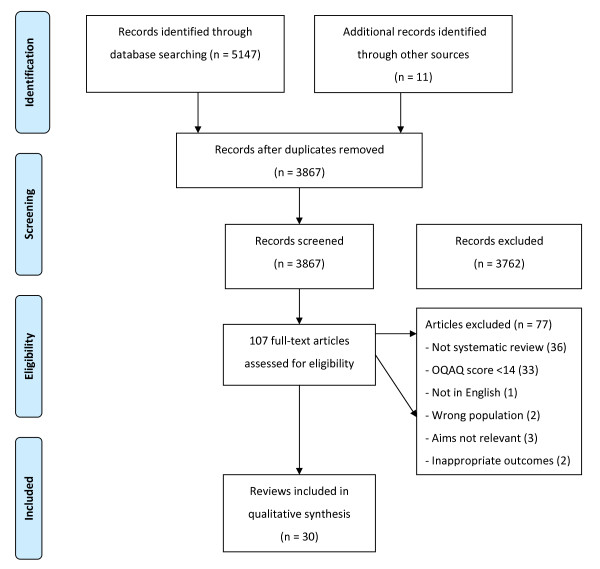
“Of these 107 articles, 30 met both the selection and quality criteria (Figure 1) and these are identified by an asterisk in the reference list[ 30-59 ].”
BackgroundRamachandran, A., Snehalatha, C., Mary, S., Mukesh, B., Bhaskar, A. D., Vijay, V., & Indian Diabetes Prevention Programme (IDPP) (2006) · Diabetologia · doi:10.1007/s00125-005-0097-z · Cited by 1,881
Lindström, J., Ilanne-Parikka, P., Peltonen, M., Aunola, S., Eriksson, J. G., Hemiö, K., Hämäläinen, H., Härkönen, P., Keinänen-Kiukaanniemi, S., Laakso, M., et al. (2006) · The Lancet · doi:10.1016/s0140-6736(06)69701-8 · Cited by 1,799 · cited 2×
“In one study, achieving four or more of the above targets led to zero incidence of type 2 diabetes up to seven years later[8].”
BackgroundLimits to the measurement of habitual physical activity by questionnaires
Shephard, R. J. (2003) · British Journal of Sports Medicine · doi:10.1136/bjsm.37.3.197 · Cited by 1,694 · cited 1×
“As self-report increases the risk of measurement bias,[26,27] we have highlighted findings based on self-report in the data tables (Additional file 2 Tables S7-S14).”
Method(1999) · Cited by 1,648
The efficacy of motivational interviewing: a meta-analysis of controlled clinical trials
Burke, B. L., Arkowitz, H., & Menchola, M. (2003) · Journal of Consulting and Clinical Psychology · doi:10.1037/0022-006x.71.5.843 · Cited by 1,575 · cited 18×
“Dietary Intake Medium and lower quality causal evidence from metaanalyses and descriptive summaries of RCTs (nine analyses from three separate reviews: six medium, three low) that found positive changes in self-reported diet (calorie, fat, fibre, fruit and vegetable intake) at 6 to 19 months of follow up for dietary i…”
BackgroundInfluentialThe Cochrane Database of Systematic Reviews
Handoll, H. H. (2004) · The British Journal of Hand Therapy · doi:10.1177/175899830400900201 · Cited by 1,513
The Cochrane Database of Systematic Reviews
Handoll, H. H., Howe, T. E., & Madhok, R. (2002) · Physiotherapy · doi:10.1016/s0031-9406(05)60709-2 · Cited by 1,497
Health Program Planning: An Educational and Ecological Approach
Green, L. W., & Kreuter, M. W. (1991) · Cited by 1,332
Booth, G., & Cheng, A. Y. Y. (2013) · Canadian Journal of Diabetes · doi:10.1016/j.jcjd.2013.01.010 · Cited by 1,220
Gillies, C. L., Abrams, K. R., Lambert, P. C., Cooper, N. J., Sutton, A. J., Hsu, R. T., & Khunti, K. (2007) · BMJ · doi:10.1136/bmj.39063.689375.55 · Cited by 1,171 · cited 20×
“High quality causal evidence (grade 1++) from one meta-analysis of RCTs[43] showed that interventions to promote changes in diet or physical activity (or both) produced moderate and clinically meaningful effects on the risk of progression to type 2 diabetes (relative risk reduction of 49% at 3.”
BackgroundInfluentialEriksson, K. F., & Lindg�rde, F. (1991) · Diabetologia · doi:10.1007/bf00400196 · Cited by 1,092 · cited 2×
“Our recommendations go considerably beyond the data on basic effectiveness presented in trials and systematic reviews of diabetes prevention programmes to date[3-8].”
BackgroundAvenell, A., Broom, J., Brown, T., Poobalan, A., Aucott, L., Stearns, S., Smith, W., Jung, R., Campbell, M., & Grant, A. (2004) · Health Technology Assessment · doi:10.3310/hta8210 · Cited by 1,041 · cited 7×
“The effectiveness of such interventions (as well as physical activity only interventions) in producing weight loss was further supported by medium and low quality causal evidence (grade 1+ and 1-) from 14 meta-analyses and summaries of RCTs from six reviews (eight medium, six low quality analyses)[31,39,49,54,57,59].”
BackgroundInfluentialExercise for overweight or obesity
Shaw, K. A., Gennat, H. C., O'Rourke, P., & Del Mar, C. (2006) · Cochrane Database of Systematic Reviews · doi:10.1002/14651858.cd003817.pub3 · Cited by 950 · cited 5×
“Physical activity interventions are often much more intensive due to a focus on practising the target behaviour (e.g. Shaw et al.[55] report interventions lasting 3 to 12 months with 3 to 5 sessions per week lasting a median 45 minutes each).”
BackgroundInfluentialArtinian, N. T., Fletcher, G. F., Mozaffarian, D., Kris-Etherton, P., Van Horn, L., Lichtenstein, A. H., Kumanyika, S., Kraus, W. E., Fleg, J. L., Redeker, N. S., et al. (2010) · Circulation · doi:10.1161/cir.0b013e3181e8edf1 · Cited by 919 · cited 1×
“The findings are also consistent with recent guidance from the American Heart Association [ 68 ] on the prevention of heart disease in adults aged over 18, which recommend the use of motivational interviewing as well as goal-setting, self-monitoring and a high contact frequency.”
ResultSystematic Review: An Evaluation of Major Commercial Weight Loss Programs in the United States
Tsai, A. G., & Wadden, T. A. (2005) · Annals of Internal Medicine · doi:10.7326/0003-4819-142-1-200501040-00012 · Cited by 815 · cited 3×
“Medium to low quality evidence from three analyses in three reviews (one medium quality, two low quality) showed a positive association between the total number of contacts and weight loss at 12 to 38 months [46,50,57].”
BackgroundValidation of an index of the quality of review articles
Oxman, A. D., & Guyatt, G. H. (1991) · Journal of Clinical Epidemiology · doi:10.1016/0895-4356(91)90160-b · Cited by 786 · cited 1×
“Review quality was rated independently by two authors (KS, CG) for a sub-sample (35 out of 107) of the articles identified as potentially relevant, using the Overview Quality Assessment Questionnaire (OQAQ;[28] Additional file 1 Table S2).”
MethodInternational Diabetes Federation: a consensus on Type 2 diabetes prevention
Alberti, K. G. M. M., Zimmet, P., & Shaw, J. (2007) · Diabetic Medicine · doi:10.1111/j.1464-5491.2007.02157.x · Cited by 778 · cited 1×
“The development of type 2 diabetes is strongly associated with being overweight, obese or physically inactive[1,2].”
BackgroundCheng, A. Y. Y. (2013) · Canadian Journal of Diabetes · doi:10.1016/j.jcjd.2013.01.009 · Cited by 728
Herman, W. H., Hoerger, T. J., Brandle, M., Hicks, K., Sorensen, S., Zhang, P., Hamman, R. F., Ackermann, R. T., Engelgau, M. M., Ratner, R. E., et al. (2005) · Annals of Internal Medicine · doi:10.7326/0003-4819-142-5-200503010-00007 · Cited by 703
Long-term weight loss after diet and exercise: a systematic review
Curioni, C. C., & Lourenço, P. M. (2005) · International Journal of Obesity · doi:10.1038/sj.ijo.0803015 · Cited by 695
Interventions to promote walking: systematic review
Ogilvie, D., Foster, C. E., Rothnie, H., Cavill, N., Hamilton, V., Fitzsimons, C. F., & Mutrie, N. (2007) · BMJ · doi:10.1136/bmj.39198.722720.be · Cited by 695 · cited 10×
“Five analyses from four reviews provided mixed evidence as to whether targeting of interventions at people who are more sedentary was associated with larger increases in the amount of physical activity (two medium analyses (one positive, one negative), three low quality analyses (two negative, one trend)[33,41,48,51].”
BackgroundInfluentialInterventions for promoting physical activity
Foster, C., Hillsdon, M., Thorogood, M., Kaur, A., & Wedatilake, T. (2005) · Cochrane Database of Systematic Reviews · doi:10.1002/14651858.cd003180.pub2 · Cited by 692 · cited 7×
“Four analyses in four reviews[33,41,42,48] provided mixed associative evidence (two medium (one positive, one negative), two low quality analyses (one positive, one negative)) as to whether targeting more overweight people was associated with larger increases in the amount of weight loss achieved.”
BackgroundInfluentialDouketis, J. D., Macie, C., Thabane, L., & Williamson, D. F. (2005) · International Journal of Obesity · doi:10.1038/sj.ijo.0802982 · Cited by 665 · cited 2×
“The effectiveness of such interventions (as well as physical activity only interventions) in producing weight loss was further supported by medium and low quality causal evidence (grade 1+ and 1-) from 14 meta-analyses and summaries of RCTs from six reviews (eight medium, six low quality analyses)[31,39,49,54,57,59].”
BackgroundPrevention of type 2 diabetes by lifestyle intervention: a Japanese trial in IGT males
Kosaka, K., Noda, M., & Kuzuya, T. (2005) · Diabetes Research and Clinical Practice · doi:10.1016/j.diabres.2004.06.010 · Cited by 656 · cited 2×
“Our recommendations go considerably beyond the data on basic effectiveness presented in trials and systematic reviews of diabetes prevention programmes to date[3-8].”
BackgroundMcTigue, K. M., Harris, R., Hemphill, B., Lux, L., Sutton, S., Bunton, A. J., & Lohr, K. N. (2003) · Annals of Internal Medicine · doi:10.7326/0003-4819-139-11-200312020-00013 · Cited by 603 · cited 1×
“A percentage score was calculated for inter-rater agreement (defined as ≤1 point of variation on OQAQ scores) and any disagreements were resolved by discussion.”
MethodReed, M. W. R. (2007) · Clinical Oncology · doi:10.1016/j.clon.2007.06.006 · Cited by 571
A European Evidence-Based Guideline for the Prevention of Type 2 Diabetes
Paulweber, B., Valensi, P., Lindström, J., Lalic, N., Greaves, C., McKee, M., Kissimova-Skarbek, K., Liatis, S., Cosson, E., Szendroedi, J., et al. (2010) · Hormone and Metabolic Research · doi:10.1055/s-0029-1240928 · Cited by 469 · cited 1×
“guidelines as a first line therapy for preventing type 2 diabetes[ 9-12 ].”
BackgroundSelf-citationMeta-analysis: The Effect of Dietary Counseling for Weight Loss
Dansinger, M. L., Tatsioni, A., Wong, J. B., Chung, M., & Balk, E. M. (2007) · Annals of Internal Medicine · doi:10.7326/0003-4819-147-1-200707030-00007 · Cited by 467 · cited 9×
“The evidence on patterns of effectiveness over time[37] also suggested that there is a need for an increased focus on the use of techniques to support behaviour maintenance.”
BackgroundInfluentialA Meta-Analysis of Pedometer-Based Walking Interventions and Weight Loss
Richardson, C. R., Newton, T. L., Abraham, J. J., Sen, A., Jimbo, M., & Swartz, A. M. (2008) · The Annals of Family Medicine · doi:10.1370/afm.761 · Cited by 421
Home versus center based physical activity programs in older adults
Ashworth, N. L., Chad, K. E., Harrison, E. L., Reeder, B. A., & Marshall, S. C. (2005) · Cochrane Database of Systematic Reviews · doi:10.1002/14651858.cd004017.pub2 · Cited by 363
Long-term non-pharmacological weight loss interventions for adults with type 2 diabetes mellitus
Norris, S. L., Zhang, X., Avenell, A., Gregg, E., Brown, T., Schmid, C. H., & Lau, J. (2005) · Cochrane Database of Systematic Reviews · doi:10.1002/14651858.cd004095.pub2 · Cited by 351
Dietary advice for reducing cardiovascular risk
Brunner, E., Thorogood, M., Rees, K., & Hewitt, G. (2005) · Cochrane Database of Systematic Reviews · doi:10.1002/14651858.cd002128.pub2 · Cited by 351
Murphy, M. H., Nevill, A. M., Murtagh, E. M., & Holder, R. L. (2007) · Preventive Medicine · doi:10.1016/j.ypmed.2006.12.008 · Cited by 333 · cited 2×
“The effectiveness of such interventions (as well as physical activity only interventions) in producing weight loss was further supported by medium and low quality causal evidence (grade 1+ and 1-) from 14 meta-analyses and summaries of RCTs from six reviews (eight medium, six low quality analyses)[31,39,49,54,57,59].”
BackgroundEffectiveness of exercise-referral schemes to promote physical activity in adults: systematic review
Williams, N. H., Hendry, M., France, B., Lewis, R., & Wilkinson, C. (2007) · British Journal of General Practice · doi:10.3399/096016407782604866 · Cited by 321 · cited 3×
“5) at a minimum 6 months of follow up[41,59].”
BackgroundGillies, C. L., Lambert, P. C., Abrams, K. R., Sutton, A. J., Cooper, N. J., Hsu, R. T., Davies, M. J., & Khunti, K. (2008) · BMJ · doi:10.1136/bmj.39545.585289.25 · Cited by 290 · cited 1×
“The cost-effectiveness of lifestyle intervention approaches for diabetes prevention is already well established and is favourable in comparison to pharmacological approaches[20-22].”
BackgroundHardeman, W., Griffin, S., Johnston, M., Kinmonth, A., & Wareham, N. (2000) · International Journal of Obesity · doi:10.1038/sj.ijo.0801100 · Cited by 283 · cited 1×
“A major limitation in assessing the utility of specific theories and techniques underpinning interventions is that techniques may not be implemented rigorously or may not faithfully represent the specified theories[62,70].”
BackgroundSelf-citationEakin, E., Glasgow, R. E., & Riley, K. M. (2000) · PubMed · Cited by 270
Laatikainen, T., Dunbar, J. A., Chapman, A., Kilkkinen, A., Vartiainen, E., Heistaro, S., Philpot, B., Absetz, P., Bunker, S., O'Neil, A., et al. (2007) · BMC Public Health · doi:10.1186/1471-2458-7-249 · Cited by 253 · cited 2×
“A number of diabetes prevention programmes have been developed internationally (e.g. in Finland,[13] Germany,[14,15] the US,[16,17] Australia[18] and China [19]).”
BackgroundSelf‐Regulation in Health Behavior
(2006) · Wiley eBooks · doi:10.1002/9780470713150 · Cited by 237
Adapting the Diabetes Prevention Program Lifestyle Intervention for Delivery in the Community
Ackermann, R. T., & Marrero, D. G. (2007) · The Diabetes Educator · doi:10.1177/0145721706297743 · Cited by 220
National type 2 diabetes prevention programme in Finland: FIN-D2D
Saaristo, T., Peltonen, M., Keinänen-Kiukaanniemi, S., Vanhala, M., Saltevo, J., Niskanen, L., Oksa, H., Korpi-Hyøvälti, E., & Tuomilehto, J. (2007) · International Journal of Circumpolar Health · doi:10.3402/ijch.v66i2.18239 · Cited by 210
Obesity in Older Adults: A Systematic Review of the Evidence for Diagnosis and Treatment
McTigue, K. M., Hess, R., & Ziouras, J. (2006) · Obesity · doi:10.1038/oby.2006.171 · Cited by 196 · cited 2×
“Associative evidence from two analyses in two reviews (one high quality, one low quality) found a relationship between increased frequency of contacts and weight loss at 6 to 15 months of follow up[37,47].”
BackgroundPrevention and treatment of obesity with lifestyle interventions: review and meta-analysis
Galani, C., & Schneider, H. (2007) · International Journal of Public Health · doi:10.1007/s00038-007-7015-8 · Cited by 179 · cited 4×
“Four analyses in four reviews[33,41,42,48] provided mixed associative evidence (two medium (one positive, one negative), two low quality analyses (one positive, one negative)) as to whether targeting more overweight people was associated with larger increases in the amount of weight loss achieved.”
BackgroundInfluentialPutting prevention first - vascular checks: risk assessment and management
Young, H. (2010) · Cited by 160
Planning Health Promotion Programs
Hicking-Woodison, L. (2017) · Nursing Management · doi:10.7748/nm.24.7.21.s24 · Cited by 146
Bosch-Capblanch, X., Abba, K., Prictor, M., & Garner, P. (2007) · Cochrane Database of Systematic Reviews · doi:10.1002/14651858.cd004808.pub3 · Cited by 141 · cited 1×
“Of these 107 articles, 30 met both the selection and quality criteria (Figure 1) and these are identified by an asterisk in the reference list[30-59].”
BackgroundPhysical activity in epidemiology: moving from questionnaire to objective measurement
Janz, K. F. (2006) · British Journal of Sports Medicine · doi:10.1136/bjsm.2005.023036 · Cited by 139 · cited 1×
“As self-report increases the risk of measurement bias,[26,27] we have highlighted findings based on self-report in the data tables (Additional file 2 Tables S7-S14).”
MethodDietary advice for reducing cardiovascular risk
Brunner, E., Rees, K., Ward, K., Burke, M., & Thorogood, M. (2007) · Cochrane Database of Systematic Reviews · doi:10.1002/14651858.cd002128.pub3 · Cited by 121
Lindgren, P., Lindström, J., Tuomilehto, J., Uusitupa, M., Peltonen, M., Jönsson, B., de Faire, U., Hellénius, M.-L., & The DPS Study Group (2007) · International Journal of Technology Assessment in Health Care · doi:10.1017/s0266462307070286 · Cited by 97 · cited 1×
“The cost-effectiveness of lifestyle intervention approaches for diabetes prevention is already well established and is favourable in comparison to pharmacological approaches[20-22].”
BackgroundSelf-citationThompson, R. L., Summerbell, C. D., Hooper, L., Higgins, J. P., Little, P., Talbot, D., & Ebrahim, S. (2003) · Cochrane Database of Systematic Reviews · doi:10.1002/14651858.cd001366 · Cited by 96 · cited 1×
“Of these 107 articles, 30 met both the selection and quality criteria (Figure 1) and these are identified by an asterisk in the reference list[30-59].”
Delahanty, L. M., & Nathan, D. M. (2008) · Journal of the American Dietetic Association · doi:10.1016/j.jada.2008.01.026 · Cited by 91
Type 2 Diabetes Prevention: A Review
Ahmad, L. A., & Crandall, J. P. (2010) · Clinical Diabetes · doi:10.2337/diaclin.28.2.53 · Cited by 86 · cited 1×
“However, most interventions used to date in a research setting are considered to be too intensive for widespread implementation in health services[23].”
BackgroundDevelopment of a Diabetes Prevention Management Program for Clinical Practice
Schwarz, P. E. H., Schwarz, J., Schuppenies, A., Bornstein, S. R., & Schulze, J. (2007) · Public Health Reports® · doi:10.1177/003335490712200216 · Cited by 76 · cited 2×
“A number of diabetes prevention programmes have been developed internationally (e.g. in Finland,[13] Germany,[14,15] the US,[16,17] Australia[18] and China [19]).”
BackgroundSelf-citationCommunicating with parents on the neonatal unit
Fowlie, P. W., & Jackson, A. (2007) · BMJ · doi:10.1136/bmj.39063.441076.be · Cited by 68
Schwarz, P. E. H., Gruhl, U., Bornstein, S. R., Landgraf, R., Hall, M. S., & Tuomilehto, J. O. (2007) · Diabetes and Vascular Disease Research · doi:10.3132/dvdr.2007.064 · Cited by 66 · cited 2×
“A number of diabetes prevention programmes have been developed internationally (e.g. in Finland,[13] Germany,[14,15] the US,[16,17] Australia[18] and China [19]).”
BackgroundSelf-citationLong-term non-pharmacological weight loss interventions for adults with prediabetes
Norris, S. L., Zhang, X., Avenell, A., Gregg, E., Schmid, C. H., & Lau, J. (2005) · Cochrane Database of Systematic Reviews · doi:10.1002/14651858.cd005270 · Cited by 60
Effectiveness of general practice nurse interventions in cardiac risk factor reduction among adults
Halcomb, E., Moujalli, S., Griffiths, R., & Davidson, P. M. (2007) · International Journal of Evidence-Based Healthcare · doi:10.1111/j.1479-6988.2007.00070.x · Cited by 47 · cited 2×
“Medium and lower quality causal evidence from metaanalyses and descriptive summaries of RCTs (nine analyses from three separate reviews: six medium, three low) that found positive changes in self-reported diet (calorie, fat, fibre, fruit and vegetable intake) at 6 to 19 months of follow up for dietary interventions[38…”
BackgroundSummary of Revisions for the 2009 Clinical Practice Recommendations
(2009) · Diabetes Care · doi:10.2337/dc09-s003 · Cited by 36
Whitlock, E. P., & Williams, S. B. (2003) · Women s Health Issues · doi:10.1016/s1049-3867(03)00036-7 · Cited by 32 · cited 2×
“Eight associative analyses (three medium quality, five low quality) from six reviews found no consistent association between gender and changes in weight or physical activity at 10 weeks to 16 months of follow up [33,38,41,48,55,58].”
BackgroundA large-scale diabetes prevention program in real-life settings in Qingdao of China (2006–2012)
Qiao, Q., Pang, Z., Gao, W., Wang, S., Dong, Y., Zhang, L., Nan, H., & Ren, J. (2010) · Primary care diabetes · doi:10.1016/j.pcd.2010.04.003 · Cited by 26
(2009) · Canadian Journal of Diabetes · doi:10.1016/s1499-2671(09)33009-9 · Cited by 17
AADE Guidelines for the Practice of Diabetes Self-Management Education/Training (DSME/T)
Parkin, C., Hinnen, D., Turner, M. B., & Lumber, T. (2009) · Cited by 7
How should the clinician most effectively prevent type 2 diabetes in the obese person at high risk?
Schwarz, P. E. H., Li, J., Lindström, J., Bergmann, A., Gruhl, U., Saaristo, T., & Tuomilehto, J. O. (2007) · Current Diabetes Reports · doi:10.1007/s11892-007-0058-7 · Cited by 6 · cited 1×
“A major challenge for healthcare providers therefore is how to achieve the lifestyle changes needed to prevent type 2 diabetes (and its associated cardiovascular risk) without overstretching existing budgets and available resources[24,25].”
BackgroundSelf-citationPetrak, F., Herpertz, S., Albus, C., Hirsch, A., Kulzer, B., & Kruse, J. (2004) · Journal of Psychosomatic Research · doi:10.1016/j.jpsychores.2004.04.360 · Cited by 5
Research works printed but not linked: 5
- Scottish Intercollegiate Guidelines Network (SIGN) Management of Diabetes: A national clinical guideline. SIGN Publication Number 55 2001 Edinburgh: SIGN
- Dombrowski SU Sniehotta FF Avenell A Johnston M MacLennan G Araujo-Soares V Effects of specific behaviour change techniques on behaviour and weight change: A systematic review Health Psychology Review in press 20607139
- Bandura A Social foundations of thought and action: A social cognitive theory 1986 Englewood Cliffs, NJ: Prentice-Hall
- National Institute for Health and Clinical Excellence Obesity guidance on the prevention, identification, assessment and management of overweight and obesity in adults and children. London 2006 22497033
- Smith J Deno S Pronk N Reinhardt L Behavioural therapy programs for weight loss in adults: ICSI Technology Assessment Report 2005 Minnesota: Institute for Clinical Systems Improvement
Cited by
Physical activity/exercise and diabetes: A position statement of the American Diabetes Association
Colberg, S. R., Sigal, R. J., Yardley, J. E., Riddell, M. C., Dunstan, D. W., Dempsey, P. C., Horton, E. S., Castorino, K., & Tate, D. F. (2016) · Diabetes Care · doi:10.2337/dc16-1728 · Cited by 2,991
“viewing is not significantly better than usual care (176), andother intervention factors associated with weight loss, such as number and duration of contacts, have been inconsistent or not associated with greater participation (177).”
BackgroundRisk Factors Contributing to Type 2 Diabetes and Recent Advances in the Treatment and Prevention
Wu, Y., Ding, Y., Tanaka, Y., & Zhang, W. (2014) · International Journal of Medical Sciences · doi:10.7150/ijms.10001 · Cited by 1,279
“Examples for the stimulus control are encouraging people to avoid cues for snacks storage [193] and to engage in social support [194, 195].”
BackgroundRebar, A. L., Stanton, R., Geard, D., Short, C., Duncan, M. J., & Vandelanotte, C. (2015) · Health Psychology Review · doi:10.1080/17437199.2015.1022901 · Cited by 1,323
Schoeppe, S., Alley, S., Van Lippevelde, W., Bray, N. A., Williams, S. L., Duncan, M. J., & Vandelanotte, C. (2016) · International Journal of Behavioral Nutrition and Physical Activity · doi:10.1186/s12966-016-0454-y · Cited by 949
Physical activity: Health impact, prevalence, correlates and interventions
Rhodes, R. E., Janssen, I., Bredin, S. S. D., Warburton, D. E. R., & Bauman, A. (2017) · Psychology & Health · doi:10.1080/08870446.2017.1325486 · Cited by 778
“This moderating effect was also found in two of two reviews that examined co-occurrence clusters of selected behavioural techniques (Greaves et al., 2011; Michie, Abraham, Whittington, McAteer, & Gupta, 2009).”
Result
Metadata
- Authors
- The IMAGE Study Group, Greaves, C. J., Sheppard, K. E., Abraham, C., Hardeman, W., Roden, M., Evans, P. H., & Schwarz, P.
- Affiliations
- University of Exeter (GB)
- University of Sussex (GB)
- University of Cambridge (GB)
- Deutsches Diabetes-Zentrum e.V. (DE)
- Technische Universität Dresden (DE)
- Corresponding author
- Greaves, Colin J
- Venue
- BMC Public Health
- Published
- 2011-02-18
- Volume
- 11
- Issue
- 1
- Pages
- 119-119
- ISSN
- 1471-2458 (ISSN-L)
- PMC
- PMC3048531
- OpenAlex
- W1986234805
- Cited by
- 1,163
- References
- 82
- Citations by year
- 2026: 35 · 2025: 50 · 2024: 60 · 2023: 55 · 2022: 79 · 2021: 89 · 2020: 158 · 2019: 93 · 2018: 108 · 2017: 81 · 2016: 80 · 2015: 90 · 2014: 72 · 2013: 59 · 2012: 41
- FWCI
- 10.24
- Type
- journal article
- Language
- en
- Open access
- gold
- doi.org
- Licence
- cc-by
- creativecommons.org/licenses/by/2.0 (tdm)
- Locations
- BMC Public Health (publishedVersion, cc-by)
- PubMed Central (publishedVersion, cc-by)
- PubMed (publishedVersion)
- DOAJ (DOAJ: Directory of Open Access Journals) (submittedVersion)
- Figshare (submittedVersion, cc-by)
- Figshare (submittedVersion)
- Minerva Access (University of Melbourne) (submittedVersion, cc-by)
- Open Research Exeter (University of Exeter) (submittedVersion, cc-by)
- University of Birmingham Research Portal (University of Birmingham) (submittedVersion)
- UEA Digital Repository (University of East Anglia) (submittedVersion)
- Apollo (University of Cambridge) (submittedVersion, cc-by)
- Funders
- National Institute for Health and Care Research (PDA/02/06/031)
- European Commission
- Topics
- Social Sciences › Psychology › Applied Psychology › Behavioral Health and Interventions
- Health Sciences › Medicine › Public Health, Environmental and Occupational Health › Physical Activity and Health
- Health Sciences › Medicine › Endocrinology, Diabetes and Metabolism › Diabetes Management and Education
- Keywords
- type 2 diabetes prevention, dietary intervention, physical activity interventions, intervention components, behaviour change techniques, social support, weight loss, self-regulation, goal setting, self-monitoring, behavior maintenance, intervention effectiveness
- MeSH terms
- Diabetes Mellitus, Type 2, Diet, Health Promotion, Humans, Motivation, Exercise, Risk Reduction Behavior
About these checks
Registry, retraction, Cites and statistics results are computed, not judged, with one exception: a printed reference that no index lists is read once by a model before it counts as a citation error. Claims are extracted by a model and kept only when their quote appears verbatim in the text; each cited source is then checked, with a model’s help, for whether it says what the claim relies on. Those verdicts can be wrong — read the claim’s quote and the cited source before relying on one.
Statistics and arithmetic are recomputed, not judged.
Confidence bands are shown only for fields calibrated on our annotated test set. None is calibrated yet, so no band is shown.
What counts as a claim ›How we measure confidence ›How we check this ›
Are you an author, or do you see a problem with this page? Request a review
Data sources
Bibliographic data: Semantic Scholar, OpenAlex, Crossref.
Contains information from the Semantic Scholar Academic Graph Datasets, made available under the ODC Attribution License (ODC-BY 1.0).
Semantic Scholar’s data is described in: Kinney, R., et al. (2023). The Semantic Scholar Open Data Platform. arXiv:2301.10140.
