

Antiobesity and lipid-lowering effects of Bifidobacterium spp. in high fat diet-induced obese rats
Open accessThe DOI matches its Crossref record; 45 of the 45 references it cites were found in a registry or an index.
Abstract
BACKGROUND: Recent studies have reported the preventive effects of probiotics on obesity. Among commensal bacteria, bifidobacteria is one of the most numerous probiotics in the mammalian gut and are a type of lactic acid bacteria. The aim of this study was to assess the antiobesity and lipid-lowering effects of Bifidobacterium spp. isolated from healthy Korean on high fat diet-induced obese rats. METHODS: Thirty-six male Sprague-Dawley rats were divided into three groups as follows: (1) SD group, fed standard diet; (2) HFD group, fed high fat diet; and (3) HFD-LAB group, fed high fat diet supplemented with LAB supplement (B. pseudocatenulatum SPM 1204, B. longum SPM 1205, and B. longum SPM 1207; 108 ~ 109 CFU). After 7 weeks, the body, organ, and fat weights, food intake, blood serum levels, fecal LAB counts, and harmful enzyme activities were measured. RESULTS: Administration of LAB reduced body and fat weights, blood serum levels (TC, HDL-C, LDL-C, triglyceride, glucose, leptin, AST, ALT, and lipase levels), and harmful enzyme activities (β-glucosidase, β-glucuronidase, and tryptophanase), and significantly increased fecal LAB counts. CONCLUSION: These data suggest that Bifidobacterium spp. used in this study may have beneficial antiobesity effects.
Overview
The claims and statistics of this paper haven’t been checked yet.
Free: it reads the open-access text and checks the first 5 claims that cite a source we can check. Create a free account to check every claim.
Integrity signals
Registry
Cites
Statistics
Figures
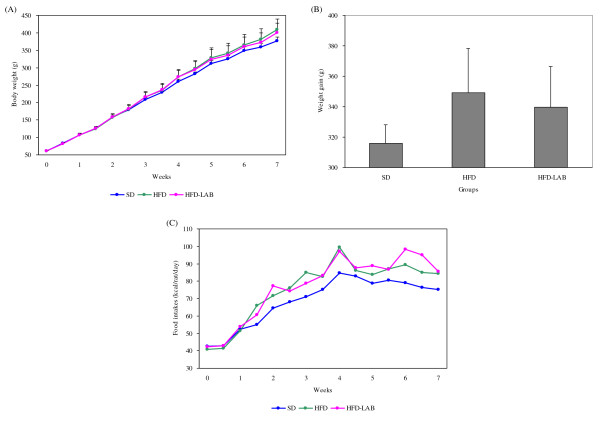
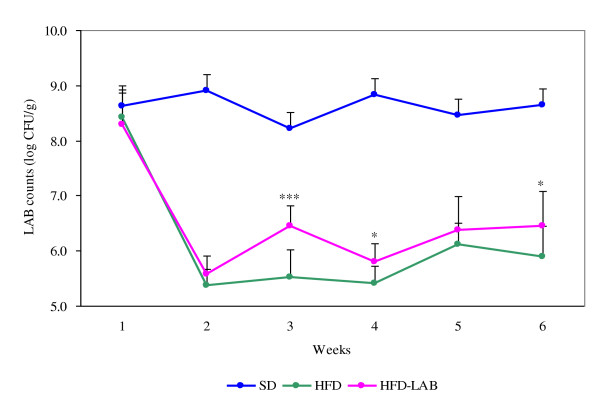
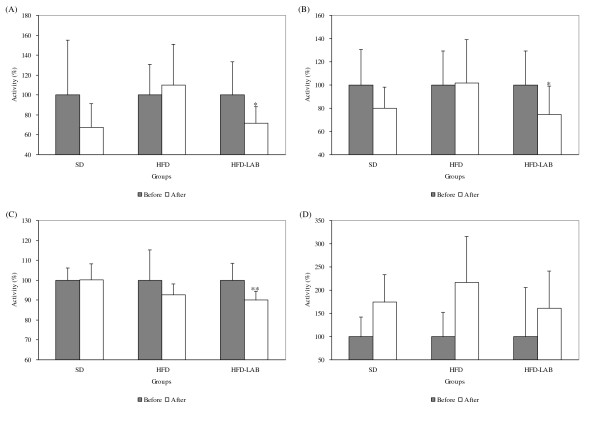
Verification
Claims the paper makes
The claims and statistics of this paper haven’t been checked yet.
Free: it reads the open-access text and checks the first 5 claims that cite a source we can check. Create a free account to check every claim.
Claims other papers make about this one
Each is checked against this paper’s own text: does it say what the citing paper says it does?
In the citing paper
“Moreover, certain Lactobacillus and Bifidobacteria species have been associated with increased muscle strength, weight loss, and reduced obesogenic environments in humans and rodents [173,174,175,176].”
From Impact of Protein Intake in Older Adults with Sarcopenia and Obesity: A Gut Microbiota Perspective (2020) · cites this paper as [173]
In the citing paper
“Similarly, in obese rats fed a high-fat diet, Bifidobacterium spp. decreased levels of circulating triglycerides and LDL and increased levels of HDL [35].”
From Dietary lipids, gut microbiota and lipid metabolism (2019) · cites this paper as [35]
Self-check
Percentages, sums and reported differences re-computed from the paper’s own numbers.
The self-check needs the paper’s full text.
Citations
Cites
Serum Immunoreactive-Leptin Concentrations in Normal-Weight and Obese Humans
Considine, R. V., Sinha, M. K., Heiman, M. L., Kriauciunas, A., Stephens, T. W., Nyce, M. R., Ohannesian, J. P., Marco, C. C., McKee, L. J., Bauer, T. L., et al. (1996) · New England Journal of Medicine · doi:10.1056/nejm199602013340503 · Cited by 6,326 · cited 2×
“Thus, leptin levels are closely related to the percentage of body fat; markedly higher serum leptin levels have been found in obese individuals compared with non-obese individuals [31,32].”
BackgroundResultAFRC, R. F. (1989) · Journal of Applied Bacteriology · doi:10.1111/j.1365-2672.1989.tb05105.x · Cited by 4,149
Cani, P. D., Neyrinck, A. M., Fava, F., Knauf, C., Burcelin, R. G., Tuohy, K. M., Gibson, G. R., & Delzenne, N. M. (2007) · Diabetologia · doi:10.1007/s00125-007-0791-0 · Cited by 1,774 · cited 1×
“with improved glucose-tolerance, glucose-induced insulin-secretion, and normalized inflammatory tone (decreased endotoxemia, plasma and adipose tissue proinflammatory cytokine) [ 7 ].”
BackgroundFrederich, R. C., Hamann, A., Anderson, S., Löllmann, B., Lowell, B. B., & Flier, J. S. (1995) · Nature Medicine · doi:10.1038/nm1295-1311 · Cited by 1,660 · cited 1×
“Leptin has been identified as an antiobesity hormone that regulates body weight by controlling food intake and energy expenditure via the hypothalamic-pituitarygonadal axis [28-30].”
BackgroundProbiotics in man and animals.
Fuller, R. (1989) · PubMed · Cited by 1,292
Signals That Regulate Food Intake and Energy Homeostasis
Woods, S. C., Seeley, R. J., Porte, D., & Schwartz, M. W. (1998) · Science · doi:10.1126/science.280.5368.1378 · Cited by 1,169
Early differences in fecal microbiota composition in children may predict overweight
Kalliomäki, M., Carmen Collado, M., Salminen, S., & Isolauri, E. (2008) · The American Journal of Clinical Nutrition · doi:10.1093/ajcn/87.3.534 · Cited by 1,062 · cited 1×
“[39] also observed that fecal Bifidobacterium spp.”
Leptin Signaling, Adiposity, and Energy Balance
JÉQUIER, E. (2002) · Annals of the New York Academy of Sciences · doi:10.1111/j.1749-6632.2002.tb04293.x · Cited by 789 · cited 1×
“Leptin has been identified as an antiobesity hormone that regulates body weight by controlling food intake and energy expenditure via the hypothalamic-pituitarygonadal axis [28-30].”
BackgroundIncreased obese mRNA expression in omental fat cells from massively obese humans
Hamilton, B. S., Paglia, D., Kwan, A. Y. M., & Deitel, M. (1995) · Nature Medicine · doi:10.1038/nm0995-953 · Cited by 526 · cited 1×
“Thus, leptin levels are closely related to the percentage of body fat; markedly higher serum leptin levels have been found in obese individuals compared with non-obese individuals [31,32].”
BackgroundThe Function of Leptin in Nutrition, Weight, and Physiology
Friedman, J. M. (2002) · Nutrition Reviews · doi:10.1301/002966402320634878 · Cited by 508 · cited 1×
“Leptin has been identified as an antiobesity hormone that regulates body weight by controlling food intake and energy expenditure via the hypothalamic-pituitarygonadal axis [28-30].”
Background
Research works printed but not linked: 1
- Scardovi V Krieg NR, Holt JG Genus Bifidobacterium Bergey's Manual of Systemic Bacteriology 1986 2 Williams & Willikins, MD 1418 143421718174
Cited by
Cross-talk between Akkermansia muciniphila and intestinal epithelium controls diet-induced obesity
Everard, A., Belzer, C., Geurts, L., Ouwerkerk, J. P., Druart, C., Bindels, L. B., Guiot, Y., Derrien, M., Muccioli, G. G., Delzenne, N. M., et al. (2013) · Proceedings of the National Academy of Sciences · doi:10.1073/pnas.1219451110 · Cited by 4,511
“, Lactobacillus spp (30, 31), Bifidobacterium spp (32, 33), and Bacteroides uniformis CECTT 7771 (34)] on fat mass development during diet-induced obesity, but the aims of these studies were different from that of the present study.”
ResultDietary lipids, gut microbiota and lipid metabolism
Schoeler, M., & Caesar, R. (2019) · Reviews in Endocrine and Metabolic Disorders · doi:10.1007/s11154-019-09512-0 · Cited by 1,163
“The capacity of HDL to bind LPS may protect against inflammation.”
BackgroundInfluentialWang, J., Tang, H., Zhang, C., Zhao, Y., Derrien, M., Rocher, E., van-Hylckama Vlieg, J. E. T., Strissel, K., Zhao, L., Obin, M., et al. (2015) · The ISME Journal · doi:10.1038/ismej.2014.99 · Cited by 836
“…subjects with MS have used culture-based or targeted molecular analyses (for example, quantitative PCR, microarray) to evaluate a limited number of gut microbiota components (for example, Bifidobacterium and Lactobacillus) (An et al., 2011; Chen et al., 2011; Xu et al., 2012; Everard et al., 2013).”
BackgroundResultInfluentialThe gut microbiota, obesity and insulin resistance
Shen, J., Obin, M. S., & Zhao, L. (2013) · Molecular Aspects of Medicine · doi:10.1016/j.mam.2012.11.001 · Cited by 599
“More recent studies (An et al., 2011) evaluated the effects of a combination of three species of Bifidobacterium isolated from the gut of healthy Koreans on obese, HFD-fed rats.”
BackgroundGut microbiota and metabolic syndrome
Festi, D., Schiumerini, R., Eusebi, L. H., Marasco, G., Taddia, M., & Colecchia, A. (2014) · World Journal of Gastroenterology · doi:10.3748/wjg.v20.i43.16079 · Cited by 534
Gérard, P. (2016) · Cellular and Molecular Life Sciences · doi:10.1007/s00018-015-2061-5 · Cited by 508
Can probiotics modulate human disease by impacting intestinal barrier function?
Bron, P. A., Kleerebezem, M., Brummer, R.-J., Cani, P. D., Mercenier, A., MacDonald, T. T., Garcia-Ródenas, C. L., & Wells, J. M. (2017) · British Journal Of Nutrition · doi:10.1017/s0007114516004037 · Cited by 499
Probiotics, their health benefits and applications for developing healthier foods: a review
Nagpal, R., Kumar, A., Kumar, M., Behare, P. V., Jain, S., & Yadav, H. (2012) · FEMS Microbiology Letters · doi:10.1111/j.1574-6968.2012.02593.x · Cited by 489
Use of pigs as a potential model for research into dietary modulation of the human gut microbiota
Heinritz, S. N., Mosenthin, R., & Weiss, E. (2013) · Nutrition Research Reviews · doi:10.1017/s0954422413000152 · Cited by 420
You Are What You Eat—The Relationship between Diet, Microbiota, and Metabolic Disorders—A Review
Moszak, M., Szulińska, M., & Bogdański, P. (2020) · Nutrients · doi:10.3390/nu12041096 · Cited by 397
“in obese rats fed a high-fat diet [161].”
BackgroundDahiya, D. K., Renuka, Puniya, M., Shandilya, U. K., Dhewa, T., Kumar, N., Kumar, S., Puniya, A. K., & Shukla, P. (2017) · Frontiers in Microbiology · doi:10.3389/fmicb.2017.00563 · Cited by 352
“Likewise, the population of bifidobacteria is negatively correlated with obesity, and its supplementation provided antiobesity effects in some findings (Yin et al., 2010; An et al., 2011).”
BackgroundProbiotics in prevention and treatment of obesity: a critical view
Kobyliak, N., Conte, C., Cammarota, G., Haley, A. P., Styriak, I., Gaspar, L., Fusek, J., Rodrigo, L., & Kruzliak, P. (2016) · Nutrition & Metabolism · doi:10.1186/s12986-016-0067-0 · Cited by 346
“2011 [52] HFD/normal chow Lactic acid bacterium (LAB) supplement (B.”
BackgroundGut microbiota as a potential target of metabolic syndrome: the role of probiotics and prebiotics
He, M., & Shi, B. (2017) · Cell & Bioscience · doi:10.1186/s13578-017-0183-1 · Cited by 336
Lee, S.-H., Cho, S.-Y., Yoon, Y., Park, C., Sohn, J., Jeong, J.-J., Jeon, B.-N., Jang, M., An, C., Lee, S., et al. (2021) · Nature Microbiology · doi:10.1038/s41564-020-00831-6 · Cited by 325
Self-citationPark, D.-Y., Ahn, Y.-T., Park, S.-H., Huh, C.-S., Yoo, S.-R., Yu, R., Sung, M.-K., McGregor, R. A., & Choi, M.-S. (2013) · PLoS ONE · doi:10.1371/journal.pone.0059470 · Cited by 317
Self-citationIncorporation of therapeutically modified bacteria into gut microbiota inhibits obesity
Chen, Z., Guo, L., Zhang, Y., L. Walzem, R., Pendergast, J. S., Printz, R. L., Morris, L. C., Matafonova, E., Stien, X., Kang, L., et al. (2014) · Journal of Clinical Investigation · doi:10.1172/jci72517 · Cited by 277
Interplay between food and gut microbiota in health and disease
Danneskiold-Samsøe, N. B., Dias de Freitas Queiroz Barros, H., Santos, R., Bicas, J. L., Cazarin, C. B. B., Madsen, L., Kristiansen, K., Pastore, G. M., Brix, S., & Maróstica Júnior, M. R. (2019) · Food Research International · doi:10.1016/j.foodres.2018.07.043 · Cited by 268
Anhê, F. F., Nachbar, R. T., Varin, T. V., Trottier, J., Dudonné, S., Le Barz, M., Feutry, P., Pilon, G., Barbier, O., Desjardins, Y., et al. (2019) · Gut · doi:10.1136/gutjnl-2017-315565 · Cited by 267
Cândido, F. G., Valente, F. X., Grześkowiak, Ł. M., Moreira, A. P. B., Rocha, D. M. U. P., & Alfenas, R. D. C. G. (2018) · International Journal of Food Sciences and Nutrition · doi:10.1080/09637486.2017.1343286 · Cited by 239
“…N u~nez et al. 2014; Hulston et al. 2015; Karimi et al. 2015; Osterberg et al. 2015; Qiao et al. 2015; Wang et al. 2015; Wu et al. 2015), dysbioses (An et al. 2011; Cano et al. 2013; N u~nez et al. 2014; Raso et al. 2014; Wang et al. 2015; Prince et al. 2016), inflammation (Cano et al. 2013;…”
BackgroundInfluentialAnti-Obesity Effect of Lactobacillus gasseri BNR17 in High-Sucrose Diet-Induced Obese Mice
Kang, J.-H., Yun, S.-I., Park, M.-H., Park, J.-H., Jeong, S.-Y., & Park, H.-O. (2013) · PLoS ONE · doi:10.1371/journal.pone.0054617 · Cited by 230
“Similar effects have been observed in other studies [9,20,21].”
ResultAoki, R., Kamikado, K., Suda, W., Takii, H., Mikami, Y., Suganuma, N., Hattori, M., & Koga, Y. (2017) · Scientific Reports · doi:10.1038/srep43522 · Cited by 225
Di Gioia, D., Aloisio, I., Mazzola, G., & Biavati, B. (2014) · Applied Microbiology and Biotechnology · doi:10.1007/s00253-013-5405-9 · Cited by 209
“A large-scale longitudinal study on development and change in the composition of gut microbiota during the Table 1 Principal factors influencing intestinal microbiota development in newborns Place and mode of delivery Maternal microbiota of intestine, vagina, and epidermis Type of infant feeding (breast milk vs. formu…”
BackgroundMethodInfluentialGut Microbiota and Nonalcoholic Fatty Liver Disease: Insights on Mechanisms and Therapy
Ma, J., Zhou, Q., & Li, H. (2017) · Nutrients · doi:10.3390/nu9101124 · Cited by 197
“Reducing body and fat weights, blood serum levels (TC, HDL-C, LDL-C, TG, AST, ALT, and lipase levels) HFD-induced obesity in rats [115]”
BackgroundProbiotics: How Effective Are They in the Fight against Obesity?
Mazloom, K., Siddiqi, I., & Covasa, M. (2019) · Nutrients · doi:10.3390/nu11020258 · Cited by 192
Luca, M., Di Mauro, M., Di Mauro, M., & Luca, A. (2019) · Oxidative Medicine and Cellular Longevity · doi:10.1155/2019/4730539 · Cited by 190
“particular, Bifidobacteria could exert a fundamental hypocholesterolemic role both directly, reducing the absorption and production of cholesterol and facilitating its faecal elimination [56], and indirectly, increasing the serum levels of leptin, an antiobesity hormone recently associated with hippocampal long-term p…”
BackgroundSome current applications, limitations and future perspectives of lactic acid bacteria as probiotics
Evivie, S. E., Huo, G.-C., Igene, J. O., & Bian, X. (2017) · Food & Nutrition Research · doi:10.1080/16546628.2017.1318034 · Cited by 188
Gut microbiota: a key player in health and disease. A review focused on obesity
Villanueva-Millán, M. J., Pérez-Matute, P., & Oteo, J. A. (2015) · Journal of Physiology and Biochemistry · doi:10.1007/s13105-015-0390-3 · Cited by 186
“This is in contrast with studies that reported positive correlations between Bifidobacterium and Lactobacillus levels and improvements in metabolic and inflammatory states [3, 21, 35, 66].”
ResultHsieh, M.-C., Tsai, W.-H., Jheng, Y.-P., Su, S.-L., Wang, S.-Y., Lin, C.-C., Chen, Y.-H., & Chang, W.-W. (2018) · Scientific Reports · doi:10.1038/s41598-018-35014-1 · Cited by 182
Probiotics: interaction with gut microbiome and antiobesity potential.
Arora, T., Singh, S., & Sharma, R. K. (2013) · Nutrition · doi:10.1016/j.nut.2012.07.017 · Cited by 176
“Bifidobacteria produced significant decreases in bodyweight gain and blood glucose and leptin levels without any significant change in fat pad weights in rats [45].”
BackgroundAdipose tissue inflammation and metabolic syndrome. The proactive role of probiotics
Torres, S., Fabersani, E., Marquez, A., & Gauffin-Cano, P. (2019) · European Journal of Nutrition · doi:10.1007/s00394-018-1790-2 · Cited by 170
Ejtahed, H.-S., Angoorani, P., Soroush, A.-R., Atlasi, R., Hasani-Ranjbar, S., Mortazavian, A. M., & Larijani, B. (2019) · Journal of Functional Foods · doi:10.1016/j.jff.2018.10.039 · Cited by 152
Cano-Garrido, O., Seras-Franzoso, J., & Garcia-Fruitós, E. (2015) · Microbial Cell Factories · doi:10.1186/s12934-015-0313-6 · Cited by 147
“It has been demonstrated that obesity and gut microbiota composition strongly correlates [95, 96] .”
BackgroundLee, S. J., Bose, S., Seo, J.-G., Chung, W.-S., Lim, C.-Y., & Kim, H. (2014) · Clinical Nutrition · doi:10.1016/j.clnu.2013.12.006 · Cited by 164
Self-citationFunctional food ingredients for the management of obesity and associated co-morbidities – A review
Baboota, R. K., Bishnoi, M., Ambalam, P., Kondepudi, K. K., Sarma, S. M., Boparai, R. K., & Podili, K. (2013) · Journal of Functional Foods · doi:10.1016/j.jff.2013.04.014 · Cited by 163
Ke, X., Walker, A., Haange, S.-B., Lagkouvardos, I., Liu, Y., Schmitt-Kopplin, P., von Bergen, M., Jehmlich, N., He, X., Clavel, T., et al. (2019) · Molecular Metabolism · doi:10.1016/j.molmet.2019.01.012 · Cited by 160
Probiotics in colorectal cancer (CRC) with emphasis on mechanisms of action and current perspectives
Kahouli, I., Tomaro-Duchesneau, C., & Prakash, S. (2013) · Journal of Medical Microbiology · doi:10.1099/jmm.0.048975-0 · Cited by 142
Unraveling the Puzzle: Health Benefits of Probiotics—A Comprehensive Review
Gul, S., & Durante‐Mangoni, E. (2024) · Journal of Clinical Medicine · doi:10.3390/jcm13051436 · Cited by 161
“9 of 27 The intestinal micro fl ora, as well as the production of β -glucuronidase, β -glucosidase, and tryptophanase, is likewise decreased by these probiotics [63,66–68]. in the maintenance of a normal weight with low leptin levels, and reducing the incidence of chronic heart disease.”
BackgroundFunctional foods as potential therapeutic options for metabolic syndrome
Brown, L., Poudyal, H., & Panchal, S. K. (2015) · Obesity Reviews · doi:10.1111/obr.12313 · Cited by 158
Obesity and microbiota: an example of an intricate relationship
Duranti, S., Ferrario, C., van Sinderen, D., Ventura, M., & Turroni, F. (2017) · Genes & Nutrition · doi:10.1186/s12263-017-0566-2 · Cited by 136
Boto-Ordóñez, M., Urpi-Sarda, M., Queipo-Ortuño, M. I., Tulipani, S., Tinahones, F. J., & Andres-Lacueva, C. (2014) · Food Funct. · doi:10.1039/c4fo00029c · Cited by 154
Contribution of anthocyanin‐rich foods in obesity control through gut microbiota interactions
Jamar, G., Estadella, D., & Pisani, L. P. (2017) · BioFactors · doi:10.1002/biof.1365 · Cited by 156
“Therefore, gut microbiota may interfere with the central nervous system based on the presence or absence GPR41, thereby influencing the central regulation of appetite and satiety [45] through the modulation of PYY and SCFA absorption [43,44].”
BackgroundChildhood BMI in relation to microbiota in infancy and lifetime antibiotic use
Korpela, K., Zijlmans, M. A. C., Kuitunen, M., Kukkonen, K., Savilahti, E., Salonen, A., de Weerth, C., & de Vos, W. M. (2017) · Microbiome · doi:10.1186/s40168-017-0245-y · Cited by 136
“The mechanism is at least partly related to the amelioration of the diet-induced endotoxemia and inflammation in the gut, liver, and in adipose tissue [45, 50, 51], and the deconjugation of bile acids [52], which influences the host’s lipid metabolism and energy expenditure [23].”
BackgroundGenetic and microbiome influence on lipid metabolism and dyslipidemia
Matey-Hernandez, M. L., Williams, F. M. K., Potter, T., Valdes, A. M., Spector, T. D., & Menni, C. (2018) · Physiological Genomics · doi:10.1152/physiolgenomics.00053.2017 · Cited by 130
Diet, Microbiota, Obesity, and NAFLD: A Dangerous Quartet
Machado, M., & Cortez-Pinto, H. (2016) · International Journal of Molecular Sciences · doi:10.3390/ijms17040481 · Cited by 123
“Several pre-clinical studies evaluated the role of probiotics in protecting from obesity and/or the metabolic syndrome, in different rodent models of obesity [113–117].”
BackgroundNutrition, the gut microbiome and the metabolic syndrome
Kovatcheva‐Datchary, P., & Arora, T. (2013) · Best Practice & Research Clinical Gastroenterology · doi:10.1016/j.bpg.2013.03.017 · Cited by 141
Salamon, D., Sroka-Oleksiak, A., Kapusta, P., Szopa, M., Mrozińska, S., Ludwig‐Słomczyńska, A. H., Wołkow, P. P., Bulanda, M., Klupa, T., Malecki, M. T., et al. (2018) · Polskie Archiwum Medycyny Wewnętrznej · doi:10.20452/pamw.4246 · Cited by 140
Lan, Y., Sun, Q., Ma, Z., Peng, J. P., Zhang, M., Wang, C., Zhang, X., Yan, X., Chang, L., Hou, X., et al. (2022) · Food & Function · doi:10.1039/d1fo03147c · Cited by 137
Safavi, M., Farajian, S., Kelishadi, R., Mirlohi, M., & Hashemipour, M. (2013) · International Journal of Food Sciences and Nutrition · doi:10.3109/09637486.2013.775224 · Cited by 117
“…group versus 88.20 12.24 in standard diet group), high-density lipoprotein-cholesterol (HDL-C, 46.09 7.25in HFD-LAB group versus 54.40 9.25in standard diet group) and low-density lipoprotein-cholesterol (LDL-C, 15.22 4.40 in HFD-LAB group versus 19.15 2.96 in standard diet group) (An et al., 2011).”
BackgroundInfluentialZarrati, M., Salehi, E., Nourijelyani, K., Mofid, V., Zadeh, M. J. H., Najafi, F., Ghaflati, Z., Bidad, K., Chamari, M., Karimi, M., et al. (2014) · Journal of the American College of Nutrition · doi:10.1080/07315724.2013.874937 · Cited by 130
Pectic polysaccharides: Targeting gut microbiota in obesity and intestinal health
Lee, H., Kim, Y., & Park, H. (2022) · Carbohydrate Polymers · doi:10.1016/j.carbpol.2022.119363 · Cited by 131
Abildgaard, A., Elfving, B., Hokland, M., Wegener, G., & Lund, S. (2018) · Archives of Physiology and Biochemistry · doi:10.1080/13813455.2017.1398262 · Cited by 120
Park, J.-A., Pichiah, P. B. T., Yu, J., Oh, S., Daily, J. W., & Cha, Y. (2012) · Journal of Applied Microbiology · doi:10.1111/jam.12017 · Cited by 125
“Previously, it has been shown that lactic acid bacteria was effective in inhibiting weight gain in obese animals (Lee et al. 2007; An et al. 2011) and the cytoplasmic fraction of lactic acid bacteria in inhibiting intracellular lipid accumulation in differentiating adipocyte (Cha et al.”
BackgroundModulation of the Gut Microbiota by Nutrients with Prebiotic and Probiotic Properties
Druart, C., Alligier, M., Salazar, N., Neyrinck, A. M., & Delzenne, N. M. (2014) · Advances in Nutrition · doi:10.3945/an.114.005835 · Cited by 123
Han, K., Bose, S., Wang, J., Kim, B., Kim, M. J., Kim, E., & Kim, H. (2015) · Molecular Nutrition & Food Research · doi:10.1002/mnfr.201400780 · Cited by 121
Cuéllar-Núñez, M. L., Luzardo‐Ocampo, I., Campos-Vega, R., Gallegos‐Corona, M. A., de Mejía, E. G., & Loarca-Piña, G. F. (2017) · Food Research International · doi:10.1016/j.foodres.2017.11.004 · Cited by 120
Chen, L.-H., Huang, S.-Y., Huang, K.-C., Hsu, C.-C., Yang, K.-C., Li, L.-A., Chan, C.-H., & Huang, H.-Y. (2019) · Aging · doi:10.18632/aging.101782 · Cited by 117
Nobili, V., Putignani, L., Mosca, A., CHIERICO, F. D., Vernocchi, P., Alisi, A., Stronati, L., Cucchiara, S., Toscano, M., & Drago, L. (2016) · Archives of Medical Science · doi:10.5114/aoms.2016.62150 · Cited by 119
“Indeed, their role in obesity is controversial, some studies demonstrating an involvement in body weight gain, with others showing opposite results [39, 40].”
BackgroundResultInfluentialKarimi, G., Sabran, M. R., Jamaluddin, R., Parvaneh, K., Mohtarrudin, N., Ahmad, Z., Khazaai, H., & Khodavandi, A. (2015) · Food & Nutrition Research · doi:10.3402/fnr.v59.29273 · Cited by 103
“Recent data suggest that probiotic supplements affect host nutritional metabolism, which affects energy storage, adiposity, and nutrient absorption (1, 15).”
BackgroundResultInfluentialButteiger, D. N., Hibberd, A. A., McGraw, N. J., Napawan, N., Hall-Porter, J. M., & Krul, E. S. (2016) · The Journal of Nutrition · doi:10.3945/jn.115.224196 · Cited by 116
Silva, C. C. D., Monteil, M., & Davis, E. M. (2020) · Childhood Obesity · doi:10.1089/chi.2019.0280 · Cited by 119
“29 This suggests that Bifidobacterium spp. may have antiobesity and lipid lowering capabilities.”
Suryani, S., Sariani, S., Earnestly, F., Marganof, M., Rahmawati, R., Sevindrajuta, S., Mahlia, T. M. I., & Fudholi, A. (2020) · Processes · doi:10.3390/pr8040402 · Cited by 115
Nutritional and Health Potential of Probiotics: A Review
Ranjha, M. M. A. N., Shafique, B., Batool, M., Kowalczewski, P. Ł., Shehzad, Q., Usman, M. A., Manzoor, M. F., Zahra, S. M., Yaqub, S., & Aadil, R. M. (2021) · Applied Sciences · doi:10.3390/app112311204 · Cited by 117
Is It Time to Use Probiotics to Prevent or Treat Obesity?
Brusaferro, A., Cozzali, R., Orabona, C., Biscarini, A., Farinelli, E., Cavalli, E., Grohmann, U., Principi, N., & Esposito, S. (2018) · Nutrients · doi:10.3390/nu10111613 · Cited by 103
“However, not all probiotics have the same activity; it was found that the impacts on body weight, fat mass, glucose metabolism, inflammatory markers, plasma and hepatic lipids, or plasma cholesterol levels are strictly species and strain specific [73,74], and in some cases, they can induce a paradoxical effect favouri…”
BackgroundResultProbiotics as beneficial agents in the management of diabetes mellitus: a systematic review
Razmpoosh, E., Javadi, M., Ejtahed, H., & Mirmiran, P. (2016) · Diabetes/Metabolism Research and Reviews · doi:10.1002/dmrr.2665 · Cited by 95
Links between Dietary Protein Sources, the Gut Microbiota, and Obesity
Madsen, L., Myrmel, L. S., Fjære, E., Liaset, B., & Kristiansen, K. (2017) · Frontiers in Physiology · doi:10.3389/fphys.2017.01047 · Cited by 110
“Human and animal studies investigating the effect of soy on the microbiota were recently reviewed, and in general, consumption of soy foods appeared to increase the levels of Bifidobacteria and Lactobacilli and alter the ratio between Firmicutes and Bacteroidetes (Huang et al., 2016).”
BackgroundInfluentialZhang, C., Fang, R., Lu, X., Zhang, Y., Yang, M., Su, Y., Jiang, Y., & Man, C. (2022) · Food & Function · doi:10.1039/d1fo04387k · Cited by 110
Naomi, R., Yazid, M. D., Bahari, H., Yong, Y. K., Rajandram, R., Embong, H., Teoh, S. H., Halim, S., & Othman, F. (2022) · International Journal of Molecular Sciences · doi:10.3390/ijms23062969 · Cited by 109
“are vital for reducing total cholesterol [57], pro-inflammatory cytokines in adipose tissues, and maintaining a regular lipid metabolism process [58].”
BackgroundKim, D. J., Yoon, S., Ji, S. C., Yang, J., Kim, Y., Lee, S., Yu, K., Jang, I., Chung, J., & Cho, J. (2018) · Scientific Reports · doi:10.1038/s41598-018-30349-1 · Cited by 107
Self-citationMontoya-Williams, D., Lemas, D. J., Spiryda, L., Patel, K., Carney, O. O., Neu, J., & Carson, T. L. (2018) · Neonatology · doi:10.1159/000487102 · Cited by 91
Mo, S. J., Lee, K., Hong, H.-J., Hong, D.-K., Jung, S.-H., Park, S.-D., Shim, J.-J., & Lee, J.-L. (2022) · Nutrients · doi:10.3390/nu14122484 · Cited by 105
“adolescentis have been shown to alleviate obesity by modifying the gut microbiota of obese mice [58,59].”
BackgroundSelf-citationThe Effect of Short-Term Consumption of Lactic Acid Bacteria on the Gut Microbiota in Obese People
Burakova, I. Y., Dmitrievna, S. Y., Vladimirovna, G. M., Syromyatnikov, M., Chizhkov, P. A., Попов, Е. С., & Popov, V. N. (2022) · Nutrients · doi:10.3390/nu14163384 · Cited by 101
“showed that Bifidobacterium species were involved in the reduction of body weight and fat mass in Sprague-Dawley rats fed a high-fat diet [31].”
BackgroundImpact of Protein Intake in Older Adults with Sarcopenia and Obesity: A Gut Microbiota Perspective
Prokopidis, K., Cervo, M. M., Gandham, A., & Scott, D. (2020) · Nutrients · doi:10.3390/nu12082285 · Cited by 99
Oral delivery of bacteria: Basic principles and biomedical applications
Li, S., Jiang, W., Zheng, C., Shao, D., Liu, Y., Huang, S., Han, J., Ding, J., Tao, Y., & Li, M. (2020) · Journal of Controlled Release · doi:10.1016/j.jconrel.2020.09.011 · Cited by 97
Lemas, D. J., Yee, S. T., Cacho, N. T., Miller, D. R., Cardel, M. I., Gurka, M. J., Janicke, D. M., & Shenkman, E. A. (2016) · Seminars in Fetal and Neonatal Medicine · doi:10.1016/j.siny.2016.04.013 · Cited by 97
Behrouz, V., Jazayeri, S., Aryaeian, N., Zahedi, M. J., & Hosseini, F. (2017) · Middle East Journal of Digestive Diseases · doi:10.15171/mejdd.2017.66 · Cited by 87
Farràs, M., Martínez-Gili, L., Portune, K. J., Arranz, S., Frost, G. S., Tondo, M., & Blanco‐Vaca, F. (2020) · Nutrients · doi:10.3390/nu12082200 · Cited by 93
“OOPCs can also serve as prebiotics for the growth of certain beneficial colonic bacteria such as Lactobacillus and Bifidobacterium [33], both of which are bacterial genera with potential antiobesity effects [171,172].”
BackgroundYan, S., Shi, R., Li, L., Ma, S., Zhang, H., Jin, Y., Wang, J., Pan, J., Wang, Q., Jin, X., et al. (2019) · Molecular Nutrition & Food Research · doi:10.1002/mnfr.201900521 · Cited by 87
Bianchi, F., Larsen, N., Tieghi, T. D. M., Adorno, M. Â. T., Kot, W., Saad, S. M. I., Jespersen, L., & Sivieri, K. (2018) · Applied Microbiology and Biotechnology · doi:10.1007/s00253-018-9234-8 · Cited by 86
The Effects of Two Lactobacillus plantarum Strains on Rat Lipid Metabolism Receiving a High Fat Diet
Salaj, R., Štofilová, J., Šoltesová, A., Hertelyová, Z., Hijová, E., Bertková, I., Strojný, L., Kružliak, P., & Bomba, A. (2013) · The Scientific World Journal · doi:10.1155/2013/135142 · Cited by 68
Dairy probiotics: Beyond the role of promoting gut and immune health
Ζουμποπούλου, Γ., Pot, B., Tsakalidou, E., & Papadimitriou, K. (2016) · International Dairy Journal · doi:10.1016/j.idairyj.2016.09.010 · Cited by 84
Singhal, M., Turturice, B. A., Manzella, C. R., Ranjan, R., Metwally, A. A., Theorell, J. A., Huang, Y. L., Alrefai, W. A., Dudeja, P. K., Finn, P. W., et al. (2019) · Scientific Reports · doi:10.1038/s41598-019-38489-8 · Cited by 82
Ahmad, M., Gani, A., Hamed, F., & Maqsood, S. (2019) · LWT · doi:10.1016/j.lwt.2019.04.078 · Cited by 82
Pisanu, S., Palmas, V., Madau, V., Casula, E., Deledda, A., Cusano, R., Uva, P., Vascellari, S., Boi, F., Loviselli, A., et al. (2020) · Nutrients · doi:10.3390/nu12092707 · Cited by 67
Fang, S., Xiong, X., Su, Y., Huang, L., & Chen, C. (2017) · BMC Microbiology · doi:10.1186/s12866-017-1055-x · Cited by 80
“Bifidobacterium ameliorates visceral fat accumulation and insulin sensitivity in HFdiet-fed rats [48, 49].”
BackgroundChaplin, A., Parra, P., Serra, F., & Palou, A. (2015) · PLoS ONE · doi:10.1371/journal.pone.0125091 · Cited by 79
Chen, L., Chen, Y.-H., Cheng, K., Chien, T.-Y., Chan, C.-H., Tsao, S., & Huang, H.-Y. (2017) · The Journal of Nutritional Biochemistry · doi:10.1016/j.jnutbio.2017.11.004 · Cited by 81
Probiotics for the control of obesity – Its effect on weight change
Rouxinol-Dias, A. L., Pinto, A. R., Janeiro, C., Rodrigues, D., Moreira, M., Dias, J., & Pereira, P. (2016) · Porto Biomedical Journal · doi:10.1016/j.pbj.2016.03.005 · Cited by 69
Anti-obese effects of two Lactobacilli and two Bifidobacteria on ICR mice fed on a high fat diet
Li, Z., Jin, H. Z., Oh, S.-Y., & Ji, G. E. (2016) · Biochemical and Biophysical Research Communications · doi:10.1016/j.bbrc.2016.10.031 · Cited by 79
Oral microbiome and obesity in a large study of low-income and African-American populations
Yang, Y., Cai, Q., Zheng, W., Steinwandel, M. D., Blot, W. J., Shu, X., & Long, J. (2019) · Journal of Oral Microbiology · doi:10.1080/20002297.2019.1650597 · Cited by 79
“longum, the anti-obesity and weight loss effects of which had been indicated in both rats [45] and human studies”
BackgroundObesity as a Consequence of Gut Bacteria and Diet Interactions
Kotzampassi, K., Giamarellos-Bourboulis, E. J., & Stavrou, G. (2014) · ISRN Obesity · doi:10.1155/2014/651895 · Cited by 64
RetractedAluwong, T., Ayo, J. O., Kpukple, A., & Oladipo, O. O. (2016) · Nutrients · doi:10.3390/nu8050151 · Cited by 74
“Recent studies demonstrated that probiotic bacteria can improve glycaemia and dyslipidaemia [67,68].”
BackgroundThe Role of Probiotics on the Microbiota: Effect on Obesity
Nova, E., Pérez de Heredia, F., Gómez‐Martínez, S., & Marcos, A. (2016) · Nutrition in Clinical Practice · doi:10.1177/0884533615620350 · Cited by 66
Nihei, N., Okamoto, H., Furune, T., Ikuta, N., Sasaki, K., Rimbach, G. H., Yoshikawa, Y., & Terao, K. (2018) · BioFactors · doi:10.1002/biof.1429 · Cited by 74
Sroka-Oleksiak, A., Młodzińska, A., Bulanda, M., Salamon, D., Major, P., Stanek, M., & Gosiewski, T. (2020) · Journal of Clinical Medicine · doi:10.3390/jcm9020369 · Cited by 70
High molecular weight persimmon tannin is a potent hypolipidemic in high-cholesterol diet fed rats
Zou, B., Li, C., Chen, J., Dong, X., Zhang, Y., & Du, J. (2012) · Food Research International · doi:10.1016/j.foodres.2012.05.024 · Cited by 71
Influencia de la microbiota y de los probióticos en la obesidad
Fontané, L., Benaiges, D., Goday, A., Llauradó, G., & Pedro‐Botet, J. (2018) · Clínica e Investigación en Arteriosclerosis · doi:10.1016/j.arteri.2018.03.004 · Cited by 70
Gut microbiota is a potential goalkeeper of dyslipidemia
Lei, L., Zhao, N., Zhang, L., Chen, J., Liu, X., & Piao, S. (2022) · Frontiers in Endocrinology · doi:10.3389/fendo.2022.950826 · Cited by 70
Mahboobi, S., Iraj, B., Maghsoudi, Z., Feizi, A., Ghiasvand, R., Askari, G., & Maayeshi, N. (2014) · PubMed Central · Cited by 70
Aminlari, L., Shekarforoush, S. S., Hosseinzadeh, S., Nazıfı, S., Sajedianfard, J., & Eskandari, M. H. (2018) · Probiotics and Antimicrobial Proteins · doi:10.1007/s12602-018-9480-1 · Cited by 66
Xiao, S., & Zhao, L. (2013) · FEMS Microbiology Ecology · doi:10.1111/1574-6941.12250 · Cited by 64
“…at affecting gut microbiota, both probiotic (live microorganisms beneficial to the host organism, such as Bifidobacterium and Lactobacillus spp.) (An et al., 2011; Chen et al., 2011; F ak & B€ackhed, 2012) and prebiotic (non-digestible food ingredients that stimulate the growth and/or activity…”
Background
Metadata
- Authors
- An, H. M., Park, S. Y., Lee, D. K., Kim, J. R., Cha, M. K., Lee, S. W., Lim, H. T., Kim, K. J., & Ha, N. J.
- Affiliations
- Sahmyook University (KR)
- Corresponding author
- Ha, Nam Joo
- Venue
- Lipids in Health and Disease
- Published
- 2011-07-12
- Volume
- 10
- Issue
- 1
- Pages
- 116-116
- ISSN
- 1476-511X (ISSN-L)
- PMC
- PMC3146849
- OpenAlex
- W2170559209
- Cited by
- 320
- References
- 45
- Citations by year
- 2026: 13 · 2025: 16 · 2024: 15 · 2023: 15 · 2022: 30 · 2021: 29 · 2020: 26 · 2019: 27 · 2018: 32 · 2017: 26 · 2016: 16 · 2015: 21 · 2014: 20 · 2013: 25 · 2012: 9
- FWCI
- 25.24
- Type
- journal article
- Language
- en
- Open access
- gold
- doi.org
- Licence
- cc-by
- Locations
- Lipids in Health and Disease (publishedVersion, cc-by)
- Europe PMC (PubMed Central) (publishedVersion, cc-by)
- PubMed Central (publishedVersion, cc-by)
- PubMed (publishedVersion)
- DOAJ (DOAJ: Directory of Open Access Journals) (submittedVersion, cc-by-sa)
- Funders
- Sahmyook University
- Topics
- Life Sciences › Agricultural and Biological Sciences › Food Science › Probiotics and Fermented Foods
- Life Sciences › Biochemistry, Genetics and Molecular Biology › Molecular Biology › Gut microbiota and health
- Health Sciences › Nursing › Nutrition and Dietetics › Microbial Metabolites in Food Biotechnology
- Keywords
- Bifidobacterium, probiotics, anti-obesity, hypolipidemic effect, high-fat diet-induced obesity, lactic acid bacteria, Bifidobacterium pseudocatenulatum, Bifidobacterium longum, serum lipids, gut commensal bacteria, leptin, liver enzymes
- MeSH terms
- Alanine Transaminase, alpha-Amylases, Animals, Hypolipidemic Agents, Aspartate Aminotransferases, beta-Glucosidase, Bifidobacterium, Blood Glucose, Dietary Fats, Feces, Glucuronidase, Lipase, Lipids, Male, Obesity, Tryptophanase, Urease, Weight Gain, Rats, Sprague-Dawley, Anti-Obesity Agents, Probiotics, Leptin, Rats
About these checks
Registry, retraction, Cites and statistics results are computed, not judged, with one exception: a printed reference that no index lists is read once by a model before it counts as a citation error. Claims are extracted by a model and kept only when their quote appears verbatim in the text; each cited source is then checked, with a model’s help, for whether it says what the claim relies on. Those verdicts can be wrong — read the claim’s quote and the cited source before relying on one.
Statistics and arithmetic are recomputed, not judged.
Confidence bands are shown only for fields calibrated on our annotated test set. None is calibrated yet, so no band is shown.
What counts as a claim ›How we measure confidence ›How we check this ›
Are you an author, or do you see a problem with this page? Request a review
Data sources
Bibliographic data: Semantic Scholar, OpenAlex, Crossref.
Contains information from the Semantic Scholar Academic Graph Datasets, made available under the ODC Attribution License (ODC-BY 1.0).
Semantic Scholar’s data is described in: Kinney, R., et al. (2023). The Semantic Scholar Open Data Platform. arXiv:2301.10140.
