

The dynamic sustainability framework: addressing the paradox of sustainment amid ongoing change
Open accessThe DOI matches its Crossref record; 64 of the 64 references it cites were found in a registry or an index.
Abstract
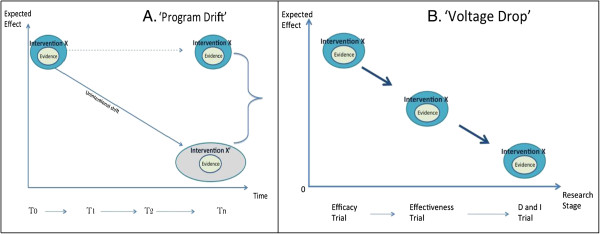
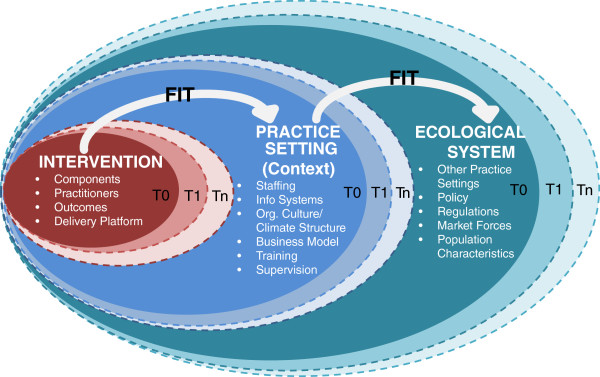
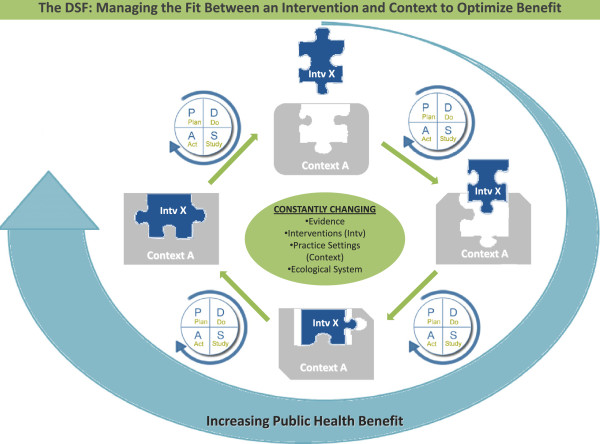
BACKGROUND: Despite growth in implementation research, limited scientific attention has focused on understanding and improving sustainability of health interventions. Models of sustainability have been evolving to reflect challenges in the fit between intervention and context. DISCUSSION: We examine the development of concepts of sustainability, and respond to two frequent assumptions -'voltage drop,' whereby interventions are expected to yield lower benefits as they move from efficacy to effectiveness to implementation and sustainability, and 'program drift,' whereby deviation from manualized protocols is assumed to decrease benefit. We posit that these assumptions limit opportunities to improve care, and instead argue for understanding the changing context of healthcare to continuously refine and improve interventions as they are sustained. Sustainability has evolved from being considered as the endgame of a translational research process to a suggested 'adaptation phase' that integrates and institutionalizes interventions within local organizational and cultural contexts. These recent approaches locate sustainability in the implementation phase of knowledge transfer, but still do not address intervention improvement as a central theme. We propose a Dynamic Sustainability Framework that involves: continued learning and problem solving, ongoing adaptation of interventions with a primary focus on fit between interventions and multi-level contexts, and expectations for ongoing improvement as opposed to diminishing outcomes over time. SUMMARY: A Dynamic Sustainability Framework provides a foundation for research, policy and practice that supports development and testing of falsifiable hypotheses and continued learning to advance the implementation, transportability and impact of health services research.
Overview
The claims and statistics of this paper haven’t been checked yet.
Free: it reads the open-access text and checks the first 5 claims that cite a source we can check. Create a free account to check every claim.
Integrity signals
Registry
Cites
Statistics
Figures
Verification
Claims the paper makes
The claims and statistics of this paper haven’t been checked yet.
Free: it reads the open-access text and checks the first 5 claims that cite a source we can check. Create a free account to check every claim.
Claims other papers make about this one
Each is checked against this paper’s own text: does it say what the citing paper says it does?
The source backs part of the claim, not all of it — or backs it for a different population, condition or comparison.
In the citing paper
“Internal organizational supports include champion roles, leadership, resources, policies and procedures, and expert support (ie, coaching).”
From Successful Organizational Strategies to Sustain Use of A-CHESS: A Mobile Intervention for Individuals With Alcohol Use Disorders (2015) · cites this paper as [32]
Experimental — accuracy not yet measuredThe source backs part of the claim, not all of it — or backs it for a different population, condition or comparison.
In the citing paper
“However, modifications that remove key elements of an intervention, or fail to align with population needs, may be less effective [7, 11–14].”
From The FRAME: an expanded framework for reporting adaptations and modifications to evidence-based interventions (2019) · cites this paper as [7]
Experimental — accuracy not yet measuredThe cited source says what the claim attributes to it.
In the citing paper
“the failure of most implementation processes to incorporate ongoing, iterative intervention development increases the risk that local users will find new technologies to be low on key implementation outcomes such as acceptability, feasibility, and appropriateness (Proctor et al., 2011) and may limit effectiveness (Chambers et al., 2013)”
From User‐centered design for psychosocial intervention development and implementation. (2016) · cites this paper as Chambers et al., 2013
The cited source says what the claim attributes to it.
In the citing paper
“ongoing adjustment and evaluation of EBT to ensure that a program is response to the local context provides an opportunity to increase intervention effectiveness over time (Aarons et al., 2012; Chambers et al., 2013)”
From User‐centered design for psychosocial intervention development and implementation. (2016) · cites this paper as Chambers et al., 2013
The cited source says what the claim attributes to it.
In the citing paper
“EBT are typically disseminated as static tools to be used only as directed by developers, rather than products to be improved over time (Chambers, Glasgow, & Stange, 2013)”
From User‐centered design for psychosocial intervention development and implementation. (2016) · cites this paper as Chambers, Glasgow, & Stange, 2013
25 more claims about this paper
Create a free account to see every claim other papers make about this one.
Self-check
Percentages, sums and reported differences re-computed from the paper’s own numbers.
The self-check needs the paper’s full text.
Citations
Cites
DiMaggio, P. J., & Powell, W. W. (1983) · American Sociological Review · doi:10.2307/2095101 · Cited by 38,435
DiMaggio, P. J., & Powell, W. W. (2004) · Advances in Strategic Management · doi:10.1016/s0742-3322(00)17011-1 · Cited by 25,802
Damschroder, L. J., Aron, D. C., Keith, R. E., Kirsh, S. R., Alexander, J. A., & Lowery, J. C. (2009) · Implementation Science · doi:10.1186/1748-5908-4-50 · Cited by 14,496 · cited 3×
“Brownson RC, Colditz GA, Proctor EK: Dissemination and Implementation Research in Health.”
MethodInfluentialDeveloping and evaluating complex interventions: the new Medical Research Council guidance
Craig, P., Dieppe, P., Macintyre, S., Michie, S., Nazareth, I., & Petticrew, M. (2008) · BMJ · doi:10.1136/bmj.a1655 · Cited by 10,995 · cited 1×
“A linear approach may be particularly challenging to apply to complex, multi-component interventions, psychosocial treatments, treatment of the growing number of people with multimorbid conditions [14,15], and systemic approaches to care [15].”
BackgroundDiMaggio, P. (1983) · American Sociological Review · Cited by 9,078
Diffusion of Innovations in Service Organizations: Systematic Review and Recommendations
GREENHALGH, T., ROBERT, G., MACFARLANE, F., BATE, P., & KYRIAKIDOU, O. (2004) · The Milbank Quarterly · doi:10.1111/j.0887-378x.2004.00325.x · Cited by 7,448 · cited 1×
“As implementation science has grown [1,2], researchers have advanced from study of facilitators and barriers that influence uptake of effective programs and policies to investigations of strategies to improve uptake.”
BackgroundSelf-management education: History, definition, outcomes, and mechanisms
Lorig, K. R., & Holman, H. R. (2003) · Annals of Behavioral Medicine · doi:10.1207/s15324796abm2601_01 · Cited by 4,094 · cited 1×
“The context both within an organization and in the broader ecological system is constantly changing, and requires a ‘learning organization’ [52] to engage in problem-solving capacity at multiple levels [53].”
BackgroundAdvancing a Conceptual Model of Evidence-Based Practice Implementation in Public Service Sectors
Aarons, G. A., Hurlburt, M., & Horwitz, S. M. (2011) · Administration and Policy in Mental Health and Mental Health Services Research · doi:10.1007/s10488-010-0327-7 · Cited by 3,240 · cited 1×
“Sustainment The continued use of an intervention within practice [10].”
BackgroundOrganizing Care for Patients with Chronic Illness
Wagner, E. H., Austin, B. T., & Korff, M. V. (1996) · The Milbank Quarterly · doi:10.2307/3350391 · Cited by 2,877 · cited 1×
“Perhaps an even greater benefit to practice would come through pooling of data across a larger set of sites, practitioners and patients, something done with success for chronic disease [55,56].”
BackgroundThe challenge of complexity in health care
Plsek, P. E., & Greenhalgh, T. (2001) · BMJ · doi:10.1136/bmj.323.7313.625 · Cited by 2,578 · cited 1×
“These include Wandersman’s Getting to Outcomes model [31], Continuous Quality Improvement (CQI) [34], system dynamics [35], complexity theory [36], adaptive management [37], and the Evidence Integration Triangle [30].”
Method
Research works printed but not linked: 5
- Brownson RC Colditz GA Proctor EK Dissemination and Implementation Research in Health 2012 New York: OUP
- Wandersman A Imm P Chinman M Getting to Outcomes: Methods and tools for planning, evaluation and accountability 1999 Rockville, MD: Center for Substance Abuse Prevention
- Bughlin J Chui M Johnson B The next step in open innovation The McKinsey Quarterly 2012 http://www.mckinseyquarterly.com/next_step_in_open_innovation_2155. Accessed
- Institute of Medicine A foundation for evidence-driven practice: A rapid learning system for cancer care 2010 Workshop Summary. Washington, D.C: NAS Press 25032381
- PatientsLikeMe PatientsLikeMe website 2012 http://patientslikeme.com. Accessed March 15, 2012
Cited by
Items 801–900 of 1,006
Nurse-led diabetes management in remote locations.
Kirby, S. E., Moore, M., McCarron, T., Perkins, D. A., & Lyle, D. M. (2015) · PubMed · Cited by 13
Inrig, S. J., Higashi, R. T., Tiro, J. A., Argenbright, K. E., & Lee, S. J. C. (2016) · Evaluation and Program Planning · doi:10.1016/j.evalprogplan.2016.11.006 · Cited by 11
Smith, T. G., Beckwitt, A. E., van de Poll-Franse, L. V., Bontemps-Jones, J. E., James, T. A., McCabe, R. M., Francescatti, A. B., & Aaronson, N. K. (2021) · Supportive Care in Cancer · doi:10.1007/s00520-021-06458-5 · Cited by 11
“Cancer teams’ positive attitude towards and belief in distress screening benefits are important factors in its success and sustainability [1, 11, 12, 14, 21].”
BackgroundMarin, D. B., Karol, A. B., Sharma, V., Wetmore, J. B., Costello, Z., Henry, B., Robinson, M., Thompson, L. B., Peña, I., & Jandorf, L. H. (2021) · Journal of Religion and Health · doi:10.1007/s10943-021-01453-w · Cited by 9
Carlfjord, S., Strid, E. N., Johansson, K. M., Holmgren, T. M., & Öberg, B. E. (2018) · Journal of Evaluation in Clinical Practice · doi:10.1111/jep.13034 · Cited by 9
Abstracting ICU Nursing Care Quality Data From the Electronic Health Record
Seaman, J. B., Evans, A. C., Sciulli, A. M., Barnato, A. E., Sereika, S. M., & Happ, M. B. (2016) · Western Journal of Nursing Research · doi:10.1177/0193945916665814 · Cited by 9
Lozada-Tequeanes, A. L., Théodore, F. L., Kim-Herrera, E., García-Guerra, A., Quezada-Sánchez, A. D., Alvarado-Casas, R., & Bonvecchio, A. (2024) · JMIR mHealth and uHealth · doi:10.2196/55509 · Cited by 8
“Overcoming such barriers is crucial to increase exposure to the intervention, thereby enhancing its impact and sustainability [49].”
BackgroundExploring the sustainability of virtual care interventions: A scoping review
Austin, T., Tahsin, F., Larsen, D., BAKER, R. G., & Gray, C. S. (2025) · PLOS Digital Health · doi:10.1371/journal.pdig.0000893 · Cited by 11
Ready, set, go! Evaluating readiness to implement competency-based medical education
Cheung, W. J., Hall, A. K., Skutovich, A., Brzezina, S., Dalseg, T. R., Oswald, A., Cooke, L., Melle, E. V., Hamstra, S. J., & Frank, J. R. (2022) · Medical Teacher · doi:10.1080/0142159x.2022.2041585 · Cited by 10
“…complex environments is challenging (Greenhalgh and Papoutsi 2018), and there is increasing recognition in the literature that pre-implementation work that applies a scaled approach preceding full implementation is critical to success and sustainability (Chambers et al. 2013; Barker et al. 2016).”
BackgroundCouturier, J. L., Pellegrini, D., Grennan, L., Nicula, M., Miller, C., Agar, P., Webb, C., Anderson, K. E., Barwick, M. A., Dimitropoulos, G., et al. (2022) · Translational Behavioral Medicine · doi:10.1093/tbm/ibac086 · Cited by 10
Swindle, T., Bellows, L. L., Mitchell, V., Johnson, S. L., Shakya, S., Zhang, D., Selig, J. P., Whiteside-Mansell, L., & Curran, G. M. (2022) · Frontiers in Health Services · doi:10.3389/frhs.2022.1010305 · Cited by 9
Martens, M., Wouters, E., van Olmen, J., Klemenc–Ketiš, Z., Chhim, S., Chham, S., Buffel, V., Danhieux, K., Stojnić, N., Zavrnik, Č., et al. (2022) · BMJ Open · doi:10.1136/bmjopen-2022-062151 · Cited by 8
Sigmarsdóttir, M., Rodríguez, M. M. D., Gewirtz, A. H., Rains, L. A., Tjaden, J., & Forgatch, M. S. (2023) · BMC Health Services Research · doi:10.1186/s12913-023-09611-4 · Cited by 10
“Valid fidelity assessment enables intervention and implementation researchers to understand implementation failures or “voltage drop” [14] and determine whether an implementation effort has failed because the intervention was ineffective in the new setting or because of a fidelity failure [4, 15].”
BackgroundCornelissen, M., Kemler, E., Baan, A., & van Nassau, F. (2023) · BMJ Open Sport & Exercise Medicine · doi:10.1136/bmjsem-2022-001456 · Cited by 8
Thompson, C. A., Daffu-O’Reilly, A., Willis, T. A., Gordon, A. L., Noakes, C. J., Khaliq, K. A., Farrin, A. J., Kemp, A. H., Hall, T., Bojke, C., et al. (2023) · Implementation Science Communications · doi:10.1186/s43058-023-00533-0 · Cited by 11
Drivers of telemedicine in primary care clinics at a large academic medical centre
Parameswaran, V., Koos, H., Kalwani, N. M., Qureshi, L., Rosengaus, L., Dash, R., Scheinker, D., Rodríguez, F., Johnson, C., Stange, K. C., et al. (2023) · Journal of Telemedicine and Telecare · doi:10.1177/1357633x231219311 · Cited by 8
Self-citationSustaining health obesity prevention programs: Lessons from real-world population settings
Crane, M. A., Lee, K., Bohn-Goldbaum, E. E., Nathan, N., & Bauman, A. E. (2024) · Evaluation and Program Planning · doi:10.1016/j.evalprogplan.2024.102404 · Cited by 9
Xiao, J., Huang, S., Wáng, Q., Tan, S., Chen, L., Yuan, H., Xiang, D., Zhang, B., Li, X., Guo, Y. J., et al. (2024) · Journal of Epidemiology and Global Health · doi:10.1007/s44197-024-00244-2 · Cited by 9
“…of interventions over time, in the characteristics of practice settings and in broader systems that provides environment for care delivery, and has been used in identifying threats to sustainability, predicting sustainable implementing, and evaluating adaptation of interventions [30, 31].”
InfluentialFalb, K., Kullenberg, S., Yuan, C. T., & Blackwell, A. (2024) · Conflict and Health · doi:10.1186/s13031-024-00597-2 · Cited by 10
“We contend that the Dynamic Sustainability Framework, with its particular attention to understanding how changes in context may influence sustainment of interventions, may be particularly advantageous to explore within studies and programs that are continually refined over time and place [18].”
BackgroundReal-world public health interventions demonstrate how research evidence informs program scale-up
Crane, M. A., Lee, K., Wolfenden, L., Phongsavan, P., & Bauman, A. E. (2024) · Health Promotion International · doi:10.1093/heapro/daae111 · Cited by 9
“However, this result supports the view that research-funded implementation is effective and supports the call for strategies to facilitate engagement with the research sector in generating evidence of intervention effectiveness before scale-up (Proctor et al ., 2011; Chambers et al ., 2013).”
ResultBasha, S. A. J., Kim, J. J., Cai, Q., Kuckertz, M., & Gewirtz, A. H. (2024) · Clinical Psychology Review · doi:10.1016/j.cpr.2024.102531 · Cited by 9
An, Q., Sandlund, M., Lundell, S., Kuenen, S., CHASTIN, S. F. M., Helleday, R., Messiha, K., Loisel, Q. E. A., & Wadell, K. (2025) · Design Studies · doi:10.1016/j.destud.2025.101297 · Cited by 8
King, D. K., Neander, L. L., Edwards, A. E., Barnett, J. D., Zöld, A. L., & Hanson, B. L. (2018) · Pedagogy in Health Promotion · doi:10.1177/2373379918785924 · Cited by 8
“…environments and constraints, as well as the needs and limitations of the professionals expected to deliver them (Castro, Barrera, & Martinez, 2004; Chambers et al., 2013; Chambers & Norton, 2016; Devieux et al., 2005; Gibbs, Krieger, Cutbush, ClintonSherrod, & Miller, 2016; Hawe, Shiell, &…”
BackgroundUsing Lean-Facilitation to Improve Quality of Hepatitis C Testing in Primary Care
Yakovchenko, V., DeSotto, K., Drainoni, M., Lukesh, W., Miller, D. R., Park, A. Y. S., Shao, Q., Thornton, D. J., & Gifford, A. L. (2020) · Journal of General Internal Medicine · doi:10.1007/s11606-020-06210-5 · Cited by 9
Thompson, J. S., Fitzgerald, M. D., Allen, L. A., McIlvennan, C. K., Glasgow, R. E., Wynia, M. K., Morris, M. A., Beilenson, J., Gherst, C., & Matlock, D. D. (2021) · Circulation Cardiovascular Quality and Outcomes · doi:10.1161/circoutcomes.120.007256 · Cited by 9
Self-citationThe S.P.A.C.E Hypothesis: Physical Activity as Medium — Not Medicine — for Public Health Impact
Bustamante, E. E., Ramer, J. D., Santiago-Rodríguez, M. E., Mehta, T. G., Bustamante, A. S., Márquez, D. X., & Frazier, S. L. (2021) · Exercise and Sport Sciences Reviews · doi:10.1249/jes.0000000000000248 · Cited by 8
“(22) assert that the predictable lack of fit between interventions and settings over time underlies major implementation problems.”
BackgroundInfluentialVainieri, M., Ferré, F., & Manetti, S. (2021) · Sustainability · doi:10.3390/su13073873 · Cited by 8
“Hence, we mainly referred to (i) structure— management of collaboration; (ii) intermediate results—quality of collaboration; (iii) final results—outcome; • The multi-layer structure, considering the stakeholders that play a role in the network programme, as suggested by collaborative governance scholars [4,9,10]; • Th…”
BackgroundSchechter‐Perkins, E. M., van den Berg, P., & Branch‐Elliman, W. (2021) · Open Forum Infectious Diseases · doi:10.1093/ofid/ofab134 · Cited by 10
“Recommendations are grounded in the Dynamic Sustainability Framework and include suggestions to maintain infection prevention effectiveness over time to ensure ongoing safety.”
InfluentialInfluences of Inner and Outer Settings on Wraparound Implementation Outcomes
Olson, J. R., Azman, A. A., Estep, K. M., Coviello, K. A., Robshaw, S., & Bruns, E. J. (2021) · Global Implementation Research and Applications · doi:10.1007/s43477-021-00008-1 · Cited by 8
Ramani-Chander, A., Joshi, R., van Olmen, J., Wouters, E., Delobelle, P., Vedanthan, R., Miranda, J. J., Oldenburg, B. F., Sherwood, S. G., Rawal, L. B., et al. (2022) · BMJ Open · doi:10.1136/bmjopen-2021-053122 · Cited by 11
Rojas, N. M., Katter, J., Tian, R., Montesdeoca, J., Caycedo, C., & Kerker, B. D. (2022) · American Journal of Community Psychology · doi:10.1002/ajcp.12616 · Cited by 8
Eichinger, M., Görig, T., Georg, S., Hoffmann, D., Sonntag, D., Philippi, H., König, J., Urschitz, M. S., & Bock, F. D. (2022) · International Journal of Environmental Research and Public Health · doi:10.3390/ijerph192416865 · Cited by 11
Rafferty, M. R., Stoff, L., Smith, J. D., Hansen, P., Briody, M., Diaz, C., O'Donnell, L., Heinemann, A. W., Brown, C. H., & Lieber, R. L. (2023) · Archives of Physical Medicine and Rehabilitation · doi:10.1016/j.apmr.2023.02.014 · Cited by 10
Sacchi, C., Andersson, K., Roczniewska, M. A., Luckhaus, J. L., Castillo, M. M., Rodmalm, L. P., Lodin, K., Mosson, R., Dannapfel, P., Wannheden, C., et al. (2023) · BMC Health Services Research · doi:10.1186/s12913-023-09409-4 · Cited by 17
“In such systems, successful implementation requires collaboration and alignment of different players in a networked way, and continual adaptation of an intervention to the context and the priorities of the organization and its users [12].”
BackgroundMoyal‐Smith, R., Etheridge, J. C., Karlage, A., Sonnay, Y., Yuan, C. T., Havens, J. M., Brindle, M. E., & Berry, W. R. (2023) · Implementation Science Communications · doi:10.1186/s43058-023-00440-4 · Cited by 11
The delivery of the ReWork-Stroke program: A process evaluation
Johansson, U., Nilsson, A. Ö., Falkdal, A. H., von Koch, L., Hellman, T., & Eriksson, G. M. (2021) · Work · doi:10.3233/wor-213585 · Cited by 8
“In the present study, the focus is on the quality and quantity of what was delivered in the ReWork-Stroke program as a basis for further development/refinement [13].”
Accounting for Context in Randomized Trials after Assignment
Brown, C. H., Hedeker, D., Gibbons, R. D., Duan, N., Almirall, D., Gallo, C. G., Burnett‐Zeigler, I., Prado, G. J., Young, S. D., Valido, A., et al. (2022) · Prevention Science · doi:10.1007/s11121-022-01426-9 · Cited by 9
“Two major challenges in scaling up effective preventive interventions have been recognized (Chambers et al., 2013).”
BackgroundKnowledge, Innovation and Sustainability: Past Literature and Future Trends
Fernandes, C., Ferreira, J. J., Veiga, P. M., & Peris‐Ortiz, M. (2018) · Innovation, technology and knowledge management · doi:10.1007/978-3-319-74881-8_2 · Cited by 11
Simplifying Treatment and Reducing Recurrence for Patients With Early-Stage Bladder Cancer
Kaffenberger, S. D., Miller, D. C., & Nielsen, M. E. (2018) · JAMA · doi:10.1001/jama.2018.4656 · Cited by 8
(2023) · doi:10.2196/preprints.55509 · Cited by 8
Implementing Large-Scale Data-Driven Quality Improvement in Assisted Living
Ramly, E., Parks, R., Fishler, T., Ford, J. H., Zimmerman, D. R., & Nordman-Oliveira, S. (2021) · Journal of the American Medical Directors Association · doi:10.1016/j.jamda.2021.12.025 · Cited by 7
Baynes, C. D., Steyn, P. S., Soi, C., Dinis, A., Tembe, S., Mehrtash, H., Narasimhan, M., Kiarie, J. N., & Sherr, K. (2022) · Frontiers in Global Women s Health · doi:10.3389/fgwh.2022.1038297 · Cited by 10
Lui, F., Chen, Z., Niu, Y., BREITBART, W. S., Gany, F. M., & Leng, J. C. F. (2024) · Asian American Journal of Psychology · doi:10.1037/aap0000318 · Cited by 8
Chicoine, G., & Straus, S. E. (2025) · International Journal of Evidence-Based Healthcare · doi:10.1097/xeb.0000000000000496 · Cited by 8
“8 – 10 Moreover, failure to sustain evidence-based changes or innovations to practice means that expected improvements in care are short-lived; scaling up and diffusion of health care innovations are unlikely; and losses are incurred on research investments, often made with public funds.”
InfluentialMuho, A., Brugger, C., Salzmann, T., Wyss, K., & Steinmann, P. (2025) · BMJ Open · doi:10.1136/bmjopen-2024-095516 · Cited by 12
Matheny, M. E., Carpenter-Song, E. A., Ricket, I. M., Solomon, R., Stabler, M. E., Davis, S. E., Zubkoff, L., Westerman, D. M., Dorn, C. A., Cox, K. C., et al. (2025) · Journal of the American Heart Association · doi:10.1161/jaha.124.038920 · Cited by 8
Ramsden, V., Babl, F. E., Haskell, L., Wilson, C. L., Middleton, S., Schembri, R., King, A., Wallace, A., Partyka, A., Baldock, C., et al. (2025) · BMJ Quality & Safety · doi:10.1136/bmjqs-2024-018135 · Cited by 7
“17 18 We defined sustainability as the degree to which an evidence-based intervention can deliver its benefits over a defined period of time after external support is removed, while sustainment was defined as the continued use of the de- implementation interventions.”
Trinkley, K. E., Durán, D., Zhang, S., Bean, M., Allen, L. A., Glasgow, R. E., Huebschmann, A. G., Lin, C., Mansoori, J. N., Maw, A., et al. (2025) · Journal of Medical Internet Research · doi:10.2196/73189 · Cited by 9
“This approach considers the complexity of how the overarching CDS itself is a nudge which can have layers of embedded nudges that must all work together and align with the dynamically changing context of health care locally and nationally to positively change behavior [69,70].”
Self-citationLubans, D. R., Shields, N., Eather, N., Smith, J. J., Noetel, M., Hillman, C. H., Lonsdale, C., Oldmeadow, C. J., Stuart, A., Kennedy, S. G., et al. (2025) · International Journal of Behavioral Nutrition and Physical Activity · doi:10.1186/s12966-025-01829-1 · Cited by 10
“Program drift (i.e., deviation from the original procedures of an intervention during implementation) [41] is an alternate explanation for the ‘voltage drop’ [42] observed.”
Sustainability drivers of Canada’s most health-promoting hospital
Graham, J. R., & Naylor, P. (2019) · Healthcare Management Forum · doi:10.1177/0840470418820546 · Cited by 7
Natal, K. H., Machado, T. G., Bracco, F., Lemos, L. I., Viganó, M. E. F., Machado, G. M., Vargas, J. D. Y., Raggio, D. P., Mendes, F. M., Imparato, J. C. P., et al. (2022) · BMC Oral Health · doi:10.1186/s12903-022-02101-9 · Cited by 10
“Understanding which possible adaptations to the intervention are needed to overcome these barriers is crucial to its effective implementation because the core components of the intervention must be retained for effectiveness [13].”
BackgroundHuang, K., Nakigudde, J., Kisakye, E. N., Sentongo, H., Dennis‐Tiwary, T. A., Tozan, Y., Park, H., & Brotman, L. M. (2022) · International Journal of Mental Health Systems · doi:10.1186/s13033-022-00538-7 · Cited by 10
Implementation Science for the Practice-Oriented Nurse Leader
Nelson‐Brantley, H. V., & Chipps, E. M. (2023) · Nursing Administration Quarterly · doi:10.1097/naq.0000000000000572 · Cited by 8
Miyamoto, S., Wright, E. N., Thiede, E., Perkins, D. F., Bittner, C., & Dorn, L. D. (2023) · Violence Against Women · doi:10.1177/10778012231159413 · Cited by 10
“The Dynamic Sustainability Framework (DSF) guides SAFE-T ’ s evaluation process, allowing for continual re fi nement of the program ’ s telehealth, mentorship, educational, and clinical components throughout planning and implementation (Chambers et al., 2013; Miyamoto, Thiede, et al., 2021).”
BackgroundMethodNjiro, B. J., Ngowi, J. E., Mlunde, L. B., Munishi, C. G., Kapologwe, N., Kengia, J. T., Deng, L., Timbrell, A., Kitinya, W. J., & Sunguya, B. F. (2023) · PLOS Global Public Health · doi:10.1371/journal.pgph.0002097 · Cited by 9
“An intervention is considered sustainable if the intended services are institutionalized and continue to be delivered over time after the external support is terminated [16].”
BackgroundBerkel, C., Knox, D., Flemotomos, N., Martínez, V. R., Atkins, D. C., Narayanan, S. S., Rodriguez, L. A., Gallo, C. G., & Smith, J. D. (2023) · Implementation Research and Practice · doi:10.1177/26334895231187906 · Cited by 9
Simione, M., Aschbrenner, K. A., Farrar-Muir, H., Luo, M., Granadeño, J., Caballero-Gonzalez, A., Price, S. N., Torres, C. G., Boudreau, A. A., Fiechtner, L. G., et al. (2023) · Implementation Science Communications · doi:10.1186/s43058-023-00523-2 · Cited by 7
Participatory Approaches in Dissemination and Implementation Science
Ramanadhan, S., Davis, M. M., Donaldson, T., Miller, E., & Minkler, M. (2023) · Oxford University Press eBooks · doi:10.1093/oso/9780197660690.003.0010 · Cited by 13
Iglesia, E. G. A., Fleischer, D. M., & Abrams, E. M. (2024) · The Journal of Allergy and Clinical Immunology In Practice · doi:10.1016/j.jaip.2024.05.028 · Cited by 8
Johnson, G. G. R. J., Singh, H., Helewa, R. M., Sibley, K. M., Reynolds, K., El‐Kefraoui, C., & Doupe, M. B. (2024) · Scientific Reports · doi:10.1038/s41598-024-63753-x · Cited by 7
Blok, A. C., Drake, C., Decosimo, K. P., Zullig, L. L., Hughes, J. M., Sperber, N. R., Kota, S., Franzosa, E. C., Coffman, C. J., Shepherd‐Banigan, M. E., et al. (2024) · Health Services Research · doi:10.1111/1475-6773.14360 · Cited by 8
Osinaike, J., Myers, A., Lowe, A. C., Copeland, R. J., & Hardcastle, S. J. (2024) · Lifestyle Medicine · doi:10.1002/lim2.113 · Cited by 8
Ramani-Chander, A., Thrift, A. G., van Olmen, J., Wouters, E., Delobelle, P., Vedanthan, R., Miranda, J. J., Neve, J. D., Esandi, M. E., Koot, J. A. R., et al. (2024) · Health Policy and Planning · doi:10.1093/heapol/czae043 · Cited by 10
“…in eight frameworks designed to facilitate the scale-up of complex health interventions including ExpandNet (World Health Organization, 2009; Yamey, 2011; Bradley et al ., 2012; Chambers et al ., 2013; Cooley and Linn, 2014; Milat et al ., 2014; Barker et al ., 2016; Greenhalgh et al ., 2017).”
Imad, N., Hall, A. E., Nathan, N., Shoesmith, A., Pearson, N., Lum, M., Grady, A., Nolan, E., & Yoong, S. (2025) · International Journal of Behavioral Nutrition and Physical Activity · doi:10.1186/s12966-024-01699-z · Cited by 7
“Further, it has been suggested that these efforts should commence during the inception of the intervention focusing on ensuring a congruence between the intervention and its context, rather than addressing sustainability at the end of the program [38, 60, 68, 69].”
Hinrichs‐Kinney, L., Beisheim, E. H., Butera, K. A., Braaten, M., Holtrop, J. S., & Stevens‐Lapsley, J. E. (2025) · PM&R · doi:10.1002/pmrj.13389 · Cited by 8
“44,63 Limiting post-implementation drift of i-STRONGER use in practice Drift, or the gradual or unintended deviation of a person ’ s behavior from the desired pattern, 64 was targeted through nudge interventions.”
Poot, A. J., Wopereis, D. M., den Elzen, W. P. J., Gussekloo, J., & Blom, J. W. (2019) · PLoS ONE · doi:10.1371/journal.pone.0216028 · Cited by 7
Churchwell, K., Antman, E. M., Birnbaum, J., Desai, N. R., Harrington, R. A., Holubowich, E. J., Ivy, K. N., Schoeberl, M. R., Warner, J. J., White, C. J., et al. (2021) · Circulation · doi:10.1161/cir.0000000000000972 · Cited by 7
Story, W. T., Pritchard, S., Hejna, E. E., Olivas, E., & Sarriot, E. (2020) · Health Policy and Planning · doi:10.1093/heapol/czaa177 · Cited by 8
McGuier, E. A., Kolko, D. J., & Dubowitz, H. (2021) · Aggression and Violent Behavior · doi:10.1016/j.avb.2021.101635 · Cited by 10
Strategies for sustaining high‐quality pediatric asthma care in community hospitals
Jaladanki, S., Schechter, S. B., Genies, M. C., Cabana, M. D., Rehm, R. S., Howell, E. E., & Kaiser, S. V. (2021) · Health Services Research · doi:10.1111/1475-6773.13870 · Cited by 11
Sinclair, S., Jaggi, P., Bouchal, S. R., Kuhn, S., Schulte, F., Guilcher, G. M. T., Rapoport, A., Punnett, A., Fernandez, C. V., Letourneau, N. L., et al. (2021) · Journal of Pediatric Nursing · doi:10.1016/j.pedn.2021.08.001 · Cited by 11
Branch‐Elliman, W., Elwy, A. R., Lamkin, R. P., Shin, M. H., Engle, R. L., Colborn, K. L., Rove, J. Y., Pendergast, J. N., Hederstedt, K., Hawn, M. T., et al. (2022) · Implementation Science Communications · doi:10.1186/s43058-022-00288-0 · Cited by 8
“Sustainability Framework [11]; ERIC, Expert Recommendations for Implemention Change [20]”
BackgroundMethodInfluentialEBP champion responsibilities and sustainability: A scoping review
Ferren, M. D., Ah, D. M. V., & Menachemi, N. (2022) · Nursing Management · doi:10.1097/01.numa.0000853152.64293.46 · Cited by 10
Penno, L. N., Graham, I. D., Backman, C., Fuentes-Plough, J., Davies, B., & Squires, J. E. (2022) · Frontiers in Health Services · doi:10.3389/frhs.2022.940936 · Cited by 11
“Details of department and unit level findings were mapped to the DSF constructs (e.g., innovation, context or practice setting, broader system) and organized chronologically using the three time periods; implementation use phase (0–2 yrs), sustained use phase (>2–10 yrs), and 10 years post implementation (2017) (see T…”
BackgroundMethodResultInfluentialFaro, J. M., Yue, K.-L. C., Leach, H. J., Crisafio, M. E., Lemon, S. C., Wang, B., McManus, D. D., & Sadasivam, R. S. (2023) · Translational Behavioral Medicine · doi:10.1093/tbm/ibad035 · Cited by 8
Empowering the (Extra)Ordinary
Patel, V., & Rahman, A. (2023) · Daedalus · doi:10.1162/daed_a_02041 · Cited by 7
Grunseit, A. C., Rowbotham, S. J., Pescud, M., Indig, D., & Wutzke, S. E. (2016) · Health Promotion Journal of Australia · doi:10.1071/he16049 · Cited by 8
Innovating Cancer Care Delivery: the Example of the 4R Oncology Model for Colorectal Cancer Patients
Trosman, J. R., Weldon, C. B., Kircher, S. M., Gradishar, W. J., & Benson, A. B. (2019) · Current Treatment Options in Oncology · doi:10.1007/s11864-019-0608-7 · Cited by 7
Steenaart, E., Crutzen, R., & de Vries, N. K. (2020) · BMC Public Health · doi:10.1186/s12889-020-08900-5 · Cited by 7
McKay, V. R., Combs, T., Dolcini, M. M., & Brownson, R. C. (2020) · Implementation Science Communications · doi:10.1186/s43058-020-00040-6 · Cited by 7
“Ideally, low-value interventions are de-implemented and replaced when either more effective interventions are available or more efficient, that is more cost-effective or streamlined, interventions are available, but well-integrated, low-value interventions persist in practice [1, 5].”
BackgroundMundey, P., Slemaker, A., Dopp, A. R., Beasley, L. O., & Silovsky, J. F. (2020) · The Journal of Behavioral Health Services & Research · doi:10.1007/s11414-020-09726-0 · Cited by 9
Schwarz, U. V. T., Lyon, A. R., Pettersson, K., Giannotta, F., Liedgren, P., & Hasson, H. (2021) · Implementation Science Communications · doi:10.1186/s43058-021-00187-w · Cited by 9
Broekhuizen, H., Ifeanyichi, M., Cheelo, M., Drury, G., Pittalis, C., Rouwette, E. A. J. A., Mbambiko, M., Kachimba, J. S., Brugha, R., Gajewski, J., et al. (2021) · PLoS ONE · doi:10.1371/journal.pone.0257597 · Cited by 7
Wade, L., Beauchamp, M. R., Nathan, N., Smith, J. J., Leahy, A. A., Kennedy, S. G., Boyer, J., Bao, R., Diallo, T., Conti, J. V., et al. (2023) · PLoS ONE · doi:10.1371/journal.pone.0279661 · Cited by 8
Cowie, J., Campbell, P., Dimova, E. D., Nicoll, A., & Duncan, E. (2018) · BMJ Open · doi:10.1136/bmjopen-2018-025069 · Cited by 13
“21 22 Therefore, we propose to conduct a systematic review of theoretical frameworks that have been used to address sustainability of interventions.”
BackgroundGaitán‐Rossi, P., Cerda, S. D. L., Navarro, A. C. P., Aguilar, A., García, M. R. V., & Vilar‐Compte, M. (2019) · Current Developments in Nutrition · doi:10.1093/cdn/nzz107 · Cited by 7
“These barriers reduced the exposure to the intervention, which may cause a “voltage drop”, limiting population impact and sustainability (23).”
BackgroundStange, K. C. (2020) · Frontiers in Public Health · doi:10.3389/fpubh.2020.00245 · Cited by 7
“Recent applications that use RE-AIM iteratively go even further in trying to make implementation science more rapid and relevant (to stakeholders), and aligned with recognition that context is dynamic, and our models, evaluations and interventions need to evolve as contextualized understanding advances (4).”
BackgroundSelf-citationMalone, S., Newland, J., Kudchadkar, S. R., Prewitt, K., McKay, V., Prusaczyk, B., Proctor, E., Brownson, R. C., & Luke, D. A. (2022) · Frontiers in Health Services · doi:10.3389/frhs.2022.1005802 · Cited by 6
Carlin, E., Ferrari, K., Spry, E. P., Williams, M., Atkinson, D. N., & Marley, J. V. (2022) · PLoS ONE · doi:10.1371/journal.pone.0273689 · Cited by 8
“We have used the Dynamic Sustainability Framework [15] for planning the implementation and subsequent monitoring and evaluation of the KMMS.”
BackgroundMethodInfluentialBlack, C. J., Placencio‐Castro, M., Phend, G., Havugimana, J. M. V., Umulisa, G., Uwamahoro, P., Nyirahabimana, M. G., Bond, L., Hernandez, K., Jensen, S. K. G., et al. (2025) · Journal of Child Psychology and Psychiatry · doi:10.1111/jcpp.14160 · Cited by 9
Bower, P., Soiland‐Reyes, C., Bennett, C., Brunton, L., Burch, P., Cameron, E., Chandola, T., Chatzi, G., Cotterill, S., French, D., et al. (2025) · Health and Social Care Delivery Research · doi:10.3310/mwkj5102 · Cited by 8
“86 Although there was an assessment of fidelity in the Norfolk study, it has not been reported in a way that facilitates comparison.”
Adem, J. B., Alhur, A. A., Walle, A. D., Mamo, D. N., Kebede, S. D., & Degefa, S. M. (2025) · Health Informatics Journal · doi:10.1177/14604582251381262 · Cited by 7
“63 , 50, 52, Consistent with our fi ndings, a systematic review of Moreover, e-Health technology related training, improved access to the internet and digital health tools, readiness to use technology and digital resources and good access to health care facilities were among the most important…”
Smith, A., Dopp, A. R., Perrine, C. M., Parisi, K. E., Vanderzee, K. L., John, S. G., Edge, N. A. C., & Kramer, T. L. (2020) · Children and Youth Services Review · doi:10.1016/j.childyouth.2020.105379 · Cited by 9
Geerts, J. A., Pieterse, M. E., Laverman, G. D., Waanders, F., Oosterom, N., Slegten, J., Salemink, E., & Bode, C. (2023) · JMIR Formative Research · doi:10.2196/43636 · Cited by 7
“The Dynamic Sustainability Framework [43], for instance, emphasizes sustainability with three focus points: (1) ongoing learning and problem-solving, (2) a focus on the fit between interventions and the multilevel contexts they are to be implemented in and a continuous adaptation to that fit, and (3) a change in expec…”
BackgroundMethodWebb, S., Drake, C., Coffman, C. J., Sullivan, C., Sperber, N. R., Tucker, M., Zullig, L. L., Hughes, J. M., Kaufman, B. G., Pura, J. A., et al. (2023) · Implementation Science Communications · doi:10.1186/s43058-023-00502-7 · Cited by 6
“…and activities to promote penetration, adoption, and fidelity of Group PT. Tailoring concepts from the QUERI Implementation Roadmap [35], Dynamic Sus-tainability Framework [36], complexity science principles, and Proctor’s taxonomy of implementation outcomes [37], our conceptual model (Fig.”
Haregu, T., Lim, S. C., Miranda, M., Pham, C. T., Nguyen, N., Suya, I., Ilagan, R., Poowanasatien, A., Kowal, P. R., & Oldenburg, B. F. (2023) · WHO South-East Asia Journal of Public Health · doi:10.4103/who-seajph.who-seajph_140_22 · Cited by 6
Successful Implementation Isn’t Enough: One Intermediary Organization’s Focus on Sustainment
Margolies, P. J., Patel, S. R., Covell, N. H., Broadway-Wilson, K., Gregory, R., Jewell, T. C., Scannevin, G., & Dixon, L. B. (2023) · Global Implementation Research and Applications · doi:10.1007/s43477-023-00110-6 · Cited by 8
Finley, E. P., Frankfurt, S. B., Kamdar, N. P., Goodrich, D. E., Ganss, E., Chen, C. J., Eickhoff, C., Krauss, A., Connelly, B., Seim, R. W., et al. (2024) · Health Services Research · doi:10.1111/1475-6773.14309 · Cited by 8
Tsotsoros, C. E., Pascuzzi, E., Brasher, M. S., Souza, K. F., & Leedahl, S. N. (2024) · Frontiers in Public Health · doi:10.3389/fpubh.2024.1341713 · Cited by 6
Jansson, A. K., Lubans, D. R., Duncan, M. J., Smith, J. J., Bauman, A. E., Attia, J. R., Robards, S. L., Cox, E. R., Beacroft, S., & Plotnikoff, R. C. (2024) · Contemporary Clinical Trials Communications · doi:10.1016/j.conctc.2024.101358 · Cited by 7
“Scaled-up interventions delivered in more ‘real-world ’ contexts generally have smaller effects than their corresponding pre-scale-up trials [63] and the combination of ‘program drift ’ and ‘voltage drop ’ may limit the ultimate progress toward intervention sustainability and population impact [64].”
Background
Metadata
- Authors
- Chambers, D. A., Glasgow, R. E., & Stange, K. C.
- Affiliations
- National Institute of Mental Health (US)
- University of Colorado Anschutz (US)
- Case Western Reserve University (US)
- Corresponding author
- Chambers, David A
- Venue
- Implementation Science
- Published
- 2013-10-02
- Volume
- 8
- Issue
- 1
- Pages
- 117-117
- ISSN
- 1748-5908 (ISSN-L)
- PMC
- PMC3852739
- OpenAlex
- W2111534125
- Cited by
- 1,724
- References
- 62
- Citations by year
- 2026: 150 · 2025: 164 · 2024: 205 · 2023: 221 · 2022: 188 · 2021: 214 · 2020: 165 · 2019: 114 · 2018: 90 · 2017: 79 · 2016: 46 · 2015: 64 · 2014: 20
- FWCI
- 77.44
- Type
- journal article
- Language
- en
- Open access
- gold
- doi.org
- Licence
- Locations
- Implementation Science (publishedVersion, cc-by)
- Europe PMC (PubMed Central) (publishedVersion, cc-by)
- PubMed Central (publishedVersion, cc-by)
- PubMed (publishedVersion)
- Scholarly Commons @ Case Western Reserve University (submittedVersion, cc-by)
- Topics
- Health Sciences › Health Professions › General Health Professions › Health Policy Implementation Science
- Health Sciences › Health Professions › General Health Professions › Health Sciences Research and Education
- Social Sciences › Public Administration › Evaluation and Performance Assessment
- Keywords
- intervention sustainability, voltage drop, intervention adaptation, knowledge transfer, implementation research, health services research
- MeSH terms
- Concept Formation, Diffusion of Innovation, Organizational Innovation, United States, Program Evaluation, Program Development, Evidence-Based Practice
About these checks
Registry, retraction, Cites and statistics results are computed, not judged, with one exception: a printed reference that no index lists is read once by a model before it counts as a citation error. Claims are extracted by a model and kept only when their quote appears verbatim in the text; each cited source is then checked, with a model’s help, for whether it says what the claim relies on. Those verdicts can be wrong — read the claim’s quote and the cited source before relying on one.
Statistics and arithmetic are recomputed, not judged.
Confidence bands are shown only for fields calibrated on our annotated test set. None is calibrated yet, so no band is shown.
What counts as a claim ›How we measure confidence ›How we check this ›
Are you an author, or do you see a problem with this page? Request a review
Data sources
Bibliographic data: Semantic Scholar, OpenAlex, Crossref.
Contains information from the Semantic Scholar Academic Graph Datasets, made available under the ODC Attribution License (ODC-BY 1.0).
Semantic Scholar’s data is described in: Kinney, R., et al. (2023). The Semantic Scholar Open Data Platform. arXiv:2301.10140.
