

The dynamic sustainability framework: addressing the paradox of sustainment amid ongoing change
Open accessThe DOI matches its Crossref record; 64 of the 64 references it cites were found in a registry or an index.
Abstract
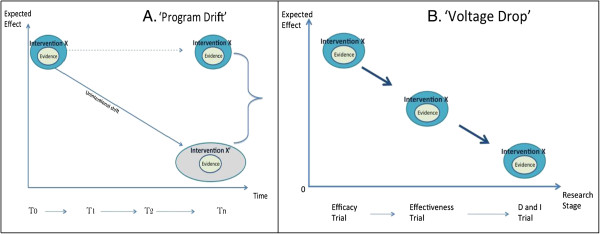
BACKGROUND: Despite growth in implementation research, limited scientific attention has focused on understanding and improving sustainability of health interventions. Models of sustainability have been evolving to reflect challenges in the fit between intervention and context. DISCUSSION: We examine the development of concepts of sustainability, and respond to two frequent assumptions -'voltage drop,' whereby interventions are expected to yield lower benefits as they move from efficacy to effectiveness to implementation and sustainability, and 'program drift,' whereby deviation from manualized protocols is assumed to decrease benefit. We posit that these assumptions limit opportunities to improve care, and instead argue for understanding the changing context of healthcare to continuously refine and improve interventions as they are sustained. Sustainability has evolved from being considered as the endgame of a translational research process to a suggested 'adaptation phase' that integrates and institutionalizes interventions within local organizational and cultural contexts. These recent approaches locate sustainability in the implementation phase of knowledge transfer, but still do not address intervention improvement as a central theme. We propose a Dynamic Sustainability Framework that involves: continued learning and problem solving, ongoing adaptation of interventions with a primary focus on fit between interventions and multi-level contexts, and expectations for ongoing improvement as opposed to diminishing outcomes over time. SUMMARY: A Dynamic Sustainability Framework provides a foundation for research, policy and practice that supports development and testing of falsifiable hypotheses and continued learning to advance the implementation, transportability and impact of health services research.
Overview
The claims and statistics of this paper haven’t been checked yet.
Free: it reads the open-access text and checks the first 5 claims that cite a source we can check. Create a free account to check every claim.
Integrity signals
Registry
Cites
Statistics
Figures
Verification
Claims the paper makes
The claims and statistics of this paper haven’t been checked yet.
Free: it reads the open-access text and checks the first 5 claims that cite a source we can check. Create a free account to check every claim.
Claims other papers make about this one
Each is checked against this paper’s own text: does it say what the citing paper says it does?
The source backs part of the claim, not all of it — or backs it for a different population, condition or comparison.
In the citing paper
“Internal organizational supports include champion roles, leadership, resources, policies and procedures, and expert support (ie, coaching).”
From Successful Organizational Strategies to Sustain Use of A-CHESS: A Mobile Intervention for Individuals With Alcohol Use Disorders (2015) · cites this paper as [32]
Experimental — accuracy not yet measuredThe source backs part of the claim, not all of it — or backs it for a different population, condition or comparison.
In the citing paper
“However, modifications that remove key elements of an intervention, or fail to align with population needs, may be less effective [7, 11–14].”
From The FRAME: an expanded framework for reporting adaptations and modifications to evidence-based interventions (2019) · cites this paper as [7]
Experimental — accuracy not yet measuredThe cited source says what the claim attributes to it.
In the citing paper
“the failure of most implementation processes to incorporate ongoing, iterative intervention development increases the risk that local users will find new technologies to be low on key implementation outcomes such as acceptability, feasibility, and appropriateness (Proctor et al., 2011) and may limit effectiveness (Chambers et al., 2013)”
From User‐centered design for psychosocial intervention development and implementation. (2016) · cites this paper as Chambers et al., 2013
The cited source says what the claim attributes to it.
In the citing paper
“ongoing adjustment and evaluation of EBT to ensure that a program is response to the local context provides an opportunity to increase intervention effectiveness over time (Aarons et al., 2012; Chambers et al., 2013)”
From User‐centered design for psychosocial intervention development and implementation. (2016) · cites this paper as Chambers et al., 2013
The cited source says what the claim attributes to it.
In the citing paper
“EBT are typically disseminated as static tools to be used only as directed by developers, rather than products to be improved over time (Chambers, Glasgow, & Stange, 2013)”
From User‐centered design for psychosocial intervention development and implementation. (2016) · cites this paper as Chambers, Glasgow, & Stange, 2013
25 more claims about this paper
Create a free account to see every claim other papers make about this one.
Self-check
Percentages, sums and reported differences re-computed from the paper’s own numbers.
The self-check needs the paper’s full text.
Citations
Cites
DiMaggio, P. J., & Powell, W. W. (1983) · American Sociological Review · doi:10.2307/2095101 · Cited by 38,435
DiMaggio, P. J., & Powell, W. W. (2004) · Advances in Strategic Management · doi:10.1016/s0742-3322(00)17011-1 · Cited by 25,802
Damschroder, L. J., Aron, D. C., Keith, R. E., Kirsh, S. R., Alexander, J. A., & Lowery, J. C. (2009) · Implementation Science · doi:10.1186/1748-5908-4-50 · Cited by 14,496 · cited 3×
“Brownson RC, Colditz GA, Proctor EK: Dissemination and Implementation Research in Health.”
MethodInfluentialDeveloping and evaluating complex interventions: the new Medical Research Council guidance
Craig, P., Dieppe, P., Macintyre, S., Michie, S., Nazareth, I., & Petticrew, M. (2008) · BMJ · doi:10.1136/bmj.a1655 · Cited by 10,995 · cited 1×
“A linear approach may be particularly challenging to apply to complex, multi-component interventions, psychosocial treatments, treatment of the growing number of people with multimorbid conditions [14,15], and systemic approaches to care [15].”
BackgroundDiMaggio, P. (1983) · American Sociological Review · Cited by 9,078
Diffusion of Innovations in Service Organizations: Systematic Review and Recommendations
GREENHALGH, T., ROBERT, G., MACFARLANE, F., BATE, P., & KYRIAKIDOU, O. (2004) · The Milbank Quarterly · doi:10.1111/j.0887-378x.2004.00325.x · Cited by 7,448 · cited 1×
“As implementation science has grown [1,2], researchers have advanced from study of facilitators and barriers that influence uptake of effective programs and policies to investigations of strategies to improve uptake.”
BackgroundSelf-management education: History, definition, outcomes, and mechanisms
Lorig, K. R., & Holman, H. R. (2003) · Annals of Behavioral Medicine · doi:10.1207/s15324796abm2601_01 · Cited by 4,094 · cited 1×
“The context both within an organization and in the broader ecological system is constantly changing, and requires a ‘learning organization’ [52] to engage in problem-solving capacity at multiple levels [53].”
BackgroundAdvancing a Conceptual Model of Evidence-Based Practice Implementation in Public Service Sectors
Aarons, G. A., Hurlburt, M., & Horwitz, S. M. (2011) · Administration and Policy in Mental Health and Mental Health Services Research · doi:10.1007/s10488-010-0327-7 · Cited by 3,240 · cited 1×
“Sustainment The continued use of an intervention within practice [10].”
BackgroundOrganizing Care for Patients with Chronic Illness
Wagner, E. H., Austin, B. T., & Korff, M. V. (1996) · The Milbank Quarterly · doi:10.2307/3350391 · Cited by 2,877 · cited 1×
“Perhaps an even greater benefit to practice would come through pooling of data across a larger set of sites, practitioners and patients, something done with success for chronic disease [55,56].”
BackgroundThe challenge of complexity in health care
Plsek, P. E., & Greenhalgh, T. (2001) · BMJ · doi:10.1136/bmj.323.7313.625 · Cited by 2,578 · cited 1×
“These include Wandersman’s Getting to Outcomes model [31], Continuous Quality Improvement (CQI) [34], system dynamics [35], complexity theory [36], adaptive management [37], and the Evidence Integration Triangle [30].”
Method
Research works printed but not linked: 5
- Brownson RC Colditz GA Proctor EK Dissemination and Implementation Research in Health 2012 New York: OUP
- Wandersman A Imm P Chinman M Getting to Outcomes: Methods and tools for planning, evaluation and accountability 1999 Rockville, MD: Center for Substance Abuse Prevention
- Bughlin J Chui M Johnson B The next step in open innovation The McKinsey Quarterly 2012 http://www.mckinseyquarterly.com/next_step_in_open_innovation_2155. Accessed
- Institute of Medicine A foundation for evidence-driven practice: A rapid learning system for cancer care 2010 Workshop Summary. Washington, D.C: NAS Press 25032381
- PatientsLikeMe PatientsLikeMe website 2012 http://patientslikeme.com. Accessed March 15, 2012
Cited by
Items 501–600 of 1,005
Two Medicaid health plans’ models and motivations for improving colorectal cancer screening rates
Coury, J., Schneider, J. L., Green, B. B., Baldwin, L., Petrik, A. F., Rivelli, J. S., Schwartz, M., & Coronado, G. D. (2018) · Translational Behavioral Medicine · doi:10.1093/tbm/iby094 · Cited by 19
“’s [53] Dynamic Sustainability Framework, interventions improve from ongoing optimization and need to be continually adapted to be institutionalized.”
BackgroundAfter the study ends: A qualitative study of factors influencing intervention sustainability.
Bearman, S. K., Bailin, A., Terry, R. L., & Weisz, J. R. (2019) · Professional Psychology Research and Practice · doi:10.1037/pro0000258 · Cited by 20
Senier, L., McBride, C. M., Ramsey, A. T., Bonham, V. L., & Chambers, D. (2019) · International Journal of Environmental Research and Public Health · doi:10.3390/ijerph16203899 · Cited by 20
Self-citationAmetaj, A., Smith, A. M., & Valentine, S. E. (2021) · Administration and Policy in Mental Health and Mental Health Services Research · doi:10.1007/s10488-021-01129-3 · Cited by 22
“Adapting intervention to balance fidelity to the treatment and flexibility in the new context is key to successful implementation of interventions, included those delivered by peers (Chambers & Norton, 2016; Chambers et al., 2013; Kendall & Frank, 2018; La Bash et al., 2019).”
BackgroundMa, J., Hogan, M., Eyre, E. L. J., Lander, N., Barnett, L. M., & Duncan, M. J. (2021) · International Journal of Behavioral Nutrition and Physical Activity · doi:10.1186/s12966-021-01214-8 · Cited by 23
“This examination needs to be situated in a broader ecological system within which a multitude of influences operate across individual, organisational, community, and systems levels [13, 21].”
BackgroundDamschroder, L. J., Goodrich, D. E., Kim, H. M., Holleman, R. G., Gillon, L., Kirsh, S., Richardson, C. R., & Lutes, L. D. (2015) · Translational Behavioral Medicine · doi:10.1007/s13142-015-0336-x · Cited by 24
“While several obesity interventions have proven to be efficacious in ideal study settings, the effects are often weakened when implemented in clinical settings [3], at least in part because these interventions are delivered with low fidelity.”
BackgroundNieto-Sánchez, C., Bates, B. R., Guerrero, D., Jimenez, S., Baus, E. G., Grietens, K. P., & Grijalva, M. J. (2019) · PLoS neglected tropical diseases · doi:10.1371/journal.pntd.0007472 · Cited by 21
“From this perspective, a system is sustainable because it can respond to the movements, changes, and behaviors of its constitutive elements and environment [55].”
BackgroundAn Adaptive, Contextual, Technology‐Aided Support (ACTS) System for Chronic Illness Self‐Management
GLASGOW, R. E., HUEBSCHMANN, A. G., KRIST, A. H., & DEGRUY, F. V. (2019) · The Milbank Quarterly · doi:10.1111/1468-0009.12412 · Cited by 18
Self-citationKerns, C. M., Moskowitz, L. J., Rosen, T., Drahota, A., Wainer, A., Josephson, A. R., Soorya, L., Cohn, E., Chacko, A., & Lerner, M. D. (2019) · Journal of Clinical Child & Adolescent Psychology · doi:10.1080/15374416.2017.1410826 · Cited by 18
Sexual abuse prevention education in australian primary schools: A national survey of programs
Walsh, K., Berthelsen, D., Hand, K., Brandon, L., & Nicholson, J. M. (2019) · Journal of Interpersonal Violence · doi:10.1177/0886260519869246 · Cited by 18
Ford, J. H., Stumbo, S. P., & Robinson, J. M. (2018) · Journal of Substance Abuse Treatment · doi:10.1016/j.jsat.2018.06.012 · Cited by 18
“It also provides an opportunity to examine how outcome changes over time; to explore “program drift” or differences in the length of time that changes are sustained across different organizations (Chambers et al., 2013).”
BackgroundDolcini, M. M., Davey-Rothwell, M. A., Singh, R. R., Catania, J. A., Gandelman, A. A., Narayanan, V., Harris, J. H. W., & McKay, V. (2019) · Translational Behavioral Medicine · doi:10.1093/tbm/ibz158 · Cited by 19
“Fidelity is associated with program effectiveness [4, 12], yet it is widely accepted that adaptations occur when EBIs are implemented in practice settings [25, 26].”
BackgroundMontealegre, J. R., Anderson, M. L., Hilsenbeck, S. G., Chiao, E. Y., Cantor, S. B., Parker, S., Daheri, M., Bulsara, S., Escobar, B., Deshmukh, A. A., et al. (2020) · Trials · doi:10.1186/s13063-020-04790-5 · Cited by 19
Mills, T., Shannon, R., O'Hara, J. K., Lawton, R., & Sheard, L. (2022) · Evaluation · doi:10.1177/13563890211068869 · Cited by 28
“Experimental methodologies such as the RCT are eschewed in favour of formative, participatory methods that allow ideas to emerge, or be adapted from elsewhere, through active participation guided by real-time feedback (Chambers et al., 2013).”
Mugenyi, A. R., Karemera, C., Wesana, J., & Dooms, M. (2022) · Administrative Sciences · doi:10.3390/admsci12020060 · Cited by 15
“2016) prioritize project activity implementation over the institutionalization and sustainability of project outcomes (Chambers et al. 2013).”
BackgroundMethodZetterlund, J., Schwarz, U. V. T., Hasson, H., & Neher, M. (2022) · Frontiers in Health Services · doi:10.3389/frhs.2022.883072 · Cited by 20
“However, adaptations that are carefully planned andmonitored (3, 7) are sometimes not differentiated from adaptations that occur less systematically and without planning (14).”
BackgroundInfluentialEnvisioning clinical trials as complex interventions
Stensland, K. D., Damschroder, L. J., Sales, A. E., Schott, A. F., & Skolarus, T. A. (2022) · Cancer · doi:10.1002/cncr.34357 · Cited by 19
“In contrast, realworld implementations often result in lower effectiveness, representing the “implementation gap,” experiencing a “voltage drop” in benefits between trials and the real world.(12) In simple terms, participants in a welldesigned clinical trial can expect better care.”
BackgroundKoorts, H., Timperio, A. F., Abbott, G., Arundell, L., Ridgers, N. D., Cerin, E., Brown, H. E., Daly, R. M., Dunstan, D. W., Hume, C., et al. (2022) · International Journal of Behavioral Nutrition and Physical Activity · doi:10.1186/s12966-022-01354-5 · Cited by 22
“Program fidelity is a particularly contested area of implementation research, as there is tension between the extent that an intervention remains ‘true’ to the program protocol to maximise the potential for positive impact, versus the reality of implementation in practice where adaptation is expected and may be encour…”
BackgroundEstabrooks, P. A., & Glasgow, R. E. (2023) · Frontiers in Public Health · doi:10.3389/fpubh.2023.1123349 · Cited by 19
“One of the central tenets of DIS is that context is not static, but changes over time, sometimes very rapidly as was seen during the initial (and ongoing) COVID-19 pandemic (11).”
BackgroundInfluentialSelf-citationRauch, S. A. M., Venners, M. R., Ragin, C., Ruhe, G., Lamp, K. E., Burton, M. S., Pomerantz, A. M., Bernardy, N. C., Schnurr, P. P., Hamblen, J. L., et al. (2023) · Psychological Services · doi:10.1037/ser0000783 · Cited by 23
“It is well documented that interventions delivered in effectiveness studies or real-world practice have smaller effect sizes than those delivered in ef fi cacy studies (Beets et al., 2020; Chambers et al., 2013; Glasgow et al., 2003).”
BackgroundmHealth to improve implementation of TB contact investigation: a case study from Uganda
Gupta, A. J., Turimumahoro, P., Ochom, E., Ggita, J. M., Babirye, D., Ayakaka, I., Mark, D., Okello, D. A., Cattamanchi, A., Dowdy, D. W., et al. (2023) · Implementation Science Communications · doi:10.1186/s43058-023-00448-w · Cited by 18
“There is some evidence that mHealth interventions that integrate behavioral theory may be more successful [30, 31] than those that do not, although it is unknown if these impacts are sustainable [32], especially as technologies evolve [33].”
BackgroundAsada, Y., Kroll‐Desrosiers, A., Chriqui, J. F., Curran, G. M., Emmons, K. M., Haire-Joshu, D. L., & Brownson, R. C. (2023) · Frontiers in Health Services · doi:10.3389/frhs.2023.1220629 · Cited by 19
“This is notable with policy IS research which is dynamic and fraught with unpredictable real-world events, politics, and ideology (5, 17, 18).”
BackgroundOlsson, T. M., Schwarz, U. V. T., Hasson, H., Vira, E. G., & Sundell, K. (2023) · Research on Social Work Practice · doi:10.1177/10497315231218646 · Cited by 25
Wolfenden, L., Shoesmith, A., Hall, A. E., Bauman, A. E., & Nathan, N. (2024) · Implementation Science Communications · doi:10.1186/s43058-024-00555-2 · Cited by 20
“…such as facilitation (i.e. interactive problem solving and support) [31] may be particularly important for ‘ Dynamic Sustainment Support ’ [5, 32], while strategies targeting habit formation of organisations enabling them to better support the sustained static implementation of an EBI may…”
BackgroundResultInfluentialGetting Real With Strategy: Insights From Implementation Science
Easterling, D. V., & Metz, A. J. R. (2016) · The Foundation Review · doi:10.9707/1944-5660.1301 · Cited by 19
Turner, A., Mulla, A., Booth, A., Aldridge, S., Stevens, S., Begum, M., & Malik, A. (2018) · Health Services and Delivery Research · doi:10.3310/hsdr06250 · Cited by 23
Ashrafzadeh, S., Metlay, J. P., Choudhry, N. K., Emmons, K. M., & Asgari, M. M. (2019) · Journal of Investigative Dermatology · doi:10.1016/j.jid.2019.10.011 · Cited by 21
“These frameworks include the Dynamic Sustainability Framework (Chambers et al., 2013), which investigates the sustainability of implemented interventions with the presumption that interventions need to be adaptable in order to be sustainable, and the Practical, Robust Implementation and Sustainability Model (PRISM), w…”
MethodMcCluskey, A., Massie, L., Gibson, G. E., Pinkerton, L., & Vandenberg, A. (2020) · Australian Occupational Therapy Journal · doi:10.1111/1440-1630.12647 · Cited by 21
Situational analysis of breast health care systems: Why context matters
Duggan, C. R., Dvaladze, A. L., Scheel, J. R., Stevens, L. M., & Anderson, B. O. (2020) · Cancer · doi:10.1002/cncr.32899 · Cited by 19
“Chambers et al and Cohen et al suggested that rather than envisioning a static intervention developed from efficacy studies, maximal benefit can be obtained in real-world settings through dynamic adaptation, in which ongoing development and continual reevaluation of context and intervention “fit” can be optimized acro…”
BackgroundSchlebusch, L., Chambers, N. J., Dawson-Squibb, J.-J., Harty, M., Franz, L., & de Vries, P. J. (2020) · Starting At the Beginning · doi:10.1016/b978-0-12-819749-3.00005-1 · Cited by 18
Foley, B. C., Owen, K., Bellew, W., Wolfenden, L., Reilly, K., Bauman, A. E., & Reece, L. J. (2020) · International Journal of Environmental Research and Public Health · doi:10.3390/ijerph17165691 · Cited by 20
VanDevanter, N., Vu, M., Nguyen, A. M., Nguyen, T., Minh, H. V., Nguyen, N. T., & Shelley, D. (2020) · Implementation Science · doi:10.1186/s13012-020-01035-6 · Cited by 20
Abamecha, F., Midaksa, G., Sudhakar, M., Abebe, L., Kebede, Y., Alemayehu, G., & Birhanu, Z. (2021) · BMC Public Health · doi:10.1186/s12889-021-11216-7 · Cited by 22
“Thus, maximizing the sustained benefits of such health-promoting programs is an essential task through various participatory mechanisms [16, 17].”
BackgroundResultBeets, M. W., von Klinggraeff, L., Burkart, S. A., Jones, A., Ioannidis, J. P. A., Weaver, R. G., Okely, A. D., Lubans, D. R., van Sluijs, E. M. F., Jago, R., et al. (2021) · Obesity Reviews · doi:10.1111/obr.13369 · Cited by 18
Bello‐Manga, H., Haliru, L., Tabari, A. M., Farouk, B. U., Suleiman, A., Bahago, G. Y., Sani, A. M., Baumann, A. A., DeBaun, M. R., & King, A. A. (2022) · BMC Research Notes · doi:10.1186/s13104-021-05885-1 · Cited by 18
What Makes for Successful Registry Implementation: A Qualitative Comparative Analysis
Holtrop, J. S., Hall, T. L., Rubinson, C., Dickinson, L. M., & Glasgow, R. E. (2017) · The Journal of the American Board of Family Medicine · doi:10.3122/jabfm.2017.05.170096 · Cited by 20
“Therefore, adaptations to registries and how they are implemented are common and often necessary.(16,17) Much more information and data are needed on what types of registry implementation adaptations practices make along the way to achieve successful implementation.”
BackgroundSelf-citationEriksson, C., Eriksson, G. M., Johansson, U., & Guidetti, S. G. E. (2019) · Scandinavian Journal of Occupational Therapy · doi:10.1080/11038128.2019.1573917 · Cited by 21
“For an intervention to be sustainable, it is necessary to review the parts that will affect both the barriers and facilitators associated with the implementation process, mechanisms and context [5,6,46].”
BackgroundMurillo, R., & Robles, C. (2019) · BioMed Research International · doi:10.1155/2019/9607803 · Cited by 22
“Research translation from clinical trials to public health programs usually leads to a reduction of intervention efficacy [37, 46]; indeed, a major difference between the two scenarios can be anticipated for interventions with small-magnitude effects in randomized trials or challenging quality assurance requirements.”
Dickson, K. S., Aarons, G. A., Anthony, L. G., Kenworthy, L. E., Crandal, B. R., Williams, K. N., & Brookman-Frazee, L. I. (2020) · Pilot and Feasibility Studies · doi:10.1186/s40814-020-00593-2 · Cited by 21
“, therapist and client) and service settings needs, resulting in low acceptability or feasibility and ultimately contributing to limited implementation [19, 20].”
BackgroundRandall, C. L. (2023) · Community Dentistry and Oral Epidemiology · doi:10.1111/cdoe.12841 · Cited by 17
Koorts, H., Ma, J., Cassar, S., Bauman, A. E., Lawrence, M. A., Rutter, H., & Salmon, J. (2025) · Translational Behavioral Medicine · doi:10.1093/tbm/ibae063 · Cited by 19
Purnell, T. S., Fakunle, D. O., Bone, L., Johnson, T. P., Hemberger, N., Pitts, S. J., Bowie, J. V., Oakley, K., Thompson, B., Paskett, E. D., et al. (2019) · Journal of Health Care for the Poor and Underserved · doi:10.1353/hpu.2019.0083 · Cited by 17
Beyond Implementation: Sustaining Group Prenatal Care and Group Well‐Child Care
Novick, G., Womack, J. A., & Sadler, L. S. (2020) · Journal of Midwifery & Women s Health · doi:10.1111/jmwh.13114 · Cited by 19
Goode, A. D., Frith, M., Hyne, S. A., Burzic, J., & Healy, G. N. (2022) · International Journal of Environmental Research and Public Health · doi:10.3390/ijerph19138096 · Cited by 21
Harkness, A., Weinstein, E. R., Lozano, A., Mayo, D., Doblecki‐Lewis, S., Rodríguez-Díaz, C. E., Brown, C. H., Prado, G. J., & Safren, S. A. (2022) · Implementation Research and Practice · doi:10.1177/26334895221096293 · Cited by 17
“Finally, this project illustrates one approach to designing for implementation; Dime Más is being developed to meet both consumer and implementer/organizational needs, which may prevent a “voltage drop” (Chambers et al., 2013) as Dime Más proceeds through the translational pathway.”
BackgroundMethodInfluentialGetting to implementation: Adaptation of an implementation playbook
Yakovchenko, V., Rogal, S. S., Goodrich, D. E., Lamorte, C., Neely, B., Merante, M., Gibson, S. P., Scott, D., McCurdy, H. M., Nobbe, A., et al. (2023) · Frontiers in Public Health · doi:10.3389/fpubh.2022.980958 · Cited by 19
Young, A., Cameron, A. E., Meloncelli, N. J. L., Barrimore, S. E., Campbell, K. L., Wilkinson, S. A., McBride, L., Barnes, R., Bennett, S. H., Harvey, G., et al. (2023) · Frontiers in Health Services · doi:10.3389/frhs.2023.1103997 · Cited by 18
“Frontiers in Health Services 08 ongoing resourcing to refine and sustain AH-TRIP and adaption of the delivery approach and content within the initiative with advancement in implementation science knowledge and capacity building theory, as well as inevitable changes in the health service practice setting and ecological…”
Gelman, R., Whelan, J., Spiteri, S., Duric, D., Oakhill, W., Cassar, S., & Love, P. (2023) · International Journal of Behavioral Nutrition and Physical Activity · doi:10.1186/s12966-023-01433-1 · Cited by 21
Elliott, M., Harrington, J., Moore, K. J., Davis, S., Kupeli, N., Vickerstaff, V., Gola, A., Candy, B., Sampson, E. L., & Jones, L. (2014) · BMJ Open · doi:10.1136/bmjopen-2014-005661 · Cited by 18
“This concept of ‘dynamic sustainability’ may therefore enable teams to work with their new knowledge in ways that may be potentially more effective, and this may enhance a true cultural shift towards the provision of better care.(43) Strengths of this study are that the intervention has been developed within a realist…”
BackgroundLyle, D. M., Saurman, E., Kirby, S. E., Jones, D., Humphreys, J. S., & Wakerman, J. (2017) · Rural and Remote Health · doi:10.22605/rrh3926 · Cited by 26
Primary care redesign for person-centred care: delivering an international generalist revolution
Reeve, J. L. (2018) · Australian Journal of Primary Health · doi:10.1071/py18019 · Cited by 20
“Clinicians and scholars around the world are actively engaged in work that addresses individual elements of the ideas I have outlined (for example see Chambers et al. 2013, Spencer-Bonilla et. al.”
BackgroundOkere, N. E., Urlings, L., Naniche, D., de Wit, T. F. R., Gomez, G. B., & Hermans, S. (2020) · BMJ Open · doi:10.1136/bmjopen-2019-033156 · Cited by 18
Sayer, N. A., Bernardy, N. C., Yoder, M. S., Hamblen, J. L., Rosen, C. S., Ackland, P. E., Kehle‐Forbes, S., Clothier, B. A., Schnurr, P. P., Orazem, R. J., et al. (2020) · Administration and Policy in Mental Health and Mental Health Services Research · doi:10.1007/s10488-020-01086-3 · Cited by 21
Esdar, M., Hübner, U., Thye, J., Babitsch, B., & Liebe, J.-D. (2021) · JMIR Medical Informatics · doi:10.2196/23306 · Cited by 23
von Klinggraeff, L., Dugger, R., Okely, A. D., Lubans, D. R., Jago, R., Burkart, S. A., Weaver, R. G., Armstrong, B., Pfledderer, C. D., & Beets, M. W. (2022) · Pilot and Feasibility Studies · doi:10.1186/s40814-022-00991-8 · Cited by 22
Schoeb, T., Fröhlich, S., Frey, W. O., Verhagen, E. A. L. M., Farshad, M., & Spörri, J. (2022) · Frontiers in Physiology · doi:10.3389/fphys.2022.826212 · Cited by 20
Smith, J. A., Braithwaite, J., O'Brien, T. A., Smith, S., Tyrrell, V. J., Mould, E. V. A., Long, J. C., & Rapport, F. (2022) · International Journal of Qualitative Methods · doi:10.1177/16094069221103097 · Cited by 28
“, 2014) and intervention optimisation (Chambers et al., 2013) and rapid qualitative assessment can mitigate against the negative consequences of barriers to implementation and ensure clearer predictions of implementation effectiveness.”
BackgroundResultInfluentialAndrade, R. M. R., Leiva, V. A. L., Varela, J. J., García, P. S., Álvarez, J. P., & Ramirez, M. T. (2024) · Frontiers in Psychology · doi:10.3389/fpsyg.2024.1395990 · Cited by 24
Metz, A. J. R., Boaz, A., & Powell, B. J. (2019) · Evidence & Policy · doi:10.1332/174426419x15579811791990 · Cited by 16
“Even when service systems make the investment in evidence-based programmes, sustaining the potential of these programmes over the long term continues to be a challenge internationally (Chambers et al, 2013).”
BackgroundTessier, M., Lamothe, J., & Geoffrion, S. (2021) · International Journal of Environmental Research and Public Health · doi:10.3390/ijerph182111026 · Cited by 23
The economics of adaptations to evidence-based practices
Salloum, R. G., Wagner, T. H., Midboe, A. M., Daniels, S. I., Quanbeck, A., & Chambers, D. (2022) · Implementation Science Communications · doi:10.1186/s43058-022-00345-8 · Cited by 18
“This dynamic approach to evidence development and application integrates adaptative, contextually sensitive continuous quality improvement with the challenge of EBP sustainment [5].”
BackgroundMethodSelf-citationIntegrating Implementation Science with Quality Improvement to Improve Perinatal Outcomes
Callaghan‐Koru, J. A., Farzin, A., Ridout, E., & Curran, G. M. (2023) · Clinics in Perinatology · doi:10.1016/j.clp.2023.01.002 · Cited by 17
Niang, M., Alami, H., Gagnon, M., & Dupéré, S. (2023) · Global Health Action · doi:10.1080/16549716.2023.2230813 · Cited by 23
“ment, negotiations, alliances [23,32], efficiency [30], the arbitration of conflicts and power issues [32,33], learning, and even resilience [14], all of which are”
BackgroundInfluentialVeroniki, A. A., Soobiah, C., Nincic, V., Lai, Y., Rios, P. D. L., MacDonald, H. R., Khan, P. A., Ghassemi, M., Yazdi, F., Brownson, R. C., et al. (2023) · BMC Medicine · doi:10.1186/s12916-023-02966-9 · Cited by 18
“Specifically, there is overlap across sustainability, adaptation and fidelity concepts [204], and sustainability is a dynamic concept with anticipated adaptation of KT interventions [10].”
Self-citationFidelity and Its Relationship to Effectiveness, Adaptation, and Implementation
Shelton, R. C., Adsul, P., Emmons, K. M., Linnan, L. A., & Allen, J. D. (2023) · Oxford University Press eBooks · doi:10.1093/oso/9780197660690.003.0007 · Cited by 16
The Secret Sauce? Taking the Mystery Out of Scaling-Up School-Based Physical Activity Interventions
McKay, H. A., Kennedy, S. G., MACDONALD, H. M., Naylor, P., & Lubans, D. R. (2024) · Journal of Physical Activity and Health · doi:10.1123/jpah.2024-0274 · Cited by 20
“86 As practitioners or researchers, our goal is to engage partners across levels of in fl uence (as described in socioecological models 36,39 ) to establish what comprises “ best fi t ” in different contexts (planned adaptation) while we are aware and monitor changes that occur in response to…”
Dong, X., Zhang, L., Wang, Z., & Zheng, Z.-J. (2024) · Frontiers in Public Health · doi:10.3389/fpubh.2024.1390819 · Cited by 21
“The EPIS framework also recognizes the fit between the values and needs of implementers and the characteristics of the innovation to be implemented, which is important for sustainment (29).”
BackgroundBuscemi, J., Janke, E. A., Kugler, K. C., Duffecy, J., Mielenz, T. J., George, S. M. S., & Gorin, S. S. (2016) · Journal of Behavioral Medicine · doi:10.1007/s10865-016-9773-3 · Cited by 19
“‘‘Voltage drop’’ is a term used to describe the decrease in individual benefit that is expected when an intervention is moved from a controlled research environment into practice (Chambers et al., 2013).”
BackgroundInfluentialResults-based aid with lasting effects: sustainability in the Salud Mesoamérica Initiative
Bcheraoui, C. E., Kamath, A. M., Dansereau, E. A., Palmisano, E. B., Schaefer, A. M., Hernández, B., & Mokdad, A. H. (2018) · Globalization and Health · doi:10.1186/s12992-018-0418-x · Cited by 20
Technological Innovations in Addiction Treatment
Budney, A. J., Borodovsky, J. T., Marsch, L. A., & Lord, S. (2018) · Elsevier eBooks · doi:10.1016/b978-0-323-54856-4.00005-5 · Cited by 24
Provider Readiness and Adaptations of Competency Drivers During Scale-Up of the Family Check-Up
Mauricio, A. M., Rudo‐Stern, J., Dishion, T. J., Letham-Hamlett, K., & Lopez, M. (2019) · The Journal of Primary Prevention · doi:10.1007/s10935-018-00533-0 · Cited by 19
Tabak, R. G., Schwarz, C. D., Kemner, A. L., Schechtman, K. B., Steger-May, K., Byrth, V., & Haire-Joshu, D. L. (2019) · Implementation Science · doi:10.1186/s13012-019-0916-0 · Cited by 17
Bess, K., Frerichs, L., Young, T. L., Corbie-Smith, G. M., Dave, G., Davis, K. L., McFarlin, S., Watson, S., Wynn, M. R., & Cené, C. W. (2019) · Progress in community health partnerships · doi:10.1353/cpr.2019.0060 · Cited by 16
“(1) Department of Health Behavior and Health Education, University of Michigan School of Public Health; (2) Gillings Global School of Public Health, Department of Health Policy and Management, University of North Carolina at Chapel Hill; (3) North Carolina Translational Research & Clinical Sciences Institute, Universi…”
BackgroundDamschroder, L. J., Yankey, N. R., Robinson, C., Freitag, M. B., Burns, J., Raffa, S. D., & Lowery, J. C. (2020) · Journal of General Internal Medicine · doi:10.1007/s11606-020-06133-1 · Cited by 20
Farmer, R. L., Zaheer, I., Duhon, G. J., & Ghazal, S. (2020) · Canadian Journal of School Psychology · doi:10.1177/0829573520974915 · Cited by 17
“Consistent with this notion, Chambers et al. (2013) found that the removal of a practice may expedite adoption of a replacement practice.”
BackgroundPrinciple-driven program design versus manualized programming in humanitarian settings
Giordano, F., & Ungar, M. T. (2020) · Child Abuse & Neglect · doi:10.1016/j.chiabu.2020.104862 · Cited by 18
van der Meer, L., Jonker, T., Wadman, H., Wunderink, C., van Weeghel, J., Pijnenborg, G. H. M., & van Setten, E. R. H. (2021) · Frontiers in Psychiatry · doi:10.3389/fpsyt.2021.635514 · Cited by 21
Implementation Science to Improve Quality of Neurological Care
Samanta, D., & Landes, S. J. (2021) · Pediatric Neurology · doi:10.1016/j.pediatrneurol.2021.05.009 · Cited by 16
Broekhuizen, H., Ifeanyichi, M., Mwapasa, G., Pittalis, C., Noah, P., Mkandawire, N. C., Borgstein, E. S., Brugha, R., Gajewski, J., & Bijlmakers, L. A. (2021) · International Journal of Health Policy and Management · doi:10.34172/ijhpm.2021.78 · Cited by 19
Virtual reality for behavioral health workforce development in the era of COVID-19
(2020) · Journal of Substance Abuse Treatment · doi:10.1016/j.jsat.2020.108157 · Cited by 16
“Because the focus is on sustainable implementation of a novel practice, intensive TA providers must have a deep understanding of organizational workflow, staffing models, and barriers and facilitators to implementation (Chambers et al., 2013).”
BackgroundKruse, G. R., Lee, R. M., Aschbrenner, K. A., Daly, J. G., Dargon-Hart, S., Davies, M. E., Gundersen, D. A., Pelton-Cairns, L., Winickoff, J. P., Taveras, E. M., et al. (2023) · Journal of Clinical and Translational Science · doi:10.1017/cts.2023.32 · Cited by 16
“Developing dynamic implementation and adaptation strategies to fit emerging implementation challenges and evolving workflows increases the likelihood of sustainment [26].”
BackgroundStergiopoulos, V., Zerger, S., Jeyaratnam, J., Connelly, J., Kruk, K., O'Campo, P. J., & Hwang, S. W. (2015) · Research on Social Work Practice · doi:10.1177/1049731515579280 · Cited by 18
“One reason sustainability of interventions is understudied is the constrained time frames for most research projects (Chambers et al., 2013).”
BackgroundEriksson, L., Bergström, A., Hoa, D. T. P., Nga, N. T., & Eldh, A. C. (2017) · PLoS ONE · doi:10.1371/journal.pone.0182626 · Cited by 16
“Although this kind of community-based participatory intervention with facilitation as its core strategy is associated with a positive outcome (in this case, reduction in neonatal mortality), a better understanding of the sustainability and potential spread of knowledge implementation is needed–in general and vis-à-vis…”
BackgroundOdom, J. N., Young, H. M., Sterba, K., Sannes, T. S., Reinhard, S., Nightingale, C. L., Meier, D., Gray, T. F., Ferrell, B., Fernandez, M. E., et al. (2024) · Psycho-Oncology · doi:10.1002/pon.6221 · Cited by 15
“26 Furthermore, empirical findings in implementation literature provides strong support for the influence of leader activities and behaviors on the success of implementation.”
BackgroundStrategies for Sustaining Fidelity: A Multi-state Qualitative Analysis in Housing First Programs
Choy-Brown, M., Tiderington, E., Smith, B. T., Padgett, D. K., & Stefančić, A. (2020) · Administration and Policy in Mental Health and Mental Health Services Research · doi:10.1007/s10488-020-01041-2 · Cited by 18
Wickremasinghe, D., Hamza, Y. A., Umar, N., Willey, B., Okolo, M., Gana, A., Shuaibu, A., Anyanti, J., Marchant, T., & Spicer, N. (2021) · Health Policy and Planning · doi:10.1093/heapol/czab063 · Cited by 20
“These include how interventions are designed, such as their effectiveness, costs, suitability for the skills and attitudes of health workers and potential for adaptation to different local contexts (Chambers et al., 2013; Pallas et al., 2013; Scheirer and Dearing, 2011; Shediac-Rizkallah and Bone, 1998; Shelton et al.…”
BackgroundInfluentialStrehlenert, H., Rundgren, E. H., Sjunnestrand, M., & Hasson, H. (2023) · The British Journal of Social Work · doi:10.1093/bjsw/bcad170 · Cited by 19
“The literature provides some examples of the nature and reasons for adaptations, but in general, adaptations of EBIs have not been well documented (Lee et al. , 2008; Chambers et al. , 2013; Moore et al. , 2013).”
Branch‐Elliman, W., Elwy, A. R., & Chambers, D. (2023) · Frontiers in Public Health · doi:10.3389/fpubh.2023.1207679 · Cited by 17
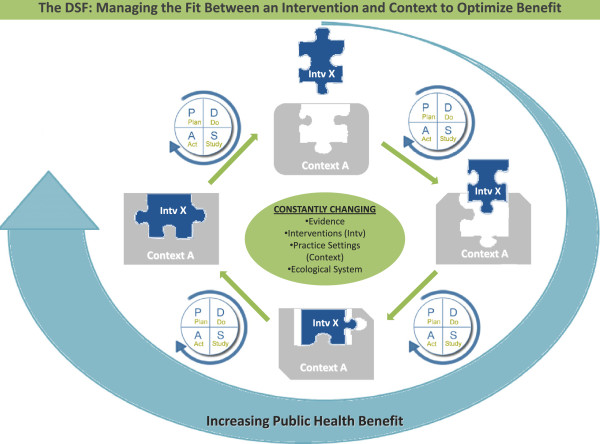
“The Dynamic Sustainability Framework (DSF) (10) highlights the importance of adapting interventions on individual and systems levels to maintain and maximize longitudinal impacts in the setting of constantly changing evidence and contexts.”
BackgroundInfluentialSelf-citationJang, Y., Hepburn, K. W., Haley, W. E., Park, J., Park, N. S., Ko, L. K., & Kim, M. T. (2024) · BMC Geriatrics · doi:10.1186/s12877-024-04715-w · Cited by 15
Enabling Effective Implementation of Occupational Safety and Health Interventions
Vitrano, G., Urso, D., Micheli, G. J. L., Guglielmi, A., de Merich, D., & Pellicci, M. (2024) · Safety and Health at Work · doi:10.1016/j.shaw.2024.04.003 · Cited by 15
“According to Chambers et al [46], the sustainability of interventions relates “ to the extent to which these interventions can continue to be delivered, while institutionalized within settings, and having the necessary capacity built to support their delivery.”
BackgroundEriksson, L., Nga, N. T., Hoa, D. T. P., Đức, D. M., Bergström, A., Wallin, L., Målqvist, M., Ewald, U., Huy, T. Q., Thủy, N. T. T., et al. (2018) · Journal of Epidemiology & Community Health · doi:10.1136/jech-2017-209252 · Cited by 17
“11 12 Further, these trials are often implemented in settings with a seasonal variation 13–15 and a relative prominent secular trend in the mortality outcome.”
BackgroundCroff, R. L., Hoffman, K. A., Alanis‐Hirsch, K., Ford, J., McCarty, D. W., & Schmidt, L. A. (2018) · The Journal of Behavioral Health Services & Research · doi:10.1007/s11414-018-9616-9 · Cited by 17
“External supports proved key to successful changes within treatment centers, a finding consistent with frameworks that suggest internal and external attributes influence the implementation and sustainability of organizational change.(32,33) This included commercial health care payers willing to streamline and train pr…”
En Route to Implementation Science 3.0
Albers, B., Shlonsky, A., & Mildon, R. L. (2020) · Springer eBooks · doi:10.1007/978-3-030-03874-8_1 · Cited by 30
Fohlin, L., Sedem, M., & Allodi, M. W. (2021) · Frontiers in Education · doi:10.3389/feduc.2021.663846 · Cited by 26
“In school settings, the TDF has been applied to investigate teachers’ responses to the implementation of educational EBPs.”
BackgroundInfluentialExploring the Sustainability of Age-Friendly Initiatives in a Canadian Province
Menec, V. H., Newall, N. E. G., Milgrom, R., & Camps, D. (2021) · The Gerontologist · doi:10.1093/geront/gnab080 · Cited by 16
Hennein, R., Ggita, J. M., Ssuna, B., Shelley, D., Akiteng, A. R., Davis, J. L., Katamba, A., & Armstrong-Hough, M. J. (2021) · Global Public Health · doi:10.1080/17441692.2021.2003838 · Cited by 18
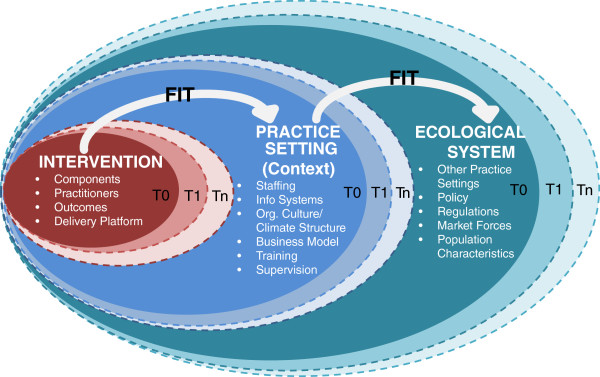
“This theory has been applied to health programmes, whereby the programme functions within the context of its practitioners, practice setting, public policy, and population (Chambers et al., 2013).”
BackgroundMethodInfluentialSzefler, S. J., Cicutto, L. C., Brewer, S. E., Gleason, M. C., McFarlane, A. E., DeCamp, L. R., Brinton, J. T., & Huebschmann, A. G. (2022) · Journal of Allergy and Clinical Immunology · doi:10.1016/j.jaci.2022.04.029 · Cited by 16
Chen, J. A., Olin, C. C., Stirman, S. W., & Kaysen, D. L. (2016) · Current Opinion in Psychology · doi:10.1016/j.copsyc.2016.11.007 · Cited by 17
Wainer, A., Drahota, A., Cohn, E. G., Kerns, C. M., Lerner, M. D., Marro, B., Moskowitz, L. J., & Soorya, L. V. (2017) · Journal of Mental Health Research in Intellectual Disabilities · doi:10.1080/19315864.2017.1284289 · Cited by 16
Implementation of maternal and perinatal death reviews: a scoping review protocol
Kinney, M. V., Walugembe, D. R., Wanduru, P., Waiswa, P., & George, A. S. (2019) · BMJ Open · doi:10.1136/bmjopen-2019-031328 · Cited by 18
Metadata
- Authors
- Chambers, D. A., Glasgow, R. E., & Stange, K. C.
- Affiliations
- National Institute of Mental Health (US)
- University of Colorado Anschutz (US)
- Case Western Reserve University (US)
- Corresponding author
- Chambers, David A
- Venue
- Implementation Science
- Published
- 2013-10-02
- Volume
- 8
- Issue
- 1
- Pages
- 117-117
- ISSN
- 1748-5908 (ISSN-L)
- PMC
- PMC3852739
- OpenAlex
- W2111534125
- Cited by
- 1,724
- References
- 62
- Citations by year
- 2026: 150 · 2025: 164 · 2024: 205 · 2023: 221 · 2022: 188 · 2021: 214 · 2020: 165 · 2019: 114 · 2018: 90 · 2017: 79 · 2016: 46 · 2015: 64 · 2014: 20
- FWCI
- 77.44
- Type
- journal article
- Language
- en
- Open access
- gold
- doi.org
- Licence
- Locations
- Implementation Science (publishedVersion, cc-by)
- Europe PMC (PubMed Central) (publishedVersion, cc-by)
- PubMed Central (publishedVersion, cc-by)
- PubMed (publishedVersion)
- Scholarly Commons @ Case Western Reserve University (submittedVersion, cc-by)
- Topics
- Health Sciences › Health Professions › General Health Professions › Health Policy Implementation Science
- Health Sciences › Health Professions › General Health Professions › Health Sciences Research and Education
- Social Sciences › Public Administration › Evaluation and Performance Assessment
- Keywords
- intervention sustainability, voltage drop, intervention adaptation, knowledge transfer, implementation research, health services research
- MeSH terms
- Concept Formation, Diffusion of Innovation, Organizational Innovation, United States, Program Evaluation, Program Development, Evidence-Based Practice
About these checks
Registry, retraction, Cites and statistics results are computed, not judged, with one exception: a printed reference that no index lists is read once by a model before it counts as a citation error. Claims are extracted by a model and kept only when their quote appears verbatim in the text; each cited source is then checked, with a model’s help, for whether it says what the claim relies on. Those verdicts can be wrong — read the claim’s quote and the cited source before relying on one.
Statistics and arithmetic are recomputed, not judged.
Confidence bands are shown only for fields calibrated on our annotated test set. None is calibrated yet, so no band is shown.
What counts as a claim ›How we measure confidence ›How we check this ›
Are you an author, or do you see a problem with this page? Request a review
Data sources
Bibliographic data: Semantic Scholar, OpenAlex, Crossref.
Contains information from the Semantic Scholar Academic Graph Datasets, made available under the ODC Attribution License (ODC-BY 1.0).
Semantic Scholar’s data is described in: Kinney, R., et al. (2023). The Semantic Scholar Open Data Platform. arXiv:2301.10140.
