

The dynamic sustainability framework: addressing the paradox of sustainment amid ongoing change
Open accessThe DOI matches its Crossref record; 64 of the 64 references it cites were found in a registry or an index.
Abstract
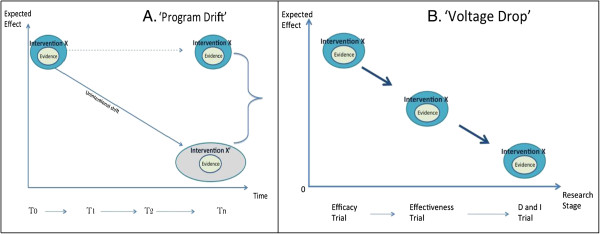
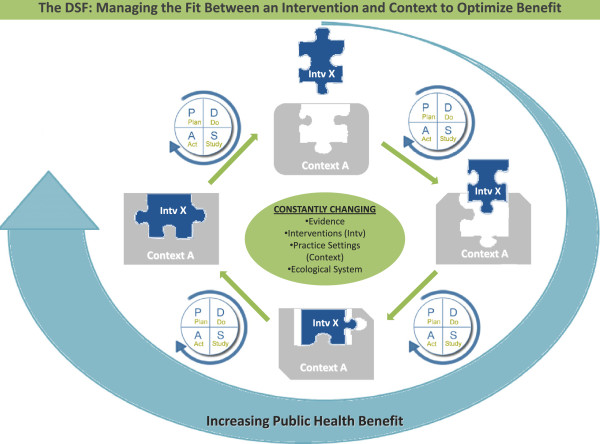
BACKGROUND: Despite growth in implementation research, limited scientific attention has focused on understanding and improving sustainability of health interventions. Models of sustainability have been evolving to reflect challenges in the fit between intervention and context. DISCUSSION: We examine the development of concepts of sustainability, and respond to two frequent assumptions -'voltage drop,' whereby interventions are expected to yield lower benefits as they move from efficacy to effectiveness to implementation and sustainability, and 'program drift,' whereby deviation from manualized protocols is assumed to decrease benefit. We posit that these assumptions limit opportunities to improve care, and instead argue for understanding the changing context of healthcare to continuously refine and improve interventions as they are sustained. Sustainability has evolved from being considered as the endgame of a translational research process to a suggested 'adaptation phase' that integrates and institutionalizes interventions within local organizational and cultural contexts. These recent approaches locate sustainability in the implementation phase of knowledge transfer, but still do not address intervention improvement as a central theme. We propose a Dynamic Sustainability Framework that involves: continued learning and problem solving, ongoing adaptation of interventions with a primary focus on fit between interventions and multi-level contexts, and expectations for ongoing improvement as opposed to diminishing outcomes over time. SUMMARY: A Dynamic Sustainability Framework provides a foundation for research, policy and practice that supports development and testing of falsifiable hypotheses and continued learning to advance the implementation, transportability and impact of health services research.
Overview
The claims and statistics of this paper haven’t been checked yet.
Free: it reads the open-access text and checks the first 5 claims that cite a source we can check. Create a free account to check every claim.
Integrity signals
Registry
Cites
Statistics
Figures
Verification
Claims the paper makes
The claims and statistics of this paper haven’t been checked yet.
Free: it reads the open-access text and checks the first 5 claims that cite a source we can check. Create a free account to check every claim.
Claims other papers make about this one
Each is checked against this paper’s own text: does it say what the citing paper says it does?
The source backs part of the claim, not all of it — or backs it for a different population, condition or comparison.
In the citing paper
“Internal organizational supports include champion roles, leadership, resources, policies and procedures, and expert support (ie, coaching).”
From Successful Organizational Strategies to Sustain Use of A-CHESS: A Mobile Intervention for Individuals With Alcohol Use Disorders (2015) · cites this paper as [32]
Experimental — accuracy not yet measuredThe source backs part of the claim, not all of it — or backs it for a different population, condition or comparison.
In the citing paper
“However, modifications that remove key elements of an intervention, or fail to align with population needs, may be less effective [7, 11–14].”
From The FRAME: an expanded framework for reporting adaptations and modifications to evidence-based interventions (2019) · cites this paper as [7]
Experimental — accuracy not yet measuredThe cited source says what the claim attributes to it.
In the citing paper
“the failure of most implementation processes to incorporate ongoing, iterative intervention development increases the risk that local users will find new technologies to be low on key implementation outcomes such as acceptability, feasibility, and appropriateness (Proctor et al., 2011) and may limit effectiveness (Chambers et al., 2013)”
From User‐centered design for psychosocial intervention development and implementation. (2016) · cites this paper as Chambers et al., 2013
The cited source says what the claim attributes to it.
In the citing paper
“ongoing adjustment and evaluation of EBT to ensure that a program is response to the local context provides an opportunity to increase intervention effectiveness over time (Aarons et al., 2012; Chambers et al., 2013)”
From User‐centered design for psychosocial intervention development and implementation. (2016) · cites this paper as Chambers et al., 2013
The cited source says what the claim attributes to it.
In the citing paper
“EBT are typically disseminated as static tools to be used only as directed by developers, rather than products to be improved over time (Chambers, Glasgow, & Stange, 2013)”
From User‐centered design for psychosocial intervention development and implementation. (2016) · cites this paper as Chambers, Glasgow, & Stange, 2013
25 more claims about this paper
Create a free account to see every claim other papers make about this one.
Self-check
Percentages, sums and reported differences re-computed from the paper’s own numbers.
The self-check needs the paper’s full text.
Citations
Cites
DiMaggio, P. J., & Powell, W. W. (1983) · American Sociological Review · doi:10.2307/2095101 · Cited by 38,435
DiMaggio, P. J., & Powell, W. W. (2004) · Advances in Strategic Management · doi:10.1016/s0742-3322(00)17011-1 · Cited by 25,802
Damschroder, L. J., Aron, D. C., Keith, R. E., Kirsh, S. R., Alexander, J. A., & Lowery, J. C. (2009) · Implementation Science · doi:10.1186/1748-5908-4-50 · Cited by 14,496 · cited 3×
“Brownson RC, Colditz GA, Proctor EK: Dissemination and Implementation Research in Health.”
MethodInfluentialDeveloping and evaluating complex interventions: the new Medical Research Council guidance
Craig, P., Dieppe, P., Macintyre, S., Michie, S., Nazareth, I., & Petticrew, M. (2008) · BMJ · doi:10.1136/bmj.a1655 · Cited by 10,995 · cited 1×
“A linear approach may be particularly challenging to apply to complex, multi-component interventions, psychosocial treatments, treatment of the growing number of people with multimorbid conditions [14,15], and systemic approaches to care [15].”
BackgroundDiMaggio, P. (1983) · American Sociological Review · Cited by 9,078
Diffusion of Innovations in Service Organizations: Systematic Review and Recommendations
GREENHALGH, T., ROBERT, G., MACFARLANE, F., BATE, P., & KYRIAKIDOU, O. (2004) · The Milbank Quarterly · doi:10.1111/j.0887-378x.2004.00325.x · Cited by 7,448 · cited 1×
“As implementation science has grown [1,2], researchers have advanced from study of facilitators and barriers that influence uptake of effective programs and policies to investigations of strategies to improve uptake.”
BackgroundSelf-management education: History, definition, outcomes, and mechanisms
Lorig, K. R., & Holman, H. R. (2003) · Annals of Behavioral Medicine · doi:10.1207/s15324796abm2601_01 · Cited by 4,094 · cited 1×
“The context both within an organization and in the broader ecological system is constantly changing, and requires a ‘learning organization’ [52] to engage in problem-solving capacity at multiple levels [53].”
BackgroundAdvancing a Conceptual Model of Evidence-Based Practice Implementation in Public Service Sectors
Aarons, G. A., Hurlburt, M., & Horwitz, S. M. (2011) · Administration and Policy in Mental Health and Mental Health Services Research · doi:10.1007/s10488-010-0327-7 · Cited by 3,240 · cited 1×
“Sustainment The continued use of an intervention within practice [10].”
BackgroundOrganizing Care for Patients with Chronic Illness
Wagner, E. H., Austin, B. T., & Korff, M. V. (1996) · The Milbank Quarterly · doi:10.2307/3350391 · Cited by 2,877 · cited 1×
“Perhaps an even greater benefit to practice would come through pooling of data across a larger set of sites, practitioners and patients, something done with success for chronic disease [55,56].”
BackgroundThe challenge of complexity in health care
Plsek, P. E., & Greenhalgh, T. (2001) · BMJ · doi:10.1136/bmj.323.7313.625 · Cited by 2,578 · cited 1×
“These include Wandersman’s Getting to Outcomes model [31], Continuous Quality Improvement (CQI) [34], system dynamics [35], complexity theory [36], adaptive management [37], and the Evidence Integration Triangle [30].”
Method
Research works printed but not linked: 5
- Brownson RC Colditz GA Proctor EK Dissemination and Implementation Research in Health 2012 New York: OUP
- Wandersman A Imm P Chinman M Getting to Outcomes: Methods and tools for planning, evaluation and accountability 1999 Rockville, MD: Center for Substance Abuse Prevention
- Bughlin J Chui M Johnson B The next step in open innovation The McKinsey Quarterly 2012 http://www.mckinseyquarterly.com/next_step_in_open_innovation_2155. Accessed
- Institute of Medicine A foundation for evidence-driven practice: A rapid learning system for cancer care 2010 Workshop Summary. Washington, D.C: NAS Press 25032381
- PatientsLikeMe PatientsLikeMe website 2012 http://patientslikeme.com. Accessed March 15, 2012
Cited by
Items 901–1,000 of 1,006
Pavoncello, V., Kislaya, I., Andrianarimanana, D. K., Marchese, V., Rakotomalala, R. L. H., Rasamoelina, T., Veilleux, S., Guth, A., Zafinimampera, A. O., Ratefiarisoa, S., et al. (2025) · Implementation Science · doi:10.1186/s13012-024-01412-5 · Cited by 6
“…cam-paigns in a sustainable manner is a dynamic process, which needs to be responsive to complex and changing real-world healthcare settings and systems, the campaign was implemented according to an adaptive approach based on the principles of the Dynamic Sustainability Framework (DSF) [14, 15].”
McCoy, K., Mantell, J. E., Deiss, R., Liu, A., Bauman, L. J., Bonner, C. P., Vinson, J., & Buchbinder, S. (2025) · JAIDS Journal of Acquired Immune Deficiency Syndromes · doi:10.1097/qai.0000000000003626 · Cited by 7
Lennox, L., French, C. E., & Reed, J. E. (2020) · Organizational behaviour in health care · doi:10.1007/978-3-030-26684-4_12 · Cited by 6
Will the “New” Become the “Normal”? Exploring Sustainability of Rapid Health System Transformations
Gray, C. S., Baker, G. R., Breton, M., Kee, K., Minkman, M. M. N., Shaw, J. C., Tietschert, M. V., Wankah, P., Wodchis, W. P., Zonneveld, N., et al. (2021) · Organizational behaviour in health care · doi:10.1007/978-3-030-82696-3_15 · Cited by 6
“Several frameworks that have adopted this system-dynamic view of sustainability are available, including the Dynamic Sustainability Framework (DSF) (Braithwaite et al., 2018; Chambers et al., 2013; Lennox, 2020).”
MethodTempelaar, W. M., Barwick, M. A., Crawford, A. S., Voineskos, A. N., Addington, D. E., Addington, J., Alexander, T., Baluyut, C., Bromley, S., Durbin, J., et al. (2021) · JMIR Research Protocols · doi:10.2196/34591 · Cited by 7
“However, modifications that alter or remove core components of an intervention, or fail to align with population needs may impact effectiveness and be less sustainable [30].”
Ferren, M. D., Ah, D. M. V., Stolldorf, D. P., & Newhouse, R. P. (2022) · JONA The Journal of Nursing Administration · doi:10.1097/nna.0000000000001121 · Cited by 7
Knighton, A. J., Bass, E. J., McLaurin, E. J., Anderson, M., Baird, J. D., Cray, S., Destino, L., Khan, A., Liss, I., Markle, P., et al. (2022) · Implementation Science Communications · doi:10.1186/s43058-022-00322-1 · Cited by 7
Velloza, J., Roche, S. D., Concepcion, T. L., & Ortblad, K. F. (2022) · Current Opinion in HIV and AIDS · doi:10.1097/coh.0000000000000768 · Cited by 6
Kelly, H. T., Smith, J. J., Verdonschot, A., Kennedy, S. G., Scott, J. J., McKay, H. A., Nathan, N., Sutherland, R., Morgan, P. J., Salmon, J., et al. (2023) · BMJ Open · doi:10.1136/bmjopen-2023-075488 · Cited by 8
“24 25 Evaluating different models of implementation will help to minimise this phenomenon.”
BackgroundStewart, R. E., Adams, D. R., Mandell, D. S., Nangia, G., Shaffer, L. R., Evans, A. C., Rubin, R. M., Weaver, S., Hadley, T. R., & Beidas, R. S. (2017) · Implementation Science · doi:10.1186/s13012-017-0598-4 · Cited by 7
“Despite this promising finding, our results suggest less than optimal training and supervisory conditions with little attention to fidelity, which may lead to compromised outcomes [47].”
ResultPalinkas, L. A., Um, M. Y., Aarons, G. A., Rafful, C. M., Chavarin, C. V., Mendoza, D. V., Staines, H., & Patterson, T. L. (2018) · Global Social Welfare · doi:10.1007/s40609-018-0113-0 · Cited by 6
“Although the literature of intervention sustainability has highlighted the importance of implementation outcomes at earlier stages (Chambers et al. 2013; Cooper et al. 2015; Feinberg et al. 2008), as the EPIS framework illustrates, different aspects of the outer and inner context may be more prominent or manifest diff…”
BackgroundMehta, T. G., Atkins, M. S., Neal, J. W., & Walden, A. L. (2018) · Evidence-Based Practice in Child and Adolescent Mental Health · doi:10.1080/23794925.2018.1486687 · Cited by 7
The Role of Implementation Science in Behavioral Health
Massey, O. T., & Vroom, E. B. (2019) · Springer eBooks · doi:10.1007/978-3-030-18435-3_5 · Cited by 8
Oboirien, K., Goudge, J., Harris, B., & Eyles, J. D. (2019) · Health Policy and Planning · doi:10.1093/heapol/czz110 · Cited by 8
Socio-Cultural Resilience to Domestic Space Change, the Benin Traditional City Experience, Nigeria
Ekhaese, E. N., Evbuoma, I. K., & George, T. O. (2021) · IOP Conference Series Earth and Environmental Science · doi:10.1088/1755-1315/665/1/012016 · Cited by 7
“Culture describes the totality of peoples' way of life, shapes self-perception and interaction between people and environment [15-16].”
BackgroundTools for Evaluating the Implementation of Complex Education Interventions
Kainz, K., Metz, A. J. R., & Yazejian, N. (2021) · American Journal of Evaluation · doi:10.1177/1098214020958490 · Cited by 6
“Ongoing learning is a core value of the implementation setting (Chambers et al., 2013; Damschroder et al., 2009), and agile research conducts incremental inquiries designed to yield evidence and promote continual learning.”
BackgroundSustainment of an Evidence-Based, Behavioral Health Curriculum in Schools
Combs, K. M., Drewelow, K. M., Lain, M. A., Habesland, M. S., Ippolito, A., & Finigan‐Carr, N. (2022) · Prevention Science · doi:10.1007/s11121-022-01454-5 · Cited by 7
“, 2018) or consider the interactive and dynamic nature of the sustainability process (Chambers et al., 2013; Shelton et al., 2018).”
BackgroundSuccess in Supporting Early Mobility and Exercise in a Cardiothoracic Intensive Care Unit
Marcarian, T., Obreja, V., Murray, K., Meltzer, J. S., & Miller, P. S. (2023) · JONA The Journal of Nursing Administration · doi:10.1097/nna.0000000000001262 · Cited by 6
“It focuses on ongoing local adaptations in the context of constant changeover time that leverages continuousQIassessment and learning to optimize the fit of the interventions and sustained impact.(8) The DSF focuses on 3 major and conceptually interrelated elements: 1) intervention components (eg, evidence-based pract…”
BackgroundMethodDombrowski, J. C., Halliday, S., Tsui, J. I., Rao, D., Sherr, K., Ramchandani, M. S., Emerson, R., Fleming, M., Wood, T., & Chwastiak, L. (2023) · Implementation Research and Practice · doi:10.1177/26334895231167105 · Cited by 8
“Consistent with the Dynamic Sustainability Framework (Chambers et al., 2013), we expect that ongoing adaptations over time will be necessary to improve the model.”
MethodMartens, K. M., Barry, T. J., Takano, K., & Raes, F. (2019) · BMC Psychology · doi:10.1186/s40359-019-0279-y · Cited by 7
“Within the instructions, after examples of specific Table 1 Eight constructs of the characteristics of the intervention of the consolidated framework for implementation research (CFIR) ([22], “Results”, para 2–8)”
BackgroundMethodInfluentialAn Approach to Adapting a Community-Based Cancer Control Intervention to Organizational Context
Knott, C. L., Bowie, J. V., Mullins, C. D., Santos, S. L. Z., Slade, J. L., Rosenberg, E., Woodard, N., Williams, R., & Williams, R. M. (2020) · Health Promotion Practice · doi:10.1177/1524839919898209 · Cited by 6
Salazar, A. S., Sekhon, S., Rohatgi, K. W., Nuako, A. A., Liu, J., Harriss, C., Brennan, E., LaBeau, D., Abdalla, I., Schulze, C., et al. (2020) · Contemporary Clinical Trials · doi:10.1016/j.cct.2020.105991 · Cited by 7
Three Flavorings for a Soup to Cure what Ails Mental Health Services
Brown, C. H. (2020) · Administration and Policy in Mental Health and Mental Health Services Research · doi:10.1007/s10488-020-01060-z · Cited by 6
Pérez-Escamilla, B., Benrimoj, S. I., Martínez‐Martínez, F., Gastelurrutia, M. Á., Doval, R. V., Musial-Gabrys, K., & García‐Cárdenas, V. (2020) · Research in Social and Administrative Pharmacy · doi:10.1016/j.sapharm.2020.12.007 · Cited by 9
Snider, M. D. H., Herschell, A. D., Jackson, C. B., Funderburk, B. W., Schaffner, K. F., Taber-Thomas, S., & Kolko, D. J. (2021) · Child & Family Behavior Therapy · doi:10.1080/07317107.2021.1940589 · Cited by 6
Hudon, C., & Kessler, R. S. (2023) · Health Research Policy and Systems · doi:10.1186/s12961-023-00960-4 · Cited by 8
“[44] propose the Dynamic Sustainability Framework involving continued learning and problem solving, and ongoing adaptation of complex interventions with a primary focus on fit between interventions and multi-level contexts, and expectations for ongoing improvement instead of implementation of fixed interventions at-ri…”
BackgroundCabassa, L. J., Stefancic, A., Bochicchio, L., Tuda, D., Weatherly, C., & Lengnick-Hall, R. (2021) · Translational Behavioral Medicine · doi:10.1093/tbm/ibaa089 · Cited by 5
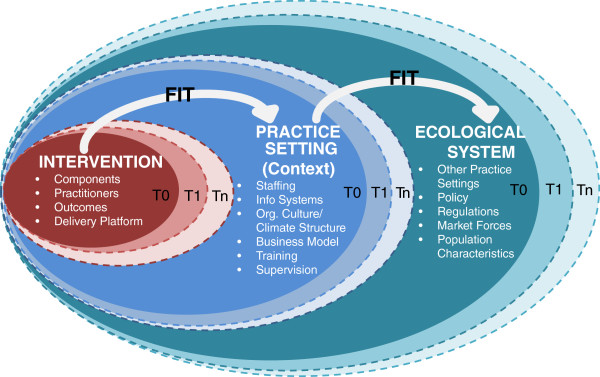
“As stipulated by the dynamic sustainability framework (DSF), “the success of an intervention to be sustained over time lies in the measured, negotiated, and reciprocal fit of an intervention within the practice setting and the practice setting within the larger ecological system” [7].”
BackgroundMethodInfluentialSaleem, M., Zafar, S., Klein, T., Koesters, M., Bashir, A., Fuhr, D. C., Sikander, S., & Zeeb, H. (2025) · JMIR Formative Research · doi:10.2196/59414 · Cited by 5
“…specific phenomenon is termed “program drift” in the field of implementation science, which refers to a situation where the quality and fidelity of an intervention diminish because of deviations from the manual protocol, resulting in a reduction in the potential benefits of the intervention [17].”
Yen, S., Suazo, N., Doerr, J., Macrynikola, N., Villarreal, L. S., Sodano, S., O’Brien, K. H. M., Wolff, J. C., Breault, C., Gibb, B. E., et al. (2023) · PLoS ONE · doi:10.1371/journal.pone.0287285 · Cited by 5
Improving the Sustainability of Public Health Interventions: The INNOVATE Model
Haregu, T., Kwaśnicka, D., Shrestha, A., Lynch, C., Absetz, P., Miranda, J. J., Thankappan, K. R., & Oldenburg, B. F. (2025) · Global Implementation Research and Applications · doi:10.1007/s43477-025-00149-7 · Cited by 6
“…Framework considers three critical elements of sustainability (i.e., intervention, context, and the broader ecological system over time) while considering the dynamic changes and complexity within the health system in the context of the evaluation of sustainability (Chambers et al., 2013 ).”
InfluentialAschbrenner, K. A., Walsh‐Bailey, C., Brown, M. C., Khan, T., Baggett, T. P., Jones, S. M. W., Levy, D. E., Pace, L. E., & Winickoff, J. P. (2025) · Journal of Clinical and Translational Science · doi:10.1017/cts.2025.29 · Cited by 6
“As the context in which EBIs are implemented is dynamic may change over time [28,29], it will be important to assess how well an EBI continues to align with values and priorities as a strategy for engaging and retaining staff in research.”
Tolle, H., Wachinger, J., Castro, M. D. M., Morales, I., & Denkinger, C. M. (2025) · PLoS ONE · doi:10.1371/journal.pone.0307621 · Cited by 7
“An important factor in intervention sustainability is the persistence of clinical relevance of the tested respiratory viruses and the acknowledgement of dynamically changing health contexts requires constant intervention adaptation [75].”
Bates, S. M., & Anderson‐Butcher, D. (2025) · Psychology of sport and exercise · doi:10.1016/j.psychsport.2025.103000 · Cited by 9
Adewuya, A. O., Ola, B. A., Abímbọ́lá, Ṣ., & Abdulmalik, J. O. (2025) · Journal of Global Health · doi:10.7189/jogh.15.04305 · Cited by 6
“Many programmes experience ‘programme drift’, a gradual deviation from standardised protocols through local adaptations, and ‘voltage drop’, a reduction in clinical effectiveness when interventions transition from controlled research to routine delivery contexts [ 10 , 11 ].”
Dar, O. A., Zahid, H., Claron, M., Spicer, N., & Khan, M. S. (2025) · PLOS Global Public Health · doi:10.1371/journal.pgph.0005225 · Cited by 7
“This echoes the Dynamic Sustainability Framework and the notion of operating “at the edge of chaos” – i.e., successful sustainable systems find a balance between stability and flexibility [38,39].”
Context for Implementing a Gestational Weight Gain Program Nationally
Tabak, R. G., Schwarz, C. D., Carter, E. B., & Haire-Joshu, D. L. (2018) · Health Behavior and Policy Review · doi:10.14485/hbpr.5.5.8 · Cited by 5
Aberle, L. M., Platts, J. R., Kioutis, M. A., Haustead, L. M., & Godrich, S. L. (2022) · Health Promotion Journal of Australia · doi:10.1002/hpja.586 · Cited by 5
Implementing Sexual Violence Primary Prevention Programs: A Case Study of Implementer Perspectives
Jackson‐Gordon, R., Dariotis, J. K., Fisher, B. S., & Dickman-Burnett, V. L. (2022) · Journal of Youth Development · doi:10.5195/jyd.2022.1272 · Cited by 7
“Implementation science literature emphasizes the importance of understanding implementation contexts as factors that influence fidelity and adaptations with implications for effectiveness (e.g., Chambers et al., 2013; Damschroder et al., 2009, 2022).”
BackgroundInfluentialMoon, S., Hogden, A., Eljiz, K., & Siddiqui, N. (2023) · Healthcare · doi:10.3390/healthcare11152175 · Cited by 8
Fadem, S. J., Crabtree, B. F., O’Malley, D. M., Mikesell, L., Ferrante, J. M., Toppmeyer, D., Ohman‐Strickland, P., Hemler, J. R., Howard, J., Bator, A., et al. (2023) · BMC Family Practice · doi:10.1186/s12875-023-02186-3 · Cited by 8
Romney, W. M., Wormley, M. E., Veneri, D., Oberlander, A., Catizone, V., & Grevelding, P. (2023) · Quality of Life Research · doi:10.1007/s11136-023-03550-7 · Cited by 6
“Challenges with sustainability include the benefits of the intervention decline (voltage drop) and the tendency to stray away from the standardized protocol (program drift) [23].”
Sustainability of an outcome measure in outpatient stroke rehabilitation: A realist evaluation
Ataman, R., Ahmed, S., Berta, W. B., & Thomas, A. (2024) · Journal of Evaluation in Clinical Practice · doi:10.1111/jep.13972 · Cited by 6
Stockwell‐Smith, G., Moyle, W., Grealish, L. A., Comans, T. A., Varghese, P. N., Whitlatch, C. J., & Orsulic‐Jeras, S. (2024) · Journal of Advanced Nursing · doi:10.1111/jan.16167 · Cited by 6
Cordasco, K. M., Gabrielian, S. E., Barnard, J. M., Harris, T. E., & Finley, E. P. (2024) · Health Services Research · doi:10.1111/1475-6773.14313 · Cited by 7
Finn, E. B., Keller, C. V., Gowey, M. A., Savoye, M., Samuels, S. L., Fleisch, A. F., Rogers, V. W., Grey, M. J., Damschroder, L. J., Beck, A. L., et al. (2024) · Obesity · doi:10.1002/oby.24107 · Cited by 6
“In addition, program effectiveness may evolve over time, which requires managerial patience and continued optimization [41].”
Greene, M. C., Castellar, D., Sangraula, M., Camargo, N., Diaz, J., Meriño, V., Miller-Suchet, L., Coneo, A. M. C., Venegas, M., Cristobal, M., et al. (2024) · Cambridge Prisms Global Mental Health · doi:10.1017/gmh.2024.95 · Cited by 8
“One concern is that this reduction in resources and intensive technical oversight will translate into a reduction in effectiveness when an intervention is transitioned into routine systems of care and implemented at scale (i.e., ‘ voltage drop ’ ; Bauer et al., 2015; Chambers et al., 2013).”
BackgroundLukersmith, S., Woods, C., Sarma, H., de Miquel, C., & Salvador‐Carulla, L. (2025) · Public Health · doi:10.1016/j.puhe.2024.12.056 · Cited by 5
Kavanagh, B. E., Versace, V. L., Beks, H., Dennis, C., Binder, M. J., Hernan, A. L., & Namara, K. M. (2025) · PLoS ONE · doi:10.1371/journal.pone.0322906 · Cited by 5
“Organisational culture and climate structure sit within the practice setting context of the Dynamic Sustainability Model and are important components of intervention sustainability [48].”
InfluentialBalis, L. E., Palmer, S., Isack, M., & Yaroch, A. L. (2025) · Health Promotion Practice · doi:10.1177/15248399251362163 · Cited by 6
“…policies; glasgow et al., 2019) can be especially difficult, and many EBIs are not maintained beyond the initial grant or pilot phase, resulting in inefficient resource use and lower overall public health impact (Birken et al., 2020; Chambers et al., 2013; Luke et al., 2014; Nathan et al., 2022).”
When do trials of diabetes quality improvement strategies lead to sustained change in patient care?
Kearsley, E., Yang, H. Y., Karunananthan, S., Laur, C. V., Grimshaw, J., & Ivers, N. M. (2019) · BMJ Quality & Safety · doi:10.1136/bmjqs-2019-009658 · Cited by 5
Carlin, E., Blondell, S. J., Cadet‐James, Y., Campbell, S., Williams, M., Engelke, C., Taverner, D., Marriott, R., Edmonds, K., Atkinson, D. N., et al. (2019) · BMC Public Health · doi:10.1186/s12889-019-7845-3 · Cited by 5
“Similarly, the emphasis the DSF places on ‘fit’ seems a pertinent starting point for evaluating the process of implementing the KMMS across the geographically large and culturally diverse region of the Kimberley.”
BackgroundMethodInfluentialTrauma Exposure and PTSD in Philadelphia Community Mental Health
Pincus, L. E., Brown, L. A., Capaldi, S., Comeau, C., & Foa, E. B. (2021) · Community Mental Health Journal · doi:10.1007/s10597-021-00853-2 · Cited by 6
“They argue that sustainable initiatives cannot follow a linear model of intervention development and implementation, but rather that there must be ongoing development and evaluation, factoring in the organizational characteristics of the implementation settings (Chambers et al., 2013).”
BackgroundBaratta, J., Amano, A., Parsons, P., Vilendrer, S. M., Winter, S. G., Verano, M.-R., Pérez, C., Kalanithi, L. E. G., Asch, S. M., Heffernan, M. B., et al. (2021) · BMC Health Services Research · doi:10.1186/s12913-021-06922-2 · Cited by 5
Implementation Science for Managers and Healthcare Organizations Responding to Emergencies
Øvretveit, J., & Ohrling, M. (2021) · Global Implementation Research and Applications · doi:10.1007/s43477-021-00025-0 · Cited by 6
Mosedale, A., Hendrie, D. V., Geelhoed, E. A., Zurynski, Y. A., & Robinson, S. (2022) · BMJ Open · doi:10.1136/bmjopen-2020-045172 · Cited by 7
Ribić, E., Sikira, H., Kulenović, A. D., Pemovska, T., Russo, M., Jovanović, N., Radojičić, T., Repišti, S., Milutinović, M., Blazevska, B., et al. (2022) · BJPsych Open · doi:10.1192/bjo.2022.539 · Cited by 7
Ramsden, V., Babl, F. E., Dalziel, S. R., Middleton, S., Oakley, E. A., Haskell, L., Lithgow, A., Orsini, F., Schembri, R., Wallace, A., et al. (2022) · BMC Health Services Research · doi:10.1186/s12913-022-08450-z · Cited by 6
“Themes will then be mapped to a sustainability framework(s) [23, 29, 37].”
InfluentialGabrielian, S. E., Cordasco, K. M., Finley, E. P., Hoffmann, L. C., Harris, T. E., Calderon, R. A., Barnard, J. M., Ganz, D. A., & Olmos‐Ochoa, T. T. (2022) · Frontiers in Psychology · doi:10.3389/fpsyg.2022.1009467 · Cited by 6
“accommodate contextual differences across settings (Chambers et al., 2013; Reed et al., 2018; Wiltsey Stirman et al., 2019).”
Arnold, T. L., Gaudiano, B. A., Barnett, A. P., Elwy, A. R., Whiteley, L., Giorlando, K. K., Rogers, B. G., Ward, L. M., Leigland, A., & Brown, L. K. (2023) · Journal of Contextual Behavioral Science · doi:10.1016/j.jcbs.2023.03.009 · Cited by 6
Moreland‐Russell, S., Jost, E., & Gannon, J. (2023) · Frontiers in Health Services · doi:10.3389/frhs.2023.1026484 · Cited by 7
“Specifically, the idea that systems are not static, but rather dynamic forcing programs to be adaptive and ready to respond to a constantly changing environment to be sustainable (13).”
BackgroundSchieber, E., Deveaux, L., Cotrell, L., Li, X., Lemon, S. C., Ash, A. S., MacDonell, K. K., Ghosh, S., Poitier, M., Rolle, G., et al. (2023) · Prevention Science · doi:10.1007/s11121-023-01614-1 · Cited by 7
“Not all evidence-based interventions (EBI) live up to their potential in real-world settings (Chambers et al., 2013).”
BackgroundKappler, C. B., Coffman, C. J., Stechuchak, K. M., Choate, A., Meyer, C., Zullig, L. L., Hughes, J. M., Drake, C., Sperber, N. R., Kaufman, B. G., et al. (2024) · Implementation Science Communications · doi:10.1186/s43058-024-00544-5 · Cited by 8
“2), adapted from Decosimo et al. [21] for evaluating implementation activities, drawing from the Dynamic Sus-tainability Framework [22], complexity science [23], and Proctor’s taxonomy of implementation outcomes [24].”
MethodEvaluating the Implementation of the Connect for Health Pediatric Weight Management Program
Simione, M., Frost, H. M., Farrar-Muir, H., Luo, M., Granadeño, J., Torres, C. G., Boudreau, A. A., Moreland, J., Wallace, J., Young, J., et al. (2024) · JAMA Network Open · doi:10.1001/jamanetworkopen.2023.52648 · Cited by 5
Riley-Gibson, E., Hall, A. E., Shoesmith, A., Wolfenden, L., Shelton, R. C., Doherty, E. L., Pollock, E. R., Booth, D., Salloum, R. G., Laur, C. V., et al. (2024) · Systematic Reviews · doi:10.1186/s13643-024-02541-0 · Cited by 6
“Recent research argues that sustainability should be viewed as a dynamic process with interventions updated according to new evidence and adapted to meet the changing needs of the context and population in which it is being delivered [12, 16].”
BackgroundOhlsen, J. T., Søfteland, E., Akselsen, P. E., Aßmus, J., Harthug, S., Lein, T. E., Sevdalis, N., Wæhle, H. V., Øvretveit, J., & Hartveit, M. (2024) · BMJ Quality & Safety · doi:10.1136/bmjqs-2024-017185 · Cited by 7
“49 50 However, many studies included in this review seem to employ a more linear approach, such as methods inspired by Statistical Process Control 8 to test the effects of single activities one by one.”
Leahy, A. A., Smith, J. J., Eather, N., Harris, N., & Lubans, D. R. (2024) · Springer eBooks · doi:10.1007/978-3-031-65595-1_14 · Cited by 8
Coughlan, K., Purvis, T. L., Kilkenny, M. F., Cadilhac, D. A.-M., Fasugba, O., Dale, S., Hill, K. M., Reyneke, M., McInnes, E., McElduff, B., et al. (2024) · International Journal of Nursing Studies Advances · doi:10.1016/j.ijnsa.2024.100248 · Cited by 5
“This is in contrast to the literature in relation to ‘voltage drop ’ and ‘program drift ’ that assumes the effect of an intervention decreases after a clinical trial as it moves into the dissemination and implementation research stages (Chambers et al., 2013; Nadalin Penno et al., 2019).”
Imad, N., Turon, H., Grady, A., Keenan, S. J., Wyse, R., Wolfenden, L., Almond, H. M., Belski, R., Leonard, A., Peeters, A., et al. (2024) · Obesity Reviews · doi:10.1111/obr.13878 · Cited by 6
Pettersson, K., Millroth, P., Giannotta, F., Liedgren, P., Lyon, A. R., Hasson, H., & Schwarz, U. V. T. (2025) · Implementation Science · doi:10.1186/s13012-025-01421-y · Cited by 6
Long-term health conditions and their impact on people with sleep disturbances and dementia
Rapaport, P., Bhojwani, A., Webster, L., Amador, S., Muralidhar, M., & Livingston, G. (2025) · BMC Geriatrics · doi:10.1186/s12877-025-06045-x · Cited by 7
“…implementation approach, whereby there is a process of dynamic learning and problem solving to address particular needs of populations and contexts [56] is one we have successfully adopted in previous knowledge translation and implementation work, where we have made peripheral not core changes to…”
Natale, R., Howe, E., Velasquez, C., Garcia, E. G., Granja, K., Caceres, B., Erban, E., Ramirez, T., & Jent, J. F. (2025) · JMIR Formative Research · doi:10.2196/66714 · Cited by 8
“Implementation science cites the sustainability of evidence-based practices as critical for scaling interventions [56].”
Rahm, A. K., Hawkins, R. P., Dearing, J. W., Pingree, S., Lomax, J. B., McDowell, H., Morse, E. F., & Barela, B. (2015) · Translational Behavioral Medicine · doi:10.1007/s13142-015-0305-4 · Cited by 6
“Recent commentary also suggests that rather than viewing the contextual factors as altering the effectiveness of the innovation as designed, these factors should be regarded as leading to beneficial adaptations that improve fit of the innovation with the setting and improve sustainability of the innovation within the…”
BackgroundPartnering to enhance mental health care capacity in communities
Murphy, A. L., Gardner, D. M., Martin‐Misener, R., Naylor, T. D., & Kutcher, S. (2015) · Canadian Pharmacists Journal / Revue des Pharmaciens du Canada · doi:10.1177/1715163515607310 · Cited by 5
Browne, J., Palacios, J., Madero-Cabib, I., Dintrans, P. V., Quilodrán, R., Ceriani, A., & Meza, D. (2021) · Journal of Long-Term Care · doi:10.31389/jltc.72 · Cited by 6
Lachman, P. I., Gondek, D., Edbrooke-Childs, J. H., Deighton, J., & Stapley, E. (2021) · BMJ Open · doi:10.1136/bmjopen-2020-042163 · Cited by 8
Veldhuizen, S., Zawertailo, L. A., & Selby, P. L. (2021) · Journal of Substance Abuse Treatment · doi:10.1016/j.jsat.2021.108409 · Cited by 5
Keniston, A., McBeth, L. J., Pell, J. M., Bowden, K. R., Metzger, A., Nordhagen, J., Anthony, A., Rice, J. D., & Burden, M. A. (2021) · JMIR Human Factors · doi:10.2196/27568 · Cited by 7
“Sustained improvement after demonstrating the effectiveness of an intervention is not often evaluated, likely because of constraints of time and available budget [56]; however, without consideration of the relevant contextual factors, evaluating whether an intervention has resulted in sustainable improvement may prove…”
BackgroundKhan, B., Reid, N., & Stergiopoulos, V. (2021) · Health & Social Care in the Community · doi:10.1111/hsc.13484 · Cited by 8
Becker, S. J., Bowen, C. A., Reed, E. N., Lang, S. G., Correia, N., Yermash, J., Yap, K. R., Rash, C. J., & Garner, B. R. (2021) · Drug and Alcohol Dependence Reports · doi:10.1016/j.dadr.2021.100003 · Cited by 6
McCabe, L. A., Ruberti, M. R., & Endres, T. (2022) · Evaluation and Program Planning · doi:10.1016/j.evalprogplan.2022.102049 · Cited by 6
What is needed to sustain comprehensive medication management? One health plan’s perspectives
Pestka, D. L., Blanchard, C., & Sorensen, T. D. (2022) · Journal of Managed Care & Specialty Pharmacy · doi:10.18553/jmcp.2022.28.6.674 · Cited by 8
Realist inquiry into Maternity care @ a Distance (ARM@DA): realist review protocol
Evans, C., Evans, K., Booth, A., Timmons, S., Jones, N. W., Nazmeen, B., Sunney, C., Clowes, M., Clancy, G., & Spiby, H. (2022) · BMJ Open · doi:10.1136/bmjopen-2022-062106 · Cited by 5
Holdsworth, L. M., Mui, H. Z., Winget, M., & Lorenz, K. (2022) · Palliative Medicine · doi:10.1177/02692163221123966 · Cited by 5
Peacock‐Chambers, E., Moran, M. J., Clark, M. C., Borelli, J. L., Byatt, N., Friedmann, P. D., Suchman, N. E., & Feinberg, E. (2023) · Implementation Research and Practice · doi:10.1177/26334895221151029 · Cited by 5
“The use of systematic approaches to adaptation and implementation can help address these challenges by increasing acceptability and engagement (Chambers et al., 2013; Rathod et al., 2018).”
BackgroundRiley, K. E., Jabson, J. M., Giles, M., El-Sharkawy, K., Hall, E., & Valera, P. A. (2023) · Annals of LGBTQ Public and Population Health · doi:10.1891/lgbtq-2020-0009 · Cited by 7
Ram, B., van Sluijs, E. M. F., Chalkley, A. E., Hargreaves, D. S., & Saxena, S. K. (2023) · PLoS ONE · doi:10.1371/journal.pone.0288500 · Cited by 6
“Research suggests that where there is deviation from implementation protocols, the intervention reduces impact [14].”
Reszel, J., Daub, O., Leese, J., Augustsson, H., Bellows, D. M., Cassidy, C. E., Crowner, B. E., Dunn, S., Goodwin, L. B., Hoens, A. M., et al. (2023) · Implementation Science Communications · doi:10.1186/s43058-023-00525-0 · Cited by 9
Furler, J., Blackberry, I., Manski-Nankervis, J.-A. E., Oâ€TMNeal, D., Best, J. D., & Young, D. Y. L. (2015) · Frontiers in Medicine · doi:10.3389/fmed.2014.00060 · Cited by 7
“(10) highlight that an intervention is never finally optimized but rather continuously in development and is potentially enhanced and strengthened while being implemented in real-world practice.”
BackgroundDeenik, J. (2019) · Research Publications (Maastricht University) · doi:10.26481/dis.20190522jd · Cited by 11
A sustainable approach to universal health coverage
Jansen, M., Bijlmakers, L. A., Baltussen, R. M. P. M., Rouwette, E. A. J. A., & Broekhuizen, H. (2019) · The Lancet Global Health · doi:10.1016/s2214-109x(19)30252-9 · Cited by 5
Hapani, K., Parikh, N., Pianka, K., & Patel, H. (2022) · Pharmaceutical Medicine · doi:10.1007/s40290-022-00426-y · Cited by 4
“However, agreement on successful measures, including robust feedback mechanism, is important between MAHs and NCAs as part of an evaluation plan [14, 15].”
BackgroundNyström, M. E., Tolf, S., Sparring, V., & Strehlenert, H. (2023) · Frontiers in Public Health · doi:10.3389/fpubh.2023.957653 · Cited by 4
“Challenges faced by decision-makers, care providers, and patients may be similar in a general sense, but the dynamic regional and local conditions must be considered when aiming for more sustainable changes (59).”
BackgroundDumbaugh, M., Belem, M., Kousse, S., Ouoba, P., Sankoudouma, A., Tchibozo, A. M., Fearon, P. R. M., Hollowell, J., & Hill, Z. E. (2023) · BMJ Open · doi:10.1136/bmjopen-2023-075675 · Cited by 5
“49 Ethnographic research such as participant observation 13 could reveal more nuanced information relevant to ECD which existing programming often does not discover or ignores, 17 45 50 but security concerns meant that this was not possible as part of this study.”
BackgroundByrnes, A., Flynn, R., Watt, A., Barrimore, S. E., & Young, A. (2023) · Journal of Evaluation in Clinical Practice · doi:10.1111/jep.13935 · Cited by 6
Benzies, K. M., Zanoni, P., & McNeil, D. A. (2024) · Implementation Science Communications · doi:10.1186/s43058-024-00644-2 · Cited by 4
“Alberta FICare ™ would be considered an optimized intervention [48] because it was implemented, evaluated, and refined in NICUs.”
BackgroundMethodInfluentialPalazzo, L. G., Dorsey, C. N., Mogk, J. M., Beatty, T. C., King, D., Stefanik-Guizlo, K., Key, D. L., Matson, T. E., Shea, M. T., Caldeiro, R. M., et al. (2024) · Implementation Research and Practice · doi:10.1177/26334895241301670 · Cited by 5
“The Dynamic Sustainability Framework (DSF) and the Framework for Reporting Adaptations and Modi fi cations to Evidence-based Implementation Strategies (FRAME-IS) guided formative evaluation (Chambers et al., 2013; Miller et al., 2021; Wiltsey Stirman et al., 2019).”
Oddo, L. E., McLeod, B. D., Sutherland, K. S., Chow, J. C., Ledford, J. R., & Li, G. W. (2025) · Prevention Science · doi:10.1007/s11121-025-01766-2 · Cited by 4
Krishnamoorthy, S., Armstrong, G., Ross, V. L., Mathieu, S. L., & Kõlves, K. (2025) · The International Journal of Health Planning and Management · doi:10.1002/hpm.3911 · Cited by 6
“…have been summarised—transparent reporting on external validity [45]; acknowledgement of the importance of practice‐based evidence [15, 46]; improving adaptation methods [44]; and planning for implementation and sustainability right from the start by integrating stakeholder perspectives [21].”
Promoting mental health equality by investing in organizations: lessons from implementation science
Stanhope, V., Choy-Brown, M., Doherty, M. J., Cohen-Serrins, J., Baslock, D. M., & Raghavan, R. (2025) · Journal of Public Mental Health · doi:10.1108/jpmh-09-2024-0113 · Cited by 5
Safaeinili, N., Chuang, E., Hernandez, E. A., Esteban, E. E., Fleming, M. D., Ramanadhan, S., & Brewster, A. L. (2025) · Health Services Research · doi:10.1111/1475-6773.14603 · Cited by 5
“Poor sustainability of funding for prevention-focused interventions is a well-documented challenge, and evidence shows that insufficient attention to the sustainability of these programs can undermine financial and time investments, as well as associated impacts on health outcomes over time [61–63].”
Metadata
- Authors
- Chambers, D. A., Glasgow, R. E., & Stange, K. C.
- Affiliations
- National Institute of Mental Health (US)
- University of Colorado Anschutz (US)
- Case Western Reserve University (US)
- Corresponding author
- Chambers, David A
- Venue
- Implementation Science
- Published
- 2013-10-02
- Volume
- 8
- Issue
- 1
- Pages
- 117-117
- ISSN
- 1748-5908 (ISSN-L)
- PMC
- PMC3852739
- OpenAlex
- W2111534125
- Cited by
- 1,724
- References
- 62
- Citations by year
- 2026: 150 · 2025: 164 · 2024: 205 · 2023: 221 · 2022: 188 · 2021: 214 · 2020: 165 · 2019: 114 · 2018: 90 · 2017: 79 · 2016: 46 · 2015: 64 · 2014: 20
- FWCI
- 77.44
- Type
- journal article
- Language
- en
- Open access
- gold
- doi.org
- Licence
- Locations
- Implementation Science (publishedVersion, cc-by)
- Europe PMC (PubMed Central) (publishedVersion, cc-by)
- PubMed Central (publishedVersion, cc-by)
- PubMed (publishedVersion)
- Scholarly Commons @ Case Western Reserve University (submittedVersion, cc-by)
- Topics
- Health Sciences › Health Professions › General Health Professions › Health Policy Implementation Science
- Health Sciences › Health Professions › General Health Professions › Health Sciences Research and Education
- Social Sciences › Public Administration › Evaluation and Performance Assessment
- Keywords
- intervention sustainability, voltage drop, intervention adaptation, knowledge transfer, implementation research, health services research
- MeSH terms
- Concept Formation, Diffusion of Innovation, Organizational Innovation, United States, Program Evaluation, Program Development, Evidence-Based Practice
About these checks
Registry, retraction, Cites and statistics results are computed, not judged, with one exception: a printed reference that no index lists is read once by a model before it counts as a citation error. Claims are extracted by a model and kept only when their quote appears verbatim in the text; each cited source is then checked, with a model’s help, for whether it says what the claim relies on. Those verdicts can be wrong — read the claim’s quote and the cited source before relying on one.
Statistics and arithmetic are recomputed, not judged.
Confidence bands are shown only for fields calibrated on our annotated test set. None is calibrated yet, so no band is shown.
What counts as a claim ›How we measure confidence ›How we check this ›
Are you an author, or do you see a problem with this page? Request a review
Data sources
Bibliographic data: Semantic Scholar, OpenAlex, Crossref.
Contains information from the Semantic Scholar Academic Graph Datasets, made available under the ODC Attribution License (ODC-BY 1.0).
Semantic Scholar’s data is described in: Kinney, R., et al. (2023). The Semantic Scholar Open Data Platform. arXiv:2301.10140.
