

The dynamic sustainability framework: addressing the paradox of sustainment amid ongoing change
Open accessThe DOI matches its Crossref record; 64 of the 64 references it cites were found in a registry or an index.
Abstract
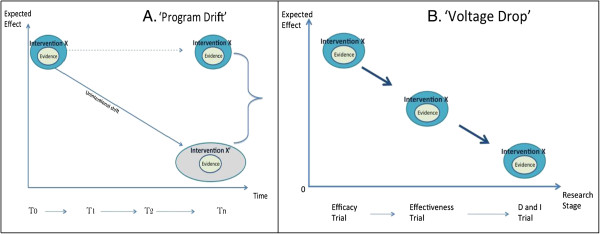
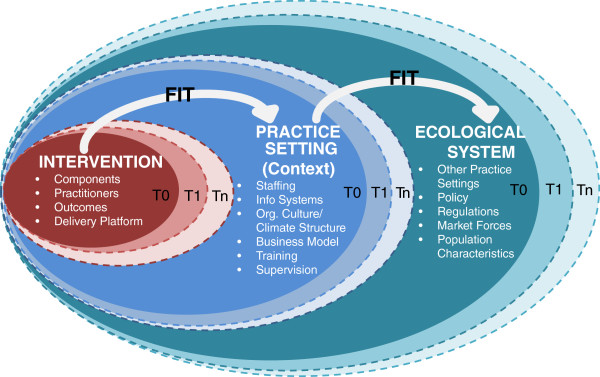
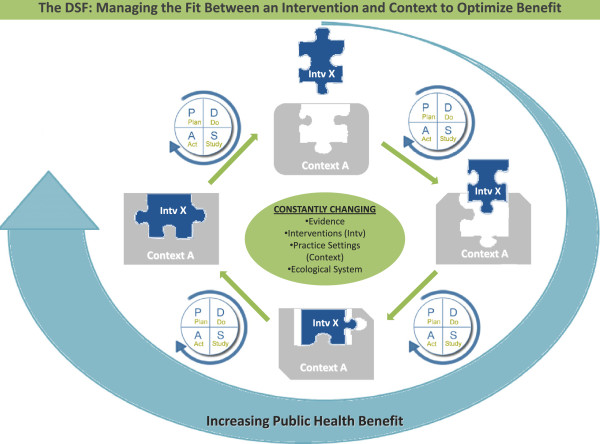
BACKGROUND: Despite growth in implementation research, limited scientific attention has focused on understanding and improving sustainability of health interventions. Models of sustainability have been evolving to reflect challenges in the fit between intervention and context. DISCUSSION: We examine the development of concepts of sustainability, and respond to two frequent assumptions -'voltage drop,' whereby interventions are expected to yield lower benefits as they move from efficacy to effectiveness to implementation and sustainability, and 'program drift,' whereby deviation from manualized protocols is assumed to decrease benefit. We posit that these assumptions limit opportunities to improve care, and instead argue for understanding the changing context of healthcare to continuously refine and improve interventions as they are sustained. Sustainability has evolved from being considered as the endgame of a translational research process to a suggested 'adaptation phase' that integrates and institutionalizes interventions within local organizational and cultural contexts. These recent approaches locate sustainability in the implementation phase of knowledge transfer, but still do not address intervention improvement as a central theme. We propose a Dynamic Sustainability Framework that involves: continued learning and problem solving, ongoing adaptation of interventions with a primary focus on fit between interventions and multi-level contexts, and expectations for ongoing improvement as opposed to diminishing outcomes over time. SUMMARY: A Dynamic Sustainability Framework provides a foundation for research, policy and practice that supports development and testing of falsifiable hypotheses and continued learning to advance the implementation, transportability and impact of health services research.
Overview
The claims and statistics of this paper haven’t been checked yet.
Free: it reads the open-access text and checks the first 5 claims that cite a source we can check. Create a free account to check every claim.
Integrity signals
Registry
Cites
Statistics
Figures
Verification
Claims the paper makes
The claims and statistics of this paper haven’t been checked yet.
Free: it reads the open-access text and checks the first 5 claims that cite a source we can check. Create a free account to check every claim.
Claims other papers make about this one
Each is checked against this paper’s own text: does it say what the citing paper says it does?
The source backs part of the claim, not all of it — or backs it for a different population, condition or comparison.
In the citing paper
“Internal organizational supports include champion roles, leadership, resources, policies and procedures, and expert support (ie, coaching).”
From Successful Organizational Strategies to Sustain Use of A-CHESS: A Mobile Intervention for Individuals With Alcohol Use Disorders (2015) · cites this paper as [32]
Experimental — accuracy not yet measuredThe source backs part of the claim, not all of it — or backs it for a different population, condition or comparison.
In the citing paper
“However, modifications that remove key elements of an intervention, or fail to align with population needs, may be less effective [7, 11–14].”
From The FRAME: an expanded framework for reporting adaptations and modifications to evidence-based interventions (2019) · cites this paper as [7]
Experimental — accuracy not yet measuredThe cited source says what the claim attributes to it.
In the citing paper
“the failure of most implementation processes to incorporate ongoing, iterative intervention development increases the risk that local users will find new technologies to be low on key implementation outcomes such as acceptability, feasibility, and appropriateness (Proctor et al., 2011) and may limit effectiveness (Chambers et al., 2013)”
From User‐centered design for psychosocial intervention development and implementation. (2016) · cites this paper as Chambers et al., 2013
The cited source says what the claim attributes to it.
In the citing paper
“ongoing adjustment and evaluation of EBT to ensure that a program is response to the local context provides an opportunity to increase intervention effectiveness over time (Aarons et al., 2012; Chambers et al., 2013)”
From User‐centered design for psychosocial intervention development and implementation. (2016) · cites this paper as Chambers et al., 2013
The cited source says what the claim attributes to it.
In the citing paper
“EBT are typically disseminated as static tools to be used only as directed by developers, rather than products to be improved over time (Chambers, Glasgow, & Stange, 2013)”
From User‐centered design for psychosocial intervention development and implementation. (2016) · cites this paper as Chambers, Glasgow, & Stange, 2013
25 more claims about this paper
Create a free account to see every claim other papers make about this one.
Self-check
Percentages, sums and reported differences re-computed from the paper’s own numbers.
The self-check needs the paper’s full text.
Citations
Cites
DiMaggio, P. J., & Powell, W. W. (1983) · American Sociological Review · doi:10.2307/2095101 · Cited by 38,435
DiMaggio, P. J., & Powell, W. W. (2004) · Advances in Strategic Management · doi:10.1016/s0742-3322(00)17011-1 · Cited by 25,802
Damschroder, L. J., Aron, D. C., Keith, R. E., Kirsh, S. R., Alexander, J. A., & Lowery, J. C. (2009) · Implementation Science · doi:10.1186/1748-5908-4-50 · Cited by 14,496 · cited 3×
“Brownson RC, Colditz GA, Proctor EK: Dissemination and Implementation Research in Health.”
MethodInfluentialDeveloping and evaluating complex interventions: the new Medical Research Council guidance
Craig, P., Dieppe, P., Macintyre, S., Michie, S., Nazareth, I., & Petticrew, M. (2008) · BMJ · doi:10.1136/bmj.a1655 · Cited by 10,995 · cited 1×
“A linear approach may be particularly challenging to apply to complex, multi-component interventions, psychosocial treatments, treatment of the growing number of people with multimorbid conditions [14,15], and systemic approaches to care [15].”
BackgroundDiMaggio, P. (1983) · American Sociological Review · Cited by 9,078
Diffusion of Innovations in Service Organizations: Systematic Review and Recommendations
GREENHALGH, T., ROBERT, G., MACFARLANE, F., BATE, P., & KYRIAKIDOU, O. (2004) · The Milbank Quarterly · doi:10.1111/j.0887-378x.2004.00325.x · Cited by 7,448 · cited 1×
“As implementation science has grown [1,2], researchers have advanced from study of facilitators and barriers that influence uptake of effective programs and policies to investigations of strategies to improve uptake.”
BackgroundSelf-management education: History, definition, outcomes, and mechanisms
Lorig, K. R., & Holman, H. R. (2003) · Annals of Behavioral Medicine · doi:10.1207/s15324796abm2601_01 · Cited by 4,094 · cited 1×
“The context both within an organization and in the broader ecological system is constantly changing, and requires a ‘learning organization’ [52] to engage in problem-solving capacity at multiple levels [53].”
BackgroundAdvancing a Conceptual Model of Evidence-Based Practice Implementation in Public Service Sectors
Aarons, G. A., Hurlburt, M., & Horwitz, S. M. (2011) · Administration and Policy in Mental Health and Mental Health Services Research · doi:10.1007/s10488-010-0327-7 · Cited by 3,240 · cited 1×
“Sustainment The continued use of an intervention within practice [10].”
BackgroundOrganizing Care for Patients with Chronic Illness
Wagner, E. H., Austin, B. T., & Korff, M. V. (1996) · The Milbank Quarterly · doi:10.2307/3350391 · Cited by 2,877 · cited 1×
“Perhaps an even greater benefit to practice would come through pooling of data across a larger set of sites, practitioners and patients, something done with success for chronic disease [55,56].”
BackgroundThe challenge of complexity in health care
Plsek, P. E., & Greenhalgh, T. (2001) · BMJ · doi:10.1136/bmj.323.7313.625 · Cited by 2,578 · cited 1×
“These include Wandersman’s Getting to Outcomes model [31], Continuous Quality Improvement (CQI) [34], system dynamics [35], complexity theory [36], adaptive management [37], and the Evidence Integration Triangle [30].”
Method
Research works printed but not linked: 5
- Brownson RC Colditz GA Proctor EK Dissemination and Implementation Research in Health 2012 New York: OUP
- Wandersman A Imm P Chinman M Getting to Outcomes: Methods and tools for planning, evaluation and accountability 1999 Rockville, MD: Center for Substance Abuse Prevention
- Bughlin J Chui M Johnson B The next step in open innovation The McKinsey Quarterly 2012 http://www.mckinseyquarterly.com/next_step_in_open_innovation_2155. Accessed
- Institute of Medicine A foundation for evidence-driven practice: A rapid learning system for cancer care 2010 Workshop Summary. Washington, D.C: NAS Press 25032381
- PatientsLikeMe PatientsLikeMe website 2012 http://patientslikeme.com. Accessed March 15, 2012
Cited by
Items 301–400 of 1,006
Diffin, J., Ewing, G., Harvey, G., & Grande, G. (2018) · BMC Palliative Care · doi:10.1186/s12904-018-0382-5 · Cited by 41
“This understanding between the fit of the CSNAT intervention within the context into which it is implemented is vitally important for achieving longer-term sustainability and should be monitored on an ongoing basis [38].”
BackgroundLi, D. H., Brown, C. H., Gallo, C. G., Morgan, E., Sullivan, P. S., Young, S. D., & Mustanski, B. S. (2019) · Current HIV/AIDS Reports · doi:10.1007/s11904-019-00455-4 · Cited by 40
“…technology, so too must we employ new frameworks, like the ACTS model [16], as well as new methods (e.g., trials of intervention principles [6], multiphase optimization strategy [94]); paradigms (e.g., dynamic sustainability framework [24]); and research agendas (e.g., disruptive innovations [20]).”
BackgroundMethodInfluentialShoemaker, E. S., Kendall, C., Mathew, C. M., Crispo, S., Welch, V. A., Andermann, A. A. J., Mott, S., Lalonde, C., Bloch, G. C., Mayhew, A., et al. (2020) · PLoS ONE · doi:10.1371/journal.pone.0231758 · Cited by 44
Smith, M. J., Smith, J. D., Jordan, N., Sherwood, K. L., McRobert, E., Ross, B., Oulvey, E. A., & Atkins, M. S. (2020) · Journal of Special Education Technology · doi:10.1177/0162643420960093 · Cited by 37
“That is, a recognition that adaptation to the way interventions are implemented is not only inevitable but a necessary process for sustainability (Chambers et al., 2013).”
BackgroundQuality improvement studies in nursing homes: a scoping review
Toles, M., Colon-Emeric, C. S., Moreton, E., Frey, L., & Leeman, J. (2021) · BMC Health Services Research · doi:10.1186/s12913-021-06803-8 · Cited by 44
Geng, E., Mody, A., & Powell, B. J. (2023) · Annual Review of Public Health · doi:10.1146/annurev-publhealth-051920-124515 · Cited by 45
Abraham, K. M., Yosef, M., Resnick, S. G., & Zivin, K. (2017) · Psychiatric Services · doi:10.1176/appi.ps.201600412 · Cited by 39
Kumar, P., Dhand, A., Tabak, R. G., Brownson, R. C., & Yadama, G. N. (2017) · Archives of Public Health · doi:10.1186/s13690-017-0244-2 · Cited by 41
“It seeks to address the ‘voltage drop’ as interventions move from efficacy testing to real world sustainment [37].”
BackgroundLewis, C. C., Puspitasari, A. J., Boyd, M. R., Scott, K., Marriott, B. R., Hoffman, M., Navarro, E., & Kassab, H. D. (2018) · BMC Research Notes · doi:10.1186/s13104-018-3193-0 · Cited by 42
“The tailored implementation method was conceptualized as “customized and collaborative” and it was informed by the Dynamic Sustainability Framework [18], as well as the Dynamic Adaptation Process [19], both of which acknowledge that evidence based practices may require adaptation to best fit the context and implementa…”
Holistic development of eHealth technology
Kip, H., & van Gemert-Pijnen, L. (. E. W. C. ). (2018) · eHealth Research, Theory and Development · doi:10.4324/9781315385907-7 · Cited by 36
Opportunities and Challenges in Evidence-based Social Policy and commentaries
Supplee, L. H., & Metz, A. J. R. (2015) · Child Policy Nexus · doi:10.1002/j.2379-3988.2015.tb00081.x · Cited by 43
Koh, S., Lee, M., Brotzman, L., & Shelton, R. C. (2018) · Translational Behavioral Medicine · doi:10.1093/tbm/iby095 · Cited by 45
“The Dynamic Sustainability Framework, a useful framework from D&I science, encourages ongoing organizational learning systems and stakeholder involvement for sustaining and improving interventions over time [56].”
MethodCarmichael, S. L., Mehta, K. M., Raheel, H., Srikantiah, S., Chaudhuri, I., Trehan, S., Mohanty, S., Borkum, E., Mahapatra, T., Weng, Y., et al. (2019) · BMJ Global Health · doi:10.1136/bmjgh-2018-001146 · Cited by 44
“’ Future designs should also address the question of how would team-based incentives sustain FLW performance through time, once external support ends.(23)”
Understanding Sustained Retention in HIV/AIDS Care and Treatment: a Synthetic Review
Roy, M., Czaicki, N., Holmes, C., Chavan, S., Tsitsi, A., Odeny, T., Sikazwe, I., Padian, N., & Geng, E. (2016) · Current HIV/AIDS Reports · doi:10.1007/s11904-016-0317-9 · Cited by 35
Gray, S. M., McKay, H. A., Nettlefold, L., Race, D., Macdonald, H. M., Naylor, P.-J., & Sims-Gould, J. (2021) · British Journal of Sports Medicine · doi:10.1136/bjsports-2020-102465 · Cited by 35
Wiltsey Stirman, S., Finley, E. P., Shields, N., Cook, J., Haine-Schlagel, R., Burgess, J. F., Dimeff, L., Koerner, K., Suvak, M., Gutner, C. A., et al. (2017) · Implementation Science · doi:10.1186/s13012-017-0544-5 · Cited by 35
Insights from a cross-sector review on how to conceptualise the quality of use of research evidence
Rickinson, M., Cirkony, C., Walsh, L., Gleeson, J., Salisbury, M., & Boaz, A. (2021) · Humanities and Social Sciences Communications · doi:10.1057/s41599-021-00821-x · Cited by 38
“Examples include evaluating implementation (Meyers et al., 2012) and continuous quality improvement over time (Chambers et al., 2013).”
BackgroundSalveron, M., Bromfield, L., Kirika, C., Simmons, J., Murphy, T., & Turnell, A. (2014) · Children and Youth Services Review · doi:10.1016/j.childyouth.2014.11.011 · Cited by 65
Sanchez-Flack, J., Herman, A., Buscemi, J., Kong, A., Bains, A., & Fitzgibbon, M. (2020) · Translational Behavioral Medicine · doi:10.1093/tbm/ibz179 · Cited by 38
“Evidence-based interventions that are not implemented as intended and at the appropriate dose will be less effective [73,74].”
BackgroundTechnology-assisted peer therapy: a new way of delivering evidence-based psychological interventions
Atif, N., Nazir, H., Sultan, Z. H., Rauf, R., Waqas, A., Malik, A., Sikander, S., & Rahman, A. (2022) · BMC Health Services Research · doi:10.1186/s12913-022-08233-6 · Cited by 38
“, the intervention deviates from its manualised or implementation protocols [16].”
BackgroundPartnering for Improvement: Improvement Communities and Their Role in Scale Up
Cannata, M. A., Cohen‐Vogel, L., & Sorum, M. (2017) · Peabody Journal of Education · doi:10.1080/0161956x.2017.1368633 · Cited by 44
“Yet attempts to scale those effective practices—even those identified by highly rigorous research—see the positive impacts identified in the original research often diminish as the program is scaled (Chambers et al., 2013).”
BackgroundInfluentialNewman, R. J. S., Capitani, C., Mustaphi, C. J. C., Thorn, J., Kariuki, R. W., Enns, C., & Marchant, R. (2020) · Sustainability · doi:10.3390/su12041340 · Cited by 40
“Within the SLA, sustainability is centred on the theory of stability [40].”
BackgroundGuerin, R. J., Harden, S. M., Rabin, B. A., Rohlman, D. S., Cunningham, T. R., TePoel, M. R. W., Parish, M., & Glasgow, R. E. (2021) · International Journal of Environmental Research and Public Health · doi:10.3390/ijerph182111050 · Cited by 41
Self-citationAsada, Y., Lin, S., Siegel, L., & Kong, A. (2022) · Prevention Science · doi:10.1007/s11121-022-01436-7 · Cited by 38
“Sustainability Sustainability of an intervention is a critical component that is defined as “the extent that [an intervention] can continue to be delivered over time, institutionalized within settings, and have necessary capacity built to support their delivery” (Chambers et al., 2013).”
BackgroundBecker, S. J., Squires, D. D., Strong, D. R., Barnett, N. P., Monti, P. M., & Petry, N. M. (2015) · Substance Abuse · doi:10.1080/08897077.2015.1129524 · Cited by 35
“A recent review recommended that researchers work to prevent the all too common “voltage drop” as interventions move from efficacy and effectiveness to implementation and sustainability.(41)”
BackgroundState of the Science: The Transdiagnostic Intervention for Sleep and Circadian Dysfunction
Harvey, A. G., & Sarfan, L. D. (2024) · Behavior Therapy · doi:10.1016/j.beth.2024.02.007 · Cited by 39
Use of Mental Health Apps by Patients With Breast Cancer in the United States: Pilot Pre-Post Study
Chow, P. I., Showalter, S. L., Gerber, M., Kennedy, E. M., Brenin, D., Mohr, D. C., Lattie, E. G., Gupta, A., Ocker, G., & Cohn, W. F. (2020) · JMIR Cancer · doi:10.2196/16476 · Cited by 33
“This is consistent with research indicating that intervention impact and engagement generally decrease when moving from general to clinical samples [63].”
ResultEisman, A. B., Kilbourne, A. M., Greene, D., Walton, M. A., & Cunningham, R. M. (2020) · Prevention Science · doi:10.1007/s11121-020-01120-8 · Cited by 34
“There is often an observed “voltage drop” when interventions are implemented in the realworld practice settings, which can be attributed, in part, to decreased levels of intervention fidelity (Chambers et al. 2013; Weisz et al. 2013).”
BackgroundGrüne, E., Popp, J., Carl, J., & Pfeifer, K. (2020) · BMC Public Health · doi:10.1186/s12889-020-09093-7 · Cited by 40
Mitchell-Gillespie, B., Hashim, H. H., Griffin, M., & AlHeresh, R. A. (2020) · Globalization and Health · doi:10.1186/s12992-020-00614-y · Cited by 34
“1 Use of RE-AIM and DSF contexts: intervention (telehealth system), practice setting (CBR center) and ecological system (policy, regulations, other practice settings) [15].”
BackgroundAndrews, M., Pritchett, L. H., & Woolcock, M. J. V. (2017) · Oxford University Press eBooks · doi:10.1093/acprof:oso/9780198747482.003.0008 · Cited by 33
Lonsdale, C., Sanders, T., Parker, P. D., Noetel, M., Hartwig, T. B., Vasconcellos, D., Lee, J. J., Antczak, D., Kirwan, M., Morgan, P. J., et al. (2021) · Archives of Pediatrics and Adolescent Medicine · doi:10.1001/jamapediatrics.2021.0417 · Cited by 45
Oh, A., Emmons, K. M., Brownson, R. C., Glasgow, R. E., Foley, K. L., Lewis, C. C., Schnoll, R. A., Huguet, N., Caplon, A., & Chambers, D. (2022) · JNCI Journal of the National Cancer Institute · doi:10.1093/jnci/djac198 · Cited by 35
Self-citationUsing Implementation Science in Nursing Research
Roberts, N. A., Young, A., & Duff, J. S. (2023) · Seminars in Oncology Nursing · doi:10.1016/j.soncn.2023.151399 · Cited by 41
Kilbourne, A. M., Goodrich, D. E., Nord, K. M., Van Poppelen, C., Kyle, J., Bauer, M. S., Waxmonsky, J. A., Lai, Z., Kim, H. M., Eisenberg, D., et al. (2015) · Administration and Policy in Mental Health and Mental Health Services Research · doi:10.1007/s10488-014-0598-5 · Cited by 33
“…studies incorporate principals of quality improvement that promote improved clinic workflow, information system integration, and outcomes benchmarking (e.g., Aarons et al. 2011; Knox et al. 2011; Pina et al. 2014; Solberg 2007; Wandersman et al. 2008; Chambers et al. 2013; Michie et al. 2009).”
BackgroundNeamah, H. H., Kuhlmann, A. S., & Tabak, R. G. (2016) · The Science of Diabetes Self-Management and Care · doi:10.1177/0145721716630386 · Cited by 38
“Evidence-based interventions are modified in a variety of ways and for numerous reasons,(8) many of which may actually lead to improved program sustainability.(8) Program adaptation is a broad term that is often used to describe modifications to the original program.”
BackgroundUrquhart, R., Kendell, C., Cornelissen, E., Powell, B. J., Madden, L. L., Kissmann, G., Richmond, S. A., & Bender, J. L. (2021) · BMJ Open · doi:10.1136/bmjopen-2020-042503 · Cited by 32
Stoll, S., Janevic, M., Lara, M., Ramos-Valencia, G., Stephens, T. B., Persky, V., Uyeda, K., Ohadike, Y., & Malveaux, F. (2015) · Preventing Chronic Disease · doi:10.5888/pcd12.150133 · Cited by 32
Braithwaite, J., Testa, L., Lamprell, G., Herkes, J., Ludlow, K., McPherson, E., Campbell, M., & Holt, J. (2017) · BMJ Open · doi:10.1136/bmjopen-2017-018568 · Cited by 44
“We can potentially refine and improve interventions over time, to sustainably meet contextual needs and maintain desirable patient outcomes.(33) Earlier this decade, Wiltsey Stirman et al(35) noted that the current body of sustainability research is limited by a lack of working definitions and models of sustainability…”
Kowalski, C. P., Veeser, M., & Heisler, M. (2018) · BMC Family Practice · doi:10.1186/s12875-018-0797-3 · Cited by 38
“Progress has been made in advancing the science of implementation, but too often the complexity of translating research into practice is overlooked or follows an overly simplistic model [7].”
BackgroundConsidering the intersection between implementation science and COVID-19
Chambers, D. (2020) · Implementation Research and Practice · doi:10.1177/0020764020925994 · Cited by 34
“…sectors, and effective implementation must account for how best to provide the information most relevant to different stakeholders (e.g., general public, patients, caregivers, providers, administrators, policymakers), and to ensuring interventions fit those who are targeted (Chambers et al., 2013).”
BackgroundSelf-citationKroelinger, C. D., Rankin, K., Chambers, D., Roux, A. V. D., Hughes, K., & Grigorescu, V. I. (2014) · Maternal and Child Health Journal · doi:10.1007/s10995-014-1586-9 · Cited by 32
“researchers may miss opportunities to improve programs over time, redirect, or modify the program model, instead assuming that all changes will have negative consequences [12].”
BackgroundSelf-citationMeasuring sustainment of prevention programs and initiatives: a study protocol
Palinkas, L. A., Spear, S. E., Mendon, S. J., Villamar, J., Valente, T., Chou, C.-P., Landsverk, J., Kellam, S. G., & Brown, C. H. (2015) · Implementation Science · doi:10.1186/s13012-016-0467-6 · Cited by 32
“Many of these models consider sustainment to be the final stage of the process of implementation [19, 20], but the factors that predict sustainment are not well understood [21, 22].”
BackgroundMullen, P. D., Savas, L. S., Bundy, Ł., Haardörfer, R., Hovell, M., Fernández, M. E., Monroy, J., Williams, R. S., Kreuter, M. W., Jobe, D., et al. (2016) · Tobacco Control · doi:10.1136/tobaccocontrol-2016-053045 · Cited by 34
“54 Our trial suggests the need for adaptive changes in recruitment.”
BackgroundMethodAvoiding Implementation Errors in Cancer Survivorship Care Plan Effectiveness Studies
Mayer, D. K., Birken, S. A., & Chen, R. C. (2015) · Journal of Clinical Oncology · doi:10.1200/jco.2015.62.6937 · Cited by 31
Dickson, K. S., Lind, T., Jobin, A., Kinnear, M., Lok, H., & Brookman-Frazee, L. I. (2021) · Administration and Policy in Mental Health and Mental Health Services Research · doi:10.1007/s10488-021-01133-7 · Cited by 36
Whitsel, L. P., Honeycutt, S., Radcliffe, R., Johnson, J. C., Chase, P. J., & Noyes, P. (2024) · Health Research Policy and Systems · doi:10.1186/s12961-024-01110-0 · Cited by 42
“Although there are a range of existing frameworks, [10– 12], most focussed on program implementation.”
BackgroundFulop, N., Ramsay, A. I. G., Hunter, R. M., McKevitt, C., Perry, C., Turner, S., Boaden, R., Papachristou, I., Rudd, A. G., Tyrrell, P. J., et al. (2019) · Health Services and Delivery Research · doi:10.3310/hsdr07070 · Cited by 38
Workforce Support for Urban After‐School Programs: Turning Obstacles into Opportunities
Frazier, S. L., Chou, T., Ouellette, R. R., Helseth, S. A., Kashem, E. R., & Cromer, K. D. (2019) · American Journal of Community Psychology · doi:10.1002/ajcp.12328 · Cited by 40
Courtnage, T., Bates, N. E., Armstrong, A. A., Seitz, M. K., Weitzman, T. S., & Fann, J. R. (2020) · Psycho-Oncology · doi:10.1002/pon.5582 · Cited by 36
“Despite the success of IPOP at the SCCA, ongoing adaptations and modifications are required to sustain and improve its effectiveness over time.(37,38) For example, efforts are underway to expand this model via telehealth, technology platforms, and tele-”
BackgroundPickard, K. E., Mellman, H., Frost, K. M., Reaven, J., & Ingersoll, B. R. (2021) · Journal of Autism and Developmental Disorders · doi:10.1007/s10803-021-04882-4 · Cited by 33
Aschbrenner, K. A., Mueller, N., Banerjee, S., & Bartels, S. J. (2021) · Implementation Research and Practice · doi:10.1177/26334895211017252 · Cited by 33
Turvey, C., & Roberts, L. J. (2015) · International Review of Psychiatry · doi:10.3109/09540261.2015.1087975 · Cited by 36
“The Dynamic Sustainability Framework (Chambers et al., 2013), proposes continued evaluation of interventions that allows for deviation from manualized protocols as they arise in ‘real world’ settings.”
BackgroundShelton, R. C., Charles, T.-A., Dunston, S. K., Jandorf, L. H., & Erwin, D. O. (2017) · Translational Behavioral Medicine · doi:10.1007/s13142-017-0491-3 · Cited by 35
“understanding the tension and balance between fidelity and adaptation in the context of long-term program sustainability is a critical area for future investigation [60].”
BackgroundTümkaya, S. (2012) · Educational Sciences Theory & Practice · Cited by 50
Dickson, K. S., Lind, T., Jobin, A., Kinnear, M., Lok, H., & Brookman-Frazee, L. I. (2021) · Administration and Policy in Mental Health and Mental Health Services Research · doi:10.1007/s10488-021-01144-4 · Cited by 32
Laur, C., Bell, J., Valaitis, R., Ray, S., & Keller, H. (2018) · BMC Health Services Research · doi:10.1186/s12913-018-3748-8 · Cited by 30
“Sustainability frameworks, such as the Dynamic Sustainability Framework, also acknowledge a constantly evolving context [10].”
BackgroundMaking the connection between health equity and sustainability
Shelton, R. C., Hailemariam, M., & Iwelunmor, J. (2023) · Frontiers in Public Health · doi:10.3389/fpubh.2023.1226175 · Cited by 39
“Additionally, we define sustainability as the extent to which there is continued delivery and ongoing health benefits of EBIs over time, recognizing that EBIs may need to evolve in response to changing contexts to maximize benefits (21, 22).”
BackgroundImplementation and evaluation of linked parenting models in a large urban child welfare system
Chamberlain, P., Feldman, S. W., Wulczyn, F., Saldana, L., & Forgatch, M. S. (2015) · Child Abuse & Neglect · doi:10.1016/j.chiabu.2015.09.013 · Cited by 30
The work is never ending: uncovering teamwork sustainability using realistic evaluation
Frykman, M., Schwarz, U. V. T., Athlin, Å. M., Hasson, H., & Mazzocato, P. (2017) · Journal of Health Organization and Management · doi:10.1108/jhom-01-2016-0020 · Cited by 36
Strategic factors for the sustainability of a health intervention at municipal level of Brazil
Oliveira, S. R. D. A., Medina, M. G., Figueiró, A. C., & Potvin, L. (2017) · Cadernos de Saúde Pública · doi:10.1590/0102-311x00063516 · Cited by 35
Informing real-world practice with real-world evidence: the value of PRECIS-2
Neta, G. I., & Johnson, K. E. (2018) · BMC Medicine · doi:10.1186/s12916-018-1071-1 · Cited by 33
“This interest is due, in part, to a ‘voltage drop’ in effectiveness as interventions tested in explanatory trials move into real-world situations [11].”
BackgroundBaldwin, L., Fischer, M. A., Powell, J., Holden, E., Tuzzio, L., Fagnan, L. J., Hummel, J., & Parchman, M. L. (2018) · Journal of Continuing Education in the Health Professions · doi:10.1097/ceh.0000000000000224 · Cited by 28
“There is growing interest in advancing our understanding of how best to ensure that evidence from research is implemented in a sustainable fashion across large populations and in diverse health care settings.(24) Early efforts in this area include identifying, developing, and tailoring implementation strategies and te…”
BackgroundVarallyay, N. I., Langlois, É. V., Tran, N. T., Elias, V., & Revéiz, L. (2020) · Health Research Policy and Systems · doi:10.1186/s12961-020-00579-9 · Cited by 34
Ismail, M. R., Seabrook, J. A., & Gilliland, J. (2020) · Preventive Medicine Reports · doi:10.1016/j.pmedr.2020.101281 · Cited by 38
Scaling-Up Adolescent High-Intensity Interval Training Programs for Population Health
Lubans, D. R., Eather, N., Smith, J. J., Beets, M. W., & Harris, N. K. (2022) · Exercise and Sport Sciences Reviews · doi:10.1249/jes.0000000000000287 · Cited by 34
“, reduced intervention benefits) that typically occurs as interventions progress from efficacy to effectiveness to dissemination (38).”
BackgroundUnderstanding the sustainment of population health programmes from a whole-of-system approach
Crane, M. A., Nathan, N., McKay, H. A., Lee, K., Wiggers, J., & Bauman, A. E. (2022) · Health Research Policy and Systems · doi:10.1186/s12961-022-00843-0 · Cited by 39
“Termination may be an appropriate policy or resourcing decision, particularly if the programme is less effective delivered at scale, sometimes described as “voltage drop” [9, 10].”
BackgroundSong, Y., MacEachern, L., Doupe, M. B., Ginsburg, L. R., Chamberlain, S. A., Cranley, L. A., Easterbrook, A., Hoben, M., Knopp‐Sihota, J., Reid, R. C., et al. (2022) · BMC Health Services Research · doi:10.1186/s12913-022-08026-x · Cited by 37
“This corroborates the dynamic sustainability framework, which “embraces change as a central influence on sustainability” ([14], p.”
BackgroundInfluentialFlynn, R., Stevens, B., Bains, A., Kennedy, M., & Scott, S. D. (2022) · Systematic Reviews · doi:10.1186/s13643-022-02093-1 · Cited by 39
“This is especially reflective of the high methodological quality as mixedmethod studies were scored using both qualitative and quantitative descriptive categories and assigned the Framework (n = 28) Exploration, Preparation, Implementation, Sustainment (EPIS) framework [91] Consolidated Framework for Implementation Re…”
BackgroundInfluentialJennings, P. A. (2023) · Mindfulness · doi:10.1007/s12671-022-02062-8 · Cited by 37
Scheirer, M. A., Santos, S. L. Z., Tagai, E. K., Bowie, J., Slade, J., Carter, R., & Holt, C. L. (2017) · Implementation Science · doi:10.1186/s13012-017-0576-x · Cited by 29
“Similar concepts about the dynamic interrelationships of evolving interventions within changing contexts have been described as the “dynamic sustainability framework” [7].”
BackgroundSystem-wide lean implementation in health care: A multiple case study
Centauri, F., Mazzocato, P., Villa, S., & Marsilio, M. (2018) · Health Services Management Research · doi:10.1177/0951484818768226 · Cited by 37
Jessani, N., Rohwer, A. C., Schmidt, B., & Delobelle, P. (2021) · Health Research Policy and Systems · doi:10.1186/s12961-021-00733-x · Cited by 32
Stumbo, S. P., Ford, J. H., & Green, C. A. (2017) · Addiction Science & Clinical Practice · doi:10.1186/s13722-017-0093-x · Cited by 29
“Important intervention characteristics include the value of innovations to the agency [13], and the flexibility to adapt intervention components to fit within an agency [14].”
BackgroundCultural Adaptation of Promising, Evidence-Based, and Best Practices: a Scoping Literature Review
Thier, M., Martinez, C. R., Alresheed, F., Storie, S., Sasaki, A., Meline, M., Rochelle, J., Witherspoon, L., & Yim-Dockery, H. (2020) · Prevention Science · doi:10.1007/s11121-019-01042-0 · Cited by 28
Stanley, B., Labouliere, C. D., Brown, G. K., Green, K. L., Galfalvy, H., Finnerty, M. T., Vasan, P., Cummings, A., Wainberg, M. L., Carruthers, J. W., et al. (2020) · Contemporary Clinical Trials · doi:10.1016/j.cct.2020.106224 · Cited by 32
“Even less attention has been paid to understanding the maintenance of improvements [21].”
BackgroundNooraie, R. Y., Shelton, R. C., Fiscella, K. A., Kwan, B. M., & McMahon, J. M. (2021) · Health Research Policy and Systems · doi:10.1186/s12961-021-00764-4 · Cited by 28
Wiener, R. S., Barker, A. M., Carter‐Harris, L., Caverly, T. J., Crocker, D. A., Denietolis, A., Doherty, C., Fagerlin, A., Gallagher-Seaman, M., Gould, M. K., et al. (2022) · American Journal of Respiratory and Critical Care Medicine · doi:10.1164/rccm.202201-0126st · Cited by 30
“Moreover, to enhance sustainability of implementation, the need to adapt the implementation approach over time to ensure ongoing fi t must be considered even in the planning stages (68).”
Association of Patient and System-Level Factors With Social Determinants of Health Screening
Savitz, S. T., Nyman, M., Kaduk, A., Loftus, C. G., Phelan, S. M., & Barry, B. A. (2022) · Medical Care · doi:10.1097/mlr.0000000000001754 · Cited by 30
Nelson, G. B., Caplan, R. A., MacLeod, T., Macnaughton, E., Cherner, R., Aubry, T., Méthot, C., Latimer, E. A., Piat, M., Plenert, E., et al. (2017) · American Journal of Community Psychology · doi:10.1002/ajcp.12119 · Cited by 42
“Program fidelity means that the program remains faithful to the original program model and is not drastically mutated or diluted such that the post-demonstration program bears little resemblance to the original program during the demonstration phase (Chambers et al., 2013).”
Hill, J. N., Locatelli, S. M., Bokhour, B. G., Fix, G. M., Solomon, J., Mueller, N., & LaVela, S. L. (2018) · BMC Research Notes · doi:10.1186/s13104-018-3650-9 · Cited by 35
Berkel, C., Gallo, C. G., Sandler, I. N., Mauricio, A. M., Smith, J. D., & Brown, C. H. (2019) · The Journal of Primary Prevention · doi:10.1007/s10935-018-00534-z · Cited by 27
Andrews, J. L., & Foulkes, L. (2024) · Child and Adolescent Mental Health · doi:10.1111/camh.12753 · Cited by 32
“In addition, these effect sizes should be understood within the context of ‘ voltage drop ’ , whereby intervention effects often become further diluted outside of trial contexts (Chambers, Glasgow, & Stange, 2013).”
on behalf of, P. A. C. E., Hockley, J., Froggatt, K. A., den Block, L. V., Onwuteaka-Philipsen, B. D., Kylänen, M., Szczerbińska, K. E., Gambassi, G., Pautex, S., & Payne, S. A. (2019) · BMC Health Services Research · doi:10.1186/s12913-019-4587-y · Cited by 33
Jovanović, N., Francis, J., Marić, N. P., Arënliu, A., Bajraktarov, S., Kulenović, A. D., Stevović, L. I., Feng, Y., & Novotni, A. (2019) · GLOBAL PSYCHIATRY ARCHIVES · doi:10.2478/gp-2019-0020 · Cited by 27
Schwarz, U. V. T., Giannotta, F., Neher, M., Zetterlund, J., & Hasson, H. (2021) · Implementation Science Communications · doi:10.1186/s43058-021-00131-y · Cited by 33
“Such an approach is illustrated in the dynamic sustainability process [17], which points to the need for continued learning and problem solving through ongoing adaptations.”
BackgroundFunding research translation: how we got here and what to do next
Zurynski, Y. A., Smith, C. L., Knaggs, G. T., Meulenbroeks, I., & Braithwaite, J. (2021) · Australian and New Zealand Journal of Public Health · doi:10.1111/1753-6405.13131 · Cited by 29
Flynn, R., Mrklas, K., Campbell, A., Wasylak, T., & Scott, S. D. (2021) · BMC Health Services Research · doi:10.1186/s12913-021-07214-5 · Cited by 29
Vitrano, G., Micheli, G. J. L., Guglielmi, A., de Merich, D., Pellicci, M., Urso, D., & Ipsen, C. (2023) · Safety Science · doi:10.1016/j.ssci.2023.106249 · Cited by 37
Khazanov, G. K., McKay, J. R., & Rawson, R. A. (2024) · Addiction · doi:10.1111/add.16497 · Cited by 33
Standards for randomized controlled trials of efficacy of psychological treatments
Mohr, D. C. (2024) · World Psychiatry · doi:10.1002/wps.21207 · Cited by 28
Gammon, D., Strand, M., & Eng, L. S. (2014) · International Journal of Mental Health Systems · doi:10.1186/1752-4458-8-2 · Cited by 27
“While controlled studies are essential to our knowledge base, equal attention is needed on refining research designs that iteratively incorporate experiential and research-based knowledge into design and evaluation processes in real life contexts [9].”
BackgroundMehta, T. G., Lakind, D., Rusch, D. B., Walden, A. L., Cua, G., & Atkins, M. S. (2019) · American Journal of Community Psychology · doi:10.1002/ajcp.12316 · Cited by 29
Rochefort, D. A. (2019) · Milbank Quarterly · doi:10.1111/1468-0009.12429 · Cited by 29
Westgard, C. M., & Fleming, W. O. (2020) · Frontiers in Public Health · doi:10.3389/fpubh.2020.00411 · Cited by 33
“The intervention and implementation process were created so they can be replicated and expanded without a decrease in impact (voltage drop) (65).”
Barry, S. M., & Davies, C. (2025) · Future Healthcare Journal · doi:10.1016/j.fhj.2025.100452 · Cited by 30
“17 , 18”
Tuzzio, L., Larson, E. B., Chambers, D., Coronado, G. D., Curtis, L. H., Weber, W. J., Zatzick, D., & Meyers, C. M. (2018) · Healthcare · doi:10.1016/j.hjdsi.2018.12.003 · Cited by 27
“The PRECIS-2 toolkit8 was developed to help researchers design trials that are pragmatic across nine domains: (1) eligibility - who is selected to participate in the trial; (2) recruitment - how participants are recruited into the trial; (3) setting - where the trial is conducted; (4) organization - what expertise and…”
MethodSelf-citationAugustsson, H., Churruca, K., & Braithwaite, J. (2019) · BMJ Open · doi:10.1136/bmjopen-2018-026028 · Cited by 30
Initial insights into the impact and implementation of Creating Active Schools in Bradford, UK
Morris, J. L., Chalkley, A. E., Helme, Z. E., Timms, O., Young, E., McLoughlin, G. M., Bartholomew, J. B., & Daly-Smith, A. (2023) · International Journal of Behavioral Nutrition and Physical Activity · doi:10.1186/s12966-023-01485-3 · Cited by 32
“Of further concern, positive effects observed in efficacy and effectiveness trials often diminish - known as a voltage drop [10] - as programmes scale for broader implementation and effectiveness [11, 12].”
BackgroundLeading for the long haul: a mixed-method evaluation of the Sustainment Leadership Scale (SLS)
Ehrhart, M. G., Torres, E. M., Green, A. E., Trott, E. M., Willging, C. E., Moullin, J. C., & Aarons, G. A. (2018) · Implementation Science · doi:10.1186/s13012-018-0710-4 · Cited by 30
“Both implementation and sustainment involve ongoing organizational learning to be successful [28], but sustainment is, by definition, dependent on implementation since implementation processes come first.”
Background
Metadata
- Authors
- Chambers, D. A., Glasgow, R. E., & Stange, K. C.
- Affiliations
- National Institute of Mental Health (US)
- University of Colorado Anschutz (US)
- Case Western Reserve University (US)
- Corresponding author
- Chambers, David A
- Venue
- Implementation Science
- Published
- 2013-10-02
- Volume
- 8
- Issue
- 1
- Pages
- 117-117
- ISSN
- 1748-5908 (ISSN-L)
- PMC
- PMC3852739
- OpenAlex
- W2111534125
- Cited by
- 1,724
- References
- 62
- Citations by year
- 2026: 150 · 2025: 164 · 2024: 205 · 2023: 221 · 2022: 188 · 2021: 214 · 2020: 165 · 2019: 114 · 2018: 90 · 2017: 79 · 2016: 46 · 2015: 64 · 2014: 20
- FWCI
- 77.44
- Type
- journal article
- Language
- en
- Open access
- gold
- doi.org
- Licence
- Locations
- Implementation Science (publishedVersion, cc-by)
- Europe PMC (PubMed Central) (publishedVersion, cc-by)
- PubMed Central (publishedVersion, cc-by)
- PubMed (publishedVersion)
- Scholarly Commons @ Case Western Reserve University (submittedVersion, cc-by)
- Topics
- Health Sciences › Health Professions › General Health Professions › Health Policy Implementation Science
- Health Sciences › Health Professions › General Health Professions › Health Sciences Research and Education
- Social Sciences › Public Administration › Evaluation and Performance Assessment
- Keywords
- intervention sustainability, voltage drop, intervention adaptation, knowledge transfer, implementation research, health services research
- MeSH terms
- Concept Formation, Diffusion of Innovation, Organizational Innovation, United States, Program Evaluation, Program Development, Evidence-Based Practice
About these checks
Registry, retraction, Cites and statistics results are computed, not judged, with one exception: a printed reference that no index lists is read once by a model before it counts as a citation error. Claims are extracted by a model and kept only when their quote appears verbatim in the text; each cited source is then checked, with a model’s help, for whether it says what the claim relies on. Those verdicts can be wrong — read the claim’s quote and the cited source before relying on one.
Statistics and arithmetic are recomputed, not judged.
Confidence bands are shown only for fields calibrated on our annotated test set. None is calibrated yet, so no band is shown.
What counts as a claim ›How we measure confidence ›How we check this ›
Are you an author, or do you see a problem with this page? Request a review
Data sources
Bibliographic data: Semantic Scholar, OpenAlex, Crossref.
Contains information from the Semantic Scholar Academic Graph Datasets, made available under the ODC Attribution License (ODC-BY 1.0).
Semantic Scholar’s data is described in: Kinney, R., et al. (2023). The Semantic Scholar Open Data Platform. arXiv:2301.10140.
