

The dynamic sustainability framework: addressing the paradox of sustainment amid ongoing change
Open accessThe DOI matches its Crossref record; 64 of the 64 references it cites were found in a registry or an index.
Abstract
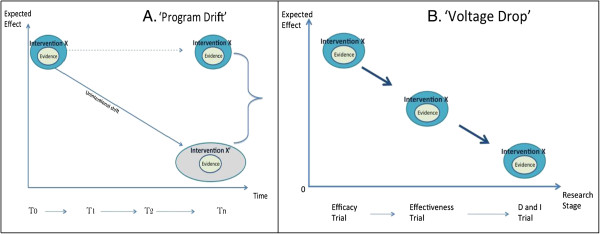
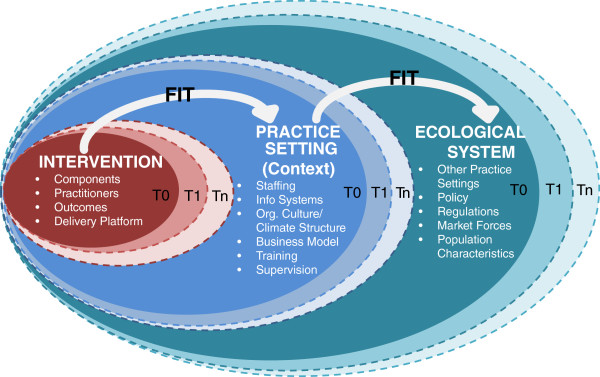
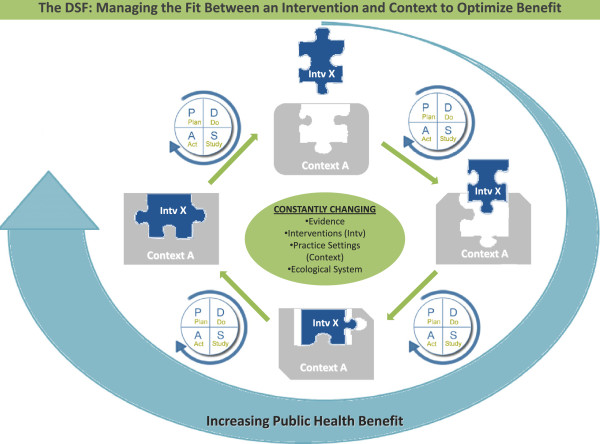
BACKGROUND: Despite growth in implementation research, limited scientific attention has focused on understanding and improving sustainability of health interventions. Models of sustainability have been evolving to reflect challenges in the fit between intervention and context. DISCUSSION: We examine the development of concepts of sustainability, and respond to two frequent assumptions -'voltage drop,' whereby interventions are expected to yield lower benefits as they move from efficacy to effectiveness to implementation and sustainability, and 'program drift,' whereby deviation from manualized protocols is assumed to decrease benefit. We posit that these assumptions limit opportunities to improve care, and instead argue for understanding the changing context of healthcare to continuously refine and improve interventions as they are sustained. Sustainability has evolved from being considered as the endgame of a translational research process to a suggested 'adaptation phase' that integrates and institutionalizes interventions within local organizational and cultural contexts. These recent approaches locate sustainability in the implementation phase of knowledge transfer, but still do not address intervention improvement as a central theme. We propose a Dynamic Sustainability Framework that involves: continued learning and problem solving, ongoing adaptation of interventions with a primary focus on fit between interventions and multi-level contexts, and expectations for ongoing improvement as opposed to diminishing outcomes over time. SUMMARY: A Dynamic Sustainability Framework provides a foundation for research, policy and practice that supports development and testing of falsifiable hypotheses and continued learning to advance the implementation, transportability and impact of health services research.
Overview
The claims and statistics of this paper haven’t been checked yet.
Free: it reads the open-access text and checks the first 5 claims that cite a source we can check. Create a free account to check every claim.
Integrity signals
Registry
Cites
Statistics
Figures
Verification
Claims the paper makes
The claims and statistics of this paper haven’t been checked yet.
Free: it reads the open-access text and checks the first 5 claims that cite a source we can check. Create a free account to check every claim.
Claims other papers make about this one
Each is checked against this paper’s own text: does it say what the citing paper says it does?
The source backs part of the claim, not all of it — or backs it for a different population, condition or comparison.
In the citing paper
“Internal organizational supports include champion roles, leadership, resources, policies and procedures, and expert support (ie, coaching).”
From Successful Organizational Strategies to Sustain Use of A-CHESS: A Mobile Intervention for Individuals With Alcohol Use Disorders (2015) · cites this paper as [32]
Experimental — accuracy not yet measuredThe source backs part of the claim, not all of it — or backs it for a different population, condition or comparison.
In the citing paper
“However, modifications that remove key elements of an intervention, or fail to align with population needs, may be less effective [7, 11–14].”
From The FRAME: an expanded framework for reporting adaptations and modifications to evidence-based interventions (2019) · cites this paper as [7]
Experimental — accuracy not yet measuredThe cited source says what the claim attributes to it.
In the citing paper
“the failure of most implementation processes to incorporate ongoing, iterative intervention development increases the risk that local users will find new technologies to be low on key implementation outcomes such as acceptability, feasibility, and appropriateness (Proctor et al., 2011) and may limit effectiveness (Chambers et al., 2013)”
From User‐centered design for psychosocial intervention development and implementation. (2016) · cites this paper as Chambers et al., 2013
The cited source says what the claim attributes to it.
In the citing paper
“ongoing adjustment and evaluation of EBT to ensure that a program is response to the local context provides an opportunity to increase intervention effectiveness over time (Aarons et al., 2012; Chambers et al., 2013)”
From User‐centered design for psychosocial intervention development and implementation. (2016) · cites this paper as Chambers et al., 2013
The cited source says what the claim attributes to it.
In the citing paper
“EBT are typically disseminated as static tools to be used only as directed by developers, rather than products to be improved over time (Chambers, Glasgow, & Stange, 2013)”
From User‐centered design for psychosocial intervention development and implementation. (2016) · cites this paper as Chambers, Glasgow, & Stange, 2013
25 more claims about this paper
Create a free account to see every claim other papers make about this one.
Self-check
Percentages, sums and reported differences re-computed from the paper’s own numbers.
The self-check needs the paper’s full text.
Citations
Cites
DiMaggio, P. J., & Powell, W. W. (1983) · American Sociological Review · doi:10.2307/2095101 · Cited by 38,435
DiMaggio, P. J., & Powell, W. W. (2004) · Advances in Strategic Management · doi:10.1016/s0742-3322(00)17011-1 · Cited by 25,802
Damschroder, L. J., Aron, D. C., Keith, R. E., Kirsh, S. R., Alexander, J. A., & Lowery, J. C. (2009) · Implementation Science · doi:10.1186/1748-5908-4-50 · Cited by 14,496 · cited 3×
“Brownson RC, Colditz GA, Proctor EK: Dissemination and Implementation Research in Health.”
MethodInfluentialDeveloping and evaluating complex interventions: the new Medical Research Council guidance
Craig, P., Dieppe, P., Macintyre, S., Michie, S., Nazareth, I., & Petticrew, M. (2008) · BMJ · doi:10.1136/bmj.a1655 · Cited by 10,995 · cited 1×
“A linear approach may be particularly challenging to apply to complex, multi-component interventions, psychosocial treatments, treatment of the growing number of people with multimorbid conditions [14,15], and systemic approaches to care [15].”
BackgroundDiMaggio, P. (1983) · American Sociological Review · Cited by 9,078
Diffusion of Innovations in Service Organizations: Systematic Review and Recommendations
GREENHALGH, T., ROBERT, G., MACFARLANE, F., BATE, P., & KYRIAKIDOU, O. (2004) · The Milbank Quarterly · doi:10.1111/j.0887-378x.2004.00325.x · Cited by 7,448 · cited 1×
“As implementation science has grown [1,2], researchers have advanced from study of facilitators and barriers that influence uptake of effective programs and policies to investigations of strategies to improve uptake.”
BackgroundSelf-management education: History, definition, outcomes, and mechanisms
Lorig, K. R., & Holman, H. R. (2003) · Annals of Behavioral Medicine · doi:10.1207/s15324796abm2601_01 · Cited by 4,094 · cited 1×
“The context both within an organization and in the broader ecological system is constantly changing, and requires a ‘learning organization’ [52] to engage in problem-solving capacity at multiple levels [53].”
BackgroundAdvancing a Conceptual Model of Evidence-Based Practice Implementation in Public Service Sectors
Aarons, G. A., Hurlburt, M., & Horwitz, S. M. (2011) · Administration and Policy in Mental Health and Mental Health Services Research · doi:10.1007/s10488-010-0327-7 · Cited by 3,240 · cited 1×
“Sustainment The continued use of an intervention within practice [10].”
BackgroundOrganizing Care for Patients with Chronic Illness
Wagner, E. H., Austin, B. T., & Korff, M. V. (1996) · The Milbank Quarterly · doi:10.2307/3350391 · Cited by 2,877 · cited 1×
“Perhaps an even greater benefit to practice would come through pooling of data across a larger set of sites, practitioners and patients, something done with success for chronic disease [55,56].”
BackgroundThe challenge of complexity in health care
Plsek, P. E., & Greenhalgh, T. (2001) · BMJ · doi:10.1136/bmj.323.7313.625 · Cited by 2,578 · cited 1×
“These include Wandersman’s Getting to Outcomes model [31], Continuous Quality Improvement (CQI) [34], system dynamics [35], complexity theory [36], adaptive management [37], and the Evidence Integration Triangle [30].”
Method
Research works printed but not linked: 5
- Brownson RC Colditz GA Proctor EK Dissemination and Implementation Research in Health 2012 New York: OUP
- Wandersman A Imm P Chinman M Getting to Outcomes: Methods and tools for planning, evaluation and accountability 1999 Rockville, MD: Center for Substance Abuse Prevention
- Bughlin J Chui M Johnson B The next step in open innovation The McKinsey Quarterly 2012 http://www.mckinseyquarterly.com/next_step_in_open_innovation_2155. Accessed
- Institute of Medicine A foundation for evidence-driven practice: A rapid learning system for cancer care 2010 Workshop Summary. Washington, D.C: NAS Press 25032381
- PatientsLikeMe PatientsLikeMe website 2012 http://patientslikeme.com. Accessed March 15, 2012
Cited by
Items 201–300 of 1,006
Saini, G., Sampson, E. L., Davis, S., Kupeli, N., Harrington, J., Leavey, G., Nazareth, I., Jones, L., & Moore, K. J. (2016) · BMC Palliative Care · doi:10.1186/s12904-016-0127-2 · Cited by 63
“However, there is some evidence in the literature that increasing the duration of interventions without adapting their implementation to the context of the particular setting may lead to a decay in adherence and effectiveness, sometimes referred to as ‘ programme drift ’ and ‘ voltage drop ’ [53].”
BackgroundJohnson, A. M., Moore, J. E., Chambers, D. A., Rup, J., Dinyarian, C., & Straus, S. E. (2019) · Implementation Science · doi:10.1186/s13012-019-0895-1 · Cited by 53
“Sustainability is a dynamic process that involves complex interactions between interventions, practice settings, and a broader ecological system [28]; therefore, sustainability planning should involve a dynamic, multifaceted approach with the involvement of all those who have a stake in sustainability such as funders,…”
BackgroundSelf-citationAdvancing the use of organization theory in implementation science
Leeman, J., Baquero, B., Bender, M., Choy-Brown, M., Ko, L. K., Nilsen, P., Wangen, M., & Birken, S. A. (2019) · Preventive Medicine · doi:10.1016/j.ypmed.2019.105832 · Cited by 53
“Furthermore, many implementation science frameworks identify the important role that outer setting determinants play in intervention implementation and scale-up across a wide range of practice settings (Chambers et al., 2013; Feldstein and Glasgow, 2008; Milat et al., 2015; Moullin et al., 2019; Wandersman et al., 200…”
BackgroundSimmons, M. M., Fincke, B. G., Drainoni, M., Kim, B., Byrne, T., Smelson, D. A., Casey, K., Ellison, M. L., Visher, C. A., Blue‐Howells, J., et al. (2017) · BMC Health Services Research · doi:10.1186/s12913-017-2572-x · Cited by 55
Flynn, R., Cassidy, C. E., Dobson, L., Al-Rassi, J., Langley, J. E., Swindle, J., Graham, I. D., & Scott, S. D. (2023) · Implementation Science · doi:10.1186/s13012-023-01320-0 · Cited by 61
“There has been a growing evidence base on factors that influence sustainability [78–80] and theoretical approaches to guide the sustainability of EBIs across various healthcare settings [48, 81].”
BackgroundHanson, R. F., Self‐Brown, S., Rostad, W. L., & Jackson, M. C. (2015) · Child Abuse & Neglect · doi:10.1016/j.chiabu.2015.09.014 · Cited by 67
Seppey, M., Ridde, V., Touré, L., & Coulibaly, A. (2017) · Globalization and Health · doi:10.1186/s12992-017-0307-8 · Cited by 65
“This model is considered more realistic by better reflecting the organisational reality than a model considering sustainability as a mere final step [24, 25].”
BackgroundMethodInfluentialBerta, W. B., Wagg, A., Cranley, L. A., Doupe, M. B., Ginsburg, L. R., Hoben, M., MacEachern, L., Chamberlain, S. A., Clement, F. M., Easterbrook, A., et al. (2019) · Implementation Science · doi:10.1186/s13012-019-0959-2 · Cited by 68
A causal loop analysis of the sustainability of integrated community case management in Rwanda
Sarriot, E., Morrow, M., Langston, A., Weiss, J., Landegger, J., & Tsuma, L. (2015) · Social Science & Medicine · doi:10.1016/j.socscimed.2015.03.014 · Cited by 69
“The sustainability question needs to be addressed as being relative and progressive through time (Chambers et al., 2013; Sarriot et al., 2010).”
BackgroundKass, A. E., Balantekin, K. N., Fitzsimmons‐Craft, E. E., Jacobi, C., Wilfley, D. E., & Taylor, C. B. (2017) · International Journal of Eating Disorders · doi:10.1002/eat.22680 · Cited by 52
Perrino, T., Beardslee, W., Bernal, G., Brincks, A., Cruden, G., Howe, G., Murry, V., Pantin, H., Prado, G., Sandler, I., et al. (2015) · Prevention Science · doi:10.1007/s11121-014-0518-7 · Cited by 51
“Promising models to guide implementation efforts in these communities stress the importance of understanding the contexts where interventions are implemented and addressing intervention-context fit (Chambers et al. 2013).”
Guerin, R. J., Glasgow, R. E., Tyler, A. N., Rabin, B. A., & Huebschmann, A. G. (2022) · Safety Science · doi:10.1016/j.ssci.2022.105763 · Cited by 63
“Advancements in D & I science necessitate the development, and widespread use, of reliable, valid, and pragmatic measures (Glasgow, 2013; Glasgow and Riley, 2013; Stanick et al., 2021; Weiner, 2021) to assess the effects of context, implementation strategies and adaptations on outcome variables and…”
BackgroundSelf-citationOrganizational culture change in U.S. hospitals: a mixed methods longitudinal intervention study
Curry, L. A., Linnander, E. L., Brewster, A. L., Ting, H. H., Krumholz, H. M., & Bradley, E. H. (2015) · Implementation Science · doi:10.1186/s13012-015-0218-0 · Cited by 59
“Key dimensions of hospital organizational culture encompass facets that have been previously found to be important in the hospital performance improvement literature and include learning and problem solving, psychological safety, senior leadership support, commitment to the organization, and organizational stress [9,1…”
MethodExpanding the Cultural Adaptation Framework for Population-Level Impact
Gonzales, N. A. (2017) · Prevention Science · doi:10.1007/s11121-017-0808-y · Cited by 55
“Adaptations during adoption and implementation are not only common but inevitable in community-based practice (Ringwalt et al. 2004) and may even be necessary to boost sustainability by improving program quality, buy-in, and fit with an institution and its community context (Chambers et al. 2013).”
BackgroundSmith, J. D., Berkel, C., Rudo‐Stern, J., Montaño, Z., George, S. M. S., Prado, G. J., Mauricio, A. M., Chiapa, A., Bruening, M. M., & Dishion, T. J. (2018) · Frontiers in Public Health · doi:10.3389/fpubh.2018.00293 · Cited by 56
“Our approach aligns well with the Dynamic Sustainability Framework (13) and is an example of community engaged dissemination and implementation (65).”
BackgroundMethodCrespo-González, C., Benrimoj, S. I., Scerri, M., & García‐Cárdenas, V. (2020) · Research in Social and Administrative Pharmacy · doi:10.1016/j.sapharm.2020.01.015 · Cited by 63
“One study suggested that changes happen in the innovation as a result of experience in service provision.(89) Furthermore, 2 studies claimed that the adaptation of an innovation is vital for its long-term survival.”
BackgroundIntegrated Supply Chain Model for Sustainable Manufacturing: A System Dynamics Approach
Shamsuddoha, M. (2015) · Emerald Group Publishing Limited eBooks · doi:10.1108/s1069-09642015000022b003 · Cited by 59
Augustsson, H., Churruca, K., & Braithwaite, J. (2019) · BMC Health Services Research · doi:10.1186/s12913-019-4508-0 · Cited by 66
Kennedy, S. G., Leahy, A. A., Smith, J. J., Eather, N., Hillman, C. H., Morgan, P. J., Plotnikoff, R. C., Boyer, J., & Lubans, D. R. (2020) · Children · doi:10.3390/children7120299 · Cited by 56
Ailabouni, N. J., Reeve, E., Helfrich, C. D., Hilmer, S. N., & Wagenaar, B. H. (2021) · Research in Social and Administrative Pharmacy · doi:10.1016/j.sapharm.2021.05.018 · Cited by 53
Chambers, D. (2023) · Frontiers in Health Services · doi:10.3389/frhs.2023.1204138 · Cited by 59
“Given the competing demands and multiple challenges that our health and community systems face each day, any new intervention will need to co-exist with what is already being delivered, and improvement of “fit” (13) may go a long way towards enhancing equitable implementation so that evidence-based care is accessible…”
BackgroundSelf-citationBoothroyd, R. I., Flint, A. Y., Lapiz, A. M., Lyons, S., Jarboe, K. L., & Aldridge, W. A. (2017) · Translational Behavioral Medicine · doi:10.1007/s13142-017-0503-3 · Cited by 56
Jalali, M. S., Rahmandad, H., Bullock, S. L., Lee, S. H., Gittelsohn, J., & Ammerman, A. S. (2018) · Social Science & Medicine · doi:10.1016/j.socscimed.2018.12.021 · Cited by 60
“These mechanisms of the sustainability of the interventions are also supported by the implementation science literature on maintenance (ØVretveit et al., 2002; Ayala et al., 2012; Alexander and Hearld, 2012; Schell et al., 2013; Chambers et al., 2013).”
Reed, J. E., Howe, C., Doyle, C., & Bell, D. (2019) · International Journal for Quality in Health Care · doi:10.1093/intqhc/mzy160 · Cited by 48
Sustainable school‐improvement in complex adaptive systems: A scoping review
Koh, G. A., & Askell‐Williams, H. (2020) · Review of Education · doi:10.1002/rev3.3246 · Cited by 71
Kastner, M., Sayal, R., Oliver, D., Straus, S. E., & Dolovich, L. R. (2017) · BMC Health Services Research · doi:10.1186/s12913-017-2468-9 · Cited by 51
“There are frameworks for implementing sustainability interventions and for measuring sustainability [22, 27, 42, 43], but a recent scoping review by Tricco et al.”
MethodScudder, A. T., Taber-Thomas, S., Schaffner, K. F., Pemberton, J. R., Hunter, L., & Herschell, A. D. (2017) · Health Research Policy and Systems · doi:10.1186/s12961-017-0230-8 · Cited by 52
“importance of evaluating sustainability within the broader social, political and financial context [9, 11].”
BackgroundCartledge, S. H., Rawstorn, J. C., Tran, M. W., Ryan, P., Howden, E. J., & Jackson, A. C. (2021) · European Journal of Cardiovascular Nursing · doi:10.1093/eurjcn/zvab118 · Cited by 51
Mielke, J., Leppla, L., Valenta, S., Zullig, L. L., Zúñiga, F., Staudacher, S., Teynor, A., & Geest, S. D. (2022) · Implementation Science Communications · doi:10.1186/s43058-022-00354-7 · Cited by 56
“, via regular stakeholder meetings [10, 30].”
Hooker, L., Small, R., & Taft, A. (2016) · Journal of Advanced Nursing · doi:10.1111/jan.12851 · Cited by 47
Mignogna, J., Martin, L. A., Harik, J., Hundt, N. E., Kauth, M., Naik, A. D., Sorocco, K., Benzer, J., & Cully, J. (2018) · Implementation Science · doi:10.1186/s13012-018-0768-z · Cited by 47
“, any treatment components not viewed as essential to obtaining intended treatment effects) are done to maximize the “fit” of an intervention in the context it is delivered and thereby promote sustainability [15, 16].”
BackgroundLord, S., Moore, S. K., Ramsey, A., Dinauer, S., & Johnson, K. (2016) · JMIR Mental Health · doi:10.2196/mental.4927 · Cited by 47
“Although efforts should be made by people at adoption sites to maintain the core elements of the intervention [42], scholars are increasingly rejecting the assumption that an intervention will yield diminished benefit for clients after being modified to fit real-world delivery settings [43].”
Is There a Research–Practice Dosage Gap in Aphasia Rehabilitation?
Cavanaugh, R., Kravetz, C., Jarold, L., Quique, Y. M., Turner, R. L., & Evans, W. S. (2021) · American Journal of Speech-Language Pathology · doi:10.1044/2021_ajslp-20-00257 · Cited by 53
“This phenomenon is described as “voltage drop” in the field of implementation science (Chambers et al., 2013).”
BackgroundPascoe, K. M., Petrescu-Prahova, M. G., Steinman, L. E., Bacci, J. L., Mahorter, S. S., Belza, B. L., & Weiner, B. J. (2021) · Implementation Research and Practice · doi:10.1177/26334895211034581 · Cited by 65
“Several sustainability frameworks and assessment tools have been developed, including the program sustainability framework (PSF) and the dynamic sustainability framework (Chambers et al., 2013; Luke et al., 2014; Shelton et al., 2018).”
BackgroundMotamedi, M., Brandenburg, C., Bakhit, M., Michaleff, Z. A., Albarqouni, L., Clark, J. M., Ooi, M., Bahudin, D., Chróinín, D. N., & Cardona, M. (2021) · BMC Geriatrics · doi:10.1186/s12877-021-02680-2 · Cited by 55
“Interventions need to be adapted for local context, in order to meet the changing needs of patients and caregivers [78].”
BackgroundMielke, J., Geest, S. D., Zúñiga, F., Brunkert, T., Zullig, L. L., Pfadenhauer, L. M., & Staudacher, S. (2022) · Frontiers in Health Services · doi:10.3389/frhs.2022.953731 · Cited by 56
“, intervention development/adaptation (1, 5–7), choices of implementation strategies (8–10), interpretation of implementation and effectiveness outcomes (6, 10–12), choice of sustainability strategies (12) and scale-up (12, 13).”
BackgroundKing, J. C., Hibbs, R., Saville, C. W. N., & Swales, M. A. (2018) · BMC Psychiatry · doi:10.1186/s12888-018-1876-7 · Cited by 46
Implementing a Cardiac Enhanced Recovery After Surgery Protocol: Nuts and Bolts
Lu, S., Lai, Y., & Dalia, A. A. (2019) · Journal of Cardiothoracic and Vascular Anesthesia · doi:10.1053/j.jvca.2019.12.022 · Cited by 52
Enhancing the sustainability of school improvement initiatives
Askell‐Williams, H., & Koh, G. A. (2020) · School Effectiveness and School Improvement · doi:10.1080/09243453.2020.1767657 · Cited by 70
Boudreaux, E. D., Larkin, C., Vallejo Sefair, A., Ma, Y., Li, Y. F., Ibrahim, A. F., Zeger, W., Brown, G. K., Pelletier, L., Miller, I., et al. (2023) · JAMA Psychiatry · doi:10.1001/jamapsychiatry.2023.1304 · Cited by 46
Collaborative care in schools: enhancing integration and impact in youth mental health
Lyon, A. R., Whitaker, K. M., French, W. P., Richardson, L. P., Wasse, J. K., & McCauley, E. (2016) · Advances in School Mental Health Promotion · doi:10.1080/1754730x.2016.1215928 · Cited by 57
“relevance and impact of new innovations (Chambers et al., 2013; Lyon & Koerner, 2016).”
Fox, A. R., Gardner, G. E., & Osborne, S. R. (2017) · Journal of Advanced Nursing · doi:10.1111/jan.13454 · Cited by 50
The Science of Using Science: Towards an Understanding of the Threats to Scaling Experiments
Al‐Ubaydli, O., List, J. A., & Suskind, D. L. (2019) · National Bureau of Economic Research · doi:10.3386/w25848 · Cited by 74
The next phase in professional services research: From implementation to sustainability
Crespo-Gonzalez, C., Garcia-Cardenas, V., & Benrimoj, S. I. (2017) · Research in Social and Administrative Pharmacy · doi:10.1016/j.sapharm.2017.05.020 · Cited by 45
Trinkley, K. E., Ho, P. M., Glasgow, R. E., & Huebschmann, A. G. (2022) · Academic Medicine · doi:10.1097/acm.0000000000004801 · Cited by 48
Self-citationImplementation in rehabilitation: a roadmap for practitioners and researchers
Morris, J. H., Bernhardsson, S., Bird, M., Connell, L., Lynch, E. A., Jarvis, K. A., Kayes, N. M., Miller, K., Mudge, S., & Fisher, R. J. (2019) · Disability and Rehabilitation · doi:10.1080/09638288.2019.1587013 · Cited by 56
“18 as the evidence base expands is also vital and requires continued learning and problem solving, and continuous evaluation of fit between the rehabilitation intervention and multi-layered context within the system [66].”
BackgroundRasmus, S. M., Whitesell, N. R., Mousseau, A., & Allen, J. (2020) · Prevention Science · doi:10.1007/s11121-019-01025-1 · Cited by 44
Nevedal, A. L., Reardon, C. M., Jackson, G. L., Cutrona, S. L., White, B., Gifford, A. L., Orvek, E., DeLaughter, K., White, L., King, H. A., et al. (2020) · Implementation Science Communications · doi:10.1186/s43058-020-00053-1 · Cited by 44
“Third, our results support a need for more flexible and dynamic assessments of sustainment when comparing diverse EBPs [42, 43].”
ResultThoele, K., Moffat, L., Konicek, S., Lam-Chi, M., Newkirk, E., Fulton, J., & Newhouse, R. (2021) · Substance Abuse Treatment, Prevention, and Policy · doi:10.1186/s13011-021-00380-z · Cited by 44
“” 582 This process includes the decision to use an intervention (described using the terms adoption, assimilation, acceptance, and uptake) [19–22], and continued use of the intervention (described using the terms sustainment and maintenance) [20, 21, 23].”
MethodKonnyu, K. J., Yogasingam, S., Lépine, J., Sullivan, K., Alabousi, M., Edwards, A., Hillmer, M., Karunananthan, S., Lavis, J. N., Linklater, S., et al. (2023) · Cochrane Database of Systematic Reviews · doi:10.1002/14651858.cd014513 · Cited by 37
Sandler, I. N., Wolchik, S. A., Mazza, G. L., Gunn, H., Tein, J., Berkel, C., Jones, S. L., & Porter, M. M. (2019) · Journal of Clinical Child & Adolescent Psychology · doi:10.1080/15374416.2018.1540008 · Cited by 52
“Similar to others (Chambers et al., 2013), we see the translation from efficacy to sustainable community service as an ongoing process, guided by feedback from implementation in community settings.”
Ducharme, L. J., Chandler, R. K., & Harris, A. H. S. (2015) · Journal of Substance Abuse Treatment · doi:10.1016/j.jsat.2015.06.020 · Cited by 50
A theoretical framework to support research of health service innovation
Fox, A., Gardner, G., & Osborne, S. (2015) · Australian Health Review · doi:10.1071/ah14031 · Cited by 43
Howard, A., Aston, S., Gerada, A., Reza, N., Bincalar, J., Mwandumba, H. C., Butterworth, T., Hope, W. W., & Buchan, I. E. (2023) · The Lancet Digital Health · doi:10.1016/s2589-7500(23)00221-2 · Cited by 54
Lyon, A. R., Ludwig, K., Wasse, J. K., Bergstrom, A., Hendrix, E., & McCauley, E. (2016) · Administration and Policy in Mental Health and Mental Health Services Research · doi:10.1007/s10488-015-0626-0 · Cited by 43
“Contextual Appropriateness of SA in Schools The contextual appropriateness (a.k.a., compatibility) of new practices has become an increasingly important area of emphasis among researchers interested in closing the ‘‘research to practice gap’’ (Aarons et al. 2012; Chambers et al. 2013).”
Lewis, C. C., Darnell, D. A., Kerns, S. E. U., Monroe‐DeVita, M., Landes, S. J., Lyon, A. R., Stanick, C., Dorsey, S., Locke, J. J., Marriott, B. R., et al. (2016) · Implementation Science · doi:10.1186/s13012-016-0428-0 · Cited by 49
Barriers and Facilitators to Sustainment of an Evidence-Based Supported Employment Program
Noel, V. A., Bond, G. R., Drake, R. E., Becker, D. R., McHugo, G. J., Swanson, S. J., Luciano, A. E., & Greene, M. A. (2017) · Administration and Policy in Mental Health and Mental Health Services Research · doi:10.1007/s10488-016-0778-6 · Cited by 42
Sun, L., Booth, A., & Sworn, K. (2024) · Implementation Science · doi:10.1186/s13012-024-01375-7 · Cited by 42
Stanton, M. C., Ali, S., & the SUSTAIN Center Team (2022) · Implementation Research and Practice · doi:10.1177/26334895211064250 · Cited by 50
“Conversely, intervention/implementation context fi t and effectiveness can be strengthened throughout sustainment by promoting a culture of organizational learning and dynamic sustainability (Chambers et al., 2013).”
Jones, L., Candy, B., Davis, S., Elliott, M., Gola, A., Harrington, J., Kupeli, N., Lord, K., Moore, K., Scott, S., et al. (2016) · Palliative Medicine · doi:10.1177/0269216315605447 · Cited by 42
Winograd, R., Wood, C. A., Stringfellow, E. J., Presnall, N. J., Duello, A., Horn, P., & Rudder, T. (2019) · Journal of Substance Abuse Treatment · doi:10.1016/j.jsat.2019.06.015 · Cited by 46
on behalf of the PACE trial group, Oosterveld‐Vlug, M., Onwuteaka-Philipsen, B. D., ten Koppel, M., van Hout, H. P. J., Smets, T., Pivodic, L., Tanghe, M., Noortgate, N. J. V. D., Hockley, J., et al. (2019) · Implementation Science · doi:10.1186/s13012-019-0953-8 · Cited by 53
Czosnek, L., Richards, J. A., Zopf, E. M., Cormie, P., Rosenbaum, S., & Rankin, N. M. (2021) · BMC Cancer · doi:10.1186/s12885-021-08196-7 · Cited by 55
A pilot study comparing tools for tracking implementation strategies and treatment adaptations
Walsh‐Bailey, C., Palazzo, L. G., Jones, S. M. W., Mettert, K. D., Powell, B. J., Stirman, S. W., Lyon, A. R., Rohde, P., & Lewis, C. C. (2021) · Implementation Research and Practice · doi:10.1177/26334895211016028 · Cited by 50
“Given the importance of planned implementation strategy tailoring and treatment adaptation to promote the sustainability of EBPs (Chambers et al., 2013), we piloted three tools in a mixed-methods study designed to prospectively track implementation strategies and treatment adaptations.”
BackgroundMethodInfluentialHamdani, S. U., Huma, Z., Suleman, N., Warraitch, A., Muzzafar, N., Farzeen, M., Minhas, F. A., Rahman, A., & Wissow, L. S. (2021) · International Journal of Mental Health Systems · doi:10.1186/s13033-021-00435-5 · Cited by 52
Fox, A. B., Hamilton, A. B., Frayne, S. M., Stirman, S. W., Bean‐Mayberry, B., Carney, D. V., Leone, B. A. L. D., Gierisch, J. M., Goldstein, K. M., Romodan, Y., et al. (2016) · Journal of Continuing Education in the Health Professions · doi:10.1097/ceh.0000000000000073 · Cited by 41
“Indeed, experts in implementation research suggest that all other things being equal, quality improvement approaches that adapt evidencebased innovations to align more closely to local realities and preferences should be also more effective than efforts to enhance fidelity to established evidence-based protocols.(9) M…”
BackgroundKerns, C. M., Berkowitz, S. J., Moskowitz, L. J., Drahota, A., Lerner, M. D., the Usual Care for Autism Study (UCAS) Consortium, & Newschaffer, C. J. (2020) · Autism · doi:10.1177/1362361319847908 · Cited by 41
Defining sustainability in practice: views from implementing real-world innovations in health care
Urquhart, R., Kendell, C., Cornelissen, E., Madden, L. L., Powell, B. J., Kissmann, G., Richmond, S. A., Willis, C., & Bender, J. L. (2020) · BMC Health Services Research · doi:10.1186/s12913-020-4933-0 · Cited by 41
Technology-Based Alcohol Interventions in Primary Care: Systematic Review
Ramsey, A. T., Satterfield, J. M., Gerke, D. R., & Proctor, E. K. (2019) · Journal of Medical Internet Research · doi:10.2196/10859 · Cited by 40
“Nevertheless, this finding is consistent with theoretical advances in the implementation science field that reject the assumption of voltage drop as an intervention moves from efficacy trials to real-world implementation studies [82].”
Kim, M., Patrick, K., Nebeker, C., Godino, J., Stein, S., Klasnja, P., Perski, O., Viglione, C., Coleman, A., & Hekler, E. B. (2024) · Journal of Medical Internet Research · doi:10.2196/49208 · Cited by 55
“Phase IV activities are drawn from implementation science [46,47], and emerging recommendations on RWE use for postmarketing surveillance from the WHO [48].”
Klinga, C., Hasson, H., Sachs, M. A., & Hansson, J. (2018) · BMC Health Services Research · doi:10.1186/s12913-018-3061-6 · Cited by 53
“The context comprises the practice setting, its surroundings and the ecological system [13].”
BackgroundResultInfluentialJacobsohn, G. C., Leaf, M. A., Liao, F., Maru, A., Engstrom, C. J., Salwei, M. E., Pankratz, G. T., Eastman, A., Carayon, P., Wiegmann, D. A., et al. (2021) · Healthcare · doi:10.1016/j.hjdsi.2021.100598 · Cited by 55
Greene, M. C., Huang, T. T. ‐., Giusto, A. M., Lovero, K. L., Stockton, M. A., Shelton, R. C., dos Santos, P., Saúte, F., & Wainberg, M. L. (2021) · Harvard Review of Psychiatry · doi:10.1097/hrp.0000000000000306 · Cited by 48
Mielke, J., Brunkert, T., Zúñiga, F., Simon, M., Zullig, L. L., & Geest, S. D. (2022) · BMC Medical Research Methodology · doi:10.1186/s12874-022-01772-w · Cited by 57
“Within that setting, contextual analysis helps to interpret the studied intervention’s effectiveness and implementation outcomes and guides choices of sustainability strategies [11, 12].”
BackgroundMishra, R., Singh, R. K., Daim, T. U., Wamba, S. F., & Song, M. (2024) · Transportation Research Part E Logistics and Transportation Review · doi:10.1016/j.tre.2024.103684 · Cited by 52
Implementation Teams: A Stakeholder View of Leading and Sustaining Change
Metz, A. J. R., & Bartley, L. (2020) · Springer eBooks · doi:10.1007/978-3-030-03874-8_8 · Cited by 49
Garner, B. R., Gotham, H. J., Chaple, M., Martino, S., Ford, J. H., Roosa, M. R., Speck, K. J., Vandersloot, D., Bradshaw, M., Ball, E. L., et al. (2020) · Implementation Research and Practice · doi:10.1177/2633489520948073 · Cited by 40
“Although the level-of-sustainment is not possible without some level of implementation effectiveness occurring first, the level-of-sustainment is another endpoint of significant relevance (Chambers et al., 2013; Proctor et al., 2015; Stirman et al., 2012).”
Damschroder, L. J., Knighton, A. J., Griese, E. R., Greene, S. M., Lozano, P., Kilbourne, A. M., Buist, D. S. M., Crotty, K., Elwy, A. R., Fleisher, L. A., et al. (2021) · Healthcare · doi:10.1016/j.hjdsi.2020.100455 · Cited by 43
Douglas, S., Button, S., & Casey, S. E. (2016) · Administration and Policy in Mental Health and Mental Health Services Research · doi:10.1007/s10488-014-0607-8 · Cited by 38
“Recently, there has been a shift from defining deviations from rigid implementation protocols as ‘program drift’ to considering them as potential innovations that may promote sustainability in local organizational and cultural contexts (Chambers et al. 2013).”
A framework for understanding the quality of evidence use in education
Rickinson, M., Cirkony, C., Walsh, L., Gleeson, J., Cutler, B., & Salisbury, M. (2022) · Educational Research · doi:10.1080/00131881.2022.2054452 · Cited by 54
“…health frameworks highlighted the interactions between the actors, the evidence and the context (e.g. Ellen et al. 2011; Kitson, Harvey, and McCormack 1998; Ward, House, and Hamer 2010), with some emphasising adaptive change over time (Chambers, Glasgow, and Stange 2013; Chambers and Norton 2016).”
BackgroundRahman, R. A., Clark, M. D., Collins, Z., Traore, F., Dioukhane, E. M., Thiam, H., Ndiaye, Y., Jesus, E. L. D., Danfakha, N., Peters, K., et al. (2019) · Global Health Action · doi:10.1080/16549716.2019.1587894 · Cited by 51
“Framework [52], is to strengthen the local health system through establishing inherent, iterative processes of responsiveness to changing contexts.”
BackgroundSarma, H., D’Este, C. A., Ahmed, T., Bossert, T. J., & Banwell, C. L. (2020) · Public Health Nutrition · doi:10.1017/s1368980019004415 · Cited by 52
“Objective Discipline Components addressed Effective intervention Implementation fidelity Concurrent evaluation Course corrected during implementation Sustainability Meyers et al.(34) To the understanding of the complex and dynamic nature of implementation Psychology X X X X Chambers et al.(35) Understandings dynamic a…”
BackgroundInfluentialMing, N. C., & Goldenberg, L. B. (2021) · Review of Research in Education · doi:10.3102/0091732x21990620 · Cited by 58
“…(D. K. Cohen, 1990; Dobson & Cook, 1980; O’Donnell, 2008; Penuel & Means, 2004), through local adaptations (Coburn, 2003; LeMahieu, 2011; J. L. Russell et al., 2017), or on institutionalization and scaling up (D. A. Chambers et al., 2013; D. K. Cohen & Moffitt, 2009; Green et al., 2009).”
Gray, S. M., Franke, T., Sims‐Gould, J., & McKay, H. A. (2022) · BMC Public Health · doi:10.1186/s12889-022-13547-5 · Cited by 46
“across systems as per the ISF, are necessary to achieve participant health impact [46, 47].”
BackgroundPersonalized public health: An implementation research agenda for the HIV response and beyond
Geng, E., Holmes, C. B., Moshabela, M., Sikazwe, I. T., & Petersen, M. L. (2019) · PLoS Medicine · doi:10.1371/journal.pmed.1003020 · Cited by 39
“sustainability as the consequence of a continuous process of adaptive fit [10].”
BackgroundBuller, D. B., Walkosz, B. J., Buller, M. K., Wallis, A. D., Andersen, P. A., Scott, M. D., Meenan, R. T., & Cutter, G. (2018) · American Journal of Health Promotion · doi:10.1177/0890117118814398 · Cited by 42
Combs, K. M., Buckley, P. R., Lain, M. A., Drewelow, K. M., Urano, G., & Kerns, S. E. U. (2022) · Prevention Science · doi:10.1007/s11121-022-01375-3 · Cited by 54
“As such, fidelity of implementation (FOI) — or implementing an EBI as intended — has been established as essential to yielding positive participant outcomes (Chambers et al., 2013; Durlak & DuPre, 2008; Durlak, 2015).”
BackgroundTrinkley, K. E., Glasgow, R. E., D’Mello, S. K., Fort, M. P., Ford, B. S., & Rabin, B. A. (2023) · Implementation Science Communications · doi:10.1186/s43058-023-00494-4 · Cited by 42
“Because context changes dynamically, such efforts should support iterative consideration of contextual alignment longitudinally across the lifecycle of a program’s planning, implementation, and sustainment stages [28, 29].”
BackgroundSelf-citationApproaches to Spread, Scale-Up, and Sustainability
Papoutsi, C., Greenhalgh, T., & Marjanovic, S. (2024) · Cambridge University Press eBooks · doi:10.1017/9781009326049 · Cited by 46
Firm, yet flexible: a fidelity debate paper with two case examples
Albers, B., Verweij, L., Blum, K., Oesch, S., Schultes, M.-T., Clack, L., & Naef, R. (2024) · Implementation Science · doi:10.1186/s13012-024-01406-3 · Cited by 37
Cost-Effectiveness of On-Site Versus Off-Site Collaborative Care for Depression in Rural FQHCs
Pyne, J. M., Fortney, J. C., Mouden, S. B., Lu, L., Hudson, T. J., & Mittal, D. (2015) · Psychiatric Services · doi:10.1176/appi.ps.201400186 · Cited by 44
“Adaptations of TBCC to enhance value and sustainability could be tested within specific settings and will be required within the changing health care environment (37).”
Smith, M. Y., Russell, A. M., Bahri, P., Mol, P. G. M., Frise, S., Freeman, E., & Morrato, E. H. (2017) · Drug Safety · doi:10.1007/s40264-017-0619-x · Cited by 39
Sustained Community Implementation of JASPER Intervention with Toddlers with Autism
Shire, S. Y., Shih, W., Chang, Y., Bracaglia, S., Kodjoe, M., & Kasari, C. L. (2019) · Journal of Autism and Developmental Disorders · doi:10.1007/s10803-018-03875-0 · Cited by 49
Ellis, J., Band, R. J., Kinsella, K., Cheetham‐Blake, T. J., James, E., Ewings, S. M., & Rogers, A. E. (2020) · Implementation Science · doi:10.1186/s13012-020-00997-x · Cited by 47
“Viewing context and implementation in an integrative way coalesces with the notion that flexibility is required to support implementation and that alignment between context and intervention is achieved with flexibility within each component [13].”
BackgroundInfluentialMiech, E. J., Freitag, M. B., Evans, R. R., Burns, J., Wiitala, W. L., Annis, A., Raffa, S. D., Spohr, S. A., & Damschroder, L. J. (2021) · BMC Health Services Research · doi:10.1186/s12913-021-06774-w · Cited by 39
Reaching the Unreached: Bridging Islam and Science to Treat the Mental Wounds of War
Zoellner, L., Bentley, J., Feeny, N., Klein, A., Dolezal, M. L., Angula, D. A., & Egeh, M. H. (2021) · Frontiers in Psychiatry · doi:10.3389/fpsyt.2021.599293 · Cited by 22
“Indeed, sustainable interventions must have the capacity to be delivered in the at-risk population utilizing pre-existing resources (20).”
BackgroundCo-design of a digital dietary intervention for adults at risk of type 2 diabetes
Tay, B. S. J., Edney, S. M., Brinkworth, G. D., Cox, D. N., Wiggins, B., Davis, A., Gwilt, I., Haveman‐Nies, A., & Ryan, J. C. (2021) · BMC Public Health · doi:10.1186/s12889-021-12102-y · Cited by 49
Dunbar, J., Hernan, A. L., Janus, E. D., Vartiainen, E. A., Laatikainen, T. K., Versace, V. L., Reynolds, J., Best, J. D., Skinner, T. C., O'Reilly, S. L., et al. (2015) · BMJ Open Diabetes Research & Care · doi:10.1136/bmjdrc-2015-000131 · Cited by 43
“effect, and it is potentially an important cause of attenuated effect.(17) In common with diabetes prevention programmes generally, recruiting difficulties for MDPS were a challenge from the outset.”
BackgroundMethodInfluentialShifting Implementation Science Theory to Empower Primary Care Practices
Miller, W. L., Rubinstein, E. B., Howard, J., & Crabtree, B. F. (2019) · The Annals of Family Medicine · doi:10.1370/afm.2353 · Cited by 36
Mosch, L. K., Poncette, A.-S., Spies, C., Weber‐Carstens, S., Schieler, M., Krampe, H., & Balzer, F. (2022) · JMIR Formative Research · doi:10.2196/22866 · Cited by 47
“However, still scarce is the evidence regarding meso- and micro-level implementation and the guidelines for the successful integration of digital health technologies into specific clinical settings [16,18-20].”
Background
Metadata
- Authors
- Chambers, D. A., Glasgow, R. E., & Stange, K. C.
- Affiliations
- National Institute of Mental Health (US)
- University of Colorado Anschutz (US)
- Case Western Reserve University (US)
- Corresponding author
- Chambers, David A
- Venue
- Implementation Science
- Published
- 2013-10-02
- Volume
- 8
- Issue
- 1
- Pages
- 117-117
- ISSN
- 1748-5908 (ISSN-L)
- PMC
- PMC3852739
- OpenAlex
- W2111534125
- Cited by
- 1,724
- References
- 62
- Citations by year
- 2026: 150 · 2025: 164 · 2024: 205 · 2023: 221 · 2022: 188 · 2021: 214 · 2020: 165 · 2019: 114 · 2018: 90 · 2017: 79 · 2016: 46 · 2015: 64 · 2014: 20
- FWCI
- 77.44
- Type
- journal article
- Language
- en
- Open access
- gold
- doi.org
- Licence
- Locations
- Implementation Science (publishedVersion, cc-by)
- Europe PMC (PubMed Central) (publishedVersion, cc-by)
- PubMed Central (publishedVersion, cc-by)
- PubMed (publishedVersion)
- Scholarly Commons @ Case Western Reserve University (submittedVersion, cc-by)
- Topics
- Health Sciences › Health Professions › General Health Professions › Health Policy Implementation Science
- Health Sciences › Health Professions › General Health Professions › Health Sciences Research and Education
- Social Sciences › Public Administration › Evaluation and Performance Assessment
- Keywords
- intervention sustainability, voltage drop, intervention adaptation, knowledge transfer, implementation research, health services research
- MeSH terms
- Concept Formation, Diffusion of Innovation, Organizational Innovation, United States, Program Evaluation, Program Development, Evidence-Based Practice
About these checks
Registry, retraction, Cites and statistics results are computed, not judged, with one exception: a printed reference that no index lists is read once by a model before it counts as a citation error. Claims are extracted by a model and kept only when their quote appears verbatim in the text; each cited source is then checked, with a model’s help, for whether it says what the claim relies on. Those verdicts can be wrong — read the claim’s quote and the cited source before relying on one.
Statistics and arithmetic are recomputed, not judged.
Confidence bands are shown only for fields calibrated on our annotated test set. None is calibrated yet, so no band is shown.
What counts as a claim ›How we measure confidence ›How we check this ›
Are you an author, or do you see a problem with this page? Request a review
Data sources
Bibliographic data: Semantic Scholar, OpenAlex, Crossref.
Contains information from the Semantic Scholar Academic Graph Datasets, made available under the ODC Attribution License (ODC-BY 1.0).
Semantic Scholar’s data is described in: Kinney, R., et al. (2023). The Semantic Scholar Open Data Platform. arXiv:2301.10140.
