

The dynamic sustainability framework: addressing the paradox of sustainment amid ongoing change
Open accessThe DOI matches its Crossref record; 64 of the 64 references it cites were found in a registry or an index.
Abstract
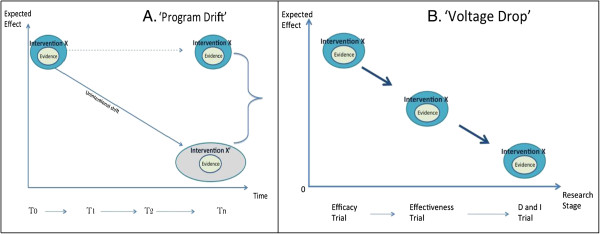
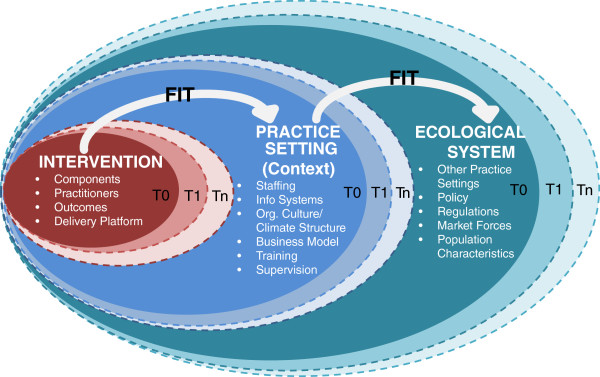
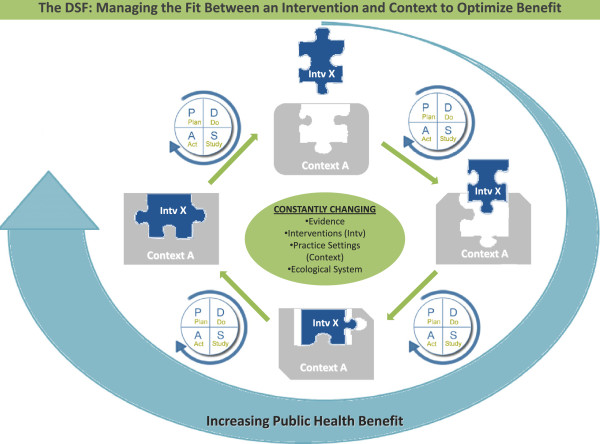
BACKGROUND: Despite growth in implementation research, limited scientific attention has focused on understanding and improving sustainability of health interventions. Models of sustainability have been evolving to reflect challenges in the fit between intervention and context. DISCUSSION: We examine the development of concepts of sustainability, and respond to two frequent assumptions -'voltage drop,' whereby interventions are expected to yield lower benefits as they move from efficacy to effectiveness to implementation and sustainability, and 'program drift,' whereby deviation from manualized protocols is assumed to decrease benefit. We posit that these assumptions limit opportunities to improve care, and instead argue for understanding the changing context of healthcare to continuously refine and improve interventions as they are sustained. Sustainability has evolved from being considered as the endgame of a translational research process to a suggested 'adaptation phase' that integrates and institutionalizes interventions within local organizational and cultural contexts. These recent approaches locate sustainability in the implementation phase of knowledge transfer, but still do not address intervention improvement as a central theme. We propose a Dynamic Sustainability Framework that involves: continued learning and problem solving, ongoing adaptation of interventions with a primary focus on fit between interventions and multi-level contexts, and expectations for ongoing improvement as opposed to diminishing outcomes over time. SUMMARY: A Dynamic Sustainability Framework provides a foundation for research, policy and practice that supports development and testing of falsifiable hypotheses and continued learning to advance the implementation, transportability and impact of health services research.
Overview
The claims and statistics of this paper haven’t been checked yet.
Free: it reads the open-access text and checks the first 5 claims that cite a source we can check. Create a free account to check every claim.
Integrity signals
Registry
Cites
Statistics
Figures
Verification
Claims the paper makes
The claims and statistics of this paper haven’t been checked yet.
Free: it reads the open-access text and checks the first 5 claims that cite a source we can check. Create a free account to check every claim.
Claims other papers make about this one
Each is checked against this paper’s own text: does it say what the citing paper says it does?
The source backs part of the claim, not all of it — or backs it for a different population, condition or comparison.
In the citing paper
“Internal organizational supports include champion roles, leadership, resources, policies and procedures, and expert support (ie, coaching).”
From Successful Organizational Strategies to Sustain Use of A-CHESS: A Mobile Intervention for Individuals With Alcohol Use Disorders (2015) · cites this paper as [32]
Experimental — accuracy not yet measuredThe source backs part of the claim, not all of it — or backs it for a different population, condition or comparison.
In the citing paper
“However, modifications that remove key elements of an intervention, or fail to align with population needs, may be less effective [7, 11–14].”
From The FRAME: an expanded framework for reporting adaptations and modifications to evidence-based interventions (2019) · cites this paper as [7]
Experimental — accuracy not yet measuredThe cited source says what the claim attributes to it.
In the citing paper
“the failure of most implementation processes to incorporate ongoing, iterative intervention development increases the risk that local users will find new technologies to be low on key implementation outcomes such as acceptability, feasibility, and appropriateness (Proctor et al., 2011) and may limit effectiveness (Chambers et al., 2013)”
From User‐centered design for psychosocial intervention development and implementation. (2016) · cites this paper as Chambers et al., 2013
The cited source says what the claim attributes to it.
In the citing paper
“ongoing adjustment and evaluation of EBT to ensure that a program is response to the local context provides an opportunity to increase intervention effectiveness over time (Aarons et al., 2012; Chambers et al., 2013)”
From User‐centered design for psychosocial intervention development and implementation. (2016) · cites this paper as Chambers et al., 2013
The cited source says what the claim attributes to it.
In the citing paper
“EBT are typically disseminated as static tools to be used only as directed by developers, rather than products to be improved over time (Chambers, Glasgow, & Stange, 2013)”
From User‐centered design for psychosocial intervention development and implementation. (2016) · cites this paper as Chambers, Glasgow, & Stange, 2013
25 more claims about this paper
Create a free account to see every claim other papers make about this one.
Self-check
Percentages, sums and reported differences re-computed from the paper’s own numbers.
The self-check needs the paper’s full text.
Citations
Cites
DiMaggio, P. J., & Powell, W. W. (1983) · American Sociological Review · doi:10.2307/2095101 · Cited by 38,435
DiMaggio, P. J., & Powell, W. W. (2004) · Advances in Strategic Management · doi:10.1016/s0742-3322(00)17011-1 · Cited by 25,802
Damschroder, L. J., Aron, D. C., Keith, R. E., Kirsh, S. R., Alexander, J. A., & Lowery, J. C. (2009) · Implementation Science · doi:10.1186/1748-5908-4-50 · Cited by 14,496 · cited 3×
“Brownson RC, Colditz GA, Proctor EK: Dissemination and Implementation Research in Health.”
MethodInfluentialDeveloping and evaluating complex interventions: the new Medical Research Council guidance
Craig, P., Dieppe, P., Macintyre, S., Michie, S., Nazareth, I., & Petticrew, M. (2008) · BMJ · doi:10.1136/bmj.a1655 · Cited by 10,995 · cited 1×
“A linear approach may be particularly challenging to apply to complex, multi-component interventions, psychosocial treatments, treatment of the growing number of people with multimorbid conditions [14,15], and systemic approaches to care [15].”
BackgroundDiMaggio, P. (1983) · American Sociological Review · Cited by 9,078
Diffusion of Innovations in Service Organizations: Systematic Review and Recommendations
GREENHALGH, T., ROBERT, G., MACFARLANE, F., BATE, P., & KYRIAKIDOU, O. (2004) · The Milbank Quarterly · doi:10.1111/j.0887-378x.2004.00325.x · Cited by 7,448 · cited 1×
“As implementation science has grown [1,2], researchers have advanced from study of facilitators and barriers that influence uptake of effective programs and policies to investigations of strategies to improve uptake.”
BackgroundSelf-management education: History, definition, outcomes, and mechanisms
Lorig, K. R., & Holman, H. R. (2003) · Annals of Behavioral Medicine · doi:10.1207/s15324796abm2601_01 · Cited by 4,094 · cited 1×
“The context both within an organization and in the broader ecological system is constantly changing, and requires a ‘learning organization’ [52] to engage in problem-solving capacity at multiple levels [53].”
BackgroundAdvancing a Conceptual Model of Evidence-Based Practice Implementation in Public Service Sectors
Aarons, G. A., Hurlburt, M., & Horwitz, S. M. (2011) · Administration and Policy in Mental Health and Mental Health Services Research · doi:10.1007/s10488-010-0327-7 · Cited by 3,240 · cited 1×
“Sustainment The continued use of an intervention within practice [10].”
BackgroundOrganizing Care for Patients with Chronic Illness
Wagner, E. H., Austin, B. T., & Korff, M. V. (1996) · The Milbank Quarterly · doi:10.2307/3350391 · Cited by 2,877 · cited 1×
“Perhaps an even greater benefit to practice would come through pooling of data across a larger set of sites, practitioners and patients, something done with success for chronic disease [55,56].”
BackgroundThe challenge of complexity in health care
Plsek, P. E., & Greenhalgh, T. (2001) · BMJ · doi:10.1136/bmj.323.7313.625 · Cited by 2,578 · cited 1×
“These include Wandersman’s Getting to Outcomes model [31], Continuous Quality Improvement (CQI) [34], system dynamics [35], complexity theory [36], adaptive management [37], and the Evidence Integration Triangle [30].”
Method
Research works printed but not linked: 5
- Brownson RC Colditz GA Proctor EK Dissemination and Implementation Research in Health 2012 New York: OUP
- Wandersman A Imm P Chinman M Getting to Outcomes: Methods and tools for planning, evaluation and accountability 1999 Rockville, MD: Center for Substance Abuse Prevention
- Bughlin J Chui M Johnson B The next step in open innovation The McKinsey Quarterly 2012 http://www.mckinseyquarterly.com/next_step_in_open_innovation_2155. Accessed
- Institute of Medicine A foundation for evidence-driven practice: A rapid learning system for cancer care 2010 Workshop Summary. Washington, D.C: NAS Press 25032381
- PatientsLikeMe PatientsLikeMe website 2012 http://patientslikeme.com. Accessed March 15, 2012
Cited by
Items 601–700 of 1,006
Implementation of maternal and perinatal death reviews: a scoping review protocol
Kinney, M. V., Walugembe, D. R., Wanduru, P., Waiswa, P., & George, A. S. (2019) · BMJ Open · doi:10.1136/bmjopen-2019-031328 · Cited by 18
Ramanadhan, S., Daly, J. J., Lee, R. M., Kruse, G. R., & Deutsch, C. (2020) · Frontiers in Public Health · doi:10.3389/fpubh.2020.00213 · Cited by 16
“Several characteristics impact sustainability of EBPs and the partnerships that support them, including redundancy of connections between organizations (to protect against turnover), presence of a “champion” in the network, participation from partners who can offer financial or administrative support, and the fit betw…”
BackgroundSnow, A. L., Loup, J. R., Morgan, R. O., Richards, K. C., Parmelee, P. A., Baier, R. R., McCreedy, E. M., Frank, B., Brady, C., Fry, L., et al. (2021) · BMC Geriatrics · doi:10.1186/s12877-021-02189-8 · Cited by 16
“Sustainment of an intervention—the extent to which it becomes part of usual care—is a little studied but signi cant area of implementation research (66-68).”
BackgroundPsychology’s Replication Crisis and Clinical Psychological SciencePreprint
Tackett, J. L., Brandes, C. M., King, K. M., & Markon, K. E. (2018) · PsyArXiv (OSF Preprints) · doi:10.31234/osf.io/kc8xt · Cited by 16
Sustainability of Evidence-Based Practices for HIV Prevention among Female Sex Workers in Mexico
Palinkas, L. A., Chavarin, C. V., Rafful, C. M., Um, M. Y., Mendoza, D. V., Staines, H., Aarons, G. A., & Patterson, T. L. (2015) · PLOS ONE · doi:10.1371/journal.pone.0141508 · Cited by 14
Roadmap for implementing a multi-tiered system of supports framework to improve school attendance.
Graczyk, P. A., & Kearney, C. A. (2024) · Current Psychology · doi:10.1007/s12144-023-05478-0 · Cited by 14
“…focus on sustainment and sustainability helps ensure that EBPs become institutionalized within practice settings such as schools and helps prevent the program drift and “voltage drop” (i.e., decrease in program outcomes) that can occur when implementation is compromised (Chambers et al., 2013).”
In the NIC of Time: How Sustainable Are Networked Improvement Communities?
Joshi, E., Redding, C., & Cannata, M. A. (2021) · American Journal of Education · doi:10.1086/713826 · Cited by 14
“The continuous engagement of multiple stakeholders in a process of ongoing feedback can create organizational learning necessary for sustained improvement of school systems (Chambers et al. 2013).”
BackgroundLiu, R., Weldon, C. B., Linehan, E. S., Gordon, N. P., Abbe, T., Hennings, M., James, H., Katzel, J. A., Ng, C., Tomita, M., et al. (2022) · JCO Oncology Practice · doi:10.1200/op.22.00287 · Cited by 15
Agulnik, A., Schmidt-Grimminger, G., Ferrara, G., Puerto‐Torres, M., Gillipelli, S. R., Elish, P. N., Muñiz‐Talavera, H., Gonzalez‐Ruiz, A., Armenta, M., Barra, C., et al. (2022) · Frontiers in Health Services · doi:10.3389/frhs.2022.1004805 · Cited by 16
“These findings, and the applicability of the CCS, need to be further explored in future work.”
BackgroundResultInfluentialNederveld, A., Phimphasone‐Brady, P., Gurfinkel, D., Waxmonsky, J. A., Kwan, B. M., & Holtrop, J. S. (2023) · BMC Family Practice · doi:10.1186/s12875-023-02006-8 · Cited by 16
McKay, H. A., MACDONALD, H. M., Nettlefold, L., Weatherson, K. A., Gray, S. M., Bauman, A. E., Khan, K. M., & Sims‐Gould, J. (2023) · PLoS ONE · doi:10.1371/journal.pone.0268164 · Cited by 15
“decrease in participant-level benefits that occur when an intervention is implemented at broader 74 scale–-a phenomenon referred to as a “scale-up penalty” [13-15] or “voltage drop” [16, 17].”
Naamati-Schneider, L., & Salvatore, F. P. (2023) · Palgrave studies in cross-disciplinary business research, in association with EuroMed Academy of Business · doi:10.1007/978-3-031-37361-9_11 · Cited by 14
Identification and development of implementation strategies: the important role of codesign
van der Laag, P. J., Dorhout, B. G., Heeren, A. A., Veenhof, C., Barten, D., & Schoonhoven, L. (2024) · Frontiers in Health Services · doi:10.3389/frhs.2024.1305955 · Cited by 17
Kwan, B. M., Luke, D. A., Adsul, P., Koorts, H., Morrato, E. H., & Glasgow, R. E. (2023) · Oxford University Press eBooks · doi:10.1093/oso/9780197660690.003.0027 · Cited by 19
Self-citationMogk, J. M., Idu, A., Bobb, J. F., Key, D. L., Wong, E. S., Palazzo, L. G., Stefanik-Guizlo, K., King, D., Beatty, T. C., Dorsey, C. N., et al. (2024) · JMIR Formative Research · doi:10.2196/59088 · Cited by 16
“Designated evaluators (LP and CND) conducted a formative evaluation grounded in the Dynamic Sustainability Framework [55,56] and the Framework for Reporting Adaptations and Modifications to Evidence-based Implementation Strategies [57,58].”
MethodBrookman-Frazee, L. I., Lau, A. S., Roesch, S. C., Jobin, A., Chlebowski, C., Mello, M., Caplan, B., Naar, S., Aarons, G. A., & Stahmer, A. C. (2025) · Journal of the American Academy of Child & Adolescent Psychiatry · doi:10.1016/j.jaac.2025.01.003 · Cited by 17
“18,19 Using the EPIS (Exploration, Preparation, Implementation, Sustainment) 20,21 implementation framework, we identified common multi-level influences on implementation during the AIM HI and CPRT effectiveness trials.”
Dissemination and Implementation of Behavioral Treatments for Anxiety in ASD
Drahota, A., Chlebowski, C., Stadnick, N. A., Baker-Ericzén, M. J., & Brookman-Frazee, L. I. (2017) · Elsevier eBooks · doi:10.1016/b978-0-12-805122-1.00012-0 · Cited by 17
Evaluating Integrated Mental Health Care Programs for Children and Youth
Wissow, L. S., Brown, J. D., Hilt, R. J., & Sarvet, B. D. (2017) · Child and Adolescent Psychiatric Clinics of North America · doi:10.1016/j.chc.2017.06.005 · Cited by 15
Melder, A., Burns, P., McLoughlin, I. P., & Teede, H. J. (2018) · BMJ Open · doi:10.1136/bmjopen-2017-020807 · Cited by 17
Grooten, L., Fabbricotti, I. N., Devroey, D., & Vrijhoef, H. J. (2020) · BMJ Open · doi:10.1136/bmjopen-2019-035002 · Cited by 18
Implementing a State‐Adopted High School Health Curriculum: A Case Study
Eisman, A. B., Kilbourne, A. M., Ngo, Q., Fridline, J., Zimmerman, M. A., Greene, D., & Cunningham, R. M. (2020) · Journal of School Health · doi:10.1111/josh.12892 · Cited by 17
Allchin, B., O’Hanlon, B., Weimand, B. M., Boyer, F., Cripps, G., Gill, L., Paisley, B., Pietsch, S., Wynne, B., & Goodyear, M. J. (2020) · International Journal of Mental Health Systems · doi:10.1186/s13033-020-00380-9 · Cited by 17
“Theoretical approach Using two levels of measures recommended by Scheirer and Dearing [33], this study measures sustainability as the degree to which (i) the intervention continues to be delivered in an identifiable form (albeit modified), and (ii) the organisation has capacity to support its use after its initial imp…”
BackgroundMethodInfluentialBalis, L. E., & Harden, S. M. (2021) · Journal of Physical Activity and Health · doi:10.1123/jpah.2021-0034 · Cited by 16
Teeling, S. P., Davies, C., Barnard, M., O’Connor, L., Coffey, A., Lambert, V., McNamara, M. S., Tuohy, D., Frawley, T., Redmond, C., et al. (2021) · International Journal of Environmental Research and Public Health · doi:10.3390/ijerph182211932 · Cited by 16
Implementation Science: Increasing the Public Health Impact of Audiology Research
Studts, C. R. (2022) · American Journal of Audiology · doi:10.1044/2022_aja-21-00205 · Cited by 17
“…or critiqued as weakening fidelity (Chambers & Norton, 2016), in implementation science, 854 American Journal of Audiology • Vol. 31 • 849–863 • September modifications are usually accepted as necessary to support implementation and sustainment (Chambers et al., 2013)— and important to understand.”
BackgroundDeterminants of effectiveness of lean healthcare performance in Malaysian public hospitals
Ong, K. Y., Zailani, S. H. M., Kanapathy, K., Rahman, M. K., Mamun, A. A., & Bhuiyan, M. A. (2022) · The TQM Journal · doi:10.1108/tqm-04-2022-0137 · Cited by 14
Community implementation of contingency management to address stimulant use
Hartzler, B. J., Gray, K., Marx, M., Kirk-Lewis, K., Payne-Smith, K., & McIlveen, J. W. (2023) · Journal of Substance Use and Addiction Treatment · doi:10.1016/j.josat.2022.208941 · Cited by 15
Nettlefold, L., Gray, S. M., Sims‐Gould, J., & McKay, H. A. (2023) · Kinesiology Review · doi:10.1123/kr.2022-0034 · Cited by 14
Paniagua-Ávila, A., Shelton, R. C., Figueroa, J. C., Guzman, A. L., Gutiérrez, L., Hernández-Galdamez, D. R., Ramírez, J. M., Rodriguez, J., Irazola, V. E., Ramírez‐Zea, M., et al. (2024) · Implementation Science Communications · doi:10.1186/s43058-024-00560-5 · Cited by 14
“Instead, EBIs and implementation strategies are seen as adaptable in response to changes within context and over time [2, 5].”
BackgroundTerminology for Dissemination and Implementation Research
Rabin, B. A., Viglione, C., & Brownson, R. C. (2023) · Oxford University Press eBooks · doi:10.1093/oso/9780197660690.003.0002 · Cited by 18
Crespo-González, C., Benrimoj, S. I., Scerri, M., & García‐Cárdenas, V. (2020) · Journal of the American Pharmacists Association · doi:10.1016/j.japh.2020.11.004 · Cited by 15
Couturier, J. L., Pellegrini, D., Miller, C., Agar, P., Webb, C., Anderson, K. E., Barwick, M. A., Dimitropoulos, G., Findlay, S. M., Kimber, M., et al. (2021) · Implementation Science Communications · doi:10.1186/s43058-021-00143-8 · Cited by 17
“with population needs, may be less effective [24].”
BackgroundMohan, D., Bashingwa, J. J. H., Scott, K., Arora, S., Rahul, S., Mulder, N., Chamberlain, S., & LeFevre, A. E. (2022) · BMJ Global Health · doi:10.1136/bmjgh-2022-009395 · Cited by 15
Herbert, P., Hayes, L. D., Beaumont, A. J., Grace, F., & Sculthorpe, N. F. (2021) · Experimental Gerontology · doi:10.1016/j.exger.2021.111373 · Cited by 14
Pellecchia, M., Ingersoll, B. R., Marcus, S. C., Rump, K. M., Xie, M., Newman, J., Zeigler, L., Crabbe, S. R., Straiton, D., Chávez, E. C., et al. (2023) · Journal of Early Intervention · doi:10.1177/10538151231217462 · Cited by 13
“Researchers have pointed to the “voltage drop” that occurs when evidence-based interventions move from the lab to the community (Chambers et al., 2013), and the need to test whether they are successful when community providers use them (Dingfelder & Mandell, 2011; Wood et al., 2015).”
BackgroundFinley, E. P., Chrystal, J. G., Gable, A. R., Fletcher, E. H., Palma, A., Canelo, I. A., Oberman, R. S., Jackson, L., Lesser, R., Moin, T., et al. (2024) · Implementation Science Communications · doi:10.1186/s43058-024-00605-9 · Cited by 15
“…tailoring interventions and implementation rollout to align with the unique strengths and challenges at individual sites – recognized as a valuable and often requisite strategy for achieving implementation and sustainment [1–3] – requires intensive, flexible, and dynamic engagement with sites.”
BackgroundPloeg, J., Ireland, S. E., Cziraki, K., Northwood, M., Zecevic, A., Davies, B., Murray, M. A., & Higuchi, K. S. (2018) · SAGE Open Nursing · doi:10.1177/2377960818775433 · Cited by 17
The Role of Open Science Practices in Scaling Evidence-Based Prevention Programs
Supplee, L. H., Ammerman, R. T., DUGGAN, A. K., List, J. A., & Suskind, D. L. (2021) · Prevention Science · doi:10.1007/s11121-021-01322-8 · Cited by 19
“(2020b)), List and Suskind view three areas of import in the science creation market: (i) funding basic research (see List, 2011); (ii) providing the knowledge creation market with the optimal incentives for researchers to design, implement, and report scientific results; and (iii) developing a system whereby policyma…”
BackgroundKwan, B. M., Hamer, M. K., Bailey, A., Cebuhar, K., Conry, C. M., & Smith, P. C. (2022) · Journal of General Internal Medicine · doi:10.1007/s11606-021-07246-x · Cited by 14
“While we advocate patience and reasonable expectations to start, there remains a need for constant attention to model fidelity—this is where regular audits, planned adaptations, and enhanced training opportunities can be identified—as in the dynamic sustainability framework.(44) The practice coach for PCR is a “high t…”
BackgroundReal‐world effectiveness of the Bright Bodies healthy lifestyle intervention for childhood obesity
Samuels, S. L., Hu, P., Maciejewski, K. R., Li, F., Dziura, J. D., Savoye, M., & Sharifi, M. (2022) · Obesity · doi:10.1002/oby.23627 · Cited by 14
“This finding may be explained, in part, by the concept of “voltage drop,” whereby the observed benefit of the intervention diminishes as the intervention moves from the more optimal environments of efficacy trials to effectiveness studies [35].”
BackgroundSloboda, Z., Johnson, K., Fishbein, D. H., Brown, C. H., Coatsworth, J. D., Fixsen, D. L., Kandel, D. B., Paschall, M. J., Silva, F. S., Sumnall, H. R., et al. (2023) · Prevention Science · doi:10.1007/s11121-023-01532-2 · Cited by 14
“The intervention itself is not only important in the dissemination phase of the implementation process, but has implications at all phases (Chambers et al., 2013).”
BackgroundKip, H., Buitelaar-Huijsse, G. K. G., Kouijzer, M. M. T. E., & Kelders, S. M. (2023) · Global Implementation Research and Applications · doi:10.1007/s43477-023-00101-7 · Cited by 14
“In this paper, we first describe the steps we took to plan implementation, by translating the CFIR into specific implementation factors, objectives, and strategies to implement VR in mental healthcare (Chambers et al., 2013).”
Adaptation in Dissemination and Implementation Science
Baumann, A. A., Stirman, S. W., & Cabassa, L. J. (2023) · Oxford University Press eBooks · doi:10.1093/oso/9780197660690.003.0008 · Cited by 14
Richard, L., Torres, S., Tremblay, M., Chiocchio, F., Litvak, É., Fortin-Pellerin, L., & Beaudet, N. (2015) · BMC Health Services Research · doi:10.1186/s12913-015-0903-3 · Cited by 16
“cannot overlook the program’s delivery contexts, if the intervention is to be effective [9, 16].”
BackgroundMethodSmith, J. D., Rudo‐Stern, J., Dishion, T. J., Stormshak, E. A., Montag, S. E., Brown, K. L., Ramos, K., Shaw, D. S., & Wilson, M. N. (2019) · Journal of Clinical Child & Adolescent Psychology · doi:10.1080/15374416.2018.1561295 · Cited by 16
Li, D. H., Moskowitz, D., Macapagal, K. R., Saber, R., & Mustanski, B. S. (2020) · Prevention Science · doi:10.1007/s11121-020-01148-w · Cited by 15
Using implementation science to improve urologic oncology care
Skolarus, T. A., & Sales, A. E. (2016) · Urologic Oncology Seminars and Original Investigations · doi:10.1016/j.urolonc.2016.05.022 · Cited by 13
The triple C (consultation, collaboration and consolidation) model
Khalil, H. (2017) · International Journal of Evidence-Based Healthcare · doi:10.1097/xeb.0000000000000110 · Cited by 16
“The proposed implementation model encompasses some aspects of the themes identified by Proctor et al. and Chambers et al. using an easy to follow framework that is easily adaptable to different contexts.”
BackgroundMarc, L. G., Goldhammer, H., Mayer, K. H., Cahill, S., Massaquoi, M., Nortrup, E., Cohen, S. M., Psihopaidas, D., Carney, J. T., & Keuroghlian, A. S. (2021) · Public Health Reports · doi:10.1177/00333549211027849 · Cited by 15
Ros, E., Ros, A., Austin, E. E., Geer, L. D., Lane, P., Johnson, A., & Clay‐Williams, R. (2021) · BMJ Open · doi:10.1136/bmjopen-2020-047394 · Cited by 12
Morris, H., Blewitt, C., O’Connor, A., & Skouteris, H. (2021) · Journal of Children s Services · doi:10.1108/jcs-12-2020-0077 · Cited by 12
Kinney, M. V., Bergh, A., Rhoda, N. R., Pattinson, R., & George, A. S. (2022) · BMJ Global Health · doi:10.1136/bmjgh-2022-009242 · Cited by 15
Beck, A. K., Baker, A., Britton, B., Lum, A., Pohlman, S., Forbes, E., Moore, L., Barnoth, D., Perkes, S. J., Oldmeadow, C. J., et al. (2023) · British Journal of Health Psychology · doi:10.1111/bjhp.12664 · Cited by 14
“Accordingly, rigid adherence in the service of ‘high fidelity’ may undermine intervention effectiveness by failing to account for important contextual factors (Chambers et al., 2013; Lundahl & Burke, 2009).”
BackgroundMorrato, E. H., Lennox, L. A., Dearing, J. W., Coughlan, A. T., Gano, E. S., McFadden, D., Mora, N., Pincus, H. A., Firestein, G. S., Toto, R. D., et al. (2023) · Journal of Clinical and Translational Science · doi:10.1017/cts.2023.617 · Cited by 14
“Sustainability requires a learning system approach involving ongoing evaluation and adaptation to dynamic and evolving multi-level contexts and needs [22].”
BackgroundDigitale Technologien zur Verbesserung der psychischen Gesundheit
Fuhr, D. C., Wolf‐Ostermann, K., Hoel, V., & Zeeb, H. (2024) · Bundesgesundheitsblatt - Gesundheitsforschung - Gesundheitsschutz · doi:10.1007/s00103-024-03842-4 · Cited by 16
Efficacy of education outside the classroom to increase adolescent physical activity
Elsborg, P., Mygind, L., Bølling, M., Klinker, C. D., Melby, P. S., Andreasen, A. H., Brønd, J. C., Bentsen, P., & Nielsen, G. (2024) · Scientific Reports · doi:10.1038/s41598-024-79138-z · Cited by 16
“This makes it uncertain to what extent the results of the study apply if the EOtC intervention is attempted to be implemented at scale 53 in a non-voluntary, and more top-down decision process e.g., mandated by law.”
Cruden, G., Powell, B. J., Frerichs, L., Lanier, P., Brown, C. H., Saldana, L., & Lich, K. H. (2024) · Implementation Science Communications · doi:10.1186/s43058-024-00660-2 · Cited by 16
Houghtaling, B., Short, E., Long, C. R., Steeves, E. A., Isack, M., Flournoy, L., Cawrse, N., August, E., Summerfelt, W. T., & Calloway, E. E. (2025) · Translational Behavioral Medicine · doi:10.1093/tbm/ibaf013 · Cited by 16
“While many grantees had prior experience implementing food bank–healthcare FIM programs, more research is needed to understand if and how barriers and facilitators change at various phases of FIM program implementation, especially as the sustainment of innovations is understood to be dynamic [33].”
Adapting Evidence-Based Psychotherapies While Maintaining Fidelity
Bash, H. A. J. L., Galovski, T. E., & Stirman, S. W. (2019) · Current Treatment Options in Psychiatry · doi:10.1007/s40501-019-00177-9 · Cited by 17
Leeman, J., & Toles, M. (2019) · Journal of Advanced Nursing · doi:10.1111/jan.14239 · Cited by 13
Rolls-Reutz, J., Kerns, S. E. U., Sedivy, J. A., & Mitchell, C. (2020) · Journal of Family Social Work · doi:10.1080/10522158.2019.1694342 · Cited by 16
Carlin, E., Spry, E. P., Atkinson, D. N., & Marley, J. V. (2020) · PLoS ONE · doi:10.1371/journal.pone.0234346 · Cited by 15
“The implementation results are reported on under the DSF headings of intervention (KMMS tool), practise setting (context) and ecological system [36].”
BackgroundMethodInfluentialde Veer, A. J. E., Fleuren, M. A. H., Voss, H., & Francke, A. L. (2020) · Journal of Pain and Symptom Management · doi:10.1016/j.jpainsymman.2020.07.035 · Cited by 13
Golden, C. A., Hill, J. L., Heelan, K. A., Bartee, R. T., Abbey, B. M., Malmkar, A., & Estabrooks, P. A. (2021) · Preventing Chronic Disease · doi:10.5888/pcd18.200248 · Cited by 13
“As the project moves forward, additional assessment of organizational readiness and qualitative interviews with communities during the pre/post-adoption and pre/postimplementation stages is expected to provide information to determine whether a relationship exists between initial assessments and the likelihood of succ…”
Towards a shared understanding of sustainability for neglected tropical disease programs
Glenn, J. D., Adams, A. B., Sankar, G., Henry, C. J., Palacio, K., Thuo, W., & Williams, K. (2021) · PLoS neglected tropical diseases · doi:10.1371/journal.pntd.0009595 · Cited by 13
“Some scholars argue that, since sustaining any global health program over time will require continual adjustments to inevitable contextual change, sustainability should be viewed as a dynamic process of adaptation rather than a goal in itself [14,15].”
BackgroundImplementation of a youth violence prevention programme in primary care
Roche, J., Philyaw-Kotov, M. L., Sigel, E., Eisman, A. B., Wernette, G. T., Resnicow, K., Carter, P. M., Cunningham, R. M., & Walton, M. A. (2021) · Injury Prevention · doi:10.1136/injuryprev-2021-044293 · Cited by 13
Pickard, K. E., Meyer, A. T., Reyes, N., Tanda, T., & Reaven, J. (2021) · Autism · doi:10.1177/13623613211065797 · Cited by 12
“Although the perceived ease of sustaining FYF-SB is promising and supports the accessibility of the program, intervention sustainability is a significant and complex challenge within implementation science that is rarely examined prospectively (Chambers et al., 2013).”
BackgroundWilson, M. S., Cutherell, M., Musau, A., Malakoff, S., Coppola, A., Ayenekulu, M., Mtei, E., & Ogbondeminu, F. (2022) · Gates Open Research · doi:10.12688/gatesopenres.13589.1 · Cited by 13
Singh, M. A., Sanchez, V., Kenzie, E. S., Sullivan, E., McCormack, J. L., Larson, J. H., Robbins, A., Weekley, T., Hatch, B., Dickinson, C., et al. (2022) · PLoS ONE · doi:10.1371/journal.pone.0269635 · Cited by 13
Program Barriers and Facilitators in Virtual Cancer Exercise Implementation: A Qualitative Analysis
Gorzelitz, J., Bouji, N., & Stout, N. L. (2022) · Translational Journal of the American College of Sports Medicine · doi:10.1249/tjx.0000000000000199 · Cited by 16
“To successfully implement and sustain a virtual exercise program, it will be necessary to consider reliable and sustainable funding structures that may be different than past reimbursement structures (32).”
BackgroundO'Donnell, A. J., Anderson, P., Schmidt, C. S., Braddick, F., López‐Pelayo, H., Mejía‐Trujillo, J., Rey, G. N., Arroyo, M., Aguilar, N. B., Piazza, M., et al. (2022) · Global Health Action · doi:10.1080/16549716.2022.2080344 · Cited by 15
“understanding that sustained implementation of an intervention requires us to engage in a process of continuous monitoring, negotiation and adapation, with a primary focus on contextual fit [95].”
BackgroundSmith, J. A., Braithwaite, J., O'Brien, T. A., Smith, S., Tyrrell, V. J., Mould, E. V. A., Long, J. C., & Rapport, F. (2022) · Qualitative Health Research · doi:10.1177/10497323221120501 · Cited by 13
“, 2017) and ongoing intervention optimisation (Chambers et al., 2013).”
BackgroundMethodInfluentialBrunner, J., Farmer, M. M., Bean‐Mayberry, B., Coffinier, C., Than, C. T., Hamilton, A. B., & Finley, E. P. (2022) · Frontiers in Health Services · doi:10.3389/frhs.2022.946802 · Cited by 13
“Adaptations pose a provocative challenge for diffusion efforts, as they may be associated with improved or reduced intervention effectiveness, and may similarly increase or decrease likelihood of adoption and sustainment; systematic identification and evaluation of adaptations is therefore a critical undertaking (13,…”
BackgroundCapio, C. M., Jones, R. A., Ng, C. S. M., Sit, C. H. P., & Chung, K. K. H. (2022) · Frontiers in Public Health · doi:10.3389/fpubh.2022.1007209 · Cited by 13
“For instance, an implementation science approach can be adopted to evaluate outcomes (22) while fully considering the pandemic-associated shifts in Hong Kong’s health policies.”
BackgroundØverby, N. C., Hillesund, E. R., Helland, S. H., Helle, C., Wills, A. K., Lamu, A. N., Osorio, N. G., Lian, H., Ersfjord, T. I., Daele, W. V., et al. (2023) · Frontiers in Endocrinology · doi:10.3389/fendo.2022.1071489 · Cited by 15
“This dilution of intervention effect is a common finding in effectiveness studies and implementation trials (66), however the iterative approach to the implementation in our study is meant to reduce the chance of such dilution (54, 66).”
BackgroundMoise, N., Paniagua-Ávila, A., Barbecho, J. M., Blanco, L., Dauber-Decker, K. L., Simantiris, S., McElhiney, M. C., Serafini, M. A., Straussman, D., Patel, S. R., et al. (2023) · Implementation Science Communications · doi:10.1186/s43058-022-00383-2 · Cited by 14
Iwelunmor, J., Tucker, J. D., Ezechi, O., Nwaozuru, U., Obiezu‐Umeh, C., Gbaja-Biamila, T. A., Oladele, D. A., Musa, A. Z., & Airhihenbuwa, C. O. (2023) · Current HIV/AIDS Reports · doi:10.1007/s11904-023-00652-2 · Cited by 15
“Learning is a core component of DSF, given the constantly changing context in which interventions are implemented and sustained [17].”
BackgroundInfluentialBarat, L. M., Whitehurst, N., Venkatesan, M., Connolly, K., Yamo, E., Psychas, P., & Bernard, Y.-M. (2023) · American Journal of Tropical Medicine and Hygiene · doi:10.4269/ajtmh.23-0207 · Cited by 13
Aldridge, W. A., Boothroyd, R. I., Fleming, W. O., Jarboe, K. L., Morrow, J., Ritchie, G. F., & Sebian, J. (2016) · Translational Behavioral Medicine · doi:10.1007/s13142-015-0351-y · Cited by 15
“By demonstrating a sustained commitment to the implementation and scaling of chosen prevention strategies, incorporating diverse cultural values and experiences from the community, and creating and nurturing the systems changes needed to support chosen prevention strategies, executive leaders across community sectors…”
BackgroundInfluentialPickard, K. E., Blakeley-Smith, A., Boles, R., Duncan, A., Keefer, A. J., O’Kelley, S. E., & Reaven, J. (2020) · Research in Autism · doi:10.1016/j.rasd.2020.101532 · Cited by 16
Williams, R. M., Zhang, J., Woodard, N., Slade, J. L., Santos, S. L. Z., & Knott, C. L. (2020) · Evaluation and Program Planning · doi:10.1016/j.evalprogplan.2020.101781 · Cited by 14
Aschbrenner, K. A., Bond, G. R., Pratt, S. I., Jue, K., Williams, G. M., Banerjee, S., & Bartels, S. J. (2020) · Implementation Research and Practice · doi:10.1177/2633489520943200 · Cited by 14
“, fidelity) are ultimately more likely to achieve sustainment of an EBP (Chambers et al., 2013).”
BackgroundMethodInfluentialElsey, H., Azdi, Z. A., Regmi, S., Baral, S., Fatima, R., Fieroze, F., Huque, R., Karki, J., Khan, D. M., Khan, A., et al. (2022) · Health Research Policy and Systems · doi:10.1186/s12961-022-00842-1 · Cited by 13
“Approaches such as the Dynamic Sustainability Framework emphasize that sustainable scale-up requires continual learning and adaptation to improve the fit of interventions to local settings and contexts, and this enables ongoing improvement as opposed to diminishing outcomes over time [39].”
BackgroundWilkinson, S. A., Fjeldsoe, B. S., & Willcox, J. C. (2023) · Nutrients · doi:10.3390/nu15030588 · Cited by 16
Åhlfeldt, E., Isaksson, D., & Winblad, U. (2023) · Health & Social Care in the Community · doi:10.1155/2023/1458305 · Cited by 25
“Several researchers emphasize that new programs often need to be adapted to ft the mission, culture, and operating procedures of the organization [3, 22], but these adaptations should not be ad hoc, but rather guided by systematic evaluations and feedback that provide reliable information about the program [8, 23, 62].”
BackgroundInfluentialLai, J., Maher, L. M., Li, C., Zhou, C., Alelayan, H., Fu, J., & Wu, Y. (2023) · BMC Nursing · doi:10.1186/s12912-023-01293-x · Cited by 11
“Therefore, it is necessary to identify how to influence the sustainability of implemented initiatives to maintain staff confidence to test and implement improvements and achieve long-term impact through the best use of financial investments [9, 12].”
BackgroundPrice, A. M. H., White, N. O., Burley, J., Zhu, A., Suárez, D. C., Wang, S., Stone, M., Trotter, K., Mrad, M., Caldwell, J., et al. (2023) · BMJ Open · doi:10.1136/bmjopen-2023-075651 · Cited by 12
“26 27”
Heinze, C., Hartmeyer, R., Sidenius, A., Ringgaard, L. W., Bjerregaard, A., Krølner, R. F., Allender, S. E., Bauman, A. E., & Klinker, C. D. (2024) · JMIR Research Protocols · doi:10.2196/52571 · Cited by 13
“A challenge for health promotion is the “voltage drop” that has been identified when effective programs are scaled up across contexts (eg, schools of different sizes), as different contexts lead to different outcomes [14,15].”
Glasgow, R. E., Ford, B. S., & Bradley, C. J. (2023) · Translational Behavioral Medicine · doi:10.1093/tbm/ibad078 · Cited by 11
“There is widespread agreement that context is critically important, multi-level [20], and dynamic [21].”
BackgroundSelf-citationJain, A., Gurtoo, A., Eppinger, E., Vimalnath, P., & Tietze, F. (2024) · Business Strategy and the Environment · doi:10.1002/bse.3851 · Cited by 14
Valdes, D., Shanker, A., Hijazi, G., Mensah, D., Bockarie, T., Lazar, I., Ibrahim, S. A., Zolfagharinia, H., Procter, R., Spencer, R. A., et al. (2025) · Interactive Journal of Medical Research · doi:10.2196/45367 · Cited by 13
“The impact of telemedicine on patient safety is critical to determine the sustainability of this intervention when contrasting it with the under-or overutilization of resources [201].”
Matson, T. E., Hermes, E. D. A., Lyon, A. R., Quanbeck, A., Schueller, S. M., Wilson, S. M., & Glass, J. E. (2025) · Annals of Epidemiology · doi:10.1016/j.annepidem.2025.02.007 · Cited by 13
Mensah, A. B. B., Konney, T. O., Adankwah, E., Amuasi, J., Nones, M., Okyere, J., Boadu, K. O., Eduah, F. M. E., Xiong, S., Moon, J. R., et al. (2025) · PLOS Global Public Health · doi:10.1371/journal.pgph.0003011 · Cited by 11
“We had a list of codes (“start list”) based on the practice setting [20], but we also created other codes that emerged from the data and were not part of the start list.”
InfluentialLarsson, I., Siira, E., Nygren, J., Petersson, L., Svedberg, P., Nilsén, P., & Neher, M. (2025) · BMC Family Practice · doi:10.1186/s12875-025-03057-9 · Cited by 16
“Successful implementation requires not only technical integration but also alignment with local, organizational and cultural contexts [32], as well as awareness of the social processes that drive their normalization [33].”
Implementing the teen marijuana check-up in schools—a study protocol
Hartzler, B. J., Lyon, A. R., Walker, D. D., Matthews, L., King, K. M., & McCollister, K. E. (2017) · Implementation Science · doi:10.1186/s13012-017-0633-5 · Cited by 15
“This is prominent among reasons for ‘voltage drop,’ where effect size diminishes upon a therapy’s community implementation [33].”
BackgroundSustaining and spreading quality improvement: Decreasing intrapartum malpractice risk
Santos, P., Joglekar, A., Faughnan, K., Darden, J., Masters, L., Hendrich, A. L., & McCoy, C. K. (2018) · Journal of Healthcare Risk Management · doi:10.1002/jhrm.21329 · Cited by 12
Alignment of stakeholder agendas to facilitate the adoption of school‐supervised asthma therapy
Trivedi, M. K., Patel, J., Hoque, S., Mizrahi, R., Biebel, K., Phipatanakul, W., Lemon, S. C., Byatt, N., Gerald, L. B., Rosal, M. C., et al. (2019) · Pediatric Pulmonology · doi:10.1002/ppul.24611 · Cited by 12
Evaluating process fidelity during the implementation of Group Antenatal Care in Mexico
Fuentes‐Rivera, E., Heredia-Pi, I., Andrade‐Romo, Z., Rabanal, J. E. A., Bravo, L., Jurkiewicz, L., & Darney, B. G. (2020) · BMC Health Services Research · doi:10.1186/s12913-020-05430-z · Cited by 12
Sustainability of a rural volunteer program (Nav-CARE): a case study
Duggleby, W., Pesut, B., Warner, G., Nekolaichuk, C., Hällström, L., Elliott, B., Swindle, J., & Ghosh, S. (2020) · Rural and Remote Health · doi:10.22605/rrh6112 · Cited by 15
Sustainability of mHealth solutions for healthcare system strengthening
Choukou, M.-A. (2020) · Elsevier eBooks · doi:10.1016/b978-0-12-820077-3.00010-9 · Cited by 14
Metadata
- Authors
- Chambers, D. A., Glasgow, R. E., & Stange, K. C.
- Affiliations
- National Institute of Mental Health (US)
- University of Colorado Anschutz (US)
- Case Western Reserve University (US)
- Corresponding author
- Chambers, David A
- Venue
- Implementation Science
- Published
- 2013-10-02
- Volume
- 8
- Issue
- 1
- Pages
- 117-117
- ISSN
- 1748-5908 (ISSN-L)
- PMC
- PMC3852739
- OpenAlex
- W2111534125
- Cited by
- 1,724
- References
- 62
- Citations by year
- 2026: 150 · 2025: 164 · 2024: 205 · 2023: 221 · 2022: 188 · 2021: 214 · 2020: 165 · 2019: 114 · 2018: 90 · 2017: 79 · 2016: 46 · 2015: 64 · 2014: 20
- FWCI
- 77.44
- Type
- journal article
- Language
- en
- Open access
- gold
- doi.org
- Licence
- Locations
- Implementation Science (publishedVersion, cc-by)
- Europe PMC (PubMed Central) (publishedVersion, cc-by)
- PubMed Central (publishedVersion, cc-by)
- PubMed (publishedVersion)
- Scholarly Commons @ Case Western Reserve University (submittedVersion, cc-by)
- Topics
- Health Sciences › Health Professions › General Health Professions › Health Policy Implementation Science
- Health Sciences › Health Professions › General Health Professions › Health Sciences Research and Education
- Social Sciences › Public Administration › Evaluation and Performance Assessment
- Keywords
- intervention sustainability, voltage drop, intervention adaptation, knowledge transfer, implementation research, health services research
- MeSH terms
- Concept Formation, Diffusion of Innovation, Organizational Innovation, United States, Program Evaluation, Program Development, Evidence-Based Practice
About these checks
Registry, retraction, Cites and statistics results are computed, not judged, with one exception: a printed reference that no index lists is read once by a model before it counts as a citation error. Claims are extracted by a model and kept only when their quote appears verbatim in the text; each cited source is then checked, with a model’s help, for whether it says what the claim relies on. Those verdicts can be wrong — read the claim’s quote and the cited source before relying on one.
Statistics and arithmetic are recomputed, not judged.
Confidence bands are shown only for fields calibrated on our annotated test set. None is calibrated yet, so no band is shown.
What counts as a claim ›How we measure confidence ›How we check this ›
Are you an author, or do you see a problem with this page? Request a review
Data sources
Bibliographic data: Semantic Scholar, OpenAlex, Crossref.
Contains information from the Semantic Scholar Academic Graph Datasets, made available under the ODC Attribution License (ODC-BY 1.0).
Semantic Scholar’s data is described in: Kinney, R., et al. (2023). The Semantic Scholar Open Data Platform. arXiv:2301.10140.
