

The dynamic sustainability framework: addressing the paradox of sustainment amid ongoing change
Open accessThe DOI matches its Crossref record; 64 of the 64 references it cites were found in a registry or an index.
Abstract
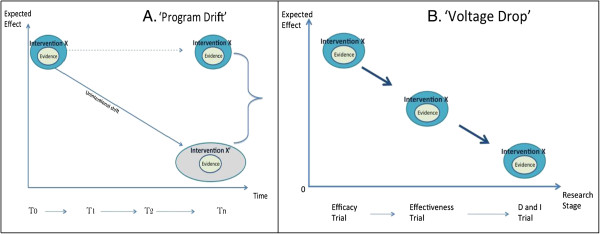
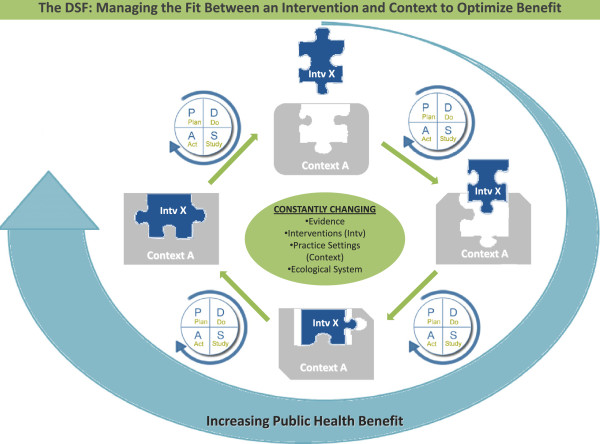
BACKGROUND: Despite growth in implementation research, limited scientific attention has focused on understanding and improving sustainability of health interventions. Models of sustainability have been evolving to reflect challenges in the fit between intervention and context. DISCUSSION: We examine the development of concepts of sustainability, and respond to two frequent assumptions -'voltage drop,' whereby interventions are expected to yield lower benefits as they move from efficacy to effectiveness to implementation and sustainability, and 'program drift,' whereby deviation from manualized protocols is assumed to decrease benefit. We posit that these assumptions limit opportunities to improve care, and instead argue for understanding the changing context of healthcare to continuously refine and improve interventions as they are sustained. Sustainability has evolved from being considered as the endgame of a translational research process to a suggested 'adaptation phase' that integrates and institutionalizes interventions within local organizational and cultural contexts. These recent approaches locate sustainability in the implementation phase of knowledge transfer, but still do not address intervention improvement as a central theme. We propose a Dynamic Sustainability Framework that involves: continued learning and problem solving, ongoing adaptation of interventions with a primary focus on fit between interventions and multi-level contexts, and expectations for ongoing improvement as opposed to diminishing outcomes over time. SUMMARY: A Dynamic Sustainability Framework provides a foundation for research, policy and practice that supports development and testing of falsifiable hypotheses and continued learning to advance the implementation, transportability and impact of health services research.
Overview
The claims and statistics of this paper haven’t been checked yet.
Free: it reads the open-access text and checks the first 5 claims that cite a source we can check. Create a free account to check every claim.
Integrity signals
Registry
Cites
Statistics
Figures
Verification
Claims the paper makes
The claims and statistics of this paper haven’t been checked yet.
Free: it reads the open-access text and checks the first 5 claims that cite a source we can check. Create a free account to check every claim.
Claims other papers make about this one
Each is checked against this paper’s own text: does it say what the citing paper says it does?
The source backs part of the claim, not all of it — or backs it for a different population, condition or comparison.
In the citing paper
“Internal organizational supports include champion roles, leadership, resources, policies and procedures, and expert support (ie, coaching).”
From Successful Organizational Strategies to Sustain Use of A-CHESS: A Mobile Intervention for Individuals With Alcohol Use Disorders (2015) · cites this paper as [32]
Experimental — accuracy not yet measuredThe source backs part of the claim, not all of it — or backs it for a different population, condition or comparison.
In the citing paper
“However, modifications that remove key elements of an intervention, or fail to align with population needs, may be less effective [7, 11–14].”
From The FRAME: an expanded framework for reporting adaptations and modifications to evidence-based interventions (2019) · cites this paper as [7]
Experimental — accuracy not yet measuredThe cited source says what the claim attributes to it.
In the citing paper
“the failure of most implementation processes to incorporate ongoing, iterative intervention development increases the risk that local users will find new technologies to be low on key implementation outcomes such as acceptability, feasibility, and appropriateness (Proctor et al., 2011) and may limit effectiveness (Chambers et al., 2013)”
From User‐centered design for psychosocial intervention development and implementation. (2016) · cites this paper as Chambers et al., 2013
The cited source says what the claim attributes to it.
In the citing paper
“ongoing adjustment and evaluation of EBT to ensure that a program is response to the local context provides an opportunity to increase intervention effectiveness over time (Aarons et al., 2012; Chambers et al., 2013)”
From User‐centered design for psychosocial intervention development and implementation. (2016) · cites this paper as Chambers et al., 2013
The cited source says what the claim attributes to it.
In the citing paper
“EBT are typically disseminated as static tools to be used only as directed by developers, rather than products to be improved over time (Chambers, Glasgow, & Stange, 2013)”
From User‐centered design for psychosocial intervention development and implementation. (2016) · cites this paper as Chambers, Glasgow, & Stange, 2013
25 more claims about this paper
Create a free account to see every claim other papers make about this one.
Self-check
Percentages, sums and reported differences re-computed from the paper’s own numbers.
The self-check needs the paper’s full text.
Citations
Cites
DiMaggio, P. J., & Powell, W. W. (1983) · American Sociological Review · doi:10.2307/2095101 · Cited by 38,435
DiMaggio, P. J., & Powell, W. W. (2004) · Advances in Strategic Management · doi:10.1016/s0742-3322(00)17011-1 · Cited by 25,802
Damschroder, L. J., Aron, D. C., Keith, R. E., Kirsh, S. R., Alexander, J. A., & Lowery, J. C. (2009) · Implementation Science · doi:10.1186/1748-5908-4-50 · Cited by 14,496 · cited 3×
“Brownson RC, Colditz GA, Proctor EK: Dissemination and Implementation Research in Health.”
MethodInfluentialDeveloping and evaluating complex interventions: the new Medical Research Council guidance
Craig, P., Dieppe, P., Macintyre, S., Michie, S., Nazareth, I., & Petticrew, M. (2008) · BMJ · doi:10.1136/bmj.a1655 · Cited by 10,995 · cited 1×
“A linear approach may be particularly challenging to apply to complex, multi-component interventions, psychosocial treatments, treatment of the growing number of people with multimorbid conditions [14,15], and systemic approaches to care [15].”
BackgroundDiMaggio, P. (1983) · American Sociological Review · Cited by 9,078
Diffusion of Innovations in Service Organizations: Systematic Review and Recommendations
GREENHALGH, T., ROBERT, G., MACFARLANE, F., BATE, P., & KYRIAKIDOU, O. (2004) · The Milbank Quarterly · doi:10.1111/j.0887-378x.2004.00325.x · Cited by 7,448 · cited 1×
“As implementation science has grown [1,2], researchers have advanced from study of facilitators and barriers that influence uptake of effective programs and policies to investigations of strategies to improve uptake.”
BackgroundSelf-management education: History, definition, outcomes, and mechanisms
Lorig, K. R., & Holman, H. R. (2003) · Annals of Behavioral Medicine · doi:10.1207/s15324796abm2601_01 · Cited by 4,094 · cited 1×
“The context both within an organization and in the broader ecological system is constantly changing, and requires a ‘learning organization’ [52] to engage in problem-solving capacity at multiple levels [53].”
BackgroundAdvancing a Conceptual Model of Evidence-Based Practice Implementation in Public Service Sectors
Aarons, G. A., Hurlburt, M., & Horwitz, S. M. (2011) · Administration and Policy in Mental Health and Mental Health Services Research · doi:10.1007/s10488-010-0327-7 · Cited by 3,240 · cited 1×
“Sustainment The continued use of an intervention within practice [10].”
BackgroundOrganizing Care for Patients with Chronic Illness
Wagner, E. H., Austin, B. T., & Korff, M. V. (1996) · The Milbank Quarterly · doi:10.2307/3350391 · Cited by 2,877 · cited 1×
“Perhaps an even greater benefit to practice would come through pooling of data across a larger set of sites, practitioners and patients, something done with success for chronic disease [55,56].”
BackgroundThe challenge of complexity in health care
Plsek, P. E., & Greenhalgh, T. (2001) · BMJ · doi:10.1136/bmj.323.7313.625 · Cited by 2,578 · cited 1×
“These include Wandersman’s Getting to Outcomes model [31], Continuous Quality Improvement (CQI) [34], system dynamics [35], complexity theory [36], adaptive management [37], and the Evidence Integration Triangle [30].”
Method
Research works printed but not linked: 5
- Brownson RC Colditz GA Proctor EK Dissemination and Implementation Research in Health 2012 New York: OUP
- Wandersman A Imm P Chinman M Getting to Outcomes: Methods and tools for planning, evaluation and accountability 1999 Rockville, MD: Center for Substance Abuse Prevention
- Bughlin J Chui M Johnson B The next step in open innovation The McKinsey Quarterly 2012 http://www.mckinseyquarterly.com/next_step_in_open_innovation_2155. Accessed
- Institute of Medicine A foundation for evidence-driven practice: A rapid learning system for cancer care 2010 Workshop Summary. Washington, D.C: NAS Press 25032381
- PatientsLikeMe PatientsLikeMe website 2012 http://patientslikeme.com. Accessed March 15, 2012
Cited by
Items 101–200 of 1,006
Aligning implementation science with improvement practice: a call to action
Leeman, J., Rohweder, C. L., Lee, M., Brenner, A. T., Dwyer, A. J., Ko, L. K., O’Leary, M. C., Ryan, G. W., Vu, T. T., & Ramanadhan, S. (2021) · Implementation Science Communications · doi:10.1186/s43058-021-00201-1 · Cited by 123
Marques, L., Valentine, S. E., Kaysen, D., Mackintosh, M.-A., Dixon De Silva, L. E., Ahles, E. M., Youn, S. J., Shtasel, D. L., Simon, N. M., & Wiltsey-Stirman, S. (2019) · Journal of Consulting and Clinical Psychology · doi:10.1037/ccp0000384 · Cited by 110
“These findings provide some support for the Dynamic Sustainability Framework (Chambers et al., 2013), which suggests that in rapidly changing, diverse practice contexts, an ongoing, data-informed approach to adaptation of interventions can improve fit between interventions and dynamic treatment delivery contexts.”
InfluentialRütten, A., Frahsa, A., Abel, T., Bergmann, M., de Leeuw, E., Hunter, D., Jansen, M., King, A., & Potvin, L. (2019) · Health Promotion International · doi:10.1093/heapro/dax053 · Cited by 109
Maselko, J., Sikander, S., Turner, E., Bates, L., Ahmad, I., Atif, N., Baranov, V., Bhalotra, S., Bibi, A., Bibi, T., et al. (2020) · Lancet psychiatry · doi:10.1016/s2215-0366(20)30258-3 · Cited by 77
Implementation of evidence-based practice: The experience of nurses and midwives
Dagne, A. H., & Beshah, M. H. (2021) · PLoS ONE · doi:10.1371/journal.pone.0256600 · Cited by 108
Aarons, G. A., Green, A. E., Willging, C. E., Ehrhart, M. G., Roesch, S. C., Hecht, D. B., & Chaffin, M. J. (2014) · Implementation Science · doi:10.1186/s13012-014-0183-z · Cited by 107
“Finally, Chambers and colleagues [10] proposed a model of sustainment that spans the ecological system (e.”
BackgroundNathan, N., Powell, B. J., Shelton, R. C., Laur, C. V., Wolfenden, L., Hailemariam, M., Yoong, S. L., Sutherland, R., Kingsland, M., Waltz, T. J., et al. (2022) · Frontiers in Health Services · doi:10.3389/frhs.2022.905909 · Cited by 105
“Our extensive mapping exercise of the ERIC strategies to known barriers and facilitators of sustainment from a broad range of studies in clinical and community settings (27–29, 44–49) and sustainability frameworks (24, 36, 52), ensured that we were adequately capturing strategies specific to addressing the main barrie…”
BackgroundMethodGodfrey, M., Green, J., Smith, J., Cheater, F., Inouye, S. K., Hurst, K., & Young, J. B. (2019) · BMC Geriatrics · doi:10.1186/s12877-019-1374-x · Cited by 110
Stirman, S. W., Gutner, C. A., Langdon, K., & Graham, J. R. (2016) · Behavior Therapy · doi:10.1016/j.beth.2015.12.001 · Cited by 103
FAST: A Framework to Assess Speed of Translation of Health Innovations to Practice and Policy
Proctor, E., Ramsey, A. T., Saldana, L., Maddox, T. M., Chambers, D. A., & Brownson, R. C. (2022) · Global Implementation Research and Applications · doi:10.1007/s43477-022-00045-4 · Cited by 95
“Further, the strength of connections across delivery system levels, as highlighted in the Dynamic Sustainability Framework (Chambers et al., 2013) and more specifically, the concept of bridging factors (Lengnick-Hall et al., 2021), emphasizes the importance of specific relational structures across levels and the role…”
BackgroundSelf-citationNeta, G., Sanchez, M. A., Chambers, D. A., Phillips, S. M., Leyva, B., Cynkin, L., Farrell, M. M., Heurtin-Roberts, S., & Vinson, C. (2015) · Implementation Science · doi:10.1186/s13012-014-0200-2 · Cited by 99
“Finally, we saw limited capture of the way in which interventions adapt and evolve over time; a dynamic view of adoption, implementation, and sustainability in future studies may present a more naturalistic perspective on the fit of interventions within community and clinical contexts [29].”
BackgroundSelf-citationGlasgow, R. E., Battaglia, C., McCreight, M., Ayele, R., Maw, A. M., Fort, M. P., Holtrop, J. S., Gomes, R. N., & Rabin, B. A. (2022) · Frontiers in Health Services · doi:10.3389/frhs.2022.959565 · Cited by 90
“Real world application of complex health interventions (19, 20) in complex, dynamic systems guarantees that a program will seldom be implemented in diverse non-research settings exactly as planned, no matter how comprehensive and well done the planning.”
BackgroundSelf-citationWhelan, J., Love, P., Pettman, T. L., Doyle, J., Booth, S., Smith, E., & Waters, E. (2014) · Journal of Public Health · doi:10.1093/pubmed/fdu027 · Cited by 107
Flynn, R., Rotter, T., Hartfield, D. S., Newton, A. S., & Scott, S. D. (2019) · BMC Health Services Research · doi:10.1186/s12913-019-4744-3 · Cited by 114
Moore, D. C., Payne, S. A., den Block, L. V., Ling, J., Froggatt, K. A., Gatsolaeva, Y., Honinx, E., Pivodic, L., Miranda, R., Onwuteaka-Philipsen, B. D., et al. (2020) · Palliative Medicine · doi:10.1177/0269216319893635 · Cited by 117
Morgan, D., Kosteniuk, J., O’Connell, M. E., Kirk, A., Stewart, N. J., Seitz, D., Bayly, M., Froehlich Chow, A., Elliot, V., Daku, J., et al. (2019) · BMC Health Services Research · doi:10.1186/s12913-019-4548-5 · Cited by 95
Penno, L. N., Davies, B., Graham, I. D., Backman, C., MacDonald, I., Bain, J., Johnson, A. M., Moore, J. E., & Squires, J. E. (2019) · Implementation Science · doi:10.1186/s13012-019-0952-9 · Cited by 109
Making change last? Exploring the value of sustainability approaches in healthcare: a scoping review
Lennox, L., Linwood-Amor, A., Maher, L., & Reed, J. E. (2020) · Health Research Policy and Systems · doi:10.1186/s12961-020-00601-0 · Cited by 111
Moore, K. J., Candy, B., Davis, S., Gola, A., Harrington, J., Kupeli, N., Vickerstaff, V., King, M., Leavey, G., Nazareth, I., et al. (2017) · BMJ Open · doi:10.1136/bmjopen-2016-015515 · Cited by 93
“We followed the principles of dynamic sustainability, recognising that implementing protocols in real life settings requires adaptations, and that rigid adherence to guidelines tested in controlled settings may not be suitable or effective in broader contexts.(26) We structured our approach using the five phases of im…”
Integrating new practices: a qualitative study of how hospital innovations become routine
Brewster, A. L., Curry, L. A., Cherlin, E. J., Talbert-Slagle, K., Horwitz, L. I., & Bradley, E. H. (2015) · Implementation Science · doi:10.1186/s13012-015-0357-3 · Cited by 91
“Within the field of health services research, several well-developed models have identified factors affecting implementation of new practices [7, 8], and recent theoretical work [4, 9–11] has highlighted the need to understand integration as a distinct and important feature of the implementation process.”
BackgroundA roadmap to operationalize and evaluate impact in a learning health system
Allen, C., Coleman, K., Mettert, K. D., Lewis, C. C., Westbrook, E. O., & Lozano, P. (2021) · Learning Health Systems · doi:10.1002/lrh2.10258 · Cited by 103
Ashcraft, L. E., Goodrich, D. E., Hero, J., Phares, A., Bachrach, R. L., Quinn, D. A., Qureshi, N., Ernecoff, N. C., Lederer, L. G., Scheunemann, L. P., et al. (2024) · Implementation Science · doi:10.1186/s13012-024-01369-5 · Cited by 89
“Other tracking approaches may leverage technology (e.g., cell phones, tablets, EMR templates) [78, 97] or find novel, pragmatic approaches to collect recommended strategy specifications over time (e.g.., dose, deliverer, and mechanism) [1, 9, 27, 98, 99].”
BackgroundShelton, R. C., & Lee, M. (2019) · American Journal of Public Health · doi:10.2105/ajph.2018.304913 · Cited by 95
Jolles, M. P., Fort, M. P., & Glasgow, R. E. (2024) · International Journal for Equity in Health · doi:10.1186/s12939-024-02130-6 · Cited by 103
“Thus, the ongoing process of fit or alignment to local dynamic contexts is critical to the successful design, adoption, implementation and sustainment of health-related interventions [45].”
BackgroundSelf-citationMonson, C. M., Shields, N., Suvak, M. K., Lane, J. E. M., Shnaider, P., Landy, M. S. H., Wagner, A. C., Sijercic, I., Masina, T., Wanklyn, S. G., et al. (2018) · Behaviour Research and Therapy · doi:10.1016/j.brat.2018.08.007 · Cited by 85
Hall, A., Shoesmith, A., Doherty, E., McEvoy, B., Mettert, K., Lewis, C. C., Wolfenden, L., Yoong, S., Kingsland, M., Shelton, R. C., et al. (2022) · Implementation Science · doi:10.1186/s13012-022-01252-1 · Cited by 81
“For instance, sustainment has been recognised as a distinct concept, defined as the ongoing delivery of an evidence-based intervention [2, 8, 11, 32] and which was the focus of some of the measures included in this review, including PRESS [32].”
BackgroundHoagwood, K. E., Purtle, J., Spandorfer, J., Peth-Pierce, R., & Horwitz, S. M. (2020) · American Psychologist · doi:10.1037/amp0000706 · Cited by 81
“This has made their implementation difficult, and at times, impossible (Hoagwood & Olin, 2002; Chambers et al., 2013).”
BackgroundStatewide implementation of an evidence-based trauma intervention in schools.
Hoover, S., Sapere, H., Lang, J. M., Nadeem, E., Dean, K. L., & Vona, P. (2018) · School Psychology Quarterly · doi:10.1037/spq0000248 · Cited by 98
Ghate, D. (2018) · Palgrave Communications · doi:10.1057/s41599-018-0139-z · Cited by 80
“…to be effective tools for assessing the results of interventions that take place in complex adaptive or responsive systems (Ghate, 2015), as all community-based health and social interventions do (Ghate, 2015; Kainz and Metz, 2016; Chambers et al., 2013; Hawe et al., 2004; Mowles, 2014).”
Lengnick‐Hall, R., Willging, C. E., Hurlburt, M. S., Fenwick, K. M., & Aarons, G. A. (2020) · Implementation Science · doi:10.1186/s13012-020-00999-9 · Cited by 87
Damschroder, L. J., Reardon, C. M., AuYoung, M., Moin, T., Datta, S., Sparks, J. B., Maciejewski, M. L., Steinle, N., Weinreb, J. E., Hughes, M. V., et al. (2017) · Implementation Science · doi:10.1186/s13012-017-0619-3 · Cited by 90
“Despite the “voltage drop” [9] often seen in outcomes”
BackgroundDopp, A. R., Narcisse, M.-R., Mundey, P., Silovsky, J. F., Smith, A. B., Mandell, D., Funderburk, B. W., Powell, B. J., Schmidt, S., Edwards, D., et al. (2020) · Implementation Research and Practice · doi:10.1177/2633489520939980 · Cited by 79
“…al., 2015; Scudder et al., 2017) but have also made it clear that more research— and different strategies—are needed to navigate the complex, multi-level, and ever-shifting funding environment as part of EBP sustainment efforts (Chambers et al., 2013; Shelton et al., 2018; Willging et al., 2015).”
BackgroundResultClack, L., Zingg, W., Saint, S. K., Casillas, A., Touveneau, S., Jantarada, F. D. L., Willi, U., van der Kooi, T. I. I., Damschroder, L. J., Forman, J. H., et al. (2018) · BMJ Quality & Safety · doi:10.1136/bmjqs-2017-007675 · Cited by 91
Adapting health interventions for local fit when scaling-up: a realist review protocol
Power, J., Gilmore, B., Vallières, F., Toomey, E., Mannan, H., & McAuliffe, E. (2019) · BMJ Open · doi:10.1136/bmjopen-2018-022084 · Cited by 79
“By addressing and adapting for local fit, it can assist in successful implementation and sustainability of an intervention.(12) However, with adaptations there is also a need to ensure fidelity to the intervention theory and essential components to ensure the effectiveness of an intervention is not reduced or lost.”
BackgroundState of the Science: LGBTQ-Affirmative Psychotherapy
Burger, J., & Pachankis, J. E. (2024) · Behavior Therapy · doi:10.1016/j.beth.2024.02.011 · Cited by 95
Scaling up complex interventions: insights from a realist synthesis
Willis, C. D., Riley, B. L., Stockton, L., Abramowicz, A., Zummach, D., Wong, G., Robinson, K. L., & Best, A. (2016) · Health Research Policy and Systems · doi:10.1186/s12961-016-0158-4 · Cited by 78
“ence and may warrant further investigation to explore potentially relevant theoretical perspectives [6, 52].”
BackgroundDeenik, J., Czosnek, L., Teasdale, S. B., Stubbs, B., Firth, J., Schuch, F. B., Tenback, D. E., van Harten, P. N., Tak, E. C. P. M., Lederman, O., et al. (2020) · Translational Behavioral Medicine · doi:10.1093/tbm/ibz067 · Cited by 77
“This also applies to policymakers and other key stakeholders, to ensure the long-term impact of investments in lifestyle interventions and deinvestment in interventions with limited evidence base or proven efficacy [30,44,45].”
BackgroundGhate, D. (2016) · Journal of Clinical Child & Adolescent Psychology · doi:10.1080/15374416.2015.1077449 · Cited by 76
“Fetishizing fidelity and program integrity, and advocating slavish “adherence to the manual” (which in any case rests on the possibly erroneous assumption that the original model “as designed” was already optimal; Chambers et al., 2013), is increasingly seen as counterproductive.”
BackgroundMethodInfluentialBaskerville, N. B., Dash, D., Shuh, A., Wong, K., Abramowicz, A., Yessis, J. L., & Kennedy, R. D. (2017) · Preventive Medicine Reports · doi:10.1016/j.pmedr.2017.02.004 · Cited by 82
“Specifically, recruitment can be an issue as many LGBTQ+YYAhave not “comeout” and/or are homeless or couch surfers (i.e., staying as a guest on people's couches) and thus, may be difficult to reach to participate in these intervention studies.”
BackgroundInfluentialMaking Health Research Matter: A Call to Increase Attention to External Validity
Huebschmann, A. G., Leavitt, I. M., & Glasgow, R. E. (2019) · Annual Review of Public Health · doi:10.1146/annurev-publhealth-040218-043945 · Cited by 76
“It is even more unequivocally documented that few evidence-based interventions translate into practice or policy (2, 3, 9, 12, 21, 39, 40).”
BackgroundSelf-citationLeFevre, A. E., Mohan, D., Hutchful, D., Jennings, L., Mehl, G., Labrique, A., Romano, K., & Moorthy, A. (2017) · BMC Medical Informatics and Decision Making · doi:10.1186/s12911-017-0421-9 · Cited by 76
“…the technological and behavioral performance of an mHealth program is essential for accurately measuring program effectiveness and protecting against ‘ program drift ’— defined as the deviation from intended design in real-world delivery of programs resulting in decreased benefit for patients [9].”
BackgroundSmith, J. D., Berkel, C., Jordan, N., Atkins, D. C., Narayanan, S. S., Gallo, C. G., Grimm, K. J., Dishion, T. J., Mauricio, A. M., Rudo‐Stern, J., et al. (2018) · Implementation Science · doi:10.1186/s13012-017-0697-2 · Cited by 82
“Few comprehensive and prospective evaluations of the implementation of weight management programs in primary care have been done, despite such factors as inadequate cost evaluation being a top reason for failure to adopt behavioral interventions [34] and the general concern about delivery with sufficient fidelity to p…”
BackgroundAl‐Ubaydli, O., Lee, M. S., List, J. A., Mackevicius, C. L., & Suskind, D. L. (2020) · Behavioural Public Policy · doi:10.1017/bpp.2020.17 · Cited by 92
“…and (3) developing a system whereby policymakers have the appropriate incentives to adopt effective policies and, once adopted, develop strategies to implement those policies with rigorous evaluation methods to ensure continual improvement (see, e.g., Chambers et al., 2013; Komro et al., 2016).”
BackgroundFleiszer, A. R., Semenic, S. E., Ritchie, J. A., Richer, M.-C., & Denis, J.-L. (2015) · BMC Health Services Research · doi:10.1186/s12913-015-1192-6 · Cited by 75
“There is some evidence in the literature to support the premise that organizations are more successful at sustaining innovations when learning and adaptation are prominent [3, 64, 70].”
BackgroundExpanding the CONSORT Figure: Increasing Transparency in Reporting on External Validity
Glasgow, R. E., Huebschmann, A. G., & Brownson, R. C. (2018) · American Journal of Preventive Medicine · doi:10.1016/j.amepre.2018.04.044 · Cited by 76
Self-citationFord II, J. H., Alagoz, E., Dinauer, S., Johnson, K. A., Pe-Romashko, K., & Gustafson, D. H. (2015) · Journal of Medical Internet Research · doi:10.2196/jmir.3965 · Cited by 73
Pharmacy practice research – A call to action
García‐Cárdenas, V., Rossing, C., Fernández-Llimós, F., Schulz, M., Tsuyuki, R. T., Bugnon, O., Tonin, F. S., & Benrimoj, S. I. (2020) · Research in Social and Administrative Pharmacy · doi:10.1016/j.sapharm.2020.07.031 · Cited by 81
Advancing the pragmatic measurement of sustainment: a narrative review of measures
Moullin, J. C., Sklar, M., Green, A., Dickson, K. S., Stadnick, N. A., Reeder, K., & Aarons, G. A. (2020) · Implementation Science Communications · doi:10.1186/s43058-020-00068-8 · Cited by 72
How can the healthcare system deliver sustainable performance? A scoping review
Zurynski, Y. A., Herkes, J., Holt, J., McPherson, E., Lamprell, G., Dammery, G., Meulenbroeks, I., Halim, N. K., & Braithwaite, J. (2022) · BMJ Open · doi:10.1136/bmjopen-2021-059207 · Cited by 87
von Thiele Schwarz, U., Lundmark, R., & Hasson, H. (2016) · Stress and Health · doi:10.1002/smi.2701 · Cited by 73
“Drawing on improvement science (Batalden & Stoltz, 1993) and recent developments in implementation and evaluation science (Chambers et al., 2013; Patton, 2011), DIEM builds on employing continuous, rapid improvement cycles.”
MethodGlasgow, R. E., Trinkley, K. E., Ford, B., & Rabin, B. A. (2024) · Global Implementation Research and Applications · doi:10.1007/s43477-024-00134-6 · Cited by 70
“Often it is not clear how to practically apply implementation science frameworks to address dynamic challenges in translation, including health disparities (Baumann & Cabassa, 2020; Chambers et al., 2013; Fort et al., 2023; Trinkley et al., 2022).”
Self-citationPalinkas, L. A., Chou, C.-P., Spear, S. E., Mendon, S. J., Villamar, J., & Brown, C. H. (2020) · Implementation Science · doi:10.1186/s13012-020-01030-x · Cited by 70
Reporting Cultural Adaptation in Psychological Trials – The RECAPT criteria
Heim, E., Mewes, R., Ramia, J. A., Glaesmer, H., Hall, B. J., Shehadeh, M. H., Ünlü, B., Kananian, S., Kohrt, B. A., Lechner‐Meichsner, F., et al. (2021) · Clinical Psychology in Europe · doi:10.32872/cpe.6351 · Cited by 87
Sustaining school improvement initiatives: advice from educational leaders
Koh, G. A., Askell‐Williams, H., & Barr, S. (2023) · School Effectiveness and School Improvement · doi:10.1080/09243453.2023.2190130 · Cited by 115
Rahat, N., Sahni, S., & Nasim, S. (2023) · International Journal of Consumer Studies · doi:10.1111/ijcs.12997 · Cited by 77
Lewis, C. C., Scott, K., Marti, C. N., Marriott, B. R., Kroenke, K., Putz, J. W., Mendel, P., & Rutkowski, D. (2015) · Implementation Science · doi:10.1186/s13012-015-0313-2 · Cited by 70
“[2] contend that an alternative hypothesis is important to consider, intentional prospective EBP adaptations informed by stakeholders and that account for relevant multilevel contextual factors may optimize implementation, sustainment, and client outcomes, particularly when adaptations are made iteratively to fit the…”
BackgroundMethodInfluentialSayer, N. A., Rosen, C. S., Bernardy, N. C., Cook, J. M., Orazem, R. J., Chard, K. M., Mohr, D. C., Kehle-Forbes, S. M., Eftekhari, A., Crowley, J., et al. (2017) · Administration and Policy in Mental Health and Mental Health Services Research · doi:10.1007/s10488-017-0809-y · Cited by 68
Moon, S., Hogden, A., & Eljiz, K. (2022) · BMJ Open Quality · doi:10.1136/bmjoq-2022-002057 · Cited by 97
Beidas, R. S., Adams, D. R., Kratz, H. E., Jackson, K., Berkowitz, S., Zinny, A., Cliggitt, L. P., DeWitt, K. L., Skriner, L., & Evans, A. (2016) · Evaluation and Program Planning · doi:10.1016/j.evalprogplan.2016.07.004 · Cited by 68
Ament, S. M. C., Gillissen, F., Moser, A., Maessen, J. M. C., Dirksen, C. D., von Meyenfeldt, M. F., & van der Weijden, T. (2017) · Journal of Evaluation in Clinical Practice · doi:10.1111/jep.12735 · Cited by 70
“However, external policies and incentives, and spread within and between hospitals were not mentioned in these models but are suggested recently by other authors.(11,27) External policies and incentives is a broad construct.”
Bibliometric Review of Research on Knowledge Management and Sustainability, 1994–2018
Sanguankaew, P., & Ractham, V. V. (2019) · Sustainability · doi:10.3390/su11164388 · Cited by 77
Abu-Omar (2018) · doi:10.1186/s12889-018-6368-7 · Cited by 67
Implementing Improvements: Opportunities to Integrate Quality Improvement and Implementation Science
Tyler, A. N., & Glasgow, R. E. (2021) · Hospital Pediatrics · doi:10.1542/hpeds.2020-002246 · Cited by 76
Self-citationConceptualizing and measuring sustainability of prevention programs, policies, and practices
Palinkas, L. A., Spear, S. E., Mendon, S. J., Villamar, J., Reynolds, C., Green, C. D., Olson, C., Adade, A., & Brown, C. H. (2020) · Translational Behavioral Medicine · doi:10.1093/tbm/ibz170 · Cited by 66
“This approach is also more consistent with the DSF [5] and the growing consensus of sustainability as a dynamic process with changes in both determinants and outcomes over time.”
BackgroundResultInfluentialThe biopsychosociotechnical model: a systems-based framework for human-centered health improvement
Card, A. J. (2022) · Health Systems · doi:10.1080/20476965.2022.2029584 · Cited by 89
“Especially for longitudinal interventions, participatory and dynamic approaches are required for ongoing joint optimization and sustained success (Chambers et al., 2013; Papoutsi et al., 2020).”
BackgroundGrounding implementation science in health equity for cancer prevention and control
Adsul, P., Chambers, D., Brandt, H. M., Fernández, M. E., Ramanadhan, S., Torres, E., Leeman, J., Baquero, B. I., Fleisher, L. G., Escoffery, C., et al. (2022) · Implementation Science Communications · doi:10.1186/s43058-022-00311-4 · Cited by 72
“Decades of intervention research produced in controlled environments, coupled with traditional linear approaches, have failed to achieve the intended population health outcomes in the real-world settings [53, 122].”
BackgroundSelf-citationBrookman-Frazee, L., & Stahmer, A. C. (2018) · Implementation Science · doi:10.1186/s13012-018-0757-2 · Cited by 66
Kemp, C. G., Wagenaar, B. H., & Haroz, E. E. (2019) · Frontiers in Public Health · doi:10.3389/fpubh.2019.00325 · Cited by 63
“Interventions and implementation strategies must be carefully chosen to suit different contexts, and adapted as necessary (12, 13).”
BackgroundLyon, A. R., Koerner, K., & Chung, J. (2020) · Implementation Research and Practice · doi:10.1177/2633489520932924 · Cited by 73
“Usability testing of EBPIs is critical because such assessments (1) allow for evaluation of intervention characteristics likely to be predictive of adoption (Rogers, 2010) and (2) uncover critical usability issues that could subsequently be addressed via prospective adaptation (i.e., redesign; Chambers et al., 2013).”
BackgroundHoltrop, J. S., Rabin, B. A., & Glasgow, R. E. (2018) · The Journal of the American Board of Family Medicine · doi:10.3122/jabfm.2018.03.170259 · Cited by 66
“The problem is that in our challenging and rapidly changing context these methods often do not work to address our most pertinent implementation challenges.(20,21) Different questions need to be asked, and different solutions and methods applied.”
BackgroundSelf-citationHaines, E. R., Dopp, A. R., Lyon, A. R., Witteman, H. O., Bender, M., Vaisson, G., Hitch, D., & Birken, S. A. (2021) · Implementation Science Communications · doi:10.1186/s43058-021-00147-4 · Cited by 71
“However, EBPs are seldom designed to address the nuances of multiple, varying, complex, and changing practice contexts [1].”
BackgroundLyon, A. R., Wasse, J. K., Ludwig, K., Zachry, M., Bruns, E. J., Unützer, J., & McCauley, E. (2016) · Administration and Policy in Mental Health and Mental Health Services Research · doi:10.1007/s10488-015-0637-x · Cited by 63
“Consistent with recent frameworks for innovation sustainment in healthcare (e.g., Aarons et al. 2011, 2012; Chambers et al. 2013), the CTAP recognizes that ‘‘the only constant is change’’ in HIT redesign.”
InfluentialImplementing a national diabetes prevention programme in England: lessons learned
Stokes, J., Gellatly, J. L., Bower, P., Meacock, R., Cotterill, S., Sutton, M., & Wilson, P. M. (2019) · BMC Health Services Research · doi:10.1186/s12913-019-4809-3 · Cited by 67
Bentley, J. A., Feeny, N. C., Dolezal, M. L., Klein, A. B., Marks, L. H., Graham, B., & Zoellner, L. A. (2020) · Cognitive and Behavioral Practice · doi:10.1016/j.cbpra.2020.10.005 · Cited by 86
“Sustainable interventions are those that can continue to be delivered in the population at risk with capacity built in to support delivery (Chambers et al., 2013).”
BackgroundNadeem, E., & Ringle, V. A. M. (2016) · School Mental Health · doi:10.1007/s12310-016-9179-y · Cited by 76
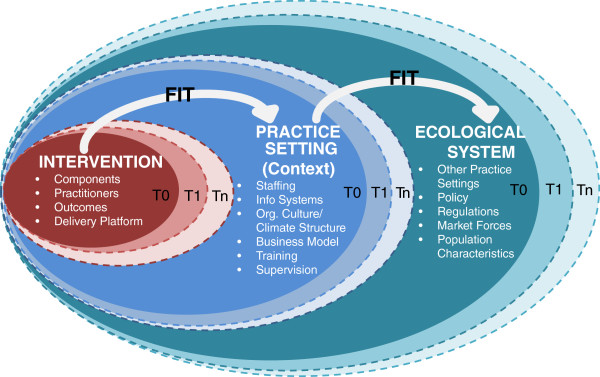
“From the perspective of the dynamic sustainability framework (Chambers et al., 2013), which emphasizes the importance of adaptation, ongoing continuous improvement, problemsolving by organizations, and attention to innovation-setting fit at all levels of the system, CBITS was no longer a good fit for the school distri…”
The successful COVID-19 vaccine rollout in Chile: Factors and challenges
Castillo, C., Dintrans, P. V., & Maddaleno, M. (2021) · Vaccine X · doi:10.1016/j.jvacx.2021.100114 · Cited by 77
“In this case, the government’s media campaign, as well as other policies, such as the recently issued mobility pass that allow people to move in lockdown areas [36], can also be identified as incentives behind people’s decisions, aligning intervention’s and recipient’s goals [37,38].”
Colon-Emeric, C. S., Toles, M., Cary, M. P., Batchelor‐Murphy, M., Yap, T. L., Song, Y., Hall, R. K., Anderson, A. L., Burd, A., & Anderson, R. A. (2015) · Implementation Science · doi:10.1186/s13012-016-0454-y · Cited by 77
“The “Dynamic Sustainability Framework” argues that interventions must be adapted to fit within individual practice settings and its broader ecological system; since settings and systems change over time, so too must the intervention continuously evolve [20].”
BackgroundMazzucca, S., Tabak, R. G., Pilar, M., Ramsey, A. T., Baumann, A. A., Kryzer, E., Lewis, E. M., Padek, M., Powell, B. J., & Brownson, R. C. (2018) · Frontiers in Public Health · doi:10.3389/fpubh.2018.00032 · Cited by 63
“Adm Policy Ment Health (2011) 38(1):44–53.”
MethodInfluentialKim, S. S., Nguyen, P. H., Tran, L. M., Sanghvi, T. G., Mahmud, Z., Haque, M. R., Afsana, K., Frongillo, E. A., Ruel, M. T., & Menon, P. (2018) · Journal of Nutrition · doi:10.1093/jn/nxy147 · Cited by 72
Gravitt, P. E., Silver, M. I., Hussey, H. M., Arrossi, S., Huchko, M. J., Jerónimo, J., Kapambwe, S. K., Kumar, S., Meza, G., Nervi, L., et al. (2021) · Preventive Medicine · doi:10.1016/j.ypmed.2020.106322 · Cited by 70
Refocusing cancer supportive care: a framework for integrated cancer care
Krishnasamy, M., Hyatt, A., Chung, H., Gough, K., & Fitch, M. I. (2022) · Supportive Care in Cancer · doi:10.1007/s00520-022-07501-9 · Cited by 81
Hip-Hop to Health Jr. Randomized Effectiveness Trial
Kong, A., Buscemi, J., Stolley, M. R., Schiffer, L. A., Kim, Y., Braunschweig, C. L., Gomez‐Perez, S. L., Blumstein, L. B., Horn, L. V., Dyer, A. R., et al. (2015) · American Journal of Preventive Medicine · doi:10.1016/j.amepre.2015.07.008 · Cited by 67
Lennox, L., Doyle, C., Reed, J. E., & Bell, D. (2017) · BMJ Open · doi:10.1136/bmjopen-2016-014417 · Cited by 59
“4 12–14 Multiple strategies and approaches such as models and frameworks have been created to highlight such factors, but issues with tool design and content have been identified as barriers to their use in healthcare settings.(10) 15–18 Specifically, poorly designed constructs, inadequate coverage of items and lack o…”
BackgroundOwoeye, O. B. A., Rauvola, R. S., & Brownson, R. C. (2020) · BMJ Open Sport & Exercise Medicine · doi:10.1136/bmjsem-2020-000974 · Cited by 71
“…effort to increase the impact of an EBI that has been successfully implemented in pilot projects, and with the purpose of benefiting a large number of people and to foster policy for its sustainment 32 Maintenance (sustainment) The continued use of an EBI; an extension of adherence 37 – 39”
What shapes research and research capacity building in rural health services? Context matters
Shee, A. W., Quilliam, C., Corboy, D., Glenister, K., McKinstry, C., Beauchamp, A., Alston, L. V., Maybery, D. J., Aras, D., & Namara, K. M. (2022) · Australian Journal of Rural Health · doi:10.1111/ajr.12852 · Cited by 65
Development of the COMIC Model for the comprehensive evaluation of integrated care interventions
Busetto, L., Luijkx, K. G., & Vrijhoef, H. J. (2016) · International Journal of Care Coordination · doi:10.1177/2053434516661700 · Cited by 66
Generalizing about Public Health Interventions: A Mixed-Methods Approach to External Validity
Leviton, L. C. (2017) · Annual Review of Public Health · doi:10.1146/annurev-publhealth-031816-044509 · Cited by 55
Community engagement in dissemination and implementation models: A narrative review
Pinto, R. M., Park, S., Miles, R., & Ong, P. N. (2021) · Implementation Research and Practice · doi:10.1177/2633489520985305 · Cited by 71
Trinkley, K. E., An, R., Maw, A., Glasgow, R. E., & Brownson, R. C. (2024) · Implementation Science · doi:10.1186/s13012-024-01346-y · Cited by 64
Self-citationMohr, D. C., Lattie, E. G., Tomasino, K. N., Kwasny, M. J., Kaiser, S. M., Gray, E. L., Alam, N., Jordan, N., & Schueller, S. M. (2019) · Behaviour Research and Therapy · doi:10.1016/j.brat.2019.103485 · Cited by 57
Fleiszer, A. R., Semenic, S. E., Ritchie, J. A., Richer, M., & Denis, J. (2015) · International Journal of Nursing Studies · doi:10.1016/j.ijnurstu.2015.09.004 · Cited by 72
George, A. S., LeFevre, A. E., Schleiff, M., Mancuso, A., Sacks, E., & Sarriot, E. (2018) · BMJ Global Health · doi:10.1136/bmjgh-2018-000811 · Cited by 54
“This has implications for facilitating implementation, and for the varied evaluation needs that arise.(26) 33”
BackgroundKennedy, S. G., Sanders, T., Estabrooks, P. A., Smith, J. J., Lonsdale, C., Foster, C. E., & Lubans, D. R. (2021) · Obesity Reviews · doi:10.1111/obr.13184 · Cited by 66
“an intervention progresses from piloting through to efficacy, effectiveness, to dissemination.(88,89) Voltage drop refers to a reduction in intervention effectiveness as it moves into real-world settings with lit-”
BackgroundMcManus, E., Meacock, R., Parkinson, B., & Sutton, M. (2022) · The Lancet Regional Health - Europe · doi:10.1016/j.lanepe.2022.100420 · Cited by 69
Bridges and Mechanisms: Integrating Systems Science Thinking into Implementation Research
Luke, D. A., Powell, B. J., & Paniagua-Ávila, A. (2023) · Annual Review of Public Health · doi:10.1146/annurev-publhealth-060922-040205 · Cited by 61
Leppla, L., Mielke, J., Kunze, M., Mauthner, O. E., Teynor, A., Valenta, S., Vanhoof, J. M. M., Dobbels, F., Berben, L., Zeiser, R., et al. (2020) · European Journal of Oncology Nursing · doi:10.1016/j.ejon.2020.101723 · Cited by 69
Timm, L., Annerstedt, K. S., Ahlgren, J. Á., Absetz, P., Alvesson, H. M., Forsberg, B. C., & Daivadanam, M. (2022) · PLoS ONE · doi:10.1371/journal.pone.0275576 · Cited by 68
Proposing a mechanistic model of clinician training and consultation.
McLeod, B. D., Cox, J. R., Jensen‐Doss, A., Herschell, A. D., Ehrenreich, J. T., & Wood, J. J. (2018) · Clinical Psychology Science and Practice · doi:10.1111/cpsp.12260 · Cited by 60
Shelton, R. C., Brotzman, L., Johnson, D., & Erwin, D. O. (2021) · Ethnicity & Disease · doi:10.18865/ed.31.1.119 · Cited by 57
A theory-informed approach to mental health care capacity building for pharmacists
Murphy, A. L., Gardner, D. M., Kutcher, S., & Martin‐Misener, R. (2014) · International Journal of Mental Health Systems · doi:10.1186/1752-4458-8-46 · Cited by 61
Metadata
- Authors
- Chambers, D. A., Glasgow, R. E., & Stange, K. C.
- Affiliations
- National Institute of Mental Health (US)
- University of Colorado Anschutz (US)
- Case Western Reserve University (US)
- Corresponding author
- Chambers, David A
- Venue
- Implementation Science
- Published
- 2013-10-02
- Volume
- 8
- Issue
- 1
- Pages
- 117-117
- ISSN
- 1748-5908 (ISSN-L)
- PMC
- PMC3852739
- OpenAlex
- W2111534125
- Cited by
- 1,724
- References
- 62
- Citations by year
- 2026: 150 · 2025: 164 · 2024: 205 · 2023: 221 · 2022: 188 · 2021: 214 · 2020: 165 · 2019: 114 · 2018: 90 · 2017: 79 · 2016: 46 · 2015: 64 · 2014: 20
- FWCI
- 77.44
- Type
- journal article
- Language
- en
- Open access
- gold
- doi.org
- Licence
- Locations
- Implementation Science (publishedVersion, cc-by)
- Europe PMC (PubMed Central) (publishedVersion, cc-by)
- PubMed Central (publishedVersion, cc-by)
- PubMed (publishedVersion)
- Scholarly Commons @ Case Western Reserve University (submittedVersion, cc-by)
- Topics
- Health Sciences › Health Professions › General Health Professions › Health Policy Implementation Science
- Health Sciences › Health Professions › General Health Professions › Health Sciences Research and Education
- Social Sciences › Public Administration › Evaluation and Performance Assessment
- Keywords
- intervention sustainability, voltage drop, intervention adaptation, knowledge transfer, implementation research, health services research
- MeSH terms
- Concept Formation, Diffusion of Innovation, Organizational Innovation, United States, Program Evaluation, Program Development, Evidence-Based Practice
About these checks
Registry, retraction, Cites and statistics results are computed, not judged, with one exception: a printed reference that no index lists is read once by a model before it counts as a citation error. Claims are extracted by a model and kept only when their quote appears verbatim in the text; each cited source is then checked, with a model’s help, for whether it says what the claim relies on. Those verdicts can be wrong — read the claim’s quote and the cited source before relying on one.
Statistics and arithmetic are recomputed, not judged.
Confidence bands are shown only for fields calibrated on our annotated test set. None is calibrated yet, so no band is shown.
What counts as a claim ›How we measure confidence ›How we check this ›
Are you an author, or do you see a problem with this page? Request a review
Data sources
Bibliographic data: Semantic Scholar, OpenAlex, Crossref.
Contains information from the Semantic Scholar Academic Graph Datasets, made available under the ODC Attribution License (ODC-BY 1.0).
Semantic Scholar’s data is described in: Kinney, R., et al. (2023). The Semantic Scholar Open Data Platform. arXiv:2301.10140.
