

The dynamic sustainability framework: addressing the paradox of sustainment amid ongoing change
Open accessThe DOI matches its Crossref record; 64 of the 64 references it cites were found in a registry or an index.
Abstract
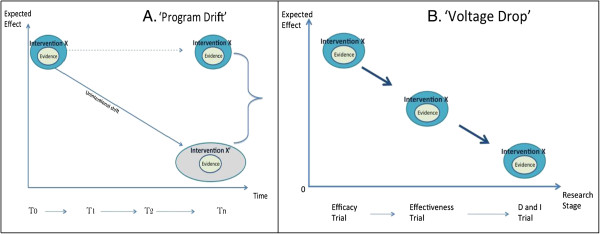
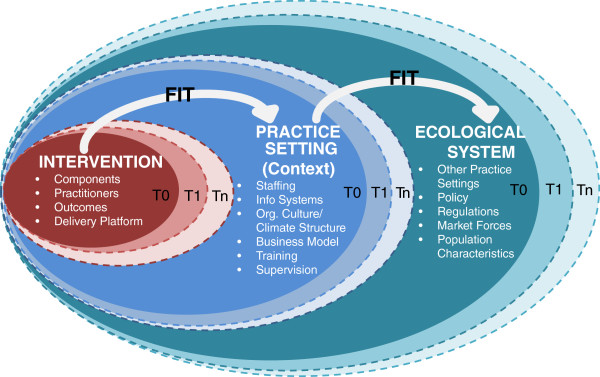
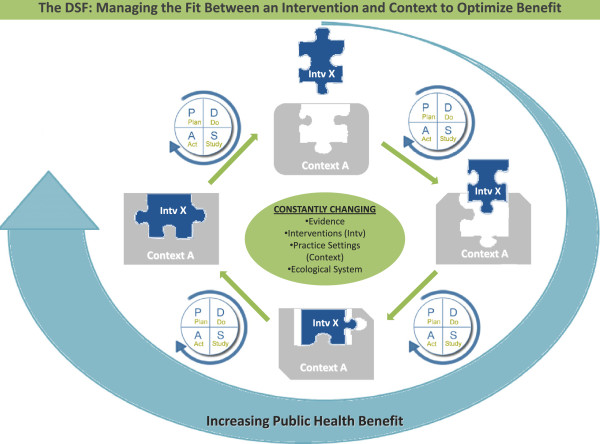
BACKGROUND: Despite growth in implementation research, limited scientific attention has focused on understanding and improving sustainability of health interventions. Models of sustainability have been evolving to reflect challenges in the fit between intervention and context. DISCUSSION: We examine the development of concepts of sustainability, and respond to two frequent assumptions -'voltage drop,' whereby interventions are expected to yield lower benefits as they move from efficacy to effectiveness to implementation and sustainability, and 'program drift,' whereby deviation from manualized protocols is assumed to decrease benefit. We posit that these assumptions limit opportunities to improve care, and instead argue for understanding the changing context of healthcare to continuously refine and improve interventions as they are sustained. Sustainability has evolved from being considered as the endgame of a translational research process to a suggested 'adaptation phase' that integrates and institutionalizes interventions within local organizational and cultural contexts. These recent approaches locate sustainability in the implementation phase of knowledge transfer, but still do not address intervention improvement as a central theme. We propose a Dynamic Sustainability Framework that involves: continued learning and problem solving, ongoing adaptation of interventions with a primary focus on fit between interventions and multi-level contexts, and expectations for ongoing improvement as opposed to diminishing outcomes over time. SUMMARY: A Dynamic Sustainability Framework provides a foundation for research, policy and practice that supports development and testing of falsifiable hypotheses and continued learning to advance the implementation, transportability and impact of health services research.
Overview
The claims and statistics of this paper haven’t been checked yet.
Free: it reads the open-access text and checks the first 5 claims that cite a source we can check. Create a free account to check every claim.
Integrity signals
Registry
Cites
Statistics
Figures
Verification
Claims the paper makes
The claims and statistics of this paper haven’t been checked yet.
Free: it reads the open-access text and checks the first 5 claims that cite a source we can check. Create a free account to check every claim.
Claims other papers make about this one
Each is checked against this paper’s own text: does it say what the citing paper says it does?
The source backs part of the claim, not all of it — or backs it for a different population, condition or comparison.
In the citing paper
“Internal organizational supports include champion roles, leadership, resources, policies and procedures, and expert support (ie, coaching).”
From Successful Organizational Strategies to Sustain Use of A-CHESS: A Mobile Intervention for Individuals With Alcohol Use Disorders (2015) · cites this paper as [32]
Experimental — accuracy not yet measuredThe source backs part of the claim, not all of it — or backs it for a different population, condition or comparison.
In the citing paper
“However, modifications that remove key elements of an intervention, or fail to align with population needs, may be less effective [7, 11–14].”
From The FRAME: an expanded framework for reporting adaptations and modifications to evidence-based interventions (2019) · cites this paper as [7]
Experimental — accuracy not yet measuredThe cited source says what the claim attributes to it.
In the citing paper
“the failure of most implementation processes to incorporate ongoing, iterative intervention development increases the risk that local users will find new technologies to be low on key implementation outcomes such as acceptability, feasibility, and appropriateness (Proctor et al., 2011) and may limit effectiveness (Chambers et al., 2013)”
From User‐centered design for psychosocial intervention development and implementation. (2016) · cites this paper as Chambers et al., 2013
The cited source says what the claim attributes to it.
In the citing paper
“ongoing adjustment and evaluation of EBT to ensure that a program is response to the local context provides an opportunity to increase intervention effectiveness over time (Aarons et al., 2012; Chambers et al., 2013)”
From User‐centered design for psychosocial intervention development and implementation. (2016) · cites this paper as Chambers et al., 2013
The cited source says what the claim attributes to it.
In the citing paper
“EBT are typically disseminated as static tools to be used only as directed by developers, rather than products to be improved over time (Chambers, Glasgow, & Stange, 2013)”
From User‐centered design for psychosocial intervention development and implementation. (2016) · cites this paper as Chambers, Glasgow, & Stange, 2013
25 more claims about this paper
Create a free account to see every claim other papers make about this one.
Self-check
Percentages, sums and reported differences re-computed from the paper’s own numbers.
The self-check needs the paper’s full text.
Citations
Cites
DiMaggio, P. J., & Powell, W. W. (1983) · American Sociological Review · doi:10.2307/2095101 · Cited by 38,435
DiMaggio, P. J., & Powell, W. W. (2004) · Advances in Strategic Management · doi:10.1016/s0742-3322(00)17011-1 · Cited by 25,802
Damschroder, L. J., Aron, D. C., Keith, R. E., Kirsh, S. R., Alexander, J. A., & Lowery, J. C. (2009) · Implementation Science · doi:10.1186/1748-5908-4-50 · Cited by 14,496 · cited 3×
“Brownson RC, Colditz GA, Proctor EK: Dissemination and Implementation Research in Health.”
MethodInfluentialDeveloping and evaluating complex interventions: the new Medical Research Council guidance
Craig, P., Dieppe, P., Macintyre, S., Michie, S., Nazareth, I., & Petticrew, M. (2008) · BMJ · doi:10.1136/bmj.a1655 · Cited by 10,995 · cited 1×
“A linear approach may be particularly challenging to apply to complex, multi-component interventions, psychosocial treatments, treatment of the growing number of people with multimorbid conditions [14,15], and systemic approaches to care [15].”
BackgroundDiMaggio, P. (1983) · American Sociological Review · Cited by 9,078
Diffusion of Innovations in Service Organizations: Systematic Review and Recommendations
GREENHALGH, T., ROBERT, G., MACFARLANE, F., BATE, P., & KYRIAKIDOU, O. (2004) · The Milbank Quarterly · doi:10.1111/j.0887-378x.2004.00325.x · Cited by 7,448 · cited 1×
“As implementation science has grown [1,2], researchers have advanced from study of facilitators and barriers that influence uptake of effective programs and policies to investigations of strategies to improve uptake.”
BackgroundSelf-management education: History, definition, outcomes, and mechanisms
Lorig, K. R., & Holman, H. R. (2003) · Annals of Behavioral Medicine · doi:10.1207/s15324796abm2601_01 · Cited by 4,094 · cited 1×
“The context both within an organization and in the broader ecological system is constantly changing, and requires a ‘learning organization’ [52] to engage in problem-solving capacity at multiple levels [53].”
BackgroundAdvancing a Conceptual Model of Evidence-Based Practice Implementation in Public Service Sectors
Aarons, G. A., Hurlburt, M., & Horwitz, S. M. (2011) · Administration and Policy in Mental Health and Mental Health Services Research · doi:10.1007/s10488-010-0327-7 · Cited by 3,240 · cited 1×
“Sustainment The continued use of an intervention within practice [10].”
BackgroundOrganizing Care for Patients with Chronic Illness
Wagner, E. H., Austin, B. T., & Korff, M. V. (1996) · The Milbank Quarterly · doi:10.2307/3350391 · Cited by 2,877 · cited 1×
“Perhaps an even greater benefit to practice would come through pooling of data across a larger set of sites, practitioners and patients, something done with success for chronic disease [55,56].”
BackgroundThe challenge of complexity in health care
Plsek, P. E., & Greenhalgh, T. (2001) · BMJ · doi:10.1136/bmj.323.7313.625 · Cited by 2,578 · cited 1×
“These include Wandersman’s Getting to Outcomes model [31], Continuous Quality Improvement (CQI) [34], system dynamics [35], complexity theory [36], adaptive management [37], and the Evidence Integration Triangle [30].”
Method
Research works printed but not linked: 5
- Brownson RC Colditz GA Proctor EK Dissemination and Implementation Research in Health 2012 New York: OUP
- Wandersman A Imm P Chinman M Getting to Outcomes: Methods and tools for planning, evaluation and accountability 1999 Rockville, MD: Center for Substance Abuse Prevention
- Bughlin J Chui M Johnson B The next step in open innovation The McKinsey Quarterly 2012 http://www.mckinseyquarterly.com/next_step_in_open_innovation_2155. Accessed
- Institute of Medicine A foundation for evidence-driven practice: A rapid learning system for cancer care 2010 Workshop Summary. Washington, D.C: NAS Press 25032381
- PatientsLikeMe PatientsLikeMe website 2012 http://patientslikeme.com. Accessed March 15, 2012
Cited by
Items 401–500 of 1,006
Leadbeater, B. J. R., Dishion, T. J., Sandler, I. N., Bradshaw, C. P., Dodge, K. A., Gottfredson, D. C., Graham, P., Johnson, S. L., Maldonado‐Molina, M. M., Mauricio, A. M., et al. (2018) · Prevention Science · doi:10.1007/s11121-018-0912-7 · Cited by 26
“In the course of implementation and scale-up activities, adaptation is the rule rather than the exception (see Chambers et al. 2013).”
BackgroundLeFevre, A. E., Shah, N., Scott, K., Chamberlain, S., Ummer, O., Bashingwa, J. J. H., Chakraborty, A., Godfrey, A., Dutt, P., Ved, R. R., et al. (2022) · BMJ Global Health · doi:10.1136/bmjgh-2022-008838 · Cited by 33
“NS inputted on the study tools, supported data monitoring of the field work, conducted the data analysis, helped to draft the data tables and edited the manuscript.”
Wray, T. B., Kemp, J. J., & Larsen, M. A. (2023) · Cognitive Behaviour Therapy · doi:10.1080/16506073.2023.2229017 · Cited by 25
“…drift,” which involves a tendency for a treatment to show more limited benefits as therapists deliver it in the real world and deviate from its essential components, is also frequently a challenge to real-world delivery of standardized treatments (Chambers et al., 2013; Waller & Turner, 2016).”
BackgroundMiyamoto, S., Thiede, E., Wright, E. N., Berish, D., Perkins, D. F., Bittner, C., Dorn, L., & Scanlon, D. (2021) · Journal of Forensic Nursing · doi:10.1097/jfn.0000000000000337 · Cited by 25
The challenge of building (real) state capability for implementation
Andrews, M., Pritchett, L. H., & Woolcock, M. J. V. (2017) · Oxford University Press eBooks · doi:10.1093/acprof:oso/9780198747482.003.0007 · Cited by 25
Nwaozuru, U., Murphy, P., Richard, A., Obiezu‐Umeh, C., Shato, T., Obionu, I. M., Gbaja-Biamila, T. A., Oladele, D. A., Mason, S., Takenaka, B. P., et al. (2025) · Implementation Science Communications · doi:10.1186/s43058-025-00716-x · Cited by 31
“Furthermore, published studies have highlighted the need for more evidence on a consistent measure of sustainability and how to improve the sustainability of health interventions [2, 17].”
Looking like a state: The seduction of isomorphic mimicry
Andrews, M., Pritchett, L. H., & Woolcock, M. J. V. (2017) · Oxford University Press eBooks · doi:10.1093/acprof:oso/9780198747482.003.0003 · Cited by 35
Morgan, P. J., Rayward, A. T., Young, M. D., Pollock, E. R., Eather, N., Barnes, A. T., Kennedy, S.-L., Saunders, K. L., Drew, R. J., & Lubans, D. R. (2021) · Annals of Behavioral Medicine · doi:10.1093/abm/kaab056 · Cited by 27
“This concept involves deviation from the original intended protocols to accommodate a different context and often leads to a “voltage drop” in intervention outcomes [23, 24].”
BackgroundHall, T., Goldfeld, S. R., Loftus, H., Honisett, S., Liu, H., de Souza, D., Bailey, C., Reupert, A., Yap, M. B. H., Eapen, V., et al. (2022) · BMJ Open · doi:10.1136/bmjopen-2021-055431 · Cited by 26
Middleton, S., Dale, S., McElduff, B., Coughlan, K., McInnes, E., Mikulík, R., Fischer, T., van der Merwe, J., Cadilhac, D. A.-M., D’Este, C. A., et al. (2023) · European Stroke Journal · doi:10.1177/23969873221126027 · Cited by 28
Wippold, G. M., Frary, S. G., Garcia, K. A., & Wilson, D. K. (2023) · Health Psychology · doi:10.1037/hea0001294 · Cited by 28
Towards a Scalable Architecture for Smart Villages: The Discovery Phase
Murty, V. K., & Shankar, S. S. (2020) · Sustainability · doi:10.3390/su12187580 · Cited by 29
Family care map: Sustaining family-centered care in Polytrauma Rehabilitation Centers
Ford, J. H., Wise, M., Krahn, D., Oliver, K. A., Hall, C., & Sayer, N. (2014) · Journal of Rehabilitation Research and Development · doi:10.1682/jrrd.2014.03.0066 · Cited by 24
“Research indicates that ongoing measurement and feedback or issues associated with measuring the effect of change serve as both facilitators and barriers to sustainability of change in a quality improvement collaborative [16,31–36].”
InfluentialBoudreaux, E. D., Haskins, B. L., Larkin, C., Pelletier, L., Johnson, S. A., Stanley, B., Brown, G., Mattocks, K., & Ma, Y. (2020) · Contemporary Clinical Trials · doi:10.1016/j.cct.2020.106075 · Cited by 24
“Healthcare services researchers have advanced understanding of how to implement evidencebased practices into routine clinical practice; however, as Chambers and colleagues [13] and others [14–16] have stated, less is known about the long-term maintenance of these improvements.”
BackgroundTerrana, A., Viglione, C., Rhee, K., Rabin, B., Godino, J., Aarons, G. A., Chapman, J., Melendrez, B., Holguin, M., Osorio, L., et al. (2024) · Frontiers in Health Services · doi:10.3389/frhs.2023.1281690 · Cited by 24
Rahman, A., Malik, A., Nazir, H., Zaidi, A., Nisar, A., Waqas, A., Atif, N., Gibbs, N., Luo, Y., Sikander, S., et al. (2025) · Nature Medicine · doi:10.1038/s41591-025-03655-1 · Cited by 30
“…described by implementation scientists as a ‘voltage-drop’—that is, the intervention loses some degree of its potency or fidelity when moving from efficacy to effectiveness in the real world—and ‘program drift’—that is, the intervention deviates from its manualized or implementation protocols 10 .”
Busetto, L. (2016) · International Journal of Integrated Care · doi:10.5334/ijic.2555 · Cited by 29
Siu, A. L., Zimbroff, R. M., Federman, A. D., DeCherrie, L. V., Garrido, M. M., Morano, B., Lubetsky, S., Catalan, E., & Leff, B. A. (2019) · BMC Health Services Research · doi:10.1186/s12913-019-4063-8 · Cited by 26
Dagne, A. H., & Tebeje, H. D. (2021) · Reproductive Health · doi:10.1186/s12978-021-01095-x · Cited by 25
Beck, A. K., Baker, A., Carter, G. L., Robinson, L. D., McCarter, K. L., Wratten, C., Bauer, J. D., Wolfenden, L., & Britton, B. (2021) · Implementation Science · doi:10.1186/s13012-021-01118-y · Cited by 26
Hamdani, S. U., Huma, Z., Suleman, N., Akhtar, P. S., Nazir, H., Masood, A., Tariq, M., Koukab, A., Salomone, E., Pacione, L. R., et al. (2021) · International Journal of Mental Health Systems · doi:10.1186/s13033-021-00476-w · Cited by 24
“Digital technology in any form (web based platforms, discussion forums, mobile devices) has a potential to deliver parent-mediated interventions [37], especially to scale-up interventions in low resource settings [38] and minimize the risk of reduction in program fidelity and dosage of intervention delivery by non-spe…”
BackgroundTensions and Paradoxes of Scaling Up: A Critical Reflection on Physical Activity Promotion
Koorts, H., Bauman, A. E., Edwards, N. C., Bellew, W., Brown, W. J., Duncan, M. J., Lubans, D. R., Milat, A., Morgan, P. J., Nathan, N., et al. (2022) · International Journal of Environmental Research and Public Health · doi:10.3390/ijerph192114284 · Cited by 25
Millar, M. M., Taft, T., & Weir, C. R. (2022) · BMC Family Practice · doi:10.1186/s12875-022-01898-2 · Cited by 32
“Continued learning, problem solving, and adaptation [68] over time can ensure that interventions designed to improve trial recruitment activities continue to be relevant to the context.”
BackgroundValenta, S., Ribaut, J., Leppla, L., Mielke, J., Teynor, A., Koehly, K., Gerull, S., Grossmann, F. F., Witzig-Brändli, V., Geest, S. D., et al. (2023) · Frontiers in Health Services · doi:10.3389/frhs.2022.977564 · Cited by 29
The Importance of Conducting Practice-oriented Research with Underserved Populations
Fernández‐Álvarez, J., Molinari, G., Kilcullen, R., Delgadillo, J., Drill, R. L., Errázuriz, P., Falkenström, F., Firth, N., O’Shea, A., Paz, C., et al. (2023) · Administration and Policy in Mental Health and Mental Health Services Research · doi:10.1007/s10488-023-01337-z · Cited by 25
“Relying on such funding can also raise questions about the long-term sustainability of empirical efforts and the practical implementation of their findings in clinical routine practice (Chambers et al., 2013; Douglas et al., 2023 ; Youn et al., 2023).”
McKay, V. R., Hoffer, L., Combs, T., & Dolcini, M. M. (2018) · Implementation Science · doi:10.1186/s13012-018-0767-0 · Cited by 26
“Human resources fall within the conceptual domain of organizational capacity, describing the resources available to public health organizations to deliver essential services and improve population health [6, 7].”
BackgroundVerhagen, E. A. L. M., & van Nassau, F. (2019) · Best Practice & Research Clinical Rheumatology · doi:10.1016/j.berh.2019.02.011 · Cited by 30
Gray, S. M., McKay, H. A., Hoy, C. L., Lau, E. Y., Ahn, R., Lusina‐Furst, S., & Sims‐Gould, J. (2020) · Prevention Science · doi:10.1007/s11121-019-01085-3 · Cited by 26
Matlock, D. D., Fukunaga, M. I., Tan, A. S. L., Knoepke, C. E., McNeal, D. M., Mazor, K. M., & Glasgow, R. E. (2020) · MDM Policy & Practice · doi:10.1177/2381468320963070 · Cited by 27
“Local contexts are different, change over time, and need to be addressed with appropriate adaptations to ensure continuing fit with context and culture.(21,22) This is a key tenet of implementation science and contrasts with the usual focus on complete fidelity to the original protocol and all components of the eviden…”
BackgroundSelf-citationA transferable telepsychiatry model for improving access to emergency mental health care
Saurman, E., Johnston, J., Hindman, J., Kirby, S. E., & Lyle, D. M. (2014) · Journal of Telemedicine and Telecare · doi:10.1177/1357633x14552372 · Cited by 28
“The MHEC has been evaluated by assessing its impact on improving access and considerations of context for transferability.(22,23) Findings have been reported elsewhere about usage and service activity, as well as programme reach and efficiency.”
MethodDrahota, A., Meza, R. D., Bustos, T. E., Sridhar, A., Martinez, J. I., Brikho, B., Stahmer, A. C., & Aarons, G. A. (2021) · Administration and Policy in Mental Health and Mental Health Services Research · doi:10.1007/s10488-020-01084-5 · Cited by 24
Muzik, M., Schmicker, M., Alfafara, E. A., Dayton, C. J., Schuster, M., & Rosenblum, K. L. (2014) · Journal of Social Service Research · doi:10.1080/01488376.2014.917451 · Cited by 25
Schilling, S., Mebane, A., & Perreira, K. M. (2021) · Family Process · doi:10.1111/famp.12658 · Cited by 29
Fort, M. P., Mundo, W., Paniagua-Ávila, A., Cardona, S., Figueroa, J. C., Hernández-Galdamez, D. R., Mansilla, K., Peralta-García, A., Roche, D., Palacios, E., et al. (2021) · BMC Health Services Research · doi:10.1186/s12913-021-06889-0 · Cited by 26
Self-citationThe Impact of Advance Care Planning on Healthcare Professionals’ Well-being: A Systematic Review
Souza, L. G., Bouba, D. A., Corôa, R. D. C., Dofara, S. G., Robitaille, V., Blanchette, V., Kastner, K., Bergeron, F., Guay-Bélanger, S., Izumi, S., et al. (2023) · Journal of Pain and Symptom Management · doi:10.1016/j.jpainsymman.2023.09.026 · Cited by 25
Similarities and Differences Between Pragmatic Trials and Hybrid Effectiveness-Implementation Trials
Fortney, J. C., Curran, G. M., Lyon, A. R., Check, D. K., & Flum, D. R. (2024) · Journal of General Internal Medicine · doi:10.1007/s11606-024-08747-1 · Cited by 25
“23 While adaptation (intentional fidelity-consistent changes to the adaptable periphery of the clinic intervention to improve fit, engagement, and effectiveness) 24,25 is encouraged, fidelity-inconsistent deviations to the core intervention components are not.”
Tabak, R. G., Strickland, J. R., Stein, R. I., Dart, H., Colditz, G. A., Kirk, B., Dale, A. M., & Evanoff, B. (2018) · BMC Public Health · doi:10.1186/s12889-018-6176-0 · Cited by 27
“Mapping such changes onto an adaptation framework [56] contributes to the growing implementation science literature [53, 54].”
BackgroundTan, J., Gong, E., Gallis, J. A., Sun, S., Chen, X., Turner, E. L., Luo, S., Duan, J., Li, Z., Wang, Y., et al. (2024) · JAMA Network Open · doi:10.1001/jamanetworkopen.2024.49561 · Cited by 26
Collaborative Care to Improve Access and Quality in School‐Based Behavioral Health
Lyon, A. R., Whitaker, K. M., Richardson, L. P., French, W. P., & McCauley, E. (2019) · Journal of School Health · doi:10.1111/josh.12843 · Cited by 23
Moucheraud, C., Sarma, H., Hà, T. T. T., Ahmed, T., Epstein, A., Glenn, J. D., Hanh, H. H., Huong, T. T., Luies, S. K., Moitry, A. N., et al. (2020) · BMC Public Health · doi:10.1186/s12889-020-09438-2 · Cited by 26
“Still others view the process itself as what defines sustainability [19], or conceptualize sustainability as a complex, non-linear and dynamic system [16, 21, 37].”
BackgroundResultInfluentialHarper, C. C., Comfort, A. B., Blum, M., Rocca, C. H., McCulloch, C. E., Rao, L., Shah, N., Toro, H. O.-D., & Goodman, S. (2020) · Preventive Medicine · doi:10.1016/j.ypmed.2020.106290 · Cited by 25
Hughes, J. M., Zullig, L. L., Choate, A., Decosimo, K. P., Wang, V., Houtven, C. H. V., Allen, K. D., & Hastings, S. N. (2022) · The Gerontologist · doi:10.1093/geront/gnac130 · Cited by 23
“Adaptation is typically encouraged within the process of implementation as doing so can enhance the fit between an intervention or its implementation approach and the target setting (Chambers et al., 2013).”
InfluentialEisman, A. B., Palinkas, L. A., Brown, S., Lundahl, L. H., & Kilbourne, A. M. (2022) · Implementation Research and Practice · doi:10.1177/26334895221124962 · Cited by 28
Identifying barriers to shared decision‐making about bariatric surgery in two large health systems
Arterburn, D. E., Tuzzio, L., Anau, J., Lewis, C. C., Williams, N. A., Courcoulas, A. P., Stilwell, D., Tavakkoli, A., Ahmed, B. H., Wilcox, M. N., et al. (2023) · Obesity · doi:10.1002/oby.23647 · Cited by 23
“Multistakeholder Implementation Resource Teams (IRTs) at KPWA and UPMC followed the EPIS process to identify the core elements and adaptable characteristics [25] of a SDM approach for bariatric surgery.”
MethodImplementation Science and Practice-Oriented Research: Convergence and Complementarity
Youn, S. J., Boswell, J. F., Douglas, S. R., Harris, B. A., Aajmain, S. T., Arnold, K. T., Creed, T. A., Gutner, C. A., Orengo‐Aguayo, R., Oswald, J. M., et al. (2023) · Administration and Policy in Mental Health and Mental Health Services Research · doi:10.1007/s10488-023-01296-5 · Cited by 25
“…by existing implementation frameworks that have been used in previous MBC implementation initiatives (e.g., Lewis et al., 2015; Steinfeld et al., 2015 ); specifically, the Framework for Dissemination (FFD; Mendel et al., 2008) and the Dynamic Sustainability Framework (DSF; Chambers et al., 2013).”
Leveraging Implementation Science in Human-Centred Design for Digital Health
Waddell, A., Seguin, J. P., Wu, L., Stragalinos, P., Wherton, J. P., Watterson, J., Prawira, C. O., Olivier, P. L., Manning, V., Lubman, D. I., et al. (2024) · CHI Conference on Human Factors in Computing Systems · doi:10.1145/3613904.3642161 · Cited by 37
Maxwell, A. E., Danao, L. L., Cayetano, R. T., Crespi, C. M., & Bastani, R. (2015) · Translational Behavioral Medicine · doi:10.1007/s13142-015-0349-5 · Cited by 23
“are expected to yield lower benefits as theymove from efficacy to effectiveness and into real world use” [39].”
BackgroundPromoting development and uptake of health innovations: The Nose to Tail Tool
Gupta, A., Thorpe, C. F., Bhattacharyya, O. K., & Zwarenstein, M. (2016) · F1000Research · doi:10.12688/f1000research.8145.1 · Cited by 35
ReSpAct group, Hoekstra, F., Offenbeek, V. M., Dekker, R., Hettinga, F. J., Hoekstra, T., van der Woude, L. H. V., & van der Schans, C. P. (2017) · Implementation Science · doi:10.1186/s13012-017-0667-8 · Cited by 24
“This finding supports Chamber’s et al. (2013) [42] principle of dynamic program implementation and execution being conditional for sustainability.”
BackgroundResultInfluentialHambrick, E. P., Brawner, T. W., Perry, B. D., Wang, E. Y., Griffin, G., DeMarco, T., Capparelli, C., Grove, T., Maikoetter, M., O’Malley, D., et al. (2018) · Residential Treatment for Children & Youth · doi:10.1080/0886571x.2018.1425651 · Cited by 28
Battaglia, C. T., & Glasgow, R. E. (2018) · Nursing Outlook · doi:10.1016/j.outlook.2018.06.007 · Cited by 30
Self-citationStrehlenert, H., Hansson, J., Nyström, M. E., & Hasson, H. (2019) · BMC Health Services Research · doi:10.1186/s12913-019-4591-2 · Cited by 26
Li, J., Smyth, S. S., Clouser, J. M., McMullen, C. A., Gupta, V. A., & Williams, M. V. (2021) · Medicina · doi:10.3390/medicina57060570 · Cited by 24
“Matching implementation strategies to barriers and facilitators for the use of the syncope guideline and tailoring strategies to local context hold significant promise for a successful implementation[28-30].”
BackgroundSigmarsdóttir, M., Forgatch, M. S., Guðmundsdóttir, E. V., Thorlacius, Ö., Svendsen, G. T., Tjaden, J., & Gewirtz, A. H. (2018) · Journal of Clinical Child & Adolescent Psychology · doi:10.1080/15374416.2018.1466305 · Cited by 26
Karsan, Y., Anderson, C., Boyd, M., & Thornley, T. (2020) · Research in Social and Administrative Pharmacy · doi:10.1016/j.sapharm.2020.08.003 · Cited by 23
Hunter, S. B., Felician, M., Dopp, A. R., Godley, S. H., Pham, C., Bouskill, K., Slaughter, M. E., & Garner, B. R. (2020) · Journal of Substance Abuse Treatment · doi:10.1016/j.jsat.2020.107999 · Cited by 22
Sustained effects of the INFORM cluster randomized trial: an observational post-intervention study
Hoben, M., Ginsburg, L. R., Norton, P., Doupe, M. B., Berta, W. B., Dearing, J. W., Keefe, J. M., & Estabrooks, C. A. (2021) · Implementation Science · doi:10.1186/s13012-021-01151-x · Cited by 26
“determinants of intervention sustainability in terms of multi-level contexts internal and external to host organizations [1, 29], a theme that has long been prevalent in technology transfer and knowledge utilization literatures”
BackgroundResultInfluentialChui, M. A., Berbakov, M. E., Gilson, A. M., Morris, A. O., & Stone, J. A. (2022) · Research in Social and Administrative Pharmacy · doi:10.1016/j.sapharm.2022.06.008 · Cited by 24
Applying concepts from “rapid” and “agile” implementation to advance implementation research
Quanbeck, A., Garza, R. H., & Park, L. (2022) · Implementation Science Communications · doi:10.1186/s43058-022-00366-3 · Cited by 23
Stirman, S. W., Marques, L. M., Creed, T. A., Gutner, C. A., DeRubeis, R. J., Barnett, P. G., Kuhn, E. R., Suvak, M. K., Owen, J. E., Vogt, D. S., et al. (2018) · Implementation Science · doi:10.1186/s13012-018-0756-3 · Cited by 23
“The possibility of “voltage drops” in effectiveness in non-research settings is therefore of great concern to researchers and policymakers [10].”
BackgroundAdapting empirically supported treatments in the era of integrated care: A roadmap for success.
Strosahl, K. D., & Robinson, P. J. (2018) · Clinical Psychology Science and Practice · doi:10.1111/cpsp.12246 · Cited by 24
Nordhagen, S., Thiam, K., & Sow, S. (2019) · Food Security · doi:10.1007/s12571-019-00948-5 · Cited by 24
Becan, J. E., Fisher, J. H., Johnson, I. D., Bartkowski, J. P., Seaver, R., Gardner, S. K., Aarons, G. A., Renfro, T. L., Muiruri, R., Blackwell, L., et al. (2020) · Administration and Policy in Mental Health and Mental Health Services Research · doi:10.1007/s10488-019-01007-z · Cited by 23
“System change requires dynamic adaptation, including changes in leadership, policies, and scientific developments, as well as consideration for the needs of providers and clients (Chambers et al. 2013).”
BackgroundAllchin, B., Goodyear, M. J., O’Hanlon, B., & Weimand, B. M. (2020) · Journal of Psychiatric and Mental Health Nursing · doi:10.1111/jpm.12615 · Cited by 25
Austin, E. E., Blakely, B. D., Salmon, P. M., Braithwaite, J., & Clay‐Williams, R. (2021) · Safety Science · doi:10.1016/j.ssci.2021.105613 · Cited by 21
Rimmer, J. H., Vanderbom, K. A., & Graham, I. D. (2016) · Neurology Report · doi:10.1097/npt.0000000000000124 · Cited by 25
Kakeeto, M., Lundmark, R., Hasson, H., & Schwarz, U. V. T. (2017) · Journal of Evaluation in Clinical Practice · doi:10.1111/jep.12726 · Cited by 21
Supplee, L. H., & Meyer, A. L. (2015) · Prevention Science · doi:10.1007/s11121-015-0590-7 · Cited by 21
“However, there is equal value, from our perspective, in building a culture of continuous improvement with shared responsibility between the communitybased organization, the funder, and the developer of the evidence-based program (Chambers, Glasgow, and Stange 2013; Metz and Albers 2014).”
BackgroundAgulnik, A., Malone, S., Puerto-Torres, M., Gonzalez-Ruiz, A., Vedaraju, Y., Wang, H., Graetz, D., Prewitt, K., Villegas, C., Cardenas-Aguierre, A., et al. (2021) · BMJ Open · doi:10.1136/bmjopen-2021-053116 · Cited by 20
Hall, A., Shoesmith, A., Shelton, R. C., Lane, C., Wolfenden, L., & Nathan, N. (2021) · International Journal of Environmental Research and Public Health · doi:10.3390/ijerph182111414 · Cited by 20
Stirman, S. W., Matza, A., Gamarra, J., Toder, K., Xhezo, R., Evans, A. C., Hurford, M., Beck, A. T., Crits-Christoph, P., & Creed, T. (2015) · Psychiatric Services · doi:10.1176/appi.ps.201400147 · Cited by 20
“Finally, our findings support the recent literature that suggests that understanding interconnections between individual influences is critical to advancing understanding of sustainability in dynamic systems (6,20).”
BackgroundResultMorgan, D., Kosteniuk, J., O’Connell, M. E., Seitz, D., Elliot, V., Bayly, M., Chow, A. F., & Cameron, C. (2022) · BMC Health Services Research · doi:10.1186/s12913-022-07550-0 · Cited by 20
“Although the challenges of implementing and sustaining healthcare innovations are even greater in low-resource settings [12], our research shows that a PHC intervention for dementia is feasible in a sparsely populated rural area and can be sustained if the right conditions and supports are maintained, including team,…”
Backgroundvon Thiele Schwarz, U., Förberg, U., Sundell, K., & Hasson, H. (2018) · BMC Medical Research Methodology · doi:10.1186/s12874-018-0496-8 · Cited by 20
“In line with these findings, several researchers argue that adaptations are necessary at all steps of the research-to-practice pathway [21, 22].”
ResultWhite, S. W., Conner, C. M., Beck, K. B., & Mazefsky, C. A. (2021) · Evidence-Based Practice in Child and Adolescent Mental Health · doi:10.1080/23794925.2020.1796551 · Cited by 20
“However, there may be an even greater lag in the implementation of EBI for youth with ASD, stemming from autism historically being more of a specialty area of clinical training given the complexity of patient needs.”
BackgroundInfluentialMohr, D. C., Silverman, A. L., Youn, S. J., Areán, P. A., Bertagnolli, A., Carl, J. R., Carlton, T., Chaudhary, N., Cooper, D. E., DeVito, S., et al. (2025) · Frontiers in Digital Health · doi:10.3389/fdgth.2025.1509387 · Cited by 23
Taylor, C., Harris, J., Stenner, K. L., Sevdalis, N., & Green, J. S. A. (2021) · Cancer Medicine · doi:10.1002/cam4.3719 · Cited by 23
MacDonald, J. R., Doyle, L. A., Moore, J. L., & Rafferty, M. R. (2021) · Implementation Science Communications · doi:10.1186/s43058-021-00205-x · Cited by 21
“Methods: Sustainability of implementation strategies was addressed using the Dynamic Sustainability Framework and sustainability assessment tools.”
InfluentialDopp, A. R., Gilbert, M., Silovsky, J. F., Ringel, J. S., Schmidt, S. R., Funderburk, B. W., Jorgensen, A. G., Powell, B. J., Luke, D. A., Mandell, D. S., et al. (2022) · Implementation Science Communications · doi:10.1186/s43058-021-00234-6 · Cited by 22
“Strategic planning to support EBT sustainment The underlying premise of the fiscal mapping process is that the financial sustainment of EBT delivery requires youth mental health service agencies (hereafter, “service agencies”) to collaborate with their stakeholder partners [39–41] in order to navigate the complex, mul…”
BackgroundStandardizing variation: Scaling up clinical genomics in Australia
Best, S., Long, J. C., Braithwaite, J., & Taylor, N. J. (2022) · Genetics in Medicine · doi:10.1016/j.gim.2022.01.004 · Cited by 23
In Search of the Common Elements of Clinical Supervision: A Systematic Review
Choy-Brown, M., Baslock, D. M., Cable, C., Marsalis, S. E., & Williams, N. J. (2022) · Administration and Policy in Mental Health and Mental Health Services Research · doi:10.1007/s10488-022-01188-0 · Cited by 30
“The so-called ‘voltage drop’ in the magnitude of treatment effects of an EBT when tested in effectiveness trials and later implemented in community settings has been attributed to implementation strategy failures and poor fit within contexts (Chambers et al., 2013).”
BackgroundSmith, M. J., Sherwood, K. L., Ross, B., Oulvey, E. A., Monahan, J. A., Sipovic, J. E., Atkins, M. S., Danielson, E. C., Jordan, N., & Smith, J. D. (2022) · Career Development and Transition for Exceptional Individuals · doi:10.1177/21651434221081273 · Cited by 21
“We recommended that teachers use a flexible strategy to adapt their implementation, when necessary, which is consistent with current perspectives from the field of implementation science and often necessary for sustainability (Chambers et al., 2013).”
MethodModification of the Individual Placement and Support Model of Supported Employment
Drake, R. E., Bond, G. R., & Mascayano, F. (2023) · Psychiatric Services · doi:10.1176/appi.ps.20220484 · Cited by 20
Glass, J. E., Dorsey, C. N., Beatty, T. C., Bobb, J. F., Wong, E. S., Palazzo, L. G., King, D., Mogk, J. M., Stefanik-Guizlo, K., Idu, A., et al. (2023) · Implementation Science · doi:10.1186/s13012-022-01258-9 · Cited by 20
“must seek to “maximize fit” by iteratively monitoring, recording, and adapting to changes over time to increase the likelihood of reach and sustainment [84].”
BackgroundMethodGeoffrion, S., Leduc, M.-P., Bourgouin, E., Bellemare, F., Arenzon, V., & Genest, C. (2023) · Frontiers in Psychology · doi:10.3389/fpsyg.2023.1149597 · Cited by 29
“These recommendations are congruent with the Dynamic Sustainability Framework (DSF), which was developed for the implementation of health interventions in organizations (Chambers et al., 2013), as well as the current literature on PFA’s implementation in organizations.”
MethodDombrowski, J. C., Ramchandani, M. S., & Golden, M. R. (2023) · Clinical Infectious Diseases · doi:10.1093/cid/ciad202 · Cited by 20
Mudge, A., McRae, P., Young, A., Blackberry, I., Lee‐Steere, K., Barrimore, S. E., Quirke, T., & Harvey, G. (2023) · BMC Health Services Research · doi:10.1186/s12913-023-09659-2 · Cited by 22
“Sustaining this complex program will require continuing skilled facilitation and regular reassessment of context, to allow dynamic adaptation to changes in personnel, resources, leadership and organisational priorities [45].”
BackgroundHawkes, R. E., Miles, L. M., Ainsworth, B., Ross, J., Meacock, R., & French, D. (2023) · Internet Interventions · doi:10.1016/j.invent.2023.100647 · Cited by 23
“It is widely acknowledged that many interventions are less effective in routine practice than in randomised trials (i.e. “ voltage drop ” (Chambers et al., 2013)), at least partly because people enrolled in trials tend to be highly motivated and hence may engage more than people who receive…”
BackgroundBuccini, G., Gubert, M. B., Palmeira, P. D. A., Godoi, L. P. D. S., dos Santos, L. D., Esteves, G., Venâncio, S. I., & Pérez‐Escamilla, R. (2024) · The Lancet Regional Health - Americas · doi:10.1016/j.lana.2023.100665 · Cited by 32
“The fi delity-inconsistent modi fi cations implemented to sustain the program during the pandemic negatively affected the PCF dosage, content, and relationships, creating a strong loss of program “ voltage ” , 22,39 which may explain the reported lack of PCF impact on ECD outcomes.”
BackgroundPanattoni, L. E., Hurlimann, L., Wilson, C., Durbin, M., & Tai‐Seale, M. (2017) · BMC Health Services Research · doi:10.1186/s12913-017-2240-1 · Cited by 27
Croyden, D., Vidgen, H. A., Esdaile, E. K., Hernandez, E., Magarey, A., Moores, C. J., & Daniels, L. (2018) · BMC Public Health · doi:10.1186/s12889-018-5237-8 · Cited by 20
“The Dynamic Sustainability Framework (DSF) highlights that sustained implementation requires an acknowledgement of and response to the ongoing state of change in health care systems [26].”
BackgroundCan Evidence-Based Policy Ameliorate the Nation’s Social Problems?
Knox, V., Hill, C. J., & Berlin, G. (2018) · The Annals of the American Academy of Political and Social Science · doi:10.1177/0002716218769844 · Cited by 21
“Initiatives under the umbrella of “implementation science” have focused on how evidence-based policy interventions are disseminated, implemented, and adapted over time (Fixsen et al. 2005; Supplee and Metz 2015; Chambers, Glasgow, and Stange 2013).”
BackgroundWalker, A., Boaz, A., Gibney, A., Zambelli, Z., & Hurley, M. (2020) · Implementation Science Communications · doi:10.1186/s43058-020-00032-6 · Cited by 20
Simione, M., Frost, H. M., Cournoyer, R. N., Mini, F. N., Cassidy, J., Craddock, C., Moreland, J., Wallace, J., Metlay, J. P., Kistin, C. J., et al. (2020) · Implementation Science Communications · doi:10.1186/s43058-020-00047-z · Cited by 21
“CFIR-informed assessments in the preimplementation phase may then result in program adaptations to suit implementation contexts, ultimately improving program effectiveness and sustainability [12, 13].”
BackgroundMa, J., Hogan, M., Eyre, E. L. J., Lander, N., Barnett, L. M., & Duncan, M. J. (2020) · Journal of Sports Sciences · doi:10.1080/02640414.2020.1841395 · Cited by 21
“The challenges of planning for implementation and sustainability are grounded in complex interactions between interventions, practice settings, and a broader ecological system (Chambers et al., 2013).”
BackgroundIwelunmor, J., Gyamfi, J., Plange‐Rhule, J., Blackstone, S. R., Quakyi, N. K., Ntim, M., Zizi, F., Yeboah-Awudzi, K., Nang‐Beifubah, A., & Ogedegbe, G. G. (2017) · BMC Public Health · doi:10.1186/s12889-017-4127-9 · Cited by 24
“, also noted that sustaining implementation of task-shifting strategies like the TASSH program will require continuous engagement of key stakeholders throughout the planning, implementation and dissemination processes so as to increase the fit between the intervention and the local context [34].”
BackgroundWith Scale in Mind: A Continuous Improvement Model for Implementation
Redding, C., Cannata, M. A., & Haynes, K. T. (2017) · Peabody Journal of Education · doi:10.1080/0161956x.2017.1368635 · Cited by 26
Rabin, B. A., Cain, K. L., & Glasgow, R. E. (2024) · Annual Review of Public Health · doi:10.1146/annurev-publhealth-071321-041652 · Cited by 25
Self-citationCapio, C. M., & Eguia, K. F. (2021) · SAGE Open · doi:10.1177/21582440211030603 · Cited by 23
“The premise of implementations is that programs are successful when they are tailored to suit local contexts (Chambers et al., 2013).”
BackgroundCouturier, J. L., Pellegrini, D., Grennan, L., Nicula, M., Miller, C., Agar, P., Webb, C., Anderson, K. E., Barwick, M. A., Dimitropoulos, G., et al. (2022) · Journal of Eating Disorders · doi:10.1186/s40337-022-00631-9 · Cited by 24
Hatzikiriakidis, K., Ayton, D., O’Connor, A., Callaway, L., Carmody, S., Skouteris, H., & Green, R. (2023) · Disability and health journal · doi:10.1016/j.dhjo.2023.101442 · Cited by 23
Metadata
- Authors
- Chambers, D. A., Glasgow, R. E., & Stange, K. C.
- Affiliations
- National Institute of Mental Health (US)
- University of Colorado Anschutz (US)
- Case Western Reserve University (US)
- Corresponding author
- Chambers, David A
- Venue
- Implementation Science
- Published
- 2013-10-02
- Volume
- 8
- Issue
- 1
- Pages
- 117-117
- ISSN
- 1748-5908 (ISSN-L)
- PMC
- PMC3852739
- OpenAlex
- W2111534125
- Cited by
- 1,724
- References
- 62
- Citations by year
- 2026: 150 · 2025: 164 · 2024: 205 · 2023: 221 · 2022: 188 · 2021: 214 · 2020: 165 · 2019: 114 · 2018: 90 · 2017: 79 · 2016: 46 · 2015: 64 · 2014: 20
- FWCI
- 77.44
- Type
- journal article
- Language
- en
- Open access
- gold
- doi.org
- Licence
- Locations
- Implementation Science (publishedVersion, cc-by)
- Europe PMC (PubMed Central) (publishedVersion, cc-by)
- PubMed Central (publishedVersion, cc-by)
- PubMed (publishedVersion)
- Scholarly Commons @ Case Western Reserve University (submittedVersion, cc-by)
- Topics
- Health Sciences › Health Professions › General Health Professions › Health Policy Implementation Science
- Health Sciences › Health Professions › General Health Professions › Health Sciences Research and Education
- Social Sciences › Public Administration › Evaluation and Performance Assessment
- Keywords
- intervention sustainability, voltage drop, intervention adaptation, knowledge transfer, implementation research, health services research
- MeSH terms
- Concept Formation, Diffusion of Innovation, Organizational Innovation, United States, Program Evaluation, Program Development, Evidence-Based Practice
About these checks
Registry, retraction, Cites and statistics results are computed, not judged, with one exception: a printed reference that no index lists is read once by a model before it counts as a citation error. Claims are extracted by a model and kept only when their quote appears verbatim in the text; each cited source is then checked, with a model’s help, for whether it says what the claim relies on. Those verdicts can be wrong — read the claim’s quote and the cited source before relying on one.
Statistics and arithmetic are recomputed, not judged.
Confidence bands are shown only for fields calibrated on our annotated test set. None is calibrated yet, so no band is shown.
What counts as a claim ›How we measure confidence ›How we check this ›
Are you an author, or do you see a problem with this page? Request a review
Data sources
Bibliographic data: Semantic Scholar, OpenAlex, Crossref.
Contains information from the Semantic Scholar Academic Graph Datasets, made available under the ODC Attribution License (ODC-BY 1.0).
Semantic Scholar’s data is described in: Kinney, R., et al. (2023). The Semantic Scholar Open Data Platform. arXiv:2301.10140.
