

Quantifying similarity between motifs
Open accessThe DOI matches its Crossref record; 25 of the 25 references it cites were found in a registry or an index.
Abstract
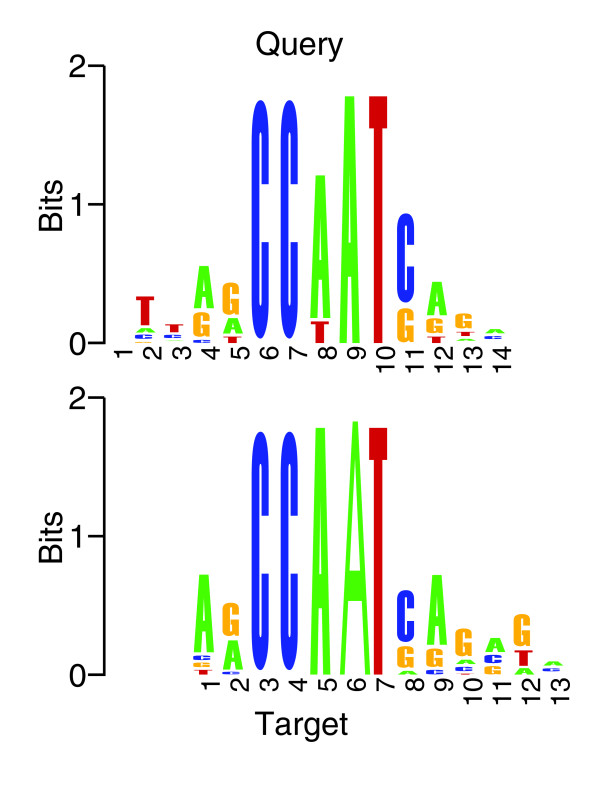
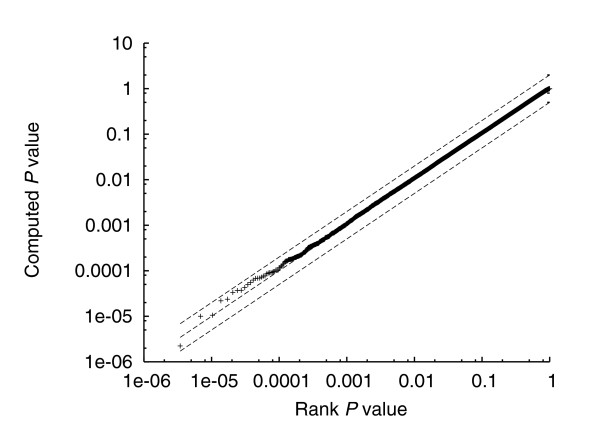
A common question within the context of de novo motif discovery is whether a newly discovered, putative motif resembles any previously discovered motif in an existing database. To answer this question, we define a statistical measure of motif-motif similarity, and we describe an algorithm, called Tomtom, for searching a database of motifs with a given query motif. Experimental simulations demonstrate the accuracy of Tomtom's E values and its effectiveness in finding similar motifs.
Overview
The claims and statistics of this paper haven’t been checked yet.
Free: it reads the open-access text and checks the first 5 claims that cite a source we can check. Create a free account to check every claim.
Integrity signals
Registry
Cites
Statistics
Figures
Verification
Claims the paper makes
The claims and statistics of this paper haven’t been checked yet.
Free: it reads the open-access text and checks the first 5 claims that cite a source we can check. Create a free account to check every claim.
Claims other papers make about this one
Each is checked against this paper’s own text: does it say what the citing paper says it does?
The cited source says what the claim attributes to it.
In the citing paper
“with four examples shown in Fig. 3B, the first two having a significant match in PlantTFDB (20) [with q-value <0.05 in Tomtom (38)].”
From DNA language models are powerful predictors of genome-wide variant effects (2023) · cites this paper as [38]
The check wasn’t confident either way, so it gives no verdict — never disputed.
In the citing paper
“The shared STAT3 bound regions were annotated with the nearest gene by 'annotatePeaks' from HOMER v4.10 (Gupta et al., 2007), yielding 475 unique genes.”
From CDK8 fine-tunes IL-6 transcriptional activities by limiting STAT3 resident time at the gene loci (2020) · cites this paper as Gupta et al., 2007
Experimental — accuracy not yet measured
Self-check
Percentages, sums and reported differences re-computed from the paper’s own numbers.
The self-check needs the paper’s full text.
Citations
Cites
The meaning and use of the area under a receiver operating characteristic (ROC) curve.
Hanley, J. A., & McNeil, B. J. (1982) · Radiology · doi:10.1148/radiology.143.1.7063747 · Cited by 21,856 · cited 1×
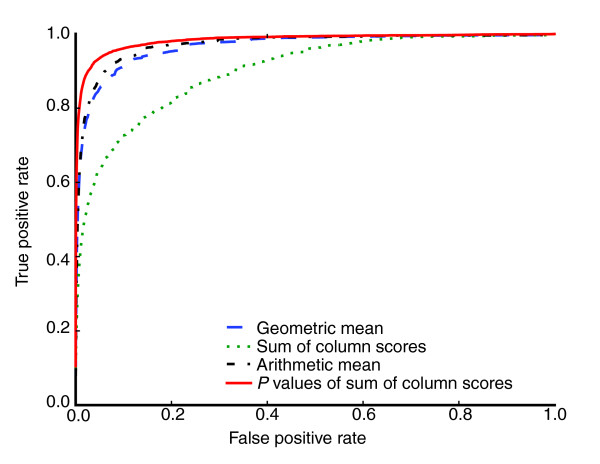
“From this ranked list, we compute a receiver operating characteristic (ROC) curve [23], which plots the percentage of positive pairs as a function of the percentage of negative pairs as we traverse the ranked list.”
WebLogo: A Sequence Logo Generator: Figure 1
Crooks, G. E., Hon, G., Chandonia, J.-M., & Brenner, S. E. (2004) · Genome Research · doi:10.1101/gr.849004 · Cited by 12,386
Fitting a mixture model by expectation maximization to discover motifs in biopolymers.
Bailey, T. L., & Elkan, C. (1994) · PubMed · Cited by 5,806
Self-citationJASPAR: an open-access database for eukaryotic transcription factor binding profiles
Sandelin, A. (2004) · Nucleic Acids Research · doi:10.1093/nar/gkh012 · Cited by 1,790
Regulation of Inducible and Tissue-Specific Gene Expression
Maniatis, T., Goodbourn, S., & Fischer, J. A. (1987) · Science · doi:10.1126/science.3296191 · Cited by 1,554 · cited 1×
“For example, the regulation of transcription requires sequence-specific binding of transcription factors to certain cis-acting motifs, which typically are located upstream of transcriptional start sites [1].”
Assembly of Cell Regulatory Systems Through Protein Interaction Domains
Pawson, T., & Nash, P. (2003) · Science · doi:10.1126/science.1083653 · Cited by 1,422
Assessing computational tools for the discovery of transcription factor binding sites
Tompa, M., Li, N., Bailey, T. L., Church, G. M., De Moor, B., Eskin, E., Favorov, A. V., Frith, M. C., Fu, Y., Kent, W. J., et al. (2005) · Nature Biotechnology · doi:10.1038/nbt1053 · Cited by 1,268 · cited 1×
“A wide variety of statistical methods have been developed to identify sequence motifs in an unsupervised manner from collections of functionally related sequences [3].”
Self-citationTRANSFAC: an integrated system for gene expression regulation
Wingender, E. (2000) · Nucleic Acids Research · doi:10.1093/nar/28.1.316 · Cited by 1,239 · cited 3×
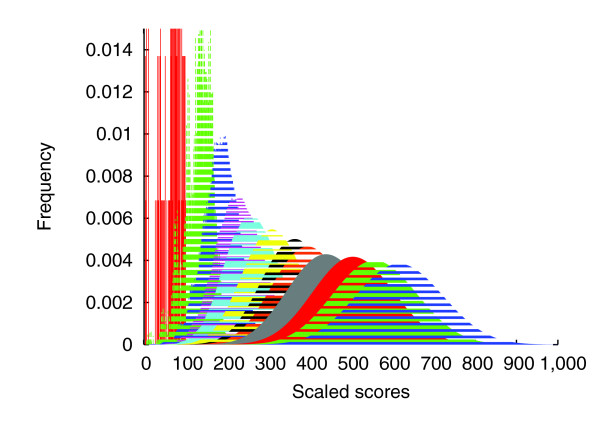
“The figure shows a set of PDFs for a particular query motif of length 12, computed relative to the TRANSFAC database.”
InfluentialA Survey of Exact Inference for Contingency Tables
Agresti, A. (1992) · Statistical Science · doi:10.1214/ss/1177011454 · Cited by 1,097
Hughes, J. D., Estep, P. W., Tavazoie, S., & Church, G. M. (2000) · Journal of Molecular Biology · doi:10.1006/jmbi.2000.3519 · Cited by 1,010
Cited by
Items 901–1,000 of 1,013
Sanosaka, T., Okuno, H., Mizota, N., Andoh-Noda, T., Sato, M., Tomooka, R., Banno, S., Kohyama, J., & Okano, H. (2022) · Scientific Reports · doi:10.1038/s41598-022-27293-6 · Cited by 18
A Discriminative Approach for Unsupervised Clustering of DNA Sequence Motifs
Stegmaier, P., Kel, A. E., Wingender, E., & Borlak, J. T. (2013) · PLoS Computational Biology · doi:10.1371/journal.pcbi.1002958 · Cited by 18
“By now, many tools are available for motif comparison and clustering such as MatCompare [8], STAMP [6,9], T-Reg Comparator [10], MATLIGN [11], Tomtom [12], Mosta [13], or KFV [14].”
BackgroundMethodInfluentialDePaoli, H. C., Goldman, G. H., & Goldman, M. H. S. (2012) · Plant Signaling & Behavior · doi:10.4161/psb.7.1.18525 · Cited by 18
σ54-dependent regulome in Desulfovibrio vulgaris Hildenborough
Kazakov, A. E., Rajeev, L., Chen, A. Y.-C., Luning, E. G., Dubchak, I. L., Mukhopadhyay, A., & Novichkov, P. S. (2015) · BMC Genomics · doi:10.1186/s12864-015-2176-y · Cited by 18
“All the identified TF binding motifs were compared by TOMTOM [21], since similarity of motifs could suggest a cross-regulation between different EBPs.”
BackgroundKroetz, M. B., & Zarkower, D. A. (2015) · G3 Genes Genomes Genetics · doi:10.1534/g3.115.022517 · Cited by 18
“(P values of, 0.01 and 0.001 are indicated by and , respectively).”
BackgroundMethodInfluentialBalçık-Erçin, P., Çetįn, M., Camcı, İ. Y., Odabas, G., Tokay, N., Sayan, E., & Yağcı, T. (2018) · Cellular Oncology · doi:10.1007/s13402-018-0375-7 · Cited by 18
“0) was used for the identification of ZEB2 binding motifs within ± 200 bp of the peak maxima [33].”
MethodKSHV lytic proteins K-RTA and K8 bind to cellular and viral chromatin to modulate gene expression
Kaul, R., Purushothaman, P., Uppal, T., & Verma, S. C. (2019) · PLoS ONE · doi:10.1371/journal.pone.0215394 · Cited by 18
EDeepSSP: Explainable deep neural networks for exact splice sites prediction
Amilpur, S., & Bhukya, R. (2020) · Journal of Bioinformatics and Computational Biology · doi:10.1142/s0219720020500249 · Cited by 18
The brain neurovascular epigenome and its association with dementia
Ziegler, K. C., Askarova, A., Gergian, C., Yaa, R. M., van Dalen, J. D., Transfeld, J. L., Zoppi, F., Du, J., Clode, D., Rahbar, F., et al. (2025) · Neuron · doi:10.1016/j.neuron.2025.10.001 · Cited by 17
Wang, C., Zong, X., Wu, F., Leung, R. W. T., Hu, Y., & Qin, J. (2022) · Frontiers in Molecular Biosciences · doi:10.3389/fmolb.2022.920492 · Cited by 17
“RNA-binding motifs discovered by MEME-chIP were compared with motifs of HNRNPK downloaded from the database CISBP-RNA by Tomtom (Gupta et al., 2007), with a q-value < 0.”
MethodInfluentialTransposons contribute to the acquisition of cell type-specific cis-elements in the brain
Sekine, K., Onoguchi, M., & Hamada, M. (2023) · Communications Biology · doi:10.1038/s42003-023-04989-7 · Cited by 18
“We obtained several known transcription factor candidates whose motifs are signi fi cantly ( q 0.05 using TOMTOM 35 ) similar to each of the de novo motifs (Fig.”
InfluentialA scalable approach to investigating sequence-to-function predictions from personal genomes
Spiro, A. E., Tu, X., Sheng, Y., Sasse, A., Hosseini, R., Chikina, M. D., & Mostafavi, S. (2026) · Nature Methods · doi:10.1038/s41592-026-03124-8 · Cited by 18
Niu, M., Tabari, E. S., & Su, Z. (2014) · BMC Genomics · doi:10.1186/1471-2164-15-1047 · Cited by 17
“When compared with the known motifs in multiple built-in databases including DMMPMM, iDMMPMM, flyreg and fly factor survey using TOMTOM [62-65], 111 (60.3”
ResultInfluentialGenome-wide predictors of NF-κB recruitment and transcriptional activity
Cieslik, M. P., & Bekiranov, S. (2015) · BioData Mining · doi:10.1186/s13040-015-0071-3 · Cited by 17
“The recovered NF-κB motif, which closely matches the canonical sequence, was used to scan all genomic sites using tomtom [64] (see Regulatory sites definition).”
MethodBecker, K., Ziemons, S., Lentz, K., Freitag, M., & Kück, U. (2016) · Msphere · doi:10.1128/msphere.00149-16 · Cited by 12
Taher, L., Beck, J., Liu, W., Roolf, C., Soller, J. T., Rütgen, B. C., Hammer, S. E., Chodisetti, M., Sender, S., Sterenczak, K. A., et al. (2018) · Scientific Reports · doi:10.1038/s41598-018-23207-7 · Cited by 17
The landscape of the A-to-I RNA editome from 462 human genomes
Ouyang, Z., Ren, C., Liu, F., An, G., Bo, X., & Shu, W. (2018) · Scientific Reports · doi:10.1038/s41598-018-30583-7 · Cited by 17
Conserved sequence motifs in the abiotic stress response protein late embryogenesis abundant 3
Singh, K. K., & Graether, S. P. (2020) · PLoS ONE · doi:10.1371/journal.pone.0237177 · Cited by 17
“A search of ELM motifs using TOMTOM from the MEME suite [52] did not reveal any similar motifs that have been previously described, and the lack of any identified biochemical function makes it currently challenging to propose anything beyond identifying the conserved residues.”
MethodQuantitative proteomics and phosphoproteomics of Trypanosoma cruzi epimastigote cell cycle
Júnior, A. D. C. M. D. S., Melo, R. M., Ferreira, B. V. G., Pontes, A. H., de Lima, C. M. R., Fontes, W., de Sousa, M. V., de Lima, B. D., & Ricart, C. A. O. (2021) · Biochimica et Biophysica Acta (BBA) - Proteins and Proteomics · doi:10.1016/j.bbapap.2021.140619 · Cited by 17
Chotewutmontri, P., & Barkan, A. (2021) · PLANT PHYSIOLOGY · doi:10.1093/plphys/kiab272 · Cited by 17
Hebdon, S. D., Gerritsen, A. T., Chen, Y.-P., Marcano, J. G., & Chou, K. (2021) · Frontiers in Microbiology · doi:10.3389/fmicb.2021.695517 · Cited by 17
Neuronal identities derived by misexpression of the POU IV sensory determinant in a protovertebrate
Chacha, P. P., Horie, R., Kusakabe, T. G., Sasakura, Y., Singh, M., Horie, T., & Levine, M. (2022) · Proceedings of the National Academy of Sciences · doi:10.1073/pnas.2118817119 · Cited by 17
Horstmann, N., Myers, K. S., Tran, C. N., Flores, A. R., & Shelburne, S. A. (2022) · PLoS Pathogens · doi:10.1371/journal.ppat.1010341 · Cited by 17
“Interestingly, running our identified motif in TomTom (a program included in MEME suite, which compares provided motifs to transcription regulator motif databases [55,56], showed the similarity of our motif to the previously identified CovR binding sequence from group B Streptococcus [12], thereby increasing the confi…”
BackgroundBrocal-Ruiz, R., Esteve-Serrano, A., Mora‐Martínez, C., Franco-Rivadeneira, M. L., Swoboda, P., Tena, J. J., Vilar, M., & Flames, N. (2023) · eLife · doi:10.7554/elife.89702 · Cited by 17
“Retrieved matrices were then compared both against the CIS- BP 1.02 (Weirauch et al., 2014) and the JASPAR core nonredundant 2018 (Khan et al., 2018) databases using the TomTom (Gupta et al., 2007) tool from the MEME suite (Bailey et al., 2009).”
InfluentialInvestigation of Viral and Host Chromatin by ChIP‐PCR or ChIP‐Seq Analysis
Günther, T., Theiß, J., Fischer, N., & Grundhoff, A. T. (2016) · Current Protocols in Microbiology · doi:10.1002/9780471729259.mc01e10s40 · Cited by 17
Genome-Scale Analysis of Cell-Specific Regulatory Codes Using Nuclear Enzymes
Baek, S., & Sung, M. (2016) · Methods in molecular biology · doi:10.1007/978-1-4939-3578-9_12 · Cited by 17
“The enriched motifs found from the discovery step can be batch-queried against the known TF binding motifs available in motif databases such as JASPAR or UniPROBE, using the motif comparison tool TomTom (available at the same site for the MEME suite) [26].”
MethodA comparative bioinformatic analysis of C9orf72
Iyer, S., Acharya, K. R., & Subramanian, V. (2018) · PeerJ · doi:10.7717/peerj.4391 · Cited by 17
Ko, D. K., Nadakuduti, S. S., Douches, D. S., & Buell, C. R. (2018) · PLoS ONE · doi:10.1371/journal.pone.0206055 · Cited by 17
Colbran, L. L., Chen, L., & Capra, J. A. (2019) · Genetics · doi:10.1534/genetics.118.301895 · Cited by 17
“We used Tomtom version 4.10.1 to calculate the similarity between 6-mers and each TF-binding motif, with default parameters (Gupta et al. 2007).”
MethodInfluentialDNA sequence influences hexasome orientation to regulate DNA accessibility
Brehove, M. S., Shatoff, E., Donovan, B. T., Jipa, C., Bundschuh, R. A., & Poirier, M. G. (2019) · Nucleic Acids Research · doi:10.1093/nar/gkz283 · Cited by 17
“Motifs in hexasome sequences that were identified as similar to motifs in nucleosome sequences by TOMTOM (46,47) with a P-value of <10−10 were ignored.”
Extensive nuclear reprogramming and endoreduplication in mature leaf during floral induction
Prete, S., Molitor, A. M., Charif, D., Bessoltane, N., Soubigou‐Taconnat, L., Guichard, C., Brunaud, V., Granier, F., Fransz, P. F., & Gaudin, V. (2019) · BMC Plant Biology · doi:10.1186/s12870-019-1738-6 · Cited by 17
Lineage specific conservation of cis-regulatory elements in Cytokinin Response Factors
Powell, R. V., Willett, C. R., Goertzen, L. R., & Rashotte, A. M. (2019) · Scientific Reports · doi:10.1038/s41598-019-49741-6 · Cited by 18
Onimaru, K., Nishimura, O., & Kuraku, S. (2020) · PLoS ONE · doi:10.1371/journal.pone.0235748 · Cited by 17
Bartlett, A. A., DeRosa, H., Clark, M., Lapp, H. E., Guffanti, G., & Hunter, R. G. (2021) · Neurobiology of Stress · doi:10.1016/j.ynstr.2021.100397 · Cited by 16
“De novo motifs were then compared against known eukaryotic vertebrate DNA motifs using TomTom (Gupta et al., 2007).”
Duarte-Velázquez, I., de la Mora, J., Ramírez-Prado, J. H., Aguillón-Bárcenas, A., Tornero-Gutiérrez, F., Cordero-Loreto, E., Anaya-Velázquez, F., Páramo-Pérez, I., Rangel‐Serrano, Á., Muñoz-Carranza, S. R., et al. (2022) · PeerJ · doi:10.7717/peerj.13772 · Cited by 16
“Also, the best score motif was scanned against known TFs binding sites using Tomtom with the default options (Gupta et al., 2007).”
MethodReadthrough events in plants reveal plasticity of stop codons
Zhang, Y., Li, H., Shen, Y., Wang, S., Tian, L., Yin, H., Shi, J., Xing, A., Zhang, J., Ali, U., et al. (2024) · Cell Reports · doi:10.1016/j.celrep.2024.113723 · Cited by 16
Understanding YTHDF2-mediated mRNA degradation by m6A-BERT-Deg
Zhang, T., Jo, S., Zhang, M. M., Wang, K., Gao, S., & Huang, Y. (2024) · Briefings in Bioinformatics · doi:10.1093/bib/bbae170 · Cited by 17
“These 24 bp long sequences were used as input for TOMTOM [20] to match against known motifs.”
MethodInfluentialHuo, Q., Zhang, Z., Zhang, K., Wang, Q., Zhang, W., Ye, X., Lyu, Q., Galbraith, D. W., Ma, Z., & Song, R. (2025) · Molecular Plant · doi:10.1016/j.molp.2025.08.009 · Cited by 17
WUSCHEL-dependent chromatin regulation in maize inflorescence development at single-cell resolution
Bang, S., Zhang, X., Gregory, J. B., Luo, Z., Chen, Z., Minow, M. A. A., Galli, M., Gallavotti, A., & Schmitz, R. J. (2025) · Genome biology · doi:10.1186/s13059-025-03791-4 · Cited by 16
“Analysis using Tomtom [57], the JASPAR motif database for plants [58], and the DAP-seq cistrome database [28] revealed that the ZmWUS1 DAP-seq TGA ATG AA motif only shares similarity with the Arabidopsis WUS motif (E-value = 0.079), identified previously using ChIP-seq and DAP-seq [11, 28, 30].”
InfluentialThe evolution of gene regulation in mammalian cerebellum development
Sarropoulos, I., Sepp, M., Yamada, T., Schäfer, P. S. L., Trost, N., Schmidt, J., Schneider, C., Drummer, C., Mißbach, S., Taskiran, I. I., et al. (2026) · Science · doi:10.1126/science.adw9154 · Cited by 17
Glutamine synthetase stabilizes the binding of GlnR to nitrogen fixation gene operators
Fernandes, G. D. C., Hauf, K., Sant’Anna, F. H., Forchhammer, K., & Passaglia, L. M. P. (2017) · FEBS Journal · doi:10.1111/febs.14021 · Cited by 16
Codina, A., Renauer, P. A., Wang, G., Chow, R. D.-W., Park, J. J.-Y., Ye, H., Zhang, K., Dong, M. B., Gassaway, B. M., Ye, L., et al. (2019) · Cell Systems · doi:10.1016/j.cels.2019.01.004 · Cited by 17
ICAM5 as a Novel Target for Treating Cognitive Impairment in Fragile X Syndrome
Pei, Y.-P., Wang, Y.-Y., Liu, D., Lei, H.-Y., Yang, Z.-H., Zhang, Z.-W., Han, M., Cheng, K., Chen, Y.-S., Li, J., et al. (2019) · Journal of Neuroscience · doi:10.1523/jneurosci.2626-18.2019 · Cited by 16
“To identify FMRP binding sites on ICAM5 mRNA, we used Crosslinking-Immunprecipitation and HighThroughputsequencing(HITS-CLIP)withMEMEandDremesoftware(Bailey et al., 2009) to analyze and then Tomtom software (Gupta et al., 2007) to compare the existing motifs in the database.”
MethodUnfolding SARS-CoV-2 viral genome to understand its gene expression regulation
Dinka, H., & Milkesa, A. (2020) · Infection Genetics and Evolution · doi:10.1016/j.meegid.2020.104386 · Cited by 16
Salekin, S., Mostavi, M., Chiu, Y., Chen, Y., Zhang, J., & Huang, Y. (2020) · Frontiers in Physics · doi:10.3389/fphy.2020.00196 · Cited by 16
“Then, we aligned these motifs to known motifs using the TOMTOM algorithm [49].”
MethodChromatin accessibility dynamics of Chlamydia-infected epithelial cells
Hayward, R. J., Marsh, J. W., Humphrys, M. S., Huston, W. M., & Myers, G. S. A. (2020) · Epigenetics & Chromatin · doi:10.1186/s13072-020-00368-2 · Cited by 17
Transcription factor Creb3l1 maintains proteostasis in neuroendocrine cells
Greenwood, M., Gillard, B. T., Farrukh, R., Paterson, A. R., Althammer, F., Grinevich, V., Murphy, D., & Greenwood, M. P. (2022) · Molecular Metabolism · doi:10.1016/j.molmet.2022.101542 · Cited by 16
“We used the motif comparison tool Tomtom to search the motif database “vertebrates (in vivo and in silico)” to identify best matches to known motifs [32].”
MethodKrokowski, D., Jobava, R., Szkop, K. J., Chen, C.-W., Xu, F., Venus, S., Guan, B., Wu, J., Gao, Z., Banaszuk, W., et al. (2022) · Cell Reports · doi:10.1016/j.celrep.2022.111092 · Cited by 16
“Subsequently, Tomtom (Gupta et al., 2007) was applied to match (with q-value 0.”
InfluentialProfiling of epigenetic marker regions in murine ILCs under homeostatic and inflammatory conditions
Beckstette, M., Lu, C., Herppich, S., Diem, E. C., Ntalli, A., Ochel, A., Kruse, F., Pietzsch, B., Neumann, K., Huehn, J., et al. (2022) · The Journal of Experimental Medicine · doi:10.1084/jem.20210663 · Cited by 16
“…motifs [e.g., poly(A/T)] were removed from the resulting lists, and motifs with an E value 0.05 were subjected to motif identification using TOMTOM software (Gupta et al., 2007) and the HOCOMOCO database (v11, core_mouse) of mouse transcription factor binding models (Kulakovskiy et al., 2018).”
MethodInfluentialRay, A., & Li, X. (2022) · eLife · doi:10.7554/elife.75879 · Cited by 16
Yan, W., Zhang, B., Zuo, M., Zhang, Q., Hong, W., & Mao, D. (2022) · Chinese Journal of Electronics · doi:10.1049/cje.2021.00.221 · Cited by 16
D’Cruz, S. C., Hao, C., Labussiere, M., Mustieles, V., Freire, C., Legoff, L., Magnaghi-Jaulin, L., Olivas-Martínez, A., Rodríguez‐Carrillo, A., Jaulin, C., et al. (2022) · Clinical Epigenetics · doi:10.1186/s13148-022-01408-2 · Cited by 17
“The identified motifs were compared with known motifs using TomTom [81], and Find Individual Motif Occurrences (FIMO) was used to scan for motif-binding sites [82].”
MethodShort human eccDNAs are predictable from sequences
Chang, K.-L., Chen, J., Lin, T., Leu, J., Kao, C.-F., Wong, J. Y., & Tsai, H. (2023) · Briefings in Bioinformatics · doi:10.1093/bib/bbad147 · Cited by 16
Themis2 regulates natural killer cell memory function and formation
Nabekura, T., Deborah, E. A., Tahara, S., Tahara-Arai, Y., Love, P. E., Kako, K., Fukamizu, A., Muratani, M., & Shibuya, A. (2023) · Nature Communications · doi:10.1038/s41467-023-42578-8 · Cited by 16
“…probability that a random motif of the same width as the target would have an optimal alignment with a match score as good or better than the target ’ s. MEME Tomtom estimates the p value using a null model consisting of sampling motif columns from all the columns in the set of target motifs 68 .”
MethodGarcia, F., Lopez, F. J., Cano, C., & Blanco, A. J. (2009) · BMC Bioinformatics · doi:10.1186/1471-2105-10-224 · Cited by 17
“This might explain why [12] and [21] found the best performance of their methods when using the euclidean distance to compare the motifs.”
BackgroundMethodInfluentialSTEME: A Robust, Accurate Motif Finder for Large Data Sets
Reid, J. E., & Wernisch, L. (2014) · PLoS ONE · doi:10.1371/journal.pone.0090735 · Cited by 16
“We used the TOMTOM tool [28] from the MEME suite to compare the discovered motifs to established motifs for the ChIP’ed transcription factor.”
MethodNetProphet 2.0: mapping transcription factor networks by exploiting scalable data resources
Kang, Y., Liow, H.-H., Maier, E. J., & Brent, M. R. (2017) · Bioinformatics · doi:10.1093/bioinformatics/btx563 · Cited by 15
Tang, W., Zhang, D., & Ma, X. (2017) · Oncotarget · doi:10.18632/oncotarget.22405 · Cited by 16
“Motifs searching were calculated using TOMTOM software [28].”
MethodDeMers, L. C., Redekar, N. R., Kachroo, A., Tolin, S. A., Li, S., & Maroof, M. A. S. (2020) · PLoS ONE · doi:10.1371/journal.pone.0231658 · Cited by 16
“thaliana motifs found with DAP-seq and to identify TFs that may bind to those discovered sequences [35, 51].”
BackgroundFu, L., Ding, Z., Tie, W., Yan, Y., Hu, W., & Zhang, J. (2021) · Industrial Crops and Products · doi:10.1016/j.indcrop.2021.113627 · Cited by 16
Comprehensive discovery of DNA motifs in 349 human cells and tissues reveals new features of motifs
Zheng, Y., Li, X., & Hu, H. (2014) · Nucleic Acids Research · doi:10.1093/nar/gku1261 · Cited by 16
“Two motifs were called similar if the TOMTOM comparison E -value of the two motifs was 0.5 and the STAMP comparison E -value of the two motifs was 1E-4, or the TOMTOM E -value was 1 and the STAMP E -value was 1E-5.”
MethodInfluentialA novel unbiased measure for motif co-occurrence predicts combinatorial regulation of transcription
Vandenbon, A., Kumagai, Y., Akira, S., & Standley, D. M. (2012) · BMC Genomics · doi:10.1186/1471-2164-13-s7-s11 · Cited by 17
“removed using tomtom [30] by the following strategy: for each pair of similar PWMs (tomtom E value < 1, and overlap between motifs > 75% of each motifs length) the motif with the lowest information content was removed from our dataset.”
MethodCross-species analysis of melanoma enhancer logic using deep learningPreprint
Minnoye, L., Taskiran, I. I., Mauduit, D., Fazio, M., Aerschot, L. V., Hulsemans, G., Christiaens, V., Makhzami, S., Seltenhammer, M. H., Karras, P., et al. (2019) · bioRxiv (Cold Spring Harbor Laboratory) · doi:10.1101/2019.12.21.885715 · Cited by 16
Identification of the transcription factor MAZ as a regulator of erythropoiesis
Deen, D., Butter, F., Daniels, D. E., Ferrer-Vicens, I., Ferguson, D. C. J., Holland, M. L., Samara, V., Sloane-Stanley, J. A., Ayyub, H., Mann, M., et al. (2021) · Blood Advances · doi:10.1182/bloodadvances.2021004609 · Cited by 15
“To investigate the potential for regulatory crosstalk between MAZ and other TFs more generally, we quantified the similarities between the identified MAZ position weight matrix (PWM) and known binding profiles of other TFs curated in the JASPAR database.(43) This analysis revealed that the binding motifs of 5 C2H2 zin…”
MethodWidespread perturbation of ETS factor binding sites in cancer
Pro, S. C., Hook, H., Bray, D., Berenzy, D., Moyer, D. C., Yin, M., Labadorf, A. T., Tewhey, R., Siggers, T., & Bass, J. I. F. (2023) · Nature Communications · doi:10.1038/s41467-023-36535-8 · Cited by 15
Diurnal Regulation of SOS Pathway and Sodium Excretion Underlying Salinity Tolerance of Vigna marina
Noda, Y., Wang, F., Chankaew, S., Ariga, H., Muto, C., Iki, Y., Ohashi, H., Takahashi, Y., Sakai, H., Iseki, K., et al. (2025) · Plant Cell & Environment · doi:10.1111/pce.15402 · Cited by 15
“The output was screened for Arabidopsis DAP motifs (O'Malley et al. 2016) using tomtom command (Gupta et al. 2007) with default settings.”
Evolution of far-red light photoacclimation in cyanobacteria
Antonaru, L. A., Rad‐Menéndez, C., Mbedi, S., Sparmann, S., Pope, M. A., Oliver, T. J., Wu, S., Green, D. H., Gugger, M. F., & Nürnberg, D. J. (2025) · Current Biology · doi:10.1016/j.cub.2025.04.038 · Cited by 17
“No known role was identified when searching DNA motif databases with Tom-tom, 61 but we hypothesize that it is likely to be regulatory, as follows.”
Tomtom-lite: accelerating Tomtom enables large-scale and real-time motif similarity scoring
Schreiber, J. M. (2025) · Bioinformatics · doi:10.1093/bioinformatics/btaf577 · Cited by 15
“Tomtom emerged almost two decades ago as a popular algorithm for calculating similarities between a set of query PWMs and a set of target PWMs and subsequently converting these scores into p-values that account for the length and information content of the motif [10, 11].”
Philip, P., Pettersson, F. H., & Stenberg, P. (2012) · BMC Genomics · doi:10.1186/1471-2164-13-97 · Cited by 15
“Further, a search with our promoter motif PWM in the TOMTOM tool [40] indicated that the promoter motif match the boundary element associated factor BEAF-32 motif.”
BackgroundNakamura, R., Uno, A., Kumagai, M., Morishita, S., & Takeda, H. (2017) · Epigenetics & Chromatin · doi:10.1186/s13072-017-0152-2 · Cited by 15
“Motif analyses TOMTOM [49] was used to search motifs similar to 6-mers.”
MethodUsing combined evidence from replicates to evaluate ChIP-seq peaks
Jalili, V., Matteucci, M., Masseroli, M., & Morelli, M. J. (2018) · Bioinformatics · doi:10.1093/bioinformatics/bty119 · Cited by 15
CisCross: A gene list enrichment analysis to predict upstream regulators in Arabidopsis thaliana
Lavrekha, V. V., Levitsky, V. G., Tsukanov, A. V., Bogomolov, A. G., Grigorovich, D. A., OMELYANCHUK, N. A., Ubogoeva, E. V., Zemlyanskaya, E. V., & Mironova, V. (2022) · Frontiers in Plant Science · doi:10.3389/fpls.2022.942710 · Cited by 16
“, 2014) was proven using the motif comparison tool TOMTOM (p-value < 0.05; Gupta et al., 2007).”
MethodInfluentialHou, J., Bhat, A. M., Ahmad, S., Raza, K., & Qazi, S. (2022) · Natural Product Communications · doi:10.1177/1934578x221118549 · Cited by 15
Guo, Y., & Lei, X. (2022) · Methods · doi:10.1016/j.ymeth.2022.09.003 · Cited by 15
PLANNER: A Multi-Scale Deep Language Model for the Origins of Replication Site Prediction
Wang, C., He, Z., Jia, R., Pan, S., Coin, L., Song, J., & Li, F. (2024) · IEEE Journal of Biomedical and Health Informatics · doi:10.1109/jbhi.2024.3349584 · Cited by 15
Fornés, O., Meseguer, A., Aguirre‐Plans, J., Gohl, P., Bota, P. M., Molina-Fernández, R., Bonet, J., Hernández, A. C., Pegenaute, F., Gallego, O., et al. (2024) · NAR Genomics and Bioinformatics · doi:10.1093/nargab/lqae068 · Cited by 15
Sham, A., & Aly, M. A. M. (2012) · International Journal of Plant Research · doi:10.5923/j.plant.20120203.06 · Cited by 15
“With respect to each query, targets are ranked by q-value[56].”
BackgroundHe, X., Çiçek, A. E., Wang, Y., Schulz, M. H., Le, H.-S., & Bar‐Joseph, Z. (2015) · Genome biology · doi:10.1186/s13059-015-0756-4 · Cited by 15
“For this comparison we relied on the Jaspar database [25] and compared motifs using the TOMTOM tool [27].”
MethodSnf1-Dependent Transcription Confers Glucose-Induced Decay upon the mRNA Product
Braun, K. A., Dombek, K. M., & Young, E. T. (2015) · Molecular and Cellular Biology · doi:10.1128/mcb.00436-15 · Cited by 15
“Identified motifs with an E value of less than 0.05 were loaded into the Tomtom motif comparison tool (47) and searched against the CISBP-RNA single species database of RNA binding protein recognition sequences (48).”
MethodInfluentialAssociation of genetic variants and expression levels of porcine FABP 4 and FABP 5 genes
Ballester, M., Puig-Oliveras, A., Castelló, A., Revilla, M., Fernández, A. I., & Folch, J. M. (2017) · Animal Genetics · doi:10.1111/age.12620 · Cited by 15
Finding de novo methylated DNA motifs
Ngo, V., Wang, M., & Wang, W. T. (2019) · Bioinformatics · doi:10.1093/bioinformatics/btz079 · Cited by 15
Rampersaud, A., Lodato, N. J., Shin, A., & Waxman, D. J. (2019) · Toxicological Sciences · doi:10.1093/toxsci/kfz148 · Cited by 15
“0) (Gupta et al., 2007) was used to evaluate pairwise sequence similarity of each de novo motif against a database of 97 motif families (Macisaac et al.”
MethodDasari, C. M., & Bhukya, R. (2020) · Chemometrics and Intelligent Laboratory Systems · doi:10.1016/j.chemolab.2020.104144 · Cited by 15
Li, Y., Jaiswal, S. K., Kaur, R., Alsaadi, D., Liang, X., Drews, F. A., DeLoia, J. A., Krivak, T. C., Petrykowska, H. M., Gotea, V., et al. (2021) · BMC Cancer · doi:10.1186/s12885-021-08276-8 · Cited by 15
“We matched the de novo motifs to a known motif database, HOCOMOCO v10 [45], using TOMTOM [46] and applied the Euclidean distance similarity function (requiring P-value threshold 0.001).”
MethodInfluentialCoSpliceNet: a framework for co-splicing network inference from transcriptomics data
Aghamirzaie, D., Collakova, E., Li, S., & Grene, R. (2016) · BMC Genomics · doi:10.1186/s12864-016-3172-6 · Cited by 15
“published RNA-binding motifs using TOMTOM tool, which is also available in the MEME suite [67].”
MethodHorie, K., Kudo, T., Riko, Y., Akiyama, N., Sasanuma, H., Kobayashi, T., Shimbo, M., Jeon, H., Miyao, T., Miyauchi, M., et al. (2018) · Biochemical and Biophysical Research Communications · doi:10.1016/j.bbrc.2018.05.060 · Cited by 15
Interpretable Convolution Methods for Learning Genomic Sequence MotifsPreprint
Ploenzke, M., & Irizarry, R. (2018) · bioRxiv (Cold Spring Harbor Laboratory) · doi:10.1101/411934 · Cited by 15
“2 with associated Q-values from running the Tomtom motif matching tool [8].”
MethodBifolco, M., Cappetta, E., & Ambrosone, A. (2026) · PLANT PHYSIOLOGY · doi:10.1093/plphys/kiag141 · Cited by 14
“The analysis was performed both on the full set of identified gEV proteins and on the subset shared between gEVs and PDVs. Identified motifs were subsequently compared against the PROSITE fixed-length motif database using the Tomtom tool (Gupta et al. 2007; https://meme-suite.org/meme/tools/tomtom).”
The effects of maternal care on the developmental transcriptome and metatranscriptome of a wild bee
Chau, K. D., Shamekh, M., Huisken, J. L., & Rehan, S. M. (2023) · Communications Biology · doi:10.1038/s42003-023-05275-2 · Cited by 14
Zhao, Y., Liu, L., Hassett, R., & Siepel, A. C. (2023) · Nucleic Acids Research · doi:10.1093/nar/gkad843 · Cited by 14
“Tomtom ( 51 ) was then used to annotate the re-sults with known motifs from HOCOMOCO v11 ( 52 ).”
MethodNoncanonical circRNA biogenesis driven by alpha and gamma herpesviruses
Dremel, S. E., Kopardé, V. N., Arbuckle, J. H., Hogan, C. H., Kristie, T. M., Krug, L. T., Conrad, N. K., & Ziegelbauer, J. M. (2025) · The EMBO Journal · doi:10.1038/s44318-025-00398-0 · Cited by 15
“5.4 (Gupta et al, 2007) with the following parameters: -no-ssc -oc.”
InfluentialH2O2 repurposes plant O2 sensing to regulate post-hypoxia responses
Akter, S., Perri, M., Lavilla-Puerta, M., Lichtenauer, S., He, Y., Shukla, V., Carbonare, L. D., Telara, Y., Zhang, D., Ferretti, B., et al. (2026) · Nature · doi:10.1038/s41586-026-10366-1 · Cited by 15
“Identified motifs were subsequently compared with known motif databases using TomTom (MEME Suite v.5.5.9) 79 .”
InfluentialLai, Y. Y. Y., Lubieniecki, K. P., Koop, B. F., & Davidson, W. S. (2012) · Gene · doi:10.1016/j.gene.2012.04.089 · Cited by 14
Samuel, B., & Dinka, H. (2020) · Nucleosides Nucleotides & Nucleic Acids · doi:10.1080/15257770.2020.1711524 · Cited by 14
“In this case, TOMTOM[24] web server was used to search for sequences matching the identified candidate motif for its respective TF.”
BackgroundMethodInfluentialQazi, S., Sheikh, K., & Raza, K. (2021) · VirusDisease · doi:10.1007/s13337-021-00655-w · Cited by 14
“For motif identification, we deployed CTCFBSDB software [5, 43], while for enrichment MEME suite’s CentriMo software [4] and comparison TomTom software available in MEME suite [16] was used.”
MethodMetabolic gene regulation by Drosophila GATA transcription factor Grain
Kokki, K., Lamichane, N., Nieminen, A. I., Ruhanen, H., Morikka, J., Robciuc, M. R., Rovenko, B. M., Havula, E., Käkelä, R., & Hietakangas, V. (2021) · PLoS Genetics · doi:10.1371/journal.pgen.1009855 · Cited by 15
“A. GATA TF (GATAe, Srp, Pnr, GATAd) database matches to de novo predicted binding motif in 1B and their statistics (TOMTOM).”
MethodInfluentialASER: Animal Sex Reversal Database
Li, Y., Chen, Z., Liu, H., Li, Q., Lin, X., Ji, S., Li, R., Li, S., Fan, W., Zhao, H., et al. (2021) · Genomics Proteomics & Bioinformatics · doi:10.1016/j.gpb.2021.10.001 · Cited by 14
“Comparisons between conserved motifs and known motifs were performed using Tomtom [33].”
MethodEpidemiology and genetic diversity of SARS-CoV-2 lineages circulating in Africa
Okoh, O. S., Nii-Trebi, N. I., Jakkari, A., Olaniran, T. T., Senbadejo, T. Y., Kafintu-kwashie, A. A., Dairo, E. O., Ganiyu, T. O., Akaninyene, I. E., Ezediuno, L. O., et al. (2022) · iScience · doi:10.1016/j.isci.2022.103880 · Cited by 14
de Araujo, A. C., Leobold, M., Bézier, A., Musset, K., Uzbekov, R. E., Volkoff, A., Drezen, J., Huguet, E., & Josse, T. (2022) · Journal of Virology · doi:10.1128/jvi.00524-22 · Cited by 14
“AME (Analysis of Motif Enrichment [98]) and Tomtom (motif comparison tool [99]) software are available in MEME Suite 5.”
MethodMicroRNA Target Identification: Revisiting Accessibility and Seed Anchoring
Homberg, N., Ferrarini, M. G., Gaspin, C., & Sagot, M. (2023) · Genes · doi:10.3390/genes14030664 · Cited by 14
“We then verified if the best motifs detected by MEME matched the seed region or the miRNA sequence by comparing the matrices of sequences with TOMTOM [27] from the MEME suite.”
Method
Metadata
- Authors
- Gupta, S., Stamatoyannopoulos, J. A., Bailey, T. L., & Noble, W. S.
- Affiliations
- University of Washington (US)
- The University of Queensland (AU)
- Corresponding author
- Noble, William Stafford
- Venue
- Genome Biology
- Published
- 2007-02-26
- Volume
- 8
- Issue
- 2
- Pages
- R24-R24
- ISSN
- 1465-6906 (ISSN-L)
- 1474-760X
- PMC
- PMC1852410
- OpenAlex
- W2103777723
- Cited by
- 2,058
- References
- 25
- Citations by year
- 2026: 153 · 2025: 185 · 2024: 199 · 2023: 152 · 2022: 185 · 2021: 202 · 2020: 150 · 2019: 129 · 2018: 111 · 2017: 98 · 2016: 91 · 2015: 81 · 2014: 94 · 2013: 74 · 2012: 62
- FWCI
- 6.22
- Type
- journal article
- Language
- en
- Open access
- gold
- doi.org
- Licence
- cc-by
- creativecommons.org/licenses/by/2.0/ (tdm)
- creativecommons.org/licenses/by/2.0/ (vor)
- Locations
- Genome biology (publishedVersion, cc-by)
- PubMed Central (publishedVersion, cc-by)
- PubMed (publishedVersion)
- Topics
- Life Sciences › Biochemistry, Genetics and Molecular Biology › Molecular Biology › Genomics and Chromatin Dynamics
- Life Sciences › Biochemistry, Genetics and Molecular Biology › Molecular Biology › Genomics and Phylogenetic Studies
- Physical Sciences › Mathematics › Theoretical Computer Science › Algorithms and Data Compression
- Keywords
- motif similarity, de novo motif discovery, TomTom, statistical significance, E-value, sequence motifs
- MeSH terms
- Algorithms, Software, Sequence Homology, Computational Biology, Amino Acid Motifs, Databases, Genetic
About these checks
Registry, retraction, Cites and statistics results are computed, not judged, with one exception: a printed reference that no index lists is read once by a model before it counts as a citation error. Claims are extracted by a model and kept only when their quote appears verbatim in the text; each cited source is then checked, with a model’s help, for whether it says what the claim relies on. Those verdicts can be wrong — read the claim’s quote and the cited source before relying on one.
Statistics and arithmetic are recomputed, not judged.
Confidence bands are shown only for fields calibrated on our annotated test set. None is calibrated yet, so no band is shown.
What counts as a claim ›How we measure confidence ›How we check this ›
Are you an author, or do you see a problem with this page? Request a review
Data sources
Bibliographic data: Semantic Scholar, OpenAlex, Crossref.
Contains information from the Semantic Scholar Academic Graph Datasets, made available under the ODC Attribution License (ODC-BY 1.0).
Semantic Scholar’s data is described in: Kinney, R., et al. (2023). The Semantic Scholar Open Data Platform. arXiv:2301.10140.
