

Quantifying similarity between motifs
Open accessThe DOI matches its Crossref record; 25 of the 25 references it cites were found in a registry or an index.
Abstract
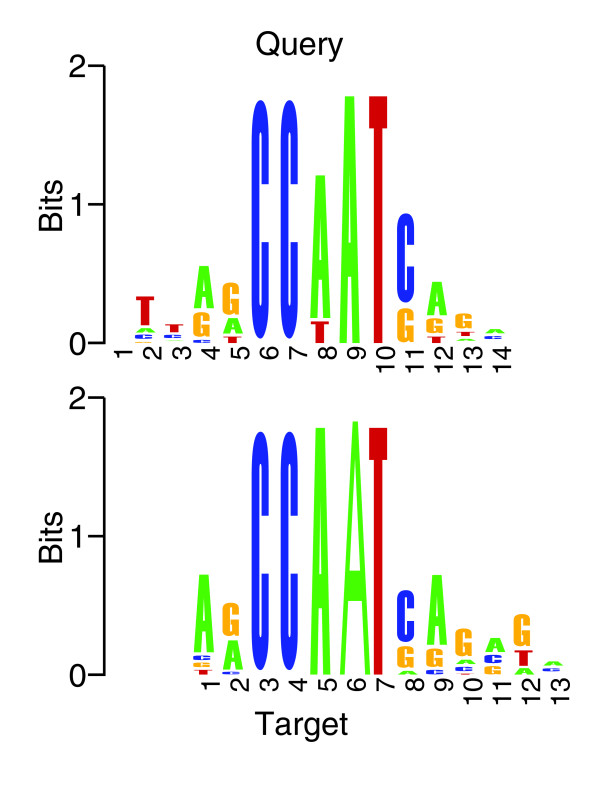
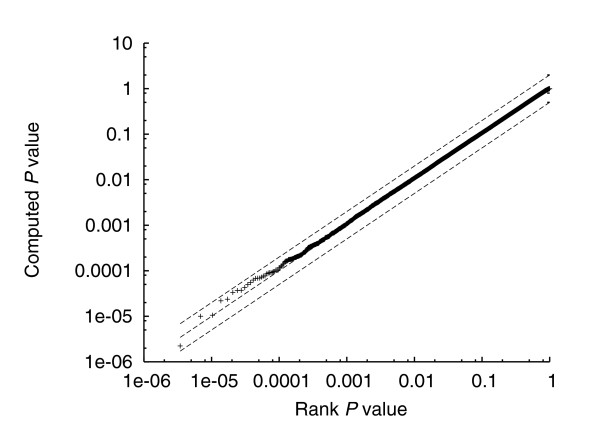
A common question within the context of de novo motif discovery is whether a newly discovered, putative motif resembles any previously discovered motif in an existing database. To answer this question, we define a statistical measure of motif-motif similarity, and we describe an algorithm, called Tomtom, for searching a database of motifs with a given query motif. Experimental simulations demonstrate the accuracy of Tomtom's E values and its effectiveness in finding similar motifs.
Overview
The claims and statistics of this paper haven’t been checked yet.
Free: it reads the open-access text and checks the first 5 claims that cite a source we can check. Create a free account to check every claim.
Integrity signals
Registry
Cites
Statistics
Figures
Verification
Claims the paper makes
The claims and statistics of this paper haven’t been checked yet.
Free: it reads the open-access text and checks the first 5 claims that cite a source we can check. Create a free account to check every claim.
Claims other papers make about this one
Each is checked against this paper’s own text: does it say what the citing paper says it does?
The cited source says what the claim attributes to it.
In the citing paper
“with four examples shown in Fig. 3B, the first two having a significant match in PlantTFDB (20) [with q-value <0.05 in Tomtom (38)].”
From DNA language models are powerful predictors of genome-wide variant effects (2023) · cites this paper as [38]
The check wasn’t confident either way, so it gives no verdict — never disputed.
In the citing paper
“The shared STAT3 bound regions were annotated with the nearest gene by 'annotatePeaks' from HOMER v4.10 (Gupta et al., 2007), yielding 475 unique genes.”
From CDK8 fine-tunes IL-6 transcriptional activities by limiting STAT3 resident time at the gene loci (2020) · cites this paper as Gupta et al., 2007
Experimental — accuracy not yet measured
Self-check
Percentages, sums and reported differences re-computed from the paper’s own numbers.
The self-check needs the paper’s full text.
Citations
Cites
The meaning and use of the area under a receiver operating characteristic (ROC) curve.
Hanley, J. A., & McNeil, B. J. (1982) · Radiology · doi:10.1148/radiology.143.1.7063747 · Cited by 21,856 · cited 1×
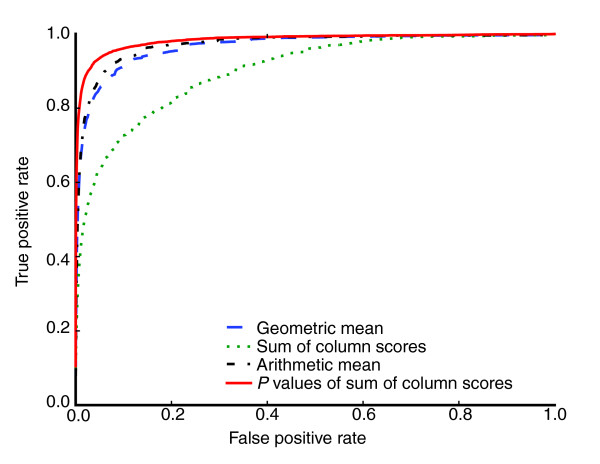
“From this ranked list, we compute a receiver operating characteristic (ROC) curve [23], which plots the percentage of positive pairs as a function of the percentage of negative pairs as we traverse the ranked list.”
WebLogo: A Sequence Logo Generator: Figure 1
Crooks, G. E., Hon, G., Chandonia, J.-M., & Brenner, S. E. (2004) · Genome Research · doi:10.1101/gr.849004 · Cited by 12,386
Fitting a mixture model by expectation maximization to discover motifs in biopolymers.
Bailey, T. L., & Elkan, C. (1994) · PubMed · Cited by 5,806
Self-citationJASPAR: an open-access database for eukaryotic transcription factor binding profiles
Sandelin, A. (2004) · Nucleic Acids Research · doi:10.1093/nar/gkh012 · Cited by 1,790
Regulation of Inducible and Tissue-Specific Gene Expression
Maniatis, T., Goodbourn, S., & Fischer, J. A. (1987) · Science · doi:10.1126/science.3296191 · Cited by 1,554 · cited 1×
“For example, the regulation of transcription requires sequence-specific binding of transcription factors to certain cis-acting motifs, which typically are located upstream of transcriptional start sites [1].”
Assembly of Cell Regulatory Systems Through Protein Interaction Domains
Pawson, T., & Nash, P. (2003) · Science · doi:10.1126/science.1083653 · Cited by 1,422
Assessing computational tools for the discovery of transcription factor binding sites
Tompa, M., Li, N., Bailey, T. L., Church, G. M., De Moor, B., Eskin, E., Favorov, A. V., Frith, M. C., Fu, Y., Kent, W. J., et al. (2005) · Nature Biotechnology · doi:10.1038/nbt1053 · Cited by 1,268 · cited 1×
“A wide variety of statistical methods have been developed to identify sequence motifs in an unsupervised manner from collections of functionally related sequences [3].”
Self-citationTRANSFAC: an integrated system for gene expression regulation
Wingender, E. (2000) · Nucleic Acids Research · doi:10.1093/nar/28.1.316 · Cited by 1,239 · cited 3×
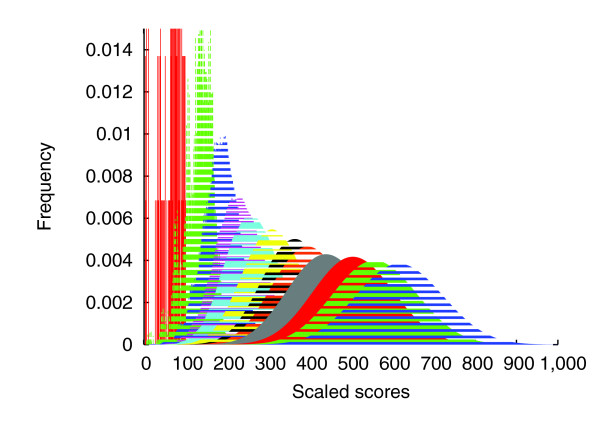
“The figure shows a set of PDFs for a particular query motif of length 12, computed relative to the TRANSFAC database.”
InfluentialA Survey of Exact Inference for Contingency Tables
Agresti, A. (1992) · Statistical Science · doi:10.1214/ss/1177011454 · Cited by 1,097
Hughes, J. D., Estep, P. W., Tavazoie, S., & Church, G. M. (2000) · Journal of Molecular Biology · doi:10.1006/jmbi.2000.3519 · Cited by 1,010
Cited by
Items 201–300 of 1,013
Dogan, N., Wu, W., Morrissey, C. S., Chen, K.-B., Stonestrom, A., Long, M., Keller, C. A., Cheng, Y., Jain, D., Visel, A., et al. (2015) · Epigenetics & Chromatin · doi:10.1186/s13072-015-0009-5 · Cited by 114
“The highest scoring DME2 motifs in each of the resulting sets of enriched motifs were used to search through two databases of known motifs, JASPAR [56] and UniPROBE [57], using the motif comparison tool TOMTOM [58] (Additional file 1: Tables S10 to S13).”
MethodInfluentialAristaless Controls Butterfly Wing Color Variation Used in Mimicry and Mate Choice
Westerman, E. L., VanKuren, N. W., Massardo, D., Tenger‐Trolander, A., Zhang, W., Hill, R. I., Perry, M., Bayala, E. X., Barr, K., Chamberlain, N. L., et al. (2018) · Current Biology · doi:10.1016/j.cub.2018.08.051 · Cited by 114
Confined migration induces heterochromatin formation and alters chromatin accessibility
Hsia, C.-R., McAllister, J., Hasan, O., Judd, J., Lee, S. Y., Agrawal, R., Chang, C., Soloway, P. D., & Lammerding, J. (2022) · iScience · doi:10.1016/j.isci.2022.104978 · Cited by 114
“DREME (Bailey, 2011) was used for motif analysis, and TomTom (Gupta et al., 2007) was used to match known motifs of transcription factors to the enriched motifs.”
MethodAsai, S., Rallapalli, G., Piquerez, S. J. M., Caillaud, M., Furzer, O. J., Ishaque, N., Wirthmueller, L., Fabro, G., Shirasu, K., & Jones, J. D. G. (2014) · PLoS Pathogens · doi:10.1371/journal.ppat.1004443 · Cited by 113
“We also found two novel motifs (Motif I and II) within 500 nt upstream of the start codon that do not show any significant similarity to known motifs as determined by a TOMTOM search against the JASPAR database [45].”
MethodPredicting enhancers with deep convolutional neural networks
Min, X., Zeng, W., Chen, S., Chen, N., Chen, T., & Jiang, R. (2017) · BMC Bioinformatics · doi:10.1186/s12859-017-1878-3 · Cited by 110
“In order to compute the similarity of our motifs, we used a tool called TOMTOM with predefined statistical measure of motif-motif similarity [27, 28].”
MethodTranscription and chromatin determinants of de novo DNA methylation timing in oocytes
Gahurová, L., Tomizawa, S.-I., Smallwood, S. A., Stewart-Morgan, K. R., Saadeh, H., Kim, J., Andrews, S., Chen, T., & Kelsey, G. (2017) · Epigenetics & Chromatin · doi:10.1186/s13072-017-0133-5 · Cited by 113
“Enriched motifs were directly submitted to Tomtom [38] within the MEME suite using default parameters.”
MethodInfluentialMinami, T., Jiang, S., Schadler, K., Suehiro, J.-I., Osawa, T., Oike, Y., Miura, M., Naito, M., Kodama, T., & Ryeom, S. (2013) · Cell Reports · doi:10.1016/j.celrep.2013.07.021 · Cited by 111
Comparative genomics of Steinernema reveals deeply conserved gene regulatory networks
Dillman, A. R., Macchietto, M. G., Porter, C. F., Rogers, A., Williams, B. A., Antoshechkin, I. A., Lee, M.-M., Goodwin, Z. A., Lu, X., Lewis, E. E., et al. (2015) · Genome biology · doi:10.1186/s13059-015-0746-6 · Cited by 116
“05 [105].”
Zhang, B., Day, D. S., Ho, J. W., Song, L., Cao, J., Christodoulou, D., Seidman, J. G., Crawford, G. E., Park, P. J., & Pu, W. T. (2013) · Genome Research · doi:10.1101/gr.149674.112 · Cited by 112
“Motif discovery was performed using DREME (Bailey 2011), and motifs were annotated with TomTom (Gupta et al. 2007).”
MethodUsing combined evidence from replicates to evaluate ChIP-seq peaks
Jalili, V., Matteucci, M., Masseroli, M., & Morelli, M. J. (2015) · Bioinformatics · doi:10.1093/bioinformatics/btv293 · Cited by 99
“As a consequence, it is possible that an ER is assigned to both the confirmed and discarded sets as a result of different tests.”
ResultDeep learning of immune cell differentiation
Maslova, A., Ramirez, R. N., Ma, K., Schmutz, H., Wang, C., Fox, C., Ng, B., Benoist, C., Mostafavi, S., & Immunological Genome Project (2020) · Proceedings of the National Academy of Sciences · doi:10.1073/pnas.2011795117 · Cited by 105
“PWMs were annotated using TomTom (20) to search the Cis-BP database of TFBS (19) (FDR 0.”
MethodInfluentialThe CHR site: definition and genome-wide identification of a cell cycle transcriptional element
Müller, G. A., Wintsche, A., Stangner, K., Prohaska, S. J., Stadler, P. F., & Engeland, K. (2014) · Nucleic Acids Research · doi:10.1093/nar/gku696 · Cited by 97
“Comparison of motifs from MEME predictions with published transcription factor binding sites was performed with the motif comparison tool TOMTOM (40) from the MEME suite (website, version 4.”
MethodInfluentialPredicting the impact of non-coding variants on DNA methylation
Zeng, H., & Gifford, D. K. (2017) · Nucleic Acids Research · doi:10.1093/nar/gkx177 · Cited by 100
Lukoseviciute, M., Gavriouchkina, D., Williams, R. M., Hochgreb-Hagele, T., Senanayake, U., Chong-Morrison, V., Thongjuea, S., Repapi, E., Mead, A., & Sauka-Spengler, T. (2018) · Developmental Cell · doi:10.1016/j.devcel.2018.11.009 · Cited by 109
Diatom acclimation to elevated CO2 via cAMP signalling and coordinated gene expression
Hennon, G. M. M., Ashworth, J. R., Groussman, R. D., Berthiaume, C. T., Morales, R. L., Baliga, N. S., Orellana, M. V., & Armbrust, E. V. (2015) · Nature Climate Change · doi:10.1038/nclimate2683 · Cited by 109
Dominguez, D., Tsai, Y., Gomez, N. C., Jha, D. K., Davis, I. J., & Wang, Z. (2016) · Cell Research · doi:10.1038/cr.2016.84 · Cited by 109
Mueller, M. M., Castells-Roca, L., Babu, V., Ermolaeva, M. A., Müller, R.-U., Frommolt, P., Williams, A. B., Greiss, S., Schneider, J. I., Benzing, T., et al. (2014) · Nature Cell Biology · doi:10.1038/ncb3071 · Cited by 108
“A truncation of hEPS15L1 [1-225] was used as a negative control59.”
Chen, L., Fish, A. E., & Capra, J. A. (2018) · PLOS Computational Biology · doi:10.1371/journal.pcbi.1006484 · Cited by 95
The landscape of chimeric RNAs in non-diseased tissues and cells
Singh, S., Qin, F., Kumar, S., Elfman, J., Lin, E., Pham, L.-P., Yang, A. X., & Li, H. (2020) · Nucleic Acids Research · doi:10.1093/nar/gkz1223 · Cited by 108
“Further, we used the Tomtom tool (42) from MEME SUITE (41) with default parameters on the list of identified motifs and scanned a database of RNA binding protein motifs (43).”
MethodModulation of chromatin position and gene expression by HDAC4 interaction with nucleoporins
Kehat, I., Accornero, F., Aronow, B. J., & Molkentin, J. D. (2011) · The Journal of Cell Biology · doi:10.1083/jcb.201101046 · Cited by 108
Xu, Z., Chen, H., Ling, J., Yu, D., Struffi, P., & Small, S. (2014) · Genes & Development · doi:10.1101/gad.234534.113 · Cited by 100
“Identified motifs were compared with the All Drosophila Motif Database using TOMTOM (Gupta et al. 2007).”
MethodFowler, K. R., Sasaki, M., Milman, N., Keeney, S., & Smith, G. R. (2014) · Genome Research · doi:10.1101/gr.172122.114 · Cited by 107
“Databases of known TF binding motifs (e.g., TOMTOM) (Gupta et al. 2007) revealed few significant matches, though the ACACAC motif is similar to the sequence bound by S. cerevisiaeRap1, a contributor to activity of the S. cerevisiae HIS4 DSB hotspot (White et al. 1991).”
BackgroundChromatin accessibility prediction via a hybrid deep convolutional neural network
Liu, Q., Xia, F., Yin, Q., & Jiang, R. (2018) · Bioinformatics · doi:10.1093/bioinformatics/btx679 · Cited by 95
ToxDL: deep learning using primary structure and domain embeddings for assessing protein toxicity
Pan, X., Zuallaert, J., Wang, X., Shen, H.-B., Campos, E. P., Marushchak, D. O., & De Neve, W. (2021) · Bioinformatics · doi:10.1093/bioinformatics/btaa656 · Cited by 95
A single-cell atlas of Plasmodium falciparum transmission through the mosquito
Real, E., Howick, V. M., Dahalan, F. A., Witmer, K., Cudini, J., Andradi-Brown, C., Blight, J., Davidson, M. S., Dogga, S. K., Reid, A. J., et al. (2021) · Nature Communications · doi:10.1038/s41467-021-23434-z · Cited by 107
“Tomtom (70) was used to compare the top scoring motif of each cluster with transcription cis-regulatory elements described in P.”
MethodShang, X., Wang, C., Fan, Y., Guo, G., Wang, F., Zhao, Y., Sheng, F., Tang, J., He, X., Yu, X., et al. (2022) · Nucleic Acids Research · doi:10.1093/nar/gkac176 · Cited by 107
“1 (52) was then employed to compare the de novo discovered DNA binding motifs to previously reported motifs (53) (E-value < 0.”
Scaffolding a Caenorhabditis nematode genome with RNA-seq
Mortazavi, A., Schwarz, E. M., Williams, B., Schaeffer, L., Antoshechkin, I., Wold, B. J., & Sternberg, P. W. (2010) · Genome Research · doi:10.1101/gr.111021.110 · Cited by 90
“We then compared them with published motifs with TOMTOM (Gupta et al. 2007), finding significant similarities to motifs from C. elegans and the general literature (Table 2; Supplemental Table S6).”
MethodResultInfluentialSong, H. K., Hong, S.-E., Kim, T., & Kim, D. H. (2012) · PLoS ONE · doi:10.1371/journal.pone.0035552 · Cited by 95
Chen, C., Hou, J., Shi, X., Yang, H. Q., Birchler, J. A., & Cheng, J. (2021) · BMC Bioinformatics · doi:10.1186/s12859-020-03952-1 · Cited by 104
Czimmerer, Z., Halász, L., Dániel, B., Varga, Z., Bene, K., Domokos, A., Hoeksema, M. A., Shen, Z., Berger, W. K., Cseh, T., et al. (2022) · Immunity · doi:10.1016/j.immuni.2022.10.004 · Cited by 104
“For enriched 5-mers, we used TOMTOM (Gupta et al., 2007) to match with known transcription factor binding motifs from the JASPAR database (Fornes et al.”
MethodInfluentialDiscriminative motif discovery in DNA and protein sequences using the DEME algorithm
Redhead, E., & Bailey, T. L. (2007) · BMC Bioinformatics · doi:10.1186/1471-2105-8-385 · Cited by 107
“TOMTOM [48] was used to search the database using the discovered motif as the query.”
MethodSelf-citationScranton, M. A., Ostrand, J. T., Georgianna, D. R., Lofgren, S., Li, D. D., Ellis, R. C., Carruthers, D. N., Dräger, A., Masica, D. L., & Mayfield, S. P. (2016) · Algal Research · doi:10.1016/j.algal.2016.02.011 · Cited by 103
Two Populations of Glucocorticoid Receptor-Binding Sites in the Male Rat Hippocampal Genome
Polman, J. A. E., de Kloet, E. R., & Datson, N. A. (2013) · Endocrinology · doi:10.1210/en.2012-2187 · Cited by 108
“The 15 most significant motifs were given as output and compared against databases of known motifs using TOMTOM Motif Comparison Tool (39).”
MethodRelating enhancer genetic variation across mammals to complex phenotypes using machine learning
Kaplow, I. M., Lawler, A. J., Schäffer, D. E., Srinivasan, C., Sestili, H. H., Wirthlin, M. E., Phan, B. N., Prasad, K., Brown, A. R., Zhang, X., et al. (2023) · Science · doi:10.1126/science.abm7993 · Cited by 91
Multiscale footprints reveal the organization of cis-regulatory elements
Yan, H., Horlbeck, M. A., Zhang, R., Ma, S., Shrestha, R., Kartha, V. K., Duarte, F. M., Hock, C., Savage, R. E., Labade, A. S., et al. (2025) · Nature · doi:10.1038/s41586-024-08443-4 · Cited by 102
“The de novo discovered motifs are assigned to known motifs using TomTom (meme suite v.5.5.7) 76 .”
InfluentialControl of developmentally primed erythroid genes by combinatorial co-repressor actions
Stadhouders, R., Cico, A., Stephen, T., Thongjuea, S., Kolovos, P., Baymaz, H. I., Yu, X., Demmers, J., Bezstarosti, K., Maas, A., et al. (2015) · Nature Communications · doi:10.1038/ncomms9893 · Cited by 91
Stavreva, D. A., Coulon, A., Baek, S., Sung, M.-H., John, S., Stixova, L., Tesikova, M., Hakim, O., Miranda, T., Hawkins, M., et al. (2015) · Genome Research · doi:10.1101/gr.184168.114 · Cited by 93
“Following MEME analysis, motif comparisons and identification of enriched sequences in unknown motifs (MEME E -values < 10 – 2 ) were performed using a TOMTOM (Gupta et al. 2007) search against the TRANSFAC database of characterized transcription factor motifs.”
Self-citationFunctional cis-regulatory modules encoded by mouse-specific endogenous retrovirus
Sundaram, V., Choudhary, M. N. K., Pehrsson, E. C., Xing, X., Fiore, C., Pandey, M., Maricque, B. B., Udawatta, M., Ngo, D., Chen, Y., et al. (2017) · Nature Communications · doi:10.1038/ncomms14550 · Cited by 102
FOXG1 Orchestrates Neocortical Organization and Cortico-Cortical Connections
Cargnin, F., Kwon, J.-S., Katzman, S. J., Chen, B., Lee, J. W., & Lee, S. (2018) · Neuron · doi:10.1016/j.neuron.2018.10.016 · Cited by 101
Schmitt, B. M., Rudolph, K. L. M., Karagianni, P., Fonseca, N. A., White, R. J., Talianidis, I., Odom, D. T., Marioni, J. C., & Kutter, C. (2014) · Genome Research · doi:10.1101/gr.176784.114 · Cited by 100
“To investigate the differences in Pol III binding for every pair of timepoints, we usedMEME (Bailey and Elkan 1994) and TOMTOM (Gupta et al. 2007) to search for enrichment of specific motifs in the 500-bp upstream regions of differentially expressed tRNAs, using stably expressed tRNA genes as the background (Supplemen…”
MethodInfluentialCipriano, M. J., Novichkov, P. N., Kazakov, A. E., Rodionov, D. A., Arkin, A. P., Gelfand, M. S., & Dubchak, I. (2013) · BMC Genomics · doi:10.1186/1471-2164-14-213 · Cited by 91
“RegTransBase collection of PWMs is currently used by various tools for TF binding prediction and motif comparison (for example, MEME-ChIP [32] and TOMTOM [33] from MEME Suite, FITBAR [34], ISGA [35], STAMP [13].”
MethodZhang, S., Gottschalk, C., & van Nocker, S. (2019) · BMC Genomics · doi:10.1186/s12864-019-6090-6 · Cited by 100
ChIP-Hub provides an integrative platform for exploring plant regulome
Fu, L.-Y., Zhu, T., Zhou, X., Yu, R., He, Z., Zhang, P., Wu, Z., Chen, M., Kaufmann, K., & Chen, D. (2022) · Nature Communications · doi:10.1038/s41467-022-30770-1 · Cited by 102
Yin, P., Roqueiro, D., Huang, L., Owen, J. K., Xie, A., Navarro, A., Monsivais, D., Coon V, J. S., Kim, J. J., Dai, Y., et al. (2012) · PLoS ONE · doi:10.1371/journal.pone.0029021 · Cited by 86
“Tomtom takes a query motif, compares it to a target motif, and provides a statistical measure (p-value) of how similar they are compared to a null model.”
MethodWidespread evidence of cooperative DNA binding by transcription factors in Drosophila development
Kazemian, M., Pham, H., Wolfe, S. A., Brodsky, M. H., & Sinha, S. (2013) · Nucleic Acids Research · doi:10.1093/nar/gkt598 · Cited by 88
“Twomotifs were considered similar if either their similarity q-value reported by the TOMTOMprogram (54) is<0.”
InfluentialDeepHistone: a deep learning approach to predicting histone modifications
Yin, Q., Wu, M., Liu, Q., Lv, H., & Jiang, R. (2018) · BMC Genomics · doi:10.1186/s12864-019-5489-4 · Cited by 98
Ortabozkoyun, H., Huang, P.-Y., Cho, H., Narendra, V., LeRoy, G., Gonzalez-Buendia, E., Skok, J. A., Tsirigos, A., Mazzoni, E. O., & Reinberg, D. (2022) · Nature Genetics · doi:10.1038/s41588-021-01008-5 · Cited by 88
Jaccard index based similarity measure to compare transcription factor binding site models
Vorontsov, I. E., Kulakovskiy, I. V., & Makeev, V. J. (2013) · Algorithms for Molecular Biology · doi:10.1186/1748-7188-8-23 · Cited by 96
“A number of practical implementations were developed [4-11], with many of them included in integrated tools [12].”
BackgroundGenome-wide landscape of liver X receptor chromatin binding and gene regulation in human macrophages
Pehkonen, P., Welter-Stahl, L., Diwo, J., Ryynänen, J., Wienecke-Baldacchino, A., Heikkinen, S., Treuter, E., Steffensen, K. R., & Carlberg, C. (2012) · BMC Genomics · doi:10.1186/1471-2164-13-50 · Cited by 84
“From the top 10 results obtained with the TOMTOM tool [25] in the T09-treated peaks, only one sequence motif resembled a known transcription factor binding site with similarity score E < 10(5).”
MethodNeve, J., Burger, K., Li, W., Hoque, M., Patel, R., Tian, B., Gullerova, M., & Furger, A. (2016) · Genome Research · doi:10.1101/gr.193995.115 · Cited by 78
“We used the discriminative DNA motif discovery tool (DREME) (Bailey 2011) combined with the TOMTOM motif comparison search tool (Gupta et al. 2007).”
MethodChen, X., Litzenburger, U. M., Wei, Y., Schep, A. N., LaGory, E. L., Choudhry, H., Giaccia, A. J., Greenleaf, W. J., & Chang, H. Y. (2018) · Nature Communications · doi:10.1038/s41467-018-07115-y · Cited by 80
Moudgil, A., Wilkinson, M., Chen, X., He, J., Cammack, A. J., Vasek, M. J., Lagunas, T., Qi, Z., Lalli, M. A., Guo, C., et al. (2020) · Cell · doi:10.1016/j.cell.2020.06.037 · Cited by 94
Inoue, T., Kohro, T., Tanaka, T., Kanki, Y., Li, G., Poh, H.-M., Mimura, I., Kobayashi, M., Taguchi, A., Maejima, T., et al. (2014) · Genome biology · doi:10.1186/gb-2014-15-4-r63 · Cited by 95
“The enriched sequence was compared to the known consensus TF motifs using TOMTOM (version 4.8.1) with the motif databases JASPAR and UniPROBE [61].”
InfluentialFerreira, S. S., Hotta, C. T., Poelking, V. G. D. C., Leite, D. C. C., Buckeridge, M. S., Loureiro, M., Barbosa, M. H. P., Carneiro, M. S., & Souza, G. M. (2016) · Plant Molecular Biology · doi:10.1007/s11103-016-0434-2 · Cited by 96
“Subsequently, candidate promoter sequences were subjected to a search for cis-elements related to cell wall biosynthesis, i.e., SNBEs (Zhong et al. 2010) and SMREs (Zhong and Ye 2012), using the TOMTOM (Gupta et al. 2007) and FIMO (Grant et al. 2011) tools and employing the consensus sequences of each cis-element as i…”
MethodInfluentialIntegrative meta-analysis of transcriptomic responses to abiotic stress in cotton
Tahmasebi, A., Ashrafi‐Dehkordi, E., Shahriari, A. G., Mazloomi, S. M., & Ebrahimie, E. (2019) · Progress in Biophysics and Molecular Biology · doi:10.1016/j.pbiomolbio.2019.02.005 · Cited by 96
Kim, S., Hu, J., Oh, Y., Park, J., Choi, J., Lee, Y., Dean, R. A., & Mitchell, T. K. (2010) · PLoS Pathogens · doi:10.1371/journal.ppat.1000909 · Cited by 96
“These motifs were searched against yeast motif database using TOMTOM [41].”
MethodSanchez, G. J., Richmond, P. A., Bunker, E. N., Karman, S. S., Azofeifa, J., Garnett, A. T., Xu, Q., Wheeler, G. E., Toomey, C. M., Zhang, Q., et al. (2018) · Nucleic Acids Research · doi:10.1093/nar/gkx1225 · Cited by 93
“1 (16) using motif database JASPAR DNA CORE (2016) or HUMAN DNA HOCOMOCO (v10).”
MethodRole of BASIC PENTACYSTEINE transcription factors in a subset of cytokinin signaling responses
Shanks, C. M., Hecker, A., Cheng, C., Brand, L. H., Collani, S., Schmid, M., Schaller, G. E., Wanke, D., Harter, K., & Kieber, J. J. (2018) · The Plant Journal · doi:10.1111/tpj.13962 · Cited by 95
Jha, A., K. Aicher, J., R. Gazzara, M., Singh, D., & Barash, Y. (2020) · Genome Biology · doi:10.1186/s13059-020-02055-7 · Cited by 93
Vitsios, D., Dhindsa, R. S., Middleton, L., Gussow, A. B., & Petrovski, S. (2021) · Nature Communications · doi:10.1038/s41467-021-21790-4 · Cited by 88
McEnhancer: predicting gene expression via semi-supervised assignment of enhancers to target genes
Hafez, D., Karabacak, A., Krueger, S., Hwang, Y.-C., Wang, L.-S., Zinzen, R. P., & Ohler, U. (2017) · Genome Biology · doi:10.1186/s13059-017-1316-x · Cited by 87
“The first 20 features were used as input to TomTom [63] to search for motif matches against a set of databases.”
MethodDNA-guided transcription factor cooperativity shapes face and limb mesenchyme
Kim, S., Morgunova, E. Y., Naqvi, S., Goovaerts, S., Bader, M., Koska, M., Popov, A. N., Luong, C., Pogson, A. N., Swigut, T., et al. (2024) · Cell · doi:10.1016/j.cell.2023.12.032 · Cited by 93
Extensive DNA-binding specificity divergence of a conserved transcription regulator
Baker, C. R., Tuch, B. B., & Johnson, A. D. (2011) · Proceedings of the National Academy of Sciences · doi:10.1073/pnas.1019177108 · Cited by 76
Hong, L., Gu, T., He, Y., Zhou, C., Hu, Q., Wang, X., Zheng, E., Huang, S., Xu, Z., Yang, J., et al. (2019) · Frontiers in Cell and Developmental Biology · doi:10.3389/fcell.2019.00289 · Cited by 90
“To associate the enriched motifs to potential RBPs, all enriched motifs were compared against a database of known motifs using Tomtom (Gupta et al., 2007; Bailey et al., 2009).”
MethodPoudel, S., Tsunemoto, H., Seif, Y., Sastry, A. V., Szubin, R., Xu, S., Machado, H., Olson, C. A., Anand, A., Pogliano, J., et al. (2020) · Proceedings of the National Academy of Sciences · doi:10.1073/pnas.2008413117 · Cited by 90
Transposon integration enhances expression of stress response genes
Feng, G., Leem, Y.-E., & Levin, H. L. (2012) · Nucleic Acids Research · doi:10.1093/nar/gks1185 · Cited by 93
“Although there is little information about the sequences bound by the transcription factors of S. pombe, we used the motif comparison tool TOMTOM (37) to compare the motif present in Tf1 and the promoters activated by Tf1 to specific sequences bound by proteins in S. cerevisiae.”
MethodProliferation of Regulatory DNA Elements Derived from Transposable Elements in the Maize Genome
Zhao, H., Zhang, W., Chen, L., Wang, L., Marand, A. P., Wu, Y., & Jiang, J. (2018) · PLANT PHYSIOLOGY · doi:10.1104/pp.17.01467 · Cited by 89
Rahman, S., Magnussen, M., León, T. E., Farah, N., Li, Z., Abraham, B. J., Alapi, K. Z., Mitchell, R. J., Naughton, T., Fielding, A. K., et al. (2017) · Blood · doi:10.1182/blood-2016-09-742148 · Cited by 84
Magwanga, R. O., Lu, P., Kirungu, J. N., Cai, X., Zhou, Z., Wang, X., Diouf, L., Xu, Y., Hou, Y., Hu, Y., et al. (2018) · International Journal of Molecular Sciences · doi:10.3390/ijms19092625 · Cited by 88
“The three common motifs were further compared to the already identified motifs by the use of the Tomtom motif comparison tool, adopting the distance measure of the Sandelin–Wasserman function [30].”
MethodChromatin and RNA Maps Reveal Regulatory Long Noncoding RNAs in Mouse
Bogu, G. K., Vizán, P., Stanton, L. W., Beato, M., Di Croce, L., & Marti-Renom, M. A. (2016) · Molecular and Cellular Biology · doi:10.1128/mcb.00955-15 · Cited by 79
“Second, the significant (P 1e 5) de novo motifs from HOMER were used as input to the TOMTOM program to search against the JASPAR CORE and UNIPROBE databases (25).”
MethodA Grhl2-dependent gene network controls trophoblast branching morphogenesis
Walentin, K., Hinze, C., Werth, M., Haase, N., Varma, S., Morell, R. J., Aue, A., Pötschke, E., Warburton, D., Qiu, A., et al. (2015) · Development · doi:10.1242/dev.113829 · Cited by 87
“The resulting GRHL2 motif was subjected to TOMTOM analysis (Bailey et al., 2009) for comparison with known transcription factor recognition matrices.”
InfluentialDeep Motif: Visualizing Genomic Sequence Classifications
Lanchantin, J., Singh, R., Lin, Z., & Qi, Y. (2016) · arXiv (Cornell University) · doi:10.48550/arxiv.1605.01133 · Cited by 53
“For our first strategy, in order to compare the similarity of our motifs, we use a tool called Tomtom (Gupta et al., 2007; Bailey et al., 2009), which compares a specific motif against JASPAR motifs and returns significant matches using their defined statistical measure of motif-motif similarity.”
MethodKutejova, E., Sasai, N., Shah, A., Gouti, M., & Briscoe, J. (2016) · Developmental Cell · doi:10.1016/j.devcel.2016.02.013 · Cited by 87
“We identified 2,000–3,000 binding sites for each TF corresponding to the highest signals, and de novo motif discovery (Gupta et al., 2007; Heinz et al., 2010) within these regions recovered consensus motifs consistent with the known sequence preference of each TF (Figure S1B).”
BackgroundMethodSchlereth, K., Heyl, C., Krampitz, A.-M., Mernberger, M., Finkernagel, F., Scharfe, M., Jarek, M., Leich, E., Rosenwald, A., & Stiewe, T. (2013) · PLoS Genetics · doi:10.1371/journal.pgen.1003726 · Cited by 87
“The discovered motifs were compared with known motifs from the JASPAR database using TOMTOM [66].”
MethodTargeted design of synthetic enhancers for selected tissues in the Drosophila embryo
de Almeida, B. P., Schaub, C., Pagani, M., Secchia, S., Furlong, E. E. M., & Stark, A. (2024) · Nature · doi:10.1038/s41586-023-06905-9 · Cited by 87
Gali Ramamoorthy, T., Laverny, G., Schlagowski, A.-I., Zoll, J., Messaddeq, N., Bornert, J.-M., Panza, S., Ferry, A., Geny, B., & Metzger, D. (2015) · Nature Communications · doi:10.1038/ncomms10210 · Cited by 74
Secondary Structural Model of Human MALAT1 Reveals Multiple Structure–Function Relationships
McCown, P. J., Wang, M. C., Jaeger, L., & Brown, J. A. (2019) · International Journal of Molecular Sciences · doi:10.3390/ijms20225610 · Cited by 88
“With MALAT1 being implicated in alternative splicing, another intriguing region to investigate is the largely unstructured region between H49 and H52, for Lin28A, SRSF1, and SRSF10 binding-site motifs exist in this region protected from DMS (Figure 2 and Table S1) [48].”
BackgroundMethodGerke, J., Bayram, Ö., Feussner, K., Landesfeind, M., Shelest, E., Feussner, I., & Braus, G. H. (2012) · Applied and Environmental Microbiology · doi:10.1128/aem.01808-12 · Cited by 75
“ted to the TOMTOM tool (31) for the identification of similarities to”
MethodTewari, A. K., Yardımcı, G. G., Shibata, Y., Sheffield, N. C., Song, L., Taylor, B. S., Georgiev, S., Coetzee, G. A., Ohler, U., Furey, T. S., et al. (2012) · Genome biology · doi:10.1186/gb-2012-13-10-r88 · Cited by 86
“If a motif was reported as enriched by MEME and cERMIT, it was included in our results if its match to publicly known motifs, determined by STAMP or TomTom (using JASPAR and Uniprobe databases) [68], was significant (E < 0.”
Hutchins, A. P., Diez, D., Takahashi, Y., Ahmad, S., Jauch, R., Tremblay, M. L., & Miranda-Saavedra, D. (2013) · Nucleic Acids Research · doi:10.1093/nar/gks1300 · Cited by 80
“05 were kept) (31) using a library of motifs obtained from the JASPAR and UniPROBE databases (32,33).”
MethodVeil, M., Yampolsky, L. Y., Grüning, B. A., & Onichtchouk, D. (2019) · Genome Research · doi:10.1101/gr.240572.118 · Cited by 88
Harris, R. E., Stinchfield, M. J., Nystrom, S. L., McKay, D. J., & Hariharan, I. K. (2020) · eLife · doi:10.7554/elife.58305 · Cited by 86
“We compared this 17 bp sequence with a library of known Drosophila transcription factor binding sites using a motif comparison tool ( Gupta et al., 2007 ) and found that part of this sequence matches an Sp1 binding site ( Figure 1B ).”
Massively parallel characterization of regulatory elements in the developing human cortex
Deng, C., Whalen, S., Steyert, M., Ziffra, R., Przytycki, P. F., Inoue, F., Pereira, D. A., Capauto, D., Norton, S., Vaccarino, F. M., et al. (2024) · Science · doi:10.1126/science.adh0559 · Cited by 87
FACT Sets a Barrier for Cell Fate Reprogramming in Caenorhabditis elegans and Human Cells
Kolundzic, E., Ofenbauer, A., Bulut, S. I., Uyar, B., Baytek, G., Sommermeier, A., Seelk, S., He, M., Hirsekorn, A., Vucicevic, D., et al. (2018) · Developmental Cell · doi:10.1016/j.devcel.2018.07.006 · Cited by 87
“cERMIT-generatedmotifs were converted to meme format and Tomtom (Gupta et al., 2007) was used in the default settings to match the generated motifs to the JASPAR CORE vertebrate 2016 database (Mathelier et al.”
MethodCharney, R. M., Forouzmand, E., Cho, J. S., Cheung, J., Paraiso, K. D., Yasuoka, Y., Takahashi, S., Taira, M., Blitz, I. L., Xie, X., et al. (2017) · Developmental Cell · doi:10.1016/j.devcel.2017.02.017 · Cited by 78
“org/tools/tomtom) (Gupta et al., 2007) against the Vertebrates (in vivo and in silico) database, and displayed E-values < 10.”
BackgroundMethodKorkuć, P., Schippers, J. H. M., & Walther, D. (2013) · PLANT PHYSIOLOGY · doi:10.1104/pp.113.229716 · Cited by 86
“Using the TOMTOM tool (Gupta et al., 2007), we compared the candidate motifs with a large set of motifs from several nonplant species such as S. cerevisiae, Mus musculus, Drosophila melanogaster, and Homo sapiens.”
MethodMyers, S. A., Peddada, S., Chatterjee, N., Friedrich, T., Tomoda, K., Krings, G., Thomas, S., Maynard, J. C., Broeker, M., Thomson, M., et al. (2016) · eLife · doi:10.7554/elife.10647 · Cited by 85
“De novo motifs were matched to known motifs using Tomtom (Gupta et al., 2007).”
MethodPD-L1 lncRNA splice isoform promotes lung adenocarcinoma progression via enhancing c-Myc activity
Qu, S., Jiao, Z., Lu, G., Yao, B., Wang, T., Rong, W., Xu, J., Fan, T., Sun, X., Yang, R., et al. (2021) · Genome biology · doi:10.1186/s13059-021-02331-0 · Cited by 84
Dong, L., Pietsch, S., Tan, Z., Perner, B., Sierig, R., Kruspe, D., Groth, M., Witzgall, R., Gröne, H., Platzer, M., et al. (2015) · Journal of the American Society of Nephrology · doi:10.1681/asn.2014080819 · Cited by 84
Yu, C.-P., Chen, S. C.-C., Chang, Y.-M., Liu, W.-Y., Lin, H.-H., Lin, J.-J., Chen, H. J., Lu, Y.-J., Wu, Y.-H., Lu, M. J., et al. (2015) · Proceedings of the National Academy of Sciences · doi:10.1073/pnas.1500605112 · Cited by 84
“S5): The pTFBS was used to find similar known TFBSs, using the motif comparison tool TOMTOM (82) (P value 10−4).”
MethodInfluentialPark, H. J., Li, J., Hannah, R., Biddie, S., Leal‐Cervantes, A. I., Kirschner, K., Flores Santa Cruz, D., Sexl, V., Göttgens, B., & Green, A. R. (2016) · The EMBO Journal · doi:10.15252/embj.201592383 · Cited by 79
“Matches to consensus sequences were determined using TOMTOM (Gupta et al , 2007).”
Jindal, K., Adil, M. T., Yamaguchi, N., Yang, X., Wang, H. C., Kamimoto, K., Rivera-Gonzalez, G. C., & Morris, S. A. (2024) · Nature Biotechnology · doi:10.1038/s41587-023-01931-4 · Cited by 82
“To further confirm the inferred enrichment of ZFP281 TF activity in off-target fated cells, we performed Tomtom motif similarity analysis 56 to identify TFs that share a motif similar to ZFP281.”
Cooperative binding between distant transcription factors is a hallmark of active enhancers
Rao, S., Ahmad, K., & Ramachandran, S. (2021) · Molecular Cell · doi:10.1016/j.molcel.2021.02.014 · Cited by 82
Koo, P. K., & Ploenzke, M. (2021) · Nature Machine Intelligence · doi:10.1038/s42256-020-00291-x · Cited by 85
“To quantify how well representations learned in first layer filters match ground truth motifs, we visualised first layer filters using activation-based alignments 1,10 and employed Tomtom 26 to quantify the fraction of first layer filters that yield a statistically significant match to ground truth motifs (Fig.”
MethodInfluentialCackett, G., Portugal, R. S., Matelska, D., Dixon, L. K., & Werner, F. (2022) · Journal of Virology · doi:10.1128/jvi.01939-21 · Cited by 83
“100 bp long, on a given strand only, zero or one site per sequence, E , 0.01), and then compared against known vertebrate DNA motifs with Tomtom (P value , 0.01).”
BackgroundInfluentialKellman, B. P., Richelle, A., Yang, J., Chapla, D. G., Chiang, A. W. T., Najera, J. A., Liang, C., Fürst, A., Bao, B., Koga, N., et al. (2022) · Nature Communications · doi:10.1038/s41467-022-29867-4 · Cited by 84
Ionizing radiation induces transgenerational effects of DNA methylation in zebrafish
Kamstra, J. H., Hurem, S., Martín, L., Lindeman, L. C., Legler, J., Oughton, D. H., Salbu, B., Brede, D. A., Lyche, J. L., & Aleström, P. (2018) · Scientific Reports · doi:10.1038/s41598-018-33817-w · Cited by 82
Yaschenko, A. E., Fenech, M., Mazzoni, S. M., Alonso, J. M., & Stepanova, A. N. (2022) · Current Opinion in Plant Biology · doi:10.1016/j.pbi.2022.102241 · Cited by 82
The Condition-Dependent Transcriptional Landscape of Burkholderia pseudomallei
Ooi, W. F., Ong, C., Nandi, T., Kreisberg, J. F., Chua, H. H., Sun, G., Chen, Y., Hemsley, C. M., Conejero, L., Eshaghi, M., et al. (2013) · PLoS Genetics · doi:10.1371/journal.pgen.1003795 · Cited by 82
“Other cis-regulatory motifs significantly conserved in Bt or Bm were found in clusters related to capsular biosynthesis (C133, C174, C440) (motif similarity in Bm, p~1:5|10, assessed by TOMTOM [32]), and antibiotic resistance (C179) (Bt, p~1:2|10; Bm, p~1:9|10).”
BackgroundMethodInfluentialLim, H. G., Rychel, K., Sastry, A. V., Bentley, G. J., Mueller, J., Schindel, H. S., Larsen, P. E., Laible, P. D., Guss, A. M., Niu, W., et al. (2022) · Metabolic Engineering · doi:10.1016/j.ymben.2022.04.004 · Cited by 80
Metadata
- Authors
- Gupta, S., Stamatoyannopoulos, J. A., Bailey, T. L., & Noble, W. S.
- Affiliations
- University of Washington (US)
- The University of Queensland (AU)
- Corresponding author
- Noble, William Stafford
- Venue
- Genome Biology
- Published
- 2007-02-26
- Volume
- 8
- Issue
- 2
- Pages
- R24-R24
- ISSN
- 1465-6906 (ISSN-L)
- 1474-760X
- PMC
- PMC1852410
- OpenAlex
- W2103777723
- Cited by
- 2,058
- References
- 25
- Citations by year
- 2026: 153 · 2025: 185 · 2024: 199 · 2023: 152 · 2022: 185 · 2021: 202 · 2020: 150 · 2019: 129 · 2018: 111 · 2017: 98 · 2016: 91 · 2015: 81 · 2014: 94 · 2013: 74 · 2012: 62
- FWCI
- 6.22
- Type
- journal article
- Language
- en
- Open access
- gold
- doi.org
- Licence
- cc-by
- creativecommons.org/licenses/by/2.0/ (tdm)
- creativecommons.org/licenses/by/2.0/ (vor)
- Locations
- Genome biology (publishedVersion, cc-by)
- PubMed Central (publishedVersion, cc-by)
- PubMed (publishedVersion)
- Topics
- Life Sciences › Biochemistry, Genetics and Molecular Biology › Molecular Biology › Genomics and Chromatin Dynamics
- Life Sciences › Biochemistry, Genetics and Molecular Biology › Molecular Biology › Genomics and Phylogenetic Studies
- Physical Sciences › Mathematics › Theoretical Computer Science › Algorithms and Data Compression
- Keywords
- motif similarity, de novo motif discovery, TomTom, statistical significance, E-value, sequence motifs
- MeSH terms
- Algorithms, Software, Sequence Homology, Computational Biology, Amino Acid Motifs, Databases, Genetic
About these checks
Registry, retraction, Cites and statistics results are computed, not judged, with one exception: a printed reference that no index lists is read once by a model before it counts as a citation error. Claims are extracted by a model and kept only when their quote appears verbatim in the text; each cited source is then checked, with a model’s help, for whether it says what the claim relies on. Those verdicts can be wrong — read the claim’s quote and the cited source before relying on one.
Statistics and arithmetic are recomputed, not judged.
Confidence bands are shown only for fields calibrated on our annotated test set. None is calibrated yet, so no band is shown.
What counts as a claim ›How we measure confidence ›How we check this ›
Are you an author, or do you see a problem with this page? Request a review
Data sources
Bibliographic data: Semantic Scholar, OpenAlex, Crossref.
Contains information from the Semantic Scholar Academic Graph Datasets, made available under the ODC Attribution License (ODC-BY 1.0).
Semantic Scholar’s data is described in: Kinney, R., et al. (2023). The Semantic Scholar Open Data Platform. arXiv:2301.10140.
