

Quantifying similarity between motifs
Open accessThe DOI matches its Crossref record; 25 of the 25 references it cites were found in a registry or an index.
Abstract
A common question within the context of de novo motif discovery is whether a newly discovered, putative motif resembles any previously discovered motif in an existing database. To answer this question, we define a statistical measure of motif-motif similarity, and we describe an algorithm, called Tomtom, for searching a database of motifs with a given query motif. Experimental simulations demonstrate the accuracy of Tomtom's E values and its effectiveness in finding similar motifs.
Overview
The claims and statistics of this paper haven’t been checked yet.
Free: it reads the open-access text and checks the first 5 claims that cite a source we can check. Create a free account to check every claim.
Integrity signals
Registry
Cites
Statistics
Figures
Verification
Claims the paper makes
The claims and statistics of this paper haven’t been checked yet.
Free: it reads the open-access text and checks the first 5 claims that cite a source we can check. Create a free account to check every claim.
Claims other papers make about this one
Each is checked against this paper’s own text: does it say what the citing paper says it does?
The cited source says what the claim attributes to it.
In the citing paper
“with four examples shown in Fig. 3B, the first two having a significant match in PlantTFDB (20) [with q-value <0.05 in Tomtom (38)].”
From DNA language models are powerful predictors of genome-wide variant effects (2023) · cites this paper as [38]
The check wasn’t confident either way, so it gives no verdict — never disputed.
In the citing paper
“The shared STAT3 bound regions were annotated with the nearest gene by 'annotatePeaks' from HOMER v4.10 (Gupta et al., 2007), yielding 475 unique genes.”
From CDK8 fine-tunes IL-6 transcriptional activities by limiting STAT3 resident time at the gene loci (2020) · cites this paper as Gupta et al., 2007
Experimental — accuracy not yet measured
Self-check
Percentages, sums and reported differences re-computed from the paper’s own numbers.
The self-check needs the paper’s full text.
Citations
Cites
The meaning and use of the area under a receiver operating characteristic (ROC) curve.
Hanley, J. A., & McNeil, B. J. (1982) · Radiology · doi:10.1148/radiology.143.1.7063747 · Cited by 21,856 · cited 1×
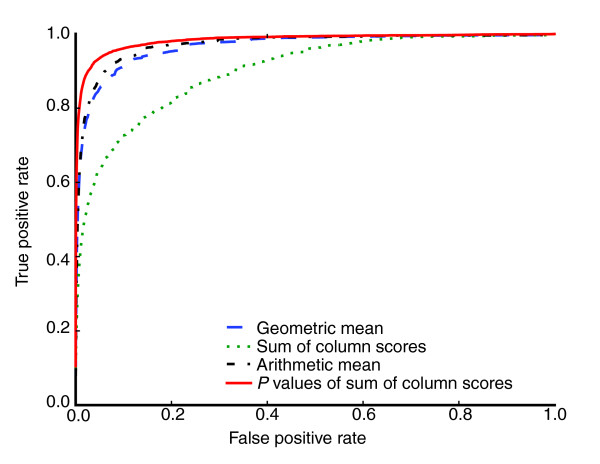
“From this ranked list, we compute a receiver operating characteristic (ROC) curve [23], which plots the percentage of positive pairs as a function of the percentage of negative pairs as we traverse the ranked list.”
WebLogo: A Sequence Logo Generator: Figure 1
Crooks, G. E., Hon, G., Chandonia, J.-M., & Brenner, S. E. (2004) · Genome Research · doi:10.1101/gr.849004 · Cited by 12,386
Fitting a mixture model by expectation maximization to discover motifs in biopolymers.
Bailey, T. L., & Elkan, C. (1994) · PubMed · Cited by 5,806
Self-citationJASPAR: an open-access database for eukaryotic transcription factor binding profiles
Sandelin, A. (2004) · Nucleic Acids Research · doi:10.1093/nar/gkh012 · Cited by 1,790
Regulation of Inducible and Tissue-Specific Gene Expression
Maniatis, T., Goodbourn, S., & Fischer, J. A. (1987) · Science · doi:10.1126/science.3296191 · Cited by 1,554 · cited 1×
“For example, the regulation of transcription requires sequence-specific binding of transcription factors to certain cis-acting motifs, which typically are located upstream of transcriptional start sites [1].”
Assembly of Cell Regulatory Systems Through Protein Interaction Domains
Pawson, T., & Nash, P. (2003) · Science · doi:10.1126/science.1083653 · Cited by 1,422
Assessing computational tools for the discovery of transcription factor binding sites
Tompa, M., Li, N., Bailey, T. L., Church, G. M., De Moor, B., Eskin, E., Favorov, A. V., Frith, M. C., Fu, Y., Kent, W. J., et al. (2005) · Nature Biotechnology · doi:10.1038/nbt1053 · Cited by 1,268 · cited 1×
“A wide variety of statistical methods have been developed to identify sequence motifs in an unsupervised manner from collections of functionally related sequences [3].”
Self-citationTRANSFAC: an integrated system for gene expression regulation
Wingender, E. (2000) · Nucleic Acids Research · doi:10.1093/nar/28.1.316 · Cited by 1,239 · cited 3×
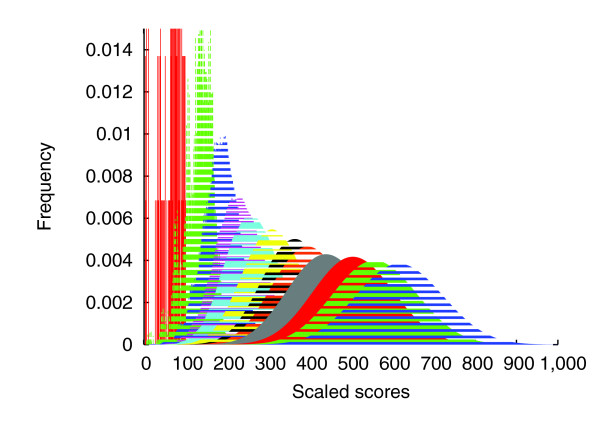
“The figure shows a set of PDFs for a particular query motif of length 12, computed relative to the TRANSFAC database.”
InfluentialA Survey of Exact Inference for Contingency Tables
Agresti, A. (1992) · Statistical Science · doi:10.1214/ss/1177011454 · Cited by 1,097
Hughes, J. D., Estep, P. W., Tavazoie, S., & Church, G. M. (2000) · Journal of Molecular Biology · doi:10.1006/jmbi.2000.3519 · Cited by 1,010
Cited by
MEME SUITE: tools for motif discovery and searching
Bailey, T. L., Boden, M., Buske, F. A., Frith, M., Grant, C. E., Clementi, L., Ren, J., Li, W. W., & Noble, W. S. (2009) · Nucleic Acids Research · doi:10.1093/nar/gkp335 · Cited by 10,648
“TOMTOM (4) quantifies the similarity between two motifs, and can be used to search a database of known motifs for matches to motifs found by MEME.”
BackgroundMethodSelf-citationBailey, T. L., Johnson, J., Grant, C. E., & Noble, W. S. (2015) · Nucleic Acids Research · doi:10.1093/nar/gkv416 · Cited by 5,269
“The web-based version of the MEME Suite includes 13 tools (1,2,3,4,5,6,7,8,9,10,11,12,13) for performing motif discovery, motif enrichment analysis, motif scanning and motif–motif comparisons (Figure 1).”
MethodSelf-citationMEME-ChIP: motif analysis of large DNA datasets
Machanick, P., & Bailey, T. L. (2011) · Bioinformatics · doi:10.1093/bioinformatics/btr189 · Cited by 1,806
“Received on January 23, 2011; revised on March 18, 2011; accepted on April 6, 2011”
Self-citationA scalable SCENIC workflow for single-cell gene regulatory network analysis
Van de Sande, B., Flerin, C., Davie, K., De Waegeneer, M., Hulselmans, G., Aibar, S., Seurinck, R., Saelens, W., Cannoodt, R., Rouchon, Q., et al. (2020) · Nature Protocols · doi:10.1038/s41596-020-0336-2 · Cited by 1,494
Effective gene expression prediction from sequence by integrating long-range interactions
Avsec, Ž., Agarwal, V., Visentin, D., Ledsam, J. R., Grabska-Barwinska, A., Taylor, K. R., Assael, Y., Jumper, J., Kohli, P., & Kelley, D. R. (2021) · Nature Methods · doi:10.1038/s41592-021-01252-x · Cited by 1,827
Ji, Y., Zhou, Z., Liu, H., & Davuluri, R. V. (2021) · Bioinformatics · doi:10.1093/bioinformatics/btab083 · Cited by 1,303
DNA-Binding Specificities of Human Transcription Factors
Jolma, A., Yan, J., Whitington, T., Toivonen, J., Nitta, K. R., Rastas, P., Morgunova, E., Enge, M., Taipale, M., Wei, G., et al. (2013) · Cell · doi:10.1016/j.cell.2012.12.009 · Cited by 1,261
Kelley, D. R., Snoek, J., & Rinn, J. L. (2016) · Genome Research · doi:10.1101/gr.200535.115 · Cited by 1,048
“1 search tool (Gupta et al. 2007) and requiring an FDR q-value <0.”
BackgroundMethodInfluentialDREME: motif discovery in transcription factor ChIP-seq data
Bailey, T. L. (2011) · Bioinformatics · doi:10.1093/bioinformatics/btr261 · Cited by 1,044
Self-citationiRegulon: From a Gene List to a Gene Regulatory Network Using Large Motif and Track Collections
Janky, R., Verfaillie, A., Imrichová, H., Van de Sande, B., Standaert, L., Christiaens, V., Hulselmans, G., Herten, K., Naval Sanchez, M., Potier, D., et al. (2014) · PLoS Computational Biology · doi:10.1371/journal.pcbi.1003731 · Cited by 900
“[43,44], and motif-motif edges as defined by motif similarity (using Tomtom [45]).”
BackgroundMethodRamagopalan, S. V., Heger, A., Berlanga, A. J., Maugeri, N. J., Lincoln, M. R., Burrell, A., Handunnetthi, L., Handel, A. E., Disanto, G., Orton, S.-M., et al. (2010) · Genome Research · doi:10.1101/gr.107920.110 · Cited by 873
“We found three other motifs that showed similarity (P < 10 5 using TOMTOM (Gupta et al. 2007) to the DR3 motif.”
MethodInfluentialLatent Enhancers Activated by Stimulation in Differentiated Cells
Ostuni, R., Piccolo, V., Barozzi, I., Polletti, S., Termanini, A., Bonifacio, S., Curina, A., Prosperini, E., Ghisletti, S., & Natoli, G. (2013) · Cell · doi:10.1016/j.cell.2012.12.018 · Cited by 867
Quang, D., & Xie, X. (2016) · Nucleic Acids Research · doi:10.1093/nar/gkw226 · Cited by 853
“Then, we aligned these motifs to known motifs using the TOMTOM algorithm (26).”
MethodWang, J., Zhuang, J., Iyer, S., Lin, X., Whitfield, T. W., Greven, M. C., Pierce, B. G., Dong, X., Kundaje, A., Cheng, Y., et al. (2012) · Genome Research · doi:10.1101/gr.139105.112 · Cited by 818
“We compared the discovered motifs with annotated motifs in the JASPAR (Bryne et al. 2008) and TRANSFAC (Matys et al. 2003) databases using TOMTOM (Gupta et al. 2007).”
MethodSelf-citationPioneer Transcription Factors Target Partial DNA Motifs on Nucleosomes to Initiate Reprogramming
Soufi, A., Garcia, M. F., Jaroszewicz, A., Osman, N., Pellegrini, M., & Zaret, K. S. (2015) · Cell · doi:10.1016/j.cell.2015.03.017 · Cited by 780
SCENIC+: single-cell multiomic inference of enhancers and gene regulatory networks
Bravo González-Blas, C., De Winter, S., Hulselmans, G., Hecker, N., Matetovici, I., Christiaens, V., Poovathingal, S., Wouters, J., Aibar, S., & Aerts, S. (2023) · Nature Methods · doi:10.1038/s41592-023-01938-4 · Cited by 778
SCENIC+: single-cell multiomic inference of enhancers and gene regulatory networks
González-Blas, C. B., De Winter, S., Hulselmans, G., Hecker, N., Matetovici, I., Christiaens, V., Poovathingal, S., Wouters, J., Aibar, S., & Aerts, S. (2022) · doi:10.1101/2022.08.19.504505 · Cited by 778
An expansive human regulatory lexicon encoded in transcription factor footprints
Neph, S., Vierstra, J., Stergachis, A. B., Reynolds, A. P., Haugen, E., Vernot, B., Thurman, R. E., John, S., Sandstrom, R., Johnson, A. K., et al. (2012) · Nature · doi:10.1038/nature11212 · Cited by 756
Self-citationEpigenomic Analysis of Multilineage Differentiation of Human Embryonic Stem Cells
Xie, W., Schultz, M. D., Lister, R., Hou, Z., Rajagopal, N., Ray, P., Whitaker, J. W., Tian, S., Hawkins, R. D., Leung, D., et al. (2013) · Cell · doi:10.1016/j.cell.2013.04.022 · Cited by 735
Genome modelling and design across all domains of life with Evo 2
Brixi, G., Durrant, M. G., Ku, J., Naghipourfar, M., Poli, M., Sun, G., Brockman, G., Chang, D., Fanton, A., Gonzalez, G. A., et al. (2026) · Nature · doi:10.1038/s41586-026-10176-5 · Cited by 715
“8f) from the HOCO-MOCO v.12 CORE database 34 using the TOMTOM motif comparison tool 35 .”
STREME: accurate and versatile sequence motif discovery
Bailey, T. L. (2021) · Bioinformatics · doi:10.1093/bioinformatics/btab203 · Cited by 622
Self-citationSequential regulatory activity prediction across chromosomes with convolutional neural networks
Kelley, D. R., Reshef, Y. A., Bileschi, M., Belanger, D., McLean, C. Y., & Snoek, J. (2018) · Genome Research · doi:10.1101/gr.227819.117 · Cited by 537
“rs78461372 overlaps an ETS factor motif adjacent to a RUNX factor motif, where the G allele confers a stronger hit to the JASPAR database PWM for ETS, discovered using the motif search tool Tomtom (Gupta et al. 2007; Mathelier et al. 2016) (Figure 6).”
MethodZou, Q., Xing, P., Wei, L., & Liu, B. (2019) · RNA · doi:10.1261/rna.069112.118 · Cited by 525
“For further analysis of these motifs, we used the TOMTOM (Gupta et al. 2007) motif comparison tool to compare one or more motifs against a database of known RNA motifs.”
MethodPancreatic islet enhancer clusters enriched in type 2 diabetes risk-associated variants
Pasquali, L., Gaulton, K. J., Rodríguez-Seguí, S. A., Mularoni, L., Miguel-Escalada, I., Akerman, İ., Tena, J. J., Morán, I., Gómez-Marín, C., van de Bunt, M., et al. (2014) · Nature Genetics · doi:10.1038/ng.2870 · Cited by 518
A single-cell atlas of chromatin accessibility in the human genome
Zhang, K., Hocker, J. D., Miller, M., Hou, X., Chiou, J., Poirion, O. B., Qiu, Y., Li, Y. E., Gaulton, K. J., Wang, A., et al. (2021) · Cell · doi:10.1016/j.cell.2021.10.024 · Cited by 502
Enhanced Regulatory Sequence Prediction Using Gapped k-mer Features
Ghandi, M., Lee, D., Mohammad-Noori, M., & Beer, M. A. (2014) · PLoS Computational Biology · doi:10.1371/journal.pcbi.1003711 · Cited by 489
“The 10-mers used for creating the 1st PWM were then removed from the list, and the process was repeated on the remaining predictive k-mers, to find up to three PWMs. Lastly, we matched our PWMs to the previously identified PWMs [18] using TOMTOM [36] software.”
MethodHuman 5′ UTR design and variant effect prediction from a massively parallel translation assay
Sample, P. J., Wang, B., Reid, D. W., Presnyak, V., McFadyen, I. J., Morris, D. R., & Seelig, G. (2019) · Nature Biotechnology · doi:10.1038/s41587-019-0164-5 · Cited by 442
RNA Binding to CBP Stimulates Histone Acetylation and Transcription
Bose, D. A., Donahue, G., Reinberg, D., Shiekhattar, R., Bonasio, R., & Berger, S. L. (2017) · Cell · doi:10.1016/j.cell.2016.12.020 · Cited by 426
Novel Foxo1-dependent transcriptional programs control Treg cell function
Ouyang, W., Liao, W., Luo, C. T., Yin, N., Huse, M., Kim, M. V., Peng, M., Chan, P., Ma, Q., Mo, Y., et al. (2012) · Nature · doi:10.1038/nature11581 · Cited by 413
The Role of m6A/m-RNA Methylation in Stress Response Regulation
Engel, M., Eggert, C., Kaplick, P. M., Eder, M., Röh, S., Tietze, L., Namendorf, C., Arloth, J., Weber, P., Rex-Haffner, M., et al. (2018) · Neuron · doi:10.1016/j.neuron.2018.07.009 · Cited by 411
Li, X. Z., Roy, C. K., Dong, X., Bolcun-Filas, E., Wang, J., Han, B. W., Xu, J., Moore, M. J., Schimenti, J. C., Weng, Z., et al. (2013) · Molecular Cell · doi:10.1016/j.molcel.2013.02.016 · Cited by 400
“This motif matches the binding site of the Myb family of transcription factors (Figure 4A; Gupta et al., 2007; Newburger and Bulyk, 2009).”
BackgroundFLOWERING LOCUS C (FLC) regulates development pathways throughout the life cycle of Arabidopsis
Deng, W., Ying, H., Helliwell, C. A., Taylor, J. M., Peacock, W. J., & Dennis, E. S. (2011) · Proceedings of the National Academy of Sciences · doi:10.1073/pnas.1103175108 · Cited by 375
Transcription factors LRF and BCL11A independently repress expression of fetal hemoglobin
Masuda, T., Wang, X., Maeda, M., Canver, M. C., Sher, F., Funnell, A. P. W., Fisher, C., Suciu, M., Martyn, G. E., Norton, L. J., et al. (2016) · Science · doi:10.1126/science.aad3312 · Cited by 373
A cis-regulatory atlas in maize at single-cell resolution
Marand, A. P., Chen, Z., Gallavotti, A., & Schmitz, R. J. (2021) · Cell · doi:10.1016/j.cell.2021.04.014 · Cited by 373
Garber, M., Yosef, N., Goren, A., Raychowdhury, R., Thielke, A., Guttman, M., Robinson, J., Minie, B., Chevrier, N., Itzhaki, Z., et al. (2012) · Molecular Cell · doi:10.1016/j.molcel.2012.07.030 · Cited by 369
“812 Molecular Cell 47, 810–822, September 14, 2012 a2012 Elsevier motifs for 20 (80%) of the TFs (Gupta et al., 2007), as well as novel motifs for E2f4, Ets2 and Ahr (12%).”
UniPROBE: an online database of protein binding microarray data on protein-DNA interactions
Newburger, D. E., & Bulyk, M. L. (2009) · Nucleic Acids Research · doi:10.1093/nar/gkn660 · Cited by 367
“The first tool, which uses the Tomtom program (33) from the Meta-MEME suite (22), provides a platform for comparing standard motif representations against the PBM-derived PWMs in the database (Figure 3C).”
MethodInfluentialChow, C.-N., Zheng, H.-Q., Wu, N.-Y., Chien, C.-H., Huang, H.-D., Lee, T.-Y., Chiang-Hsieh, Y.-F., Hou, P.-F., Yang, T.-Y., & Chang, W.-C. (2016) · Nucleic Acids Research · doi:10.1093/nar/gkv1035 · Cited by 366
“0 by using the Tomtom program (25).”
The Malaria Cell Atlas: Single parasite transcriptomes across the complete Plasmodium life cycle
Howick, V. M., Russell, A. J. C., Andrews, T., Heaton, H., Reid, A. J., Natarajan, K., Butungi, H., Metcalf, T., Verzier, L. H., Rayner, J. C., et al. (2019) · Science · doi:10.1126/science.aaw2619 · Cited by 309
“The top motif of each cluster was compared to motifs from (12, 13, 52, 53) using Tomtom (54).”
MethodAndrogen receptor driven transcription in molecular apocrine breast cancer is mediated by FoxA1
Robinson, J. L. L., MacArthur, S., Ross‐Innes, C. S., Tilley, W. D., Neal, D. E., Mills, I. G., & Carroll, J. S. (2011) · The EMBO Journal · doi:10.1038/emboj.2011.216 · Cited by 300
“The resulting PWM was compared with JASPAR, Transfac and UNIPROBE database by MEME’s TOMTOM application (Gupta et al, 2007).”
MethodSingle-cell trajectories reconstruction, exploration and mapping of omics data with STREAM
Chen, H., Albergante, L., Hsu, J. Y., Lareau, C. A., Lo Bosco, G., Guan, J., Zhou, S., Gorban, A. N., Bauer, D. E., Aryee, M. J., et al. (2019) · Nature Communications · doi:10.1038/s41467-019-09670-4 · Cited by 293
Predicting 3D genome folding from DNA sequence with Akita
Fudenberg, G., Kelley, D. R., & Pollard, K. S. (2020) · Nature Methods · doi:10.1038/s41592-020-0958-x · Cited by 288
Oler, A. J., Alla, R. K., Roberts, D. N., Wong, A., Hollenhorst, P. C., Chandler, K. J., Cassiday, P. A., Nelson, C. A., Hagedorn, C. H., Graves, B. J., et al. (2010) · Nature Structural & Molecular Biology · doi:10.1038/nsmb.1801 · Cited by 286
Magwanga, R. O., Lu, P., Kirungu, J. N., Lu, H., Wang, X., Cai, X., Zhou, Z., Zhang, Z., Salih, H., Wang, K., et al. (2018) · BMC Genetics · doi:10.1186/s12863-017-0596-1 · Cited by 285
“We further did comparison of the common motifs with already identified motif, by the use of Tomtom motif comparison tool, adopting the distance measure of Sandelin-Wasserman function [50].”
MethodDeepSTARR predicts enhancer activity from DNA sequence and enables the de novo design of enhancers
de Almeida, B. P., Reiter, F., Pagani, M., & Stark, A. (2021) · doi:10.1101/2021.10.05.463203 · Cited by 284
de Almeida, B. P., Reiter, F., Pagani, M., & Stark, A. (2022) · Nature Genetics · doi:10.1038/s41588-022-01048-5 · Cited by 283
28-Way vertebrate alignment and conservation track in the UCSC Genome Browser
Miller, W., Rosenbloom, K., Hardison, R. C., Hou, M., Taylor, J., Raney, B., Burhans, R., King, D. C., Baertsch, R., Blankenberg, D., et al. (2007) · Genome Research · doi:10.1101/gr.6761107 · Cited by 279
Zhan, J., Thakare, D., Ma, C., Lloyd, A., Nixon, N. M., Arakaki, A. M., Burnett, W. J., Logan, K. O., Wang, D., Wang, X., et al. (2015) · The Plant Cell · doi:10.1105/tpc.114.135657 · Cited by 276
“05) to the known plant cis-motifs available in the JASPAR CORE database using TOMTOM program (Gupta et al., 2007).”
MethodInfluentialXiao, S., Yosef, N., Yang, J., Wang, Y., Zhou, L., Zhu, C., Wu, C., Baloglu, E., Schmidt, D., Ramesh, R., et al. (2014) · Immunity · doi:10.1016/j.immuni.2014.04.004 · Cited by 276
Practical Guidelines for the Comprehensive Analysis of ChIP-seq Data
Bailey, T., Krajewski, P., Ladunga, I., Lefebvre, C., Li, Q., Liu, T., Madrigal, P., Taslim, C., & Zhang, J. (2013) · PLoS Computational Biology · doi:10.1371/journal.pcbi.1003326 · Cited by 275
“Following motif discovery, comparing the discovered motifs with known DNA motifs using motif comparison software [59,60] is useful to confirm the presence of the ChIPed TF motif if its (or its TF-family) binding motif is known.”
MethodSelf-citationBujalka, H., Koenning, M., Jackson, S., Perreau, V. M., Pope, B., Hay, C. M., Mitew, S., Hill, A. F., Lu, Q. R., Wegner, M., et al. (2013) · PLoS Biology · doi:10.1371/journal.pbio.1001625 · Cited by 271
“This analysis revealed a consensus sequence [G/C]CTGGYAC (where Y = C or T) as the strongest candidate (Figure 6A), which did not match any known consensus sequences for other transcription factors based on analysis with Tomtom [30].”
BackgroundMapping and Dynamics of Regulatory DNA and Transcription Factor Networks in A. thaliana
Sullivan, A. M., Arsovski, A. A., Lempe, J., Bubb, K. L., Weirauch, M. T., Sabo, P. J., Sandstrom, R., Thurman, R. E., Neph, S., Reynolds, A. P., et al. (2014) · Cell Reports · doi:10.1016/j.celrep.2014.08.019 · Cited by 266
“… recognition sequences from known motifs, we subtracted all motif models that resembled any known TRANSFAC or JASPAR or PBM-‐ motif using liberal matching criteria (Gupta et al., 2007) (Methods), which yielded 112 novel motif models (Table S5).”
Self-citationConservation, acquisition, and functional impact of sex-biased gene expression in mammals
Naqvi, S., Godfrey, A. K., Hughes, J. F., Goodheart, M. L., Mitchell, R. N., & Page, D. C. (2019) · Science · doi:10.1126/science.aaw7317 · Cited by 265
Epigenetic evolution and lineage histories of chronic lymphocytic leukaemia
Gaiti, F., Chaligne, R., Gu, H., Brand, R. M., Kothen-Hill, S., Schulman, R. C., Grigorev, K., Risso, D., Kim, K.-T., Pastore, A., et al. (2019) · Nature · doi:10.1038/s41586-019-1198-z · Cited by 262
Mouse regulatory DNA landscapes reveal global principles of cis-regulatory evolution
Vierstra, J., Rynes, E., Sandstrom, R., Zhang, M., Canfield, T., Hansen, R. S., Stehling-Sun, S., Sabo, P. J., Byron, R., Humbert, R., et al. (2014) · Science · doi:10.1126/science.1246426 · Cited by 257
Self-citationPan, X., Rijnbeek, P., Yan, J., & Shen, H.-B. (2018) · BMC Genomics · doi:10.1186/s12864-018-4889-1 · Cited by 251
“3, iDeepS is able to discover experimentally verified sequence motifs for these 19 experiments, of which 15 are matched against CISBP-RNA with significant E-value cutoff 0.05 provided by TOMTOM [33].”
MethodInfluentialDiscriminative prediction of mammalian enhancers from DNA sequence
Lee, D., Karchin, R., & Beer, M. A. (2011) · Genome Research · doi:10.1101/gr.121905.111 · Cited by 248
Androgen conspires with the CD8 + T cell exhaustion program and contributes to sex bias in cancer
Kwon, H., Schafer, J. M., Song, N.-J., Kaneko, S., Li, A., Xiao, T., Ma, A., Allen, C., Das, K., Zhou, L., et al. (2022) · Science Immunology · doi:10.1126/sciimmunol.abq2630 · Cited by 244
“For each predicted CTSR, we considered all significantly matched TFs in the motif comparison result (using TOMTOM (79)) and HOCOMOCO database (80) as potential regulators, rather than only the top TF described in the IRIS3 tutorial.”
MethodMotif-based analysis of large nucleotide data sets using MEME-ChIP
Ma, W., Noble, W. S., & Bailey, T. L. (2014) · Nature Protocols · doi:10.1038/nprot.2014.083 · Cited by 240
Self-citationSmith, R. P., Taher, L., Patwardhan, R. P., Kim, M. J., Inoue, F., Shendure, J., Ovcharenko, I., & Ahituv, N. (2013) · Nature Genetics · doi:10.1038/ng.2713 · Cited by 239
Pou5f1 Transcription Factor Controls Zygotic Gene Activation In Vertebrates
Leichsenring, M., Maes, J., Mössner, R., Driever, W., & Onichtchouk, D. (2013) · Science · doi:10.1126/science.1242527 · Cited by 231
Grøntved, L., John, S., Baek, S., Liu, Y., Buckley, J. R., Vinson, C., Aguilera, G., & Hager, G. L. (2013) · The EMBO Journal · doi:10.1038/emboj.2013.106 · Cited by 229
“HONER and/or TOMTOM (Gupta et al , 2007) in combination with the JASPAR database were used to identify potential factors that bind to the enriched motifs.”
RSAT 2011: regulatory sequence analysis tools
Thomas-Chollier, M., Defrance, M., Medina-Rivera, A., Sand, O., Herrmann, C., Thieffry, D., & van Helden, J. (2011) · Nucleic Acids Research · doi:10.1093/nar/gkr377 · Cited by 228
“The tool integrates a wide variety of similarity/dissimilarity scoring metrics featured by other matrix comparison tools such as STAMP (21) or TOMTOM (22): sum of squared distances, Euclidian distance/similarity, Sandelin– Wasserman similarity (23), Kullback–Leibler distance as defined in (24), covariance, Pearson’s c…”
MethodThe Escherichia coli transcriptome mostly consists of independently regulated modules
Sastry, A. V., Gao, Y., Szubin, R., Hefner, Y., Xu, S., Kim, D., Choudhary, K. S., Yang, L., King, Z. A., & Palsson, B. O. (2019) · Nature Communications · doi:10.1038/s41467-019-13483-w · Cited by 227
Zhu, L. J., Christensen, R. G., Kazemian, M., Hull, C. J., Enuameh, M. S., Basciotta, M. D., Brasefield, J. A., Zhu, C., Asriyan, Y., Lapointe, D. S., et al. (2011) · Nucleic Acids Research · doi:10.1093/nar/gkq858 · Cited by 225
“The first is an implementation of the TOMTOM motif comparison tool from the MEME suite (29,37).”
MethodHigh-throughput functional testing of ENCODE segmentation predictions
Kwasnieski, J. C., Fiore, C., Chaudhari, H. G., & Cohen, B. A. (2014) · Genome Research · doi:10.1101/gr.173518.114 · Cited by 224
“The TOMTOM web module (http://meme.nbcr.net/meme/cgi-bin/tomtom.cgi) (Gupta et al. 2007) was used to find similar motifs, using default options.”
InfluentialA genome-wide analysis of Cas9 binding specificity using ChIP-seq and targeted sequence capture
O'Geen, H., Henry, I. M., Bhakta, M. S., Meckler, J. F., & Segal, D. J. (2015) · Nucleic Acids Research · doi:10.1093/nar/gkv137 · Cited by 219
“When using the Tomtom Motif Comparison Tool (39) the motif identified in S2-specific and gRNA-independent binding sites resembles transcription factor motifs, such as SP1 and KLF5 motifs (Supplementary Figure S5).”
MethodChIP-seq reveals cell type-specific binding patterns of BMP-specific Smads and a novel binding motif
Morikawa, M., Koinuma, D., Tsutsumi, S., Vasilaki, E., Kanki, Y., Heldin, C.-H., Aburatani, H., & Miyazono, K. (2011) · Nucleic Acids Research · doi:10.1093/nar/gkr572 · Cited by 219
“Obtained motifs were then compared with TRANSFAC (32) and JASPAR (20) database of known motifs, and ranked by their similarity using the TOMTOM program (33).”
Li, X.-Y., Thomas, S., Sabo, P. J., Eisen, M. B., Stamatoyannopoulos, J. A., & Biggin, M. D. (2011) · Genome Biology · doi:10.1186/gb-2011-12-4-r34 · Cited by 217
“If any permutation that matched any other of the randomly generated permutations for that factor or the normal PWM of one of the other 15 factors (P 0.05 defined using Tomtom [108]) it was discarded and a new permutation was generated.”
MethodInfluentialSelf-citationMateos, J. L., Madrigal, P., Tsuda, K., Rawat, V., Richter, R., Romera-Branchat, M., Fornara, F., Schneeberger, K., Krajewski, P., & Coupland, G. (2015) · Genome Biology · doi:10.1186/s13059-015-0597-1 · Cited by 217
“TOMTOM [95] (from MEME suite) with default parameters (+ matching all motifs) was used to match identified motifs with the JASPAR CORE motifs database.”
MethodRNA localization is a key determinant of neurite-enriched proteome
Zappulo, A., van den Bruck, D., Ciolli Mattioli, C., Franke, V., Imami, K., McShane, E., Moreno-Estelles, M., Calviello, L., Filipchyk, A., Peguero-Sanchez, E., et al. (2017) · Nature Communications · doi:10.1038/s41467-017-00690-6 · Cited by 217
Pampari, A., Shcherbina, A., Kvon, E. Z., Kosicki, M., Nair, S., Kundu, S., Kathiria, A. S., Risca, V. I., Kuningas, K., Alasoo, K., et al. (2024) · bioRxiv (Cold Spring Harbor Laboratory) · doi:10.1101/2024.12.25.630221 · Cited by 222
A Deep Neural Network for Predicting and Engineering Alternative Polyadenylation
Bogard, N., Linder, J., Rosenberg, A. B., & Seelig, G. (2019) · Cell · doi:10.1016/j.cell.2019.04.046 · Cited by 215
“We cross-referenced the PWMs with published binding data, as well as the Compendium of RNA Binding Protein motifs (Ray et al., 2013) using the Tomtom comparison tool (Gupta et al., 2007), and surveyed the top-scoring results for APA mediators.”
MethodTEAD and YAP regulate the enhancer network of human embryonic pancreatic progenitors
Cebola, I., Rodríguez-Seguí, S. A., Cho, C. H.-H., Bessa, J., Rovira, M., Luengo, M., Chhatriwala, M., Berry, A., Ponsa-Cobas, J., Maestro, M. A., et al. (2015) · Nature Cell Biology · doi:10.1038/ncb3160 · Cited by 215
Genome modeling and design across all domains of life with Evo 2
Brixi, G., Durrant, M. G., Ku, J., Poli, M., Brockman, G., Chang, D., Gonzalez, G. A., King, S. H., Li, D. B., Merchant, A. T., et al. (2025) · bioRxiv (Cold Spring Harbor Laboratory) · doi:10.1101/2025.02.18.638918 · Cited by 215
Enhancer Interaction Networks as a Means for Singular Olfactory Receptor Expression
Markenscoff-Papadimitriou, E., Allen, W. E., Colquitt, B. M., Goh, T., Murphy, K. K., Monahan, K., Mosley, C. P., Ahituv, N., & Lomvardas, S. (2014) · Cell · doi:10.1016/j.cell.2014.09.033 · Cited by 214
Maurano, M. T., Haugen, E., Sandstrom, R., Vierstra, J., Shafer, A., Kaul, R., & Stamatoyannopoulos, J. A. (2015) · Nature Genetics · doi:10.1038/ng.3432 · Cited by 213
Self-citationConservation of trans-acting circuitry during mammalian regulatory evolution
Stergachis, A. B., Neph, S., Sandstrom, R., Haugen, E., Reynolds, A. P., Zhang, M., Byron, R., Canfield, T., Stelhing-Sun, S., Lee, K., et al. (2014) · Nature · doi:10.1038/nature13972 · Cited by 212
Self-citationGenetic regulatory signatures underlying islet gene expression and type 2 diabetes
Varshney, A., Scott, L. J., Welch, R. P., Erdos, M. R., Chines, P. S., Narisu, N., Albanus, R. D., Orchard, P., Wolford, B. N., Kursawe, R., et al. (2017) · Proceedings of the National Academy of Sciences · doi:10.1073/pnas.1621192114 · Cited by 209
Quang, D., & Xie, X. (2019) · Methods · doi:10.1016/j.ymeth.2019.03.020 · Cited by 204
De novo prediction of DNA-binding specificities for Cys2His2 zinc finger proteins
Persikov, A. V., & Singh, M. (2014) · Nucleic Acids Research · doi:10.1093/nar/gkt890 · Cited by 204
Pan, X., & Shen, H.-B. (2017) · BMC Bioinformatics · doi:10.1186/s12859-017-1561-8 · Cited by 202
“Then, these discovered motifs are aligned against 102 known motifs in study [34] from CISBP-RNA using the TOMTOM algorithm [36].”
MethodDissecting neural differentiation regulatory networks through epigenetic footprinting
Ziller, M. J., Edri, R., Yaffe, Y., Donaghey, J., Pop, R., Mallard, W., Issner, R., Gifford, C. A., Goren, A., Xing, J., et al. (2015) · Nature · doi:10.1038/nature13990 · Cited by 199
Mutant p53 cooperates with ETS2 to promote etoposide resistance
Do, P. M., Varanasi, L., Fan, S., Li, C., Kubacka, I., Newman, V., Chauhan, K., Daniels, S. R., Boccetta, M., Garrett, M. R., et al. (2012) · Genes & Development · doi:10.1101/gad.181685.111 · Cited by 196
“the online MEME suite (Gupta et al. 2007).”
Pan, L., Zhu, B., Hao, W., Zeng, X., Vlahopoulos, S. A., Hazra, T. K., Hegde, M. L., Radak, Z., Bacsi, A., Brasier, A. R., et al. (2016) · Journal of Biological Chemistry · doi:10.1074/jbc.m116.751453 · Cited by 196
“The PWM was used to determine a score for any 6 –20-bp sequence, and all motifs with a p value of 1 10 10 were examined (70).”
MethodShaping Ethylene Response: The Role of EIN3/EIL1 Transcription Factors
Dolgikh, V. A., Pukhovaya, E. M., & Zemlyanskaya, E. V. (2019) · Frontiers in Plant Science · doi:10.3389/fpls.2019.01030 · Cited by 193
Dynamic GATA4 enhancers shape the chromatin landscape central to heart development and disease
He, A., Gu, F., Hu, Y., Ma, Q., Yi Ye, L., Akiyama, J. A., Visel, A., Pennacchio, L. A., & Pu, W. T. (2014) · Nature Communications · doi:10.1038/ncomms5907 · Cited by 192
YeTFaSCo: a database of evaluated yeast transcription factor sequence specificities
de Boer, C. G., & Hughes, T. R. (2012) · Nucleic Acids Research · doi:10.1093/nar/gkr993 · Cited by 192
“Using Tomtom (version 4.1.0) (53), we compared each motif to the other motifs derived for the same TF (from independent data) using the Euclidean distance metric, yielding a P -value representing how likely each match is, given the similarity of the two motifs.”
BackgroundMethodInfluentialGenome expansion and lineage-specific genetic innovations in the forest pathogenic fungi Armillaria
Sipos, G., Prasanna, A. N., Walter, M. C., O’Connor, E., Bálint, B., Krizsán, K., Kiss, B., Hess, J., Varga, T., Slot, J., et al. (2017) · Nature Ecology & Evolution · doi:10.1038/s41559-017-0347-8 · Cited by 191
Warnatz, H.-J., Schmidt, D., Manke, T., Piccini, I., Sultan, M., Borodina, T., Balzereit, D., Wruck, W., Soldatov, A., Vingron, M., et al. (2011) · Journal of Biological Chemistry · doi:10.1074/jbc.m111.220178 · Cited by 188
Dosage Compensation via Transposable Element Mediated Rewiring of a Regulatory Network
Ellison, C. E., & Bachtrog, D. (2013) · Science · doi:10.1126/science.1239552 · Cited by 183
Pan, X., & Shen, H.-B. (2018) · Bioinformatics · doi:10.1093/bioinformatics/bty364 · Cited by 179
Predicting enhancer‐promoter interaction from genomic sequence with deep neural networks
Singh, S., Yang, Y., Póczos, B., & Ma, J. (2019) · Quantitative Biology · doi:10.1007/s40484-019-0154-0 · Cited by 179
“2 [37] to match these PFMs to known TF motifs from the HOCOMOCO Human v10 database.”
MethodCell-type-directed design of synthetic enhancers
Taskiran, I. I., Spanier, K. I., Dickmänken, H., Kempynck, N., Pančíková, A., Ekşi, E. C., Hulselmans, G., Ismail, J. N., Theunis, K., Vandepoel, R., et al. (2024) · Nature · doi:10.1038/s41586-023-06936-2 · Cited by 175
Zrimec, J., Börlin, C. S., Buric, F., Muhammad, A. S., Chen, R., Siewers, V., Verendel, V., Nielsen, J., Töpel, M., & Zelezniak, A. (2020) · Nature Communications · doi:10.1038/s41467-020-19921-4 · Cited by 174
Gene expression is encoded in all parts of a co-evolving interacting gene regulatory structure
Zrimec, J., Buric, F., Muhammad, A. S., Chen, R., Verendel, V., Töpel, M., & Zelezniak, A. (2019) · doi:10.1101/792531 · Cited by 173
Dissecting the role of PfAP2-G in malaria gametocytogenesis
Josling, G. A., Russell, T. J., Venezia, J., Orchard, L., van Biljon, R., Painter, H. J., & Llinás, M. (2020) · Nature Communications · doi:10.1038/s41467-020-15026-0 · Cited by 173
Boeva, V. (2016) · Frontiers in Genetics · doi:10.3389/fgene.2016.00024 · Cited by 174
“…is that many functional binding sequences may not be included in the motif when using a stringent consensus, and indeed, when consensus is poor, the motif can comprise motif instances of very low binding affinity, due to the uncaptured effect of nucleotide combinations on several low-affinity positions.”
BackgroundMethodHeinz, E., Williams, T. A., Nakjang, S., Noël, C. J., Swan, D. C., Goldberg, A. V., Harris, S. R., Weinmaier, T., Markert, S., Becher, D., et al. (2012) · PLoS Pathogens · doi:10.1371/journal.ppat.1002979 · Cited by 155
“A search with the MEME program [ 103 ] was performed using the default settings and a maximal number of 40 motifs to be reported , and subsequently analysed with TOMTOM [ 104 ] against the databases JASPAR , TRANSFAC and UNIPROBE using the default settings .”
MethodKarlsson, E. K., Sigurdsson, S., Ivansson, E., Thomas, R., Elvers, I., Wright, J., Howald, C., Tonomura, N., Perloski, M., Swofford, R., et al. (2013) · Genome Biology · doi:10.1186/gb-2013-14-12-r132 · Cited by 171
“We analyzed the locus with two different transcription factor binding motif analysis tools, FIMO [31] and TOMTOM [32].”
MethodZambelli, F., Pesole, G., & Pavesi, G. (2012) · Briefings in Bioinformatics · doi:10.1093/bib/bbs016 · Cited by 173
“Since the binding specificity of several TFs is already known, the motifs discovered can be then compared to already known motifs with tools like STAMP [15] or TOMTOM [16].”
Method
Metadata
- Authors
- Gupta, S., Stamatoyannopoulos, J. A., Bailey, T. L., & Noble, W. S.
- Affiliations
- University of Washington (US)
- The University of Queensland (AU)
- Corresponding author
- Noble, William Stafford
- Venue
- Genome Biology
- Published
- 2007-02-26
- Volume
- 8
- Issue
- 2
- Pages
- R24-R24
- ISSN
- 1465-6906 (ISSN-L)
- 1474-760X
- PMC
- PMC1852410
- OpenAlex
- W2103777723
- Cited by
- 2,058
- References
- 25
- Citations by year
- 2026: 153 · 2025: 185 · 2024: 199 · 2023: 152 · 2022: 185 · 2021: 202 · 2020: 150 · 2019: 129 · 2018: 111 · 2017: 98 · 2016: 91 · 2015: 81 · 2014: 94 · 2013: 74 · 2012: 62
- FWCI
- 6.22
- Type
- journal article
- Language
- en
- Open access
- gold
- doi.org
- Licence
- cc-by
- creativecommons.org/licenses/by/2.0/ (tdm)
- creativecommons.org/licenses/by/2.0/ (vor)
- Locations
- Genome biology (publishedVersion, cc-by)
- PubMed Central (publishedVersion, cc-by)
- PubMed (publishedVersion)
- Topics
- Life Sciences › Biochemistry, Genetics and Molecular Biology › Molecular Biology › Genomics and Chromatin Dynamics
- Life Sciences › Biochemistry, Genetics and Molecular Biology › Molecular Biology › Genomics and Phylogenetic Studies
- Physical Sciences › Mathematics › Theoretical Computer Science › Algorithms and Data Compression
- Keywords
- motif similarity, de novo motif discovery, TomTom, statistical significance, E-value, sequence motifs
- MeSH terms
- Algorithms, Software, Sequence Homology, Computational Biology, Amino Acid Motifs, Databases, Genetic
About these checks
Registry, retraction, Cites and statistics results are computed, not judged, with one exception: a printed reference that no index lists is read once by a model before it counts as a citation error. Claims are extracted by a model and kept only when their quote appears verbatim in the text; each cited source is then checked, with a model’s help, for whether it says what the claim relies on. Those verdicts can be wrong — read the claim’s quote and the cited source before relying on one.
Statistics and arithmetic are recomputed, not judged.
Confidence bands are shown only for fields calibrated on our annotated test set. None is calibrated yet, so no band is shown.
What counts as a claim ›How we measure confidence ›How we check this ›
Are you an author, or do you see a problem with this page? Request a review
Data sources
Bibliographic data: Semantic Scholar, OpenAlex, Crossref.
Contains information from the Semantic Scholar Academic Graph Datasets, made available under the ODC Attribution License (ODC-BY 1.0).
Semantic Scholar’s data is described in: Kinney, R., et al. (2023). The Semantic Scholar Open Data Platform. arXiv:2301.10140.
