

Quantifying similarity between motifs
Open accessThe DOI matches its Crossref record; 25 of the 25 references it cites were found in a registry or an index.
Abstract
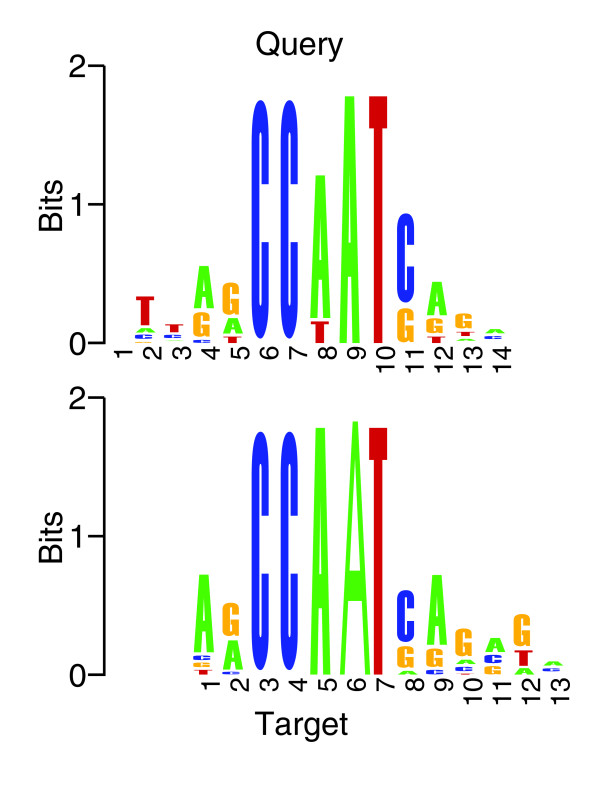
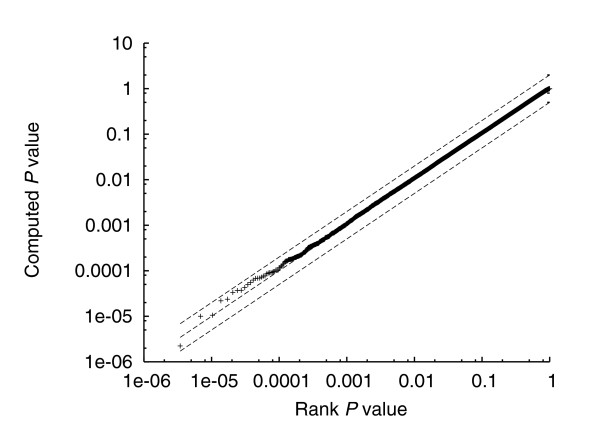
A common question within the context of de novo motif discovery is whether a newly discovered, putative motif resembles any previously discovered motif in an existing database. To answer this question, we define a statistical measure of motif-motif similarity, and we describe an algorithm, called Tomtom, for searching a database of motifs with a given query motif. Experimental simulations demonstrate the accuracy of Tomtom's E values and its effectiveness in finding similar motifs.
Overview
The claims and statistics of this paper haven’t been checked yet.
Free: it reads the open-access text and checks the first 5 claims that cite a source we can check. Create a free account to check every claim.
Integrity signals
Registry
Cites
Statistics
Figures
Verification
Claims the paper makes
The claims and statistics of this paper haven’t been checked yet.
Free: it reads the open-access text and checks the first 5 claims that cite a source we can check. Create a free account to check every claim.
Claims other papers make about this one
Each is checked against this paper’s own text: does it say what the citing paper says it does?
The cited source says what the claim attributes to it.
In the citing paper
“with four examples shown in Fig. 3B, the first two having a significant match in PlantTFDB (20) [with q-value <0.05 in Tomtom (38)].”
From DNA language models are powerful predictors of genome-wide variant effects (2023) · cites this paper as [38]
The check wasn’t confident either way, so it gives no verdict — never disputed.
In the citing paper
“The shared STAT3 bound regions were annotated with the nearest gene by 'annotatePeaks' from HOMER v4.10 (Gupta et al., 2007), yielding 475 unique genes.”
From CDK8 fine-tunes IL-6 transcriptional activities by limiting STAT3 resident time at the gene loci (2020) · cites this paper as Gupta et al., 2007
Experimental — accuracy not yet measured
Self-check
Percentages, sums and reported differences re-computed from the paper’s own numbers.
The self-check needs the paper’s full text.
Citations
Cites
The meaning and use of the area under a receiver operating characteristic (ROC) curve.
Hanley, J. A., & McNeil, B. J. (1982) · Radiology · doi:10.1148/radiology.143.1.7063747 · Cited by 21,856 · cited 1×
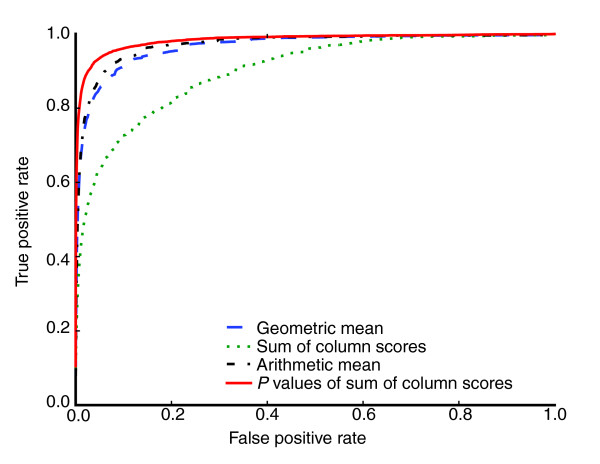
“From this ranked list, we compute a receiver operating characteristic (ROC) curve [23], which plots the percentage of positive pairs as a function of the percentage of negative pairs as we traverse the ranked list.”
WebLogo: A Sequence Logo Generator: Figure 1
Crooks, G. E., Hon, G., Chandonia, J.-M., & Brenner, S. E. (2004) · Genome Research · doi:10.1101/gr.849004 · Cited by 12,386
Fitting a mixture model by expectation maximization to discover motifs in biopolymers.
Bailey, T. L., & Elkan, C. (1994) · PubMed · Cited by 5,806
Self-citationJASPAR: an open-access database for eukaryotic transcription factor binding profiles
Sandelin, A. (2004) · Nucleic Acids Research · doi:10.1093/nar/gkh012 · Cited by 1,790
Regulation of Inducible and Tissue-Specific Gene Expression
Maniatis, T., Goodbourn, S., & Fischer, J. A. (1987) · Science · doi:10.1126/science.3296191 · Cited by 1,554 · cited 1×
“For example, the regulation of transcription requires sequence-specific binding of transcription factors to certain cis-acting motifs, which typically are located upstream of transcriptional start sites [1].”
Assembly of Cell Regulatory Systems Through Protein Interaction Domains
Pawson, T., & Nash, P. (2003) · Science · doi:10.1126/science.1083653 · Cited by 1,422
Assessing computational tools for the discovery of transcription factor binding sites
Tompa, M., Li, N., Bailey, T. L., Church, G. M., De Moor, B., Eskin, E., Favorov, A. V., Frith, M. C., Fu, Y., Kent, W. J., et al. (2005) · Nature Biotechnology · doi:10.1038/nbt1053 · Cited by 1,268 · cited 1×
“A wide variety of statistical methods have been developed to identify sequence motifs in an unsupervised manner from collections of functionally related sequences [3].”
Self-citationTRANSFAC: an integrated system for gene expression regulation
Wingender, E. (2000) · Nucleic Acids Research · doi:10.1093/nar/28.1.316 · Cited by 1,239 · cited 3×
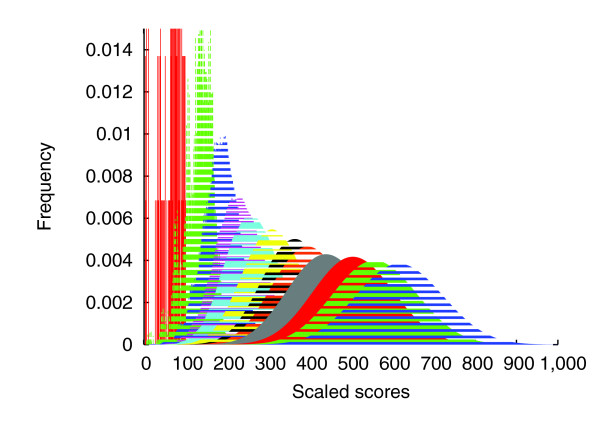
“The figure shows a set of PDFs for a particular query motif of length 12, computed relative to the TRANSFAC database.”
InfluentialA Survey of Exact Inference for Contingency Tables
Agresti, A. (1992) · Statistical Science · doi:10.1214/ss/1177011454 · Cited by 1,097
Hughes, J. D., Estep, P. W., Tavazoie, S., & Church, G. M. (2000) · Journal of Molecular Biology · doi:10.1006/jmbi.2000.3519 · Cited by 1,010
Cited by
Items 801–900 of 1,013
van Veen, J. E., Scherzer, M. T., Boshuizen, J., Chu, M., Liu, A., Landman, A. S., Green, S., Trejo, C. L., & McMahon, M. (2019) · eLife · doi:10.7554/elife.43668 · Cited by 24
“1), also known as Liver Receptor Homolog (LRH) 1 (Gupta et al., 2007a).”
BackgroundTahir, M., Tayara, H., Hayat, M., & Chong, K. T. (2020) · Chemometrics and Intelligent Laboratory Systems · doi:10.1016/j.chemolab.2020.104217 · Cited by 23
CisBP-RNA: a web resource for eukaryotic RNA-binding proteins and their motifs
Rosado‐Tristani, D. A., Albu, M., Chen, X., Sasse, A., Laverty, K. U., Ray, D., Tam, C. L., Ernst, K., Lawson, L. P., Morris, Q., et al. (2025) · Nucleic Acids Research · doi:10.1093/nar/gkaf1081 · Cited by 24
“The “Motif Scan” tool facilitates such queries by comparing a user-provided motif against motifs contained in CisBP-RNA using the T omT om algorithm [ 30 ].”
Improved Predicting of The Sequence Specificities of RNA Binding Proteins by Deep Learning
Tayara, H., & Chong, K. T. (2020) · IEEE Transactions on Computational Biology and Bioinformatics · doi:10.1109/tcbb.2020.2981335 · Cited by 22
“The motifs and the conservation scores were visualized using TOMTOM [84] and pysster framework [85].”
MethodInfluentialLi, Y., Mullin, M., Zhang, Y., Drews, F. A., Welch, L. R., & Showalter, A. M. (2020) · Plants · doi:10.3390/plants9121751 · Cited by 22
“Known motif matching based on PlantTFDB [8] and TOMTOM [9] identified interesting TFs that have been previously reported in pollen, such as GATA12 and BZR1.”
BackgroundMethodInfluentialUllah, F., Jabeen, S., Salton, M., Reddy, A. S. N., & Ben‐Hur, A. (2023) · Genome biology · doi:10.1186/s13059-023-02885-1 · Cited by 23
“The resulting PWMs were searched against the human CIS-BP database [43] using TomTom [44] with distance metric set to Euclidean.”
Grau, J., Schmidt, F., & Schulz, M. H. (2023) · Nucleic Acids Research · doi:10.1093/nar/gkad693 · Cited by 23
Modeling and designing enhancers by introducing and harnessing transcription factor binding units
Li, J., Zhang, P., Xi, X., Liu, L., Wei, L., & Wang, X. (2025) · Nature Communications · doi:10.1038/s41467-025-56749-2 · Cited by 22
Miz-1 Activates Gene Expression via a Novel Consensus DNA Binding Motif
Barrilleaux, B. L., Burow, D. A., Lockwood, S. H., Yu, A. S., Segal, D. J., & Knoepfler, P. S. (2014) · PLoS ONE · doi:10.1371/journal.pone.0101151 · Cited by 22
“To compare the identified motifs to known motifs, the Tomtom motif comparison tool [17] was used to search a database of human and mouse motifs [18] using representative position weight matrices for Mizm1 and Mizm2, using the default significance threshold (E-value ,10).”
MethodWollaston‐Hayden, E. E., Harris, R. B. S., Liu, B., Bridger, R., Xu, Y., & Wells, L. (2015) · Frontiers in Endocrinology · doi:10.3389/fendo.2014.00223 · Cited by 22
“(B) TOMTOM was used to assign identified regulatory motifs to known transcription factor binding motifs.”
MethodInteractions between mitochondrial and nuclear DNA in mammalian cells are non-random
Doynova, M., Berretta, A., Jones, M. B., Jasoni, C. L., Vickers, M. H., & O'Sullivan, J. M. (2016) · Mitochondrion · doi:10.1016/j.mito.2016.08.003 · Cited by 22
D’Alessio, M., Nordeste, R. F., Doxey, A. C., & Charles, T. C. (2017) · mSystems · doi:10.1128/msystems.00035-17 · Cited by 22
“The motif outputs from MEME under a P value threshold of 1 10 15 were input into Tomtom for comparison to the prokaryotic motif databases (90).”
Towards a map of cis-regulatory sequences in the human genome
Niu, M., Tabari, E. S., Ni, P., & Su, Z. (2018) · Nucleic Acids Research · doi:10.1093/nar/gky338 · Cited by 22
“%) of the U-motifs are highly similar to known motifs in Human at P < 0.001 using TOMTOM (100), suggesting that they are likely to be true motifs.”
MethodInfluentialDIVERSITY in binding, regulation, and evolution revealed from high-throughput ChIP
Mitra, S., Biswas, A., & Narlikar, L. (2018) · PLoS Computational Biology · doi:10.1371/journal.pcbi.1006090 · Cited by 21
Luo, X., Chi, W., & Deng, M. (2019) · Frontiers in Genetics · doi:10.3389/fgene.2019.01145 · Cited by 24
Protein-coding changes preceded cis-regulatory gains in a newly evolved transcription circuit
Britton, C. S., Sorrells, T. R., & Johnson, A. D. (2020) · Science · doi:10.1126/science.aax5217 · Cited by 22
Sarasa‐Buisan, C., Guío, J., Broset, E., Peleato, M. L., Fillat, M. F., & Sevilla, E. (2021) · Environmental Microbiology · doi:10.1111/1462-2920.15552 · Cited by 22
“The identified FurC motif was compared with known transcriptional factor motifs from bacteria using TomTom (Gupta et al., 2007) using the default parameters.”
MethodOzment, E., Tamvacakis, A. N., Zhou, J., Rosiles-Loeza, P. Y., Escobar-Hernández, E., Fernández-Valverde, S. L., & Nakanishi, N. (2021) · eLife · doi:10.7554/elife.74336 · Cited by 22
Cis-regulatory characterization of sequence conservation surrounding the Hox4 genes
Punnamoottil, B., Herrmann, C., Pascual‐Anaya, J., D’Aniello, S., García‐Fernàndez, J., Akalin, A., Becker, T. S., & Rinkwitz, S. (2010) · Developmental Biology · doi:10.1016/j.ydbio.2010.01.035 · Cited by 23
“The motifs obtained from GLAM2 are compared to motif databases using the Tomtom software (Gupta et al., 2007).”
Lawler, K., Hammond-Kosack, K. E., Brāzma, A., & Coulson, R. (2013) · BMC Systems Biology · doi:10.1186/1752-0509-7-52 · Cited by 22
“1) [74] was used to detect similarity to yeast motifs (databases MacIsaac_v1 [75] and SCPD [76]; E < 1 and motif length ≤ 9) and to identify S.”
MethodSupplementary Materials and Methods
Groenendijk, F. H., Zwart, W. T., Floore, A. N., Akbari, S., & Bernards, R. (2013) · Cited by 22
Genomic reconstruction of σ54 regulons in Clostridiales
Nie, X., Dong, W., & Yang, C. (2019) · BMC Genomics · doi:10.1186/s12864-019-5918-4 · Cited by 22
“Comparison of all the identified UAS motifs using TOMTOM [29] found similarity in the motifs for the other 6 groups (i.e., SarR, YglR, XptB,AguQ, XhaQ, DhaR).”
MethodWu, H., Nakazawa, T., Xu, H., Yang, R., Bao, D., Kawauchi, M., Sakamoto, M., & Honda, Y. (2021) · Applied Microbiology and Biotechnology · doi:10.1007/s00253-020-11087-9 · Cited by 22
Monteiro, F. A., Miranda, R. M., Samina, M. C. F., Dias, A. F., Raposo, A. A. S. F., Oliveira, P., Reguenga, C., Castro, D. S., & Lima, D. (2021) · Frontiers in Cell and Developmental Biology · doi:10.3389/fcell.2021.642697 · Cited by 21
3D chromatin structure in chondrocytes identifies putative osteoarthritis risk genes
Thulson, E., Davis, E. S., D’Costa, S., Coryell, P., Kramer, N. E., Mohlke, K. L., Loeser, R. F., Diekman, B. O., & Phanstiel, D. H. (2022) · Genetics · doi:10.1093/genetics/iyac141 · Cited by 21
Jung, Y. L., Hung, C., Choi, J., Lee, E. A., & Bodamer, O. A. (2023) · Human Molecular Genetics · doi:10.1093/hmg/ddad059 · Cited by 21
Longsaward, R., & Viboonjun, U. (2024) · Scientific Reports · doi:10.1038/s41598-024-51312-3 · Cited by 21
Huang, S., Yan, C., Xu, Y., Jiao, H., Zhang, M., Cheng, J., Wang, W., Cui, Z., Chen, L., Hu, P., et al. (2024) · Aquaculture · doi:10.1016/j.aquaculture.2024.741526 · Cited by 21
Strayer, E. C., Gopinath, S. K., Lee, H., Vejnar, C. E., Neuenkirchen, N., Gupta, A., Beaudoin, J.-D., & Giráldez, A. J. (2024) · Nature Communications · doi:10.1038/s41467-024-55274-y · Cited by 21
“Finally, we compared motifs enriched in each group to the RNA binding motifs preferentially bound by RBPs expressed in the early zebra fi sh embryo 5 and an RBP database 58 using STREME and Tomtom 59,60 .”
Identification and analysis of pig chimeric mRNAs using RNA sequencing data
Ma, L., Yang, S., Zhao, W., Tang, Z., Zhang, T., & Li, K. (2012) · BMC Genomics · doi:10.1186/1471-2164-13-429 · Cited by 21
“Subsequently, these shared sequences were submitted to the TOMTOM [20] software in the MEME suite (4.”
MethodInfluentialTherMos: Estimating protein–DNA binding energies from in vivo binding profiles
Sun, W., Hu, T. X., Lim, M. H. K., Ng, C. K. L., Choo, S. H., Castro, D. S., Drechsel, D., Guillemot, F., Kolatkar, P. R., Jauch, R., et al. (2013) · Nucleic Acids Research · doi:10.1093/nar/gkt250 · Cited by 20
“We adopted this approach because Euclidean distance was found to be the best performer in a systematic assessment of seven different distance measures for TF-binding motifs (28).”
MethodO’Brien, M. A., Weston, R. M., Sheth, N. U., Bradley, S., Bigbee, J. W., Pandey, A., Williams, R. W., Wolstenholme, J. T., & Miles, M. F. (2018) · Frontiers in Genetics · doi:10.3389/fgene.2018.00402 · Cited by 22
“05 were aligned to the CISBP-RNA database of RNABP motifs and specificities using the MEME Suite tool Tomtom (Gupta et al., 2007).”
MethodInfluentialWang, Z., Weı, C., Hao, X., Deng, W., Zhang, L., Wang, H., & Wang, H. (2019) · Parasites & Vectors · doi:10.1186/s13071-019-3301-6 · Cited by 21
Sin, S. Y. W., Lu, L., & Edwards, S. V. (2020) · G3 Genes Genomes Genetics · doi:10.1534/g3.120.401373 · Cited by 21
Pasion, E., Badoni, S., Misra, G., Anacleto, R., Parween, S., Kohli, A., & Sreenivasulu, N. (2021) · Plant Biotechnology Journal · doi:10.1111/pbi.13560 · Cited by 21
Dysregulation of the secretory pathway connects Alzheimer’s disease genetics to aggregate formation
Kuo, C., Chiang, A. W. T., Baghdassarian, H., & Lewis, N. E. (2021) · Cell Systems · doi:10.1016/j.cels.2021.06.001 · Cited by 21
Doyle, C. E., Cheung, H. Y. K., Spence, K. L., & Saville, B. J. (2016) · Fungal Genetics and Biology · doi:10.1016/j.fgb.2016.07.006 · Cited by 21
Neurospora crassa developmental control mediated by the FLB-3 transcription factor
Boni, A. C., Ambrósio, D. L., Cupertino, F. B., Montenegro‐Montero, A., Virgílio, S., Freitas, F. Z., Corrocher, F. A., Gonçalves, R. D., Yang, A. W. H., Weirauch, M. T., et al. (2018) · Fungal Biology · doi:10.1016/j.funbio.2018.01.004 · Cited by 21
“The ers indicate the first nucleotide of the binding sites relative to the ATG start codon in FLB-3 (Tomtom p-value 0.0016).”
MethodInfluentialKulakovskiy, I. V., & Makeev, V. J. (2013) · Advances in protein chemistry and structural biology · doi:10.1016/b978-0-12-411637-5.00005-6 · Cited by 21
MR1 overexpression correlates with poor clinical prognosis in glioma patients
Kubica, P., Lara-Velazquez, M., Bam, M., Siraj, S., Ong, I., Liu, P., Priya, R., Salamat, S., Brutkiewicz, R. R., & Dey, M. (2021) · Neuro-Oncology Advances · doi:10.1093/noajnl/vdab034 · Cited by 20
Modeling the vertebrate regulatory sequence landscape by UUATAC-seq and deep learning
Han, X., Wu, H., Wang, X., Liu, D., Fu, Y., Yang, L. X., Wang, R., Zhang, P., Wang, J., Ma, L., et al. (2025) · Cell · doi:10.1016/j.cell.2025.06.020 · Cited by 20
Nelson, A. C., Mould, A. W., Bikoff, E. K., & Robertson, E. J. (2017) · Scientific Reports · doi:10.1038/s41598-017-06859-9 · Cited by 20
Guo, M., Li, Y., Chen, Y., Guo, X., Yuan, Z., & Jiang, Y. (2017) · Gene · doi:10.1016/j.gene.2017.11.020 · Cited by 20
Wang, Y., Bailey, D., Yin, S., & Dong, X. (2020) · PLoS ONE · doi:10.1371/journal.pone.0231867 · Cited by 20
“05 were selected and subjected to the TomTom tool to identify significantly matching TFs that have functional information [32].”
MethodLin, Z., Xie, Y., Nong, W., Ren, X., Li, R., Zhao, Z., Hui, J. H. L., & Yuen, K. W. Y. (2021) · Nucleic Acids Research · doi:10.1093/nar/gkab690 · Cited by 20
“-verbosity -verbosity 1 -min-overlap 5 -mi 1 -dist pearson -evalue -thresh 10.0) (25).”
InfluentialSavinov, A., Brandsen, B. M., Angell, B. E., Cuperus, J. T., & Fields, S. (2021) · Genome biology · doi:10.1186/s13059-021-02509-6 · Cited by 20
“Examining these motifs using the MEME Suite motif search tool Tomtom [44] using the RNA binding sites database, which contains only four S. cerevisiae proteins [45], resulted in a highly significant alignment to Hrp1 for the enriched N50-C motif containing UAUAUA, as well as two other…”
Alam, I., Manghwar, H., Zhang, H., Yu, Q., & Ge, L. (2022) · Frontiers in Plant Science · doi:10.3389/fpls.2022.1052659 · Cited by 20
“, 2020), the MEME tool for search conserved motifs in GLKs (Bailey and Elkan, 1994), and Tomtom was used to predict the TFs that were most likely to bind to these predicted binding sites (Gupta et al., 2007).”
MethodWang, X., Zhu, Y., Tang, L., Wang, Y., Sun, R., & Deng, X. (2023) · Plant and Cell Physiology · doi:10.1093/pcp/pcad164 · Cited by 20
“The identified DNA Motifs in Arabidopsis were then subjected to a homology search using the motif comparison tool Tomtom (Gupta et al. 2007) to identify the best matching motifs.”
MethodBantounas, I., Rooney, K. M., Lopes, F. M., Zakaria, T. M. F. S. T., Woods Jon, S., Zeef, L. A. H., Lin, I., Kuba, S. Y., Bates, N., Hummelgaard, S., et al. (2024) · Stem Cell Reports · doi:10.1016/j.stemcr.2024.04.011 · Cited by 20
Perina, D., Korolija, M., Hadžija, M. P., Grbeša, I., Belužić, R., Imešek, M., Morrow, C. C., Marjanović, M. P., Bakran‐Petricioli, T., Mikoč, A., et al. (2015) · Marine Drugs · doi:10.3390/md13074179 · Cited by 20
“Obtained motifs were then compared using TOMTOM [48] against the TRANSFAC database of known motifs [49].”
MethodLiang, H.-L., Xu, M., Chuang, Y.-C., & Rushlow, C. A. (2012) · Development · doi:10.1242/dev.079772 · Cited by 21
“To identify candidate factors, we used the TOMTOM tool (Gupta et al., 2007) at FlyFactor Survey (Zhu et al., 2011), and the best match was to the HD protein Hmx, which binds CAATTAA.”
MethodPérez-Zamorano, B., Rosas‐Madrigal, S., Lozano, O. A. M., Castillo-Méndez, M., & Valverde-Garduño, V. (2017) · PLoS ONE · doi:10.1371/journal.pone.0186435 · Cited by 21
Wang, J., Hossain, M. S., Lyu, Z., Schmutz, J., Stacey, G. S., Xu, D. H., & Joshi, T. (2019) · Plant Direct · doi:10.1002/pld3.167 · Cited by 20
“AT1G69570_col_a_m1 ( q ‐value of 2.55E‐07) in TF AT1G69570 (CDF5), whose functionality is known to be associated with flower tissue, that is, CDF5 accumulation delays flowering, and links circa‐ dian oscillation and photoperiodism (Henriques et al., 2017).”
BackgroundDNA sequence context as a marker of CpG methylation instability in normal and cancer tissues
Scala, G., Federico, A., Palumbo, D., Cocozza, S., & Greco, D. (2020) · Scientific Reports · doi:10.1038/s41598-020-58331-w · Cited by 20
Lüdtke, T. H., Wojahn, I., Kleppa, M., Schierstaedt, J., Christoffels, V. M., Künzler, P., & Kispert, A. (2021) · Respiratory Research · doi:10.1186/s12931-021-01679-y · Cited by 20
“1 [23], we compared enriched motifs with experimentally determined transcription factor binding profiles deposited in Jaspar (http://jaspa r.”
MethodLucibelli, F., Valoroso, M. C., Theißen, G., Nolden, S., Mondragón‐Palomino, M., & Aceto, S. (2021) · International Journal of Molecular Sciences · doi:10.3390/ijms22137025 · Cited by 20
Integrated analysis of ATAC-seq and RNA-seq reveals the transcriptional regulation network in SLE
Wu, J., Li, Y., Feng, D., Yu, Y., Long, H., Hu, Z. Q., Lu, Q., & Zhao, M. (2023) · International Immunopharmacology · doi:10.1016/j.intimp.2023.109803 · Cited by 20
Discovery of protein-DNA interactions by penalized multivariate regression
Zamdborg, L., & Ma, P. (2009) · Nucleic Acids Research · doi:10.1093/nar/gkp554 · Cited by 20
“Discovered motifs were further putatively identified by Tomtom (34) against the MacIsaac et al.”
BackgroundTime-Dependent Transcriptional Changes in Axenic Giardia duodenalis Trophozoites
Ansell, B. R. E., McConville, M. J., Baker, L., Korhonen, P. K., Young, N. D., Hall, R. S., Rojas, C. A. Á., Svärd, S. G., Gasser, R. B., & Jex, A. R. (2015) · PLoS neglected tropical diseases · doi:10.1371/journal.pntd.0004261 · Cited by 21
“databases) were predicted using TOMTOM [42].”
InfluentialDeep phylogenomics of a tandem-repeat galectin regulating appendicular skeletal pattern formation
Bhat, R., Chakraborty, M., Glimm, T., Stewart, T. A., & Newman, S. A. (2016) · BMC Evolutionary Biology · doi:10.1186/s12862-016-0729-6 · Cited by 21
“TOMTOM [51] (http://meme.nbcr.”
Promoter Architecture and Sex-Specific Gene Expression in Daphnia pulex
Raborn, R. T., Spitze, K., Brendel, V., & Lynch, M. (2016) · Genetics · doi:10.1534/genetics.116.193334 · Cited by 20
“Predicted motifs from each of the 10 training sets were grouped and clustered according to their pairwise distance (Pearson correlation coefficient) using the Tomtom module (Gupta et al. 2007) of the MEME Suite package (Bailey et al. 2015).”
MethodBao, J., Li, M., Liang, S., Yang, Y., Wu, J., Zou, Q., Fang, S., Chen, S., & Guo, L. (2019) · BMC Medical Genomics · doi:10.1186/s12920-019-0520-9 · Cited by 20
“Master TFs predicted by the SEs using MEME-ChIP SEs maintain cell identity, and SE-driven transcription alters not only protein-coding genes but also noncoding regulatory elements, thereby contributing to the cancer cell state [3, 15].”
Dasari, C. M., Amilpur, S., & Bhukya, R. (2021) · Engineering Applications of Artificial Intelligence · doi:10.1016/j.engappai.2021.104485 · Cited by 20
Vaughan, C. A., Deb, S. P., Deb, S., & Windle, B. E. (2014) · Oncotarget · doi:10.18632/oncotarget.1708 · Cited by 20
“Sequences were matched to conserved TFBSs using TomTom software [33, 34] with a maximum false discovery rate (FDR) of 0.”
MethodKruse, C. P. S., Calhoun, S., Kamel, B., Edmundson, S. J., Holguin, O., Mach, P. M., McKie-Krisberg, Z. M., Baumgart, L. A., Blaby, I. K., Bowen, B. P., et al. (2025) · Communications Biology · doi:10.1038/s42003-025-09016-5 · Cited by 20
Maicas, M., Jimeno-Martín, Á., Millán-Trejo, A., Alkema, M. J., & Flames, N. (2021) · PLoS Biology · doi:10.1371/journal.pbio.3001334 · Cited by 19
Iino, S., Oya, S., Kakutani, T., Kohno, H., & Kubo, T. (2023) · Scientific Reports · doi:10.1038/s41598-023-37001-7 · Cited by 19
Wu, J., Qing, H., Ouyang, J., Zhou, J., Gao, Z., Mason, C. E., Liu, Z., & Shi, T. (2023) · Briefings in Bioinformatics · doi:10.1093/bib/bbad311 · Cited by 19
“The similarity between motifs was achieved by using the TOMTOM tools In the MEME suite [36] with the default parameters.”
Genome-Wide Identification, Evolution, and Expression Analysis of the WD40 Subfamily in Oryza Genus
Ke, S., Jiang, Y., Zhou, M., & Li, Y. (2023) · International Journal of Molecular Sciences · doi:10.3390/ijms242115776 · Cited by 19
Zhang, Q., Wang, S., Li, Z., Pan, Y., & Huang, D. (2024) · Advanced Science · doi:10.1002/advs.202405685 · Cited by 19
Computational Characterization of 3′ Splice Variants in the GFAP Isoform Family
Boyd, S. E., Nair, B., Ng, S. W., Keith, J. M., & Orian, J. M. (2012) · PLoS ONE · doi:10.1371/journal.pone.0033565 · Cited by 19
“The TOMTOM motif comparison tool [49] was used to search the human sequence of feature B for any known motifs.”
Cell-type specificity of ChIP-predicted transcription factor binding sites
Håndstad, T., Rye, M. B., Močnik, R., Drabløs, F., & Sætrom, P. (2012) · BMC Genomics · doi:10.1186/1471-2164-13-372 · Cited by 20
“Motifs were matched against Transfac [57] and Jaspar databases [58] with TomTom [65], using threshold 0.1 and with 3 as minimal overlap length.”
InfluentialYAMDA: thousandfold speedup of EM-based motif discovery using deep learning libraries and GPU
Quang, D. X., Guan, Y., & Parker, S. C. J. (2018) · Bioinformatics · doi:10.1093/bioinformatics/bty396 · Cited by 19
“Moreover, all of the YAMDA and MEME example output motifs display significant similarity ð E < 10 (cid:2) 7 Þ to known motifs in the JASPAR database (Khan et al. , 2017) according to TOMTOM (Gupta et al. , 2007).”
MethodCDK2 regulates the NRF1/Ehmt1 axis during meiotic prophase I
Palmer, N., Talib, S. Z. A., Ratnacaram, C. K., Low, D. H. P., Bisteau, X., Lee, J., Pfeiffenberger, E., Wollmann, H., Tan, J. H. L., Wee, S., et al. (2019) · The Journal of Cell Biology · doi:10.1083/jcb.201903125 · Cited by 19
The orphan nuclear receptor estrogen-related receptor beta (ERRβ) in triple-negative breast cancer
Fernandez, A. I., Geng, X., Chaldekas, K. M., Harris, B. T., Duttargi, A., Berry, V. L., Berry, D. L., Mahajan, A., Cavalli, L. R., Győrffy, B., et al. (2019) · Breast Cancer Research and Treatment · doi:10.1007/s10549-019-05485-5 · Cited by 19
Wang, S., He, Y., Chen, Z., & Zhang, Q. (2021) · IEEE Journal of Biomedical and Health Informatics · doi:10.1109/jbhi.2021.3117616 · Cited by 19
Riediger, M., Hernández‐Prieto, M. A., Song, K., Hess, W. R., & Futschik, M. E. (2021) · DNA Research · doi:10.1093/dnares/dsab023 · Cited by 20
Jordahl, K. M., Shcherbina, A., Kim, A. E., Su, Y., Lin, Y., Wang, J., Qu, C., Albanes, D., Arndt, V., Baurley, J. W., et al. (2022) · Cancer Epidemiology Biomarkers & Prevention · doi:10.1158/1055-9965.epi-21-1003 · Cited by 19
Jaura, R., Yeh, S.-Y., Montanera, K. N., Ialongo, A., Anwar, Z., Lu, Y., Puwakdandawa, K., & Rhee, H. S. (2022) · Nature Communications · doi:10.1038/s41467-022-30192-z · Cited by 19
BindVAE: Dirichlet variational autoencoders for de novo motif discovery from accessible chromatin
Kshirsagar, M., Yuan, H., Ferres, J. L., & Leslie, C. S. (2022) · Genome biology · doi:10.1186/s13059-022-02723-w · Cited by 19
“The last two only produce motifs and are hence run in conjunction with a motif-matching approach, Tomtom [23] to find the matching TFs.”
BackgroundZhang, T., Tang, Q., Nie, F., Zhao, Q., & Chen, W. (2022) · Briefings in Bioinformatics · doi:10.1093/bib/bbac447 · Cited by 19
Wang, Y., & Chen, L. (2022) · Bioinformatics · doi:10.1093/bioinformatics/btac696 · Cited by 20
Goi, W. C. L., Little, P., & Xie, C. (2013) · BMC Genomics · doi:10.1186/1471-2164-14-s5-s2 · Cited by 19
“[55].”
Divergent DNA Methylation Provides Insights into the Evolution of Duplicate Genes in Zebrafish
Zhong, Z., Du, K., Qian, Y., Zhang, Y. E., & He, S. (2016) · G3 Genes Genomes Genetics · doi:10.1534/g3.116.032243 · Cited by 19
Munusamy, P., Zolotarov, Y., Méteignier, L., Moffett, P., & Strömvik, M. V. (2017) · Scientific Reports · doi:10.1038/srep43861 · Cited by 19
“Using the Tomtom tool 23 for pairwise comparison, based on a threshold cut-off value of 0.05, the motifs that are similar were clustered to produce an average position weight matrix containing the information content of the nucleotides from each and every matrix combined into one.”
InfluentialJustice, C. M., Kim, J., Kim, S., Kim, K., Yagnik, G., Cuellar, A., Carrington, B., Lu, C., Sood, R. B., Boyadjiev, S. A., et al. (2017) · American Journal of Medical Genetics Part A · doi:10.1002/ajmg.a.38392 · Cited by 19
AtSK11 and AtSK12 Mediate the Mild Osmotic Stress-Induced Root Growth Response in Arabidopsis
Dong, L., Wang, Z., Liu, J., & Wang, X. (2020) · International Journal of Molecular Sciences · doi:10.3390/ijms21113991 · Cited by 19
Sharma, N., Kumari, S., Jaiswal, D. K., & Raghuram, N. (2022) · Frontiers in Plant Science · doi:10.3389/fpls.2022.881204 · Cited by 19
“1 tool9 (Gupta et al., 2007) with default settings was used to filter redundant motifs and define known conserved regulatory elements (CREs) based on the Arabidopsis DAP motifs database.”
MethodLong-read Ribo-STAMP simultaneously measures transcription and translation with isoform resolution
Jagannatha, P., Tankka, A. T., Lorenz, D. A., Yu, T., Yee, B. A., Brannan, K. W., Zhou, C. J., Underwood, J. G., & Yeo, G. W.-M. (2024) · Genome Research · doi:10.1101/gr.279176.124 · Cited by 19
“5.5 (Gupta et al. 2007) was used to identify known motifs with strong similarity to those identified in the clusters.”
InfluentialZhou, J., Weinberger, D. R., & Han, S. (2025) · Science Advances · doi:10.1126/sciadv.adn1870 · Cited by 18
“10.1 motif comparison tool ( 25 ).”
InfluentialEPIPDLF: a pretrained deep learning framework for predicting enhancer–promoter interactions
Xiao, Z., Li, Y., Ding, Y., & Yu, L. (2025) · Bioinformatics · doi:10.1093/bioinformatics/btae716 · Cited by 18
“Furthermore, we used TOMTOM (Gupta et al. 2007) to calculate the similarity between the two motifs and use P -values to measure the similarity.”
Sidén‐Kiamos, I., Pace, T., Klonizakis, A., Nardini, M., Garcia, C. R. S., & Currà, C. (2018) · International Journal for Parasitology · doi:10.1016/j.ijpara.2018.09.004 · Cited by 18
OxyR and the hydrogen peroxide stress response in Caulobacter crescentus
Silva, L. G., Lorenzetti, A. P. R., Ribeiro, R. A., Alves, I. R., Leaden, L., Galhardo, R. S., Koide, T., & Marques, M. V. (2019) · Gene · doi:10.1016/j.gene.2019.03.003 · Cited by 18
Zhao, J., Shen, F., Gao, Y., Wang, D., & Wang, K. (2019) · International Journal of Molecular Sciences · doi:10.3390/ijms20235988 · Cited by 19
“Using the TOMTOM motif comparison tool, the resulting motifs were aligned with motifs in the JASPAR CORE Plantae database [66,67] to identify significantly similar known cis-motifs (p-value < 0.”
MethodproChIPdb: a chromatin immunoprecipitation database for prokaryotic organisms
Decker, K., Gao, Y., Rychel, K., Bulushi, T. A., Chauhan, S., Kim, D., Cho, B., & Palsson, B. Ø. (2021) · Nucleic Acids Research · doi:10.1093/nar/gkab1043 · Cited by 18
“These include the implementation of a robust back-end to process submitted user data with respect to our database (for instance, CentriMo functionality (50)), search by DNA or protein sequence, and motif comparison tools (51,52).”
MethodDirect and indirect gene repression by the ecdysone cascade during mosquito reproductive cycle
Roy, S., Saha, T. T., Ha, J., Banerjee, R., Aksoy, E., Kulkarni, A., & Raikhel, A. S. (2022) · Proceedings of the National Academy of Sciences · doi:10.1073/pnas.2116787119 · Cited by 18
DeepCAGE: Incorporating Transcription Factors in Genome-Wide Prediction of Chromatin Accessibility
Liu, Q., Hua, K., Zhang, X., Wong, W. H., & Jiang, R. (2022) · Genomics Proteomics & Bioinformatics · doi:10.1016/j.gpb.2021.08.015 · Cited by 18
“12.0) [27] with the E -value threshold of 0.05 and are compared to known motifs in the JASPAR database (v2018) [28].”
InfluentialThe Ets protein Pointed P1 represses Asense expression in type II neuroblasts by activating Tailless
Chen, R., Deng, X., & Zhu, S. (2022) · PLoS Genetics · doi:10.1371/journal.pgen.1009928 · Cited by 18
García‐Corzo, L., Calatayud-Baselga, I., Casares-Crespo, L., Mora‐Martínez, C., Escribano-Saiz, J. J., Hortigüela, R., Asenjo-Martínez, A., Jordán‐Pla, A., Ercoli, S., Flames, N., et al. (2022) · Frontiers in Cell and Developmental Biology · doi:10.3389/fcell.2022.912319 · Cited by 18
“DREME output was used as input to the TOMTOM tool (Gupta et al., 2007).”
MethodMadera-Salcedo, I. K., Ramírez‐Sánchez, A. L., Rodríguez‐Rodríguez, N., García‐Quintero, R., Rubio, R. M., de, G. M., Dávalos, E., Cuervo, R., Furuzawa‐Carballeda, J., Alcocer-Varela, J. C., et al. (2022) · Arthritis & Rheumatology · doi:10.1002/art.42435 · Cited by 18
“We performed a bioinformatic analysis to estimate the effects that each of the SLE-associated SNPs would have on the binding of transcription factors (34).”
Method
Metadata
- Authors
- Gupta, S., Stamatoyannopoulos, J. A., Bailey, T. L., & Noble, W. S.
- Affiliations
- University of Washington (US)
- The University of Queensland (AU)
- Corresponding author
- Noble, William Stafford
- Venue
- Genome Biology
- Published
- 2007-02-26
- Volume
- 8
- Issue
- 2
- Pages
- R24-R24
- ISSN
- 1465-6906 (ISSN-L)
- 1474-760X
- PMC
- PMC1852410
- OpenAlex
- W2103777723
- Cited by
- 2,058
- References
- 25
- Citations by year
- 2026: 153 · 2025: 185 · 2024: 199 · 2023: 152 · 2022: 185 · 2021: 202 · 2020: 150 · 2019: 129 · 2018: 111 · 2017: 98 · 2016: 91 · 2015: 81 · 2014: 94 · 2013: 74 · 2012: 62
- FWCI
- 6.22
- Type
- journal article
- Language
- en
- Open access
- gold
- doi.org
- Licence
- cc-by
- creativecommons.org/licenses/by/2.0/ (tdm)
- creativecommons.org/licenses/by/2.0/ (vor)
- Locations
- Genome biology (publishedVersion, cc-by)
- PubMed Central (publishedVersion, cc-by)
- PubMed (publishedVersion)
- Topics
- Life Sciences › Biochemistry, Genetics and Molecular Biology › Molecular Biology › Genomics and Chromatin Dynamics
- Life Sciences › Biochemistry, Genetics and Molecular Biology › Molecular Biology › Genomics and Phylogenetic Studies
- Physical Sciences › Mathematics › Theoretical Computer Science › Algorithms and Data Compression
- Keywords
- motif similarity, de novo motif discovery, TomTom, statistical significance, E-value, sequence motifs
- MeSH terms
- Algorithms, Software, Sequence Homology, Computational Biology, Amino Acid Motifs, Databases, Genetic
About these checks
Registry, retraction, Cites and statistics results are computed, not judged, with one exception: a printed reference that no index lists is read once by a model before it counts as a citation error. Claims are extracted by a model and kept only when their quote appears verbatim in the text; each cited source is then checked, with a model’s help, for whether it says what the claim relies on. Those verdicts can be wrong — read the claim’s quote and the cited source before relying on one.
Statistics and arithmetic are recomputed, not judged.
Confidence bands are shown only for fields calibrated on our annotated test set. None is calibrated yet, so no band is shown.
What counts as a claim ›How we measure confidence ›How we check this ›
Are you an author, or do you see a problem with this page? Request a review
Data sources
Bibliographic data: Semantic Scholar, OpenAlex, Crossref.
Contains information from the Semantic Scholar Academic Graph Datasets, made available under the ODC Attribution License (ODC-BY 1.0).
Semantic Scholar’s data is described in: Kinney, R., et al. (2023). The Semantic Scholar Open Data Platform. arXiv:2301.10140.
