

Quantifying similarity between motifs
Open accessThe DOI matches its Crossref record; 25 of the 25 references it cites were found in a registry or an index.
Abstract
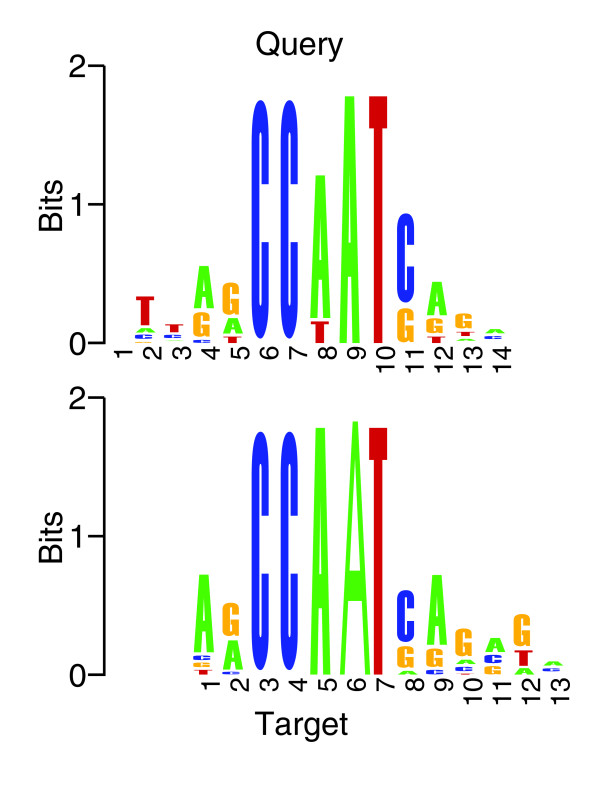
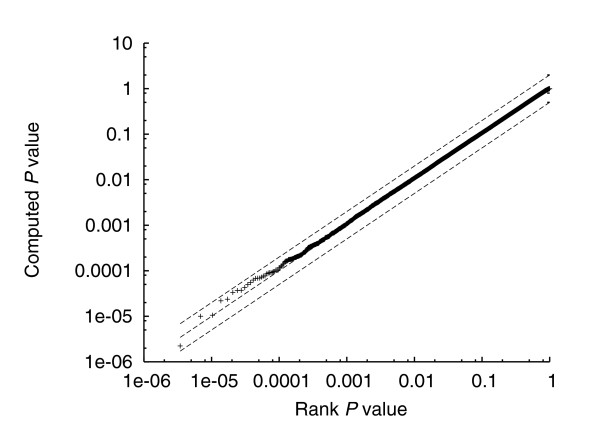
A common question within the context of de novo motif discovery is whether a newly discovered, putative motif resembles any previously discovered motif in an existing database. To answer this question, we define a statistical measure of motif-motif similarity, and we describe an algorithm, called Tomtom, for searching a database of motifs with a given query motif. Experimental simulations demonstrate the accuracy of Tomtom's E values and its effectiveness in finding similar motifs.
Overview
The claims and statistics of this paper haven’t been checked yet.
Free: it reads the open-access text and checks the first 5 claims that cite a source we can check. Create a free account to check every claim.
Integrity signals
Registry
Cites
Statistics
Figures
Verification
Claims the paper makes
The claims and statistics of this paper haven’t been checked yet.
Free: it reads the open-access text and checks the first 5 claims that cite a source we can check. Create a free account to check every claim.
Claims other papers make about this one
Each is checked against this paper’s own text: does it say what the citing paper says it does?
The cited source says what the claim attributes to it.
In the citing paper
“with four examples shown in Fig. 3B, the first two having a significant match in PlantTFDB (20) [with q-value <0.05 in Tomtom (38)].”
From DNA language models are powerful predictors of genome-wide variant effects (2023) · cites this paper as [38]
The check wasn’t confident either way, so it gives no verdict — never disputed.
In the citing paper
“The shared STAT3 bound regions were annotated with the nearest gene by 'annotatePeaks' from HOMER v4.10 (Gupta et al., 2007), yielding 475 unique genes.”
From CDK8 fine-tunes IL-6 transcriptional activities by limiting STAT3 resident time at the gene loci (2020) · cites this paper as Gupta et al., 2007
Experimental — accuracy not yet measured
Self-check
Percentages, sums and reported differences re-computed from the paper’s own numbers.
The self-check needs the paper’s full text.
Citations
Cites
The meaning and use of the area under a receiver operating characteristic (ROC) curve.
Hanley, J. A., & McNeil, B. J. (1982) · Radiology · doi:10.1148/radiology.143.1.7063747 · Cited by 21,856 · cited 1×
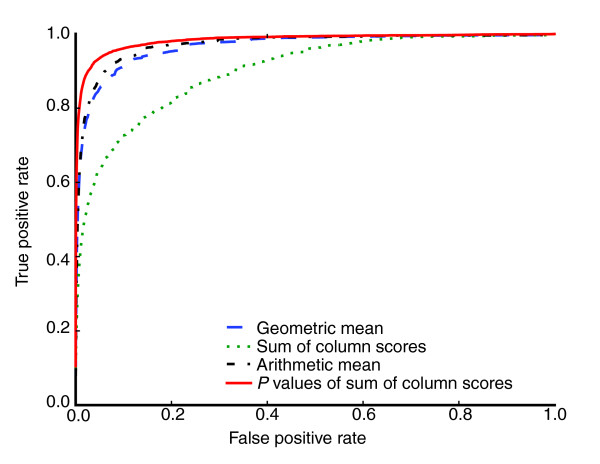
“From this ranked list, we compute a receiver operating characteristic (ROC) curve [23], which plots the percentage of positive pairs as a function of the percentage of negative pairs as we traverse the ranked list.”
WebLogo: A Sequence Logo Generator: Figure 1
Crooks, G. E., Hon, G., Chandonia, J.-M., & Brenner, S. E. (2004) · Genome Research · doi:10.1101/gr.849004 · Cited by 12,386
Fitting a mixture model by expectation maximization to discover motifs in biopolymers.
Bailey, T. L., & Elkan, C. (1994) · PubMed · Cited by 5,806
Self-citationJASPAR: an open-access database for eukaryotic transcription factor binding profiles
Sandelin, A. (2004) · Nucleic Acids Research · doi:10.1093/nar/gkh012 · Cited by 1,790
Regulation of Inducible and Tissue-Specific Gene Expression
Maniatis, T., Goodbourn, S., & Fischer, J. A. (1987) · Science · doi:10.1126/science.3296191 · Cited by 1,554 · cited 1×
“For example, the regulation of transcription requires sequence-specific binding of transcription factors to certain cis-acting motifs, which typically are located upstream of transcriptional start sites [1].”
Assembly of Cell Regulatory Systems Through Protein Interaction Domains
Pawson, T., & Nash, P. (2003) · Science · doi:10.1126/science.1083653 · Cited by 1,422
Assessing computational tools for the discovery of transcription factor binding sites
Tompa, M., Li, N., Bailey, T. L., Church, G. M., De Moor, B., Eskin, E., Favorov, A. V., Frith, M. C., Fu, Y., Kent, W. J., et al. (2005) · Nature Biotechnology · doi:10.1038/nbt1053 · Cited by 1,268 · cited 1×
“A wide variety of statistical methods have been developed to identify sequence motifs in an unsupervised manner from collections of functionally related sequences [3].”
Self-citationTRANSFAC: an integrated system for gene expression regulation
Wingender, E. (2000) · Nucleic Acids Research · doi:10.1093/nar/28.1.316 · Cited by 1,239 · cited 3×
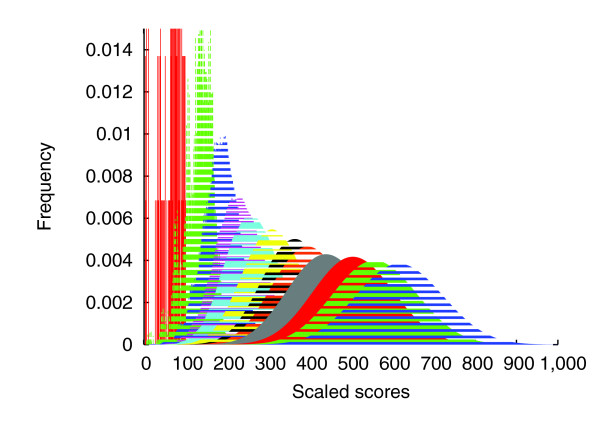
“The figure shows a set of PDFs for a particular query motif of length 12, computed relative to the TRANSFAC database.”
InfluentialA Survey of Exact Inference for Contingency Tables
Agresti, A. (1992) · Statistical Science · doi:10.1214/ss/1177011454 · Cited by 1,097
Hughes, J. D., Estep, P. W., Tavazoie, S., & Church, G. M. (2000) · Journal of Molecular Biology · doi:10.1006/jmbi.2000.3519 · Cited by 1,010
Cited by
Items 301–400 of 1,013
Liu, G. E., Brown, T., Hebert, D. A., Cardone, M. F., Hou, Y., Choudhary, R. K., Shaffer, J., Amazu, C., Connor, E. E., Ventura, M., et al. (2010) · Mammalian Genome · doi:10.1007/s00335-010-9308-0 · Cited by 80
“In order to identify which transcription factors could bind to the motifs, each motif was compared to the transcription factor binding sites in the JASPAR databases (Sandelin et al. 2004) using TOMTOM (FDR q \ 0.20 and mutual overlap [ 50%).”
InfluentialA Conserved Transcriptional Regulator Governs Fungal Morphology in Widely Diverged Species
Cain, C. W., Lohse, M. B., Homann, O. R., Sil, A., & Johnson, A. D. (2012) · Genetics · doi:10.1534/genetics.111.134080 · Cited by 75
“45, which uses the approach presented in Gupta et al. (2007).”
MethodPark, S., Koh, Y., Jeon, H., Kim, H., Yeo, Y. S., & Kang, J. (2020) · Scientific Reports · doi:10.1038/s41598-020-70218-4 · Cited by 81
“We apply edit distance to the consensus sequences of motifs which are obtained from TOMTOM.”
MethodInfluentialA highly integrated and complex PPARGC1A transcription factor binding network in HepG2 cells
Charos, A. E., Reed, B. D., Raha, D., Szekely, A. M., Weissman, S. M., & Snyder, M. (2012) · Genome Research · doi:10.1101/gr.127761.111 · Cited by 71
“The top-scoring motifs from MEME were queried against the TRANSFAC database (Matys et al. 2006) using Tomtom (Gupta et al. 2007) to identify the best matching known motifs.”
MethodOhmiya, H., Vitezic, M., Frith, M. C., Itoh, M., Carninci, P., Forrest, A. R. R., Hayashizaki, Y., & Lassmann, T. (2014) · BMC Genomics · doi:10.1186/1471-2164-15-269 · Cited by 81
“We then compared standard motif representations in the JASPAR core database [21] using the Tomtom program [22] (version 4.”
MethodThe Plastid Genome in Cladophorales Green Algae Is Encoded by Hairpin Chromosomes
Cortona, A. D., Leliaert, F., Bogaert, K. A., Turmel, M., Boedeker, C., Janouškovec, J., Lopez-Bautista, J. M., Verbruggen, H., Vandepoele, K., & Clerck, O. D. (2017) · Current Biology · doi:10.1016/j.cub.2017.11.004 · Cited by 80
Nair, S., Kim, D. S., Perricone, J., & Kundaje, A. (2019) · Bioinformatics · doi:10.1093/bioinformatics/btz352 · Cited by 75
“The TF-MoDISco motifs were matched against a database of known TF motifs using Tomtom (Gupta et al., 2007).”
MethodInfluentialPrediction of regulatory motifs from human Chip-sequencing data using a deep learning framework
Yang, J., Ma, A., Hoppe, A. D., Wang, C., Li, Y., Zhang, C., Wang, Y., Liu, B., & Ma, Q. (2019) · Nucleic Acids Research · doi:10.1093/nar/gkz672 · Cited by 80
“We began by making similarity comparisons between motifs predicted by DESSO from 690 ENCODE TF ChIP-seq datasets and experimentally validated motifs in the human JASPAR and TRANSFAC databases using TOMTOM (54).”
MethodInfluentialDeep learning for inferring transcription factor binding sites
Koo, P. K., & Ploenzke, M. (2020) · Current Opinion in Systems Biology · doi:10.1016/j.coisb.2020.04.001 · Cited by 70
“This representation makes it possible to compare filter representations against known databases of motifs, such as JASPAR [43], using TomTom [44], a motif comparison search tool.”
MethodCao, F., Zhang, Y., Cai, Y., Animesh, S., Zhang, Y., Akincilar, S. C., Loh, Y. P., Li, X., Chng, W. J., Tergaonkar, V., et al. (2021) · Genome Biology · doi:10.1186/s13059-021-02453-5 · Cited by 65
Lowe, C. B., & Haussler, D. (2012) · PLoS ONE · doi:10.1371/journal.pone.0043128 · Cited by 70
“We then used Tomtom [83] to compare these motifs representing the constraint experienced by these commonly exapted regions to known vertebrate transcription factor binding profiles from Transfac [84].”
MethodKey regulators control distinct transcriptional programmes in blood progenitor and mast cells
Calero-Nieto, F. J., Ng, F. S., Wilson, N. K., Hannah, R., Moignard, V., Leal-Cervantes, A. I., Jimenez-Madrid, I., Diamanti, E., Wernisch, L., & Gottgens, B. (2014) · The EMBO Journal · doi:10.1002/embj.201386825 · Cited by 68
“De novo motif analysis on the central 100-bp peak regions was carried out using the Homer software (Heinz et al , 2010), and matches to known motifs were discovered using TOMTOM (Gupta et al , 2007).”
InfluentialLearning causal networks using inducible transcription factors and transcriptome‐wide time series
Hackett, S. R., Baltz, E. A., Coram, M., Wranik, B. J., Kim, G., Baker, A., Fan, M., Hendrickson, D. G., Berndl, M., & McIsaac, R. S. (2020) · Molecular Systems Biology · doi:10.15252/msb.20199174 · Cited by 78
“To attribute identities to each motifs, probability weight matrices (PWMs) based on binding data were downloaded from Yeastract and Cis-BP and then matched to each DREME motif using TOMTOM (Gupta et al, 2007; Weirauch et al, 2014; Teixeira et al, 2018).”
MethodHoffman, G. E., Bendl, J. M., Girdhar, K., Schadt, E. E., & Roussos, P. (2019) · Nucleic Acids Research · doi:10.1093/nar/gkz808 · Cited by 78
“We applied the widely used software tomtom (40) to query a our new set of PWM’s against a know database of PWM and generate p- and q-values.”
MethodAT-Hook Transcription Factors Restrict Petiole Growth by Antagonizing PIFs
Favero, D. S., Kawamura, A., Shibata, M., Takebayashi, A., Jung, J., Suzuki, T., Jaeger, K. E., Ishida, T., Iwase, A., Wigge, P. A., et al. (2020) · Current Biology · doi:10.1016/j.cub.2020.02.017 · Cited by 77
“On the other hand, the third-ranked motif, AWATAWTA, is a solid candidate for SOB3 binding, as it resembles sequences known to be bound by other members of the AHL family [34, 35] (Figure 2F; Data S2H and S2I).”
Deciphering the regulatory genome of Escherichia coli, one hundred promoters at a time
Ireland, W. T., Beeler, S. M., Flores‐Bautista, E., McCarty, N. S., Röschinger, T., Belliveau, N. M., Sweredoski, M. J., Moradian, A., Kinney, J. B., & Phillips, R. (2020) · eLife · doi:10.7554/elife.55308 · Cited by 77
A genetic disorder reveals a hematopoietic stem cell regulatory network co-opted in leukemia
Voit, R. A., Tao, L., Yu, F., Cato, L. D., Cohen, B., Fleming, T. J., Antoszewski, M., Liao, X., Fiorini, C., Nandakumar, S. K., et al. (2023) · Nature Immunology · doi:10.1038/s41590-022-01370-4 · Cited by 66
Context-specific role of SOX9 in NF-Y mediated gene regulation in colorectal cancer cells
Shi, Z., Chiang, C.-I., Labhart, P., Zhao, Y., Yang, J., Mistretta, T.-A., Henning, S. J., Maity, S. N., & Mori-Akiyama, Y. (2015) · Nucleic Acids Research · doi:10.1093/nar/gkv568 · Cited by 71
“Both TOMTOM and FIMO were run with default settings.”
MethodInfluentialKang, K., Robinson, G. W., & Hennighausen, L. (2013) · BMC Genomics · doi:10.1186/1471-2164-14-4 · Cited by 69
“In order to verify the identified motifs, TOMTOM, which compares identified motifs with the known motifs [36], was used.”
BackgroundIdentifying Cancer-Specific circRNA–RBP Binding Sites Based on Deep Learning
Wang, Z., Lei, X., & Wu, F. (2019) · Molecules · doi:10.3390/molecules24224035 · Cited by 77
“As described in Section 4.4, the motifs learnt by CSCRSites were compared with the existing motifs using TOMTOM with an E value ≤0.05.”
MethodInfluentialRies, L. N. A., Rocha, M. C., de Castro, P. A., Silva-Rocha, R., Silva, R. N., Freitas, F. Z., de Assis, L. J., Bertolini, M. C., Malavazi, I., & Goldman, G. H. (2017) · mBio · doi:10.1128/mbio.00705-17 · Cited by 76
“To further investigate the processes governing the upregulation of the chitin synthase-encoding genes, the promoter regions of the eight chitin synthase-encoding genes were screened for potential TF binding sites using the MEME predictor (23) and the motif comparison tool TOM-TOM (24).”
Prediction pipeline for discovery of regulatory motifs associated with Brugia malayi molting
Grote, A., Li, Y., Liu, C., Voronin, D., Geber, A. B., Lustigman, S., Unnasch, T. R., Welch, L. R., & Ghedin, E. (2020) · PLoS neglected tropical diseases · doi:10.1371/journal.pntd.0008275 · Cited by 76
“We matched the remaining motifs to known TFBSs with TOMTOM (Gupta et al. 2007).”
MethodP-value-based regulatory motif discovery using positional weight matrices
Hartmann, H., Guthöhrlein, E. W., Siebert, M., Luehr, S., & Söding, J. (2012) · Genome Research · doi:10.1101/gr.139881.112 · Cited by 77
“Of the 39 motifs, 20 are similar to previously described motifs (last column), assigned either by TOMTOM or, if this did not yield a significant match, by visually matching the obtained PWM logos with literature PWM logos.”
BackgroundMethodInfluentialDiniz, A. L., da Silva, D. I. R., Lembke, C. G., Dal-Bianco, M., ten-Caten, F., Li, F., Vilela, R. D., Menossi, M., Ware, D., Endres, L., et al. (2020) · International Journal of Molecular Sciences · doi:10.3390/ijms21239124 · Cited by 76
“In addition, we also used TOMTOM [123] with E-value threshold < 0.”
MethodInfluentialEnhancer decommissioning imposes an epigenetic barrier to sensory hair cell regeneration
Tao, L., Yu, H. V., Llamas, J., Trecek, T., Wang, X., Stojanova, Z. P., Groves, A. K., & Segil, N. (2021) · Developmental Cell · doi:10.1016/j.devcel.2021.07.003 · Cited by 75
Wienerroither, S., Shukla, P., Farlik, M., Majoros, A., Stych, B., Vogl, C., Cheon, H., Stark, G. R., Strobl, B., Müller, M. M., et al. (2015) · Cell Reports · doi:10.1016/j.celrep.2015.06.021 · Cited by 76
“The most significant de novo computed motifs were compared with known motifs present in the JASPAR database with TOMTOM (Gupta et al., 2007).”
Methodde la Fuente, L., Conesa, A., Lloret, A., Badenes, M. L., & Ríos, G. (2015) · Tree Genetics & Genomes · doi:10.1007/s11295-015-0869-7 · Cited by 75
“2014) with the TOMTOM method (Gupta et al. 2007) algorithm also present in MEME-ChIP.”
MethodSingle-nucleotide-resolution mapping of DNA gyrase cleavage sites across the Escherichia coli genome
Sutormin, D. A., Rubanova, N., Logacheva, M. D., Ghilarov, D., & Severinov, K. (2018) · Nucleic Acids Research · doi:10.1093/nar/gky1222 · Cited by 76
“When sequences under the GCSs were screened for overrepresentation of known motifs with Tomtom (77), none were detected, suggesting that gyrase trapping is independent of other DNA binding proteins.”
BackgroundGorkin, D. U., Lee, D., Reed, X., Fletez-Brant, C., Bessling, S. L., Loftus, S. K., Beer, M. A., Pavan, W. J., & McCallion, A. S. (2012) · Genome Research · doi:10.1101/gr.139360.112 · Cited by 71
“Motifs were submitted to TOMTOM (Gupta et al. 2007) as part of the MEME Suite (Bailey et al.”
MethodNon-targeted transcription factors motifs are a systemic component of ChIP-seq datasets
Worsley Hunt, R., & Wasserman, W. W. (2014) · Genome Biology · doi:10.1186/s13059-014-0412-4 · Cited by 73
“In all cases MEME detected a pattern consistent with the CTCF binding profile in the top six results (Figure 1C, top logo) and a profile unknown to MEME Suite’s TOMTOM pattern similarity scoring system [14] (Figure 1C, bottom logo).”
MethodMTSplice predicts effects of genetic variants on tissue-specific splicing
Cheng, J., Çelik, M. H., Kundaje, A., & Gagneur, J. (2021) · Genome Biology · doi:10.1186/s13059-021-02273-7 · Cited by 69
Decoding the gene regulatory network of endosperm differentiation in maize
Yuan, Y., Huo, Q., Zhang, Z., Wang, Q., Wang, J., Chang, S., Cai, P., Song, K., Galbraith, D. W., Zhang, W., et al. (2024) · Nature Communications · doi:10.1038/s41467-023-44369-7 · Cited by 74
Li, G., Zhao, B.-W., Su, X., Yang, Y., Hu, P., Zhou, X., & Hu, L. (2024) · IEEE Journal of Biomedical and Health Informatics · doi:10.1109/jbhi.2024.3357979 · Cited by 73
“Remarkably, as shown from the comparison results on Tom-Tom [30] in Fig.”
ResultDNA-guided transcription factor interactions extend human gene regulatory code
Xie, Z., Sokolov, I., Osmala, M., Xue, Y., Bower, G., Pett, J. P., Chen, Y., Wang, K., Cavga, A. D., Popov, A. N., et al. (2025) · Nature · doi:10.1038/s41586-025-08844-z · Cited by 74
Ren, C., Gu, Y., Wu, Y. P., Zhang, W., Yang, C., Yang, S., & Jiang, W. (2012) · BMC Genomics · doi:10.1186/1471-2164-13-349 · Cited by 73
“This motif probability model was then submitted to TOMTOM [ 101 ] for comparison against known motifs database RegTransBase [ 102 ] to see whether the newly discov - ered , putative CRE sites resembled previous discovered B . subtilis CRE motifs .”
InfluentialRosa, B. A., Jasmer, D. P., & Mitreva, M. (2014) · PLoS neglected tropical diseases · doi:10.1371/journal.pntd.0002678 · Cited by 74
“FIMO [39] was used to calculate the coordinates of motifs similar to the enriched motifs among all genes, and potential transcription factors binding the discovered motifs were identified using Tomtom [40] (where transcription factors from the JASPAR CORE nematoda and vertebrata motif databases [41], as well as the Un…”
BackgroundMethodInfluentialPseudocounts for transcription factor binding sites
Nishida, K., Frith, M. C., & Nakai, K. (2008) · Nucleic Acids Research · doi:10.1093/nar/gkn1019 · Cited by 77
Bass, J. I. F., Pons, C., Kozlowski, L., Reece-Hoyes, J. S., Shrestha, S., Holdorf, A. D., Mori, A., Myers, C. L., & Walhout, A. J. M. (2016) · Molecular Systems Biology · doi:10.15252/msb.20167131 · Cited by 74
“Statistical significance between the eY1H-and PBM-derived motifs was determined using the TOMTOM software version 4.11.2 (Gupta et al , 2007).”
InfluentialLi, J., Pu, Y., Tang, J., Zou, Q., & Guo, F. (2020) · Briefings in Bioinformatics · doi:10.1093/bib/bbaa159 · Cited by 73
Pervasive and dynamic transcription initiation in Saccharomyces cerevisiae
Lu, Z., & Lin, Z. (2019) · Genome Research · doi:10.1101/gr.245456.118 · Cited by 67
“The predicted motifs were compared with known motifs of transcription factors obtained from MacIsaac et al. (2006) and Saccharomyces cerevisiae Promoter Database (SCPD) (Zhu and Zhang 1999) using Tomtom module (Gupta et al. 2007) of the MEME Suite (Bailey et al. 2015).”
Li, J., Wei, L., Zhang, X., Zhang, W., Wang, H., Zhong, B., Xie, Z., Lv, H., & Wang, X. (2021) · Briefings in Bioinformatics · doi:10.1093/bib/bbab250 · Cited by 71
“We compared the sequence patterns of these PFMs with known motifs by TOMTOM [33] and merged the E-values assigned by TOMTOM from 10 times of training with Fisher’s combined probability test.”
MethodPersistence and plasticity in bacterial gene regulation
Baumgart, L. A., Lee, J. E., Salamov, A. A., Dilworth, D. J., Na, H., Mingay, M., Blow, M. J., Zhang, Y., Yoshinaga, Y., Daum, C. G., et al. (2021) · Nature Methods · doi:10.1038/s41592-021-01312-2 · Cited by 71
Urbatzka, R., Rocha, E., Reis, B., Cruzeiro, C., Monteiro, R. A. F., & Rocha, M. J. (2012) · Environmental Pollution · doi:10.1016/j.envpol.2012.01.018 · Cited by 71
Chen, H., Kao, C., Liu, B.-Y., Huang, S.-W., Kuo, C., Ruan, J., Lin, Y.-H., Huang, C.-R., Chen, Y.-H., Wang, H., et al. (2016) · Autophagy · doi:10.1080/15548627.2016.1256933 · Cited by 72
High-throughput PRIME-editing screens identify functional DNA variants in the human genome
Ren, X., Yang, H., Nierenberg, J. L., Sun, Y., Chen, J., Beaman, C., Pham, T., Nobuhara, M., Takagi, M. A., Narayan, V., et al. (2023) · Molecular Cell · doi:10.1016/j.molcel.2023.11.021 · Cited by 70
Evaluating deep learning for predicting epigenomic profiles
Toneyan, S., Tang, Z., & Koo, P. K. (2022) · Nature Machine Intelligence · doi:10.1038/s42256-022-00570-9 · Cited by 69
ExplaiNN: interpretable and transparent neural networks for genomics
Novakovsky, G., Fornés, O., Saraswat, M., Mostafavi, S., & Wasserman, W. W. (2023) · Genome biology · doi:10.1186/s13059-023-02985-y · Cited by 72
“representing units with assigned biological annotations based on their Tomtom [27] similarity to known TF”
MethodInfluentialBecker, K., Beer, C., Freitag, M., & Kück, U. (2015) · Molecular Microbiology · doi:10.1111/mmi.12987 · Cited by 70
“For comparison of the newly identified MAT1-1-1 DNA-binding consensus sequence against the JASPAR CORE (2014) fungi and vertebrates databases, results were submitted to TOMTOM (Gupta et al., 2007) using default parameters.”
MethodLineage-Resolved Enhancer and Promoter Usage during a Time Course of Embryogenesis
Reddington, J. P., Garfield, D. A., Sigalova, O. M., Calviello, A. K., Marco-Ferreres, R., Girardot, C., Viales, R. R., Degner, J. F., Ohler, U., & Furlong, E. E. M. (2020) · Developmental Cell · doi:10.1016/j.devcel.2020.10.009 · Cited by 70
Benler, S., Faure, G., Altae-Tran, H., Shmakov, S., Zhang, F., & Koonin, E. (2021) · mBio · doi:10.1128/mbio.02938-21 · Cited by 58
“Each file was input individually to TomTom (Gupta et al., 2007) for an all- versus-all motif alignment, using a minimum alignment length of 10 and the distance metric set as ‘pearson’.”
MethodHigh throughput PRIME editing screens identify functional DNA variants in the human genome
Ren, X., Yang, H., Nierenberg, J. L., Sun, Y., Chen, J., Beaman, C., Pham, T., Nobuhara, M., Takagi, M. A., Narayan, V., et al. (2023) · doi:10.1101/2023.07.12.548736 · Cited by 70
Abraham, C. G., Ludwig, M. P., Andrysík, Z., Pandey, A., Joshi, M., Galbraith, M. D., Sullivan, K. D., & Espinosa, J. M. (2018) · Cell Reports · doi:10.1016/j.celrep.2018.08.058 · Cited by 71
Huang, W., Xiong, T., Zhao, Y., Heng, J., Han, G., Wang, P., Zhao, Z., Shi, M., Li, J., Wang, J., et al. (2024) · Nature Genetics · doi:10.1038/s41588-023-01620-7 · Cited by 71
Connolly, L. A., Riccombeni, A., Grózer, Z., Holland, L. M., Lynch, D. B., Andes, D. R., Gácser, A., & Butler, G. (2013) · Molecular Microbiology · doi:10.1111/mmi.12345 · Cited by 57
“Significant results were submitted to TOMTOM (Gupta et al., 2007) using default parameters.”
MethodConversion of MyoD to a Neurogenic Factor: Binding Site Specificity Determines Lineage
Fong, A. P., Yao, Z., Zhong, J. W., Johnson, N. M., Farr, G. H., Maves, L., & Tapscott, S. J. (2015) · Cell Reports · doi:10.1016/j.celrep.2015.02.055 · Cited by 60
“…between MyoD and ased similarity with NeuroD2 for M(N)WCS relative to both MyoD and M(N). targets with higher expression of M(N) chimera, but increased expression only ranked from left to right for NeuroD2 (top panel) or MyoD (bottom panel). s software Tomtom in MEME suite (Gupta et al., 2007).”
Snake Recombination Landscapes Are Concentrated in Functional Regions despite PRDM9
Schield, D. R., Pasquesi, G. I. M., Perry, B. W., Adams, R. H. J., Nikolakis, Z. L., Westfall, A. K., Orton, R. W., Meik, J. M., Mackessy, S. P., & Castoe, T. A. (2020) · Molecular Biology and Evolution · doi:10.1093/molbev/msaa003 · Cited by 70
“0 (Gupta et al. 2007) to identify homology to known binding motifs.”
BackgroundChromatin-mediated alternative splicing regulates cocaine-reward behavior
Xu, S.-J., Lombroso, S. I., Fischer, D. K., Carpenter, M. D., Marchione, D. M., Hamilton, P. J., Lim, C. J., Neve, R. L., Garcia, B. A., Wimmer, M. E., et al. (2021) · Neuron · doi:10.1016/j.neuron.2021.08.008 · Cited by 69
de Castro, P. A., Chen, C., Almeida, R. S., Freitas, F. Z., Bertolini, M. C., Morais, E. R., Brown, N. A., Ramalho, L. N. Z., Hagiwara, D., Mitchell, T. K., et al. (2014) · Molecular Microbiology · doi:10.1111/mmi.12785 · Cited by 68
“7e-21 was chosen as a predicted CrzA-binding motif, which was then searched against a yeast binding motif databases using the motif comparison tool Tomtom (Gupta et al., 2007) to determine its reliability.”
MethodInfluentialA survey of motif finding Web tools for detecting binding site motifs in ChIP-Seq data
Tran, N. T., & Huang, C.-H. (2014) · Biology Direct · doi:10.1186/1745-6150-9-4 · Cited by 69
“MEMEChIP used TOMTOM [36] for verifying discovered motifs by MEME and DREME with the reference databases [10].”
BackgroundMethodInfluentialFernández-Moreno, J.-P., Tzfadia, O., Forment, J., Presa, S., Rogachev, I., Meir, S., Orzáez, D., Aharoni, A., & Granell, A. (2016) · PLANT PHYSIOLOGY · doi:10.1104/pp.16.00282 · Cited by 68
Recurrent noncoding regulatory mutations in pancreatic ductal adenocarcinoma
Feigin, M. E., Garvin, T., Bailey, P., Waddell, N., Chang, D. K., Kelley, D. R., Shuai, S., Gallinger, S., McPherson, J. D., Grimmond, S. M., et al. (2017) · Nature Genetics · doi:10.1038/ng.3861 · Cited by 61
Biclustering Sparse Binary Genomic Data
van Uitert, M., Meuleman, W. R. A., & Wessels, L. F. A. (2008) · Journal of Computational Biology · doi:10.1089/cmb.2008.0066 · Cited by 68
“As expected, we find biclusters with transcription factors that have very similar motifs (the similarity is based on the Tomtom algorithm as described in Gupta et al. [2007]).”
InfluentialFungal‐specific transcription factor A b P f2 activates pathogenicity in A lternaria brassicicola
Cho, Y., Ohm, R. A., Grigoriev, I. V., & Srivastava, A. (2013) · The Plant Journal · doi:10.1111/tpj.12217 · Cited by 67
Kumar, R., Shah, P., Swiatlo, E., Burgess, S. C., Lawrence, M. L., & Nanduri, B. (2010) · BMC Genomics · doi:10.1186/1471-2164-11-350 · Cited by 67
“Selected motifs were searched for their presence against the preexisting motif database using TOMTOM [34].”
The genetic basis of natural variation in mushroom body size in Drosophila melanogaster
Zwarts, L., Broeck, L. V., Cappuyns, E., Ayroles, J. F., Magwire, M. M., Vulsteke, V., Clements, J., Mackay, T. F. C., & Callaerts, P. (2015) · Nature Communications · doi:10.1038/ncomms10115 · Cited by 67
Sanosaka, T., Imamura, T., Hamazaki, N., Chai, M., Igarashi, K., Ideta-Otsuka, M., Miura, F., Ito, T., Fujii, N., Ikeo, K., et al. (2017) · Cell Reports · doi:10.1016/j.celrep.2017.08.086 · Cited by 67
Capote, T., Barbosa, P., Usié, A., Ramos, A. M., Inácio, V., Ordás, R. J., Gonçalves, S., & Morais–Cecílio, L. (2018) · BMC Plant Biology · doi:10.1186/s12870-018-1403-5 · Cited by 67
Epigenetic modulation of a hardwired 3D chromatin landscape in two naive states of pluripotency
Atlasi, Y., Megchelenbrink, W., Peng, T., Habibi, E., Joshi, O., Wang, S.-Y., Wang, C., Logie, C., Poser, I., Marks, H., et al. (2019) · Nature Cell Biology · doi:10.1038/s41556-019-0310-9 · Cited by 66
The PfAP2‐G2 transcription factor is a critical regulator of gametocyte maturation
Singh, S., Santos, J., Orchard, L., Yamada, N., van Biljon, R., Painter, H. J., Mahony, S., & Llinás, M. (2021) · Molecular Microbiology · doi:10.1111/mmi.14676 · Cited by 69
“Peak sequences were extracted using extract genomic DNA tool using genomic coordinates, and motifs associated with called peaks were identified using DREME (Bailey 2011) and compared to identified ApiAP2 motifs using TOMTOM (Gupta et al. 2007).”
MethodTsukanov, A. V., Mironova, V., & Levitsky, V. G. (2022) · Frontiers in Plant Science · doi:10.3389/fpls.2022.938545 · Cited by 67
“We used the Tomtom motif comparison tool to estimate the significance of motifs similarity (p-value < 0.05; Gupta et al., 2007).”
MethodInfluentialAsymmetric variation in DNA methylation during domestication and de-domestication of rice
Cao, S., Chen, K., Lu, K., Chen, S., Zhang, X., Shen, C., Zhu, S., Niu, Y., Fan, L., Chen, Z. J., et al. (2023) · The Plant Cell · doi:10.1093/plcell/koad160 · Cited by 66
Liu, Y., Kimpara, S., Hoang, N. M., Daenthanasanmak, A., Li, Y., Lü, L., Ngo, V. N., Bates, P. D., Song, L., Gao, X., et al. (2023) · Blood · doi:10.1182/blood.2023020142 · Cited by 66
A Whole-Chromosome Analysis of Meiotic Recombination inDrosophila melanogaster
Miller, D. E., Takeo, S., Nandanan, K., Paulson, A., Gogol, M., Noll, A. C., Perera, A. G., Walton, K., Gilliland, W. D., Li, H., et al. (2012) · G3 Genes Genomes Genetics · doi:10.1534/g3.111.001396 · Cited by 66
“To make an objective decision as to which motifs in which runs were equivalent, we used Tomtom (Gupta et al. 2007), which makes pairwise ungapped alignments of motifs and returns a P-value.”
MethodImproved similarity scores for comparing motifs
Tanaka, E., Bailey, T. L., Grant, C. E., Noble, W. S., & Keich, U. (2011) · Bioinformatics · doi:10.1093/bioinformatics/btr257 · Cited by 66
Self-citationA system‐level model for the microbial regulatory genome
Brooks, A. N., Reiss, D. J., Allard, A., Wu, W., Salvanha, D. M., Plaisier, C. L., Chandrasekaran, S., Pan, M., Kaur, A., & Baliga, N. S. (2014) · Molecular Systems Biology · doi:10.15252/msb.20145160 · Cited by 67
“Conserved cis-acting GREs discovered in biclusters (MEME; represented as position-specific scoring matrices, or PSSMs) were aligned and compared using Tomtom to compute pairwise similarities (Euclidean distance, Gupta et al , 2007).”
Bouyer, D., Heese, M., Chen, P., Harashima, H., Roudier, F., Grüttner, C., & Schnittger, A. (2018) · PLoS Genetics · doi:10.1371/journal.pgen.1007797 · Cited by 66
RetractedThe three-dimensional landscape of cortical chromatin accessibility in Alzheimer’s disease
Bendl, J., Hauberg, M. E., Girdhar, K., Im, E., Vicari, J. M., Rahman, S., Fernando, M. B., Townsley, K. G., Dong, P., Misir, R., et al. (2022) · Nature Neuroscience · doi:10.1038/s41593-022-01166-7 · Cited by 65
Parkinson-Associated SNCA Enhancer Variants Revealed by Open Chromatin in Mouse Dopamine Neurons
McClymont, S. A., Hook, P. W., Soto, A. I., Reed, X., Law, W., Kerans, S. J., Waite, E. L., Briceno, N., Thole, J. F., Heckman, M. G., et al. (2018) · The American Journal of Human Genetics · doi:10.1016/j.ajhg.2018.10.018 · Cited by 65
Jones, D., John, E., Rybak, K., Phan, H. T. T., Singh, K. B., Lin, S., Solomon, P. S., Oliver, R. P., & Tan, K. (2019) · Scientific Reports · doi:10.1038/s41598-019-52444-7 · Cited by 66
Zhu, B., Kuriakose, J. A., Luo, T., Ballesteros, E., Gupta, S., Fofanov, Y., & McBride, J. W. (2011) · Infection and Immunity · doi:10.1128/iai.05422-11 · Cited by 65
“The PWM was used to determine a score for any 6- to 20-bp sequence, and all motifs with a P value of 1 10 5 were examined (18).”
MethodSelf-citationCamejo, P. Y., Oyserman, B. O., McMahon, K. D., & Noguera, D. R. (2019) · mSystems · doi:10.1128/msystems.00193-18 · Cited by 66
Wang, S., Zhang, Q., Shen, Z., He, Y., Chen, Z.-H., Li, J., & Huang, D.-S. (2021) · Molecular Therapy — Nucleic Acids · doi:10.1016/j.omtn.2021.02.014 · Cited by 67
“The similarities between identi fi ed motifs and true motifs are calculated by Gupta et al. 38 and is publicly available at the MEME Suite of motif analysis tools.”
MethodA k-mer grammar analysis to uncover maize regulatory architecture
Mejía-Guerra, M. K., & Buckler, E. S. (2019) · BMC Plant Biology · doi:10.1186/s12870-019-1693-2 · Cited by 58
Cañibano, E., Bourbousse, C., García-León, M., Gómez, B. G., Wolff, L., García-Baudino, C., Lozano‐Durán, R., Barnèche, F., Rubio, V., & Fonseca, S. (2021) · Molecular Plant · doi:10.1016/j.molp.2021.03.009 · Cited by 64
Camp, J. G., Jazwa, A. L., Trent, C. M., & Rawls, J. F. (2012) · PLoS Genetics · doi:10.1371/journal.pgen.1002585 · Cited by 56
“in3.4) sequences for islet-positive or intestine-positive MEME motifs, respectively. TOMTOM”
BackgroundRegulation of Yeast-to-Hyphae Transition in Yarrowia lipolytica
Pomraning, K., Bredeweg, E., Kerkhoven, E. J., Barry, K., Haridas, S., Hundley, H. N., LaButti, K. M., Lipzen, A., Yan, M., Magnuson, J. K., et al. (2018) · mSphere · doi:10.1128/msphere.00541-18 · Cited by 64
“Identified motifs were compared to the Jaspar core fungal motifs database (31) using Tomtom (88) to identify candidate regulators.”
MethodPath‐seq identifies an essential mycolate remodeling program for mycobacterial host adaptation
Peterson, E. J., Bailo, R., Rothchild, A. C., Arrieta‐Ortiz, M. L., Kaur, A., Pan, M., Mai, D., Abidi, A. A., Cooper, C., Aderem, A., et al. (2019) · Molecular Systems Biology · doi:10.15252/msb.20188584 · Cited by 63
FOXP1 acts through a negative feedback loop to suppress FOXO-induced apoptosis
van Boxtel, R., Gomez‐Puerto, M. C., Mokrý, M., Eijkelenboom, A., van der Vos, K. E., Nieuwenhuis, E. E. S., Burgering, B. M. T., Lam, E. W. ‐., & Coffer, P. J. (2013) · Cell Death and Differentiation · doi:10.1038/cdd.2013.81 · Cited by 65
“Similarity search with known transcription factor-binding motifs was performed using TOMTOM motif comparison tool.(52) Primers used for ChIP-qPCR are listed in Supplementary Table 4.”
MethodA high-resolution network model for global gene regulation in Mycobacterium tuberculosis
Peterson, E. J. R., Reiss, D. J., Turkarslan, S., Minch, K. J., Rustad, T. R., Plaisier, C. L., Longabaugh, W. J. R., Sherman, D. R., & Baliga, N. S. (2014) · Nucleic Acids Research · doi:10.1093/nar/gku777 · Cited by 63
“Analysis of de novo detected cisregulatory motifs within bicluster 199, bicluster 200 and bicluster 337 using TOMTOM (a database of prokaryotic regulatory motifs, Reg TransBase v4) (19) followed by a Basic Local Alignment Search Tool (BLAST) search of the MTB genome revealed an almost perfect match to the known motif…”
BackgroundMethodInfluentialPitx1 broadly associates with limb enhancers and is enriched on hindlimb cis-regulatory elements
Infante, C. R., Park, S., Mihala, A. G., Kingsley, D. M., & Menke, D. B. (2012) · Developmental Biology · doi:10.1016/j.ydbio.2012.11.017 · Cited by 65
“De novo binding motifs were matched to the JASPAR (Sandelin et al., 2004) and UniPROBE databases (Newburger and Bulyk, 2009) using TOMTOM (Gupta et al., 2007).”
Diversity of cis-regulatory elements associated with auxin response in Arabidopsis thaliana
Cherenkov, P., Novikova, D. D., OMELYANCHUK, N. A., Levitsky, V. G., Große, I., Weijers, D., & Mironova, V. (2017) · Journal of Experimental Botany · doi:10.1093/jxb/erx254 · Cited by 64
“(2016) within the TOMTOM tool (Gupta et al., 2007), we found 28 significant matches (E-value 0.05).”
InfluentialAncient duons may underpin spatial patterning of gene expression in C 4 leaves
Reyna‐Llorens, I., Burgess, S., Reeves, G., Singh, P., Stevenson, S. R., Williams, B. P., Stanley, S., & Hibberd, J. M. (2018) · Proceedings of the National Academy of Sciences · doi:10.1073/pnas.1720576115 · Cited by 63
Resolving noise–control conflict by gene duplication
Chapal, M., Mintzer, S., Brodsky, S., Carmi, M., & Barkai, N. (2019) · PLOS Biology · doi:10.1371/journal.pbio.3000289 · Cited by 58
“We used available position frequency matrices of all available DNA-binding motifs in YeTFaSCo [65] (“expert collection”) and measured similarity using Tomtom [66].”
MethodLing, I. T. C., & Sauka‐Spengler, T. (2019) · Nature Cell Biology · doi:10.1038/s41556-019-0428-9 · Cited by 63
An, C.-I., Dong, Y., & Hagiwara, N. (2011) · BMC Developmental Biology · doi:10.1186/1471-213x-11-59 · Cited by 65
“0) [114].”
Silberberg, S. N., Taher, L., Lindtner, S., Sandberg, M., Nord, A. S., Vogt, D., Mckinsey, G. L., Hoch, R., Pattabiraman, K., Zhang, D., et al. (2016) · Neuron · doi:10.1016/j.neuron.2016.09.027 · Cited by 62
Deep learning approach for predicting functional Z-DNA regions using omics data
Beknazarov, N., Jin, S., & Poptsova, M. S. (2020) · Scientific Reports · doi:10.1038/s41598-020-76203-1 · Cited by 63
RNA-binding proteins that lack canonical RNA-binding domains are rarely sequence-specific
Ray, D., Laverty, K. U., Jolma, A., Nie, K., Samson, R., Pour, S. E., Tam, C. L., von Krosigk, N., Nabeel‐Shah, S., Albu, M., et al. (2023) · Scientific Reports · doi:10.1038/s41598-023-32245-9 · Cited by 63
Demirci, S., van Dijk, A. D. J., Sanchez‐Perez, G. F., Aflitos, S. A., de Ridder, D., & Peters, S. (2017) · The Plant Journal · doi:10.1111/tpj.13406 · Cited by 62
Zhukova, A., Fernandes, L. G. V., Hugon, P., Pappas, C. J., Sismeiro, O., Coppée, J., Bécavin, C., Malabat, C., Eshghi, A., Zhang, J., et al. (2017) · Frontiers in Cellular and Infection Microbiology · doi:10.3389/fcimb.2017.00010 · Cited by 64
“interrogans pTSS, using FIMO tool (Gupta et al., 2007; Grant et al., 2011) from the MEME suite.”
Method
Metadata
- Authors
- Gupta, S., Stamatoyannopoulos, J. A., Bailey, T. L., & Noble, W. S.
- Affiliations
- University of Washington (US)
- The University of Queensland (AU)
- Corresponding author
- Noble, William Stafford
- Venue
- Genome Biology
- Published
- 2007-02-26
- Volume
- 8
- Issue
- 2
- Pages
- R24-R24
- ISSN
- 1465-6906 (ISSN-L)
- 1474-760X
- PMC
- PMC1852410
- OpenAlex
- W2103777723
- Cited by
- 2,058
- References
- 25
- Citations by year
- 2026: 153 · 2025: 185 · 2024: 199 · 2023: 152 · 2022: 185 · 2021: 202 · 2020: 150 · 2019: 129 · 2018: 111 · 2017: 98 · 2016: 91 · 2015: 81 · 2014: 94 · 2013: 74 · 2012: 62
- FWCI
- 6.22
- Type
- journal article
- Language
- en
- Open access
- gold
- doi.org
- Licence
- cc-by
- creativecommons.org/licenses/by/2.0/ (tdm)
- creativecommons.org/licenses/by/2.0/ (vor)
- Locations
- Genome biology (publishedVersion, cc-by)
- PubMed Central (publishedVersion, cc-by)
- PubMed (publishedVersion)
- Topics
- Life Sciences › Biochemistry, Genetics and Molecular Biology › Molecular Biology › Genomics and Chromatin Dynamics
- Life Sciences › Biochemistry, Genetics and Molecular Biology › Molecular Biology › Genomics and Phylogenetic Studies
- Physical Sciences › Mathematics › Theoretical Computer Science › Algorithms and Data Compression
- Keywords
- motif similarity, de novo motif discovery, TomTom, statistical significance, E-value, sequence motifs
- MeSH terms
- Algorithms, Software, Sequence Homology, Computational Biology, Amino Acid Motifs, Databases, Genetic
About these checks
Registry, retraction, Cites and statistics results are computed, not judged, with one exception: a printed reference that no index lists is read once by a model before it counts as a citation error. Claims are extracted by a model and kept only when their quote appears verbatim in the text; each cited source is then checked, with a model’s help, for whether it says what the claim relies on. Those verdicts can be wrong — read the claim’s quote and the cited source before relying on one.
Statistics and arithmetic are recomputed, not judged.
Confidence bands are shown only for fields calibrated on our annotated test set. None is calibrated yet, so no band is shown.
What counts as a claim ›How we measure confidence ›How we check this ›
Are you an author, or do you see a problem with this page? Request a review
Data sources
Bibliographic data: Semantic Scholar, OpenAlex, Crossref.
Contains information from the Semantic Scholar Academic Graph Datasets, made available under the ODC Attribution License (ODC-BY 1.0).
Semantic Scholar’s data is described in: Kinney, R., et al. (2023). The Semantic Scholar Open Data Platform. arXiv:2301.10140.
