

Quantifying similarity between motifs
Open accessThe DOI matches its Crossref record; 25 of the 25 references it cites were found in a registry or an index.
Abstract
A common question within the context of de novo motif discovery is whether a newly discovered, putative motif resembles any previously discovered motif in an existing database. To answer this question, we define a statistical measure of motif-motif similarity, and we describe an algorithm, called Tomtom, for searching a database of motifs with a given query motif. Experimental simulations demonstrate the accuracy of Tomtom's E values and its effectiveness in finding similar motifs.
Overview
The claims and statistics of this paper haven’t been checked yet.
Free: it reads the open-access text and checks the first 5 claims that cite a source we can check. Create a free account to check every claim.
Integrity signals
Registry
Cites
Statistics
Figures
Verification
Claims the paper makes
The claims and statistics of this paper haven’t been checked yet.
Free: it reads the open-access text and checks the first 5 claims that cite a source we can check. Create a free account to check every claim.
Claims other papers make about this one
Each is checked against this paper’s own text: does it say what the citing paper says it does?
The cited source says what the claim attributes to it.
In the citing paper
“with four examples shown in Fig. 3B, the first two having a significant match in PlantTFDB (20) [with q-value <0.05 in Tomtom (38)].”
From DNA language models are powerful predictors of genome-wide variant effects (2023) · cites this paper as [38]
The check wasn’t confident either way, so it gives no verdict — never disputed.
In the citing paper
“The shared STAT3 bound regions were annotated with the nearest gene by 'annotatePeaks' from HOMER v4.10 (Gupta et al., 2007), yielding 475 unique genes.”
From CDK8 fine-tunes IL-6 transcriptional activities by limiting STAT3 resident time at the gene loci (2020) · cites this paper as Gupta et al., 2007
Experimental — accuracy not yet measured
Self-check
Percentages, sums and reported differences re-computed from the paper’s own numbers.
The self-check needs the paper’s full text.
Citations
Cites
The meaning and use of the area under a receiver operating characteristic (ROC) curve.
Hanley, J. A., & McNeil, B. J. (1982) · Radiology · doi:10.1148/radiology.143.1.7063747 · Cited by 21,856 · cited 1×
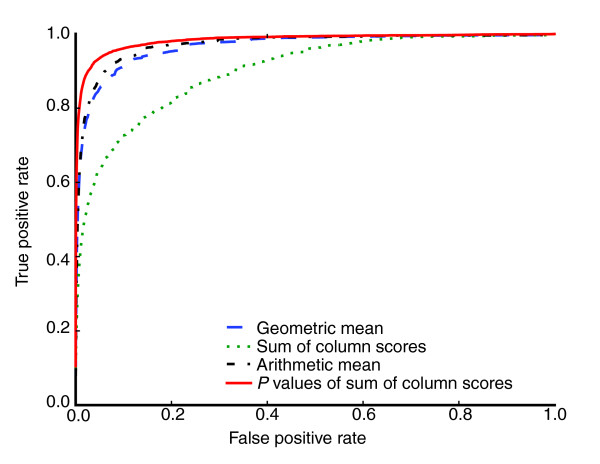
“From this ranked list, we compute a receiver operating characteristic (ROC) curve [23], which plots the percentage of positive pairs as a function of the percentage of negative pairs as we traverse the ranked list.”
WebLogo: A Sequence Logo Generator: Figure 1
Crooks, G. E., Hon, G., Chandonia, J.-M., & Brenner, S. E. (2004) · Genome Research · doi:10.1101/gr.849004 · Cited by 12,386
Fitting a mixture model by expectation maximization to discover motifs in biopolymers.
Bailey, T. L., & Elkan, C. (1994) · PubMed · Cited by 5,806
Self-citationJASPAR: an open-access database for eukaryotic transcription factor binding profiles
Sandelin, A. (2004) · Nucleic Acids Research · doi:10.1093/nar/gkh012 · Cited by 1,790
Regulation of Inducible and Tissue-Specific Gene Expression
Maniatis, T., Goodbourn, S., & Fischer, J. A. (1987) · Science · doi:10.1126/science.3296191 · Cited by 1,554 · cited 1×
“For example, the regulation of transcription requires sequence-specific binding of transcription factors to certain cis-acting motifs, which typically are located upstream of transcriptional start sites [1].”
Assembly of Cell Regulatory Systems Through Protein Interaction Domains
Pawson, T., & Nash, P. (2003) · Science · doi:10.1126/science.1083653 · Cited by 1,422
Assessing computational tools for the discovery of transcription factor binding sites
Tompa, M., Li, N., Bailey, T. L., Church, G. M., De Moor, B., Eskin, E., Favorov, A. V., Frith, M. C., Fu, Y., Kent, W. J., et al. (2005) · Nature Biotechnology · doi:10.1038/nbt1053 · Cited by 1,268 · cited 1×
“A wide variety of statistical methods have been developed to identify sequence motifs in an unsupervised manner from collections of functionally related sequences [3].”
Self-citationTRANSFAC: an integrated system for gene expression regulation
Wingender, E. (2000) · Nucleic Acids Research · doi:10.1093/nar/28.1.316 · Cited by 1,239 · cited 3×
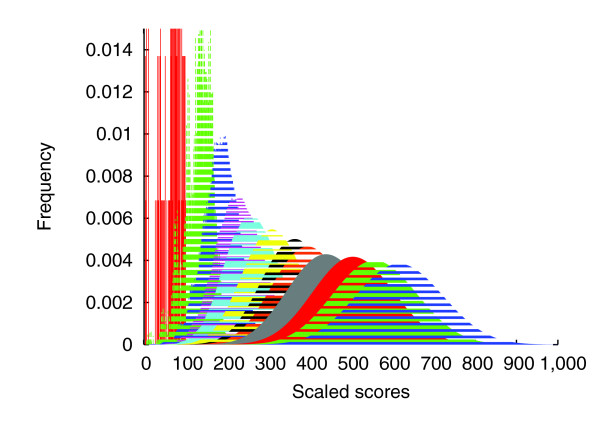
“The figure shows a set of PDFs for a particular query motif of length 12, computed relative to the TRANSFAC database.”
InfluentialA Survey of Exact Inference for Contingency Tables
Agresti, A. (1992) · Statistical Science · doi:10.1214/ss/1177011454 · Cited by 1,097
Hughes, J. D., Estep, P. W., Tavazoie, S., & Church, G. M. (2000) · Journal of Molecular Biology · doi:10.1006/jmbi.2000.3519 · Cited by 1,010
Cited by
Items 601–700 of 1,013
Manjunath, S., Mishra, B. P., Mishra, B., Sahoo, A. P., Tiwari, A. K., Rajak, K. K., Muthuchelvan, D., Saxena, S., Santra, L., Sahu, A. R., et al. (2016) · Virus Research · doi:10.1016/j.virusres.2016.12.014 · Cited by 38
“TFs binding to these motifs of DEHC genes for both the conditions (Comparative and Temporal analysis) were identified using TOMTOM.”
MethodEvolution and multiple roles of the Pancrustacea specific transcription factor zelda in insects
Ribeiro, L., Santos, V. T., dos Santos, D. D. G., Antunes, F., Feltran, G. D. S., Souza‐Menezes, J., Aravind, L., Venâncio, T. M., & da Fonseca, R. N. (2017) · PLoS Genetics · doi:10.1371/journal.pgen.1006868 · Cited by 40
Noncoding origins of anthropoid traits and a new null model of transposon functionalization
del Rosario, R. C. H., Rayan, N. A., & Prabhakar, S. (2014) · Genome Research · doi:10.1101/gr.168963.113 · Cited by 37
“This motif was matched by TOMTOM to the TCF3 UniPROBE motif (P = 0.00037).”
MethodInfluentialDecoding sequence determinants of gene expression in diverse cellular and disease states
Lal, A., Karollus, A., Gunsalus, L. M., Garfield, D., Nair, S., Tseng, A. M., Gordon, M. G., Blischak, J., Geijn, B. V. D., Bhangale, T., et al. (2026) · Nature Methods · doi:10.1038/s41592-026-03102-0 · Cited by 40
“We excluded some motifs, specifically those corresponding to certain zinc finger TFs because their low information content can lead to highly significant but low-quality Tomtom matches.”
InfluentialBiallelic mutations in cancer genomes reveal local mutational determinants
Demeulemeester, J., Dentro, S. C., Gerstung, M., & Loo, P. V. (2022) · Nature Genetics · doi:10.1038/s41588-021-01005-8 · Cited by 37
Inferring the transcriptional network of Bacillus subtilis
Fadda, A. A., Fierro, A. C., Lemmens, K., Monsieurs, P., Engelen, K., & Marchal, K. (2009) · Molecular BioSystems · doi:10.1039/b907310h · Cited by 37
A review of ensemble methods for de novo motif discovery in ChIP-Seq data
Lihu, A., & Holban, T. (2015) · Briefings in Bioinformatics · doi:10.1093/bib/bbv022 · Cited by 37
Funk, C. C., Casella, A. M., Jung, S., Richards, M. A., Rodriguez, A., Shannon, P., Donovan-Maiye, R., Heavner, B., Chard, K., Xiao, Y., et al. (2020) · Cell Reports · doi:10.1016/j.celrep.2020.108029 · Cited by 35
Song, G., Wang, G., Luo, X., Cheng, Y., Song, Q., Wan, J., Moore, C. D., Song, H., Jin, P., Qian, J. X., et al. (2021) · Nature Communications · doi:10.1038/s41467-021-20950-w · Cited by 38
Jankowski, A., Szczurek, E., Jauch, R., Tiuryn, J., & Prabhakar, S. (2013) · Genome Research · doi:10.1101/gr.154922.113 · Cited by 35
“As suggested by Gupta et al. (2007), we used the squared Euclidean distance (ED2) as the dissimilarity measure of dimer motifs, assuming the clustering threshold of 2 for ED2.”
MethodRamaker, R. C., Hardigan, A. A., Goh, S.-T., Partridge, E. C., Wold, B. J., Cooper, S. J., & Myers, R. (2020) · Genome Research · doi:10.1101/gr.260463.119 · Cited by 36
Patenge, N., Billion, A., Raasch, P., Normann, J., Wisniewska-Kucper, A., Retey, J., Boisguérin, V., Hartsch, T., Hain, T., & Kreikemeyer, B. (2012) · BMC Genomics · doi:10.1186/1471-2164-13-550 · Cited by 36
“A motif search was conducted using MEME Suite [27], followed by motif analyses using TOMTOM [28], (http://meme.sdsc.edu/ meme/intro.html).”
MethodInfluentialKwok, C. T. D., Leung, M., Qin, J., Qin, Y., Wang, J., Lee, Y. L., & Yao, K. (2016) · Stem Cell Research · doi:10.1016/j.scr.2016.03.007 · Cited by 36
“Motif discovery was performed using MEME and DREME (Bailey and Elkan, 1994; Bailey, 2011), and the motifs were matched with known DNA binding motifs using TOMTOM (Gupta et al., 2007).”
BackgroundMethodSrinivasan, C., Phan, B. N., Lawler, A. J., Ramamurthy, E., Kleyman, M., Brown, A. R., Kaplow, I. M., Wirthlin, M. E., & Pfenning, A. R. (2021) · Journal of Neuroscience · doi:10.1523/jneurosci.2534-20.2021 · Cited by 37
Yang, Y., Hou, Z., Wang, Y., Ma, H., Sun, P., Ma, Z., Wong, K., & Li, X. (2022) · Briefings in Bioinformatics · doi:10.1093/bib/bbac027 · Cited by 37
Base-resolution prediction of transcription factor binding signals by a deep learning framework
Zhang, Q., He, Y., Wang, S., Chen, Z., Guo, Z., Cui, Z., Liu, Q., & Huang, D.-S. (2022) · PLoS Computational Biology · doi:10.1371/journal.pcbi.1009941 · Cited by 36
“As described in ‘Materials and methods’ section, the –log2(p-value) produced by TOMTOM was used as the evaluation metric.”
MethodZhou, J., Chen, Q., Braun, P., Mandell, K. A. P., Jaffe, A. E., Tan, H. Y., Hyde, T. M., Kleinman, J. E., Potash, J. B., Shinozaki, G., et al. (2022) · Proceedings of the National Academy of Sciences · doi:10.1073/pnas.2206069119 · Cited by 37
He, X., Ma, H., Zhao, X., Nie, S., Li, Y., Zhang, Z., Shen, Y., Chen, Q., Lu, Y., Lan, H., et al. (2016) · PLoS ONE · doi:10.1371/journal.pone.0151697 · Cited by 36
“Using the TOMTOM [32] motif comparison tool, the resulting motifs were compared against known motifs in the JASPAR CORE (2014) Plants database [33] to detect significantly similar known cis- regulatory motifs (q-value 0.05).”
MethodInfluentialChow, C.-N., Chiang-Hsieh, Y.-F., Chien, C.-H., Zheng, H., Lee, T.-Y., Wu, N.-Y., Tseng, K.-C., Hou, P.-F., & Chang, W. (2018) · BMC Genomics · doi:10.1186/s12864-018-4469-4 · Cited by 36
“CsTFs and Plant Cistrome Database were estimated by using the Tomtom program [16, 32].”
Quantitative Analysis of Genome-Wide Chromatin Remodeling
Baek, S., Sung, M., & Hager, G. L. (2011) · Methods in molecular biology · doi:10.1007/978-1-61779-477-3_26 · Cited by 35
Chitforoushzadeh, Z., Ye, Z., Sheng, Z., LaRue, S. I., Fry, R. C., Lauffenburger, D. A., & Janes, K. A. (2016) · Science Signaling · doi:10.1126/scisignal.aad3373 · Cited by 35
Bragin, E. Y., Shtratnikova, V., Schelkunov, M. I., Dovbnya, D. V., & Donova, M. V. (2019) · BMC Biotechnology · doi:10.1186/s12896-019-0533-7 · Cited by 35
Discovering How Heme Controls Genome Function Through Heme-omics
Liao, R., Zheng, Y., Liu, X., Zhang, Y., Seim, G. L., Tanimura, N., Wilson, G. M., Hematti, P., Coon, J. J., Fan, J., et al. (2020) · Cell Reports · doi:10.1016/j.celrep.2020.107832 · Cited by 35
“Comparison to known motifs with TOMTOM (Gupta et al., 2007) identified it as a Bach1 motif (Figure 3A, middle).”
BackgroundMethodKhan, M. A., Kang, D., Wu, Y., Wang, Y., Ai, P., & Wang, Z. (2022) · Frontiers in Plant Science · doi:10.3389/fpls.2022.861193 · Cited by 35
A survey on algorithms to characterize transcription factor binding sites
Tognon, M., Giugno, R., & Pinello, L. (2023) · Briefings in Bioinformatics · doi:10.1093/bib/bbad156 · Cited by 36
Long-range transcriptional regulation by the p110 CUX1 homeodomain protein on theENCODE array
Vadnais, C., Awan, A., Harada, R., Clermont, P., Leduy, L., Bérubé, G., & Nepveu, A. (2013) · BMC Genomics · doi:10.1186/1471-2164-14-258 · Cited by 36
“net/) [70-72].”
The genetic structure of the A mating-type locus of Lentinula edodes
Au, C. H., Wong, M. C., Bao, D., Zhang, M., Song, C., Song, W., Law, P. T. W., Kües, U., & Kwan, H. S. (2013) · Gene · doi:10.1016/j.gene.2013.11.036 · Cited by 35
“The identifiedmotifswere searched against DNA motif databases JASPAR CORE and TRANSFAC using TOMTOM (Gupta et al., 2007; p-value ≤ 1E-4) and against DNA binding motifs of Saccharomyces cerevisiae proteins summarized in Saccharomyces Genome Database (Cherry et al., 1998).”
MethodContribution of IKBKE and IFIH1 gene variants to SLE susceptibility
Wang, C., Ahlford, A., Laxman, N., Nordmark, G., Eloranta, M.-L., Gunnarsson, I., Svenungsson, E., Padyukov, L., Sturfelt, G., Jönsen, A., et al. (2013) · Genes and Immunity · doi:10.1038/gene.2013.9 · Cited by 35
Carazo, F., Romero, J. P., & Rubio, Á. (2018) · Briefings in Bioinformatics · doi:10.1093/bib/bby005 · Cited by 35
Human brain small extracellular vesicles contain selectively packaged, full-length mRNA
Ransom, L. S., Liu, C. S., Dunsmore, E., Palmer, C. R., Nicodemus, J., Ziomek, D., Williams, N., & Chun, J. (2024) · Cell Reports · doi:10.1016/j.celrep.2024.114061 · Cited by 35
“By cross-referencing motifs and associated RBP hits from STREME, Tomtom, and SEA with protein expression in the prefrontal cortex reported in the Human Protein Atlas and published human brain sEV proteomics datasets, 19,45 we identified a short list of RBPs that we hypothesize could contribute to the selective packagi…”
InfluentialYang, T., Li, K., Hao, S., Zhang, J., Song, T., Tian, J., & Yao, Y. (2018) · Plant and Cell Physiology · doi:10.1093/pcp/pcy044 · Cited by 34
Li, Y., Ni, P., Zhang, S., Li, G., & Su, Z. (2019) · Bioinformatics · doi:10.1093/bioinformatics/btz290 · Cited by 34
Heavner, W. E., Ji, S., Notwell, J. H., Dyer, E., Tseng, A. M., Birgmeier, J. A., Yoo, B., Bejerano, G., & McConnell, S. K. (2020) · Proceedings of the National Academy of Sciences · doi:10.1073/pnas.2008013117 · Cited by 35
“Near identical motif predictions from at least two different tools were combined, and Tomtom (60) was used to match the most frequently occurring motif with a set of known TF binding motifs.”
MethodFagny, M., Kuijjer, M. L., Stam, M. E., Joets, J., Turc, O., Rozière, J., Pateyron, S., Venon, A., & Vitte, C. (2021) · Frontiers in Genetics · doi:10.3389/fgene.2020.606285 · Cited by 36
“We then used the online version of Tomtom [70] to compare these motifs with known TFBS motifs available in the JASPAR 2018 non-redundant core plants database.”
MethodODORANT1 targets multiple metabolic networks in petunia flowers
Boersma, M. R., Patrick, R. M., Jillings, S. L., Shaipulah, N. F. M., Sun, P., Haring, M. A., Dudareva, N., Li, Y., & Schuurink, R. C. (2021) · The Plant Journal · doi:10.1111/tpj.15618 · Cited by 34
“The putative binding motif of ODO1 (Motif 1, Figure 5a) was queried against the Arabidopsis DAP-Seq database (O’Malley et al., 2016) using Tomtom (Gupta et al., 2007).”
BackgroundMethodInfluentialCoffin, S. L., Durham, M. A., Nitschke, L., Xhako, E., Brown, A. M., Revelli, J., Gonzalez, E. V., Lin, T., Handler, H. P., Dai, Y., et al. (2022) · Neuron · doi:10.1016/j.neuron.2022.11.016 · Cited by 35
“published CIC consensus motif (Figure S2D).(15,20) We detected little to no CIC binding in the En1-Cre;Cic, demonstrating the specificity of the identified peaks (Figure 3B).”
Sanchez‐Muñoz, R., Bonfill, M., ⁄, R. M. C., n, J. P. ⁄., & Moyano, E. (2018) · Plant and Cell Physiology · doi:10.1093/pcp/pcy149 · Cited by 34
Jen, J., Liu, C., Chen, Y., Wu, L., Shieh, Y.-C., Lai, W., & Wang, Y. (2018) · Cell Death and Differentiation · doi:10.1038/s41418-018-0204-6 · Cited by 34
Tùng, Q. N., Busche, T., Loi, V. V., Kalinowski, J., & Antelmann, H. (2019) · Free Radical Biology and Medicine · doi:10.1016/j.freeradbiomed.2019.12.032 · Cited by 34
Tremblay, B. J.-M., Santini, C. P., Cheng, Y., Zhang, X. J., Rosa, S., & Questa, J. I. (2024) · Nature Communications · doi:10.1038/s41467-024-46082-5 · Cited by 34
Maaskola, J., & Rajewsky, N. (2014) · Nucleic Acids Research · doi:10.1093/nar/gku1083 · Cited by 36
“Notably, almost all of the discovered motifs are identifiable as previously known motifs (TOMOTM q-value ≤ 5% (92)).”
BackgroundThe landscape and driver potential of site-specific hotspots across cancer genomes
Juul, R. I., Nielsen, M. M., Juul, M., Feuerbach, L., & Pedersen, J. S. (2021) · npj Genomic Medicine · doi:10.1038/s41525-021-00197-6 · Cited by 30
Discovering functional motifs in long noncoding RNAs
Ross, C. J., & Ulitsky, I. (2022) · Wiley Interdisciplinary Reviews - RNA · doi:10.1002/wrna.1708 · Cited by 33
“To achieve their results these studies used motif analysis tools such as AME (McLeay & Bailey, 2010), FIMO (Grant et al., 2011), and TOMTOM (Gupta et al., 2007) that scan sequences for known motifs and are not reliant on sequence alignments (Table 2).”
BackgroundMethodGenome-wide de novo prediction of cis-regulatory binding sites in prokaryotes
Zhang, S., Xu, M., Li, S., & Su, Z. (2009) · Nucleic Acids Research · doi:10.1093/nar/gkp248 · Cited by 33
Choe, D., Szubin, R., Dahesh, S., Cho, S., Nizet, V., Palsson, B. Ø., & Cho, B. (2018) · Scientific Reports · doi:10.1038/s41598-018-20661-1 · Cited by 33
Atf3 links loss of epithelial polarity to defects in cell differentiation and cytoarchitecture
Donohoe, C. D., Csordás, G., Correia, A., Jindra, M., Klein, C., Habermann, B., & Uhlirova, M. (2018) · PLOS Genetics · doi:10.1371/journal.pgen.1007241 · Cited by 32
“Submission of this PWM to Tool for Motif to Motif comparison (TOMTOM) [44] determined that Atf3 recognizes DNA that is most similar to the Atf2 binding motif in Drosophila and ATF3/JDP2 motif in humans (Fig 5B).”
MethodInfluentialTangermeme: a toolkit for understanding cis-regulatory logic using deep learning models
Schreiber, J. M. (2026) · Nature Methods · doi:10.1038/s41592-026-03254-z · Cited by 34
Faustoferri, R. C., Hubbard, C. J., Santiago, B., Buckley, A. A., Seifert, T. B., & Quivey, R. G. (2014) · Molecular Oral Microbiology · doi:10.1111/omi.12076 · Cited by 32
“Further analysis of these predicted motifs with TOMTOM (Tool for Motif to Motif comparison; Gupta et al., 2007; Bailey et al., 2009; Tanaka et al., 2011) using the RegTransBase database of manually curated prokaryotic motifs yielded matches to three subfamilies of regulatory proteins: LacI, GntR…”
MethodWang, L., & Janes, K. A. (2013) · Nature Protocols · doi:10.1038/nprot.2012.158 · Cited by 32
Lardenois, A., Stuparević, I., Liu, Y., Law, M. J., Becker, E., Smagulova, F. O., Waern, K., Guilleux, M.-H., Horecka, J., Chu, A. M., et al. (2014) · Nucleic Acids Research · doi:10.1093/nar/gku1185 · Cited by 32
“In addition, motif enrichment was estimated using the algorithms implemented in MEME (44), DREME (45), Tomtom (46) and Clover (47) software.”
MethodKarpe, S. D., Dhingra, S., Brockmann, A., & Sowdhamini, R. (2017) · Scientific Reports · doi:10.1038/s41598-017-11098-z · Cited by 32
Chica, C., Louis, A., Crollius, H. R., Colot, V., & Roudier, F. (2017) · Genome biology · doi:10.1186/s13059-017-1333-9 · Cited by 32
“We searched for sequence motifs in promoters using the Multiple EM for Motif Elicitation (MEME) algorithm, which implements a probabilistic model to discover recurring ungapped fixed-length patterns from a set of unaligned sequences [56, 57].”
MethodMcGann, J. C., Spinner, M. A., Garg†, S. K., Müllendorff, K., Woltjer, R. L., & Mandel, G. (2021) · Journal of Neuroscience · doi:10.1523/jneurosci.2059-20.2021 · Cited by 33
“The predominant motif, detected in 663 peaks, significantly matched the motifs for the factors Sfpi1/PU.1, Prdm1, Irf1, and Etv6, as determined by the motif comparison tool, Tomtom (Gupta et al., 2007) (FDR-adjusted p, 0.05).”
MethodInfluentialPeterson, E. J. R., Brooks, A. N., Reiss, D. J., Kaur, A., Do, J., Pan, M., Wu, W., Morrison, R., Srinivas, V., Carter, W., et al. (2023) · Cell Reports · doi:10.1016/j.celrep.2023.112875 · Cited by 32
Cell‐type‐specific transcriptomics uncovers spatial regulatory networks in bioenergy sorghum stems
Fu, J., McKinley, B. A., James, B. T., Chrisler, W., Markillie, L. M., Gaffrey, M. J., Mitchell, H. D., Riaz, M. R., Marcial, B., Orr, G., et al. (2024) · The Plant Journal · doi:10.1111/tpj.16690 · Cited by 32
Integrative analysis of DNA methylation and gene expression in butyrate-treated CHO cells
Wippermann, A., Rupp, O., Brinkrolf, K., Hoffrogge, R., & Noll, T. (2016) · Journal of Biotechnology · doi:10.1016/j.jbiotec.2016.11.020 · Cited by 32
Depression and anxiety in children with CFS/ME: cause or effect?
Bould, H., Lewis, G., Emond, A. M., & Crawley, E. M. (2010) · Archives of Disease in Childhood · doi:10.1136/adc.2009.173161 · Cited by 34
Genome-wide analysis of gene regulation mechanisms during Drosophila spermatogenesis
Laktionov, P. P., Maksimov, D. A., Romanov, S. E., Antoshina, P. A., Posukh, O. V., White‐Cooper, H., Koryakov, D. E., & Belyakin, S. N. (2018) · Epigenetics & Chromatin · doi:10.1186/s13072-018-0183-3 · Cited by 31
“Below is the analysis of the top‐most motif identi‐ fied by Tomtom software [40].”
MethodLin, C.-T., Xu, T., Xing, S., Zhao, L., Sun, R., Liu, Y., Moore, J. P., & Deng, X. (2019) · Plant and Cell Physiology · doi:10.1093/pcp/pcz160 · Cited by 31
Ko, D. K., & Brandizzí, F. (2022) · Communications Biology · doi:10.1038/s42003-021-02964-8 · Cited by 31
Widespread repression of anti-CRISPR production by anti-CRISPR-associated proteins
Shehreen, S., Birkholz, N., Fineran, P. C., & Brown, C. M. (2022) · Nucleic Acids Research · doi:10.1093/nar/gkac674 · Cited by 31
“All motifs were compared using Tomtom [Electronic Supplement S4] (44) (P-value cut-off < e-01 and distance measure Pearson correlation coefficient).”
MethodMotif signatures in stretch enhancers are enriched for disease-associated genetic variants
Quang, D. X., Erdos, M. R., Parker, S. C. J., & Collins, F. S. (2015) · Epigenetics & Chromatin · doi:10.1186/s13072-015-0015-7 · Cited by 31
Ciglar, L., Girardot, C., Wilczyński, B., Braun, M. M., & Furlong, E. E. M. (2014) · Development · doi:10.1242/dev.101956 · Cited by 31
“TOMTOM (Gupta et al., 2007) was used (default parameters, but AT/GC content was set to 0.3/0.2) to match discovered motifs to known Drosophila PWM databases (FlyFactorSurvey, FlyRegv2, idmmpmm2009 and dmmpmm2009) with P-value ≤0.05.”
MethodInfluentialArase, M., Tamura, Y., Kawasaki, N., Isogaya, K., Nakaki, R., Mizutani, A., Tsutsumi, S., Aburatani, H., Miyazono, K., & Koinuma, D. (2017) · Scientific Reports · doi:10.1038/s41598-017-00973-4 · Cited by 31
Lu, H., Gordon, M. I., Amarasinghe, V., & Strauss, S. H. (2020) · Scientific Reports · doi:10.1038/s41598-020-63372-2 · Cited by 31
Shao, J., He, K., Wang, H., Ho, W. S., Ren, X., An, X., Wong, M. K., Yan, B., Xie, D., Stamatoyannopoulos, J. A., et al. (2013) · Journal of Biological Chemistry · doi:10.1074/jbc.m113.487975 · Cited by 31
“The motifs found by MEME-ChIP from our peaks were compared with CE_PhyloNet motifs identified based on the conservation among the genomes of C. elegans, Caenorhabditis briggsae, and Caenorhabditis remanei using TOMTOM (32), a built-in component of the MEME suite, with default parameters.”
MethodSelf-citationDynamic chromatin remodeling in cycling human endometrium at single-cell level
Vrljicak, P., Lucas, E. S., Tryfonos, M., Muter, J., Ott, S., & Brosens, J. J. (2023) · Cell Reports · doi:10.1016/j.celrep.2023.113525 · Cited by 32
Singh, A., Prasad, M., Mishra, B., Manjunath, S., Sahu, A. R., Priya, G. B., Wani, S. A., Sahoo, A. P., Kumar, A., Balodi, S., et al. (2016) · Genomics Data · doi:10.1016/j.gdata.2016.12.001 · Cited by 30
Regulation of TGFβ Signalling by TRPV4 in Chondrocytes
Woods Jon, S., Humphreys, P. A., Bates, N., Richardson, S., Kuba, S. Y., Brooks, I. R., Cain, S. A., & Kimber, S. J. (2021) · Cells · doi:10.3390/cells10040726 · Cited by 30
“…factors were further compared with in silico predicted and experimentally validated DNA-binding motifs collection databases (JASPAR2018_CORE_vertebrates_non-redundant, Jolma 2013, TRANSFAC, UniPROBE mouse, HOCOMOCO v11 and Swiss Regulon) using TOMTOM (e-value 0.5; min overlap between motifs) [33].”
InfluentialPan-cancer predictions of transcription factors mediating aberrant DNA methylation
Detilleux, D., Spill, Y. G., Balaramane, D., Weber, M., & Bardet, A. F. (2022) · Epigenetics & Chromatin · doi:10.1186/s13072-022-00443-w · Cited by 30
“TF motifs were extracted from a manually annotated review [28], leading to 4928 motifs grouped into 434 clusters (using TOMTOM [52] and the hclust function in R to define clusters with a threshold of 0.05) and representing 1048 distinct TFs.”
MethodInfluentialMembers of an array of zinc-finger proteins specify distinct Hox chromatin boundaries
Ortabozkoyun, H., Huang, P., González-Buendía, E., Cho, H., Kim, S. Y., Tsirigos, A., Mazzoni, E. O., & Reinberg, D. (2024) · Molecular Cell · doi:10.1016/j.molcel.2024.08.007 · Cited by 30
“ChIP-seq “bed” file coordinates were converted into “fasta” by using fetch sequences tool within Regulatory Sequence Analysis Tools (RSAT) 81 ; MEME (version 5.5.1) was used for motif analysis of PATZ1 in mESCs 82 , and Tomtom (version 5.5.1) was used as a motif comparison tool 83 .”
InfluentialKazan, H., & Morris, Q. (2013) · Nucleic Acids Research · doi:10.1093/nar/gkt463 · Cited by 30
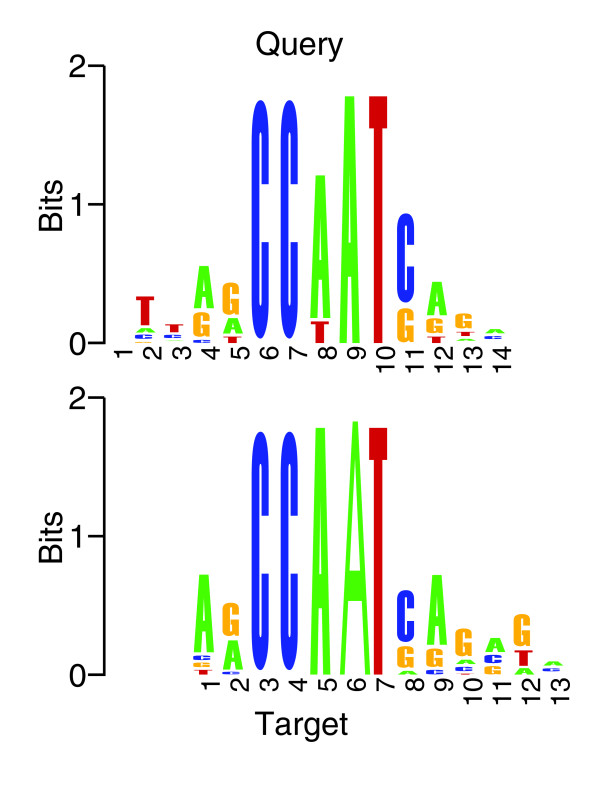
“13)] to the predicted sequence motif (shown in a) are displayed as a table.”
BackgroundMethodDíez, D., Hutchins, A. P., & Miranda‐Saavedra, D. (2013) · Nucleic Acids Research · doi:10.1093/nar/gkt913 · Cited by 31
Predicting gene regulatory networks of soybean nodulation from RNA-Seq transcriptome data
Zhu, M., Dahmen, J. L., Stacey, G. S., & Cheng, J. (2013) · BMC Bioinformatics · doi:10.1186/1471-2105-14-278 · Cited by 31
“Moreover, we used MEME [34] and TomTom [35] to predict the TF binding sites of genes in the module.”
Rezvykh, A. P., Ustyugov, A. A., Chaprov, K., Teterina, E. V., Nebogatikov, V. O., Spasskaya, D. S., Evgen’ev, M. B., Morozov, A. V., & Funikov, S. Y. (2023) · Nucleic Acids Research · doi:10.1093/nar/gkad319 · Cited by 29
“Gene expression and alternative splicing changes in spinal motor neur ons mirr or the clinical picture of the pathogenesis of the FUS(1-359) mice”
BackgroundMenjivar, N. G., Gad, A. Y., Thompson, R. E., Meyers, M. A., Hollinshead, F., & Tesfaye, D. (2023) · BMC Genomics · doi:10.1186/s12864-023-09746-y · Cited by 29
“Motifs commonly detected in at least 50% of the submitted miRNAs were selected for further analysis to determine the motif-associated RBPs using a TOM-TOM motif comparison tool [94].”
MethodDynamics of the Transcriptome Response to Heat in the Moss, Physcomitrella patens
Elzanati, O., Mouzeyar, S., & Roche, J. (2020) · International Journal of Molecular Sciences · doi:10.3390/ijms21041512 · Cited by 29
Gardiner, L., Rusholme‐Pilcher, R., Colmer, J., Rees, H., Crescente, J. M., Carrieri, A. P., Duncan, S. H., Pyzer‐Knapp, E. O., Krishna, R., & Hall, A. J. W. (2021) · Proceedings of the National Academy of Sciences · doi:10.1073/pnas.2103070118 · Cited by 29
Transcriptional competition shapes proteotoxic ER stress resolution
Ko, D. K., & Brandizzí, F. (2022) · Nature Plants · doi:10.1038/s41477-022-01150-w · Cited by 29
Mottaghi-Dastjerdi, N., Ghorbani, A., Montazeri, H., & Guzzi, P. H. (2023) · BMC Gastroenterology · doi:10.1186/s12876-023-02891-4 · Cited by 29
“Tomtom (version 5.4.1) tool (http:// meme-suite. org/ tools/ tomtom) [19] was used to remove redundant motifs and identify known CRE based on the motif data-base of Human (homo sapiens) DNA (HOCOMOCO Human (v11 Full) with the threshold P-and E-values of < 0.01 and < 0.0001, respectively.”
MethodInfluentialChoi, K.-M., Kwon, Y.-Y., & Lee, C. (2013) · Experimental Gerontology · doi:10.1016/j.exger.2013.10.001 · Cited by 29
“Both values were calculated by the TOMTOM algorithm.”
The Cavβ1a subunit regulates gene expression and suppresses myogenin in muscle progenitor cells
Taylor, J. R., Pereyra, A. S., Zhang, T., Messi, M. L., Wang, Z.-M., Hereñú, C. B., Kuan, P. F., & Delbono, O. (2014) · The Journal of Cell Biology · doi:10.1083/jcb.201403021 · Cited by 29
“Motif analysis was performed with MEME software (Bailey et al., 2009) and TOMTOM (Gupta et al., 2007).”
MethodStructure-based modeling of protein: DNA specificity
Joyce, A. P., Zhang, C., Bradley, P. H., & Havranek, J. J. (2014) · Briefings in Functional Genomics · doi:10.1093/bfgp/elu044 · Cited by 29
Comprehensive Analysis of the SUL1 Promoter of Saccharomyces cerevisiae
Rich, M. S., Payen, C., Rubin, A. F., Ong, G. T., Sanchez, M. R., Yachie, N., Dunham, M. J., & Fields, S. (2016) · Genetics · doi:10.1534/genetics.116.188037 · Cited by 28
“Speci fi c position ranges were extracted from this matrix and compared to known transcription factor motifs (Zhu and Zhang 1999; MacIsaac et al. 2006) using Tomtom version 4.10.0 (Gupta et al. 2007).”
MethodInfluentialMotif comparison based on similarity of binding affinity profiles
Lambert, S. A., Albu, M., Hughes, T. R., & Najafabadi, H. S. (2016) · Bioinformatics · doi:10.1093/bioinformatics/btw489 · Cited by 29
Cavalli, M., Pan, G., Nord, H., Arzt, E. W., Wallerman, O., & Wadelius, C. (2016) · Hepatology Research · doi:10.1111/hepr.12810 · Cited by 29
Deep analysis of RNA N6-adenosine methylation (m6A) patterns in human cells
Wang, J., & Wang, L. (2020) · NAR Genomics and Bioinformatics · doi:10.1093/nargab/lqaa007 · Cited by 30
“For each kernel, such sub-sequences collected from all the positive m6A instances in the test dataset were aligned to create a PWM in the MEME motif format, and the TOMTOM webserver (http://meme-suite.org/tools/tomtom) was used for PWM comparison and sequence logo generation (38).”
MethodInfluentialSpi-1/PU.1 activates transcription through clustered DNA occupancy in erythroleukemia
Ridinger-Saison, M., Boeva, V., Rimmelé, P., Kulakovskiy, I., Gallais, I., Levavasseur, B., Paccard, C., Legoix-Né, P., Morlé, F., Nicolas, A., et al. (2012) · Nucleic Acids Research · doi:10.1093/nar/gks659 · Cited by 28
“1 (29) (Jaspar Core database) from the MEME software suite.”
MethodLin, J., Li, Z., Zhao, Y., Luo, R., & Pinello, L. (2026) · Nature Communications · doi:10.1038/s41467-026-70535-8 · Cited by 29
“Using Tomtom 54,55 to match discovered motifs against the JASPAR 2024 CORE vertebrate non ‑ redundantdatabase,weidenti fi edsharedTFmotifsincludingJUN, ELF1, ELK1, BACH1, and NFYA, as well as K562 ‑ speci fi c motifs (GATA1, GATA2, GATA1::TAL1) and GM12878 ‑ speci fi c TF motifs (SPI1, FOSL1;…”
Visualizing complex feature interactions and feature sharing in genomic deep neural networks
Liu, G., Zeng, H., & Gifford, D. K. (2019) · BMC Bioinformatics · doi:10.1186/s12859-019-2957-4 · Cited by 28
“We convert the top filters into position weight matrices (PWMs) and match them with known motif for the target TF using TOMTOM [28], and count how many times we hit the known motif in top 1, top 3 and top 5 filters with matching score p -value less than 0.5 and 0.05.”
MethodInfluentialDing, Z., Fu, L., Deguan, T., Sun, X., & Zhang, J. (2020) · Industrial Crops and Products · doi:10.1016/j.indcrop.2020.112562 · Cited by 28
Genetics and regulation of nitrogen fixation in Paenibacillus brasilensis PB24
Dias, B. D. C., da Mota, F. F., Jurelevicius, D. D. A., & Seldin, L. (2020) · Microbiological Research · doi:10.1016/j.micres.2020.126647 · Cited by 28
Santos, R. E. R. D. S., Júnior, W. P. D. S., Harrison, S., Skaar, E. P., Chazin, W., & Neto, J. F. D. S. (2021) · Infection and Immunity · doi:10.1128/iai.00311-21 · Cited by 28
“The DNA binding motifs predicted by MEME were searched against databases of known DNA binding motifs, using the Tomtom motif comparison tool (54).”
MethodYan, W., Li, Z., Pian, C., & Wu, Y. (2022) · Briefings in Bioinformatics · doi:10.1093/bib/bbac425 · Cited by 29
Tahmasebi, A., Niazi, A., & Akrami, S. (2023) · Scientific Reports · doi:10.1038/s41598-023-27746-6 · Cited by 28
Soltani, Z., Moghadam, A. A., Tahmasebi, A., & Niazi, A. (2023) · PLoS ONE · doi:10.1371/journal.pone.0281470 · Cited by 28
“1 tool [77] to remove redundancy motifs and to determine known CRE based on the motif database of JASPAR (https://jaspar.”
MethodInterpretable prediction models for widespread m6A RNA modification across cell lines and tissues
Zhang, Y., Wang, Z., Zhang, Y., Li, S., Guo, Y., Song, J., & Yu, D. (2023) · Bioinformatics · doi:10.1093/bioinformatics/btad709 · Cited by 28
“To this end, we employed the conventional motif finding method DREME (Bailey 2011) (Version 5.5.1) to unveil sequence patterns and adopted motif comparison tool TOMTOM (Gupta et al. 2007) (Version 5.5.1) for motif alignment and quantifying the similarity between the reported motifs by DREME and the extracted motifs by…”
MethodInfluentialEmx2 underlies the development and evolution of marsupial gliding membranes
Moreno, J. A., Dudchenko, O., Feigin, C. Y., Mereby, S. A., Chen, Z., Ramos, R., Almet, A. A., Sen, H., Brack, B. J., Johnson, M. R., et al. (2024) · Nature · doi:10.1038/s41586-024-07305-3 · Cited by 28
Kabir, A., Bhattarai, M., Wanna, S., Najman-Licht, Y., Rasmussen, K. Ø., Shehu, A., Bishop, A. R., Alexandrov, B. S., & Usheva, A. (2024) · Nucleic Acids Research · doi:10.1093/nar/gkae783 · Cited by 28
Zacher, B., Lidschreiber, M., Cramer, P., Gagneur, J., & Tresch, A. (2014) · Molecular Systems Biology · doi:10.15252/msb.20145654 · Cited by 28
Metadata
- Authors
- Gupta, S., Stamatoyannopoulos, J. A., Bailey, T. L., & Noble, W. S.
- Affiliations
- University of Washington (US)
- The University of Queensland (AU)
- Corresponding author
- Noble, William Stafford
- Venue
- Genome Biology
- Published
- 2007-02-26
- Volume
- 8
- Issue
- 2
- Pages
- R24-R24
- ISSN
- 1465-6906 (ISSN-L)
- 1474-760X
- PMC
- PMC1852410
- OpenAlex
- W2103777723
- Cited by
- 2,058
- References
- 25
- Citations by year
- 2026: 153 · 2025: 185 · 2024: 199 · 2023: 152 · 2022: 185 · 2021: 202 · 2020: 150 · 2019: 129 · 2018: 111 · 2017: 98 · 2016: 91 · 2015: 81 · 2014: 94 · 2013: 74 · 2012: 62
- FWCI
- 6.22
- Type
- journal article
- Language
- en
- Open access
- gold
- doi.org
- Licence
- cc-by
- creativecommons.org/licenses/by/2.0/ (tdm)
- creativecommons.org/licenses/by/2.0/ (vor)
- Locations
- Genome biology (publishedVersion, cc-by)
- PubMed Central (publishedVersion, cc-by)
- PubMed (publishedVersion)
- Topics
- Life Sciences › Biochemistry, Genetics and Molecular Biology › Molecular Biology › Genomics and Chromatin Dynamics
- Life Sciences › Biochemistry, Genetics and Molecular Biology › Molecular Biology › Genomics and Phylogenetic Studies
- Physical Sciences › Mathematics › Theoretical Computer Science › Algorithms and Data Compression
- Keywords
- motif similarity, de novo motif discovery, TomTom, statistical significance, E-value, sequence motifs
- MeSH terms
- Algorithms, Software, Sequence Homology, Computational Biology, Amino Acid Motifs, Databases, Genetic
About these checks
Registry, retraction, Cites and statistics results are computed, not judged, with one exception: a printed reference that no index lists is read once by a model before it counts as a citation error. Claims are extracted by a model and kept only when their quote appears verbatim in the text; each cited source is then checked, with a model’s help, for whether it says what the claim relies on. Those verdicts can be wrong — read the claim’s quote and the cited source before relying on one.
Statistics and arithmetic are recomputed, not judged.
Confidence bands are shown only for fields calibrated on our annotated test set. None is calibrated yet, so no band is shown.
What counts as a claim ›How we measure confidence ›How we check this ›
Are you an author, or do you see a problem with this page? Request a review
Data sources
Bibliographic data: Semantic Scholar, OpenAlex, Crossref.
Contains information from the Semantic Scholar Academic Graph Datasets, made available under the ODC Attribution License (ODC-BY 1.0).
Semantic Scholar’s data is described in: Kinney, R., et al. (2023). The Semantic Scholar Open Data Platform. arXiv:2301.10140.
