

Quantifying similarity between motifs
Open accessThe DOI matches its Crossref record; 25 of the 25 references it cites were found in a registry or an index.
Abstract
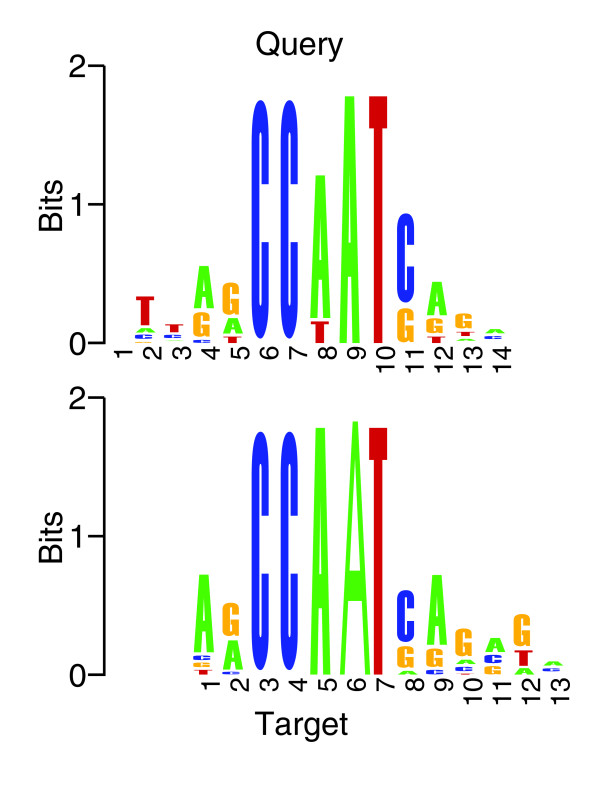
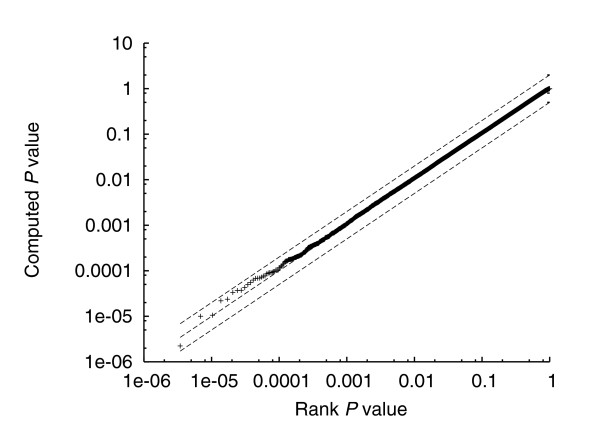
A common question within the context of de novo motif discovery is whether a newly discovered, putative motif resembles any previously discovered motif in an existing database. To answer this question, we define a statistical measure of motif-motif similarity, and we describe an algorithm, called Tomtom, for searching a database of motifs with a given query motif. Experimental simulations demonstrate the accuracy of Tomtom's E values and its effectiveness in finding similar motifs.
Overview
The claims and statistics of this paper haven’t been checked yet.
Free: it reads the open-access text and checks the first 5 claims that cite a source we can check. Create a free account to check every claim.
Integrity signals
Registry
Cites
Statistics
Figures
Verification
Claims the paper makes
The claims and statistics of this paper haven’t been checked yet.
Free: it reads the open-access text and checks the first 5 claims that cite a source we can check. Create a free account to check every claim.
Claims other papers make about this one
Each is checked against this paper’s own text: does it say what the citing paper says it does?
The cited source says what the claim attributes to it.
In the citing paper
“with four examples shown in Fig. 3B, the first two having a significant match in PlantTFDB (20) [with q-value <0.05 in Tomtom (38)].”
From DNA language models are powerful predictors of genome-wide variant effects (2023) · cites this paper as [38]
The check wasn’t confident either way, so it gives no verdict — never disputed.
In the citing paper
“The shared STAT3 bound regions were annotated with the nearest gene by 'annotatePeaks' from HOMER v4.10 (Gupta et al., 2007), yielding 475 unique genes.”
From CDK8 fine-tunes IL-6 transcriptional activities by limiting STAT3 resident time at the gene loci (2020) · cites this paper as Gupta et al., 2007
Experimental — accuracy not yet measured
Self-check
Percentages, sums and reported differences re-computed from the paper’s own numbers.
The self-check needs the paper’s full text.
Citations
Cites
The meaning and use of the area under a receiver operating characteristic (ROC) curve.
Hanley, J. A., & McNeil, B. J. (1982) · Radiology · doi:10.1148/radiology.143.1.7063747 · Cited by 21,856 · cited 1×
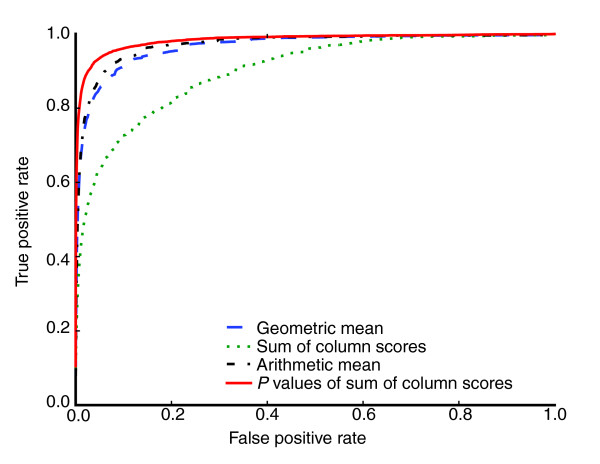
“From this ranked list, we compute a receiver operating characteristic (ROC) curve [23], which plots the percentage of positive pairs as a function of the percentage of negative pairs as we traverse the ranked list.”
WebLogo: A Sequence Logo Generator: Figure 1
Crooks, G. E., Hon, G., Chandonia, J.-M., & Brenner, S. E. (2004) · Genome Research · doi:10.1101/gr.849004 · Cited by 12,386
Fitting a mixture model by expectation maximization to discover motifs in biopolymers.
Bailey, T. L., & Elkan, C. (1994) · PubMed · Cited by 5,806
Self-citationJASPAR: an open-access database for eukaryotic transcription factor binding profiles
Sandelin, A. (2004) · Nucleic Acids Research · doi:10.1093/nar/gkh012 · Cited by 1,790
Regulation of Inducible and Tissue-Specific Gene Expression
Maniatis, T., Goodbourn, S., & Fischer, J. A. (1987) · Science · doi:10.1126/science.3296191 · Cited by 1,554 · cited 1×
“For example, the regulation of transcription requires sequence-specific binding of transcription factors to certain cis-acting motifs, which typically are located upstream of transcriptional start sites [1].”
Assembly of Cell Regulatory Systems Through Protein Interaction Domains
Pawson, T., & Nash, P. (2003) · Science · doi:10.1126/science.1083653 · Cited by 1,422
Assessing computational tools for the discovery of transcription factor binding sites
Tompa, M., Li, N., Bailey, T. L., Church, G. M., De Moor, B., Eskin, E., Favorov, A. V., Frith, M. C., Fu, Y., Kent, W. J., et al. (2005) · Nature Biotechnology · doi:10.1038/nbt1053 · Cited by 1,268 · cited 1×
“A wide variety of statistical methods have been developed to identify sequence motifs in an unsupervised manner from collections of functionally related sequences [3].”
Self-citationTRANSFAC: an integrated system for gene expression regulation
Wingender, E. (2000) · Nucleic Acids Research · doi:10.1093/nar/28.1.316 · Cited by 1,239 · cited 3×
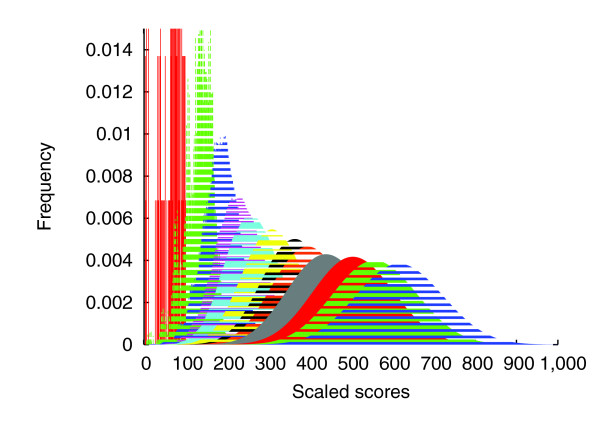
“The figure shows a set of PDFs for a particular query motif of length 12, computed relative to the TRANSFAC database.”
InfluentialA Survey of Exact Inference for Contingency Tables
Agresti, A. (1992) · Statistical Science · doi:10.1214/ss/1177011454 · Cited by 1,097
Hughes, J. D., Estep, P. W., Tavazoie, S., & Church, G. M. (2000) · Journal of Molecular Biology · doi:10.1006/jmbi.2000.3519 · Cited by 1,010
Cited by
Items 101–200 of 1,013
Regulation of Arabinose and Xylose Metabolism in Escherichia coli
Desai, T. A., & Rao, C. V. (2010) · Applied and Environmental Microbiology · doi:10.1128/aem.01970-09 · Cited by 170
“To confirm that this motif matched the AraC consensus binding sequence, we used the TOMTOM program (17) to search RegTransBase (22), a curated database of bacterial transcription factor binding sites, and found that the top hit indeed matched the AraC consensus sequence (P 10 (16)).”
MethodLoss of Extreme Long-Range Enhancers in Human Neural Crest Drives a Craniofacial Disorder
Long, H. K., Osterwalder, M., Welsh, I. C., Hansen, K., Davies, J. O. J., Liu, Y. E., Koska, M., Adams, A. T., Aho, R., Arora, N., et al. (2020) · Cell Stem Cell · doi:10.1016/j.stem.2020.09.001 · Cited by 170
A compendium and comparative epigenomics analysis of cis-regulatory elements in the pig genome
Zhao, Y., Hou, Y., Xu, Y., Luan, Y., Zhou, H., Qi, X., Hu, M., Wang, D., Wang, Z., Fu, Y., et al. (2021) · Nature Communications · doi:10.1038/s41467-021-22448-x · Cited by 169
Liu, T. L., Newton, L. A., Liu, M., Shiu, S., & Farré, E. M. (2015) · PLANT PHYSIOLOGY · doi:10.1104/pp.15.01562 · Cited by 169
“The JASPAR CORE Plantae 2014 database (Mathelier et al., 2014) was used for TOMTOM (Gupta et al., 2007) to find known motifs and CentriMo (Bailey andMachanick, 2012; -db JASPAR_CORE_2014_plants.meme) to examine the distribution of the best-matched known motif.”
MethodXu, J., Zhang, X., & Xue, H. (2016) · Journal of Experimental Botany · doi:10.1093/jxb/erw409 · Cited by 169
“5D) and analysis using TOMTOM (Gupta et al. , 2007) showed that two motifs were similar to the GCC box (GCCGCC), the binding motif of ERF1 protein (Godoy et al. , 2011).”
The African Swine Fever Virus Transcriptome
Cackett, G., Matelska, D., Sýkora, M., Portugal, R., Malecki, M., Bähler, J., Dixon, L., & Werner, F. (2020) · Journal of Virology · doi:10.1128/jvi.00119-20 · Cited by 168
“0001) of 60 nt upstream of the total 166 pTSS sequences (including pNGs and alternative pTSSs), and TomTom software (46) search (name, UP00029_1; database, uniprobe_mouse) to find similar known motifs.”
BackgroundCa2+–mitochondria axis drives cell division in hematopoietic stem cells
Umemoto, T., Hashimoto, M., Matsumura, T., Nakamura-Ishizu, A., & Suda, T. (2018) · Journal of Experimental Medicine · doi:10.1084/jem.20180421 · Cited by 145
Trabelsi, A., Chaabane, M., & Ben-Hur, A. (2019) · Bioinformatics · doi:10.1093/bioinformatics/btz339 · Cited by 153
“Once the model is trained, the learned motifs of the first convolutional module are automatically extracted and visualized using Weblogo, and then matched with known motifs using TOMTOM.”
MethodEvolutionary flexibility in flooding response circuitry in angiosperms
Reynoso, M. A., Kajala, K., Bajic, M., West, D. A., Pauluzzi, G., Yao, A. I., Hatch, K., Zumstein, K., Woodhouse, M., Rodriguez-Medina, J., et al. (2019) · Science · doi:10.1126/science.aax8862 · Cited by 166
Sex- and Tissue-Specific Functions of Drosophila Doublesex Transcription Factor Target Genes
Clough, E., Jimenez, E., Kim, Y.-A., Whitworth, C., Neville, M. C., Hempel, L. U., Pavlou, H. J., Chen, Z., Sturgill, D. M., Dale, R., et al. (2014) · Developmental Cell · doi:10.1016/j.devcel.2014.11.021 · Cited by 168
“Sequence Analysis We foundmotifs de novo usingMEME-ChIP (Machanick and Bailey, 2011) and compared de novo identifiedmotifs to the DSXPWM in TOMTOM (Gupta et al., 2007).”
MethodWan, J., Oliver, V. F., Wang, G., Zhu, H., Zack, D. J., Merbs, S. L., & Qian, J. (2015) · BMC Genomics · doi:10.1186/s12864-015-1271-4 · Cited by 165
“Motifs were compared to unmethylated consensus sequences in databases JASPAR [24,25] and UniPROBE [26] using TOMTOM [27].”
MethodButcher, L. M., & Beck, S. (2015) · Methods · doi:10.1016/j.ymeth.2014.10.036 · Cited by 137
Bergmann, S., Funk, A. N., Scherlach, K., Schroeckh, V., Shelest, E., Horn, U., Hertweck, C., & Brakhage, A. A. (2010) · Applied and Environmental Microbiology · doi:10.1128/aem.00683-10 · Cited by 164
Jin, J., Yu, Y., Wang, R., Zeng, X., Pang, C., Jiang, Y., Li, Z., Dai, Y., Su, R., Zou, Q., et al. (2022) · Genome Biology · doi:10.1186/s13059-022-02780-1 · Cited by 157
“To quantitatively compare the motif similarity, we adopted TOMTOM [29] to calculate the similarity degree of two motifs, which is measured by p-value.”
MethodInfluentialMoutier, E., Ye, T., Choukrallah, M.-A., Urban, S., Osz, J., Chatagnon, A., Delacroix, L., Langer, D., Rochel, N., Moras, D., et al. (2012) · Journal of Biological Chemistry · doi:10.1074/jbc.m112.361790 · Cited by 163
“TOMTOM analysis (30) of these motifs revealed that one of them located 5 to the DR0/8 was a potential PITX2 binding site, with the other motifs showing no significant similarity to known transcription factor binding sites (supplemental Fig.”
BackgroundDiaferia, G. R., Balestrieri, C., Prosperini, E., Nicoli, P., Spaggiari, P., Zerbi, A., & Natoli, G. (2016) · The EMBO Journal · doi:10.15252/embj.201592404 · Cited by 164
“We then used TOMTOM (Gupta et al , 2007) (default parameters except for -dist ed) in order to assess the similarity of the identified motifs to known TF consensus binding sites.”
SOG1 activator and MYB3R repressors regulate a complex DNA damage network in Arabidopsis
Bourbousse, C., Vegesna, N., & Law, J. A. (2018) · Proceedings of the National Academy of Sciences · doi:10.1073/pnas.1810582115 · Cited by 163
Smith, S. R., Dupont, C. L., McCarthy, J. K., Broddrick, J. T., Oborník, M., Horák, A., Füssy, Z., Cihlář, J., Kleessen, S., Zheng, H., et al. (2019) · Nature Communications · doi:10.1038/s41467-019-12407-y · Cited by 151
Genome-scale high-resolution mapping of activating and repressive nucleotides in regulatory regions
Ernst, J., Melnikov, A., Zhang, X., Wang, L., Rogov, P., Mikkelsen, T. S., & Kellis, M. (2016) · Nature Biotechnology · doi:10.1038/nbt.3678 · Cited by 162
Li, Y., Wang, X., Li, C., Hu, S., Yu, J., & Song, S. (2014) · RNA Biology · doi:10.4161/rna.36281 · Cited by 162
“The best motifs predicted in callus and leaf were compared to known RNA-binding-motif databases(38) using TOMTOM.(39)”
Chen, H., Tian, Y., Shu, W., Bo, X., & Wang, S. (2012) · PLoS ONE · doi:10.1371/journal.pone.0041374 · Cited by 161
“To identify known TF motifs with similarity to the newly discovered motifs, we used TOMTOM [49] to scan the collections of previously discovered motifs in JASPAR [50], TRANSFAC [51] and UniPROBE [52] databases with q-value ,0.”
MethodInfluentialRed Blood Cell Invasion by the Malaria Parasite Is Coordinated by the PfAP2-I Transcription Factor
Santos, J. M., Josling, G., Ross, P., Joshi, P., Orchard, L., Campbell, T., Schieler, A., Cristea, I. M., & Llinás, M. (2017) · Cell Host & Microbe · doi:10.1016/j.chom.2017.05.006 · Cited by 161
“…https://github.com/taoliu/MACS DREME Bailey, 2011 http://meme-suite.org/tools/dreme FIMO Grant et al., 2011 http://meme-suite.org/tools/fimo TOMTOM Gupta et al., 2007 http://meme-suite.org/tools/tomtom BEDTools suite Quinlan and Hall, 2010 http://bedtools.readthedocs.io/en/latest/ pybedtools Dale…”
InfluentialHerriges, M. J., Swarr, D. T., Morley, M. P., Rathi, K. S., Peng, T., Stewart, K. M., & Morrisey, E. E. (2014) · Genes & Development · doi:10.1101/gad.238782.114 · Cited by 161
“Discovered motifs were then matched to known motifs in the TRANSFAC database (Matys et al. 2006) using the tool TOMTOM (Gupta et al. 2007).”
MethodWang, D., Zhang, Z., Jiang, Y., Mao, Z., Wang, D., Lin, H., & Xu, D. (2021) · Nucleic Acids Research · doi:10.1093/nar/gkab016 · Cited by 161
“We used TOMTOM (40) to map the learned motifs separately from each scale to the known RNA binding motifs of RBP ( Homo sapiens has 102 in (41)).”
MethodNon-B-Form DNA Is Enriched at Centromeres
Kasinathan, S., & Henikoff, S. (2018) · Molecular Biology and Evolution · doi:10.1093/molbev/msy010 · Cited by 161
“12.0 (Gupta et al. 2007) with default parameters was used to determine similarity of yeast CDEI-derived motifs to a library of consensus sites for 203 yeast transcription factors (MacIsaac et al. 2006) and to a Reb1 motif defined using high-resolution ChIP-seq (Kasinathan et al. 2014).”
MethodInfluentialSong, Z., Huang, D., Song, B., Chen, K., Song, Y., Liu, G., Su, J., de Magalhães, J. P., Rigden, D. J., & Meng, J. (2021) · Nature Communications · doi:10.1038/s41467-021-24313-3 · Cited by 163
Adams, S., Grundy, J., Veflingstad, S. R., Dyer, N. P., Hannah, M. A., Ott, S., & Carré, I. A. (2018) · New Phytologist · doi:10.1111/nph.15415 · Cited by 160
Ravcheev, D. A., Godzik, A., Osterman, A. L., & Rodionov, D. A. (2013) · BMC Genomics · doi:10.1186/1471-2164-14-873 · Cited by 148
“The predicted TF-binding motifs were compared using Pearson correlation coefficients calculated using Tomtom [62] and further clustered using Hierarchical Clustering Explorer 3.5 [63].”
InfluentialFranco, H. L., Nagari, A., Malladi, V. S., Li, W., Xi, Y., Richardson, D., Allton, K. L., Tanaka, K., Li, J., Murakami, S., et al. (2018) · Genome Research · doi:10.1101/gr.226019.117 · Cited by 159
“For the de novo motif analyses, we searched a 1-kb region surrounding the transcribed enhancers for each cell line using MEME software (Bailey et al. 2009) and matched the motifs to known transcription factors from the Tomtom and JASPAR data bases (Supplemental Fig.”
Transcription factor genes of Schizophyllum commune involved in regulation of mushroom formation
Ohm, R. A., de Jong, J. F., de Bekker, C., Wösten, H. A. B., & Lugones, L. G. (2011) · Molecular Microbiology · doi:10.1111/j.1365-2958.2011.07776.x · Cited by 159
“To identify similarity of the identified motifs with previously published motifs, TOMTOM (Gupta et al., 2007, part of the MEME Suite) was used to search the JASPAR CORE database of transcription factor-binding profiles (Bryne et al., 2008).”
MethodSánchez-Vallet, A., López, G., Ramos, B., Delgado-Cerezo, M., Riviere, M.-P., Llorente, F., Fernández, P. V., Miedes, E., Estevez, J. M., Grant, M., et al. (2012) · Plant Physiology · doi:10.1104/pp.112.200154 · Cited by 158
“Subsequently, TOMTOM (http://meme.nbcr.net/meme/cgi-bin/tomtom.cgi; Gupta et al., 2007) and PLACE (http://www.dna.affrc.go.jp/PLACE/; Higo et al., 1999) were used to identify the statistically overrepresented regulatory elements in the promoters of the genes from each cluster.”
BackgroundMethodInfluentialReliable prediction of regulator targets using 12 Drosophila genomes
Kheradpour, P., Stark, A., Roy, S., & Kellis, M. (2007) · Genome Research · doi:10.1101/gr.7090407 · Cited by 158
“…motif targets, we clustered TF motifs using centroid-linkage hierarchical clustering with a Pearson correlation coefficient cutoff of 0.8 (calculated on the columns of the equivalent PWM) at the S4). best alignment offset (Pietrokovski 1996; Schones et al. 2005; Xie et al. 2005; Gupta et al. 2007).”
MethodInfluentialEpigenomic landscapes of retinal rods and cones
Mo, A., Luo, C., Davis, F. P., Mukamel, E. A., Henry, G. L., Nery, J. R., Urich, M. A., Picard, S., Lister, R., Eddy, S. R., et al. (2016) · eLife · doi:10.7554/elife.11613 · Cited by 158
“The most predictive motifs were scored against motif databases using TOMTOM ( Gupta et al 2007 ) with similarity q-value 0.01.”
InfluentialBell, C. G., Gao, F., Yuan, W., Roos, L., Acton, R. J., Xia, Y., Bell, J., Ward, K., Mangino, M., Hysi, P. G., et al. (2018) · Nature Communications · doi:10.1038/s41467-017-01586-1 · Cited by 158
DeepM6ASeq: prediction and characterization of m6A-containing sequences using deep learning
Zhang, Y., & Hamada, M. (2018) · BMC Bioinformatics · doi:10.1186/s12859-018-2516-4 · Cited by 158
“These learned motifs were aligned to known motifs using TOMTOM [28].”
MethodDNA language models are powerful predictors of genome-wide variant effects
Benegas, G., Batra, S. S., & Song, Y. S. (2023) · Proceedings of the National Academy of Sciences · doi:10.1073/pnas.2311219120 · Cited by 157
Predicting dynamic cellular protein–RNA interactions by deep learning using in vivo RNA structures
Sun, L., Xu, K., Huang, W., Yang, Y. T., Li, P., Tang, L., Xiong, T., & Zhang, Q. C. (2021) · Cell Research · doi:10.1038/s41422-021-00476-y · Cited by 141
Salt stress and senescence: identification of cross-talk regulatory components
Allu, A. D., Soja, A. M., Wu, A., Szymański, J., & Balazadeh, S. (2014) · Journal of Experimental Botany · doi:10.1093/jxb/eru173 · Cited by 156
“TOMTOM searches motif–motif databases and measures statistical similarity between motifs (Gupta et al., 2007).”
BackgroundUnified single-cell analysis of testis gene regulation and pathology in five mouse strains
Jung, M., Wells, D., Rusch, J., Ahmad, S., Marchini, J., Myers, S. R., & Conrad, D. F. (2019) · eLife · doi:10.7554/elife.43966 · Cited by 151
“The resulting de novo motifs were annotated with known motifs from the HOCOMOCO database (V11) using Tomtom from the MEME suite (Bailey et al., 2015; Gupta et al., 2007; Kulakovskiy et al., 2018).”
MethodOccupancy maps of 208 chromatin-associated proteins in one human cell type
Partridge, E. C., Chhetri, S. B., Prokop, J. W., Ramaker, R. C., Jansen, C. S., Goh, S.-T., Mackiewicz, M., Newberry, K. M., Brandsmeier, L. A., Meadows, S. K., et al. (2020) · Nature · doi:10.1038/s41586-020-2023-4 · Cited by 154
“High confidence motifs were then compared, and quantified for similarity against the previously derived or known motifs available in the CIS-BP build 1.02 and JASPAR 2016/2018 databases 8,25,26 using TOMTOM quantification tool 63 .”
InfluentialPosition-dependent motif characterization using non-negative matrix factorization
Hutchins, L. N., Murphy, S. M., Singh, P., & Graber, J. H. (2008) · Bioinformatics · doi:10.1093/bioinformatics/btn526 · Cited by 155
Maura, D., Hazan, R., Kitao, T., Ballok, A. E., & Rahme, L. G. (2016) · Scientific Reports · doi:10.1038/srep34083 · Cited by 150
DEEP MOTIF DASHBOARD: VISUALIZING AND UNDERSTANDING GENOMIC SEQUENCES USING DEEP NEURAL NETWORKS
LANCHANTIN, J., SINGH, R., WANG, B., & QI, Y. (2017) · Biocomputing 2017 · doi:10.1142/9789813207813_0025 · Cited by 122
Nicotinamide metabolism regulates glioblastoma stem cell maintenance
Jung, J., Kim, L. J. Y., Wang, X., Wu, Q., Sanvoranart, T., Hubert, C. G., Prager, B. C., Wallace, L. C., Jin, X., Mack, S. C., et al. (2017) · JCI Insight · doi:10.1172/jci.insight.90019 · Cited by 153
A System of Repressor Gradients Spatially Organizes the Boundaries of Bicoid-Dependent Target Genes
Chen, H., Xu, Z., Mei, C., Yu, D., & Small, S. (2012) · Cell · doi:10.1016/j.cell.2012.03.018 · Cited by 132
“was compared to all known TF-binding motifs in TransAct and Jaspar databases by using TOMTOM (Gupta et al., 2007).”
Reconstruction of the Global Neural Crest Gene Regulatory Network In Vivo
Williams, R. M., Candido-Ferreira, I., Repapi, E., Gavriouchkina, D., Senanayake, U., Ling, I. T. C., Telenius, J., Taylor, S., Hughes, J., & Sauka-Spengler, T. (2019) · Developmental Cell · doi:10.1016/j.devcel.2019.10.003 · Cited by 142
Memes: A motif analysis environment in R using tools from the MEME Suite
Nystrom, S. L., & McKay, D. J. (2021) · PLoS Computational Biology · doi:10.1371/journal.pcbi.1008991 · Cited by 147
“Visual inspection of motif comparison data is a key step in assessing the quality and accuracy of a match [12].”
Massively parallel characterization of transcriptional regulatory elements
Agarwal, V., Inoue, F., Schubach, M., Penzar, D., Martin, B. K., Dash, P. M., Keukeleire, P., Zhang, Z., Sohota, A., Zhao, J., et al. (2025) · Nature · doi:10.1038/s41586-024-08430-9 · Cited by 146
Self-citationhnRNPC regulates cancer-specific alternative cleavage and polyadenylation profiles
Fischl, H., Neve, J., Wang, Z., Patel, R. J., Louey, A., Tian, B., & Furger, A. (2019) · Nucleic Acids Research · doi:10.1093/nar/gkz461 · Cited by 146
“Subsequently, the motifs identified were submitted to the TOMTOM motif comparison tool (20) to identify any RNA-binding proteins that may be binding these motifs.”
MethodSánchez-Castillo, M., Ruau, D., Wilkinson, A. C., Ng, F. S. L., Hannah, R., Diamanti, E., Lombard, P., Wilson, N. K., & Gottgens, B. (2015) · Nucleic Acids Research · doi:10.1093/nar/gku895 · Cited by 119
“CODEX provides pre-computed de novo motif discovery analysis using Homer (24) and TOMTOM (25).”
MethodInfluentialCapsule network for protein post-translational modification site prediction
Wang, D., Liang, Y., & Xu, D. H. (2018) · Bioinformatics · doi:10.1093/bioinformatics/bty977 · Cited by 147
Yeast translational response to high salinity: Global analysis reveals regulation at multiple levels
Melamed, D., Pnueli, L., & Arava, Y. (2008) · RNA · doi:10.1261/rna.864908 · Cited by 121
“Application of the Tomtom algorithm (Gupta et al. 2007) to measure the statistical similarity between a Pub1 motif and its corresponding Hog1 motif revealed for all pairs a significant similarity (E Translational response to high salinity www.rnajournal.org 1345 JOBNAME: RNA 14#7 2008 PAGE: 9…”
MethodPauklin, S., Madrigal, P., Bertero, A., & Vallier, L. (2016) · Genes & Development · doi:10.1101/gad.271452.115 · Cited by 130
“(A) Comparison of consensus DNA sequence motifs identified in Cyclin D1-binding sites by MEME-ChIP with known DNA motifs using TOMTOM (Gupta et al. 2007).”
MethodGenome-wide transcriptome analysis of soybean primary root under varying water-deficit conditions
Song, L., Prince, S., Valliyodan, B., Joshi, T., dos Santos, J. V. M., Wang, J., Lin, L., Wan, J., Wang, Y., Xu, D. H., et al. (2016) · BMC Genomics · doi:10.1186/s12864-016-2378-y · Cited by 143
“Then, similar motif searches were made from the JASPAR CORE (2014) plants database in Tomtom tool [81] (another MEME suite program).”
MethodLi, J., Yuan, S., Norgard, R. J., Yan, F., Sun, Y. H., Kim, I.-K., Merrell, A. J., Sela, Y., Jiang, Y., Bhanu, N. V., et al. (2021) · Cancer Discovery · doi:10.1158/2159-8290.cd-20-0519 · Cited by 133
“The DREME analysis and the Tomtom analysis were used in the MEME suite for motif discovery and motif comparison (94, 95).”
MethodInterpretation of deep learning in genomics and epigenomics
Talukder, A., Barham, C., Li, X., & Hu, H. (2021) · Briefings in Bioinformatics · doi:10.1093/bib/bbaa177 · Cited by 142
“The motif PWMs found from the reconstructed input sequences were compared with known motif PWMs in the JASPAR database for 57 of the 108 TF test data sets by the tool TOMTOM [69, 74].”
MethodMachine-guided design of cell-type-targeting cis-regulatory elements
Gosai, S. J., Castro, R. I., Fuentes, N., Butts, J. C., Mouri, K., Alasoadura, M., Kales, S., Nguyen, T. T. L., Noche, R. R., Rao, A. S., et al. (2024) · Nature · doi:10.1038/s41586-024-08070-z · Cited by 142
MochiView: versatile software for genome browsing and DNA motif analysis
Homann, O. R., & Johnson, A. D. (2010) · BMC Biology · doi:10.1186/1741-7007-8-49 · Cited by 132
“Motif libraries, such as those provided at the MochiView website, can be compared against newly discovered motifs using the motif comparison utility (Figure 2D), which generates a similarity metric based on the algorithm used by the software TomTom [31].”
MethodWhissell, G., Montagni, E., Martinelli, P., Hernando‐Momblona, X., Sevillano, M., Jung, P., Cortina, C., Calon, A., Abulí, A., Castells, A., et al. (2014) · Nature Cell Biology · doi:10.1038/ncb2992 · Cited by 142
Single-cell DNA methylome and 3D multi-omic atlas of the adult mouse brain
Liu, H., Zeng, Q., Zhou, J., Bartlett, A., Wang, B.-A., Berube, P., Tian, W., Kenworthy, M., Altshul, J., Nery, J. R., et al. (2023) · Nature · doi:10.1038/s41586-023-06805-y · Cited by 139
“Redundant motifs (highly similar PWMs) were combined into 8,045 motif clusters through clustering based on PWM distances calculated using TOMTOM 92 by the authors of SCENIC+ (ref.”
Identification of Mycoparasitism-Related Genes in Trichoderma atroviride
Reithner, B., Ibarra‐Laclette, E., Mach, R. L., & Herrera‐Estrella, A. (2011) · Applied and Environmental Microbiology · doi:10.1128/aem.00129-11 · Cited by 138
Castro-Mondragon, J. A., Jaeger, S., Thieffry, D., Thomas-Chollier, M., & van Helden, J. (2017) · Nucleic Acids Research · doi:10.1093/nar/gkx314 · Cited by 125
“Currently, a handful of tools are available for motif comparison: STAMP (26), TomTom (22), matlign (29) , macro-ape (30) , DMINDA (39), DbcorrDB (38) and RSAT compare-matrices (40, 41).”
Methodkmer-SVM: a web server for identifying predictive regulatory sequence features in genomic data sets
Fletez-Brant, C., Lee, D., McCallion, A. S., & Beer, M. A. (2013) · Nucleic Acids Research · doi:10.1093/nar/gkt519 · Cited by 129
“Most users are advised to run Tomtom in the default configuration of the Pearson correlation coefficient as distance metric and the q-value as criteria.”
MethodInfluentialExhaustive Search for Over-represented DNA Sequence Motifs with CisFinder
Sharov, A. A., & Ko, M. S. H. (2009) · DNA Research · doi:10.1093/dnares/dsp014 · Cited by 125
Gordân, R., Murphy, K. F., McCord, R. P., Zhu, C., Vedenko, A., & Bulyk, M. L. (2011) · Genome Biology · doi:10.1186/gb-2011-12-12-r125 · Cited by 119
“We identified 34 orphan motifs (Figure S6 in Additional file 1); comparisons to all TF DNA binding site motifs in the JASPAR, TRANSFAC, and UniPROBE databases [53] (Additional file 1) did not identify significant matches to known TF DNA binding site motifs containing DBDs not yet annotated as occurring in any S.”
BackgroundPihlajamaa, P., Sahu, B., Lyly, L., Aittomäki, V., Hautaniemi, S., & Jänne, O. A. (2014) · The EMBO Journal · doi:10.1002/embj.201385895 · Cited by 135
“De novo motifs were identified by using TOMTOM motif comparison tool in MEME Suite (Gupta et al , 2007).”
Wang, L., Brugge, J. S., & Janes, K. A. (2011) · Proceedings of the National Academy of Sciences · doi:10.1073/pnas.1103423108 · Cited by 133
Rizki, G., Iwata, T. N., Li, J., Riedel, C. G., Picard, C. L., Jan, M., Murphy, C. T., & Lee, S. S. (2011) · PLoS Genetics · doi:10.1371/journal.pgen.1002235 · Cited by 118
“cgi) [73] to compare against a database of known transcription factor binding sites (Transfac).”
BackgroundTöhönen, V., Katayama, S., Vesterlund, L., Jouhilahti, E., Sheikhi, M., Madissoon, E., Filippini-Cattaneo, G., Jaconi, M. E., Johnsson, A., Bürglin, T. R., et al. (2015) · Nature Communications · doi:10.1038/ncomms9207 · Cited by 137
Representation learning of genomic sequence motifs with convolutional neural networks
Koo, P. K., & Eddy, S. R. (2019) · PLoS Computational Biology · doi:10.1371/journal.pcbi.1007560 · Cited by 133
“To quantify the number of (cid:28)lters that have learned motifs, we employed the Tomtom motif comparison search tool (Gupta et al, 2007) to compare the similarity of each (cid:28)lter against all motifs in the JASPAR 2016 vertebrate database (Mathelier et al, 2016) using an E-value cuto(cid:27) of…”
MethodGenome‐wide analysis of FOXO3 mediated transcription regulation through RNA polymerase II profiling
Eijkelenboom, A., Mokry, M., de Wit, E., Smits, L. M., Polderman, P. E., van Triest, M. H., van Boxtel, R., Schulze, A., de Laat, W., Cuppen, E., et al. (2013) · Molecular Systems Biology · doi:10.1038/msb.2012.74 · Cited by 124
Predicting the human epigenome from DNA motifs
Whitaker, J. W., Chen, Z., & Wang, W. (2015) · Nature Methods · doi:10.1038/nmeth.3065 · Cited by 117
“” To identify matching motifs groups, we used Tomtom to compare them to the motifs that were predictive of H3K27ac in the single-mark analysis.”
BackgroundInfluentialPepin, M. E., Ha, C., Crossman, D. K., Litovsky, S. H., Varambally, S., Barchue, J. P., Pamboukian, S. V., Diakos, N., Drakos, S. G., Pogwizd, S. M., et al. (2018) · Laboratory Investigation · doi:10.1038/s41374-018-0104-x · Cited by 131
Controlling gene expression with deep generative design of regulatory DNA
Zrimec, J., Fu, X., Muhammad, A. S., Skrekas, C., Jauniskis, V., Speicher, N. K., Börlin, C. S., Verendel, V., Chehreghani, M. H., Dubhashi, D., et al. (2022) · Nature Communications · doi:10.1038/s41467-022-32818-8 · Cited by 97
Allele-specific open chromatin in human iPSC neurons elucidates functional disease variants
Zhang, S., Zhang, H., Zhou, Y., Qiao, M., Zhao, S., Kozlova, A., Shi, J., Sanders, A. R., Wang, G., Luo, K., et al. (2020) · Science · doi:10.1126/science.aay3983 · Cited by 127
Regulatory analysis of the C. elegans genome with spatiotemporal resolution
Araya, C. L., Kawli, T., Kundaje, A. B., Jiang, L., Wu, B., Vafeados, D. K., Terrell, R., Weisdepp, P., Gevirtzman, L., Mace, D., et al. (2014) · Nature · doi:10.1038/nature13497 · Cited by 127
Ko, D. K., Rohozinski, D., Song, Q., Taylor, S. H., Juenger, T., Harmon, F. G., & Chen, Z. J. (2016) · PLoS Genetics · doi:10.1371/journal.pgen.1006197 · Cited by 126
“Further analysis using the TOMTOM tool in MEME [55] found a Dof-binding motif (AAAGC), which was statistically significantly similar to the non-classified motif (p-value = 0.019) (Fig 5A).”
MethodInfluentialSMiLE-seq identifies binding motifs of single and dimeric transcription factors
Isakova, A., Groux, R., Imbeault, M., Rainer, P. Y., Alpern, D., Dainese, R., Ambrosini, G., Trono, D., Bücher, P., & Deplancke, B. (2017) · Nature Methods · doi:10.1038/nmeth.4143 · Cited by 128
DNA methylation and evolution of duplicate genes
Keller, T. E., & Yi, S. V. (2014) · Proceedings of the National Academy of Sciences · doi:10.1073/pnas.1321420111 · Cited by 125
Dynamic Gene Regulatory Networks of Human Myeloid Differentiation
Ramirez, R. N., El-Ali, N. C., Mager, M. A., Wyman, D., Conesa, A., & Mortazavi, A. (2017) · Cell Systems · doi:10.1016/j.cels.2017.03.005 · Cited by 114
Balazadeh, S., Schildhauer, J., Araújo, W. L., Munné‐Bosch, S., Fernie, A. R., Proost, S., Humbeck, K., & Mueller‐Roeber, B. (2014) · Journal of Experimental Botany · doi:10.1093/jxb/eru119 · Cited by 123
“Motifs discovered in the different profiles were compared using TOMTOM (Gupta et al., 2007), with a q-value threshold of 0.”
MethodInfluentialWang, M., Tai, C., E, W., & Wei, L. (2018) · Nucleic Acids Research · doi:10.1093/nar/gky215 · Cited by 113
“The motif of CHD2 matched the motif of ZBTB33 (Tomtom P -value 9.50e-7).”
InfluentialA genome-wide signature of glucocorticoid receptor binding in neuronal PC12 cells
Polman, J. A. E., Welten, J. E., Bosch, D. S., de Jonge, R. T., Balog, J., van der Maarel, S. M., de Kloet, E. R., & Datson, N. A. (2012) · BMC Neuroscience · doi:10.1186/1471-2202-13-118 · Cited by 106
“Using TOMTOM [73], the identified motifs were compared against databases of known motifs.”
MethodKishi‐Kaboshi, M., Seo, S., Takahashi, A., & Hirochika, H. (2018) · Plant and Cell Physiology · doi:10.1093/pcp/pcy062 · Cited by 122
Medina-Aparicio, L., Rebollar-Flores, J. E., Gallego-Hernández, A. L., Vázquez, A., Olvera, L., Gutiérrez-Ríos, R.-M., Calva, E., & Hernández-Lucas, I. (2011) · Journal of Bacteriology · doi:10.1128/jb.01480-10 · Cited by 122
“A conserved LRP motif (TAATAAA) was present in 10 of the sequences analyzed, and this motif was compared using the TOM TOM algorithm (23) with those reported in the DPINTERACT (56) and REGTRANSDB v4 (36) databases.”
MethodGubelmann, C., Schwalie, P. C., Raghav, S. K., Röder, E., Delessa, T., Kiehlmann, E., Waszak, S. M., Corsinotti, A., Udin, G., Holcombe, W., et al. (2014) · eLife · doi:10.7554/elife.03346 · Cited by 114
“Motif scanning of bound regions (100 bp centered around the summit of ZEB1-bound regions at day 0 as well as randomly shifted regions for background comparison) was performed with the PWMs available through Wang et al. (2012) and Jaspar (Bryne et al., 2008) for ZEB1, CEBPB, AP1, NFIC and SMAD3 using the package Biostr…”
BackgroundInfluentialResolving Heart Regeneration by Replacement Histone Profiling
Goldman, J. A., Kuzu, G., Lee, N., Karasik, J., Gemberling, M., Foglia, M. J., Karra, R., Dickson, A. L., Sun, F., Tolstorukov, M. Y., et al. (2017) · Developmental Cell · doi:10.1016/j.devcel.2017.01.013 · Cited by 118
“…Anders and Huber, 2010 https://bioconductor.org/packages/release/ bioc/html/DESeq.html MEME Bailey et al., 2009 http://meme-suite.org Tom-Tom Gupta et al., 2007 http://meme-suite.org/doc/tomtom.html FIMO Grant et al., 2011 http://meme-suite.org/tools/fimo PWMEnrich Stojnic and Diaz, 2015…”
Ikegami, K., Secchia, S., Almakki, O., Lieb, J. D., & Moskowitz, I. P. G. (2020) · Developmental Cell · doi:10.1016/j.devcel.2020.02.011 · Cited by 119
Anvar, S. Y., Allard, G., Tseng, E., Sheynkman, G. M., de Klerk, E., Vermaat, M., Yin, R. H., Johansson, H. E., Ariyurek, Y., den Dunnen, J. T., et al. (2018) · Genome Biology · doi:10.1186/s13059-018-1418-0 · Cited by 118
“We then compared each motif found by DREME against the human RNA-binding motifs database CISBP-RNA using TOMTOM Motif Comparison tool [71].”
MethodLatos, P. A., Gonçalves, Â., Oxley, D., Mohammed, H., Turro, E., & Hemberger, M. (2015) · Nature Communications · doi:10.1038/ncomms8776 · Cited by 119
Villaescusa, J. C., Li, B., Toledo, E. M., Rivetti di Val Cervo, P., Yang, S., Stott, S. R., Kaiser, K., Islam, S., Gyllborg, D., Laguna‐Goya, R., et al. (2016) · The EMBO Journal · doi:10.15252/embj.201593725 · Cited by 110
“Motif comparison was made using the TOMTOM software (Gupta et al , 2007) of the MEME suit (Bailey et al , 2015).”
UniBind: maps of high-confidence direct TF-DNA interactions across nine species
Puig, R. R., Boddie, P., Khan, A., Castro-Mondragon, J. A., & Mathelier, A. (2021) · BMC Genomics · doi:10.1186/s12864-021-07760-6 · Cited by 101
motifStack for the analysis of transcription factor binding site evolution
Ou, J., Wolfe, S. A., Brodsky, M. H., & Zhu, L. J. (2018) · Nature Methods · doi:10.1038/nmeth.4555 · Cited by 117
Cross-species analysis of enhancer logic using deep learning
Minnoye, L., Taskiran, I. I., Mauduit, D., Fazio, M., Van Aerschot, L., Hulselmans, G., Christiaens, V., Makhzami, S., Seltenhammer, M., Karras, P., et al. (2020) · Genome Research · doi:10.1101/gr.260844.120 · Cited by 116
“To annotate the filters to known transcription factor binding motifs, the Tomtom motif annotation tool (Gupta et al. 2007) was used together with our curated cisTarget motif collection (v9) (http://iregulon.aertslab.org/collections.html) (Herrmann et al. 2012; Janky et al. 2014; Imrichová et al.…”
MethodBaranek, T., Manh, T. V., Alexandre, Y. O., Maqbool, M. A., Cabeza, J. Z., Tomasello, E., Crozat, K., Bessou, G., Zucchini, N., Robbins, S. H., et al. (2012) · Cell Host & Microbe · doi:10.1016/j.chom.2012.09.002 · Cited by 116
Gavriouchkina, D., Williams, R. M., Lukoseviciute, M., Hochgreb-Hägele, T., Senanayake, U., Chong-Morrison, V., Thongjuea, S., Repapi, E., Mead, A., & Sauka-Spengler, T. (2017) · doi:10.1101/213611 · Cited by 116
Decker, K. F., Zheng, D., He, Y., Bowman, T. A., Edwards, J. R., & Li, J. (2012) · Nucleic Acids Research · doi:10.1093/nar/gks888 · Cited by 116
“Supplementary Data are available at NAR Online: Supplementary Figures 1–12, Supplementary Files 1–3 and Supplementary References [88–90].”
BackgroundIdentification of diverse target RNAs that are functionally regulated by human Pumilio proteins
Bohn, J. A., Van Etten, J. L., Schagat, T. L., Bowman, B. M., McEachin, R. C., Freddolino, L., & Goldstrohm, A. C. (2018) · Nucleic Acids Research · doi:10.1093/nar/gkx1120 · Cited by 103
“We subsequently identified potential RBPs corresponding to each motif using the TOMTOM web server (76) with default settings, using the Ray et al.”
BackgroundMethodmTORC1 promotes TOP mRNA translation through site-specific phosphorylation of LARP1
Jia, J.-J., Lahr, R. M., Solgaard, M. T., Moraes, B. J., Pointet, R., Yang, A.-D., Celucci, G., Graber, T. E., Hoang, H., Niklaus, M., et al. (2021) · Nucleic Acids Research · doi:10.1093/nar/gkaa1239 · Cited by 115
“V/P/R/G/D-X, where X denotes any amino acid (Figure 7D and reference (64)).”
BackgroundParallel evolution of male germline epigenetic poising and somatic development in animals
Lesch, B. J., Silber, S. J., McCarrey, J. R., & Page, D. C. (2016) · Nature Genetics · doi:10.1038/ng.3591 · Cited by 114
Metadata
- Authors
- Gupta, S., Stamatoyannopoulos, J. A., Bailey, T. L., & Noble, W. S.
- Affiliations
- University of Washington (US)
- The University of Queensland (AU)
- Corresponding author
- Noble, William Stafford
- Venue
- Genome Biology
- Published
- 2007-02-26
- Volume
- 8
- Issue
- 2
- Pages
- R24-R24
- ISSN
- 1465-6906 (ISSN-L)
- 1474-760X
- PMC
- PMC1852410
- OpenAlex
- W2103777723
- Cited by
- 2,058
- References
- 25
- Citations by year
- 2026: 153 · 2025: 185 · 2024: 199 · 2023: 152 · 2022: 185 · 2021: 202 · 2020: 150 · 2019: 129 · 2018: 111 · 2017: 98 · 2016: 91 · 2015: 81 · 2014: 94 · 2013: 74 · 2012: 62
- FWCI
- 6.22
- Type
- journal article
- Language
- en
- Open access
- gold
- doi.org
- Licence
- cc-by
- creativecommons.org/licenses/by/2.0/ (tdm)
- creativecommons.org/licenses/by/2.0/ (vor)
- Locations
- Genome biology (publishedVersion, cc-by)
- PubMed Central (publishedVersion, cc-by)
- PubMed (publishedVersion)
- Topics
- Life Sciences › Biochemistry, Genetics and Molecular Biology › Molecular Biology › Genomics and Chromatin Dynamics
- Life Sciences › Biochemistry, Genetics and Molecular Biology › Molecular Biology › Genomics and Phylogenetic Studies
- Physical Sciences › Mathematics › Theoretical Computer Science › Algorithms and Data Compression
- Keywords
- motif similarity, de novo motif discovery, TomTom, statistical significance, E-value, sequence motifs
- MeSH terms
- Algorithms, Software, Sequence Homology, Computational Biology, Amino Acid Motifs, Databases, Genetic
About these checks
Registry, retraction, Cites and statistics results are computed, not judged, with one exception: a printed reference that no index lists is read once by a model before it counts as a citation error. Claims are extracted by a model and kept only when their quote appears verbatim in the text; each cited source is then checked, with a model’s help, for whether it says what the claim relies on. Those verdicts can be wrong — read the claim’s quote and the cited source before relying on one.
Statistics and arithmetic are recomputed, not judged.
Confidence bands are shown only for fields calibrated on our annotated test set. None is calibrated yet, so no band is shown.
What counts as a claim ›How we measure confidence ›How we check this ›
Are you an author, or do you see a problem with this page? Request a review
Data sources
Bibliographic data: Semantic Scholar, OpenAlex, Crossref.
Contains information from the Semantic Scholar Academic Graph Datasets, made available under the ODC Attribution License (ODC-BY 1.0).
Semantic Scholar’s data is described in: Kinney, R., et al. (2023). The Semantic Scholar Open Data Platform. arXiv:2301.10140.
