

Quantifying similarity between motifs
Open accessThe DOI matches its Crossref record; 25 of the 25 references it cites were found in a registry or an index.
Abstract
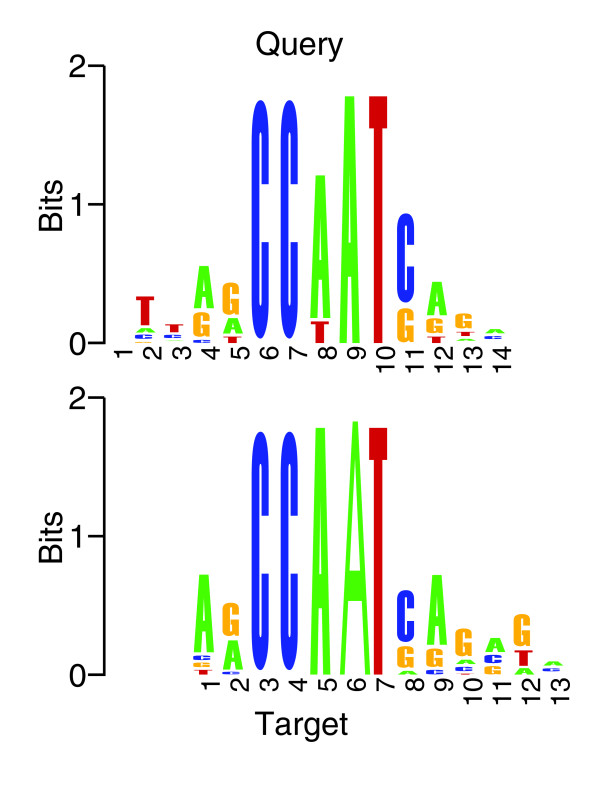
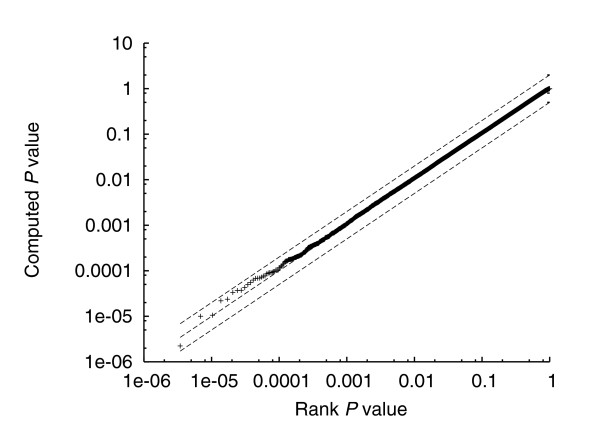
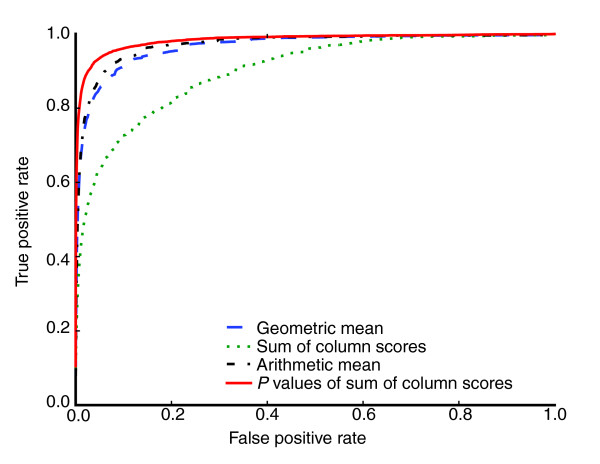
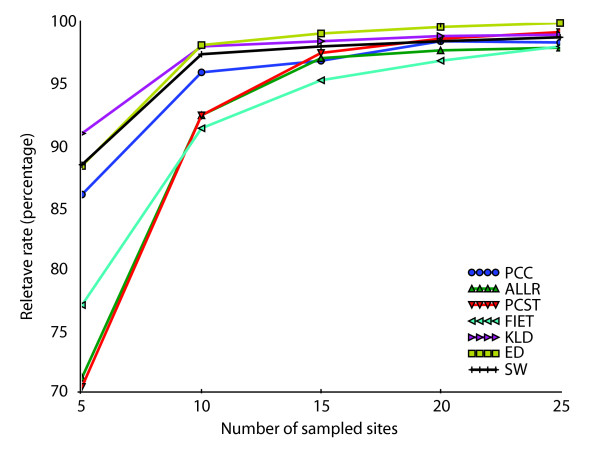
A common question within the context of de novo motif discovery is whether a newly discovered, putative motif resembles any previously discovered motif in an existing database. To answer this question, we define a statistical measure of motif-motif similarity, and we describe an algorithm, called Tomtom, for searching a database of motifs with a given query motif. Experimental simulations demonstrate the accuracy of Tomtom's E values and its effectiveness in finding similar motifs.
Overview
The claims and statistics of this paper haven’t been checked yet.
Free: it reads the open-access text and checks the first 5 claims that cite a source we can check. Create a free account to check every claim.
Integrity signals
Registry
Cites
Statistics
Figures
Verification
Claims the paper makes
The claims and statistics of this paper haven’t been checked yet.
Free: it reads the open-access text and checks the first 5 claims that cite a source we can check. Create a free account to check every claim.
Claims other papers make about this one
Each is checked against this paper’s own text: does it say what the citing paper says it does?
The cited source says what the claim attributes to it.
In the citing paper
“with four examples shown in Fig. 3B, the first two having a significant match in PlantTFDB (20) [with q-value <0.05 in Tomtom (38)].”
From DNA language models are powerful predictors of genome-wide variant effects (2023) · cites this paper as [38]
The check wasn’t confident either way, so it gives no verdict — never disputed.
In the citing paper
“The shared STAT3 bound regions were annotated with the nearest gene by 'annotatePeaks' from HOMER v4.10 (Gupta et al., 2007), yielding 475 unique genes.”
From CDK8 fine-tunes IL-6 transcriptional activities by limiting STAT3 resident time at the gene loci (2020) · cites this paper as Gupta et al., 2007
Experimental — accuracy not yet measured
Self-check
Percentages, sums and reported differences re-computed from the paper’s own numbers.
The self-check needs the paper’s full text.
Citations
Cites
The meaning and use of the area under a receiver operating characteristic (ROC) curve.
Hanley, J. A., & McNeil, B. J. (1982) · Radiology · doi:10.1148/radiology.143.1.7063747 · Cited by 21,856 · cited 1×
“From this ranked list, we compute a receiver operating characteristic (ROC) curve [23], which plots the percentage of positive pairs as a function of the percentage of negative pairs as we traverse the ranked list.”
WebLogo: A Sequence Logo Generator: Figure 1
Crooks, G. E., Hon, G., Chandonia, J.-M., & Brenner, S. E. (2004) · Genome Research · doi:10.1101/gr.849004 · Cited by 12,386
Fitting a mixture model by expectation maximization to discover motifs in biopolymers.
Bailey, T. L., & Elkan, C. (1994) · PubMed · Cited by 5,806
Self-citationJASPAR: an open-access database for eukaryotic transcription factor binding profiles
Sandelin, A. (2004) · Nucleic Acids Research · doi:10.1093/nar/gkh012 · Cited by 1,790
Regulation of Inducible and Tissue-Specific Gene Expression
Maniatis, T., Goodbourn, S., & Fischer, J. A. (1987) · Science · doi:10.1126/science.3296191 · Cited by 1,554 · cited 1×
“For example, the regulation of transcription requires sequence-specific binding of transcription factors to certain cis-acting motifs, which typically are located upstream of transcriptional start sites [1].”
Assembly of Cell Regulatory Systems Through Protein Interaction Domains
Pawson, T., & Nash, P. (2003) · Science · doi:10.1126/science.1083653 · Cited by 1,422
Assessing computational tools for the discovery of transcription factor binding sites
Tompa, M., Li, N., Bailey, T. L., Church, G. M., De Moor, B., Eskin, E., Favorov, A. V., Frith, M. C., Fu, Y., Kent, W. J., et al. (2005) · Nature Biotechnology · doi:10.1038/nbt1053 · Cited by 1,268 · cited 1×
“A wide variety of statistical methods have been developed to identify sequence motifs in an unsupervised manner from collections of functionally related sequences [3].”
Self-citationTRANSFAC: an integrated system for gene expression regulation
Wingender, E. (2000) · Nucleic Acids Research · doi:10.1093/nar/28.1.316 · Cited by 1,239 · cited 3×
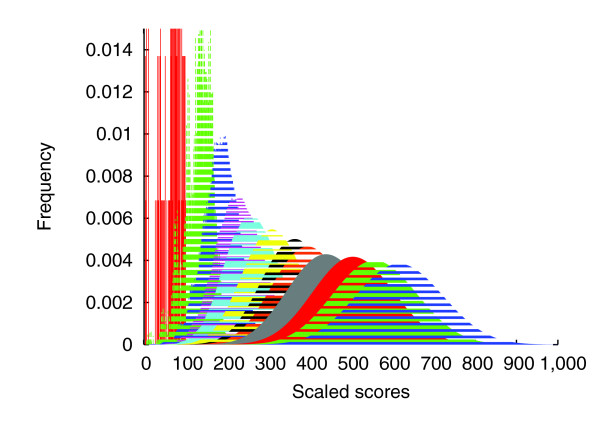
“The figure shows a set of PDFs for a particular query motif of length 12, computed relative to the TRANSFAC database.”
InfluentialA Survey of Exact Inference for Contingency Tables
Agresti, A. (1992) · Statistical Science · doi:10.1214/ss/1177011454 · Cited by 1,097
Hughes, J. D., Estep, P. W., Tavazoie, S., & Church, G. M. (2000) · Journal of Molecular Biology · doi:10.1006/jmbi.2000.3519 · Cited by 1,010
Cited by
Items 401–500 of 1,013
COSSMO: predicting competitive alternative splice site selection using deep learning
Bretschneider, H., Gandhi, S., Deshwar, A. G., Zuberi, K., & Frey, B. J. (2018) · Bioinformatics · doi:10.1093/bioinformatics/bty244 · Cited by 56
“Motifs are extracted using the method by Alipanahi et al. (2015) and then referenced against the human splice site acceptor consensus motifs (Zhang, 1998) and RNA binding elements from RNA compete (Ray et al., 2013) with TOMTOM (Gupta et al., 2007).”
MethodInfluentialInterplay of RFX transcription factors 1, 2 and 3 in motile ciliogenesis
Lemeille, S., Paschaki, M., Baas, D., Morlé, L., Duteyrat, J.-L., Ait‐Lounis, A., Barras, E., Soulavie, F., Jerber, J., Thomas, J., et al. (2020) · Nucleic Acids Research · doi:10.1093/nar/gkaa625 · Cited by 61
“This motif discovery strategy revealed no differences between the X-box signatures for different downregulated gene subsets, as confirmed by TOMTOM (73) analysis of”
BackgroundLocating transcription factor binding sites by fully convolutional neural network
Zhang, Q., Wang, S., Chen, Z., He, Y., Liu, Q., & Huang, D.-S. (2021) · Briefings in Bioinformatics · doi:10.1093/bib/bbaa435 · Cited by 61
“Following the process of predicting motifs, TOMTOM was used to match some validated motifs with high –log2( P -value).”
MethodInfluentialKumimoto, R. W., Siriwardana, C. L., Gayler, K. K., Risinger, J. R., Siefers, N., & Holt, B. F. (2013) · PLoS ONE · doi:10.1371/journal.pone.0059481 · Cited by 61
“Three low E-value motifs were discovered and each was tested for resemblance to previously identified transcription factor binding sites using the TOMTOM motif comparison tool [43].”
MethodSpecies-Specific Strategies Underlying Conserved Functions of Metabolic Transcription Factors
Soccio, R. E., Tuteja, G., Everett, L. J., Li, Z., Lazar, M. A., & Kaestner, K. H. (2011) · Molecular Endocrinology · doi:10.1210/me.2010-0454 · Cited by 55
Guerriero, G., Mangeot-Peter, L., Legay, S., Behr, M., Lutts, S., Siddiqui, K. S., & Hausman, J. F. (2017) · BMC Genomics · doi:10.1186/s12864-017-3970-5 · Cited by 60
“The identified motifs were subsequently analyzed with Tomtom ([33]; available at http://meme-suite.”
MethodAn Alternative STAT Signaling Pathway Acts in Viral Immunity in Caenorhabditis elegans
Tanguy, M., Véron, L., Stempor, P., Ahringer, J., Sarkies, P., & Miska, E. A. (2017) · mBio · doi:10.1128/mbio.00924-17 · Cited by 60
“We then compared these motifs to known transcription factor DNA binding motifs in the JASPAR core database using Tomtom [16,17].”
Natural similarity measures between position frequency matrices with an application to clustering
Pape, U. J., Rahmann, S., & Vingron, M. (2008) · Bioinformatics · doi:10.1093/bioinformatics/btm610 · Cited by 60
“3 Tomtom using euclidean distance The Tomtom algorithm (Gupta et al., 2007) can use any column-by-column similarity measure. The authors show that the euclidean distance introduced in this area by Choi et al. (2004) performs best.”
MethodPHF6 regulates phenotypic plasticity through chromatin organization within lineage-specific genes
Soto‐Feliciano, Y. M., Bartlebaugh, J. M. E., Liu, Y., Rivera, F. J. S., Bhutkar, A. J., Weintraub, A. S., Buenrostro, J. D., Cheng, C. S., Regev, A., Jacks, T., et al. (2017) · Genes & Development · doi:10.1101/gad.295857.117 · Cited by 60
“…known motifs (as in the JASPAR CORE 2014 vertebrates [Mathelier etal.2013],UniProbemouse[Humeetal.2015],andotherhuman and mouse motifs [Jolma et al. 2013]) using the Tomtom tool (Gupta et al. 2007) with a minimum motif overlap of one and Pearson distance as the distance metric for motif similarity.”
Distinct patterns of histone acetyltransferase and Mediator deployment at yeast protein-coding genes
Bruzzone, M. J., Grünberg, S., Kubik, S., Zentner, G. E., & Shore, D. (2018) · Genes & Development · doi:10.1101/gad.312173.118 · Cited by 61
“The FIMO algorithm (Gupta et al. 2007) was used to determine the distribution of the PAC and RRPE motifs (Hughes et al. 2000; Wade et al. 2001) in the promoters (defined as the 400-bp-long sequence up-stream of the TSS).”
Brain-wide correspondence of neuronal epigenomics and distant projections
Zhou, J., Zhang, Z., Wu, M., Liu, H., Pang, Y., Bartlett, A., Peng, Z., Ding, W., Rivkin, A. C., Lagos, W. N., et al. (2023) · Nature · doi:10.1038/s41586-023-06823-w · Cited by 59
“Redundant motifs (highly similar PWMs) were combined into 8,045 motif clusters through clustering based on PWM distances calculated by TOMTOM 45 by the SCENIC+ authors.”
InfluentialNF-κB–Dependent Lymphoid Enhancer Co-option Promotes Renal Carcinoma Metastasis
Rodrigues, P., Patel, S. A., Harewood, L., Olan, I., Vojtasova, E., Syafruddin, S. E., Zaini, M. N., Richardson, E. K., Burge, J., Warren, A. Y., et al. (2018) · Cancer Discovery · doi:10.1158/2159-8290.cd-17-1211 · Cited by 54
“MEME suite modules Tomtom (72) and FIMO (73) were used for motif identification within sequences of interest.”
Chan, W.-I., Hannah, R. L., Dawson, M. A., Pridans, C., Foster, D., Joshi, A., Göttgens, B., Van Deursen, J. M., & Huntly, B. J. P. (2011) · Molecular and Cellular Biology · doi:10.1128/mcb.05830-11 · Cited by 51
“motif comparison tool TOMTOM (12) was then used to identify the motifs found”
MethodComputational design of sequence-specific DNA-binding proteins
Glasscock, C. J., Pecoraro, R. J., McHugh, R., Doyle, L. A., Chen, W., Boivin, O., Lonnquist, B., Na, E., Politanska, Y., Haddox, H. K., et al. (2025) · Nature Structural & Molecular Biology · doi:10.1038/s41594-025-01669-4 · Cited by 58
“…method could generate binders to novel DNA sequences, design set 3 sequences were not derived from a crystal structure and contained submotifs not represented among DNA sequences bound by protein–DNA complexes in the PDB or in the JASPAR nonredundant transcription binding profile database 34,35 .”
InfluentialRegulatory motifs found in the small heat shock protein (sHSP) gene family in tomato
Arce, D. P., Spetale, F. E., Krsticevic, F., Cacchiarelli, P., Rivas, J. D. L., Ponce, S., Pratta, G. R., & Tapia, E. (2018) · BMC Genomics · doi:10.1186/s12864-018-5190-z · Cited by 58
“with the TOMTOM motif comparison tool [32] and a HSF1AE and HSF21 (q-value ≤ 0.”
MethodFactorbook: an updated catalog of transcription factor motifs and candidate regulatory motif sites
Pratt, H., Andrews, G., Phalke, N. N., Huey, J. D., Purcaro, M. J., van der Velde, A., Moore, J. E., & Weng, Z. (2021) · Nucleic Acids Research · doi:10.1093/nar/gkab1039 · Cited by 58
“We then applied TOMTOM (23) to compare our MEME motifs against the HOCOMOCO and JASPAR catalogs (5,16); we find that the Factorbook catalog includes nearly 100% of the motifs in these two sources, and further identifies novel motifs not present therein including candidate motifs for 101 TFs that have been previously c…”
MethodA Novel Bayesian DNA Motif Comparison Method for Clustering and Retrieval
Habib, N., Kaplan, T., Margalit, H., & Friedman, N. (2008) · PLoS Computational Biology · doi:10.1371/journal.pcbi.1000010 · Cited by 48
“In addition, we need statistical calibration of the similarity scores, since a high similarity score might be due to chance events [21,22].”
BackgroundInfluentialCheng, M.-B., Zhang, Y., Cao, C., Zhang, Y., Zhang, Y., & Shen, Y. (2014) · PLoS Biology · doi:10.1371/journal.pbio.1002026 · Cited by 58
“Transcription factor motifs were identified around p-KDM3A SICER islands (FA files) after heat shock using MEME (version 4.9.1) [45].”
MethodInfluentialMiyata, K., Miyata, T., Nakabayashi, K., Okamura, K., Naito, M., Kawai, T., Takada, S., Kato, K., Miyamoto, S., Hata, K., et al. (2014) · Human Molecular Genetics · doi:10.1093/hmg/ddu457 · Cited by 60
“Significant thresholds were set to ‘E-value , 10’ and ‘Human and Mouse (Jolma2013)’ was selected as a database in the Tomtom analysis (35,36).”
MethodDeepPolyA: A Convolutional Neural Network Approach for Polyadenylation Site Prediction
Gao, X., Zhang, J., Wei, Z., & Hakonarson, H. (2018) · IEEE Access · doi:10.1109/access.2018.2825996 · Cited by 50
“We utilize a tool named TOMTOM with predefined statistical measure of motifmotif similarity [48], [49] to compare the motifs detected by DeepPolyA with those in JASPAR database and present an alignment for each pair of considerable matches.”
MethodMechanisms underlying divergent responses of genetically distinct macrophages to IL-4
Hoeksema, M. A., Shen, Z., Holtman, I. R., Zheng, A., Spann, N. J., Cobo, I., Gymrek, M., & Glass, C. K. (2021) · Science Advances · doi:10.1126/sciadv.abf9808 · Cited by 58
“We used TOMTOM (60) to match 5-mers with known transcription factor binding motifs.”
MethodExplainable deep neural networks for novel viral genome prediction
Dasari, C. M., & Bhukya, R. (2021) · Applied Intelligence · doi:10.1007/s10489-021-02572-3 · Cited by 58
“The MEME-Suite [6] motif comparison tool TOMTOM [29] compares one or more motifs against annotated motifs from existing databases (e.g. the database JASPAR, Human and Mouse (HOCOMOCO)).”
MethodLi, J., Wang, J., Zhang, P., Wang, R., Mei, Y., Sun, Z., Fei, L., Jiang, M., Ma, L., E, W., et al. (2022) · Nature Genetics · doi:10.1038/s41588-022-01197-7 · Cited by 57
“For example, by querying the RcisTarget data-base 30 with the TomTom algorithm 31 , 65.63% (84 of 128), 63.28% (81 of 128) and 60.94% (78 of 128) Filters were annotated to TFBSs for human, mouse and Drosophila , respectively.”
MethodInfluentialSainz, J., Salas-Alvarado, I., López-Fernández, E., Olmedo, C., Comino, A., García, F., Blanco, A., Gómez-Lopera, S., Oyonarte, S., Bueno, P., et al. (2010) · International Journal of Immunopathology and Pharmacology · doi:10.1177/039463201002300205 · Cited by 56
Yu, Y. P., Ding, Y., Chen, R., Liao, S. G., Ren, B., Michalopoulos, A., Michalopoulos, G. K., Nelson, J. B., Tseng, G. C., & Luo, J. (2013) · American Journal Of Pathology · doi:10.1016/j.ajpath.2013.08.018 · Cited by 56
“Subsequently, these top enriched motifs from each data set were matched against the curated online TCGA database using the tool TOMTOM.36 The results indicate that a sequence motif rich in guanine nucleotides significantly close to a known binding motif for Sp1 was found in all the data sets except HNSC (Figure 7).”
MethodInfluentialDeep learning of the back-splicing code for circular RNA formation
Wang, J., & Wang, L. (2019) · Bioinformatics · doi:10.1093/bioinformatics/btz382 · Cited by 56
Orgeur, M., Martens, M., Leonte, G., Nassari, S., Bonnin, M.-A., Börno, S. T., Timmermann, B., Hecht, J., Duprez, D., & Stricker, S. (2018) · Development · doi:10.1242/dev.161208 · Cited by 55
“11.2 (Gupta et al., 2007) (default parameters).”
InfluentialZeng, W., Wang, Y., & Jiang, R. (2020) · Bioinformatics · doi:10.1093/bioinformatics/btz562 · Cited by 52
Chakraborty, D., Zhu, H., Jüngel, A., Summa, L., Li, Y., Matei, A., Zhou, X., Huang, J., Trinh‐Minh, T., Chen, C.-W., et al. (2020) · Science Translational Medicine · doi:10.1126/scitranslmed.aaz5506 · Cited by 55
Einarsson, H., Salvatore, M., Vaagensø, C., Alcaraz, N., Bornholdt, J., Rennie, S., & Andersson, R. (2022) · eLife · doi:10.7554/elife.80943 · Cited by 57
Epigenetic memory of colitis promotes tumour growth
Nagaraja, S., Ojeda-Miron, L., Zhang, R., Oreskovic, E., Hock, C., Yan, H., Zeve, D., Sharma, K., Hyman, R. R., Zhang, Q., et al. (2026) · Nature · doi:10.1038/s41586-026-10258-4 · Cited by 56
“A motif similarity matrix was calculated on all known and de novo motifs using Tomtom (memesuite v.5.5.7) 72 and a q value cut-off of 0.05 was used to group motifs into families based on sequence similarity.”
InfluentialLeonard, D., Svenungsson, E., Sandling, J. K., Berggren, O., Jönsen, A., Bengtsson, C., Wang, C., Jensen‐Urstad, K., Granstam, S.-O., Bengtsson, A. A., et al. (2013) · Circulation Cardiovascular Genetics · doi:10.1161/circgenetics.113.000044 · Cited by 55
“Potential protein-binding motifs were predicted by comparing the sequence of 1 SNP allele and 10 bases of flanking sequence with the known motifs in the JASPAR CORE 2009 database using the software Motif Comparison Tool (TOMTOM).(34)”
MethodMechaly, A. S., Viñas, J., Murphy, C. A., Reith, M., & Piferrer, F. (2009) · Molecular and Cellular Endocrinology · doi:10.1016/j.mce.2009.11.005 · Cited by 56
Shi, B., Zhang, J., Heng, J., Gong, J., Zhang, T., Li, P., Sun, B., Yang, Y., Zhang, N., Zhao, Y.-L., et al. (2020) · Genome biology · doi:10.1186/s13059-020-02022-2 · Cited by 57
Terrados, G., Finkernagel, F., Stielow, B., Sadic, D., Neubert, J., Herdt, O., Krause, M., Scharfe, M., Jarek, M., & Suske, G. (2012) · Nucleic Acids Research · doi:10.1093/nar/gks544 · Cited by 56
“TOMTOM (28) identified these motifs as binding”
MethodLabrecque, M. P., Brown, L. G., Coleman, I. M., Lakely, B., Brady, N. J., Lee, J. K., Nguyen, H. M., Li, D., Hanratty, B. P., Haffner, M. C., et al. (2021) · Cancer Research · doi:10.1158/0008-5472.can-21-0307 · Cited by 55
“To further investigate this association, we performed motif and transcription factor binding site analyses using the MEME Suite TomTom tool (38) and observed that regulatory sequences associated with PRDM6, PAX5, and AR binding were significantly enriched in the SRRM3 DMR sequence.”
MethodGene co-expression reveals the modularity and integration of C4 and CAM in Portulaca
Gilman, I. S., Moreno-Villena, J. J., Lewis, Z., Goolsby, E. W., & Edwards, E. J. (2022) · PLANT PHYSIOLOGY · doi:10.1093/plphys/kiac116 · Cited by 54
Enhancer-driven cell type comparison reveals similarities between the mammalian and bird pallium
Hecker, N., Kempynck, N., Mauduit, D., Abaffyová, D., Vandepoel, R., Dieltiens, S., Borm, L. E., Sarropoulos, I., González‐Blas, C. B., Man, J. D., et al. (2025) · Science · doi:10.1126/science.adp3957 · Cited by 54
Genome-wide identification of regulatory elements in Sertoli cells
Maatouk, D. M., Natarajan, A., Shibata, Y., Song, L., Crawford, G. E., Ohler, U., & Capel, B. (2017) · Development · doi:10.1242/dev.142554 · Cited by 54
“We used TOMTOM (Bailey et al., 2009) to identify TFs that match these 6-mer motifs and found 75 6-mers matching known motifs.”
MethodXue, L., Tang, B., Chen, W., & Luo, J. (2018) · Bioinformatics · doi:10.1093/bioinformatics/bty931 · Cited by 54
The motif composition of variable number tandem repeats impacts gene expression
Lu, T.-Y. T., Smaruj, P. N., Fudenberg, G., Mancuso, N., & Chaisson, M. (2023) · Genome Research · doi:10.1101/gr.276768.122 · Cited by 54
Broome, R., Chernukhin, I. V., Jamieson, S., Kishore, K., Papachristou, E. K., Mao, S.-Q., Tejedo, C. G., Mahtey, A., Theodorou, V., Groen, A. J., et al. (2021) · Cell Reports · doi:10.1016/j.celrep.2021.108776 · Cited by 54
Ramasubramanyan, S., Osborn, K., Al-Mohammad, R., Perez-Fernandez, I. B. N., Zuo, J., Balan, N., Godfrey, A., Patel, H., Peters, G. G., Rowe, M., et al. (2015) · Nucleic Acids Research · doi:10.1093/nar/gkv212 · Cited by 53
“Using a motif-based sequence analysis tool (MEME-ChIP) (39,40) to search for enriched motifs we noted that the most frequent consensus sequences resembled the previously described non-CpG containing and CpG containing ZRE motifs from the EBV genome (16,17,20), suggesting that Zta directly binds to these sites in the h…”
MethodEXTREME: an online EM algorithm for motif discovery
Quang, D. X., & Xie, X. S. (2014) · Bioinformatics · doi:10.1093/bioinformatics/btu093 · Cited by 55
Comparative genomics of the DNA damage‐inducible network in the Patescibacteria
Sánchez−Osuna, M., Barbé, J., & Erill, I. (2017) · Environmental Microbiology · doi:10.1111/1462-2920.13826 · Cited by 54
MRCNN: a deep learning model for regression of genome-wide DNA methylation
Tian, Q., Zou, J., Tang, J., Fang, Y., Yu, Z., & Fan, S. (2019) · BMC Genomics · doi:10.1186/s12864-019-5488-5 · Cited by 54
Predicting transcription factor binding in single cells through deep learning
Fu, L., Zhang, L., Dollinger, E., Peng, Q., Nie, Q. H., & Xie, X. S. (2020) · Science Advances · doi:10.1126/sciadv.aba9031 · Cited by 53
Kotkamp, K., Mössner, R., Allen, A., Onichtchouk, D., & Driever, W. (2013) · Developmental Biology · doi:10.1016/j.ydbio.2013.10.025 · Cited by 53
Fungal Innate Immunity Induced by Bacterial Microbe-Associated Molecular Patterns (MAMPs)
IPCHO, S. V. S., Sundelin, T., Erbs, G., Kistler, H. C., Newman, M., & Olsson, S. (2016) · G3 Genes Genomes Genetics · doi:10.1534/g3.116.027987 · Cited by 55
“Promoter sequences from signi fi cantly regulated genes were analyzed for potential regulating transcription factors using the MEME analysis suite (Bailey et al. 2009) and TOMTOM (Gupta et al. 2007) (more details in File S1).”
Bovine ncRNAs Are Abundant, Primarily Intergenic, Conserved and Associated with Regulatory Genes
Qu, Z., & Adelson, D. L. (2012) · PLoS ONE · doi:10.1371/journal.pone.0042638 · Cited by 53
“The comparison of predicted RNA sequence motifs against known DNA motifs was performed using the TOMTOM web server [26].”
MethodIdentification of tumor-specific Salmonella Typhimurium promoters and their regulatory logic
Leschner, S., Deyneko, I. V., Lienenklaus, S., Wolf, K., Bloecker, H., Bumann, D., Loessner, H., & Weiss, S. (2012) · Nucleic Acids Research · doi:10.1093/nar/gkr1041 · Cited by 50
“To find positions within the tusp motif that most probably contribute to functionality, similarity to known regulatory motifs was analyzed using TOMTOM (17).”
Genome-wide disruption of 5-hydroxymethylcytosine in a mouse model of autism
Papale, L. A., Zhang, Q., Li, S., Chen, K., Keleş, S., & Alisch, R. S. (2015) · Human Molecular Genetics · doi:10.1093/hmg/ddv411 · Cited by 52
“TOMTOM was used to compare these motifs from our data with the one in JASPAR database (73), and the results suggested that the pos-”
Pandey, B., Kaur, A., Gupta, O. P., Sharma, I., & Sharma, P. K. (2014) · Applied Biochemistry and Biotechnology · doi:10.1007/s12010-014-1420-2 · Cited by 52
Mercier, E., Droit, A., Li, L., Robertson, G., Zhang, X., & Gottardo, R. (2011) · PLoS ONE · doi:10.1371/journal.pone.0016432 · Cited by 53
“As outlined below, MotIV provides visualization and postprocessing options that are unavailable in STAMP, TOMTOM [27] and MACO [28].”
MethodChen, Z., Wen, B., Wang, Q., Tong, W., Guo, J., Bai, X., Zhao, J., Sun, Y., Tang, Q., Lin, Z., et al. (2013) · Molecular & Cellular Proteomics · doi:10.1074/mcp.m112.025817 · Cited by 52
“0 (34), we further searched which DNA binding proteins could interact with”
BackgroundGenome-wide analysis of Pax8 binding provides new insights into thyroid functions
Ruiz-Llorente, S., de Pau, E. C. S., Sastre-Perona, A., Montero-Conde, C., Gómez-López, G., Fagin, J. A., Valencia, A., Pisano, D. G., & Santisteban, P. (2012) · BMC Genomics · doi:10.1186/1471-2164-13-147 · Cited by 51
“Machanick P, Bailey TL: MEME-ChIP: motif analysis of large DNA datasets.”
InfluentialDeciphering 3'UTR Mediated Gene Regulation Using Interpretable Deep Representation Learning
Yang, Y., Li, G. L., Pang, K., Cao, W., Zhang, Z., & Li, X. (2024) · Advanced Science · doi:10.1002/advs.202407013 · Cited by 52
Phan, M. H. Q., Zehnder, T., Puntieri, F., Magg, A., Majchrzycka, B., Antonović, M., Wieler, H. M., Lo, B.-W., Baranas̆ić, D., Lenhard, B., et al. (2025) · Nature Genetics · doi:10.1038/s41588-025-02202-5 · Cited by 51
“Flanking positions with information content 0.5 were trimmed from the position weight matrices before being annotated with TOMTOM 74 using our TF motifs collection as a reference.”
InfluentialiRegulon and i‐cisTarget: Reconstructing Regulatory Networks Using Motif and Track Enrichment
Verfaillie, A., Imrichova, H., Janky, R., & Aerts, S. (2015) · Current Protocols in Bioinformatics · doi:10.1002/0471250953.bi0216s52 · Cited by 49
“Several tools, including Homer (Heinz et al., 2010), oPOSSUM (Kwon et al., 2012), PSCAN ( UNIT 2.11 ; Zam-belli et al., 2009; Zambelli et al., 2014), or PASTAA (Roider et al., 2009), are based on exactly this premise and search for enriched motifs within the promoter region of a set of co-expressed…”
MethodInfluentialNatural variation in stochastic photoreceptor specification and color preference in Drosophila
Anderson, C., Reiss, I., Zhou, C., Cho, A., Siddiqi, H. F., Mormann, B. H., Avelis, C. M., DeFord, P., Bergland, A. O., Roberts, E., et al. (2017) · eLife · doi:10.7554/elife.29593 · Cited by 51
Single-nucleotide-resolution mapping of DNA gyrase cleavage sites across the Escherichia coli genome
Sutormin, D. A., Rubanova, N., Logacheva, M. D., Ghilarov, D., & Severinov, K. (2019) · Nucleic Acids Research · doi:10.1093/nar/gky1312 · Cited by 51
Endodermal Maternal Transcription Factors Establish Super-Enhancers during Zygotic Genome Activation
Paraiso, K. D., Blitz, I. L., Coley, M., Cheung, J., Sudou, N., Taira, M., & Cho, K. W. Y. (2019) · Cell Reports · doi:10.1016/j.celrep.2019.05.013 · Cited by 51
“Motif analysis: Motif analysis was performed using DREME (Bailey, 2011) and matching identified motifs to databases was performed using TOMTOM (Gupta et al., 2007).”
Diverse Hormone Response Networks in 41 IndependentDrosophilaCell Lines
Stoiber, M. H., Celniker, S., Cherbas, L., Brown, B., & Cherbas, P. T. (2016) · G3 Genes Genomes Genetics · doi:10.1534/g3.115.023366 · Cited by 51
“In order to predict which gene – cell line combinations belonged to the above described sets, the model was provided with normalized TF expression masked by a known TF motif from the TOMTOM database (Gupta et al. 2007), present in the promoter of the gene to be predicted.”
Leucine Biosynthesis Is Involved in Regulating High Lipid Accumulation in Yarrowia lipolytica
Kerkhoven, E. J., Kim, Y., Wei, S., Nicora, C., Fillmore, T., Purvine, S. O., Webb‐Robertson, B., Smith, R. D., Baker, S., Metz, T., et al. (2017) · mBio · doi:10.1128/mbio.00857-17 · Cited by 53
“cerevisiae transcription factors with similar binding motifs, as identified with Tomtom (31), are indicated.”
Co-optation of Tandem DNA Repeats for the Maintenance of Mesenchymal Identity
Balestrieri, C., Alfarano, G., Milan, M., Tosi, V., Prosperini, E., Nicoli, P., Palamidessi, A., Scita, G., Diaferia, G. R., & Natoli, G. (2018) · Cell · doi:10.1016/j.cell.2018.03.081 · Cited by 50
Huang, J., Wang, C., Wang, H., Lu, P., Zheng, B., Mā, H., Copenhaver, G. P., & Wang, Y. (2019) · The Plant Cell · doi:10.1105/tpc.18.00511 · Cited by 50
“Searching for known motifs with a newly discovered DNA motif was done by Tomtom (Gupta et al., 2007).”
BackgroundCheng, L.-C., Tu, K. C., Seidel, C. W., Robb, S. M. C., Guo, F., & Alvarado, A. S. (2017) · Developmental Biology · doi:10.1016/j.ydbio.2017.08.030 · Cited by 51
Genetic variation drives seasonal onset of hibernation in the 13-lined ground squirrel
Grabek, K. R., Cooke, T. F., Epperson, L. E., Spees, K., Cabral, G. F., Sutton, S. C., Merriman, D. K., Martin, S. L., & Bustamante, C. D. (2019) · Communications Biology · doi:10.1038/s42003-019-0719-5 · Cited by 50
Biologically relevant transfer learning improves transcription factor binding prediction
Novakovsky, G., Saraswat, M., Fornes, O., Mostafavi, S., & Wasserman, W. W. (2021) · Genome Biology · doi:10.1186/s13059-021-02499-5 · Cited by 44
DNA-binding protein PfAP2-P regulates parasite pathogenesis during malaria parasite blood stages
Subudhi, A. K., Green, J. L., Satyam, R., Salunke, R. P., Lenz, T., Shuaib, M., Isaioglou, I., Abel, S., Gupta, M. K., Esau, L. E., et al. (2023) · Nature Microbiology · doi:10.1038/s41564-023-01497-6 · Cited by 51
“Tomtom 64 was used to compare the de novo identified motifs to previously in silico discovered motifs 65 .”
MethodHuang, F., Paulson, A., Dutta, A., Venkatesh, S., Smolle, M., Abmayr, S. M., & Workman, J. L. (2014) · Genes & Development · doi:10.1101/gad.249730.114 · Cited by 50
“TOMTOMwas then used to search for transcription factors that have a DNA-binding motif matching the motifs identified byMEME in the DEG promoters (Gupta et al. 2007).”
MethodWan, J., Oliver, V. F., Zhu, H., Zack, D. J., Qian, J., & Merbs, S. L. (2013) · Nucleic Acids Research · doi:10.1093/nar/gkt652 · Cited by 49
“We compared the predicted consensus sequences with consensus sequences from both UniPROBE (36) and TRANSFAC (37) using a motif comparison tool (Tomtom) (38).”
MethodDucoli, L., Agrawal, S., Sibler, E., Kouno, T., Tacconi, C., Hon, C.-C., Berger, S. D., Müllhaupt, D., He, Y., Kim, J., et al. (2021) · Nature Communications · doi:10.1038/s41467-021-21217-0 · Cited by 49
Tan, Z., Peng, Y., Xiong, Y., Xiong, F., Zhang, Y., Guo, N., Tu, Z., Zong, Z., Wu, X., Jiang, Y., et al. (2022) · Genome biology · doi:10.1186/s13059-022-02801-z · Cited by 49
“The results of Tomtom analysis of key sequences identified by Basenji module.”
MethodYuan, G.-H., Wang, Y., Wang, G., & Yang, L. C. (2022) · Briefings in Bioinformatics · doi:10.1093/bib/bbac509 · Cited by 49
“…to known human RBP position weight matrices (PWMs) in CISBP-RNA database [38], which consists of RNA motifs and specificities to RBPs, by Tomtom [37] (version 5.3.0, https://meme-suite.org/meme/meme_5.3.0/tools/ tomtom) to identify known RBP-associated motifs related to RNA subcellular…”
BackgroundMethodInfluentialWang, J., Zhuang, J., Iyer, S., Lin, X., Whitfield, T. W., Greven, M. C., Pierce, B. G., Dong, X., Kundaje, A., Cheng, Y., et al. (2013) · Journal of Biomolecular Structure and Dynamics · doi:10.1080/07391102.2013.786511 · Cited by 48
Self-citationHafezqorani, S., Lafzi, A., de Bruin, R. G., van Zonneveld, A. J., van der Veer, E. P., Son, Y. A., & Kazan, H. (2016) · Nucleic Acids Research · doi:10.1093/nar/gkw048 · Cited by 50
“sequences for miRNAs) using the TomTom tool with default parameters (34).”
Epigenomic analysis reveals DNA motifs regulating histone modifications in human and mouse
Ngo, V., Chen, Z., Zhang, K., Whitaker, J. W., Wang, M., & Wang, W. (2019) · Proceedings of the National Academy of Sciences · doi:10.1073/pnas.1813565116 · Cited by 49
Oh, G., Koncevičius, K., Ebrahimi, S., Carlucci, M., Groot, D. E., Nair, A., Zhang, A., Kriščiūnas, A., Oh, E. S., Labrie, V., et al. (2019) · Genome Biology · doi:10.1186/s13059-018-1608-9 · Cited by 46
Maximum entropy methods for extracting the learned features of deep neural networks
Finnegan, A., & Song, J. S. (2017) · PLOS Computational Biology · doi:10.1371/journal.pcbi.1005836 · Cited by 42
“The single nucleotide frequencies of the resulting motifs were then analyzed using the Tomtom webserver (version 4.12.0) [15] with default parameters.”
MethodInfluentialTREE1-EIN3–mediated transcriptional repression inhibits shoot growth in response to ethylene
Wang, L., Ko, E. E., Tran, J., & Qiao, H. (2020) · Proceedings of the National Academy of Sciences · doi:10.1073/pnas.2018735117 · Cited by 49
Nuclear ADP-ribosylation drives IFNγ-dependent STAT1α enhancer formation in macrophages
Gupte, R., Nandu, T. S., & Kraus, W. L. (2021) · Nature Communications · doi:10.1038/s41467-021-24225-2 · Cited by 50
STAT3 promotes motor neuron differentiation by collaborating with motor neuron-specific LIM complex
Lee, S., Shen, R., Cho, H.-H., Kwon, R.-J., Seo, S. Y., Lee, J. W., & Lee, S. (2013) · Proceedings of the National Academy of Sciences · doi:10.1073/pnas.1302676110 · Cited by 49
Seo, M., Seo, K., Hwang, W., Koo, H. J., Hahm, J., Yang, J., Han, S. K., Hwang, D., Kim, S., Jang, S. K., et al. (2015) · Proceedings of the National Academy of Sciences · doi:10.1073/pnas.1505451112 · Cited by 49
Chx10 Consolidates V2a Interneuron Identity through Two Distinct Gene Repression Modes
Clovis, Y. M., Seo, S. Y., Kwon, J.-S., Rhee, J. C., Yeo, S., Lee, J. W., Lee, S., & Lee, S. (2016) · Cell Reports · doi:10.1016/j.celrep.2016.06.100 · Cited by 49
Defining bacterial regulons using ChIP-seq
Myers, K. S., Park, D. M., Beauchene, N. A., & Kiley, P. J. (2015) · Methods · doi:10.1016/j.ymeth.2015.05.022 · Cited by 49
Petal abscission is promoted by jasmonic acid-induced autophagy at Arabidopsis petal bases
Furuta, Y., Yamamoto, H., Hirakawa, T., Uemura, A., Pelayo, M. A., Iimura, H., Katagiri, N., Takeda‐Kamiya, N., Kumaishi, K., Shirakawa, M., et al. (2024) · Nature Communications · doi:10.1038/s41467-024-45371-3 · Cited by 50
Xie, H., Wang, L., Qian, Y., Ding, Y., & Guo, F. (2025) · Nucleic Acids Research · doi:10.1093/nar/gkaf223 · Cited by 48
“To further quantify the similarity between two motifs, we used T OMT OM [ 47 ] to calculate the statistical significance of motifs found by STREME and Methyl-GP, which is represented by the p-value.”
Genome-wide chromatin occupancy analysis reveals a role for ASH2 in transcriptional pausing
Pérez-Lluch, S., Blanco, E., Carbonell, A., Raha, D., Snyder, M., Serras, F., & Corominas, M. (2011) · Nucleic Acids Research · doi:10.1093/nar/gkq1322 · Cited by 40
“MEME (32) was run on the preferred ASH2 binding region of these genes in our ChIP-Seq experiments, which is (–370,+560) around the TSS, using TomTom (33) to scan the collections of known transcription factor binding sites (34,35).”
MethodNovel regional age-associated DNA methylation changes within human common disease-associated loci
Bell, C. G., Xia, Y., Yuan, W., Gao, F., Ward, K. J., Roos, L., Mangino, M., Hysi, P. G., Bell, J. T., Wang, J., et al. (2016) · Genome biology · doi:10.1186/s13059-016-1051-8 · Cited by 48
“2) [89]).”
Montrose, L. B., Faulk, C. D., Francis, J., & Dolinoy, D. C. (2017) · Environmental and Molecular Mutagenesis · doi:10.1002/em.22119 · Cited by 48
“Using Tomtom, we identified a total of 33 binding motifs that matched the DNA sequence proximal to the IAP-related CpGs.”
MethodInfluentialCharacterization of LRL 5 as a key regulator of root hair growth in maize
Wang, C., Qi, C., Luo, J., Liu, L., He, Y., & Chen, L. (2018) · The Plant Journal · doi:10.1111/tpj.14200 · Cited by 48
Modeling multi-species RNA modification through multi-task curriculum learning
Xiong, Y., He, X., Zhao, D. Y., Tian, T., Hong, L., Jiang, T., & Zeng, J. (2021) · Nucleic Acids Research · doi:10.1093/nar/gkab124 · Cited by 50
“94% of the 300 local motifs captured by MASS (see Supplementary Table S2) from seven species can be annotated by TOMTOM (71).”
BackgroundInfluentialHigh level of novelty under the hood of convergent evolution
Belleghem, S. M. V., Ruggieri, A. A., Concha, C., Livraghi, L., Hebberecht, L., Rivera, E. S., Ogilvie, J. G., Hanly, J. J., Warren, I. A., Planas, S., et al. (2023) · Science · doi:10.1126/science.ade0004 · Cited by 48
Sandén, C., Järvstråt, L., Lennartsson, A., Brattås, P. L., Nilsson, B., & Gullberg, U. (2014) · Molecular Cancer · doi:10.1186/1476-4598-13-215 · Cited by 48
“Identified motifs were subsequently matched with known motifs using the TOMTOM software [51] with a false discovery rate threshold of 5%.”
MethodAracena, K. A., Lin, Y., Luo, K., Pacis, A., Gona, S., Mu, Z., Yotova, V., Sindeaux, R., Pramatarova, A., Simon, M.-M., et al. (2024) · Nature Genetics · doi:10.1038/s41588-024-01668-z · Cited by 48
Jiang, P., Singh, M., & Coller, H. A. (2013) · PLoS Computational Biology · doi:10.1371/journal.pcbi.1003075 · Cited by 47
“dant shuffled motifs, we profiled the similarity of each pair of motifs using Tomtom to generate p-values among the canonical and shuffled recognition motifs [71].”
MethodBeydler, B. D., Osadchuk, K., Cheng, C., Manak, J. R., & Irish, E. E. (2016) · PLANT PHYSIOLOGY · doi:10.1104/pp.15.01707 · Cited by 47
“Motifs were compared with transcription factor binding site sequences in the 2014 JASPAR plant database (Mathelier et al., 2014) using TOMTOM (Gupta et al., 2007).”
MethodInfluentialUnraveling lipid metabolism in maize with time‐resolved multi‐omics data
Lima, F. D. A. E., Li, K., Wen, W., Yan, J., Nikoloski, Z., Willmitzer, L., & Brotman, Y. (2018) · The Plant Journal · doi:10.1111/tpj.13833 · Cited by 47
Wesolowska‐Andersen, A., Yu, G. Z., Nylander, V., Abaitua, F., Thurner, M., Torres, J., Mahajan, A., Gloyn, A. L., & McCarthy, M. I. (2020) · eLife · doi:10.7554/elife.51503 · Cited by 49
“The resulting PWMs were matched to the CIS-BP database ( Weirauch et al., 2014 ) of known transcription factor binding motifs using the Tomtom v.4.10.1 motif comparison tool ( Gupta et al., 2007 ).”
MethodInfluential
Metadata
- Authors
- Gupta, S., Stamatoyannopoulos, J. A., Bailey, T. L., & Noble, W. S.
- Affiliations
- University of Washington (US)
- The University of Queensland (AU)
- Corresponding author
- Noble, William Stafford
- Venue
- Genome Biology
- Published
- 2007-02-26
- Volume
- 8
- Issue
- 2
- Pages
- R24-R24
- ISSN
- 1465-6906 (ISSN-L)
- 1474-760X
- PMC
- PMC1852410
- OpenAlex
- W2103777723
- Cited by
- 2,058
- References
- 25
- Citations by year
- 2026: 153 · 2025: 185 · 2024: 199 · 2023: 152 · 2022: 185 · 2021: 202 · 2020: 150 · 2019: 129 · 2018: 111 · 2017: 98 · 2016: 91 · 2015: 81 · 2014: 94 · 2013: 74 · 2012: 62
- FWCI
- 6.22
- Type
- journal article
- Language
- en
- Open access
- gold
- doi.org
- Licence
- cc-by
- creativecommons.org/licenses/by/2.0/ (tdm)
- creativecommons.org/licenses/by/2.0/ (vor)
- Locations
- Genome biology (publishedVersion, cc-by)
- PubMed Central (publishedVersion, cc-by)
- PubMed (publishedVersion)
- Topics
- Life Sciences › Biochemistry, Genetics and Molecular Biology › Molecular Biology › Genomics and Chromatin Dynamics
- Life Sciences › Biochemistry, Genetics and Molecular Biology › Molecular Biology › Genomics and Phylogenetic Studies
- Physical Sciences › Mathematics › Theoretical Computer Science › Algorithms and Data Compression
- Keywords
- motif similarity, de novo motif discovery, TomTom, statistical significance, E-value, sequence motifs
- MeSH terms
- Algorithms, Software, Sequence Homology, Computational Biology, Amino Acid Motifs, Databases, Genetic
About these checks
Registry, retraction, Cites and statistics results are computed, not judged, with one exception: a printed reference that no index lists is read once by a model before it counts as a citation error. Claims are extracted by a model and kept only when their quote appears verbatim in the text; each cited source is then checked, with a model’s help, for whether it says what the claim relies on. Those verdicts can be wrong — read the claim’s quote and the cited source before relying on one.
Statistics and arithmetic are recomputed, not judged.
Confidence bands are shown only for fields calibrated on our annotated test set. None is calibrated yet, so no band is shown.
What counts as a claim ›How we measure confidence ›How we check this ›
Are you an author, or do you see a problem with this page? Request a review
Data sources
Bibliographic data: Semantic Scholar, OpenAlex, Crossref.
Contains information from the Semantic Scholar Academic Graph Datasets, made available under the ODC Attribution License (ODC-BY 1.0).
Semantic Scholar’s data is described in: Kinney, R., et al. (2023). The Semantic Scholar Open Data Platform. arXiv:2301.10140.
