

Quantifying similarity between motifs
Open accessThe DOI matches its Crossref record; 25 of the 25 references it cites were found in a registry or an index.
Abstract
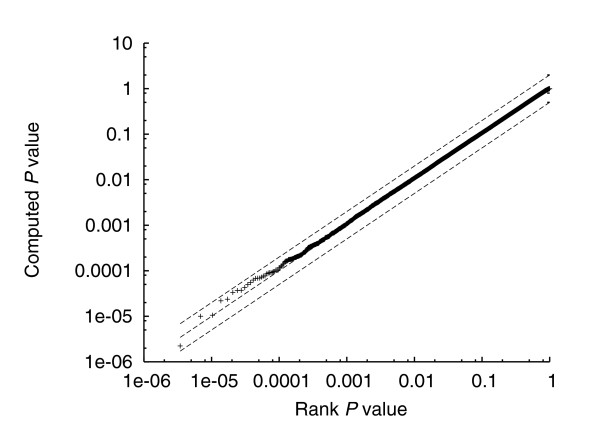
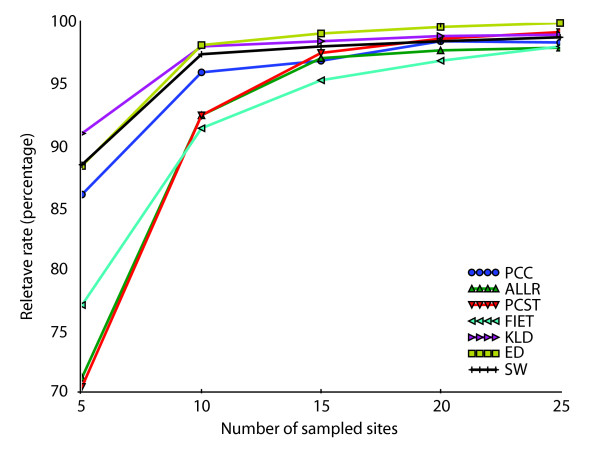
A common question within the context of de novo motif discovery is whether a newly discovered, putative motif resembles any previously discovered motif in an existing database. To answer this question, we define a statistical measure of motif-motif similarity, and we describe an algorithm, called Tomtom, for searching a database of motifs with a given query motif. Experimental simulations demonstrate the accuracy of Tomtom's E values and its effectiveness in finding similar motifs.
Overview
The claims and statistics of this paper haven’t been checked yet.
Free: it reads the open-access text and checks the first 5 claims that cite a source we can check. Create a free account to check every claim.
Integrity signals
Registry
Cites
Statistics
Figures
Verification
Claims the paper makes
The claims and statistics of this paper haven’t been checked yet.
Free: it reads the open-access text and checks the first 5 claims that cite a source we can check. Create a free account to check every claim.
Claims other papers make about this one
Each is checked against this paper’s own text: does it say what the citing paper says it does?
The cited source says what the claim attributes to it.
In the citing paper
“with four examples shown in Fig. 3B, the first two having a significant match in PlantTFDB (20) [with q-value <0.05 in Tomtom (38)].”
From DNA language models are powerful predictors of genome-wide variant effects (2023) · cites this paper as [38]
The check wasn’t confident either way, so it gives no verdict — never disputed.
In the citing paper
“The shared STAT3 bound regions were annotated with the nearest gene by 'annotatePeaks' from HOMER v4.10 (Gupta et al., 2007), yielding 475 unique genes.”
From CDK8 fine-tunes IL-6 transcriptional activities by limiting STAT3 resident time at the gene loci (2020) · cites this paper as Gupta et al., 2007
Experimental — accuracy not yet measured
Self-check
Percentages, sums and reported differences re-computed from the paper’s own numbers.
The self-check needs the paper’s full text.
Citations
Cites
The meaning and use of the area under a receiver operating characteristic (ROC) curve.
Hanley, J. A., & McNeil, B. J. (1982) · Radiology · doi:10.1148/radiology.143.1.7063747 · Cited by 21,856 · cited 1×
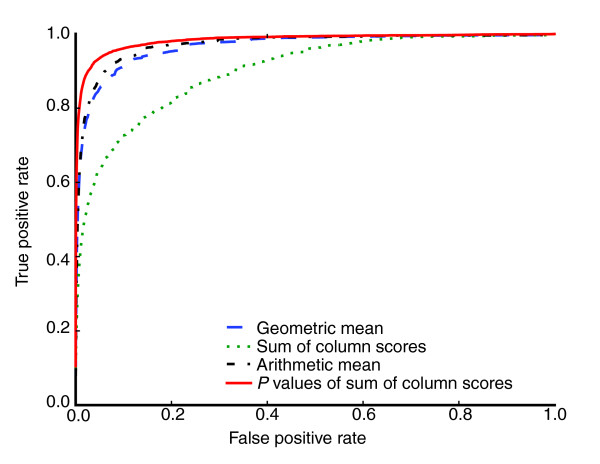
“From this ranked list, we compute a receiver operating characteristic (ROC) curve [23], which plots the percentage of positive pairs as a function of the percentage of negative pairs as we traverse the ranked list.”
WebLogo: A Sequence Logo Generator: Figure 1
Crooks, G. E., Hon, G., Chandonia, J.-M., & Brenner, S. E. (2004) · Genome Research · doi:10.1101/gr.849004 · Cited by 12,386
Fitting a mixture model by expectation maximization to discover motifs in biopolymers.
Bailey, T. L., & Elkan, C. (1994) · PubMed · Cited by 5,806
Self-citationJASPAR: an open-access database for eukaryotic transcription factor binding profiles
Sandelin, A. (2004) · Nucleic Acids Research · doi:10.1093/nar/gkh012 · Cited by 1,790
Regulation of Inducible and Tissue-Specific Gene Expression
Maniatis, T., Goodbourn, S., & Fischer, J. A. (1987) · Science · doi:10.1126/science.3296191 · Cited by 1,554 · cited 1×
“For example, the regulation of transcription requires sequence-specific binding of transcription factors to certain cis-acting motifs, which typically are located upstream of transcriptional start sites [1].”
Assembly of Cell Regulatory Systems Through Protein Interaction Domains
Pawson, T., & Nash, P. (2003) · Science · doi:10.1126/science.1083653 · Cited by 1,422
Assessing computational tools for the discovery of transcription factor binding sites
Tompa, M., Li, N., Bailey, T. L., Church, G. M., De Moor, B., Eskin, E., Favorov, A. V., Frith, M. C., Fu, Y., Kent, W. J., et al. (2005) · Nature Biotechnology · doi:10.1038/nbt1053 · Cited by 1,268 · cited 1×
“A wide variety of statistical methods have been developed to identify sequence motifs in an unsupervised manner from collections of functionally related sequences [3].”
Self-citationTRANSFAC: an integrated system for gene expression regulation
Wingender, E. (2000) · Nucleic Acids Research · doi:10.1093/nar/28.1.316 · Cited by 1,239 · cited 3×
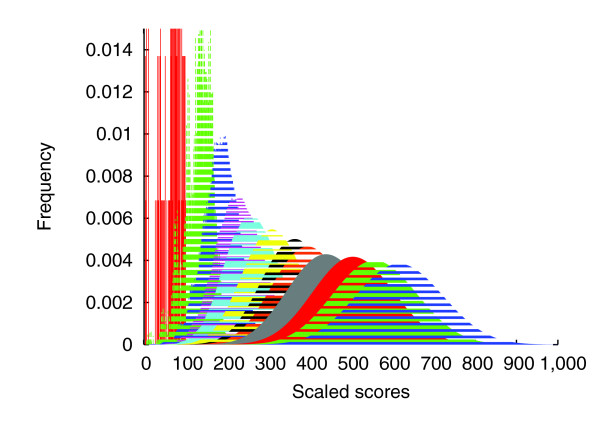
“The figure shows a set of PDFs for a particular query motif of length 12, computed relative to the TRANSFAC database.”
InfluentialA Survey of Exact Inference for Contingency Tables
Agresti, A. (1992) · Statistical Science · doi:10.1214/ss/1177011454 · Cited by 1,097
Hughes, J. D., Estep, P. W., Tavazoie, S., & Church, G. M. (2000) · Journal of Molecular Biology · doi:10.1006/jmbi.2000.3519 · Cited by 1,010
Cited by
Items 501–600 of 1,013
TFmotifView: a webserver for the visualization of transcription factor motifs in genomic regions
Leporcq, C., Spill, Y. G., Balaramane, D., Toussaint, C., Weber, M., & Bardet, A. F. (2020) · Nucleic Acids Research · doi:10.1093/nar/gkaa252 · Cited by 49
“Several methods have been developed for known motif search such as AME from the MEME Suite (13), i-cisTarget (14), Pscan-ChIP (15) or HOMER (12).”
MethodInfluentialA Linear Model for Transcription Factor Binding Affinity Prediction in Protein Binding Microarrays
Annala, M., Laurila, K., Lähdesmäki, H. J., & Nykter, M. (2011) · PLoS ONE · doi:10.1371/journal.pone.0020059 · Cited by 47
“After PWMs were deduced, they were compared with existing mammalian binding matrices in TRANSFAC and JASPAR using Tomtom [37] for similarity scoring.”
MethodInfluentialSantis, C. D., & Jerry, D. R. (2011) · Molecular and Cellular Endocrinology · doi:10.1016/j.mce.2011.01.011 · Cited by 48
Tumor circulating DNA profiling in xenografted mice exposed to intermittent hypoxia
Cortese, R., Almendros, I., Wang, Y., & Gozal, D. (2014) · Oncotarget · doi:10.18632/oncotarget.2785 · Cited by 47
“Genomic motifs were identified using the Multiple Em for Motif Elicitation tool (MEME) [73] and compared them against databases of DNA binding factors using the TOMTOM motif comparison tool [74].”
Gao, H., Gao, R., Zhang, L., Xiu, W., Zang, R., Wang, H., Zhang, Y., Chen, J., Gao, Y., & Gao, S. (2018) · Journal of Molecular Cell Biology · doi:10.1093/jmcb/mjy054 · Cited by 46
Han, J., Wang, P., Wang, Q., Lin, Q., Chen, Z., Yu, G., Miao, C., Dao, Y., Wu, R., Schnable, J. C., et al. (2020) · The Plant Cell · doi:10.1105/tpc.19.00716 · Cited by 46
Lee, N. K., Tang, Z., Toneyan, S., & Koo, P. K. (2023) · Genome biology · doi:10.1186/s13059-023-02941-w · Cited by 48
“We visualized the first-layer filters of various Basset models according to activation-based alignments 36 and compared how well they match motifs in the 2022 JASPAR nonredundant vertebrates database 37 using Tomtom 38 , a motif search comparison tool.”
MethodNakamura, R., Tsukahara, T., Qü, W., Ichikawa, K., Otsuka, T., Ogoshi, K., Saito, T., Matsushima, K., Sugano, S., Hashimoto, S., et al. (2014) · Development · doi:10.1242/dev.108548 · Cited by 45
“The P-value was determined by the TOMTOM program (Gupta et al., 2007).”
MethodHammaker, D. R., Whitaker, J. W., Maeshima, K., Boyle, D. L., Ekwall, A. H., Wang, W., & Firestein, G. S. (2016) · Arthritis & Rheumatology · doi:10.1002/art.39746 · Cited by 46
“with Ref or SNP alleles might contribute to differences in LBH expression, we screened the variant sequences using HaploReg (22), ENCODE ChIP-Seq database (Genome Browser), Tomtom (23) and LASAGNASearch2.”
MethodJia, Q., Qiu, X., Wu, Z., Zhang, W., & Chen, L. (2017) · Applied Physics Letters · doi:10.1063/1.4995366 · Cited by 46
Pomraning, K., Collett, J. R., Kim, J., Panisko, E. A., Culley, D. E., Dai, Z., Deng, S. H., Hofstad, B. A., Butcher, M. G., & Magnuson, J. K. (2019) · Biotechnology for Biofuels · doi:10.1186/s13068-019-1510-z · Cited by 46
Luo, X., Tu, X., Ding, Y., Gao, G., & Deng, M. (2019) · Bioinformatics · doi:10.1093/bioinformatics/btz768 · Cited by 47
RNA-Seq Analysis Illuminates the Early Stages of Plasmodium Liver Infection
Toro-Moreno, M., Sylvester, K., Srivastava, T., Posfai, D., & Derbyshire, E. R. (2020) · mBio · doi:10.1128/mbio.03234-19 · Cited by 46
“The top most enriched motif for each cluster was then analyzed with TOMTOM (48) to compare to previously in silico-discovered motifs (49).”
MethodBu, H., Narisu, N., Schlick, B., Rainer, J., Manke, T., Schäfer, G., Pasqualini, L., Chines, P. S., Schweiger, M. R., Fuchsberger, C., et al. (2015) · Human Mutation · doi:10.1002/humu.22909 · Cited by 46
“Novelty of the detected motifs was determined based on comparison of the motifs against those in JASPAR using TomTom [Gupta et al., 2007].”
BackgroundMethodInfluentialSingh, P. P., Reeves, G. A., Contrepois, K., Papsdorf, K., Miklas, J. W., Ellenberger, M., Hu, C., Snyder, M. P., & Brunet, A. (2024) · Cell · doi:10.1016/j.cell.2024.04.048 · Cited by 46
Basnet, R. K., Moreno-Pachon, N. M., Lin, K., Bucher, J., Visser, R. G. F., Maliepaard, C. A., & Bonnema, G. (2013) · BMC Genomics · doi:10.1186/1471-2164-14-840 · Cited by 45
“Motifs with and E-value ≤ 1 were used to assess similarity to known motifs using TOMTOM [59] in the JASPAR plant specific database [60].”
MethodSteffens, E. K., Becker, K., Krevet, S., Teichert, I., & Kück, U. (2016) · Molecular Microbiology · doi:10.1111/mmi.13491 · Cited by 45
“CentriMo (Bailey and Machanick, 2012) was used to check for central enrichment of the motif within the sequences and Tomtom (Gupta et al., 2007) to search for similarities of the identified motif to known motifs.”
MethodKim, K. W., Thakur, N., Piggott, C. A., Omi, S., Polanowska, J., Jin, Y., & Pujol, N. (2016) · BMC Biology · doi:10.1186/s12915-016-0320-z · Cited by 45
“MEME [33] and RSAT [34] were used to identify over-represented motifs from 209 CEBP-1 ChIP-seq peak sequences, and then Tomtom [35] was used to compare the most over-represented motif against a database of known motifs in vertebrates.”
DeepEnhancer: Predicting enhancers by convolutional neural networks
Xu, M., Chen, N., Chen, T., & Jiang, R. (2016) · IEEE International Conference on Bioinformatics and Biomedicine (BIBM) · doi:10.1109/bibm.2016.7822593 · Cited by 46
“In order to compute the similarity of our motifs, we use a tool called TOMTOM with predefined statistical measure of motif-motif similarity [32], [33].”
MethodThe BaMM web server for de-novo motif discovery and regulatory sequence analysis
Kiesel, A., Roth, C. M., Ge, W., Wess, M., Meier, M., & Söding, J. (2018) · Nucleic Acids Research · doi:10.1093/nar/gky431 · Cited by 46
“In our benchmarks, this score performed as well as the best of the TOMTOM scores (Pearson correlation) (18).”
MethodRaethong, N., Laoteng, K., & Vongsangnak, W. (2018) · Scientific Reports · doi:10.1038/s41598-018-27534-7 · Cited by 45
van der Burg, K. R. L., Lewis, J. J., Martin, A., Nijhout, H. F., Danko, C. G., & Reed, R. D. (2019) · Cell Reports · doi:10.1016/j.celrep.2019.03.092 · Cited by 45
IRIS3: integrated cell-type-specific regulon inference server from single-cell RNA-Seq
Ma, A., Wang, C., Chang, Y., Brennan, F. H., McDermaid, A., Liu, B., Zhang, C., Popovich, P. G., & Ma, Q. (2020) · Nucleic Acids Research · doi:10.1093/nar/gkaa394 · Cited by 44
“Further motif validations were carried out by comparing the motif sequence occurrences to the TOMTOM database.”
MethodHigh-pressure processing-induced transcriptome response during recovery of Listeria monocytogenes
Duru, I. C., Bucur, F. I., Andreevskaya, M., Nikparvar, B., Ylinen, A., Grigore‐Gurgu, L., Rode, T. M., Crauwels, P., Laine, P., Paulin, L. G., et al. (2021) · BMC Genomics · doi:10.1186/s12864-021-07407-6 · Cited by 45
“The discovered motifs were searched against transcriptionfactor binding-site databases, such as CollecTF [86], PRODORIC [35], RegTransBase [87], RegPrecise [88], DPINTERACT [89], and Swiss Regulon [90], using Tomtom tool [91].”
MethodNetwork alignment and motif discovery in dynamic networks
Cinaglia, P., & Cannataro, M. (2022) · Network Modeling Analysis in Health Informatics and Bioinformatics · doi:10.1007/s13721-022-00383-1 · Cited by 45
“The statistical significance of a motif in a network is usually measured by using two main parameters: Z -score and P -value (Gupta et al. 2007).”
MethodMoore, S., Ribes, V., Terriente, J., Wilkinson, D. G., Relaix, F., & Briscoe, J. (2013) · PLoS Genetics · doi:10.1371/journal.pgen.1003811 · Cited by 45
“within each motif were annotated using the TomTom tool of the MEME suite [64].”
MethodNätt, D., Johansson, I., Faresjö, T., Ludvigsson, J., & Thorsell, A. (2015) · Clinical Epigenetics · doi:10.1186/s13148-015-0123-z · Cited by 44
“Only false discovery rate-adjusted q values were considered in both the TOMTOM and FIMO analysis.”
MethodInfluentialSplicing of enhancer-associated lincRNAs contributes to enhancer activity
Tan, J. Y., Biasini, A., Young, R. S., & Marques, A. C. (2020) · Life Science Alliance · doi:10.26508/lsa.202000663 · Cited by 47
“Enriched motifs matching with known transcription factor – binding sites (JASPAR 2016 [Mathelier et al, 2016]) were predicted using TOMTOM (Gupta et al, 2007) with default parameters.”
Neuregulin 1-HER axis as a key mediator of hyperglycemic memory effects in breast cancer
Park, J., Sarode, V. R., Euhus, D., Kittler, R., & Scherer, P. E. (2012) · Proceedings of the National Academy of Sciences · doi:10.1073/pnas.1214400109 · Cited by 44
“High quality motifs were aligned against transcription factor motifs retrieved from JASPAR (30) and TRANSFAC (31) by using the TOMTOM software tool (32) to identify known transcription factor motifs that match the MEME predicted motifs.”
MethodRoscito, J. G., Sameith, K., Kirilenko, B. M., Hecker, N., Winkler, S., Dahl, A., Rodrigues, M. T., & Hiller, M. (2022) · Cell Reports · doi:10.1016/j.celrep.2021.110280 · Cited by 44
Synthetic reversed sequences reveal default genomic states
Camellato, B. R., Brosh, R., Ashe, H. J., Maurano, M. T., & Boeke, J. D. (2024) · Nature · doi:10.1038/s41586-024-07128-2 · Cited by 43
“Although the identified motifs do not exactly match known transcription factor binding sites (TFBSs), predicting TFBSs using Tomtom 27 identified a number of potential sites for stress-responsive transcription factor including Crz1, Rpn4 and Gsm1.”
Chawla, A., Cakmakci, D., Fiori, L. M., Zang, W., Maitra, M., Yang, J., Żurawek, D., Frosi, G., Rahimian, R., Mitsuhashi, H., et al. (2025) · Nature Genetics · doi:10.1038/s41588-025-02249-4 · Cited by 45
Yang, X., Koltes, J. E., Park, C. A., Chen, D., & Reecy, J. M. (2015) · PLoS ONE · doi:10.1371/journal.pone.0117607 · Cited by 45
“To evaluate the discovered motifs, we used TOMTOM [21] implemented in MEME Suite (http://meme.nbcr.net/meme/intro.html) to compare the motifs with the database of known transcription factor motifs in JASPAR (JASPAR_CORE_2009.meme; 476 motifs) [22] and UniProbe (uniprobe_mouse.meme; 386 motifs) [23] using default setti…”
MethodInfluentialManjunath, S., Kumar, G. R., Mishra, B. P., Mishra, B., Sahoo, A. P., Joshi, C. G., Tiwari, A. K., Rajak, K. K., & Janga, S. C. (2015) · Veterinary Research · doi:10.1186/s13567-015-0153-8 · Cited by 44
“TOMTOM [29] tool in the suite allows comparing the discovered motif to a database of motifs (JASPAR, JOLMA, etc.”
MethodInfluentialIdentification of breast cancer associated variants that modulate transcription factor binding
Liu, Y., Walavalkar, N. M., Dozmorov, M. G., Rich, S. S., Civelek, M., & Guertin, M. J. (2017) · PLOS Genetics · doi:10.1371/journal.pgen.1006761 · Cited by 40
Integrated epigenomic profiling reveals endogenous retrovirus reactivation in renal cell carcinoma
Siebenthall, K. T., Miller, C. P., Vierstra, J. D., Mathieu, J., Tretiakova, M., Reynolds, A. P., Sandstrom, R. S., Rynes, E., Neph, S. J., Haugen, E., et al. (2019) · EBioMedicine · doi:10.1016/j.ebiom.2019.01.063 · Cited by 45
Myers, K. S., Riley, N. M., MacGilvray, M. E., Sato, T. K., McGee, M. A., Heilberger, J., Coon, J. J., & Gasch, A. P. (2019) · PLoS Genetics · doi:10.1371/journal.pgen.1008037 · Cited by 45
Nystrom, S. L., Niederhuber, M. J., & McKay, D. J. (2020) · Development · doi:10.1242/dev.181909 · Cited by 43
Wu, Q. H., Bai, X., Wu, X., Xiang, D., Wan, Y., Luo, Y., Shi, X., Li, Q., Zhao, J., Qin, P., et al. (2020) · Plant Physiology and Biochemistry · doi:10.1016/j.plaphy.2020.03.050 · Cited by 44
Sex chromosome evolution in parasitic nematodes of humans
Foster, J. M., Grote, A., Mattick, J., Tracey, A., Tsai, Y., Chung, M. C., Cotton, J. A., Clark, T. A., Geber, A. B., Holroyd, N. E., et al. (2020) · Nature Communications · doi:10.1038/s41467-020-15654-6 · Cited by 44
Robust regulatory architecture of pan-neuronal gene expression
Leyva‐Díaz, E., & Hobert, O. (2022) · Current Biology · doi:10.1016/j.cub.2022.02.040 · Cited by 43
Srivastava, A., Ohm, R. A., Oxiles, L., Brooks, F., Lawrence, C. B., Grigoriev, I. V., & Cho, Y. (2011) · Molecular Plant-Microbe Interactions · doi:10.1094/mpmi-10-11-0275 · Cited by 44
“To identify the similarity of the identified motifs with previously published motifs, TOMTOM ((Gupta et al., 2007), part of the MEME Suite) was used to search the JASPAR CORE database of transcription factor-binding profiles (Bryne et al., 2008).”
Mercier, A., Arias, C., Madrid, A. S., Holdorf, M. M., & Ganem, D. (2014) · Journal of Virology · doi:10.1128/jvi.00268-14 · Cited by 44
“MEME-ChIP is a motifbased sequence analysis tool that combines the power of motif discovery algorithms, such as MEME and TOMTOM (61, 62), with a central motif enrichment analysis (CMEA) performed by the CentriMo program (63).”
MethodSethi, I., Gluck, C. B., Zhou, H., Buck, M. J., & Sinha, S. (2017) · Nucleic Acids Research · doi:10.1093/nar/gkx416 · Cited by 46
“This motif when compared using TOMTOM (49) to the de novo human p63 motif was found to be almost identical (P-value: 2.”
MethodKumari, S., Sharma, N., & Raghuram, N. (2021) · Frontiers in Plant Science · doi:10.3389/fpls.2021.627955 · Cited by 43
“1 tool (http://meme-suite.org/tools/ tomtom; Gupta et al., 2007) was used with default settings to filter redundant motifs and define known conserved regulatory elements (CREs) based on the motif database (Arabidopsis DAP motifs).”
MethodNaro, C., Musso, M. D., Monache, F. D., Panzeri, V., de la Grange, P., & Sette, C. (2021) · Journal of Experimental & Clinical Cancer Research · doi:10.1186/s13046-021-02210-3 · Cited by 43
High-intensity UV laser ChIP-seq for the study of protein-DNA interactions in living cells
Steube, A., Schenk, T., Tretyakov, A. N., & Saluz, H. P. (2017) · Nature Communications · doi:10.1038/s41467-017-01251-7 · Cited by 43
A multispecies foundation model for genome function prediction, gene annotation and sequence designPreprint
Boshar, S., Evans, B., Tang, Z., Adel, Y., Bornachot, Y., Sidbon, S., Lorbeer, F. K., Picard, A., Rajesh, C., Seitz, E., et al. (2025) · bioRxiv (Cold Spring Harbor Laboratory) · doi:10.64898/2025.12.22.695963 · Cited by 48
PPP2R2B hypermethylation causes acquired apoptosis deficiency in systemic autoimmune diseases
Madera-Salcedo, I. K., Sánchez-Hernández, B. E., Svyryd, Y., Esquivel‐Velázquez, M., Rodríguez‐Rodríguez, N., Trejo‐Zambrano, M. I., García-González, H. B., Hernández‐Molina, G., Mutchinick, O. M., Alcocer-Varela, J. C., et al. (2019) · JCI Insight · doi:10.1172/jci.insight.126457 · Cited by 42
“To clarify the mechanism by which PPP2R2B methylation prevents B55β expression in T cells deprived of IL-2, we analyzed the sequence of Amp 1 using the Tomtom motif comparison tool (23) (Figure 8A).”
MethodMultiomics and deep learning dissect regulatory syntax in human development
Liu, B. B., Jessa, S., Kim, S. H., Ng, Y. T., Higashino, S. I., Marinov, G. K., Chen, D. C., Parks, B. E., Li, L., Nguyen, T. C., et al. (2026) · Nature · doi:10.1038/s41586-026-10326-9 · Cited by 43
Gray, L. T., Fong, K. K., Pavelitz, T., & Weiner, A. M. (2012) · PLoS Genetics · doi:10.1371/journal.pgen.1002972 · Cited by 42
“The Position Specific Frequency Matrix (PSFM) for each of the 5 statistically significant motifs identified by MEME were submitted to the online version of Tomtom [35] for comparison to motifs in the JASPAR and TRANSFAC transcription factor motif databases.”
MethodPanopoulos, A. D., Smith, E. N., Arias, A. D., Shepard, P. J., Hishida, Y., Modesto, V., Diffenderfer, K. E., Conner, C., Biggs, W., Sandoval, E., et al. (2017) · Cell stem cell · doi:10.1016/j.stem.2017.03.010 · Cited by 43
Wei, B., Jolma, A., Sahu, B., Orre, L. M., Zhong, F., Zhu, F., Kivioja, T., Sur, I., Lehtiö, J., Taipale, M., et al. (2018) · Nature Biotechnology · doi:10.1038/nbt.4138 · Cited by 42
High-throughput detection of RNA processing in bacteria
Gill, E. E., Chan, L. S., Winsor, G. L., Dobson, N., Lo, R., Sui, S. J. H., Dhillon, B. K., Taylor, P. K., Shrestha, R., Spencer, C., et al. (2018) · BMC Genomics · doi:10.1186/s12864-018-4538-8 · Cited by 43
Gluck, C. B., Glathar, A. R., Tsompana, M., Nowak, N. J., Garrett‐Sinha, L. A., Buck, M. J., & Sinha, S. (2019) · PLoS Genetics · doi:10.1371/journal.pgen.1008250 · Cited by 44
Zhang, Y., Wang, Z., Zeng, Y., Zhou, J., & Zou, Q. (2021) · Briefings in Bioinformatics · doi:10.1093/bib/bbab273 · Cited by 42
Kebede, A., & Kebede, M. (2021) · Journal of Genetic Engineering and Biotechnology · doi:10.1186/s43141-021-00240-0 · Cited by 43
“5e−001 was used as a query motif for comparison against a database of JASPAR2018_CORE_vertebrates non-redundant uniprobe_ mouse of known motifs using TOMTOM web application [21].”
MethodRanking reprogramming factors for cell differentiation
Hammelman, J., Patel, T., Closser, M., Wichterle, H., & Gifford, D. K. (2022) · Nature Methods · doi:10.1038/s41592-022-01522-2 · Cited by 42
“To link this to transcription factor activity, we used Tomtom 49 to determine whether each PWM significantly matched one or more known transcription factor motifs (Methods).”
MethodInfluentialCharacterization of piRNAs across postnatal development in mouse brain
Ghosheh, Y., Seridi, L., Ryu, T., Takahashi, H., Orlando, V., Carninci, P., & Ravasi, T. (2016) · Scientific Reports · doi:10.1038/srep25039 · Cited by 42
Noncoding regions underpin avian bill shape diversification at macroevolutionary scales
Yusuf, L., Heatley, M. C., Palmer, J. P. G., Barton, H. J., Cooney, C. R., & Gossmann, T. I. (2020) · Genome Research · doi:10.1101/gr.255752.119 · Cited by 37
“To identify potential proteins binding to these motifs, we used TOMTOM (Gupta et al. 2007) and obtained 145 potential annotated binding proteins, including GSC and SMAD proteins, both previously identified to be associated with beak shape morphological evolution (Parsons and Albertson 2009; Lamichhaney et al. 2015).”
BackgroundMethodInfluentialZhou, Y., Wu, J., Yao, S., Yulian, X. U., Zhao, W., Tong, Y., & Zhou, Z. M. (2023) · Computers in Biology and Medicine · doi:10.1016/j.compbiomed.2023.107288 · Cited by 43
Dikiy, S., Ghelani, A. P., Levine, A. G., Martis, S., Giovanelli, P., Wang, Z.-M., Beroshvili, G., Pritykin, Y., Krishna, C., Huang, X. J., et al. (2025) · Nature Immunology · doi:10.1038/s41590-024-02075-6 · Cited by 42
“Then, the ‘Tomtom’ software from the MEME suite was used to determine closely related motifs 104 .”
Modeling tissue-specific structural patterns in human and mouse promoters
Vandenbon, A., & Nakai, K. (2009) · Nucleic Acids Research · doi:10.1093/nar/gkp866 · Cited by 41
“Redundancies in the PWM set were removed using tomtom (22), stepwise removing less over-represented PWMs from pairs of similar PWMs.”
MethodRegulation of alternative splicing at the single‐cell level
Faigenbloom, L., Rubinstein, N. D., Kloog, Y., Mayrose, I., Pupko, T., & Stein, R. (2015) · Molecular Systems Biology · doi:10.15252/msb.20156278 · Cited by 41
“Next, we computed the similarity of all the significantly enriched k-mers reported by DRIMust (false discovery rate (FDR)-corrected (Benjamini & Hochberg, 1995 EV2 and EV3), using the TOMTOM tool (Gupta et al , 2007) and retaining all hits with FDR-corrected P < 0.05.”
InfluentialBiological sequence modeling with convolutional kernel networks
Chen, D., Jacob, L., & Mairal, J. (2019) · Bioinformatics · doi:10.1093/bioinformatics/btz094 · Cited by 41
A self-attention model for inferring cooperativity between regulatory features
Ullah, F., & Ben‐Hur, A. (2021) · Nucleic Acids Research · doi:10.1093/nar/gkab349 · Cited by 42
“The PWMs are searched against appropriate TF databases using the TomTom tool [Gupta et al., 2006] with distance metric set to Euclidean.”
MethodPluripotency factors determine gene expression repertoire at zygotic genome activation
Gao, M., Veil, M., Rosenblatt, M., Riesle, A. J., Gebhard, A., Hass, H., Buryanova, L., Yampolsky, L. Y., Grüning, B. A., Ulianov, S. V., et al. (2022) · Nature Communications · doi:10.1038/s41467-022-28434-1 · Cited by 43
LASAGNA: A novel algorithm for transcription factor binding site alignment
Lee, C., & Huang, C.-H. (2013) · BMC Bioinformatics · doi:10.1186/1471-2105-14-108 · Cited by 41
“The search was accomplished by software TOMTOM [47].”
MethodThe mitochondrial genomes of the ciliates Euplotes minuta and Euplotes crassus
de Graaf, R. M., van Alen, T. A., Dutilh, B. E., Kuiper, J. W., Zoggel, H. J. A. A. V., Huynh, M. B., Görtz, H., Huynen, M. A., & Hackstein, J. H. P. (2009) · BMC Genomics · doi:10.1186/1471-2164-10-514 · Cited by 44
“Because the direction of transcription of all mitochondrion encoded genes is away from this repeat region (Figure 2), we tested whether the palindrome exhibits significant sequence similarity to any known transcription factor binding site using the online motif comparison tool Tomtom [13].”
MethodGenome-Wide Analysis Identifies Germ-Line Risk Factors Associated with Canine Mammary Tumours
Melin, M., Rivera, P., Arendt, M. L., Elvers, I., Murén, E., Gustafson, U., Starkey, M., Borge, K. S., Lingaas, F., Häggström, J. U., et al. (2016) · PLoS Genetics · doi:10.1371/journal.pgen.1006029 · Cited by 41
Duru, I. C., Ylinen, A., Belanov, S., Pulido, A. A., Paulin, L., & Auvinen, P. (2021) · BMC Genomics · doi:10.1186/s12864-020-07338-8 · Cited by 40
Aamir, M., Shanmugam, V., Dubey, M. K., Husain, F. M., Adil, M., Ansari, W. A., Rai, A., & Sah, P. (2023) · BMC Plant Biology · doi:10.1186/s12870-023-04502-6 · Cited by 42
Levitsky, V. G., Zemlyanskaya, E. V., Oshchepkov, D. Y., Podkolodnaya, O. A., Ignatieva, E. V., Große, I., Mironova, V., & Merkulova, T. I. (2019) · Nucleic Acids Research · doi:10.1093/nar/gkz800 · Cited by 41
Pletzer, D., Blimkie, T. M., Wolfmeier, H., Li, Y., Baghela, A. S., Lee, A. H., Falsafi, R., & Hancock, R. E. W. (2020) · mSystems · doi:10.1128/msystems.00495-20 · Cited by 41
“B) Identified motifs of dysregulated genes by MEME and regulators by TomTom.”
BackgroundJing, F., Zhang, S., & Zhang, S. (2020) · BMC Bioinformatics · doi:10.1186/s12859-020-03844-4 · Cited by 40
Chromatin information content landscapes inform transcription factor and DNA interactions
Albanus, R. D., Kyono, Y., Hensley, J., Varshney, A., Orchard, P., Kitzman, J. O., & Parker, S. C. J. (2021) · Nature Communications · doi:10.1038/s41467-021-21534-4 · Cited by 40
Fornés, O., García-García, J., Bonet, J., & Oliva, B. (2014) · Advances in protein chemistry and structural biology · doi:10.1016/b978-0-12-800168-4.00004-4 · Cited by 40
Grabek, K. R., Behn, C. D., Barsh, G. S., Hesselberth, J. R., & Martin, S. L. (2015) · eLife · doi:10.7554/elife.04517 · Cited by 40
“To identify putative binding protein(s) for these enriched sequence motifs, we used TOMTOM (Gupta et al., 2007), searching against a database of RNA binding motifs (Ray et al., 2013; Ji et al., 2013).”
MethodInfluentialThe Iron Stimulon and Fur Regulon of Geobacter sulfurreducens and Their Role in Energy Metabolism
Embree, M., Qiu, Y. L., Shieu, W., Nagarajan, H., O'Neil, R. A., Lovley, D. R., & Zengler, K. (2014) · Applied and Environmental Microbiology · doi:10.1128/aem.03916-13 · Cited by 41
“FIMO results were filtered by the ChIPchip binding sites to obtain a map of all motifs falling within binding peaks.”
MethodAshworth, J., Turkarslan, S., Harris, M., Orellana, M. V., & Baliga, N. S. (2015) · Marine Genomics · doi:10.1016/j.margen.2015.10.011 · Cited by 40
Deep learning the cis-regulatory code of chromatin dynamics during cellular reprogramming
Nair, S., Ameen, M., Sundaram, L., Pampari, A., Schreiber, J., Balsubramani, A., Wang, Y. X., Burns, D., Blau, H. M., Karakikes, I., et al. (2023) · bioRxiv (Cold Spring Harbor Laboratory) · doi:10.1101/2023.10.04.560808 · Cited by 38
Yeo, R. W., Zhou, O. Y., Zhong, B. L., Sun, E., Negredo, P. N., Nair, S., Sharmin, M., Ruetz, T. J., Wilson, M., Kundaje, A. B., et al. (2023) · Nature Aging · doi:10.1038/s43587-023-00449-3 · Cited by 39
Dynamic landscape of protein occupancy across the Escherichia coli chromosome
Freddolino, P. L., Amemiya, H. M., Goss, T. J., & Tavazoie, S. (2021) · PLoS Biology · doi:10.1371/journal.pbio.3001306 · Cited by 39
“We compared all called motifs with previously known motifs from the SwissRegulon database using TOMTOM [36] with default parameters, requiring an E-value of 0.5 or lower for “Identified” hits.”
InfluentialKaplow, I. M., Schäffer, D. E., Wirthlin, M. E., Lawler, A. J., Brown, A. R., Kleyman, M., & Pfenning, A. R. (2022) · BMC Genomics · doi:10.1186/s12864-022-08450-7 · Cited by 39
“Although this open chromatin region near Stx16 has generally low sequence conservation, running TomTom [80] on the 22 bp sequence with high conservation revealed a subsequence that is similar to the FOS motif, which is also found in the macaque ortholog.”
BackgroundMethodRegulation of human genome expression and RNA splicing by human papillomavirus 16 E2 protein
Gauson, E. J., Windle, B., Donaldson, M., Caffarel, M. M., Dornan, E. S., Coleman, N., Herzyk, P., Henderson, S. C., Wang, X., & Morgan, I. M. (2014) · Virology · doi:10.1016/j.virol.2014.07.022 · Cited by 39
“Identification of potential transcription factor binding sites based on these sequences was performed using TOMTOM (Gupta et al., 2007).”
Perry, B. W., Gopalan, S. S., Pasquesi, G. I. M., Schield, D. R., Westfall, A. K., Smith, C. F., Koludarov, I., Chippindale, P. T., Pellegrino, M. W., Chuong, E. B., et al. (2022) · Genome Research · doi:10.1101/gr.276251.121 · Cited by 42
“3 (Gupta et al. 2007) within the online MEME-ChIP tool v5.”
MethodInfluentialRuggieri, A. A., Livraghi, L., Lewis, J. J., Evans, E., Cicconardi, F., Hebberecht, L., Ortiz-Ruiz, Y., Montgomery, S. H., Ghezzi, A., Rodríguez‐Martínez, J. A., et al. (2022) · Genome Research · doi:10.1101/gr.276839.122 · Cited by 38
“Motifs with a P -value smaller than 0.001 were analyzed with Tomtom from the MEME-suite to identify motifs similar to transcription factor binding sites in Drosophila melanogaster (Gupta et al. 2007).”
InfluentialRegVelo: Gene-regulatory-informed dynamics of single cells
Wang, W., Hu, Z., Weiler, P., Mayes, S., Lange, M., Fountain, D. M., Haug, J. O., Wang, J., Xue, Z., Sauka‐Spengler, T., et al. (2026) · Cell · doi:10.1016/j.cell.2026.04.022 · Cited by 38
Dynamic quinone repertoire accompanied the diversification of energy metabolism in Pseudomonadota
Chobert, S.-C., Roger‐Margueritat, M., Flandrin, L., Berraies, S., Lefèvre, C. T., Pélosi, L., Junier, I., Varoquaux, N., Pierrel, F., & Abby, S. S. (2024) · The ISME Journal · doi:10.1093/ismejo/wrae253 · Cited by 40
“Resulting consensus sequences were compared to prokaryotic transcription factors databases (CollecTF, Prodoric, RegTransBase) using Tomtom [68] (MEME suite).”
Diversification of the Caenorhabditis heat shock response by Helitron transposable elements
Garrigues, J. M., Tsu, B. V., Daugherty, M. D., & Pasquinelli, A. E. (2019) · eLife · doi:10.7554/elife.51139 · Cited by 38
“All displayed HSE-like motifs found in Helitron-overlapping HSF-1 peak summits were within the top 10 motifs identified and significantly similar (q 0.05) to the HSE motif present in non-repeat-overlapping summits determined through the use of Tomtom v5.”
BackgroundMethodInfluentialPereira, E. J., Burns, J. S., Lee, C. Y., Marohl, T., Calderon, D., Wang, L., Atkins, K. A., Wang, C., & Janes, K. A. (2020) · Science Signaling · doi:10.1126/scisignal.aba4200 · Cited by 40
“Using MEME-defined motifs from classic discovery mode, the top three enriched motifs were searched against the JASPAR CORE (2018) database (containing 1404 defined TF binding sites for eukaryotes) (129) or HOCOMOCO (Homo Sapiens Comprehensive Model Collection) Human (v11) database (containing 769 TF binding motifs) (1…”
MethodDeepCAPE: A Deep Convolutional Neural Network for the Accurate Prediction of Enhancers
Chen, S., Gan, M., Lv, H., & Jiang, R. (2021) · Genomics Proteomics & Bioinformatics · doi:10.1016/j.gpb.2019.04.006 · Cited by 38
“We further identified putative motifs by using the tool TomTom [33] to match these PWMs to the JASPAR database [34].”
MethodInfluentialChen, S.-L., Zhu, Z., Yang, X., Liu, L., He, Y.-F., Yang, M., Guan, X., Wang, X., & Yun, J. (2021) · Frontiers in Cell and Developmental Biology · doi:10.3389/fcell.2021.616835 · Cited by 38
Sekiya, M., Kainoh, K., Sugasawa, T., Yoshino, R., Hirokawa, T., Tokiwa, H., Nakano, S., Nagatoishi, S., Tsumoto, K., Takeuchi, Y., et al. (2021) · Nature Communications · doi:10.1038/s41467-021-26638-5 · Cited by 39
Bedi, Y. S., Wang, H., Thomas, K. N., Basel, A., Prunier, J., Robert, C., & Golding, M. C. (2022) · Scientific Reports · doi:10.1038/s41598-022-12188-3 · Cited by 38
Prediction of Back-splicing sites for CircRNA formation based on convolutional neural networks
Shen, Z., Shao, Y., Liu, W., Zhang, Q., & Yuan, L. (2022) · BMC Genomics · doi:10.1186/s12864-022-08820-1 · Cited by 38
“In this study, we first convert the output of the first convolution layer to PPMs (Position Probability Matrix), and then use TOMTOM [31] to compare it with the known motifs.”
MethodAkhade, V. S., Arun, G., Donakonda, S., & Rao, M. R. S. (2014) · RNA Biology · doi:10.1080/15476286.2014.996070 · Cited by 38
“TOMTOM motif comparison tool was used to identify nearest matches of motifs identified from DREME using JASPAR CORE database.(69) Control data sets of 1370 random sequences, from mouse were extracted from RSAT tools and conducted motif analysis to validate the motifs predicted from ChOP sequence data.”
MethodGarg, A., Futcher, B., & Leatherwood, J. (2015) · Nucleic Acids Research · doi:10.1093/nar/gkv274 · Cited by 38
“Comparison of this second motif to known databases using TOMTOM (61) suggested that this second motif could define the binding site for an RFX transcription factor (Figure 1D) (62,63).”
MethodGenome-wide co-occupancy of AML1-ETO and N-CoR defines the t(8;21) AML signature in leukemic cells
Trombly, D. J., Whitfield, T. W., Padmanabhan, S., Gordon, J. A. R., Lian, J. B., van Wijnen, A. J., Zaidi, S. K., Stein, J. L., & Stein, G. S. (2015) · BMC Genomics · doi:10.1186/s12864-015-1445-0 · Cited by 38
“1) [59] and was used with FIMO [39] (version 4.”
MethodResultSaadeh, H., & Schulz, R. (2014) · Epigenetics & Chromatin · doi:10.1186/1756-8935-7-26 · Cited by 39
“DREME [17] was used for ab initio motif search, FIMO [49] was used for searching DNA sequences for motif occurrences, and TOMTOM [50] was used for finding matches between motifs and known recognition sites of DNA binding proteins.”
Method
Metadata
- Authors
- Gupta, S., Stamatoyannopoulos, J. A., Bailey, T. L., & Noble, W. S.
- Affiliations
- University of Washington (US)
- The University of Queensland (AU)
- Corresponding author
- Noble, William Stafford
- Venue
- Genome Biology
- Published
- 2007-02-26
- Volume
- 8
- Issue
- 2
- Pages
- R24-R24
- ISSN
- 1465-6906 (ISSN-L)
- 1474-760X
- PMC
- PMC1852410
- OpenAlex
- W2103777723
- Cited by
- 2,058
- References
- 25
- Citations by year
- 2026: 153 · 2025: 185 · 2024: 199 · 2023: 152 · 2022: 185 · 2021: 202 · 2020: 150 · 2019: 129 · 2018: 111 · 2017: 98 · 2016: 91 · 2015: 81 · 2014: 94 · 2013: 74 · 2012: 62
- FWCI
- 6.22
- Type
- journal article
- Language
- en
- Open access
- gold
- doi.org
- Licence
- cc-by
- creativecommons.org/licenses/by/2.0/ (tdm)
- creativecommons.org/licenses/by/2.0/ (vor)
- Locations
- Genome biology (publishedVersion, cc-by)
- PubMed Central (publishedVersion, cc-by)
- PubMed (publishedVersion)
- Topics
- Life Sciences › Biochemistry, Genetics and Molecular Biology › Molecular Biology › Genomics and Chromatin Dynamics
- Life Sciences › Biochemistry, Genetics and Molecular Biology › Molecular Biology › Genomics and Phylogenetic Studies
- Physical Sciences › Mathematics › Theoretical Computer Science › Algorithms and Data Compression
- Keywords
- motif similarity, de novo motif discovery, TomTom, statistical significance, E-value, sequence motifs
- MeSH terms
- Algorithms, Software, Sequence Homology, Computational Biology, Amino Acid Motifs, Databases, Genetic
About these checks
Registry, retraction, Cites and statistics results are computed, not judged, with one exception: a printed reference that no index lists is read once by a model before it counts as a citation error. Claims are extracted by a model and kept only when their quote appears verbatim in the text; each cited source is then checked, with a model’s help, for whether it says what the claim relies on. Those verdicts can be wrong — read the claim’s quote and the cited source before relying on one.
Statistics and arithmetic are recomputed, not judged.
Confidence bands are shown only for fields calibrated on our annotated test set. None is calibrated yet, so no band is shown.
What counts as a claim ›How we measure confidence ›How we check this ›
Are you an author, or do you see a problem with this page? Request a review
Data sources
Bibliographic data: Semantic Scholar, OpenAlex, Crossref.
Contains information from the Semantic Scholar Academic Graph Datasets, made available under the ODC Attribution License (ODC-BY 1.0).
Semantic Scholar’s data is described in: Kinney, R., et al. (2023). The Semantic Scholar Open Data Platform. arXiv:2301.10140.
