

Analyzing the determinants to accept a virtual assistant and use cases among cancer patients: a mixed methods study
Open accessThe DOI matches its Crossref record; 133 of the 135 references it cites were found in a registry or an index.
Abstract
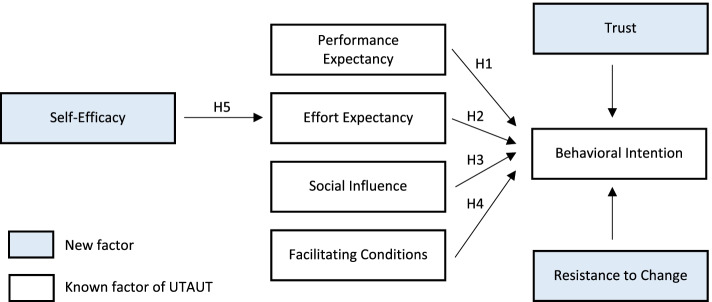
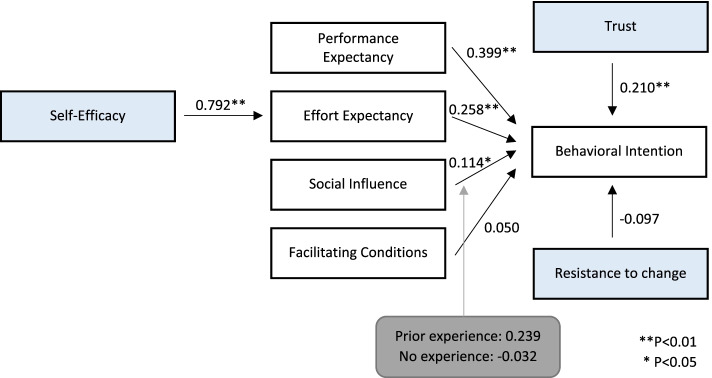
Background: Technological progress in artificial intelligence has led to the increasing popularity of virtual assistants, i.e., embodied or disembodied conversational agents that allow chatting with a technical system in a natural language. However, only little comprehensive research is conducted about patients' perceptions and possible applications of virtual assistant in healthcare with cancer patients. This research aims to investigate the key acceptance factors and value-adding use cases of a virtual assistant for patients diagnosed with cancer. Methods: Qualitative interviews with eight former patients and four doctors of a Dutch radiotherapy institute were conducted to determine what acceptance factors they find most important for a virtual assistant and gain insights into value-adding applications. The unified theory of acceptance and use of technology (UTAUT) was used to structure perceptions and was inductively modified as a result of the interviews. The subsequent research model was triangulated via an online survey with 127 respondents diagnosed with cancer. A structural equation model was used to determine the relevance of acceptance factors. Through a multigroup analysis, differences between sample subgroups were compared. Results: The interviews found support for all factors of the UTAUT: performance expectancy, effort expectancy, social influence and facilitating conditions. Additionally, self-efficacy, trust, and resistance to change, were added as an extension of the UTAUT. Former patients found a virtual assistant helpful in receiving information about logistic questions, treatment procedures, side effects, or scheduling appointments. The quantitative study found that the constructs performance expectancy (ß = 0.399), effort expectancy (ß = 0.258), social influence (ß = 0.114), and trust (ß = 0.210) significantly influenced behavioral intention to use a virtual assistant, explaining 80% of its variance. Self-efficacy (ß = 0.792) acts as antecedent of effort expectancy. Facilitating conditions and resistance to change were not found to have a significant relationship with user intention. Conclusions: Performance and effort expectancy are the leading determinants of virtual assistant acceptance. The latter is dependent on a patient’s self-efficacy. Therefore, including patients during the development and introduction of a VA in cancer treatment is important. The high relevance of trust indicates the need for a reliable, secure service that should be promoted as such. Social influence suggests using doctors in endorsing the VA.
Overview
The claims and statistics of this paper haven’t been checked yet.
Free: it reads the open-access text and checks the first 5 claims that cite a source we can check. Create a free account to check every claim.
Integrity signals
Registry
Cites
Statistics
Figures
Verification
Claims the paper makes
The claims and statistics of this paper haven’t been checked yet.
Free: it reads the open-access text and checks the first 5 claims that cite a source we can check. Create a free account to check every claim.
Claims other papers make about this one
Each is checked against this paper’s own text: does it say what the citing paper says it does?
In the citing paper
“Similarly, a study examining virtual assistants in the health care domain revealed a positive correlation between users’ trust in the technology and their willingness to use it for managing their health [32].”
From Investigating the impact of user trust on the adoption and use of ChatGPT: Survey analysis (2023) · cites this paper as [32]
Self-check
Percentages, sums and reported differences re-computed from the paper’s own numbers.
The self-check needs the paper’s full text.
Citations
Cites
Evaluating structural equation models with unobservable variables and measurement error
Fornell, C., & Larcker, D. F. (1981) · Journal of Marketing Research · doi:10.1177/002224378101800104 · Cited by 109,190 · cited 1×
“The Fornell-Larcker criterion was used for evaluation, specifying that the square root of the average variance extracted for each construct should be higher than its correlations with other constructs [90].”
MethodPodsakoff, P. M., MacKenzie, S. B., Lee, J.-Y., & Podsakoff, N. P. (2003) · Journal of Applied Psychology · doi:10.1037/0021-9010.88.5.879 · Cited by 82,194 · cited 1×
“Firstly, Harman’s one factor test was applied by performing an unrotated principal factor analysis on all the measurement items in our model [93].”
MethodPerceived usefulness, perceived ease of use, and user acceptance of information technology
Davis, F. D. (1989) · MIS Quarterly · doi:10.2307/249008 · Cited by 68,483 · cited 1×
“The weaker effect of effort expectancy compared to performance expectancy fits previous research [128] that found ease of use the secondary motivation to adopt a technology.”
ResultUser Acceptance of Information Technology: Toward A Unified View1
Venkatesh, V., Morris, M. G., Davis, G. B., & Davis, F. D. (2003) · MIS Quarterly · doi:10.2307/30036540 · Cited by 45,035 · cited 8×
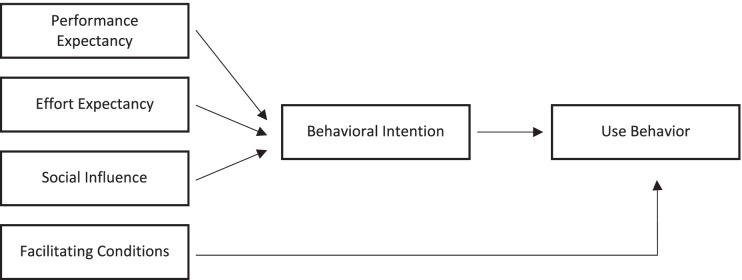
“…refers to the degree to which the participant perceives important others, i.e. the social environment, to advocate using a VA. Fourth, facilitating conditions are the degree to which someone believes organizational and technical resources are in place to assist the use of a technology [51].”
BackgroundMethodResultInfluentialStructural equation modeling in practice: A review and recommended two-step approach
Anderson, J. C., & Gerbing, D. W. (1988) · Psychological Bulletin · doi:10.1037/0033-2909.103.3.411 · Cited by 41,941 · cited 1×
“In the second stage the hypotheses were tested through the proposed structural model [92].”
Method(1998) · Sage eBooks · Cited by 38,631
A new criterion for assessing discriminant validity in variance-based structural equation modeling
Henseler, J., Ringle, C. M., & Sarstedt, M. (2015) · Journal of the Academy of Marketing Science · doi:10.1007/s11747-014-0403-8 · Cited by 38,459 · cited 3×
“This measure was found unsuitable for homogenous loading patterns [91].”
BackgroundMethodInfluentialResearch Design: Qualitative, Quantitative, and Mixed Methods Approaches
Creswell, J. W. (1994) · Cited by 35,503
On the Evaluation of Structural Equation Models
Bagozzi, R. P., & Yi, Y. (1988) · Journal of the Academy of Marketing Science · doi:10.1007/bf02723327 · Cited by 26,163 · cited 1×
“50, indicating that each construct explains more than half of the items’ variance [98, 119].”
Basics of Qualitative Research (3rd ed.): Techniques and Procedures for Developing Grounded Theory
Corbin, J., & Strauss, A. (2008) · SAGE · doi:10.4135/9781452230153 · Cited by 24,827
Pls-Sem: indeed a silver bullet
Hair, J. F., Ringle, C. M., & Sarstedt, M. (2011) · Journal of Marketing Theory and Practice · doi:10.2753/mtp1069-6679190202 · Cited by 21,631
How Many Interviews Are Enough?: An Experiment with Data Saturation and Variability
Guest, G., Bunce, A., & Johnson, L. (2006) · Field Methods · doi:10.1177/1525822x05279903 · Cited by 20,808 · cited 1×
“To identify meta themes in the interviews at least six interviews were needed [74].”
BackgroundA primer on partial least squares structural equation modeling (PLS-SEM)
Leguina, A. (2015) · International Journal of Research & Method in Education · doi:10.1080/1743727x.2015.1005806 · Cited by 18,921
Research Methods for Business Students
Saunders, M. N. K., Lewis, P., & Thornhill, A. R. (2003) · Cited by 18,357
Venkatesh, V., Thong, J. Y. L., & Xu, X. (2012) · MIS Quarterly · doi:10.2307/41410412 · Cited by 15,756 · cited 1×
“Lastly, for the outcome variable behavioral intention, items of Venkatesh et al. [84] and similar adaptions of Cimperman et al. [50] were used.”
MethodQu, X. (2007) · Technometrics · doi:10.1198/tech.2007.s455 · Cited by 14,705
Research Design: Qualitative, Quantitative, and Mixed Methods Approaches
ภู่พันธ์, ศ. (2018) · วารสารวิธีวิทยาการวิจัย (Journal of Research Methodology: JRM) · Cited by 13,070
(1998) · Cited by 12,725
An integrative model of organizational trust
Mayer, R. C., Davis, J. H., & Schoorman, F. D. (1995) · The Academy of Management Review · doi:10.2307/258792 · Cited by 10,736 · cited 1×
“As trust involves some degree of risk [132], patients only relied on a VA when their level of confidence about the reliability (TR1), security (TR2) and trustworthiness (TR3) is higher than the perceived risks involved.”
BackgroundVenkatesh, V. (2000) · Information Systems Research · doi:10.1287/isre.11.4.342.11872 · Cited by 6,664 · cited 1×
“In the technology acceptance model, self-efficacy is a major determinant of perceived ease of use, conceptually like effort expectancy in the UTAUT [103].”
Qualitative Content Analysis in Practice
Schreier, M. (2012) · doi:10.4135/9781529682571 · Cited by 5,801
(2003) · International Journal of Electronic Commerce · doi:10.1080/10864415.2003.11044275 · Cited by 5,715 · cited 1×
“For other technologies such as wearable commerce [107], a fitness app [108], electronic commerce [109], as well as mobile banking [110] and payments [111], trust was also found to influence behavioral intention significantly.”
BackgroundAli, E. M. (2016) · Cited by 4,441
An updated and expanded assessment of PLS-SEM in information systems research
Hair, J., Hollingsworth, C. L., Randolph, A. B., & Chong, A. Y. L. (2017) · Industrial Management & Data Systems · doi:10.1108/imds-04-2016-0130 · Cited by 4,043
Instructional manipulation checks: Detecting satisficing to increase statistical power
Oppenheimer, D. M., Meyvis, T., & Davidenko, N. (2009) · Journal of Experimental Social Psychology · doi:10.1016/j.jesp.2009.03.009 · Cited by 3,493 · cited 1×
“In addition, an instructional manipulation check was added [85].”
BackgroundPartial least squares structural equation modeling
Sarstedt, M., Ringle, C. M., & Hair, J. F. (2017) · Handbook of Market Research · doi:10.1007/978-3-319-05542-8_15-1 · Cited by 3,285 · cited 6×
“For the model’s construct validity, constructs’ average variance extracted ranges from 0.693 to 0.887 and is above the threshold of 0.50, indicating that each construct explains more than half of the items’ variance [98, 119].”
BackgroundMethodInfluentialTesting measurement invariance of composites using partial least squares
Henseler, J., Ringle, C. M., & Sarstedt, M. (2016) · International Marketing Review · doi:10.1108/imr-09-2014-0304 · Cited by 2,964 · cited 1×
“It comprised the assessment of (1) configural invariance, (2) compositional invariance and (3) composite equality and results in full, partial or no invariance for constructs [101].”
BackgroundFitzpatrick, K. K., Darcy, A., & Vierhile, M. (2017) · JMIR Mental Health · doi:10.2196/mental.7785 · Cited by 2,730 · cited 1×
“The exemplary conversations were informed by Maastro’s treatment guide [77], the American Cancer Society [78] and the mental health VA Woebot, whose efficacy to reduce depression and anxiety was proven in peer-reviewed literature [79].”
MethodMitchell, A. J., Chan, M., Bhatti, H., Halton, M., Grassi, L., Johansen, C., & Meader, N. (2011) · The Lancet Oncology · doi:10.1016/s1470-2045(11)70002-x · Cited by 2,449 · cited 3×
“Respondents resided in the Netherlands [63], Germany [32], the USA [25] and United Kingdom [7].”
BackgroundQualitative Content Analysis: Theoretical Background and Procedures
Mayring, P. (2015) · Advances in Mathematics Education · doi:10.1007/978-94-017-9181-6_13 · Cited by 2,263 · cited 2×
“Interviews were setup following the criteria of the qualitative content analysis methodology [69].”
BackgroundMethodDwivedi, Y. K., Rana, N. P., Jeyaraj, A., Clement, M., & Williams, M. D. (2019) · Information Systems Frontiers · doi:10.1007/s10796-017-9774-y · Cited by 2,137 · cited 1×
“In UTAUT, the normative social influence tends to encourage compliance or acceptance [140].”
BackgroundSimultaneous Factor Analysis in Several Populations
Jöreskog, K. G. (1971) · Psychometrika · doi:10.1007/bf02291366 · Cited by 2,051 · cited 2×
“Indicator reliability was assessed by examining the respective item loadings on the constructs and the construct’s internal consistency reliability was evaluated using Jöreskog’s [87] composite reliability, where higher values represent higher levels of reliability and results between 0.70 and 0.95 indicating “satisfa…”
MethodInfluentialSocioemotional selectivity theory and the regulation of emotion in the second half of life
Carstensen, L. L., Fung, H. H., & Charles, S. T. (2003) · Motivation and Emotion · doi:10.1023/a:1024569803230 · Cited by 1,978 · cited 1×
“The lower relevance of social influence could be because older users are less receptive to societal pressure or image [129].”
BackgroundThe qualitative interview in IS research: Examining the craft
Myers, M. D., & Newman, M. (2007) · Information and Organization · doi:10.1016/j.infoandorg.2006.11.001 · Cited by 1,941
Benitez, J., Henseler, J., Castillo, A., & Schuberth, F. (2020) · Information & Management · doi:10.1016/j.im.2019.05.003 · Cited by 1,788 · cited 2×
“The saturated model in which all constructs can freely correlate was used following the recommendation of Benitez et al. [122].”
BackgroundMethodInfluentialDiamantopoulos, A., Sarstedt, M., Fuchs, C., Wilczynski, P., & Kaiser, S. (2012) · Journal of the Academy of Marketing Science · doi:10.1007/s11747-011-0300-3 · Cited by 1,736 · cited 1×
“While high reliability and correspondingly values close to 1 are generally desirable, results above 0.95 can be problematic as they might indicate semantical redundancy in the items [118].”
BackgroundInfluentialTesting measurement invariance across groups: applications in cross-cultural research.
L. Milfont, T., & Fischer, R. (2010) · International Journal of Psychological Research · doi:10.21500/20112084.857 · Cited by 1,565 · cited 1×
“A multi-group analysis was conducted for constructs that show at least partial invariance (Table 11) [126] The results of the three multi-group analyses comparing age, gender and experience subgroups were primarily insignificant, with only two marginally significant differences regarding the impact of prior experience…”
The unified theory of acceptance and use of technology (UTAUT): a literature review
Williams, M. D., Rana, N. P., & Dwivedi, Y. K. (2015) · Journal of Enterprise Information Management · doi:10.1108/jeim-09-2014-0088 · Cited by 1,339 · cited 1×
“Theoretical contributions This study contributes to technology acceptance theory by analyzing the behavioral intention to use a VA from a the perspective of cancer patients – a perspective that is often overlooked [133, 134].”
BackgroundFear Appeals and Information Security Behaviors: An Empirical Study1
Johnston, A. C., & Warkentin, M. (2010) · MIS Quarterly · doi:10.2307/25750691 · Cited by 1,247 · cited 1×
“Self-efficacy was assessed using items from Zhang et al. [102], who adapted the theory of Johnston and Warkentin [117] to evaluate the acceptance of mobile health services.”
MethodTrust and the development of health care as a social institution
Gilson, L. (2003) · Social Science & Medicine · doi:10.1016/s0277-9536(02)00142-9 · Cited by 1,193 · cited 1×
“The UTAUT lacks this contextual predictor, which is especially important in an inherently relational system like healthcare [106].”
BackgroundTrust in a specific technology: An investigation of its components and measures
Mcknight, D. H., Carter, M., Thatcher, J. B., & Clay, P. F. (2011) · ACM Transactions on Management Information Systems · doi:10.1145/1985347.1985353 · Cited by 1,185 · cited 1×
“It refers to the degree to which a patient is willing to believe in and depend on the VA [22, 105].”
BackgroundEthical and legal challenges of artificial intelligence-driven healthcare
Gerke, S., Minssen, T., & Cohen, G. (2020) · Artificial Intelligence in Healthcare · doi:10.1016/b978-0-12-818438-7.00012-5 · Cited by 1,170 · cited 1×
“Generally, a VA offering self-diagnosis requires sensitive data and has profound consequences, leading to higher legal requirements [24].”
BackgroundThe role of artificial intelligence in healthcare: a structured literature review
Secinaro, S., Calandra, D., Secinaro, A., Muthurangu, V., & Biancone, P. (2021) · BMC Medical Informatics and Decision Making · doi:10.1186/s12911-021-01488-9 · Cited by 1,085 · cited 1×
“This study contributes to technology acceptance theory by analyzing the behavioral intention to use a VA from a the perspective of cancer patients – a perspective that is often overlooked [133, 134].”
BackgroundChatbots and Conversational Agents in Mental Health: A Review of the Psychiatric Landscape
Vaidyam, A. N., Wisniewski, H., Halamka, J. D., Kashavan, M. S., & Torous, J. B. (2019) · The Canadian Journal of Psychiatry · doi:10.1177/0706743719828977 · Cited by 1,048 · cited 2×
“Nevertheless, common standards of reporting and evaluation of VAs are needed for detailed comparisons [42].”
BackgroundHoque, R., & Sorwar, G. (2017) · International Journal of Medical Informatics · doi:10.1016/j.ijmedinf.2017.02.002 · Cited by 1,004 · cited 5×
“Also, while the UTAUT model [51] included age, gender and experience as moderating variables, it was not tested in previous studies applying the framework, e.g., [22, 50, 53, 86].”
BackgroundMethodResultInfluentialRethinking Partial Least Squares Path Modeling: In Praise of Simple Methods
Rigdon, E. E. (2012) · Long Range Planning · doi:10.1016/j.lrp.2012.09.010 · Cited by 877
Proceedings of the 18th European conference on information systems (ECIS2010)
Tervonen, T., Brock, D. B., Graeff, D. P., & Hillege, H. L. (2010) · Cited by 836
Nadarzynski, T., Miles, O., Cowie, A., & Ridge, D. (2019) · DIGITAL HEALTH · doi:10.1177/2055207619871808 · Cited by 810 · cited 1×
“Thus, more credible inputs on use cases and VA acceptability could be gathered [76].”
BackgroundExtending the understanding of mobile banking adoption: When UTAUT meets TTF and ITM
Oliveira, T., Faria, M., Thomas, M. A., & Popovič, A. (2014) · International Journal of Information Management · doi:10.1016/j.ijinfomgt.2014.06.004 · Cited by 808 · cited 1×
“For other technologies such as wearable commerce [107], a fitness app [108], electronic commerce [109], as well as mobile banking [110] and payments [111], trust was also found to influence behavioral intention significantly.”
BackgroundNiedzwiedz, C. L., Knifton, L., Robb, K. A., Katikireddi, S. V., & Smith, D. J. (2019) · BMC Cancer · doi:10.1186/s12885-019-6181-4 · Cited by 756 · cited 1×
“Especially mental health needs during cancer treatment are often neglected and can be hard to fulfil [36, 67].”
BackgroundSmart healthcare: making medical care more intelligent
Tian, S., Yang, W., Grange, J. M. L., Wang, P., Huang, W., & Ye, Z. (2019) · Global Health Journal · doi:10.1016/j.glohj.2019.07.001 · Cited by 715 · cited 1×
“In health-care VAs are used to book appointments, share information and even recommend care based on symptoms [12].”
BackgroundOnline shopping drivers and barriers for older adults: Age and gender differences
Lian, J.-W., & Yen, D. C. (2014) · Computers in Human Behavior · doi:10.1016/j.chb.2014.04.028 · Cited by 660 · cited 2×
“This result is unexpected, as the inhibitor was observed in the interviews and particularly salient in studies with older participants [53, 115].”
ResultAn empirical study of wearable technology acceptance in healthcare
Gao, Y., Li, H., & Luo, Y. (2015) · Industrial Management & Data Systems · doi:10.1108/imds-03-2015-0087 · Cited by 655
Bhattacherjee, A., & Hikmet, N. (2007) · European Journal of Information Systems · doi:10.1057/palgrave.ejis.3000717 · Cited by 651 · cited 2×
“…intention to use a VA. Lastly, participant’s resistance to change was found to influence the acceptance of a VA. Bhattacherjee and Hikmet [114] defined the acceptance as the preference for the status quo and “generalized opposition to change engendered by the expected adverse…”
BackgroundMethodFour-Week Prevalence of Mental Disorders in Patients With Cancer Across Major Tumor Entities
Mehnert, A., Brähler, E., Faller, H., Härter, M., Keller, M., Schulz, H., Wegscheider, K., Weis, J., Boehncke, A., Hund, B., et al. (2014) · Journal of Clinical Oncology · doi:10.1200/jco.2014.56.0086 · Cited by 649 · cited 1×
“Up to a third of cancer patients will develop a depression or anxiety disorder and experience problems with daily living, underlining the importance of psychosocial care [35–37].”
BackgroundLi, X., Hess, T. J., & Valacich, J. S. (2008) · The Journal of Strategic Information Systems · doi:10.1016/j.jsis.2008.01.001 · Cited by 635 · cited 1×
“Moreover, trust formation can be split and analyzed at different levels [144].”
Background(2020) · Springer eBooks · doi:10.1007/978-3-319-05542-8 · Cited by 634
The Effectiveness of Artificial Intelligence Conversational Agents in Health Care: Systematic Review
Milne-Ives, M., de Cock, C., Lim, E., Shehadeh, M. H., de Pennington, N., Mole, G., Normando, E., & Meinert, E. (2020) · Journal of Medical Internet Research · doi:10.2196/20346 · Cited by 626 · cited 2×
“The variety of diverse and agent-dependent feedback underlines the need for a tailored design according to the targeted population [65].”
BackgroundAnalyzing older users’ home telehealth services acceptance behavior—applying an Extended UTAUT model
Cimperman, M., Makovec Brenčič, M., & Trkman, P. (2016) · International Journal of Medical Informatics · doi:10.1016/j.ijmedinf.2016.03.002 · Cited by 614 · cited 10×
“Also, while the UTAUT model [51] included age, gender and experience as moderating variables, it was not tested in previous studies applying the framework, e.g., [22, 50, 53, 86].”
BackgroundMethodInfluentialChin, W. W., & Dibbern, J. (2010) · Handbook of Partial Least Squares · doi:10.1007/978-3-540-32827-8_8 · Cited by 588 · cited 1×
“Results from a SEM were based on an analysis of a single population and failed to evaluate differences between subgroups [125].”
MethodA Systematic Review of Patient Acceptance of Consumer Health Information Technology
Or, C. K. L., & Karsh, B.-T. (2009) · Journal of the American Medical Informatics Association · doi:10.1197/jamia.m2888 · Cited by 586
Conversational Agents in Health Care: Scoping Review and Conceptual Analysis
Tudor Car, L., Dhinagaran, D. A., Kyaw, B. M., Kowatsch, T., Joty, S., Theng, Y.-L., & Atun, R. (2020) · Journal of Medical Internet Research · doi:10.2196/17158 · Cited by 553 · cited 3×
“Additionally, studies lacked further analysis regarding real-life applications and the actual integration [13].”
BackgroundInfluentialUsing a modified technology acceptance model in hospitals
AGGELIDIS, V, & CHATZOGLOU, P. (2009) · International Journal of Medical Informatics · doi:10.1016/j.ijmedinf.2008.06.006 · Cited by 553 · cited 3×
“This significant role was also found when investigating the acceptance of mobile health services [102] and information technology by hospital personnel [86].”
BackgroundMethodAbd-Alrazaq, A. A., Rababeh, A., Alajlani, M., Bewick, B. M., & Househ, M. (2020) · Journal of Medical Internet Research · doi:10.2196/16021 · Cited by 503 · cited 1×
“Hence, more evidence for the potential of VAs to improve mental health issues and more robust results are needed [47].”
BackgroundEvaluating the Role of Trust in Consumer Adoption of Mobile Payment Systems: An Empirical Analysis
Chandra, S., Srivastava, S. C., & Theng, Y.-L. (2010) · Communications of the Association for Information Systems · doi:10.17705/1cais.02729 · Cited by 429 · cited 1×
“[116] from the research context of mobile payments adoption.”
BackgroundPLS-SEM STATISTICAL PROGRAMS: A REVIEW
Memon, M. A., T., R., Cheah, J.-H., Ting, H., Chuah, F., & Cham, T. H. (2021) · Journal of Applied Structural Equation Modeling · doi:10.47263/jasem.5(1)06 · Cited by 422
Willaby, H. W., Costa, D. S. J., Burns, B. D., MacCann, C., & Roberts, R. D. (2015) · Personality and Individual Differences · doi:10.1016/j.paid.2014.09.008 · Cited by 419
Kepuska, V., & Bohouta, G. (2018) · 2018 IEEE 8th Annual Computing and Communication Workshop and Conference (CCWC) · doi:10.1109/ccwc.2018.8301638 · Cited by 418 · cited 1×
“Some well-known examples of virtual agents are Google Assistant, Amazon Alexa and Apple’s Siri [11].”
BackgroundThe adoption of mobile healthcare by hospital's professionals: An integrative perspective
Wu, I.-L., Li, J.-Y., & Fu, C.-Y. (2011) · Decision Support Systems · doi:10.1016/j.dss.2011.03.003 · Cited by 411 · cited 1×
“The model’s construct validity, which comprises the convergent and discriminant validity [89], was also assessed.”
MethodGruzd, A., Staves, K., & Wilk, A. (2012) · Computers in Human Behavior · doi:10.1016/j.chb.2012.07.004 · Cited by 404 · cited 1×
“A similar approach to tailor the UTAUT has been used previously [61, 82] in different research contexts.”
MethodYuan, S., Ma, W., Kanthawala, S., & Peng, W. (2015) · Telemedicine and e-Health · doi:10.1089/tmj.2014.0148 · Cited by 403 · cited 1×
“While it is the prevalent framework for healthcare service adoption [22] and has been applied in mobile health [52–54] and telemedicine [50, 55] acceptance research, among others, only indirect research in the context of cancer treatment, an important domain in healthcare, was found [56].”
BackgroundBeldad, A. D., & Hegner, S. M. (2018) · International Journal of Human–Computer Interaction · doi:10.1080/10447318.2017.1403220 · Cited by 403 · cited 2×
“For the heterotrait-monotrait ratio no confidence interval with the upper bound at 95% for the constructs contained the value one, thus confirming discriminant validity [108].”
BackgroundFrontline Service Technology infusion: conceptual archetypes and future research directions
De Keyser, A., Köcher, S., Alkire (née Nasr), L., Verbeeck, C., & Kandampully, J. (2019) · Journal of Service Management · doi:10.1108/josm-03-2018-0082 · Cited by 383 · cited 2×
“VA is a synonym for chatbot [5], but for clarity we’ll only use the term VA.”
BackgroundMethodExploring consumer adoption of proximity mobile payments
Slade, E., Williams, M., Dwivedi, Y., & Piercy, N. (2015) · Journal of Strategic Marketing · doi:10.1080/0965254x.2014.914075 · Cited by 352 · cited 1×
“For other technologies such as wearable commerce [107], a fitness app [108], electronic commerce [109], as well as mobile banking [110] and payments [111], trust was also found to influence behavioral intention significantly.”
BackgroundFan, W., Liu, J., Zhu, S., & Pardalos, P. M. (2020) · Annals of Operations Research · doi:10.1007/s10479-018-2818-y · Cited by 346 · cited 6×
“Accordingly, trust played a central role for healthcare professionals in acceptance research [22, 131].”
BackgroundMethodInfluentialApplying Multigroup Analysis in PLS-SEM: A Step-by-Step Process
Matthews, L. (2017) · Partial Least Squares Path Modeling · doi:10.1007/978-3-319-64069-3_10 · Cited by 341 · cited 2×
“A multi-group analysis in a PLS-SEM was applied to test for moderating variables and return group-specific path coefficients, thereby minimizing the potential for misrepresentation [100].”
BackgroundMethodSurvey of conversational agents in health
Montenegro, J. L. Z., da Costa, C. A., & da Rosa Righi, R. (2019) · Expert Systems with Applications · doi:10.1016/j.eswa.2019.03.054 · Cited by 322 · cited 1×
“According to Keyser et al. [5] a VA is an embodied or disembodied conversational agent that allows a user to communicate with a technical system in natural language with verbal and/or non-verbal communication characteristics through artificial intelligence (AI) [6, 7].”
BackgroundConsumer decision making and aging: Current knowledge and future directions
Yoon, C., Cole, C. A., & Lee, M. P. (2009) · Journal of Consumer Psychology · doi:10.1016/j.jcps.2008.12.002 · Cited by 316 · cited 1×
“It is particularly salient as older people rely on their opinion and often avoid or refer decision-making to compensate for a reduced risk tolerance [142].”
BackgroundReporting Mental Health Symptoms: Breaking Down Barriers to Care with Virtual Human Interviewers
Lucas, G. M., Rizzo, A., Gratch, J., Scherer, S., Stratou, G., Boberg, J., & Morency, L.-P. (2017) · Frontiers in Robotics and AI · doi:10.3389/frobt.2017.00051 · Cited by 308 · cited 1×
“Others disclosed more sensitive information due to anonymity [44].”
BackgroundKrouwel, M., Jolly, K., & Greenfield, S. (2019) · BMC Medical Research Methodology · doi:10.1186/s12874-019-0867-9 · Cited by 288 · cited 1×
“Conducting interviews through video calls has been found to be a feasible alternative to in-person qualitative studies [68].”
BackgroundThe dark side of elderly acceptance of preventive mobile health services in China
Guo, X., Sun, Y., Wang, N., Peng, Z., & Yan, Z. (2013) · Electronic Markets · doi:10.1007/s12525-012-0112-4 · Cited by 265
Greer, S., Ramo, D., Chang, Y.-J., Fu, M., Moskowitz, J., & Haritatos, J. (2019) · JMIR mHealth and uHealth · doi:10.2196/15018 · Cited by 265 · cited 1×
“For young adults who have undergone cancer treatment, a VA delivering positive psychology skills was perceived as helpful and reduced anxiety [46].”
BackgroundBerger, N. A., Savvides, P., Koroukian, S. M., Kahana, E. F., Deimling, G. T., Rose, J. H., Bowman, K. F., & Miller, R. H. (2006) · Europe PMC (PubMed Central) · Cited by 246
Zhang, X., Han, X., Dang, Y., Meng, F., Guo, X., & Lin, J. (2017) · Informatics for Health and Social Care · doi:10.1080/17538157.2016.1200053 · Cited by 241 · cited 5×
“The first was self-efficacy, which refers to the perceived ability to acquire expected information and conduct a specific behavior [102].”
BackgroundMethodResultInfluentialWu, J.-H., Shen, W.-S., Lin, L.-M., Greenes, R. A., & Bates, D. W. (2007) · International Journal for Quality in Health Care · doi:10.1093/intqhc/mzm074 · Cited by 235 · cited 1×
“Accord-ingly, trust played a central role for healthcare professionals in acceptance research [22, 131].”
BackgroundChaix, B., Bibault, J.-E., Pienkowski, A., Delamon, G., Guillemassé, A., Nectoux, P., & Brouard, B. (2019) · JMIR Cancer · doi:10.2196/12856 · Cited by 227 · cited 1×
“It improved their adherence rate, provided helpful treatment information and support [15, 16].”
BackgroundResponse to a relational agent by hospital patients with depressive symptoms
Bickmore, T. W., Mitchell, S. E., Jack, B. W., Paasche-Orlow, M. K., Pfeifer, L. M., & O’Donnell, J. (2010) · Interacting with Computers · doi:10.1016/j.intcom.2009.12.001 · Cited by 218 · cited 1×
“Patients rated the therapeutic alliance between a VA significantly higher than with a clinician [43].”
BackgroundBendig, E., Erb, B., Schulze-Thuesing, L., & Baumeister, H. (2022) · Verhaltenstherapie · doi:10.1159/000501812 · Cited by 214 · cited 1×
“A second (scoping) review on VAs in relation to mental health [48] concluded that current results on practicability, feasibility and acceptance of VAs in health care are promising, but especially these topics require more research.”
BackgroundBibault, J.-E., Chaix, B., Guillemassé, A., Cousin, S., Escande, A., Perrin, M., Pienkowski, A., Delamon, G., Nectoux, P., & Brouard, B. (2019) · Journal of Medical Internet Research · doi:10.2196/15787 · Cited by 202 · cited 1×
“It improved their adherence rate, provided helpful treatment information and support [15, 16].”
BackgroundPhilippi, P., Baumeister, H., Apolinário-Hagen, J., Ebert, D. D., Hennemann, S., Kott, L., Lin, J., Messner, E.-M., & Terhorst, Y. (2021) · Internet Interventions · doi:10.1016/j.invent.2021.100459 · Cited by 200 · cited 4×
“Performance expectancy was found to have the strongest influence on acceptance [59].”
BackgroundInfluentialPLS-MGA: A Non-Parametric Approach to Partial Least Squares-based Multi-Group Analysis
Henseler, J. (2012) · Studies in Classification, Data Analysis, and Knowledge Organization · doi:10.1007/978-3-642-24466-7_50 · Cited by 191 · cited 1×
“Reasons for the insignificant differences between the subgroups might have been the partly unequal sample distribution and small sample sizes leading to insufficient power to detect differences [127].”
BackgroundKohnke, A., Cole, M. L., & Bush, R. (2014) · Journal of technology management & innovation · doi:10.4067/s0718-27242014000200003 · Cited by 181 · cited 3×
“While testing the acceptance of telemedicine equipment, all four factors of the UTAUT (performance expectancy, effort expectancy, social influence and facilitating conditions) were found to predict behavioral intention [55].”
BackgroundMANDY: Towards a Smart Primary Care Chatbot Application
Ni, L., Lu, C., Liu, N., & Liu, J. (2017) · Communications in computer and information science · doi:10.1007/978-981-10-6989-5_4 · Cited by 161
Meyer, A. N. D., Giardina, T. D., Spitzmueller, C., Shahid, U., Scott, T. M. T., & Singh, H. (2020) · Journal of Medical Internet Research · doi:10.2196/14679 · Cited by 161 · cited 1×
“Another study [23] found that patients used a symptom checker most commonly to understand the cause of their symptoms and saw it as a helpful diagnostic tool receiving useful information.”
BackgroundA Comparison of Artificial Intelligence and Human Doctors for the Purpose of Triage and Diagnosis
Baker, A., Perov, Y., Middleton, K., Baxter, J., Mullarkey, D., Sangar, D., Butt, M., DoRosario, A., & Johri, S. (2020) · Frontiers in Artificial Intelligence · doi:10.3389/frai.2020.543405 · Cited by 157 · cited 1×
“In a later comparative study, the application of the above-mentioned VA [18] displayed a diagnostic accuracy similar to human doctors and safer medical tri-age advice [20].”
Patients' and healthcare professionals' views of cancer follow-up: systematic review
Lewis, R. A., Neal, R. D., Hendry, M., France, B., Williams, N. H., Russell, D., Hughes, D. A., Russell, I., Stuart, N. S., Weller, D., et al. (2009) · British Journal of General Practice · doi:10.3399/bjgp09x453576 · Cited by 155 · cited 1×
“As a result, patients lack information, which would help them cope and be more involved [38].”
BackgroundBarriers to older adults’ uptake of mobile-based mental health interventions
Pywell, J., Vijaykumar, S., Dodd, A., & Coventry, L. (2020) · DIGITAL HEALTH · doi:10.1177/2055207620905422 · Cited by 152
Negro-Calduch, E., Azzopardi-Muscat, N., Krishnamurthy, R. S., & Novillo-Ortiz, D. (2021) · International Journal of Medical Informatics · doi:10.1016/j.ijmedinf.2021.104507 · Cited by 152 · cited 1×
“This makes them a promising tool to increase productivity by managing routine administrative tasks, improving care delivery, and engaging patient in managing their health [10].”
BackgroundRutherford, B., Wager, T., & Roose, S. (2010) · Current Psychiatry Reviews · doi:10.2174/157340010790596571 · Cited by 141 · cited 1×
“Also, performance expectancy has been found to benefit treatment for mental disorders as a primary mechanism that affects change [135].”
BackgroundMeasuring Senior Technology Acceptance: Development of a Brief, 14-Item Scale
Chen, K., & LOU, V. W. Q. (2020) · Innovation in Aging · doi:10.1093/geroni/igaa016 · Cited by 133 · cited 2×
“Respondents resided in the Netherlands [63], Germany [32], the USA [25] and United Kingdom [7].”
BackgroundYou, Y., & Gui, X. (2021) · PubMed Central · doi:10.48550/arxiv.2101.04796 · Cited by 129 · cited 3×
“Respondents resided in the Netherlands [63], Germany [32], the USA [25] and United Kingdom [7].”
BackgroundJungmann, S. M., Klan, T., Kuhn, S., & Jungmann, F. (2019) · JMIR Formative Research · doi:10.2196/13863 · Cited by 127 · cited 1×
“The self-diagnosis health app Ada was an efficient diagnostic screening or help function for mental disorders in adulthood with the potential to support diagnosticians [45].”
BackgroundBaumeister, H., Nowoczin, L., Lin, J., Seifferth, H., Seufert, J., Laubner, K., & Ebert, D. D. (2014) · Diabetes Research and Clinical Practice · doi:10.1016/j.diabres.2014.04.031 · Cited by 125 · cited 1×
“Interventions to increase acceptance, e.g. educational [136] or informational [137], have been shown effective, but should be tailored to the specific target population, i.e. cancer patients.”
BackgroundImproving User Experience of Virtual Health Assistants: Scoping Review
Curtis, R. G., Bartel, B., Ferguson, T., Blake, H. T., Northcott, C., Virgara, R., & Maher, C. A. (2021) · Journal of Medical Internet Research · doi:10.2196/31737 · Cited by 115 · cited 2×
“To summarize, VAs are scalable, easily accessible and operate at low cost at any time [8, 9].”
BackgroundNewall, N., McArthur, J., & Menec, V. H. (2015) · Journal of Aging and Health · doi:10.1177/0898264314552420 · Cited by 113 · cited 1×
“VAs can improve cancer patients’ wellbeing through mental health assistance and social participation, as studies point to the little time Dutch physicians have for further communication with patients [33, 34].”
BackgroundA smartphone Chatbot application to optimize monitoring of older patients with cancer
Piau, A., Crissey, R., Brechemier, D., Balardy, L., & Nourhashemi, F. (2019) · International Journal of Medical Informatics · doi:10.1016/j.ijmedinf.2019.05.013 · Cited by 101 · cited 4×
“Thirdly, though the formation of tumor specific multidisciplinary teams in many regions has improved the coordination of cancer care, alignment of efforts and communication between the various involved providers is far from perfect [14, 64].”
BackgroundInfluentialAn Empirical Study on Factors Influencing Consumers' Initial Trust in Wearable Commerce
Gu, Z., Wei, J., & Xu, F. (2016) · Journal of Computer Information Systems · doi:10.1080/08874417.2015.11645804 · Cited by 95
Loneliness and depression in patients with cancer during COVID-19
Gallagher, S., Bennett, K. M., & Roper, L. (2021) · Journal of Psychosocial Oncology · doi:10.1080/07347332.2020.1853653 · Cited by 85 · cited 1×
“The COVID-19 pandemic has exacerbated this, as people living with cancer suffer from an increased risk of developing depression during COVID-19 due to feelings of isolation [40].”
Background(2007) · PubMed · Cited by 74
Psychosocial care for cancer patients in primary care? Recognition of opportunities for cancer care
Pascoe, S. W. (2004) · Family Practice · doi:10.1093/fampra/cmh415 · Cited by 72 · cited 2×
“Up to a third of cancer patients will develop a depression or anxiety disorder and experience problems with daily living, underlining the importance of psychosocial care [35–37].”
BackgroundAdolescents and young adults with cancer: barriers in access to psychosocial support
Holland, L. R., Walker, R., Henney, R., Cashion, C. E., & Bradford, N. K. (2021) · Journal of Adolescent and Young Adult Oncology · doi:10.1089/jayao.2020.0027 · Cited by 70 · cited 1×
“Especially mental health needs during cancer treatment are often neglected and can be hard to fulfil [36, 67].”
BackgroundWHO and ITU establish benchmarking process for artificial intelligence in health
Wiegand, T., Krishnamurthy, R., Kuglitsch, M., Lee, N., Pujari, S., Salathé, M., Wenzel, M., & Xu, S. (2019) · The Lancet · doi:10.1016/s0140-6736(19)30762-7 · Cited by 66 · cited 1×
“An open, standard evaluation framework, as currently developed by the World Health Organization, would help build trust and select value-adding applications [143].”
MethodOwens, O. L., Felder, T., Tavakoli, A. S., Revels, A. A., Friedman, D. B., Hughes-Halbert, C., & Hébert, J. R. (2019) · American Journal of Health Promotion · doi:10.1177/0890117118786866 · Cited by 65 · cited 1×
“Likewise, iDecide, a VA delivering similar information about prostate cancer, significantly increased prostate cancer knowledge and self-efficacy in making informed decisions and using technology [17].”
BackgroundBozan, K., Parker, K., & Davey, B. (2016) · 2016 49th Hawaii International Conference on System Sciences (HICSS) · doi:10.1109/hicss.2016.391 · Cited by 62 · cited 1×
“In a clinical setting, patients feel the importance that if others, in particular doctors, believe the patient should use a specific technology [141].”
BackgroundQuro: Facilitating User Symptom Check Using a Personalised Chatbot-Oriented Dialogue System
Shameek, G., Sammi, B., & Abhi, B. (2018) · Studies in Health Technology and Informatics · doi:10.3233/978-1-61499-890-7-51 · Cited by 58
Using chatbots to screen for heritable cancer syndromes in patients undergoing routine colonoscopy
Heald, B., Keel, E., Marquard, J., Burke, C. A., Kalady, M. F., Church, J. M., Liska, D., Mankaney, G., Hurley, K., & Eng, C. (2021) · Journal of Medical Genetics · doi:10.1136/jmedgenet-2020-107294 · Cited by 55 · cited 1×
“With regards to cancer diseases, self-diagnosis VAs were used for genetic counselling in two studies [26, 27] that report a VA’s viability to assess hereditary cancer risk by querying participants’ family history.”
MethodSeniors’ Acceptance of Virtual Humanoid Agents
Esposito, A., Amorese, T., Cuciniello, M., Esposito, A. M., Troncone, A., Torres, M. I., Schlögl, S., & Cordasco, G. (2019) · Lecture notes in electrical engineering · doi:10.1007/978-3-030-05921-7_35 · Cited by 53 · cited 1×
“Older people might prefer voice input [138] when using a VA, especially in the case of visual impairment [139].”
BackgroundThe Application of Acceptance Models to Human Resource Information Systems: A Literature Review
Menant, L., Gilibert, D., & Sauvezon, C. (2021) · Frontiers in Psychology · doi:10.3389/fpsyg.2021.659421 · Cited by 48 · cited 1×
“Furthermore, the UTAUT was initially introduced in an organizational environment where peer influence is more salient [130].”
BackgroundSelf-Anamnesis with a Conversational User Interface: Concept and Usability Study
Hochreutener, S., Pöpel, A., May, R., & Denecke, K. (2018) · Methods of Information in Medicine · doi:10.1055/s-0038-1675822 · Cited by 47 · cited 1×
“This is in line with similar studies proofing the usability of VAs to automate the self-anamnesis, i.e., personal medical history collection, while increasing patient’s motivation to participate [28–31].”
ResultThe Science And Art Of Delivery: Accelerating The Diffusion Of Health Care Innovation
Parston, G., McQueen, J., Patel, H., Keown, O. P., Fontana, G., Al-Kuwari, H., & Darzi, A. W. (2015) · Health Affairs · doi:10.1377/hlthaff.2015.0406 · Cited by 46 · cited 1×
“After all, the relationship between safety and innovation seems to be complementary, as discussed in many healthcare fields [60].”
BackgroundUsing a Chatbot to Assess Hereditary Cancer Risk
Welch, B. M., Allen, C. G., Ritchie, J. B., Morrison, H., Hughes-Halbert, C., & Schiffman, J. D. (2020) · JCO Clinical Cancer Informatics · doi:10.1200/cci.20.00014 · Cited by 41 · cited 1×
“With regards to cancer diseases, self-diagnosis VAs were used for genetic counselling in two studies [26, 27] that report a VA’s viability to assess hereditary cancer risk by querying participants’ family history.”
MethodWind, J., Duineveld, L. A. M., van der Heijden, R. P., van Asselt, K. M., Bemelman, W. A., & van Weert, H. C. P. M. (2013) · European Journal of Surgical Oncology · doi:10.1016/j.ejso.2013.04.001 · Cited by 35 · cited 1×
“Surgeons agreed that these issues received little attention due to a lack of time and expertise [39].”
BackgroundPerspectives of quality care in cancer treatment: a review of the literature.
Hess, L. M., & Pohl, G. M. (2013) · PubMed · Cited by 34
Bargon, C., Batenburg, M., van Stam, L., van der Molen, D. M., van Dam, I., van der Leij, F., Baas, I., Ernst, M., Maarse, W., Vermulst, N., et al. (2020) · European Journal of Cancer · doi:10.1016/s0959-8049(20)30563-3 · Cited by 33 · cited 1×
“Moreover, Dutch breast cancer patients reported a substantial drop in emotional and social functioning due to the pandemic [41].”
BackgroundMP15-03 NOVEL APPLICATION FOR SEXUAL TRANSMITTED INFECTION SCREENING WITH AN AI CHATBOT
Kobori, Y., Osaka, A., Soh, S., & Okada, H. (2018) · Journal of Urology · doi:10.1016/j.juro.2018.02.516 · Cited by 29 · cited 1×
“Likewise, a VA with a high accuracy rate to diagnose sexually transmitted infections was developed [21], bypassing the need to visit a clinic.”
BackgroundNahar, J. K., & López-Jiménez, F. A. (2022) · Heart Failure Clinics · doi:10.1016/j.hfc.2021.11.006 · Cited by 27 · cited 2×
“To summarize, VAs are scalable, easily accessible and operate at low cost at any time [8, 9].”
BackgroundVoice-controlled virtual assistants for the older people with visual impairment
Ho, D. K.-H. (2017) · Eye · doi:10.1038/eye.2017.165 · Cited by 26 · cited 1×
“Older people might prefer voice input [138] when using a VA, especially in the case of visual impairment [139].”
BackgroundAn activity analysis of Dutch hospital-based physician assistants and nurse practitioners
van den Brink, G. T. W. J., Kouwen, A., Hooker, R. S., Vermeulen, H., & Laurant, M. G. H. (2019) · Human Resources for Health · doi:10.1186/s12960-019-0423-z · Cited by 22 · cited 1×
“VAs can improve cancer patients’ wellbeing through mental health assistance and social participation, as studies point to the little time Dutch physicians have for further communication with patients [33, 34].”
BackgroundSorting out symptoms: design and evaluation of the 'babylon check' automated triage systemPreprint
Middleton, K., Butt, M., Hammerla, N., Hamblin, S., Mehta, K., & Parsa, A. (2016) · arXiv (Cornell University) · doi:10.48550/arxiv.1606.02041 · Cited by 19 · cited 2×
“In a later comparative study, the application of the above-mentioned VA [18] displayed a diagnostic accuracy similar to human doctors and safer medical triage advice [20].”
BackgroundeHealth Activity among African American and White Cancer Survivors: A New Application of Theory
Senft, N., Abrams, J., Katz, A., Barnes, C., Charbonneau, D. H., Beebe‐Dimmer, J., Zhang, K., Eaton, T. A., Heath, E. I., & Thompson, H. S. (2019) · Health Communication · doi:10.1080/10410236.2018.1563031 · Cited by 17 · cited 1×
“While it is the prevalent framework for healthcare service adoption [22] and has been applied in mobile health [52–54] and telemedicine [50, 55] acceptance research, among others, only indirect research in the context of cancer treatment, an important domain in healthcare, was found [56].”
BackgroundEvaluation of Chatbot Prototypes for Taking the Virtual Patient's History
Reiswich, A., & Martin, H. (2019) · Studies in health technology and informatics · doi:10.3233/978-1-61499-971-3-73 · Cited by 14
Linardon, J., Anderson, C., Chapneviss, T., Hants, E., Shatte, A. B. R., & Fuller‐Tyszkiewicz, M. (2022) · Psychiatric Services · doi:10.1176/appi.ps.202100616 · Cited by 12 · cited 1×
“Interventions to increase acceptance, e.g. educational [136] or informational [137], have been shown effective, but should be tailored to the specific target population, i.e. cancer patients.”
BackgroundCan a Chatbot Increase the Motivation to Provide Personal Health Information?
Denecke, K., May, R., Pöpel, A., & Sandra, L. H. (2020) · Studies in health technology and informatics · doi:10.3233/shti200619 · Cited by 8
Designing ECAs to Improve Robustness of Human-Machine Dialogue
Mencía, B. L., de Vera, D. D. P., Trapote, Á. H., & Gómez, L. A. H. (2011) · IGI Global eBooks · doi:10.4018/978-1-60960-617-6.ch003 · Cited by 4 · cited 4×
“Respondents resided in the Netherlands [63], Germany [32], the USA [25] and United Kingdom [7].”
BackgroundMethodInfluentialTrust & contract in public sector management
Coulson, A. (1997) · Medical Entomology and Zoology · Cited by 2
Research works printed but not linked: 5
- Napitupulu D Yacub R Putra A Factor Influencing of Telehealth Acceptance During COVID-19 Outbreak: Extending UTAUT Model Int J Intell Eng Syst 2021 14 3 267 281
- Reis L Maier C Mattke J Weitzel T Chatbots in Healthcare: Status Quo, Application Scenarios for Physicians and Patients and Future Directions Proceedings of the 28th European Conference on Information Systems (ECIS 2020
- Kock N Common Method Bias in PLS-SEM: A Full Collinearity Assessment Approach Int J E-Collab 2015 11 4 1 10
- Wong KKK Partial Least Squares Structural Equation Modeling (PLS-SEM) Techniques Using SmartPLS Mark Bull 2013 24 1 32
- Shockley-Zalabak P Ellis K Winograd G Organizational Trust: What It Means Why It Matters Organ Dev J 2000 18 4 35 48
Cited by
Choudhury, A., & Shamszare, H. (2023) · doi:10.2196/preprints.47184 · Cited by 473
Investigating the impact of user trust on the adoption and use of ChatGPT: Survey analysis
Choudhury, A., & Shamszare, H. (2023) · Journal of Medical Internet Research · doi:10.2196/47184 · Cited by 470
“Similarly, a study examining virtual assistants in the health care domain revealed a positive correlation between users’ trust in the technology and their willingness to use it for managing their health [32].”
Generative AI in medical practice: in-depth exploration of privacy and security challenges
Chen, Y., & Esmaeilzadeh, P. (2024) · Journal of Medical Internet Research · doi:10.2196/53008 · Cited by 353
“Companies such as Sensely and Woebot Health leverage these techniques to create virtual assistants that explain symptoms, provide health information, and offer screening triage advice through natural dialogue [24].”
Trust in and Acceptance of Artificial Intelligence Applications in Medicine: Mixed Methods Study
Shevtsova, D., Ahmed, A., Boot, I. W. A., Sanges, C., Hudecek, M., Jacobs, J. J. L., Hort, S., & Vrijhoef, H. J. M. (2024) · JMIR Human Factors · doi:10.2196/47031 · Cited by 124
Evaluating privacy, security, and trust perceptions in conversational AI: A systematic review
Leschanowsky, A., Rech, S., Popp, B., & Bäckström, T. (2024) · Computers in Human Behavior · doi:10.1016/j.chb.2024.108344 · Cited by 181
Metadata
- Authors
- van Bussel, M. J. P., Odekerken–Schröder, G. J., Ou, C., Swart, R. R., & Jacobs, M. J. G.
- Affiliations
- Tilburg University (NL)
- Maastricht University Medical Centre (NL)
- Venue
- BMC Health Services Research
- Published
- 2022-07-09
- Volume
- 22
- Issue
- 1
- Pages
- 890-890
- ISSN
- 1472-6963 (ISSN-L)
- PMC
- PMC9270807
- OpenAlex
- W4284965683
- Cited by
- 60
- References
- 132
- Citations by year
- 2026: 10 · 2025: 11 · 2024: 22 · 2023: 15 · 2022: 2
- FWCI
- 10.47
- Type
- journal article
- Language
- en
- Open access
- gold
- doi.org
- Licence
- cc-by
- creativecommons.org/licenses/by/4.0 (tdm)
- creativecommons.org/licenses/by/4.0 (vor)
- Locations
- BMC Health Services Research (publishedVersion, cc-by)
- PubMed Central (publishedVersion, cc-by)
- Research portal (Tilburg University) (publishedVersion, other-oa)
- Tilburg University Research Portal (publishedVersion, other-oa)
- PubMed (publishedVersion)
- Research Publications (Maastricht University) (publishedVersion, cc-by)
- Data Archiving and Networked Services (DANS) (submittedVersion, other-oa)
- DOAJ (DOAJ: Directory of Open Access Journals) (submittedVersion, cc-by-sa)
- Research Publications (Maastricht University) (submittedVersion, other-oa)
- Topics
- Social Sciences › Decision Sciences › Information Systems and Management › Technology Adoption and User Behaviour
- Health Sciences › Health Professions › General Health Professions › Mobile Health and mHealth Applications
- Health Sciences › Medicine › Public Health, Environmental and Occupational Health › Telemedicine and Telehealth Implementation
- Keywords
- virtual assistants, chatbots, cancer patients, technology acceptance, UTAUT, self-efficacy, trust, performance expectancy, effort expectancy, social influence, resistance to change, behavioral intention, radiotherapy, patient information
- MeSH terms
- Artificial Intelligence, Humans, Models, Theoretical, Neoplasms, Surveys and Questionnaires, Technology, Intention
About these checks
Registry, retraction, Cites and statistics results are computed, not judged, with one exception: a printed reference that no index lists is read once by a model before it counts as a citation error. Claims are extracted by a model and kept only when their quote appears verbatim in the text; each cited source is then checked, with a model’s help, for whether it says what the claim relies on. Those verdicts can be wrong — read the claim’s quote and the cited source before relying on one.
Statistics and arithmetic are recomputed, not judged.
Confidence bands are shown only for fields calibrated on our annotated test set. None is calibrated yet, so no band is shown.
What counts as a claim ›How we measure confidence ›How we check this ›
Are you an author, or do you see a problem with this page? Request a review
Data sources
Bibliographic data: Semantic Scholar, OpenAlex, Crossref.
Contains information from the Semantic Scholar Academic Graph Datasets, made available under the ODC Attribution License (ODC-BY 1.0).
Semantic Scholar’s data is described in: Kinney, R., et al. (2023). The Semantic Scholar Open Data Platform. arXiv:2301.10140.
