

The DOI matches its Crossref record; 11 of the 11 references it cites were found in a registry or an index.
Exosomes: composition, biogenesis, and mechanisms in cancer metastasis and drug resistance
Overview
The claims and statistics of this paper haven’t been checked yet.
Run the check — free, no account needed. It reads the open-access text and checks the sources it cites.
Integrity signals
Registry
Cites
Statistics
Figures
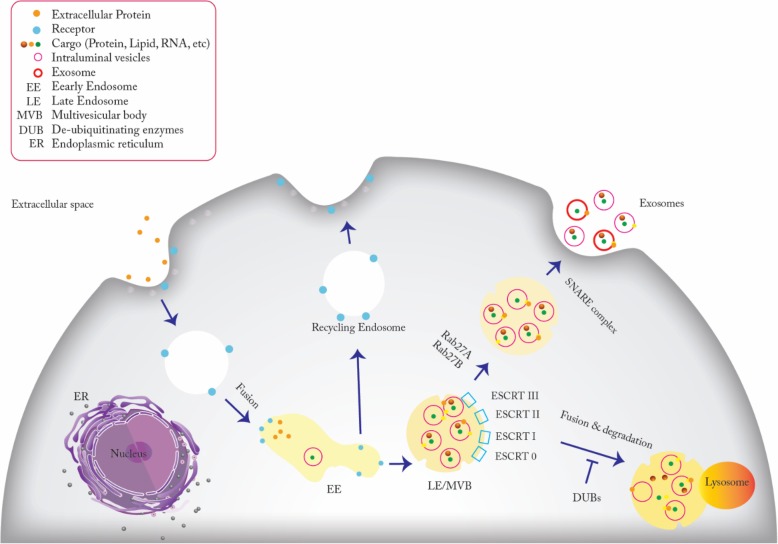
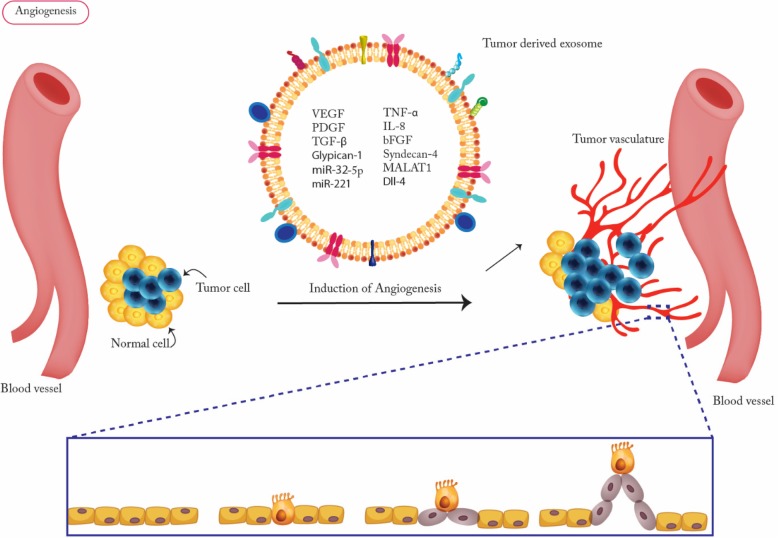
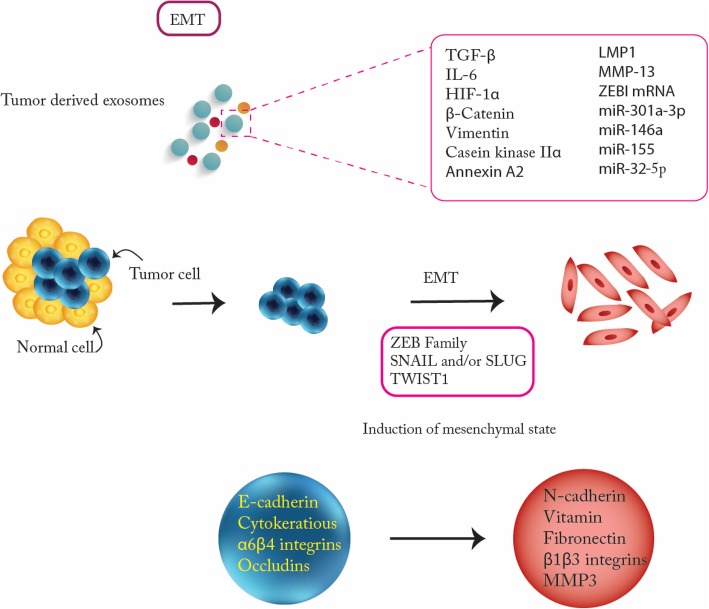
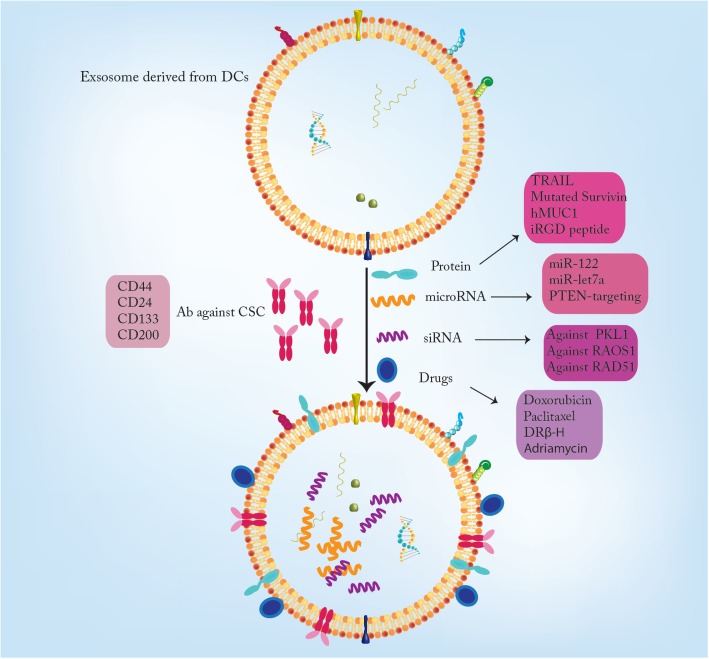
Verification
Claims the paper makes
The claims and statistics of this paper haven’t been checked yet.
Run the check — free, no account needed. It reads the open-access text and checks the sources it cites.
Claims other papers make about this one
Each is checked against this paper’s own text: does it say what the citing paper says it does?
In the citing paper
“Exosomes may induce immune reactions or unintended biological effects, such as promoting tumor invasion and metastasis9.”
From Emerging role of exosomes in cancer therapy: progress and challenges (2025) · cites this paper as [9]
In the citing paper
“They carry oncogenic proteins and RNAs that can alter recipient cell phenotypes, degrade the extracellular matrix to facilitate invasion, establish pre-metastatic niches in distant tissues, and enhance angiogenesis via pro-angiogenic factors.”
From Emerging role of exosomes in cancer therapy: progress and challenges (2025) · cites this paper as [9]
In the citing paper
“Tumor-derived exosomes, despite their advantages, can also promote tumor growth, metastasis, and angiogenesis through multiple mechanisms [9].”
From Emerging role of exosomes in cancer therapy: progress and challenges (2025) · cites this paper as [9]
Self-check
Percentages, sums and reported differences re-computed from the paper’s own numbers.
The self-check needs the paper’s full text.
Citations
Cites
2 retracted
Pregnancy-Associated Exosomes and Their Modulation of T Cell Signaling
Taylor, D. D., Akyol, S., & Gercel-Taylor, C. (2006) · The Journal of Immunology · doi:10.4049/jimmunol.176.3.1534 · Cited by 297
RetractedHuang, L., Hu, B., Ni, J., Wu, J., Jiang, W., Chen, C., Yang, L., Zeng, Y., Wan, R., Hu, G., et al. (2016) · Journal of Experimental & Clinical Cancer Research · doi:10.1186/s13046-016-0301-7 · Cited by 86
RetractedHallmarks of Cancer: The Next Generation
Hanahan, D., & Weinberg, R. A. (2011) · Cell · doi:10.1016/j.cell.2011.02.013 · Cited by 66,590
Valadi, H., Ekström, K., Bossios, A., Sjöstrand, M., Lee, J. J., & Lötvall, J. O. (2007) · Nature Cell Biology · doi:10.1038/ncb1596 · Cited by 12,834
Tumour exosome integrins determine organotropic metastasis
Hoshino, A., Costa-Silva, B., Shen, T.-L., Rodrigues, G., Hashimoto, A., Tesic Mark, M., Molina, H., Kohsaka, S., Di Giannatale, A., Ceder, S., et al. (2015) · Nature · doi:10.1038/nature15756 · Cited by 5,101
Targeting multidrug resistance in cancer
Szakács, G., Paterson, J. K., Ludwig, J. A., Booth-Genthe, C., & Gottesman, M. M. (2006) · Nature Reviews Drug Discovery · doi:10.1038/nrd1984 · Cited by 3,609
Syndecan–syntenin–ALIX regulates the biogenesis of exosomes
Baietti, M. F., Zhang, Z., Mortier, E., Melchior, A., Degeest, G., Geeraerts, A., Ivarsson, Y., Depoortere, F., Coomans, C., Vermeiren, E., et al. (2012) · Nature Cell Biology · doi:10.1038/ncb2502 · Cited by 1,899
Cancer-secreted miR-105 destroys vascular endothelial barriers to promote metastasis
Zhou, W., Fong, M. Y., Min, Y., Somlo, G., Liu, L., Palomares, M. R., Yu, Y., Chow, A., O’Connor, S. T. F., Chin, A. R., et al. (2014) · Cancer Cell · doi:10.1016/j.ccr.2014.03.007 · Cited by 1,476
Exosomes Mediate Stromal Mobilization of Autocrine Wnt-PCP Signaling in Breast Cancer Cell Migration
Luga, V., Zhang, L., Viloria-Petit, A. M., Ogunjimi, A. A., Inanlou, M. R., Chiu, E., Buchanan, M., Hosein, A. N., Basik, M., & Wrana, J. L. (2012) · Cell · doi:10.1016/j.cell.2012.11.024 · Cited by 1,311
Host Matrix Modulation by Tumor Exosomes Promotes Motility and Invasiveness
Mu, W., Rana, S., & Zöller, M. (2013) · Neoplasia · doi:10.1593/neo.13786 · Cited by 248
Wei, F., Ma, C., Zhou, T., Dong, X., Luo, Q., Geng, L., Ding, L., Zhang, Y., Zhang, L., Li, N., et al. (2017) · Molecular Cancer · doi:10.1186/s12943-017-0694-8 · Cited by 245
Research works printed but not linked: 147
- Pitt JM, Kroemer G, Zitvogel L. Extracellular vesicles: masters of intercellular communication and potential clinical interventions. J Clin Invest. 2016;126(4):1139–43. · DOI
- Salido-Guadarrama I, et al. MicroRNAs transported by exosomes in body fluids as mediators of intercellular communication in cancer. OncoTargets Ther. 2014;7:1327.
- Zhang H-G, Grizzle WE. Exosomes: a novel pathway of local and distant intercellular communication that facilitates the growth and metastasis of neoplastic lesions. Am J Pathol. 2014;184(1):28–41. · DOI
- Quail DF, Joyce JA. Microenvironmental regulation of tumor progression and metastasis. Nat Med. 2013;19(11):1423. · DOI · Paper page
- Azmi AS, Bao B, Sarkar FH. Exosomes in cancer development, metastasis, and drug resistance: a comprehensive review. Cancer Metastasis Rev. 2013;32(3–4):623–42. · DOI
- Plaks V, Kong N, Werb Z. The cancer stem cell niche: how essential is the niche in regulating stemness of tumor cells? Cell Stem Cell. 2015;16(3):225–38. · DOI · Paper page
- Riches A, et al. Regulation of exosome release from mammary epithelial and breast cancer cells–a new regulatory pathway. Eur J Cancer. 2014;50(5):1025–34. · DOI
- Miyoshi H, et al. Wnt5a potentiates TGF-β signaling to promote colonic crypt regeneration after tissue injury. Science. 2012;338(6103):108–13. · DOI
- Neumüller RA, Knoblich JA. Dividing cellular asymmetry: asymmetric cell division and its implications for stem cells and cancer. Genes Dev. 2009;23(23):2675–99. · DOI
- Yoo YD, Kwon YT. Molecular mechanisms controlling asymmetric and symmetric self-renewal of cancer stem cells. J Anal Sci Technol. 2015;6(1):28. · DOI
- Pierce GB, Shikes RH, Fink LM. Cancer: a problem of developmental biology. Englewood Cliffs, New Jersey: Prentice Hall; 1978.
- Deep G, Panigrahi GK. Hypoxia-induced signaling promotes prostate cancer progression: exosomes role as messenger of hypoxic response in tumor microenvironment. Crit Rev Oncog. 2015;20:5–6. · DOI
- Zhang H-G, Grizzle WE. Exosomes and cancer: a newly described pathway of immune suppression. Clin Cancer Res. 2011;17:959–64. · DOI
- DeCosse JJ, et al. Breast cancer: induction of differentiation by embryonic tissue. Science. 1973;181(4104):1057–8. · DOI
- Fujii H, Cunha GR, Norman JT. The induction of adenocarcinomatous differentiation in neoplastic bladder epithelium by an embryonic prostatic inductor. J Urol. 1982;128(4):858–61. · DOI
- Hannafon BN, Ding W-Q. Cancer stem cells and exosome signaling. Stem Cell Invest. 2015;2:112015.
- Keller S, et al. Body fluid derived exosomes as a novel template for clinical diagnostics. J Transl Med. 2011;9(1):86. · DOI
- Chargaff E, West R. The biological significance of the thromboplastic protein of blood. J Biol Chem. 1946;166(1):189–97. · DOI
- Wolf P. The nature and significance of platelet products in human plasma. Br J Haematol. 1967;13(3):269–88. · DOI
- Harding CV, Heuser JE, Stahl PD. Exosomes: looking back three decades and into the future. J Cell Biol. 2013;200(4):367–71. · DOI
- György B, et al. Membrane vesicles, current state-of-the-art: emerging role of extracellular vesicles. Cell Mol Life Sci. 2011;68(16):2667–88. · DOI
- Camussi G, et al. Exosome/microvesicle-mediated epigenetic reprogramming of cells. Am J Cancer Res. 2011;1(1):98.
- Van Niel G, et al. Exosomes: a common pathway for a specialized function. J Biochem. 2006;140(1):13–21. · DOI
- Mathivanan S, Ji H, Simpson RJ. Exosomes: extracellular organelles important in intercellular communication. J Proteome. 2010;73(10):1907–20. · DOI
- D'Asti E, et al. Oncogenic extracellular vesicles in brain tumor progression. Front Physiol. 2012;3:294.
- Poliakov A, et al. Structural heterogeneity and protein composition of exosome-like vesicles (prostasomes) in human semen. Prostate. 2009;69(2):159–67. · DOI
- Vidal M, et al. Asymmetric distribution of phospholipids in the membrane of vesicles released during in vitro maturation of Guinea pig reticulocytes: evidence precluding a role for “aminophospholipid translocase”. J Cell Physiol. 1989;140(3):455–62. · DOI
- Chu Z, Witte DP, Qi X. Saposin C–LBPA interaction in late-endosomes/lysosomes. Exp Cell Res. 2005;303(2):300–7. · DOI
- Minciacchi VR, Freeman MR, Di Vizio D. Extracellular vesicles in cancer: exosomes, microvesicles and the emerging role of large oncosomes. Semin. Cell Dev. Biol. 2015;40:41–51. Epub 2015 Feb 23. https://doi.org/10.1016/j.semcdb.2015.02.010 . · DOI
- Bissig C, et al. Viral infection controlled by a calcium-dependent lipid-binding module in ALIX. Dev Cell. 2013;25(4):364–73. · DOI
- Laulagnier K, et al. Mast cell-and dendritic cell-derived exosomes display a specific lipid composition and an unusual membrane organization. Biochem J. 2004;380(1):161–71. · DOI
- Huotari J, Helenius A. Endosome maturation. EMBO J. 2011;30(17):3481–500. · DOI
- Mathivanan S, et al. ExoCarta 2012: database of exosomal proteins, RNA and lipids. Nucleic Acids Res. 2011;40(D1):D1241–4. · DOI
- Keller S, et al. Exosomes: from biogenesis and secretion to biological function. Immunol Lett. 2006;107(2):102–8. · DOI
- Mayor S, Pagano RE. Pathways of clathrin-independent endocytosis. Nat Rev Mol Cell Biol. 2007;8(8):603. · DOI · Paper page
- Ren X, Hurley JH. VHS domains of ESCRT-0 cooperate in high-avidity binding to polyubiquitinated cargo. EMBO J. 2010;29(6):1045–54. · DOI
- Kobayashi H, et al. Hrs, a mammalian master molecule in vesicular transport and protein-sorting, suppresses the degradation of ESCRT proteins STAM1 and STAM2. J Biol Chem. 2005;280:10468–77. · DOI
- Colombo M, et al. Analysis of ESCRT functions in exosome biogenesis, composition and secretion highlights the heterogeneity of extracellular vesicles. J Cell Sci. 2013;126(Pt 24):5553–65. · DOI
- McGough IJ, Vincent J-P. Exosomes in developmental signalling. Development. 2016;143(14):2482–93. · DOI
- Wollert T, et al. Membrane scission by the ESCRT-III complex. Nature. 2009;458(7235):172. · DOI
- Yeates EFA, Tesco G. The endosomal-associated deubiquitinating enzyme USP8 regulates BACE1 ubiquitination and degradation. J Biol Chem. 2016;291:15753–66. · DOI · Paper page
- Theos AC, et al. A lumenal domain-dependent pathway for sorting to intralumenal vesicles of multivesicular endosomes involved in organelle morphogenesis. Dev Cell. 2006;10(3):343–54. · DOI · Paper page
- Babst M. MVB vesicle formation: ESCRT-dependent, ESCRT-independent and everything in between. Curr Opin Cell Biol. 2011;23(4):452–7. · DOI
- Van Niel G, et al. The tetraspanin CD63 regulates ESCRT-independent and-dependent endosomal sorting during melanogenesis. Dev Cell. 2011;21(4):708–21. · DOI · Paper page
- Kumar B, et al. Exosome-mediated microenvironment dysregulation in leukemia. Biochim Biophys Acta. 2016;1863(3):464–70. · DOI
- Ostrowski M, et al. Rab27a and Rab27b control different steps of the exosome secretion pathway. Nat Cell Biol. 2010;12(1):19. · DOI
- Kennedy MJ, Ehlers MD. Mechanisms and function of dendritic exocytosis. Neuron. 2011;69(5):856–75. · DOI · Paper page
- Record M, et al. Exosomes as intercellular signalosomes and pharmacological effectors. Biochem Pharmacol. 2011;81(10):1171–82. · DOI
- Kohlhapp FJ, et al. MicroRNAs as mediators and communicators between cancer cells and the tumor microenvironment. Oncogene. 2015;34(48):5857. · DOI
- Roma-Rodrigues C, et al. Smuggling gold nanoparticles across cell types–a new role for exosomes in gene silencing. Nanomedicine. 2017;13(4):1389–98. · DOI
- Simpson RJ, et al. Exosomes: proteomic insights and diagnostic potential. Expert Rev Proteomics. 2009;6(3):267–83. · DOI
- Sung BH, et al. Directional cell movement through tissues is controlled by exosome secretion. Nat Commun. 2015;6:7164. · DOI
- Koumangoye RB, et al. Detachment of breast tumor cells induces rapid secretion of exosomes which subsequently mediate cellular adhesion and spreading. PLoS One. 2011;6(9):e24234. · DOI
- Paolillo M, Schinelli S. Integrins and exosomes, a dangerous liaison in cancer progression. Cancers. 2017;9(8):95. · DOI
- Zeng Z, et al. Cancer-derived exosomal miR-25-3p promotes pre-metastatic niche formation by inducing vascular permeability and angiogenesis. Nat Commun. 2018;9(1):5395. · DOI
- Webber J, et al. Cancer exosomes trigger fibroblast to myofibroblast differentiation. Cancer Res. 2010;70:9621–30. · DOI
- Zhang Q, Peng C. Cancer-associated fibroblasts regulate the biological behavior of cancer cells and stroma in gastric cancer. Oncol Lett. 2018;15(1):691–8.
- Richards KE, et al. Cancer-associated fibroblast exosomes regulate survival and proliferation of pancreatic cancer cells. Oncogene. 2017;36(13):1770. · DOI
- Zhao H, et al. Tumor microenvironment derived exosomes pleiotropically modulate cancer cell metabolism. Elife. 2016;5:e10250. · DOI · Paper page
- Syn N, et al. Exosome-mediated metastasis: from epithelial–mesenchymal transition to escape from immunosurveillance. Trends Pharmacol Sci. 2016;37(7):606–17. · DOI
- Becker A, et al. Extracellular vesicles in cancer: cell-to-cell mediators of metastasis. Cancer Cell. 2016;30(6):836–48. · DOI · Paper page
- Hicklin DJ, Ellis LM. Role of the vascular endothelial growth factor pathway in tumor growth and angiogenesis. J Clin Oncol. 2005;23(5):1011–27. · DOI
- Spannuth WA, Sood AK, Coleman RL. Angiogenesis as a strategic target for ovarian cancer therapy. Nat Rev Clin Oncol. 2008;5(4):194. · DOI
- Momeny M, et al. Anti-tumour activity of tivozanib, a pan-inhibitor of VEGF receptors, in therapy-resistant ovarian carcinoma cells. Sci Rep. 2017;7:45954. · DOI
- Katoh M. Therapeutics targeting angiogenesis: genetics and epigenetics, extracellular miRNAs and signaling networks. Int J Mol Med. 2013;32(4):763–7. · DOI
- Nishida N, et al. Angiogenesis in cancer. Vasc Health Risk Manag. 2006;2(3):213. · DOI
- Sharghi-Namini S, et al. Dll4-containing exosomes induce capillary sprout retraction in a 3D microenvironment. Sci Rep. 2014;4:4031. · DOI
- Skog J, et al. Glioblastoma microvesicles transport RNA and proteins that promote tumour growth and provide diagnostic biomarkers. Nat Cell Biol. 2008;10(12):1470. · DOI · Paper page
- Gesierich S, et al. Systemic induction of the angiogenesis switch by the tetraspanin D6. 1A/CO-029. Cancer Res. 2006;66(14):7083–94. · DOI
- Monteforte A, et al. Glioblastoma exosomes for therapeutic angiogenesis in peripheral ischemia. Tissue Eng A. 2017;23(21–22):1251–61. · DOI
- Qiu J-J, et al. Exosomal metastasis-associated lung adenocarcinoma transcript 1 promotes angiogenesis and predicts poor prognosis in epithelial ovarian Cancer. Int J Biol Sci. 2018;14(14):1960. · DOI
- Ludwig N, et al. Exosomes from HNSCC promote angiogenesis through reprogramming of endothelial cells. Mol Cancer Res. 2018;16(11):1798–808. · DOI
- Geiger TR, Peeper DS. Metastasis mechanisms. Biochim Biophys Acta. 2009;1796(2):293–308.
- Gout S, Huot J. Role of cancer microenvironment in metastasis: focus on colon cancer. Cancer Microenviron. 2008;1(1):69–83. · DOI
- Mani SA, et al. The epithelial-mesenchymal transition generates cells with properties of stem cells. Cell. 2008;133(4):704–15. · DOI
- Whiteside TL. The role of tumor-derived exosomes in epithelial mesenchymal transition (EMT). Transl Cancer Res. 2017;6(1):S90–2. · DOI
- Jeppesen DK, et al. Quantitative proteomics of fractionated membrane and lumen exosome proteins from isogenic metastatic and nonmetastatic bladder cancer cells reveal differential expression of EMT factors. Proteomics. 2014;14(6):699–712. · DOI
- Yoshizaki T, et al. Pathogenic role of Epstein–Barr virus latent membrane protein-1 in the development of nasopharyngeal carcinoma. Cancer Lett. 2013;337(1):1–7. · DOI
- Wang X, et al. Hypoxic tumor-derived exosomal miR-301a mediates M2 macrophage polarization via PTEN/PI3Kγ to promote pancreatic cancer metastasis. Cancer Res. 2018;78:4586–98. · DOI
- You Y, et al. Matrix metalloproteinase 13-containing exosomes promote nasopharyngeal carcinoma metastasis. Cancer Sci. 2015;106(12):1669–77. · DOI
- Hendrix A, et al. Effect of the secretory small GTPase Rab27B on breast cancer growth, invasion, and metastasis. J Natl Cancer Inst. 2010;102(12):866–80. · DOI
- He M, et al. Hepatocellular carcinoma-derived exosomes promote motility of immortalized hepatocyte through transfer of oncogenic proteins and RNAs. Carcinogenesis. 2015;36(9):1008–18. · DOI
- Peinado H, et al. Melanoma exosomes educate bone marrow progenitor cells toward a pro-metastatic phenotype through MET. J Nat Med. 2012;18(6):883. · DOI · Paper page
- Franzen C, et al. Urothelial cells undergo epithelial-to-mesenchymal transition after exposure to muscle invasive bladder cancer exosomes. Oncogenesis. 2015;4(8):e163. · DOI
- Sánchez CA, et al. Exosomes from bulk and stem cells from human prostate cancer have a differential microRNA content that contributes cooperatively over local and pre-metastatic niche. J Oncotarget. 2016;7(4):3993. · DOI
- Ding J, et al. Exosome-mediated miR-222 transferring: an insight into NF-κB-mediated breast cancer metastasis. Exp Cell Res. 2018;369(1):129–38. · DOI
- Kalluri R, Weinberg RA. The basics of epithelial-mesenchymal transition. J Clin Invest. 2010;120(5):1786. · DOI
- Di Vizio D, et al. Large oncosomes in human prostate cancer tissues and in the circulation of mice with metastatic disease. Am J Pathol. 2012;181(5):1573–84. · DOI
- Fu Q, et al. Primary tumor-derived exosomes facilitate metastasis by regulating adhesion of circulating tumor cells via SMAD3 in liver cancer. Oncogene. 2018;37(47):6105. · DOI
- Safaei R, et al. Abnormal lysosomal trafficking and enhanced exosomal export of cisplatin in drug-resistant human ovarian carcinoma cells. Mol Cancer Ther. 2005;4(10):1595–604. · DOI
- Shedden K, et al. Expulsion of small molecules in vesicles shed by cancer cells: association with gene expression and chemosensitivity profiles. Cancer Res. 2003;63(15):4331–7.
- Corrado C, et al. Exosomes as intercellular signaling organelles involved in health and disease: basic science and clinical applications. Int J Mol Sci. 2013;14(3):5338–66. · DOI
- Du B, Shim JS. Targeting epithelial–mesenchymal transition (EMT) to overcome drug resistance in cancer. Molecules. 2016;21(7):965. · DOI
- Santos JC, et al. Exosome-mediated breast cancer chemoresistance via miR-155 transfer. Sci Rep. 2018;8(1):829. · DOI
- Crow J, et al. Exosomes as mediators of platinum resistance in ovarian cancer. Oncotarget. 2017;8(7):11917. · DOI
- Wang M, et al. Paclitaxel-resistant gastric cancer MGC-803 cells promote epithelial-to-mesenchymal transition and chemoresistance in paclitaxel-sensitive cells via exosomal delivery of miR-155-5p. Int J Oncol. 2019;54(1):326–38.
- Lobb RJ, et al. Exosomes derived from mesenchymal non-small cell lung cancer cells promote chemoresistance. Int J Cancer. 2017;141(3):614–20. · DOI
- Zeng A, et al. Tumour exosomes from cells harbouring PTPRZ1–MET fusion contribute to a malignant phenotype and temozolomide chemoresistance in glioblastoma. Oncogene. 2017;36(38):5369. · DOI
- Wilson T, Johnston P, Longley D. Anti-apoptotic mechanisms of drug resistance in cancer. Curr Cancer Drug Targets. 2009;9(3):307–19. · DOI
- Dong H, et al. Exosome-mediated transfer of lncRNA-SNHG14 promotes trastuzumab chemoresistance in breast cancer. Int J Oncol. 2018;53(3):1013–26.
- Jing C, et al. Exosome-mediated gefitinib resistance in lung cancer HCC827 cells via delivery of miR-21. Oncol Lett. 2018;15(6):9811–7.
- Fu X, et al. Exosomal microRNA-32-5p induces multidrug resistance in hepatocellular carcinoma via the PI3K/Akt pathway. J Exp Clin Cancer Res. 2018;37(1):52. · DOI
- Liu T, et al. Exosomes containing miR-21 transfer the characteristic of cisplatin resistance by targeting PTEN and PDCD4 in oral squamous cell carcinoma. Acta Biochim Biophys Sin. 2017;49(9):808–16. · DOI
- Zhang S, et al. Exosomes promote cetuximab resistance via the PTEN/Akt pathway in colon cancer cells. Braz J Med Biol Res. 2017;51(1):e6472. · DOI
- Vella LJ, et al. Intercellular resistance to BRAF inhibition can be mediated by extracellular vesicle–associated PDGFRβ. Neoplasia. 2017;19(11):932–40. · DOI
- Fornari F, et al. In hepatocellular carcinoma miR-221 modulates Sorafenib resistance through inhibition of caspase-3 mediated apoptosis. Clin Cancer Res. 2017;23(14):3953–65. · DOI
- Muralidharan-Chari V, et al. Microvesicle removal of anticancer drugs contributes to drug resistance in human pancreatic cancer cells. Oncotarget. 2016;7(31):50365. · DOI
- Binenbaum Y, et al. Transfer of miRNA in macrophage-derived exosomes induces drug resistance in pancreatic adenocarcinoma. Cancer Res. 2018;78(18):5287–99. · DOI
- Ning K, et al. UCH-L1-containing exosomes mediate chemotherapeutic resistance transfer in breast cancer. J Surg Oncol. 2017;115(8):932–40. · DOI
- Yang S-J, et al. Predictive role of GSTP1-containing exosomes in chemotherapy-resistant breast cancer. Gene. 2017;623:5–14. · DOI
- Checa-Rojas A, et al. GSTM3 and GSTP1: novel players driving tumor progression in cervical cancer. Oncotarget. 2018;9(31):21696. · DOI
- Ciravolo V, et al. Potential role of HER2-overexpressing exosomes in countering trastuzumab-based therapy. J Cell Physiol. 2012;227(2):658–67. · DOI
- McCubrey JA, et al. Roles of signaling pathways in drug resistance, cancer initiating cells and cancer progression and metastasis. Adv Biol Regul. 2015;57:75–101. · DOI
- Zheng P, et al. Tumor-associated macrophages-derived exosomes promote the migration of gastric cancer cells by transfer of functional apolipoprotein E. Cell Death Dis. 2018;9(4):434. · DOI · Paper page
- Rajagopal C, Harikumar K. The origin and functions of exosomes in Cancer. Front Oncol. 2018;8:66. · DOI
- Qin X, et al. Cisplatin-resistant lung cancer cell–derived exosomes increase cisplatin resistance of recipient cells in exosomal miR-100–5p-dependent manner. Int J Nanomedicine. 2017;12:3721. · DOI
- Bandari SK, et al. Chemotherapy induces secretion of exosomes loaded with heparanase that degrades extracellular matrix and impacts tumor and host cell behavior. Matrix Biol. 2018;65:104–18. · DOI
- Hu Y-B, et al. Exosomal Wnt-induced dedifferentiation of colorectal cancer cells contributes to chemotherapy resistance. Oncogene. 2018;10:1038/s41388–s41388.
- Ozawa PMM, et al. Extracellular vesicles from triple-negative breast cancer cells promote proliferation and drug resistance in non-tumorigenic breast cells. Breast Cancer Res Treat. 2018;172(3):713–23. · DOI
- Hellwinkel JE, et al. Glioma-derived extracellular vesicles selectively suppress immune responses. Neuro-oncology. 2015;18(4):497–506. · DOI
- Battke C, et al. Tumour exosomes inhibit binding of tumour-reactive antibodies to tumour cells and reduce ADCC. Cancer Immunol Immunother. 2011;60(5):639–48. · DOI
- Paggetti J, et al. Exosomes released by chronic lymphocytic leukemia cells induce the transition of stromal cells into cancer-associated fibroblasts. Blood. 2015;126:1106–17. · DOI
- Martinez VG, et al. Resistance to HER2-targeted anti-cancer drugs is associated with immune evasion in cancer cells and their derived extracellular vesicles. Oncoimmunology. 2017;6(12):e1362530. · DOI
- Kurywchak P, Tavormina J, Kalluri R. The emerging roles of exosomes in the modulation of immune responses in cancer. Genome Med. 2018;10(1):23. · DOI
- Nabet BY, et al. Exosome RNA unshielding couples stromal activation to pattern recognition receptor signaling in cancer. Cell. 2017;170(2):352–66 e13. · DOI
- Lin S, et al. Monitoring cancer stem cells: insights into clinical oncology. OncoTargets Ther. 2016;9:731.
- Bozorgi A, Khazaei M, Khazaei MR. New findings on breast cancer stem cells: a review. J Breast Cancer. 2015;18(4):303–12. · DOI
- Fatima F, Nawaz M. Stem cell-derived exosomes: roles in stromal remodeling, tumor progression, and cancer immunotherapy. Chin J Cancer. 2015;34(3):46. · DOI
- Danen EH. Integrins: an overview of structural and functional aspects; 2013.
- Seguin L, et al. Integrins and cancer: regulators of cancer stemness, metastasis, and drug resistance. Trends Cell Biol. 2015;25(4):234–40. · DOI · Paper page
- Tian Y, et al. A doxorubicin delivery platform using engineered natural membrane vesicle exosomes for targeted tumor therapy. Biomaterials. 2014;35(7):2383–90. · DOI
- Yang T, et al. Exosome delivered anticancer drugs across the blood-brain barrier for brain cancer therapy in Danio rerio. Pharm Res. 2015;32(6):2003–14. · DOI
- Alvarez-Erviti L, et al. Delivery of siRNA to the mouse brain by systemic injection of targeted exosomes. Nat Biotechnol. 2011;29(4):341. · DOI · Paper page
- Li X, et al. Nano carriers for drug transport across the blood–brain barrier. J Drug Target. 2017;25(1):17–28. · DOI
- Bach DH, et al. The role of exosomes and miRNAs in drug-resistance of cancer cells. Int J Cancer. 2017;141(2):220–30. · DOI
- Lu B, et al. Drug delivery using nanoparticles for cancer stem-like cell targeting. Front Pharmacol. 2016;7:84. · DOI
- Zhang L, et al. Microenvironment-induced PTEN loss by exosomal microRNA primes brain metastasis outgrowth. J Nature. 2015;527(7576):100. · DOI · Paper page
- Ohno S-I, et al. Systemically injected exosomes targeted to EGFR deliver antitumor microRNA to breast cancer cells. Mol Ther. 2013;21(1):185–91. · DOI · Paper page
- Kim MS, et al. Engineering macrophage-derived exosomes for targeted paclitaxel delivery to pulmonary metastases: in vitro and in vivo evaluations. Nanomedicine. 2018;14(1):195–204. · DOI · Paper page
- Saari H, et al. Microvesicle-and exosome-mediated drug delivery enhances the cytotoxicity of paclitaxel in autologous prostate cancer cells. J Control Release. 2015;220:727–37. · DOI · Paper page
- Jang SC, et al. Bioinspired exosome-mimetic nanovesicles for targeted delivery of chemotherapeutics to malignant tumors. ACS Nano. 2013;7(9):7698–710. · DOI
- Cho JA, et al. Exosomes: a new delivery system for tumor antigens in cancer immunotherapy. Int J Cancer. 2005;114(4):613–22. · DOI
- Rivoltini L, et al. TNF-related apoptosis-inducing ligand (TRAIL)–armed exosomes deliver proapoptotic signals to tumor site. Clin Cancer Res.2016;22:3499–512. · DOI · Paper page
- Aspe JR, Wall NR. Survivin-T34A: molecular mechanism and therapeutic potential. OncoTargets Ther. 2010;3:247.
- Lou G, et al. Exosomes derived from miR-122-modified adipose tissue-derived MSCs increase chemosensitivity of hepatocellular carcinoma. J Hematol Oncol. 2015;8(1):122. · DOI · Paper page
- Shtam TA, et al. Exosomes are natural carriers of exogenous siRNA to human cells in vitro. Cell Commun Signal. 2013;11(1):88. · DOI · Paper page
- Greco KA, et al. PLK-1 silencing in bladder cancer by siRNA delivered with exosomes. Urology. 2016;91:241 e1–241. e7. · DOI
Cited by
Sorted by citations
Application of exosomes as liquid biopsy in clinical diagnosis
Zhou, B., Xu, K., Zheng, X., Chen, T., Wang, J., Song, Y., Shao, Y., & Zheng, S. (2020) · Signal Transduction and Targeted Therapy · doi:10.1038/s41392-020-00258-9 · Cited by 685
Tumor glycolysis, an essential sweet tooth of tumor cells
Paul, S., Ghosh, S., & Kumar, S. (2022) · Seminars in Cancer Biology · doi:10.1016/j.semcancer.2022.09.007 · Cited by 449
Wang, S., Zheng, Y., Yang, F., Zhu, L., Zhu, X.-Q., Wang, Z.-F., Wu, X.-L., Zhou, C.-H., Yan, J.-Y., Hu, B.-Y., et al. (2021) · Signal Transduction and Targeted Therapy · doi:10.1038/s41392-021-00659-4 · Cited by 369
Colorectal liver metastasis: molecular mechanism and interventional therapy
Zhou, H., Liu, Z., Wang, Y., Wen, X., Amador, E. H., Yuan, L., Ran, X., Xiong, L., Ran, Y., Chen, W., et al. (2022) · Signal Transduction and Targeted Therapy · doi:10.1038/s41392-022-00922-2 · Cited by 298
Lin, Z., Wu, Y., Xu, Y., Li, G., Li, Z., & Liu, T. (2022) · Molecular Cancer · doi:10.1186/s12943-022-01650-5 · Cited by 297
Metadata
- Authors
- Mashouri, L., Yousefi, H., Aref, A. R., Ahadi, A. M., Molaei, F., & Alahari, S. K.
- Venue
- Molecular Cancer
- Published
- 2019-04-02
- Volume
- 18
- Issue
- 1
- ISSN
- 1476-4598
- PMC
- PMC6444571
- Cited by
- 1,363
- References
- 11
- Language
- en
About these checks
Registry, retraction, Cites and statistics results are computed, not judged, with one exception: a printed reference that no index lists is read once by a model before it counts as a citation error. Claims are extracted by a model and kept only when their quote appears verbatim in the text; each cited source is then checked, with a model’s help, for whether it says what the claim relies on. Those verdicts can be wrong — read the claim’s quote and the cited source before relying on one.
Statistics and arithmetic are recomputed, not judged.
Confidence bands are shown only for fields calibrated on our annotated test set. None is calibrated yet, so no band is shown.
What counts as a claim ›How we measure confidence ›How we check this ›
Are you an author, or do you see a problem with this page? Request a review
