

Rates of compliance and adherence to high-intensity interval training: a systematic review and Meta-analyses
Open accessThe DOI matches its Crossref record; 251 of the 253 references it cites were found in a registry or an index; 17 of the 28 sources its claims cite were checked for support.
Abstract
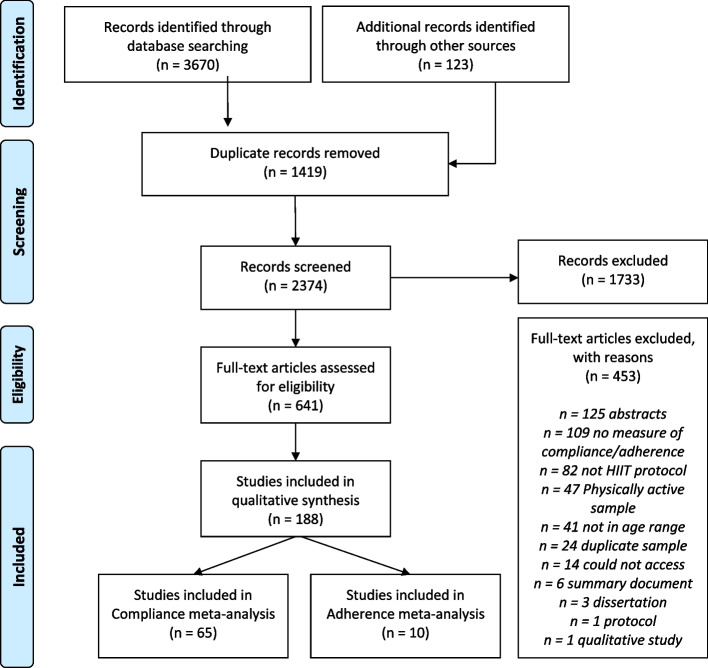
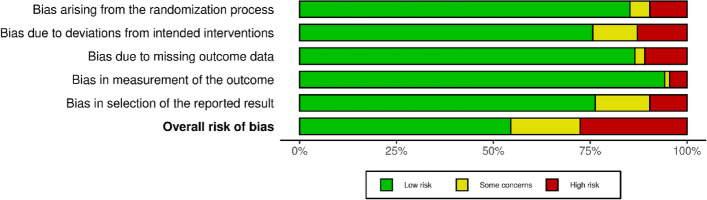
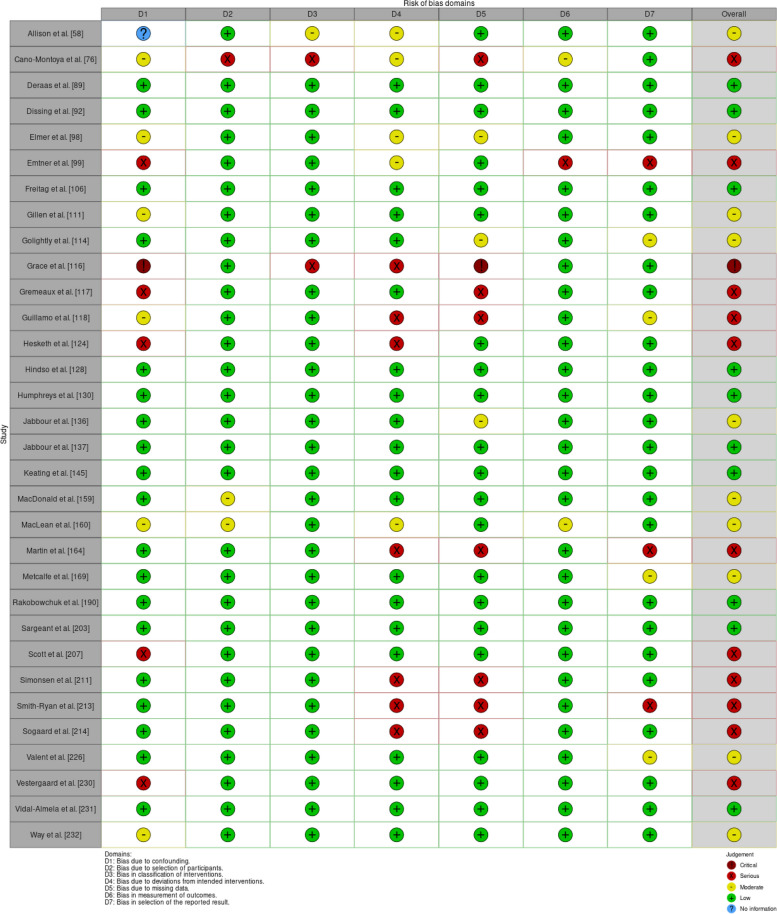
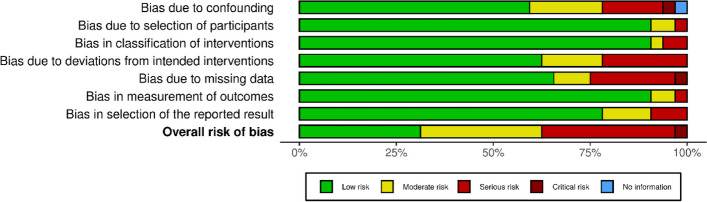
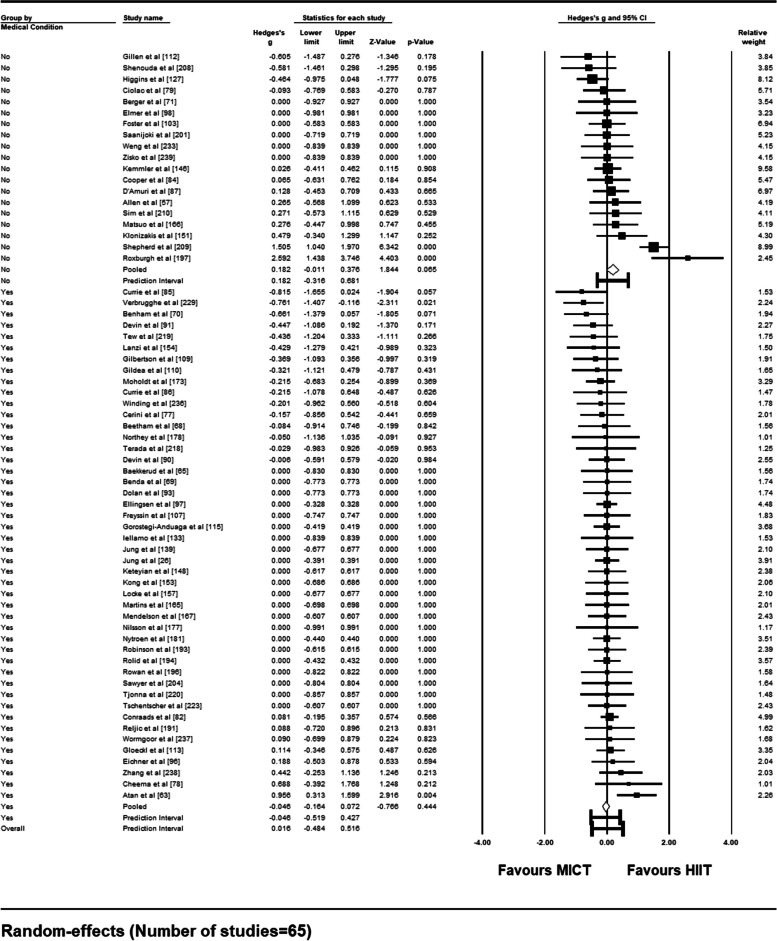
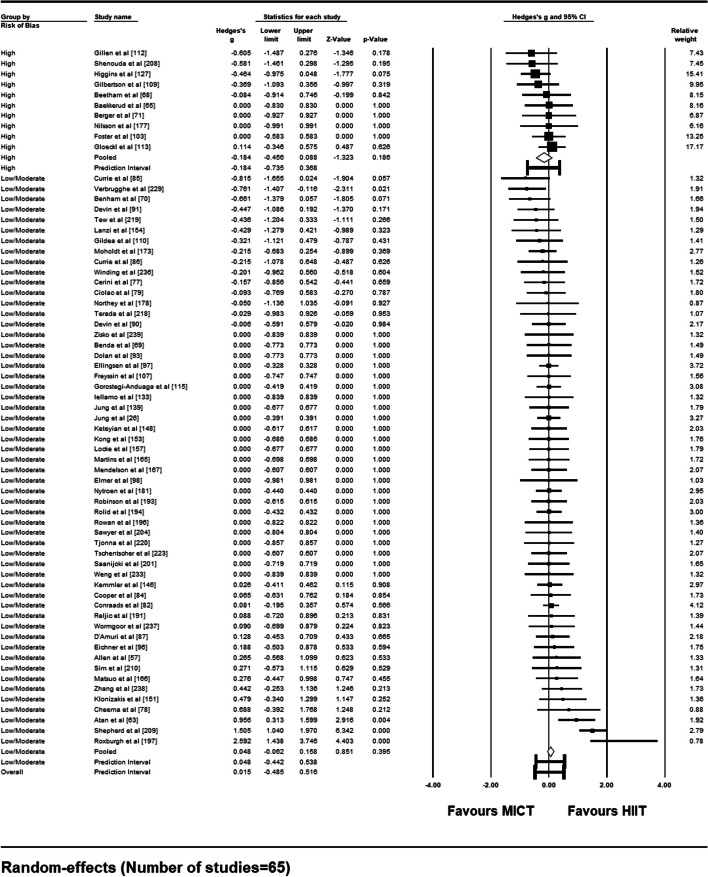
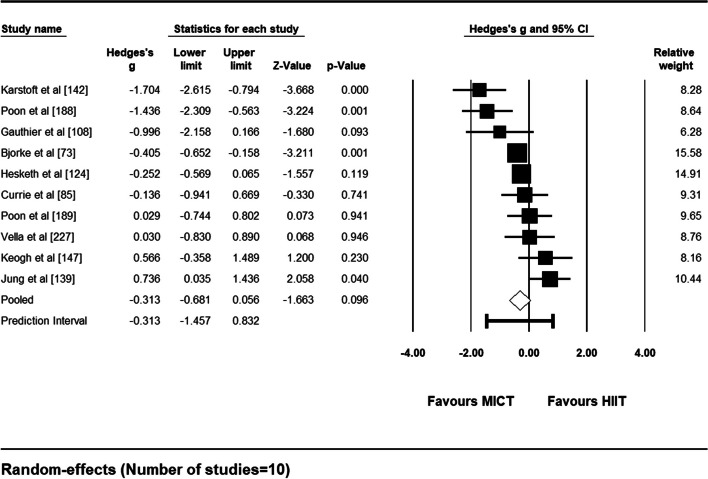
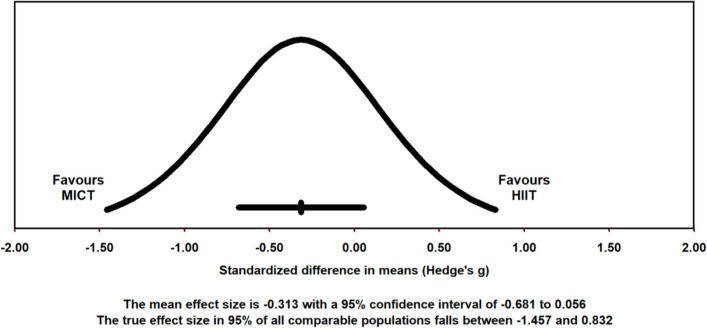
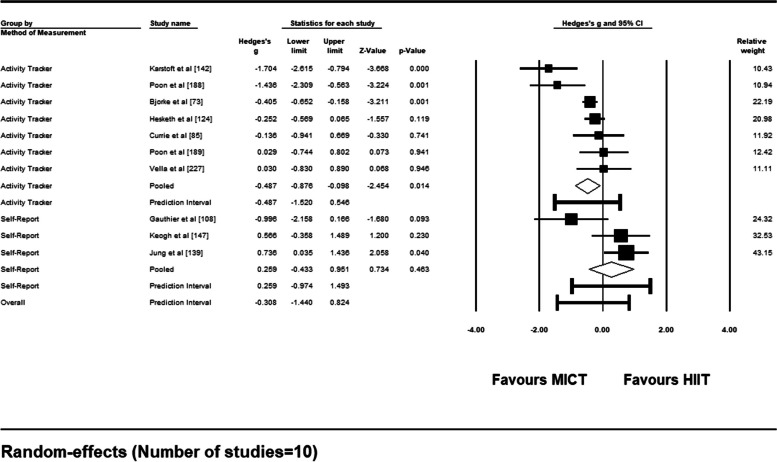
BACKGROUND: To determine rates of compliance (i.e., supervised intervention attendance) and adherence (i.e., unsupervised physical activity completion) to high-intensity interval training (HIIT) among insufficiently active adults and adults with a medical condition, and determine whether compliance and adherence rates were different between HIIT and moderate-intensity continuous training (MICT). METHODS: Articles on adults in a HIIT intervention and who were either insufficiently active or had a medical condition were included. MEDLINE, EMBASE, PsychINFO, SPORTDiscus, CINAHL, and Web of Science were searched. Article screening and data extraction were completed by two independent reviewers. Risk of bias was assessed using RoB 2.0 or ROBINS-I. Meta-analyses were conducted to discern differences in compliance and adherence between HIIT vs. MICT. Sensitivity analyses, publication bias, sub-group analyses, and quality appraisal were conducted for each meta-analysis. RESULTS: One hundred eighty-eight unique studies were included (n = 8928 participants). Compliance to HIIT interventions averaged 89.4% (SD:11.8%), while adherence to HIIT averaged 63% (SD: 21.1%). Compliance and adherence to MICT averaged 92.5% (SD:10.6%) and 68.2% (SD:16.2%), respectively. Based on 65 studies included in the meta-analysis, compliance rates were not different between supervised HIIT and MICT interventions [Hedge's g = 0.015 (95%CI: - 0.088-0.118), p = .78]. Results were robust and low risk of publication bias was detected. No differences were detected based on sub-group analyses comparing medical conditions or risk of bias of studies. Quality of the evidence was rated as moderate over concerns in the directness of the evidence. Based on 10 studies, adherence rates were not different between unsupervised HIIT and MICT interventions [Hedge's g = - 0.313 (95%CI: - 0.681-0.056), p = .096]. Sub-group analysis points to differences in adherence rates dependent on the method of outcome measurement. Adherence results should be interpreted with caution due to very low quality of evidence. CONCLUSIONS: Compliance to HIIT and MICT was high among insufficiently active adults and adults with a medical condition. Adherence to HIIT and MICT was relatively moderate, although there was high heterogeneity and very low quality of evidence. Further research should take into consideration exercise protocols employed, methods of outcome measurement, and measurement timepoints. REGISTRATION: This review was registered in the PROSPERO database and given the identifier CRD42019103313.
Overview
CoChat Summary
TL;DR
This systematic review and meta-analysis included 188 unique studies (n = 8,928) and found that supervised HIIT compliance was high and similar to supervised MICT, while unsupervised real-world adherence was moderate and also not significantly different from MICT. Evidence quality was moderate for supervised compliance and very low for unsupervised adherence.
Key findings
- Across 188 unique studies, mean compliance to supervised HIIT was 89.4% (SD 11.8%) and to supervised MICT was 92.5% (SD 10.6%).
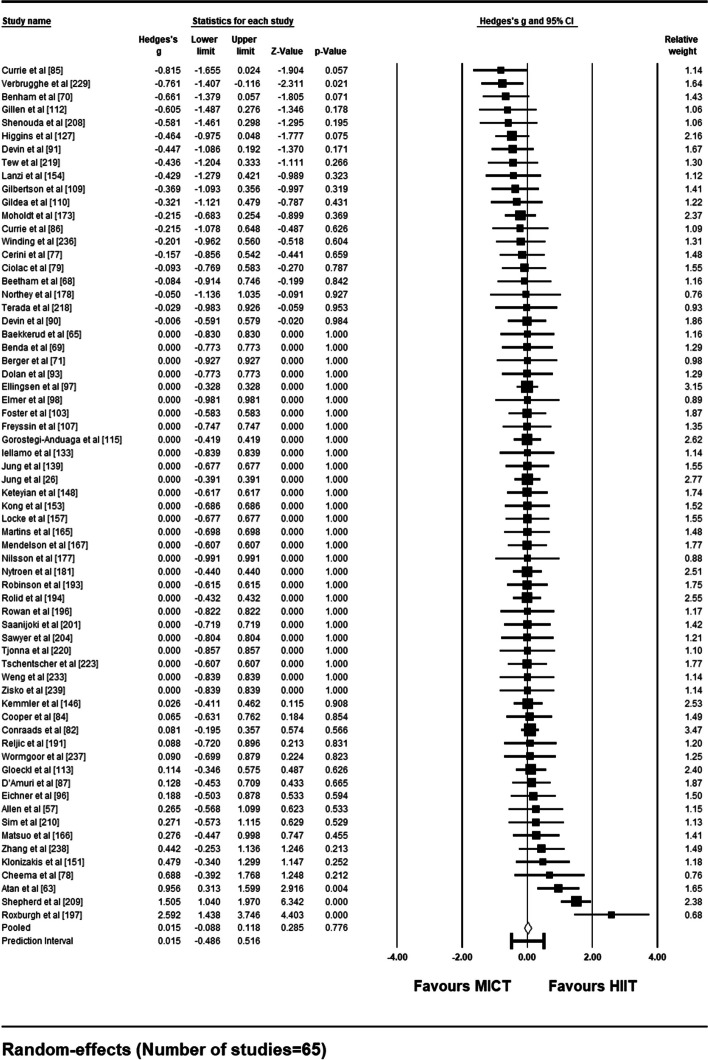
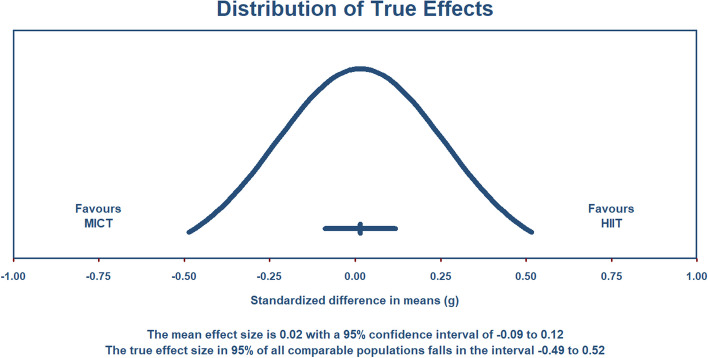
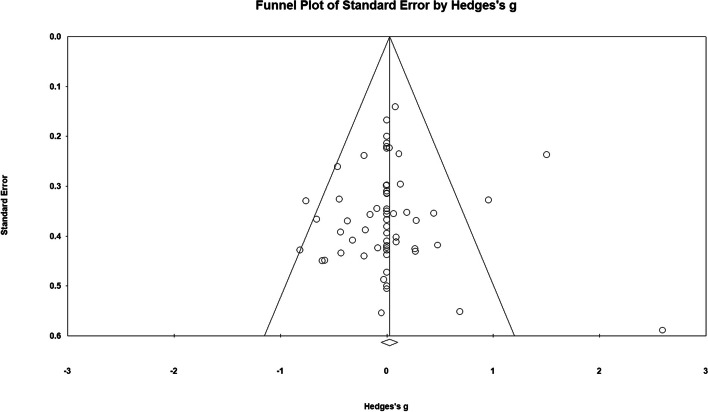
- In the supervised compliance meta-analysis, 65 studies showed no significant difference between HIIT and MICT (Hedge’s g = 0.015, 95% CI −0.088 to 0.118, p = .78).
- Mean adherence to unsupervised HIIT was 63% (SD 21.1%) and to unsupervised MICT was 68.2% (SD 16.2%).
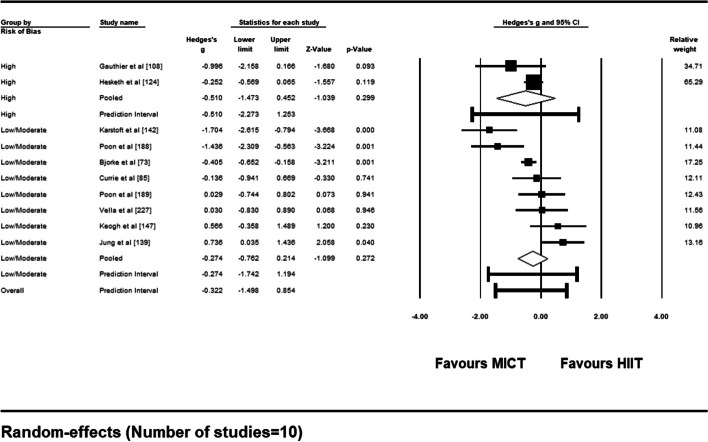
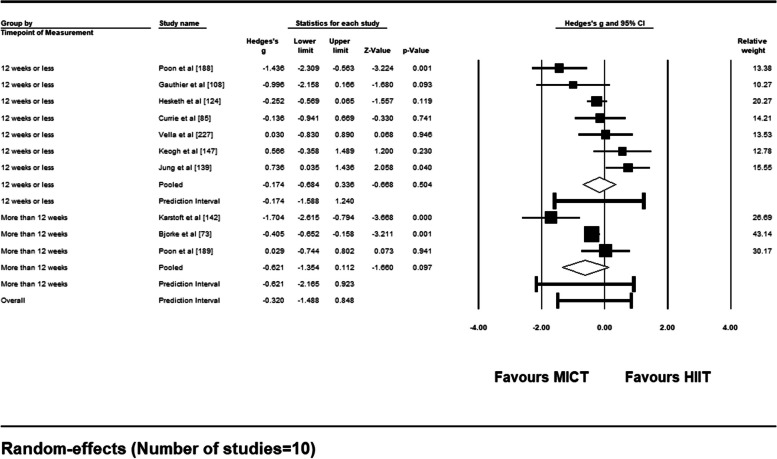
- In the unsupervised adherence meta-analysis, 10 studies showed no significant difference between HIIT and MICT (Hedge’s g = −0.313, 95% CI −0.681 to 0.056, p = .096), but adherence estimates had high heterogeneity (I² = 70.93%).
- The paper rates the quality of evidence as moderate for supervised compliance and very low for unsupervised adherence.
Methods
- Systematic review and meta-analysis following PRISMA 2020, registered in PROSPERO (CRD42019103313).
- Searched MEDLINE, EMBASE, PsycINFO, SPORTDiscus, CINAHL, and Web of Science from inception to October 3, 2022; included full-text, peer-reviewed primary studies of adults aged 18–65 who were insufficiently active or had a medical condition.
- Two independent reviewers handled screening and extraction; risk of bias was assessed with RoB 2.0 or ROBINS-I; random-effects meta-analyses used Hedge’s g, plus sensitivity, publication-bias, subgroup, and GRADE assessments.
Limitations
- Stated in the paper: the review focused on attendance/completion rates and did not assess whether participants achieved the intended exercise intensity.
- Stated in the paper: about a quarter of full texts were excluded because they did not report compliance/adherence, which may bias estimates upward if such outcomes are more often reported in more engaging studies.
- Stated in the paper: standardizing outcomes to percentage of completed sessions can obscure differences in the absolute number of prescribed sessions.
- Evident from the text: the adherence meta-analysis was based on only 10 studies, with high heterogeneity and very low quality of evidence, so conclusions are unstable and should be cautious.
Model-written summary. Check it against the paper before relying on it.
Integrity signals
Registry
Cites
Statistics
Figures

Verification
Claims the paper makes
14 Valid · 0 Not valid · 6 Not checked · 78 Own results and interpretations
Every source the paper cites for this claim was checked and supports it.
In the paper
“Weston and colleagues [14] reporting attendance rates > 85% for six studies focusing on individuals with cardiometabolic disease”
§ Rates of compliance and adherence to high-intensity interval training: a systematic review and Meta-analyses > Background
What the sources say
- Supportedcites [14] Weston KS Wisloff U Coombes JS High-intensity interval training in patients with lifestyle-induced cardiometabolic disease: a systematic review and meta-analysis Br J Sports Med. 2014 48 1227 1234 10.1136/bjsports-2013-092576 24144531 source
The Adherence passage reports that both groups in six studies had attendance rates above 85%. The paper’s inclusion criteria specify populations with cardiometabolic chronic disease. (LLM, conf=0.95)
plainn = 6- Asserted: passes — The authors put it forward as true.
- Checkable: passes — It can be checked against evidence.
- Load-bearing: unclear — It is unclear whether the paper’s conclusions depend on it.
- Based: passes — The paper gives a reason why it holds.
- Supported
The cited sources support only part of this claim — read each source’s verdict below.
In the paper
“A minimum of 10 studies included in each meta-analysis was considered sufficient for heterogeneity values to be deemed reliable [45].”
§ Rates of compliance and adherence to high-intensity interval training: a systematic review and Meta-analyses > Methods > Meta-analyses
What the sources say
- Partly supportedcites [45] Gagnier JJ Moher D Boon H Investigating clinical heterogeneity in systematic reviews: a methodologic review of guidance in the literature BMC Med. Res Methodol. 2012 12 111 10.1186/1471-2288-12-111 22846171 PMC3564789 sourceExperimental — accuracy not yet measured
The Discussion (page unavailable) reports a suggested minimum of 10 trials per covariate to reduce spurious findings in meta-regression. It does not say that 10 studies per meta-analysis make heterogeneity values reliable; the claim applies the threshold to a different purpose. (LLM, conf=0.87)
plain- Asserted: passes — The authors put it forward as true.
- Checkable: passes — It can be checked against evidence.
- Load-bearing: passes — The paper’s conclusions depend on it.
- Based: passes — The paper gives a reason why it holds.
- Partly supported
Every source the paper cites for this claim was checked and supports it.
In the paper
“Similarly, removing Keogh and colleagues [147] from the main analysis resulted in a statistically significant pooled effect size favoring the MICT interventions (Hedge’s g = − 0.388, p = .043).”
§ Rates of compliance and adherence to high-intensity interval training: a systematic review and Meta-analyses > Results > Adherence
What the sources say
- Supportedcites [147] Keogh JW Grigg J Vertullo CJ Is high-intensity interval cycling feasible and more beneficial than continuous cycling for knee osteoarthritic patients? Results of a randomised control feasibility trial Peer J. 2018 6 e4738 10.7717/peerj.4738 29761054 PMC5949056 source
The citation identifies the Keogh study removed from the citing authors’ adherence meta-analysis. The Results report adherence for both its HIIT and MICT cycling groups (94% and 88%, respectively). The pooled effect size and p-value describe the citing authors’ own analysis, not a result attributed to Keogh. (LLM, conf=0.92)
plain- Asserted: passes — The authors put it forward as true.
- Checkable: passes — It can be checked against evidence.
- Load-bearing: unclear — It is unclear whether the paper’s conclusions depend on it.
- Based: passes — The paper gives a reason why it holds.
- Supported
Every source the paper cites for this claim was checked and supports it.
In the paper
“The removal of Jung and colleagues [139] from the main analysis resulted in a statistically significant pooled effect size favoring the MICT interventions (Hedge’s g = − 0.426, p = .016).”
§ Rates of compliance and adherence to high-intensity interval training: a systematic review and Meta-analyses > Results > Adherence
What the sources say
- Supportedcites [139] Jung ME Bourne JE Beauchamp MR High-intensity interval training as an efficacious alternative to moderate-intensity continuous training for adults with prediabetes J Diabetes Res. 2015 2015 191595 10.1155/2015/191595 25918728 PMC4396724 source
The Introduction identifies Jung and colleagues’ study as a comparison of exercise adherence between HIIT and MICT in adults with prediabetes. The citation identifies the study removed from the citing authors’ meta-analysis; the pooled effect size is a result of that analysis, not a result attributed to Jung and colleagues. (LLM, conf=0.90)
plainstates an association- Asserted: passes — The authors put it forward as true.
- Checkable: passes — It can be checked against evidence.
- Load-bearing: unclear — It is unclear whether the paper’s conclusions depend on it.
- Based: passes — The paper gives a reason why it holds.
- Supported
A result the paper reports from its own data — it cites no other source for it, so there is none to check. The quote shows it is in the paper.
In the paper
“No differences were detected based on sub-group analyses comparing medical conditions or risk of bias of studies.”
§ Rates of compliance and adherence to high-intensity interval training: a systematic review and Meta-analyses > Abstract > Results
plain- Asserted: passes — The authors put it forward as true.
- Checkable: passes — It can be checked against evidence.
- Load-bearing: unclear — It is unclear whether the paper’s conclusions depend on it.
- Based: passes — The paper gives a reason why it holds.
46 more claims
Create a free account to see all 98 claims and every source verdict.
- It may state two separate claims as one. 27
- Probably not a substantial claim. 28
Claims other papers make about this one
Each is checked against this paper’s own text: does it say what the citing paper says it does?
The source backs part of the claim, not all of it — or backs it for a different population, condition or comparison.
In the citing paper
“Additionally, it can lead to decreased adherence to training, particularly in unsupervised settings (Ekkekakis and Biddle, 2023; Santos et al., 2023).”
From High-Intensity Interval Training and Moderate-Intensity Continuous Training Affect Running Economy in Endurance Runners: A Systematic Review and Meta-Analysis of Randomized Controlled Trials (2025) · cites this paper as Santos et al., 2023
Experimental — accuracy not yet measuredThe source backs part of the claim, not all of it — or backs it for a different population, condition or comparison.
In the citing paper
“In contrast, MICT is relatively effective in mitigating these risks and enhancing runners’ compliance with their training regimens (Ekkekakis and Biddle, 2023; Santos et al., 2023).”
From High-Intensity Interval Training and Moderate-Intensity Continuous Training Affect Running Economy in Endurance Runners: A Systematic Review and Meta-Analysis of Randomized Controlled Trials (2025) · cites this paper as Santos et al., 2023
Experimental — accuracy not yet measured
Statistics recomputed
Every reported test result, recomputed from its test statistic and degrees of freedom. A result shows as not adding up only once an independent check has confirmed it.
- ConsistentQ(64) = 100.88reported p = .002 · recomputed p = .002
“Q (64) = 100.88, p = .002”
- ConsistentQ(1) = 3.9reported p = .048 · recomputed p = .048
“Q (1) = 3.90, p = .048”
- ConsistentQ(1) = 2.39reported p = .122 · recomputed p = .122
“Q (1) = 2.39, p = .122”
- ConsistentQ(9) = 30.96reported p < .001 · recomputed p < .001
“Q (9) = 30.96, p < .001”
- ConsistentQ(1) = 0.185reported p = .668 · recomputed p = .667
“Q (1) = 0.185, p = .668”
2 more recomputed tests
Create a free account to see every test the Stats check recomputed.
Self-check
Percentages, sums and reported differences re-computed from the paper’s own numbers.
Self-check results appear here once an independent check has confirmed them.
Citations
Cites
The PRISMA 2020 statement: An updated guideline for reporting systematic reviews
Page, M. J., McKenzie, J. E., Bossuyt, P. M., Boutron, I., Hoffmann, T. C., Mulrow, C. D., Shamseer, L., Tetzlaff, J. M., Akl, E. A., Brennan, S. E., et al. (2021) · BMJ · doi:10.1136/bmj.n71 · Cited by 108,283
RoB 2: a revised tool for assessing risk of bias in randomised trials
Sterne, J. A. C., Savović, J., Page, M. J., Elbers, R. G., Blencowe, N. S., Boutron, I., Cates, C. J., Cheng, H.-Y., Corbett, M. S., Eldridge, S. M., et al. (2019) · BMJ · doi:10.1136/bmj.l4898 · Cited by 34,787 · cited 2×
“%) showing high risk of bias based on the 5 domains of RoB 2.0 [34].”
BackgroundMethodInfluentialROBINS-I: a tool for assessing risk of bias in non-randomised studies of interventions
Sterne, J. A., Hernán, M. A., Reeves, B. C., Savović, J., Berkman, N. D., Viswanathan, M., Henry, D., Altman, D. G., Ansari, M. T., Boutron, I., et al. (2016) · BMJ · doi:10.1136/bmj.i4919 · Cited by 20,329
Interrater reliability: The kappa statistic
McHugh, M. L. (2012) · Biochemia Medica · doi:10.11613/bm.2012.031 · Cited by 19,877 · cited 1×
“Cohen’s kappa score was used to assess interrater reliability, with interpretation of scores following the convention of 0.21–0.40 as fair agreement, 0.41–0.60 as moderate agreement, 0.61–0.80 as substantial agreement, and 0.81–1.00 as almost perfect agreement [33].”
MethodInfluentialOperating characteristics of a rank correlation test for publication bias
Begg, C. B., & Mazumdar, M. (1994) · Biometrics · doi:10.2307/2533446 · Cited by 16,955 · cited 3×
“In addition to visual inspection of funnel plots, the Begg & Mazumdar’s rank correlation test [49] was used to assess whether there was an inverse correlation between study size and treatment effect.”
BackgroundMethodInfluentialDuval, S., & Tweedie, R. (2000) · Biometrics · doi:10.1111/j.0006-341x.2000.00455.x · Cited by 14,099 · cited 1×
“…asymmetry between one side of the funnel plot compared to the other side, imputation of potentially missing studies was performed by using Duval & Tweedie’s trim and fill function [48] to determine what the pooled effect size would be if such missing studies were included in the meta-analyses.”
MethodWan, X., Wang, W., Liu, J., & Tong, T. (2014) · BMC Medical Research Methodology · doi:10.1186/1471-2288-14-135 · Cited by 11,735 · cited 1×
“…provided medians along with ranges, 95% CIs, or interquartile ranges, means were estimated by using the calculations proposed by Wan and colleagues where m is the median [40]: Studies with insufficient information to estimate means and/or SDs were omitted from the quantitative synthesis ( n = 6).”
MethodWorld Health Organization 2020 guidelines on physical activity and sedentary behaviour
Bull, F. C., Al-Ansari, S. S., Biddle, S., Borodulin, K., Buman, M. P., Cardon, G., Carty, C., Chaput, J.-P., Chastin, S., Chou, R., et al. (2020) · British Journal of Sports Medicine · doi:10.1136/bjsports-2020-102955 · Cited by 11,657 · cited 3×
“…participants between the average ages of 18–65 years who were insufficiently active (i.e., not meeting recommended physical activity guidelines) [1] or defined as presenting with a medical condition; Intervention – a supervised or unsupervised HIIT intervention; Comparator – studies that…”
BackgroundBorenstein, M., Hedges, L. V., Higgins, J. P. T., & Rothstein, H. R. (2021) · doi:10.1002/9781119558378 · Cited by 9,799
Lee, I.-M., Shiroma, E. J., Lobelo, F., Puska, P., Blair, S. N., & Katzmarzyk, P. T. (2012) · The Lancet · doi:10.1016/s0140-6736(12)61031-9 · Cited by 8,215
Health benefits of physical activity: the evidence
Warburton, D. E. R. (2006) · Canadian Medical Association Journal · doi:10.1503/cmaj.051351 · Cited by 8,007 · cited 1×
“In contrast, increasing physical activity can lead to an abundance of benefits, some of which include primary and secondary prevention of chronic disease [4], improved cardiorespiratory fitness [5], improved psychological well-being [6], and a reduction in all-cause mortality [7].”
BackgroundPRESS Peer Review of Electronic Search Strategies: 2015 Guideline Statement
McGowan, J., Sampson, M., Salzwedel, D. M., Cogo, E., Foerster, V., & Lefebvre, C. (2016) · Journal of Clinical Epidemiology · doi:10.1016/j.jclinepi.2016.01.021 · Cited by 5,700 · cited 1×
“The search strategy was developed in consultation with a health sciences librarian and peer-reviewed using the 2015 PRESS review guidelines [31].”
MethodMcGuinness, L. A., & Higgins, J. P. T. (2021) · Research Synthesis Methods · doi:10.1002/jrsm.1411 · Cited by 5,579 · cited 1×
“Risk of bias for each sub-category as well as a general risk of bias score was summarized using the Robvis web application [36].”
MethodGuthold, R., Stevens, G. A., Riley, L. M., & Bull, F. C. (2018) · The Lancet Global Health · doi:10.1016/s2214-109x(18)30357-7 · Cited by 4,819 · cited 2×
“Considering high rates of physical inactivity [2], conflicting perspectives on the feasibility of HIIT in real-world scenarios [21–24], and mixed preliminary evidence [25–27], we hypothesized that physical activity adherence rates following supervised interventions would be variable between HIIT…”
BackgroundThe well-built clinical question: A key to evidence-based decisions
(1995) · ACP Journal Club · doi:10.7326/acpjc-1995-123-3-a12 · Cited by 2,931 · cited 1×
“Inclusion of studies in this systematic review was based on pre-specified criteria relating to the domains of the PICOS framework [30] and the full details of inclusion and exclusion criteria can be found in Table 1.”
MethodPenedo, F. J., & Dahn, J. R. (2005) · Current Opinion in Psychiatry · doi:10.1097/00001504-200503000-00013 · Cited by 2,851 · cited 1×
“In contrast, increasing physical activity can lead to an abundance of benefits, some of which include primary and secondary prevention of chronic disease [4], improved cardiorespiratory fitness [5], improved psychological well-being [6], and a reduction in all-cause mortality [7].”
BackgroundFit Yourself and Take Your Lungs to Heart
Palange, P., & Bonini, M. (2013) · Respiration · doi:10.1159/000350831 · Cited by 2,779
McCambridge, J., Witton, J., & Elbourne, D. R. (2014) · Journal of Clinical Epidemiology · doi:10.1016/j.jclinepi.2013.08.015 · Cited by 2,748 · cited 1×
“…decrease in completion of HIIT and MICT sessions in real-world environments compared to supervised settings may suggest that individual’s behaviors are influenced by one’s knowledge of being directly under observation in a supervised setting, as is the case in randomized controlled trials [241].”
BackgroundA Re-Evaluation of Random-Effects Meta-Analysis
Higgins, J. P. T., Thompson, S. G., & Spiegelhalter, D. J. (2009) · Journal of the Royal Statistical Society Series A: Statistics in Society · doi:10.1111/j.1467-985x.2008.00552.x · Cited by 2,569
(2014) · Cited by 2,276
Thompson, P. D., Arena, R., Riebe, D., & Pescatello, L. S. (2013) · Current Sports Medicine Reports · doi:10.1249/jsr.0b013e31829a68cf · Cited by 1,823
Acsm's Guidelines for Exercise Testing and Prescription
Acsm (2017) · Cited by 1,436
Weston, K. S., Wisløff, U., & Coombes, J. S. (2014) · British Journal of Sports Medicine · doi:10.1136/bjsports-2013-092576 · Cited by 1,274 · cited 6×
“Systematic reviews have demonstrated generally high attendance rates to supervised HIIT and/or MICT sessions, with Weston and colleagues [14] reporting attendance rates > 85% for six studies focusing on individuals with cardiometabolic disease, and De Nardi and colleagues [18] reporting attendance…”
BackgroundInfluentialTjønna, A. E., Lee, S. J., Rognmo, Ø., Stølen, T. O., Bye, A., Haram, P. M., Loennechen, J. P., Al-Share, Q. Y., Skogvoll, E., Slørdahl, S. A., et al. (2008) · Circulation · doi:10.1161/circulationaha.108.772822 · Cited by 1,145
Milanović, Z., Sporiš, G., & Weston, M. (2015) · Sports Medicine · doi:10.1007/s40279-015-0365-0 · Cited by 923 · cited 1×
“…HIIT may be more time-efficient, and research suggests there are no or small significant differences between the two regarding improvements of physiological markers such as cardiorespiratory fitness [14, 15], vascular function [16], body composition [17], and glycated hemoglobin profiles [18].”
BackgroundGoodwin, V. A., Richards, S. H., Taylor, R. S., Taylor, A. H., & Campbell, J. L. (2008) · Movement Disorders · doi:10.1002/mds.21922 · Cited by 922
The association between social support and physical activity in older adults: a systematic review
Lindsay Smith, G., Banting, L., Eime, R., O’Sullivan, G., & van Uffelen, J. G. Z. (2017) · International Journal of Behavioral Nutrition and Physical Activity · doi:10.1186/s12966-017-0509-8 · Cited by 889 · cited 1×
“Previous research has also indicated social support to be an important determinant of physical activity engagement [242–244].”
The Cambridge Dictionary of Statistics: Fourth Edition
Everitt, B. S., & Skrondal, A. (2010) · Cambridge University Press eBooks · doi:10.1017/cbo9780511779633 · Cited by 820
Samdal, G. B., Eide, G. E., Barth, T., Williams, G., & Meland, E. (2017) · International Journal of Behavioral Nutrition and Physical Activity · doi:10.1186/s12966-017-0494-y · Cited by 788 · cited 1×
“…support through concurrent mHealth, eHealth, and activity tracker interventions [245–248], the implementation of behavior change techniques [249, 250], and/or the development of unsupervised interventions grounded on theoretical frameworks [251] are just some strategies that have shown promise…”
BackgroundRamos, J. S., Dalleck, L. C., Tjonna, A. E., Beetham, K. S., & Coombes, J. S. (2015) · Sports Medicine · doi:10.1007/s40279-015-0321-z · Cited by 715 · cited 1×
“…HIIT may be more time-efficient, and research suggests there are no or small significant differences between the two regarding improvements of physiological markers such as cardiorespiratory fitness [14, 15], vascular function [16], body composition [17], and glycated hemoglobin profiles [18].”
BackgroundThe effectiveness of exercise interventions for the management of frailty: a systematic review
Theou, O., Stathokostas, L., Roland, K. P., Jakobi, J. M., Patterson, C., Vandervoort, A. A., & Jones, G. R. (2011) · Journal of Aging Research · doi:10.4061/2011/569194 · Cited by 652 · cited 1×
“The promotion of physical activity through supervised exercise interventions is a common strategy used in healthy and clinical populations, and such interventions have generally shown favorable physiological outcomes [8–11].”
MethodFerguson, T., Olds, T., Curtis, R., Blake, H., Crozier, A. J., Dankiw, K., Dumuid, D., Kasai, D., O'Connor, E., Virgara, R., et al. (2022) · The Lancet Digital Health · doi:10.1016/s2589-7500(22)00111-x · Cited by 605
Fixed-Effect vs Random-Effects Models for Meta-Analysis: 3 Points to Consider
Dettori, J. R., Norvell, D. C., & Chapman, J. R. (2022) · Global Spine Journal · doi:10.1177/21925682221110527 · Cited by 526 · cited 1×
“Random-effects analyses consider individual studies’ variance when assigning weights to each study, assesses the between-study variance (via τ 2 ), and allows for the generalizability of results to other comparable studies in the universe that may not have been captured in these syntheses [43].”
BackgroundWeir, C. J., Butcher, I., Assi, V., Lewis, S. C., Murray, G. D., Langhorne, P., & Brady, M. C. (2018) · BMC Medical Research Methodology · doi:10.1186/s12874-018-0483-0 · Cited by 425 · cited 1×
“In instances where authors were unable to provide the means and/or SDs, the medians, ranges, and interquartile ranges were used to estimate the means and/or SDs using the methods proposed by Weir and colleagues [37].”
MethodHigh-Intensity Interval Training in Patients With Heart Failure With Reduced Ejection Fraction
Ellingsen, Ø., Halle, M., Conraads, V., Støylen, A., Dalen, H., Delagardelle, C., Larsen, A.-I., Hole, T., Mezzani, A., Van Craenenbroeck, E. M., et al. (2017) · Circulation · doi:10.1161/circulationaha.116.022924 · Cited by 414
High-intensity training versus traditional exercise interventions for promoting health
NYBO, L., SUNDSTRUP, E., JAKOBSEN, M. D., MOHR, M., HORNSTRUP, T., SIMONSEN, L., BÜLOW, J., RANDERS, M. B., NIELSEN, J. J., AAGAARD, P., et al. (2010) · Medicine & Science in Sports & Exercise · doi:10.1249/mss.0b013e3181d99203 · Cited by 403
Zhao, M., Veeranki, S. P., Magnussen, C. G., & Xi, B. (2020) · BMJ · doi:10.1136/bmj.m2031 · Cited by 397 · cited 1×
“In contrast, increasing physical activity can lead to an abundance of benefits, some of which include primary and secondary prevention of chronic disease [4], improved cardiorespiratory fitness [5], improved psychological well-being [6], and a reduction in all-cause mortality [7].”
BackgroundDowd, K. P., Szeklicki, R., Minetto, M. A., Murphy, M. H., Polito, A., Ghigo, E., van der Ploeg, H., Ekelund, U., Maciaszek, J., Stemplewski, R., et al. (2018) · International Journal of Behavioral Nutrition and Physical Activity · doi:10.1186/s12966-017-0636-2 · Cited by 385 · cited 2×
“In contrast, it may be the case that the inconsistencies found in this review stem from wearable activity trackers instead of self-report measures, and the inability for older and current trackers to accurately capture higher intensity exercise bouts [252].”
BackgroundResultGillen, J. B., Martin, B. J., MacInnis, M. J., Skelly, L. E., Tarnopolsky, M. A., & Gibala, M. J. (2016) · PLoS ONE · doi:10.1371/journal.pone.0154075 · Cited by 363
Biddle, S. J. H., & Batterham, A. M. (2015) · International Journal of Behavioral Nutrition and Physical Activity · doi:10.1186/s12966-015-0254-9 · Cited by 355 · cited 3×
“There is debate in the literature as to whether HIIT is a more feasible type of exercise in pragmatic settings compared to MICT [21].”
BackgroundResultKarstoft, K., Winding, K., Knudsen, S. H., Nielsen, J. S., Thomsen, C., Pedersen, B. K., & Solomon, T. P. J. (2013) · Diabetes Care · doi:10.2337/dc12-0658 · Cited by 339
Publication bias: the elephant in the review
Dalton, J. E., Bolen, S. D., & Mascha, E. J. (2016) · Anesthesia & Analgesia · doi:10.1213/ane.0000000000001596 · Cited by 337 · cited 1×
“Historically, smaller studies and studies whose results are regarded as less conclusive (i.e., non-significant) tend to not be published as often as studies with larger sample sizes and stronger treatment effects, creating the potential introduction of publication bias [47].”
Moholdt, T. T., Amundsen, B. H., Rustad, L. A., Wahba, A., Løvø, K. T., Gullikstad, L. R., Bye, A., Skogvoll, E., Wisløff, U., & Slørdahl, S. A. (2009) · American Heart Journal · doi:10.1016/j.ahj.2009.10.003 · Cited by 309
Foster, C., Farland, C., Guidotti, F., Harbin, M. M., Roberts, B., Schuette, J., Tuuri, A., Doberstein, S. T., & Porcari, J. P. (2015) · Europe PMC (PubMed Central) · Cited by 301
Metcalfe, R. S., Babraj, J. A., Fawkner, S. G., & Vollaard, N. B. J. (2012) · European Journal of Applied Physiology · doi:10.1007/s00421-011-2254-z · Cited by 294
WORLDWIDE SURVEY OF FITNESS TRENDS FOR 2020
Thompson, W. R. (2019) · ACSM'S Health & Fitness Journal · doi:10.1249/fit.0000000000000526 · Cited by 269 · cited 1×
“Of interest, high-intensity interval training (HIIT) is a type of aerobic exercise that has grown in popularity in recent years [12] as an alternative to more traditional forms of exercise such as moderate-intensity continuous training (MICT).”
BackgroundExercise interventions for older adults: A systematic review of meta-analyses
Di Lorito, C., Long, A., Byrne, A., Harwood, R. H., Gladman, J. R. F., Schneider, S., Logan, P., Bosco, A., & van der Wardt, V. (2021) · Journal of Sport and Health Science · doi:10.1016/j.jshs.2020.06.003 · Cited by 264 · cited 1×
“The promotion of physical activity through supervised exercise interventions is a common strategy used in healthy and clinical populations, and such interventions have generally shown favorable physiological outcomes [8–11].”
MethodUsing systematic reviews in guideline development: The GRADE approach
Zhang, Y., Akl, E. A., & Schünemann, H. J. (2019) · Research Synthesis Methods · doi:10.1002/jrsm.1313 · Cited by 260 · cited 1×
“Quality of the cumulative body of evidence for each outcome variable was appraised using the Grading of Recommendations Assessment, Development and Evaluation (GRADE) approach [51].”
MethodMcKeown, S., & Mir, Z. M. (2021) · Systematic Reviews · doi:10.1186/s13643-021-01583-y · Cited by 251 · cited 1×
“Manually de-duplicated records were exported into Covidence [Veritas Health Innovation Ltd., 2015], where additional duplicates were program-matically identified and subsequently reviewed before removal [32].”
MethodCiolac, E. G., Bocchi, E. A., Bortolotto, L. A., Carvalho, V. O., Greve, J. M., & Guimarães, G. V. (2010) · Hypertension Research · doi:10.1038/hr.2010.72 · Cited by 242
Walter, S. D., & Yao, X. (2007) · Journal of Clinical Epidemiology · doi:10.1016/j.jclinepi.2006.11.003 · Cited by 241 · cited 1×
“Specifically, for studies that provided ranges, SD was estimated by using the following formula where R is the range [38]: For studies that provided interquartile ranges or 95% CIs, SD was estimated by using the Cochrane Handbook estimator calculation where q 3 is the third quartile and q 1 is the…”
MethodScarapicchia, T. M. F., Amireault, S., Faulkner, G., & Sabiston, C. M. (2017) · International Review of Sport and Exercise Psychology · doi:10.1080/1750984x.2016.1183222 · Cited by 235
Gagnier, J. J., Moher, D., Boon, H., Beyene, J., & Bombardier, C. (2012) · BMC Medical Research Methodology · doi:10.1186/1471-2288-12-111 · Cited by 222 · cited 1×
“A minimum of 10 studies included in each meta-analysis was considered sufficient for heterogeneity values to be deemed reliable [45].”
BackgroundHowden, E. J., Sarma, S., Lawley, J. S., Opondo, M., Cornwell, W., Stoller, D., Urey, M. A., Adams-Huet, B., & Levine, B. D. (2018) · Circulation · doi:10.1161/circulationaha.117.030617 · Cited by 217 · cited 1×
“In unsupervised settings, exercise was prescribed for variable lengths of time ranging between 4 weeks [139] to 80 weeks [129], with 52 weeks being the most commonly prescribed length ( n = 7; 23.3%).”
BackgroundInfluentialWhy sprint interval training is inappropriate for a largely sedentary population
Hardcastle, S. J., Ray, H., Beale, L., & Hagger, M. S. (2014) · Frontiers in Psychology · doi:10.3389/fpsyg.2014.01505 · Cited by 212 · cited 3×
“Considering high rates of physical inactivity [2], conflicting perspectives on the feasibility of HIIT in real-world scenarios [21–24], and mixed preliminary evidence [25–27], we hypothesized that physical activity adherence rates following supervised interventions would be variable between HIIT…”
BackgroundSu, L., Fu, J., Sun, S., Zhao, G., Cheng, W., Dou, C., & Quan, M. (2019) · PLOS ONE · doi:10.1371/journal.pone.0210644 · Cited by 209 · cited 1×
“…HIIT may be more time-efficient, and research suggests there are no or small significant differences between the two regarding improvements of physiological markers such as cardiorespiratory fitness [14, 15], vascular function [16], body composition [17], and glycated hemoglobin profiles [18].”
BackgroundZhang, H., Tong, T. K., Qiu, W., Zhang, X., Zhou, S., Liu, Y., & He, Y. (2017) · Journal of Diabetes Research · doi:10.1155/2017/5071740 · Cited by 201
Exercise interventions for cancer patients: systematic review of controlled trials
Stevinson, C., Lawlor, D. A., & Fox, K. R. (2004) · Cancer Causes and Control · doi:10.1007/s10552-004-1325-4 · Cited by 200
Kong, Z., Fan, X., Sun, S., Song, L., Shi, Q., & Nie, J. (2016) · PLOS ONE · doi:10.1371/journal.pone.0158589 · Cited by 192
Mijwel, S., Backman, M., Bolam, K. A., Jervaeus, A., Sundberg, C. J., Margolin, S., Browall, M., Rundqvist, H., & Wengström, Y. (2018) · Breast Cancer Research and Treatment · doi:10.1007/s10549-017-4571-3 · Cited by 191
De Nardi, A. T., Tolves, T., Lenzi, T. L., Signori, L. U., & Silva, A. M. V. D. (2018) · Diabetes Research and Clinical Practice · doi:10.1016/j.diabres.2017.12.017 · Cited by 191 · cited 4×
“…HIIT may be more time-efficient, and research suggests there are no or small significant differences between the two regarding improvements of physiological markers such as cardiorespiratory fitness [14, 15], vascular function [16], body composition [17], and glycated hemoglobin profiles [18].”
BackgroundInfluentialWinding, K. M., Munch, G. W., Iepsen, U. W., Van Hall, G., Pedersen, B. K., & Mortensen, S. P. (2018) · Diabetes, Obesity and Metabolism · doi:10.1111/dom.13198 · Cited by 189
Low-Volume, High-Intensity Interval Training in Patients with CAD
CURRIE, K. D., DUBBERLEY, J. B., McKELVIE, R. S., & MacDONALD, M. J. (2013) · Medicine & Science in Sports & Exercise · doi:10.1249/mss.0b013e31828bbbd4 · Cited by 188
Vella, C. A., Taylor, K., & Drummer, D. (2017) · European Journal of Sport Science · doi:10.1080/17461391.2017.1359679 · Cited by 188
Mönninghoff, A., Kramer, J. N., Hess, A. J., Ismailova, K., Teepe, G. W., Tudor Car, L., Müller-Riemenschneider, F., & Kowatsch, T. (2021) · Journal of Medical Internet Research · doi:10.2196/26699 · Cited by 183 · cited 1×
“For example, support through concurrent mHealth, eHealth, and activity tracker interventions [245–248], the implementation of behavior change techniques [249, 250], and/or the development of unsupervised interventions grounded on theoretical frameworks [251] are just some strategies that have shown…”
BackgroundOliveira, B. R. R., Santos, T. M., Kilpatrick, M., Pires, F. O., & Deslandes, A. C. (2018) · PLOS ONE · doi:10.1371/journal.pone.0197124 · Cited by 182 · cited 3×
“…for individuals who are insufficiently active, coupled with preliminary mixed findings and apparent heterogeneous program designs and methods of measuring physical activity adherence, there is a need for a synthesis of the evidence on physical activity adherence following HIIT programs [19].”
BackgroundGillen, J. B., Percival, M. E., Skelly, L. E., Martin, B. J., Tan, R. B., Tarnopolsky, M. A., & Gibala, M. J. (2014) · PLoS ONE · doi:10.1371/journal.pone.0111489 · Cited by 181
Sawyer, B. J., Tucker, W. J., Bhammar, D. M., Ryder, J. R., Sweazea, K. L., & Gaesser, G. A. (2016) · Journal of Applied Physiology · doi:10.1152/japplphysiol.00024.2016 · Cited by 178
Freyssin, C., Verkindt, C., Prieur, F., Benaich, P., Maunier, S., & Blanc, P. (2012) · Archives of Physical Medicine and Rehabilitation · doi:10.1016/j.apmr.2012.03.007 · Cited by 174
Willis, B. H., & Riley, R. D. (2017) · Statistics in Medicine · doi:10.1002/sim.7372 · Cited by 171 · cited 1×
“One-study removed analysis is a statistical technique that shows what the pooled Hedge’s g effect size would be if each included study was removed from the analysis [46].”
MethodKeating, S. E., Machan, E. A., O'Connor, H. T., Gerofi, J. A., Sainsbury, A., Caterson, I. D., & Johnson, N. A. (2014) · Journal of Obesity · doi:10.1155/2014/834865 · Cited by 170
Jung, M. E., Bourne, J. E., Beauchamp, M. R., Robinson, E., & Little, J. P. (2015) · Journal of Diabetes Research · doi:10.1155/2015/191595 · Cited by 165 · cited 4×
“The removal of Jung and colleagues [139] from the main analysis resulted in a statistically significant pooled effect size favoring the MICT interventions (Hedge’s g = − 0.426, p = .016).”
BackgroundResultInfluentialSelf-citationMunk, P. S., Staal, E. M., Butt, N., Isaksen, K., & Larsen, A. I. (2009) · American Heart Journal · doi:10.1016/j.ahj.2009.08.021 · Cited by 161
Hwang, C.-L., Yu, C.-J., Shih, J.-Y., Yang, P.-C., & Wu, Y.-T. (2012) · Supportive Care in Cancer · doi:10.1007/s00520-012-1452-5 · Cited by 161
Feasibility and preliminary efficacy of high intensity interval training in type 2 diabetes
Terada, T., Friesen, A., Chahal, B. S., Bell, G. J., McCargar, L. J., & Boulé, N. G. (2012) · Diabetes Research and Clinical Practice · doi:10.1016/j.diabres.2012.10.019 · Cited by 157
McGarrigle, L., & Todd, C. (2020) · Journal of Medical Internet Research · doi:10.2196/22201 · Cited by 154
Taylor, J. L., Holland, D. J., Keating, S. E., Leveritt, M. D., Gomersall, S. R., Rowlands, A. V., Bailey, T. G., & Coombes, J. S. (2020) · JAMA Cardiology · doi:10.1001/jamacardio.2020.3511 · Cited by 148
Madsen, S. M., Thorup, A. C., Overgaard, K., & Jeppesen, P. B. (2015) · PLOS ONE · doi:10.1371/journal.pone.0133286 · Cited by 144
Iellamo, F., Manzi, V., Caminiti, G., Vitale, C., Castagna, C., Massaro, M., Franchini, A., Rosano, G. M. C., & Volterrani, M. (2012) · International Journal of Cardiology · doi:10.1016/j.ijcard.2012.06.057 · Cited by 144
Hwang, C.-L., Yoo, J.-K., Kim, H.-K., Hwang, M.-H., Handberg, E. M., Petersen, J. W., & Christou, D. D. (2016) · Experimental Gerontology · doi:10.1016/j.exger.2016.06.009 · Cited by 142
Devin, J. L., Sax, A. T., Hughes, G. I., Jenkins, D. G., Aitken, J. F., Chambers, S. K., Dunn, J. C., Bolam, K. A., & Skinner, T. L. (2015) · Journal of Cancer Survivorship · doi:10.1007/s11764-015-0490-7 · Cited by 141
Grace, F., Herbert, P., Elliott, A. D., Richards, J., Beaumont, A. J., & Sculthorpe, N. F. (2017) · Experimental Gerontology · doi:10.1016/j.exger.2017.05.010 · Cited by 140
Lunt, H., Draper, N., Marshall, H. C., Logan, F. J., Hamlin, M. J., Shearman, J. P., Cotter, J. D., Kimber, N. E., Blackwell, G., & Frampton, C. M. A. (2014) · PLoS ONE · doi:10.1371/journal.pone.0083256 · Cited by 139 · cited 3×
“In 2014, Lunt and colleagues [25] found modest adherence rates to a HIIT program in a real-world setting for adults who were overweight and inactive, stating that non-adherence to the exercise program was likely the main reason for small observed changes in cardiorespiratory fitness compared to…”
BackgroundThe effect of recreational soccer training and running on postural balance in untrained men
Jakobsen, M. D., Sundstrup, E., Krustrup, P., & Aagaard, P. (2010) · European Journal of Applied Physiology · doi:10.1007/s00421-010-1669-2 · Cited by 138
Shepherd, S. O., Wilson, O. J., Taylor, A. S., Thøgersen-Ntoumani, C., Adlan, A. M., Wagenmakers, A. J. M., & Shaw, C. S. (2015) · PLOS ONE · doi:10.1371/journal.pone.0139056 · Cited by 133 · cited 3×
“Most interventions were one-on-one supervised exercise sessions ( n = 159; 84.6%), with the remainder being group sessions ranging between 2 [56, 99] to 15 [209] participants in each session.”
BackgroundResultInfluentialKeteyian, S. J., Hibner, B. A., Bronsteen, K., Kerrigan, D., Aldred, H. A., Reasons, L. M., Saval, M. A., Brawner, C. A., Schairer, J. R., Thompson, T. M. S., et al. (2014) · Journal of Cardiopulmonary Rehabilitation and Prevention · doi:10.1097/hcr.0000000000000049 · Cited by 133
High-Intensity Physical Training in Adults with Asthma
Emtner, M., Herala, M., & Stålenheim, G. (1996) · CHEST Journal · doi:10.1378/chest.109.2.323 · Cited by 133 · cited 1×
“Most interventions were one-on-one supervised exercise sessions ( n = 159; 84.6%), with the remainder being group sessions ranging between 2 [56, 99] to 15 [209] participants in each session.”
BackgroundInfluentialEffects of high aerobic intensity training in patients with schizophrenia—A controlled trial
Heggelund, J., Nilsberg, G. E., Hoff, J., Morken, G., & Helgerud, J. (2011) · Nordic Journal of Psychiatry · doi:10.3109/08039488.2011.560278 · Cited by 131
Effects of a Low-Volume Aerobic-Type Interval Exercise on V˙O2max and Cardiac Mass
MATSUO, T., SAOTOME, K., SEINO, S., SHIMOJO, N., MATSUSHITA, A., IEMITSU, M., OHSHIMA, H., TANAKA, K., & MUKAI, C. (2014) · Medicine & Science in Sports & Exercise · doi:10.1249/mss.0b013e3182a38da8 · Cited by 131
Interval versus continuous training in lung transplant candidates: A randomized trial
Gloeckl, R., Halle, M., & Kenn, K. (2012) · The Journal of Heart and Lung Transplantation · doi:10.1016/j.healun.2012.06.004 · Cited by 128
Martins, C., Kazakova, I., Ludviksen, M., Mehus, I., Wisloff, U., Kulseng, B., Morgan, L., & King, N. (2016) · International Journal of Sport Nutrition and Exercise Metabolism · doi:10.1123/ijsnem.2015-0078 · Cited by 128
Influence of Continuous and Interval Training on Oxygen Uptake On-Kinetics
BERGER, N. J. A., TOLFREY, K., WILLIAMS, A. G., & JONES, A. M. (2006) · Medicine & Science in Sports & Exercise · doi:10.1249/01.mss.0000191418.37709.81 · Cited by 126
Robinson, E., Durrer, C., Simtchouk, S., Jung, M. E., Bourne, J. E., Voth, E., & Little, J. P. (2015) · Journal of Applied Physiology · doi:10.1152/japplphysiol.00334.2015 · Cited by 126
Self-citationKnowles, A., Herbert, P., Easton, C., Sculthorpe, N. F., & Grace, F. (2015) · AGE · doi:10.1007/s11357-015-9763-3 · Cited by 123
Kang, D., Fairey, A., Boulé, N. G., Field, C. J., Wharton, S. A., & Courneya, K. S. (2021) · JAMA Oncology · doi:10.1001/jamaoncol.2021.3067 · Cited by 120
Adams, S. C., DeLorey, D. S., Davenport, M. H., Fairey, A. S., North, S., & Courneya, K. S. (2018) · British Journal of Cancer · doi:10.1038/s41416-018-0044-7 · Cited by 118
Nytrøen, K., Rustad, L. A., Aukrust, P., Ueland, T., Hallén, J., Holm, I., Rolid, K., Lekva, T., Fiane, A. E., Amlie, J. P., et al. (2012) · American Journal of Transplantation · doi:10.1111/j.1600-6143.2012.04221.x · Cited by 116
Brief Intense Stair Climbing Improves Cardiorespiratory Fitness
ALLISON, M. K., BAGLOLE, J. H., MARTIN, B. J., MACINNIS, M. J., GURD, B. J., & GIBALA, M. J. (2017) · Medicine & Science in Sports & Exercise · doi:10.1249/mss.0000000000001188 · Cited by 116
Cognition in breast cancer survivors: A pilot study of interval and continuous exercise
Northey, J. M., Pumpa, K. L., Quinlan, C., Ikin, A., Toohey, K., Smee, D. J., & Rattray, B. (2019) · Journal of Science and Medicine in Sport · doi:10.1016/j.jsams.2018.11.026 · Cited by 115
Low-Volume High-Intensity Interval Training as a Therapy for Type 2 Diabetes
Alvarez, C., Ramirez-Campillo, R., Martinez-Salazar, C., Mancilla, R., Flores-Opazo, M., Cano-Montoya, J., & Ciolac, E. (2016) · International Journal of Sports Medicine · doi:10.1055/s-0042-104935 · Cited by 113
Ruffino, J. S., Songsorn, P., Haggett, M., Edmonds, D., Robinson, A. M., Thompson, D., & Vollaard, N. B. J. (2017) · Applied Physiology, Nutrition, and Metabolism · doi:10.1139/apnm-2016-0497 · Cited by 111
Izadi, M. R., Afousi, A. G., Fard, M. A., & Bigi, M. A. B. (2017) · Journal of Physiology and Biochemistry · doi:10.1007/s13105-017-0602-0 · Cited by 111
Benda, N. M. M., Seeger, J. P. H., Stevens, G. G. C. F., Hijmans-Kersten, B. T. P., van Dijk, A. P. J., Bellersen, L., Lamfers, E. J. P., Hopman, M. T. E., & Thijssen, D. H. J. (2015) · PLOS ONE · doi:10.1371/journal.pone.0141256 · Cited by 109
Gremeaux, V., Drigny, J., Nigam, A., Juneau, M., Guilbeault, V., Latour, E., & Gayda, M. (2012) · American Journal of Physical Medicine & Rehabilitation · doi:10.1097/phm.0b013e3182643ce0 · Cited by 105
Affective Responses to Repeated Sessions of High-Intensity Interval Training
SAANIJOKI, T., NUMMENMAA, L., ESKELINEN, J.-J., SAVOLAINEN, A. M., VAHLBERG, T., KALLIOKOSKI, K. K., & HANNUKAINEN, J. C. (2015) · Medicine & Science in Sports & Exercise · doi:10.1249/mss.0000000000000721 · Cited by 104 · cited 1×
“%) and total number of sessions averaging 30 ( SD : 18.2) and ranging between 6 sessions [151, 201] and 104 sessions [121].”
BackgroundInfluentialSchmitt, J., Lindner, N., Reuss-Borst, M., Holmberg, H.-C., & Sperlich, B. (2016) · Physiological Reports · doi:10.14814/phy2.12693 · Cited by 103 · cited 1×
“In rare instances when the number of sessions prescribed are different between groups e.g., [174, 197, 205, 209], the percentage of completed sessions may be inflated when a lower number of sessions are prescribed compared to the other group.”
BackgroundGorostegi-Anduaga, I., Corres, P., MartinezAguirre-Betolaza, A., Pérez-Asenjo, J., Aispuru, G. R., Fryer, S. M., & Maldonado-Martín, S. (2018) · European Journal of Preventive Cardiology · doi:10.1177/2047487317749956 · Cited by 102
Valent, L., Dallmeijer, A. J., Houdijk, H., Slootman, H. J., Janssen, T. W. J., Post, M. W. M., & van der Woude, L. H. V. (2009) · Physical Therapy · doi:10.2522/ptj.20080340 · Cited by 100
Klonizakis, M., Moss, J., Gilbert, S. E., Broom, D. R., Foster, J., & Tew, G. A. (2014) · Menopause The Journal of The North American Menopause Society · doi:10.1097/gme.0000000000000208 · Cited by 99 · cited 1×
“%) and total number of sessions averaging 30 ( SD : 18.2) and ranging between 6 sessions [151, 201] and 104 sessions [121].”
BackgroundInfluentialPhillips, B. E., Kelly, B. M., Lilja, M., Ponce-González, J. G., Brogan, R. J., Morris, D. L., Gustafsson, T., Kraus, W. E., Atherton, P. J., Vollaard, N. B. J., et al. (2017) · Frontiers in Endocrinology · doi:10.3389/fendo.2017.00229 · Cited by 98
High-intensity interval training improves insulin sensitivity in older individuals.
Søgaard, D., Lund, M. T., Scheuer, C. M., Dehlbæk, M. S., Dideriksen, S. G., Abildskov, C. V., Christensen, K. K., Dohlmann, T. L., Larsen, S., Vigelsø, A. H., et al. (2018) · Acta Physiologica · doi:10.1111/apha.13009 · Cited by 98
Midtgaard, J., Christensen, J. F., Tolver, A., Jones, L. W., Uth, J., Rasmussen, B. S., Tang, L. H., Adamsen, L., & Rørth, M. R. (2013) · Annals of Oncology · doi:10.1093/annonc/mdt185 · Cited by 96
Exercise Intensity Matters in Chronic Nonspecific Low Back Pain Rehabilitation
Verbrugghe, J., Agten, A., Stevens, S., Hansen, D., Demoulin, C., Eijnde, B. O., Vandenabeele, F., & Timmermans, A. A. A. (2019) · Medicine & Science in Sports & Exercise · doi:10.1249/mss.0000000000002078 · Cited by 96
Currie, K. D., Bailey, K. J., Jung, M. E., McKelvie, R. S., & MacDonald, M. J. (2014) · Journal of science and medicine in sport · doi:10.1016/j.jsams.2014.09.013 · Cited by 95
Self-citationMoholdt, T., Bekken Vold, M., Grimsmo, J., Slørdahl, S. A., & Wisløff, U. (2012) · PLoS ONE · doi:10.1371/journal.pone.0041199 · Cited by 93 · cited 1×
“In rare instances when the number of sessions prescribed are different between groups e.g., [174, 197, 205, 209], the percentage of completed sessions may be inflated when a lower number of sessions are prescribed compared to the other group.”
BackgroundBanitalebi, E., Kazemi, A., Faramarzi, M., Nasiri, S., & Haghighi, M. M. (2019) · Life Sciences · doi:10.1016/j.lfs.2018.11.062 · Cited by 93
ROY, M., WILLIAMS, S. M., BROWN, R. C., MEREDITH-JONES, K. A., OSBORNE, H., JOSPE, M., & TAYLOR, R. W. (2018) · Medicine & Science in Sports & Exercise · doi:10.1249/mss.0000000000001642 · Cited by 86
Comparison of Three Popular Exercise Modalities on V˙O2max in Overweight and Obese
BÆKKERUD, F. H., SOLBERG, F., LEINAN, I. M., WISLØFF, U., KARLSEN, T., & ROGNMO, Ø. (2016) · Medicine & Science in Sports & Exercise · doi:10.1249/mss.0000000000000777 · Cited by 85
Gjerdevik, M., & Heuch, I. (2014) · BMC Medical Research Methodology · doi:10.1186/1471-2288-14-109 · Cited by 82 · cited 1×
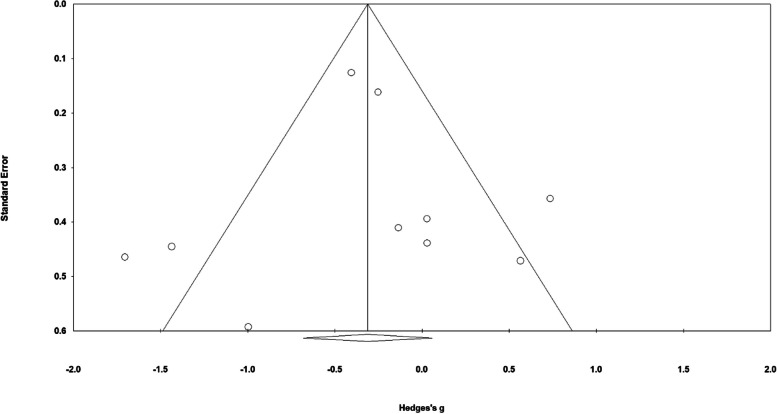
“The rank correlation test was not used as a measure of publication bias since only 10 studies were included in this meta-analysis and concerns over low statistical power have been previously raised [240].”
MethodEvaluating Intervention Fidelity: An Example from a High-Intensity Interval Training Study
Taylor, K. L., Weston, M., & Batterham, A. M. (2015) · PLOS ONE · doi:10.1371/journal.pone.0125166 · Cited by 81 · cited 1×
“In congruence with recommendations by Taylor and colleagues [253], future research on exercise implementation should consider both attendance and intensity achievement to determine implementation success.”
BackgroundMadssen, E., Moholdt, T. T., Videm, V., Wisløff, U., Hegbom, K., & Wiseth, R. (2014) · The American Journal of Cardiology · doi:10.1016/j.amjcard.2014.08.012 · Cited by 81
Effects of High-Intensity Intermittent Exercise Training on Appetite Regulation
SIM, A. Y., WALLMAN, K. E., FAIRCHILD, T. J., & GUELFI, K. J. (2015) · Medicine & Science in Sports & Exercise · doi:10.1249/mss.0000000000000687 · Cited by 80
Pattyn, N., Vanhees, L., Cornelissen, V. A., Coeckelberghs, E., De Maeyer, C., Goetschalckx, K., Possemiers, N., Wuyts, K., Van Craenenbroeck, E. M., & Beckers, P. J. (2016) · European Journal of Preventive Cardiology · doi:10.1177/2047487316631200 · Cited by 80
Nytrøen, K., Rolid, K., Andreassen, A. K., Yardley, M., Gude, E., Dahle, D. O., Bjørkelund, E., Relbo Authen, A., Grov, I., Philip Wigh, J., et al. (2019) · Circulation · doi:10.1161/circulationaha.118.036747 · Cited by 80
Metcalfe, R. S., Atef, H., Mackintosh, K. A., McNarry, M. A., Ryde, G. C., Hill, D. M., & Vollaard, N. B. J. (2020) · BMC Public Health · doi:10.1186/s12889-020-8444-z · Cited by 79
Physical activity and fitness in the community: the Framingham Heart Study
Nayor, M., Chernofsky, A., Spartano, N. L., Tanguay, M., Blodgett, J. B., Murthy, V. L., Malhotra, R., Houstis, N. E., Velagaleti, R. S., Murabito, J. M., et al. (2021) · European Heart Journal · doi:10.1093/eurheartj/ehab580 · Cited by 78
Cheema, B. S., Davies, T. B., Stewart, M., Papalia, S., & Atlantis, E. (2015) · BMC Sports Science, Medicine and Rehabilitation · doi:10.1186/2052-1847-7-3 · Cited by 77
Rustad, L. A., Nytrøen, K., Amundsen, B. H., Gullestad, L., & Aakhus, S. (2014) · European Journal of Preventive Cardiology · doi:10.1177/2047487312469477 · Cited by 77
Tew, G. A., Leighton, D., Carpenter, R., Anderson, S., Langmead, L., Ramage, J., Faulkner, J., Coleman, E., Fairhurst, C., Seed, M., et al. (2019) · BMC Gastroenterology · doi:10.1186/s12876-019-0936-x · Cited by 76
Smith-Ryan, A. E., Trexler, E. T., Wingfield, H. L., & Blue, M. N. M. (2016) · Journal of Sports Sciences · doi:10.1080/02640414.2016.1149609 · Cited by 75
A systematic review on the use of mHealth to increase physical activity in older people
Aslam, A. S., van Luenen, S., Aslam, S., van Bodegom, D., & Chavannes, N. H. (2020) · Clinical eHealth · doi:10.1016/j.ceh.2020.04.002 · Cited by 75 · cited 1×
“For example, support through concurrent mHealth, eHealth, and activity tracker interventions [245–248], the implementation of behavior change techniques [249, 250], and/or the development of unsupervised interventions grounded on theoretical frameworks [251] are just some strategies that have shown…”
BackgroundHiggins, S., Fedewa, M. V., Hathaway, E. D., Schmidt, M. D., & Evans, E. M. (2016) · Applied Physiology, Nutrition, and Metabolism · doi:10.1139/apnm-2016-0240 · Cited by 73
The role of social support in physical activity for cancer survivors: A systematic review
McDonough, M. H., Beselt, L. J., Daun, J. T., Shank, J., Culos‐Reed, S. N., Kronlund, L. J., & Bridel, W. (2019) · Psycho-Oncology · doi:10.1002/pon.5171 · Cited by 73 · cited 1×
“Previous research has also indicated social support to be an important determinant of physical activity engagement [242–244].”
Lanzi, S., Codecasa, F., Cornacchia, M., Maestrini, S., Capodaglio, P., Brunani, A., Fanari, P., Salvadori, A., & Malatesta, D. (2015) · Obesity · doi:10.1002/oby.21206 · Cited by 71
Pre-radiotherapy daily exercise training in non-small cell lung cancer: A feasibility study
Egegaard, T., Rohold, J., Lillelund, C., Persson, G. F., & Quist, M. (2019) · Reports of Practical Oncology & Radiotherapy · doi:10.1016/j.rpor.2019.06.003 · Cited by 70
Interval versus continuous aerobic exercise training in breast cancer survivors—a pilot RCT
Dolan, L. B., Campbell, K., Gelmon, K., Neil-Sztramko, S., Holmes, D., & McKenzie, D. C. (2016) · Supportive Care in Cancer · doi:10.1007/s00520-015-2749-y · Cited by 69
Metcalfe, R. S., Tardif, N., Thompson, D., & Vollaard, N. B. J. (2016) · Applied Physiology, Nutrition, and Metabolism · doi:10.1139/apnm-2016-0253 · Cited by 69
Effects of low-volume high-intensity interval training in a community setting: a pilot study
Reljic, D., Wittmann, F., & Fischer, J. E. (2018) · European Journal of Applied Physiology · doi:10.1007/s00421-018-3845-8 · Cited by 69
High-Intensity Interval Training in Patients with Substance Use Disorder
Flemmen, G., Unhjem, R., & Wang, E. (2014) · BioMed Research International · doi:10.1155/2014/616935 · Cited by 67
Poon, E. T., Little, J. P., Sit, C. H. P., & Wong, S. H. (2020) · Journal of Sports Sciences · doi:10.1080/02640414.2020.1766178 · Cited by 67
D’Amuri, A., Sanz, J. M., Capatti, E., Vece, F. D., Vaccari, F., Lazzer, S., Zuliani, G., Nora, E. D., & Passaro, A. (2021) · BMJ Open Sport & Exercise Medicine · doi:10.1136/bmjsem-2020-001021 · Cited by 65
Ekkekakis, P., & Biddle, S. J. H. (2023) · Psychology of Sport and Exercise · doi:10.1016/j.psychsport.2022.102295 · Cited by 64 · cited 2×
“…of physical inactivity [2], conflicting perspectives on the feasibility of HIIT in real-world scenarios [21–24], and mixed preliminary evidence [25–27], we hypothesized that physical activity adherence rates following supervised interventions would be variable between HIIT and MICT dependent on…”
BackgroundRoxburgh, B. H., Nolan, P. B., Weatherwax, R. M., & Dalleck, L. C. (2014) · PubMed Central · Cited by 63
Effect of Two Doses of Interval Training on Maximal Fat Oxidation in Sedentary Women
ASTORINO, T. A., SCHUBERT, M. M., PALUMBO, E., STIRLING, D., & MCMILLAN, D. W. (2013) · Medicine & Science in Sports & Exercise · doi:10.1249/mss.0b013e3182936261 · Cited by 63
Benham, J. L., Booth, J. E., Corenblum, B., Doucette, S., Friedenreich, C. M., Rabi, D. M., & Sigal, R. J. (2021) · Clinical Endocrinology · doi:10.1111/cen.14452 · Cited by 63
Aamot, I., Karlsen, T., Dalen, H., & Støylen, A. (2016) · Physiotherapy Research International · doi:10.1002/pri.1619 · Cited by 62
Weng, T.-P., Huang, S.-C., Chuang, Y.-F., & Wang, J.-S. (2013) · PLoS ONE · doi:10.1371/journal.pone.0080248 · Cited by 62
Nikseresht, M., Hafezi Ahmadi, M. R., & Hedayati, M. (2016) · Applied Physiology Nutrition and Metabolism · doi:10.1139/apnm-2015-0693 · Cited by 61
Safiyari-Hafizi, H., Taunton, J., Ignaszewski, A. P., & Warburton, D. E. R. (2016) · Canadian Journal of Cardiology · doi:10.1016/j.cjca.2016.01.031 · Cited by 60
Allen, N. G., Higham, S. M., Mendham, A. E., Hartmann, T. E., Larsen, P. S., & Duffield, R. (2017) · European Journal of Applied Physiology · doi:10.1007/s00421-017-3613-1 · Cited by 60
Shenouda, N., Gillen, J. B., Gibala, M. J., & MacDonald, M. J. (2017) · Journal of Applied Physiology · doi:10.1152/japplphysiol.00058.2017 · Cited by 60
Romain, A. J., Fankam, C., Karelis, A. D., Letendre, E., Mikolajczak, G., Stip, É., & Abdel‐Baki, A. (2018) · Schizophrenia Research · doi:10.1016/j.schres.2018.12.021 · Cited by 60
Poon, E. T., Parco Ming-fai, S. I. U., Wongpipit, W., Gibala, M. J., & Wong, S. H. (2021) · Journal of Exercise Science & Fitness · doi:10.1016/j.jesf.2021.11.003 · Cited by 60
Olsen, R. H., Pedersen, L. R., Jürs, A., Snoer, M., Haugaard, S. B., & Prescott, E. (2015) · International Journal of Cardiology · doi:10.1016/j.ijcard.2015.03.118 · Cited by 59
Tschentscher, M., Eichinger, J., Egger, A., Droese, S., Schönfelder, M., & Niebauer, J. (2016) · European Journal of Preventive Cardiology · doi:10.1177/2047487314560100 · Cited by 59
Atan, T., & Karavelioğlu, Y. (2020) · Archives of Physical Medicine and Rehabilitation · doi:10.1016/j.apmr.2020.05.022 · Cited by 57
da Silva, N. T., Vale-Lira, A., Verboven, K., Durigan, J. L. Q., Hansen, D., & Cipriano, G. (2021) · PLoS ONE · doi:10.1371/journal.pone.0257607 · Cited by 57
High‐intensity interval training in chronic kidney disease: A randomized pilot study
Beetham, K. S., Howden, E. J., Fassett, R. G., Petersen, A. C., Trewin, A. J., Isbel, N. M., & Coombes, J. S. (2019) · Scandinavian Journal of Medicine and Science in Sports · doi:10.1111/sms.13436 · Cited by 56
François, M. E., Durrer, C. G., Pistawka, K. J., Halperin, F. A., Chang, C. R., & Little, J. P. (2017) · Frontiers in Physiology · doi:10.3389/fphys.2017.00528 · Cited by 55
Lee, K., Norris, M. K., Wang, E., & Dieli-Conwright, C. M. (2021) · Supportive Care in Cancer · doi:10.1007/s00520-021-06294-7 · Cited by 55
Hailey, V., Rojas‐García, A., & Kassianos, A. P. (2022) · Breast Cancer · doi:10.1007/s12282-021-01323-z · Cited by 55 · cited 1×
“…support through concurrent mHealth, eHealth, and activity tracker interventions [245–248], the implementation of behavior change techniques [249, 250], and/or the development of unsupervised interventions grounded on theoretical frameworks [251] are just some strategies that have shown…”
BackgroundAerobic Exercise Training Modalities and Prediabetes Risk Reduction
ROWAN, C. P., RIDDELL, M. C., GLEDHILL, N., & JAMNIK, V. K. (2017) · Medicine & Science in Sports & Exercise · doi:10.1249/mss.0000000000001135 · Cited by 54
Jung, M. E., Locke, S. R., Bourne, J. E., Beauchamp, M. R., Lee, T., Singer, J., MacPherson, M., Barry, J., Jones, C., & Little, J. P. (2020) · International Journal of Behavioral Nutrition and Physical Activity · doi:10.1186/s12966-020-00933-8 · Cited by 53 · cited 2×
“A more recent study by Jung and colleagues [26] showed that after a brief supervised HIIT/MICT program, individuals who were low-active increased weekly MVPA in unsupervised, real-world settings over the next 12 months compared to baseline values measured via accelerometry.”
BackgroundSelf-citationLee, A. S., Johnson, N. A., McGill, M. J., Overland, J., Luo, C., Baker, C. J., Martínez-Huenchullán, S., Wong, J., Flack, J. R., & Twigg, S. M. (2020) · Diabetes Care · doi:10.2337/dc20-0342 · Cited by 52
Elmer, D. J., Laird, R. H., Barberio, M. D., & Pascoe, D. D. (2015) · European Journal of Applied Physiology · doi:10.1007/s00421-015-3308-4 · Cited by 51 · cited 1×
“Only one study included in the meta-analysis was not a randomized controlled trial [98].”
BackgroundDevin, J. L., Jenkins, D. G., Sax, A. T., Hughes, G. I., Aitken, J. F., Chambers, S. K., Dunn, J. C., Bolam, K. A., & Skinner, T. L. (2018) · Clinical Colorectal Cancer · doi:10.1016/j.clcc.2018.01.004 · Cited by 50
Rakobowchuk, M., Harris, E., Taylor, A., Cubbon, R. M., & Birch, K. M. (2012) · European Journal of Applied Physiology · doi:10.1007/s00421-012-2486-6 · Cited by 48
Hatle, H., Støbakk, P. K., Mølmen, H. E., Brønstad, E., Tjønna, A. E., Steinshamn, S., Skogvoll, E., Wisløff, U., Ingul, C. B., & Rognmo, Ø. (2014) · PLoS ONE · doi:10.1371/journal.pone.0088375 · Cited by 48
Commentary: Why sprint interval training is inappropriate for a largely sedentary population
Jung, M. E., Little, J. P., & Batterham, A. M. (2016) · Frontiers in Psychology · doi:10.3389/fpsyg.2015.01999 · Cited by 47 · cited 1×
“Some argue that HIIT is an enjoyable and time efficient exercise modality, increasing appeal to a general population where time is the most prominent self-reported reason for non-engage-ment in physical activity [22, 23].”
BackgroundSelf-citationSchulz, S. V. W., Laszlo, R., Otto, S., Prokopchuk, D., Schumann, U., Ebner, F., Huober, J., & Steinacker, J. M. (2018) · Disability and Rehabilitation · doi:10.1080/09638288.2017.1300688 · Cited by 47
Tong, T. K., Zhang, H., Shi, H., Liu, Y., Ai, J., Nie, J., & Kong, Z. (2018) · Frontiers in Physiology · doi:10.3389/fphys.2018.01048 · Cited by 47
Madssen, E., Arbo, I., Granøien, I., Walderhaug, L., & Moholdt, T. (2014) · PLoS ONE · doi:10.1371/journal.pone.0107924 · Cited by 45
Keogh, J. W., Grigg, J., & Vertullo, C. J. (2018) · PeerJ · doi:10.7717/peerj.4738 · Cited by 45 · cited 3×
“Results from the sensitivity analysis support the need for caution, as the removal of two studies seem to influence results towards a non-significant finding [139, 147].”
MethodResultInfluentialHigh-Intensity Interval or Continuous Moderate Exercise: A 24-Week Pilot Trial
Locke, S., Bourne, J. E., Beauchamp, M. R., Little, J. P., Barry, J., Singer, J., & Jung, M. E. (2018) · Medicine & Science in Sports & Exercise · doi:10.1249/mss.0000000000001668 · Cited by 45
Self-citationDamme, K. S. F., Gupta, T., Ristanovic, I., Kimhy, D., Bryan, A. D., & Mittal, V. A. (2022) · Schizophrenia Bulletin · doi:10.1093/schbul/sbac084 · Cited by 45
Bang-Kittilsen, G., Egeland, J., Holmen, T. L., Bigseth, T. T., Andersen, E., Mordal, J., Ulleberg, P., & Engh, J. A. (2020) · European Archives of Psychiatry and Clinical Neuroscience · doi:10.1007/s00406-020-01200-4 · Cited by 43
Sveaas, S. H., Berg, I., Fongen, C., Provan, S. A., & Dagfinrud, H. S. (2017) · Scandinavian Journal of Rheumatology · doi:10.1080/03009742.2017.1347276 · Cited by 42
Gauthier, C., Brosseau, R., Hicks, A. L., & Gagnon, D. H. (2018) · Rehabilitation Research and Practice · doi:10.1155/2018/8209360 · Cited by 42
Scott, S. N., Shepherd, S. O., Andrews, R. C., Narendran, P., Purewal, T. S., Kinnafick, F., Cuthbertson, D. J., Atkinson-Goulding, S., Noon, T., Wagenmakers, A. J. M., et al. (2019) · Diabetes Care · doi:10.2337/dc19-0871 · Cited by 42
Feasibility and effects of high-intensity interval training in older adults living with HIV
Briggs, B. C., Ryan, A. S., Sorkin, J. D., & Oursler, K. K. (2020) · Journal of Sports Sciences · doi:10.1080/02640414.2020.1818949 · Cited by 42
Connolly, L. J., Nordsborg, N. B., Nyberg, M., Weihe, P., Krustrup, P., & Mohr, M. (2016) · European Journal of Applied Physiology · doi:10.1007/s00421-016-3441-8 · Cited by 41
High-intensity interval training in haemodialysis patients: a pilot randomised controlled trial
Nilsson, B. B., Bunæs-Næss, H., Edvardsen, E., & Stenehjem, A. (2019) · BMJ Open Sport & Exercise Medicine · doi:10.1136/bmjsem-2019-000617 · Cited by 41
Willoughby, T. N., Thomas, M. P. L., Schmale, M. S., Copeland, J. L., & Hazell, T. J. (2015) · Journal of Sports Sciences · doi:10.1080/02640414.2015.1102316 · Cited by 40
MacDonald, G. A., Sitlinger, A. P., Deal, M. A., Hanson, E. D., Ferraro, S., Pieper, C. F., Weinberg, J. B., Brander, D. M., & Bartlett, D. B. (2021) · Scientific Reports · doi:10.1038/s41598-021-02352-6 · Cited by 40
Emtner, M. F. (1998) · Scandinavian Journal of Rehabilitation Medicine · doi:10.1080/003655098443940 · Cited by 39
Feasibility of high-intensity training in asthma
Toennesen, L. L., Soerensen, E. D., Hostrup, M., Porsbjerg, C. M., Bangsbo, J., & Backer, V. (2018) · European Clinical Respiratory Journal · doi:10.1080/20018525.2018.1468714 · Cited by 38
Way, K. L., Vidal‐Almela, S., Keast, M.-L., Hans, H., Pipe, A., & Reed, J. L. (2020) · BMC Sports Science Medicine and Rehabilitation · doi:10.1186/s13102-020-00186-9 · Cited by 38
Mendelson, M., Chacaroun, S., Baillieul, S., Doutreleau, S., Guinot, M., Wuyam, B., Tamisier, R., Pépin, J., Estève, F., Tessier, D. P., et al. (2022) · Journal of Exercise Science & Fitness · doi:10.1016/j.jesf.2022.03.001 · Cited by 38
Cooper, J. H. F., Collins, B. E. G., Adams, D. R., Robergs, R. A., & Donges, C. E. (2016) · Journal of Obesity · doi:10.1155/2016/2479597 · Cited by 37
HIIT Improves Left Ventricular Exercise Response in Adults with Type 2 Diabetes
WILSON, G. A., WILKINS, G. T., COTTER, J. D., LAMBERTS, R. R., LAL, S., & BALDI, J. C. (2019) · Medicine & Science in Sports & Exercise · doi:10.1249/mss.0000000000001897 · Cited by 36
Kemmler, W., Scharf, M., Lell, M., Petrasek, C., & von Stengel, S. (2014) · BioMed Research International · doi:10.1155/2014/843095 · Cited by 35
Rolid, K., Andreassen, A. K., Yardley, M., Gude, E., Bjørkelund, E., Authen, A. R., Grov, I., Pettersen, K. I., Dall, C. H., Karason, K., et al. (2020) · Health and Quality of Life Outcomes · doi:10.1186/s12955-020-01536-4 · Cited by 35
Hesketh, K., Jones, H., Kinnafick, F., Shepherd, S. O., Wagenmakers, A. J. M., Strauss, J. A., & Cocks, M. (2021) · Frontiers in Physiology · doi:10.3389/fphys.2021.750283 · Cited by 35 · cited 1×
“Sub-group analysis based on study design was waived as only one included study was not a randomized controlled trial [124].”
MethodKeytsman, C., Noten, P. V., Spaas, J., Nieste, I., Asch, P. V., & Eijnde, B. O. (2018) · Multiple Sclerosis and Related Disorders · doi:10.1016/j.msard.2018.12.018 · Cited by 33
Piraux, E., Reychler, G., Vancraeynest, D., Geets, X., Léonard, D., & Caty, G. D. (2022) · Reports of Practical Oncology & Radiotherapy · doi:10.5603/rpor.a2022.0036 · Cited by 32
Eichner, N. Z. M., Gaitán, J. M., Gilbertson, N. M., Khurshid, M., WELTMAN, A. L., & Malin, S. K. (2018) · Experimental Physiology · doi:10.1113/ep087305 · Cited by 31
1 Year HIIT and Omega-3 Fatty Acids to Improve Cardiometabolic Risk in Stage-A Heart Failure
Hearon, C. M., Dias, K. A., MacNamara, J. P., Hieda, M., Mantha, Y., Harada, R., Samels, M. R., Morris, M., Szczepaniak, L. S., Levine, B. D., et al. (2022) · JACC Heart Failure · doi:10.1016/j.jchf.2022.01.004 · Cited by 31 · cited 1×
“%) and total number of sessions averaging 30 ( SD : 18.2) and ranging between 6 sessions [151, 201] and 104 sessions [121].”
BackgroundInfluentialFreese, E. C., Acitelli, R. M., Gist, N. H., Cureton, K. J., Evans, E. M., & O’Connor, P. J. (2014) · Journal of Sport and Exercise Psychology · doi:10.1123/jsep.2014-0083 · Cited by 30
Cooke, M. B., Deasy, W. J., Ritenis, E. J., Wilson, R. A., & Stathis, C. G. (2022) · International Journal of Environmental Research and Public Health · doi:10.3390/ijerph19137969 · Cited by 30
Feasibility of high intensity training in nonspecific chronic low back pain: A clinical trial
Verbrugghe, J., Agten, A., Eijnde, B. O., Olivieri, E., Huybrechts, X., Seelen, H. A. M., Vandenabeele, F., & Timmermans, A. A. A. (2018) · Journal of Back and Musculoskeletal Rehabilitation · doi:10.3233/bmr-170810 · Cited by 29
Research works printed but not linked: 1
- Borenstein M Hedges L Higgins JPT Comprehensive Meta-analysis version 4 2022 Englewood, NJ Biostat
Cited by
Poon, E. T., Li, H., Gibala, M. J., Wong, S. H., & Ho, R. S. T. (2024) · Scandinavian Journal of Medicine and Science in Sports · doi:10.1111/sms.14652 · Cited by 85
Poon, E. T., Wongpipit, W., Li, H., Wong, S. H., Siu, P. M., Kong, A. P. S., & Johnson, N. A. (2024) · British Journal of Sports Medicine · doi:10.1136/bjsports-2024-108481 · Cited by 63
“69 It is noted that most of the included RCTs undertook HIIT interventions under supervised clinical, laboratory or gym conditions.”
Poon, E. T., Li, H., Little, J. P., Wong, S. H., & Ho, R. S. T. (2024) · Sports Medicine · doi:10.1007/s40279-024-02070-9 · Cited by 60
“A recent systematic review and meta-analysis conducted by Santos et al. [126], which included 188 unique studies with a total of 8928 participants, revealed that in unsupervised, real-world interval training interventions (inclusive of both HIIT and SIT), the average adherence rate (i.e.,…”
Wan, K., Dai, Z., Wong, P., Huang, Y., Lei, E. F., Little, J. P., Lin, F., & Tam, B. T. (2025) · Scandinavian Journal of Medicine and Science in Sports · doi:10.1111/sms.70114 · Cited by 42
Yin, M., Li, Y., Aziz, A. R., Buffey, A., Bishop, D. J., Bao, D., Nassis, G. P., Islam, H., Wang, H., Fyfe, J. J., et al. (2026) · Journal of Sport and Health Science · doi:10.1016/j.jshs.2025.101088 · Cited by 35
Metadata
- Authors
- Santos, A., Braaten, K., MacPherson, M., Vasconcellos, D., Vis-Dunbar, M., Lonsdale, C., Lubans, D., & Jung, M. E.
- Affiliations
- University of British Columbia, Okanagan Campus (CA)
- Australian Catholic University (AU)
- Hunter Medical Research Institute (AU)
- Corresponding author
- Jung, Mary E.
- ORCID
- Venue
- International Journal of Behavioral Nutrition and Physical Activity
- Published
- 2023-11-21
- Volume
- 20
- Issue
- 1
- Pages
- 134-134
- ISSN
- 1479-5868 (ISSN-L)
- PMC
- PMC10664287
- OpenAlex
- W4388866554
- Cited by
- 59
- References
- 253
- Citations by year
- 2026: 22 · 2025: 25 · 2024: 12
- FWCI
- 2.10
- Type
- journal article
- Language
- en
- Open access
- gold
- doi.org
- Licence
- cc-by
- creativecommons.org/licenses/by/4.0 (tdm)
- creativecommons.org/licenses/by/4.0 (vor)
- Locations
- International Journal of Behavioral Nutrition and Physical Activity (publishedVersion, cc-by)
- PubMed Central (publishedVersion, cc-by)
- PubMed (publishedVersion)
- Jyväskylä University Digital Archive (University of Jyväskylä) (submittedVersion, cc-by)
- DOAJ (DOAJ: Directory of Open Access Journals) (submittedVersion, cc-by-sa)
- NOVA (University of Newcastle Australia) (submittedVersion)
- Topics
- Health Sciences › Medicine › Public Health, Environmental and Occupational Health › Physical Activity and Health
- Health Sciences › Medicine › Physiology (medical) › Cardiovascular and exercise physiology
- Health Sciences › Medicine › Orthopedics and Sports Medicine › Sports Performance and Training
- Keywords
- high-intensity interval training, compliance, adherence, moderate-intensity continuous training, physical activity, quality of evidence, publication bias, risk of bias, subgroup analysis, sedentary behavior, physical activity interventions
- MeSH terms
- High-Intensity Interval Training, Adult, Humans, Exercise
About these checks
Registry, retraction, Cites and statistics results are computed, not judged, with one exception: a printed reference that no index lists is read once by a model before it counts as a citation error. Claims are extracted by a model and kept only when their quote appears verbatim in the text; each cited source is then checked, with a model’s help, for whether it says what the claim relies on. Those verdicts can be wrong — read the claim’s quote and the cited source before relying on one.
The claim verdicts this report counts are experimental: their accuracy is not yet measured.
A language model drew the claims from the paper on 2026-10-10, under version 3 of the claim definition (model deepseek-v4.1-flash, prompt extract-v3).
A second model labelled each claim on 2026-10-10 (model jev-1.13-20260917, definition revision gold-guideline-v0.2).
Cited sources are checked with a language model’s help (gpt-6-sol).
Statistics and arithmetic are recomputed, not judged.
Confidence bands are shown only for fields calibrated on our annotated test set. None is calibrated yet, so no band is shown.
What counts as a claim ›How we measure confidence ›How we check this ›
Are you an author, or do you see a problem with this page? Request a review
Data sources
Bibliographic data: Semantic Scholar, OpenAlex, Crossref.
Contains information from the Semantic Scholar Academic Graph Datasets, made available under the ODC Attribution License (ODC-BY 1.0).
Semantic Scholar’s data is described in: Kinney, R., et al. (2023). The Semantic Scholar Open Data Platform. arXiv:2301.10140.
