

School-based healthy eating interventions for adolescents aged 10–19 years: an umbrella review
Open accessThe DOI matches its Crossref record; 74 of the 74 references it cites were found in a registry or an index; 138 of the 283 sources its claims cite were checked for support.
Abstract
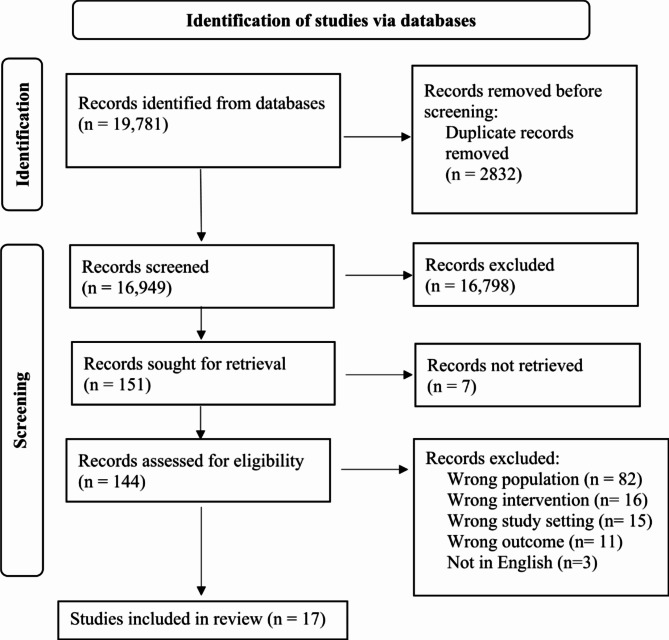
BACKGROUND: The benefits of healthy eating are well known, yet adolescent diet is often poor. School based interventions offer a promising option to promote healthy eating, however, evidence is unclear. AIM: This umbrella review synthesised the current evidence on school-based interventions for healthy eating in adolescents (10-19 years old). METHODS: Using Joanna Briggs Institute (JBI) umbrella review guidelines, a systematic search was conducted on 11 electronic databases (PubMed, CINHAL, EMBASE, Science Direct, PsycINFO, MEDLINE, Scopus, ERIC, Web of Science, Cochrane Register of Systemic Review and JBI Evidence Synthesis) to identify reviews published between January 2000 and December 2023. Methodological quality was assessed using JBI critical appraisal tool. A narrative synthesis was conducted informed by the World Health Organisation's Health Promoting School (HPS) framework that categorises school-based interventions into three components i.e., health education, school environment changes, and family and community involvement. RESULTS: Seventeen reviews were identified (including 347 unique primary studies) that were published between 2008 and 2023. 87% of the reviews were based on interventions in high- income countries, limiting applicability to low- and middle-income countries. Fourteen reviews were rated as high, two as moderate, and one was rated as low methodological quality. Evidence from 71% of the reviews (n = 14 reviews, 13 = high methodological quality) found that multi-component interventions (i.e., interventions incorporating more than two components of the HPS framework) improved adolescents' knowledge and behaviour concerning healthy eating. At the individual level, tech-driven healthy eating curricula effectively improved eating behaviours of adolescents. These individual-level interventions proved to be more effective and sustainable when supported by system-level changes, such as modifying school environments including increased availability of healthy foods and involving parents to promote healthy eating for adolescents. However, limited evidence from only three reviews suggests mixed feasibility for technology-based interventions and lower feasibility for multi-component interventions. The lack of information on stakeholder involvement in intervention design is another critical evidence gap. CONCLUSION: School-based multi-component healthy eating interventions that combine individual-level interventions with system-level changes are effective in promoting healthy eating behaviours among adolescents. Future reviews should assess the effectiveness of participatory approaches in intervention design, feasibility and scale-up studies, and analysing evidence from low- and middle-income countries.
Overview
CoChat Summary
## TL;DR
This umbrella review found that school-based healthy eating interventions for adolescents aged 10–19 years are most effective when they combine individual-level education with system-level changes in the school environment and family involvement. The evidence was largely from high-income countries, with limited applicability to low- and middle-income settings.
## Key findings
- Seventeen reviews were included, capturing 347 unique primary studies published between 2008 and 2023; 14 reviews were rated high quality, 2 moderate, and 1 low.
- 71% of the reviews (n = 14; 13 high quality) found that multi-component interventions improved adolescents’ healthy eating knowledge and behaviour.
- Two high-quality reviews with 80 unique primary studies found that interventions using all three Health Promoting School (HPS) components were “likely effective” for improving healthy eating knowledge and behaviour, including increased fruit and vegetable and water intake and reduced sugar-sweetened beverage intake.
- Technology-driven individual-level curricula were reported as effective, and their acceptability/feasibility improved when supported by school-environment changes and parent involvement; however, only three reviews provided limited evidence on feasibility, with mixed findings.
## Methods
- Umbrella review conducted using Joanna Briggs Institute (JBI) guidance and reported with PRIOR; protocol registered in PROSPERO (CRD42022338762).
- Searched 11 electronic databases for English-language peer-reviewed reviews published January 2000 to December 2023; 19,781 records were identified and 17 reviews met eligibility.
- Included reviews of adolescents aged 10–19 years that reported dietary/healthy eating knowledge and behaviour outcomes; quality was appraised with the JBI critical appraisal tool and findings were synthesized narratively using the WHO Health Promoting School framework and an intervention-effectiveness categorization scheme.
## Limitations
- The paper states that included reviews had mixed methodological quality, many primary studies were low quality, and intervention characteristics were inconsistently reported.
- The evidence was primarily from high-income countries (87%), limiting applicability to low- and middle-income countries.
- Only English-language peer-reviewed reviews were included, so the authors note they may have missed non-English and grey-literature reviews, which could have led to publication bias and possible overestimation of effectiveness.
Model-written summary. Check it against the paper before relying on it.
Integrity signals
Registry
Cites
Statistics
Figures
Verification
Claims the paper makes
54 Valid · 9 Not valid · 20 Not checked · 39 Own results and interpretations
Some cited sources support this claim and some don’t — read each source’s verdict below.
In the paper
“There were promising effects of multi-component interventions on healthy eating behaviour reported in seven high-quality [30, 32, 35–38, 45] and one moderate-quality reviews [42] (including 192 unique studies) [30, 32, 35–38, 42, 45].”
§ School-based healthy eating interventions for adolescents aged 10–19 years: an umbrella review > Results > Multi-component interventions
What the sources say
- Partly supportedcites [30] Shinde S, Wang D, Moulton GE, Fawzi WW. School-based health and nutrition interventions addressing double burden of malnutrition and educational outcomes of adolescents in low- and middle-income countries: a systematic review. Matern Child Nutr. 2023;(August):1–36. PMC12208896 36994620 sourceExperimental — accuracy not yet measured
The Results (Main findings of interventions; page unavailable) report improvement in at least one nutrition- or diet-related outcome in 16 of 21 studies of integrated multi-component interventions, supporting the general point about promising effects. But this paper reviews intervention studies, not seven high-quality and one moderate-quality reviews, and it does not report 192 unique studies; its Discussion (Synthesis of findings; page unavailable) says it included 68 articles describing 58 interventions. (LLM, conf=0.88)
- Disputedcites [32] De Sa J, Lock K. Will European agricultural policy for school fruit and vegetables improve public health? A review of school fruit and vegetable programmes. [cited 2022 Sep 30]; https://academic.oup.com/eurpub/article/18/6/558/576644 18719006 sourceExperimental — accuracy not yet measured
Our copy of de Sa & Lock (2008) is a single systematic review of primary school studies, not an overview of eight reviews: the RESULTS section states 'The final pool consisted of 34 articles reporting on 30 studies' (1021 unduplicated papers screened, 87 excluded), and METHODS describes quality rating of individual studies using a tool from a previous FV review, with no high-/moderate-quality review categorisation and nothing corresponding to 192 unique studies. The paper's own multicomponent findings ('Twenty-three studies had a multicomponent design'; DISCUSSION 'Over 75% studies involved a multicomponent approach') concern FV intake in these 30 studies, so the umbrella-review framing and counts attributed here are contrary to what our copy reports. The DISCUSSION mentions only previous reviews of childhood FV interventions (refs 18, 44-46) and one meta-analysis of seven US studies, none of which is the eight-review/192-study synthesis described. (LLM, conf=0.72)
Checked by a reasoning model — may be wrong.
- Partly supportedcites [35] Vézina-Im LA, Beaulieu D, Bélanger-Gravel A, Boucher D, Sirois C, Dugas M, et al. Efficacy of school-based interventions aimed at decreasing sugar-sweetened beverage consumption among adolescents: a systematic review. Public Health Nutr. 2017;20(13):2416–31. 28173882 PMC10261378 sourceExperimental — accuracy not yet measured
Our copy confirms only that this is a systematic review reporting promising effects: the Abstract and Results of interventions (k 36 studies, n 152 001) state that >70 % of interventions were effective in decreasing SSB consumption and that 'School-based interventions show promising results to reduce SSB consumption among adolescents', with most included interventions being multi-component (healthy eating plus physical activity, and six combining educational/behavioural with legislative/environmental components; Characteristics of interventions). But the outcome it reports is SSB consumption specifically, not healthy eating behaviour generally, and none of the aggregate figures attributed here belong to this paper: it does not rate review quality (it rated primary studies with the EPHPP tool — Study selection and data extraction; Study designs and quality of studies: 2 strong, 12 moderate, 22 weak studies), and it included 36 studies, not part of a stated '192 unique studies'. The 'seven high-quality and one moderate-quality reviews (192 unique studies)' count is the citing paper's own tally across its eight cited reviews, not a finding of this source. (LLM, conf=0.72)
- Partly supportedcites [36] Bailey CJ, Drummond MJ, Ward PR. Food literacy programmes in secondary schools: a systematic literature review and narrative synthesis of quantitative and qualitative evidence. Public Health Nutr. 2019;(5). PMC10260549 31290384 sourceExperimental — accuracy not yet measured
Our copy of Bailey et al. (2019) is a primary systematic review of secondary-school food literacy programmes that included forty-four publications (37 quantitative, 7 qualitative) from 382 retrieved records (Results), so it cannot itself be a review 'including 192 unique studies'; that aggregate figure is not in it. Nor does it carry a 'high-quality' designation: its quality appraisal rates the INCLUDED studies (majority 'positive', two 'average' (45,59) in the Risk of bias assessment / Discussion), not the review itself. What it does support is the substantive part: interventions implemented for a minimum of 4 weeks using validated, reliable measures incorporating psychological constructs showed changes in short-term dietary behaviour, and multi-component/theory-driven and garden-based programmes were associated with improved F&V intake (Discussion; Garden-based nutrition interventions, Table 2 entries 23, 30) — though the same Discussion stresses 'inconsistencies in the overall findings' and that it was 'difficult to determine which type of school-based programme or intervention was most effective', which is weaker than 'promising effects'. (LLM, conf=0.72)
- Supportedcites [37] Calvert S, Dempsey RC, Povey R. Delivering in-school interventions to improve dietary behaviours amongst 11- to 16-year-olds: a systematic review. Obes Rev. 2019;20(4):543–53. 30550629 source
In “Dietary behaviours targeted and types of interventions delivered” (page unavailable), the review reports that only five of 26 multicomponent intervention studies were unsuccessful at changing dietary behaviour. This supports citing the review for promising effects; the count of 192 unique studies and the quality ratings describe the citing paper’s set of eight reviews, not this review alone. (LLM, conf=0.90)
- Disputedcites [38] Hackman C, Knowlden A. Theory of reasoned action and theory of planned behavior-based dietary interventions in adolescents and young adults: a systematic review. Adolesc Health Med Ther. 2014;101. PMC4057331 24966710 sourceExperimental — accuracy not yet measured
The Methods section (page unavailable) says review articles were excluded and 11 intervention studies met the inclusion criteria. The Abstract Results reports dietary behaviour change in nine of those 11 studies, not findings from eight reviews comprising 192 unique studies. The paper recommends multi-component interventions but does not report the claimed review-level result. (LLM, conf=0.90)
Checked by a reasoning model — may be wrong.
- Disputedcites [42] Nakabayashi J, Melo GR, isa, Toral N. Transtheoretical model-based nutritional interventions in adolescents: a systematic review. BMC Public Health. 2020;20(1):1–14. 33054748 PMC7557045 sourceExperimental — accuracy not yet measured
The Results (page not provided) say this review included 17 articles covering 14 interventions, not eight reviews covering 192 unique studies. Its Methodological quality section rates interventions—not reviews—as three strong, six moderate and five weak. The Main outcomes section does report some improvements in eating behaviour, but not the claimed review-level finding. (LLM, conf=0.86)
Checked by a reasoning model — may be wrong.
- Partly supportedcites [45] Medeiros GC, Azevedo KP, Garcia D, Oliveira Segundo VH, Mata ÁN, Fernandes AK, et al. Effect of school-based food and nutrition education interventions on the food consumption of adolescents: a systematic review and meta-analysis. Int J Environ Res Public Health. 2022;19. PMC9518323 36078238 sourceExperimental — accuracy not yet measured
The Discussion reports favorable food-consumption results for adolescents receiving multicomponent interventions, so this paper supports its inclusion as a review reporting promising effects. It includes 24 studies, however, and does not establish the citing sentence’s quality rating or its aggregate count of 192 unique studies across eight reviews. (LLM, conf=0.84)
plainstates a possible cause- Asserted: passes — The authors put it forward as true.
- Checkable: passes — It can be checked against evidence.
- Load-bearing: passes — The paper’s conclusions depend on it.
- Based: passes — The paper gives a reason why it holds.
- Partly supported
At least one cited source doesn’t support this claim or points to a different paper, and none confirmed it — see the verdicts below.
In the paper
“Although none of the reviews mentioned that key stakeholders were involved in the intervention design process, only four reviews mentioned that engaging adolescents and key stakeholders in designing and implementing interventions is crucial to ensure their effectiveness [31, 33, 43, 44].”
§ School-based healthy eating interventions for adolescents aged 10–19 years: an umbrella review > Results > Multi-component interventions
What the sources say
- Not checked — no full text of the sourcecites [31] Rose K, O’Malley C, Eskandari F, Lake AA, Brown L, Ells LJ. The impact of, and views on, school food intervention and policy in young people aged 11–18 years in Europe: a mixed methods systematic review. Obes Rev. 2021;22(5):1–25. 33442954 source
- Not checked — no full text of the sourcecites [33] Tallon JM, Saavedra Dias R, Costa AM, Leitão JC, Barros A, Rodrigues V et al. Impact of technology and school-based nutrition education programs on nutrition knowledge and behavior during adolescence—a systematic review. Scand J Educ Res. 2021;65(1):169–80. 10.1080/00313831.2019.1659408 source
- Disputedcites [43] St. Pierre C, Guan W, Barry L, Dease G, Gottlieb S, Morris A, et al. Themes in train-the-trainer nutrition education interventions targeting middle school students: a systematic review. Nutrients. 2021;13(8):1–40. PMC8398099 34444910 sourceExperimental — accuracy not yet measured
The Results section (page not provided) explicitly mentions an included study that incorporated the community into intervention design. It also describes an intervention in which cross-age peers developed content, contrary to the claim that this review did not mention stakeholder involvement in design. (LLM, conf=0.88)
Checked by a reasoning model — may be wrong.
- Could not verifycites [44] Champion KE, Parmenter B, McGowan C, Spring B, Wafford QE, Gardner LA, et al. Effectiveness of school-based eHealth interventions to prevent multiple lifestyle risk behaviours among adolescents: a systematic review and meta-analysis. Lancet Digit Heal. 2019;1(5):e206–21. 33323269 sourceExperimental — accuracy not yet measured
The Discussion (p. 16) recommends developing future interventions in close consultation with adolescents and teachers. It does not say whether this or other reviews mentioned stakeholder involvement in the design of the interventions they examined. Searches for stakeholder involvement and intervention design found no passage establishing the quoted ‘none of the reviews’ claim. (LLM, conf=0.74)
plain- Asserted: passes — The authors put it forward as true.
- Checkable: passes — It can be checked against evidence.
- Load-bearing: unclear — It is unclear whether the paper’s conclusions depend on it.
- Based: passes — The paper gives a reason why it holds.
The cited sources support only part of this claim — read each source’s verdict below.
In the paper
“Adolescents in both low- and middle-income countries (LMICs) and high-income countries (HICs) frequently have diets that are calorie-dense yet nutrient-deficient, marked by excessive consumption of sugar-sweetened beverage (SSB), ultra-processed foods, and insufficient intake of FV [11–13].”
§ School-based healthy eating interventions for adolescents aged 10–19 years: an umbrella review > Introduction
What the sources say
- Partly supportedcites [11] Li L, Sun N, Zhang L, Xu G, Liu J, Hu J et al. Fast food consumption among young adolescents aged 12–15 years in 54 low- and middle-income countries. Glob Health Action. 2020;13(1). 10.1080/16549716.2020.1795438 PMC7480506 32762333 sourceExperimental — accuracy not yet measured
The Background (page unavailable) describes fast food as energy-dense and nutrient-poor and links its consumption to more soft drinks and sweets and fewer fruits and vegetables. The Discussion (page unavailable) reports frequent fast-food consumption among 12–15-year-olds in 54 LMICs. The paper does not establish the same dietary pattern in HIC adolescents or specifically document excessive ultra-processed-food consumption. (LLM, conf=0.87)
- Not checked — no full text of the sourcecites [12] Beal T, Morris SS, Tumilowicz A. Global patterns of adolescent fruit, vegetable, carbonated soft drink, and fast-food consumption: a meta-analysis of global school-based student health surveys. Food Nutr Bull. 2019 [cited 2022 Sep 30];40(4):444–59. https://journals.sagepub.com/doi/full/10.1177/0379572119848287 31617415 source
- Could not verifycites [13] Fleming C, Hockey K, Schmeid V, Third A. Food and me. Unicef. 2020; 10.26183/26f6-ec12 sourceExperimental — accuracy not yet measured
Our copy of Fleming et al. (2020) yields only repository metadata — the Abstract section holds the citation record, keyword list ('adolescence, food industry and trade, health promotion, nutrition, teenagers') and SDG tags, with no substantive report text. Searches for the claim's specific content (sugar-sweetened beverages, ultra-processed foods, fruit and vegetable intake, calorie-dense/nutrient-deficient diets, double burden of malnutrition, LMIC vs HIC dietary patterns) returned no passages, and the only hits were the metadata entries above. Since our copy does not contain the report's discussion of adolescent dietary composition, neither support nor contradiction can be established here. (LLM, conf=0.70)
plain- Asserted: passes — The authors put it forward as true.
- Checkable: passes — It can be checked against evidence.
- Load-bearing: passes — The paper’s conclusions depend on it.
- Based: passes — The paper gives a reason why it holds.
- Partly supported
The cited sources support only part of this claim — read each source’s verdict below.
In the paper
“The existing literature has not adequately explored the effectiveness of specific intervention strategies within each component of HPS.”
§ School-based healthy eating interventions for adolescents aged 10–19 years: an umbrella review > Introduction
What the sources say
- Partly supportedcites [19] O’brien KM, Barnes C, Yoong S, Campbell E, Wyse R, Delaney T et al. School-based nutrition interventions in children aged 6 to 18 years: an umbrella review of systematic reviews. Nutr 2021, Vol 13, Page 4113. 2021 [cited 2022 Sep 30];13(11):4113. https://www.mdpi.com/2072-6643/13/11/4113/htm PMC8618558 34836368 sourceExperimental — accuracy not yet measured
The Discussion (§4.5, page unavailable) says variability among studies limits the ability to determine which approaches work within multistrategy interventions. The review does not specifically establish that strategies within each HPS component have been inadequately explored; it reports effectiveness findings for nutrition education and food-environment interventions (§3.4). (LLM, conf=0.83)
plain- Asserted: passes — The authors put it forward as true.
- Checkable: passes — It can be checked against evidence.
- Load-bearing: passes — The paper’s conclusions depend on it.
- Based: passes — The paper gives a reason why it holds.
- Partly supported
The cited sources support only part of this claim — read each source’s verdict below.
In the paper
“Only one review [38] reported on the theoretical frameworks that underpinned interventions - the social cognitive theory (SCT), social learning theory (SLT), and theory of reasoned action (TRA).”
§ School-based healthy eating interventions for adolescents aged 10–19 years: an umbrella review > Results > Single-component interventions Out of 17 reviews, three reviews [29, 33, 41], comprising a total of 32 unique primary studies, focused on single-component individual-level interventions (Table 2). The methodological quality of these reviews was mixed: one study was rated as high [41], one as moderate [33], and one was rated as poor methodological quality [29]. These reviews exclusively synthesised data from HICs. All the three reviews focused on promoting health eating and included some tech-driven curriculum, i.e., the integration of technological tools into educational practices. The contents included lessons on nutrition, personal diet recommendations, gamified learning experiences (such as levelling up based on healthy eating knowledge and behaviour), cooking recipes, and an app to record daily food intake. Only one review [38] reported on the theoretical frameworks that underpinned interventions - the social cognitive theory (SCT), social learning theory (SLT), and theory of reasoned action (TRA). The intervention duration, ranged from two to 10 weeks [30, 38] and the timing of follow up assessments ranged from immediately after intervention to three years after the intervention [30, 38]. Primary outcomes for these reviews were healthy eating knowledge and behaviour such as consumption of FV, dairy, meat and fibre, tendency to skip meals and intake of processed snacks and SSBs [26, 30, 38]. Two reviews [26, 38] used the food frequency questionnaire (FFQ) to measure outcomes and the third review did not report such tools [30]. Applying the effectiveness categorisation framework [25], these interventions were considered “likely effective” in improving both knowledge about healthy eating and actual eating behaviours. Two reviews [26, 38] reported on acceptability of the tech-driven curriculum and reported there was higher participation and engagement by adolescents. These reviews also found that these interventions improved accessibility overall and were equitable as they were able to engage adolescents with low resources. Flexible participation, time-saving and the ability to customise content by language were key features that improved the feasibility of these interventions [26, 38]. The combination of three BCTT hierarchical clusters was “likely effective”, as reported by only one review with high methodological quality: feedback and monitoring (SMS-based diaries); shaping knowledge (computer-tailored workshops); and associations (SMS) (Supplementary file 5).
What the sources say
- Partly supportedcites [38] Hackman C, Knowlden A. Theory of reasoned action and theory of planned behavior-based dietary interventions in adolescents and young adults: a systematic review. Adolesc Health Med Ther. 2014;101. PMC4057331 24966710 sourceExperimental — accuracy not yet measured
The Intervention design > Limitations section says all reviewed interventions used TRA or TPB, supporting TRA as one framework. Practical implications and recommendations mentions SCT as a framework used in other eating-behavior interventions, not as a framework of the interventions this review assessed; the copy does not identify SLT as one. This paper also cannot establish that it was the only review to report frameworks. (LLM, conf=0.88)
plain- Asserted: passes — The authors put it forward as true.
- Checkable: passes — It can be checked against evidence.
- Load-bearing: unclear — It is unclear whether the paper’s conclusions depend on it.
- Based: passes — The paper gives a reason why it holds.
- Partly supported
39 more claims · 13 with their cited sources checked
Create a free account to see all 122 claims and to verify the 108 references still open.
- It may state two separate claims as one. 56
- Probably not a substantial claim. 34
- The quote only partly states this claim. 3
Self-check
Percentages, sums and reported differences re-computed from the paper’s own numbers.
Rated minor: it would not touch a result — a value no result rests on, a p-value that stays on the same side of the significance level, or a conflict that is clerical, resolved elsewhere in the paper, or outside its own findings.
In the paper
“Evidence from 71% of the reviews (n = 14 reviews, 13 = high methodological quality) found that multi-component interventions”
§ School-based healthy eating interventions for adolescents aged 10–19 years: an umbrella review > Abstract > Results
Reported 71 · recomputed 82.352941
Citations
Cites
Rayyan-a web and mobile app for systematic reviews.
Ouzzani, M., Hammady, H., Fedorowicz, Z., & Elmagarmid, A. (2016) · Systematic Reviews · doi:10.1186/s13643-016-0384-4 · Cited by 26,092 · cited 1×
“Records identified from database search were exported to Rayyan [23].”
MethodMichie, S., Richardson, M., Johnston, M., Abraham, C., Francis, J., Hardeman, W., Eccles, M. P., Cane, J., & Wood, C. E. (2013) · Annals of Behavioral Medicine · doi:10.1007/s12160-013-9486-6 · Cited by 7,629 · cited 1×
“Additionally, we applied the Behaviour Change Technique Taxonomy (BCTT) to identify effective combinations of intervention components for promoting healthy eating behaviours among adolescents [28].”
MethodCumpston, M., Li, T., Page, M. J., Chandler, J., Welch, V. A., Higgins, J. P., & Thomas, J. (2019) · Cochrane Database of Systematic Reviews · doi:10.1002/14651858.ed000142 · Cited by 7,218
Aromataris, E., Fernandez, R., Godfrey, C. M., Holly, C., Khalil, H., & Tungpunkom, P. (2015) · International Journal of Evidence-Based Healthcare · doi:10.1097/xeb.0000000000000055 · Cited by 2,587 · cited 1×
“This tool does not mention cut-off points for categorising the quality of systematic reviews [21], hence, we applied these cut-off points: high quality ( ≥ 8 “Yes”), moderate quality (5–7 “Yes”), and low quality ( ≤ 4 “Yes”) (Supplementary file 4).”
MethodA taxonomy of behavior change techniques used in interventions
Abraham, C., & Michie, S. (2008) · Health Psychology · doi:10.1037/0278-6133.27.3.379 · Cited by 2,525 · cited 3×
“Literature suggests using BCTT with behaviour change theories and frameworks, such as goal setting theory, TTM, TRA, and Capability, Opportunity, Motivation-Behaviour (COM-B) framework, for more effective and sustainable behaviour change [64–67].”
BackgroundMethodA taxonomy of behaviour change methods: an Intervention Mapping approach
Kok, G., Gottlieb, N. H., Peters, G.-J. Y., Mullen, P. D., Parcel, G. S., Ruiter, R. A. C., Fernández, M. E., Markham, C., & Bartholomew, L. K. (2016) · Health Psychology Review · doi:10.1080/17437199.2015.1077155 · Cited by 1,137 · cited 1×
“BCTT can improve intervention designs, enable cross-study analysis, and inform implementation feasibility [64, 68, 69].”
BackgroundSomerville, L. H., Jones, R. M., & Casey, B. J. (2010) · Brain and Cognition · doi:10.1016/j.bandc.2009.07.003 · Cited by 1,025 · cited 1×
“…this data with data from wearable tech, mobile apps, and school canteen sales data, ecological momentary assessment (EMA) for real-time data collection, direct observation of adolescents’ eating behaviours, and proxy reports from family members can provide insights into behaviour changes [70–76].”
BackgroundGates, M., Gates, A., Pieper, D., Fernandes, R. M., Tricco, A. C., Moher, D., Brennan, S. E., Li, T., Pollock, M., Lunny, C., et al. (2022) · BMJ · doi:10.1136/bmj-2022-070849 · Cited by 856
Nutrition in adolescents: physiology, metabolism, and nutritional needs
Das, J. K., Salam, R. A., Thornburg, K. L., Prentice, A. M., Campisi, S., Lassi, Z. S., Koletzko, B., & Bhutta, Z. A. (2017) · Annals of the New York Academy of Sciences · doi:10.1111/nyas.13330 · Cited by 597
Does theory influence the effectiveness of health behavior interventions? Meta-analysis
Prestwich, A., Sniehotta, F. F., Whittington, C., Dombrowski, S. U., Rogers, L., & Michie, S. (2014) · Health Psychology · doi:10.1037/a0032853 · Cited by 562
Van Cauwenberghe, E., Maes, L., Spittaels, H., van Lenthe, F. J., Brug, J., Oppert, J.-M., & De Bourdeaudhuij, I. (2010) · British Journal of Nutrition · doi:10.1017/s0007114509993370 · Cited by 441 · cited 7×
“Majority of the reviews ( n = 14) evaluated multi-component interventions [30–32, 34–40, 42–45] while three reviews evaluated only health education interventions [29, 33, 41].”
BackgroundMethodInfluentialBailey, R. L. (2021) · Current Opinion in Biotechnology · doi:10.1016/j.copbio.2021.02.007 · Cited by 431 · cited 2×
“…this data with data from wearable tech, mobile apps, and school canteen sales data, ecological momentary assessment (EMA) for real-time data collection, direct observation of adolescents’ eating behaviours, and proxy reports from family members can provide insights into behaviour changes [70–76].”
BackgroundState‐of‐the‐Evidence Reviews: Advantages and Challenges of Including Grey Literature
Benzies, K. M., Premji, S., Hayden, K. A., & Serrett, K. (2006) · Worldviews on Evidence-Based Nursing · doi:10.1111/j.1741-6787.2006.00051.x · Cited by 408 · cited 1×
“This may have also led to an overestimation of the interventions’ effectiveness due to publication bias [77, 78].”
BackgroundCapability, opportunity, and motivation: an across contexts empirical examination of the COM-B model
Willmott, T. J., Pang, B., & Rundle-Thiele, S. (2021) · BMC Public Health · doi:10.1186/s12889-021-11019-w · Cited by 249 · cited 1×
“Literature suggests using BCTT with behaviour change theories and frameworks, such as goal setting theory, TTM, TRA, and Capability, Opportunity, Motivation-Behaviour (COM-B) framework, for more effective and sustainable behaviour change [64–67].”
MethodDaly-Smith, A., Quarmby, T., Archbold, V. S. J., Corrigan, N., Wilson, D., Resaland, G. K., Bartholomew, J. B., Singh, A., Tjomsland, H. E., Sherar, L. B., et al. (2020) · International Journal of Behavioral Nutrition and Physical Activity · doi:10.1186/s12966-020-0917-z · Cited by 237 · cited 1×
“Adolescents offer insights into their eating habits and preferences [57–59], parents shape their children’s eating behaviours [59, 60], teachers ensure compatibility with school resources [59], and policymakers promote policies for long-term support [59, 61].”
BackgroundVerstraeten, R., Roberfroid, D., Lachat, C., Leroy, J. L., Holdsworth, M., Maes, L., & Kolsteren, P. W. (2012) · The American Journal of Clinical Nutrition · doi:10.3945/ajcn.112.035378 · Cited by 208
Chaudhary, A., Sudzina, F., & Mikkelsen, B. E. (2020) · Nutrients · doi:10.3390/nu12092894 · Cited by 199 · cited 2×
“This finding is consistent with recent empirical evidence [46–49], highlighting the potential of such interventions to address the complex factors influencing adolescents’ eating behaviour.”
BackgroundResultChampion, K. E., Parmenter, B., McGowan, C., Spring, B., Wafford, Q. E., Gardner, L. A., Thornton, L., McBride, N., Barrett, E. L., Teesson, M., et al. (2019) · The Lancet Digital Health · doi:10.1016/s2589-7500(19)30088-3 · Cited by 197 · cited 4×
“The healthy eating education components included lectures [34, 39, 40], group discussions [40, 44], games [39, 44], distribution of materials via compact discs (CDs), videos, emails, and text messages, blogs by a health coach [44], workshops for staff and students [39], and drama [40].”
BackgroundMethodInfluentialIntervention Taxonomy (ITAX): Describing Essential Features of Interventions
Schulz, R. (2010) · American Journal of Health Behavior · doi:10.5993/ajhb.34.6.15 · Cited by 177 · cited 1×
“BCTT can improve intervention designs, enable cross-study analysis, and inform implementation feasibility [64, 68, 69].”
BackgroundBeal, T., Morris, S. S., & Tumilowicz, A. (2019) · Food and Nutrition Bulletin · doi:10.1177/0379572119848287 · Cited by 174 · cited 1×
“…the Global School-based Student Health Surveys from 2008 to 2015 including Africa, Asia, Oceania, and Latin America revealed that 35% of adolescents do not meet the recommended intake of FV, 43% consume sugary sweetened beverages (SSBs) daily, and 46% eat processed foods at least weekly [12].”
BackgroundDiethelm, K., Jankovic, N., Moreno, L. A., Huybrechts, I., De Henauw, S., De Vriendt, T., González-Gross, M., Leclercq, C., Gottrand, F., Gilbert, C. C., et al. (2012) · Public Health Nutrition · doi:10.1017/s1368980011001935 · Cited by 166 · cited 2×
“[9, 10].”
BackgroundInfluentialde Sa, J., & Lock, K. (2008) · The European Journal of Public Health · doi:10.1093/eurpub/ckn061 · Cited by 158
Nutrition, child growth, and chronic disease prevention
Uauy, R., Kain, J., Mericq, V., Rojas, J., & Corvalán, C. (2008) · Annals of Medicine · doi:10.1080/07853890701704683 · Cited by 155 · cited 1×
“…contributes to obesity and associated health issues among adolescents such as growth retardation, impaired organ development, micronutrient deficiencies, and later in life can lead to non-communicable diseases (NCDs) including cardiovascular diseases, diabetes mellitus, and hypertension [3–7].”
BackgroundLi, L., Sun, N., Zhang, L., Xu, G., Liu, J., Hu, J., Zhang, Z., Lou, J., Deng, H., Shen, Z., et al. (2020) · Global Health Action · doi:10.1080/16549716.2020.1795438 · Cited by 135 · cited 1×
“Adolescents in both low-and middle-income countries (LMICs) and high-income countries (HICs) frequently have diets that are calorie-dense yet nutrient-deficient, marked by excessive consumption of sugar-sweetened beverage (SSB), ultra-processed foods, and insufficient intake of FV [11–13].”
BackgroundSutcliffe, K., Thomas, J., Stokes, G., Hinds, K., & Bangpan, M. (2015) · Systematic Reviews · doi:10.1186/s13643-015-0126-z · Cited by 134 · cited 1×
“The comprehensive synthesis of intervention components and their respective contents is crucial for understanding the effectiveness, generalis-ability, and replicability of these interventions [20].”
BackgroundHackman, C., & Knowlden, A. (2014) · Adolescent Health, Medicine and Therapeutics · doi:10.2147/ahmt.s56207 · Cited by 132 · cited 9×
“The intervention duration, ranged from two to 10 weeks [30, 38] and the timing of follow up assessments ranged from immediately after intervention to three years after the intervention [30, 38].”
BackgroundMethodInfluentialIncorporating feasibility protocols in intervention research
Gadke, D. L., Kratochwill, T. R., & Gettinger, M. (2021) · Journal of School Psychology · doi:10.1016/j.jsp.2020.11.004 · Cited by 132 · cited 1×
“This highlights the need for more comprehensive feasibility assessments to identify and address the logistical, contextual, and stakeholder factors that influence intervention effectiveness [62, 63].”
BackgroundThe Health Promoting Schools Framework: Known Unknowns and an Agenda for Future Research
Langford, R., Bonell, C., Komro, K., Murphy, S., Magnus, D., Waters, E., Gibbs, L., & Campbell, R. (2017) · Health Education & Behavior · doi:10.1177/1090198116673800 · Cited by 130 · cited 2×
“The World Health Organisation’s (WHO) Health Promoting School (HPS) framework [18] provides a comprehensive approach to promoting healthy eating in schools, encompassing three key components: health education, school environment modifications, and engagement with families and communities.”
BackgroundMethodWard, S., Bélanger, M., Donovan, D., & Carrier, N. (2015) · Obesity Reviews · doi:10.1111/obr.12315 · Cited by 124
Meiklejohn, S., Ryan, L., & Palermo, C. (2016) · Journal of Nutrition Education and Behavior · doi:10.1016/j.jneb.2016.07.015 · Cited by 120 · cited 4×
“The healthy eating education components included lectures [34, 39, 40], group discussions [40, 44], games [39, 44], distribution of materials via compact discs (CDs), videos, emails, and text messages, blogs by a health coach [44], workshops for staff and students [39], and drama [40].”
BackgroundInfluentialSystematic review on evidence‐based adolescent nutrition interventions
Lassi, Z. S., Moin, A., Das, J. K., Salam, R. A., & Bhutta, Z. A. (2017) · Annals of the New York Academy of Sciences · doi:10.1111/nyas.13335 · Cited by 117 · cited 1×
“Healthy eating is essential for adolescents’ physical and mental development, providing the calories and nutrients needed to support their growth, development, and the maintenance of an active lifestyle throughout their lives [1, 2].”
BackgroundThe application of Goal Setting Theory to goal setting interventions in sport: a systematic review
Jeong, Y. H., Healy, L. C., & McEwan, D. (2023) · International Review of Sport and Exercise Psychology · doi:10.1080/1750984x.2021.1901298 · Cited by 113
Maugeri, A., & Barchitta, M. (2019) · Nutrients · doi:10.3390/nu11112696 · Cited by 111
Petridi, E., Karatzi, K., Magriplis, E., Charidemou, E., Philippou, E., & Zampelas, A. (2023) · Nutrition Reviews · doi:10.1093/nutrit/nuad095 · Cited by 108 · cited 2×
“Ultra-processed foods are laden with added sugars, salt and harmful fats, and are deficient in essential nutrients like dietary fibre, vitamins, and minerals [14].”
BackgroundVézina-Im, L.-A., Beaulieu, D., Bélanger-Gravel, A., Boucher, D., Sirois, C., Dugas, M., & Provencher, V. (2017) · Public Health Nutrition · doi:10.1017/s1368980017000076 · Cited by 106 · cited 10×
“…[30, 36], TRA [30, 38], pedagogy of the oppressed by Paulo Freire [30, 45], socio-ecological model (SEM) [30, 45], self-regulation theory (SRT) [35, 45], ASE Model, the action planning literature, Bloom’s mastery of learning model, Bronfenbrenner’s ecological theory [45], cognitive behavioural…”
InfluentialO’Brien, K. M., Barnes, C., Yoong, S., Campbell, E., Wyse, R., Delaney, T., Brown, A., Stacey, F., Davies, L., Lorien, S., et al. (2021) · Nutrients · doi:10.3390/nu13114113 · Cited by 100 · cited 6×
“One umbrella review assessed school-based healthy eating interventions focusing on behaviour changes in children aged 6 to 18 years, it did not present results separately for adolescents [19].”
BackgroundMethodInfluentialMedeiros, G. C. B. S. D., Azevedo, K. P. M. D., Garcia, D., Oliveira Segundo, V. H., Mata, Á. N. D. S., Fernandes, A. K. P., Santos, R. P. D., Trindade, D. D. B. D. B., Moreno, I. M., Guillén Martínez, D., et al. (2022) · International Journal of Environmental Research and Public Health · doi:10.3390/ijerph191710522 · Cited by 94 · cited 9×
“Majority of the reviews ( n = 14) evaluated multi-component interventions [30–32, 34–40, 42–45] while three reviews evaluated only health education interventions [29, 33, 41].”
BackgroundMethodInfluentialHuang, R.-C., Mori, T. A., Burke, V., Newnham, J., Stanley, F. J., Landau, L. I., Kendall, G. E., Oddy, W. H., & Beilin, L. J. (2009) · Diabetes Care · doi:10.2337/dc08-1917 · Cited by 93
Xu, T., Tomokawa, S., Gregorio, E. R., Mannava, P., Nagai, M., & Sobel, H. (2020) · PLOS ONE · doi:10.1371/journal.pone.0230046 · Cited by 92 · cited 4×
“…example, the socioeconomic and infrastructural differences between HICs and LMICs may influence the effectiveness and feasibility of interventions [54–56] or limited access to technology, financial resources, and trained personnel in LMICs may hinder the successful implementation of tech-driven…”
BackgroundInfluentialeHealth Intervention to Improve Health Habits in the Adolescent Population: Mixed Methods Study
Benavides, C., Benítez‐Andrades, J. A., Marqués‐Sánchez, P., & Ramos, N. A. (2021) · JMIR mhealth and uhealth · doi:10.2196/20217 · Cited by 91 · cited 1×
“These challenges include teachers’ lack of understanding of the operating systems of the technology, limited internet access, and poor technology infrastructure [51, 52].”
BackgroundCharlton, K., Comerford, T., Deavin, N., & Walton, K. (2021) · Public Health Nutrition · doi:10.1017/s1368980020004024 · Cited by 90
Merrell, K. W., & Buchanan, R. (2006) · School Psychology Review · doi:10.1080/02796015.2006.12087985 · Cited by 88 · cited 3×
“Combining system and individual-level interventions can create supportive environments that underpin and perpetuate changes in individual behaviour [17, 19, 53, 54].”
BackgroundHamel, L. M., & Robbins, L. B. (2013) · Journal of Advanced Nursing · doi:10.1111/j.1365-2648.2012.06086.x · Cited by 83 · cited 3×
“Our review found that curricula driven by technology effectively encouraged healthy eating behaviours at the individual level, a finding further reinforced by recent studies [50–52].”
BackgroundResultBailey, C. J., Drummond, M. J., & Ward, P. R. (2019) · Public Health Nutrition · doi:10.1017/s1368980019001666 · Cited by 82 · cited 8×
“…35–38, 45] and fresh The interventions the studies were informed by several theoretical models - SCT [30, 35, 36, 45], TPB [30, 35, 38, 45], TTM [36, 42, 45], health belief model [30, 36], TRA [30, 38], pedagogy of the oppressed by Paulo Freire [30, 45], socio-ecological model (SEM) [30, 45],…”
BackgroundMethodInfluentialMason, T. B., Do, B., Wang, S., & Dunton, G. F. (2020) · Appetite · doi:10.1016/j.appet.2019.104465 · Cited by 74
Wahl, R. (1999) · Pediatric Annals · doi:10.3928/0090-4481-19990201-07 · Cited by 68 · cited 2×
“[9, 10].”
BackgroundInfluentialThe Impact of Canadian School Food Programs on Children’s Nutrition and Health: A Systematic Review
Colley, P., Myer, B., Seabrook, J., & Gilliland, J. (2019) · Canadian Journal of Dietetic Practice and Research · doi:10.3148/cjdpr-2018-037 · Cited by 64 · cited 1×
“Our review found that curricula driven by technology effectively encouraged healthy eating behaviours at the individual level, a finding further reinforced by recent studies [50–52].”
ResultBreakfast and fast food consumption are associated with selected biomarkers in adolescents
Marlatt, K. L., Farbakhsh, K., Dengel, D. R., & Lytle, L. A. (2016) · Preventive Medicine Reports · doi:10.1016/j.pmedr.2015.11.014 · Cited by 63 · cited 1×
“The prevalence of meal skipping among adolescents, especially breakfast, has also been linked to increased fast food consumption [15, 16].”
BackgroundPeer Review Matters: Research Quality and the Public Trust
Kharasch, E. D., Avram, M. J., Clark, J. D., Davidson, A. J., Houle, T. T., Levy, J. H., London, M. J., Sessler, D. I., & Vutskits, L. (2021) · Anesthesiology · doi:10.1097/aln.0000000000003608 · Cited by 60 · cited 1×
“This may have also led to an overestimation of the interventions’ effectiveness due to publication bias [77, 78].”
BackgroundTranstheoretical model-based nutritional interventions in adolescents: a systematic review
Nakabayashi, J., Melo, G. R.-I., & Toral, N. (2020) · BMC Public Health · doi:10.1186/s12889-020-09643-z · Cited by 58
do Amaral e Melo, G. R., de Carvalho Silva Vargas, F., dos Santos Chagas, C. M., & Toral, N. (2017) · PLOS ONE · doi:10.1371/journal.pone.0184509 · Cited by 57
Anselma, M., Altenburg, T. M., Emke, H., van Nassau, F., Jurg, M., Ruiter, R. A. C., Jurkowski, J. M., & Chinapaw, M. J. M. (2019) · International Journal of Behavioral Nutrition and Physical Activity · doi:10.1186/s12966-019-0891-5 · Cited by 55
McHugh, C., Hurst, A., Bethel, A., Lloyd, J., Logan, S., & Wyatt, K. (2020) · Public Health · doi:10.1016/j.puhe.2020.02.006 · Cited by 54 · cited 6×
“The school environment components, working at the school system level, included canteen modifications [34, 39], food distributions [34], reduced price of fruits [44], social food marketing, staff trainings [39], loyalty programmes [34, 39], gardening, postering, and vending machine modifications…”
BackgroundInfluentialWang, M., Zhong, J.-M., Wang, H., Zhao, M., Gong, W.-W., Pan, J., Fei, F.-R., Wu, H.-B., & Yu, M. (2016) · International Journal of Environmental Research and Public Health · doi:10.3390/ijerph13080761 · Cited by 50 · cited 1×
“The prevalence of meal skipping among adolescents, especially breakfast, has also been linked to increased fast food consumption [15, 16].”
BackgroundEmerging trends of technology-based dietary assessment: a perspective study
Zhao, X., Xu, X., Li, X., He, X., Yang, Y., & Zhu, S. (2021) · European Journal of Clinical Nutrition · doi:10.1038/s41430-020-00779-0 · Cited by 46
Digital technologies for promotion of healthy eating habits in teenagers
Alcântara, C. M. D., Silva, A. N. S., Pinheiro, P. N. D. C., & Queiroz, M. V. O. (2019) · Revista Brasileira de Enfermagem · doi:10.1590/0034-7167-2018-0352 · Cited by 44
Adom, T., De Villiers, A., Puoane, T., & Kengne, A. P. (2019) · Nutrients · doi:10.3390/nu12010095 · Cited by 44
McQuinn, S., Belton, S., Staines, A., & Sweeney, M. R. (2022) · BMC Public Health · doi:10.1186/s12889-022-12635-w · Cited by 43 · cited 2×
“Empirical evidence suggests that engaging key stakeholders, including adolescents, parents, teachers, and policy experts, in intervention design ensures tailoring to adolescents’ needs, feasibility, and successful implementation [57–59].”
BackgroundCalvert, S., Dempsey, R. C., & Povey, R. (2019) · Obesity Reviews · doi:10.1111/obr.12797 · Cited by 40 · cited 2×
“…[30, 32, 35–38, 45] and one moder-ate-quality The healthy eating education components at the individual level, included lectures [30, 32, 36, 38, 42, 45], quizzes and games [30, 36, 38], media shows [37], plays, electronic messages, rewards, peer-lead-ing activities and training for teachers [38].”
BackgroundBenavides, C., Benítez-Andrades, J. A., Marqués-Sánchez, P., & Arias, N. (2020) · doi:10.2196/preprints.20217 · Cited by 39
Shinde, S., Wang, D., Moulton, G. E., & Fawzi, W. W. (2025) · Maternal & Child Nutrition · doi:10.1111/mcn.13437 · Cited by 34 · cited 9×
“Majority of the reviews ( n = 14) evaluated multi-component interventions [30–32, 34–40, 42–45] while three reviews evaluated only health education interventions [29, 33, 41].”
BackgroundMethodInfluentialMonnelly, K., Marshall, J., & Cruice, M. (2022) · Disability and Rehabilitation · doi:10.1080/09638288.2021.1964626 · Cited by 31 · cited 2×
“Applying the effectiveness categorisation framework [25], these interventions were considered “likely effective” in improving both knowledge about healthy eating and actual eating behaviours.”
BackgroundMethodTallon, J. M., Saavedra Dias, R., Costa, A. M., Leitão, J. C., Barros, A., Rodrigues, V., Monteiro, M. J., Almeida, A., Narciso, J., & Silva, A. J. (2021) · Scandinavian Journal of Educational Research · doi:10.1080/00313831.2019.1659408 · Cited by 30 · cited 5×
“Majority of the reviews ( n = 14) evaluated multi-component interventions [30–32, 34–40, 42–45] while three reviews evaluated only health education interventions [29, 33, 41].”
BackgroundMethodInfluentialRose, K., O'Malley, C., Eskandari, F., Lake, A. A., Brown, L., & Ells, L. J. (2021) · Obesity Reviews · doi:10.1111/obr.13186 · Cited by 30 · cited 4×
“Components related to the school environment, such as increased availability of healthy foods and parental involvement requires resources for implementation and so were found to be less feasible [31].”
BackgroundInfluentialSalwa, M., Atiqul Haque, M., Khalequzzaman, M., Al Mamun, M. A., Bhuiyan, M. R., & Choudhury, S. R. (2019) · BMC Public Health · doi:10.1186/s12889-019-7229-8 · Cited by 27
Increasing the Delivery of Preventive Health Services in Public Education
Cruden, G., Kelleher, K., Kellam, S., & Brown, C. H. (2016) · American Journal of Preventive Medicine · doi:10.1016/j.amepre.2016.07.002 · Cited by 25 · cited 2×
“We reported findings on the effectiveness of eating knowledge and behaviour outcomes according to a framework previously employed in a Cochrane overview of reviews framework [19, 27].”
MethodReddy, P., Dukhi, N., Sewpaul, R., Ellahebokus, M. A. A., Kambaran, N. S., & Jobe, W. (2021) · Frontiers in Public Health · doi:10.3389/fpubh.2021.604439 · Cited by 22 · cited 2×
“…the socioeconomic and infrastructural differences between HICs and LMICs may influence the effectiveness and feasibility of interventions [54–56] or limited access to technology, financial resources, and trained personnel in LMICs may hinder the successful implementation of tech-driven as…”
BackgroundAlmughamisi, M., O'Keeffe, M., & Harding, S. (2022) · Frontiers in Public Health · doi:10.3389/fpubh.2022.863765 · Cited by 20 · cited 2×
“Empirical evidence suggests that engaging key stakeholders, including adolescents, parents, teachers, and policy experts, in intervention design ensures tailoring to adolescents’ needs, feasibility, and successful implementation [57–59].”
BackgroundBall, R., Duncanson, K., Ashton, L., Bailey, A. W., Burrows, T. L., Whiteford, G. E., Henström, M., Gerathy, R., Walton, A., Wehlow, J., et al. (2021) · International Journal of Environmental Research and Public Health · doi:10.3390/ijerph19010102 · Cited by 16
St. Pierre, C., Guan, W., Barry, L., Dease, G., Gottlieb, S., Morris, A., Merrill, J., & Sacheck, J. M. (2021) · Nutrients · doi:10.3390/nu13082749 · Cited by 11 · cited 10×
“…the effectiveness and feasibility of interventions [54–56] or limited access to technology, financial resources, and trained personnel in LMICs may hinder the successful implementation of tech-driven as well as multi-component interventions that have been promising in HICs [29, 43, 54–56].”
BackgroundMethodInfluentialCecilia‐Costa, R., Hansmann, M., McGill, D. E., Volkening, L. K., & Laffel, L. M. (2021) · Diabetic Medicine · doi:10.1111/dme.14652 · Cited by 11
Fleming, C., De Oliveira, J. D., Hockey, K., Lala, G., Schmied, V., Theakstone, G., & Third, A. (2020) · Western Sydney University · doi:10.26183/26f6-ec12 · Cited by 10
Chan, C. M. J., Müller-Riemenschneider, F., Chia, M. Y. H., Hildon, Z. J.-L., & Chong, M. F.-F. (2024) · Pilot and Feasibility Studies · doi:10.1186/s40814-024-01479-3 · Cited by 2
Jenkins, E. L., Brennan, L., & McCaffrey, T. A. (2023) · Proceedings of the Nutrition Society · doi:10.1017/s002966512300112x · Cited by 1 · cited 2×
“Combining system and individual-level interventions can create supportive environments that underpin and perpetuate changes in individual behaviour [17, 19, 53, 54].”
Background
Cited by
Tabak, R. G., Kandula, N. R., Angell, S. Y., Brewer, L. C., Grandner, M. A., Hayman, L. L., Ing, C. T., Joseph, J. J., Moise, N., Nelson, S. E., et al. (2025) · Circulation · doi:10.1161/cir.0000000000001349 · Cited by 24
Strategies for achieving healthy, sustainable, and equitable dietary transitions
Yang, Y., Tilman, D. G., Bellemare, M. F., Fanzo, J., Grebitus, C., Haws, K. L., Herrero, M., Jebb, S. A., Just, D. R., Levine, A. S., et al. (2026) · Science · doi:10.1126/science.adr7162 · Cited by 15
Pengpid, S., Peltzer, K., Nguyen-Thi, T.-T., & Jayasvasti, I. (2025) · Nutrition Journal · doi:10.1186/s12937-025-01118-4 · Cited by 19
“…eating interventions that integrate system-level improvements with individual-level interventions, e.g., especially when they incorporate multiple components like education, the availability of nutritious food alternatives in the cafeteria, and environmental changes within the school setting [49].”
Kamel, I. H., Metwally, A. M., Zaki, D. A., Alam, R. R., Ali, A. E., Elshaarawy, G. A., Hady, S. I. A. E., Samy, A. G., & Elabd, M. A. (2025) · BMC Public Health · doi:10.1186/s12889-025-23583-6 · Cited by 13
“Previous studies have indicated that this stage marks a shift toward increased autonomy in food choices, making nutrition literacy interventions particularly important in helping adolescents navigate misleading food marketing and dietary misinformation [75].”
Rodríguez‐Rojo, I. C., García-Sastre, M., Peñacoba, C., Cuesta‐Lozano, D., García-Rodríguez, L. C., Blázquez‐González, P., González-Alegre, P., López-Reina-Roldán, J. M., & González, R. L. (2025) · Nutrients · doi:10.3390/nu17203305 · Cited by 10
“In addition, school-based nutrition education has been shown to be associated with improved knowledge and attitudes about healthy eating, favoring a clearer conceptualization of what constitutes “healthy eating” [46–49].”
Metadata
- Authors
- Samad, N., Bearne, L., Noor, F. M., Akter, F., & Parmar, D.
- Affiliations
- King's College London (GB)
- University of London (GB)
- BRAC University (BD)
- Corresponding author
- Samad, Nandeeta
- Venue
- International Journal of Behavioral Nutrition and Physical Activity
- Published
- 2024-10-14
- Volume
- 21
- Issue
- 1
- Pages
- 117-117
- ISSN
- 1479-5868 (ISSN-L)
- PMC
- PMC11472496
- OpenAlex
- W4403384373
- Cited by
- 41
- References
- 74
- Citations by year
- 2026: 28 · 2025: 11 · 2024: 2
- FWCI
- 4.33
- Type
- journal article
- Language
- en
- Open access
- gold
- doi.org
- Licence
- cc-by
- creativecommons.org/licenses/by/4.0 (tdm)
- creativecommons.org/licenses/by/4.0 (vor)
- Locations
- International Journal of Behavioral Nutrition and Physical Activity (publishedVersion, cc-by)
- PubMed Central (publishedVersion, cc-by)
- PubMed (publishedVersion)
- St George's Online Research Archive (St George's University of London) (acceptedVersion, cc-by)
- DOAJ (DOAJ: Directory of Open Access Journals) (submittedVersion)
- Funders
- Medical Research Council (MR/Y009983/1)
- Topics
- Health Sciences › Medicine › Public Health, Environmental and Occupational Health › School Health and Nursing Education
- Health Sciences › Nursing › Nutrition and Dietetics › Nutrition, Health and Food Behavior
- Health Sciences › Medicine › Public Health, Environmental and Occupational Health › Obesity, Physical Activity, Diet
- Keywords
- healthy eating, adolescents, school-based intervention, multicomponent intervention, technology-based interventions, school environment, parental involvement, eating behaviour, nutrition education, feasibility, stakeholder engagement
- MeSH terms
- Diet, Healthy, Adolescent, Child, Female, Health Education, Health Promotion, Humans, Male, School Health Services, Schools, Young Adult
About these checks
Registry, retraction, Cites and statistics results are computed, not judged, with one exception: a printed reference that no index lists is read once by a model before it counts as a citation error. Claims are extracted by a model and kept only when their quote appears verbatim in the text; each cited source is then checked, with a model’s help, for whether it says what the claim relies on. Those verdicts can be wrong — read the claim’s quote and the cited source before relying on one.
The claim verdicts this report counts are experimental: their accuracy is not yet measured.
A language model drew the claims from the paper on 2026-10-10, under version 3 of the claim definition (model deepseek-v4.1-flash, prompt extract-v3).
A second model labelled each claim on 2026-10-10 (model jev-1.13-20260917, definition revision gold-guideline-v0.2).
Cited sources are checked with a language model’s help (gpt-6-sol and qwen3.8-omni-flash).
Statistics and arithmetic are recomputed, not judged.
Confidence bands are shown only for fields calibrated on our annotated test set. None is calibrated yet, so no band is shown.
What counts as a claim ›How we measure confidence ›How we check this ›
Are you an author, or do you see a problem with this page? Request a review
Data sources
Bibliographic data: Semantic Scholar, OpenAlex, Crossref.
Contains information from the Semantic Scholar Academic Graph Datasets, made available under the ODC Attribution License (ODC-BY 1.0).
Semantic Scholar’s data is described in: Kinney, R., et al. (2023). The Semantic Scholar Open Data Platform. arXiv:2301.10140.
