

Prevalence of stress, anxiety, depression among the general population during the COVID-19 pandemic: a systematic review and meta-analysis
Open accessThe DOI matches its Crossref record; 58 of the 58 references it cites were found in a registry or an index.
Abstract
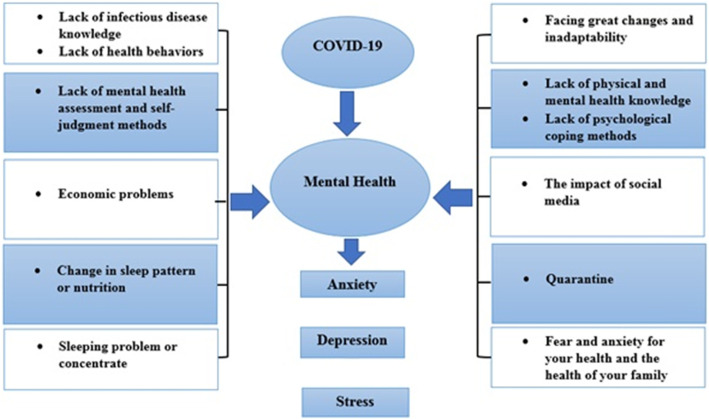
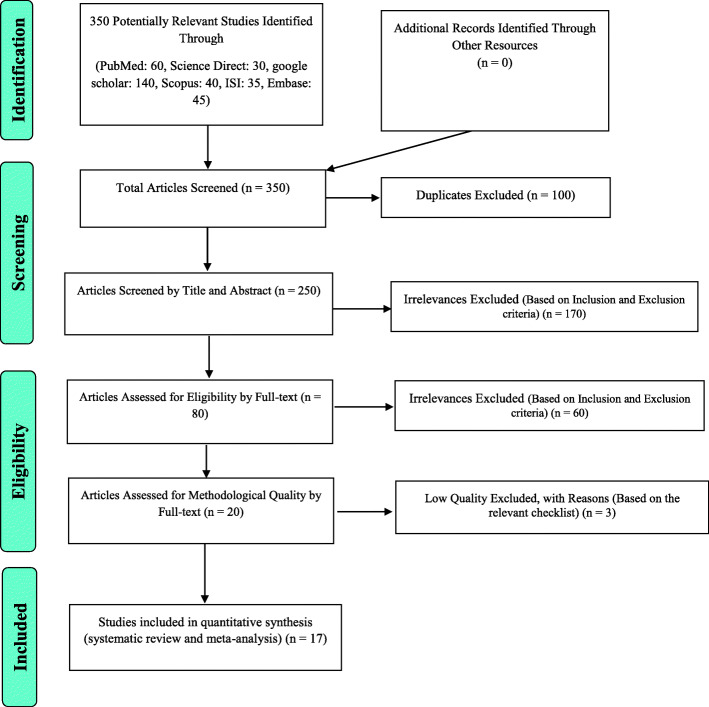
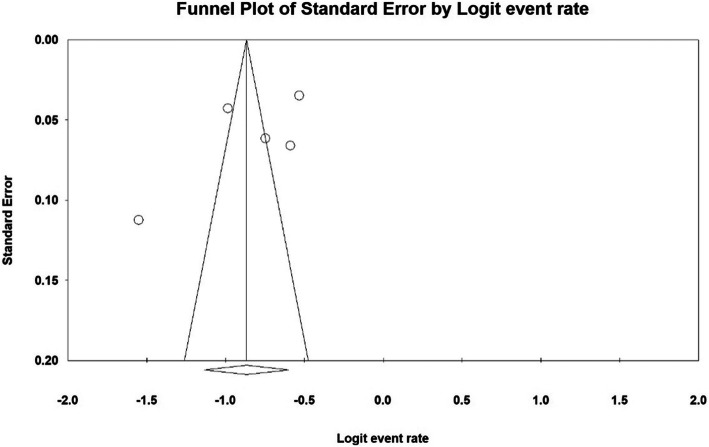
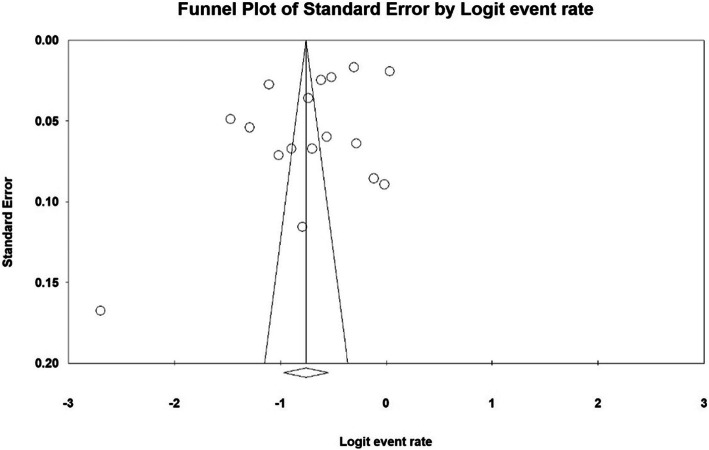
Background: The COVID-19 pandemic has had a significant impact on public mental health. Therefore, monitoring and oversight of the population mental health during crises such as a panedmic is an immediate priority. The aim of this study is to analyze the existing research works and findings in relation to the prevalence of stress, anxiety and depression in the general population during the COVID-19 pandemic. Method: In this systematic review and meta-analysis, articles that have focused on stress and anxiety prevalence among the general population during the COVID-19 pandemic were searched in the Science Direct, Embase, Scopus, PubMed, Web of Science (ISI) and Google Scholar databases, without a lower time limit and until May 2020. In order to perform a meta-analysis of the collected studies, the random effects model was used, and the heterogeneity of studies was investigated using the I 2 index. Moreover. data analysis was conducted using the Comprehensive Meta-Analysis (CMA) software. Results: The prevalence of stress in 5 studies with a total sample size of 9074 is obtained as 29.6% (95% confidence limit: 24.3–35.4), the prevalence of anxiety in 17 studies with a sample size of 63,439 as 31.9% (95% confidence interval: 27.5–36.7), and the prevalence of depression in 14 studies with a sample size of 44,531 people as 33.7% (95% confidence interval: 27.5–40.6). Conclusion: COVID-19 not only causes physical health concerns but also results in a number of psychological disorders. The spread of the new coronavirus can impact the mental health of people in different communities. Thus, it is essential to preserve the mental health of individuals and to develop psychological interventions that can improve the mental health of vulnerable groups during the COVID-19 pandemic.
Overview
The claims and statistics of this paper haven’t been checked yet.
Free: it reads the open-access text and checks the first 5 claims that cite a source we can check. Create a free account to check every claim.
Integrity signals
Registry
Cites
Statistics
Figures
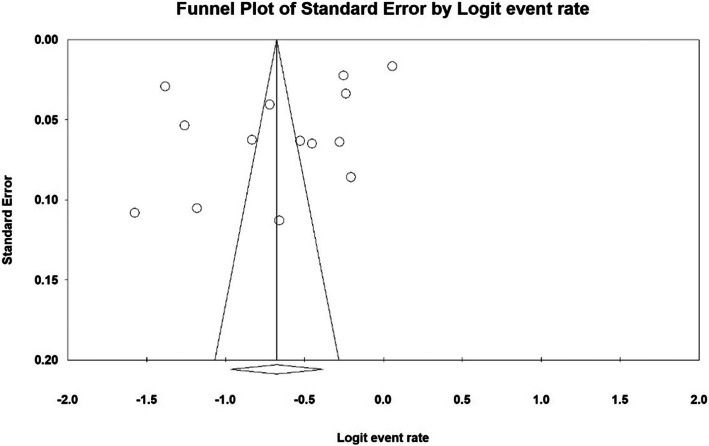
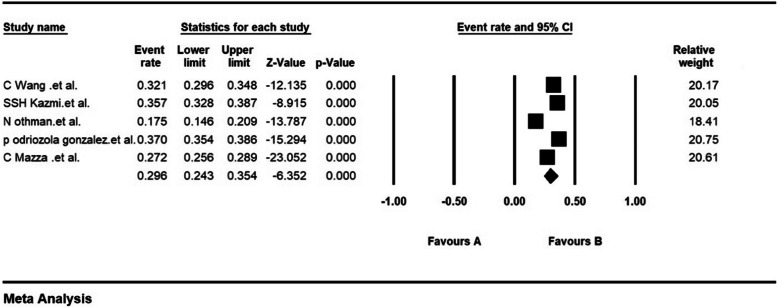
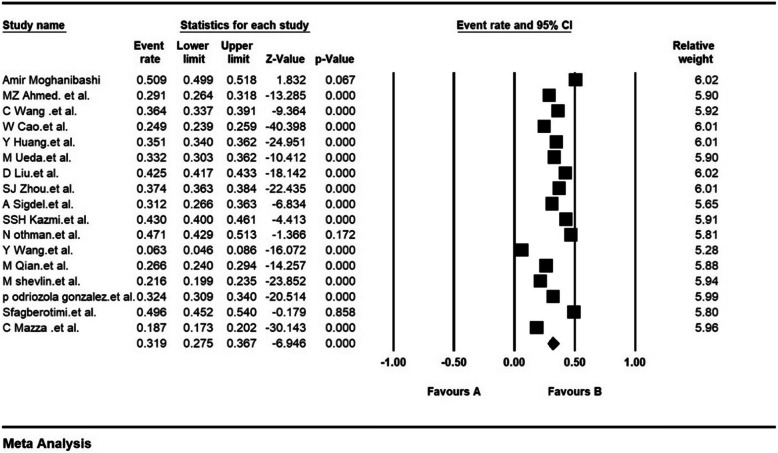
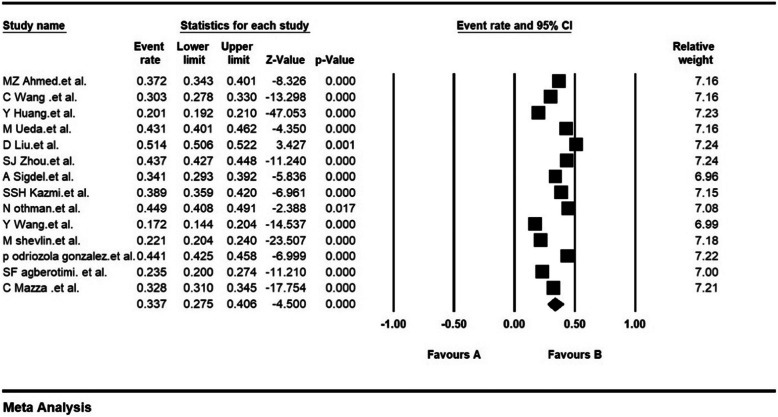
Verification
Claims the paper makes
The claims and statistics of this paper haven’t been checked yet.
Free: it reads the open-access text and checks the first 5 claims that cite a source we can check. Create a free account to check every claim.
Claims other papers make about this one
Each is checked against this paper’s own text: does it say what the citing paper says it does?
The cited source doesn’t support the claim as written.
In the citing paper
“The prevalence was also lower than the estimated prevalence of depression, anxiety, and stress in the general population at 29.6%, 33.7%, and 31.9%, respectively [9].”
From Seroprevalence of COVID-19 and Psychological Distress among Front Liners at the Universiti Malaysia Sabah Campus during the Third Wave of COVID-19 (2022) · cites this paper as [9]
Checked by a reasoning model — may be wrong.
Experimental — accuracy not yet measuredThe source backs part of the claim, not all of it — or backs it for a different population, condition or comparison.
In the citing paper
“The COVID-19 pandemic has been associated with significantly higher levels of distress in the general population and people with persistent pain (Salari et al., 2020;Vindegaard & Benros, 2020;Yu al., 2021).”
From Acceptance and Commitment Therapy for women living with Vulvodynia: A single-case experimental design study of a treatment delivered online (2022) · cites this paper as Salari et al., 2020
Experimental — accuracy not yet measuredThe source backs part of the claim, not all of it — or backs it for a different population, condition or comparison.
In the citing paper
“Moreover, anxiety and stress are more likely to be feelings of worry and insecurity caused by negative events, whereas depression is more likely to be influenced by multiple factors, including biomedical factors, which could be difficult to change with short-term psychological interventions (60, 61).”
From Mindfulness-based online intervention on mental health among undergraduate nursing students during coronavirus disease 2019 pandemic in Beijing, China: A randomized controlled trial (2022) · cites this paper as [61]
Experimental — accuracy not yet measuredThe source backs part of the claim, not all of it — or backs it for a different population, condition or comparison.
In the citing paper
“the prevalence of somatic symptoms (56%), anxiety (36%), and depression (46%) in this sample were high compared to other studies done during the COVID-19 pandemic (Ran et al., 2020; Salari et al., 2020; Xiong et al., 2020).”
From Does the practice of mindfulness reduce somatic symptoms and COVID-19-related anxiety? A community-based survey (2022) · cites this paper as Salari et al., 2020
Experimental — accuracy not yet measuredThe cited source says what the claim attributes to it.
In the citing paper
“Greater fear and uncertainty can manifest in elevated levels of mental distress symptoms — anxiety, stress, depression — as confirmed by recently released COVID-19 studies”
From Anxiety Sensitivity Mediates Relations Between Mental Distress Symptoms and Medical Care Utilization During COVID-19 Pandemic. (2021) · cites this paper as Salari et al., 2020
3 more claims about this paper
Create a free account to see every claim other papers make about this one.
Self-check
Percentages, sums and reported differences re-computed from the paper’s own numbers.
The self-check needs the paper’s full text.
Citations
Cites
Chen, N., Zhou, M., Dong, X., Qu, J., Gong, F., Han, Y., Qiu, Y., Wang, J., Liu, Y., Wei, Y., et al. (2020) · The Lancet · doi:10.1016/s0140-6736(20)30211-7 · Cited by 21,415 · cited 1×
“Men with a history of underlying diseases are more likely to be infected with the virus and would experience worse outcomes [6].”
BackgroundThe Psychological Impact of Quarantine and How to Reduce It: Rapid Review of the Evidence
Brooks, S. K., Webster, R. K., Smith, L. E., Woodland, L., Wessely, S., Greenberg, N., & Rubin, G. J. (2020) · doi:10.2139/ssrn.3532534 · Cited by 16,394
The psychological impact of quarantine and how to reduce it: Rapid review of the evidence
Brooks, S. K., Webster, R. K., Smith, L. E., Woodland, L., Wessely, S., Greenberg, N., & Rubin, G. J. (2020) · The Lancet · doi:10.1016/s0140-6736(20)30460-8 · Cited by 16,378 · cited 1×
“Recent evidence suggests that people who are kept in isolation and quarantine experience significant levels of anxiety, anger, confusion, and stress [12].”
BackgroundWang, C., Pan, R., Wan, X., Tan, Y., Xu, L., Ho, C. S., & Ho, R. C. (2020) · International Journal of Environmental Research and Public Health · doi:10.3390/ijerph17051729 · Cited by 9,923 · cited 3×
“In addition, anxiety levels are significantly higher in people with at least one family member, relative, or a friend with the COVID-19 disease [21, 24, 42].”
BackgroundA novel coronavirus outbreak of global health concern
Wang, C., Horby, P. W., Hayden, F. G., & Gao, G. F. (2020) · The Lancet · doi:10.1016/s0140-6736(20)30185-9 · Cited by 7,700
First case of 2019 novel coronavirus in the United States
Holshue, M. L., DeBolt, C., Lindquist, S., Lofy, K. H., Wiesman, J., Bruce, H., Spitters, C., Ericson, K., Wilkerson, S., Tural, A., et al. (2020) · New England Journal of Medicine · doi:10.1056/nejmoa2001191 · Cited by 6,030 · cited 1×
“Severe cases of the disease can lead to heart, and respiratory failure, acute respiratory syndrome, or even death [7].”
BackgroundThe psychological impact of the COVID-19 epidemic on college students in China
Cao, W., Fang, Z., Hou, G., Han, M., Xu, X., Dong, J., & Zheng, J. (2020) · Psychiatry Research · doi:10.1016/j.psychres.2020.112934 · Cited by 5,843 · cited 2×
“In addition, anxiety levels are significantly higher in people with at least one family member, relative, or a friend with the COVID-19 disease [21, 24, 42].”
BackgroundHolmes, E. A., O'Connor, R. C., Perry, V. H., Tracey, I., Wessely, S., Arseneault, L., Ballard, C., Christensen, H., Cohen Silver, R., Everall, I., et al. (2020) · The Lancet Psychiatry · doi:10.1016/s2215-0366(20)30168-1 · Cited by 5,715
Presumed Asymptomatic Carrier Transmission of COVID-19
Bai, Y., Yao, L., Wei, T., Tian, F., Jin, D.-Y., Chen, L., & Wang, M. (2020) · JAMA · doi:10.1001/jama.2020.2565 · Cited by 4,498 · cited 1×
“In December 2019, in the city of Wuhan, China, unusual cases of patients with pneumonia caused by the new Coronavirus (COVID-19) were reported [1], and the spread of the virus swiftly became a global health threat [2].”
BackgroundHuang, Y., & Zhao, N. (2020) · Psychiatry Research · doi:10.1016/j.psychres.2020.112954 · Cited by 3,736 · cited 2×
“affected by redundancies and business closures [21, 22, 25].”
BackgroundTimely mental health care for the 2019 novel coronavirus outbreak is urgently needed
Xiang, Y.-T., Yang, Y., Li, W., Zhang, L., Zhang, Q., Cheung, T., & Ng, C. H. (2020) · The Lancet Psychiatry · doi:10.1016/s2215-0366(20)30046-8 · Cited by 3,598 · cited 1×
“The pandemic has had a harmful effect on the public mental health which can even lead to psychological crises [10].”
BackgroundAzevedo, R. S. S., de Sousa, J. R., Araujo, M. T. F., Martins Filho, A. J., de Alcantara, B. N., Araujo, F. M. C., Queiroz, M. G. L., Cruz, A. C. R., Vasconcelos, B. H. B., Chiang, J. O., et al. (2018) · Scientific Reports · doi:10.1038/s41598-017-17765-5 · Cited by 3,478
Emergence of a Novel Swine-Origin Influenza A (H1N1) Virus in Humans
(2009) · New England Journal of Medicine · doi:10.1056/nejmoa0903810 · Cited by 3,037 · cited 1×
“There have been several viral diseases in the past 20 years including Severe Acute Respiratory Syndrome (SARS) in 2003, influenza virus with the H1N1 subtype in 2009, Middle East Respiratory Syndrome (MERS) in 2012, and Ebola virus in 2014 [3-5].”
BackgroundMental health care for medical staff in China during the COVID-19 outbreak
Chen, Q., Liang, M., Li, Y., Guo, J., Fei, D., Wang, L., He, L., Sheng, C., Cai, Y., Li, X., et al. (2020) · The Lancet Psychiatry · doi:10.1016/s2215-0366(20)30078-x · Cited by 2,233 · cited 1×
“Due to the pathogenicity of the virus, the rate of spread, the resulting high mortality rate, COVID-19 may affect the mental health of individuals at several layers of society, ranging from the infected patients, and health care workers, to families, children, students, patients with mental illness, and even workers i…”
Background2019-nCoV epidemic: Address mental health care to empower society
Bao, Y., Sun, Y., Meng, S., Shi, J., & Lu, L. (2020) · The Lancet · doi:10.1016/s0140-6736(20)30309-3 · Cited by 2,038 · cited 1×
“Due to the pathogenicity of the virus, the rate of spread, the resulting high mortality rate, COVID-19 may affect the mental health of individuals at several layers of society, ranging from the infected patients, and health care workers, to families, children, students, patients with mental illness, and even workers i…”
BackgroundShigemura, J., Ursano, R. J., Morganstein, J. C., Kurosawa, M., & Benedek, D. M. (2020) · Psychiatry and Clinical Neurosciences · doi:10.1111/pcn.12988 · Cited by 1,959 · cited 1×
“Studies conducted in China, the first country that was affected by this recent Virus spread, show that people’s fear of the unknown nature of the Virus can lead to mental disorders [16].”
BackgroundMazza, C., Ricci, E., Biondi, S., Colasanti, M., Ferracuti, S., Napoli, C., & Roma, P. (2020) · International Journal of Environmental Research and Public Health · doi:10.3390/ijerph17093165 · Cited by 1,899 · cited 1×
“Recent studies have revealed an association between medical history and increased anxiety and depression caused by the COVID-19 spread [36].”
BackgroundPrevalence of Depression in the Community from 30 Countries between 1994 and 2014
Lim, G. Y., Tam, W. W., Lu, Y., Ho, C. S., Zhang, M. W., & Ho, R. C. (2018) · Scientific Reports · doi:10.1038/s41598-018-21243-x · Cited by 1,557 · cited 1×
“The results of epidemiological studies show that women are at a higher risk of depression [43].”
BackgroundZhang, Y., & Ma, Z. F. (2020) · International Journal of Environmental Research and Public Health · doi:10.3390/ijerph17072381 · Cited by 1,477 · cited 1×
“According to a study which was conducted in China, the higher prevalence of mental symptoms among people with higher levels of education is probably due to this group’s high selfawareness in relation to their own health [46].”
BackgroundZhou, S.-J., Zhang, L.-G., Wang, L.-L., Guo, Z.-C., Wang, J.-Q., Chen, J.-C., Liu, M., Chen, X., & Chen, J.-X. (2020) · European Child & Adolescent Psychiatry · doi:10.1007/s00787-020-01541-4 · Cited by 1,464 · cited 3×
“Misinformation and fabricated reports about COVID-19 can exacerbate depressive symptoms in the general population [23].”
BackgroundEpidemic of COVID-19 in China and associated psychological problems.
Ahmed, M. Z., Ahmed, O., Aibao, Z., Hanbin, S., Siyu, L., & Ahmad, A. (2020) · Asian Journal of Psychiatry · doi:10.1016/j.ajp.2020.102092 · Cited by 1,390 · cited 2×
“Recent studies have similarly shown that COVID-19 affects mental health outcomes such as anxiety, depression, and post-traumatic stress symptoms [22, 24, 31].”
BackgroundOdriozola-González, P., Planchuelo-Gómez, Á., Irurtia, M. J., & de Luis-García, R. (2020) · Psychiatry Research · doi:10.1016/j.psychres.2020.113108 · Cited by 1,181
The emotional impact of coronavirus 2019-NCoV (new coronavirus disease)
Lima, C. K. T., Carvalho, P. M. D. M., Lima, I. D. A. A. S., Nunes, J. V. A. D. O., Saraiva, J. S., de Souza, R. I., da Silva, C. G. L., & Neto, M. L. R. (2020) · Psychiatry Research · doi:10.1016/j.psychres.2020.112915 · Cited by 1,163
The psychological effects of quarantining a city
Rubin, G. J., & Wessely, S. (2020) · BMJ · doi:10.1136/bmj.m313 · Cited by 999
Wang, Y., Di, Y., Ye, J., & Wei, W. (2021) · Psychology, Health & Medicine · doi:10.1080/13548506.2020.1746817 · Cited by 898 · cited 5×
“According to recent studies, during the COVID-19 pandemic, there is an association between education levels, and anxiety and depression levels [21, 31].”
BackgroundInfluentialAssessing the anxiety level of Iranian general population during COVID-19 outbreak
Moghanibashi-Mansourieh, A. (2020) · Asian Journal of Psychiatry · doi:10.1016/j.ajp.2020.102076 · Cited by 763 · cited 6×
“Most of the news published on COVID-19 are distressing, and sometimes news are associated with rumors, which is why anxiety levels rise when a person is constantly exposed to COVID-19 news [21].”
InfluentialThe differential psychological distress of populations affected by the COVID-19 pandemic
Zhang, J., Lu, H., Zeng, H., Zhang, S., Du, Q., Jiang, T., & Du, B. (2020) · Brain, Behavior, and Immunity · doi:10.1016/j.bbi.2020.04.031 · Cited by 704
The COVID-19 outbreak: Crucial role the psychiatrists can play
Banerjee, D. (2020) · Asian Journal of Psychiatry · doi:10.1016/j.ajp.2020.102014 · Cited by 662 · cited 2×
“COVID-19 is novel and unexplored, and its rapid transmission, its high mortality rate, and concerns about the future can be the causes of anxiety [41].”
BackgroundAshour, H. M., Elkhatib, W. F., Rahman, M. M., & Elshabrawy, H. A. (2020) · Pathogens · doi:10.3390/pathogens9030186 · Cited by 607 · cited 4×
“Although COVID-19 is a new strain of coronaviruses, it is known to cause diseases ranging from cold to more severe illnesses such as SARS and MERS [5].”
BackgroundInfluentialTaylor, M. R., Agho, K. E., Stevens, G. J., & Raphael, B. (2008) · BMC Public Health · doi:10.1186/1471-2458-8-347 · Cited by 544 · cited 1×
“Evidence suggests that individuals may experience symptoms of psychosis, anxiety, trauma, suicidal thoughts, and panic attacks [39, 40].”
BackgroundHatch, R., Young, D., Barber, V., Griffiths, J., Harrison, D. A., & Watkinson, P. (2018) · Critical Care · doi:10.1186/s13054-018-2223-6 · Cited by 536 · cited 1×
“problems and are also suffering from poor health may feel more vulnerable to a new disease [48].”
BackgroundThe 1995 Kikwit Ebola outbreak: lessons hospitals and physicians can apply to future viral epidemics
Hall, R. C. W., Hall, R. C. W., & Chapman, M. J. (2008) · General Hospital Psychiatry · doi:10.1016/j.genhosppsych.2008.05.003 · Cited by 397
Ebola virus: from discovery to vaccine
Feldmann, H., Jones, S., Klenk, H.-D., & Schnittler, H.-J. (2003) · Nature Reviews Immunology · doi:10.1038/nri1154 · Cited by 308 · cited 1×
“There have been several viral diseases in the past 20 years including Severe Acute Respiratory Syndrome (SARS) in 2003, influenza virus with the H1N1 subtype in 2009, Middle East Respiratory Syndrome (MERS) in 2012, and Ebola virus in 2014 [3-5].”
BackgroundHuman trophoblast stem cell self-renewal and differentiation: Role of decorin
Nandi, P., Lim, H., Torres-Garcia, E. J., & Lala, P. K. (2018) · Scientific Reports · doi:10.1038/s41598-018-27119-4 · Cited by 265
Understanding the mental health effects of indirect exposure to mass trauma through the media
Neria, Y., & Sullivan, G. M. (2011) · JAMA · doi:10.1001/jama.2011.1358 · Cited by 240 · cited 1×
“Research has also shown that frequent media exposure may cause distress [15].”
BackgroundHuang, Y., & Zhao, N. (2020) · medRxiv · doi:10.1101/2020.02.19.20025395 · Cited by 238 · cited 1×
“In addition to the physical impacts, COVID-19 can have serious effects on people's mental health [8].”
BackgroundQian, M., Wu, Q., Wu, P., Hou, Z., Liang, Y., Cowling, B. J., & Yu, H. (2020) · BMJ Open · doi:10.1136/bmjopen-2020-040910 · Cited by 228
Liao, Q., Cowling, B. J., Lam, W. W., Ng, D. M., & Fielding, R. (2014) · BMC Infectious Diseases · doi:10.1186/1471-2334-14-169 · Cited by 215
COVID‐19‐related anxiety predicts somatic symptoms in the UK population
Shevlin, M., Nolan, E., Owczarek, M., McBride, O., Murphy, J., Gibson Miller, J., Hartman, T. K., Levita, L., Mason, L., Martinez, A. P., et al. (2020) · British Journal of Health Psychology · doi:10.1111/bjhp.12430 · Cited by 208
Wang, Y., Xu, B., Zhao, G., Cao, R., He, X., & Fu, S. (2011) · General Hospital Psychiatry · doi:10.1016/j.genhosppsych.2010.11.001 · Cited by 203
An interim review of the epidemiological characteristics of 2019 novel coronavirus
Ryu, S., & Chun, B. C. (2020) · Epidemiology and Health · doi:10.4178/epih.e2020006 · Cited by 198
Qian, M., Wu, Q., Wu, P., et al. (2020) · medRxiv · doi:10.1101/2020.02.18.20024448 · Cited by 183
Psychological symptoms of the outbreak of the COVID-19 confinement in Spain
Odriozola-González, P., Planchuelo-Gómez, Á., Irurtia, M. J., & de Luis-García, R. (2022) · Journal of Health Psychology · doi:10.1177/1359105320967086 · Cited by 171
RISK FACTORS FOR POST-INJURY MENTAL HEALTH PROBLEMS: Review: Post-Injury Mental Health Problems
Sareen, J., Erickson, J., Medved, M. I., Asmundson, G. J. G., Enns, M. W., Stein, M., Leslie, W., Doupe, M., & Logsetty, S. (2013) · Depression and Anxiety · doi:10.1002/da.22077 · Cited by 165 · cited 1×
“Women are more vulnerable to stress and post-traumatic stress disorder than men [44].”
BackgroundMental health status of the general population in Japan during the COVID‐19 pandemic
Ueda, M., Stickley, A., Sueki, H., & Matsubayashi, T. (2020) · Psychiatry and Clinical Neurosciences · doi:10.1111/pcn.13105 · Cited by 147
COVID-19 and Lockdwon: A Study on the Impact on Mental Health
Kazmi, S. S. H., Hasan, K., Talib, S., & Saxena, S. (2020) · SSRN Electronic Journal · doi:10.2139/ssrn.3577515 · Cited by 132 · cited 1×
“[29] 2020 India 1000 38% DASS-21 19 online survey A > 7 D > 9 S > 10 38.”
Liu, D., Ren, Y., Yan, F., Li, Y., Xu, X., Yu, X., Qu, W., Wang, Z., Tian, B., Yang, F., et al. (2020) · SSRN Electronic Journal · doi:10.2139/ssrn.3551415 · Cited by 108 · cited 2×
“In recent studies, the prevalence of anxiety and depression and stress during COVID-19 pandemic is shown to be higher in women than in men [21, 23, 27, 31].”
BackgroundSigdel, A., Bista, A., Bhattarai, N., Pun, B. C., Giri, G., Marqusee, H., & Thapa, S. (2020) · medRxiv · doi:10.1101/2020.04.30.20086926 · Cited by 98
Agberotimi, S. F., Akinsola, O. S., Oguntayo, R., & Olaseni, A. O. (2020) · Frontiers in Psychology · doi:10.3389/fpsyg.2020.559819 · Cited by 88
Depression, Anxiety, and Stress In The Time of COVID-19 Pandemic In Kurdistan Region, Iraq
Kamal, N. M., & Othman, N. (2020) · Kurdistan Journal of Applied Research · doi:10.24017/covid.5 · Cited by 87 · cited 1×
“Uncertainty about health status, follow-up of patients, treatment care, and inefficiency in these communities can also increase the vulnerability of such communities to the psychological effects of COVID-19 [21-36].”
BackgroundOdriozola-González, P., Planchuelo‐Gómez, Á., Irurtia-Muñiz, M. J., et al. (2020) · doi:10.31234/osf.io/mq4fg · Cited by 72
Cheng, C., Jun, H., & Bao-yong, L. (2014) · Cited by 61
Ueda, M., Stickley, A., Sueki, H., & Matsubayashi, T. (2020) · medRxiv · doi:10.1101/2020.04.28.20082453 · Cited by 57 · cited 1×
“Uncertainty about health status, follow-up of patients, treatment care, and inefficiency in these communities can also increase the vulnerability of such communities to the psychological effects of COVID-19 [21-36].”
BackgroundThe prevalence of severe depression in Iranian older adult: a meta-analysis and meta-regression
Salari, N., Mohammadi, M., Vaisi-Raygani, A., Abdi, A., Shohaimi, S., Khaledi‐Paveh, B., Daneshkhah, A., & Jalali, R. (2020) · BMC Geriatrics · doi:10.1186/s12877-020-1444-0 · Cited by 53 · cited 1×
“By considering the score of 16 as the cut-off point, any article with a score of 16 or above is considered as a medium or a high-quality article [20].”
BackgroundSelf-citationBevölkerungsbezogene psychische Gesundheit als Schlüsselfaktor im Umgang mit COVID-19
Hahad, O., Gilan, D., Daiber, A., & Münzel, T. F. (2020) · Das Gesundheitswesen · doi:10.1055/a-1160-5770 · Cited by 29 · cited 1×
“This has even caused cases of stereotyping and discrimination [37, 38].”
BackgroundAn international perspective on training in child and adolescent psychiatry
Deschamps, P. K. H., & Jacobs, B. W. (2020) · European Child & Adolescent Psychiatry · doi:10.1007/s00787-020-01470-2 · Cited by 23
Yang, H., Zhang, H., Lu, Y., Gu, Y., Zhou, J., & Bai, Y. (2020) · Psychology Health & Medicine · doi:10.1080/13548506.2020.1830132 · Cited by 22
Agberotimi, S. F., Akinsola, O. S., Oguntayo, R., & Olaseni, A. O. (2020) · PsyArXiv (OSF Preprints) · doi:10.31234/osf.io/5b2dq · Cited by 17
Research works printed but not linked: 2
- Hahad O, Gilan D, Daiber A, Münzel T. Public Mental Health as One of the Key Factors in Dealing with COVID-19. Germany: Gesundheitswesen (Bundesverband der Arzte des Offentlichen Gesundheitsdienstes); 2020.
- World Health O. Mental health and psychosocial considerations during the COVID-19 outbreak, 18 March 2020. Geneva: World Health Organization; 2020. Contract No.: WHO/2019-nCoV/MentalHealth/2020.1.
Cited by
Prati, G., & Mancini, A. D. (2021) · Psychological Medicine · doi:10.1017/s0033291721000015 · Cited by 842
Sleep problems during the COVID-19 pandemic by population: A systematic review and meta-analysis
Jahrami, H., BaHammam, A. S., Bragazzi, N. L., Saif, Z., Faris, M., & Vitiello, M. V. (2021) · Journal of Clinical Sleep Medicine · doi:10.5664/jcsm.8930 · Cited by 751
The prevalence of depression, anxiety, and sleep disturbances in COVID-19 patients: a meta-analysis
Deng, J., Zhou, F., Hou, W., Silver, Z., Wong, C. Y., Chang, O., Huang, E., & Zuo, Q. K. (2021) · Annals of the New York Academy of Sciences · doi:10.1111/nyas.14506 · Cited by 771
Nochaiwong, S., Ruengorn, C., Thavorn, K., Hutton, B., Awiphan, R., Phosuya, C., Ruanta, Y., Wongpakaran, N., & Wongpakaran, T. (2021) · Scientific Reports · doi:10.1038/s41598-021-89700-8 · Cited by 681
Psychological impact of COVID-19 pandemic in the Philippines
Tee, M. L., Tee, C. A., Anlacan, J. P., Aligam, K. J. G., Reyes, P. W. C., Kuruchittham, V., & Ho, R. C. (2020) · Journal of Affective Disorders · doi:10.1016/j.jad.2020.08.043 · Cited by 634
Metadata
- Authors
- Salari, N., Hosseinian-Far, A., Jalali, R., Vaisi-Raygani, A., Rasoulpoor, S., Mohammadi, M., Rasoulpoor, S., & Khaledi-Paveh, B.
- Affiliations
- Kermanshah University of Medical Sciences (IR)
- Corresponding author
- Rasoulpoor, Shna
- Mohammadi, Masoud
- Rasoulpoor, Shabnam
- Venue
- Globalization and Health
- Published
- 2020-07-06
- Volume
- 16
- Issue
- 1
- Pages
- 57-57
- ISSN
- 1744-8603 (ISSN-L)
- PMC
- PMC7338126
- OpenAlex
- W3039647217
- Cited by
- 3,560
- References
- 54
- Citations by year
- 2026: 94 · 2025: 235 · 2024: 365 · 2023: 665 · 2022: 1037 · 2021: 1019 · 2020: 141
- FWCI
- 56.19
- Type
- journal article
- Language
- en
- Open access
- gold
- doi.org
- Licence
- cc-by
- creativecommons.org/licenses/by/4.0 (tdm)
- creativecommons.org/licenses/by/4.0 (vor)
- Locations
- Globalization and Health (publishedVersion, cc-by)
- PubMed Central (publishedVersion, cc-by)
- PubMed (publishedVersion)
- NECTAR - Northampton Electronic Collection of Thesis and Research (University of Northampton) (acceptedVersion)
- DOAJ (DOAJ: Directory of Open Access Journals) (submittedVersion, cc-by-sa)
- Funders
- Kermanshah University of Medical Sciences
- Student Research Committee, Tabriz University of Medical Sciences
- Topics
- Social Sciences › Psychology › Clinical Psychology › COVID-19 and Mental Health
- Health Sciences › Medicine › Public Health, Environmental and Occupational Health › Maternal Mental Health During Pregnancy and Postpartum
- Health Sciences › Medicine › Psychiatry and Mental health › Mental Health Treatment and Access
- Keywords
- COVID-19 pandemic, stress, anxiety, depression, prevalence, general population, mental health, mental illness
- MeSH terms
- COVID-19, Anxiety, Asia, Depression, Europe, Humans, Pneumonia, Viral, Stress, Psychological, Prevalence, Coronavirus Infections, Pandemics
About these checks
Registry, retraction, Cites and statistics results are computed, not judged, with one exception: a printed reference that no index lists is read once by a model before it counts as a citation error. Claims are extracted by a model and kept only when their quote appears verbatim in the text; each cited source is then checked, with a model’s help, for whether it says what the claim relies on. Those verdicts can be wrong — read the claim’s quote and the cited source before relying on one.
Statistics and arithmetic are recomputed, not judged.
Confidence bands are shown only for fields calibrated on our annotated test set. None is calibrated yet, so no band is shown.
What counts as a claim ›How we measure confidence ›How we check this ›
Are you an author, or do you see a problem with this page? Request a review
Data sources
Bibliographic data: Semantic Scholar, OpenAlex, Crossref.
Contains information from the Semantic Scholar Academic Graph Datasets, made available under the ODC Attribution License (ODC-BY 1.0).
Semantic Scholar’s data is described in: Kinney, R., et al. (2023). The Semantic Scholar Open Data Platform. arXiv:2301.10140.
