

Prevalence of stress, anxiety, depression among the general population during the COVID-19 pandemic: a systematic review and meta-analysis
Open accessThe DOI matches its Crossref record; 58 of the 58 references it cites were found in a registry or an index.
Abstract
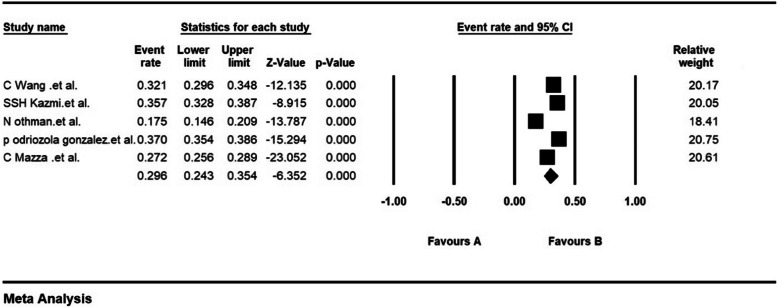
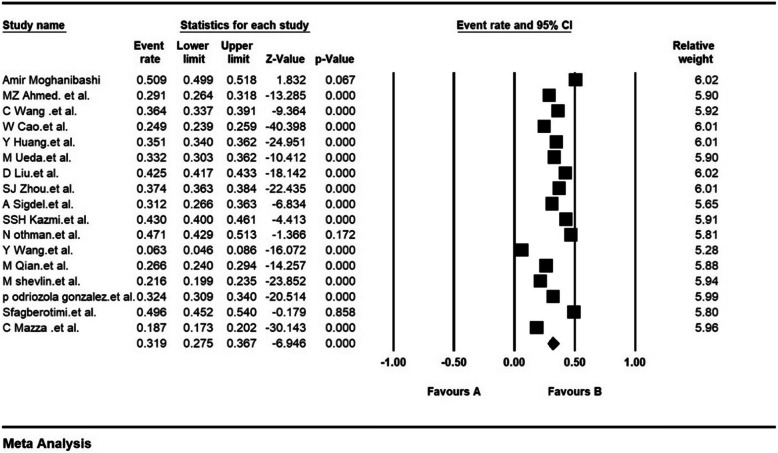
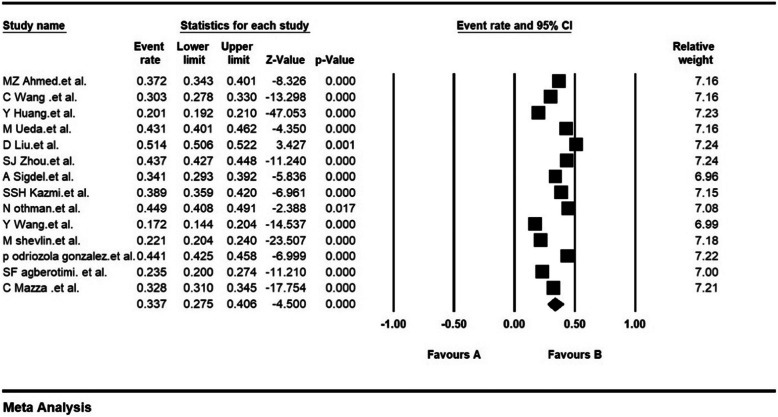
Background: The COVID-19 pandemic has had a significant impact on public mental health. Therefore, monitoring and oversight of the population mental health during crises such as a panedmic is an immediate priority. The aim of this study is to analyze the existing research works and findings in relation to the prevalence of stress, anxiety and depression in the general population during the COVID-19 pandemic. Method: In this systematic review and meta-analysis, articles that have focused on stress and anxiety prevalence among the general population during the COVID-19 pandemic were searched in the Science Direct, Embase, Scopus, PubMed, Web of Science (ISI) and Google Scholar databases, without a lower time limit and until May 2020. In order to perform a meta-analysis of the collected studies, the random effects model was used, and the heterogeneity of studies was investigated using the I 2 index. Moreover. data analysis was conducted using the Comprehensive Meta-Analysis (CMA) software. Results: The prevalence of stress in 5 studies with a total sample size of 9074 is obtained as 29.6% (95% confidence limit: 24.3–35.4), the prevalence of anxiety in 17 studies with a sample size of 63,439 as 31.9% (95% confidence interval: 27.5–36.7), and the prevalence of depression in 14 studies with a sample size of 44,531 people as 33.7% (95% confidence interval: 27.5–40.6). Conclusion: COVID-19 not only causes physical health concerns but also results in a number of psychological disorders. The spread of the new coronavirus can impact the mental health of people in different communities. Thus, it is essential to preserve the mental health of individuals and to develop psychological interventions that can improve the mental health of vulnerable groups during the COVID-19 pandemic.
Overview
The claims and statistics of this paper haven’t been checked yet.
Free: it reads the open-access text and checks the first 5 claims that cite a source we can check. Create a free account to check every claim.
Integrity signals
Registry
Cites
Statistics
Figures
Verification
Claims the paper makes
The claims and statistics of this paper haven’t been checked yet.
Free: it reads the open-access text and checks the first 5 claims that cite a source we can check. Create a free account to check every claim.
Claims other papers make about this one
Each is checked against this paper’s own text: does it say what the citing paper says it does?
The cited source doesn’t support the claim as written.
In the citing paper
“The prevalence was also lower than the estimated prevalence of depression, anxiety, and stress in the general population at 29.6%, 33.7%, and 31.9%, respectively [9].”
From Seroprevalence of COVID-19 and Psychological Distress among Front Liners at the Universiti Malaysia Sabah Campus during the Third Wave of COVID-19 (2022) · cites this paper as [9]
Checked by a reasoning model — may be wrong.
Experimental — accuracy not yet measuredThe source backs part of the claim, not all of it — or backs it for a different population, condition or comparison.
In the citing paper
“The COVID-19 pandemic has been associated with significantly higher levels of distress in the general population and people with persistent pain (Salari et al., 2020;Vindegaard & Benros, 2020;Yu al., 2021).”
From Acceptance and Commitment Therapy for women living with Vulvodynia: A single-case experimental design study of a treatment delivered online (2022) · cites this paper as Salari et al., 2020
Experimental — accuracy not yet measuredThe source backs part of the claim, not all of it — or backs it for a different population, condition or comparison.
In the citing paper
“Moreover, anxiety and stress are more likely to be feelings of worry and insecurity caused by negative events, whereas depression is more likely to be influenced by multiple factors, including biomedical factors, which could be difficult to change with short-term psychological interventions (60, 61).”
From Mindfulness-based online intervention on mental health among undergraduate nursing students during coronavirus disease 2019 pandemic in Beijing, China: A randomized controlled trial (2022) · cites this paper as [61]
Experimental — accuracy not yet measuredThe source backs part of the claim, not all of it — or backs it for a different population, condition or comparison.
In the citing paper
“the prevalence of somatic symptoms (56%), anxiety (36%), and depression (46%) in this sample were high compared to other studies done during the COVID-19 pandemic (Ran et al., 2020; Salari et al., 2020; Xiong et al., 2020).”
From Does the practice of mindfulness reduce somatic symptoms and COVID-19-related anxiety? A community-based survey (2022) · cites this paper as Salari et al., 2020
Experimental — accuracy not yet measuredThe cited source says what the claim attributes to it.
In the citing paper
“Greater fear and uncertainty can manifest in elevated levels of mental distress symptoms — anxiety, stress, depression — as confirmed by recently released COVID-19 studies”
From Anxiety Sensitivity Mediates Relations Between Mental Distress Symptoms and Medical Care Utilization During COVID-19 Pandemic. (2021) · cites this paper as Salari et al., 2020
3 more claims about this paper
Create a free account to see every claim other papers make about this one.
Self-check
Percentages, sums and reported differences re-computed from the paper’s own numbers.
The self-check needs the paper’s full text.
Citations
Cites
Chen, N., Zhou, M., Dong, X., Qu, J., Gong, F., Han, Y., Qiu, Y., Wang, J., Liu, Y., Wei, Y., et al. (2020) · The Lancet · doi:10.1016/s0140-6736(20)30211-7 · Cited by 21,415 · cited 1×
“Men with a history of underlying diseases are more likely to be infected with the virus and would experience worse outcomes [6].”
BackgroundThe Psychological Impact of Quarantine and How to Reduce It: Rapid Review of the Evidence
Brooks, S. K., Webster, R. K., Smith, L. E., Woodland, L., Wessely, S., Greenberg, N., & Rubin, G. J. (2020) · doi:10.2139/ssrn.3532534 · Cited by 16,394
The psychological impact of quarantine and how to reduce it: Rapid review of the evidence
Brooks, S. K., Webster, R. K., Smith, L. E., Woodland, L., Wessely, S., Greenberg, N., & Rubin, G. J. (2020) · The Lancet · doi:10.1016/s0140-6736(20)30460-8 · Cited by 16,378 · cited 1×
“Recent evidence suggests that people who are kept in isolation and quarantine experience significant levels of anxiety, anger, confusion, and stress [12].”
BackgroundWang, C., Pan, R., Wan, X., Tan, Y., Xu, L., Ho, C. S., & Ho, R. C. (2020) · International Journal of Environmental Research and Public Health · doi:10.3390/ijerph17051729 · Cited by 9,923 · cited 3×
“In addition, anxiety levels are significantly higher in people with at least one family member, relative, or a friend with the COVID-19 disease [21, 24, 42].”
BackgroundA novel coronavirus outbreak of global health concern
Wang, C., Horby, P. W., Hayden, F. G., & Gao, G. F. (2020) · The Lancet · doi:10.1016/s0140-6736(20)30185-9 · Cited by 7,700
First case of 2019 novel coronavirus in the United States
Holshue, M. L., DeBolt, C., Lindquist, S., Lofy, K. H., Wiesman, J., Bruce, H., Spitters, C., Ericson, K., Wilkerson, S., Tural, A., et al. (2020) · New England Journal of Medicine · doi:10.1056/nejmoa2001191 · Cited by 6,030 · cited 1×
“Severe cases of the disease can lead to heart, and respiratory failure, acute respiratory syndrome, or even death [7].”
BackgroundThe psychological impact of the COVID-19 epidemic on college students in China
Cao, W., Fang, Z., Hou, G., Han, M., Xu, X., Dong, J., & Zheng, J. (2020) · Psychiatry Research · doi:10.1016/j.psychres.2020.112934 · Cited by 5,843 · cited 2×
“In addition, anxiety levels are significantly higher in people with at least one family member, relative, or a friend with the COVID-19 disease [21, 24, 42].”
BackgroundHolmes, E. A., O'Connor, R. C., Perry, V. H., Tracey, I., Wessely, S., Arseneault, L., Ballard, C., Christensen, H., Cohen Silver, R., Everall, I., et al. (2020) · The Lancet Psychiatry · doi:10.1016/s2215-0366(20)30168-1 · Cited by 5,715
Presumed Asymptomatic Carrier Transmission of COVID-19
Bai, Y., Yao, L., Wei, T., Tian, F., Jin, D.-Y., Chen, L., & Wang, M. (2020) · JAMA · doi:10.1001/jama.2020.2565 · Cited by 4,498 · cited 1×
“In December 2019, in the city of Wuhan, China, unusual cases of patients with pneumonia caused by the new Coronavirus (COVID-19) were reported [1], and the spread of the virus swiftly became a global health threat [2].”
BackgroundHuang, Y., & Zhao, N. (2020) · Psychiatry Research · doi:10.1016/j.psychres.2020.112954 · Cited by 3,736 · cited 2×
“affected by redundancies and business closures [21, 22, 25].”
Background
Research works printed but not linked: 2
- Hahad O, Gilan D, Daiber A, Münzel T. Public Mental Health as One of the Key Factors in Dealing with COVID-19. Germany: Gesundheitswesen (Bundesverband der Arzte des Offentlichen Gesundheitsdienstes); 2020.
- World Health O. Mental health and psychosocial considerations during the COVID-19 outbreak, 18 March 2020. Geneva: World Health Organization; 2020. Contract No.: WHO/2019-nCoV/MentalHealth/2020.1.
Cited by
Prati, G., & Mancini, A. D. (2021) · Psychological Medicine · doi:10.1017/s0033291721000015 · Cited by 842
The prevalence of depression, anxiety, and sleep disturbances in COVID-19 patients: a meta-analysis
Deng, J., Zhou, F., Hou, W., Silver, Z., Wong, C. Y., Chang, O., Huang, E., & Zuo, Q. K. (2021) · Annals of the New York Academy of Sciences · doi:10.1111/nyas.14506 · Cited by 771
Sleep problems during the COVID-19 pandemic by population: A systematic review and meta-analysis
Jahrami, H., BaHammam, A. S., Bragazzi, N. L., Saif, Z., Faris, M., & Vitiello, M. V. (2021) · Journal of Clinical Sleep Medicine · doi:10.5664/jcsm.8930 · Cited by 751
Nochaiwong, S., Ruengorn, C., Thavorn, K., Hutton, B., Awiphan, R., Phosuya, C., Ruanta, Y., Wongpakaran, N., & Wongpakaran, T. (2021) · Scientific Reports · doi:10.1038/s41598-021-89700-8 · Cited by 681
Psychological impact of COVID-19 pandemic in the Philippines
Tee, M. L., Tee, C. A., Anlacan, J. P., Aligam, K. J. G., Reyes, P. W. C., Kuruchittham, V., & Ho, R. C. (2020) · Journal of Affective Disorders · doi:10.1016/j.jad.2020.08.043 · Cited by 634
Salari, N., Khazaie, H., Hosseinian-Far, A., Khaledi-Paveh, B., Kazeminia, M., Mohammadi, M., Shohaimi, S., Daneshkhah, A., & Eskandari, S. (2020) · Human Resources for Health · doi:10.1186/s12960-020-00544-1 · Cited by 577
Self-citationMarvaldi, M., Mallet, J., Dubertret, C., Moro, M. R., & Guessoum, S. B. (2021) · Neuroscience & Biobehavioral Reviews · doi:10.1016/j.neubiorev.2021.03.024 · Cited by 517
Six Key Advantages and Disadvantages of Working from Home in Europe during COVID-19
Ipsen, C., van Veldhoven, M., Kirchner, K., & Hansen, J. P. (2021) · International Journal of Environmental Research and Public Health · doi:10.3390/ijerph18041826 · Cited by 498
Deng, J., Zhou, F., Hou, W., Silver, Z., Wong, C. Y., Chang, O., Drakos, A., Zuo, Q. K., & Huang, E. (2021) · Psychiatry Research · doi:10.1016/j.psychres.2021.113863 · Cited by 474
Social support and mental health: the mediating role of perceived stress
Acoba, E. F. (2024) · Frontiers in Psychology · doi:10.3389/fpsyg.2024.1330720 · Cited by 458
Gut microbiome-wide association study of depressive symptoms
Radjabzadeh, D., Bosch, J. A., Uitterlinden, A. G., Zwinderman, A. H., Ikram, M. A., van Meurs, J. B. J., Luik, A. I., Nieuwdorp, M., Lok, A., van Duijn, C. M., et al. (2022) · Nature Communications · doi:10.1038/s41467-022-34502-3 · Cited by 434
Prowse, R., Sherratt, F., Abizaid, A., Gabrys, R. L., Hellemans, K. G. C., Patterson, Z. R., & McQuaid, R. J. (2021) · Frontiers in Psychiatry · doi:10.3389/fpsyt.2021.650759 · Cited by 429
Prevalence of anxiety in the COVID-19 pandemic: An updated meta-analysis of community-based studies
Santabárbara, J., Lasheras, I., Lipnicki, D. M., Bueno-Notivol, J., Pérez-Moreno, M., López-Antón, R., De la Cámara, C., Lobo, A., & Gracia-García, P. (2021) · Progress in Neuro-Psychopharmacology and Biological Psychiatry · doi:10.1016/j.pnpbp.2020.110207 · Cited by 426
Calvano, C., Engelke, L., Di Bella, J., Kindermann, J., Renneberg, B., & Winter, S. M. (2022) · European Child & Adolescent Psychiatry · doi:10.1007/s00787-021-01739-0 · Cited by 423
“While evidence on the psychosocial sequelae of the COVID-19 pandemic for general population samples [7] and Babette Renneberg and Sibylle M.”
BackgroundPsychiatric and neuropsychiatric sequelae of COVID-19 – A systematic review
Schou, T. M., Joca, S., Wegener, G., & Bay-Richter, C. (2021) · Brain, Behavior, and Immunity · doi:10.1016/j.bbi.2021.07.018 · Cited by 410
Long-term effects of COVID-19 on mental health: a systematic review
Bourmistrova, N. W., Solomon, T., Braude, P., Strawbridge, R., & Carter, B. (2022) · Journal of Affective Disorders · doi:10.1016/j.jad.2021.11.031 · Cited by 369
Wang, Y., Kala, M. P., & Jafar, T. H. (2020) · PLOS ONE · doi:10.1371/journal.pone.0244630 · Cited by 382
Positive psychology in a pandemic: buffering, bolstering, and building mental health
Waters, L., Algoe, S. B., Dutton, J., Emmons, R., Fredrickson, B. L., Heaphy, E., Moskowitz, J. T., Neff, K., Niemiec, R., Pury, C., et al. (2022) · The Journal of Positive Psychology · doi:10.1080/17439760.2021.1871945 · Cited by 377
“The pandemic conditions have ushered in greater physical distance (Salari et al., 2020) while also accentuating social inequalities and cultural divides (Dorn et al., 2020; Kim & Bostwick, 2020), making the cultivation of HQCs more challenging and yet more essential.”
BackgroundDe Coninck, D., Frissen, T., Matthijs, K., d’Haenens, L., Lits, G., Champagne-Poirier, O., Carignan, M.-E., David, M. D., Pignard-Cheynel, N., Salerno, S., et al. (2021) · Frontiers in Psychology · doi:10.3389/fpsyg.2021.646394 · Cited by 308
Fernández-de-las-Peñas, C., Martín-Guerrero, J. D., Pellicer-Valero, Ó. J., Navarro-Pardo, E., Gómez-Mayordomo, V., Cuadrado, M. L., Arias-Navalón, J. A., Cigarán-Méndez, M., Hernández-Barrera, V., & Arendt-Nielsen, L. (2022) · Journal of Clinical Medicine · doi:10.3390/jcm11020413 · Cited by 303
Hohls, J. K., König, H.-H., Quirke, E., & Hajek, A. (2021) · International Journal of Environmental Research and Public Health · doi:10.3390/ijerph182212022 · Cited by 296
Sahebi, A., Nejati-Zarnaqi, B., Moayedi, S., Yousefi, K., Torres, M., & Golitaleb, M. (2021) · Progress in Neuro-Psychopharmacology and Biological Psychiatry · doi:10.1016/j.pnpbp.2021.110247 · Cited by 293
Lasheras, I., Gracia-García, P., Lipnicki, D., Bueno-Notivol, J., López-Antón, R., de la Cámara, C., Lobo, A., & Santabárbara, J. (2020) · International Journal of Environmental Research and Public Health · doi:10.3390/ijerph17186603 · Cited by 292
Holman, E. A., Thompson, R. R., Garfin, D. R., & Silver, R. C. (2020) · Science Advances · doi:10.1126/sciadv.abd5390 · Cited by 285
Cecchetto, C., Aiello, M., Gentili, C., Ionta, S., & Osimo, S. A. (2021) · Appetite · doi:10.1016/j.appet.2021.105122 · Cited by 269
Wang, C., Wen, W., Zhang, H., Ni, J., Jiang, J., Cheng, Y., Zhou, M., Ye, L., Feng, Z., Ge, Z., et al. (2023) · Journal of American College Health · doi:10.1080/07448481.2021.1960849 · Cited by 267
Kunzler, A. M., Röthke, N., Günthner, L., Stoffers-Winterling, J., Tüscher, O., Coenen, M., Rehfuess, E., Schwarzer, G., Binder, H., Schmucker, C., et al. (2021) · Globalization and Health · doi:10.1186/s12992-021-00670-y · Cited by 262
“Several meta-analyses have been conducted, either calculating the pooled prevalence of mental symptoms or odds ratios for the risk of mental burden attributable to the SARS-CoV-2 pandemic [20, 24, 29, 32, 33, 36].”
MethodResultVillani, L., Pastorino, R., Molinari, E., Anelli, F., Ricciardi, W., Graffigna, G., & Boccia, S. (2021) · Globalization and Health · doi:10.1186/s12992-021-00680-w · Cited by 245
“In particular, the COVID-19 pandemic had a huge impact on the mental health of people in many countries around the world causing similar reaction in terms of emotions and concerns at the population level [11, 12].”
BackgroundZaninotto, P., Iob, E., Demakakos, P., & Steptoe, A. (2022) · JAMA Psychiatry · doi:10.1001/jamapsychiatry.2021.3749 · Cited by 229
Marconcin, P., Werneck, A. O., Peralta, M., Ihle, A., Gouveia, É. R., Ferrari, G., Sarmento, H., & Marques, A. (2022) · BMC Public Health · doi:10.1186/s12889-022-12590-6 · Cited by 225
“A wide range of psychological outcomes has been observed during the virus outbreak, including a reduction in well-being as well as increases in depressive and anxiety symptoms [12, 13].”
BackgroundBerdejo‐Espinola, V., Suárez‐Castro, A. F., Amano, T., Fielding, K. S., Oh, R. R. Y., & Fuller, R. A. (2021) · People and Nature · doi:10.1002/pan3.10218 · Cited by 222
“Our results suggest that green spaces have a crucial role in maintaining health and well-being during stressful periods, and particularly during the restrictions period when levels of stress, anxiety and depression were moderate to high (Salari et al., 2020).”
Hertz-Palmor, N., Moore, T. M., Gothelf, D., DiDomenico, G. E., Dekel, I., Greenberg, D. M., Brown, L. A., Matalon, N., Visoki, E., White, L. K., et al. (2021) · Journal of Affective Disorders · doi:10.1016/j.jad.2021.04.054 · Cited by 220
Šrol, J., Ballová Mikušková, E., & Čavojová, V. (2021) · Applied Cognitive Psychology · doi:10.1002/acp.3798 · Cited by 217
Al Dhaheri, A. S., Bataineh, M. F., Mohamad, M. N., Ajab, A., Al Marzouqi, A., Jarrar, A. H., Habib-Mourad, C., Abu Jamous, D. O., Ali, H. I., Al Sabbah, H., et al. (2021) · PLOS ONE · doi:10.1371/journal.pone.0249107 · Cited by 217
Addressing the mental health impact of COVID-19 through population health
Boden, M., Zimmerman, L., Azevedo, K. J., Ruzek, J. I., Gala, S., Abdel Magid, H. S., Cohen, N., Walser, R., Mahtani, N. D., Hoggatt, K. J., et al. (2021) · Clinical Psychology Review · doi:10.1016/j.cpr.2021.102006 · Cited by 216
“Indeed, the COVID-19 pandemic has already been linked to negative mental health outcomes such as depression, anxiety, and traumatic stress in populations across the world (Alzueta et al., 2020; de Pablo et al., 2020; Salari et al., 2020; Taquet, Luciano, Geddes, & Harrison, 2020; Xiong et al., 2020).”
Self-reported changes in anxiety, depression and suicidality during the COVID-19 lockdown in Greece
Fountoulakis, K. N., Apostolidou, M. K., Atsiova, M. B., Filippidou, A. K., Florou, A. K., Gousiou, D. S., Katsara, A. R., Mantzari, S. N., Padouva-Markoulaki, M., Papatriantafyllou, E. I., et al. (2021) · Journal of Affective Disorders · doi:10.1016/j.jad.2020.10.061 · Cited by 213
Mahmud, S., Hossain, S., Muyeed, A., Islam, M. M., & Mohsin, M. (2021) · Heliyon · doi:10.1016/j.heliyon.2021.e07393 · Cited by 208
Steptoe, A., & Di Gessa, G. (2021) · The Lancet Public Health · doi:10.1016/s2468-2667(21)00069-4 · Cited by 206
Sun, P., Wang, M., Song, T., Wu, Y., Luo, J., Chen, L., & Yan, L. (2021) · Frontiers in Psychology · doi:10.3389/fpsyg.2021.626547 · Cited by 204
Ettman, C. K., Cohen, G. H., Abdalla, S. M., Sampson, L., Trinquart, L., Castrucci, B. C., Bork, R. H., Clark, M. A., Wilson, I., Vivier, P. M., et al. (2022) · The Lancet Regional Health - Americas · doi:10.1016/j.lana.2021.100091 · Cited by 204
“[7] Studies conducted in the UK noted an improvement in mental health over the first few months of the COVID-19 pandemic, but those studies concluded in August 2020 [29] and October 2020 [30], and therefore may not capture mental health after one year of living with the COVID-19 pandemic.”
BackgroundLongitudinal Weight Gain and Related Risk Behaviors during the COVID-19 Pandemic in Adults in the US
Bhutani, S., vanDellen, M. R., & Cooper, J. A. (2021) · Nutrients · doi:10.3390/nu13020671 · Cited by 202
Mariani, R., Renzi, A., Di Trani, M., Trabucchi, G., Danskin, K., & Tambelli, R. (2020) · Frontiers in Psychiatry · doi:10.3389/fpsyt.2020.587724 · Cited by 199
Wang, Y., Hu, Z., Feng, Y., Wilson, A., & Chen, R. (2020) · Molecular Psychiatry · doi:10.1038/s41380-020-00881-6 · Cited by 198
“Similar to the metaanalysis on depression and anxiety during the COVID-19, over one-third of the population suffered from anxiety and depressive symptoms [8].”
ResultCOVID‑19 and its consequences on mental health (Review)
Tsamakis, K., Tsiptsios, D., Ouranidis, A., Mueller, C., Schizas, D., Terniotis, C., Nikolakakis, N., Tyros, G., Kympouropoulos, S., Lazaris, A., et al. (2021) · Experimental and Therapeutic Medicine · doi:10.3892/etm.2021.9675 · Cited by 194
“These high level activities result in a sense of public security and potential psychological benefits (49).”
Vazquez, C., Valiente, C., García, F. E., Contreras, A., Peinado, V., Trucharte, A., & Bentall, R. P. (2021) · Journal of Happiness Studies · doi:10.1007/s10902-020-00352-3 · Cited by 193
Dale, R., Budimir, S., Probst, T., Stippl, P., & Pieh, C. (2021) · International Journal of Environmental Research and Public Health · doi:10.3390/ijerph18073679 · Cited by 190
“For example, a large meta-analysis found a prevalence of 34% for depression, 32% for anxiety and 30% for stress [9].”
Pelletier, J. H., Rakkar, J., Au, A. K., Fuhrman, D., Clark, R. S. B., & Horvat, C. M. (2021) · JAMA Network Open · doi:10.1001/jamanetworkopen.2020.37227 · Cited by 185
Mahmud, S., Mohsin, M., Dewan, M. N., & Muyeed, A. (2022) · Trends in Psychology · doi:10.1007/s43076-021-00116-9 · Cited by 181
“A systematic review and meta-analysis (Salari et al., 2020) of 17 studies showed that the prevalence of depression, anxiety, and stress among the general population was respectively 33.7%, 31.9%, and 29.6%.”
BackgroundResultInfluentialCalvano, C., Engelke, L., Di Bella, J., Kindermann, J., Renneberg, B., & Winter, S. M. (2022) · European Child & Adolescent Psychiatry · doi:10.1007/s00787-021-01816-4 · Cited by 179
Mental disorders following COVID-19 and other epidemics: a systematic review and meta-analysis
Leung, C. M. C., Ho, M. K., Bharwani, A. A., Cogo-Moreira, H., Wang, Y., Chow, M. S. C., Fan, X., Galea, S., Leung, G. M., & Ni, M. Y. (2022) · Translational Psychiatry · doi:10.1038/s41398-022-01946-6 · Cited by 174
Kowal, M., Conroy, E., Ramsbottom, N., Smithies, T., Toth, A., & Campbell, M. (2021) · JMIR Serious Games · doi:10.2196/26575 · Cited by 172
“Research around the world indicates that women are at a higher risk than men and are more prone to psychiatric disorders during the COVID-19 pandemic [3,20,21,23].”
BackgroundJarrett, B. A., Peitzmeier, S. M., Restar, A., Adamson, T., Howell, S., Baral, S., & Beckham, S. W. (2021) · PLOS ONE · doi:10.1371/journal.pone.0254215 · Cited by 170
Resilience and mental health during the COVID-19 pandemic
Verdolini, N., Amoretti, S., Montejo, L., García-Rizo, C., Hogg, B., Mezquida, G., Rabelo-da-Ponte, F. D., Vallespir, C., Radua, J., Martinez-Aran, A., et al. (2021) · Journal of Affective Disorders · doi:10.1016/j.jad.2021.01.055 · Cited by 169
“According to recent meta-analyses, the prevalence of stress, anxiety, and depression in the general population as a result of the pandemic in the general population is around 30% (Luo et al., 2020; Salari et al., 2020).”
MethodBartoszek, A., Walkowiak, D., Bartoszek, A., & Kardas, G. (2020) · International Journal of Environmental Research and Public Health · doi:10.3390/ijerph17207417 · Cited by 169
“This clearly shows the scale of psychological and psychiatric problems related to the pandemic, both among healthcare workers—who in their previous work have already dealt with numerous stressful situations related to other peoples’ health—and the general public, for whom this situation may be a kind of a reminder of…”
BackgroundPsychological distress in North America during COVID-19: The role of pandemic-related stressors
Zheng, J., Morstead, T., Sin, N., Klaiber, P., Umberson, D., Kamble, S., & DeLongis, A. (2021) · Social Science & Medicine · doi:10.1016/j.socscimed.2021.113687 · Cited by 166
Mental Health in COVID-19 Pandemic: A Meta-Review of Prevalence Meta-Analyses
Sousa, G. M. D., Tavares, V. D. D. O., de Meiroz Grilo, M. L. P., Coelho, M. L. G., Lima-Araújo, G. L. D., Schuch, F. B., & Galvão-Coelho, N. L. (2021) · Frontiers in Psychology · doi:10.3389/fpsyg.2021.703838 · Cited by 165
Visser, M., & Law-van Wyk, E. (2021) · South African Journal of Psychology · doi:10.1177/00812463211012219 · Cited by 165
“, 2020), fears of economic implications (Salari et al., 2020), social isolation and changes in family interactions (Prime et al.”
BackgroundResultRobillard, R., Dion, K., Pennestri, M., Solomonova, E., Lee, E., Saad, M., Murkar, A., Godbout, R., Edwards, J. D., Quilty, L., et al. (2021) · Journal of Sleep Research · doi:10.1111/jsr.13231 · Cited by 164
Jalali, A., Ziapour, A., Karimi, Z., Rezaei, M., Emami, B., Kalhori, R. P., Khosravi, F., Sameni, J. S., & Kazeminia, M. (2024) · BMC Geriatrics · doi:10.1186/s12877-024-05311-8 · Cited by 171
Impacts of the COVID‐19 pandemic on human–nature interactions: Pathways, evidence and implications
Soga, M., Evans, M. J., Cox, D. T. C., & Gaston, K. J. (2021) · People and Nature · doi:10.1002/pan3.10201 · Cited by 163
Fan, S., Guan, J., Cao, L., Wang, M., Zhao, H., Chen, L., & Yan, L. (2021) · Asian Journal of Psychiatry · doi:10.1016/j.ajp.2020.102533 · Cited by 162
An overview of mental health during the COVID-19 pandemic
Chen, P. J., Pusica, Y., Sohaei, D., Prassas, I., & Diamandis, E. P. (2021) · Diagnosis · doi:10.1515/dx-2021-0046 · Cited by 159
Rauschenberg, C., Schick, A., Goetzl, C., Roehr, S., Riedel-Heller, S. G., Koppe, G., Durstewitz, D., Krumm, S., & Reininghaus, U. (2021) · European Psychiatry · doi:10.1192/j.eurpsy.2021.17 · Cited by 158
Prevalence of Anxiety in University Students during the COVID-19 Pandemic: A Systematic Review
Liyanage, S., Saqib, K., Khan, A. F., Thobani, T. R., Tang, W., Chiarot, C. B., AlShurman, B. A., & Butt, Z. A. (2021) · International Journal of Environmental Research and Public Health · doi:10.3390/ijerph19010062 · Cited by 211
Identifying Predictors of Psychological Distress During COVID-19: A Machine Learning Approach
Prout, T. A., Zilcha‐Mano, S., Doorn, K. A., Békés, V., Christman-Cohen, I., Whistler, K., Kui, T., & Giuseppe, M. D. (2020) · Frontiers in Psychology · doi:10.3389/fpsyg.2020.586202 · Cited by 175
Pallavicini, F., Pepe, A., & Mantovani, F. (2022) · Cyberpsychology Behavior and Social Networking · doi:10.1089/cyber.2021.0252 · Cited by 223
Public parks and the pandemic: How park usage has been affected by COVID-19 policies
Volenec, Z. M., Abraham, J. O., Becker, A. D., & Dobson, A. P. (2021) · PLOS ONE · doi:10.1371/journal.pone.0251799 · Cited by 151
Smit, D., Miguel, C., Vrijsen, J. N., Groeneweg, B. F., Spijker, J., & Cuijpers, P. J. (2022) · Psychological Medicine · doi:10.1017/s0033291722002422 · Cited by 196
Koçak, O., Koçak, O., & Younis, M. Z. (2021) · International Journal of Environmental Research and Public Health · doi:10.3390/ijerph18041836 · Cited by 181
Giannotti, M., Mazzoni, N., Bentenuto, A., Venuti, P., & de Falco, S. (2021) · Family Process · doi:10.1111/famp.12686 · Cited by 185
Suicide before and during the COVID-19 Pandemic: A Systematic Review with Meta-Analysis
Yan, Y., Hou, J., Li, Q., & Yu, N. X. (2023) · International Journal of Environmental Research and Public Health · doi:10.3390/ijerph20043346 · Cited by 185
Hyperactivation of P2X7 receptors as a culprit of COVID-19 neuropathology
Ribeiro, D. E., Oliveira-Giacomelli, Á., Glaser, T., Arnaud-Sampaio, V. F., Andrejew, R., Dieckmann, L., Baranova, J., Lameu, C., Ratajczak, M. Z., & Ulrich, H. (2021) · Molecular Psychiatry · doi:10.1038/s41380-020-00965-3 · Cited by 145
Reyniers, T., Buffel, V., Thunnissen, E., Vuylsteke, B., Siegel, M., Nöstlinger, C., & Wouters, E. (2022) · Frontiers in Public Health · doi:10.3389/fpubh.2022.797093 · Cited by 142
Pieh, C., Budimir, S., Humer, E., & Probst, T. (2021) · Frontiers in Psychiatry · doi:10.3389/fpsyt.2021.625973 · Cited by 138
Videoconference Fatigue: A Conceptual Analysis
Döring, N. M., Moor, K. D., Fiedler, M., Schoenenberg, K., & Raake, A. (2022) · International Journal of Environmental Research and Public Health · doi:10.3390/ijerph19042061 · Cited by 181
Mental Health and the Role of Physical Activity During the COVID-19 Pandemic
Ai, X., Yang, J., Lin, Z., & Wan, X. (2021) · Frontiers in Psychology · doi:10.3389/fpsyg.2021.759987 · Cited by 135
Results of the COVID-19 mental health international for the general population (COMET-G) study
Fountoulakis, K. N., Karakatsoulis, G., Abraham, S., Adorjan, K., Ahmed, H. U., Alarcón, R. D., Arai, K., Auwal, S. S., Berk, M., Bjedov, S., et al. (2022) · European Neuropsychopharmacology · doi:10.1016/j.euroneuro.2021.10.004 · Cited by 134
Using Peer Support to Strengthen Mental Health During the COVID-19 Pandemic: A Review
Suresh, R., Alam, A., & Karkossa, Z. (2021) · Frontiers in Psychiatry · doi:10.3389/fpsyt.2021.714181 · Cited by 183
Reid, C. E., Rieves, E. S., & Carlson, K. (2022) · PLoS ONE · doi:10.1371/journal.pone.0263779 · Cited by 154
Robinson, E., & Daly, M. (2020) · British Journal of Health Psychology · doi:10.1111/bjhp.12493 · Cited by 149
Bentenuto, A., Mazzoni, N., Giannotti, M., Venuti, P., & de Falco, S. (2020) · Research in Developmental Disabilities · doi:10.1016/j.ridd.2020.103840 · Cited by 162
One year on: an updated systematic review of SARS-CoV-2, COVID-19 and audio-vestibular symptoms
Almufarrij, I., & Munro, K. J. (2021) · International Journal of Audiology · doi:10.1080/14992027.2021.1896793 · Cited by 157
Wong, L. P., Alias, H., Md Fuzi, A. A., Omar, I. S., Mohamad Nor, A., Tan, M. P., Baranovich, D. L., Saari, C. Z., Hamzah, S. H., Cheong, K. W., et al. (2021) · PLOS ONE · doi:10.1371/journal.pone.0248916 · Cited by 129
Beckmann-Wübbelt, A., Fricke, A., Sebesvári, Z., Almeida, I., Fröhlich, K., & Saha, S. (2021) · Sustainable Cities and Society · doi:10.1016/j.scs.2021.103240 · Cited by 127
Mental Health during the COVID-19 Crisis in Africa: A Systematic Review and Meta-Analysis
Chen, J., Farah, N., Dong, R. K., Chen, R. Z., Xu, W., Yin, J., Chen, B. Z., Delios, A. Y., Miller, S., Wan, X., et al. (2021) · International Journal of Environmental Research and Public Health · doi:10.3390/ijerph182010604 · Cited by 128
Virtual Reality Relaxation for People with Mental Health Conditions: A Systematic Review
Riches, S., Jeyarajaguru, P., Taylor, L., Fialho, C., Little, J., Ahmed, L., O’Brien, A., van Driel, C., Veling, W., & Valmaggia, L. (2023) · Social Psychiatry and Psychiatric Epidemiology · doi:10.1007/s00127-022-02417-5 · Cited by 128
“1 3 Introduction Vulnerability to stress is linked to mental health conditions, such as depression and anxiety, and has been exacerbated by the COVID-19 pandemic [1, 2].”
BackgroundEbrahimi, O. V., Hoffart, A., & Johnson, S. U. (2021) · Clinical Psychological Science · doi:10.1177/2167702621994545 · Cited by 118
A case‐control study on the association between periodontitis and coronavirus disease (COVID‐19)
Anand, P. S., Jadhav, P., Kamath, K. P., Kumar, S. R., Vijayalaxmi, S., & Anil, S. (2022) · Journal of Periodontology · doi:10.1002/jper.21-0272 · Cited by 126
Phiri, P., Ramakrishnan, R., Rathod, S., Elliot, K., Thayanandan, T., Sandle, N., Haque, N., Chau, S. W. H., Wong, O. W. H., Chan, S. S. M., et al. (2021) · EClinicalMedicine · doi:10.1016/j.eclinm.2021.100806 · Cited by 125
Fatigue, anxiety, depression and sleep quality in patients undergoing haemodialysis
Naamani, Z. A., Gormley, K. J., Noble, H. R., Santin, O., & Maqbali, M. A. H. A. (2021) · BMC Nephrology · doi:10.1186/s12882-021-02349-3 · Cited by 166
Stress and Symptom Burden in Oncology Patients During the COVID-19 Pandemic
Miaskowski, C. A., Paul, S. M., Snowberg, K. E., Abbott, M., Borno, H. T., Chang, S. M., Chen, L. M., Cohen, B., Hammer, M. J., Kenfield, S. A., et al. (2020) · Journal of Pain and Symptom Management · doi:10.1016/j.jpainsymman.2020.08.037 · Cited by 137
Vanhollebeke, G., Smet, S. D., Raedt, R. D., Baeken, C., van Mierlo, P., & Vanderhasselt, M. (2022) · Neurobiology of Stress · doi:10.1016/j.ynstr.2022.100452 · Cited by 152
Izdebski, Z., Kozakiewicz, A., Białorudzki, M., Dec-Pietrowska, J., & Mazur, J. (2023) · International Journal of Environmental Research and Public Health · doi:10.3390/ijerph20032428 · Cited by 195
Qian, X., Li, Q., Zhu, H., Chen, Y., Lin, G., Zhang, H., Chen, W., Wang, G., & Tian, P. (2024) · Cell Reports Medicine · doi:10.1016/j.xcrm.2024.101798 · Cited by 120
Instructional designers’ roles in emergency remote teaching during COVID-19
Xie, J., A, G., & Rice, M. F. (2021) · Distance Education · doi:10.1080/01587919.2020.1869526 · Cited by 119
Hossain, M. M., Rahman, M., Trisha, N. F., Tasnim, S., Nuzhath, T., Hasan, N. T., Clark, H., Das, A., McKyer, E. L. J., Ahmed, H. U., et al. (2021) · Heliyon · doi:10.1016/j.heliyon.2021.e06677 · Cited by 118
The Influence of the COVID-19 Pandemic on Social Anxiety: A Systematic Review
Kindred, R., & Bates, G. W. (2023) · International Journal of Environmental Research and Public Health · doi:10.3390/ijerph20032362 · Cited by 167
Commercial Off-The-Shelf Video Games for Reducing Stress and Anxiety: Systematic Review
Pallavicini, F., Pepe, A., & Mantovani, F. (2021) · JMIR Mental Health · doi:10.2196/28150 · Cited by 115
Impact of Social Isolation on People with Dementia and Their Family Caregivers
Azevedo, L. V. D. S., Calandri, I. L., Slachevsky, A., Graviotto, H. G., Vieira, M. C. S., de Andrade, C. B., Rossetti, A. P., Generoso, A. B., Carmona, K. C., Pinto, L. A. C., et al. (2021) · Journal of Alzheimer s Disease · doi:10.3233/jad-201580 · Cited by 139
Burhamah, W., AlKhayyat, A., Oroszlányová, M., AlKenane, A., Almansouri, A., Behbehani, M., Karimi, N., Jafar, H., & AlSuwaidan, M. (2020) · Journal of Affective Disorders · doi:10.1016/j.jad.2020.09.014 · Cited by 115
Metadata
- Authors
- Salari, N., Hosseinian-Far, A., Jalali, R., Vaisi-Raygani, A., Rasoulpoor, S., Mohammadi, M., Rasoulpoor, S., & Khaledi-Paveh, B.
- Affiliations
- Kermanshah University of Medical Sciences (IR)
- Corresponding author
- Rasoulpoor, Shna
- Mohammadi, Masoud
- Rasoulpoor, Shabnam
- Venue
- Globalization and Health
- Published
- 2020-07-06
- Volume
- 16
- Issue
- 1
- Pages
- 57-57
- ISSN
- 1744-8603 (ISSN-L)
- PMC
- PMC7338126
- OpenAlex
- W3039647217
- Semantic Scholar
- 20448e72ff52f2cc04fb73697cfc03af06f266ed
- Cited by
- 3,560
- References
- 54
- Citations by year
- 2026: 94 · 2025: 235 · 2024: 365 · 2023: 665 · 2022: 1037 · 2021: 1019 · 2020: 141
- FWCI
- 56.19
- Type
- journal article
- Language
- en
- Open access
- gold
- doi.org
- Licence
- cc-by
- creativecommons.org/licenses/by/4.0 (tdm)
- creativecommons.org/licenses/by/4.0 (vor)
- Locations
- Globalization and Health (publishedVersion, cc-by)
- PubMed Central (publishedVersion, cc-by)
- PubMed (publishedVersion)
- NECTAR - Northampton Electronic Collection of Thesis and Research (University of Northampton) (acceptedVersion)
- DOAJ (DOAJ: Directory of Open Access Journals) (submittedVersion, cc-by-sa)
- Funders
- Kermanshah University of Medical Sciences
- Student Research Committee, Tabriz University of Medical Sciences
- Topics
- Social Sciences › Psychology › Clinical Psychology › COVID-19 and Mental Health
- Health Sciences › Medicine › Public Health, Environmental and Occupational Health › Maternal Mental Health During Pregnancy and Postpartum
- Health Sciences › Medicine › Psychiatry and Mental health › Mental Health Treatment and Access
- Keywords
- COVID-19 pandemic, stress, anxiety, depression, prevalence, general population, mental health, mental illness
- MeSH terms
- COVID-19, Anxiety, Asia, Depression, Europe, Humans, Pneumonia, Viral, Stress, Psychological, Prevalence, Coronavirus Infections, Pandemics
About these checks
Registry, retraction, Cites and statistics results are computed, not judged, with one exception: a printed reference that no index lists is read once by a model before it counts as a citation error. Claims are extracted by a model and kept only when their quote appears verbatim in the text; each cited source is then checked, with a model’s help, for whether it says what the claim relies on. Those verdicts can be wrong — read the claim’s quote and the cited source before relying on one.
Statistics and arithmetic are recomputed, not judged.
Confidence bands are shown only for fields calibrated on our annotated test set. None is calibrated yet, so no band is shown.
What counts as a claim ›How we measure confidence ›How we check this ›
Are you an author, or do you see a problem with this page? Request a review
Data sources
Bibliographic data: Semantic Scholar, OpenAlex, Crossref.
Contains information from the Semantic Scholar Academic Graph Datasets, made available under the ODC Attribution License (ODC-BY 1.0).
Semantic Scholar’s data is described in: Kinney, R., et al. (2023). The Semantic Scholar Open Data Platform. arXiv:2301.10140.
