

The DOI matches its Crossref record; 170 of the 172 references it cites were found in a registry or an index, and 2 are not checked yet.
Endo-lysosomal dysregulations and late-onset Alzheimer’s disease: impact of genetic risk factors
Open accessAbstract
Increasing evidence supports that cellular dysregulations in the degradative routes contribute to the initiation and progression of neurodegenerative diseases, including Alzheimer's disease. Autophagy and endolysosomal homeostasis need to be maintained throughout life as they are major cellular mechanisms involved in both the production of toxic amyloid peptides and the clearance of misfolded or aggregated proteins. As such, alterations in endolysosomal and autophagic flux, as a measure of degradation activity in these routes or compartments, may directly impact as well on disease-related mechanisms such as amyloid-β clearance through the blood-brain-barrier and the interneuronal spreading of amyloid-β and/or Tau seeds, affecting synaptic function, plasticity and metabolism. The emerging of several genetic risk factors for late-onset Alzheimer's disease that are functionally related to endocytic transport regulation, including cholesterol metabolism and clearance, supports the notion that in particular the autophagy/lysosomal flux might become more vulnerable during ageing thereby contributing to disease onset. In this review we discuss our current knowledge of the risk genes APOE4, BIN1, CD2AP, PICALM, PLD3 and TREM2 and their impact on endolysosomal (dys)regulations in the light of late-onset Alzheimer's disease pathology.
Overview
The claims and statistics of this paper haven’t been checked yet.
Run the check — free, no account needed. It reads the open-access text and checks the sources it cites.
Integrity signals
Registry
Cites
Statistics
Figures
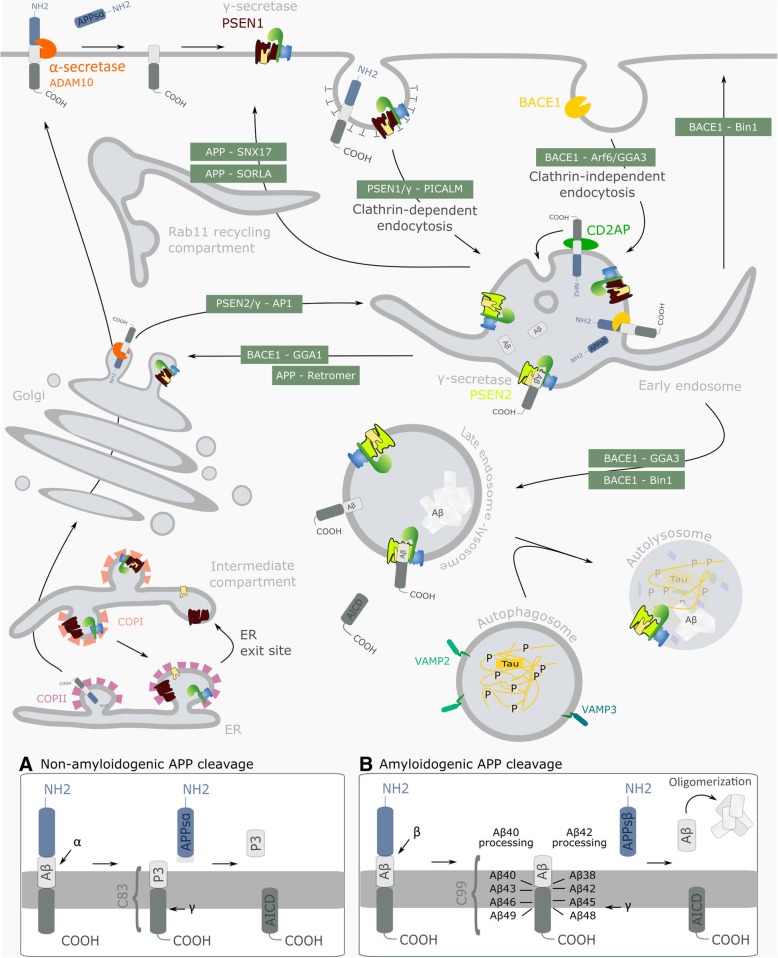
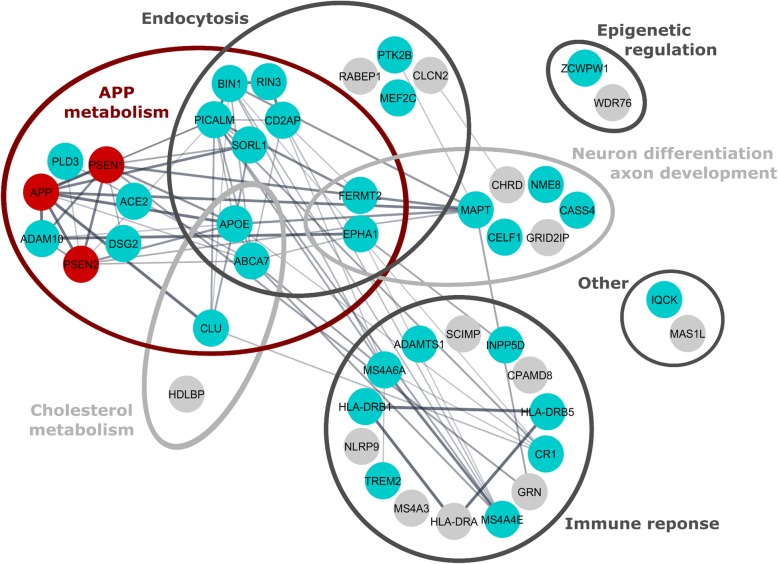
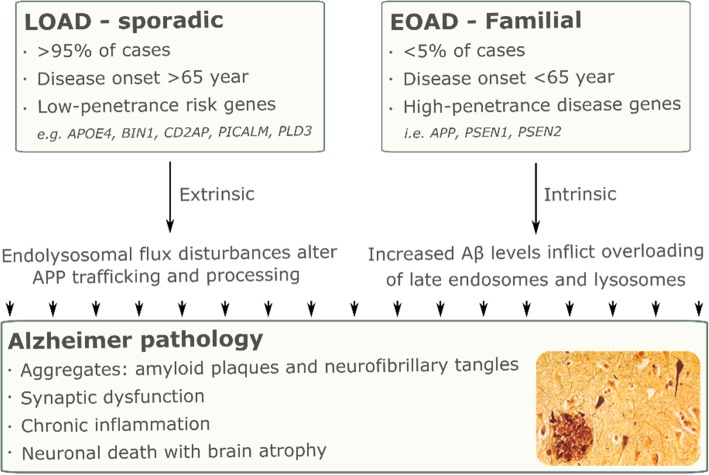
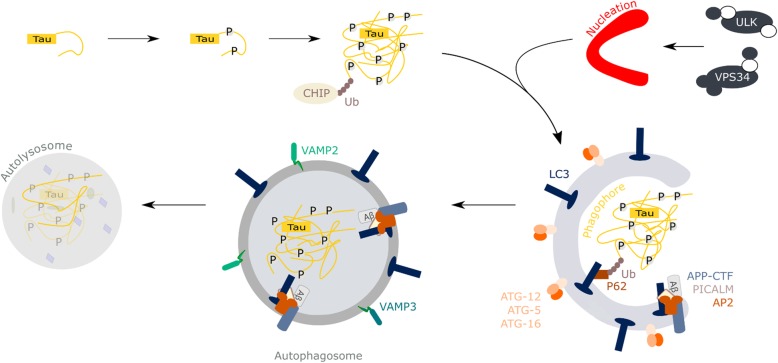
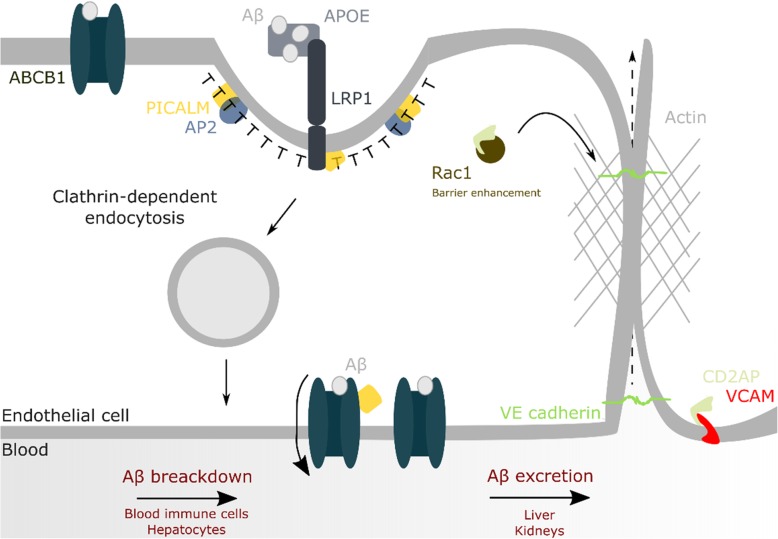
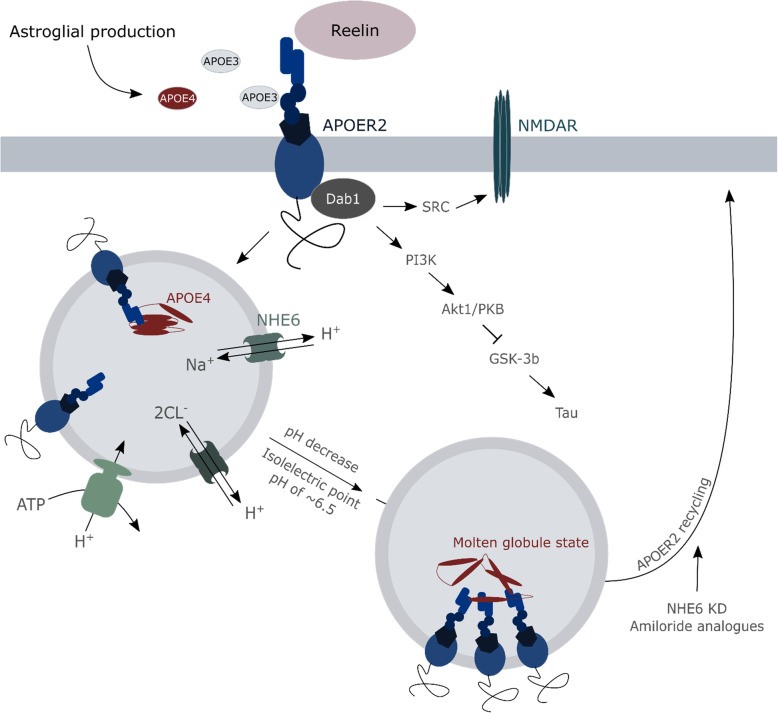
Verification
Claims the paper makes
The claims and statistics of this paper haven’t been checked yet.
Run the check — free, no account needed. It reads the open-access text and checks the sources it cites.
Claims other papers make about this one
Each is checked against this paper’s own text: does it say what the citing paper says it does?
The cited source says what the claim attributes to it.
In the citing paper
“multiple genetic risk alleles associated with AD are thought to be active in this pathway [34].”
From Microglia specific deletion of miR-155 in Alzheimer’s disease mouse models reduces amyloid-β pathology but causes hyperexcitability and seizures (2023) · cites this paper as [34]
The cited source says what the claim attributes to it.
In the citing paper
“Aβ results from the proteolysis of APP, a type I transmembrane protein targeted first at the plasma membrane, then rapidly endocytosed to endosomes to be metabolized to Aβ or subsequently sent to the lysosomal compartment for degradation (Wang X. et al., 2017; Van Acker et al., 2019).”
From Emerging Alternative Proteinases in APP Metabolism and Alzheimer’s Disease Pathogenesis: A Focus on MT1-MMP and MT5-MMP (2019) · cites this paper as Van Acker et al., 2019
Self-check
Percentages, sums and reported differences re-computed from the paper’s own numbers.
The self-check needs the paper’s full text.
Citations
Cites
Meta-Analysis of 74,046 Individuals Identifies 11 New Susceptibility Loci for Alzheimer’s Disease
(EADI), E. A. D. I., Lambert, J.-C., (GERAD), G. A. E. R. I. A. D., Alzheimer's Disease Genetic Consortium (ADGC), (CHARGE), C. F. H. A. A. R. I. G. E., Ibrahim-Verbaas, C. A., Harold, D., Naj, A. C., Sims, R., Bellenguez, C., et al. (2013) · Nature Genetics · doi:10.1038/ng.2802 · Cited by 4,336
Blood–brain barrier breakdown in Alzheimer disease and other neurodegenerative disorders
Sweeney, M. D., Sagare, A. P., & Zlokovic, B. V. (2018) · Nature Reviews Neurology · doi:10.1038/nrneurol.2017.188 · Cited by 3,076
TREM2 Variants in Alzheimer's Disease
Guerreiro, R., Wojtas, A., Bras, J., Carrasquillo, M., Rogaeva, E., Majounie, E., Cruchaga, C., Sassi, C., Kauwe, J. S. K., Younkin, S., et al. (2013) · New England Journal of Medicine · doi:10.1056/nejmoa1211851 · Cited by 3,020
Krasemann, S., Madore, C., Cialic, R., Baufeld, C., Calcagno, N., El Fatimy, R., Beckers, L., O’Loughlin, E., Xu, Y., Fanek, Z., et al. (2017) · Immunity · doi:10.1016/j.immuni.2017.08.008 · Cited by 2,979
Alzheimer Disease Genetics Consortium (ADGC), Kunkle, B. W., The European Alzheimer’s Disease Initiative (EADI), Cohorts for Heart and Aging Research in Genomic Epidemiology Consortium (CHARGE), Genetic and Environmental Risk in AD/Defining Genetic, P. A. E. R. F. A. D. C. (., Grenier-Boley, B., Sims, R., Bis, J. C., Damotte, V., Naj, A. C., et al. (2019) · Nature Genetics · doi:10.1038/s41588-019-0358-2 · Cited by 2,946
Variant of TREM2 Associated with the Risk of Alzheimer's Disease
Jonsson, T., Stefansson, H., Steinberg, S., Jonsdottir, I., Jonsson, P. V., Snaedal, J., Bjornsson, S., Huttenlocher, J., Levey, A. I., Lah, J. J., et al. (2013) · New England Journal of Medicine · doi:10.1056/nejmoa1211103 · Cited by 2,558
Jansen, I. E., Savage, J. E., Watanabe, K., Bryois, J., Williams, D. M., Steinberg, S., Sealock, J., Karlsson, I. K., Hägg, S., Athanasiu, L., et al. (2019) · Nature Genetics · doi:10.1038/s41588-018-0311-9 · Cited by 2,277
The cholinergic system in the pathophysiology and treatment of Alzheimer’s disease
Hampel, H., Mesulam, M.-M., Cuello, A. C., Farlow, M. R., Giacobini, E., Grossberg, G. T., Khachaturian, A. S., Vergallo, A., Cavedo, E., Snyder, P. J., et al. (2018) · Brain · doi:10.1093/brain/awy132 · Cited by 1,918
Depletion of microglia and inhibition of exosome synthesis halt tau propagation
Asai, H., Ikezu, S., Tsunoda, S., Medalla, M., Luebke, J., Haydar, T., Wolozin, B., Butovsky, O., Kügler, S., & Ikezu, T. (2015) · Nature Neuroscience · doi:10.1038/nn.4132 · Cited by 1,591
Brain Infarction and the Clinical Expression of Alzheimer Disease<subtitle>The Nun Study</subtitle>
Snowdon, D. A. (1997) · JAMA: The Journal of the American Medical Association · doi:10.1001/jama.1997.03540340047031 · Cited by 1,590
Moreno-Jiménez, E. P., Flor-García, M., Terreros-Roncal, J., Rábano, A., Cafini, F., Pallas-Bazarra, N., Ávila, J., & Llorens-Martín, M. (2019) · Nature Medicine · doi:10.1038/s41591-019-0375-9 · Cited by 1,577 · cited 1×
“In support, while adult hippocampal neurogenesis is abundant in neurologically healthy subjects, it decreases abruptly in AD patients [109].”
TREM2 Maintains Microglial Metabolic Fitness in Alzheimer’s Disease
Ulland, T. K., Song, W. M., Huang, S. C.-C., Ulrich, J. D., Sergushichev, A., Beatty, W. L., Loboda, A. A., Zhou, Y., Cairns, N. J., Kambal, A., et al. (2017) · Cell · doi:10.1016/j.cell.2017.07.023 · Cited by 1,263
Iturria-Medina, Y., Sotero, R. C., Toussaint, P. J., Mateos-Pérez, J. M., Evans, A. C., Initiative, T. A. D. N., Weiner, M. W., Aisen, P., Petersen, R., Jack, C. R., et al. (2016) · Nature Communications · doi:10.1038/ncomms11934 · Cited by 1,202
Glutamatergic synapses on oligodendrocyte precursor cells in the hippocampus
Bergles, D. E., Roberts, J. D. B., Somogyi, P., & Jahr, C. E. (2000) · Nature · doi:10.1038/35012083 · Cited by 1,062
Neuronal activity enhances tau propagation and tau pathology in vivo
Wu, J. W., Hussaini, S. A., Bastille, I. M., Rodriguez, G. A., Mrejeru, A., Rilett, K., Sanders, D. W., Cook, C., Fu, H., Boonen, R. A. C. M., et al. (2016) · Nature Neuroscience · doi:10.1038/nn.4328 · Cited by 820
A systemic view of Alzheimer disease — insights from amyloid-β metabolism beyond the brain
Wang, J., Gu, B. J., Masters, C. L., & Wang, Y.-J. (2017) · Nature Reviews Neurology · doi:10.1038/nrneurol.2017.111 · Cited by 808
Linkage studies in familial Alzheimer disease: evidence for chromosome 19 linkage.
(1991) · Europe PMC (PubMed Central) · Cited by 758
Takahashi, R. H., Milner, T. A., Li, F., Nam, E. E., Edgar, M. A., Yamaguchi, H., Beal, M. F., Xu, H., Greengard, P., & Gouras, G. K. (2002) · The American Journal of Pathology · doi:10.1016/s0002-9440(10)64463-x · Cited by 706
Abu-Remaileh, M., Wyant, G. A., Kim, C., Laqtom, N. N., Abbasi, M., Chan, S. H., Freinkman, E., & Sabatini, D. M. (2017) · Science · doi:10.1126/science.aan6298 · Cited by 680
Molecular genetics of early-onset Alzheimer’s disease revisited
Cacace, R., Sleegers, K., & Van Broeckhoven, C. (2016) · Alzheimer's & Dementia · doi:10.1016/j.jalz.2016.01.012 · Cited by 617
Autophagy failure in Alzheimer's disease—locating the primary defect
Nixon, R. A., & Yang, D.-S. (2011) · Neurobiology of Disease · doi:10.1016/j.nbd.2011.01.021 · Cited by 595
Apolipoprotein E Is a Ligand for Triggering Receptor Expressed on Myeloid Cells 2 (TREM2)
Atagi, Y., Liu, C.-C., Painter, M. M., Chen, X.-F., Verbeeck, C., Zheng, H., Li, X., Rademakers, R., Kang, S. S., Xu, H., et al. (2015) · Journal of Biological Chemistry · doi:10.1074/jbc.m115.679043 · Cited by 587
ApoE2, ApoE3, and ApoE4 Differentially Stimulate APP Transcription and Aβ Secretion
Huang, Y.-W. A., Zhou, B., Wernig, M., & Südhof, T. C. (2017) · Cell · doi:10.1016/j.cell.2016.12.044 · Cited by 528
New insights into the role of TREM2 in Alzheimer’s disease
Gratuze, M., Leyns, C. E. G., & Holtzman, D. M. (2018) · Molecular Neurodegeneration · doi:10.1186/s13024-018-0298-9 · Cited by 489
Rare coding variants in the phospholipase D3 gene confer risk for Alzheimer’s disease
Cruchaga, C., Karch, C. M., Jin, S. C., Benitez, B. A., Cai, Y., Guerreiro, R., Harari, O., Norton, J., Budde, J., Bertelsen, S., et al. (2014) · Nature · doi:10.1038/nature12825 · Cited by 461
ApoE4 Accelerates Early Seeding of Amyloid Pathology
Liu, C.-C., Zhao, N., Fu, Y., Wang, N., Linares, C., Tsai, C.-W., & Bu, G. (2017) · Neuron · doi:10.1016/j.neuron.2017.11.013 · Cited by 451
Altered lysosomal proteins in neural-derived plasma exosomes in preclinical Alzheimer disease
Goetzl, E. J., Boxer, A., Schwartz, J. B., Abner, E. L., Petersen, R. C., Miller, B. L., & Kapogiannis, D. (2015) · Neurology · doi:10.1212/wnl.0000000000001702 · Cited by 446
Lesage, S., Drouet, V., Majounie, E., Deramecourt, V., Jacoupy, M., Nicolas, A., Cormier‐Dequaire, F., Hassoun, S. M., Pujol, C., Ciura, S., et al. (2016) · The American Journal of Human Genetics · doi:10.1016/j.ajhg.2016.01.014 · Cited by 438
A common haplotype lowers PU.1 expression in myeloid cells and delays onset of Alzheimer's disease
The International Genomics of Alzheimer's Project, Huang, K.-L., Initiative, T. A. D. N., Marcora, E., Pimenova, A. A., Di Narzo, A. F., Kapoor, M., Jin, S. C., Harari, O., Bertelsen, S., et al. (2017) · Nature Neuroscience · doi:10.1038/nn.4587 · Cited by 423
Central role for PICALM in amyloid-β blood-brain barrier transcytosis and clearance
Zhao, Z., Sagare, A. P., Ma, Q., Halliday, M. R., Kong, P., Kisler, K., Winkler, E. A., Ramanathan, A., Kanekiyo, T., Bu, G., et al. (2015) · Nature Neuroscience · doi:10.1038/nn.4025 · Cited by 410
Raj, T., Li, Y. I., Wong, G., Humphrey, J., Wang, M., Ramdhani, S., Wang, Y.-C., Ng, B., Gupta, I., Haroutunian, V., et al. (2018) · Nature Genetics · doi:10.1038/s41588-018-0238-1 · Cited by 410
Nephrin and CD2AP Associate with Phosphoinositide 3-OH Kinase and Stimulate AKT-Dependent Signaling
Huber, T. B., Hartleben, B., Kim, J. H., Schmidts, M., Schermer, B., Keil, A., Egger, L., Lecha, R. L., Borner, C., Pavenstädt, H., et al. (2003) · Molecular and Cellular Biology · doi:10.1128/mcb.23.14.4917-4928.2003 · Cited by 408
Increased expression of BIN1 mediates Alzheimer genetic risk by modulating tau pathology
GERAD consortium, Chapuis, J., Hansmannel, F., Gistelinck, M., Mounier, A., Van Cauwenberghe, C., Kolen, K. V., Geller, F., Sottejeau, Y., Harold, D., et al. (2013) · Molecular Psychiatry · doi:10.1038/mp.2013.1 · Cited by 407
Braak, H., & Braak, E. (1996) · Acta Neuropathologica · doi:10.1007/s004010050508 · Cited by 406
Treusch, S., Hamamichi, S., Goodman, J. L., Matlack, K. E. S., Chung, C. Y., Baru, V., Shulman, J. M., Parrado, A., Bevis, B. J., Valastyan, J. S., et al. (2011) · Science · doi:10.1126/science.1213210 · Cited by 379
Lucin, K. M., O’Brien, C. E., Bieri, G., Czirr, E., Mosher, K. I., Abbey, R. J., Mastroeni, D. F., Rogers, J., Spencer, B., Masliah, E., et al. (2013) · Neuron · doi:10.1016/j.neuron.2013.06.046 · Cited by 374
Chen, Y., Durakoglugil, M. S., Xian, X., & Herz, J. (2010) · Proceedings of the National Academy of Sciences · doi:10.1073/pnas.0914984107 · Cited by 368
Lee, J.-H., McBrayer, M. K., Wolfe, D. M., Haslett, L. J., Kumar, A., Sato, Y., Lie, P. P. Y., Mohan, P., Coffey, E. E., Kompella, U., et al. (2015) · Cell Reports · doi:10.1016/j.celrep.2015.07.050 · Cited by 358
Transferrin receptor (TfR) trafficking determines brain uptake of TfR antibody affinity variants
Bien‐Ly, N., Yu, Y. J., Bumbaca, D., Elstrott, J., Boswell, C. A., Zhang, Y., Luk, W., Lu, Y., Dennis, M. S., Weimer, R. M., et al. (2014) · The Journal of Experimental Medicine · doi:10.1084/jem.20131660 · Cited by 356
Evidence for an oligogenic basis of amyotrophic lateral sclerosis
van Blitterswijk, M., van Es, M. A., Hennekam, E. A. M., Dooijes, D., van Rheenen, W., Medic, J., Bourque, P. R., Schelhaas, H. J., van der Kooi, A. J., de Visser, M., et al. (2012) · Human Molecular Genetics · doi:10.1093/hmg/dds199 · Cited by 355
β-amyloid Peptides and Amyloid Plaques in Alzheimer's Disease
Gouras, G. K., Olsson, T. T., & Hansson, O. (2014) · Neurotherapeutics · doi:10.1007/s13311-014-0313-y · Cited by 346
APOE ε4: The most prevalent yet understudied risk factor for Alzheimer's disease
Michaelson, D. M. (2014) · Alzheimer's & Dementia · doi:10.1016/j.jalz.2014.06.015 · Cited by 331
Tebar, F., Bohlander, S. K., & Sorkin, A. (1999) · Molecular Biology of the Cell · doi:10.1091/mbc.10.8.2687 · Cited by 320
Surface-Modified Nanocarriers for Nose-To-Brain Delivery: From Bioadhesion to Targeting
Sonvico, F., Clementino, A. R., Buttini, F., Colombo, G., Pescina, S., Stanisçuaski Guterres, S., Raffin Pohlmann, A., & Nicoli, S. (2018) · doi:10.20944/preprints201802.0077.v1 · Cited by 306
Mechanism of amyloid plaque formation suggests an intracellular basis of Aβ pathogenicity
Friedrich, R. P., Tepper, K., Rönicke, R., Soom, M., Westermann, M., Reymann, K., Kaether, C., & Fändrich, M. (2010) · Proceedings of the National Academy of Sciences · doi:10.1073/pnas.0904532106 · Cited by 303 · cited 1×
“For instance, production and concentration of intracellular toxic Aβ42 species in acidic organelles, as occurs in FAD, could promote Aβ aggregation to higher molecular weight species capable of seeding amyloid fibrils and potentially damaging organellar membranes [27, 28].”
Sannerud, R., Esselens, C., Ejsmont, P., Mattera, R., Rochin, L., Tharkeshwar, A. K., De Baets, G., De Wever, V., Habets, R., Baert, V., et al. (2016) · Cell · doi:10.1016/j.cell.2016.05.020 · Cited by 299
Self-citationSong, W., Hooli, B., Mullin, K., Jin, S. C., Cella, M., Ulland, T. K., Wang, Y., Tanzi, R. E., & Colonna, M. (2017) · Alzheimer's & Dementia · doi:10.1016/j.jalz.2016.07.004 · Cited by 297
Apolipoprotein E4 Impairs Neuronal Insulin Signaling by Trapping Insulin Receptor in the Endosomes
Zhao, N., Liu, C.-C., Van Ingelgom, A. J., Martens, Y. A., Linares, C., Knight, J. A., Painter, M. M., Sullivan, P. M., & Bu, G. (2017) · Neuron · doi:10.1016/j.neuron.2017.09.003 · Cited by 289 · cited 2×
“was not found to impact LRP1 recycling in an in vitro assay on primary rat cortical neurons [46] nor in human ApoE-targeted replacement mice [135].”
Ma, Q., Zhao, Z., Sagare, A. P., Wu, Y., Wang, M., Owens, N. C., Verghese, P. B., Herz, J., Holtzman, D. M., & Zlokovic, B. V. (2018) · Molecular Neurodegeneration · doi:10.1186/s13024-018-0286-0 · Cited by 281
PICALM modulates autophagy activity and tau accumulation
Moreau, K., Fleming, A., Imarisio, S., Lopez Ramirez, A., Mercer, J. L., Jimenez-Sanchez, M., Bento, C. F., Puri, C., Zavodszky, E., Siddiqi, F., et al. (2014) · Nature Communications · doi:10.1038/ncomms5998 · Cited by 281
Schlepckow, K., Kleinberger, G., Fukumori, A., Feederle, R., Lichtenthaler, S. F., Steiner, H., & Haass, C. (2017) · EMBO Molecular Medicine · doi:10.15252/emmm.201707672 · Cited by 266
Loss of Bin1 Promotes the Propagation of Tau Pathology
Calafate, S., Flavin, W., Verstreken, P., & Moechars, D. (2016) · Cell Reports · doi:10.1016/j.celrep.2016.09.063 · Cited by 265
A Dynamic Relationship between Intracellular and Extracellular Pools of Aβ
Oddo, S., Caccamo, A., Smith, I. F., Green, K. N., & LaFerla, F. M. (2006) · The American Journal of Pathology · doi:10.2353/ajpath.2006.050593 · Cited by 261
Butler, M. H., David, C., Ochoa, G.-C., Freyberg, Z., Daniell, L., Grabs, D., Cremona, O., & Camilli, P. D. (1997) · The Journal of Cell Biology · doi:10.1083/jcb.137.6.1355 · Cited by 256
Characterization of novel markers of senescence and their prognostic potential in cancer
Althubiti, M., Lezina, L., Carrera, S., Jukes-Jones, R., Giblett, S. M., Antonov, A., Barlev, N., Saldanha, G. S., Pritchard, C. A., Cain, K., et al. (2014) · Cell Death & Disease · doi:10.1038/cddis.2014.489 · Cited by 256
Canfield, S. G., Stebbins, M. J., Morales, B. S., Asai, S. W., Vatine, G. D., Svendsen, C. N., Palecek, S. P., & Shusta, E. V. (2017) · Journal of Neurochemistry · doi:10.1111/jnc.13923 · Cited by 250
Sannerud, R., Declerck, I., Peric, A., Raemaekers, T., Menéndez, G., Zhou, L., Baert, V., Coen, K., Munck, S., Strooper, B. D., et al. (2011) · Proceedings of the National Academy of Sciences · doi:10.1073/pnas.1100745108 · Cited by 249
Self-citationAlzheimer’s-Causing Mutations Shift Aβ Length by Destabilizing γ-Secretase-Aβn Interactions
Szaruga, M., Munteanu, B., Lismont, S., Veugelen, S., Horré, K., Mercken, M., Saido, T. C., Ryan, N. S., De Vos, T., Savvides, S. N., et al. (2017) · Cell · doi:10.1016/j.cell.2017.07.004 · Cited by 248 · cited 1×
“In most cases, FAD-associated mutations in APP and the PSEN genes produce more of the longer Aβ peptides, underscoring that it is not an increase of total Aβ but rather a change in the profile of Aβ that is critically associated with disease onset and progression [19].”
Novel Research Horizons for Presenilins and γ-Secretases in Cell Biology and Disease
Strooper, B. D., & Annaert, W. G. (2010) · Annual Review of Cell and Developmental Biology · doi:10.1146/annurev-cellbio-100109-104117 · Cited by 247
Self-citationHallmarks of Alzheimer’s Disease in Stem-Cell-Derived Human Neurons Transplanted into Mouse Brain
Espuny-Camacho, I., Arranz, A. M., Fiers, M., Snellinx, A., Ando, K., Munck, S., Bonnefont, J., Lambot, L., Corthout, N., Omodho, L., et al. (2017) · Neuron · doi:10.1016/j.neuron.2017.02.001 · Cited by 244
Ginsberg, S. D., Alldred, M. J., Counts, S. E., Cataldo, A. M., Neve, R. L., Jiang, Y., Wuu, J., Chao, M. V., Mufson, E. J., Nixon, R. A., et al. (2010) · Biological Psychiatry · doi:10.1016/j.biopsych.2010.05.030 · Cited by 243
Tian, Y., Chang, J. C., Fan, E. Y., Flajolet, M., & Greengard, P. (2013) · Proceedings of the National Academy of Sciences · doi:10.1073/pnas.1315110110 · Cited by 233
Lynch, D. K., Winata, S. C., Lyons, R. J., Hughes, W. E., Lehrbach, G. M., Wasinger, V. C., Corthals, G. L., Cordwell, S. J., & Daly, R. J. (2003) · Journal of Biological Chemistry · doi:10.1074/jbc.m211407200 · Cited by 227
Johnson, E. C. B., Dammer, E. B., Duong, D. M., Yin, L., Thambisetty, M., Troncoso, J. C., Lah, J. J., Levey, A. I., & Seyfried, N. T. (2018) · Molecular Neurodegeneration · doi:10.1186/s13024-018-0282-4 · Cited by 225 · cited 1×
“Alternative splicing of PICALM is positively correlated with Tau tangle burden (Braak stage) and is primarily glial in nature [82, 83].”
Schneider, A., Rajendran, L., Honsho, M., Gralle, M., Donnert, G., Wouters, F. S., Hell, S. W., & Simons, M. (2008) · Journal of Neuroscience · doi:10.1523/jneurosci.5345-07.2008 · Cited by 222
The E3 ubiquitin ligase Itch controls the protein stability of p63
Rossi, M., Aqeilan, R. I., Neale, M. H., Candi, E., Salomoni, P., Knight, R. A., Croce, C. M., & Melino, G. (2006) · Proceedings of the National Academy of Sciences · doi:10.1073/pnas.0603449103 · Cited by 220
Coen, K., Flannagan, R. S., Baron, S., Carraro-Lacroix, L. R., Wang, D., Vermeire, W., Michiels, C., Munck, S., Baert, V., Sugita, S., et al. (2012) · Journal of Cell Biology · doi:10.1083/jcb.201201076 · Cited by 208
Self-citationAmyloid clearance defect in ApoE4 astrocytes is reversed by epigenetic correction of endosomal pH
Prasad, H., & Rao, R. (2018) · Proceedings of the National Academy of Sciences · doi:10.1073/pnas.1801612115 · Cited by 207
Apolipoprotein E4 Forms a Molten Globule
Morrow, J. A., Hatters, D. M., Lu, B., Höchtl, P., Oberg, K. A., Rupp, B., & Weisgraber, K. H. (2002) · Journal of Biological Chemistry · doi:10.1074/jbc.m204898200 · Cited by 204
Schiffer, M., Mundel, P. H., Shaw, A. S., & Böttinger, E. P. (2004) · Journal of Biological Chemistry · doi:10.1074/jbc.m403534200 · Cited by 198
The Molecular Basis for the Endocytosis of Small R-SNAREs by the Clathrin Adaptor CALM
Miller, S. E., Sahlender, D. A., Graham, S. C., Höning, S., Robinson, M. S., Peden, A. A., & Owen, D. J. (2011) · Cell · doi:10.1016/j.cell.2011.10.038 · Cited by 192
Identification and Characterization of a Nerve Terminal-enriched Amphiphysin Isoform
Ramjaun, A. R., Micheva, K. D., Bouchelet, I., & McPherson, P. S. (1997) · Journal of Biological Chemistry · doi:10.1074/jbc.272.26.16700 · Cited by 192
Ji, Z.-S., Miranda, R. D., Newhouse, Y. M., Weisgraber, K. H., Huang, Y., & Mahley, R. W. (2002) · Journal of Biological Chemistry · doi:10.1074/jbc.m112109200 · Cited by 177
Li, C., Ruotsalainen, V., Tryggvason, K., Shaw, A. S., & Miner, J. H. (2000) · American Journal of Physiology-Renal Physiology · doi:10.1152/ajprenal.2000.279.4.f785 · Cited by 176
Cummings, J., Ritter, A., & Zhong, K. (2018) · Journal of Alzheimer's Disease · doi:10.3233/jad-179901 · Cited by 176
Peric, A., & Annaert, W. G. (2015) · Acta Neuropathologica · doi:10.1007/s00401-014-1379-7 · Cited by 172
Self-citationXiao, Q., Gil, S.-C., Yan, P., Wang, Y., Han, S., Gonzales, E., Perez, R., Cirrito, J. R., & Lee, J.-M. (2012) · Journal of Biological Chemistry · doi:10.1074/jbc.m111.338376 · Cited by 166
Bin1 and CD2AP polarise the endocytic generation of beta‐amyloid
Ubelmann, F., Burrinha, T., Salavessa, L., Gomes, R., Ferreira, C., Moreno, N., & Guimas Almeida, C. (2017) · The EMBO Reports · doi:10.15252/embr.201642738 · Cited by 165
Human brain myelination and amyloid beta deposition in Alzheimer's disease
Bartzokis, G., Lu, P. H., & Mintz, J. (2007) · Alzheimer s & Dementia · doi:10.1016/j.jalz.2007.01.019 · Cited by 162
Zhu, L., Zhong, M., Elder, G. A., Sano, M., Holtzman, D. M., Gandy, S., Cardozo, C., Haroutunian, V., Robakis, N. K., & Cai, D. (2015) · Proceedings of the National Academy of Sciences · doi:10.1073/pnas.1510011112 · Cited by 160
Hébert, S. S., Serneels, L., Dejaegere, T., Horré, K., Dąbrowski, M., Baert, V., Annaert, W. G., Hartmann, D., & Strooper, B. D. (2004) · Neurobiology of Disease · doi:10.1016/j.nbd.2004.08.002 · Cited by 158
Self-citationZhang, R., Hu, X., Khant, H. A., Ludtke, S. J., Chiu, W., Schmid, M. F., Frieden, C., & Lee, J. (2009) · Proceedings of the National Academy of Sciences · doi:10.1073/pnas.0901085106 · Cited by 157
High‐affinity interactions and signal transduction between Aβ oligomers and TREM2
Lessard, C. B., Malnik, S. L., Zhou, Y., Ladd, T. B., Cruz, P. E., Ran, Y., Chakrabaty, P., Mahan, T. E., Holtzman, D. M., Ulrich, J. D., et al. (2018) · EMBO Molecular Medicine · doi:10.15252/emmm.201809027 · Cited by 156
McKenzie, A. T., Moyon, S., Wang, M., Katsyv, I., Song, W.-M., Zhou, X., Dammer, E. B., Duong, D. M., Aaker, J., Zhao, Y., et al. (2017) · Molecular Neurodegeneration · doi:10.1186/s13024-017-0219-3 · Cited by 154
De Rossi, P., Buggia-Prévot, V., Clayton, B. L. L., Vasquez, J. B., van Sanford, C., Andrew, R. J., Lesnick, R., Botté, A., Deyts, C., Salem, S., et al. (2016) · Molecular Neurodegeneration · doi:10.1186/s13024-016-0124-1 · Cited by 151 · cited 4×
“Neurons express full length, exon 7-containing BIN1 (90 kDa), but at a ~ 4-fold lower level; a ratio which is further tilted in favour of the shorter variants when assessing AD brains [33, 34].”
InfluentialPLD3 and PLD4 are single-stranded acid exonucleases that regulate endosomal nucleic-acid sensing
Gavin, A. L., Huang, D., Huber, C., Mårtensson, A., Tardif, V., Skog, P. D., Blane, T. R., Thinnes, T. C., Osborn, K. G., Chong, H. S., et al. (2018) · Nature Immunology · doi:10.1038/s41590-018-0179-y · Cited by 151
Incidence of cerebral microbleeds in preclinical Alzheimer disease
Yates, P. A., Desmond, P. M., Phal, P. M., Steward, C., Szoeke, C., Salvado, O., Ellis, K. A., Martins, R. N., Masters, C. L., Ames, D., et al. (2014) · Neurology · doi:10.1212/wnl.0000000000000285 · Cited by 150
Effect of Clathrin Assembly Lymphoid Myeloid Leukemia Protein Depletion on Clathrin Coat Formation
Meyerholz, A., Hinrichsen, L., Groos, S., Esk, C., Brandes, G., & Ungewickell, E. J. (2005) · Traffic · doi:10.1111/j.1600-0854.2005.00355.x · Cited by 144
Evidence for CALM in Directing VAMP2 Trafficking
Harel, A., Wu, F., Mattson, M. P., Morris, C. M., & Yao, P. J. (2008) · Traffic · doi:10.1111/j.1600-0854.2007.00694.x · Cited by 144
Storck, S. E., Hartz, A. M. S., Bernard, J., Wolf, A., Kachlmeier, A., Mahringer, A., Weggen, S., Pahnke, J., & Pietrzik, C. U. (2018) · Brain, Behavior, and Immunity · doi:10.1016/j.bbi.2018.07.017 · Cited by 143
Whole‐exome sequencing in 20,197 persons for rare variants in Alzheimer's disease
Raghavan, N. S., Brickman, A. M., Andrews, H., Manly, J. J., Schupf, N., Lantigua, R., Wolock, C. J., Kamalakaran, S., Petrovski, S., Tosto, G., et al. (2018) · Annals of Clinical and Translational Neurology · doi:10.1002/acn3.582 · Cited by 141
The endosomal-lysosomal pathway is dysregulated by APOE4 expression in vivo
Nuriel, T., Peng, K. Y., Ashok, A., Dillman, A. A., Figueroa, H. Y., Apuzzo, J., Ambat, J., Levy, E., Cookson, M. R., Mathews, P. M., et al. (2017) · Frontiers in Neuroscience · doi:10.3389/fnins.2017.00702 · Cited by 140
Ando, K., Brion, J.-P., Stygelbout, V., Suain, V., Authelet, M., Dedecker, R., Chanut, A., Lacor, P., Lavaur, J., Sazdovitch, V., et al. (2013) · Acta Neuropathologica · doi:10.1007/s00401-013-1111-z · Cited by 136
Reactivity of Apolipoprotein E4 and Amyloid β Peptide
Ji, Z.-S., Müllendorff, K., Cheng, I. H., Miranda, R. D., Huang, Y., & Mahley, R. W. (2006) · Journal of Biological Chemistry · doi:10.1074/jbc.m506646200 · Cited by 127
Tharkeshwar, A. K., Trekker, J., Vermeire, W., Pauwels, J., Sannerud, R., Priestman, D. A., Vruchte, D. T., Vints, K., Baatsen, P., Decuypere, J.-P., et al. (2017) · Scientific Reports · doi:10.1038/srep41408 · Cited by 123
Self-citationThe blood brain barrier in Alzheimer’s disease
Chakraborty, A., de Wit, N. M., van der Flier, W. M., & de Vries, H. E. (2017) · Vascular Pharmacology · doi:10.1016/j.vph.2016.11.008 · Cited by 118
Distribution and Expression of Picalm in Alzheimer Disease
Baig, S., Joseph, S. A., Tayler, H., Abraham, R., Owen, M. J., Williams, J., Kehoe, P. G., & Love, S. (2010) · Journal of Neuropathology & Experimental Neurology · doi:10.1097/nen.0b013e3181f52e01 · Cited by 115
Spasić, D., Raemaekers, T., Dillen, K., Declerck, I., Baert, V., Serneels, L., Füllekrug, J., & Annaert, W. G. (2007) · The Journal of Cell Biology · doi:10.1083/jcb.200609180 · Cited by 110
Self-citationSleegers, K., Bettens, K., De Roeck, A., Van Cauwenberghe, C., Cuyvers, E., Verheijen, J., Struyfs, H., Van Dongen, J., Vermeulen, S., Engelborghs, S., et al. (2015) · Alzheimer's & Dementia · doi:10.1016/j.jalz.2015.02.013 · Cited by 106
A comprehensive analysis of rare genetic variation in amyotrophic lateral sclerosis in the UK
Morgan, S. L., Shatunov, A., Sproviero, W., Jones, A. R., Shoai, M., Hughes, D., Khleifat, A. A., Malaspina, A., Morrison, K. E., Shaw, P. J., et al. (2017) · Brain · doi:10.1093/brain/awx082 · Cited by 103
Behavior of neural stem cells in the Alzheimer brain
Waldau, B., & Shetty, A. K. (2008) · Cellular and Molecular Life Sciences · doi:10.1007/s00018-008-8053-y · Cited by 101
Targeting blood-brain-barrier transcytosis – perspectives for drug delivery
Mäger, I., Meyer, A. H., Li, J., Lenter, M., Hildebrandt, T., Leparc, G., & Wood, M. J. A. (2016) · Neuropharmacology · doi:10.1016/j.neuropharm.2016.08.025 · Cited by 100
Kanatsu, K., Morohashi, Y., Suzuki, M., Kuroda, H., Watanabe, T., Tomita, T., & Iwatsubo, T. (2014) · Nature Communications · doi:10.1038/ncomms4386 · Cited by 99
Reversal of ApoE4-induced recycling block as a novel prevention approach for Alzheimer’s disease
Xian, X., Pohlkamp, T., Durakoglugil, M. S., Wong, C. H., Beck, J. K., Lane-Donovan, C., Plattner, F., & Herz, J. (2018) · eLife · doi:10.7554/elife.40048 · Cited by 98
BIN1 regulates BACE1 intracellular trafficking and amyloid-β production
Miyagawa, T., Ebinuma, I., Morohashi, Y., Hori, Y., Young Chang, M., Hattori, H., Maehara, T., Yokoshima, S., Fukuyama, T., Tsuji, S., et al. (2016) · Human Molecular Genetics · doi:10.1093/hmg/ddw146 · Cited by 95 · cited 1×
“BACE1- and APP-trafficking to the lysosomes in an ubiquitin-independent and -dependent mechanism, respectively [39, 40].”
Emerging pathways driving early synaptic pathology in Alzheimer's disease
Briggs, C. A., Chakroborty, S., & Stutzmann, G. E. (2016) · Biochemical and Biophysical Research Communications · doi:10.1016/j.bbrc.2016.09.088 · Cited by 95
Kuszczyk, M. A., Sanchez, S., Pankiewicz, J., Kim, J., Duszczyk, M., Guridi, M., Asuni, A. A., Sullivan, P. M., Holtzman, D. M., & Sadowski, M. J. (2013) · The American Journal of Pathology · doi:10.1016/j.ajpath.2013.01.034 · Cited by 89 · cited 2×
“As a result, double transgenic ApoE4xAPP/PS1 mice show two-fold higher extracellular Aβ loads as do ApoE2 or ApoE3 carriers [131].”
Claes, C., Daele, J. V. D., Boon, R., Schouteden, S., Colombo, A. V., Monasor, L. S., Fiers, M. W. E. J., Ordovás, L., Nami, F., Bohrmann, B., et al. (2018) · Alzheimer s & Dementia · doi:10.1016/j.jalz.2018.09.006 · Cited by 88
Berggård, T., Arrigoni, G., Olsson, O., Fex, M., Linse, S. S., & James, P. (2006) · Journal of Proteome Research · doi:10.1021/pr050421l · Cited by 81
Clues to CD2-associated Protein Involvement in Cytokinesis
Monzo, P., Gauthier, N. C., Keslair, F., Loubat, A., Field, C. M., MARCHAND‐BRUSTEL, Y. L., & Cormont, M. (2005) · Molecular Biology of the Cell · doi:10.1091/mbc.e04-09-0773 · Cited by 80
Pak, K. J., Chan, S. L., & Mattson, M. P. (2003) · NeuroMolecular Medicine · doi:10.1385/nmm:3:1:53 · Cited by 78
Leprince, C., Scolan, E. L., Meunier, B., Fraisier, V., Brandon, N., de Gunzburg, J., & Camonis, J. (2003) · Journal of Cell Science · doi:10.1242/jcs.00403 · Cited by 75
Genetics of PICALM Expression and Alzheimer's Disease
Parikh, I. J., Fardo, D. W., & Estus, S. (2014) · PLoS ONE · doi:10.1371/journal.pone.0091242 · Cited by 73
Ando, K., Tomimura, K., Sazdovitch, V., Suain, V., Yilmaz, Z., Authelet, M., Ndjim, M., Vergara, C., Belkouch, M., Potier, M., et al. (2016) · Neurobiology of Disease · doi:10.1016/j.nbd.2016.05.017 · Cited by 71
Rac1 Recruits the Adapter Protein CMS/CD2AP to Cell-Cell Contacts
van Duijn, T. J., Anthony, E. C., Hensbergen, P. J., Deelder, A. M., & Hordijk, P. L. (2010) · Journal of Biological Chemistry · doi:10.1074/jbc.m109.099481 · Cited by 69
Bushlin, I., Petralia, R. S., Wu, F., Harel, A., Mughal, M. R., Mattson, M. P., & Yao, P. J. (2008) · Journal of Neuroscience · doi:10.1523/jneurosci.2471-08.2008 · Cited by 67
The PICALM Protein Plays a Key Role in Iron Homeostasis and Cell Proliferation
Scotland, P., Heath, J. L., Conway, A. E., Porter, N. B., Armstrong, M. B., Walker, J. A., Klebig, M. L., Lavau, C., & Wechsler, D. S. (2012) · PLoS ONE · doi:10.1371/journal.pone.0044252 · Cited by 67
Arf6 and the 5'phosphatase of synaptojanin 1 regulate autophagy in cone photoreceptors
George, A. A., Hayden, S., Stanton, G. R., & Brockerhoff, S. E. (2016) · Inside the Cell · doi:10.1002/icl3.1044 · Cited by 67
Arf6 and the 5'phosphatase of synaptojanin 1 regulate autophagy in cone photoreceptors
George, A. A., Hayden, S., Stanton, G. R., & Brockerhoff, S. E. (2016) · BioEssays · doi:10.1002/bies.201670913 · Cited by 66
Kwon, S., Oh, S., Nacke, M., Mostov, K. E., & Lipschutz, J. H. (2016) · Journal of Biological Chemistry · doi:10.1074/jbc.m116.729202 · Cited by 65
Suzuki, M., Tanaka, H., Tanimura, A., Tanabe, K., Oe, N., Rai, S., Kon, S., Fukumoto, M., Takei, K., Abe, T., et al. (2012) · PLoS ONE · doi:10.1371/journal.pone.0031854 · Cited by 63
Atsuhiro, N., Yoshimura, S., Togawa, H., Kunii, M., Iwano, T., Izumi, A., Noguchi, Y., Watanabe, A., Goto, A., Sato, T., et al. (2016) · The Journal of Cell Biology · doi:10.1083/jcb.201508086 · Cited by 61
Cummins, T. D., Wu, K. Z. L., Bozatzi, P., Dingwell, K. S., Macartney, T., Wood, N. T., Varghese, J., Gourlay, R., Campbell, D. G., Prescott, A. R., et al. (2018) · Journal of Cell Science · doi:10.1242/jcs.202390 · Cited by 60
Tan, J. Z. A., & Gleeson, P. A. (2019) · Journal of Biological Chemistry · doi:10.1074/jbc.ra118.005222 · Cited by 56
Andrew, R. J., De Rossi, P., Nguyen, P., Kowalski, H. R., Recupero, A. J., Guerbette, T., Krause, S. V., Rice, R. C., Laury-Kleintop, L., Wagner, S. L., et al. (2019) · Journal of Biological Chemistry · doi:10.1074/jbc.ra118.006379 · Cited by 55
Thomas, R. S., Henson, A., Gerrish, A., Jones, L., Williams, J., & Kidd, E. J. (2016) · BMC Neuroscience · doi:10.1186/s12868-016-0288-1 · Cited by 55
A Role for Phospholipase D3 in Myotube Formation
Osisami, M., Ali, W. H., & Frohman, M. A. (2012) · PLoS ONE · doi:10.1371/journal.pone.0033341 · Cited by 54
Malki, I., Cantrelle, F., Sottejeau, Y., Lippens, G., Lambert, J., & Landrieu, I. (2017) · The FEBS Journal · doi:10.1111/febs.14185 · Cited by 54
PLD3 gene and processing of APP
Fazzari, P., Horre, K., Arranz, A. M., Frigerio, C. S., Saito, T., Saido, T. C., & De Strooper, B. (2017) · Nature · doi:10.1038/nature21030 · Cited by 54
Pedersen, K. M., Finsen, B. R., Celis, J. E., & Jensen, N. A. (1998) · Journal of Biological Chemistry · doi:10.1074/jbc.273.47.31494 · Cited by 53
Unconventional Trafficking of Mammalian Phospholipase D3 to Lysosomes
Gonzalez, A. C., Schweizer, M., Jagdmann, S., Bernreuther, C., Reinheckel, T., Säftig, P., & Daμμe, M. (2018) · Cell Reports · doi:10.1016/j.celrep.2017.12.100 · Cited by 53
Liao, F., Jiang, H., Srivatsan, S., Xiao, Q., Lefton, K. B., Yamada, K., Mahan, T. E., Lee, J.-M., Shaw, A. S., & Holtzman, D. M. (2015) · Molecular Neurodegeneration · doi:10.1186/s13024-015-0006-y · Cited by 53
The Alzheimer's disease risk factor CD2AP maintains blood–brain barrier integrity
Cochran, J. N., Rush, T., Buckingham, S. C., & Roberson, E. D. (2015) · Human Molecular Genetics · doi:10.1093/hmg/ddv371 · Cited by 52
Bin1 directly remodels actin dynamics through its BAR domain
Dräger, N. M., Nachman, E., Winterhoff, M., Brühmann, S., Shah, P., Katsinelos, T., Boulant, S., Teleman, A. A., Faix, J., & Jahn, T. R. (2017) · The EMBO Reports · doi:10.15252/embr.201744137 · Cited by 51
Breusegem, S. Y., & Seaman, M. N. J. (2014) · Cell Reports · doi:10.1016/j.celrep.2014.10.053 · Cited by 50
PLD3 is accumulated on neuritic plaques in Alzheimer’s disease brains
Satoh, J., Kino, Y., Yamamoto, Y., Kawana, N., Ishida, T., Saito, Y., & Arima, K. (2014) · Alzheimer s Research & Therapy · doi:10.1186/s13195-014-0070-5 · Cited by 50
Synaptic distribution of the endocytic accessory proteins AP180 and CALM
Yao, P. J., Petralia, R. S., Bushlin, I., Wang, Y., & Furukawa, K. (2005) · The Journal of Comparative Neurology · doi:10.1002/cne.20362 · Cited by 49
Rouka, E., Simister, P. C., Janning, M., Kumbrink, J., Konstantinou, T., Muniz, J. R. C., Joshi, D., O’Reilly, N., Volkmer, R., Ritter, B., et al. (2015) · Journal of Biological Chemistry · doi:10.1074/jbc.m115.637207 · Cited by 47
Rasmussen, I. J., Tybjærg‐Hansen, A., Rasmussen, K. L., Nordestgaard, B. G., & Frikke‐Schmidt, R. (2019) · European Journal of Epidemiology · doi:10.1007/s10654-019-00498-2 · Cited by 46
Adams, S. L., Tilton, K., Kozubek, J. A., Seshadri, S., & Delalle, I. (2016) · Journal of Neuropathology & Experimental Neurology · doi:10.1093/jnen/nlw056 · Cited by 45
Raj, D. B. T. G., Ghesquière, B., Tharkeshwar, A. K., Coen, K., Derua, R., Vanderschaeghe, D., Rysman, E., Bagadi, M., Baatsen, P., Strooper, B. D., et al. (2011) · Molecular Systems Biology · doi:10.1038/msb.2011.74 · Cited by 43
Self-citationThe ESCRT-III pathway facilitates cardiomyocyte release of cBIN1-containing microparticles
Xu, B. Y., Fu, Y., Liu, Y., Agvanian, S., Wirka, R. C., Baum, R. E., Zhou, K., Shaw, R. M., & Hong, T. (2017) · PLoS Biology · doi:10.1371/journal.pbio.2002354 · Cited by 43
The Adaptor Protein CD2AP Is a Coordinator of Neurotrophin Signaling-Mediated Axon Arbor Plasticity
Harrison, B. J., Venkat, G., Lamb, J. L., Hutson, T. H., Drury, C., Rau, K. K., Bunge, M. B., Mendell, L. M., Gage, F. H., Johnson, R. D., et al. (2016) · Journal of Neuroscience · doi:10.1523/jneurosci.2423-15.2016 · Cited by 40
Takeda, T., Kozai, T., Yang, H., Ishikuro, D., Seyama, K., Kumagai, Y., Abe, T., Yamada, H., Uchihashi, T., Ando, T., et al. (2018) · eLife · doi:10.7554/elife.30246 · Cited by 40
Dafnis, I., Argyri, L., Sagnou, M., Tzinia, A., Tsilibary, E. C., Stratikos, E., & Chroni, A. (2016) · Scientific Reports · doi:10.1038/srep30654 · Cited by 38
Next Generation Sequencing Analysis in Early Onset Dementia Patients
Bonvicini, C., Initiative, A. D. N., Scassellati, C., Benussi, L., Maria, E. D., Maj, C., Ciani, M., Fostinelli, S., Mega, A., Bocchetta, M., et al. (2018) · Journal of Alzheimer s Disease · doi:10.3233/jad-180482 · Cited by 37
Nagaoka-Yasuda, R., Matsuo, N., Perkins, B. L., Limbäck-Stokin, K., & Mayford, M. R. (2007) · Free Radical Biology and Medicine · doi:10.1016/j.freeradbiomed.2007.05.008 · Cited by 35
Munck, A., Böhm, C., Seibel, N. M., Hosseini, Z. H., & Hampe, W. (2005) · FEBS Journal · doi:10.1111/j.1742-4658.2005.04601.x · Cited by 35
Kunkle, B., Grenier-Boley, B., Sims, R., Bis, J., Naj, A., Boland, A., Vronskaya, M., van der Lee, S., Amlie-Wolf, A., Bellenguez, C., et al. (2018) · doi:10.1101/294629 · Cited by 35
Genetic meta-analysis identifies 9 novel loci and functional pathways for Alzheimer’s disease riskPreprint
Jansen, I. E., Savage, J. E., Watanabe, K., Bryois, J., Williams, D. M., Steinberg, S., Sealock, J., Karlsson, I., Hägg, S., Athanasiu, L., et al. (2018) · bioRxiv (Cold Spring Harbor Laboratory) · doi:10.1101/258533 · Cited by 33
Erythromyeloid-Derived TREM2: A Major Determinant of Alzheimer’s Disease Pathology in Down Syndrome
Raha‐Chowdhury, R., Henderson, J. W., Raha, A. A., Stott, S., Vuono, R., Foscarin, S., Wilson, L. R., Annus, T., Fincham, R., Allinson, K. S. J., et al. (2017) · Journal of Alzheimer s Disease · doi:10.3233/jad-170814 · Cited by 31
PLD3 epigenetic changes in the hippocampus of Alzheimer’s disease
Blanco‐Luquin, I., Altuna, M., de Gordoa, J. S., Urdánoz‐Casado, A., Roldán, M., Cámara, M. S., Zelaya, M. V., Erro, M. E., Echávarri, C., & Mendióroz, M. (2018) · Clinical Epigenetics · doi:10.1186/s13148-018-0547-3 · Cited by 30
Fernández, M. V., Budde, J., Del‐Aguila, J. L., Ibáñez, L., Deming, Y. K., Harari, O., Norton, J. B., Morris, J. C., Goate, A., NIA-LOAD family study group, et al. (2018) · Frontiers in Neuroscience · doi:10.3389/fnins.2018.00209 · Cited by 30
Garai, K., Baban, B. A., & Frieden, C. (2011) · Biochemistry · doi:10.1021/bi2006702 · Cited by 27
Singh, J., & Mlodzik, M. (2012) · Developmental Cell · doi:10.1016/j.devcel.2012.04.021 · Cited by 27
Partial loss of CALM function reduces Aβ42 production and amyloid depositionin vivo
Kanatsu, K., Hori, Y., Takatori, S., Watanabe, T., Iwatsubo, T., & Tomita, T. (2016) · Human Molecular Genetics · doi:10.1093/hmg/ddw239 · Cited by 26
Mukadam, A. S., Breusegem, S. Y., & Seaman, M. N. J. (2018) · Cellular and Molecular Life Sciences · doi:10.1007/s00018-018-2752-9 · Cited by 26
CD2-associated protein is widely expressed and differentially regulated during embryonic development
Lehtonen, S. H., Tienari, J., Londesborough, A., Pirvola, U., Ora, A., Reima, I., & Lehtonen, E. (2008) · Differentiation · doi:10.1111/j.1432-0436.2007.00255.x · Cited by 24
Shinohara, M., Koga, S., Konno, T., Nix, J., Shinohara, M., Aoki, N., Das, P., Parisi, J. E., Petersen, R. C., Rosenberry, T. L., et al. (2017) · Brain · doi:10.1093/brain/awx284 · Cited by 24
Whole Exome Sequencing in 20,197 Persons for Rare Variants in Alzheimer DiseasePreprint
Raghavan, N. S., Brickman, A. M., Andrews, H., Manly, J. J., Schupf, N., Lantigua, R., The Alzheimer’s Disease Sequencing Project, Wolock, C. J., Kamalakaran, S., Petrovski, S., et al. (2018) · bioRxiv (Cold Spring Harbor Laboratory) · doi:10.1101/305631 · Cited by 24
Thomas, S., Hoxha, K., Alexander, W., Gilligan, J. P., Dilbarova, R., Whittaker, K., Kossenkov, A. V., Prendergast, G. C., & Mullin, J. M. (2018) · Journal of Cellular Biochemistry · doi:10.1002/jcb.27716 · Cited by 24
Mazur‐Kolecka, B., Kowal, D., Sukontasup, T., Dickson, D. W., & Frackowiak, J. (2003) · Brain Research · doi:10.1016/s0006-8993(03)03026-9 · Cited by 22
Schaefer, A., van Duijn, T. J., Majolée, J., Burridge, K., & Hordijk, P. L. (2017) · The Journal of Immunology · doi:10.4049/jimmunol.1601987 · Cited by 22
Organellar Omics—A Reviving Strategy to Untangle the Biomolecular Complexity of the Cell
Tharkeshwar, A. K., Gevaert, K., & Annaert, W. G. (2017) · PROTEOMICS · doi:10.1002/pmic.201700113 · Cited by 22
Self-citationTsuji, K., Păunescu, T. G., Suleiman, H. Y., Xie, D., Mamuya, F. A., Miner, J. H., & Lu, H. A. J. (2017) · Scientific Reports · doi:10.1038/s41598-017-08304-3 · Cited by 22
A Roma founder BIN1 mutation causes a novel phenotype of centronuclear myopathy with rigid spine
Cabrera‐Serrano, M., Mavillard, F., Biancalana, V., Rivas, E., Morar, B., Hernández‐Laín, A., Olivé, M., Muelas, N., Khan, E., Carvajal, A., et al. (2018) · Neurology · doi:10.1212/wnl.0000000000005862 · Cited by 22
Clathrin assembly proteins AP180 and CALM in the embryonic rat brain
Schwartz, C. M., Cheng, A., Mughal, M. R., Mattson, M. P., & Yao, P. J. (2010) · The Journal of Comparative Neurology · doi:10.1002/cne.22425 · Cited by 19
Desrochers, G., Cappadocia, L., Lussier-Price, M., Ton, A., Ayoubi, R., Serohijos, A. W. R., Omichinski, J. G., & Angers, A. (2017) · Journal of Biological Chemistry · doi:10.1074/jbc.m116.754440 · Cited by 19
Ramos de Matos, M., Ferreira, C., Herukka, S.-K., Soininen, H., Janeiro, A., Santana, I., Baldeiras, I., Almeida, M. R., Lleó, A., Dols-Icardo, O., et al. (2018) · Journal of Alzheimer's Disease · doi:10.3233/jad-180512 · Cited by 18
Petralia, R. S., & Yao, P. J. (2007) · The Journal of Comparative Neurology · doi:10.1002/cne.21454 · Cited by 15
Genetic risk score modifies the effect of APOE on risk and age onset of Alzheimer's disease
Shi, Z., Yu, H., Wu, Y., Ford, M., Perschon, C. R., Wang, C., Zheng, S. L., & Xu, J. (2018) · Clinical Genetics · doi:10.1111/cge.13479 · Cited by 4
Tharkeshwar, A. K., Gevaert, K., & Annaert, W. G. (2018) · PROTEOMICS · doi:10.1002/pmic.201870041 · Cited by 1
Self-citation
Cited by
Sorted by citations
Knopman, D. S., Amieva, H., Petersen, R. C., Chételat, G., Holtzman, D. M., Hyman, B. T., Nixon, R. A., & Jones, D. T. (2021) · Nature Reviews Disease Primers · doi:10.1038/s41572-021-00269-y · Cited by 2,606
ApoE in Alzheimer’s disease: pathophysiology and therapeutic strategies
Raulin, A.-C., Doss, S. V., Trottier, Z. A., Ikezu, T. C., Bu, G., & Liu, C.-C. (2022) · Molecular Neurodegeneration · doi:10.1186/s13024-022-00574-4 · Cited by 756
ApoE Cascade Hypothesis in the pathogenesis of Alzheimer’s disease and related dementias
Martens, Y. A., Zhao, N., Liu, C.-C., Kanekiyo, T., Yang, A. J., Goate, A. M., Holtzman, D. M., & Bu, G. (2022) · Neuron · doi:10.1016/j.neuron.2022.03.004 · Cited by 316
Fernández-Calle, R., Konings, S. C., Frontiñán-Rubio, J., García-Revilla, J., Camprubí-Ferrer, L., Svensson, M., Martinson, I., Boza-Serrano, A., Venero, J. L., Nielsen, H. M., et al. (2022) · Molecular Neurodegeneration · doi:10.1186/s13024-022-00566-4 · Cited by 278
Lysosomal dysfunction in neurodegeneration: emerging concepts and methods
Udayar, V., Chen, Y., Sidransky, E., & Jagasia, R. (2022) · Trends in Neurosciences · doi:10.1016/j.tins.2021.12.004 · Cited by 255
Metadata
- Authors
- Van Acker, Z. P., Bretou, M., & Annaert, W.
- Affiliations
- VIB-KU Leuven Center for Brain & Disease Research (BE)
- Corresponding author
- Annaert, Wim
- Venue
- Molecular Neurodegeneration
- Published
- 2019-06-03
- Volume
- 14
- Issue
- 1
- Pages
- 20-20
- ISSN
- 1750-1326 (ISSN-L)
- PMC
- PMC6547588
- OpenAlex
- W2948656839
- Cited by
- 222
- References
- 171
- Citations by year
- 2026: 10 · 2025: 31 · 2024: 53 · 2023: 26 · 2022: 26 · 2021: 40 · 2020: 31 · 2019: 5
- FWCI
- 3.00
- Type
- journal article
- Language
- en
- Open access
- gold
- doi.org
- Locations
- Molecular Neurodegeneration (publishedVersion, cc-by)
- PubMed Central (publishedVersion, cc-by)
- PubMed (publishedVersion)
- Lirias (KU Leuven) (submittedVersion, other-oa)
- DOAJ (DOAJ: Directory of Open Access Journals) (submittedVersion, cc-by-sa)
- Funders
- Onderzoeksraad, KU Leuven (C16/15/073)
- FWO (S006617N, G078117N, G05601N)
- Hercules (AKUL/11/30, AKUL/13/39)
- SAO (2917/033, S#20180020)
- Alzheimer Association (AARF-18-564825)
- Topics
- Life Sciences › Neuroscience › Cellular and Molecular Neuroscience › Alzheimer's disease research and treatments
- Life Sciences › Biochemistry, Genetics and Molecular Biology › Cell Biology › Autophagy in Disease and Therapy
- Life Sciences › Biochemistry, Genetics and Molecular Biology › Cell Biology › Cellular transport and secretion
- Keywords
- late-onset Alzheimer's disease, endolysosomal dysfunction, autophagy, autophagic flux, lysosomal homeostasis, genetic risk factors, APOE ε4, BIN1, CD2AP, PICALM, PLD3, TREM2, amyloid-beta clearance, blood-brain barrier, cholesterol metabolism, endocytic transport, aging, neurodegeneration
- MeSH terms
- Alzheimer Disease, Animals, Autophagy, Humans, Lysosomes, Membrane Glycoproteins, Risk Factors, Amyloid beta-Protein Precursor
About these checks
Registry, retraction, Cites and statistics results are computed, not judged, with one exception: a printed reference that no index lists is read once by a model before it counts as a citation error. Claims are extracted by a model and kept only when their quote appears verbatim in the text; each cited source is then checked, with a model’s help, for whether it says what the claim relies on. Those verdicts can be wrong — read the claim’s quote and the cited source before relying on one.
Statistics and arithmetic are recomputed, not judged.
Confidence bands are shown only for fields calibrated on our annotated test set. None is calibrated yet, so no band is shown.
What counts as a claim ›How we measure confidence ›How we check this ›
Are you an author, or do you see a problem with this page? Request a review
