

Early androgen exposure and human gender development
Open accessThe DOI matches its Crossref record; 85 of the 87 references it cites were found in a registry or an index.
Abstract
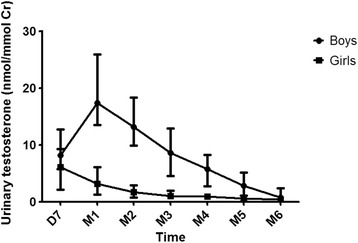
During early development, testosterone plays an important role in sexual differentiation of the mammalian brain and has enduring influences on behavior. Testosterone exerts these influences at times when the testes are active, as evidenced by higher concentrations of testosterone in developing male than in developing female animals. This article critically reviews the available evidence regarding influences of testosterone on human gender-related development. In humans, testosterone is elevated in males from about weeks 8 to 24 of gestation and then again during early postnatal development. Individuals exposed to atypical concentrations of testosterone or other androgenic hormones prenatally, for example, because of genetic conditions or because their mothers were prescribed hormones during pregnancy, have been consistently found to show increased male-typical juvenile play behavior, alterations in sexual orientation and gender identity (the sense of self as male or female), and increased tendencies to engage in physically aggressive behavior. Studies of other behavioral outcomes following dramatic androgen abnormality prenatally are either too small in their numbers or too inconsistent in their results, to provide similarly conclusive evidence. Studies relating normal variability in testosterone prenatally to subsequent gender-related behavior have produced largely inconsistent results or have yet to be independently replicated. For studies of prenatal exposures in typically developing individuals, testosterone has been measured in single samples of maternal blood or amniotic fluid. These techniques may not be sufficiently powerful to consistently detect influences of testosterone on behavior, particularly in the relatively small samples that have generally been studied. The postnatal surge in testosterone in male infants, sometimes called mini-puberty, may provide a more accessible opportunity for measuring early androgen exposure during typical development. This approach has recently begun to be used, with some promising results relating testosterone during the first few months of postnatal life to later gender-typical play behavior. In replicating and extending these findings, it may be important to assess testosterone when it is maximal (months 1 to 2 postnatal) and to take advantage of the increased reliability afforded by repeated sampling.
Overview
The claims and statistics of this paper haven’t been checked yet.
Free: it reads the open-access text and checks the first 5 claims that cite a source we can check. Create a free account to check every claim.
Integrity signals
Registry
Cites
Statistics
Figures
Verification
Claims the paper makes
The claims and statistics of this paper haven’t been checked yet.
Free: it reads the open-access text and checks the first 5 claims that cite a source we can check. Create a free account to check every claim.
Claims other papers make about this one
Each is checked against this paper’s own text: does it say what the citing paper says it does?
The cited source says what the claim attributes to it.
In the citing paper
“This argument is supported by the masculinizing effects of prenatal androgen excess in female-raised children with 46,XX CAH on diverse domains of gender-role behaviors (347-351), which may lead to gender questioning and variable transgender identification (352).”
From Congenital Adrenal Hyperplasia Due to Steroid 21-Hydroxylase Deficiency: An Endocrine Society* Clinical Practice Guideline (2018) · cites this paper as [348]
Self-check
Percentages, sums and reported differences re-computed from the paper’s own numbers.
The self-check needs the paper’s full text.
Citations
Cites
Statistical Power Analysis for the Behavioral Sciences
Muller, K. (1989) · Technometrics · doi:10.1080/00401706.1989.10488618 · Cited by 99,167
Statistical power analysis for the behavioral sciences
(1990) · Computers, Environment and Urban Systems · doi:10.1016/0198-9715(90)90050-4 · Cited by 65,269
Why Most Published Research Findings Are False
Ioannidis, J. P. A. (2005) · PLoS Medicine · doi:10.1371/journal.pmed.0020124 · Cited by 10,505
Simmons, J. P., Nelson, L. D., & Simonsohn, U. (2011) · Psychological Science · doi:10.1177/0956797611417632 · Cited by 6,567
The psychology of sex differences
(1975) · Behavior Therapy · doi:10.1016/s0005-7894(75)80031-1 · Cited by 5,488 · cited 1×
“Regarding potential pitfalls in studying gender, one is the tendency to analyze findings by gender, even when there was no initial hypothesis about gender differences [5].”
BackgroundWhy Most Published Research Findings Are False
Ioannidis, J. P. A. (2005) · CHANCE · doi:10.1080/09332480.2005.10722754 · Cited by 4,702 · cited 2×
“sciences are not replicable or are false [7].”
BackgroundThe gender similarities hypothesis.
Hyde, J. S. (2005) · American Psychologist · doi:10.1037/0003-066x.60.6.581 · Cited by 3,084
Voyer, D., Voyer, S., & Bryden, M. P. (1995) · Psychological Bulletin · doi:10.1037/0033-2909.117.2.250 · Cited by 2,868 · cited 1×
“15) contrasts with prior meta-analytic research [62,63] showing small sex differences on this type of task.”
ResultThe Psychology of Sex Differences: —Vol. I: Text
Maccoby, E. E., & Jacklin, C. N. (1974) · doi:10.1515/9781503620780 · Cited by 1,368
Global Disorders of Sex Development Update since 2006: Perceptions, Approach and Care
Lee, P. A., Nordenström, A., Houk, C. P., Ahmed, S. F., Auchus, R., Baratz, A., Baratz Dalke, K., Liao, L.-M., Lin-Su, K., Looijenga 3rd, L. H. J., et al. (2016) · Hormone Research in Paediatrics · doi:10.1159/000442975 · Cited by 1,273
Research works printed but not linked: 3
- Hines M Brain gender 2004 New York Oxford University Press
- Hines M Lerner RM Lamb ME Gendered development Handbook of Child Development and Developmental Science 2015 7 Hoboken, NJ Wiley
- Lutchmaya S. Foetal testosterone and social-communicative development. PhD Thesis, Department of Psychology, University of Cambridge. 2001.
Cited by
Standards of Care for the Health of Transgender and Gender Diverse People, Version 8
Coleman, E., Radix, A. E., Bouman, W. P., Brown, G. R., de Vries, A. L. C., Deutsch, M. B., Ettner, R., Fraser, L., Goodman, M., Green, J., et al. (2022) · International Journal of Transgender Health · doi:10.1080/26895269.2022.2100644 · Cited by 2,698
Global Disorders of Sex Development Update since 2006: Perceptions, Approach and Care
Lee, P. A., Nordenström, A., Houk, C. P., Ahmed, S. F., Auchus, R., Baratz, A., Baratz Dalke, K., Liao, L.-M., Lin-Su, K., Looijenga 3rd, L. H. J., et al. (2016) · Hormone Research in Paediatrics · doi:10.1159/000442975 · Cited by 1,273
Speiser, P. W., Arlt, W., Auchus, R. J., Baskin, L. S., Conway, G. S., Merke, D. P., Meyer-Bahlburg, H. F. L., Miller, W. L., Murad, M. H., Oberfield, S. E., et al. (2018) · The Journal of Clinical Endocrinology & Metabolism · doi:10.1210/jc.2018-01865 · Cited by 1,234
Personality and gender differences in global perspective
Schmitt, D. P., Long, A. E., McPhearson, A., O'Brien, K., Remmert, B., & Shah, S. H. (2017) · International Journal of Psychology · doi:10.1002/ijop.12265 · Cited by 369
The neuroendocrinology of the microbiota-gut-brain axis: a behavioural perspective
Cussotto, S., Sandhu, K. V., Dinan, T. G., & Cryan, J. F. (2018) · Frontiers in Neuroendocrinology · doi:10.1016/j.yfrne.2018.04.002 · Cited by 326
“might be that males are exposed to higher intrauterine testosterone levels than females (Hines, 2006; Hines et al., 2015), with fetal testosterone associated to autistic traits and inversely correlated with social behaviour (Baron-Cohen et al.”
BackgroundThe gestational foundation of sex differences in development and vulnerability
DiPietro, J. A., & Voegtline, K. M. (2017) · Neuroscience · doi:10.1016/j.neuroscience.2015.07.068 · Cited by 316
Stress, hypothalamic–pituitary–adrenal axis, hypothalamic–pituitary–gonadal axis, and aggression.
Mbiydzenyuy, N. E., & Qulu, L.-A. (2024) · Metabolic Brain Disease · doi:10.1007/s11011-024-01393-w · Cited by 255
“…behavior, fertility, sexual behavior, sexual preference, and Testosterone level of male rats in adulthood, it was discovered that Testosterone exposure could change significant facets of sexual and social behavior even though these animals were effective at producing offspring (Hines et al. 2015 ).”
BackgroundAnogenital distance as a marker of androgen exposure in humans
Thankamony, A., Pasterski, V., Ong, K. K., Acerini, C. L., & Hughes, I. A. (2016) · Andrology · doi:10.1111/andr.12156 · Cited by 238
“GENDER-TYPICAL BEHAVIOUR A relationship between prenatal androgen exposure and gender-related behaviour is well established in animals and humans (Hines et al., 2015).”
BackgroundBaron-Cohen, S., Tsompanidis, A., Auyeung, B., Nørgaard-Pedersen, B., Hougaard, D. M., Abdallah, M., Cohen, A., & Pohl, A. (2020) · Molecular Psychiatry · doi:10.1038/s41380-019-0454-9 · Cited by 200
The Gendered Family Process Model: An Integrative Framework of Gender in the Family
Endendijk, J. J., Groeneveld, M. G., & Mesman, J. (2018) · Archives of Sexual Behavior · doi:10.1007/s10508-018-1185-8 · Cited by 205
“Before birth, hormones in amniotic fluid, maternal blood, or umbilical cord blood can be measured (Hines et al., 2015; van de Beek, Thijssen, Cohen-Kettenis, van Goozen, & Buitelaar, 2004) to examine the influence of prenatal T on gender development in”
BackgroundWomen and Suicidal Behavior: Paradigm-Shift Lessons from China
Canetto, S. S., & Chen, J. (2020) · The Cambridge Handbook of the International Psychology of Women · doi:10.1017/9781108561716.042 · Cited by 192
Reilly, D., Neumann, D. L., & Andrews, G. (2016) · Springer eBooks · doi:10.1007/978-3-319-44385-0_10 · Cited by 187
“-14Even before birth, sex hormones contribute to the organisation and development of the brain with lasting effects on behaviour and interests for children (Hines, 2015a).”
BackgroundInfluentialALL OUR SONS: THE DEVELOPMENTAL NEUROBIOLOGY AND NEUROENDOCRINOLOGY OF BOYS AT RISK
Schore, A. N. (2017) · Infant Mental Health Journal · doi:10.1002/imhj.21616 · Cited by 144
“This is the exact time of the beginning of the second testosterone surge (Hines et al., 2015) and therefore the amygdala, which is known to contain many androgen receptors and is larger in males than in females (Nishizuka & Arai, 1981), is vulnerable to stress or endocrine disruptors that could amplify cell death in t…”
BackgroundInfluentialKreukels, B. P. C., Köhler, B., Nordenström, A., Roehle, R., Thyen, U., Bouvattier, C. M., de Vries, A. L. C., Cohen‐Kettenis, P. T., & on behalf of the dsd-LIFE group (2018) · The Journal of Sexual Medicine · doi:10.1016/j.jsxm.2018.02.021 · Cited by 164
Li, G., Kung, K. T. F., & Hines, M. (2017) · Developmental Psychology · doi:10.1037/dev0000281 · Cited by 160
Self-citationAndrogens increase excitatory neurogenic potential in human brain organoids
Kelava, I., Chiaradia, I., Pellegrini, L., Kalinka, A. T., & Lancaster, M. A. (2022) · Nature · doi:10.1038/s41586-021-04330-4 · Cited by 124
How early hormones shape gender development
Berenbaum, S. A., & Beltz, A. M. (2016) · Current Opinion in Behavioral Sciences · doi:10.1016/j.cobeha.2015.11.011 · Cited by 112
Next Steps in Puberty Research: Broadening the Lens Toward Understudied Populations
Deardorff, J., Hoyt, L. T., Carter, R., & Shirtcliff, E. A. (2019) · Journal of Research on Adolescence · doi:10.1111/jora.12402 · Cited by 108
Luoto, S., Krams, I. A., & Rantala, M. J. (2018) · Archives of Sexual Behavior · doi:10.1007/s10508-018-1261-0 · Cited by 105
Eagly, A. H. (2018) · Journal of Social Issues · doi:10.1111/josi.12291 · Cited by 91
Reilly, D., Neumann, D. L., & Andrews, G. (2022) · Frontiers in Psychology · doi:10.3389/fpsyg.2022.812483 · Cited by 66
“The internalized gender schema of each individual differs and is the product of both biological and environmental factors that contribute to their sex-role identity (Tenenbaum and Leaper, 2002; Hines, 2011, 2015; Svedholm-Häkkinen et al., 2018).”
BackgroundDevelopmental Cascades: Building the Infant Mind
Oakes, L. M., & Rakison, D. H. (2019) · doi:10.1093/oso/9780195391893.001.0001 · Cited by 102
The APOE4 allele shows opposite sex bias in microbleeds and Alzheimer's disease of humans and mice
Cacciottolo, M., Christensen, A., Moser, A., Liu, J., Pike, C. J., Smith, C., LaDu, M. J., Sullivan, P. M., Morgan, T. E., Dolzhenko, E., et al. (2016) · Neurobiology of Aging · doi:10.1016/j.neurobiolaging.2015.10.010 · Cited by 93
“In human congenital adrenal hyperplasia syndrome, fetal exposure to excess androgens alters sex-linked behaviors (Hines et al., 2015) and thus might alter sex differences in CAA and AD.”
BackgroundHegvik, T.-A., Instanes, J. T., Haavik, J., Klungsøyr, K., & Engeland, A. (2018) · European Child & Adolescent Psychiatry · doi:10.1007/s00787-017-1056-1 · Cited by 79
“Sex, including both hormonal and non-hormonal influences, is a key determinant of immune system functioning [33, 34], brain development, neural functioning and psychiatric disease [30, 31, 38, 39, 68, 69].”
BackgroundEarly contributions to infants’ mental rotation abilities
Constantinescu, M., Moore, D. S., Johnson, S. P., & Hines, M. (2018) · Developmental Science · doi:10.1111/desc.12613 · Cited by 72
Self-citationBreij, L. M., Kerkhof, G. F., Rolfe, E. D. L., Ong, K. K., Berkeveld, M. A., Acton, D. S., & Hokken‐Koelega, A. C. S. (2016) · Pediatric Obesity · doi:10.1111/ijpo.12139 · Cited by 74
“This gender difference could be attributed to the higher androgen levels in boys in the last trimester of fetal life and during mini-puberty in the first months of life, which increase lean body mass (26).”
BackgroundOchoa‐Lubinoff, C., Makol, B. A., & Dillon, E. F. (2023) · Neurologic Clinics · doi:10.1016/j.ncl.2022.10.006 · Cited by 75
Park, B. Y., Lee, B. K., Burstyn, I., Tabb, L. P., Keelan, J. A., Whitehouse, A. J. O., Croen, L. A., Fallin, M. D., Hertz-Picciotto, I., Montgomery, O., et al. (2017) · Molecular Autism · doi:10.1186/s13229-017-0118-z · Cited by 61
“nized as traits that show sex differences in typical development [3, 4], although debate continues around the exact magnitude, nature, and generalizability of these differences [5].”
BackgroundRichards, G., Browne, W. V., Aydin, E., Constantinescu, M., Nave, G., Kim, M. S., & Watson, S. J. (2020) · Hormones and Behavior · doi:10.1016/j.yhbeh.2020.104867 · Cited by 62
Self-citationBrañas‐Garza, P., Galizzi, M. M., & Nieboer, J. (2018) · International Economic Review · doi:10.1111/iere.12299 · Cited by 64
Atypical structural and functional motor networks in autism
Floris, D. L., & Howells, H. (2018) · Progress in brain research · doi:10.1016/bs.pbr.2018.06.010 · Cited by 60
Early postnatal testosterone predicts sex-related differences in early expressive vocabulary
Kung, K. T. F., Browne, W. V., Constantinescu, M., Noorderhaven, R. M., & Hines, M. (2016) · Psychoneuroendocrinology · doi:10.1016/j.psyneuen.2016.03.001 · Cited by 51
Self-citationMolecular mechanism of Bisphenol A on androgen receptor antagonism
Huang, X., Cang, X., & Liu, J. (2019) · Toxicology in Vitro · doi:10.1016/j.tiv.2019.104621 · Cited by 54
A framework for developing sex-specific engineered heart models
Lock, R., Al Asafen, H., Fleischer, S., Tamargo, M., Zhao, Y., Radisic, M., & Vunjak-Novakovic, G. (2021) · Nature Reviews Materials · doi:10.1038/s41578-021-00381-1 · Cited by 50
Eliot, L. (2021) · Current Anthropology · doi:10.1086/711705 · Cited by 52
Meyer-Bahlburg, H. F. L., Baratz Dalke, K., Berenbaum, S. A., Cohen-Kettenis, P. T., Hines, M., & Schober, J. M. (2016) · Hormone Research in Paediatrics · doi:10.1159/000442386 · Cited by 48
Self-citationReplacement of Male Mini-Puberty
Papadimitriou, D. T., Chrysis, D., Nyktari, G., Zoupanos, G., Liakou, E., Papadimitriou, A., & Mastorakos, G. (2019) · Journal of the Endocrine Society · doi:10.1210/js.2019-00083 · Cited by 48
“The importance of the physiological gonadotropin surge in the fetal life (8 to 24 weeks) and early postnatally (15 days to 3 months) in the male sex development and the masculinization of the brain should be taken into account [42].”
BackgroundStudholme, C., Kroenke, C. D., & Dighe, M. (2020) · Nature Communications · doi:10.1038/s41467-020-16763-y · Cited by 47
Beyond Pink and Blue: The Complexity of Early Androgen Effects on Gender Development
Berenbaum, S. A. (2018) · Child Development Perspectives · doi:10.1111/cdep.12261 · Cited by 36
“, measured in amniotic fluid) and childhood play, although this work requires replication (23).”
BackgroundPsychosocial well-being in Dutch adults with disorders of sex development
de Neve-Enthoven, N. G. M., Callens, N., van Kuyk, M., van Kuppenveld, J. H., Drop, S. L. S., Cohen‐Kettenis, P. T., & Dessens, A. B. (2016) · Journal of Psychosomatic Research · doi:10.1016/j.jpsychores.2016.03.005 · Cited by 45
“Women born with atypical genitalia maydiffer fromwomenbornwith female genitalia in different areas: they may have more mildly masculinized physical characteristics [78,79], are less feminine in gender behavior and interests [80,81], and underwent more medical interventions early in life [24,25,30].”
BackgroundWie viele Geschlechter gibt es und kann man sie wechseln?
Ponseti, J., & Stirn, A. V. (2019) · Zeitschrift für Sexualforschung · doi:10.1055/a-0978-7137 · Cited by 44
“Grau unterlegt sind jene Versuchsplanzellen, in denen eine Konfundierung zwischen sexueller Orientierung und Geschlechtsidentität vorliegt. bDTI: Diffusion Tensor Imaging cSPECT: Single Photon Emission Computed Tomography dPET: Positronen-Emissions-Tomographie efMRT: funktionelle Magnetresonanztomografie fBOLD: Blood…”
BackgroundInfluentialEngberg, H., Strandqvist, A., Nordenström, A., Butwicka, A., Nordenskjöld, A., Hirschberg, A., & Frisén, L. (2017) · Journal of Psychosomatic Research · doi:10.1016/j.jpsychores.2017.08.009 · Cited by 33
Gartstein, M. A., Hancock, G. R., Potapova, N. V., Calkins, S. D., & Bell, M. A. (2019) · Developmental Science · doi:10.1111/desc.12891 · Cited by 40
Recalled Separation Anxiety in Childhood in Istmo Zapotec Men, Women, and Muxes
Jiménez, F. R. G., Semenyna, S. W., Court, L., & Vasey, P. L. (2017) · Archives of Sexual Behavior · doi:10.1007/s10508-016-0917-x · Cited by 37
2D:4D Suggests a Role of Prenatal Testosterone in Gender Dysphoria
Sadr-Bazzaz, M., Khorashad, B. S., Talaeı, A., Fazeli, N., & Hönekopp, J. (2020) · Archives of Sexual Behavior · doi:10.1007/s10508-020-01630-0 · Cited by 36
“Some researchers have argued against the usefulness of 2D:4D for studying prenatal T effects in humans, primarily because 2D:4D appears to be a noisy measure (e.g., Berenbaum & Beltz, 2016; Hines et al., 2015).”
InfluentialBirth order and recalled childhood gender nonconformity in Samoan men and fa'afafine
Semenyna, S. W., VanderLaan, D. P., & Vasey, P. L. (2017) · Developmental Psychobiology · doi:10.1002/dev.21498 · Cited by 35
Influence of androgens on the innate immune system
Vancolen, S. Y., Sébire, G., & Robaire, B. (2023) · Andrology · doi:10.1111/andr.13416 · Cited by 36
Gender Development in Gender Diverse Children
deMayo, B., Jordan, A. E., & Olson, K. R. (2022) · Annual Review of Developmental Psychology · doi:10.1146/annurev-devpsych-121020-034014 · Cited by 35
Collaer, M. L., & Hines, M. T. (2020) · Archives of Sexual Behavior · doi:10.1007/s10508-020-01645-7 · Cited by 33
“…toy and activity interests, sexual orientation, gender identity, and some, though not all, gender/sex-related personality characteristics (Berenbaum & Hines, 1992; Hines, 2011; Hines, 2015; Hines, Golombok, Rust, Johnston, & Golding, 2002; Nordenstrom, Servin, Bohlin, Larsson, & Wedell, 2002).”
BackgroundSelf-citationBalogh, O., Borruat, N., Meier, A. A., Hartnack, S., & Reichler, I. M. (2018) · Reproduction in Domestic Animals · doi:10.1111/rda.13225 · Cited by 32
The impact of bisphenol A and its analogs on female reproductive health
Trela, E., & Ajduk, A. (2025) · Reproductive Biology · doi:10.1016/j.repbio.2025.101028 · Cited by 31
Apolipoprotein E and Sex Bias in Cerebrovascular Aging of Men and Mice
Finch, C. E., & Shams, S. (2016) · Trends in Neurosciences · doi:10.1016/j.tins.2016.07.002 · Cited by 30
Russian clinical practice guidelines «congenital adrenal hyperplasia»
Mokrysheva, N. G., Mel'nichenko, G. A., Adamyan, L. V., Troshina, E. A., Молашенко, Н. В., Игоревна, С. А., Uvarova, E. V., Esayan, E. R. M., Andreeva, E. N., Ужегова, Ж. А., et al. (2021) · Obesity and metabolism · doi:10.14341/omet12787 · Cited by 31
Complexity of Sex Differences and Their Impact on Alzheimer’s Disease
Kadlecová, M., Freude, K., & Haukedal, H. (2023) · Biomedicines · doi:10.3390/biomedicines11051261 · Cited by 29
“Male brains develop in utero under an initial surge of testosterone between gestational week 8–24 as a result of the activation of the testes, with a second surge of testosterone shortly after birth [45].”
BackgroundSex differences in brain and behavioral development
Beltz, A. M., Kelly, D. P., & Berenbaum, S. A. (2020) · Elsevier eBooks · doi:10.1016/b978-0-12-814411-4.00027-5 · Cited by 30
Jiménez, F. R. G., Semenyna, S. W., & Vasey, P. L. (2020) · Developmental Psychobiology · doi:10.1002/dev.21987 · Cited by 28
Using Organoids to Model Sex Differences in the Human Brain
Pavlinek, A., Adhya, D., Tsompanidis, A., Warrier, V., Baron‐Cohen, S., Allison, C. L., Warrier, V., Tsompanidis, A., Adhya, D., Holt, R., et al. (2024) · Biological Psychiatry Global Open Science · doi:10.1016/j.bpsgos.2024.100343 · Cited by 28
“Although present in both males and females, steroid hormone levels usually differ by sex (Figure 1) (59,60).”
Bönte, W., Procher, V., Urbig, D., & Voracek, M. (2017) · Frontiers in Behavioral Neuroscience · doi:10.3389/fnbeh.2017.00238 · Cited by 28
“It is argued that the link between finger ratios and PAE appears too weak or absent (Hines et al., 2015; Warrington et al., 2016) and 2D:4D might be affected by other factors than PAE (cf.”
BackgroundInfluentialThe Cambridge Handbook of the International Psychology of Women
Cheung, F. M., & Halpern, D. F. (2020) · Cambridge University Press eBooks · doi:10.1017/9781108561716 · Cited by 27
Prenatal Exposure to Progesterone Affects Sexual Orientation in Humans
Reinisch, J. M., Mortensen, E. L., & Sanders, S. A. (2017) · Archives of Sexual Behavior · doi:10.1007/s10508-016-0923-z · Cited by 26
Neonatal Sex Assignment in Disorders of Sex Development: A Philosophical Introspection
Raveenthiran, V. (2017) · Journal of Neonatal Surgery · doi:10.21699/jns.v6i3.604 · Cited by 26
“[33] Peak testosterone levels between 8 to 21 week of gestation appears to facilitate androgen imprinting of male fetal brain.[34] Although androgenization of body and brain often concur, discordance is not unknown.”
BackgroundIndividualized care for patients with intersex (disorders/differences of sex development): part I
Lee, P. A., Fuqua, J. S., Houk, C. P., Kogan, B. A., Mazur, T., & Caldamone, A. (2020) · Journal of Pediatric Urology · doi:10.1016/j.jpurol.2020.02.013 · Cited by 26
Revisiting Carl Jung’s archetype theory a psychobiological approach
Vedor, J. E. (2023) · Biosystems · doi:10.1016/j.biosystems.2023.105059 · Cited by 25
Liu, C., Messerlian, C., Chen, Y., Mustieles, V., Huang, L., Sun, Y., Deng, Y.-L., Cheng, Y.-H., Liu, J., Liu, A.-M., et al. (2021) · Environment International · doi:10.1016/j.envint.2021.106838 · Cited by 25
Endocrine insights into the pathophysiology of autism spectrum disorder
Wilson, H. A., Creighton, C., Scharfman, H., Choleris, E., & MacLusky, N. J. (2021) · The Neuroscientist · doi:10.1177/1073858420952046 · Cited by 23
Evans, S. F., Raymond, S., Sethuram, S., Barrett, E. S., Bush, N. R., Nguyen, R. H. N., Sathyanarayana, S., & Swan, S. H. (2020) · Environmental Research · doi:10.1016/j.envres.2020.110264 · Cited by 22
Biological studies of transgender identity: A critical review
Levin, R. N., Erickson‐Schroth, L., Mak, K. J., & Edmiston, E. K. (2022) · Journal of Gay & Lesbian Mental Health · doi:10.1080/19359705.2022.2127042 · Cited by 22
“…had atypical patterns of in utero hormone exposure, such as in intersex conditions of congenital adrenal hyperplasia (CAH) or androgen insensitivity syndrome (AIS) have been used to support the extension of the organizational-activational theory to humans (for a review, see Hines et al., 2015).”
BackgroundMethodResultAndrogen loss accelerates brain tumour growth via HPA axis activation
Lee, J., Chung, Y.-M., Silver, D. J., Hao, Y., Harwood, D. S. L., Ealy, A., Serapiglia, A. M., Curtin, L. A., Benedetti, J. R., Ballard, C. A. P., et al. (2026) · Nature · doi:10.1038/s41586-026-10451-5 · Cited by 21
Khorashad, B. S., Roshan, G. M., Reid, A. G., Aghili, Z., Hiradfar, M., Afkhamizadeh, M., Talaeı, A., Aarabi, A., Ghaemi, N., Taghehchian, N., et al. (2016) · Journal of Psychosomatic Research · doi:10.1016/j.jpsychores.2016.12.002 · Cited by 21
La dicotomía de los sexos puesta en jaque desde una perspectiva cerebral
Ciccia, L. (2018) · Descentrada · Cited by 21
Pramanik, S., Harini Devi, M., Chakrabarty, S., Paylar, B., Pradhan, A., Thaker, M., Ayyadhury, S., Manavalan, A., Olsson, P., Pramanik, G., et al. (2024) · Neuroscience & Biobehavioral Reviews · doi:10.1016/j.neubiorev.2024.105834 · Cited by 20
Gender: Awareness, Identity, and Stereotyping
Martinez, M. A., Osornio, A. C., Halim, M. L., & Zosuls, K. M. (2019) · Elsevier eBooks · doi:10.1016/b978-0-12-809324-5.21818-x · Cited by 21
Vacher, C., Tsompanidis, A., Firestein, M. R., & Penn, A. A. (2025) · Journal of Neuroendocrinology · doi:10.1111/jne.13489 · Cited by 18
“11,59,60,72,73 Emphasis has been placed on the role of prenatal androgen exposure in driving the development of empathy and social connections in humans.”
Morová, M., Senko, T., Olexová, L., Dzirbíková, Z., & Kršková, L. (2021) · Physiological Research · doi:10.33549/physiolres.934599 · Cited by 18
Khorashad, B. S., Roshan, G. M., Reid, A. G., Aghili, Z., Moghadam, M., Khazai, B., Hiradfar, M., Afkhamizadeh, M., Ghaemi, N., Talaei, A., et al. (2018) · Archives of Sexual Behavior · doi:10.1007/s10508-018-1281-9 · Cited by 13
The Nomogram of Penile Length and Circumference in Iranian Term and Preterm Neonates
Soheilipour, F., Rohani, F., Dehkordi, E. H., Isa Tafreshi, R., Mohagheghi, P., Zaheriani, S.-M., Jesmi, F., & Salehiniya, H. (2018) · Frontiers in Endocrinology · doi:10.3389/fendo.2018.00126 · Cited by 17
“J Pediatr Endocrinol Metab (2000) 13(1):55–62.”
BackgroundInfluentialAbé, C., Rahman, Q., Långström, N., Rydén, E., Ingvar, M., & Landén, M. (2018) · Brain and Behavior · doi:10.1002/brb3.998 · Cited by 17
A Retrospective Study of Childhood Sex-Typed Behavior in Istmo Zapotec Men, Women, and Muxes
Jiménez, F. R. G., Court, L., & Vasey, P. L. (2019) · Archives of Sexual Behavior · doi:10.1007/s10508-019-01544-6 · Cited by 17
Depression, neuroticism and 2D:4D ratio: evidence from a large, representative sample
Lautenbacher, L. M., & Neyse, L. (2020) · Scientific Reports · doi:10.1038/s41598-020-67882-x · Cited by 17
Phan, J., Hulle, C. A. V., Shirtcliff, E. A., Schmidt, N. L., & Goldsmith, H. H. (2020) · Developmental Psychobiology · doi:10.1002/dev.22028 · Cited by 16
Neonatal Lung Disease: Mechanisms Driving Sex Differences
Lingappan, K., Hayward-Piatkovskyi, B., & Gleghorn, J. P. (2021) · Physiology in health and disease · doi:10.1007/978-3-030-63549-7_5 · Cited by 16
Individualized care for patients with intersex (disorders/differences of sex development): Part 3
Krishna, K. B., Kogan, B. A., Ernst, M. M., Romao, R. L. P., Mohsin, F., Gonzalez, M. S., Quintos, J. B., Phornphutkul, C., Aguiar, L. M., & Lee, P. A. (2020) · Journal of Pediatric Urology · doi:10.1016/j.jpurol.2020.06.004 · Cited by 16
Legato, M. J. (2018) · Gender and the Genome · doi:10.1177/2470289718803639 · Cited by 16
Sex Differences in Early Life: A Cross-Cultural Perspective
Wong, W. I., & VanderLaan, D. P. (2020) · Cambridge University Press eBooks · doi:10.1017/9781108561716.009 · Cited by 17
Wakim, L.-M., Occelli, F., Paumelle, M., Brousmiche, D., Bouhadj, L., Cuny, D., Descat, A., Lanier, C., & Deram, A. (2023) · The Science of The Total Environment · doi:10.1016/j.scitotenv.2023.169617 · Cited by 15
Terloyeva, D., Frey, A. J., Park, B. Y., Kauffman, E. M., Mathew, L., Bostwick, A., Varner, E. L., Lee, B. K., Croen, L. A., Fallin, M. D., et al. (2020) · Molecular Autism · doi:10.1186/s13229-020-00395-6 · Cited by 14
“Effect modification of the association between androgens and ASD-phenotype by sex of the participants was shown in multiple studies,(21, 27, 43-47) including the ones that demonstrated that girls are more susceptible to the effect of abnormal fetal testosterone levels than boys.”
MethodGeorgiev, A. V., Ryan, C. P., Gettler, L. T., McDade, T. W., & Kuzawa, C. W. (2017) · American Journal of Physical Anthropology · doi:10.1002/ajpa.23215 · Cited by 14
Sexuality in Males With Congenital Adrenal Hyperplasia Resulting From 21-Hydroxylase Deficiency
Gehrmann, K., Engels, M., Bennecke, E., Bouvattier, C. M., Falhammar, H., Kreukels, B. P. C., Nordenström, A., Reisch, N., Gehrmann, N., Stikkelbroeck, N. M. M. L., et al. (2019) · Journal of the Endocrine Society · doi:10.1210/js.2019-00082 · Cited by 14
Ding, Z., Shen, J. Y., Hong, J. W., Zhang, R., Li, Z., Wang, Q., Zhang, J. P., Zhang, M. R., & Xu, L. (2020) · PubMed · doi:10.3967/bes2020.022 · Cited by 13
Roshan, G. M., Talaeı, A., Sadr-Bazzaz, M., Arezoomandan, S., Kazemi, S., & Khorashad, B. S. (2019) · Asian Journal of Psychiatry · doi:10.1016/j.ajp.2019.03.028 · Cited by 13
The Impact of Gender and Culture in Consumer Behavior
Ng, S., Bharti, M., & Faust, N. T. (2020) · Cambridge University Press eBooks · doi:10.1017/9781108561716.021 · Cited by 12
Eme, R. F. (2018) · Aggression and Violent Behavior · doi:10.1016/j.avb.2018.04.005 · Cited by 12
Further Steps Toward a Truly Integrative Theory of Sexuality
Valentová, J. V., & Varella, M. A. C. (2015) · Archives of Sexual Behavior · doi:10.1007/s10508-015-0630-1 · Cited by 12
Özel, F., Stratmann, M., Lindh, C., Gennings, C., Bornehag, C.-G., & Rüegg, J. (2023) · Environment International · doi:10.1016/j.envint.2023.108029 · Cited by 11
“Testosterone concentrations are prominently higher in boys than girls between weeks eight and 24 of gestation and in the early months of infancy, and the impact of higher testosterone is considered to contribute to sexual differences between girls and boys (Hines et al., 2015).”
The Not So Subtle and Status Quo Maintaining Nature of Everyday Sexism
Vescio, T. K., & Kosakowska‐Berezecka, N. (2020) · Cambridge University Press eBooks · doi:10.1017/9781108561716.019 · Cited by 11
Luoto, S., & Rantala, M. J. (2022) · Cambridge University Press eBooks · doi:10.1017/9781108943581.006 · Cited by 11
Firestein, M. R., Romeo, R. D., Winstead, H., Goldman, D. A., Grobman, W. A., Haas, D. M., Parry, S. I., Reddy, U. M., Silver, R. M., Wapner, R. J., et al. (2022) · Frontiers in Endocrinology · doi:10.3389/fendo.2022.1000732 · Cited by 11
Tassinari, R., Cordelli, E., Eleuteri, P., Villani, P., Pacchierotti, F., Narciso, L., Tait, S., Valeri, M., Martinelli, A., Felice, G. D., et al. (2021) · Reproductive Toxicology · doi:10.1016/j.reprotox.2021.08.001 · Cited by 11
Gender incongruence and timing of puberty: a population-based cohort study
Thomsen, A. H., Gaml‐Sørensen, A., Brix, N., Ernst, A., Lunddorf, L. L. H., Strandberg‐Larsen, K., Højgaard, A. D., & Ramlau‐Hansen, C. H. (2022) · Fertility and Sterility · doi:10.1016/j.fertnstert.2022.07.018 · Cited by 10
Sexual Identity and Sexual Orientation
Castellanos-Cruz, L., Bao, A., & Swaab, D. F. (2016) · Elsevier eBooks · doi:10.1016/b978-0-12-803592-4.00104-8 · Cited by 10
Metadata
- Authors
- Hines, M., Constantinescu, M., & Spencer, D.
- Affiliations
- University of Cambridge (GB)
- Corresponding author
- Hines, Melissa
- Venue
- Biology of Sex Differences
- Published
- 2015-02-26
- Volume
- 6
- Issue
- 1
- Pages
- 3-3
- ISSN
- 2042-6410 (ISSN-L)
- PMC
- PMC4350266
- OpenAlex
- W2138294571
- Cited by
- 263
- References
- 87
- Citations by year
- 2026: 16 · 2025: 13 · 2024: 9 · 2023: 14 · 2022: 16 · 2021: 33 · 2020: 69 · 2019: 34 · 2018: 20 · 2017: 19 · 2016: 15 · 2015: 5
- FWCI
- 8.54
- Type
- journal article
- Language
- en
- Open access
- gold
- doi.org
- Locations
- Biology of Sex Differences (publishedVersion, cc-by)
- Europe PMC (PubMed Central) (publishedVersion, cc-by)
- PubMed Central (publishedVersion, cc-by)
- PubMed (publishedVersion)
- Apollo (University of Cambridge) (submittedVersion, cc-by)
- Apollo (cc-by)
- Topics
- Health Sciences › Medicine › Endocrinology, Diabetes and Metabolism › Sexual Differentiation and Disorders
- Life Sciences › Neuroscience › Endocrine and Autonomic Systems › Neuroendocrine regulation and behavior
- Life Sciences › Biochemistry, Genetics and Molecular Biology › Genetics › Genetic and Clinical Aspects of Sex Determination and Chromosomal Abnormalities
- Keywords
- prenatal androgen exposure, testosterone, sexual differentiation of the brain, gender development, sexual orientation, gender identity, aggression, minipuberty, amniotic fluid, maternal blood, typically developing individuals
About these checks
Registry, retraction, Cites and statistics results are computed, not judged, with one exception: a printed reference that no index lists is read once by a model before it counts as a citation error. Claims are extracted by a model and kept only when their quote appears verbatim in the text; each cited source is then checked, with a model’s help, for whether it says what the claim relies on. Those verdicts can be wrong — read the claim’s quote and the cited source before relying on one.
Statistics and arithmetic are recomputed, not judged.
Confidence bands are shown only for fields calibrated on our annotated test set. None is calibrated yet, so no band is shown.
What counts as a claim ›How we measure confidence ›How we check this ›
Are you an author, or do you see a problem with this page? Request a review
Data sources
Bibliographic data: Semantic Scholar, OpenAlex, Crossref.
Contains information from the Semantic Scholar Academic Graph Datasets, made available under the ODC Attribution License (ODC-BY 1.0).
Semantic Scholar’s data is described in: Kinney, R., et al. (2023). The Semantic Scholar Open Data Platform. arXiv:2301.10140.
