

The DOI matches its Crossref record; 201 of the 201 references it cites were found in a registry or an index.
Microbiome definition re-visited: old concepts and new challenges
Open accessAbstract
The field of microbiome research has evolved rapidly over the past few decades and has become a topic of great scientific and public interest. As a result of this rapid growth in interest covering different fields, we are lacking a clear commonly agreed definition of the term “microbiome.” Moreover, a consensus on best practices in microbiome research is missing. Recently, a panel of international experts discussed the current gaps in the frame of the European-funded MicrobiomeSupport project. The meeting brought together about 40 leaders from diverse microbiome areas, while more than a hundred experts from all over the world took part in an online survey accompanying the workshop. This article excerpts the outcomes of the workshop and the corresponding online survey embedded in a short historical introduction and future outlook. We propose a definition of microbiome based on the compact, clear, and comprehensive description of the term provided by Whipps et al. in 1988, amended with a set of novel recommendations considering the latest technological developments and research findings. We clearly separate the terms microbiome and microbiota and provide a comprehensive discussion considering the composition of microbiota, the heterogeneity and dynamics of microbiomes in time and space, the stability and resilience of microbial networks, the definition of core microbiomes, and functionally relevant keystone species as well as co-evolutionary principles of microbe-host and inter-species interactions within the microbiome. These broad definitions together with the suggested unifying concepts will help to improve standardization of microbiome studies in the future, and could be the starting point for an integrated assessment of data resulting in a more rapid transfer of knowledge from basic science into practice. Furthermore, microbiome standards are important for solving new challenges associated with anthropogenic-driven changes in the field of planetary health, for which the understanding of microbiomes might play a key role.
Overview
The claims and statistics of this paper haven’t been checked yet.
Run the check — free, no account needed. It reads the open-access text and checks the sources it cites.
Integrity signals
Registry
Cites
Statistics
Figures
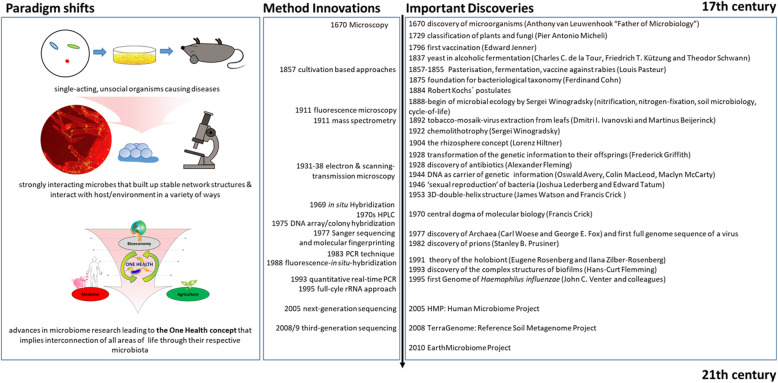
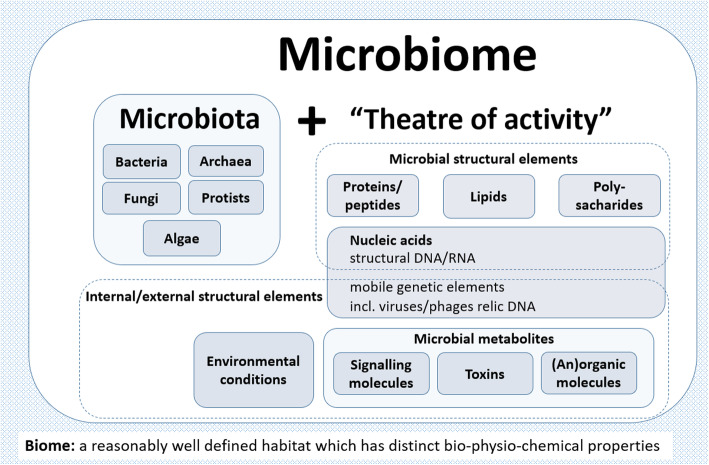
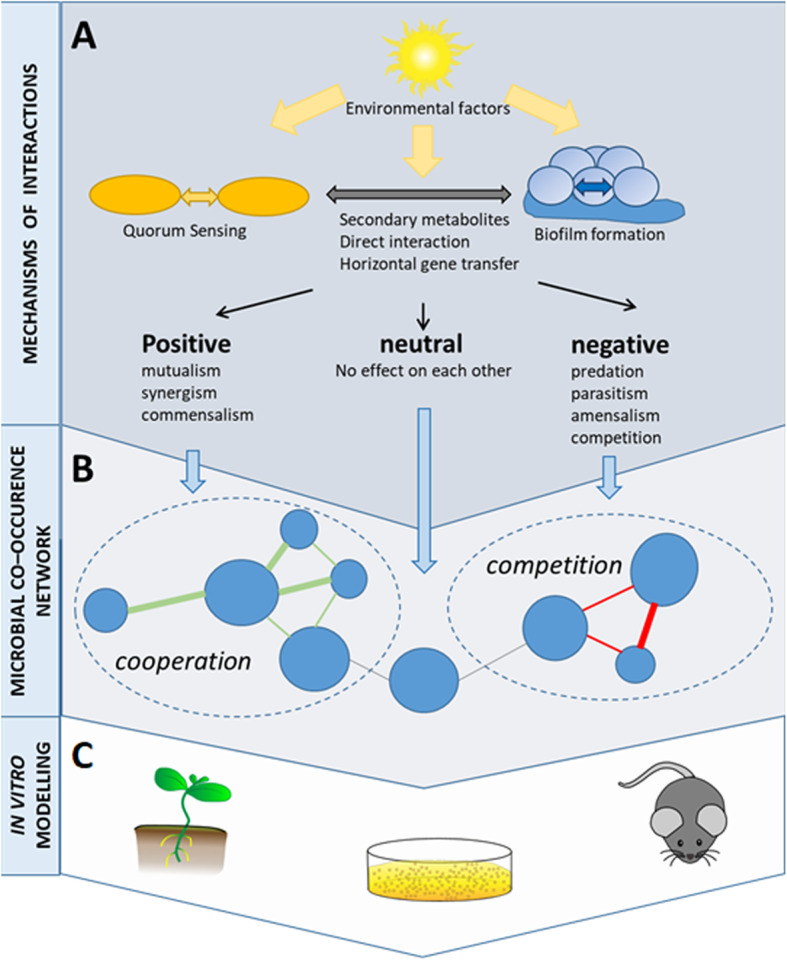
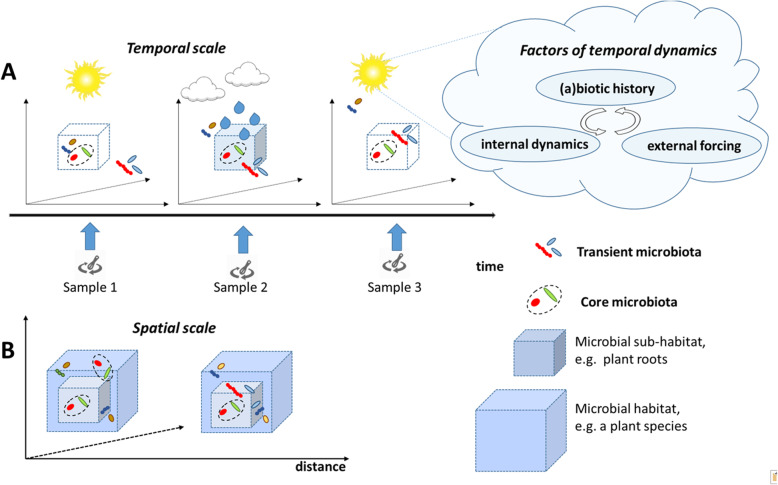
Verification
Claims the paper makes
The claims and statistics of this paper haven’t been checked yet.
Run the check — free, no account needed. It reads the open-access text and checks the sources it cites.
Claims other papers make about this one
Each is checked against this paper’s own text: does it say what the citing paper says it does?
The source backs part of the claim, not all of it — or backs it for a different population, condition or comparison.
In the citing paper
“Complex microbial communities exist everywhere in nature and, over the years, microorganisms have been mutating and evolving to adapt to ever-changing ecosystems [1,2].”
From Microbiota of Cheese Ecosystems: A Perspective on Cheesemaking (2025) · cites this paper as [1]
Experimental — accuracy not yet measuredThe source backs part of the claim, not all of it — or backs it for a different population, condition or comparison.
In the citing paper
“These interactions are critical for adaptation to stress, survival, evolution, and the expression of diverse phenotypes [1,10,22,36,37].”
From Microbiota of Cheese Ecosystems: A Perspective on Cheesemaking (2025) · cites this paper as [1]
Experimental — accuracy not yet measured
Self-check
Percentages, sums and reported differences re-computed from the paper’s own numbers.
The self-check needs the paper’s full text.
Citations
Cites
Reproducible, interactive, scalable and extensible microbiome data science using QIIME 2
Bolyen, E., Rideout, J. R., Dillon, M. R., Bokulich, N. A., Abnet, C. C., Al-Ghalith, G. A., Alexander, H., Alm, E. J., Arumugam, M., Asnicar, F., et al. (2019) · Nature Biotechnology · doi:10.1038/s41587-019-0209-9 · Cited by 23,742
Schloss, P. D., Westcott, S. L., Ryabin, T., Hall, J. R., Hartmann, M., Hollister, E. B., Lesniewski, R. A., Oakley, B. B., Parks, D. H., Robinson, C. J., et al. (2009) · Applied and Environmental Microbiology · doi:10.1128/aem.01541-09 · Cited by 19,549
Report of the Ad Hoc Committee on Reconciliation of Approaches to Bacterial Systematics
Wayne, L. G., Moore, W. E., Stackebrandt, E. S., Kandler, O., Colwell, R. R., Krichevsky, M. I., Trüper, H. G., Murray, R. G. E., Grimont, P. A. D., Brenner, D. J., et al. (1987) · INTERNATIONAL JOURNAL OF SYSTEMATIC AND EVOLUTIONARY MICROBIOLOGY · doi:10.1099/00207713-37-4-463 · Cited by 7,338
Planetary Boundaries: Exploring the Safe Operating Space for Humanity
Rockström, J., Steffen, W., Noone, K., Persson, Å., Chapin, F. S. I., Lambin, E., Lenton, T. M., Scheffer, M., Folke, C., Schellnhuber, H. J., et al. (2009) · Ecology and Society · doi:10.5751/es-03180-140232 · Cited by 7,187
Obesity alters gut microbial ecology
Ley, R. E., Bäckhed, F., Turnbaugh, P., Lozupone, C. A., Knight, R. D., & Gordon, J. I. (2005) · Proceedings of the National Academy of Sciences · doi:10.1073/pnas.0504978102 · Cited by 6,176
Diversity, stability and resilience of the human gut microbiota
Lozupone, C. A., Stombaugh, J. I., Gordon, J. I., Jansson, J. K., & Knight, R. (2012) · Nature · doi:10.1038/nature11550 · Cited by 5,533
DNA–DNA hybridization values and their relationship to whole-genome sequence similarities
Goris, J., Konstantinidis, K. T., Klappenbach, J. A., Coenye, T., Vandamme, P. A. R., & Tiedje, J. M. (2007) · INTERNATIONAL JOURNAL OF SYSTEMATIC AND EVOLUTIONARY MICROBIOLOGY · doi:10.1099/ijs.0.64483-0 · Cited by 4,733
Environmental genome shotgun sequencing of the sargasso sea
Venter, J. C., Remington, K., Heidelberg, J. F., Halpern, A. L., Rusch, D., Eisen, J. A., Wu, D., Paulsen, I., Nelson, K. E., Nelson, W., et al. (2004) · Science · doi:10.1126/science.1093857 · Cited by 4,376
Phylogenetic structure of the prokaryotic domain: The primary kingdoms
Woese, C. R., & Fox, G. E. (1977) · Proceedings of the National Academy of Sciences · doi:10.1073/pnas.74.11.5088 · Cited by 4,131
Exact sequence variants should replace operational taxonomic units in marker-gene data analysis
Callahan, B. J., McMurdie, P. J., & Holmes, S. (2017) · The ISME Journal · doi:10.1038/ismej.2017.119 · Cited by 3,253
Keystone taxa as drivers of microbiome structure and functioning
Banerjee, S., Schlaeppi, K., & van der Heijden, M. G. A. (2018) · Nature Reviews Microbiology · doi:10.1038/s41579-018-0024-1 · Cited by 3,148
Multi-omics of the gut microbial ecosystem in inflammatory bowel diseases
Lloyd-Price, J., Arze, C., Ananthakrishnan, A. N., Schirmer, M., Avila-Pacheco, J., Poon, T. W., Andrews, E., Ajami, N. J., Bonham, K. S., Brislawn, C. J., et al. (2019) · Nature · doi:10.1038/s41586-019-1237-9 · Cited by 3,143
Using network analysis to explore co-occurrence patterns in soil microbial communities
Barberán, A., Bates, S. T., Casamayor, E. O., & Fierer, N. (2012) · The ISME Journal · doi:10.1038/ismej.2011.119 · Cited by 3,044
Mechanisms underlying the resistance to diet-induced obesity in germ-free mice
Bäckhed, F., Manchester, J. K., Semenkovich, C. F., & Gordon, J. I. (2007) · Proceedings of the National Academy of Sciences · doi:10.1073/pnas.0605374104 · Cited by 2,615
Effects of probiotics, prebiotics, and synbiotics on human health
Markowiak, P., & Śliżewska, K. (2017) · Nutrients · doi:10.3390/nu9091021 · Cited by 2,401
Berg, G., & Smalla, K. (2009) · FEMS Microbiology Ecology · doi:10.1111/j.1574-6941.2009.00654.x · Cited by 2,276
Self-citationQuorum sensing signal-response systems in Gram-negative bacteria
Papenfort, K., & Bassler, B. L. (2016) · Nature Reviews Microbiology · doi:10.1038/nrmicro.2016.89 · Cited by 2,256
Scientists’ warning to humanity: microorganisms and climate change
Cavicchioli, R., Ripple, W. J., Timmis, K. N., Azam, F., Bakken, L. R., Baylis, M., Behrenfeld, M. J., Boëtius, A., Boyd, P. W., Classen, A. T., et al. (2019) · Nature Reviews Microbiology · doi:10.1038/s41579-019-0222-5 · Cited by 2,154
Self-citationBest practices for analysing microbiomes
Knight, R., Vrbanac, A., Taylor, B. C., Aksenov, A., Callewaert, C., Debelius, J., Gonzalez, A., Kosciolek, T., McCall, L.-I., McDonald, D., et al. (2018) · Nature Reviews Microbiology · doi:10.1038/s41579-018-0029-9 · Cited by 2,030
Microbial hotspots and hot moments in soil: Concept & review
Kuzyakov, Y., & Blagodatskaya, E. (2015) · Soil Biology and Biochemistry · doi:10.1016/j.soilbio.2015.01.025 · Cited by 1,872
Deciphering microbial interactions and detecting keystone species with co-occurrence networks
Berry, D., & Stefanie Widder, A. (2014) · Frontiers in Microbiology · doi:10.3389/fmicb.2014.00219 · Cited by 1,812
Role of microorganisms in the evolution of animals and plants: the hologenome theory of evolution
Zilber-Rosenberg, I., & Rosenberg, E. (2008) · FEMS Microbiology Reviews · doi:10.1111/j.1574-6976.2008.00123.x · Cited by 1,739
Berg, G. (2009) · Applied Microbiology and Biotechnology · doi:10.1007/s00253-009-2092-7 · Cited by 1,648
Self-citationComparison of Next-Generation Sequencing Systems
Liu, L., Li, Y., Li, S., Hu, N., He, Y., Pong, R., Lin, D., Lü, L., & Law, M. (2012) · BioMed Research International · doi:10.1155/2012/251364 · Cited by 1,605
Pasolli, E., Asnicar, F., Manara, S., Zolfo, M., Karcher, N., Armanini, F., Beghini, F., Manghi, P., Tett, A., Ghensi, P., et al. (2019) · Cell · doi:10.1016/j.cell.2019.01.001 · Cited by 1,591
Microbial co-occurrence relationships in the human microbiome
Faust, K., Sathirapongsasuti, J. F., Izard, J., Segata, N., Gevers, D., Raes, J., & Huttenhower, C. (2012) · PLoS Computational Biology · doi:10.1371/journal.pcbi.1002606 · Cited by 1,527
Staley, J. T., & Konopka, A. E. (1985) · Annual Review of Microbiology · doi:10.1146/annurev.mi.39.100185.001541 · Cited by 1,512
Distinct soil microbial diversity under long-term organic and conventional farming
Hartmann, M., Frey, B., Mayer, J., Mäder, P., & Widmer, F. (2015) · The ISME Journal · doi:10.1038/ismej.2014.210 · Cited by 1,496
The gut-liver axis and the intersection with the microbiome
Tripathi, A., Debelius, J., Brenner, D. A., Karin, M., Loomba, R., Schnabl, B., & Knight, R. (2018) · Nature Reviews Gastroenterology & Hepatology · doi:10.1038/s41575-018-0011-z · Cited by 1,480
Improving indicator species analysis by combining groups of sites
Cáceres, M. D., Legendre, P., & Moretti, M. (2010) · Oikos · doi:10.1111/j.1600-0706.2010.18334.x · Cited by 1,408
Where less may be more: how the rare biosphere pulls ecosystems strings
Jousset, A., Bienhold, C., Chatzinotas, A., Gallien, L., Gobet, A., Kurm, V., Küsel, K., Rillig, M. C., Rivett, D. W., Salles, J. F., et al. (2017) · The ISME Journal · doi:10.1038/ismej.2016.174 · Cited by 1,394
Beyond the Venn diagram: the hunt for a core microbiome
Shade, A. L., & Handelsman, J. (2011) · Environmental Microbiology · doi:10.1111/j.1462-2920.2011.02585.x · Cited by 1,287
Martin, C. R., Osadchiy, V., Kalani, A., & Mayer, E. A. (2018) · Cellular and Molecular Gastroenterology and Hepatology · doi:10.1016/j.jcmgh.2018.04.003 · Cited by 1,284
Scaling laws predict global microbial diversity
Locey, K. J., & Lennon, J. T. (2016) · Proceedings of the National Academy of Sciences · doi:10.1073/pnas.1521291113 · Cited by 1,184
Analyzing and minimizing PCR amplification bias in Illumina sequencing libraries
Aird, D., Ross, M. G., Chen, W.-S., Danielsson, M., Fennell, T., Russ, C., Jaffe, D. B., Nusbaum, C., & Gnirke, A. (2011) · Genome Biology · doi:10.1186/gb-2011-12-2-r18 · Cited by 1,174
Anantharaman, K., Brown, C. T., Hug, L. A., Sharon, I., Castelle, C. J., Probst, A. J., Thomas, B. C., Singh, A., Wilkins, M. J., Karaöz, U., et al. (2016) · Nature Communications · doi:10.1038/ncomms13219 · Cited by 1,118
Core microbiomes for sustainable agroecosystems
Toju, H., Peay, K., Yamamichi, M., Narisawa, K., Hiruma, K., Naito, K., Fukuda, S., Ushio, M., Nakaoka, S., Onoda, Y., et al. (2018) · Nature Plants · doi:10.1038/s41477-018-0139-4 · Cited by 1,114
Nocker, A., Cheung, C.-Y., & Camper, A. K. (2006) · Journal of Microbiological Methods · doi:10.1016/j.mimet.2006.04.015 · Cited by 1,111
The role of ecological theory in microbial ecology
Prosser, J. I., Bohannan, B. J. M., Curtis, T. P., Ellis, R. J., Firestone, M. K., Freckleton, R. P., Green, J. L., Green, L. E., Killham, K., Lennon, J. J., et al. (2007) · Nature Reviews Microbiology · doi:10.1038/nrmicro1643 · Cited by 1,105
Microbial Interkingdom Interactions in Roots Promote Arabidopsis Survival
Durán, P., Thiergart, T., Garrido‐Oter, R., Agler, M. T., Kemen, E. M., Schulze‐Lefert, P., & Hacquard, S. (2018) · Cell · doi:10.1016/j.cell.2018.10.020 · Cited by 1,038
Microbes, Metabolites, and the Gut-Lung Axis
Dang, A. T., & Marsland, B. J. (2019) · Mucosal Immunology · doi:10.1038/s41385-019-0160-6 · Cited by 1,028
The vocabulary of microbiome research: a proposal
Marchesi, J., & Ravel, J. (2015) · Microbiome · doi:10.1186/s40168-015-0094-5 · Cited by 1,016
Stress and stability: applying the Anna Karenina principle to animal microbiomes
Zaneveld, J. R., McMinds, R., & Vega Thurber, R. (2017) · Nature Microbiology · doi:10.1038/nmicrobiol.2017.121 · Cited by 977
Next-generation probiotics: the spectrum from probiotics to live biotherapeutics
O’Toole, P. W., Marchesi, J. R., & Hill, C. (2017) · Nature Microbiology · doi:10.1038/nmicrobiol.2017.57 · Cited by 971
Relic DNA is abundant in soil and obscures estimates of soil microbial diversity
Carini, P., Marsden, P. J., Leff, J., Morgan, E. E., Strickland, M., & Fierer, N. (2016) · Nature Microbiology · doi:10.1038/nmicrobiol.2016.242 · Cited by 960
The versatility and adaptation of bacteria from the genus Stenotrophomonas
Ryan, R. P., Monchy, S., Cardinale, M., Taghavi, S., Crossman, L. C., Avison, M. B., Berg, G., van der Lelie, D., & Dow, J. M. (2009) · Nature Reviews Microbiology · doi:10.1038/nrmicro2163 · Cited by 904
Self-citationGlobal diversity and biogeography of bacterial communities in wastewater treatment plants
Wu, L., Ning, D., Zhang, B., Li, Y., Zhang, P., Shan, X., Zhang, Q., Brown, M. R., Li, Z., Nostrand, J. D. V., et al. (2019) · Nature Microbiology · doi:10.1038/s41564-019-0426-5 · Cited by 899
Self-citationBlazewicz, S. J., Barnard, R. L., Daly, R. A., & Firestone, M. K. (2013) · The ISME Journal · doi:10.1038/ismej.2013.102 · Cited by 878
The Prolongation of Life: Optimistic Studies
Metchnikoff, É. (2003) · Cited by 874
Biodiversity at multiple trophic levels is needed for ecosystem multifunctionality
Soliveres, S., van der Plas, F., Manning, P., Prati, D., Gossner, M. M., Renner, S. C., Alt, F., Arndt, H., Baumgartner, V., Binkenstein, J., et al. (2016) · Nature · doi:10.1038/nature19092 · Cited by 867
Self-citationCritical Assessment of Metagenome Interpretation—a benchmark of metagenomics software
Sczyrba, A., Hofmann, P., Belmann, P., Koslicki, D., Janssen, S., Dröge, J., Gregor, I., Majda, S., Fiedler, J., Dahms, E., et al. (2017) · Nature Methods · doi:10.1038/nmeth.4458 · Cited by 858
Research priorities for harnessing plant microbiomes in sustainable agriculture
Busby, P. E., Soman, C., Wagner, M. R., Friesen, M., Kremer, J. M., Bennett, A. E., Morsy, M. R., Eisen, J. A., Leach, J. E., & Dangl, J. L. (2017) · PLoS Biology · doi:10.1371/journal.pbio.2001793 · Cited by 852
Self-citationQIIME 2: Reproducible, interactive, scalable, and extensible microbiome data sciencePreprint
Bolyen, E. K., Rideout, J. R., Dillon, M. R., Bokulich, N. A., Abnet, C. C., Al‐Ghalith, G. A., Alexander, H., Alm, E. J., Arumugam, M., Asnicar, F., et al. (2018) · doi:10.7287/peerj.preprints.27295v1 · Cited by 838
Role of the microbiome in human development
Domínguez-Bello, M. G., Godoy‐Vitorino, F., Knight, R. D., & Blaser, M. J. (2019) · Gut · doi:10.1136/gutjnl-2018-317503 · Cited by 820
Revisiting life strategy concepts in environmental microbial ecology
Ho, A., Lonardo, D. P. D., & Bodelier, P. L. E. (2017) · FEMS Microbiology Ecology · doi:10.1093/femsec/fix006 · Cited by 808
Syntrophy Goes Electric: Direct Interspecies Electron Transfer
Lovley, D. R. (2017) · Annual Review of Microbiology · doi:10.1146/annurev-micro-030117-020420 · Cited by 786
Uncultivated microbes in need of their own taxonomy
Konstantinidis, K. T., Rossello-Mora, R. A., & Amann, R. (2017) · The ISME Journal · doi:10.1038/ismej.2017.113 · Cited by 782
Human Gut Microbiome: Function Matters
Heintz‐Buschart, A., & Wilmes, P. (2017) · Trends in Microbiology · doi:10.1016/j.tim.2017.11.002 · Cited by 779
Impact of plant domestication on rhizosphere microbiome assembly and functions
Pérez‐Jaramillo, J. E., Mendes, R., & Raaijmakers, J. M. (2015) · Plant Molecular Biology · doi:10.1007/s11103-015-0337-7 · Cited by 764
Conditionally Rare Taxa Disproportionately Contribute to Temporal Changes in Microbial Diversity
Shade, A. L., Jones, S. E., Caporaso, J. G., Handelsman, J., Knight, R. D., Fierer, N., & Gilbert, J. A. (2014) · mBio · doi:10.1128/mbio.01371-14 · Cited by 756
Bassler, B. L. (2002) · Cell · doi:10.1016/s0092-8674(02)00749-3 · Cited by 745
Dysbiosis in inflammatory bowel disease
Tamboli, C. P., Neut, C., Desreumaux, P., & Colombel, J. F. (2004) · Gut · doi:10.1136/gut.53.1.1 · Cited by 743
From hairballs to hypotheses–biological insights from microbial networks
Röttjers, L., & Faust, K. (2018) · FEMS Microbiology Reviews · doi:10.1093/femsre/fuy030 · Cited by 742
`Ome Sweet `Omics--A Genealogical Treasury of Words
Lederberg, J., & McCray, A. T. (2001) · The Scientist (Philadelphia, Pa. Online)/The Scientist · Cited by 736
Ecology and Evolution of Plant Microbiomes
Cordovez, V., Dini‐Andreote, F., Carrión, V. J., & Raaijmakers, J. M. (2019) · Annual Review of Microbiology · doi:10.1146/annurev-micro-090817-062524 · Cited by 672
Unraveling the plant microbiome: looking back and future perspectives
Berg, G., Grube, M., Schloter, M., & Smalla, K. (2014) · Frontiers in Microbiology · doi:10.3389/fmicb.2014.00148 · Cited by 666
Self-citationThe microbiome of the urinary tract—a role beyond infection
Whiteside, S. A., RAZVI, H. A., Davé, S., Reid, G., & Burton, J. P. (2015) · Nature Reviews Urology · doi:10.1038/nrurol.2014.361 · Cited by 657
Lee, N., Nielsen, P. H., Andreasen, K., et al. (1999) · Applied and Environmental Microbiology · doi:10.1128/aem.65.3.1289-1297.1999 · Cited by 657
Getting the Hologenome Concept Right: an Eco-Evolutionary Framework for Hosts and Their Microbiomes
Theis, K. R., Dheilly, N. M., Klassen, J. L., Brucker, R. M., Baines, J. F., Bosch, T. C. G., Cryan, J. F., Gilbert, S. F., Goodnight, C. J., Lloyd, E. A., et al. (2016) · mSystems · doi:10.1128/msystems.00028-16 · Cited by 613
Intestinal colonization resistance
Lawley, T. D., & Walker, A. W. (2013) · Immunology · doi:10.1111/j.1365-2567.2012.03616.x · Cited by 610
Microbiome interactions shape host fitness
Gould, A. L., Zhang, V., Lamberti, L., Jones, E. W., Obadia, B., Korasidis, N., Gavryushkin, A., Carlson, J. M., Beerenwinkel, N., & Ludington, W. B. (2018) · Proceedings of the National Academy of Sciences · doi:10.1073/pnas.1809349115 · Cited by 579
Plant microbial diversity is suggested as the key to future biocontrol and health trends
Berg, G., Köberl, M., Rybakova, D., Müller, H., Grosch, R., & Smalla, K. (2017) · FEMS Microbiology Ecology · doi:10.1093/femsec/fix050 · Cited by 576
Self-citationFecal microbiota transplantation: Review and update
Wang, J.-W., Kuo, C.-H., Kuo, F.-C., Wang, Y.-K., Hsu, W.-H., Yu, F.-J., Hu, H.-M., Hsu, P.-I., Wang, J.-Y., & Wu, D.-C. (2019) · Journal of the Formosan Medical Association · doi:10.1016/j.jfma.2018.08.011 · Cited by 576
A human gut bacterial genome and culture collection for improved metagenomic analyses
Forster, S. C., Kumar, N., Anonye, B. O., Almeida, A., Viciani, E., Stares, M., Dunn, M., Mkandawire, T. T., Zhu, A., Shao, Y., et al. (2019) · Nature Biotechnology · doi:10.1038/s41587-018-0009-7 · Cited by 566
Schlaeppi, K., & Bulgarelli, D. (2014) · Molecular Plant-Microbe Interactions · doi:10.1094/mpmi-10-14-0334-fi · Cited by 563
The plant microbiome explored: implications for experimental botany
Berg, G., Rybakova, D., Grube, M., & Köberl, M. (2015) · Journal of Experimental Botany · doi:10.1093/jxb/erv466 · Cited by 557
Self-citationWhat Is Microbial Community Ecology?
Konopka, A. (2009) · The ISME Journal · doi:10.1038/ismej.2009.88 · Cited by 554
Host-microbiota interactions: from holobiont theory to analysis
Simon, J., Marchesi, J. R., Mougel, C., & Selosse, M. (2019) · Microbiome · doi:10.1186/s40168-019-0619-4 · Cited by 544
Albertsen, M., Karst, S. M., Ziegler, A., Kirkegaard, R. H., & Nielsen, P. H. (2015) · PLoS ONE · doi:10.1371/journal.pone.0132783 · Cited by 540
1,520 reference genomes from cultivated human gut bacteria enable functional microbiome analyses
Zou, Y., Xue, W., Luo, G., Deng, Z., Qin, P., Guo, R., Sun, H., Xia, Y., Liang, S., Dai, Y., et al. (2019) · Nature Biotechnology · doi:10.1038/s41587-018-0008-8 · Cited by 538
Symbiosis as an adaptive process and source of phenotypic complexity
Moran, N. A. (2007) · Proceedings of the National Academy of Sciences · doi:10.1073/pnas.0611659104 · Cited by 512
Let the Core Microbiota Be Functional
Lemanceau, P., Blouin, M., Muller, D. A. E., & Moënne‐Loccoz, Y. (2017) · Trends in Plant Science · doi:10.1016/j.tplants.2017.04.008 · Cited by 511
Ecology and Genomic Insights into Plant-Pathogenic and Plant-Nonpathogenic Endophytes
Brader, G., Compant, S., Vescio, K., Mitter, B., Trognitz, F., Ma, L., & Sessitsch, A. (2017) · Annual Review of Phytopathology · doi:10.1146/annurev-phyto-080516-035641 · Cited by 510
Self-citationA Longitudinal Big Data Approach for Precision Health
Schüssler-Fiorenza Rose, S. M., Contrepois, K., Moneghetti, K. J., Zhou, W., Mishra, T., Mataraso, S., Dagan-Rosenfeld, O., Ganz, A. B., Dunn, J., Hornburg, D., et al. (2019) · Nature Medicine · doi:10.1038/s41591-019-0414-6 · Cited by 494
Purahong, W., Wubet, T., Lentendu, G., Schloter, M., Pecyna, M. J., Kapturska, D., Hofrichter, M., Krüger, D., & Buscot, F. (2016) · Molecular Ecology · doi:10.1111/mec.13739 · Cited by 493
Self-citationWilpiszeski, R. L., Aufrecht, J. A., Retterer, S. T., Sullivan, M. B., Graham, D. E., Pierce, E. M., Zablocki, O., Palumbo, A. V., & Elias, D. A. (2019) · Applied and Environmental Microbiology · doi:10.1128/aem.00324-19 · Cited by 481
In the light of directed evolution: Pathways of adaptive protein evolution
Bloom, J. D., & Arnold, F. H. (2009) · Proceedings of the National Academy of Sciences · doi:10.1073/pnas.0901522106 · Cited by 479
The microbiome as a human organ
Baquero, F., & Nombela, C. (2012) · Clinical Microbiology and Infection · doi:10.1111/j.1469-0691.2012.03916.x · Cited by 446
Shi, Y., Li, Y., Xiang, X., Sun, R., Yang, T., He, D., Zhang, K., Ni, Y., Zhu, Y., Adams, J. M., et al. (2018) · Microbiome · doi:10.1186/s40168-018-0409-4 · Cited by 443
Mitter, B., Pfaffenbichler, N., Flavell, R., Compant, S., Antonielli, L., Petric, A., Berninger, T., Naveed, M., Sheibani‐Tezerji, R., von Maltzahn, G., et al. (2017) · Frontiers in Microbiology · doi:10.3389/fmicb.2017.00011 · Cited by 427
Self-citationFlandroy, L., Poutahidis, T., Berg, G., Clarke, G. A., Dao, M. C., Decaestecker, E., Furman, E., Haahtela, T., Massart, S., Plovier, H., et al. (2018) · The Science of The Total Environment · doi:10.1016/j.scitotenv.2018.01.288 · Cited by 417
Self-citationMetaorganisms as the new frontier
Bosch, T. C. G., & McFall‐Ngai, M. (2011) · Zoology · doi:10.1016/j.zool.2011.04.001 · Cited by 415
Evolution of virulence in opportunistic pathogens: generalism, plasticity, and control
Brown, S. P., Cornforth, D. M., & Mideo, N. (2012) · Trends in Microbiology · doi:10.1016/j.tim.2012.04.005 · Cited by 413
Hooks, K. B., & O’Malley, M. A. (2017) · mBio · doi:10.1128/mbio.01492-17 · Cited by 404
From public to planetary health: a manifesto
Horton, R., Beaglehole, R., Bonita, R., Raeburn, J., McKee, M., & Wall, S. (2014) · The Lancet · doi:10.1016/s0140-6736(14)60409-8 · Cited by 403
Shifting the paradigm from pathogens to pathobiome: new concepts in the light of meta-omics
Vayssier‐Taussat, M., Albina, E., Citti, C., Cosson, J., Jacques, M., Lebrun, M., Loir, Y. L., Ogliastro, M., Petit, M., Roumagnac, P., et al. (2014) · Frontiers in Cellular and Infection Microbiology · doi:10.3389/fcimb.2014.00029 · Cited by 401
Microbiome engineering to improve biocontrol and plant growth-promoting mechanisms
Orozco-Mosqueda, M. D. C., Rocha-Granados, M. D. C., Glick, B. R., & Santoyo, G. (2018) · Microbiological Research · doi:10.1016/j.micres.2018.01.005 · Cited by 386
Stop the killing of beneficial bacteria
Blaser, M. J. (2011) · Nature · doi:10.1038/476393a · Cited by 383
Inverse Associations of Helicobacter pylori With Asthma and Allergy
Chen, Y. (2007) · Archives of Internal Medicine · doi:10.1001/archinte.167.8.821 · Cited by 374
Berg, G., Roskot, N., Steidle, A., Eberl, L., Zock, A., & Smalla, K. (2002) · Applied and Environmental Microbiology · doi:10.1128/aem.68.7.3328-3338.2002 · Cited by 371
Self-citationDemonstrating microbial co-occurrence pattern analyses within and between ecosystems
Williams, R. J., Howe, A., & Hofmockel, K. (2014) · Frontiers in Microbiology · doi:10.3389/fmicb.2014.00358 · Cited by 368
Integrated nano-opto-electro-mechanical sensor for spectrometry and nanometrology
Zobenica, Z., van der Heijden, R. W., Petruzzella, M., Pagliano, F. M., Leijssen, R., Xia, T., Midolo, L., Cotrufo, M., Cho, Y. J., van Otten, F. W. M., et al. (2017) · Nature Communications · doi:10.1038/s41467-017-02392-5 · Cited by 349
Varieties of Living Things: Life at the Intersection of Lineage and Metabolism
Dupré, J., & O’Malley, M. A. (2009) · Philosophy and Theory in Biology · doi:10.3998/ptb.6959004.0001.003 · Cited by 341
Freilich, M., Wieters, E., Broitman, B., Marquet, P., & Navarrete, S. (2018) · Ecology · doi:10.1002/ecy.2142 · Cited by 340
Berg, G., & Raaijmakers, J. M. (2018) · The ISME Journal · doi:10.1038/s41396-017-0028-2 · Cited by 334
Self-citationAllan, E., Weisser, W., Weigelt, A., Roscher, C., Fischer, M., & Hillebrand, H. (2011) · Proceedings of the National Academy of Sciences · doi:10.1073/pnas.1104015108 · Cited by 312
Schloss, P. D. (2018) · mBio · doi:10.1128/mbio.00525-18 · Cited by 298
An automated Raman-based platform for the sorting of live cells by functional properties
Lee, K. S., Palatinszky, M., Pereira, F. C., Nguyen, J., Fernandez, V. I., Mueller, A. J., Menolascina, F., Daims, H., Berry, D., Wagner, M., et al. (2019) · Nature Microbiology · doi:10.1038/s41564-019-0394-9 · Cited by 281
Self-citationWagner, M. (2009) · Annual Review of Microbiology · doi:10.1146/annurev.micro.091208.073233 · Cited by 273
Self-citationEvaluating the core microbiota in complex communities: A systematic investigation
Astudillo‐García, C., Bell, J. J., Webster, N. S., Glasl, B., Jompa, J., Montoya, J. M., & Taylor, M. W. (2017) · Environmental Microbiology · doi:10.1111/1462-2920.13647 · Cited by 258
van Bruggen, A. H. C., Goss, E. M., Havelaar, A. H., van Diepeningen, A. D., Finckh, M. R., & Morris, J. G. (2019) · The Science of The Total Environment · doi:10.1016/j.scitotenv.2019.02.091 · Cited by 255
Pauvert, C., Buée, M., Laval, V., Edel‐Hermann, V., Fauchery, L., Gautier, A., Lesur, I., Vallance, J., & Vacher, C. (2019) · Fungal ecology · doi:10.1016/j.funeco.2019.03.005 · Cited by 254
Cyanate as an energy source for nitrifiers
Palatinszky, M., Herbold, C. W., Jehmlich, N., Pogoda, M., Han, P., von Bergen�, M., Lagkouvardos, I., Karst, S. M., Galushko, A., Koch, H., et al. (2015) · Nature · doi:10.1038/nature14856 · Cited by 253
Self-citationProblems with the concept of gut microbiota dysbiosis
Brüssow, H. (2020) · Microbial Biotechnology · doi:10.1111/1751-7915.13479 · Cited by 250
How, When, and Where Relic DNA Affects Microbial Diversity
Lennon, J. T., Muscarella, M. E., Placella, S., & Lehmkuhl, B. K. (2018) · mBio · doi:10.1128/mbio.00637-18 · Cited by 247
Vollmers, J., Wiegand, S., & Kaster, A.-K. (2017) · PLoS ONE · doi:10.1371/journal.pone.0169662 · Cited by 240
Microbiome engineering: Current applications and its future
Foo, J. L., Ling, H., Lee, Y. S., & Chang, M. W. (2017) · Biotechnology Journal · doi:10.1002/biot.201600099 · Cited by 237
Hatzenpichler, R., Scheller, S., Tavormina, P. L., Babin, B. M., Tirrell, D. A., & Orphan, V. J. (2014) · Environmental Microbiology · doi:10.1111/1462-2920.12436 · Cited by 236
Identification of Bacterial Micropredators Distinctively Active in a Soil Microbial Food Web
Lueders, T., Kindler, R., Miltner, A., Friedrich, M., & Kaestner, M. (2006) · Applied and Environmental Microbiology · doi:10.1128/aem.00400-06 · Cited by 235
Bacterial networks and co‐occurrence relationships in the lettuce root microbiota
Cardinale, M., Grube, M., Erlacher, A., Quehenberger, J., & Berg, G. (2014) · Environmental Microbiology · doi:10.1111/1462-2920.12686 · Cited by 233
Self-citationKarst, S. M., Dueholm, M. S., McIlroy, S. J., Kirkegaard, R. H., Nielsen, P. H., & Albertsen, M. (2018) · Nature Biotechnology · doi:10.1038/nbt.4045 · Cited by 227
Man-made microbial resistances in built environments
Mahnert, A., Moissl‐Eichinger, C., Zojer, M., Bogumil, D. D., Mizrahi, I., Rattei, T., Martínez, J. L., & Berg, G. (2019) · Nature Communications · doi:10.1038/s41467-019-08864-0 · Cited by 227
Self-citationStudying the dynamics of microbial populations during food fermentation: Table 1
Giraffa, G. (2003) · FEMS Microbiology Reviews · doi:10.1016/j.femsre.2003.10.005 · Cited by 223
Climate change microbiology — problems and perspectives
Hutchins, D. A., Jansson, J. K., Remais, J. V., Rich, V. I., Singh, B. K., & Trivedi, P. (2019) · Nature Reviews Microbiology · doi:10.1038/s41579-019-0178-5 · Cited by 223
Self-citationCooperation in microbial communities and their biotechnological applications
Cavaliere, M., Feng, S., Soyer, O. S., & Jiménez, J. I. (2017) · Environmental Microbiology · doi:10.1111/1462-2920.13767 · Cited by 215
One Health Relationships Between Human, Animal, and Environmental Microbiomes: A Mini-Review
Trinh, P., Zaneveld, J., Safranek, S. M., & Rabinowitz, P. M. (2018) · Frontiers in Public Health · doi:10.3389/fpubh.2018.00235 · Cited by 215
Rybakova, D., Mancinelli, R., Wikström, M., Birch-Jensen, A.-S., Postma, J., Ehlers, R., Goertz, S., & Berg, G. (2017) · Microbiome · doi:10.1186/s40168-017-0310-6 · Cited by 214
Self-citationVerhoog, S., Taneri, P. E., Roa‐Díaz, Z. M., Marques-Vidal, P. M., Troup, J. P., Bally, L., Franco, O. H., Glišić, M., & Muka, T. (2019) · Nutrients · doi:10.3390/nu11071565 · Cited by 212
Microbiome and the future for food and nutrient security
Singh, B. K., & Trivedi, P. (2017) · Microbial Biotechnology · doi:10.1111/1751-7915.12592 · Cited by 210
Self-citationMicrobial Small Talk: Volatiles in Fungal–Bacterial Interactions
Schmidt, R., Etalo, D. W., de Jager, V., Gerards, S., Zweers, H., de Boer, W., & Garbeva, P. (2016) · Frontiers in Microbiology · doi:10.3389/fmicb.2015.01495 · Cited by 207
Preserving microbial diversity
Domínguez-Bello, M. G., Knight, R. D., Gilbert, J. A., & Blaser, M. J. (2018) · Science · doi:10.1126/science.aau8816 · Cited by 207
The Landscape Ecology and Microbiota of the Human Nose, Mouth, and Throat
Proctor, D. M., & Relman, D. A. (2017) · Cell Host & Microbe · doi:10.1016/j.chom.2017.03.011 · Cited by 203
A Reverse Ecology Approach Based on a Biological Definition of Microbial Populations
Arevalo, P., VanInsberghe, D., Elsherbini, J., Gore, J., & Polz, M. F. (2019) · Cell · doi:10.1016/j.cell.2019.06.033 · Cited by 201
Toward a Predictive Understanding of Earth’s Microbiomes to Address 21st Century Challenges
Blaser, M. J., Cardon, Z. G., Cho, M. K., Dangl, J. L., Donohue, T. J., Green, J. L., Knight, R. D., Maxon, M. E., Northen, T. R., Pollard, K. S., et al. (2016) · mBio · doi:10.1128/mbio.00714-16 · Cited by 181
Gehrig, H., Schüßler, A., & Kluge, M. (1996) · Journal of Molecular Evolution · doi:10.1007/bf02352301 · Cited by 178
Sphagnum mosses harbour highly specific bacterial diversity during their whole lifecycle
Bragina, A., Berg, C., Cardinale, M., Shcherbakov, A., Chebotar, V. K., & Berg, G. (2011) · The ISME Journal · doi:10.1038/ismej.2011.151 · Cited by 178
Self-citationRamirez, K. S., Cg, K., de Hollander, M., Brearley, F. Q., Constantinides, B., Cotton, A., Creer, S., Crowther, T. W., Davison, J., Delgado‐Baquerizo, M., et al. (2017) · Nature Microbiology · doi:10.1038/s41564-017-0062-x · Cited by 178
Self-citationNew perspectives on viable microbial communities in low-biomass cleanroom environments
Vaishampayan, P., Probst, A. J., Duc, M. T. L., Bargoma, E., Benardini, J. N., Andersen, G. L., & Venkateswaran, K. J. (2012) · The ISME Journal · doi:10.1038/ismej.2012.114 · Cited by 174
Erlacher, A., Cardinale, M., Grosch, R., Grube, M., & Berg, G. (2014) · Frontiers in Microbiology · doi:10.3389/fmicb.2014.00175 · Cited by 174
Self-citationPerez, G. I. P., Gao, Z., Jourdain, R., Ramirez, J., Gany, F. M., Clavaud, C., Demaude, J., Breton, L., & Blaser, M. J. (2016) · PLoS ONE · doi:10.1371/journal.pone.0151990 · Cited by 174
Fecal Microbiota Transplantation
Gupta, A., & Khanna, S. (2017) · JAMA · doi:10.1001/jama.2017.6466 · Cited by 170
Community ecology as a framework for human microbiome research
Gilbert, J. A., & Lynch, S. V. (2019) · Nature Medicine · doi:10.1038/s41591-019-0464-9 · Cited by 163
Priorities for the next 10 years of human microbiome research
Proctor, L. M. (2019) · Nature · doi:10.1038/d41586-019-01654-0 · Cited by 150
Zhang, Y., Kastman, E. K., Guasto, J., & Wolfe, B. E. (2018) · Nature Communications · doi:10.1038/s41467-017-02522-z · Cited by 149
Worrich, A., Stryhanyuk, H., Musat, N., König, S., Banitz, T., Centler, F., Frank, K., Thullner, M., Harms, H., Richnow, H. H., et al. (2017) · Nature Communications · doi:10.1038/ncomms15472 · Cited by 147
Biodiversity and the Species Concept—Lineages are not Enough
Freudenstein, J. V., Broe, M. B., Folk, R. A., & Sinn, B. T. (2016) · Systematic Biology · doi:10.1093/sysbio/syw098 · Cited by 146
The mechanistic link between health and gut microbiota diversity
Larsen, O. F. A., & Claassen, E. (2018) · Scientific Reports · doi:10.1038/s41598-018-20141-6 · Cited by 141
Cell-to-Cell Communication in Bacteria
Tucker, K. D., & Passador, L. (2005) · CRC Press eBooks · doi:10.1201/9781420028232.ch11 · Cited by 140
Precision medicine using microbiota
Jobin, C. (2018) · Science · doi:10.1126/science.aar2946 · Cited by 133
O’Brien, P. A., Webster, N. S., Miller, D. J., & Bourne, D. G. (2019) · mBio · doi:10.1128/mbio.02241-18 · Cited by 132
On the road to strain-resolved comparative metagenomics
Segata, N. (2018) · mSystems · doi:10.1128/msystems.00190-17 · Cited by 127
Kim, S., Herazo-Maya, J. D., Kang, D. D., Juan-Guardela, B. M., Tedrow, J., Martinez, F. J., Sciurba, F. C., Tseng, G. C., & Kaminski, N. (2015) · BMC Genomics · doi:10.1186/s12864-015-2170-4 · Cited by 123
Neutrality in the Metaorganism
Sieber, M., Pita, L., Weiland‐Bräuer, N., Dirksen, P., Wang, J., Mortzfeld, B. M., Franzenburg, S., Schmitz, R. A., Baines, J. F., Fraune, S., et al. (2019) · PLoS Biology · doi:10.1371/journal.pbio.3000298 · Cited by 117
Baktash, A., Terveer, E. M., Zwittink, R. D., Hornung, B., Corver, J., Kuijper, E. J., & Smits, W. K. (2018) · Frontiers in Microbiology · doi:10.3389/fmicb.2018.01242 · Cited by 112
Post-harvest gene escape and approaches for minimizing it.
Gruber, S., Colbach, N., Barbottin, A., et al. (2008) · CABI Reviews · doi:10.1079/pavsnnr20083015 · Cited by 111
Host-bacterial coevolution and the search for new drug targets
Zaneveld, J., Turnbaugh, P. J., Lozupone, C., Ley, R. E., Hamady, M., Gordon, J. I., & Knight, R. D. (2008) · Current Opinion in Chemical Biology · doi:10.1016/j.cbpa.2008.01.015 · Cited by 109
Berg, G., & Martínez, J. L. (2015) · Frontiers in Microbiology · doi:10.3389/fmicb.2015.00241 · Cited by 109
Self-citationCross-kingdom similarities in microbiome functions
Mendes, R., & Raaijmakers, J. M. (2015) · The ISME Journal · doi:10.1038/ismej.2015.7 · Cited by 109
Wang, G., Schultz, P. A., Tipton, A. G., Zhang, J., Zhang, F. S., & Bever, J. D. (2019) · Ecology Letters · doi:10.1111/ele.13273 · Cited by 109
Opelt, K., Berg, C., Schönmann, S., et al. (2007) · The ISME Journal · doi:10.1038/ismej.2007.58 · Cited by 106
Cultured microbes represent a substantial fraction of the human and mouse gut microbiota
Lagkouvardos, I., Overmann, J., & Clavel, T. (2017) · Gut Microbes · doi:10.1080/19490976.2017.1320468 · Cited by 104
Featured Gut Microbiomes Associated With the Progression of Chronic Hepatitis B Disease
Chen, Z., Xie, Y., Zhou, F., Zhang, B., Wu, J., Yang, L., Xu, S., Stedtfeld, R. D., Chen, Q., Liu, J., et al. (2020) · Frontiers in Microbiology · doi:10.3389/fmicb.2020.00383 · Cited by 100
The importance of designating type material for uncultured taxa
Chuvochina, M. S., Rinke, C., Parks, D. H., Rappé, M. S., Tyson, G. W., Yilmaz, P., Whitman, W. B., & Hugenholtz, P. (2018) · Systematic and Applied Microbiology · doi:10.1016/j.syapm.2018.07.003 · Cited by 95
The Rhizosphere Selects for Particular Groups of Acidobacteria and Verrucomicrobia
da Rocha, U. N., Plugge, C. M., George, I., van Elsas, J. D., & van Overbeek, L. S. (2013) · PLoS ONE · doi:10.1371/journal.pone.0082443 · Cited by 94
Zooming into food-associated microbial consortia: a “cultural” evolution
Cocolin, L., & Ercolini, D. (2015) · Current Opinion in Food Science · doi:10.1016/j.cofs.2015.01.003 · Cited by 93
Self-citationMicrobiome Research Is Becoming the Key to Better Understanding Health and Nutrition
Hadrich, D. (2018) · Frontiers in Genetics · doi:10.3389/fgene.2018.00212 · Cited by 93
Costa, R., Gomes, N. C. M., Krögerrecklenfort, E., Opelt, K., Berg, G., & Smalla, K. (2007) · Environmental Microbiology · doi:10.1111/j.1462-2920.2007.01340.x · Cited by 92
Self-citationTransforming medicine with the microbiome
Zmora, N., Soffer, E., & Elinav, E. (2019) · Science Translational Medicine · doi:10.1126/scitranslmed.aaw1815 · Cited by 92
Role of the Microbiome in Food Allergy
Ho, H.-E., & Bunyavanich, S. (2018) · Current Allergy and Asthma Reports · doi:10.1007/s11882-018-0780-z · Cited by 88
Reciprocal Interactions Between Gut Microbiota and Host Social Behavior
Münger, E., Montiel-Castro, A. J., Langhans, W., & Pacheco‐López, G. (2018) · Frontiers in Integrative Neuroscience · doi:10.3389/fnint.2018.00021 · Cited by 88
Vertebrate bacterial gut diversity: size also matters
Godon, J., Pugazhendi, A., Steyer, J., & Hamelin, J. (2016) · BMC Ecology · doi:10.1186/s12898-016-0071-2 · Cited by 81
The metagenomic data life-cycle: standards and best practices
ten Hoopen, P., Finn, R. D., Bongo, L. A., Corre, E., Fosso, B., Meyer, F., Mitchell, A., Pelletier, É., Pesole, G., Santamaría, M., et al. (2017) · GigaScience · doi:10.1093/gigascience/gix047 · Cited by 76
Metagenomic Analysis of Lysogeny in Tampa Bay: Implications for Prophage Gene Expression
McDaniel, L. D., Breitbart, M., Mobberley, J. M., Long, A., Haynes, M. R., Rohwer, F. L., & Paul, J. H. (2008) · PLoS ONE · doi:10.1371/journal.pone.0003263 · Cited by 75
Challenges in the Setup of Large-scale Next-Generation Sequencing Analysis Workflows
Kulkarni, P. P., & Frommolt, P. (2017) · Computational and Structural Biotechnology Journal · doi:10.1016/j.csbj.2017.10.001 · Cited by 74
Stable Isotope Probing and Related Technologies
(2010) · ASM Press eBooks · doi:10.1128/9781555816896 · Cited by 73
The Dimension of Time in Host-Microbiome Interactions
Uhr, G. T., Dohnalová, L., & Thaiss, C. A. (2019) · mSystems · doi:10.1128/msystems.00216-18 · Cited by 70
An 18S rRNA Workflow for Characterizing Protists in Sewage, with a Focus on Zoonotic Trichomonads
Maritz, J. M., Rogers, K. H., Rock, T. M., et al. (2017) · Microbial Ecology · doi:10.1007/s00248-017-0996-9 · Cited by 69
Long-Term Transcriptional Activity at Zero Growth of a Cosmopolitan Rare Biosphere Member
Hausmann, B., Pelikan, C., Rattei, T., Loy, A., & Pester, M. (2019) · mBio · doi:10.1128/mbio.02189-18 · Cited by 65
Self-citationWang, Z., Liu, L., Chen, Q., Wen, X., Liu, Y., Han, J., & Liao, Y. (2017) · Agronomy for Sustainable Development · doi:10.1007/s13593-017-0454-6 · Cited by 63
The Influence of Land Use Intensity on the Plant-Associated Microbiome of Dactylis glomerata L.
Estendorfer, J., Stempfhuber, B., Haury, P., Vestergaard, G., Rillig, M. C., Joshi, J., Schröder, P., & Schloter, M. (2017) · Frontiers in Plant Science · doi:10.3389/fpls.2017.00930 · Cited by 62
Self-citationUksa, M., Schloter, M., Endesfelder, D., Kublik, S., Engel, M., Kautz, T., Köpke, U., & Fischer, D. (2015) · Frontiers in Microbiology · doi:10.3389/fmicb.2015.01269 · Cited by 61
Self-citationMicrobes can help explain the evolution of host altruism
Lewin‐Epstein, O., Aharonov, R., & Hadany, L. (2017) · Nature Communications · doi:10.1038/ncomms14040 · Cited by 59
Plasticity of a holobiont: desiccation induces fasting-like metabolism within the lichen microbiota
Cernava, T., Aschenbrenner, I. A., Soh, J., Sensen, C. W., Grube, M., & Berg, G. (2018) · The ISME Journal · doi:10.1038/s41396-018-0286-7 · Cited by 58
Self-citationThe contribution of plant microbiota to economy growth
Sessitsch, A., Brader, G., Pfaffenbichler, N., Gusenbauer, D., & Mitter, B. (2018) · Microbial Biotechnology · doi:10.1111/1751-7915.13290 · Cited by 56
Self-citationA unified conceptual framework for prediction and control of microbiomes
Stegen, J., Bottos, E. M., & Jansson, J. K. (2018) · Current Opinion in Microbiology · doi:10.1016/j.mib.2018.06.002 · Cited by 55
Genetic signatures of microbial altruism and cheating in social amoebas in the wild
Noh, S., Geist, K. S., Tian, X., Strassmann, J. E., & Queller, D. C. (2018) · Proceedings of the National Academy of Sciences · doi:10.1073/pnas.1720324115 · Cited by 53
“Available upon request”: not good enough for microbiome data!
Langille, M. G. I., Ravel, J., & Fricke, W. F. (2018) · Microbiome · doi:10.1186/s40168-017-0394-z · Cited by 52
Microbiology: making the best of PCR bias
Eisenstein, M. S. (2018) · Nature Methods · doi:10.1038/nmeth.4683 · Cited by 44
Experimental Microbiomes: Models Not to Scale
Chevrette, M. G., Bratburd, J. R., Currie, C. R., & Stubbendieck, R. M. (2019) · mSystems · doi:10.1128/msystems.00175-19 · Cited by 40
Floch, M. H., Ringel, Y., & Walker, W. A. (n.d.) · Cited by 38
Catch the Best: Novel Screening Strategy to Select Stress Protecting Agents for Crop Plants
Zachow, C., Müller, H., Tilcher, R., Donat, C., & Berg, G. (2013) · Agronomy · doi:10.3390/agronomy3040794 · Cited by 36
Self-citationPeterson, J. R., Thor, S., Kohler, L., Kohler, P. R. A., Metcalf, W. W., & Luthey-Schulten, Z. A. (2016) · BMC Genomics · doi:10.1186/s12864-016-3219-8 · Cited by 36
Relevance of phenotypic information for the taxonomy of not-yet-cultured microorganisms.
Overmann, J., Huang, S., Nübel, U., Hahnke, R., & Tindall, B. (2019) · Systematic and Applied Microbiology · doi:10.1016/j.syapm.2018.08.009 · Cited by 35
Jones, S. (2013) · Nature Biotechnology · doi:10.1038/nbt.2546 · Cited by 31
The Evolution of the Reproductive Unit in the Class Mammalia
Eisenberg, J. F. (1977) · Springer eBooks · doi:10.1007/978-1-4684-2625-0_3 · Cited by 28
Next-Generation High-Throughput Functional Annotation of Microbial Genomes
Baric, R. S., Crosson, S., Damania, B., Miller, S. I., & Rubin, E. J. (2016) · mBio · doi:10.1128/mbio.01245-16 · Cited by 24
Integrating Computational Methods to Investigate the Macroecology of Microbiomes
Mascarenhas, R., Ruziska, F. M., Moreira, E. F., Campos, A. B., Loiola, M., Reis, K. W., Silva, A. E. T., Barbosa, F. A. S., Salles, L. D. Q., Menezes, R., et al. (2020) · Frontiers in Genetics · doi:10.3389/fgene.2019.01344 · Cited by 14
Genomic Technologies in Medicine and Health
Rogers, Y.-H., & Zhang, C. (2016) · Elsevier eBooks · doi:10.1016/b978-0-12-420196-5.00002-2 · Cited by 11
Brul, S., Kallemeijn, W. W., & Smits, G. J. (2008) · CABI Reviews · doi:10.1079/pavsnnr20083005 · Cited by 9
Obermeier, M. M., Taffner, J., Bergna, A., Poehlein, A., Cernava, T., Müller, C. A., & Berg, G. (2019) · bioRxiv (Cold Spring Harbor Laboratory) · doi:10.1101/695973 · Cited by 4
Self-citation
Research works printed but not linked: 5
- Hiltner L. Die Keimungsverhältnisse der Leguminosensamen und ihre Beeinflussung durch Organismenwirkung. In: Parey P, Springer J, editors. Arb Biol Abt Land u Forstw K Gsndhtsamt (3). Berlin, Germany; 1902. p. 1-545.
- Whipps J, Lewis K, Cooke R. Mycoparasitism and plant disease control. In: Burge M, editor. Fungi Biol Control Syst. Manchester University Press; 1988. p. 161-187.
- Nature.com: Microbiome. https://www.nature.com/subjects/microbiome. Accessed 15 Oct 2019.
- ScienceDirect: Microbiome. https://www.sciencedirect.com/topics/immunology-and-microbiology/microbiome. Accessed 15 Oct 2019.
- National Center for Biotechnology Information (NCBI). https://www.ncbi.nlm.nih.gov. Accessed 8 Jun 2019.
Cited by
Sorted by citations
Applications of multi‐omics analysis in human diseases
Chen, C., Wang, J., Pan, D., Wang, X., Xu, Y., Yan, J., Wang, L., Yang, X., Yang, M., & Liu, G. (2023) · MedComm · doi:10.1002/mco2.315 · Cited by 545
Microbial-derived metabolites as a risk factor of age-related cognitive decline and dementia
Connell, E., Le Gall, G., Pontifex, M. G., Sami, S., Cryan, J. F., Clarke, G., Müller, M., & Vauzour, D. (2022) · Molecular Neurodegeneration · doi:10.1186/s13024-022-00548-6 · Cited by 208
Solomon, W., Janda, T., & Molnár, Z. (2024) · Plant Physiology and Biochemistry · doi:10.1016/j.plaphy.2023.108290 · Cited by 202
Lagoumintzis, G., & Patrinos, G. P. (2023) · Human Genomics · doi:10.1186/s40246-023-00561-w · Cited by 132
Spichak, S., Bastiaanssen, T. F. S., Berding, K., Vlckova, K., Clarke, G., Dinan, T. G., & Cryan, J. F. (2021) · Neuroscience & Biobehavioral Reviews · doi:10.1016/j.neubiorev.2021.02.044 · Cited by 127
Metadata
- Authors
- Berg, G., Rybakova, D., Fischer, D., Cernava, T., Vergès, M.-C. C., Charles, T., Chen, X., Cocolin, L., Eversole, K., Corral, G. H., Kazou, M., Kinkel, L., Lange, L., Lima, N., Loy, A., Macklin, J. A., Maguin, E., Mauchline, T., McClure, R., Mitter, B., Ryan, M., Sarand, I., Smidt, H., Schelkle, B., Roume, H., Kiran, G. S., Selvin, J., Souza, R. S. C. D., van Overbeek, L., Singh, B. K., Wagner, M., Walsh, A., Sessitsch, A., & Schloter, M.
- Affiliations
- Graz University of Technology (AT)
- Helmholtz Munich (DE)
- University of Waterloo (CA)
- Guizhou University (CN)
- European Food Information Council (BE)
- Département Microbiologie et Chaîne Alimentaire (FR)
- University of Minnesota (US)
- University of Vienna (AT)
- Agriculture and Agri-Food Canada (CA)
- AgroParisTech (FR)
- Rothamsted Research (GB)
- Pacific Northwest National Laboratory (US)
- AIT Austrian Institute of Technology GmbH (AT)
- CAB International (GB)
- Tallinn University of Technology (EE)
- Wageningen University & Research (NL)
- MetaGenoPolis (FR)
- Pondicherry University (IN)
- Universidade Estadual de Campinas (UNICAMP) (BR)
- Western Sydney University (AU)
- Teagasc - The Irish Agriculture and Food Development Authority (IE)
- Corresponding author
- Berg, Gabriele
- Schloter, Michael
- ORCID
- Berg, Gabriele
- Rybakova, Daria
- Fischer, Doreen
- Cernava, Tomislav
- Charles, Trevor
- Chen, Xiaoyulong
- Cocolin, Luca
- Eversole, Kellye
- Kinkel, Linda
- Lange, Lene
- Loy, Alexander
- Macklin, James A.
- Maguin, Emmanuelle
- Mauchline, Tim
- McClure, Ryan
- Mitter, Birgit
- Ryan, Matthew
- Sarand, Inga
- Smidt, Hauke
- Roume, Hugo
- Kiran, G. Seghal
- Selvin, Joseph
- Souza, Rafael Soares Correa de
- Singh, Brajesh K.
- Wagner, Michael
- Walsh, Aaron
- Sessitsch, Angela
- Schloter, Michael
- Venue
- Microbiome
- Published
- 2020-06-30
- Volume
- 8
- Issue
- 1
- Pages
- 103-103
- ISSN
- 2049-2618 (ISSN-L)
- PMC
- PMC7329523
- OpenAlex
- W3040245690
- Cited by
- 2,275
- References
- 201
- Citations by year
- 2026: 329 · 2025: 443 · 2024: 444 · 2023: 425 · 2022: 367 · 2021: 230 · 2020: 34
- FWCI
- 140.07
- Type
- journal article
- Language
- en
- Update notices
- correction (2020-08-20)
- Open access
- gold
- doi.org
- Locations
- Microbiome (publishedVersion, cc-by)
- PubMed Central (publishedVersion, cc-by)
- PubMed (publishedVersion)
- Socio-Environmental Systems Modeling (acceptedVersion, cc-by)
- Arrow@dit (Dublin Institute of Technology) (acceptedVersion)
- Institutional Research Information System University of Turin (University of Turin) (submittedVersion, other-oa)
- OSTI OAI (U.S. Department of Energy Office of Scientific and Technical Information) (submittedVersion)
- PuSH - Publication Server of Helmholtz Zentrum München (submittedVersion, cc-by)
- HAL (submittedVersion, cc-by)
- HAL (submittedVersion)
- DOAJ (DOAJ: Directory of Open Access Journals) (submittedVersion, cc-by-sa)
- Site cant be reached (submittedVersion, cc-by)
- Portuguese National Funding Agency for Science, Research and Technology (RCAAP Project by FCT) (submittedVersion, other-oa)
- Portuguese National Funding Agency for Science, Research and Technology (RCAAP Project by FCT) (submittedVersion, cc-by-nc-nd)
- T-Stór (Teagasc) (submittedVersion, cc-by-nc-sa)
- Lenus, The Irish Health Repository (Dr Steevens Hospital Library) (submittedVersion)
- Data Archiving and Networked Services (DANS) (submittedVersion, cc-by)
- Funders
- Horizon 2020 (European Union's Horizon 2020)
- Topics
- Physical Sciences › Environmental Science › Ecology › Microbial Community Ecology and Physiology
- Life Sciences › Biochemistry, Genetics and Molecular Biology › Molecular Biology › Gut microbiota and health
- Life Sciences › Agricultural and Biological Sciences › Plant Science › Plant-Microbe Interactions and Immunity
- Keywords
- microbiota, core microbiome, keystone species, microbial community dynamics, microbial network stability, host-microbe interactions, interspecies interactions, planetary health, anthropogenic change
- MeSH terms
- Terminology as Topic, Surveys and Questionnaires, Microbiota
About these checks
Registry, retraction, Cites and statistics results are computed, not judged, with one exception: a printed reference that no index lists is read once by a model before it counts as a citation error. Claims are extracted by a model and kept only when their quote appears verbatim in the text; each cited source is then checked, with a model’s help, for whether it says what the claim relies on. Those verdicts can be wrong — read the claim’s quote and the cited source before relying on one.
Statistics and arithmetic are recomputed, not judged.
Confidence bands are shown only for fields calibrated on our annotated test set. None is calibrated yet, so no band is shown.
What counts as a claim ›How we measure confidence ›How we check this ›
Are you an author, or do you see a problem with this page? Request a review
