

Reducing stigma among healthcare providers to improve mental health services (RESHAPE): protocol for a pilot cluster randomized controlled trial of a stigma reduction intervention for training primary healthcare workers in Nepal
Open accessThe DOI matches its Crossref record; 107 of the 108 references it cites were found in a registry or an index.
Abstract
Non-specialist healthcare providers, including primary and community healthcare workers, in low- and middle-income countries can effectively treat mental illness. However, scaling-up mental health services within existing health systems has been limited by barriers such as stigma against people with mental illness. Therefore, interventions are needed to address attitudes and behaviors among non-specialists. Aimed at addressing this gap, REducing Stigma among HealthcAre Providers to ImprovE mental health services (RESHAPE) is an intervention in which social contact with mental health service users is added to training for non-specialist healthcare workers integrating mental health services into primary healthcare. This protocol describes a mixed methods pilot and feasibility study in primary care centers in Chitwan, Nepal. The qualitative component will include key informant interviews and focus group discussions. The quantitative component consists of a pilot cluster randomized controlled trial (c-RCT), which will establish parameters for a future effectiveness study of RESHAPE compared to training as usual (TAU). Primary healthcare facilities (the cluster unit, k = 34) will be randomized to TAU or RESHAPE. The direct beneficiaries of the intervention are the primary healthcare workers in the facilities (n = 150); indirect beneficiaries are their patients (n = 100). The TAU condition is existing mental health training and supervision for primary healthcare workers delivered through the Programme for Improving Mental healthcarE (PRIME) implementing the mental health Gap Action Programme (mhGAP). The primary objective is to evaluate acceptability and feasibility through qualitative interviews with primary healthcare workers, trainers, and mental health service users. The secondary objective is to collect quantitative information on health worker outcomes including mental health stigma (Social Distance Scale), clinical knowledge (mhGAP), clinical competency (ENhancing Assessment of Common Therapeutic factors, ENACT), and implicit attitudes (Implicit Association Test, IAT), and patient outcomes including stigma-related barriers to care, daily functioning, and symptoms. The pilot and feasibility study will contribute to refining recommendations for implementation of mhGAP and other mental health services in primary healthcare settings in low-resource health systems. The pilot c-RCT findings will inform an effectiveness trial of RESHAPE to advance the evidence-base for optimal approaches to training and supervision for non-specialist providers. ClinicalTrials.gov identifier, NCT02793271
Overview
The claims and statistics of this paper haven’t been checked yet.
Free: it reads the open-access text and checks the first 5 claims that cite a source we can check. Create a free account to check every claim.
Integrity signals
Registry
Cites
Statistics
Figures
Verification
Claims the paper makes
The claims and statistics of this paper haven’t been checked yet.
Free: it reads the open-access text and checks the first 5 claims that cite a source we can check. Create a free account to check every claim.
Claims other papers make about this one
Each is checked against this paper’s own text: does it say what the citing paper says it does?
The check wasn’t confident either way, so it gives no verdict — never disputed.
In the citing paper
“While the SDS does not have validated cut-offs, scores of 6 to 10, 11–16, and ≥17 typically reflect low, moderate and high levels of stigma respectively (Kohrt et al., 2018).”
From Siyakhana: A Hybrid Type 2 Effectiveness-Implementation Stepped-Wedge Trial to Reduce Stigma Towards Substance Use and Depression Among Community Health Workers in HIV/TB Care in South Africa (2025) · cites this paper as Kohrt et al., 2018
Experimental — accuracy not yet measured
Self-check
Percentages, sums and reported differences re-computed from the paper’s own numbers.
The self-check needs the paper’s full text.
Citations
Cites
The PHQ-9: Validity of a brief depression severity measure
Kroenke, K., Spitzer, R. L., & Williams, J. B. W. (2001) · Journal of General Internal Medicine · doi:10.1046/j.1525-1497.2001.016009606.x · Cited by 44,910
Three Approaches to Qualitative Content Analysis
Hsieh, H.-F., & Shannon, S. E. (2005) · Qualitative Health Research · doi:10.1177/1049732305276687 · Cited by 44,601 · cited 1×
“[102] for themes of cultural acceptability, experience”
Tong, A., Sainsbury, P., & Craig, J. (2007) · International Journal for Quality in Health Care · doi:10.1093/intqhc/mzm042 · Cited by 42,509 · cited 1×
“Following the Consolidated Criteria for Reporting Qualitative Studies (COREQ), we will document the process according to the 32-item checklist [104].”
The cochrane database of systematic reviews
Geddes, J. (1996) · Journal of Psychosomatic Research · doi:10.1016/s0022-3999(96)90063-x · Cited by 5,989
Cochrane Database of Systematic Reviews
(2011) · Progress in Neurology and Psychiatry · doi:10.1002/pnp.208 · Cited by 4,667
A tutorial on pilot studies: the what, why and how
Thabane, L., Ma, J., Chu, R., Cheng, J., Ismaila, A., Rios, L. P., Robson, R., Thabane, M., Giangregorio, L., & Goldsmith, C. H. (2010) · BMC Medical Research Methodology · doi:10.1186/1471-2288-10-1 · Cited by 3,384
Handbook of Psychotherapy and Behavior Change
Sanford, E. F. (1988) · American Journal of Psychotherapy · doi:10.1176/appi.psychotherapy.1988.42.1.153 · Cited by 2,567
Grand challenges in global mental health
Collins, P. Y., Patel, V., Joestl, S. S., March, D., Insel, T. R., Daar, A. S., Bordin, I. A., Costello, E. J., Durkin, M., Fairburn, C., et al. (2011) · Nature · doi:10.1038/475027a · Cited by 2,043
Self-citationEnabling the implementation of evidence based practice: a conceptual framework.
Kitson, A., Harvey, G., & McCormack, B. (1998) · Quality in Health Care · doi:10.1136/qshc.7.3.149 · Cited by 1,985
The role and interpretation of pilot studies in clinical research
Leon, A. C., Davis, L. L., & Kraemer, H. C. (2011) · Journal of Psychiatric Research · doi:10.1016/j.jpsychires.2010.10.008 · Cited by 1,917
The Quality of Mixed Methods Studies in Health Services Research
O'cathain, A., Murphy, E., & Nicholl, J. (2008) · Journal of Health Services Research & Policy · doi:10.1258/jhsrp.2007.007074 · Cited by 1,916
Developing the World Health Organization Disability Assessment Schedule 2.0
Üstün, T. B., Chatterji, S., Kostanjsek, N., Rehm, J., Kennedy, C., Epping-Jordan, J., Saxena, S., von Korff, M., & Pull, C. (2010) · Bulletin of the World Health Organization · doi:10.2471/blt.09.067231 · Cited by 1,851 · cited 3×
“The psychiatrists will use the Composite International Diagnostic Interview (CIDI), which has been validated in Nepal [86], to establish a diagnosis and then compare with the primary healthcare worker’s diagnosis and treatment recommendations as a measure Perceived clinical competency Enhancing Assessment of Common Th…”
MethodInfluentialChallenging the public stigma of mental illness: a meta-analysis of outcome studies
Corrigan, P. W., Morris, S. B., Michaels, P. J., Rafacz, J. D., & Rüsch, N. (2012) · Psychiatric Services · doi:10.1176/appi.ps.201100529 · Cited by 1,680 · cited 3×
“and testimony from trained mental health service users, as well as myth busting, teaching communication skills to address stigma, a recovery emphasis, and use of enthusiastic facilitators [4, 32, 38, 42].”
BackgroundEvidence for effective interventions to reduce mental-health-related stigma and discrimination
Thornicroft, G., Mehta, N., Clement, S., Evans-Lacko, S., Doherty, M., Rose, D., Koschorke, M., Shidhaye, R., O'Reilly, C., & Henderson, C. (2016) · The Lancet · doi:10.1016/s0140-6736(15)00298-6 · Cited by 1,338 · cited 3×
“and testimony from trained mental health service users, as well as myth busting, teaching communication skills to address stigma, a recovery emphasis, and use of enthusiastic facilitators [4, 32, 38, 42].”
BackgroundAarons, G. A. (2004) · Mental Health Services Research · doi:10.1023/b:mhsr.0000024351.12294.65 · Cited by 1,272 · cited 1×
“Furthermore, the risk of providers having negative attitudes increases when engagement in new tasks is perceived as involuntary [26].”
BackgroundReducing and meta-analysing estimates from distributed lag non-linear models
Gasparrini, A., & Armstrong, B. (2013) · BMC Medical Research Methodology · doi:10.1186/1471-2288-13-1 · Cited by 1,081
Effectiveness of psychotherapy
(2011) · Revision MCQs and EMIs for the MRCPsych · doi:10.1201/b13482-76 · Cited by 1,058
Human resources for mental health care: current situation and strategies for action
Kakuma, R., Minas, H., van Ginneken, N., Dal Poz, M. R., Desiraju, K., Morris, J. E., Saxena, S., & Scheffler, R. M. (2011) · The Lancet · doi:10.1016/s0140-6736(11)61093-3 · Cited by 979 · cited 1×
“This is due, in part, to negative attitudes and other forms of stigma among health workers against persons with mental illness [3, 4].”
BackgroundPsychological Treatments for the World: Lessons from Low- and Middle-Income Countries
Singla, D. R., Kohrt, B. A., Murray, L. K., Anand, A., Chorpita, B. F., & Patel, V. (2017) · Annual Review of Clinical Psychology · doi:10.1146/annurev-clinpsy-032816-045217 · Cited by 913 · cited 8×
“With similarities to high-income countries (HIC), negative beliefs among healthcare workers in LMIC are widespread including beliefs that people with mental illness are violent, they are to blame for their illnesses, that they can only be treated by specialists, and that treating a person with mental illness can trans…”
BackgroundInfluentialSelf-citationHayes, R. J., & Moulton, L. H. (2009) · Chapman & Hall/CRC eBooks · doi:10.1201/9781584888178 · Cited by 887
Individual determinants of research utilization by nurses: a systematic review update
Squires, J. E., Estabrooks, C. A., Gustavsson, P., & Wallin, L. (2011) · Implementation Science · doi:10.1186/1748-5908-6-1 · Cited by 798
Mental health-related stigma in health care and mental health-care settings
Henderson, C., Noblett, J., Parke, H., Clement, S., Caffrey, A., Gale-Grant, O., Schulze, B., Druss, B., & Thornicroft, G. (2014) · The Lancet Psychiatry · doi:10.1016/s2215-0366(14)00023-6 · Cited by 761 · cited 4×
“This is due, in part, to negative attitudes and other forms of stigma among health workers against persons with mental illness [3, 4].”
BackgroundInfluentialReview: Inequalities in healthcare provision for people with severe mental illness
Lawrence, D., & Kisely, S. (2010) · Journal of Psychopharmacology · doi:10.1177/1359786810382058 · Cited by 649
Stigma and mental health professionals: A review of the evidence on an intricate relationship
Schulze, B. (2007) · International Review of Psychiatry · doi:10.1080/09540260701278929 · Cited by 591
Lund, C., Tomlinson, M., De Silva, M., Fekadu, A., Shidhaye, R., Jordans, M., Petersen, I., Bhana, A., Kigozi, F., Prince, M., et al. (2012) · PLoS Medicine · doi:10.1371/journal.pmed.1001359 · Cited by 584
Self-citationThe PCORI Perspective on Patient-Centered Outcomes Research
Frank, L., Basch, E., & Selby, J. V. (2014) · JAMA · doi:10.1001/jama.2014.11100 · Cited by 583
van Ginneken, N., Tharyan, P., Lewin, S., Rao, G. N., Meera, S., Pian, J., Chandrashekar, S., & Patel, V. (2013) · Cochrane Database of Systematic Reviews · doi:10.1002/14651858.cd009149.pub2 · Cited by 575 · cited 8×
“With similarities to high-income countries (HIC), negative beliefs among healthcare workers in LMIC are widespread including beliefs that people with mental illness are violent, they are to blame for their illnesses, that they can only be treated by specialists, and that treating a person with mental illness can trans…”
InfluentialSelf-citationAvery, K. N. L., Williamson, P. R., Gamble, C., O'Connell Francischetto, E., Metcalfe, C., Davidson, P., Williams, H., & Blazeby, J. M. (2017) · BMJ Open · doi:10.1136/bmjopen-2016-013537 · Cited by 575 · cited 2×
“If significant modifications are needed, we will consider the need for an internal pilot in the context of the full trial [97].”
BackgroundMethodCombating HIV stigma in health care settings: what works?
Nyblade, L., Stangl, A., Weiss, E., & Ashburn, K. (2009) · Journal of the International AIDS Society · doi:10.1186/1758-2652-12-15 · Cited by 534 · cited 1×
“Training programs for healthcare workers that integrate stigma-awareness and stigma reduction techniques have been successfully implemented in HIV counseling in sub-Saharan African and other low-resource settings [27, 28].”
BackgroundMadon, T., Hofman, K. J., Kupfer, L., & Glass, R. I. (2007) · Science · doi:10.1126/science.1150009 · Cited by 459
Health of the Implicit Association Test at Age 3
Greenwald, A. G., & Nosek, B. A. (2001) · Experimental Psychology · doi:10.1026//0949-3946.48.2.85 · Cited by 449
Patel, V., Weobong, B., Weiss, H. A., Anand, A., Bhat, B., Katti, B., Dimidjian, S., Araya, R., Hollon, S. D., King, M., et al. (2017) · The Lancet · doi:10.1016/s0140-6736(16)31589-6 · Cited by 448 · cited 3×
“PRIME aims to improve the coverage of treatment for priority mental disorders by implementing and evaluating a comprehensive mental healthcare package, integrated into primary healthcare in five LMICs (Nepal, India, South Africa, Ethiopia, and Uganda) [60–66].”
BackgroundSelf-citationSartorius, N. (2007) · The Lancet · doi:10.1016/s0140-6736(07)61245-8 · Cited by 380
Kohrt, B. A., Jordans, M. J. D., Rai, S., Shrestha, P., Luitel, N. P., Ramaiya, M. K., Singla, D. R., & Patel, V. (2015) · Behaviour Research and Therapy · doi:10.1016/j.brat.2015.03.009 · Cited by 370 · cited 1×
“ENACT was developed in Nepal within PRIME [84, 85].”
MethodSelf-citationThe importance of conducting and reporting pilot studies: the example of the Scottish Births Survey
Van Teijlingen, E. R., Rennie, A., Hundley, V., & Graham, W. (2001) · Journal of Advanced Nursing · doi:10.1046/j.1365-2648.2001.01757.x · Cited by 364 · cited 1×
“Pilot studies are needed to address issues related to process, resources, management, or scientific approaches [47, 48].”
BackgroundMendenhall, E., De Silva, M. J., Hanlon, C., Petersen, I., Shidhaye, R., Jordans, M., Luitel, N., Ssebunnya, J., Fekadu, A., Patel, V., et al. (2014) · Social Science & Medicine · doi:10.1016/j.socscimed.2014.07.057 · Cited by 355
Self-citationPescosolido, B. A., Medina, T. R., Martin, J. K., & Long, J. S. (2013) · American Journal of Public Health · doi:10.2105/ajph.2012.301147 · Cited by 349
Hanlon, C., Luitel, N. P., Kathree, T., Murhar, V., Shrivasta, S., Medhin, G., Ssebunnya, J., Fekadu, A., Shidhaye, R., Petersen, I., et al. (2014) · PLoS ONE · doi:10.1371/journal.pone.0088437 · Cited by 339 · cited 1×
“Prior to the implementation of PRIME, no mental health services were systematically available in primary healthcare in Nepal [58, 62].”
MethodSelf-citationClement, S., Brohan, E., Jeffery, D., Henderson, C., Hatch, S. L., & Thornicroft, G. (2012) · BMC Psychiatry · doi:10.1186/1471-244x-12-36 · Cited by 314 · cited 2×
“For patient measures, the Barriers to Access to Care Evaluation (BACE) [87] will be used to evaluate the severity of stigma associated with seeking care.”
MethodMental health service delivery in South Africa from 2000 to 2010: one step forward, one step back.
Petersen, I., & Lund, C. (2011) · PubMed · Cited by 257
Self-citationDiscriminatory Attitudes and Practices by Health Workers toward Patients with HIV/AIDS in Nigeria
Reis, C., Heisler, M., Amowitz, L. L., Moreland, R. S., Mafeni, J. O., Anyamele, C., & Iacopino, V. (2005) · PLoS Medicine · doi:10.1371/journal.pmed.0020246 · Cited by 250
Knaak, S., Modgill, G., & Patten, S. B. (2014) · The Canadian Journal of Psychiatry · doi:10.1177/070674371405901s06 · Cited by 247
Kohrt, B. A., Luitel, N. P., Acharya, P., & Jordans, M. J. D. (2016) · BMC Psychiatry · doi:10.1186/s12888-016-0768-y · Cited by 234 · cited 1×
“The Patient Health Questionnaire (PHQ-9) [91] has been transculturally translated and clinically validated in Nepal [92].”
MethodSelf-citationExamining Two Aspects of Contact on the Stigma of Mental Illness
Reinke, R. R., Corrigan, P. W., Leonhard, C., Lundin, R. K., & Kubiak, M. A. (2004) · Journal of Social and Clinical Psychology · doi:10.1521/jscp.23.3.377.35457 · Cited by 225 · cited 1×
“social activities [39, 40] and reflect a broader literature of patient-centered research [41].”
BackgroundDisruptive innovations for designing and diffusing evidence-based interventions
Rotheram-Borus, M. J., Swendeman, D., & Chorpita, B. F. (2012) · American Psychologist · doi:10.1037/a0028180 · Cited by 210
Stigma and discrimination related to mental illness in low- and middle-income countries
Semrau, M., Evans-Lacko, S., Koschorke, M., Ashenafi, L., & Thornicroft, G. (2015) · Epidemiology and Psychiatric Sciences · doi:10.1017/s2045796015000359 · Cited by 206 · cited 2×
“Unlike trials in the field of HIV/AIDS care, there is a dearth of rigorous anti-stigma trials in the field of mental health in LMIC and a global lack of information on sustained changes in attitudes and clinical competence [4, 15, 32], even though stigma has been demonstrated to be such an important barrier for mental…”
BackgroundLuitel, N. P., Jordans, M. J., Adhikari, A., Upadhaya, N., Hanlon, C., Lund, C., & Komproe, I. H. (2015) · Conflict and Health · doi:10.1186/s13031-014-0030-5 · Cited by 205 · cited 3×
“With similarities to high-income countries (HIC), negative beliefs among healthcare workers in LMIC are widespread including beliefs that people with mental illness are violent, they are to blame for their illnesses, that they can only be treated by specialists, and that treating a person with mental illness can trans…”
BackgroundMethodSelf-citationNadkarni, A., Weobong, B., Weiss, H. A., McCambridge, J., Bhat, B., Katti, B., Murthy, P., King, M., McDaid, D., Park, A.-L., et al. (2017) · The Lancet · doi:10.1016/s0140-6736(16)31590-2 · Cited by 187 · cited 3×
“PRIME aims to improve the coverage of treatment for priority mental disorders by implementing and evaluating a comprehensive mental healthcare package, integrated into primary healthcare in five LMICs (Nepal, India, South Africa, Ethiopia, and Uganda) [60–66].”
BackgroundSelf-citationLund, C., Tomlinson, M., & Patel, V. (2016) · British Journal of Psychiatry · doi:10.1192/bjp.bp.114.153668 · Cited by 174
Self-citationThe research evidence for the common factors models: A historically situated perspective.
Wampold, B. E. (2010) · American Psychological Association eBooks · doi:10.1037/12075-002 · Cited by 168
Doctors’ attitude towards people with mental illness in Western Nigeria
Adewuya, A. O., & Oguntade, A. A. (2007) · Social Psychiatry and Psychiatric Epidemiology · doi:10.1007/s00127-007-0246-4 · Cited by 163
Conflict and mental health: a cross-sectional epidemiological study in Nepal
Luitel, N. P., Jordans, M. J. D., Sapkota, R. P., Tol, W. A., Kohrt, B. A., Thapa, S. B., Komproe, I. H., & Sharma, B. (2013) · Social Psychiatry and Psychiatric Epidemiology · doi:10.1007/s00127-012-0539-0 · Cited by 160 · cited 2×
“Previous studies have demonstrated the impact of political violence on psychosocial wellbeing and mental health in Nepal, showing high rates of depression ranging from 17 to 40% since the conclusion of conflict [51, 52].”
BackgroundSelf-citationGetting evidence into practice: what works in developing countries?
Siddiqi, K., Newell, J., & Robinson, M. (2005) · International Journal for Quality in Health Care · doi:10.1093/intqhc/mzi051 · Cited by 153
Development and pilot testing of a mental healthcare plan in Nepal
Jordans, M. J. D., Luitel, N. P., Pokhrel, P., & Patel, V. (2016) · British Journal of Psychiatry · doi:10.1192/bjp.bp.114.153718 · Cited by 145 · cited 4×
“based on the district mental health plan developed for PRIME in Nepal [59].”
BackgroundMethodInfluentialSelf-citationEvans-Lacko, S., London, J., Japhet, S., Rüsch, N., Flach, C., Corker, E., Henderson, C., & Thornicroft, G. (2012) · BMC Public Health · doi:10.1186/1471-2458-12-489 · Cited by 144 · cited 1×
“social activities [39, 40] and reflect a broader literature of patient-centered research [41].”
BackgroundKane, J. C., Luitel, N. P., Jordans, M. J. D., Kohrt, B. A., Weissbecker, I., & Tol, W. A. (2018) · Epidemiology and Psychiatric Sciences · doi:10.1017/s2045796016001104 · Cited by 144 · cited 1×
“After the earthquakes, depression was found to affect one out of three adults [53].”
BackgroundSelf-citationA Randomized Controlled Trial of a Peer-Run Antistigma Photovoice Intervention
Russinova, Z., Rogers, E. S., Gagne, C., Bloch, P., Drake, K. M., & Mueser, K. T. (2014) · Psychiatric Services · doi:10.1176/appi.ps.201200572 · Cited by 143
Brunette, W., Sundt, M., Dell, N. L., Chaudhri, R., Breit, N., & Borriello, G. (2013) · IEEE Workshop on Mobile Computing Systems and Applications (WMCSA) · doi:10.1145/2444776.2444790 · Cited by 136 · cited 1×
“Patient data collection will be completed using Open Data Kit [96] on Android tablets.”
MethodHow big should the pilot study for my cluster randomised trial be?
Eldridge, S. M., Costelloe, C. E., Kahan, B. C., Lancaster, G. A., & Kerry, S. M. (2016) · Statistical Methods in Medical Research · doi:10.1177/0962280215588242 · Cited by 135 · cited 2×
“[105], there are concerns that sample size estimates based on these pilot data could be too small.”
BackgroundMethodJordans, M., Rathod, S., Fekadu, A., Medhin, G., Kigozi, F., Kohrt, B., Luitel, N., Petersen, I., Shidhaye, R., Ssebunnya, J., et al. (2018) · Epidemiology and Psychiatric Sciences · doi:10.1017/s2045796017000038 · Cited by 134
Self-citationKane, S. S., Gerretsen, B., Scherpbier, R., Dal Poz, M., & Dieleman, M. (2010) · BMC Health Services Research · doi:10.1186/1472-6963-10-286 · Cited by 131 · cited 1×
“This may be commonplace in task-sharing (also referred to as task-shifting), where non-specialists perceive obligatory engagement with new responsibilities imposed by government and non-governmental institutions as adding to existing service burdens [5].”
BackgroundBayesian methods of analysis for cluster randomized trials with binary outcome data
Turner, R. M., Omar, R. Z., & Thompson, S. G. (2001) · Statistics in Medicine · doi:10.1002/1097-0258(20010215)20:3<453::aid-sim803>3.0.co;2-l · Cited by 126
Political violence and mental health in Nepal: prospective study
Kohrt, B. A., Hruschka, D. J., Worthman, C. M., Kunz, R. D., Baldwin, J. L., Upadhaya, N., Acharya, N. R., Koirala, S., Thapa, S. B., Tol, W. A., et al. (2012) · British Journal of Psychiatry · doi:10.1192/bjp.bp.111.096222 · Cited by 123 · cited 1×
“Previous studies have demonstrated the impact of political violence on psychosocial wellbeing and mental health in Nepal, showing high rates of depression ranging from 17 to 40% since the conclusion of conflict [51, 52].”
BackgroundSelf-citationClement, S., Jarrett, M., Henderson, C., & Thornicroft, G. (2010) · Epidemiologia e Psichiatria Sociale · doi:10.1017/s1121189x00001627 · Cited by 120 · cited 1×
“, “see the person” messages, messages that “mental illnesses are treatable”, and “recovery messages,” [78] and the absence of themes that service users are perceived as disruptive.”
BackgroundAre distinctive ethical principles required for cluster randomized controlled trials?
Hutton, J. L. (2001) · Statistics in Medicine · doi:10.1002/1097-0258(20010215)20:3<473::aid-sim805>3.0.co;2-d · Cited by 118 · cited 1×
“Healthcare providers ought to do the best for their patients,” [108].”
BackgroundCabassa, L. J., Parcesepe, A. M., Nicasio, A., Baxter, E., Tsemberis, S. J., & Lewis‐Fernández, R. (2012) · Qualitative Health Research · doi:10.1177/1049732312470872 · Cited by 111
Evaluation of district mental healthcare plans: The PRIME consortium methodology
De Silva, M. J., Rathod, S. D., Hanlon, C., Breuer, E., Chisholm, D., Fekadu, A., Jordans, M., Kigozi, F., Petersen, I., Shidhaye, R., et al. (2016) · British Journal of Psychiatry · doi:10.1192/bjp.bp.114.153858 · Cited by 106
Self-citationRathod, S. D., De Silva, M. J., Ssebunnya, J., Breuer, E., Murhar, V., Luitel, N. P., Medhin, G., Kigozi, F., Shidhaye, R., Fekadu, A., et al. (2016) · PLOS ONE · doi:10.1371/journal.pone.0162038 · Cited by 103 · cited 1×
“Harmful alcohol drinking will also be assessed with the AUDIT [93], which has previously been used in Nepal [94, 95], as well as daily ethanol consumption.”
MethodSelf-citationHanlon, C., Fekadu, A., Jordans, M., Kigozi, F., Petersen, I., Shidhaye, R., Honikman, S., Lund, C., Prince, M., Raja, S., et al. (2016) · British Journal of Psychiatry · doi:10.1192/bjp.bp.114.153767 · Cited by 96
Self-citationLevels of stigma among community mental health staff in Guangzhou, China
Li, J., Li, J., Thornicroft, G., & Huang, Y. (2014) · BMC Psychiatry · doi:10.1186/s12888-014-0231-x · Cited by 92
Kohrt, B. A., Ramaiya, M. K., Rai, S., Bhardwaj, A., & Jordans, M. J. D. (2015) · Global Mental Health · doi:10.1017/gmh.2015.21 · Cited by 91 · cited 1×
“ENACT was developed in Nepal within PRIME [84, 85].”
MethodSelf-citationAcceptance checklist for clinical effectiveness pilot trials: a systematic approach
Charlesworth, G., Burnell, K., Hoe, J., Orrell, M., & Russell, I. (2013) · BMC Medical Research Methodology · doi:10.1186/1471-2288-13-78 · Cited by 87 · cited 1×
“In accord with recommendations for a priori determination of carrying data forward from pilots to full trials [97, 98], we have determined that contextual and implementation preclude a carry-forward design.”
MethodBatey, D. S., Whitfield, S., Mulla, M., Stringer, K. L., Durojaiye, M., McCormick, L., Turan, B., Nyblade, L., Kempf, M.-C., & Turan, J. M. (2016) · AIDS Patient Care and STDs · doi:10.1089/apc.2016.0223 · Cited by 86 · cited 2×
“, increased access to HIV prevention programs, increased awareness of and reduced engagement in discriminatory practices in hospitals) through the reduction of health worker stigma have been achieved in settings ranging from Vietnam to the Southeast United States [28, 30, 31].”
BackgroundPradhan, B., Chappuis, F., Baral, D., Karki, P., Rijal, S., Hadengue, A., & Gache, P. (2012) · Substance Abuse Treatment, Prevention, and Policy · doi:10.1186/1747-597x-7-42 · Cited by 83
Improving depression care: barriers, solutions, and research needs.
Von Korff, M., Katon, W. J., Unützer, J., Wells, K. B., & Eh, W. (2001) · PubMed · Cited by 83
Stakeholder analysis of the Programme for Improving Mental health carE (PRIME): baseline findings
Makan, A. J., Fekadu, A., Murhar, V., Luitel, N. P., Kathree, T., Ssebunya, J., & Lund, C. (2015) · International Journal of Mental Health Systems · doi:10.1186/s13033-015-0020-z · Cited by 81
Self-citationIntegrating mental health into primary health care in Zambia: a care provider's perspective
Mwape, L., Sikwese, A., Kapungwe, A., Mwanza, J., Flisher, A., Lund, C., & Cooper, S. (2010) · International Journal of Mental Health Systems · doi:10.1186/1752-4458-4-21 · Cited by 81
Self-citationModifying and validating the Composite International Diagnostic Interview (CIDI) for use in Nepal
Ghimire, D. J., Chardoul, S., Kessler, R. C., Axinn, W. G., & Adhikari, B. P. (2013) · International Journal of Methods in Psychiatric Research · doi:10.1002/mpr.1375 · Cited by 77 · cited 1×
“The psychiatrists will use the Composite International Diagnostic Interview (CIDI), which has been validated in Nepal [86], to establish a diagnosis”
MethodNew Roads Paved on Losses: Photovoice Perspectives About Recovery From Mental Illness
Mizock, L., Russinova, Z., & Shani, R. (2014) · Qualitative Health Research · doi:10.1177/1049732314548686 · Cited by 72
Attitudes of Malaysian general hospital staff towards patients with mental illness and diabetes
Minas, H., Zamzam, R., Midin, M., & Cohen, A. (2011) · BMC Public Health · doi:10.1186/1471-2458-11-317 · Cited by 69
Belkin, G. S., Unützer, J., Kessler, R. C., Verdeli, H., Raviola, G. J., Sachs, K., Oswald, C., & Eustache, E. (2011) · Psychiatric Services · doi:10.1176/appi.ps.000012011 · Cited by 66 · cited 1×
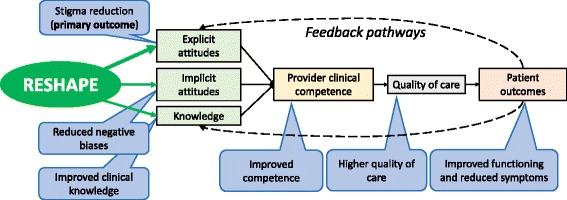
“Improved attitudes and enhanced delivery of evidence-based treatments can then be mutually reinforcing [46] leading to improved patient outcomes, and over time, experiences with positive patient outcomes will further reinforce improved knowledge and positive explicit and implicit attitudes (see Fig.”
BackgroundPatel, V., Weobong, B., Nadkarni, A., Weiss, H. A., Anand, A., Naik, S., Bhat, B., Pereira, J., Araya, R., Dimidjian, S., et al. (2014) · Trials · doi:10.1186/1745-6215-15-101 · Cited by 66
Self-citationDisability Associated With Psychiatric Symptoms Among Torture Survivors in Rural Nepal
Tol, W. A., Komproe, I. H., Thapa, S. B., Jordans, M. J. D., Sharma, B., & De Jong, J. T. V. M. (2007) · Journal of Nervous & Mental Disease · doi:10.1097/nmd.0b013e31802f5dac · Cited by 65 · cited 1×
“The WHO Disability Assessment Scale (WHODAS) [88] has been used previously in Nepal [54, 89, 90], with excellent internal consistency between items (α = 0.”
MethodSelf-citationLuitel, N. P., Jordans, M., Murphy, A., Roberts, B., & McCambridge, J. (2013) · Alcohol and Alcoholism · doi:10.1093/alcalc/agt009 · Cited by 61 · cited 2×
“Harmful alcohol drinking will also be assessed with the AUDIT [93], which has previously been used in Nepal [94, 95], as well as daily ethanol consumption.”
MethodSelf-citationUpadhaya, N., Luitel, N. P., Koirala, S., Adhikari, R. P., Gurung, D., Shrestha, P., Tol, W. A., Kohrt, B. A., & Jordans, M. J. D. (2014) · Intervention · doi:10.1097/wtf.0000000000000064 · Cited by 58 · cited 1×
“PRIME and the RESHAPE component are implemented by Transcultural Psychosocial Organization (TPO) Nepal, a Nepali non-governmental mental health research and training organization [67].”
MethodSelf-citationThe general practitioner and mental health problems: challenges and strategies for medical education
Ballester, D., Filippon, A. P., Braga, C., & Andreoli, S. B. (2005) · Sao Paulo Medical Journal · doi:10.1590/s1516-31802005000200008 · Cited by 57
Olafsdottir, S., & Pescosolido, B. A. (2011) · Social Science & Medicine · doi:10.1016/j.socscimed.2011.06.029 · Cited by 54
Putting evidence into practice: how middle and low income countries “get it together”
Garner, P., Meremikwu, M., Volmink, J., Xu, Q., & Smith, H. (2004) · BMJ · doi:10.1136/bmj.329.7473.1036 · Cited by 54
Thapa, S. B., & Hauff, E. (2011) · Social Psychiatry and Psychiatric Epidemiology · doi:10.1007/s00127-011-0359-7 · Cited by 52 · cited 2×
“The WHO Disability Assessment Scale (WHODAS) [88] has been used previously in Nepal [54, 89, 90], with excellent internal consistency between items (α = 0.”
BackgroundMethodAttitudes of primary care physicians towards patients with mental illness in Hong Kong
Lam, T. P., Lam, K. F., Lam, E. W. W., & Ku, Y. S. (2013) · Asia-Pacific Psychiatry · doi:10.1111/j.1758-5872.2012.00208.x · Cited by 49
Singla, D. R., & Kumbakumba, E. (2015) · Social Science & Medicine · doi:10.1016/j.socscimed.2015.10.069 · Cited by 49 · cited 1×
“training, and follow-up engagement, following approaches used in similar global mental health studies [103].”
MethodSelf-citationOanh, K. T. H., Ashburn, K., Pulerwitz, J., Ogden, J., & Nyblade, L. C. (2008) · doi:10.31899/hiv2.1013 · Cited by 47 · cited 2×
“, increased access to HIV prevention programs, increased awareness of and reduced engagement in discriminatory practices in hospitals) through the reduction of health worker stigma have been achieved in settings ranging from Vietnam to the Southeast United States [28, 30, 31].”
BackgroundImproving clinicians' attitudes toward providing feedback on routine outcome assessments
Willis, A., Deane, F. P., & Coombs, T. (2009) · International Journal of Mental Health Nursing · doi:10.1111/j.1447-0349.2009.00596.x · Cited by 42
Brief multi-disciplinary treatment for torture survivors in Nepal: a naturalistic comparative study
Tol, W. A., Komproe, I. H., Jordans, M. J. D., Thapa, S. B., Sharma, B., & De Jong, J. T. V. M. (2009) · International Journal of Social Psychiatry · doi:10.1177/0020764008091525 · Cited by 41 · cited 1×
“The WHO Disability Assessment Scale (WHODAS) [88] has been used previously in Nepal [54, 89, 90], with excellent internal consistency between items (α = 0.”
MethodSelf-citationTraining psychosocial counselling in Nepal: content review of a specialised training programme
Jordans, M. J. D., Tol, W. A., Sharma, B., & van Ommeren, M. (2003) · Research Portal (King's College London) · Cited by 38
Self-citationMental health in Africa: Findings from the Mental Health and Poverty Project
Lund, C. (2010) · International Review of Psychiatry · doi:10.3109/09540261.2010.535809 · Cited by 37
Self-citationKohrt, B. A., Upadhaya, N., Luitel, N. P., Maharjan, S. M., Kaiser, B. N., MacFarlane, E. K., & Khan, N. (2014) · Annals of Global Health · doi:10.1016/j.aogh.2014.04.007 · Cited by 35 · cited 1×
“recommendations for equitable representation of researchers from LMIC for academic authorship [109].”
BackgroundSelf-citationReiffers, R., Dahal, R. P., Koirala, S., Gerritzen, R., Upadhaya, N., Luitel, N. P., Bhattarai, S., & Jordans, M. J. D. (2013) · Cited by 34
Self-citationWilliams, V., Oades, L. G., Deane, F. P., Crowe, T. P., Ciarrochi, J., & Andresen, R. (2013) · Implementation Science · doi:10.1186/1748-5908-8-75 · Cited by 20
MacFarlane, E. K., Shakya, R., Berry, H. L., & Kohrt, B. A. (2015) · BJPsych. International · doi:10.1192/s2056474000000246 · Cited by 20
Self-citationOla, B. A., Crabb, J., Adewuya, A. O., Olugbile, F., & Abosede, O. A. (2013) · Community Mental Health Journal · doi:10.1007/s10597-013-9648-9 · Cited by 18
Another Face of Health Care Disparity: Stigma of Mental Illness
Pope, W. S. (2011) · Journal of Psychosocial Nursing and Mental Health Services · doi:10.3928/02793695-20110802-01 · Cited by 13
“Co-constructing” stigma and the therapist–parent alliance.
Fox, J. E. (2011) · Psychotherapy · doi:10.1037/a0022183 · Cited by 11
Aggarwal, N. K., & Kohrt, B. A. (2013) · Community Mental Health Journal · doi:10.1007/s10597-013-9644-0 · Cited by 11 · cited 1×
“This is in the context of limited specialized mental health services in both Nepal and throughout South Asia [57].”
BackgroundSelf-citationWakil, M., Abdul, I., Jidda, M., Beida, O., Ahidjo, A., Salawu, F., & Abdulmalik, J. O. (2013) · African Journal of Psychiatry · doi:10.4314/ajpsy.v16i3.24 · Cited by 5
Glasgow, R. E., & Sanchez, M. A. (2011) · Translational Behavioral Medicine · doi:10.1007/s13142-011-0047-x · Cited by 4
Chapter 1. Effects of Stigma on Psychiatric Treatment
Dubin, W. R., & FINK, P. J. (1992) · American Psychiatric Association Publishing eBooks · doi:10.1176/appi.books.9798894550206.lg01 · Cited by 2
Research works printed but not linked: 5
- Nyblade L Disentangling stigma to find entry points for intervention Sex Health Exch 2016 2 5
- Frank JD, Frank JB: Persuasion and healing: a comparative study of psychotherapy, third edn. Baltimore: Johns Hopkins University Press; 1991.
- Central Bureau of Statistics Statistical year book of Nepal-2013 Ramshahpath, Thapathali, Kathmandu 2013 Nepal Government of Nepal, National Planning Commission Secretariat
- WHO mhGAP intervention guide for mental, neurological and substance-use disorders in non-specialized health settings: mental health Gap Action Programme (mhGAP) 2010 Geneva WHO Press 83 23741783
- WHO Mental health action plan 2013–2020 2013 Geneva World Health Organization
Cited by
Kohrt, B. A., Asher, L., Bhardwaj, A., Fazel, M., Jordans, M. J. D., Mutamba, B. B., Nadkarni, A., Pedersen, G. A., Singla, D. R., & Patel, V. (2018) · International Journal of Environmental Research and Public Health · doi:10.3390/ijerph15061279 · Cited by 347
“One approach has been training service users using a participatory photography research technique known as PhotoVoice and, following the training of service users, having them participate in training primary care and community health workers as well as engaging in theory of change workshops to design community and pri…”
MethodSelf-citationvan Ginneken, N., Chin, W. Y., Lim, Y. C., Ussif, A., Singh, R., Shahmalak, U., Purgato, M., Rojas-García, A., Uphoff, E., McMullen, S., et al. (2021) · Cochrane Database of Systematic Reviews · doi:10.1002/14651858.cd009149.pub3 · Cited by 188
Kohrt, B. A., Turner, E. L., Rai, S., Bhardwaj, A., Sikkema, K. J., Adelekun, A., Dhakal, M., Luitel, N. P., Lund, C., Patel, V., et al. (2020) · Social Science & Medicine · doi:10.1016/j.socscimed.2020.112852 · Cited by 177
“A controlled trial comparing with standardized training against the training plus RESHAPE has been completed and results will be described in a subsequent publication (Kohrt et al., 2018a).”
BackgroundMethodInfluentialSelf-citationRai, S., Gurung, D., Kaiser, B. N., Sikkema, K. J., Dhakal, M., Bhardwaj, A., Tergesen, C., & Kohrt, B. A. (2018) · Families, Systems, & Health · doi:10.1037/fsh0000338 · Cited by 128
“The program in Nepal to train service users and engage them as cofacilitators is entitled REducing Stigma among HealthcAre ProvidErs (RESHAPE, ClinicalTrials.gov identifier: NCT02793271; for the full trial protocol see Kohrt et al., 2018).”
InfluentialSelf-citationHeim, E., Kohrt, B. A., Koschorke, M., Milenova, M., & Thornicroft, G. (2020) · Epidemiology and Psychiatric Sciences · doi:10.1017/s2045796018000458 · Cited by 99
“The protocol for such a study has been published recently (Kohrt et al., 2018).”
Self-citation
Metadata
- Authors
- Kohrt, B. A., Jordans, M. J. D., Turner, E. L., Sikkema, K. J., Luitel, N. P., Rai, S., Singla, D. R., Lamichhane, J., Lund, C., & Patel, V.
- Affiliations
- Duke University (US)
- King's College London (GB)
- University of Toronto (CA)
- University of Cape Town (ZA)
- Harvard University (US)
- Corresponding author
- Kohrt, Brandon A.
- ORCID
- Venue
- Pilot and Feasibility Studies
- Published
- 2018-01-24
- Volume
- 4
- Issue
- 1
- Pages
- 36-36
- ISSN
- 2055-5784 (ISSN-L)
- PMC
- PMC5781273
- OpenAlex
- W2786948863
- Cited by
- 141
- References
- 108
- Citations by year
- 2026: 5 · 2025: 9 · 2024: 5 · 2023: 22 · 2022: 29 · 2021: 14 · 2020: 42 · 2019: 9 · 2018: 6
- FWCI
- 24.03
- Type
- journal article
- Language
- en
- Open access
- gold
- doi.org
- Licence
- cc-by
- creativecommons.org/licenses/by/4.0/ (tdm)
- creativecommons.org/licenses/by/4.0/ (vor)
- Locations
- Pilot and Feasibility Studies (publishedVersion, cc-by)
- Europe PMC (PubMed Central) (publishedVersion, cc-by)
- PubMed Central (publishedVersion, cc-by)
- PubMed (publishedVersion)
- TSpace (University of Toronto) (submittedVersion, cc-by)
- Digital Access to Scholarship at Harvard (DASH) (Harvard University) (submittedVersion, cc-by)
- DOAJ (DOAJ: Directory of Open Access Journals) (submittedVersion)
- DukeSpace (Duke University) (submittedVersion, cc-by-nc-nd)
- Research Portal (King's College London) (submittedVersion, cc-by)
- Open University of Cape Town (University of Cape Town) (submittedVersion)
- Greater South Information System
- Funders
- National Institute of Mental Health (K01MH104310)
- Department for International Development, UK Government
- Topics
- Health Sciences › Medicine › Psychiatry and Mental health › Mental Health Treatment and Access
- Health Sciences › Health Professions › General Health Professions › Health Policy Implementation Science
- Social Sciences › Psychology › Clinical Psychology › Psychiatric care and mental health services
- Keywords
- mental health stigma, stigma reduction interventions, primary health care workers, mental health training, integration of mental health into primary care, mental health service users, Implicit Association Test, ENACT, Mental Health Gap Action Programme, prime numbers, low- and middle-income countries, Nepal, feasibility and acceptability, barriers to mental health care
About these checks
Registry, retraction, Cites and statistics results are computed, not judged, with one exception: a printed reference that no index lists is read once by a model before it counts as a citation error. Claims are extracted by a model and kept only when their quote appears verbatim in the text; each cited source is then checked, with a model’s help, for whether it says what the claim relies on. Those verdicts can be wrong — read the claim’s quote and the cited source before relying on one.
Statistics and arithmetic are recomputed, not judged.
Confidence bands are shown only for fields calibrated on our annotated test set. None is calibrated yet, so no band is shown.
What counts as a claim ›How we measure confidence ›How we check this ›
Are you an author, or do you see a problem with this page? Request a review
Data sources
Bibliographic data: Semantic Scholar, OpenAlex, Crossref.
Contains information from the Semantic Scholar Academic Graph Datasets, made available under the ODC Attribution License (ODC-BY 1.0).
Semantic Scholar’s data is described in: Kinney, R., et al. (2023). The Semantic Scholar Open Data Platform. arXiv:2301.10140.
