

The DOI matches its Crossref record; 129 of the 135 references it cites were found in a registry or an index.
Lifespan analysis of brain development, gene expression and behavioral phenotypes in the Ts1Cje, Ts65Dn and Dp(16)1/Yey mouse models of Down syndrome
Open accessAbstract
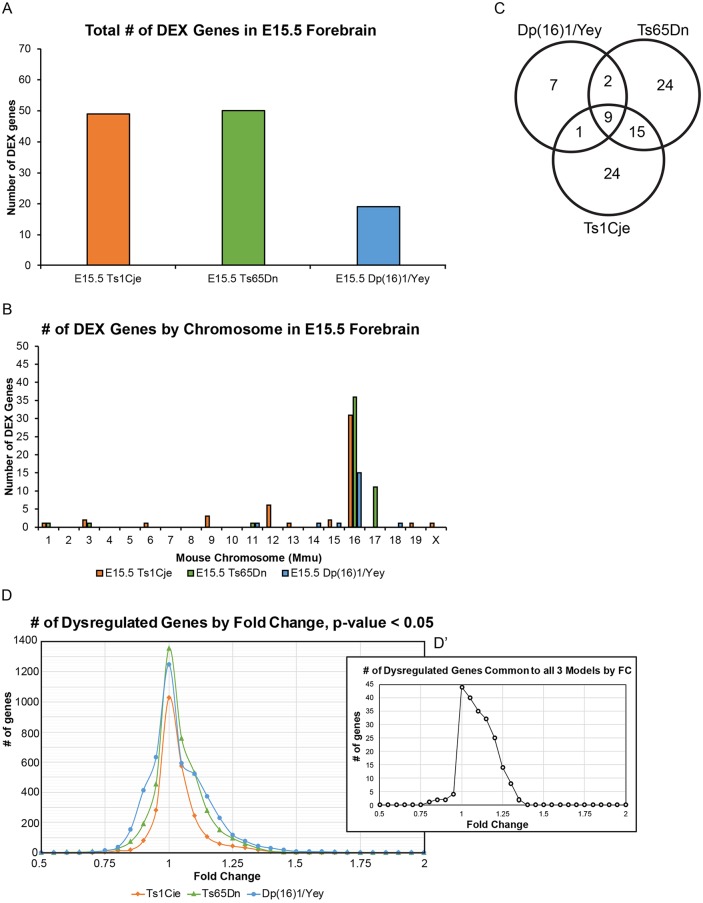
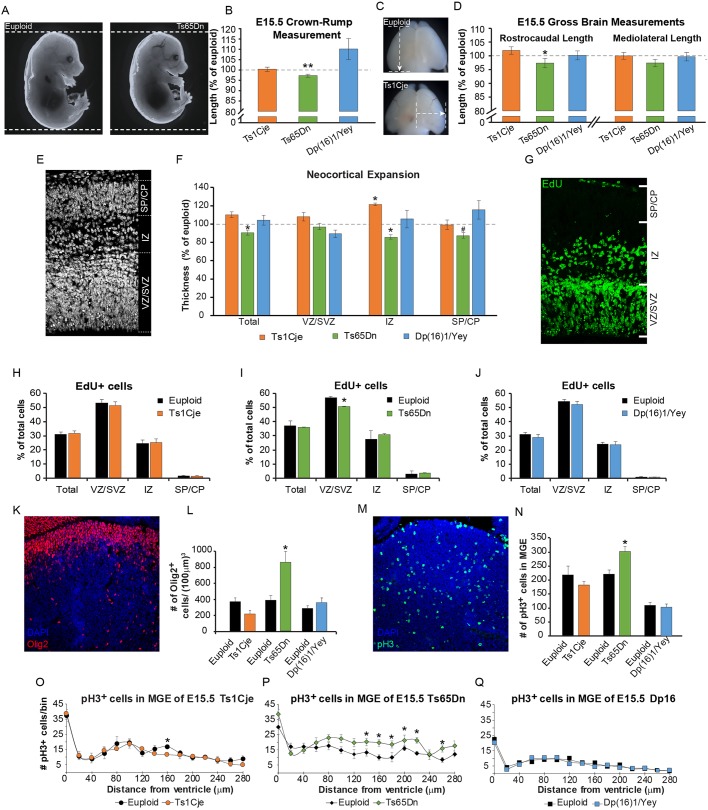
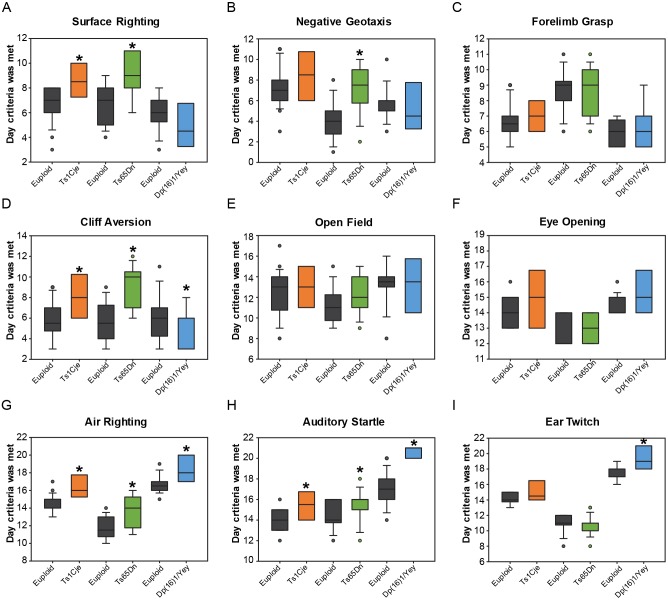
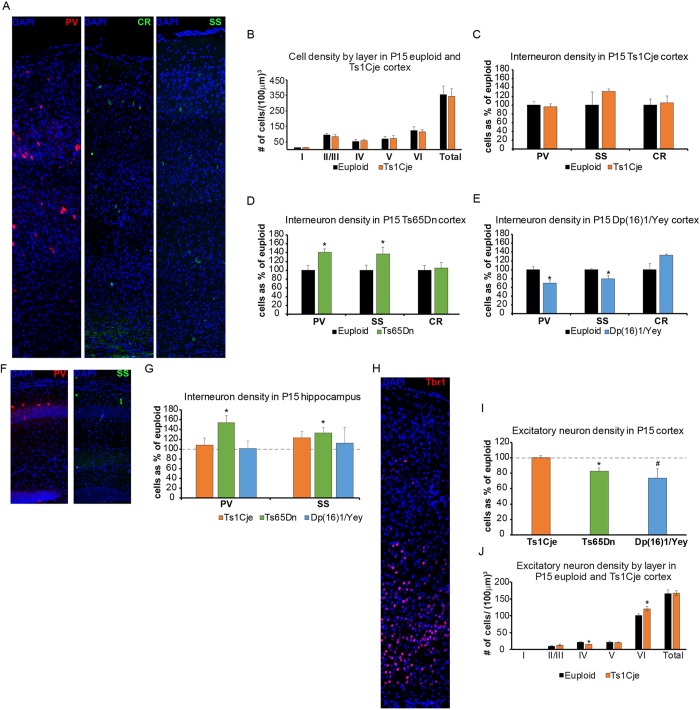
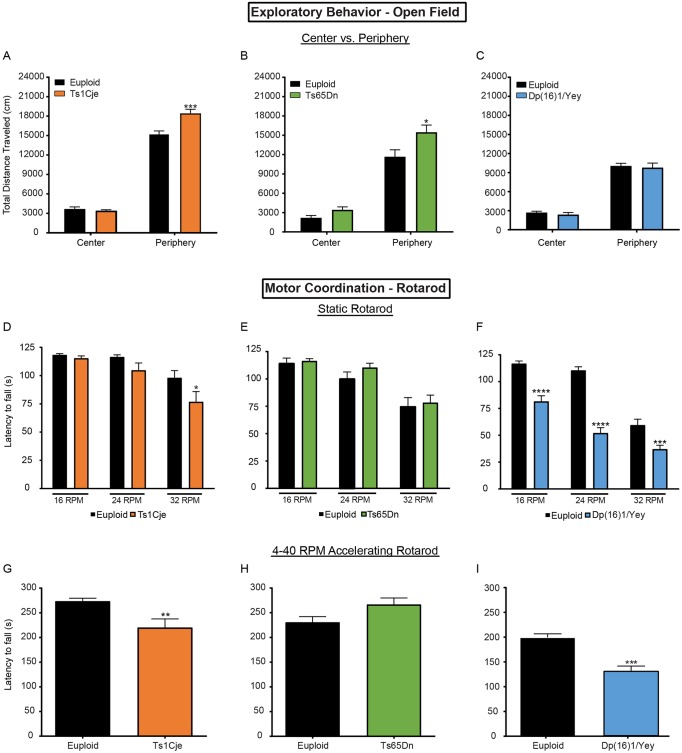
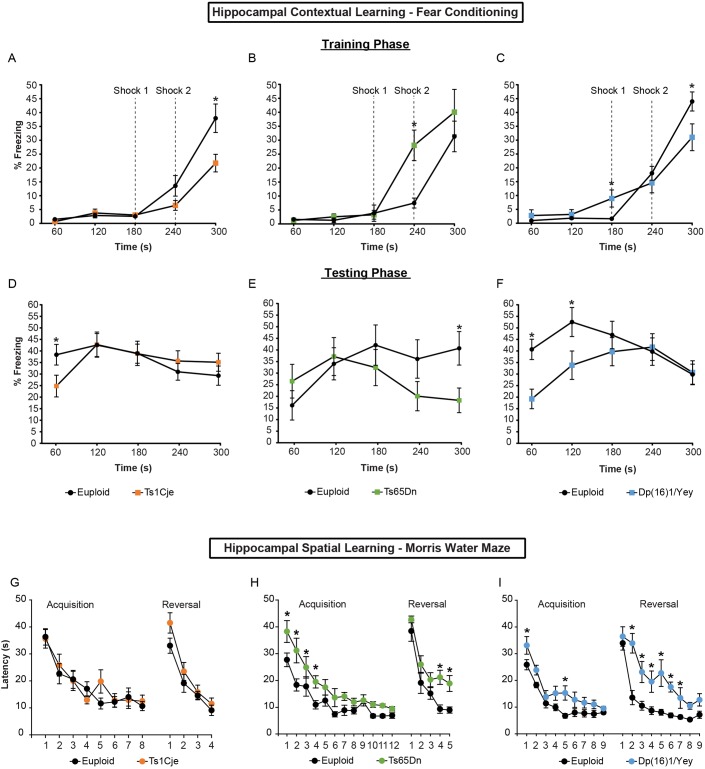
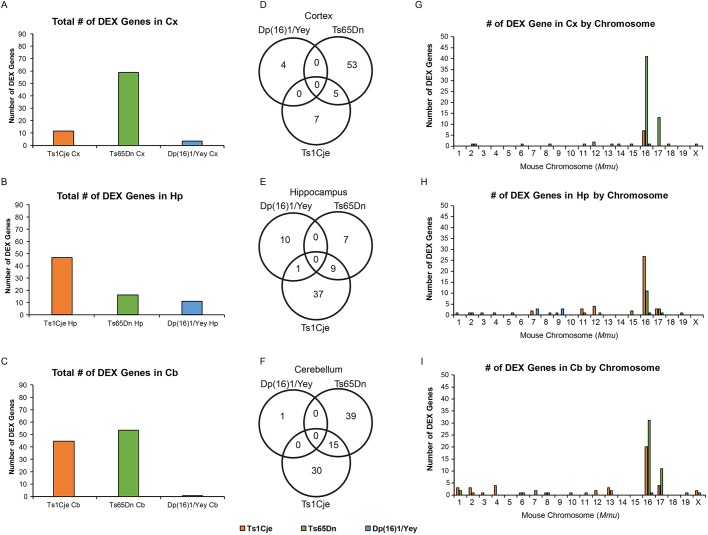
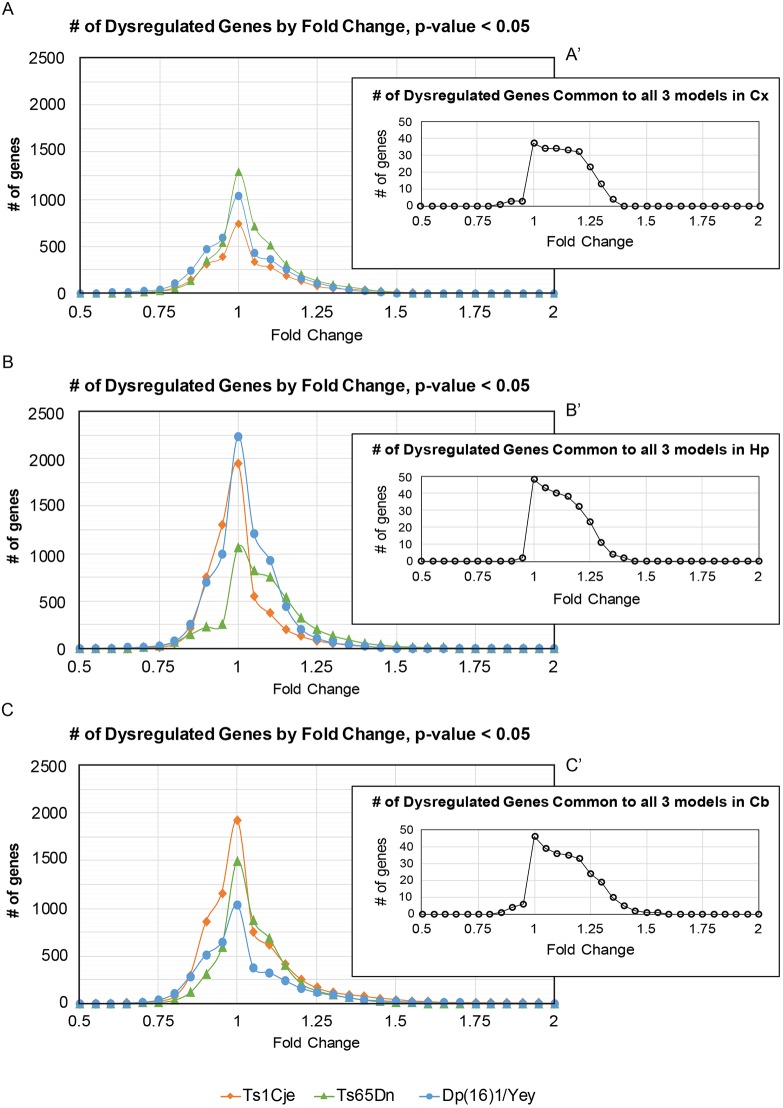
Down syndrome (DS) results from triplication of human chromosome 21. Neuropathological hallmarks of DS include atypical central nervous system development that manifests prenatally and extends throughout life. As a result, individuals with DS exhibit cognitive and motor deficits and have delays in achieving developmental milestones. To determine whether different mouse models of DS recapitulate the human prenatal and postnatal phenotypes, here we directly compared brain histogenesis, gene expression, and behavior over the lifespan of three cytogenetically distinct mouse models of DS: Ts1Cje, Ts65Dn and Dp(16)1/Yey. Histological data indicated that Ts65Dn mice were the most consistently affected with respect to somatic growth, neurogenesis, and brain morphogenesis. Embryonic and adult gene expression results showed that Ts1Cje and Ts65Dn brains had considerably more differentially expressed (DEX) genes compared to Dp(16)1/Yey mice, despite the larger number of triplicated genes in the latter model. In addition, DEX genes showed little overlap in identity and chromosomal distribution in the three models, leading to dissimilarities in affected functional pathways. Perinatal and adult behavioral testing also highlighted differences among the models in their abilities to achieve various developmental milestones and perform hippocampal- and motor-based tasks. Interestingly, Dp(16)1/Yey mice showed no abnormalities in prenatal brain phenotypes, yet they manifested behavioral deficits starting at postnatal day 15 that continued through adulthood. In contrast, Ts1Cje mice showed mildly abnormal embryonic brain phenotypes, but only select behavioral deficits as neonates and adults. Altogether, our data showed widespread and unexpected fundamental differences in behavioral, gene expression, and brain development phenotypes between these three mouse models. Our findings illustrate unique limitations of each model when studying aspects of brain development and function in DS. This work helps to inform model selection in future studies investigating how observed neurodevelopmental abnormalities arise, how they contribute to cognitive impairment, and when testing therapeutic molecules to ameliorate the intellectual disability associated with DS.
Overview
The claims and statistics of this paper haven’t been checked yet.
Run the check — free, no account needed. It reads the open-access text and checks the sources it cites.
Integrity signals
Registry
Cites
Statistics
Figures
Verification
Claims the paper makes
The claims and statistics of this paper haven’t been checked yet.
Run the check — free, no account needed. It reads the open-access text and checks the sources it cites.
Claims other papers make about this one
Each is checked against this paper’s own text: does it say what the citing paper says it does?
The cited source doesn’t support the claim as written.
In the citing paper
“As previously reported,38,40 Dp16 mice showed less freezing behavior compared to WT mice after the second shock on day 1 (Figure 2B).”
From Interferon signaling modulates Down syndrome-associated Alzheimer’s disease pathology in a mouse model (2025) · cites this paper as [40]
Checked by a reasoning model — may be wrong.
Experimental — accuracy not yet measuredThe cited source doesn’t support the claim as written.
In the citing paper
“recent studies that indicate an increased ratio of inhibitory to excitatory neurons in the cortex and hippocampus in Dp16 mice that is associated with deficits in learning, memory, and motor function.”
From Interferon signaling modulates Down syndrome-associated Alzheimer’s disease pathology in a mouse model (2025) · cites this paper as [40]
Checked by a reasoning model — may be wrong.
Experimental — accuracy not yet measuredThe source backs part of the claim, not all of it — or backs it for a different population, condition or comparison.
In the citing paper
“Notably, Dp16 mice exhibit hyperactive IFN signaling and recapitulate many phenotypes of DS including developmental delays, cranial malformations, and cognitive deficits.38,40,42,43,44,45”
From Interferon signaling modulates Down syndrome-associated Alzheimer’s disease pathology in a mouse model (2025) · cites this paper as [40]
Experimental — accuracy not yet measuredThe source backs part of the claim, not all of it — or backs it for a different population, condition or comparison.
In the citing paper
“The Ts65Dn DS mouse model demonstrates embryonic and early postnatal gene expression, neuroanatomical, and developmental behavioral deficits like those observed in DS, whereas other DS models, including Dp1Yey and TcMAC21, do not have or have not yet been tested for these phenotypes (Aziz et al., 2018; Goodliffe et al., 2016).”
From Sex-specific developmental alterations in DYRK1A expression in the brain of a Down syndrome mouse model (2024) · cites this paper as Aziz et al., 2018
Experimental — accuracy not yet measuredThe cited source says what the claim attributes to it.
In the citing paper
“We next tested motor coordination using the accelerating rotarod test DS-AD mice (Data S4), and consistent with previous reports,38,40 we found that Dp16 mice exhibit impaired motor coordination at 3 and 5 months of age relative to WT littermates, with a trend toward poorer performance at 7 and 9 months of age (Figure 2A).”
From Interferon signaling modulates Down syndrome-associated Alzheimer’s disease pathology in a mouse model (2025) · cites this paper as [40]
The cited source says what the claim attributes to it.
In the citing paper
“this could be explained in part by the fact that Dp16 mice present an impairment in motor coordination, and associative learning and memory ameliorating the cognitive profile observed in AD mice.”
From Interferon signaling modulates Down syndrome-associated Alzheimer’s disease pathology in a mouse model (2025) · cites this paper as [40]
The cited source says what the claim attributes to it.
In the citing paper
“In concert, the number of actively proliferating cells in the germinal zone of the dorsal telencephalon is decreased (Aziz et al., 2018; Shaw et al., 2020) and this deficit persists postnatally, with fewer proliferating cells being found in the hippocampus (Contestabile et al., 2007).”
From Neurodevelopment in Down syndrome: Concordance in humans and models (2022) · cites this paper as Aziz et al., 2018
The cited source says what the claim attributes to it.
In the citing paper
“Contrary to the existing human data, these proliferation changes appear to be region specific as an increase in number of actively proliferating cells was observed in the embryonic medial ganglionic eminence, the site of interneuron production (Chakrabarti et al., 2010; Aziz et al., 2018).”
From Neurodevelopment in Down syndrome: Concordance in humans and models (2022) · cites this paper as Aziz et al., 2018
Self-check
Percentages, sums and reported differences re-computed from the paper’s own numbers.
The self-check needs the paper’s full text.
Citations
Cites
Controlling the False Discovery Rate: A Practical and Powerful Approach to Multiple Testing
Benjamini, Y., & Hochberg, Y. (1995) · Journal of the Royal Statistical Society Series B: Statistical Methodology · doi:10.1111/j.2517-6161.1995.tb02031.x · Cited by 109,482
Systematic and integrative analysis of large gene lists using DAVID bioinformatics resources
Huang, D. W., Sherman, B. T., & Lempicki, R. A. (2009) · Nature Protocols · doi:10.1038/nprot.2008.211 · Cited by 35,890
MicroRNAs: Target Recognition and Regulatory Functions
Bartel, D. P. (2009) · Cell · doi:10.1016/j.cell.2009.01.002 · Cited by 20,068
Morris water maze: procedures for assessing spatial and related forms of learning and memory
Vorhees, C. V., & Williams, M. T. (2006) · Nature Protocols · doi:10.1038/nprot.2006.116 · Cited by 4,629
Bushati, N., & Cohen, S. M. (2007) · Annual Review of Cell and Developmental Biology · doi:10.1146/annurev.cellbio.23.090506.123406 · Cited by 2,750
A mouse model for Down syndrome exhibits learning and behaviour deficits
Reeves, R. H., Irving, N. G., Moran, T. H., Wohn, A., Kitt, C., Sisodia, S. S., Schmidt, C., Bronson, R. T., & Davisson, M. T. (1995) · Nature Genetics · doi:10.1038/ng1095-177 · Cited by 913
Lu, Q. R., Yuk, D.-I., Alberta, J., Zhu, Z.-M., Pawlitzky, I., Chan, J., McMahon, A., Stiles, C., & Rowitch, D. H. (2000) · Neuron · doi:10.1016/s0896-6273(00)80897-1 · Cited by 883
Rogers, D. C., Fisher, E. M. C., Brown, S. D. M., Peters, J., Hunter, A. J., & Martin, J. E. (1997) · Mammalian Genome · doi:10.1007/s003359900551 · Cited by 795
Reflex-ontogeny and behavioural development of the mouse
Fox, W. M. (1965) · Animal Behaviour · doi:10.1016/0003-3472(65)90041-2 · Cited by 699
Aneuploidy Affects Proliferation and Spontaneous Immortalization in Mammalian Cells
Williams, B. R., Prabhu, V. R., Hunter, K. E., Glazier, C. M., Whittaker, C. A., Housman, D. E., & Amon, A. (2008) · Science · doi:10.1126/science.1160058 · Cited by 665
Assessing Spatial Learning and Memory in Rodents
Vorhees, C. V., & Williams, M. T. (2014) · ILAR Journal · doi:10.1093/ilar/ilu013 · Cited by 582
The neuropsychology of down syndrome: evidence for hippocampal dysfunction.
Pennington, B. F., Moon, J., Edgin, J., Stedron, J., & Nadel, L. (2003) · Child Development · doi:10.1111/1467-8624.00522 · Cited by 514
A comparative phenotypic and genomic analysis of C57BL/6J and C57BL/6N mouse strains
Simon, M. M., Greenaway, S., White, J. K., Fuchs, H., Gailus-Durner, V., Wells, S., Sorg, T., Wong, K., Bedu, E., Cartwright, E. J., et al. (2013) · Genome Biology · doi:10.1186/gb-2013-14-7-r82 · Cited by 507
Neuroanatomy of Down’s Syndrome: A High-Resolution MRI Study
Pinter, J. D., Eliez, S., Schmitt, J. E., Capone, G. T., & Reiss, A. L. (2001) · American Journal of Psychiatry · doi:10.1176/appi.ajp.158.10.1659 · Cited by 452
Developmental abnormalities and age-related neurodegeneration in a mouse model of Down syndrome
Holtzman, D. M., Santucci, D., Kilbridge, J., Chua-Couzens, J., Fontana, D. J., Daniels, S. E., Johnson, R. M., Chen, K., Sun, Y., Carlson, E., et al. (1996) · Proceedings of the National Academy of Sciences · doi:10.1073/pnas.93.23.13333 · Cited by 448
Takebayashi, H., Yoshida, S., Sugimori, M., Kosako, H., Kominami, R., Nakafuku, M., & Nabeshima, Y. (2000) · Mechanisms of Development · doi:10.1016/s0925-4773(00)00466-4 · Cited by 409
Miyoshi, G., Butt, S. J. B., Takebayashi, H., & Fishell, G. (2007) · The Journal of Neuroscience · doi:10.1523/jneurosci.1807-07.2007 · Cited by 400
Sago, H., Carlson, E. J., Smith, D. J., Kilbridge, J., Rubin, E. M., Mobley, W. C., Epstein, C. J., & Huang, T.-T. (1998) · Proceedings of the National Academy of Sciences · doi:10.1073/pnas.95.11.6256 · Cited by 382
(1990) · PubMed · Cited by 351
de Graaf, G., Buckley, F., & Skotko, B. G. (2015) · American Journal of Medical Genetics Part A · doi:10.1002/ajmg.a.37001 · Cited by 309
Takashima, S., Becker, L. E., Armstrong, D. L., & Chan, F. (1981) · Brain Research · doi:10.1016/0006-8993(81)90314-0 · Cited by 307
Selective neuroanatornic abnormalities in Down's syndrome and their cognitive correlates
Raz, N., Torres, I. J., Briggs, S. D., Spencer, W. D., Thornton, A. E., Loken, W. J., Gunning, F. M., McQuain, J., Driesen, N. R., & Acker, J. D. (1995) · Neurology · doi:10.1212/wnl.45.2.356 · Cited by 297
Wisniewski, K. E. (2005) · American Journal of Medical Genetics · doi:10.1002/ajmg.1320370755 · Cited by 297
Cerebral Morphologic Distinctions Between Williams and Down Syndromes
Jernigan, T. L., Bellugi, U., Sowell, E. R., Doherty, S., & Hesselink, J. R. (1993) · Archives of Neurology · doi:10.1001/archneur.1993.00540020062019 · Cited by 293
Down's syndrome: a genetic disorder in biobehavioral perspective
Nadel, L. (2003) · Genes Brain & Behavior · doi:10.1034/j.1601-183x.2003.00026.x · Cited by 291
Contestabile, A., Fila, T., Ceccarelli, C., Bonasoni, P., Bonapace, L., Santini, D., Bartesaghi, R., & Ciani, E. (2007) · Hippocampus · doi:10.1002/hipo.20308 · Cited by 281
Dendritic atrophy in children with down’s syndrome.
Becker, L. E., Armstrong, D. L., & Chan, F. (1986) · Annals of Neurology · doi:10.1002/ana.410200413 · Cited by 279
Guidi, S., Bonasoni, P., Ceccarelli, C., Santini, D., Gualtieri, F., Ciani, E., & Bartesaghi, R. (2008) · Brain Pathology · doi:10.1111/j.1750-3639.2007.00113.x · Cited by 276
Olig1 and Olig2 triplication causes developmental brain defects in down syndrome.
Chakrabarti, L., Best, T. K., Cramer, N. P., Carney, R. S. E., Isaac, J. T. R., Galdzicki, Z., & Haydar, T. F. (2010) · Nature Neuroscience · doi:10.1038/nn.2600 · Cited by 258
Self-citationKahlem, P., Sultan, M., Herwig, R., Steinfath, M., Balzereit, D., Eppens, B., Saran, N. G., Pletcher, M. T., South, S. T., Stetten, G., et al. (2004) · Genome Research · doi:10.1101/gr.1951304 · Cited by 249
Olfactory regulation of maternal behavior in mammals
Lévy, F., Keller, M., & Poindron, P. (2004) · Hormones and Behavior · doi:10.1016/j.yhbeh.2004.02.005 · Cited by 248
The neurobiologie consequences of down syndrome
Coyle, J. T., Oster-Granite, M. L., & Gearhart, J. D. (1986) · Brain Research Bulletin · doi:10.1016/0361-9230(86)90074-2 · Cited by 248
Housing, husbandry and handling of rodents for behavioral experiments
Deacon, R. M. J. (2006) · Nature Protocols · doi:10.1038/nprot.2006.120 · Cited by 246
Olmos-Serrano, J. L., Kang, H. J., Tyler, W. A., Silbereis, J. C., Cheng, F., Zhu, Y., Pletikos, M., Jankovic-Rapan, L., Cramer, N. P., Galdzicki, Z., et al. (2016) · Neuron · doi:10.1016/j.neuron.2016.01.042 · Cited by 239
Self-citationUnderstanding the Basis for Down Syndrome Phenotypes
Roper, R. J., & Reeves, R. H. (2006) · PLoS Genetics · doi:10.1371/journal.pgen.0020050 · Cited by 233
Trisomy 21 causes changes in the circulating proteome indicative of chronic autoinflammation
Sullivan, K. D., Evans, D., Pandey, A., Hraha, T. H., Smith, K. P., Markham, N., Rachubinski, A. L., Wolter-Warmerdam, K., Hickey, F., Espinosa, J. M., et al. (2017) · Scientific Reports · doi:10.1038/s41598-017-13858-3 · Cited by 228 · cited 2×
“This finding, which is confirmed by both GSEA and DAVID analyses, correlates well with recent work assessing proteomic changes in blood samples from people with DS (Sullivan et al., 2017) and another study analyzing interferon-related gene networks in postnatal Ts1Cje brains (Ling et al., 2014).”
ResultNeurological phenotypes for Down syndrome across the life span
Lott, I. T. (2012) · Progress in Brain Research · doi:10.1016/b978-0-444-54299-1.00006-6 · Cited by 225 · cited 2×
“…to identify suitable models for basic and translational studies (Bahado-Singh et al., 1992; Cardoso et al., 2015; Guidi et al., 2008; Haim et al., 2009; Larsen et al., 2008; Lott, 2012; Nilholm, 1999; Vicari et al., 2013; Winter et al., 1998; Wisniewski and Kida, 1994; Wisniewski et al., 1984).”
BackgroundDuchon, A., Raveau, M., Chevalier, C., Nalesso, V., Sharp, A. J., & Herault, Y. (2011) · Mammalian Genome · doi:10.1007/s00335-011-9356-0 · Cited by 224
Li, Z., Yu, T., Morishima, M., Pao, A., LaDuca, J., Conroy, J., Nowak, N., Matsui, S.-I., Shiraishi, I., & Yu, Y. E. (2007) · Human Molecular Genetics · doi:10.1093/hmg/ddm086 · Cited by 218
Behavioral Differences among C57BL/6 Substrains: Implications for Transgenic and Knockout Studies
Bryant, C. D., Zhang, N. N., Sokoloff, G., Fanselow, M. S., Ennes, H. S., Palmer, A. A., & McRoberts, J. A. (2008) · Journal of Neurogenetics · doi:10.1080/01677060802357388 · Cited by 210
Development of the superior temporal neocortex is anomalous in trisomy 21
Golden, J. A., & Hyman, B. T. (1994) · Journal of Neuropathology & Experimental Neurology · doi:10.1097/00005072-199409000-00011 · Cited by 210
(1991) · PubMed · Cited by 209
Belichenko, P. V., Kleschevnikov, A. M., Salehi, A., Epstein, C. J., & Mobley, W. C. (2007) · The Journal of Comparative Neurology · doi:10.1002/cne.21433 · Cited by 208
Rodent models in Down syndrome research: impact and future opportunities
Hérault, Y., Delabar, J. M., Fisher, E., Tybulewicz, V. L. J., Yu, E. Y., & Brault, V. (2017) · Disease Models & Mechanisms · doi:10.1242/dmm.029728 · Cited by 206
(1990) · PubMed · Cited by 201
Trisomy 21 and early brain development
Haydar, T. F., & Reeves, R. H. (2012) · Trends in Neurosciences · doi:10.1016/j.tins.2011.11.001 · Cited by 200
Self-citationGene Expression From the Aneuploid Chromosome in a Trisomy Mouse Model of Down SyndromePreprint
Lyle, R., Gehrig, C., Neergaard-Henrichsen, C., Deutsch, S., & Antonarakis, S. E. (2004) · Genome Research · doi:10.1101/gr.2090904 · Cited by 199
Chakrabarti, L., Galdzicki, Z., & Haydar, T. F. (2007) · The Journal of Neuroscience · doi:10.1523/jneurosci.3406-07.2007 · Cited by 199
Self-citationEducation and children with Down syndrome: Neuroscience, development, and intervention
Fidler, D. J., & Nadel, L. (2007) · Mental Retardation and Developmental Disabilities Research Reviews · doi:10.1002/mrdd.20166 · Cited by 198
Amygdala and hippocampal volumes in children with Down syndrome: A high-resolution MRI study
Pinter, J. D., Brown, W. E., D, S. E. M., Schmitt, J. E., Capone, G. T., & Reiss, A. L. (2001) · Neurology · doi:10.1212/wnl.56.7.972 · Cited by 197
Down's syndrome: Is there a decreased population of neurons?
Ross, M. H., Galaburda, A. M., & Kemper, T. L. (1984) · Neurology · doi:10.1212/wnl.34.7.909 · Cited by 191
Molecular characterization of the translocation breakpoints in the down syndrome mouse model Ts65Dn
Reinholdt, L. G., Ding, Y., Gilbert, G. T., Czechanski, A., Solzak, J. P., Roper, R. J., Johnson, M. T., Donahue, L. R., Lutz, C., & Davisson, M. T. (2011) · Mammalian Genome · doi:10.1007/s00335-011-9357-z · Cited by 186
Mouse models of Down syndrome: gene content and consequences
Gupta, M., Dhanasekaran, A. R., & Gardiner, K. (2016) · Mammalian Genome · doi:10.1007/s00335-016-9661-8 · Cited by 178
Primary and secondary transcriptional effects in the developing human down syndrome brain and heart
Mao, R., Wang, X., Spitznagel, E. L., Frelin, L. P., Ting, J. C., Ding, H., Kim, J.-W., Ruczinski, I., Downey, T. J., & Pevsner, J. (2005) · Genome Biology · doi:10.1186/gb-2005-6-13-r107 · Cited by 166
Olson, L. E., Roper, R. J., Baxter, L. L., Carlson, E. J., Epstein, C. J., & Reeves, R. H. (2004) · Developmental Dynamics · doi:10.1002/dvdy.20079 · Cited by 165
Mental health, behaviour and intellectual abilities of people with Down syndrome
Määttä, T., Tervo-Määttä, T., Taanila, A. M., Kaski, M., & Iivanainen, M. V. (2006) · Down Syndrome Research and Practice · doi:10.3104/reports.313 · Cited by 154
Teipel, S. J., Alexander, G. E., Schapiro, M. B., Möller, H., Rapoport, S. I., & Hampel, H. J. (2004) · Brain · doi:10.1093/brain/awh101 · Cited by 154
A voxel-based morphometric study of nondemented adults with Down Syndrome
White, N. S., Alkire, M. T., & Haier, R. J. (2003) · NeuroImage · doi:10.1016/s1053-8119(03)00273-8 · Cited by 146
Global disruption of the cerebellar transcriptome in a Down syndrome mouse model
Saran, N. (2003) · Human Molecular Genetics · doi:10.1093/hmg/ddg217 · Cited by 141
Vilardell, M., Rasche, A., Thormann, A., Maschke-Dutz, E., Jurado, L. A. P., Lehrach, H., & Herwig, R. (2011) · BMC Genomics · doi:10.1186/1471-2164-12-229 · Cited by 137
Whittle, N., Sartori, S. B., Dierssen, M., Lubec, G., & Singewald, N. (2007) · Pediatrics · doi:10.1542/peds.2006-3448 · Cited by 127
Inbred mouse strains and genetic stability: a review
Casellas, J. (2010) · animal · doi:10.1017/s1751731110001667 · Cited by 124
Weitzdoerfer, R., Dierssen, M., Fountoulakis, M., & Lübec, G. (2001) · Springer eBooks · doi:10.1007/978-3-7091-6262-0_5 · Cited by 122
Pritchard, M. A., & Kola, I. (1999) · Springer eBooks · doi:10.1007/978-3-7091-6380-1_20 · Cited by 118
Relation of Corpus Callosum and Hippocampal Size to Age in Nondemented Adults With Down’s Syndrome
Teipel, S. J., Schapiro, M. B., Alexander, G. E., Krasuski, J., Horwitz, B., Hoehne, C., Möller, H., Rapoport, S. I., & Hampel, H. J. (2003) · American Journal of Psychiatry · doi:10.1176/appi.ajp.160.10.1870 · Cited by 113
Ishihara, K., Amano, K., Takaki, E., Shimohata, A., Sago, H., Epstein, C. J., & Yamakawa, K. (2009) · Cerebral Cortex · doi:10.1093/cercor/bhp176 · Cited by 113
Rachidi, M., & Lopes, C. (2008) · European Journal of Paediatric Neurology · doi:10.1016/j.ejpn.2007.08.010 · Cited by 108
Hyperkalemia during Anesthesia
Wisniewski, K. E., Laure‐Kamionowska, M., & Wisniewski, H. M. (1984) · New England Journal of Medicine · doi:10.1056/nejm198411013111818 · Cited by 105
The use of mouse models to understand and improve cognitive deficits in Down syndrome
Das, I., & Reeves, R. H. (2011) · Disease Models & Mechanisms · doi:10.1242/dmm.007716 · Cited by 103
The development of learning difliculties in children with Down's syndrome
Wishart, J. G. (1993) · Journal of Intellectual Disability Research · doi:10.1111/j.1365-2788.1993.tb00882.x · Cited by 96
(1989) · PubMed · Cited by 96
Villar, A. J., Belichenko, P. V., Gillespie, A. M., Kozy, H. M., Mobley, W. C., & Epstein, C. J. (2005) · Mammalian Genome · doi:10.1007/s00335-004-2428-7 · Cited by 95
5-Ethynyl-2′-deoxycytidine as a new agent for DNA labeling: Detection of proliferating cells
Qu, D., Wang, G., Wang, Z., Zhou, L., Chi, W., Cong, S., Ren, X., Liang, P., & Zhang, B. (2011) · Analytical Biochemistry · doi:10.1016/j.ab.2011.05.037 · Cited by 93
Autosomal aneuploidy in mice: Generation and developmental consequences
Gearhart, J. D., Davisson, M. T., & Oster‐Granite, M. L. (1986) · Brain Research Bulletin · doi:10.1016/0361-9230(86)90075-4 · Cited by 90
Dauphinot, L., Lyle, R., Rivals, I., Dang, M., Moldrich, R. X., Golfier, G., Ettwiller, L. M., Toyama, K., Rossier, J., Personnaz, L., et al. (2004) · Human Molecular Genetics · doi:10.1093/hmg/ddi033 · Cited by 88
Reduced cell number in the neocortical part of the human fetal brain in Down syndrome
Larsen, K. B., Laursen, H., Græm, N., Samuelsen, G. B., Bogdanovic, N., & Pakkenberg, B. (2008) · Annals of Anatomy - Anatomischer Anzeiger · doi:10.1016/j.aanat.2008.05.007 · Cited by 87 · cited 4×
“…to identify suitable models for basic and translational studies (Bahado-Singh et al., 1992; Cardoso et al., 2015; Guidi et al., 2008; Haim et al., 2009; Larsen et al., 2008; Lott, 2012; Nilholm, 1999; Vicari et al., 2013; Winter et al., 1998; Wisniewski and Kida, 1994; Wisniewski et al., 1984).”
BackgroundInfluentialBiometry of Face and Brain in Fetuses with Trisomy 21
Guihard-Costa, A.-M., Khung‐Savatovsky, S., Delbecque, K., Ménez, F., & Delezoide, A. (2005) · Pediatric Research · doi:10.1203/01.pdr.0000190580.88391.9a · Cited by 85
Verbal short‐term memory in Down's syndrome: An articulatory loop deficit?
Vicari, S., Marotta, L., & Carlesimo, G. A. (2004) · Journal of Intellectual Disability Research · doi:10.1111/j.1365-2788.2004.00478.x · Cited by 85
Role of Founder Cell Deficit and Delayed Neuronogenesis in Microencephaly of the Trisomy 16 Mouse
Haydar, T. F., Nowakowski, R. S., Yarowsky, P., & Krueger, B. K. (2000) · Journal of Neuroscience · doi:10.1523/jneurosci.20-11-04156.2000 · Cited by 84
Self-citationPetit, T. L., LeBoutillier, J. C., Alfano, D. P., & Becker, L. E. (1984) · Experimental Neurology · doi:10.1016/0014-4886(84)90041-4 · Cited by 84
Stasko, M. R., & Costa, A. C. S. (2004) · Behavioural Brain Research · doi:10.1016/j.bbr.2004.01.012 · Cited by 83
Elton, T. S., Sansom, S. E., & Martin, M. M. (2010) · RNA Biology · doi:10.4161/rna.7.5.12685 · Cited by 83
Evidence of Arrest of Neurogenesis and Synaptogenesis in Brains of Patients with Down's Syndrome
(1984) · New England Journal of Medicine · doi:10.1056/nejm198411013111819 · Cited by 82
Costa, A. C. S., Stasko, M. R., Schmidt, C., & Davisson, M. T. (2009) · Behavioural Brain Research · doi:10.1016/j.bbr.2009.08.034 · Cited by 79
Gene expression variation in Down's syndrome mice allows prioritization of candidate genes
Sultan, M., Piccini, I., Balzereit, D., Herwig, R., Saran, N. G., Lehrach, H., Reeves, R. H., & Yaspo, M.-L. (2007) · Genome Biology · doi:10.1186/gb-2007-8-5-r91 · Cited by 78
ARID1B-mediated disorders: Mutations and possible mechanisms
Sim, J. C. H., White, S. M., & Lockhart, P. J. (2014) · Intractable & Rare Diseases Research · doi:10.5582/irdr.2014.01021 · Cited by 77
Neurodevelopmental and psychiatric issues in Down’s syndrome
Vicari, S., Pontillo, M., & Armando, M. (2013) · Psychiatric Genetics · doi:10.1097/ypg.0b013e32835fe426 · Cited by 75
Mouse Models of Cognitive Disorders in Trisomy 21: A Review
Sérégaza, Z., Roubertoux, P. L., Jamon, M., & Soumireu-Mourat, B. (2006) · Behavior Genetics · doi:10.1007/s10519-006-9056-9 · Cited by 69
Ling, K., Hewitt, C., Tan, K.-L., Cheah, P.-S., Vidyadaran, S., Lai, M. I., Lee, H.-C., Simpson, K., Hyde, L., Pritchard, M. A., et al. (2014) · BMC Genomics · doi:10.1186/1471-2164-15-624 · Cited by 68
Consequences of Trisomy 16 for Mouse Brain Development: Corticogenesis in a Model of Down Syndrome
Haydar, T. F., Blue, M. E., Molliver, M. E., Krueger, B. K., & Yarowsky, P. (1996) · Journal of Neuroscience · doi:10.1523/jneurosci.16-19-06175.1996 · Cited by 66
Self-citationAbsence of Prenatal Forebrain Defects in the Dp(16)1Yey/+ Mouse Model of down Syndrome.
Goodliffe, J. W., Olmos-Serrano, J. L., Aziz, N. M., Pennings, J. L. A., Guedj, F., Bianchi, D. W., & Haydar, T. F. (2016) · The Journal of Neuroscience · doi:10.1523/jneurosci.2513-15.2016 · Cited by 65
Self-citationGrowing up with Down syndrome: Development from 6 months to 10.7 years
Marchal, J. P., Maurice‐Stam, H., Houtzager, B. A., van Rozenburg-Marres, S. L. R., Oostrom, K. J., Grootenhuis, M. A., & van Trotsenburg, A. S. P. (2016) · Research in Developmental Disabilities · doi:10.1016/j.ridd.2016.09.019 · Cited by 65
Contestabile, A., Fila, T., Bartesaghi, R., & Ciani, E. (2008) · Brain Pathology · doi:10.1111/j.1750-3639.2008.00168.x · Cited by 64
Mammary Odor Cues and Pheromones
Schaal, B. (2010) · Vitamins and hormones · doi:10.1016/s0083-6729(10)83004-3 · Cited by 64
Guedj, F., Pennings, J. L. A., Massingham, L. J., Wick, H. C., Siegel, A. E., Tantravahi, U., & Bianchi, D. W. (2016) · Scientific Reports · doi:10.1038/srep32353 · Cited by 63
Self-citationPotier, M., Rivals, I., MERCIER, G., Ettwiller, L. M., Moldrich, R. X., Laffaire, J., Personnaz, L., Rossier, J., & Dauphinot, L. (2006) · Journal of Neurochemistry · doi:10.1111/j.1471-4159.2005.03624.x · Cited by 60
Survival of children with mosaic Down syndrome
Shin, M., Siffel, C., & Correa, A. (2010) · American Journal of Medical Genetics Part A · doi:10.1002/ajmg.a.33295 · Cited by 60
Motor Performance of Children With Down Syndrome and Typical Development at 2 to 4 and 26 Months
Cardoso, A. C. D. N., de Campos, A. C., dos Santos, M. M., Santos, D. C. C., & Rocha, N. A. C. F. (2015) · Pediatric Physical Therapy · doi:10.1097/pep.0000000000000120 · Cited by 58
Laffaire, J., Rivals, I., Dauphinot, L., Pasteau, F., Wehrlé, R., Larrat, B., Vitalis, T., Moldrich, R. X., Rossier, J., Sinkus, R., et al. (2009) · BMC Genomics · doi:10.1186/1471-2164-10-138 · Cited by 56
Memory development and intellectual disabilities
Vicari, S. (2004) · Acta Paediatrica · doi:10.1111/j.1651-2227.2004.tb03059.x · Cited by 56
Kittler, P. M., Krinsky‐McHale, S. J., & Devenny, D. A. (2004) · Journal of Intellectual Disability Research · doi:10.1111/j.1365-2788.2004.00500.x · Cited by 51
Starbuck, J. M., Dutka, T., Ratliff, T. S., Reeves, R. H., & Richtsmeier, J. T. (2014) · American Journal of Medical Genetics Part A · doi:10.1002/ajmg.a.36594 · Cited by 50
Zhang, L., Meng, K., Jiang, X., Liu, C., Pao, A., Belichenko, P. V., Kleschevnikov, A. M., Josselyn, S. A., Liang, P., Ye, P., et al. (2013) · Human Molecular Genetics · doi:10.1093/hmg/ddt446 · Cited by 48
The power of comparative and developmental studies for mouse models of Down syndrome
Moore, C. S., & Roper, R. J. (2007) · Mammalian Genome · doi:10.1007/s00335-007-9030-8 · Cited by 47
Bahado-Singh, R. O., Wyse, L., Dorr, M. A., Copel, J. A., O'Connor, T., & Hobbins, J. C. (1992) · American Journal of Obstetrics and Gynecology · doi:10.1016/s0002-9378(12)80029-9 · Cited by 46
Fetal transcerebellar diameter in down syndrome
Rotmensch, S., Goldstein, I. H., Liberati, M., Shalev, J., Ben‐Rafael, Z., & Copel, J. A. (1997) · Obstetrics and Gynecology · doi:10.1016/s0029-7844(97)00076-8 · Cited by 46
Olmos-Serrano, J. L., Tyler, W. A., Cabral, H., & Haydar, T. F. (2016) · Experimental Neurology · doi:10.1016/j.expneurol.2016.02.005 · Cited by 41
Self-citationWidespread impairment of cell proliferation in the neonate Ts65Dn mouse, a model for Down syndrome
Contestabile, A., Fila, T., Cappellini, A., Bartesaghi, R., & Ciani, E. (2009) · Cell Proliferation · doi:10.1111/j.1365-2184.2009.00587.x · Cited by 39
Analysis of microRNA expression profile by small RNA sequencing in Down syndrome fetuses
Xu, Y. J., Li, W., Liu, X., Ma, H., Tu, Z., & Dai, Y. (2013) · International Journal of Molecular Medicine · doi:10.3892/ijmm.2013.1499 · Cited by 33
Mouse-based genetic modeling and analysis of Down syndrome
Xing, Z., Li, Y., Pao, A., Bennett, A. S., Tycko, B., Mobley, W. C., & Yu, Y. E. (2016) · British Medical Bulletin · doi:10.1093/bmb/ldw040 · Cited by 32
Guedj, F., Pennings, J., Ferrés, M., Graham, L. C., Wick, H. C., Miczek, K. A., Slonim, D., & Bianchi, D. W. (2015) · American Journal of Medical Genetics. Part A · doi:10.1002/ajmg.a.37156 · Cited by 30
Self-citationAge and pattern of intellectual decline among Down Syndrome and other mentally retarded adults
Gibson, D., Groeneweg, G., Jerry, P., & Harris, A. (1988) · International Journal of Rehabilitation Research · doi:10.1097/00004356-198803000-00006 · Cited by 30
Olfaction in People with Down Syndrome: A Comprehensive Assessment across Four Decades of Age
Cecchini, M. P., Viviani, D., Sandri, M. F., Haehner, A., Hummel, T. R., & Zancanaro, C. (2016) · PLoS ONE · doi:10.1371/journal.pone.0146486 · Cited by 30
Fetal therapy for Down syndrome: an ethical exploration
de Wert, G. M. W. R., Dondorp, W., & Bianchi, D. W. (2016) · Prenatal Diagnosis · doi:10.1002/pd.4995 · Cited by 29
Self-citationCytogenetic Evaluation of Down Syndrome: A Review of 1020 Referral Cases
Chandra, N., Cyrus, C., Lakshminarayana, P., Nallasivam, P., Ramesh, A., Gopinath, P. M., & Marimuthu, K. M. (2010) · International Journal of Human Genetics · doi:10.1080/09723757.2010.11886090 · Cited by 29
Contingency learning in 9-month-old infants with Down syndrome.
Ohr, P. S., & Fagen, J. W. (1994) · PubMed · Cited by 28
Johnson, K. L., Tao, K. X., Stroh, H., Kallenbach, L. R., Peter, I., Richey, L. J., Rust, D. W., & Bianchi, D. W. (2009) · Fertility and Sterility · doi:10.1016/j.fertnstert.2009.08.042 · Cited by 24
Self-citationGuedj, F., Pennings, J. L. A., Wick, H. C., & Bianchi, D. W. (2014) · Brain Pathology · doi:10.1111/bpa.12151 · Cited by 23
Self-citationDevelopmental milestones in toddlers with atypical development
Horovitz, M., & Matson, J. L. (2011) · Research in Developmental Disabilities · doi:10.1016/j.ridd.2011.07.039 · Cited by 19
Liu, W., Han, F., JIANG, X. H., Chen, H., Zhao, H., Liu, Y., Li, Y., Huang, C., Cao, J., & Liu, J.-Y. (2015) · Oncotarget · doi:10.18632/oncotarget.4237 · Cited by 19
Frontal lobe shortening in second-trimester fetuses with trisomy 21: usefulness as a US marker.
Winter, T. C., Reichman, J. A., Luna, J. A., Cheng, E. Y., Doll, A. M., Komarniski, C. A., Nghiem, H. V., Schmiedl, U. P., Shields, L. E., & Uhrich, S. B. (1998) · Radiology · doi:10.1148/radiology.207.1.9530318 · Cited by 19
Ishihara, K., Kanai, S., Sago, H., Yamakawa, K., & Akiba, S. (2014) · Neuroscience · doi:10.1016/j.neuroscience.2014.09.039 · Cited by 18
Implicit and explicit olfactory memory in people with and without Down syndrome
Johns, A., Homewood, J., Stevenson, R. J., & Taylor, A. (2011) · Research in Developmental Disabilities · doi:10.1016/j.ridd.2011.11.001 · Cited by 13
The zone of proximal development: A comparison of children with Down syndrome and typical children
Nilholm, C. (1999) · Journal of Intellectual & Developmental Disability · doi:10.1080/13668259900034031 · Cited by 11
Ferres, M., Bianchi, D. W., Siegel, A. E., Bronson, R. T., Huggins, G. S., & Guedj, F. (2016) · PLoS ONE · doi:10.1371/journal.pone.0168009 · Cited by 11
Self-citationWedatilake, Y., Plagnol, V., Anderson, G. W., Paine, S., Clayton, P. T., Jacques, T. S., & Rahman, S. (2014) · Neuropathology and Applied Neurobiology · doi:10.1111/nan.12190 · Cited by 10
He, X., Xiao, Y., Zhang, Q., Ma, L., Li, N., & Yang, J. (2013) · Chinese Medical Journal · doi:10.3760/cma.j.issn.0366-6999.20121155 · Cited by 4
Prasher, V. P. (1995) · Down Syndrome Research and Practice · doi:10.3104/reports.45 · Cited by 4
[Locomotion and posture disabilities in Down syndrome].
Haim, A., Lahav, A., Pritsch, T., Drexler, M., & Yizhar, Z. (2009) · PubMed · Cited by 2
Research works printed but not linked: 2
- Hill, 2008, Developmental Milestones in the Newborn Mouse. Neuropeptide Techniques
- Wisniewski, 1994, Abnormal neurogenesis and synaptogenesis in Down syndrome brain, Dev. Brain Dysfunct, 7, 289
Cited by
Sorted by citations
Antonarakis, S. E., Skotko, B. G., Rafii, M. S., Strydom, A., Pape, S. E., Bianchi, D. W., Sherman, S. L., & Reeves, R. H. (2020) · Nature Reviews Disease Primers · doi:10.1038/s41572-019-0143-7 · Cited by 964
Self-citationThe diverse consequences of aneuploidy
Chunduri, N. K., & Štorchová, Z. (2018) · Nature Cell Biology · doi:10.1038/s41556-018-0243-8 · Cited by 220
Xu, R., Brawner, A. T., Li, S., Liu, J.-J., Kim, H., Xue, H., Pang, Z. P., Kim, W.-Y., Hart, R. P., Liu, Y., et al. (2019) · Cell Stem Cell · doi:10.1016/j.stem.2019.04.014 · Cited by 193
Trisomy 21 activates the kynurenine pathway via increased dosage of interferon receptors
Powers, R. K., Culp‐Hill, R., Ludwig, M. P., Smith, K. P., Waugh, K. A., Minter, R., Tuttle, K. D., Lewis, H. C., Rachubinski, A. L., Granrath, R. E., et al. (2019) · Nature Communications · doi:10.1038/s41467-019-12739-9 · Cited by 141
Down Syndrome and COVID-19: A Perfect Storm?
Espinosa, J. M. (2020) · Cell Reports Medicine · doi:10.1016/j.xcrm.2020.100019 · Cited by 130
Metadata
- Authors
- Aziz, N. M., Guedj, F., Pennings, J. L. A., Olmos-Serrano, J. L., Siegel, A., Haydar, T. F., & Bianchi, D. W.
- Affiliations
- Boston University (US)
- National Human Genome Research Institute, National Institutes of Health, Bethesda, Maryland 20892, USA
- National Institute for Public Health and the Environment (NL)
- National Institutes of Health (US)
- Corresponding author
- Aziz, Nadine M.
- ORCID
- Venue
- Disease Models & Mechanisms
- Publisher
- The Company of Biologists
- Published
- 2018-01-01
- Volume
- 11
- Issue
- 6
- ISSN
- 1754-8403 (ISSN-L)
- 1754-8411
- PMC
- PMC6031353
- OpenAlex
- W2801858511
- Cited by
- 118
- References
- 135
- Citations by year
- 2026: 4 · 2025: 12 · 2024: 19 · 2023: 21 · 2022: 16 · 2021: 13 · 2020: 18 · 2019: 13 · 2018: 2
- FWCI
- 10.97
- Type
- journal article
- Language
- en
- Open access
- gold
- doi.org
- Licence
- Locations
- Disease Models & Mechanisms (publishedVersion, cc-by)
- Europe PMC (PubMed Central) (publishedVersion, other-oa)
- PubMed Central (publishedVersion, cc-by)
- PubMed (publishedVersion)
- DOAJ (DOAJ: Directory of Open Access Journals) (submittedVersion)
- HighWire Press Open Archive (submittedVersion)
- Rivm Repository (Netherlands National Institute for Public Health and the Environment) (submittedVersion)
- Rivm (National Institute for Public Health and the Environment) (submittedVersion)
- Funders
- National Institutes of Health (R01NS076503, R01HD058880)
- Illumina (250-10396-12547000001)
- Anna and John J. Sie Foundation (250-10488-40026002016)
- Topics
- Health Sciences › Medicine › Public Health, Environmental and Occupational Health › Down syndrome and intellectual disability research
- Life Sciences › Biochemistry, Genetics and Molecular Biology › Genetics › Genetics and Neurodevelopmental Disorders
- Life Sciences › Neuroscience › Developmental Neuroscience › Williams Syndrome Research
- Keywords
- Down syndrome, Ts65Dn mouse model, mouse models of Down syndrome, brain development, neurogenesis, brain morphogenesis, physical growth, differentially expressed genes, gene expression, intellectual disability, motor behavior, model comparison
- MeSH terms
- Animals, Animals, Newborn, Behavior, Animal, Brain, Disease Models, Animal, Down Syndrome, Female, Gene Expression Regulation, Hippocampus, Longevity, Male, Mice, Inbred C57BL, Motor Activity, Neurons, Phenotype, Genome, Neurogenesis
About these checks
Registry, retraction, Cites and statistics results are computed, not judged, with one exception: a printed reference that no index lists is read once by a model before it counts as a citation error. Claims are extracted by a model and kept only when their quote appears verbatim in the text; each cited source is then checked, with a model’s help, for whether it says what the claim relies on. Those verdicts can be wrong — read the claim’s quote and the cited source before relying on one.
Statistics and arithmetic are recomputed, not judged.
Confidence bands are shown only for fields calibrated on our annotated test set. None is calibrated yet, so no band is shown.
What counts as a claim ›How we measure confidence ›How we check this ›
Are you an author, or do you see a problem with this page? Request a review
