

The Pervasive Effects of an Antibiotic on the Human Gut Microbiota, as Revealed by Deep 16S rRNA Sequencing
Open accessThe DOI matches its Crossref record; 95 of the 95 references it cites were found in a registry or an index.
Abstract
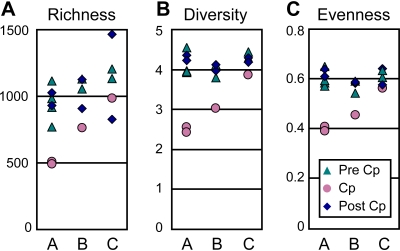
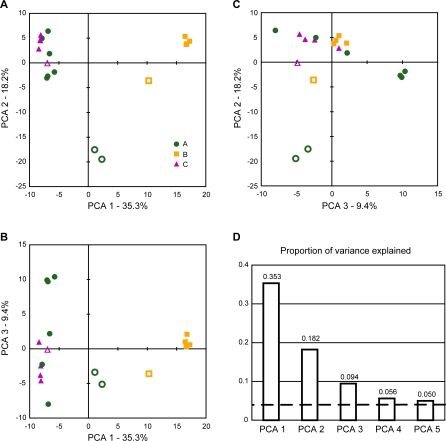
The human intestinal microbiota is essential to the health of the host and plays a role in nutrition, development, metabolism, pathogen resistance, and regulation of immune responses. Antibiotics may disrupt these coevolved interactions, leading to acute or chronic disease in some individuals. Our understanding of antibiotic-associated disturbance of the microbiota has been limited by the poor sensitivity, inadequate resolution, and significant cost of current research methods. The use of pyrosequencing technology to generate large numbers of 16S rDNA sequence tags circumvents these limitations and has been shown to reveal previously unexplored aspects of the "rare biosphere." We investigated the distal gut bacterial communities of three healthy humans before and after treatment with ciprofloxacin, obtaining more than 7,000 full-length rRNA sequences and over 900,000 pyrosequencing reads from two hypervariable regions of the rRNA gene. A companion paper in PLoS Genetics (see Huse et al., doi: 10.1371/journal.pgen.1000255) shows that the taxonomic information obtained with these methods is concordant. Pyrosequencing of the V6 and V3 variable regions identified 3,300-5,700 taxa that collectively accounted for over 99% of the variable region sequence tags that could be obtained from these samples. Ciprofloxacin treatment influenced the abundance of about a third of the bacterial taxa in the gut, decreasing the taxonomic richness, diversity, and evenness of the community. However, the magnitude of this effect varied among individuals, and some taxa showed interindividual variation in the response to ciprofloxacin. While differences of community composition between individuals were the largest source of variability between samples, we found that two unrelated individuals shared a surprising degree of community similarity. In all three individuals, the taxonomic composition of the community closely resembled its pretreatment state by 4 weeks after the end of treatment, but several taxa failed to recover within 6 months. These pervasive effects of ciprofloxacin on community composition contrast with the reports by participants of normal intestinal function and with prior assumptions of only modest effects of ciprofloxacin on the intestinal microbiota. These observations support the hypothesis of functional redundancy in the human gut microbiota. The rapid return to the pretreatment community composition is indicative of factors promoting community resilience, the nature of which deserves future investigation.
Overview
The claims and statistics of this paper haven’t been checked yet.
Free: it reads the open-access text and checks the first 5 claims that cite a source we can check. Create a free account to check every claim.
Integrity signals
Registry
Cites
Statistics
Figures
Verification
Claims the paper makes
The claims and statistics of this paper haven’t been checked yet.
Free: it reads the open-access text and checks the first 5 claims that cite a source we can check. Create a free account to check every claim.
Claims other papers make about this one
Each is checked against this paper’s own text: does it say what the citing paper says it does?
The source backs part of the claim, not all of it — or backs it for a different population, condition or comparison.
In the citing paper
“The greatest risk factor for CDI is the use of antibiotics,46 though only a small proportion of patients on antibiotics develop the infection.”
From Update on Fecal Microbiota Transplantation 2015: Indications, Methodologies, Mechanisms, and Outlook (2015) · cites this paper as [46]
Experimental — accuracy not yet measuredThe source backs part of the claim, not all of it — or backs it for a different population, condition or comparison.
In the citing paper
“The taxonomic composition of the gut microbiota changes throughout the gastrointestinal tract, according to nutrient availability, mucus structure, pH and oxygen availability [1–6].”
From Role of the gut microbiota in nutrient competition and protection against intestinal pathogen colonization (2023) · cites this paper as [6]
Experimental — accuracy not yet measuredThe cited source says what the claim attributes to it.
In the citing paper
“Individual bacterial taxa can show variable responses to antibiotics, which will impact the nutrient niches that are created in the intestine following antibiotic treatment [6].”
From Role of the gut microbiota in nutrient competition and protection against intestinal pathogen colonization (2023) · cites this paper as [6]
Self-check
Percentages, sums and reported differences re-computed from the paper’s own numbers.
The self-check needs the paper’s full text.
Citations
Cites
Naïve Bayesian Classifier for Rapid Assignment of rRNA Sequences into the New Bacterial Taxonomy
Wang, Q., Garrity, G. M., Tiedje, J. M., & Cole, J. R. (2007) · Applied and Environmental Microbiology · doi:10.1128/aem.00062-07 · Cited by 19,885 · cited 5×
“The taxonomic affiliation of fulllength sequences was determined using the Classifier tool of the RDP, with an 80% bootstrap threshold [41].”
BackgroundMethodInfluentialGreengenes, a Chimera-Checked 16S rRNA Gene Database and Workbench Compatible with ARB
DeSantis, T. Z., Hugenholtz, P., Larsen, N., Rojas, M., Brodie, E. L., Keller, K., Huber, T., Dalevi, D., Hu, P., & Andersen, G. L. (2006) · Applied and Environmental Microbiology · doi:10.1128/aem.03006-05 · Cited by 10,891 · cited 1×
“Forward and reverse sequencing reads were assembled using the Phred/Phrap/Consed suite of programs with default parameters [50–52]; assembled sequences were aligned via the NAST algorithm [53] at the Greengenes Website (http:// greengenes.lbl.gov/) [ 54 ].”
MethodHuman gut microbes associated with obesity
Ley, R. E., Turnbaugh, P. J., Klein, S., & Gordon, J. I. (2006) · Nature · doi:10.1038/4441022a · Cited by 8,785 · cited 1×
“A high proportion of tags in the current study have an exact match in the database, due to the substantial sequencing effort that has already been directed to the human gut microbiota [7,30,90].”
BackgroundDiversity of the Human Intestinal Microbial Flora
Eckburg, P. B., Bik, E. M., Bernstein, C. N., Purdom, E., Dethlefsen, L., Sargent, M., Gill, S. R., Nelson, K. E., & Relman, D. A. (2005) · Science · doi:10.1126/science.1110591 · Cited by 7,913 · cited 4×
“A high proportion of tags in the current study have an exact match in the database, due to the substantial sequencing effort that has already been directed to the human gut microbiota [7,30,90].”
BackgroundResultInfluentialSelf-citationGenome sequencing in microfabricated high-density picolitre reactors
Margulies, M., Egholm, M., Altman, W. E., Attiya, S., Bader, J. S., Bemben, L. A., Berka, J., Braverman, M. S., Chen, Y.-J., Chen, Z., et al. (2005) · Nature · doi:10.1038/nature03959 · Cited by 7,693 · cited 2×
“lower than that of capillary dideoxy sequencing, although considerably better than the 96% accuracy initially reported [38].”
BackgroundResultBase-Calling of Automated Sequencer Traces Using Phred. I. Accuracy Assessment
Ewing, B., Hillier, L., Wendl, M. C., & Green, P. (1998) · Genome Research · doi:10.1101/gr.8.3.175 · Cited by 6,967 · cited 1×
“Forward and reverse sequencing reads were assembled using the Phred/Phrap/Consed suite of programs with default parameters [48-50]; assembled sequences were aligned via the NAST algorithm [51] at the Greengenes website (http://greengenes.”
MethodARB: a software environment for sequence data
Ludwig, W. (2004) · Nucleic Acids Research · doi:10.1093/nar/gkh293 · Cited by 6,702 · cited 6×
“Uncultivated Taxon V3_Clostridiales_refOTU_2 The maximum-likelihood phylogenetic tree (calculated via AxML using default parameters in Arb [55]) shows the relationship between a clade containing 174 full-length V3 RefDB 16S rRNA sequences with exact matches to V3_Clostridiales_refOTU_2 and the most closely related seq…”
MethodInfluentialPruesse, E., Quast, C., Knittel, K., Fuchs, B. M., Ludwig, W., Peplies, J., & Glockner, F. O. (2007) · Nucleic Acids Research · doi:10.1093/nar/gkm864 · Cited by 6,668 · cited 1×
“de/)[57] with taxonomic classifications obtained from the RDP Classifier [41] (minimum 80% bootstrap score) as described in [48].”
MethodThe gut microbiota as an environmental factor that regulates fat storage
Bäckhed, F., Ding, H., Wang, T., Hooper, L. V., Koh, G. Y., Nagy, A., Semenkovich, C. F., & Gordon, J. I. (2004) · Proceedings of the National Academy of Sciences · doi:10.1073/pnas.0407076101 · Cited by 6,245
Obesity alters gut microbial ecology
Ley, R. E., Bäckhed, F., Turnbaugh, P., Lozupone, C. A., Knight, R. D., & Gordon, J. I. (2005) · Proceedings of the National Academy of Sciences · doi:10.1073/pnas.0504978102 · Cited by 6,176 · cited 1×
“cations for cancer [18,19] and obesity [20,21], among other”
Background
Research works printed but not linked: 89
- Dethlefsen, 2007, Nature, 449, 811
- Ley, 2006, Cell, 124, 837
- Guarner, 2006, Digestion, 73, 5
- Brook, 2005, Otolaryngol Head Neck Surg, 133, 139
- Servin, 2004, FEMS Microbiol Rev, 28, 405
- Reid, 2006, World J Urol, 24, 28
- Li, 2008, Proc Natl Acad Sci U S A, 105, 2117
- Hooper, 2004, Trends Microbiol, 12, 129
- Mazmanian, 2005, Cell, 122, 107
- Rakoff-Nahoum, 2004, Cell, 118, 229
- Sullivan, 2001, Lancet Infect Dis, 1, 101
- Beaugerie, 2004, Best Pract Res Clin Gastroenterol, 18, 337
- Wilcox, 2003, Best Pract Res Clin Gastroenterol, 17, 475
- Marra, 2006, Chest, 129, 610
- Noverr, 2005, Clin Exp Allergy, 35, 1511
- Prioult, 2005, Immunol Rev, 206, 204
- Nicholson, 2005, Nat Rev Microbiol, 3, 431
- O'Keefe, 2007, J Nutr, 137, 175S
- McGarr, 2005, J Clin Gastroenterol, 39, 98
- Ley, 2005, Proc Natl Acad Sci U S A, 102, 11070
- Bäckhed, 2004, Proc Natl Acad Sci U S A, 101, 15718
- Stewart, 2004, FEMS Microbiol Lett, 230, 1
- Lode, 2001, Scand J Infect Dis, 33, 899
- De La Cochetiere, 2005, J Clin Microbiol, 43, 5588
- Donskey, 2003, J Microbiol Meth, 54, 249
- Jernberg, 2007, Isme J, 1, 56
- Lofmark, 2008, Anaerobe, 14, 157
- Sjolund, 2003, Ann Intern Med, 139, 483
- Bäckhed, 2005, Science, 307, 1915
- Eckburg, 2005, Science, 308, 1635
- Suau, 1999, Appl Environ Microbiol, 65, 4799
- Zoetendal, 2004, J Nutr, 134, 465
- Mai, 2004, J Nutr, 134, 459
- Bartosch, 2004, Appl Environ Microbiol, 70, 3575
- Bartosch, 2005, Clin Infect Dis, 40, 28
- Vanhoutte, 2004, FEMS Microbiol Ecol, 48, 437
- Jernberg, 2005, Appl Environ Microbiol, 71, 501
- Margulies, 2005, Nature, 437, 376
- Sogin, 2006, Proc Natl Acad Sci U S A, 103, 12115
- Liu, 2007, Nucleic Acids Res, 35, e120
- Wang, 2007, Appl Environ Microbiol, 73, 5261
- Huber, 2007, Science, 318, 97
- Huse, 2007, Genome Biol, 8, R143
- Roesch, 2007, Isme J, 1, 283
- Hamady, 2008, Nat Methods, 5, 235
- Sundquist, 2007, BMC Microbiol, 7, 108
- Thompson, 2002, Nucleic Acids Res, 30, 2083
- Ewing, 1998, Genome Res, 8, 186
- Ewing, 1998, Genome Res, 8, 175
- Gordon, 1998, Genome Res, 8, 195
- DeSantis, 2006, Nucleic Acids Res, 34, W394
- DeSantis, 2006, Appl Environ Microbiol, 72, 5069
- Ludwig, 2004, Nucleic Acids Res, 32, 1363
- Schloss, 2005, Appl Environ Microbiol, 71, 1501
- Pruesse, 2007, Nucleic Acids Res, 35, 7188
- Colwell, 2005, EstimateS: Statistical estimation of species richness and shared species from samples. Version 7.5
- Leek, 2006, Bioinformatics, 22, 507
- Hughes, 2001, Appl Environ Microbiol, 67, 4399
- Chao, 1984, Scan J Stat, 11, 265
- Chao, 1992, Biometrics, 48, 201
- Colwell, 1994, Philos Trans R Soc Lond B Biol Sci, 345, 101
- Good, 1953, Biometrika, 40, 237
- Derrien, 2004, Int J Syst Evol Microbiol, 54, 1469
- Jost, 2006, Oikos, 113, 363
- Jost, 2007, Ecology, 88, 2427
- Franks, 1998, Appl Environ Microbiol, 64, 3336
- Matsuki, 2004, Appl Environ Microbiol, 70, 7220
- Hayashi, 2002, Microbiol Immunol, 46, 819
- De La Cochetiere, 2008, Microb Ecol, 56, 395
- Ozaki, 2004, J Med Microbiol, 53, 167
- Flint, 2007, Environ Microbiol, 9, 1101
- Belenguer, 2006, Appl Environ Microbiol, 72, 3593
- Martin, 2007, Mol Syst Biol, 3, 112
- Ridlon, 2006, J Lipid Res, 47, 241
- Pena, 2004, Appl Environ Microbiol, 70, 558
- Servin, 2003, Best Pract Res Clin Gastroenterol, 17, 741
- Sullivan, 2003, J Antimicrob Chemother, 52, 308
- Bedford Russell, 2006, Bjog, 113, 758
- Young, 2004, J Clin Microbiol, 42, 1203
- Duncan, 2004, Appl Environ Microbiol, 70, 5810
- Duncan, 2006, Int J Syst Evol Microbiol, 56, 2437
- Louis, 2004, J Bacteriol, 186, 2099
- Schumacher, 1997, Clin Microbiol Infect, 3, 134
- Jacoby, 2005, Clin Infect Dis 41 Suppl, 2, S120
- Forney, 2004, Curr Opin Microbiol, 7, 210
- von Wintzingerode, 1997, FEMS Microbiol Rev, 21, 213
- Ley, 2006, Nature, 444, 1022
- von Mering, 2007, Science, 315, 1126
- Ashelford, 2006, Appl Environ Microbiol, 72, 5734
Cited by
Items 901–1,000 of 1,011
Human microbiome science: vision for the future, Bethesda, MD, July 24 to 26, 2013
Ravel, J., Blaser, M. J., Braun, J., Brown, E., Bushman, F. D., Chang, E. B., Davies, J., Dewey, K. G., Dinan, T., Dominguez-Bello, M., et al. (2014) · Microbiome · doi:10.1186/2049-2618-2-16 · Cited by 49
“He presented recent work from his laboratory on the profound effects of antibiotics in reshaping the human microbiome, and on the value of applying (and perhaps developing) ecological theory for understanding these complex ecosystems and their contributions to human biology [16].”
BackgroundSelf-citationWalker, A. C., Bhargava, R., Vaziriyan-Sani, A. S., Pourciau, C., Donahue, E. T., Dove, A. S., Gebhardt, M. J., Ellward, G. L., Romeo, T., & Czyż, D. M. (2021) · PLoS Pathogens · doi:10.1371/journal.ppat.1009510 · Cited by 62
Joainig, M. M., Gorkiewicz, G., Leitner, E., Weberhofer, P., Zollner‐Schwetz, I., Lippe, I. T., Feierl, G., Krause, R., Hinterleitner, T. A., Zechner, E. L., et al. (2010) · Journal of Clinical Microbiology · doi:10.1128/jcm.01741-09 · Cited by 58
“oxytoca should be classified as an opportunistic pathogen that is able to induce disease under certain circumstances, such as an alteration of the normal colonic microflora due to antibiotic treatment and the subsequent overgrowth of the toxin-producing bacterium (5).”
BackgroundKabouridis, P. S., Lasrado, R., McCallum, S. E., Chng, S. H., Snippert, H. J. G., Clevers, H. C., Pettersson, S., & Pachnis, V. (2015) · Gut Microbes · doi:10.1080/19490976.2015.1109767 · Cited by 62
Reciprocal Interactions between Nematodes and Their Microbial Environments
Midha, A., Schlosser, J., & Hartmann, S. (2017) · Frontiers in Cellular and Infection Microbiology · doi:10.3389/fcimb.2017.00144 · Cited by 63
“Acute antibiotic treatment can drastically perturb the gut microbiota, decreasing species diversity (Dethlefsen et al., 2008).”
BackgroundGut microbiome as a biomarker of cardiometabolic disorders
Gózd-Barszczewska, A., Kozioł-Montewka, M., Barszczewski, P., Młodzińska, A., & Humińska‐Lisowska, K. (2017) · Annals of Agricultural and Environmental Medicine · doi:10.26444/aaem/75456 · Cited by 64
Mao, Y.-H., Song, A.-X., Yao, Z., & Wu, J. (2017) · Carbohydrate Polymers · doi:10.1016/j.carbpol.2017.10.083 · Cited by 61
Eshraghi, R. S., Deth, R. C., Mittal, R., Aranke, M., Kay, S.-I. S., Moshiree, B., & Eshraghi, A. A. (2018) · Frontiers in Cellular Neuroscience · doi:10.3389/fncel.2018.00256 · Cited by 60
“Antibiotics significantly shift the structure of the microbial community (Dethlefsen et al., 2008; Simon et al., 2015), changing the metabolic status of the gut (Ponziani et al., 2016).”
BackgroundGut microbiota in children and altered profiles in juvenile idiopathic arthritis
Filippo, C. D., Paola, M. D., Giani, T., Tirelli, F., & Cimaz, R. (2019) · Journal of Autoimmunity · doi:10.1016/j.jaut.2019.01.001 · Cited by 64
Review of environmental factors and juvenile idiopathic arthritis
Horton, D. B., & Shenoi, S. (2019) · Open Access Rheumatology Research and Reviews · doi:10.2147/oarrr.s165916 · Cited by 77
“Antibiotic exposure Antibiotics can cause profound short-term declines in bacterial diversity and changes in bacterial composition and function.(45,46) Typically, microbiota recover within 1–2 months, but some antibiotic-exposed individuals have altered microbial composition for months or years, particularly after rep…”
BackgroundQu, T., Yang, L., Wang, Y., Jiang, B., Shen, M., & Ren, D. (2020) · Food & Function · doi:10.1039/c9fo02478f · Cited by 60
Metagenome analysis of bacterial diversity in Tibetan kefir grains
Gao, J., Gu, F., He, J., Xiao, J., Chen, Q., Ruan, H., & He, G. (2013) · European Food Research and Technology · doi:10.1007/s00217-013-1912-2 · Cited by 57
“Sequence length of tags was calculated and more than 99 % of them were 60 (±1) bp, which was in accordance with bacteria reported before [35].”
ResultThe Use of Fecal Microbiome Transplant in Treating Human Diseases: Too Early for Poop?
Ser, H., Letchumanan, V., Goh, B. H., Wong, S. H., & Lee, L. (2021) · Frontiers in Microbiology · doi:10.3389/fmicb.2021.519836 · Cited by 63
“For instance, Dethlefsen and team have harnessed the potential of advanced sequencing technology in exploring gut microbiome composition after the use of ciprofloxacin (an antibiotic that is commonly prescribed to treat bacterial infections in the urinary tract, respiratory tract, and so on) instead of traditional cul…”
BackgroundInvestigation of bacterial repopulation after sinus surgery and perioperative antibiotics
Hauser, L. J., Ir, D., Kingdom, T. T., Robertson, C. E., Frank, D. N., & Ramakrishnan, V. R. (2015) · International Forum of Allergy & Rhinology · doi:10.1002/alr.21630 · Cited by 60
Emerging science of the human microbiome
Jones, M. L., Ganopolsky, J. G., Martoni, C. J., Labbé, A., & Prakash, S. (2014) · Gut Microbes · doi:10.4161/gmic.29810 · Cited by 57
“Oral antibiotic use results in immediate and significant alterations in the gut microbiota with the affected taxa varying between individuals.(46,80) There is at least partial recovery of taxonomic composition over time; however, some taxa do not recover even months after treatment and generally there is a long-term d…”
BackgroundInfluentialOpportunities and challenges for gut microbiome studies in the Indian population
Shetty, S. A., Marathe, N. P., & Shouche, Y. S. (2013) · Microbiome · doi:10.1186/2049-2618-1-24 · Cited by 59
“One commonly used antibiotic, ciprofloxacin, influences nearly one-third of the bacterial population and results in reduced diversity and evenness of the community [102].”
BackgroundZhao, X., Jiang, Z., Yang, F., Wang, Y., Gao, X., Wang, Y., Chai, X., Pan, G., & Zhu, Y. (2016) · PLoS ONE · doi:10.1371/journal.pone.0167032 · Cited by 60
Mobile DNAs as Ecologically and Evolutionarily Independent Units of Life
Ghaly, T. M., & Gillings, M. R. (2018) · Trends in Microbiology · doi:10.1016/j.tim.2018.05.008 · Cited by 57
Quintanilla, P., Beltrán, M. C., Molina, A. M., Escriche, I., & Molina, M. P. (2019) · Journal of Dairy Science · doi:10.3168/jds.2018-15532 · Cited by 57
Gut Check Time: Antibiotic Delivery Strategies to Reduce Antimicrobial Resistance
Kelly, S. A., Rodgers, A. M., O’Brien, S., Donnelly, R. F., & Gilmore, B. (2019) · Trends in biotechnology · doi:10.1016/j.tibtech.2019.10.008 · Cited by 62
Long-term use of antibiotics and risk of type 2 diabetes in women: a prospective cohort study
Yuan, J., Hu, Y. J., Zheng, J., Kim, J. H., Sumerlin, T. S., Chen, Y., He, Y., Zhang, C., Tang, J.-L., Pan, Y., et al. (2020) · International Journal of Epidemiology · doi:10.1093/ije/dyaa122 · Cited by 57
Microbiota—implications for immunity and transplantation
Bromberg, J. S., Fricke, W. F., Brinkman, C. C., Simon, T., & Mongodin, E. F. (2015) · Nature Reviews Nephrology · doi:10.1038/nrneph.2015.70 · Cited by 58
Luo, Y., Peng, H., Wright, A. G., Bai, S., Ding, X.-M., Zeng, Q., Li, H., Zheng, P., Su, Z., Cui, R.-Y., et al. (2013) · Poultry Science · doi:10.3382/ps.2012-02935 · Cited by 61
“5% identity to a clone from the human gut (Dethlefsen et al., 2008).”
BackgroundInfluentialEffect of photosynthetic bacteria on water quality and microbiota in grass carp culture
Zhang, X., Shu, M.-A., Wang, Y., Fu, L., Li, W., Deng, B., Quan, L., & Shen, W. (2014) · World Journal of Microbiology and Biotechnology · doi:10.1007/s11274-014-1677-1 · Cited by 56
“Recently, 454-pyrosequencing was applied to study the composition of microbial communities found in human gut microbiota (Dethlefsen et al. 2008; Zoetendal et al. 2012), fish intestine (Wu et al.”
MethodBacterial diversity in the foreland of the Tianshan No. 1 glacier, China
Wu, X., Zhang, W., Liu, G., Xuan, Y., Hu, P., Chen, T., Zhang, G., & Li, Z. (2012) · Environmental Research Letters · doi:10.1088/1748-9326/7/1/014038 · Cited by 56
“…advent of high-throughput tag-encoded FLX amplicon pyrosequencing has eliminated this problem and provides the means necessary to conduct intensive and extensive analyses of bacterial diversity in different environments (Sogin et al 2006, Roesch et al 2007, Dethlefsen et al 2008, Huse et al 2008).”
BackgroundCitron, D. M., Tyrrell, K. L., Merriam, C. V., & Goldstein, E. J. C. (2011) · Antimicrobial Agents and Chemotherapy · doi:10.1128/aac.05655-11 · Cited by 56
“o Enterobacter aerogenes (6), Enterobacter cloacae (11), and Enterobacter sp.”
BackgroundInfluentialWang, W., Zhou, Z., He, S., Liu, Y., Cao, Y., Shi, P., Yao, B., & Ringø, E. (2010) · Aquaculture Research · doi:10.1111/j.1365-2109.2009.02459.x · Cited by 56
Rao, K. K., & Higgins, P. (2016) · Inflammatory Bowel Diseases · doi:10.1097/mib.0000000000000793 · Cited by 60
Exploring the microbiome in health and disease: Implications for toxicology
Scotti, E., Boué, S., Sasso, G. L., Zanetti, F., Belcastro, V., Poussin, C., Sierro, N., Battey, J. N. D., Gimalac, A., Ivanov, N. V., et al. (2017) · Toxicology Research and Application · doi:10.1177/2397847317741884 · Cited by 97
“For example, a longitudinal study found that ciprofloxacin use in adults led to decreased bacterial diversity in the gut, which had not recovered 6 months after treatment.(72) Similar results have been seen in mice where antibiotic treatment depleted the gut microbiota.”
ResultKalenyak, K., Isaiah, A., Heilmann, R. M., Suchodolski, J. S., & Burgener, I. A. (2017) · FEMS Microbiology Ecology · doi:10.1093/femsec/fix173 · Cited by 63
Wang, J., Xiong, K., Zhao, S., Zhang, C., Zhang, J., Xu, L., & Ma, A. (2020) · Frontiers in Microbiology · doi:10.3389/fmicb.2020.00053 · Cited by 65
“Altered abundance of 30% gut bacteria and decreased richness, diversity and evenness of the whole gut bacteria can be induced by the use of broad-spectrum antibiotics (Dethlefsen et al., 2008).”
BackgroundInfluentialHourigan, S. K., Zhu, W., Wong, W. S. W., Clemency, N. C., Provenzano, M., Vilboux, T., Niederhuber, J. E., Deeken, J. F., Chung, S., McDaniel-Wiley, K., et al. (2020) · BMC Urology · doi:10.1186/s12894-020-0576-z · Cited by 57
Wang, Y., Jin, C., Wang, D., Zhou, J., Yang, G., Shao, K., Wang, Q., & Jin, Y. (2020) · Journal of Hazardous Materials · doi:10.1016/j.jhazmat.2020.124639 · Cited by 60
Machine Learning Uncovers Adverse Drug Effects on Intestinal Bacteria
McCoubrey, L. E., Elbadawi, M., Orlu, M., Gaisford, S., & Basit, A. W. (2021) · Pharmaceutics · doi:10.3390/pharmaceutics13071026 · Cited by 59
“Antimicrobials are perhaps the most recognised cause of gut dysbiosis, with antibiotics exerting long lasting and potentially catastrophic effects on gut microbiota [28,29].”
BackgroundAllen, R. G., Lafuse, W. P., Galley, J. D., Ali, M. M., Ahmer, B. M. M., & Bailey, M. T. (2012) · Brain Behavior and Immunity · doi:10.1016/j.bbi.2011.11.002 · Cited by 55
“Although these climax communities are relatively resistant to change (Allison and Martiny, 2008), many factors, such as diet or antibiotic use, can cause transient alterations in community structure (Antonopoulos et al., 2009; Dethlefsen et al., 2008).”
BackgroundEnriched taxa were found among the gut microbiota of centenarians in East China
Wang, N., Li, R., Lin, H., Fu, C., Wang, X., Zhang, Y., Su, M., Huang, P., Qian, J., Jiang, F., et al. (2019) · PLOS ONE · doi:10.1371/journal.pone.0222763 · Cited by 54
“Recent studies on gut microbiota have revealed its associations with age, region[12,13], health condition[14], and antibiotic use[15].”
BackgroundProbiotics effects on gastrointestinal function: beyond the gut?
Verdu, E. F. (2009) · Neurogastroenterology & Motility · doi:10.1111/j.1365-2982.2009.01297.x · Cited by 53
Khan, C. M. A. (2014) · International Scholarly Research Notices · doi:10.1155/2014/846049 · Cited by 71
“However, some taxa did not recover even within 6 months [89].”
BackgroundYin, J., Zhang, X., Wu, B., & Xian, Q. (2015) · Ecotoxicology · doi:10.1007/s10646-015-1540-7 · Cited by 55
“The results indicated that 2-week treatment with 10 g/L TET can affect the microbial diversity in mouse gut, which agrees with previous studies (Sullivan et al. 2001; Dethlefsen et al. 2008).”
ResultProspective study of bacteraemia in acute haemorrhagic diarrhoea syndrome in dogs
Unterer, S., Lechner, E., Mueller, R. S., Wolf, G., Straubinger, R. K., Schulz, B. S., & Hartmann, K. (2015) · Veterinary Record · doi:10.1136/vr.102521 · Cited by 63
Common Organisms and Probiotics: Saccharomyces boulardii
McFarland, L. V. (2017) · Elsevier eBooks · doi:10.1016/b978-0-12-804024-9.00018-5 · Cited by 69
Strzępa, A., Majewska‐Szczepanik, M., Lobo, F. M., Li, W., & Szczepanik, M. (2017) · Journal of Allergy and Clinical Immunology · doi:10.1016/j.jaci.2016.11.052 · Cited by 58
“A study in a group of healthy human volunteers showed that treatment with ciprofloxacin for 5 days decreases diversity, richness, and evenness of fecal microbiota during antibiotic treatment.(1) Although the microbiota mostly returned to pretreatment composition following ciprofloxacin treatment, several bacterial tax…”
Diarrhea after bariatric procedures: Diagnosis and therapy
Borbély, Y., Osterwalder, A., Kröll, D., Nett, P. C., & Inglin, R. A. (2017) · World Journal of Gastroenterology · doi:10.3748/wjg.v23.i26.4689 · Cited by 60
Camacho-Ortiz, A., Gutiérrez-Delgado, E. M., Garcia-Mazcorro, J. F., Mendoza-Olazarán, S., Martínez-Meléndez, A., Palau-Davila, L., Baines, S. D., Maldonado-Garza, H., & Garza-González, E. (2017) · PLOS ONE · doi:10.1371/journal.pone.0189768 · Cited by 54
Travel and acquisition of multidrug-resistant Enterobacteriaceae
Armand-Lefèvre, L., Andremont, A., & Ruppé, É. (2018) · Médecine et Maladies Infectieuses · doi:10.1016/j.medmal.2018.02.005 · Cited by 59
Dahlhausen, K. E., Doroud, L., Firl, A. J., Polkinghorne, A., & Eisen, J. A. (2018) · PeerJ · doi:10.7717/peerj.4452 · Cited by 57
Randomized Trial of Amoxicillin for Pneumonia in Pakistan
Jehan, F., Nisar, M. I., Kerai, S. M., Balouch, B., Brown, N., Rahman, N., Rizvi, A., Shafiq, Y., & Zaidi, A. K. M. (2020) · New England Journal of Medicine · doi:10.1056/nejmoa1911998 · Cited by 56
Past, Present, and Future of Gastrointestinal Microbiota Research in Cats
Lyu, Y., Su, C., Verbrugghe, A., de Wiele, T. V., Martinez-Caja, A. M., & Hesta, M. (2020) · Frontiers in Microbiology · doi:10.3389/fmicb.2020.01661 · Cited by 61
“…reported that the administration of antibiotics could cause more profound shifts of the GI microbiota composition, and some bacterial groups could remain depressed for several weeks (Dethlefsen et al., 2008; Suchodolski et al., 2009; TorresHenderson et al., 2017; Whittemore et al., 2018, 2019).”
BackgroundChen, X., Yi, H., Liu, S., Zhang, Y., Su, Y., Liu, X., Bi, S., Lai, H., Zeng, Z., & Li, G. (2021) · Microorganisms · doi:10.3390/microorganisms9061288 · Cited by 58
Role of gut microbiota in graft-versus-host disease
Murphy, S. F., & Nguyen, V. H. (2011) · Leukemia & lymphoma/Leukemia and lymphoma · doi:10.3109/10428194.2011.580476 · Cited by 57
“As a relevant example of the current studies, antibiotic treatment not only alters the total biomass of bacterial load in the gut but may cause a significant shift in proportions of the different commensal bacterial populations [59,60].”
BackgroundAnalysis of Gut Microbiome and Diet Modification in Patients with Crohn’s Disease
Walters, S. S. (2014) · SOJ Microbiology & Infectious Diseases · doi:10.15226/sojmid/2/3/00122 · Cited by 53
“An abundance of Bacteroidetes species in fecal samples of humans has been previously reported [15,60,61].”
Correlation between diet and gut bacteria in a population of young adults
Mayorga-Reyes, L., Vázquez, R. G., Arroyo, S. M. C., Avalos, A. M., Reyes-Castillo, P. A., Pérez, D. A. C., Ramos-Terrones, I., Ramos-Ibáñez, N., Magallanes, M. M. R., Langella, P., et al. (2016) · International Journal of Food Sciences and Nutrition · doi:10.3109/09637486.2016.1162770 · Cited by 56
“…were excluded if the following symptoms were experienced six months or less before collecting the faecal sample: diarrhoea, fluid retention, pregnancy, lactation, premenstrual or menstrual period, intake of probiotics, intake of antibiotics or consumption of alcohol (Dethlefsen et al. 2008).”
BackgroundRidinilazole: a novel therapy for Clostridium difficile infection
Vickers, R. J., Tillotson, G., Goldstein, E. J. C., Citron, D. M., Garey, K. W., & Wilcox, M. H. (2016) · International Journal of Antimicrobial Agents · doi:10.1016/j.ijantimicag.2016.04.026 · Cited by 54
“Antibiotic use in humans has been shown to disrupt the composition and to decrease the diversity of the gut microbiota [85].”
BackgroundJain, R., Hoggard, M., Biswas, K., Zoing, M., Jiang, Y., & Douglas, R. G. (2016) · International Forum of Allergy & Rhinology · doi:10.1002/alr.21849 · Cited by 60
Selvig, D., Piceno, Y. M., Terdiman, J. P., Zydek, M., Umetsu, S. E., Balitzer, D. J., Fadrosh, D., Lynch, K. V., LaMere, B. J., Leith, T., et al. (2019) · Digestive Diseases and Sciences · doi:10.1007/s10620-019-05715-2 · Cited by 56
Yassin‐Kassab, A., Bhargava, P., Tibbetts, R. J., Griggs, Z. H., Peterson, E. I., & Craig, J. R. (2020) · International Forum of Allergy & Rhinology · doi:10.1002/alr.22627 · Cited by 62
Microbiome in the setting of burn patients: implications for infections and clinical outcomes
Corcione, S., Lupia, T., & Rosa, F. G. D. (2020) · Burns & Trauma · doi:10.1093/burnst/tkaa033 · Cited by 57
Dissemination of Enterococcal Genetic Lineages: A One Health Perspective
Marques, J. N. D. M., Coelho, M., Santana, A. R., Pinto, D., & Semedo‐Lemsaddek, T. (2023) · Antibiotics · doi:10.3390/antibiotics12071140 · Cited by 62
Clostridioides difficile and Gut Microbiota: From Colonization to Infection and Treatment
Spigaglia, P. (2024) · Pathogens · doi:10.3390/pathogens13080646 · Cited by 60
“Changes in the components of the gut microbiota also depend on the different classes of antibiotics used [105].”
BackgroundGomes-Neto, J. C., Mantz, S., Held, K., Sinha, R., Segura Munoz, R. R., Schmaltz, R., Benson, A. K., Walter, J., & Ramer-Tait, A. E. (2017) · Journal of Microbiological Methods · doi:10.1016/j.mimet.2017.02.003 · Cited by 52
“the ability to quantify specific species following a perturbation of the GI ecosystem is also of great interest (Croswell et al., 2009; Dethlefsen et al., 2008; Ubeda et al., 2012).”
BackgroundAntibiotics as both friends and foes of the human gut microbiome: The microbial community approach
Nogueira, T., David, P. H. C., & Pothier, J. F. (2018) · Drug Development Research · doi:10.1002/ddr.21466 · Cited by 60
Willis, K. A., Siefker, D. T., Aziz, M. M., White, C. T., Mussarat, N., Gomes, C., Bajwa, A., Pierre, J. F., Cormier, S. A., & Talati, A. J. (2019) · American Journal of Physiology-Lung Cellular and Molecular Physiology · doi:10.1152/ajplung.00561.2018 · Cited by 63
Sauvaitre, T., Etienne‐Mesmin, L., Sivignon, A., Mosoni, P., Courtin, C. M., de Wiele, T. V., & Blanquet‐Diot, S. (2020) · FEMS Microbiology Reviews · doi:10.1093/femsre/fuaa052 · Cited by 56
Comparing the microbiota of the cystic fibrosis lung and human gut
Rogers, G. B., Carroll, M., Hoffman, L., Walker, A. W., Fine, D. R., & Bruce, K. D. (2010) · Gut Microbes · doi:10.4161/gmic.1.2.11350 · Cited by 57
Newton, I. L. G., & Roeselers, G. (2012) · BMC Microbiology · doi:10.1186/1471-2180-12-221 · Cited by 52
“© 2012 Newton and Roeselers; licensee BioMe Creative Commons Attribution License (http:/ distribution, and reproduction in any medium large number of groups [1-6] utilize the Ribosomal Database Project’s Naïve Bayesian Classifier (RDP-NBC) [7] for the classification of rRNA sequences into the new higher-order taxonomy…”
BackgroundMethodDai, S., Wang, Z., Yang, Y., Du, P., & Li, X. (2022) · Journal of Hazardous Materials · doi:10.1016/j.jhazmat.2022.128653 · Cited by 52
Manipulation of Gut Microbiota as a Key Target for Crohn's Disease
Rashed, R. T., Valcheva, R. S., & Dieleman, L. A. (2022) · Frontiers in Medicine · doi:10.3389/fmed.2022.887044 · Cited by 59
“Repeated exposure to antibiotics leads to a reduction in diversity, resulting in pathogenic overgrowth and dysbiosis (69, 70), increasing the risk of infection (71).”
BackgroundStreptomyces genus as a source of probiotics and its potential for its use in health
Cuozzo, S. A., de LeBlanc, A. D. M., LeBlanc, J. G., Hoffmann, N., & Tortella, G. (2022) · Microbiological Research · doi:10.1016/j.micres.2022.127248 · Cited by 57
Effects of amoxicillin treatment on the salivary microbiota in children with acute otitis media
Lazarević, V., Manzano, S., Gaïa, N., Girard, M., Whiteson, K., Hibbs, J. R., François, P., Gervaix, A., & Schrenzel, J. (2013) · Clinical Microbiology and Infection · doi:10.1111/1469-0691.12213 · Cited by 58
“However, few studies have focused on the effect of antibiotics on the microbiota, and they have included a relatively small number of healthy volunteers [8–10].”
BackgroundKrustok, I., Truu, J., Odlare, M., Truu, M., Ligi, T., Tiirik, K., & Nehrenheim, E. (2015) · Applied Microbiology and Biotechnology · doi:10.1007/s00253-015-6580-7 · Cited by 54
“The primer pair Bact517F (GCCAGCAGCC GCGGTAA; Wang and Qian 2009) and Bact1028R (CGAC ARCCATGCASCACCT; Dethlefsen et al. 2008) was used to target a ∼530-bp fragment from the V6 hypervariable region of the bacterial 16SrRNA gene.”
MethodWeiland‐Bräuer, N., Fischer, M. A., Schramm, K., & Schmitz, R. A. (2017) · Frontiers in Microbiology · doi:10.3389/fmicb.2017.01105 · Cited by 55
“As template specific sequences, forward primer F338 (5′-ACTCCTACGGRAGGCAGCAG-3′) and reverse primer R802 (5′-TACNVGGGTATCTAATCC-3′) were used in a PCR amplification of the V3–V4 hypervariable region of the 16S rRNA gene (Dethlefsen et al., 2008; Claesson et al., 2010).”
MethodNeutral and selective dynamics in a synthetic microbial community
Cira, N., Pearce, M. T., & Quake, S. R. (2018) · Proceedings of the National Academy of Sciences · doi:10.1073/pnas.1808118115 · Cited by 52
“Communities that have been restricted by severe bottlenecks lose diversity— for example, the human gut microbiome after antibiotic treatment (58).”
BackgroundPollen molecular biology: Applications in the forensic palynology and future prospects: A review
Alotaibi, S. S., Sayed, S. M. H., Alosaimi, M. E., Alharthi, R., Banjar, A., Abdulqader, N., & Alhamed, R. A. (2020) · Saudi Journal of Biological Sciences · doi:10.1016/j.sjbs.2020.02.019 · Cited by 52
“, 2012) and contents from the human gut (Dethlefsen et al., 2008).”
BackgroundMicrobiota-Dependent Effects of IL-22
Sabihi, M., Böttcher, M., Pelczar, P., & Huber, S. (2020) · Cells · doi:10.3390/cells9102205 · Cited by 55
Ramadan, Z., Xu, H., Laflamme, D. P., Czarnecki‐Maulden, G. L., Li, Q., Labuda, J., & Bourqui, B. (2013) · Journal of Veterinary Internal Medicine · doi:10.1111/jvim.12261 · Cited by 52
“The selection of bacterial primers of the 16S rRNA is an important factor in any metagenomics study because some primers could underestimate or overestimate certain classes of bacteria.(24,26,36) The large number of Tenericutes relative to prior papers may be related to recent changes in taxonomy, with many genera in…”
BackgroundParks, D. H., & Beiko, R. G. (2012) · The ISME Journal · doi:10.1038/ismej.2012.88 · Cited by 51
“, 2010), the impact of antibiotics on the gut microbiota of mice and humans (Dethlefsen et al., 2008; Ubeda et al., 2010), and established that human-associated communities differ between individuals and body habitats (Costello et al.”
BackgroundRuppé, É., & Andremont, A. (2013) · Frontiers in Microbiology · doi:10.3389/fmicb.2013.00129 · Cited by 60
“The growth of susceptible bacteria will either be impeded (bacteriostatic effect), or they will be killed (bactericidal effect; Dethlefsen et al., 2008; Antonopoulos et al., 2009).”
BackgroundDevelopment of the infant intestinal microbiome: A bird's eye view of a complex process
Meropol, S. B., & Edwards, A. (2015) · Birth Defects Research Part C Embryo Today Reviews · doi:10.1002/bdrc.21114 · Cited by 59
“(Dethlefsen et al., 2008; Tanaka et al., 2009; Jernberg et al., 2010; Dethlefsen and Relman, 2011; Russell et al., 2012).”
InfluentialKerwin, A. H., & Nyholm, S. V. (2017) · Environmental Microbiology · doi:10.1111/1462-2920.13665 · Cited by 51
“described in the mammalian gut (Ley et al., 2006; Dethlefsen et al., 2008), or could be a response to differing”
BackgroundThe gut microbiome in psychiatry: A primer for clinicians
Ameringen, M. V., Turna, J., Patterson, B. A., Pipe, A., Mao, R. Q., Anglin, R., & Surette, M. G. (2019) · Depression and Anxiety · doi:10.1002/da.22936 · Cited by 54
Baldanzi, G., Larsson, A. H., Sayols-Baixeras, S., Dekkers, K. F., Hammar, U., Nguyen, D., Graells, T., Ahmad, S., Volpiano, C. G., Méric, G., et al. (2026) · Nature Medicine · doi:10.1038/s41591-026-04284-y · Cited by 58
“A partial recovery often occurs within weeks 15,20,41,49 , but a full recovery might take years 41,49–51 .”
Microbial regulation of allergic responses to food
Feehley, T., Stefka, A. T., Cao, S. Z., & Nagler‐Anderson, C. (2012) · Seminars in Immunopathology · doi:10.1007/s00281-012-0337-5 · Cited by 55
“Dethlefsen and colleagues examined gut bacterial communities in stool samples collected before and after treatment with a short course of oral ciprofloxacin, administered at a dose typical for treatment of urinary tract infection and other common bacterial illnesses [50].”
Li, D., Zhang, H., Chen, X., Xie, Z.-X., Zhang, Y., Zhang, S., Lin, L., Chen, F., & Wang, D. (2017) · Environmental Microbiology · doi:10.1111/1462-2920.13986 · Cited by 59
“Universal V4 region primers for 16S rRNA genes were used (Dethlefsen et al., 2008; Huse et al., 2008).”
MethodCarson, T. L., Wang, F., Cui, X., Jackson, B. E., Pol, W. J. V. D., Lefkowitz, E. J., Morrow, C. D., & Baskin, M. L. (2018) · Psychosomatic Medicine · doi:10.1097/psy.0000000000000614 · Cited by 55
Zeng, S., Hou, D., Liu, J., Ji, P., Weng, S., He, J., & Huang, Z. (2019) · Applied Microbiology and Biotechnology · doi:10.1007/s00253-019-09671-9 · Cited by 52
Yang, S., Hu, T., Liu, H., Lv, Y., Zhang, W., Han, L., Xuan, L., Gong, L., & Liu, L. (2021) · Biomedicine & Pharmacotherapy · doi:10.1016/j.biopha.2021.111441 · Cited by 52
den Abbeele, P. V., Verstraete, W., Aidy, S. E., Geirnaert, A., & de Wiele, T. V. (2013) · Microbial Biotechnology · doi:10.1111/1751-7915.12049 · Cited by 60
“Misuse of antibiotic treatments (Dethlefsen et al., 2008) further contributes to the decreased microbial diversity in the human gut microbiome.”
BackgroundDhariwal, A., Bråten, L. C. H., Sturød, K., Salvadori, G., Bargheet, A., Åmdal, H. A., Junges, R., Berild, D., Zwart, J., Storheim, K., et al. (2022) · Gut Microbes · doi:10.1080/19490976.2022.2157200 · Cited by 54
“The effects on microbiome composition were short-lived as the microbiome returned to pre-treatment levels at 9 months after amoxicillin treatment, which can be explained by community resilience.(33,65) Despite their transience, such microbial disturbances can also have negative health-related consequences such as incr…”
BackgroundThe effect of antibiotics on the microbiome in acute exacerbations of chronic rhinosinusitis
Merkley, M. A., Bice, T. C., Grier, A., Strohl, A. M., Man, L., & Gill, S. R. (2015) · International Forum of Allergy & Rhinology · doi:10.1002/alr.21591 · Cited by 53
O'Loughlin, J. L., Samuelson, D. R., Braundmeier-Fleming, A. G., White, B. A., Haldorson, G. J., Stone, J. B., Lessmann, J. J., Eucker, T. P., & Konkel, M. E. (2015) · Applied and Environmental Microbiology · doi:10.1128/aem.00281-15 · Cited by 50
“The direct and indirect effects of antibiotic treatment on the intestinal community structure can be long lasting and results in an alteration in the total number of bacteria as well as a change in the composition and balance of specific bacteria in the community (54, 55).”
BackgroundEffects of Experimental Choices and Analysis Noise on Surveys of the “Rare Biosphere”
Hamp, T. J., Jones, W. J., & Fodor, A. A. (2009) · Applied and Environmental Microbiology · doi:10.1128/aem.01931-08 · Cited by 56
“This assertion that analysis noise complicates descriptions of the rare biosphere while having less of an impact on more frequently observed taxa is consistent with previous observations that sequences that are infrequently observed are not as well represented in databases as more abundant taxa (7, 25) and hence will…”
ResultKim, B. S., Kim, J. N., & Cerniglia, C. E. (2011) · BioMed Research International · doi:10.1155/2011/838040 · Cited by 58
Halpin, A. L., de Man, T. J. B., Kraft, C. S., Perry, K. A., Chan, A. W., Lieu, S., Mikell, J., Limbago, B. M., & McDonald, L. C. (2016) · American Journal of Infection Control · doi:10.1016/j.ajic.2016.01.003 · Cited by 51
Yadav, D., Ghosh, T. S., & Mande, S. S. (2016) · Gut Pathogens · doi:10.1186/s13099-016-0099-z · Cited by 52
“This microbial community is sensitive to environmental factors like diet, antibiotics as well as exposure to pathogens [18–21].”
BackgroundFouhy, F., Ronan, N. J., O’Sullivan, Ó., McCarthy, Y., Walsh, A. M., Murphy, D. M., Daly, M., Flanagan, E., Fleming, C., McCarthy, M. M., et al. (2017) · Scientific Reports · doi:10.1038/s41598-017-06880-y · Cited by 55
The role of inflammation in temporal shifts in the inflammatory bowel disease mucosal microbiome
Kiely, C. J., Pavli, P., & O'Brien, C. L. (2018) · Gut Microbes · doi:10.1080/19490976.2018.1448742 · Cited by 53
Burrello, C., Garavaglia, F., Cribiù, F. M., Ercoli, G., Bòsari, S., Caprioli, F., & Facciotti, F. (2018) · Frontiers in Medicine · doi:10.3389/fmed.2018.00021 · Cited by 51
“Growing evidences support the notion that antibiotic exposure cause short-term and long-term intestinal dysbiosis by reducing or completely removing normally residing members of the microbiota, as a consequence of microbial killing or diminished bacterial proliferation (8, 28, 29).”
BackgroundResultInfluentialGut Microbiota in Human Immunodeficiency Virus–Infected Individuals Linked to Coronary Heart Disease
Kehrmann, J., Menzel, J., Saeedghalati, M., Obeid, R., Schulze, C., Holzendorf, V., Farahpour, F., Reinsch, N., Klein‐Hitpaß, L., Streeck, H., et al. (2018) · The Journal of Infectious Diseases · doi:10.1093/infdis/jiy524 · Cited by 52
Gopinath, D., Menon, R. K., Banerjee, M., Su, Y., Botelho, M. G., & Johnson, N. W. (2019) · Critical Reviews in Oncology/Hematology · doi:10.1016/j.critrevonc.2019.04.018 · Cited by 52
The complex link and disease between the gut microbiome and the immune system in infants
Zhang, H., Zhang, Z., Liao, Y., Zhang, W., & Tang, D. (2022) · Frontiers in Cellular and Infection Microbiology · doi:10.3389/fcimb.2022.924119 · Cited by 45
“In addition, antibiotic exposure may cause an incomplete, yet stable and permanent, recovery of the microbiome, possibly leaving the recipient vulnerable to infectious diseases later in life (Dethlefsen et al., 2008; Gasparrini et al., 2016).”
Background
Metadata
- Authors
- Dethlefsen, L., Huse, S., Sogin, M. L., & Relman, D. A.
- Affiliations
- Stanford University (US)
- Marine Biological Laboratory (US)
- VA Palo Alto Health Care System (US)
- Corresponding author
- Relman, David A
- Venue
- PLoS Biology
- Publisher
- Public Library of Science (PLoS)
- Published
- 2008-11-18
- Volume
- 6
- Issue
- 11
- Pages
- e280
- ISSN
- 1544-9173 (ISSN-L)
- 1545-7885
- PMC
- PMC2586385
- OpenAlex
- W1967821667
- Cited by
- 2,361
- References
- 95
- Citations by year
- 2026: 60 · 2025: 81 · 2024: 89 · 2023: 96 · 2022: 123 · 2021: 142 · 2020: 172 · 2019: 159 · 2018: 155 · 2017: 161 · 2016: 164 · 2015: 174 · 2014: 158 · 2013: 159 · 2012: 138
- FWCI
- 45.07
- Type
- journal article
- Language
- en
- Open access
- gold
- doi.org
- Locations
- PLoS Biology (publishedVersion, cc-by)
- Europe PMC (PubMed Central) (publishedVersion, cc-by)
- PubMed Central (publishedVersion, cc-by)
- PubMed (publishedVersion)
- RePEc: Research Papers in Economics (submittedVersion)
- Open Access Server of the Woods Hole Scientific Community (Woods Hole Scientific Community) (submittedVersion, cc-by)
- DOAJ (DOAJ: Directory of Open Access Journals) (submittedVersion, cc-by-sa)
- Figshare (submittedVersion, cc-by)
- Funders
- National Institutes of Health (DP1OD000964)
- National Institute of Environmental Health Sciences (P50ES012742)
- Topics
- Life Sciences › Biochemistry, Genetics and Molecular Biology › Molecular Biology › Gut microbiota and health
- Physical Sciences › Environmental Science › Ecology › Microbial Community Ecology and Physiology
- Health Sciences › Dentistry › Periodontics › Oral microbiology and periodontitis research
- Keywords
- ciprofloxacin, antibiotic effects on gut microbiota, human gut microbiome, 16S rRNA gene pyrosequencing, rare biosphere, bacterial community diversity, interindividual variability, community recovery, functional redundancy, community resilience
- MeSH terms
- Anti-Bacterial Agents, Bacteria, Base Sequence, Ciprofloxacin, Feces, Humans, Intestines, RNA, Bacterial, RNA, Ribosomal, 16S, Genetic Variation, Principal Component Analysis, Gastrointestinal Tract
About these checks
Registry, retraction, Cites and statistics results are computed, not judged, with one exception: a printed reference that no index lists is read once by a model before it counts as a citation error. Claims are extracted by a model and kept only when their quote appears verbatim in the text; each cited source is then checked, with a model’s help, for whether it says what the claim relies on. Those verdicts can be wrong — read the claim’s quote and the cited source before relying on one.
Statistics and arithmetic are recomputed, not judged.
Confidence bands are shown only for fields calibrated on our annotated test set. None is calibrated yet, so no band is shown.
What counts as a claim ›How we measure confidence ›How we check this ›
Are you an author, or do you see a problem with this page? Request a review
Data sources
Bibliographic data: Semantic Scholar, OpenAlex, Crossref.
Contains information from the Semantic Scholar Academic Graph Datasets, made available under the ODC Attribution License (ODC-BY 1.0).
Semantic Scholar’s data is described in: Kinney, R., et al. (2023). The Semantic Scholar Open Data Platform. arXiv:2301.10140.
