

The Pervasive Effects of an Antibiotic on the Human Gut Microbiota, as Revealed by Deep 16S rRNA Sequencing
Open accessThe DOI matches its Crossref record; 95 of the 95 references it cites were found in a registry or an index.
Abstract
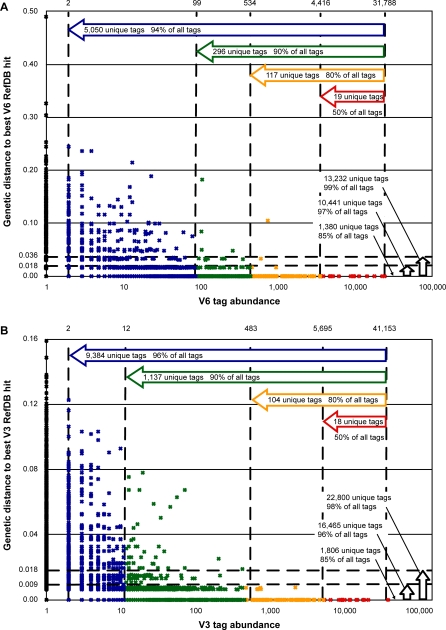
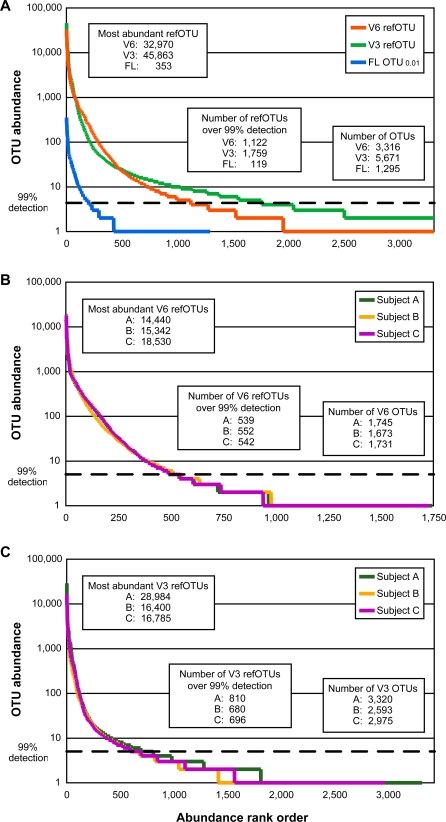
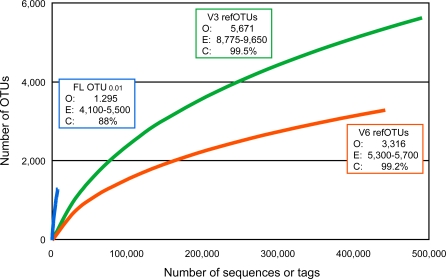
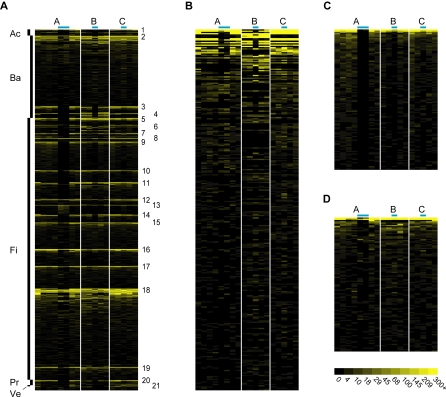
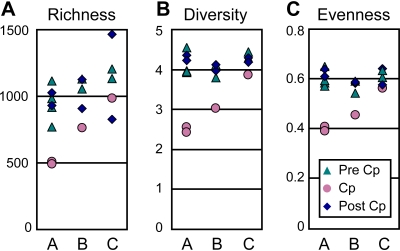
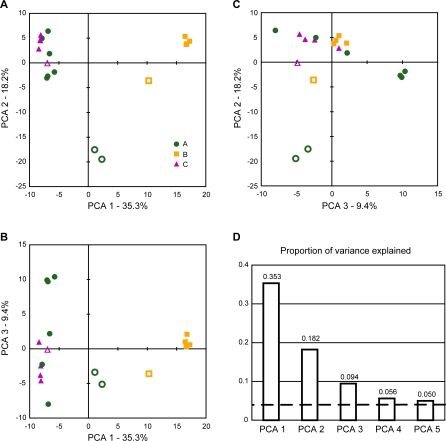
The human intestinal microbiota is essential to the health of the host and plays a role in nutrition, development, metabolism, pathogen resistance, and regulation of immune responses. Antibiotics may disrupt these coevolved interactions, leading to acute or chronic disease in some individuals. Our understanding of antibiotic-associated disturbance of the microbiota has been limited by the poor sensitivity, inadequate resolution, and significant cost of current research methods. The use of pyrosequencing technology to generate large numbers of 16S rDNA sequence tags circumvents these limitations and has been shown to reveal previously unexplored aspects of the "rare biosphere." We investigated the distal gut bacterial communities of three healthy humans before and after treatment with ciprofloxacin, obtaining more than 7,000 full-length rRNA sequences and over 900,000 pyrosequencing reads from two hypervariable regions of the rRNA gene. A companion paper in PLoS Genetics (see Huse et al., doi: 10.1371/journal.pgen.1000255) shows that the taxonomic information obtained with these methods is concordant. Pyrosequencing of the V6 and V3 variable regions identified 3,300-5,700 taxa that collectively accounted for over 99% of the variable region sequence tags that could be obtained from these samples. Ciprofloxacin treatment influenced the abundance of about a third of the bacterial taxa in the gut, decreasing the taxonomic richness, diversity, and evenness of the community. However, the magnitude of this effect varied among individuals, and some taxa showed interindividual variation in the response to ciprofloxacin. While differences of community composition between individuals were the largest source of variability between samples, we found that two unrelated individuals shared a surprising degree of community similarity. In all three individuals, the taxonomic composition of the community closely resembled its pretreatment state by 4 weeks after the end of treatment, but several taxa failed to recover within 6 months. These pervasive effects of ciprofloxacin on community composition contrast with the reports by participants of normal intestinal function and with prior assumptions of only modest effects of ciprofloxacin on the intestinal microbiota. These observations support the hypothesis of functional redundancy in the human gut microbiota. The rapid return to the pretreatment community composition is indicative of factors promoting community resilience, the nature of which deserves future investigation.
Overview
The claims and statistics of this paper haven’t been checked yet.
Free: it reads the open-access text and checks the first 5 claims that cite a source we can check. Create a free account to check every claim.
Integrity signals
Registry
Cites
Statistics
Figures
Verification
Claims the paper makes
The claims and statistics of this paper haven’t been checked yet.
Free: it reads the open-access text and checks the first 5 claims that cite a source we can check. Create a free account to check every claim.
Claims other papers make about this one
Each is checked against this paper’s own text: does it say what the citing paper says it does?
The source backs part of the claim, not all of it — or backs it for a different population, condition or comparison.
In the citing paper
“The greatest risk factor for CDI is the use of antibiotics,46 though only a small proportion of patients on antibiotics develop the infection.”
From Update on Fecal Microbiota Transplantation 2015: Indications, Methodologies, Mechanisms, and Outlook (2015) · cites this paper as [46]
Experimental — accuracy not yet measuredThe source backs part of the claim, not all of it — or backs it for a different population, condition or comparison.
In the citing paper
“The taxonomic composition of the gut microbiota changes throughout the gastrointestinal tract, according to nutrient availability, mucus structure, pH and oxygen availability [1–6].”
From Role of the gut microbiota in nutrient competition and protection against intestinal pathogen colonization (2023) · cites this paper as [6]
Experimental — accuracy not yet measuredThe cited source says what the claim attributes to it.
In the citing paper
“Individual bacterial taxa can show variable responses to antibiotics, which will impact the nutrient niches that are created in the intestine following antibiotic treatment [6].”
From Role of the gut microbiota in nutrient competition and protection against intestinal pathogen colonization (2023) · cites this paper as [6]
Self-check
Percentages, sums and reported differences re-computed from the paper’s own numbers.
The self-check needs the paper’s full text.
Citations
Cites
Naïve Bayesian Classifier for Rapid Assignment of rRNA Sequences into the New Bacterial Taxonomy
Wang, Q., Garrity, G. M., Tiedje, J. M., & Cole, J. R. (2007) · Applied and Environmental Microbiology · doi:10.1128/aem.00062-07 · Cited by 19,885 · cited 5×
“The taxonomic affiliation of fulllength sequences was determined using the Classifier tool of the RDP, with an 80% bootstrap threshold [41].”
BackgroundMethodInfluentialGreengenes, a Chimera-Checked 16S rRNA Gene Database and Workbench Compatible with ARB
DeSantis, T. Z., Hugenholtz, P., Larsen, N., Rojas, M., Brodie, E. L., Keller, K., Huber, T., Dalevi, D., Hu, P., & Andersen, G. L. (2006) · Applied and Environmental Microbiology · doi:10.1128/aem.03006-05 · Cited by 10,891 · cited 1×
“Forward and reverse sequencing reads were assembled using the Phred/Phrap/Consed suite of programs with default parameters [50–52]; assembled sequences were aligned via the NAST algorithm [53] at the Greengenes Website (http:// greengenes.lbl.gov/) [ 54 ].”
MethodHuman gut microbes associated with obesity
Ley, R. E., Turnbaugh, P. J., Klein, S., & Gordon, J. I. (2006) · Nature · doi:10.1038/4441022a · Cited by 8,785 · cited 1×
“A high proportion of tags in the current study have an exact match in the database, due to the substantial sequencing effort that has already been directed to the human gut microbiota [7,30,90].”
BackgroundDiversity of the Human Intestinal Microbial Flora
Eckburg, P. B., Bik, E. M., Bernstein, C. N., Purdom, E., Dethlefsen, L., Sargent, M., Gill, S. R., Nelson, K. E., & Relman, D. A. (2005) · Science · doi:10.1126/science.1110591 · Cited by 7,913 · cited 4×
“A high proportion of tags in the current study have an exact match in the database, due to the substantial sequencing effort that has already been directed to the human gut microbiota [7,30,90].”
BackgroundResultInfluentialSelf-citationGenome sequencing in microfabricated high-density picolitre reactors
Margulies, M., Egholm, M., Altman, W. E., Attiya, S., Bader, J. S., Bemben, L. A., Berka, J., Braverman, M. S., Chen, Y.-J., Chen, Z., et al. (2005) · Nature · doi:10.1038/nature03959 · Cited by 7,693 · cited 2×
“lower than that of capillary dideoxy sequencing, although considerably better than the 96% accuracy initially reported [38].”
BackgroundResultBase-Calling of Automated Sequencer Traces Using Phred. I. Accuracy Assessment
Ewing, B., Hillier, L., Wendl, M. C., & Green, P. (1998) · Genome Research · doi:10.1101/gr.8.3.175 · Cited by 6,967 · cited 1×
“Forward and reverse sequencing reads were assembled using the Phred/Phrap/Consed suite of programs with default parameters [48-50]; assembled sequences were aligned via the NAST algorithm [51] at the Greengenes website (http://greengenes.”
MethodARB: a software environment for sequence data
Ludwig, W. (2004) · Nucleic Acids Research · doi:10.1093/nar/gkh293 · Cited by 6,702 · cited 6×
“Uncultivated Taxon V3_Clostridiales_refOTU_2 The maximum-likelihood phylogenetic tree (calculated via AxML using default parameters in Arb [55]) shows the relationship between a clade containing 174 full-length V3 RefDB 16S rRNA sequences with exact matches to V3_Clostridiales_refOTU_2 and the most closely related seq…”
MethodInfluentialPruesse, E., Quast, C., Knittel, K., Fuchs, B. M., Ludwig, W., Peplies, J., & Glockner, F. O. (2007) · Nucleic Acids Research · doi:10.1093/nar/gkm864 · Cited by 6,668 · cited 1×
“de/)[57] with taxonomic classifications obtained from the RDP Classifier [41] (minimum 80% bootstrap score) as described in [48].”
MethodThe gut microbiota as an environmental factor that regulates fat storage
Bäckhed, F., Ding, H., Wang, T., Hooper, L. V., Koh, G. Y., Nagy, A., Semenkovich, C. F., & Gordon, J. I. (2004) · Proceedings of the National Academy of Sciences · doi:10.1073/pnas.0407076101 · Cited by 6,245
Obesity alters gut microbial ecology
Ley, R. E., Bäckhed, F., Turnbaugh, P., Lozupone, C. A., Knight, R. D., & Gordon, J. I. (2005) · Proceedings of the National Academy of Sciences · doi:10.1073/pnas.0504978102 · Cited by 6,176 · cited 1×
“cations for cancer [18,19] and obesity [20,21], among other”
Background
Research works printed but not linked: 89
- Dethlefsen, 2007, Nature, 449, 811
- Ley, 2006, Cell, 124, 837
- Guarner, 2006, Digestion, 73, 5
- Brook, 2005, Otolaryngol Head Neck Surg, 133, 139
- Servin, 2004, FEMS Microbiol Rev, 28, 405
- Reid, 2006, World J Urol, 24, 28
- Li, 2008, Proc Natl Acad Sci U S A, 105, 2117
- Hooper, 2004, Trends Microbiol, 12, 129
- Mazmanian, 2005, Cell, 122, 107
- Rakoff-Nahoum, 2004, Cell, 118, 229
- Sullivan, 2001, Lancet Infect Dis, 1, 101
- Beaugerie, 2004, Best Pract Res Clin Gastroenterol, 18, 337
- Wilcox, 2003, Best Pract Res Clin Gastroenterol, 17, 475
- Marra, 2006, Chest, 129, 610
- Noverr, 2005, Clin Exp Allergy, 35, 1511
- Prioult, 2005, Immunol Rev, 206, 204
- Nicholson, 2005, Nat Rev Microbiol, 3, 431
- O'Keefe, 2007, J Nutr, 137, 175S
- McGarr, 2005, J Clin Gastroenterol, 39, 98
- Ley, 2005, Proc Natl Acad Sci U S A, 102, 11070
- Bäckhed, 2004, Proc Natl Acad Sci U S A, 101, 15718
- Stewart, 2004, FEMS Microbiol Lett, 230, 1
- Lode, 2001, Scand J Infect Dis, 33, 899
- De La Cochetiere, 2005, J Clin Microbiol, 43, 5588
- Donskey, 2003, J Microbiol Meth, 54, 249
- Jernberg, 2007, Isme J, 1, 56
- Lofmark, 2008, Anaerobe, 14, 157
- Sjolund, 2003, Ann Intern Med, 139, 483
- Bäckhed, 2005, Science, 307, 1915
- Eckburg, 2005, Science, 308, 1635
- Suau, 1999, Appl Environ Microbiol, 65, 4799
- Zoetendal, 2004, J Nutr, 134, 465
- Mai, 2004, J Nutr, 134, 459
- Bartosch, 2004, Appl Environ Microbiol, 70, 3575
- Bartosch, 2005, Clin Infect Dis, 40, 28
- Vanhoutte, 2004, FEMS Microbiol Ecol, 48, 437
- Jernberg, 2005, Appl Environ Microbiol, 71, 501
- Margulies, 2005, Nature, 437, 376
- Sogin, 2006, Proc Natl Acad Sci U S A, 103, 12115
- Liu, 2007, Nucleic Acids Res, 35, e120
- Wang, 2007, Appl Environ Microbiol, 73, 5261
- Huber, 2007, Science, 318, 97
- Huse, 2007, Genome Biol, 8, R143
- Roesch, 2007, Isme J, 1, 283
- Hamady, 2008, Nat Methods, 5, 235
- Sundquist, 2007, BMC Microbiol, 7, 108
- Thompson, 2002, Nucleic Acids Res, 30, 2083
- Ewing, 1998, Genome Res, 8, 186
- Ewing, 1998, Genome Res, 8, 175
- Gordon, 1998, Genome Res, 8, 195
- DeSantis, 2006, Nucleic Acids Res, 34, W394
- DeSantis, 2006, Appl Environ Microbiol, 72, 5069
- Ludwig, 2004, Nucleic Acids Res, 32, 1363
- Schloss, 2005, Appl Environ Microbiol, 71, 1501
- Pruesse, 2007, Nucleic Acids Res, 35, 7188
- Colwell, 2005, EstimateS: Statistical estimation of species richness and shared species from samples. Version 7.5
- Leek, 2006, Bioinformatics, 22, 507
- Hughes, 2001, Appl Environ Microbiol, 67, 4399
- Chao, 1984, Scan J Stat, 11, 265
- Chao, 1992, Biometrics, 48, 201
- Colwell, 1994, Philos Trans R Soc Lond B Biol Sci, 345, 101
- Good, 1953, Biometrika, 40, 237
- Derrien, 2004, Int J Syst Evol Microbiol, 54, 1469
- Jost, 2006, Oikos, 113, 363
- Jost, 2007, Ecology, 88, 2427
- Franks, 1998, Appl Environ Microbiol, 64, 3336
- Matsuki, 2004, Appl Environ Microbiol, 70, 7220
- Hayashi, 2002, Microbiol Immunol, 46, 819
- De La Cochetiere, 2008, Microb Ecol, 56, 395
- Ozaki, 2004, J Med Microbiol, 53, 167
- Flint, 2007, Environ Microbiol, 9, 1101
- Belenguer, 2006, Appl Environ Microbiol, 72, 3593
- Martin, 2007, Mol Syst Biol, 3, 112
- Ridlon, 2006, J Lipid Res, 47, 241
- Pena, 2004, Appl Environ Microbiol, 70, 558
- Servin, 2003, Best Pract Res Clin Gastroenterol, 17, 741
- Sullivan, 2003, J Antimicrob Chemother, 52, 308
- Bedford Russell, 2006, Bjog, 113, 758
- Young, 2004, J Clin Microbiol, 42, 1203
- Duncan, 2004, Appl Environ Microbiol, 70, 5810
- Duncan, 2006, Int J Syst Evol Microbiol, 56, 2437
- Louis, 2004, J Bacteriol, 186, 2099
- Schumacher, 1997, Clin Microbiol Infect, 3, 134
- Jacoby, 2005, Clin Infect Dis 41 Suppl, 2, S120
- Forney, 2004, Curr Opin Microbiol, 7, 210
- von Wintzingerode, 1997, FEMS Microbiol Rev, 21, 213
- Ley, 2006, Nature, 444, 1022
- von Mering, 2007, Science, 315, 1126
- Ashelford, 2006, Appl Environ Microbiol, 72, 5734
Cited by
Items 401–500 of 1,011
Intestinal Microbiota of Dogs and Cats: a Bigger World than We Thought
Suchodolski, J. S. (2011) · Veterinary Clinics of North America: Small Animal Practice · doi:10.1016/j.cvsm.2010.12.006 · Cited by 158
“possess similar microbial genes and metabolic pathways,(14,25) which indicates a functional redundancy of the gastrointestinal microbiota.(24) The various members of the microbial community perform similar functions, and if one group is depressed because of external factors (eg, antibiotic therapy), other members of t…”
BackgroundRungrassamee, W., Klanchui, A., Chaiyapechara, S., Maibunkaew, S., Tangphatsornruang, S., Jiravanichpaisal, P., & Karoonuthaisiri, N. (2013) · PLoS ONE · doi:10.1371/journal.pone.0060802 · Cited by 179
“0) [43,44], and mouse (5.”
The altered gut microbiota in adults with cystic fibrosis
Burke, D. G., Fouhy, F., Harrison, M. J., Rea, M. C., Cotter, P. D., O’Sullivan, O., Stanton, C., Hill, C., Shanahan, F., Plant, B. J., et al. (2017) · BMC Microbiology · doi:10.1186/s12866-017-0968-8 · Cited by 179
Biedermann, L., Brülisauer, K., Zeitz, J., Frei, P., Scharl, M., Vavricka, S. R., Fried, M., Loessner, M. J., Rogler, G., & Schuppler, M. (2014) · Inflammatory Bowel Diseases · doi:10.1097/mib.0000000000000129 · Cited by 178
Beloshapka, A. N., Dowd, S. E., Suchodolski, J. S., Steiner, J. M., Duclos, L., & Swanson, K. S. (2013) · FEMS Microbiology Ecology · doi:10.1111/1574-6941.12081 · Cited by 167
“Thus, these bacteria appear to be underestimated using these 16S rRNA gene-based sequencing approaches, which have been previously observed (Dethlefsen et al., 2008; Ritchie et al., 2008).”
BackgroundIntestinal microbial communities associated with acute enteric infections and disease recovery
Singh, P., Teal, T. K., Marsh, T. L., Tiedje, J. M., Mosci, R., Jernigan, K., Zell, A., Newton, D. W., Salimnia, H., Lephart, P., et al. (2015) · Microbiome · doi:10.1186/s40168-015-0109-2 · Cited by 175
“including diet, lifestyle, age, probiotic and antibiotic use, infection, and chronic conditions [10–12], can sig-”
BackgroundMicrobial diversity in individuals and their household contacts following typical antibiotic courses
Abeles, S. R., Jones, M. B., Santiago-Rodriguez, T. M., Ly, M., Klitgord, N., Yooseph, S., Nelson, K. E., & Pride, D. T. (2016) · Microbiome · doi:10.1186/s40168-016-0187-9 · Cited by 169
“Other studies have demonstrated that lesser prescribed antibiotics such as ciprofloxacin, clindamycin, and minocycline also can have profound and lasting effects on the microbiota of the gut [24, 25].”
Ponziani, F. R., Zocco, M. A., D’Aversa, F., Pompili, M., & Gasbarrini, A. (2017) · World Journal of Gastroenterology · doi:10.3748/wjg.v23.i25.4491 · Cited by 168
Gontcharova, V., Youn, E., Wolcott, R. D., Hollister, E. B., Gentry, T. J., & Dowd, S. E. (2010) · The Open Microbiology Journal · doi:10.2174/1874285801004010047 · Cited by 174
“One of the necessary improvements in the analysis of data generated by this powerful technique and other approaches to analysis of pyrosequencing results [6, 7] is the ability to detect and eliminate chimeras.”
BackgroundDisruption of the gut ecosystem by antibiotics.
Yoon, M. Y., & Yoon, S. S. (2018) · Yonsei Medical Journal · doi:10.3349/ymj.2018.59.1.4 · Cited by 175
“Even ciprofloxacin, which exhibits relatively low activity against anaerobic bacteria, can have a profound effect on the composition of intestinal microbiota.(36,37) Ciprofloxacin was prescribed for 5 days to patients who had not taken the antibiotic previously and changes in the intestinal microbiota between 60 days…”
BackgroundRettedal, E. A., Gumpert, H., & Sommer, M. O. A. (2014) · Nature Communications · doi:10.1038/ncomms5714 · Cited by 169
Pathogens, microbiome and the host: emergence of the ecological Koch's postulates
Vonaesch, P., Anderson, M., & Sansonetti, P. J. (2018) · FEMS Microbiology Reviews · doi:10.1093/femsre/fuy003 · Cited by 170
“…Donovan 2017; Araújo et al. 2017), host genetics (Leamy et al. 2014; Camarinha-107 Silva et al. 2017), the use of different food additives or drugs (Dethlefsen et al. 2008; Modi, Collins and Relman 108 2014; Chassaing et al. 2015; 2017; Namasivayam et al. 2017; Pourabedin et al. 2017; Uebanso et…”
BackgroundClostridium difficile – From Colonization to Infection
Schäffler, H., & Breitrück, A. (2018) · Frontiers in Microbiology · doi:10.3389/fmicb.2018.00646 · Cited by 174
“The application of antibiotics, especially broad-spectrum antibiotics, can have profound and long-lasting consequences on the host by altering the intestinal bacterial composition and the metabolome (Dethlefsen et al., 2008; Antonopoulos et al., 2009; Peterfreund et al., 2012; Theriot et al., 2014).”
BackgroundCompensation of Fitness Costs and Reversibility of Antibiotic Resistance Mutations
Schulz zur Wiesch, P., Engelstädter, J., & Bonhoeffer, S. (2010) · Antimicrobial Agents and Chemotherapy · doi:10.1128/aac.01460-09 · Cited by 169
BIPES, a cost-effective high-throughput method for assessing microbial diversity
Zhou, H.-W., Li, D.-F., Tam, N. F.-Y., Jiang, X.-T., Zhang, H., Sheng, H.-F., Qin, J., Liu, X., & Zou, F. (2011) · The ISME Journal · doi:10.1038/ismej.2010.160 · Cited by 173
“After obtaining the V6 tag sequences, the downstream analysis pipeline is the same as that used for pyrosequencing (”
MethodAntibiotic-induced changes in the microbiota disrupt redox dynamics in the gut
Reese, A. T., Cho, E. H., Klitzman, B., Nichols, S. P., Wisniewski, N. A., Villa, M. M., Durand, H. K., Jiang, S., Midani, F. S., Nimmagadda, S. N., et al. (2018) · eLife · doi:10.7554/elife.35987 · Cited by 173
“We observe that facultative anaerobes like the Enterobacteriaceae behave as pioneer taxa whose dynamics inversely track redox dynamics after antibiotic treatment, providing new understanding of the deterministic mechanism driving the consistent bloom of these bacteria following antibiotic treatment (Antonopoulos et al…”
BackgroundResultGut microbiota density influences host physiology and is shaped by host and microbial factors
Contijoch, E. J., Britton, G. J., Yang, C., Mogno, I., Li, Z., Ng, R., Llewellyn, S. R., Hira, S., Johnson, C., Rabinowitz, K. M., et al. (2019) · eLife · doi:10.7554/elife.40553 · Cited by 176
“Absolute microbial dynamics and alpha diversity in response to pharmacologics Culture-independent measurements have revealed that antibiotics can disrupt the composition of a healthy gut microbiota (Dethlefsen et al., 2008).”
BackgroundMai, V., McCrary, Q. M., Sinha, R., & Glei, M. (2009) · Nutrition Journal · doi:10.1186/1475-2891-8-49 · Cited by 170
“We collected only one spot stool sample from each subject and variation in microbiota composition over time appears significant [45,46].”
Chng, K. R., Ghosh, T. S., Tan, Y. H., Nandi, T., Lee, I. R., Ng, A. H. Q., Li, C., Ravikrishnan, A., Lim, K. M., Lye, D., et al. (2020) · Nature Ecology & Evolution · doi:10.1038/s41559-020-1236-0 · Cited by 160
Shanks, O. C., Newton, R. J., Kelty, C. A., Huse, S. M., Sogin, M. L., & McLellan, S. L. (2013) · Applied and Environmental Microbiology · doi:10.1128/aem.03448-12 · Cited by 168
“We grouped the V6 sequence data sets from the current sewage study (n 13) and from human (n 48) and cattle (n 30) fecal samples (11, 18, 19) into OTUs and used these OTU distributions as input for SourceTracker.”
MethodSelf-citationJørgensen, S. F., Trøseid, M., Kummen, M., Anmarkrud, J. A., Michelsen, A. E., Osnes, L. T., Holm, K., Høivik, M. L., Rashidi, A., Dahl, C. P., et al. (2016) · Mucosal Immunology · doi:10.1038/mi.2016.18 · Cited by 165
Gut Microbiota: From Microorganisms to Metabolic Organ Influencing Obesity
Stephens, R. W., Arhire, L., & Covasa, M. (2018) · Obesity · doi:10.1002/oby.22179 · Cited by 166
“Unlike our Homo sapien-derived stable and inert genes, the microbiome retains a higher degree of plasticity and its composition changes adaptively with age, diet (10,11), and the use of antibiotics, among many other factors (12).”
BackgroundBacterial and fungal diversity in the traditional Chinese liquor fermentation process
Li, X.-R., Ma, E.-B., Yan, L.-Z., Meng, H., Du, X.-W., Zhang, S.-W., & Quan, Z.-X. (2011) · International Journal of Food Microbiology · doi:10.1016/j.ijfoodmicro.2011.01.030 · Cited by 169
“Using a reference database of public sequences to define OTU for pyrosequencing datasets was suggested in previous studies (Dethlefsen et al., 2008; Sogin et al., 2006).”
ElRakaiby, M., Dutilh, B. E., Rizkallah, M. R., Boleij, A., Cole, J. N., & Aziz, R. K. (2014) · OMICS: A Journal of Integrative Biology · doi:10.1089/omi.2014.0018 · Cited by 164
“However, the extent of recovery of pre-treatment community structure varied among individuals as some taxa failed to be restored within 6 months (Dethlefsen et al., 2008).”
Understanding inflammatory bowel disease via immunogenetics
de Lange, K. M., & Barrett, J. C. (2015) · Journal of Autoimmunity · doi:10.1016/j.jaut.2015.07.013 · Cited by 166
Gut dysbiosis in acute‐on‐chronic liver failure and its predictive value for mortality
Chen, Y., Guo, J., Qian, G., Fang, D., Shi, D., Guo, L., & Li, L. (2015) · Journal of Gastroenterology and Hepatology · doi:10.1111/jgh.12932 · Cited by 168
Pohl, D., Keller, P. M., Bordier, V., & Wagner, K. (2019) · World Journal of Gastroenterology · doi:10.3748/wjg.v25.i32.4629 · Cited by 195
Dougal, K., de la Fuente, G., Harris, P. A., Girdwood, S. E., Pinloche, E., Geor, R. J., Nielsen, B. D., Schott, H. C., Elzinga, S., & Newbold, C. J. (2014) · PLoS ONE · doi:10.1371/journal.pone.0087424 · Cited by 165
“As the individual moves into adulthood, the composition remains relatively stable over time providing there is no disruption such as disease or antibiotic usage [42,56].”
BackgroundEffect of Oral Administration of Metronidazole or Prednisolone on Fecal Microbiota in Dogs
Igarashi, H., Maeda, S., Ohno, K., Horigome, A., Odamaki, T., & Tsujimoto, H. (2014) · PLoS ONE · doi:10.1371/journal.pone.0107909 · Cited by 149
Pursuing Human-Relevant Gut Microbiota-Immune Interactions
Spencer, S. P., Fragiadakis, G. K., & Sonnenburg, J. L. (2019) · Immunity · doi:10.1016/j.immuni.2019.08.002 · Cited by 161
“(Dethlefsen et al., 2008) Longitudinal dynamics of gut microbiota depletion and recovery during and antibiotic treatment; 16S rRNA sequencing 3* (5 samples over 8 months) (Dethlefsen and Relman, 2011)”
BackgroundMontassier, E., Batard, E., Massart, S., Gastinne, T., Carton, T., Caillon, J., Le Fresne, S., Caroff, N., Hardouin, J. B., Moreau, P., et al. (2014) · Microbial Ecology · doi:10.1007/s00248-013-0355-4 · Cited by 158
Cai, Y., & Sun, Y. (2011) · Nucleic Acids Research · doi:10.1093/nar/gkr349 · Cited by 163
Microbial biofilms and the human skin microbiome
Brandwein, M., Steinberg, D., & Meshner, S. (2016) · npj Biofilms and Microbiomes · doi:10.1038/s41522-016-0004-z · Cited by 158
Alteration in the Gut Microbiota Provokes Susceptibility to Tuberculosis
Khan, N., Vidyarthi, A., Nadeem, S., Negi, S., Nair, G., & Agrewala, J. N. (2016) · Frontiers in Immunology · doi:10.3389/fimmu.2016.00529 · Cited by 158
“Antibiotics driven compositional changes in the intestinal microbiota lead to severe dysregulation in the physiological and immunological intestinal homeostasis, creating serious and adverse consequences for the host (25, 26).”
BackgroundXun, W., Huang, T., Zhao, J., Ran, W., Wang, B., Shen, Q., & Zhang, R. (2015) · Soil Biology and Biochemistry · doi:10.1016/j.soilbio.2015.07.018 · Cited by 161
Having older siblings is associated with gut microbiota development during early childhood
Laursen, M. F., Zachariassen, G., Bahl, M. I., Bergström, A., Høst, A., Michaelsen, K. F., & Licht, T. R. (2015) · BMC Microbiology · doi:10.1186/s12866-015-0477-6 · Cited by 150
“When assessing the effects of these external factors on infant gut microbiota, gestational age at birth [25], mode of delivery [26], infant age at sampling [27], start of daycare or nursery, breast feeding [17], dietary patterns [28] and use of antibiotics [29] are among the most likely possible confounding factors.”
BackgroundWandro, S., Osborne, S., Enriquez, C., Bixby, C., Arrieta, A., & Whiteson, K. (2018) · mSphere · doi:10.1128/msphere.00104-18 · Cited by 144
“The bacterial composition in the adult gut largely returns to its previous state 1 month after antibiotic treatment, but altering the initial assembly of the microbiota in infants can have long-lasting health consequences (7, 27, 30, 31).”
BackgroundNew mechanisms of metformin action: Focusing on mitochondria and the gut
Hur, K. Y., & Lee, M. (2015) · Journal of Diabetes Investigation · doi:10.1111/jdi.12328 · Cited by 161
Dubourg, G., Lagier, J., Armougom, F., Robert, C., Hamad, I., Brouqui, P., & Raoult, D. (2013) · European Journal of Clinical Microbiology & Infectious Diseases · doi:10.1007/s10096-012-1787-3 · Cited by 171
“a critical bacterial diversity reduction in patients treated with antibiotics, such as ciprofloxacin [4] or vancomycin [3].”
BackgroundThe microbial ecology of Escherichia coli in the vertebrate gut
Foster-Nyarko, E., & Pallen, M. J. (2022) · FEMS Microbiology Reviews · doi:10.1093/femsre/fuac008 · Cited by 180
“…and concomitantly result in deleterious effects on the commensal bacterial populations, resulting in increased susceptibility to infections due to alteration of the host microbiota (dysbiosis; Dethlefsen et al. 2008, Buffie et al. 2012, Buffie and Pamer 2013, Ravi et al. 2019, Ribeiro et al. 2020).”
The yin yang of bacterial polysaccharides: lessons learned from B. fragilis PSA
Surana, N. K., & Kasper, D. L. (2012) · Immunological Reviews · doi:10.1111/j.1600-065x.2011.01075.x · Cited by 155
“in the course of antibiotic therapy), the flora largely normalizes with time (127).”
BackgroundThe role of gut microbiota in the gut-brain axis: current challenges and perspectives
Chen, X., D’Souza, R., & Hong, S.-T. (2013) · Protein & Cell · doi:10.1007/s13238-013-3017-x · Cited by 153
“have investigated the distal gut microbiota communities on humans before and after the treatment of antibiotics, obtaining 7000 full length rRNA sequences and over 900,000 pyrosequencing reads from two hypervariable sequence regions of the rRNA genes, by which they have identifi es the 3300–5700 taxa from the samples…”
McFarland, L. V., Ozen, M., Dinleyici, E. C., & Goh, S. (2016) · World Journal of Gastroenterology · doi:10.3748/wjg.v22.i11.3078 · Cited by 153
The gut microbiome and irritable bowel syndrome
Menees, S., & Chey, W. (2018) · F1000Research · doi:10.12688/f1000research.14592.1 · Cited by 159
Gut microbiota trajectory in pediatric patients undergoing hematopoietic SCT
Biagi, E., Zama, D., Nastasi, C., Consolandi, C., Fiori, J., Rampelli, S., Turroni, S., Centanni, M., Severgnini, M., Peano, C., et al. (2015) · Bone Marrow Transplantation · doi:10.1038/bmt.2015.16 · Cited by 158
Modelling microbiome recovery after antibiotics using a stability landscape framework
Shaw, L. P., Bassam, H., Barnes, C. P., Walker, A. S., Klein, N., & Balloux, F. (2019) · The ISME Journal · doi:10.1038/s41396-019-0392-1 · Cited by 160
The varying effects of antibiotics on gut microbiota
Yang, L., Bajinka, O., Jarju, P. O., Tan, Y., Taal, A. M., & Özdemir, G. (2021) · AMB Express · doi:10.1186/s13568-021-01274-w · Cited by 173
The microbiota-gut-brain axis in functional gastrointestinal disorders
De Palma, G., Collins, S. M., & Bercik, P. (2014) · Gut Microbes · doi:10.4161/gmic.29417 · Cited by 157
Jin, J., Touyama, M., Hisada, T., & Benno, Y. (2012) · Microbiology and Immunology · doi:10.1111/j.1348-0421.2012.00502.x · Cited by 153
High-throughput sequencing and clinical microbiology: progress, opportunities and challenges
Pallen, M. J., Loman, N. J., & Penn, C. W. (2010) · Current Opinion in Microbiology · doi:10.1016/j.mib.2010.08.003 · Cited by 169
Chi, L., Bian, X., Gao, B., Tu, P., Ru, H., & Lü, K. (2017) · Toxicological Sciences · doi:10.1093/toxsci/kfx174 · Cited by 164
“For Permissions, please e-mail: journals.permissions@oup.com 193 (Dethlefsen et al., 2008; Lu et al., 2014, 2015).”
BackgroundDirect sequencing of the human microbiome readily reveals community differences
Kuczynski, J., Costello, E. K., Nemergut, D. R., Zaneveld, J., Lauber, C. L., Knights, D., Koren, O., Fierer, N., Kelley, S. T., Ley, R. E., et al. (2010) · Genome Biology · doi:10.1186/gb-2010-11-5-210 · Cited by 160
Regulation of innate and adaptive immunity by the commensal microbiota
Jarchum, I., & Pamer, E. G. (2011) · Current Opinion in Immunology · doi:10.1016/j.coi.2011.03.001 · Cited by 150
Winston, J. A., & Theriot, C. M. (2016) · Anaerobe · doi:10.1016/j.anaerobe.2016.05.003 · Cited by 150
“microbiota and metabolome[8-10] resulting in a loss f colonization resistance against C.”
Microbiome and Breast Cancer: New Role for an Ancient Population
Eslami-S, Z., Majidzadeh-A, K., Halvaei, S., Babapirali, F., & Esmaeili, R. (2020) · Frontiers in Oncology · doi:10.3389/fonc.2020.00120 · Cited by 153
“, clarithromycin, metronidazole, and ciprofloxacin) decreases the biodiversity and abundance of some bacterial communities and disrupts the balance of the gut microbiome (11, 12) associated with a higher risk of BC (13).”
BackgroundA clinician's guide to microbiome analysis
Claesson, M. J., Clooney, A. G., & O'Toole, P. W. (2017) · Nature Reviews Gastroenterology & Hepatology · doi:10.1038/nrgastro.2017.97 · Cited by 153
Boleij, A., & Tjalsma, H. (2012) · Biological Reviews · doi:10.1111/j.1469-185x.2012.00218.x · Cited by 146
Wilson, B. E., Routy, B., Nagrial, A., & Chin, V. T. (2020) · Cancer Immunology, Immunotherapy · doi:10.1007/s00262-019-02453-2 · Cited by 152
Antibiotic Exposure and Juvenile Idiopathic Arthritis: A Case–Control Study
Horton, D. B., Scott, F. I., Haynes, K., Putt, M., Rosé, C. D., Lewis, J. D., & Strom, B. L. (2015) · PEDIATRICS · doi:10.1542/peds.2015-0036 · Cited by 172
“99 134 (67–287) — — Other antimicrobial exposure, any 23 (15) 184 (12.”
Bacterial diversity in a glacier foreland of the high Arctic
Schütte, U. M. E., Abdo, Z., Foster, J. A., Ravel, J., Bunge, J., Solheim, B., & Forney, L. J. (2010) · Molecular Ecology · doi:10.1111/j.1365-294x.2009.04479.x · Cited by 152
“The advent of ‘next generation’ DNA sequencing technologies such as pyrosequencing has obviated this problem and provided the means necessary to conduct intensive and extensive analyses of bacterial diversity in different environments (Sogin et al. 2006; Roesch et al. 2007; Dethlefsen et al. 2008; Huse et al. 2008).”
Broaders, E., Gahan, C. G. M., & Marchesi, J. R. (2013) · Gut Microbes · doi:10.4161/gmic.24627 · Cited by 146
Comparing the Bacterial Diversity of Acute and Chronic Dental Root Canal Infections
dos Santos, A. L., Siqueira, J. F., Jr., Rôças, I. N., Jesus, E. C., Rosado, A. S., & Tiedje, J. M. (2011) · PLoS ONE · doi:10.1371/journal.pone.0028088 · Cited by 169
“This technology has also been applied to the analysis of the human microbiota associated with healthy or diseased sites [18,19,20,21,22], including the oral cavity [23,24,25,26].”
MethodTools for the Microbiome: Nano and Beyond
Biteen, J. S., Blainey, P. C., Cardon, Z. G., Chun, M., Church, G. M., Dorrestein, P. C., Fraser, S. E., Gilbert, J. A., Jansson, J. K., Knight, R., et al. (2016) · ACS Nano · doi:10.1021/acsnano.5b07826 · Cited by 144
The human microbiome and bile acid metabolism: Dysbiosis, dysmetabolism, disease and intervention
Jones, M. L., Martoni, C. J., Ganopolsky, J. G., Labbé, A., & Prakash, S. (2014) · Expert Opinion on Biological Therapy · doi:10.1517/14712598.2014.880420 · Cited by 150
“Oral antibiotic use can lead to significant alterations in the gut microbiota, with the affected taxa dependent on the individual [22,24].”
BackgroundKanwal, S., Joseph, T. P., Aliya, S., Song, S., Saleem, M. Z., Nisar, M. A., Wang, Y., Meyiah, A., Ma, Y., & Xin, Y. (2019) · Journal of Functional Foods · doi:10.1016/j.jff.2019.103641 · Cited by 155
Archaea associated with human surfaces: not to be underestimated
Bang, C., & Schmitz, R. A. (2015) · FEMS Microbiology Reviews · doi:10.1093/femsre/fuv010 · Cited by 175
“As has been shown in several studies, antibiotic treatment can disturb the composition of the microbiota and can lead to a long-term decrease inmicrobial diversity (Jernberg et al. 2007; Dethlefsen et al. 2008; Knecht et al. 2014).”
ResultWu, X., Zhang, H., Chen, J., Shang, S., Wei, Q., Yan, J., & Tu, X. (2016) · Applied Microbiology and Biotechnology · doi:10.1007/s00253-015-7257-y · Cited by 161
Metataxonomic and Metagenomic Approaches vs. Culture-Based Techniques for Clinical Pathology
Hilton, S. K., Castro‐Nallar, E., Pérez‐Losada, M., Toma, I., McCaffrey, T. A., Hoffman, E. P., Siegel, M., Simon, G. L., Johnson, W. E., & Crandall, K. A. (2016) · Frontiers in Microbiology · doi:10.3389/fmicb.2016.00484 · Cited by 167
“16S sequencing is the most widely used technique for microbial diversity analysis and has been used to investigate various environments, from soil in Antarctica (Chong et al., 2012) to the human gut (Dethlefsen et al., 2008).”
Secretome of Intestinal Bacilli: A Natural Guard against Pathologies
Ilinskaya, O. N., Владимировна, У. В., Рашидовна, Я. Д., & Гатауллин, И. Г. (2017) · Frontiers in Microbiology · doi:10.3389/fmicb.2017.01666 · Cited by 158
“Firmicutes and Fusobacteria were overrepresented whereas Proteobacteria were under-represented in patients.”
BackgroundInfluentialAntibiotic-induced collateral damage to the microbiota and associated infections
de Nies, L., Kobras, C. M., & Stracy, M. (2023) · Nature Reviews Microbiology · doi:10.1038/s41579-023-00936-9 · Cited by 169
“In studies in which healthy volunteers were administered the same antibiotic, the response of the gut microbiota was highly variable between individuals 34,55,58,59 .”
BackgroundStewardson, A. J., Gaïa, N., François, P., Malhotra-Kumar, S., Delémont, C., de Tejada, B. M., Schrenzel, J., Harbarth, S., & Lazarević, V. (2014) · Clinical Microbiology and Infection · doi:10.1016/j.cmi.2014.11.016 · Cited by 161
“Dethlefsen and colleagues [7,8] used high-throughput techniques to explore the short- and long-term impact of ciprofloxacin on the gut microbiome.”
BackgroundImportance of gut microbiota in obesity
Cornejo-Pareja, I. M., Muñoz‐Garach, A., Clemente‐Postigo, M., & Tinahones, F. J. (2018) · European Journal of Clinical Nutrition · doi:10.1038/s41430-018-0306-8 · Cited by 163
The role of metagenomics in understanding the human microbiome in health and disease
Martín, R., Miquel, S., Langella, P., & Bermúdez‐Humarán, L. G. (2014) · Virulence · doi:10.4161/viru.27864 · Cited by 166
“However, this dynamic equilibrium can be altered at any time by environmental factors and external interferences, such as the use of antibiotics.(6) These alterations frequently result in microbial imbalances on or inside the body, a phenomenon also called dysbiosis.”
BackgroundYu, G., Gail, M. H., Shi, J., Klepac-Ceraj, V., Paster, B. J., Dye, B. A., Wang, G.-Q., Wei, W.-Q., Fan, J.-H., Qiao, Y.-L., et al. (2014) · Cancer Epidemiology, Biomarkers & Prevention · doi:10.1158/1055-9965.epi-13-0855 · Cited by 146
“We observed no association betweenmicrobial richness and antibiotic usage although previous studies have shown the strong association between antibiotic usage and change of microbial richness in fecal samples (28, 29).”
ResultCorrection: Exploring Microbial Diversity and Taxonomy Using SSU rRNA Hypervariable Tag Sequencing
Huse, S. M., Dethlefsen, L., Huber, J. A., Welch, D. B. M., Relman, D. A., & Sogin, M. L. (2008) · PLoS Genetics · doi:10.1371/annotation/3d8a6578-ce56-45aa-bc71-05078355b851 · Cited by 147
Self-citationGut Microbiota as Potential Orchestrators of Irritable Bowel Syndrome
M.P. Bennet, S., Ohman, L., & Simren, M. (2015) · Gut and Liver · doi:10.5009/gnl14344 · Cited by 141
Involvement of Reduced Microbial Diversity in Inflammatory Bowel Disease
Gong, D., Gong, X., Wang, L., Yu, X., & Dong, Q. (2016) · Gastroenterology Research and Practice · doi:10.1155/2016/6951091 · Cited by 142
Olle, B. (2013) · Nature Biotechnology · doi:10.1038/nbt.2548 · Cited by 163
Hoffmann, C., Hill, D. A., Minkah, N., Kirn, T., Troy, A., Artis, D., & Bushman, F. (2009) · Infection and Immunity · doi:10.1128/iai.00493-09 · Cited by 142
“Similar approaches were used in other studies (8, 29, 40).”
ResultFecal microbiome analysis as a diagnostic test for diverticulitis
Daniels, L., Budding, A. E., de Korte, N., Eck, A., Bogaards, J. A., Stockmann, H. B. A. C., Consten, E. C. J., Savelkoul, P. H. M., & Boermeester, M. A. (2014) · European Journal of Clinical Microbiology & Infectious Diseases · doi:10.1007/s10096-014-2162-3 · Cited by 161
“Molecular genetics research suggests that, at the level of the individual, the colonic microbiota may consist of up to 5,000 different bacterial species [9].”
BackgroundRole of the intestinal microbiome and its therapeutic intervention in cardiovascular disorder
Luqman, A., Hassan, A., Ullah, M., Naseem, S., Ullah, M., Zhang, L., Din, A. U., Ullah, K., Ahmad, W., & Wang, G. (2024) · Frontiers in Immunology · doi:10.3389/fimmu.2024.1321395 · Cited by 157
Oral Antibiotic Exposure and Kidney Stone Disease
Tasian, G. E., Jemielita, T., Goldfarb, D. S., Copelovitch, L. A., Gerber, J. S., Wu, Q., & Denburg, M. (2018) · Journal of the American Society of Nephrology · doi:10.1681/asn.2017111213 · Cited by 150
Pyrosequencing the Canine Faecal Microbiota: Breadth and Depth of Biodiversity
Hand, D., Wallis, C. V., Colyer, A., & Penn, C. W. (2013) · PLoS ONE · doi:10.1371/journal.pone.0053115 · Cited by 170
“A number of recently published studies now describe the exploitation of these technologies to analyse the gut microbiota of humans [18,19] and other animal species such as non human primates [20,21], mice [22], pigs [23], chickens [24], cats [25] and”
BackgroundGarner, C. D., Antonopoulos, D. A., Wagner, B., Duhamel, G. E., Keresztes, I., Ross, D. A., Young, V. B., & Altier, C. (2009) · Infection and Immunity · doi:10.1128/iai.01570-08 · Cited by 134
“There have been several recent comprehensive studies that reveal the large intestine (the cecum, colon, and feces) of mice and humans to be inhabited by a diverse population of bacteria (23, 27, 39, 47, 55, 76, 80, 84).”
BackgroundHe, K., Hu, Y., Ma, H., Zou, Z., Xiao, Y., Yang, Y., Feng, M., Li, X., & Ye, X. (2016) · Biochimica et Biophysica Acta (BBA) - Molecular Basis of Disease · doi:10.1016/j.bbadis.2016.06.006 · Cited by 145
Passmore, I. J., Letertre, M. P. M., Preston, M. D., Bianconi, I., Harrison, M. A., Nasher, F., Kaur, H., Hong, H. A., Baines, S. D., Cutting, S. M., et al. (2018) · PLOS Pathogens · doi:10.1371/journal.ppat.1007191 · Cited by 138
“difficile colonisation can be increased for weeks and even months following cessation of antibiotics[52, 53].”
Safarchi, A., Al-Qadami, G. H., Tran, C. D., & Conlon, M. A. (2025) · Frontiers in Microbiology · doi:10.3389/fmicb.2025.1559521 · Cited by 158
Sortase A Inhibitors: Recent Advances and Future Perspectives
Cascioferro, S., Raffa, D., Maggio, B., Raimondi, M. V., Schillaci, D., & Daidone, G. (2015) · Journal of Medicinal Chemistry · doi:10.1021/acs.jmedchem.5b00779 · Cited by 144
Choi, K. Y., Lee, T. K., & Sul, W. J. (2015) · Asian-Australasian Journal of Animal Sciences · doi:10.5713/ajas.15.0026 · Cited by 157
“Although, after discontinuing input of antibiotics, GIT microbiota was found to struggle to recover and to resist compositional change (Dethlefsen et al., 2008; Stanley et al., 2014).”
BackgroundEffects of Four Antibiotics on the Diversity of the Intestinal Microbiota
Huang, C., Feng, S., Huo, F., & Liu, H. (2022) · Microbiology Spectrum · doi:10.1128/spectrum.01904-21 · Cited by 160
“that of the other microbiota components returned to baseline levels (22, 34).”
BackgroundSoy and Gut Microbiota: Interaction and Implication for Human Health
Huang, H., Krishnan, H. B., Pham, Q., Yu, L. L., & Wang, T. T. Y. (2016) · Journal of Agricultural and Food Chemistry · doi:10.1021/acs.jafc.6b03725 · Cited by 138
Yarandi, S. S., Kulkarni, S., Saha, M., Sylvia, K. E., Sears, C. L., & Pasricha, P. J. (2020) · Gastroenterology · doi:10.1053/j.gastro.2020.03.050 · Cited by 138
Fusicatenibacter saccharivorans gen. nov., sp. nov., isolated from human faeces
Takada, T., Kurakawa, T., Tsuji, H., & Nomoto, K. (2013) · International Journal of Systematic and Evolutionary Microbiology · doi:10.1099/ijs.0.045823-0 · Cited by 128
Nõlvak, H., Truu, M., Kanger, K., Tampere, M., Espenberg, M., Loit, E., Raave, H., & Truu, J. (2016) · The Science of The Total Environment · doi:10.1016/j.scitotenv.2016.04.035 · Cited by 147
Modulation of post-antibiotic bacterial community reassembly and host response by Candida albicans
Erb Downward, J. R., Falkowski, N. R., Mason, K. L., Muraglia, R., & Huffnagle, G. B. (2013) · Scientific Reports · doi:10.1038/srep02191 · Cited by 136
“These two bacterial families were (1) the most abundant in all the experimental groups and (2) did not appear to change in relative proportions after antibiotics.”
BackgroundRisks of Antibiotic Exposures Early in Life on the Developing Microbiome
Schulfer, A. F., & Blaser, M. J. (2015) · PLoS Pathogens · doi:10.1371/journal.ppat.1004903 · Cited by 145
“That human antibiotic trials often have no gastrointestinal symptoms accompanying the gut microbiota changes suggests functional redundancy in the community [6].”
BackgroundHu, Y.-L., Pang, W., Huang, Y., Zhang, Y., & Zhang, C. (2018) · Frontiers in Cellular and Infection Microbiology · doi:10.3389/fcimb.2018.00433 · Cited by 146
“Exclusion criteria included the use of antibiotics within 6 months (Dethlefsen et al., 2008; Dethlefsen and Relman, 2011; Knight et al., 2018), receiving chemotherapy or radiotherapy prior to the collection of specimens, the use of proton pump inhibitors or other digestive system drugs within 4…”
BackgroundA comparative evaluation of sequence classification programs
Bazinet, A. L., & Cummings, M. P. (2012) · BMC Bioinformatics · doi:10.1186/1471-2105-13-92 · Cited by 135
“However, if the sequencing was not specially targeted [11], reads that containmarker genesmay only account for a small percentage of a metagenomic sample.”
BackgroundThe potter’s wheel: the host’s role in sculpting its microbiota
Bevins, C. L., & Salzman, N. H. (2011) · Cellular and Molecular Life Sciences · doi:10.1007/s00018-011-0830-3 · Cited by 129
The “Most Wanted” Taxa from the Human Microbiome for Whole Genome Sequencing
Fodor, A. A., DeSantis, T. Z., Wylie, K. M., Badger, J. H., Ye, Y., Hepburn, T., Hu, P., Sodergren, E., Liolios, K., Huot-Creasy, H., et al. (2012) · PLoS ONE · doi:10.1371/journal.pone.0041294 · Cited by 132
“This pattern of a highly unequal distribution of sequences across OTUs is consistent with observations from other metagenomic surveys [25–27].”
Result
Metadata
- Authors
- Dethlefsen, L., Huse, S., Sogin, M. L., & Relman, D. A.
- Affiliations
- Stanford University (US)
- Marine Biological Laboratory (US)
- VA Palo Alto Health Care System (US)
- Corresponding author
- Relman, David A
- Venue
- PLoS Biology
- Publisher
- Public Library of Science (PLoS)
- Published
- 2008-11-18
- Volume
- 6
- Issue
- 11
- Pages
- e280
- ISSN
- 1544-9173 (ISSN-L)
- 1545-7885
- PMC
- PMC2586385
- OpenAlex
- W1967821667
- Cited by
- 2,361
- References
- 95
- Citations by year
- 2026: 60 · 2025: 81 · 2024: 89 · 2023: 96 · 2022: 123 · 2021: 142 · 2020: 172 · 2019: 159 · 2018: 155 · 2017: 161 · 2016: 164 · 2015: 174 · 2014: 158 · 2013: 159 · 2012: 138
- FWCI
- 45.07
- Type
- journal article
- Language
- en
- Open access
- gold
- doi.org
- Locations
- PLoS Biology (publishedVersion, cc-by)
- Europe PMC (PubMed Central) (publishedVersion, cc-by)
- PubMed Central (publishedVersion, cc-by)
- PubMed (publishedVersion)
- RePEc: Research Papers in Economics (submittedVersion)
- Open Access Server of the Woods Hole Scientific Community (Woods Hole Scientific Community) (submittedVersion, cc-by)
- DOAJ (DOAJ: Directory of Open Access Journals) (submittedVersion, cc-by-sa)
- Figshare (submittedVersion, cc-by)
- Funders
- National Institutes of Health (DP1OD000964)
- National Institute of Environmental Health Sciences (P50ES012742)
- Topics
- Life Sciences › Biochemistry, Genetics and Molecular Biology › Molecular Biology › Gut microbiota and health
- Physical Sciences › Environmental Science › Ecology › Microbial Community Ecology and Physiology
- Health Sciences › Dentistry › Periodontics › Oral microbiology and periodontitis research
- Keywords
- ciprofloxacin, antibiotic effects on gut microbiota, human gut microbiome, 16S rRNA gene pyrosequencing, rare biosphere, bacterial community diversity, interindividual variability, community recovery, functional redundancy, community resilience
- MeSH terms
- Anti-Bacterial Agents, Bacteria, Base Sequence, Ciprofloxacin, Feces, Humans, Intestines, RNA, Bacterial, RNA, Ribosomal, 16S, Genetic Variation, Principal Component Analysis, Gastrointestinal Tract
About these checks
Registry, retraction, Cites and statistics results are computed, not judged, with one exception: a printed reference that no index lists is read once by a model before it counts as a citation error. Claims are extracted by a model and kept only when their quote appears verbatim in the text; each cited source is then checked, with a model’s help, for whether it says what the claim relies on. Those verdicts can be wrong — read the claim’s quote and the cited source before relying on one.
Statistics and arithmetic are recomputed, not judged.
Confidence bands are shown only for fields calibrated on our annotated test set. None is calibrated yet, so no band is shown.
What counts as a claim ›How we measure confidence ›How we check this ›
Are you an author, or do you see a problem with this page? Request a review
Data sources
Bibliographic data: Semantic Scholar, OpenAlex, Crossref.
Contains information from the Semantic Scholar Academic Graph Datasets, made available under the ODC Attribution License (ODC-BY 1.0).
Semantic Scholar’s data is described in: Kinney, R., et al. (2023). The Semantic Scholar Open Data Platform. arXiv:2301.10140.
