

The Pervasive Effects of an Antibiotic on the Human Gut Microbiota, as Revealed by Deep 16S rRNA Sequencing
Open accessThe DOI matches its Crossref record; 95 of the 95 references it cites were found in a registry or an index.
Abstract
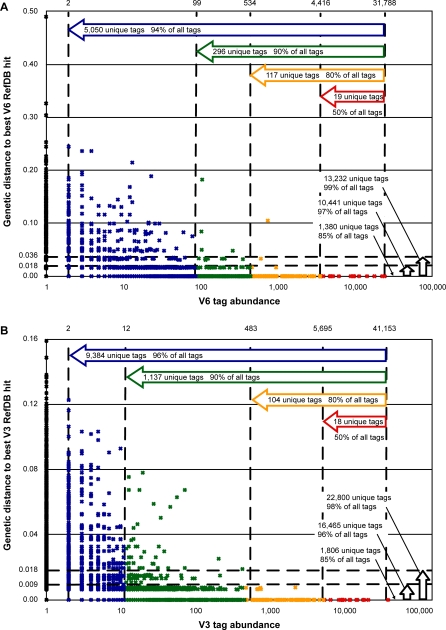
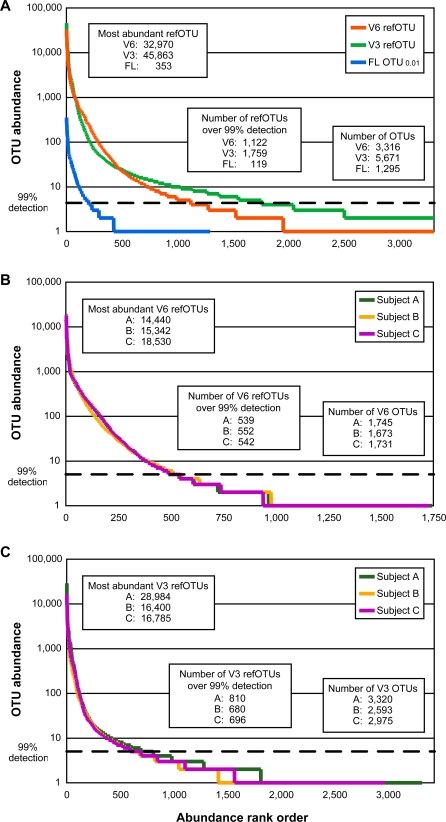
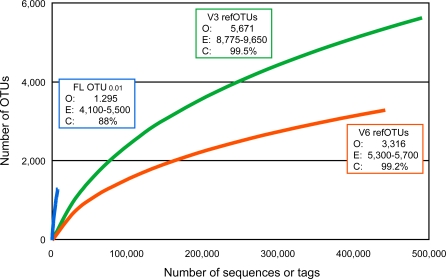
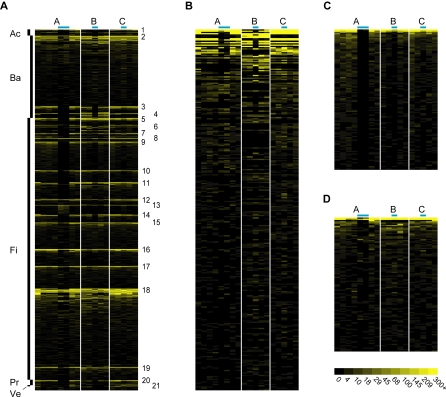
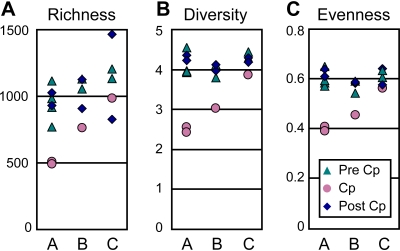
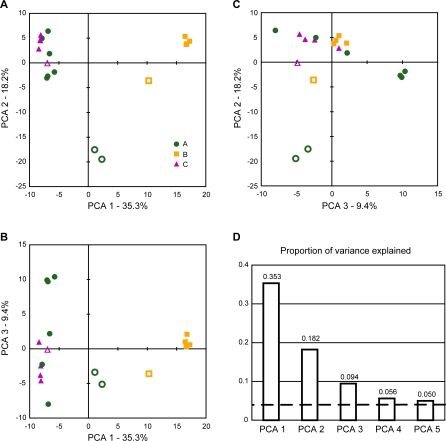
The human intestinal microbiota is essential to the health of the host and plays a role in nutrition, development, metabolism, pathogen resistance, and regulation of immune responses. Antibiotics may disrupt these coevolved interactions, leading to acute or chronic disease in some individuals. Our understanding of antibiotic-associated disturbance of the microbiota has been limited by the poor sensitivity, inadequate resolution, and significant cost of current research methods. The use of pyrosequencing technology to generate large numbers of 16S rDNA sequence tags circumvents these limitations and has been shown to reveal previously unexplored aspects of the "rare biosphere." We investigated the distal gut bacterial communities of three healthy humans before and after treatment with ciprofloxacin, obtaining more than 7,000 full-length rRNA sequences and over 900,000 pyrosequencing reads from two hypervariable regions of the rRNA gene. A companion paper in PLoS Genetics (see Huse et al., doi: 10.1371/journal.pgen.1000255) shows that the taxonomic information obtained with these methods is concordant. Pyrosequencing of the V6 and V3 variable regions identified 3,300-5,700 taxa that collectively accounted for over 99% of the variable region sequence tags that could be obtained from these samples. Ciprofloxacin treatment influenced the abundance of about a third of the bacterial taxa in the gut, decreasing the taxonomic richness, diversity, and evenness of the community. However, the magnitude of this effect varied among individuals, and some taxa showed interindividual variation in the response to ciprofloxacin. While differences of community composition between individuals were the largest source of variability between samples, we found that two unrelated individuals shared a surprising degree of community similarity. In all three individuals, the taxonomic composition of the community closely resembled its pretreatment state by 4 weeks after the end of treatment, but several taxa failed to recover within 6 months. These pervasive effects of ciprofloxacin on community composition contrast with the reports by participants of normal intestinal function and with prior assumptions of only modest effects of ciprofloxacin on the intestinal microbiota. These observations support the hypothesis of functional redundancy in the human gut microbiota. The rapid return to the pretreatment community composition is indicative of factors promoting community resilience, the nature of which deserves future investigation.
Overview
The claims and statistics of this paper haven’t been checked yet.
Free: it reads the open-access text and checks the first 5 claims that cite a source we can check. Create a free account to check every claim.
Integrity signals
Registry
Cites
Statistics
Figures
Verification
Claims the paper makes
The claims and statistics of this paper haven’t been checked yet.
Free: it reads the open-access text and checks the first 5 claims that cite a source we can check. Create a free account to check every claim.
Claims other papers make about this one
Each is checked against this paper’s own text: does it say what the citing paper says it does?
The source backs part of the claim, not all of it — or backs it for a different population, condition or comparison.
In the citing paper
“The greatest risk factor for CDI is the use of antibiotics,46 though only a small proportion of patients on antibiotics develop the infection.”
From Update on Fecal Microbiota Transplantation 2015: Indications, Methodologies, Mechanisms, and Outlook (2015) · cites this paper as [46]
Experimental — accuracy not yet measuredThe source backs part of the claim, not all of it — or backs it for a different population, condition or comparison.
In the citing paper
“The taxonomic composition of the gut microbiota changes throughout the gastrointestinal tract, according to nutrient availability, mucus structure, pH and oxygen availability [1–6].”
From Role of the gut microbiota in nutrient competition and protection against intestinal pathogen colonization (2023) · cites this paper as [6]
Experimental — accuracy not yet measuredThe cited source says what the claim attributes to it.
In the citing paper
“Individual bacterial taxa can show variable responses to antibiotics, which will impact the nutrient niches that are created in the intestine following antibiotic treatment [6].”
From Role of the gut microbiota in nutrient competition and protection against intestinal pathogen colonization (2023) · cites this paper as [6]
Self-check
Percentages, sums and reported differences re-computed from the paper’s own numbers.
The self-check needs the paper’s full text.
Citations
Cites
Naïve Bayesian Classifier for Rapid Assignment of rRNA Sequences into the New Bacterial Taxonomy
Wang, Q., Garrity, G. M., Tiedje, J. M., & Cole, J. R. (2007) · Applied and Environmental Microbiology · doi:10.1128/aem.00062-07 · Cited by 19,885 · cited 5×
“The taxonomic affiliation of fulllength sequences was determined using the Classifier tool of the RDP, with an 80% bootstrap threshold [41].”
BackgroundMethodInfluentialGreengenes, a Chimera-Checked 16S rRNA Gene Database and Workbench Compatible with ARB
DeSantis, T. Z., Hugenholtz, P., Larsen, N., Rojas, M., Brodie, E. L., Keller, K., Huber, T., Dalevi, D., Hu, P., & Andersen, G. L. (2006) · Applied and Environmental Microbiology · doi:10.1128/aem.03006-05 · Cited by 10,891 · cited 1×
“Forward and reverse sequencing reads were assembled using the Phred/Phrap/Consed suite of programs with default parameters [50–52]; assembled sequences were aligned via the NAST algorithm [53] at the Greengenes Website (http:// greengenes.lbl.gov/) [ 54 ].”
MethodHuman gut microbes associated with obesity
Ley, R. E., Turnbaugh, P. J., Klein, S., & Gordon, J. I. (2006) · Nature · doi:10.1038/4441022a · Cited by 8,785 · cited 1×
“A high proportion of tags in the current study have an exact match in the database, due to the substantial sequencing effort that has already been directed to the human gut microbiota [7,30,90].”
BackgroundDiversity of the Human Intestinal Microbial Flora
Eckburg, P. B., Bik, E. M., Bernstein, C. N., Purdom, E., Dethlefsen, L., Sargent, M., Gill, S. R., Nelson, K. E., & Relman, D. A. (2005) · Science · doi:10.1126/science.1110591 · Cited by 7,913 · cited 4×
“A high proportion of tags in the current study have an exact match in the database, due to the substantial sequencing effort that has already been directed to the human gut microbiota [7,30,90].”
BackgroundResultInfluentialSelf-citationGenome sequencing in microfabricated high-density picolitre reactors
Margulies, M., Egholm, M., Altman, W. E., Attiya, S., Bader, J. S., Bemben, L. A., Berka, J., Braverman, M. S., Chen, Y.-J., Chen, Z., et al. (2005) · Nature · doi:10.1038/nature03959 · Cited by 7,693 · cited 2×
“lower than that of capillary dideoxy sequencing, although considerably better than the 96% accuracy initially reported [38].”
BackgroundResultBase-Calling of Automated Sequencer Traces Using Phred. I. Accuracy Assessment
Ewing, B., Hillier, L., Wendl, M. C., & Green, P. (1998) · Genome Research · doi:10.1101/gr.8.3.175 · Cited by 6,967 · cited 1×
“Forward and reverse sequencing reads were assembled using the Phred/Phrap/Consed suite of programs with default parameters [48-50]; assembled sequences were aligned via the NAST algorithm [51] at the Greengenes website (http://greengenes.”
MethodARB: a software environment for sequence data
Ludwig, W. (2004) · Nucleic Acids Research · doi:10.1093/nar/gkh293 · Cited by 6,702 · cited 6×
“Uncultivated Taxon V3_Clostridiales_refOTU_2 The maximum-likelihood phylogenetic tree (calculated via AxML using default parameters in Arb [55]) shows the relationship between a clade containing 174 full-length V3 RefDB 16S rRNA sequences with exact matches to V3_Clostridiales_refOTU_2 and the most closely related seq…”
MethodInfluentialPruesse, E., Quast, C., Knittel, K., Fuchs, B. M., Ludwig, W., Peplies, J., & Glockner, F. O. (2007) · Nucleic Acids Research · doi:10.1093/nar/gkm864 · Cited by 6,668 · cited 1×
“de/)[57] with taxonomic classifications obtained from the RDP Classifier [41] (minimum 80% bootstrap score) as described in [48].”
MethodThe gut microbiota as an environmental factor that regulates fat storage
Bäckhed, F., Ding, H., Wang, T., Hooper, L. V., Koh, G. Y., Nagy, A., Semenkovich, C. F., & Gordon, J. I. (2004) · Proceedings of the National Academy of Sciences · doi:10.1073/pnas.0407076101 · Cited by 6,245
Obesity alters gut microbial ecology
Ley, R. E., Bäckhed, F., Turnbaugh, P., Lozupone, C. A., Knight, R. D., & Gordon, J. I. (2005) · Proceedings of the National Academy of Sciences · doi:10.1073/pnas.0504978102 · Cited by 6,176 · cited 1×
“cations for cancer [18,19] and obesity [20,21], among other”
Background
Research works printed but not linked: 89
- Dethlefsen, 2007, Nature, 449, 811
- Ley, 2006, Cell, 124, 837
- Guarner, 2006, Digestion, 73, 5
- Brook, 2005, Otolaryngol Head Neck Surg, 133, 139
- Servin, 2004, FEMS Microbiol Rev, 28, 405
- Reid, 2006, World J Urol, 24, 28
- Li, 2008, Proc Natl Acad Sci U S A, 105, 2117
- Hooper, 2004, Trends Microbiol, 12, 129
- Mazmanian, 2005, Cell, 122, 107
- Rakoff-Nahoum, 2004, Cell, 118, 229
- Sullivan, 2001, Lancet Infect Dis, 1, 101
- Beaugerie, 2004, Best Pract Res Clin Gastroenterol, 18, 337
- Wilcox, 2003, Best Pract Res Clin Gastroenterol, 17, 475
- Marra, 2006, Chest, 129, 610
- Noverr, 2005, Clin Exp Allergy, 35, 1511
- Prioult, 2005, Immunol Rev, 206, 204
- Nicholson, 2005, Nat Rev Microbiol, 3, 431
- O'Keefe, 2007, J Nutr, 137, 175S
- McGarr, 2005, J Clin Gastroenterol, 39, 98
- Ley, 2005, Proc Natl Acad Sci U S A, 102, 11070
- Bäckhed, 2004, Proc Natl Acad Sci U S A, 101, 15718
- Stewart, 2004, FEMS Microbiol Lett, 230, 1
- Lode, 2001, Scand J Infect Dis, 33, 899
- De La Cochetiere, 2005, J Clin Microbiol, 43, 5588
- Donskey, 2003, J Microbiol Meth, 54, 249
- Jernberg, 2007, Isme J, 1, 56
- Lofmark, 2008, Anaerobe, 14, 157
- Sjolund, 2003, Ann Intern Med, 139, 483
- Bäckhed, 2005, Science, 307, 1915
- Eckburg, 2005, Science, 308, 1635
- Suau, 1999, Appl Environ Microbiol, 65, 4799
- Zoetendal, 2004, J Nutr, 134, 465
- Mai, 2004, J Nutr, 134, 459
- Bartosch, 2004, Appl Environ Microbiol, 70, 3575
- Bartosch, 2005, Clin Infect Dis, 40, 28
- Vanhoutte, 2004, FEMS Microbiol Ecol, 48, 437
- Jernberg, 2005, Appl Environ Microbiol, 71, 501
- Margulies, 2005, Nature, 437, 376
- Sogin, 2006, Proc Natl Acad Sci U S A, 103, 12115
- Liu, 2007, Nucleic Acids Res, 35, e120
- Wang, 2007, Appl Environ Microbiol, 73, 5261
- Huber, 2007, Science, 318, 97
- Huse, 2007, Genome Biol, 8, R143
- Roesch, 2007, Isme J, 1, 283
- Hamady, 2008, Nat Methods, 5, 235
- Sundquist, 2007, BMC Microbiol, 7, 108
- Thompson, 2002, Nucleic Acids Res, 30, 2083
- Ewing, 1998, Genome Res, 8, 186
- Ewing, 1998, Genome Res, 8, 175
- Gordon, 1998, Genome Res, 8, 195
- DeSantis, 2006, Nucleic Acids Res, 34, W394
- DeSantis, 2006, Appl Environ Microbiol, 72, 5069
- Ludwig, 2004, Nucleic Acids Res, 32, 1363
- Schloss, 2005, Appl Environ Microbiol, 71, 1501
- Pruesse, 2007, Nucleic Acids Res, 35, 7188
- Colwell, 2005, EstimateS: Statistical estimation of species richness and shared species from samples. Version 7.5
- Leek, 2006, Bioinformatics, 22, 507
- Hughes, 2001, Appl Environ Microbiol, 67, 4399
- Chao, 1984, Scan J Stat, 11, 265
- Chao, 1992, Biometrics, 48, 201
- Colwell, 1994, Philos Trans R Soc Lond B Biol Sci, 345, 101
- Good, 1953, Biometrika, 40, 237
- Derrien, 2004, Int J Syst Evol Microbiol, 54, 1469
- Jost, 2006, Oikos, 113, 363
- Jost, 2007, Ecology, 88, 2427
- Franks, 1998, Appl Environ Microbiol, 64, 3336
- Matsuki, 2004, Appl Environ Microbiol, 70, 7220
- Hayashi, 2002, Microbiol Immunol, 46, 819
- De La Cochetiere, 2008, Microb Ecol, 56, 395
- Ozaki, 2004, J Med Microbiol, 53, 167
- Flint, 2007, Environ Microbiol, 9, 1101
- Belenguer, 2006, Appl Environ Microbiol, 72, 3593
- Martin, 2007, Mol Syst Biol, 3, 112
- Ridlon, 2006, J Lipid Res, 47, 241
- Pena, 2004, Appl Environ Microbiol, 70, 558
- Servin, 2003, Best Pract Res Clin Gastroenterol, 17, 741
- Sullivan, 2003, J Antimicrob Chemother, 52, 308
- Bedford Russell, 2006, Bjog, 113, 758
- Young, 2004, J Clin Microbiol, 42, 1203
- Duncan, 2004, Appl Environ Microbiol, 70, 5810
- Duncan, 2006, Int J Syst Evol Microbiol, 56, 2437
- Louis, 2004, J Bacteriol, 186, 2099
- Schumacher, 1997, Clin Microbiol Infect, 3, 134
- Jacoby, 2005, Clin Infect Dis 41 Suppl, 2, S120
- Forney, 2004, Curr Opin Microbiol, 7, 210
- von Wintzingerode, 1997, FEMS Microbiol Rev, 21, 213
- Ley, 2006, Nature, 444, 1022
- von Mering, 2007, Science, 315, 1126
- Ashelford, 2006, Appl Environ Microbiol, 72, 5734
Cited by
Items 601–700 of 1,011
Understanding immune–microbiota interactions in the intestine
Ahern, P. P., & Maloy, K. J. (2020) · Immunology · doi:10.1111/imm.13150 · Cited by 99
Aghamajidi, A., & Vareki, S. M. (2022) · Cancers · doi:10.3390/cancers14153563 · Cited by 110
Ten golden rules for optimal antibiotic use in hospital settings: the WARNING call to action
Worldwide Antimicrobial Resistance National/International Network Group (WARNING) Collaborators, Sartelli, M., Barie, P. S., Coccolini, F., Abbas, M., Abbo, L. M., Abdukhalilova, G., Abraham, Y., Abubakar, S., Abu‐Zidan, F. M., et al. (2023) · World Journal of Emergency Surgery · doi:10.1186/s13017-023-00518-3 · Cited by 136
Ziese, A.-L., Suchodolski, J. S., Hartmann, K., Busch, K., Anderson, A. L., Sarwar, F., Sindern, N., & Unterer, S. (2018) · PLoS ONE · doi:10.1371/journal.pone.0204691 · Cited by 112
Horrocks, V., King, O. G., Yip, A. Y. G., Marques, I. M., & McDonald, J. A. K. (2023) · Microbiology · doi:10.1099/mic.0.001377 · Cited by 104
“Individual bacterial taxa can show variable responses to antibiotics, which will impact the nutrient niches that are created in the intestine following antibiotic treatment [6].”
BackgroundHuman Clostridium difficile infection: inhibition of NHE3 and microbiota profile
Engevik, M. A., Engevik, K. A., Yacyshyn, M. B., Wang, J., Hassett, D. J., Darien, B., Yacyshyn, B. R., & Worrell, R. T. (2015) · American Journal of Physiology-Gastrointestinal and Liver Physiology · doi:10.1152/ajpgi.00090.2014 · Cited by 104
“02) that may result from antibiotic use, since antibiotics have been shown to increase 334 Proteobacteria titers (1, 14, 16, 30, 35, 43, 62).”
InfluentialCurrent Concepts of the Intestinal Microbiota and the Pathogenesis of Infection
Wardwell, L. H., Huttenhower, C., & Garrett, W. S. (2011) · Current Infectious Disease Reports · doi:10.1007/s11908-010-0147-7 · Cited by 102
“16S rDNA enumerations from human stool before and 4 weeks after ciprofloxacin treatment revealed that although the majority of gut microbes eventually returned to their pre-treatment relative abundance levels, taxa belonging to the Clostridiales order did not recover during the observation period [ 17 ].”
BackgroundSethi, V., Vitiello, G. A., Saxena, D., Miller, G., & Dudeja, V. (2019) · Gastroenterology · doi:10.1053/j.gastro.2018.12.045 · Cited by 104
He, C., Peng, C., Wang, H., Ouyang, Y., Zhu, Z., Shu, X., Zhu, Y., & Lü, N. (2019) · Helicobacter · doi:10.1111/hel.12590 · Cited by 110
Gupta, K. H., Nowicki, C. A., Giurini, E. F., Marzo, A. L., & Zloza, A. (2021) · Vaccines · doi:10.3390/vaccines9121497 · Cited by 120
“LAB are known to be beneficial not only for the balance of intestinal flora but also for their antimicrobial, antioxidant, anti-inflammatory, and anti-cancer effects [116].”
BackgroundUnterer, S., Strohmeyer, K., Kruse, B. D., Sauter‐Louis, C., & Hartmann, K. (2011) · Journal of Veterinary Internal Medicine · doi:10.1111/j.1939-1676.2011.00765.x · Cited by 104
Ribosomal RNA diversity predicts genome diversity in gut bacteria and their relatives
Zaneveld, J. R., Lozupone, C., Gordon, J. I., & Knight, R. (2010) · Nucleic Acids Research · doi:10.1093/nar/gkq066 · Cited by 101
Lee, J., Mannaa, M., Kim, Y., Kim, J., Kim, G.-T., & Seo, Y. (2019) · Genes · doi:10.3390/genes10100748 · Cited by 120
“Gut microbes have numerous direct and indirect effects on human health, as they have roles in host cell development, nutrition, and immunity [4].”
BackgroundVallianou, N. G., Dalamaga, Μ., Stratigou, T., Karampela, Ι., & Tsigalou, C. (2021) · Current Obesity Reports · doi:10.1007/s13679-021-00438-w · Cited by 115
Videnska, P., Šišák, F., Havlíčková, H., Faldynová, M., & Rychlík, I. (2013) · BMC Veterinary Research · doi:10.1186/1746-6148-9-140 · Cited by 114
“; licensee BioMed Centr Commons Attribution License (http://creativec reproduction in any medium, provided the or highly responsive to extreme interventions like antibiotic therapy [8-11].”
BackgroundIshii, S., Yamamoto, M., Kikuchi, M., Oshima, K., Hattori, M., Otsuka, S., & Senoo, K. (2009) · Applied and Environmental Microbiology · doi:10.1128/aem.01481-09 · Cited by 113
“This approach can also be used to analyze massive sequence reads obtained by pyrosequence technology (8, 9, 15, 36), and this should be tested in the future.”
BackgroundMethodBidirectional interactions between indomethacin and the murine intestinal microbiota
Liang, X., Bittinger, K., Li, X., Abernethy, D. R., Bushman, F. D., & FitzGerald, G. A. (2015) · eLife · doi:10.7554/elife.08973 · Cited by 99
“, 2011), the use of antibiotics (De La Cochetière et al., 2005; Dethlefsen et al., 2008; Jernberg et al., 2010; Dollive et al., 2013), lifestyle (Annalisa et al.”
BackgroundCommunity Health Care: Therapeutic Opportunities in the Human Microbiome
Sonnenburg, J. L., & Fischbach, M. A. (2011) · Science Translational Medicine · doi:10.1126/scitranslmed.3001626 · Cited by 102
Novel Bacterial Taxa in the Human Microbiome
Wylie, K. M., Truty, R. M., Sharpton, T. J., Mihindukulasuriya, K. A., Zhou, Y., Gao, H., Sodergren, E., Weinstock, G. M., & Pollard, K. S. (2012) · PLoS ONE · doi:10.1371/journal.pone.0035294 · Cited by 100
“The human gut harbors thousands of bacterial taxa [1], a small number of which dominate the community [1,2].”
BackgroundCharacterization of the intestinal microbiota and its interaction with probiotics and health impacts
de Almada, C. N., de Almada, C. N., Martinez, R. C. R., & Sant’Ana, A. S. (2015) · Applied Microbiology and Biotechnology · doi:10.1007/s00253-015-6582-5 · Cited by 120
Microbes and Cancer: Friends or Faux?
Azevedo, M. M., Pina‐Vaz, C., & Baltazar, F. (2020) · International Journal of Molecular Sciences · doi:10.3390/ijms21093115 · Cited by 104
“In this context, it was revealed that some antibiotics such as clarithromycin, metronidazole and ciprofloxacin induce a reduction in the biodiversity/abundance of some bacterial communities disturbing the equilibrium of the gut microbiome [136,137], which constitutes a higher risk of breast cancer [138].”
BackgroundRenata D'Incà, Barollo, M., Scarpa, M., Grillo, A. R., Brun, P., Vettorato, M. G., Castagliuolo, I., & Sturniolo, G. C. (2010) · Digestive Diseases and Sciences · doi:10.1007/s10620-010-1384-1 · Cited by 112
“Cultivation-independent molecular genetic techniques based on 16S rRNA gene analysis were, thus, employed to offer a broader picture of the complex gut microbial community [36, 37 ].”
BackgroundMethodChanges in fecal microbiota of healthy dogs administered amoxicillin
Grønvold, A.-M. R., L'Abée-Lund, T. M., Sørum, H., Skancke, E., Yannarell, A. C., & Mackie, R. I. (2010) · FEMS Microbiology Ecology · doi:10.1111/j.1574-6941.2009.00808.x · Cited by 95
Contribution of the Intestinal Microbiota to Human Health: From Birth to 100 Years of Age
Cheng, J., Palva, A., de Vos, W. M., & Satokari, R. M. (2011) · Current topics in microbiology and immunology · doi:10.1007/82_2011_189 · Cited by 109
“In healthy adults the microbiota composition may be restored in a relatively short period of time after the antibiotic treatment has been stopped (Dethlefsen et al. 2008).”
BackgroundInfection Control in the Multidrug-Resistant Era: Tending the Human Microbiome
Tosh, P. K., & McDonald, L. C. (2011) · Clinical Infectious Diseases · doi:10.1093/cid/cir899 · Cited by 111
Microbiota—myeloid cell crosstalk beyond the gut
Gorjifard, S., & Goldszmid, R. S. (2016) · Journal of Leukocyte Biology · doi:10.1189/jlb.3ri0516-222r · Cited by 96
Obesity and the gut microbiome: Striving for causality
Harley, I. T. W., & Karp, C. L. (2012) · Molecular Metabolism · doi:10.1016/j.molmet.2012.07.002 · Cited by 96
“However, the broad activity of current antibiotics, and the fact that their use can dramatically and irreversibly alter gut microbial ecology [27,28], hampers their potential utility in addressing such questions [125].”
BackgroundPan, P., Lam, V., Salzman, N. H., Huang, Y., Yu, J., Zhang, J., & Wang, L. (2017) · Nutrition and Cancer · doi:10.1080/01635581.2017.1340491 · Cited by 103
Autism Spectrum Disorder and the Gut Microbiota in Children: A Systematic Review
Bezawada, N., Phang, T. H., Hold, G. L., & Hansen, R. (2020) · Annals of Nutrition and Metabolism · doi:10.1159/000505363 · Cited by 95
Sadaghian Sadabad, M., Regeling, A., de Goffau, M. C., Blokzijl, T., Weersma, R. K., Penders, J., Faber, K. N., Harmsen, H. J. M., & Dijkstra, G. (2015) · Gut · doi:10.1136/gutjnl-2014-307289 · Cited by 91
McGovern, A. S., Hamlin, A. S., & Winter, G. (2019) · Australian & New Zealand Journal of Psychiatry · doi:10.1177/0004867419877954 · Cited by 89
“Even a single course of antibiotics substantially reduce richness and diversity of GM (Eisen et al., 2008; Isaac et al., 2017); however, over time the GM usually progresses towards its original equilibrium state (Rojo et al.”
BackgroundLong-term metal exposure changes gut microbiota of residents surrounding a mining and smelting area
Shao, M., & Zhu, Y. (2020) · Scientific Reports · doi:10.1038/s41598-020-61143-7 · Cited by 107
Role of Gut Microbiota and Probiotics in Colorectal Cancer: Onset and Progression
Torres-Maravilla, E., Boucard, A.-S., Mohseni, A. H., Taghinezhad-S, S., Cortes-Perez, N. G., & Bermúdez-Humarán, L. G. (2021) · Microorganisms · doi:10.3390/microorganisms9051021 · Cited by 96
“In this sense, a dynamic equilibrium of the microbiota in the human body is necessary for health, which can be disrupted by environmental factors and external stimuli such as the use of antibiotics, illness, stress, aging, bad dietary habits, and lifestyle [19].”
BackgroundDoocey, C. M., Finn, K., Murphy, C. P., & Guinane, C. M. (2022) · BMC Microbiology · doi:10.1186/s12866-022-02465-6 · Cited by 110
The Human Microbiome and the Missing Heritability Problem
Sandoval-Motta, S., Aldana, M., Martínez-Romero, E., & Frank, A. (2017) · Frontiers in Genetics · doi:10.3389/fgene.2017.00080 · Cited by 90
“A 5-day course of ciprofloxacin decreases overall bacterial diversity and changes the abundance of 30% of the species in the gut microbiome (Dethlefsen et al., 2008).”
BackgroundAntibiotics, gut microbiome and obesity
Leong, K. S. W., Derraik, J. G. B., Hofman, P. L., & Cutfield, W. S. (2017) · Clinical Endocrinology · doi:10.1111/cen.13495 · Cited by 108
Chen, R., Wang, J., Zhan, R., Zhang, L., & Wang, X. (2019) · Journal of Ethnopharmacology · doi:10.1016/j.jep.2019.112139 · Cited by 105
Skin Microbiome Imbalance in Patients with STAT1/STAT3 Defects Impairs Innate Host Defense Responses
Smeekens, S. P., Huttenhower, C., Riza, A., van de Veerdonk, F. L., Zeeuwen, P. L. J. M., Schalkwijk, J., van der Meer, J. W. M., Xavier, R. J., Netea, M. G., & Gevers, D. (2014) · Journal of Innate Immunity · doi:10.1159/000351912 · Cited by 96
Said, H. M. (2013) · American Journal of Physiology-Gastrointestinal and Liver Physiology · doi:10.1152/ajpgi.00231.2013 · Cited by 106
Star, B., Haverkamp, T. H. A., Jentoft, S., & Jakobsen, K. S. (2013) · BMC Microbiology · doi:10.1186/1471-2180-13-248 · Cited by 106
“The most diverse individuals appear to have a comparable community complexity relative to those found in humans [7,32].”
BackgroundGenes and Environment: How Will Our Concepts on the Pathophysiology of IBD Develop in the Future?
Kaser, A., Zeissig, S., & Blumberg, R. S. (2010) · Digestive Diseases · doi:10.1159/000320393 · Cited by 90
“Similarly, antibiotics, diet and enteropathogenic infections can have profound influences on the composition and function of the commensal microbiota [ , , ,”
BackgroundOn the origin of species: Factors shaping the establishment of infant's gut microbiota
van Best, N., Hornef, M. W., Savelkoul, P. H. M., & Penders, J. (2015) · Birth Defects Research Part C: Embryo Today: Reviews · doi:10.1002/bdrc.21113 · Cited by 92
Human Gut Microbiota in Health and Alzheimer’s Disease
Szablewski, L. (2018) · Journal of Alzheimer’s Disease · doi:10.3233/jad-170908 · Cited by 91
“A 5-day antibiotic treatment changes the composition of human gut microbiota for up to 4 weeks, and after this time, microbiota reverts to the composition before the antibiotic treatment, however sometimes within 6 months [23].”
Kuno, T., Hirayama‐Kurogi, M., Ito, S., & Ohtsuki, S. (2016) · Molecular Pharmaceutics · doi:10.1021/acs.molpharmaceut.6b00259 · Cited by 105
Dubinsky, V., Reshef, L., Bar, N., Keizer, D., Golan, N., Rabinowitz, K., Godny, L., Yadgar, K., Zonensain, K., Tulchinsky, H., et al. (2020) · Gastroenterology · doi:10.1053/j.gastro.2019.10.001 · Cited by 91
Microbiome therapeutics for hepatic encephalopathy
Bloom, P. P., Tapper, E. B., Young, V. B., & Lok, A. S.-F. (2021) · Journal of Hepatology · doi:10.1016/j.jhep.2021.08.004 · Cited by 104
Klimesova, K., Kverka, M., Zakostelska, Z., Hudcovic, T., Hrncir, T., Stepankova, R., Rossmann, P., Ridl, J., Kostovcik, M., Mrazek, J., et al. (2013) · Inflammatory Bowel Diseases · doi:10.1097/mib.0b013e318281330a · Cited by 93
“It is known that administration of ATB influences the diversity of intestinal microbiota.(36) Using high-throughput pyrosequencing, we showed that the microbiota composition changes in both groups of ATB-treated and ATB-nontreated mice during tumor development.”
BackgroundMicrobial Diversity and Potential Pathogens in Ornamental Fish Aquarium Water
Smith, K. F., Schmidt, V. T., Rosen, G. E., & Amaral‐Zettler, L. (2012) · PLoS ONE · doi:10.1371/journal.pone.0039971 · Cited by 114
“habitats beyond the marine environment, including human microbiomes [11–13], those of other animals [14,15], and high human impact environments such as waste water and urban air”
BackgroundImpact of antibiotic exposure on the risk of colorectal cancer: ANTIBIOTIC EXPOSURE AND CRC RISK
Boursi, B., Haynes, K., Mamtani, R., & Yang, Y.-X. (2015) · Pharmacoepidemiology and Drug Safety · doi:10.1002/pds.3765 · Cited by 89
Liu, C. M., Soldanova, K., Nordstrom, L., Dwan, M. G., Moss, O. L., Contente‐Cuomo, T. L., Keim, P., Price, L. B., & Lane, A. P. (2013) · International Forum of Allergy & Rhinology · doi:10.1002/alr.21195 · Cited by 90
Gut microbiome, surgical complications and probiotics
Stavrou, G., & Kotzampassi, K. (2016) · Annals of Gastroenterology · doi:10.20524/aog.2016.0086 · Cited by 112
“diversity of between one fourth and one third [12,30-32].”
BackgroundLandy, J., Walker, A. W., Li, J. V., Al-Hassi, H. O., Ronde, E., English, N. R., Mann, E. R., Bernardo, D., McLaughlin, S. D., Parkhill, J., et al. (2015) · Scientific Reports · doi:10.1038/srep12955 · Cited by 92
Compositional dynamics of the human intestinal microbiota with aging: Implications for health
Lakshminarayanan, B., Stanton, C., O'Toole, P. W., & Ross, R. P. (2014) · The Journal of nutrition, health and aging · doi:10.1007/s12603-014-0549-6 · Cited by 89
“…intestinal microbiota was mostly distributed among the phyla Firmicutes and Bacteroidetes followed by actinobacteria, Proteobacteria and others (24-26). the composition of the intestinal microbiota in elderly subjects changes from that of healthy adults due to factors related to aging,…”
Our microbial selves: what ecology can teach us
Gonzalez, A., Clemente, J. C., Shade, A. L., Metcalf, J. L., Song, S., Prithiviraj, B., Palmer, B. E., & Knight, R. D. (2011) · EMBO Reports · doi:10.1038/embor.2011.137 · Cited by 109
“For gut-associated microbiomes, antibiotic disturbance or infections are known to alter gut communities (for examples se”
BackgroundSekelja, M., Berget, I., Næs, T., & Rudi, K. (2011) · The ISME Journal · doi:10.1038/ismej.2010.129 · Cited by 86
“, 2008), 7093 sequences from three adult individuals treated with antibiotics (Dethlefsen et al., 2008), 11 759 sequences isolated from mucosal tissues from the six subdivisions of the colon as well as faecal samples from three adult individuals (Eckburg et al.”
BackgroundMethodInfluentialReview article: changes in the epidemiology of inflammatory bowel disease—clues for aetiology
Bernstein, C. N. (2017) · Alimentary Pharmacology & Therapeutics · doi:10.1111/apt.14338 · Cited by 104
“that short courses of ciprofloxacin in healthy humans can have longlasting effects on some gut microbial taxa.(44,45) Using the University of Manitoba IBD Epidemiology Database we have shown that adults 914 | BERNSTEIN”
Enlisting commensal microbes to resist antibiotic-resistant pathogens
Keith, J. W., & Pamer, E. G. (2019) · Journal of Experimental Medicine · doi:10.1084/jem.20180399 · Cited by 87
“Classic studies of the 1940s and 1950s demonstrated the occurrence of antibiotic-induced changes in the microbiota, and next-generation sequencing has since provided a more comprehensive picture of the impact of antibiotics on the microbiota (Dethlefsen et al., 2008; Dethlefsen and Relman, 2011), the extent of which o…”
BackgroundDevelopmental Regulation of Drug-Processing Genes in Livers of Germ-Free Mice
Selwyn, F. P., Cheng, S. L., Bammler, T. K., Prasad, B., Vrana, M., Klaassen, C., & Cui, J. Y. (2015) · Toxicological Sciences · doi:10.1093/toxsci/kfv110 · Cited by 92
“…are altered by factors immediately after birth, such as mode of delivery and early environmental exposure (Palmer et al., 2007), breast-milk or formula-fed (Ardeshir et al., 2014), and antibiotic administration (Antonopoulos et al., 2009; Dethlefsen and Relman, 2011; Dethlefsen et al., 2008).”
BackgroundSun, L., Xun, W., Huang, T., Zhang, G., Gao, J., Ran, W., Li, D., Shen, Q., & Zhang, R. (2016) · Soil Biology and Biochemistry · doi:10.1016/j.soilbio.2016.02.011 · Cited by 94
“…plus a Roche-454 sequencing adapter, a linker sequence and a unique, error-correcting barcode sequence (Ns), as previously described by Dethlefsen et al. (2008) and Huse et al. (2008), targeting the V1eV3 hypervariable region of the 16S rRNA gene were used for PCR. Amplification…”
MethodDavies, N., O'Sullivan, J. M., Plank, L. D., & Murphy, R. (2019) · Surgery for Obesity and Related Diseases · doi:10.1016/j.soard.2019.01.033 · Cited by 102
Dysbiosis From a Microbial and Host Perspective Relative to Oral Health and Disease
Cugini, C., Ramasubbu, N., Tsiagbe, V. K., & Fine, D. H. (2021) · Frontiers in Microbiology · doi:10.3389/fmicb.2021.617485 · Cited by 101
A Critical Perspective on the Supplementation of Akkermansia muciniphila: Benefits and Harms
Chiàntera, V., Laganà, A. S., Basciani, S., Nordio, M., & Bizzarri, M. (2023) · Life · doi:10.3390/life13061247 · Cited by 101
Doan, T. A., Arzika, A. M., Ray, K. J., Cotter, S. Y., Kim, J., Maliki, R., Zhong, L., Zhou, Z., Porco, T. C., Vanderschelden, B., et al. (2017) · Clinical Infectious Diseases · doi:10.1093/cid/cix141 · Cited by 96
“Multiple observational studies in adults have suggested that antibiotic exposure reduces the phylogenetic bacterial diversity of the human gut microbiome (Supplementary Table 1) [4, 10, 11].”
BackgroundAdherence patterns of Escherichia coli in the intestine and its role in pathogenesis
Govindarajan, D. K., Viswalingam, N., Meganathan, Y., & Kandaswamy, K. (2020) · Medicine in Microecology · doi:10.1016/j.medmic.2020.100025 · Cited by 101
Gut microbiota and allergic diseases in children
Akagawa, S., & Kaneko, K. (2022) · Allergology International · doi:10.1016/j.alit.2022.02.004 · Cited by 106
Sul, W. J., Cole, J. R., Jesus, E. D. C., Wang, Q., Farris, R. J., Fish, J. A., & Tiedje, J. M. (2011) · Proceedings of the National Academy of Sciences · doi:10.1073/pnas.1111435108 · Cited by 89
“To test bacterial classi fi cation variability of the different 16S rRNA gene hypervariable regions, four sets of near full-length ( > 1,200 bp) 16S rRNA gene sequence collections were used: one each of human gut, soil, bovine rumen, and ocean (30 – 34).”
MethodCoordinated regulation of the metabolome and lipidome at the host-microbial interface
Bäckhed, F., & Crawford, P. A. (2010) · Biochimica et Biophysica Acta (BBA) - Molecular and Cell Biology of Lipids · doi:10.1016/j.bbalip.2009.09.009 · Cited by 90
“Recovery of the community was evident within four weeks, but some taxa had not re-appeared as remotely as six months after treatment [24].”
BackgroundModerate Exercise Has Limited but Distinguishable Effects on the Mouse Microbiome
Lamoureux, E. V., Grandy, S. A., & Langille, M. G. I. (2017) · mSystems · doi:10.1128/msystems.00006-17 · Cited by 84
Hamid, H., Zhang, J. Y., Li, W. X., Liu, C., Li, M., Zhao, L. H., Ji, C., & Ma, Q. G. (2019) · Poultry Science · doi:10.3382/ps/pey596 · Cited by 100
Amato, K. R., Mallott, E. K., McDonald, D. T., Dominy, N. J., Goldberg, T. L., Lambert, J. E., Swedell, L., Metcalf, J. L., Gomez, A. M., Britton, G. A. O., et al. (2019) · Genome biology · doi:10.1186/s13059-019-1807-z · Cited by 95
From Animalcules to an Ecosystem: Application of Ecological Concepts to the Human Microbiome
Fierer, N., Ferrenberg, S., Flores, G. E., González, A., Kueneman, J., Legg, T., Lynch, R. C., McDonald, D., Mihaljevic, J. R., O'Neill, S. P., et al. (2012) · Annual Review of Ecology, Evolution, and Systematics · doi:10.1146/annurev-ecolsys-110411-160307 · Cited by 84
“Stressors such as pathogenic invasions and exposure to broad-spectrum antibiotics (Dethlefsen et al. 2008, Hoffmann et al. 2009) can rapidly and dramatically alter the structure of the human microbiome.”
BackgroundAntibiotic use and childhood body mass index trajectory
Schwartz, B. S., Pollak, J., Bailey-Davis, L., Hirsch, A. G., Cosgrove, S. E., Nau, C., Kress, A. M., Glass, T. A., & Bandeen-Roche, K. (2016) · International Journal of Obesity · doi:10.1038/ijo.2015.218 · Cited by 89
Bailey, M. T. (2014) · Advances in experimental medicine and biology · doi:10.1007/978-1-4939-0897-4_12 · Cited by 96
Kelder, T., Stroeve, J. H. M., Bijlsma, S., Radonjic, M., & Roeselers, G. (2014) · Nutrition & Diabetes · doi:10.1038/nutd.2014.18 · Cited by 86
Microbiome mediation of infections in the cancer setting
Taur, Y., & Pamer, E. G. (2016) · Genome Medicine · doi:10.1186/s13073-016-0306-z · Cited by 89
“Early microbiome studies of healthy volunteers have suggested that even short courses of antibiotics can have a substantial impact on the gut microbiome [48].”
BackgroundGumiel, M., da Mota, F. F., Rizzo, V. D. S., Sarquis, O., de Castro, D. P., Lima, M. M., Garcia, E. S., Carels, N., & Azambuja, P. (2015) · Parasites & Vectors · doi:10.1186/s13071-015-0836-z · Cited by 88
“The Shannon diversity index and the Shannon equitability index were calculated using the equation H = −ƩRAiln(RAi), and EH =H/ln(S), respectively (where RAi is the proportion of the i th OTU and S is the total number of OTUs) [43].”
MethodInfluentialSantee, C. A., Nagalingam, N. A., Faruqi, A. A., DeMuri, G. P., Gern, J. E., Wald, E. R., & Lynch, S. V. (2016) · Microbiome · doi:10.1186/s40168-016-0179-9 · Cited by 97
“The pervasive effects of antimicrobials on the human microbiota are welldescribed [26, 27], and it is likely that lifetime antibiotic use plays an important role in shaping the baseline NP”
Backgroundfor the AFRIBIOTA Investigators, Vonaesch, P., Randremanana, R. V., Gody, J., Collard, J., Giles‐Vernick, T., Doria, M., Vigan-Womas, I., Rubbo, P., Etienne, A., et al. (2018) · BMC Pediatrics · doi:10.1186/s12887-018-1189-5 · Cited by 98
Effect of antibiotics on the human microbiome: a systematic review
Zyl, K. N. V., Matukane, S. R., Hamman, B., Whitelaw, A. C., & Newton-Foot, M. (2021) · International Journal of Antimicrobial Agents · doi:10.1016/j.ijantimicag.2021.106502 · Cited by 95
Mucosa-Associated Bacterial Diversity in Necrotizing Enterocolitis
Brower–Sinning, R., Zhong, D., Good, M. L., Firek, B., Baker, R. W., Sodhi, C. P., Hackam, D. J., & Morowitz, M. J. (2014) · PLoS ONE · doi:10.1371/journal.pone.0105046 · Cited by 92
“It has clearly been demonstrated that each of these variables can impact the structure of gut microbial communities [31,32].”
BackgroundChemical conversations in the gut microbiota
Thompson, J. A., Oliveira, R. A., & Xavier, K. B. (2016) · Gut Microbes · doi:10.1080/19490976.2016.1145374 · Cited by 90
Lynch, S. V., Goldfarb, K. C., Wild, Y. K., Kong, W., De Lisle, R. C., & Brodie, E. L. (2013) · Gut Microbes · doi:10.4161/gmic.22430 · Cited by 87
“Antimicrobial administration is known to exert a dramatic impact on the enteric microbiota resulting in loss of discrete microbiome members which fail to return even after protracted periods of time post-treatment.(11) The clinical relevance of such losses is currently unknown but given that the GI microbiome plays su…”
BackgroundRigottier‐Gois, L., Madec, C., Navickas, A., Matos, R. C., Akary, E., Mistou, M., & Serror, P. (2014) · The Journal of Infectious Diseases · doi:10.1093/infdis/jiu402 · Cited by 90
“Antibiotic treatments have deleterious effects on the diversity of the intestinal microbiota [4].”
BackgroundThe Microbiome and Chronic Rhinosinusitis
Cho, D., Hunter, R. C., & Ramakrishnan, V. R. (2020) · Immunology and Allergy Clinics of North America · doi:10.1016/j.iac.2019.12.009 · Cited by 99
Knecht, H., Neulinger, S. C., Heinsen, F., Knecht, C., Schilhabel, A., Schmitz, R. A., Zimmermann, A., dos Santos, V. A. P. M., Ferrer, M., Rosenstiel, P. C., et al. (2014) · PLoS ONE · doi:10.1371/journal.pone.0089417 · Cited by 106
“These studies observed different shifts for different ABs [38–41].”
BackgroundAlignment and clustering of phylogenetic markers - implications for microbial diversity studies
White, J. R., Navlakha, S., Nagarajan, N., Ghodsi, M., Kingsford, C., & Pop, M. (2010) · BMC Bioinformatics · doi:10.1186/1471-2105-11-152 · Cited by 100
“Microbial diversity within the human body has recently been quantified through 16S rRNA surveys [1-4] and metagenomic methods.”
MethodJeong, J.-J., Kim, K.-A., Jang, S.-E., Woo, J.-Y., Han, M. J., & Kim, D.-H. (2015) · PLOS ONE · doi:10.1371/journal.pone.0116533 · Cited by 86
“The community composition of gut microbiota could be influenced by host genetics, health, diet, aging, and probiotics [22,29,30].”
Background(2015) · PubMed · Cited by 86
Microbiome and metabolome data integration provides insight into health and disease
Shaffer, M., Armstrong, A. J. S., Phelan, V. V., Reisdorph, N. A., & Lozupone, C. (2017) · Translational research · doi:10.1016/j.trsl.2017.07.001 · Cited by 96
Wang, W., Wang, Y., Hao, X., Duan, Y., Meng, Z., An, X., & Qi, J. (2020) · BMC Veterinary Research · doi:10.1186/s12917-020-02466-5 · Cited by 95
“However, it is suggested that the long-term use of antibiotics altered structure and composition of gut microbiota and down-regulated the expression of genes related to immune response [5, 6].”
BackgroundWang, K., Wu, W., Wang, Q., Yang, L., Bian, X., Jiang, X., Lv, L., Yan, R., Xia, J., Han, S., et al. (2022) · Frontiers in Microbiology · doi:10.3389/fmicb.2022.932047 · Cited by 96
“Once antibiotics are stopped, the human microbiome undergoes a dynamic rebuilding process, which is often slow and incomplete (Jernberg et al., 2007; Dethlefsen et al., 2008; Dethlefsen and Relman, 2011).”
BackgroundXu, H., Wang, S., Jiang, Y., Wu, J., Chen, L., Ding, Y., Zhou, Y., Deng, L., & Chen, X. (2023) · International Journal of Molecular Sciences · doi:10.3390/ijms24021423 · Cited by 94
“Clinical [21,22] and animal [23] experiments have confirmed that antibiotic treatment significantly changes the structure of gut microbiota and reduces the diversity of gut microbiota.”
BackgroundROSENBERG, E. B. (2024) · npj Biofilms and Microbiomes · doi:10.1038/s41522-024-00580-y · Cited by 101
Pallav, K., Dowd, S. E., Villafuerte, J., Yang, X., Kabbani, T., Hansen, J., Dennis, M., Leffler, D. A., Newburg, D. S., & Kelly, C. P. (2014) · Gut Microbes · doi:10.4161/gmic.29558 · Cited by 87
“Conversely, antimicrobial drugs disrupt the normal gut microbiome, usually as an inadvertent side effect, during their therapeutic use for systemic infections.(13-15) This disruption frequently results in candida overgrowth, simple AAD, and, occasionally, in the more serious condition of CDI.”
BackgroundRole of cesarean section in the development of neonatal gut microbiota: A systematic review
Shaterian, N., Abdi, F., Ghavidel, N., & Alidost, F. (2021) · Open Medicine · doi:10.1515/med-2021-0270 · Cited by 96
“Studies have shown that postnatal antibiotic use is associated with increased levels of Clostridium and decreased levels of Bifidobacterium and Bacteroides, and the use of antibiotics as a potential factor can affect the composition of gut microbiota [38,47].”
BackgroundMicrobiota-based markers predictive of development of Clostridioides difficile infection
Berkell, M., Mysara, M., Xavier, B. B., van Werkhoven, C. H., Monsieurs, P., Lammens, C., Ducher, A., Vehreschild, M. J. G. T., Goossens, H., de Gunzburg, J., et al. (2021) · Nature Communications · doi:10.1038/s41467-021-22302-0 · Cited by 93
Nosocomial and antibiotic-associated diarrhoea caused by organisms other than Clostridium difficile
Gorkiewicz, G. (2009) · International Journal of Antimicrobial Agents · doi:10.1016/s0924-8579(09)70015-9 · Cited by 85
Association Between Index Hospitalization and Hospital Readmission in Sepsis Survivors*
Sun, A., Netzer, G., Small, D. S., Hanish, A., Fuchs, B. D., Gaieski, D. F., & Mikkelsen, M. E. (2016) · Critical Care Medicine · doi:10.1097/ccm.0000000000001464 · Cited by 83
“We hypothesized that transfusions (13), duration of antibiotics (14), use of corticosteroids (15), parenteral nutrition (16), and clinical factors related to the sepsis event (i.”
BackgroundBiodiversity of the human oral mycobiome in health and disease
Bandara, N., Panduwawala, C., & Samaranayake, L. P. (2018) · Oral Diseases · doi:10.1111/odi.12899 · Cited by 94
Chaudhary, N., Sharma, A. K., Agarwal, P. C., Gupta, A., & Sharma, V. K. (2015) · PLoS ONE · doi:10.1371/journal.pone.0116106 · Cited by 95
Metadata
- Authors
- Dethlefsen, L., Huse, S., Sogin, M. L., & Relman, D. A.
- Affiliations
- Stanford University (US)
- Marine Biological Laboratory (US)
- VA Palo Alto Health Care System (US)
- Corresponding author
- Relman, David A
- Venue
- PLoS Biology
- Publisher
- Public Library of Science (PLoS)
- Published
- 2008-11-18
- Volume
- 6
- Issue
- 11
- Pages
- e280
- ISSN
- 1544-9173 (ISSN-L)
- 1545-7885
- PMC
- PMC2586385
- OpenAlex
- W1967821667
- Cited by
- 2,361
- References
- 95
- Citations by year
- 2026: 60 · 2025: 81 · 2024: 89 · 2023: 96 · 2022: 123 · 2021: 142 · 2020: 172 · 2019: 159 · 2018: 155 · 2017: 161 · 2016: 164 · 2015: 174 · 2014: 158 · 2013: 159 · 2012: 138
- FWCI
- 45.07
- Type
- journal article
- Language
- en
- Open access
- gold
- doi.org
- Locations
- PLoS Biology (publishedVersion, cc-by)
- Europe PMC (PubMed Central) (publishedVersion, cc-by)
- PubMed Central (publishedVersion, cc-by)
- PubMed (publishedVersion)
- RePEc: Research Papers in Economics (submittedVersion)
- Open Access Server of the Woods Hole Scientific Community (Woods Hole Scientific Community) (submittedVersion, cc-by)
- DOAJ (DOAJ: Directory of Open Access Journals) (submittedVersion, cc-by-sa)
- Figshare (submittedVersion, cc-by)
- Funders
- National Institutes of Health (DP1OD000964)
- National Institute of Environmental Health Sciences (P50ES012742)
- Topics
- Life Sciences › Biochemistry, Genetics and Molecular Biology › Molecular Biology › Gut microbiota and health
- Physical Sciences › Environmental Science › Ecology › Microbial Community Ecology and Physiology
- Health Sciences › Dentistry › Periodontics › Oral microbiology and periodontitis research
- Keywords
- ciprofloxacin, antibiotic effects on gut microbiota, human gut microbiome, 16S rRNA gene pyrosequencing, rare biosphere, bacterial community diversity, interindividual variability, community recovery, functional redundancy, community resilience
- MeSH terms
- Anti-Bacterial Agents, Bacteria, Base Sequence, Ciprofloxacin, Feces, Humans, Intestines, RNA, Bacterial, RNA, Ribosomal, 16S, Genetic Variation, Principal Component Analysis, Gastrointestinal Tract
About these checks
Registry, retraction, Cites and statistics results are computed, not judged, with one exception: a printed reference that no index lists is read once by a model before it counts as a citation error. Claims are extracted by a model and kept only when their quote appears verbatim in the text; each cited source is then checked, with a model’s help, for whether it says what the claim relies on. Those verdicts can be wrong — read the claim’s quote and the cited source before relying on one.
Statistics and arithmetic are recomputed, not judged.
Confidence bands are shown only for fields calibrated on our annotated test set. None is calibrated yet, so no band is shown.
What counts as a claim ›How we measure confidence ›How we check this ›
Are you an author, or do you see a problem with this page? Request a review
Data sources
Bibliographic data: Semantic Scholar, OpenAlex, Crossref.
Contains information from the Semantic Scholar Academic Graph Datasets, made available under the ODC Attribution License (ODC-BY 1.0).
Semantic Scholar’s data is described in: Kinney, R., et al. (2023). The Semantic Scholar Open Data Platform. arXiv:2301.10140.
