

The Pervasive Effects of an Antibiotic on the Human Gut Microbiota, as Revealed by Deep 16S rRNA Sequencing
Open accessThe DOI matches its Crossref record; 95 of the 95 references it cites were found in a registry or an index.
Abstract
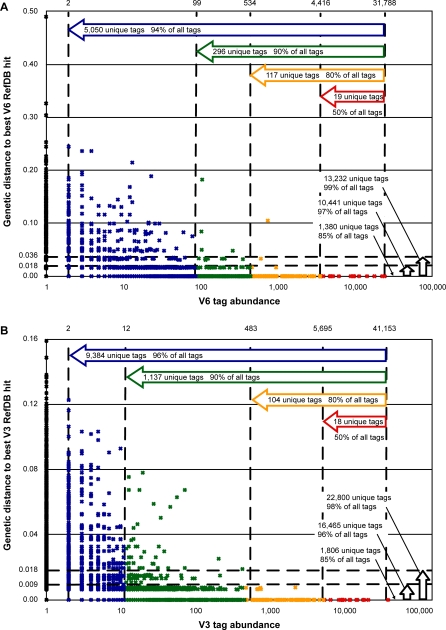
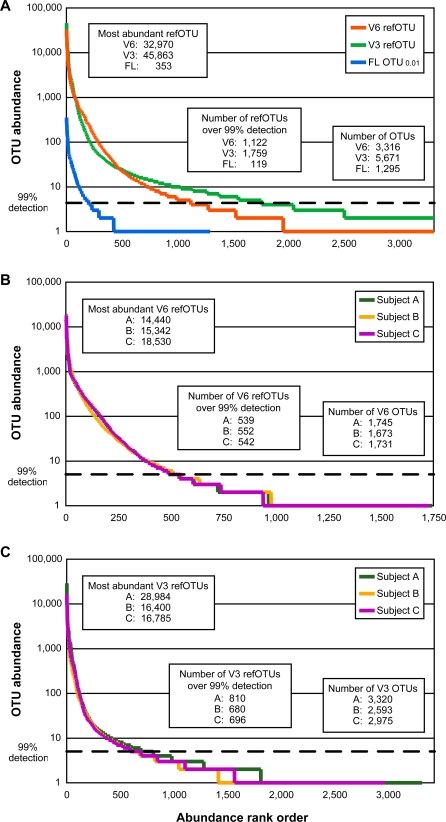
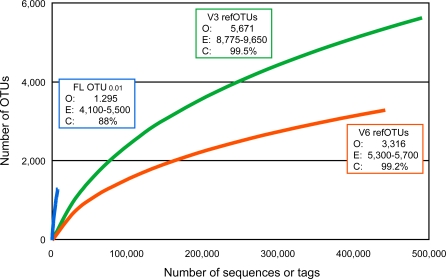
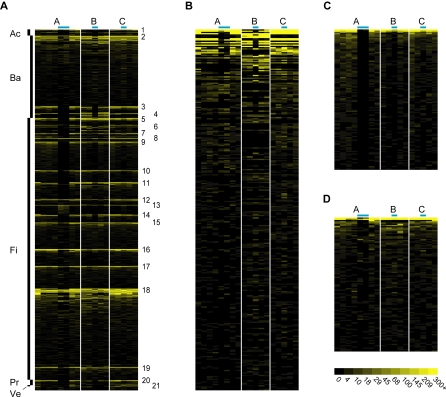
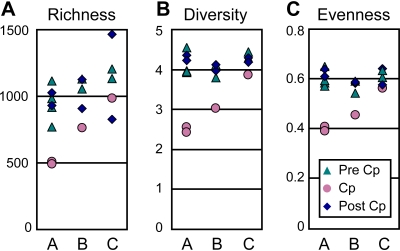
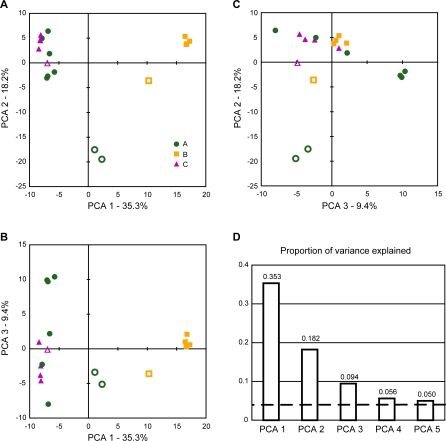
The human intestinal microbiota is essential to the health of the host and plays a role in nutrition, development, metabolism, pathogen resistance, and regulation of immune responses. Antibiotics may disrupt these coevolved interactions, leading to acute or chronic disease in some individuals. Our understanding of antibiotic-associated disturbance of the microbiota has been limited by the poor sensitivity, inadequate resolution, and significant cost of current research methods. The use of pyrosequencing technology to generate large numbers of 16S rDNA sequence tags circumvents these limitations and has been shown to reveal previously unexplored aspects of the "rare biosphere." We investigated the distal gut bacterial communities of three healthy humans before and after treatment with ciprofloxacin, obtaining more than 7,000 full-length rRNA sequences and over 900,000 pyrosequencing reads from two hypervariable regions of the rRNA gene. A companion paper in PLoS Genetics (see Huse et al., doi: 10.1371/journal.pgen.1000255) shows that the taxonomic information obtained with these methods is concordant. Pyrosequencing of the V6 and V3 variable regions identified 3,300-5,700 taxa that collectively accounted for over 99% of the variable region sequence tags that could be obtained from these samples. Ciprofloxacin treatment influenced the abundance of about a third of the bacterial taxa in the gut, decreasing the taxonomic richness, diversity, and evenness of the community. However, the magnitude of this effect varied among individuals, and some taxa showed interindividual variation in the response to ciprofloxacin. While differences of community composition between individuals were the largest source of variability between samples, we found that two unrelated individuals shared a surprising degree of community similarity. In all three individuals, the taxonomic composition of the community closely resembled its pretreatment state by 4 weeks after the end of treatment, but several taxa failed to recover within 6 months. These pervasive effects of ciprofloxacin on community composition contrast with the reports by participants of normal intestinal function and with prior assumptions of only modest effects of ciprofloxacin on the intestinal microbiota. These observations support the hypothesis of functional redundancy in the human gut microbiota. The rapid return to the pretreatment community composition is indicative of factors promoting community resilience, the nature of which deserves future investigation.
Overview
The claims and statistics of this paper haven’t been checked yet.
Free: it reads the open-access text and checks the first 5 claims that cite a source we can check. Create a free account to check every claim.
Integrity signals
Registry
Cites
Statistics
Figures
Verification
Claims the paper makes
The claims and statistics of this paper haven’t been checked yet.
Free: it reads the open-access text and checks the first 5 claims that cite a source we can check. Create a free account to check every claim.
Claims other papers make about this one
Each is checked against this paper’s own text: does it say what the citing paper says it does?
The source backs part of the claim, not all of it — or backs it for a different population, condition or comparison.
In the citing paper
“The greatest risk factor for CDI is the use of antibiotics,46 though only a small proportion of patients on antibiotics develop the infection.”
From Update on Fecal Microbiota Transplantation 2015: Indications, Methodologies, Mechanisms, and Outlook (2015) · cites this paper as [46]
Experimental — accuracy not yet measuredThe source backs part of the claim, not all of it — or backs it for a different population, condition or comparison.
In the citing paper
“The taxonomic composition of the gut microbiota changes throughout the gastrointestinal tract, according to nutrient availability, mucus structure, pH and oxygen availability [1–6].”
From Role of the gut microbiota in nutrient competition and protection against intestinal pathogen colonization (2023) · cites this paper as [6]
Experimental — accuracy not yet measuredThe cited source says what the claim attributes to it.
In the citing paper
“Individual bacterial taxa can show variable responses to antibiotics, which will impact the nutrient niches that are created in the intestine following antibiotic treatment [6].”
From Role of the gut microbiota in nutrient competition and protection against intestinal pathogen colonization (2023) · cites this paper as [6]
Self-check
Percentages, sums and reported differences re-computed from the paper’s own numbers.
The self-check needs the paper’s full text.
Citations
Cites
Naïve Bayesian Classifier for Rapid Assignment of rRNA Sequences into the New Bacterial Taxonomy
Wang, Q., Garrity, G. M., Tiedje, J. M., & Cole, J. R. (2007) · Applied and Environmental Microbiology · doi:10.1128/aem.00062-07 · Cited by 19,885 · cited 5×
“The taxonomic affiliation of fulllength sequences was determined using the Classifier tool of the RDP, with an 80% bootstrap threshold [41].”
BackgroundMethodInfluentialGreengenes, a Chimera-Checked 16S rRNA Gene Database and Workbench Compatible with ARB
DeSantis, T. Z., Hugenholtz, P., Larsen, N., Rojas, M., Brodie, E. L., Keller, K., Huber, T., Dalevi, D., Hu, P., & Andersen, G. L. (2006) · Applied and Environmental Microbiology · doi:10.1128/aem.03006-05 · Cited by 10,891 · cited 1×
“Forward and reverse sequencing reads were assembled using the Phred/Phrap/Consed suite of programs with default parameters [50–52]; assembled sequences were aligned via the NAST algorithm [53] at the Greengenes Website (http:// greengenes.lbl.gov/) [ 54 ].”
MethodHuman gut microbes associated with obesity
Ley, R. E., Turnbaugh, P. J., Klein, S., & Gordon, J. I. (2006) · Nature · doi:10.1038/4441022a · Cited by 8,785 · cited 1×
“A high proportion of tags in the current study have an exact match in the database, due to the substantial sequencing effort that has already been directed to the human gut microbiota [7,30,90].”
BackgroundDiversity of the Human Intestinal Microbial Flora
Eckburg, P. B., Bik, E. M., Bernstein, C. N., Purdom, E., Dethlefsen, L., Sargent, M., Gill, S. R., Nelson, K. E., & Relman, D. A. (2005) · Science · doi:10.1126/science.1110591 · Cited by 7,913 · cited 4×
“A high proportion of tags in the current study have an exact match in the database, due to the substantial sequencing effort that has already been directed to the human gut microbiota [7,30,90].”
BackgroundResultInfluentialSelf-citationGenome sequencing in microfabricated high-density picolitre reactors
Margulies, M., Egholm, M., Altman, W. E., Attiya, S., Bader, J. S., Bemben, L. A., Berka, J., Braverman, M. S., Chen, Y.-J., Chen, Z., et al. (2005) · Nature · doi:10.1038/nature03959 · Cited by 7,693 · cited 2×
“lower than that of capillary dideoxy sequencing, although considerably better than the 96% accuracy initially reported [38].”
BackgroundResultBase-Calling of Automated Sequencer Traces Using Phred. I. Accuracy Assessment
Ewing, B., Hillier, L., Wendl, M. C., & Green, P. (1998) · Genome Research · doi:10.1101/gr.8.3.175 · Cited by 6,967 · cited 1×
“Forward and reverse sequencing reads were assembled using the Phred/Phrap/Consed suite of programs with default parameters [48-50]; assembled sequences were aligned via the NAST algorithm [51] at the Greengenes website (http://greengenes.”
MethodARB: a software environment for sequence data
Ludwig, W. (2004) · Nucleic Acids Research · doi:10.1093/nar/gkh293 · Cited by 6,702 · cited 6×
“Uncultivated Taxon V3_Clostridiales_refOTU_2 The maximum-likelihood phylogenetic tree (calculated via AxML using default parameters in Arb [55]) shows the relationship between a clade containing 174 full-length V3 RefDB 16S rRNA sequences with exact matches to V3_Clostridiales_refOTU_2 and the most closely related seq…”
MethodInfluentialPruesse, E., Quast, C., Knittel, K., Fuchs, B. M., Ludwig, W., Peplies, J., & Glockner, F. O. (2007) · Nucleic Acids Research · doi:10.1093/nar/gkm864 · Cited by 6,668 · cited 1×
“de/)[57] with taxonomic classifications obtained from the RDP Classifier [41] (minimum 80% bootstrap score) as described in [48].”
MethodThe gut microbiota as an environmental factor that regulates fat storage
Bäckhed, F., Ding, H., Wang, T., Hooper, L. V., Koh, G. Y., Nagy, A., Semenkovich, C. F., & Gordon, J. I. (2004) · Proceedings of the National Academy of Sciences · doi:10.1073/pnas.0407076101 · Cited by 6,245
Obesity alters gut microbial ecology
Ley, R. E., Bäckhed, F., Turnbaugh, P., Lozupone, C. A., Knight, R. D., & Gordon, J. I. (2005) · Proceedings of the National Academy of Sciences · doi:10.1073/pnas.0504978102 · Cited by 6,176 · cited 1×
“cations for cancer [18,19] and obesity [20,21], among other”
Background
Research works printed but not linked: 89
- Dethlefsen, 2007, Nature, 449, 811
- Ley, 2006, Cell, 124, 837
- Guarner, 2006, Digestion, 73, 5
- Brook, 2005, Otolaryngol Head Neck Surg, 133, 139
- Servin, 2004, FEMS Microbiol Rev, 28, 405
- Reid, 2006, World J Urol, 24, 28
- Li, 2008, Proc Natl Acad Sci U S A, 105, 2117
- Hooper, 2004, Trends Microbiol, 12, 129
- Mazmanian, 2005, Cell, 122, 107
- Rakoff-Nahoum, 2004, Cell, 118, 229
- Sullivan, 2001, Lancet Infect Dis, 1, 101
- Beaugerie, 2004, Best Pract Res Clin Gastroenterol, 18, 337
- Wilcox, 2003, Best Pract Res Clin Gastroenterol, 17, 475
- Marra, 2006, Chest, 129, 610
- Noverr, 2005, Clin Exp Allergy, 35, 1511
- Prioult, 2005, Immunol Rev, 206, 204
- Nicholson, 2005, Nat Rev Microbiol, 3, 431
- O'Keefe, 2007, J Nutr, 137, 175S
- McGarr, 2005, J Clin Gastroenterol, 39, 98
- Ley, 2005, Proc Natl Acad Sci U S A, 102, 11070
- Bäckhed, 2004, Proc Natl Acad Sci U S A, 101, 15718
- Stewart, 2004, FEMS Microbiol Lett, 230, 1
- Lode, 2001, Scand J Infect Dis, 33, 899
- De La Cochetiere, 2005, J Clin Microbiol, 43, 5588
- Donskey, 2003, J Microbiol Meth, 54, 249
- Jernberg, 2007, Isme J, 1, 56
- Lofmark, 2008, Anaerobe, 14, 157
- Sjolund, 2003, Ann Intern Med, 139, 483
- Bäckhed, 2005, Science, 307, 1915
- Eckburg, 2005, Science, 308, 1635
- Suau, 1999, Appl Environ Microbiol, 65, 4799
- Zoetendal, 2004, J Nutr, 134, 465
- Mai, 2004, J Nutr, 134, 459
- Bartosch, 2004, Appl Environ Microbiol, 70, 3575
- Bartosch, 2005, Clin Infect Dis, 40, 28
- Vanhoutte, 2004, FEMS Microbiol Ecol, 48, 437
- Jernberg, 2005, Appl Environ Microbiol, 71, 501
- Margulies, 2005, Nature, 437, 376
- Sogin, 2006, Proc Natl Acad Sci U S A, 103, 12115
- Liu, 2007, Nucleic Acids Res, 35, e120
- Wang, 2007, Appl Environ Microbiol, 73, 5261
- Huber, 2007, Science, 318, 97
- Huse, 2007, Genome Biol, 8, R143
- Roesch, 2007, Isme J, 1, 283
- Hamady, 2008, Nat Methods, 5, 235
- Sundquist, 2007, BMC Microbiol, 7, 108
- Thompson, 2002, Nucleic Acids Res, 30, 2083
- Ewing, 1998, Genome Res, 8, 186
- Ewing, 1998, Genome Res, 8, 175
- Gordon, 1998, Genome Res, 8, 195
- DeSantis, 2006, Nucleic Acids Res, 34, W394
- DeSantis, 2006, Appl Environ Microbiol, 72, 5069
- Ludwig, 2004, Nucleic Acids Res, 32, 1363
- Schloss, 2005, Appl Environ Microbiol, 71, 1501
- Pruesse, 2007, Nucleic Acids Res, 35, 7188
- Colwell, 2005, EstimateS: Statistical estimation of species richness and shared species from samples. Version 7.5
- Leek, 2006, Bioinformatics, 22, 507
- Hughes, 2001, Appl Environ Microbiol, 67, 4399
- Chao, 1984, Scan J Stat, 11, 265
- Chao, 1992, Biometrics, 48, 201
- Colwell, 1994, Philos Trans R Soc Lond B Biol Sci, 345, 101
- Good, 1953, Biometrika, 40, 237
- Derrien, 2004, Int J Syst Evol Microbiol, 54, 1469
- Jost, 2006, Oikos, 113, 363
- Jost, 2007, Ecology, 88, 2427
- Franks, 1998, Appl Environ Microbiol, 64, 3336
- Matsuki, 2004, Appl Environ Microbiol, 70, 7220
- Hayashi, 2002, Microbiol Immunol, 46, 819
- De La Cochetiere, 2008, Microb Ecol, 56, 395
- Ozaki, 2004, J Med Microbiol, 53, 167
- Flint, 2007, Environ Microbiol, 9, 1101
- Belenguer, 2006, Appl Environ Microbiol, 72, 3593
- Martin, 2007, Mol Syst Biol, 3, 112
- Ridlon, 2006, J Lipid Res, 47, 241
- Pena, 2004, Appl Environ Microbiol, 70, 558
- Servin, 2003, Best Pract Res Clin Gastroenterol, 17, 741
- Sullivan, 2003, J Antimicrob Chemother, 52, 308
- Bedford Russell, 2006, Bjog, 113, 758
- Young, 2004, J Clin Microbiol, 42, 1203
- Duncan, 2004, Appl Environ Microbiol, 70, 5810
- Duncan, 2006, Int J Syst Evol Microbiol, 56, 2437
- Louis, 2004, J Bacteriol, 186, 2099
- Schumacher, 1997, Clin Microbiol Infect, 3, 134
- Jacoby, 2005, Clin Infect Dis 41 Suppl, 2, S120
- Forney, 2004, Curr Opin Microbiol, 7, 210
- von Wintzingerode, 1997, FEMS Microbiol Rev, 21, 213
- Ley, 2006, Nature, 444, 1022
- von Mering, 2007, Science, 315, 1126
- Ashelford, 2006, Appl Environ Microbiol, 72, 5734
Cited by
Items 101–200 of 1,011
Bacterial diversity in the oral cavity of 10 healthy individuals
Bik, E. M., Long, C. D., Armitage, G. C., Loomer, P., Emerson, J., Mongodin, E. F., Nelson, K. E., Gill, S. R., Fraser-Liggett, C. M., & Relman, D. A. (2010) · The ISME Journal · doi:10.1038/ismej.2010.30 · Cited by 651
“, 2005) and 15 stool specimens from 3 healthy subjects in an antibiotic perturbation study (Dethlefsen et al., 2008).”
BackgroundMethodInfluentialSelf-citationKhoruts, A., Dicksved, J., Jansson, J. K., & Sadowsky, M. J. (2010) · Journal of Clinical Gastroenterology · doi:10.1097/mcg.0b013e3181c87e02 · Cited by 649
Bajaj, J. S., Kassam, Z., Fagan, A., Gavis, E. A., Liu, E., Cox, I. J., Kheradman, R., Heuman, D., Wang, J., Gurry, T., et al. (2017) · Hepatology · doi:10.1002/hep.29306 · Cited by 633
“Broad-spectrum pretreatment antibiotics were used pre-FMT to decrease the host bacterial burden and lower microbial diversity to enable a colonic environment receptive to colonization from a donor’s microbiota.((17,25,29)) This approach has been demonstrated in FMT for ulcerative colitis, where patients have a low div…”
BackgroundMethodMartínez, I., Kim, J., Duffy, P. R., Schlegel, V. L., & Walter, J. (2010) · PLoS ONE · doi:10.1371/journal.pone.0015046 · Cited by 645
“This technique has been extremely valuable, for example, in the characterization of the human microbiota in terms of lean and obese physiological states, impact of antibiotics, and the importance of delivery mode at birth [26,27,28].”
MethodBacterial colonization factors control specificity and stability of the gut microbiota
Lee, S. M., Donaldson, G. P., Mikulski, Z., Boyajian, S., Ley, K., & Mazmanian, S. K. (2013) · Nature · doi:10.1038/nature12447 · Cited by 626
Homeostasis of the gut barrier and potential biomarkers
Wells, J. M., Brummer, R. J., Derrien, M., MacDonald, T. T., Troost, F., Cani, P. D., Theodorou, V., Dekker, J., Méheust, A., de Vos, W. M., et al. (2017) · American Journal of Physiology-Gastrointestinal and Liver Physiology · doi:10.1152/ajpgi.00048.2015 · Cited by 620
“The protective function of a healthy microbiota is clearly evident from antibiotic administration, which can sometimes result in intestinal problems such as antibiotic-associated diarrhea caused by enteropathogens and dysregulation of intestinal homeostasis (61, 173).”
BackgroundGut microbiota disturbance during antibiotic therapy: a multi-omic approach
Pérez-Cobas, A. E., Gosalbes, M. J., Friedrichs, A., Knecht, H., Artacho, A., Eismann, K., Otto, W., Rojo, D., Bargiela, R., von Bergen, M., et al. (2013) · Gut · doi:10.1136/gutjnl-2012-303184 · Cited by 605
Regulation of intestinal inflammation by microbiota following allogeneic bone marrow transplantation
Jenq, R. R., Ubeda, C., Taur, Y., Menezes, C. C., Khanin, R., Dudakov, J. A., Liu, C., West, M. L., Singer, N. V., Equinda, M. J., et al. (2012) · Journal of Experimental Medicine · doi:10.1084/jem.20112408 · Cited by 626
“Loss of diversity has been found to occur with antibiotic use (Dethlefsen et al., 2008; Ubeda et al., 2010) and increasing age (Woodmansey, 2007), and may predispose mice to disease.”
BackgroundMicrobial Ecology along the Gastrointestinal Tract
Hillman, E. T., Lu, H., Yao, T., & Nakatsu, C. H. (2017) · Microbes and environments · doi:10.1264/jsme2.me17017 · Cited by 580
“Using almost full-length 16S rRNA gene sequences, predicted taxa numbers range from 100–300 (20, 56), while pyrosequencing suggests there are 1000s of phylotypes (38, 49).”
BackgroundGut Microbiota Diversity and Human Diseases: Should We Reintroduce Key Predators in Our Ecosystem?
Mosca, A., Leclerc, M., & Hugot, J. P. (2016) · Frontiers in Microbiology · doi:10.3389/fmicb.2016.00455 · Cited by 612
“ATB profoundly alter the structure of the intestinal microbiota (Buffie et al., 2012) and reduce the bacterial diversity (Dethlefsen et al., 2008; Pérez-Cobas et al., 2013; Zhao et al., 2014).”
BackgroundVertical mother–neonate transfer of maternal gut bacteria via breastfeeding
Jost, T., Lacroix, C., Braegger, C. P., Rochat, F., & Chassard, C. (2014) · Environmental Microbiology · doi:10.1111/1462-2920.12238 · Cited by 580
Systematic review and meta-analysis of Saccharomyces boulardii in adult patients
McFarland, L. V. (2010) · World Journal of Gastroenterology · doi:10.3748/wjg.v16.i18.2202 · Cited by 545
Effects of antibiotics on gut microbiota
Lange, K., Buerger, M., Stallmach, A., & Bruns, T. (2016) · Digestive Diseases · doi:10.1159/000443360 · Cited by 607
Salonen, A., Nikkilä, J., Jalanka-Tuovinen, J., Immonen, O., Rajilić-Stojanović, M., Kekkonen, R. A., Palva, A., & de Vos, W. M. (2010) · Journal of Microbiological Methods · doi:10.1016/j.mimet.2010.02.007 · Cited by 594
Interactions Between Gut Microbiota and Host Metabolism Predisposing to Obesity and Diabetes
Musso, G., Gambino, R., & Cassader, M. (2011) · Annual Review of Medicine · doi:10.1146/annurev-med-012510-175505 · Cited by 598
“Antibiotics can also pervasively affect gut microbiota composition: A five-day course of orally administered ciprofloxacin decreased substantially the diversity of the fecal microbial community (18).”
BackgroundBuffie, C. G., Jarchum, I., Equinda, M., Lipuma, L., Gobourne, A., Viale, A., Ubeda, C., Xavier, J., & Pamer, E. G. (2012) · Infection and Immunity · doi:10.1128/iai.05496-11 · Cited by 596
“This approach has helped clarify the impact of numerous exogenous factors on the commensal microbiota, including the effect of diet (38), inflammation (35), and antibiotic therapy (6).”
BackgroundResultImpact of oral vancomycin on gut microbiota, bile acid metabolism, and insulin sensitivity
Vrieze, A., Out, C., Fuentes, S., Jonker, L., Reuling, I., Kootte, R. S., van Nood, E., Holleman, F., Knaapen, M., Romijn, J. A., et al. (2014) · Journal of Hepatology · doi:10.1016/j.jhep.2013.11.034 · Cited by 578
“Oral antibiotic treatment results in short- and long-term changes of the intestinal microbiota in both mice and humans [16–19].”
BackgroundEcology of the rare microbial biosphere of the Arctic Ocean
Galand, P. E., Casamayor, E. O., Kirchman, D. L., & Lovejoy, C. (2009) · Proceedings of the National Academy of Sciences · doi:10.1073/pnas.0908284106 · Cited by 567
“by pyrosequencing (7, 11, 42) and corresponded to a 94% identity clustering”
MethodThe gut microbiota modulates host energy and lipid metabolism in mice
Velagapudi, V. R., Hezaveh, R., Reigstad, C. S., Gopalacharyulu, P., Yetukuri, L., Islam, S., Felin, J., Perkins, R., Borén, J., Orešič, M., et al. (2010) · Journal of Lipid Research · doi:10.1194/jlr.m002774 · Cited by 589
Verdam, F. J., Fuentes, S., de Jonge, C., Zoetendal, E. G., Erbil, R., Greve, J. W., Buurman, W. A., de Vos, W. M., & Rensen, S. S. (2013) · Obesity · doi:10.1002/oby.20466 · Cited by 587
“These conflicting data may be attributable to factors such as diet (5), recent use of antibiotics (35), host physiology (30), and the presence of obesity associated comorbidity such as insulin resistance (36).”
BackgroundSochocka, M., Donskow-Łysoniewska, K., Diniz, B. S., Kurpas, D., Brzozowska, E., & Leszek, J. (2019) · Molecular Neurobiology · doi:10.1007/s12035-018-1188-4 · Cited by 584
Gut-associated microbes of Drosophila melanogaster
Broderick, N. A., & Lemaitre, B. (2012) · Gut Microbes · doi:10.4161/gmic.19896 · Cited by 566
The emerging world of the fungal microbiome
Huffnagle, G. B., & Noverr, M. C. (2013) · Trends in Microbiology · doi:10.1016/j.tim.2013.04.002 · Cited by 567
“1%), but more diverse, component of the microbiome has been termed the ‘rare biosphere’ [2,3].”
BackgroundUpdate on Fecal Microbiota Transplantation 2015: Indications, Methodologies, Mechanisms, and Outlook
Kelly, C. R., Kahn, S., Kashyap, P., Laine, L., Rubin, D., Atreja, A., Moore, T., & Wu, G. (2015) · Gastroenterology · doi:10.1053/j.gastro.2015.05.008 · Cited by 572
“investigated the effect of ciprofloxacin in three individuals and found reduced microbial taxonomic diversity, richness and evenness, although the magnitude of effect differed among individuals.(47) A more recent study in mice treated with the antibiotic cefoperazone suggests that antibiotic treatment alters the fecal…”
A Core Human Microbiome as Viewed through 16S rRNA Sequence Clusters
Huse, S. M., Ye, Y., Zhou, Y., & Fodor, A. A. (2012) · PLoS ONE · doi:10.1371/journal.pone.0034242 · Cited by 572
“Previous studies have demonstrated a great deal of variation in gut and nasal microbiota between individuals [5,6,7,8,9], and in the microbiota at different body sites within a single individual [10].”
BackgroundSelf-citationTedersoo, L., Nilsson, R. H., Abarenkov, K., Jairus, T., Sadam, A., Saar, I., Bahram, M., Bechem, E., Chuyong, G., & Kõljalg, U. (2010) · New Phytologist · doi:10.1111/j.1469-8137.2010.03373.x · Cited by 549
Role of the Commensal Microbiota in Normal and Pathogenic Host Immune Responses
Littman, D. R., & Pamer, E. G. (2011) · Cell Host & Microbe · doi:10.1016/j.chom.2011.10.004 · Cited by 556
“…of ciprofloxacin, a commonly used antibiotic with little activity against obligate anaerobic bacteria, altered the abundance of roughly one third of intestinal bacteria in three healthy volunteers, with a significant loss of microbial diversity during treatment (Dethlefsen et al., 2008).”
BackgroundInfluentialReproducible Community Dynamics of the Gastrointestinal Microbiota following Antibiotic Perturbation
Antonopoulos, D. A., Huse, S. M., Morrison, H. G., Schmidt, T. M., Sogin, M. L., & Young, V. B. (2009) · Infection and Immunity · doi:10.1128/iai.01520-08 · Cited by 550
“It has been reported that short-term administration of antibiotics could result in long-term changes in the structure of the fecal microbiota of humans (12, 25, 32).”
BackgroundSelf-citationAntibiotic exposure perturbs the gut microbiota and elevates mortality in honeybees
Raymann, K., Shaffer, Z., & Moran, N. A. (2017) · PLOS Biology · doi:10.1371/journal.pbio.2001861 · Cited by 544
Development of intestinal microbiota in infants and its impact on health
Matamoros, S., Gras-Leguen, C., Le Vacon, F., Potel, G., & de La Cochetiere, M.-F. (2013) · Trends in Microbiology · doi:10.1016/j.tim.2012.12.001 · Cited by 534
SER-109, an Oral Microbiome Therapy for Recurrent Clostridioides difficile Infection
Feuerstadt, P., Louie, T. J., Lashner, B., Wang, E. E. L., Diao, L., Bryant, J. A., Sims, M., Kraft, C. S., Cohen, S. H., Berenson, C. S., et al. (2022) · New England Journal of Medicine · doi:10.1056/nejmoa2106516 · Cited by 558
“Metabolism and nutrition disorders 28 (31) 36 (39)”
BackgroundGenomic approaches to studying the human microbiota
Weinstock, G. M. (2012) · Nature · doi:10.1038/nature11553 · Cited by 539
Antibiotics, Pediatric Dysbiosis, and Disease
Vangay, P., Ward, T., Gerber, J. S., & Knights, D. (2015) · Cell Host & Microbe · doi:10.1016/j.chom.2015.04.006 · Cited by 530
Antibiotics in early life and obesity
Cox, L. M., & Blaser, M. J. (2015) · Nature Reviews Endocrinology · doi:10.1038/nrendo.2014.210 · Cited by 541
Microbiota of Human Breast Tissue
Urbaniak, C., Cummins, J., Brackstone, M., Macklaim, J. M., Gloor, G. B., Baban, C. K., Scott, L., O'Hanlon, D. M., Burton, J. P., Francis, K. P., et al. (2014) · Applied and Environmental Microbiology · doi:10.1128/aem.00242-14 · Cited by 552
Optimizing methods and dodging pitfalls in microbiome research
Kim, D., Hofstaedter, C. E., Zhao, C., Mattei, L., Tanes, C., Clarke, E., Lauder, A., Sherrill-Mix, S., Chehoud, C., Kelsen, J., et al. (2017) · Microbiome · doi:10.1186/s40168-017-0267-5 · Cited by 541
Holler, E., Butzhammer, P., Schmid, K., Hundsrucker, C., Koestler, J., Peter, K., Zhu, W., Sporrer, D., Hehlgans, T., Kreutz, M., et al. (2014) · Biology of Blood and Marrow Transplantation · doi:10.1016/j.bbmt.2014.01.030 · Cited by 544
“The hypervariable V3 region of the 16s rRNA gene was amplified as described [10] and sequenced on a 454 GS FLX sequencer (Roche Diagnostics, Basel, Switzerland) using Gene Sequencing FLX titanium”
MethodAntibiotic treatment expands the resistance reservoir and ecological network of the phage metagenome
Modi, S. R., Lee, H. H., Spina, C. S., & Collins, J. J. (2013) · Nature · doi:10.1038/nature12212 · Cited by 542
“Studies on the disruption of intestinal homeostasis have focused on the resulting alterations in microbial composition 6,7 .”
Human Microbiome in Health and Disease
Pflughoeft, K. J., & Versalovic, J. (2012) · Annual Review of Pathology: Mechanisms of Disease · doi:10.1146/annurev-pathol-011811-132421 · Cited by 529
Contribution of diet to the composition of the human gut microbiota
Graf, D., Di Cagno, R., Fåk, F., Flint, H. J., Nyman, M., Saarela, M., & Watzl, B. (2015) · Microbial Ecology in Health & Disease · doi:10.3402/mehd.v26.26164 · Cited by 519
Gérard, P. (2016) · Cellular and Molecular Life Sciences · doi:10.1007/s00018-015-2061-5 · Cited by 508
“For example, short-term treatment in humans with a single dose of oral antibiotics alters the gut microbiota for as long as 4 weeks before it tends to recover its original composition [10].”
BackgroundGut microbiota and metabolic syndrome
Festi, D., Schiumerini, R., Eusebi, L. H., Marasco, G., Taddia, M., & Colecchia, A. (2014) · World Journal of Gastroenterology · doi:10.3748/wjg.v20.i43.16079 · Cited by 534
The links between the gut microbiome and non-alcoholic fatty liver disease (NAFLD)
Safari, Z., & Gérard, P. (2019) · Cellular and Molecular Life Sciences · doi:10.1007/s00018-019-03011-w · Cited by 502
Fouhy, F., Guinane, C. M., Hussey, S., Wall, R., Ryan, C. A., Dempsey, E. M., Murphy, B., Ross, R. P., Fitzgerald, G. F., Stanton, C., et al. (2012) · Antimicrobial Agents and Chemotherapy · doi:10.1128/aac.00789-12 · Cited by 501
“More recently, the impact of antibiotic administration on the gut microbiota has been revealed in even greater depth as a consequence of the use of high-throughput sequencing technologies in both animal and human trials (6, 17, 18, 51, 58, 66).”
BackgroundWan, Z., Wang, C., Zhou, J., Shen, M., Wang, X., Fu, Z., & Jin, Y. (2019) · Chemosphere · doi:10.1016/j.chemosphere.2018.11.070 · Cited by 503
Evolutionary Relationships of Wild Hominids Recapitulated by Gut Microbial Communities
Ochman, H., Worobey, M., Kuo, C.-H., Ndjango, J.-B. N., Peeters, M., Hahn, B. H., & Hugenholtz, P. (2010) · PLoS Biology · doi:10.1371/journal.pbio.1000546 · Cited by 494
“performed high-coverage sequencing of the small subunit ribosomal RNA genes [11–13] present in the feces of apes”
BackgroundThe Female Vaginal Microbiome in Health and Bacterial Vaginosis
Chen, X., Lu, Y., Chen, T., & Li, R. (2021) · Frontiers in Cellular and Infection Microbiology · doi:10.3389/fcimb.2021.631972 · Cited by 451
“External interferences, such as antibiotics (Dethlefsen et al., 2008), infections (Lloyd-Price et al.”
BackgroundEating For Two: How Metabolism Establishes Interspecies Interactions in the Gut
Fischbach, M. A., & Sonnenburg, J. L. (2011) · Cell Host & Microbe · doi:10.1016/j.chom.2011.10.002 · Cited by 507
“However, there are clear limits to the microbiota’s stability, as oral antibiotic treatment in humans and in mice results in a sudden and marked alteration in community composition and density (Dethlefsen et al., 2008; Dethlefsen and Relman, 2010; Stecher et al., 2007).”
BackgroundChapter 12: Human Microbiome Analysis
Morgan, X. C., & Huttenhower, C. (2012) · PLoS Computational Biology · doi:10.1371/journal.pcbi.1002808 · Cited by 496
“Second, the microbiota are amazingly plastic; they change metagenomically within hours and metatranscriptomically within minutes in response to perturbations ranging from broad-spectrum antibiotics to your breakfast bacon and eggs [41,126,127].”
BackgroundVitamin B 12 as a Modulator of Gut Microbial Ecology
Degnan, P. H., Taga, M. E., & Goodman, A. L. (2014) · Cell Metabolism · doi:10.1016/j.cmet.2014.10.002 · Cited by 488
“…methods of controlling the composition of microbes in the human gut, with the exception of antibiotic therapy, which targets broad taxonomic groups, or fecal transplantation, in which the entire microbiota is replaced with that of another individual (Dethlefsen et al., 2008; Seekatz et al., 2014).”
MethodPreidis, G. A., & Versalovic, J. (2009) · Gastroenterology · doi:10.1053/j.gastro.2009.01.072 · Cited by 485
Williams, B. L., Hornig, M., Buie, T., Bauman, M. L., Cho Paik, M., Wick, I., Bennett, A., Jabado, O., Hirschberg, D. L., & Lipkin, W. I. (2011) · PLoS ONE · doi:10.1371/journal.pone.0024585 · Cited by 492
“The use of probiotics, proton-pump inhibitors, or antibiotics has been shown to impact the intestinal microbiome [36,37,38].”
BackgroundArcilla, M. S., van Hattem, J. M., Haverkate, M. R., Bootsma, M. C. J., van Genderen, P. J. J., Goorhuis, A., Grobusch, M. P., Lashof, A. M. O., Molhoek, N., Schultsz, C., et al. (2017) · The Lancet Infectious Diseases · doi:10.1016/s1473-3099(16)30319-x · Cited by 462
Strategies to Minimize Antibiotic Resistance
Lee, C.-R., Cho, I., Jeong, B., & Lee, S. (2013) · International Journal of Environmental Research and Public Health · doi:10.3390/ijerph10094274 · Cited by 446
“Like cases of ciprofloxacin [77] and”
Intestinal microbiota, diet and health
Power, S. E., O'Toole, P. W., Stanton, C., Ross, R. P., & Fitzgerald, G. F. (2014) · British Journal Of Nutrition · doi:10.1017/s0007114513002560 · Cited by 476
“Nonetheless, the community is quite resilient and can resemble the pre-treatment state in a matter of days or weeks((42,79,80)).”
Handl, S., Dowd, S. E., Garcia-Mazcorro, J. F., Steiner, J. M., & Suchodolski, J. S. (2011) · FEMS Microbiology Ecology · doi:10.1111/j.1574-6941.2011.01058.x · Cited by 442
“(Dethlefsen et al., 2008; Ritchie et al., 2010).”
BackgroundFrom Structure to Function: the Ecology of Host-Associated Microbial Communities
Robinson, C. J., Bohannan, B. J. M., & Young, V. B. (2010) · Microbiology and Molecular Biology Reviews · doi:10.1128/mmbr.00014-10 · Cited by 457
Antibiotic Exposure and IBD Development Among Children: A Population-Based Cohort Study
Kronman, M. P., Zaoutis, T. E., Haynes, K., Feng, R., & Coffin, S. E. (2012) · Pediatrics · doi:10.1542/peds.2011-3886 · Cited by 445
The seasonal structure of microbial communities in the Western English Channel
Gilbert, J. A., Field, D., Swift, P., Newbold, L., Oliver, A., Smyth, T., Somerfield, P. J., Huse, S., & Joint, I. (2009) · Environmental Microbiology · doi:10.1111/j.1462-2920.2009.02017.x · Cited by 454
“…to a minimum of 617 in June This high diversity contrasts to other communities, such as the gut flora, where a limited number of genera are found (Dethlefsen et al., 2008), but also demonstrates the complexity of soil-based ecosystems that demonstrate much greater diversity (Roesch et al., 2007).”
BackgroundSelf-citationZaura, E., Brandt, B. W., Teixeira de Mattos, M. J., Buijs, M. J., Caspers, M. P. M., Rashid, M.-U., Weintraub, A., Nord, C. E., Savell, A., Hu, Y., et al. (2015) · mBio · doi:10.1128/mbio.01693-15 · Cited by 447
Dysbiosis Signature of Fecal Microbiota in Colorectal Cancer Patients
Wu, N., Yang, X., Zhang, R., Li, J., Xiao, X., Hu, Y., Chen, Y., Yang, F., Lu, N., Wang, Z., et al. (2013) · Microbial Ecology · doi:10.1007/s00248-013-0245-9 · Cited by 454
“In addition, the V3 region has been widely used, while allowing a significantly greater depth of coverage than is possible with Sanger sequencing [25].”
BackgroundComplex interactions among diet, gastrointestinal transit, and gut microbiota in humanized mice
Kashyap, P. C., Marcobal, A., Ursell, L. K., Larauche, M., Duboc, H., Earle, K. A., Sonnenburg, E. D., Ferreyra, J. A., Higginbottom, S. K., Million, M., et al. (2013) · Gastroenterology · doi:10.1053/j.gastro.2013.01.047 · Cited by 451
Acute appendicitis is characterised by local invasion with Fusobacterium nucleatum / necrophorum
Swidsinski, A., Dörffel, Y., Loening-Baucke, V., Theissig, F., Rückert, J. C., Ismail, M., Rau, W. A., Gaschler, D., Weizenegger, M., Kühn, S., et al. (2011) · Gut · doi:10.1136/gut.2009.191320 · Cited by 442
“Molecular genetics research of the last 50 years has demonstrated that the colonic flora of each person contains about 5000 different species.(4) Most of them cannot be cultured or quantitatively characterised by culture methods.”
BackgroundTemporal variability is a personalized feature of the human microbiome
Flores, G. E., Caporaso, J. G., Henley, J. B., Rideout, J. R., Domogala, D., Chase, J., Leff, J. W., Vázquez-Baeza, Y., Gonzalez, A., Knight, R., et al. (2014) · Genome Biology · doi:10.1186/s13059-014-0531-y · Cited by 446
“Based on previous work [4,20], we expected that antibiotic usage would lead to profound shifts in the structure of an individual’s microbiome.”
Role of the Intestinal Microbiota in Resistance to Colonization by Clostridium difficile
Britton, R. A., & Young, V. B. (2014) · Gastroenterology · doi:10.1053/j.gastro.2014.01.059 · Cited by 446
“Studies in animals and human beings have shown that antibiotics have profound and, in some cases, long-lasting effects on the community structure of the gut microbiota.(29,30) Antibiotics affect not only the overall size of the gut bacterial community, but also the composition of the community (they alter proportions…”
BackgroundAntibiotic perturbations to the gut microbiome
Fishbein, S. R. S., Mahmud, B., & Dantas, G. (2023) · Nature Reviews Microbiology · doi:10.1038/s41579-023-00933-y · Cited by 440
“Foundational studies in healthy adult humans have commonly demonstrated the acute decline in alpha diversity 31 (in the first couple of days of treatment) and the incomplete recovery of the microbiome up to 6 months after treatment (often measured by beta diversity between baseline and…”
BackgroundHill, D. A., Hoffmann, C., Abt, M. C., Du, Y., Kobuley, D., Kirn, T. J., Bushman, F. D., & Artis, D. (2010) · Mucosal Immunology · doi:10.1038/mi.2009.132 · Cited by 431
Resurrecting the intestinal microbiota to combat antibiotic-resistant pathogens
Pamer, E. G. (2016) · Science · doi:10.1126/science.aad9382 · Cited by 418
Webster, N. S., Taylor, M. W., Behnam, F., Lücker, S., Rattei, T., Whalan, S., Horn, M., & Wagner, M. (2010) · Environmental Microbiology · doi:10.1111/j.1462-2920.2009.02065.x · Cited by 420
“, 2008), and two recent studies indicated even higher numbers (Dethlefsen et al., 2008; Peterson et al., 2008).”
BackgroundResultCarey-Ann, B. D., & Carroll, K. C. (2013) · Clinical Microbiology Reviews · doi:10.1128/cmr.00016-13 · Cited by 423
“difficile disease, recurrence may be related to a failure to restore the normally diverse microbial intestinal community (22, 23).”
BackgroundStecher, B., Chaffron, S., Käppeli, R., Hapfelmeier, S., Freedrich, S., Weber, T. C., Kirundi, J., Suar, M., McCoy, K. D., von Mering, C., et al. (2010) · PLoS Pathogens · doi:10.1371/journal.ppat.1000711 · Cited by 435
“In contrast to other studies [2,4,34], we decided to sequence the 16S rRNA hypervariable regions V5 and V6 (length in E.”
BackgroundResultKummen, M., Holm, K., Anmarkrud, J. A., Nygård, S., Vesterhus, M., Høivik, M. L., Trøseid, M., Marschall, H.-U., Schrumpf, E., Moum, B., et al. (2017) · Gut · doi:10.1136/gutjnl-2015-310500 · Cited by 426
The biodiversity hypothesis and allergic disease: world allergy organization position statement
Haahtela, T., Holgate, S., Pawankar, R., Akdis, C. A., Benjaponpitak, S., Caraballo, L., Demain, J., Portnoy, J., & von Hertzen, L. (2013) · World Allergy Organization Journal · doi:10.1186/1939-4551-6-3 · Cited by 426
“Oneweek course affected the gut microbiota even for three years [68].”
BackgroundMcLellan, S. L., Huse, S. M., Mueller‐Spitz, S. R., Andreishcheva, E. N., & Sogin, M. L. (2010) · Environmental Microbiology · doi:10.1111/j.1462-2920.2009.02075.x · Cited by 415
Self-citationThe Human Nasal Microbiota and Staphylococcus aureus Carriage
Frank, D. N., Feazel, L. M., Bessesen, M. T., Price, C. S., Janoff, E. N., & Pace, N. R. (2010) · PLoS ONE · doi:10.1371/journal.pone.0010598 · Cited by 422
“Few in-depth longitudinal studies of the human microbiota have been reported to date [44].”
BackgroundIllumina-based analysis of microbial community diversity
Degnan, P. H., & Ochman, H. (2012) · The ISME Journal · doi:10.1038/ismej.2011.74 · Cited by 421
“Since its initial introduction, pyrotag analysis has been widely implemented (for example, Dethlefsen et al., 2008; Bowers et al., 2009; Cardenas et al., 2010; McLellan et al., 2010) and further optimized in order to obtain thousands of sequences from multiple samples in parallel (Parameswaran et…”
BackgroundMethodComposition and temporal stability of the gut microbiota in older persons
Jeffery, I. B., Lynch, D. B., & O’Toole, P. W. (2016) · The ISME Journal · doi:10.1038/ismej.2015.88 · Cited by 421
“Knowledge of the diet of these subjects and their faecal microbiota composition will help to identify dietary intervention and bacteriotherapy strategies for promoting health in older people.”
BackgroundRole of the gut microbiota in defining human health
Fujimura, K. E., Slusher, N. A., Cabana, M. D., & Lynch, S. V. (2010) · Expert Review of Anti-infective Therapy · doi:10.1586/eri.10.14 · Cited by 407
Ungaro, R., Bernstein, C. N., Gearry, R., Hviid, A., Kolho, K.-L., Kronman, M. P., Shaw, S., Van Kruiningen, H., Colombel, J.-F., & Atreja, A. (2014) · American Journal of Gastroenterology · doi:10.1038/ajg.2014.246 · Cited by 384
Molecular characterization of mucosal adherent bacteria and associations with colorectal adenomas
Shen, X. J., Rawls, J. F., Randall, T. A., Burcall, L., Mpande, C., Jenkins, N., Jovov, B., Abdo, Z., Sandler, R. S., & Keku, T. O. (2010) · Gut Microbes · doi:10.4161/gmic.1.3.12360 · Cited by 418
An Ecological Network of Polysaccharide Utilization among Human Intestinal Symbionts
Rakoff-Nahoum, S., Coyne, M. J., & Comstock, L. E. (2014) · Current Biology · doi:10.1016/j.cub.2013.10.077 · Cited by 409
“The gut Firmicutes are distantly related to each other and comprise different classes and orders [4, 5, 8].”
Sulfate-reducing microorganisms in wetlands – fameless actors in carbon cycling and climate change
Pester, M. (2012) · Frontiers in Microbiology · doi:10.3389/fmicb.2012.00072 · Cited by 384
“…historical ecological change with the potential to become dominant in response to shifts in environmental conditions – the “microbial seed bank” concept (Dethlefsen et al., 2008; Brazelton et al., 2010; Lennon and Jones, 2011) or that they simply result from random dispersal (Hubert et al., 2009).”
BackgroundDevelopment of the human gastrointestinal microbiota and insights from high-throughput sequencing
Dominguez-Bello, M. G., Blaser, M. J., Ley, R. E., & Knight, R. (2011) · Gastroenterology · doi:10.1053/j.gastro.2011.02.011 · Cited by 405
Schloss, P. D. (2010) · PLoS Computational Biology · doi:10.1371/journal.pcbi.1000844 · Cited by 392
“V3 357–514 FLX/Illumina [33] None 158 (135–161)”
Gut microbiota and cardiovascular disease: opportunities and challenges
Kazemian, N., Mahmoudi, M., Halperin, F., Wu, J. C., & Pakpour, S. (2020) · Microbiome · doi:10.1186/s40168-020-00821-0 · Cited by 384
A meta-analysis of changes in bacterial and archaeal communities with time
Shade, A., Gregory Caporaso, J., Handelsman, J., Knight, R., & Fierer, N. (2013) · The ISME Journal · doi:10.1038/ismej.2013.54 · Cited by 399
“For example, it is often easier to execute disturbance experiments with microbial communities than with plant and animal communities, and microbial responses can be detected over relatively short-time periods (for example, Dethlefsen et al. , 2008; Shade et al. , 2012b).”
BackgroundInfluentialRole of the Gut Microbiome in Uremia: A Potential Therapeutic Target
Ramezani, A., Massy, Z. A., Meijers, B., Evenepoel, P., Vanholder, R., & Raj, D. S. (2016) · American Journal of Kidney Diseases · doi:10.1053/j.ajkd.2015.09.027 · Cited by 394
“Antibiotic treatment decreases the diversity and alters the relative abundances of members of the bacterial community, with some patients exhibiting incomplete recovery post-treatment.(31)”
BackgroundThirty Years of Lactobacillus rhamnosus GG: A Review
Capurso, L. (2019) · Journal of Clinical Gastroenterology · doi:10.1097/mcg.0000000000001170 · Cited by 381
Kim, M., Morrison, M., & Yu, Z. (2011) · Journal of Microbiological Methods · doi:10.1016/j.mimet.2010.10.020 · Cited by 355
Pyrosequencing reveals a contrasted bacterial diversity between oak rhizosphere and surrounding soil
Uroz, S., Buée, M., Murat, C., Frey‐Klett, P., & Martin, F. (2010) · Environmental Microbiology Reports · doi:10.1111/j.1758-2229.2009.00117.x · Cited by 375
Human microbiomes and their roles in dysbiosis, common diseases, and novel therapeutic approaches
Belizário, J. E., & Napolitano, M. (2015) · Frontiers in Microbiology · doi:10.3389/fmicb.2015.01050 · Cited by 372
“However, it is clear that antibiotic treatment can render individuals more susceptible to infections (Dethlefsen et al., 2008; Forslund et al., 2013).”
BackgroundRooks, M. G., Veiga, P., Wardwell-Scott, L. H., Tickle, T., Segata, N., Michaud, M., Gallini, C. A., Beal, C., van Hylckama-Vlieg, J. E. T., Ballal, S. A., et al. (2014) · The ISME Journal · doi:10.1038/ismej.2014.3 · Cited by 389
“…disrupt gut microbial community The ISME Journal structure and diversity, pushing the microbiome to an alternate state and potentially prolonging susceptibility to pathogens (Dethlefsen et al., 2008; Hill et al., 2010; Jakobsson et al., 2010; Manichanh et al., 2010; Ubeda and Pamer, 2012).”
BackgroundWu, G. D., Lewis, J. D., Hoffmann, C., Chen, Y.-Y., Knight, R., Bittinger, K., Hwang, J., Chen, J., Berkowsky, R., Nessel, L., et al. (2010) · BMC Microbiology · doi:10.1186/1471-2180-10-206 · Cited by 389
“Previous work has demonstrated that many factors can influence the composition of the gut microbiota, including diet, antibiotic use, disease states, and human genotype [6-13].”
BackgroundThe human microbiome: ecosystem resilience and health
Relman, D. A. (2012) · Nutrition Reviews · doi:10.1111/j.1753-4887.2012.00489.x · Cited by 383
Self-citationWang, B., Jiang, X., Cao, M., Ge, J., Bao, Q., Tang, L., Chen, Y., & Li, L. (2016) · Scientific Reports · doi:10.1038/srep32002 · Cited by 376
Techniques used to characterize the gut microbiota: a guide for the clinician
Fraher, M. H., O'Toole, P. W., & Quigley, E. M. M. (2012) · Nature Reviews Gastroenterology & Hepatology · doi:10.1038/nrgastro.2012.44 · Cited by 385
The effect of antibiotics on the composition of the intestinal microbiota—a systematic review
Zimmermann, P., & Curtis, N. (2019) · Journal of Infection · doi:10.1016/j.jinf.2019.10.008 · Cited by 383
Danzeisen, J. L., Kim, H. B., Isaacson, R. E., Tu, Z. J., & Johnson, T. J. (2011) · PLoS ONE · doi:10.1371/journal.pone.0027949 · Cited by 369
“Amplification of one or more hypervariable regions of the 16S rRNA region followed by parallel tag pyrosequencing is now commonly employed to analyze many different bacterial populations [15,16].”
BackgroundRea, M. C., Dobson, A., O'Sullivan, O., Crispie, F., Fouhy, F., Cotter, P. D., Shanahan, F., Kiely, B., Hill, C., & Ross, R. P. (2011) · Proceedings of the National Academy of Sciences · doi:10.1073/pnas.1001224107 · Cited by 377
Ageing of the human metaorganism: the microbial counterpart
Biagi, E., Candela, M., Fairweather-Tait, S., Franceschi, C., & Brigidi, P. (2012) · AGE · doi:10.1007/s11357-011-9217-5 · Cited by 365
“…human gut are Actinobacteria (3–15%), Proteobacteria (1–20%), Verrucomicrobia (0.1%), Fusobacteria, Cyanobacteria, Spyrochaetes and Lentisphaerae (Ley et al. 2006b; Turnbaugh et al. 2006; Frank et al. 2007; Andersson et al. 2008; Armougom and Raoult 2008; Dethlefsen et al. 2008; Tap et al. 2009).”
BackgroundInfluential
Metadata
- Authors
- Dethlefsen, L., Huse, S., Sogin, M. L., & Relman, D. A.
- Affiliations
- Stanford University (US)
- Marine Biological Laboratory (US)
- VA Palo Alto Health Care System (US)
- Corresponding author
- Relman, David A
- Venue
- PLoS Biology
- Publisher
- Public Library of Science (PLoS)
- Published
- 2008-11-18
- Volume
- 6
- Issue
- 11
- Pages
- e280
- ISSN
- 1544-9173 (ISSN-L)
- 1545-7885
- PMC
- PMC2586385
- OpenAlex
- W1967821667
- Cited by
- 2,361
- References
- 95
- Citations by year
- 2026: 60 · 2025: 81 · 2024: 89 · 2023: 96 · 2022: 123 · 2021: 142 · 2020: 172 · 2019: 159 · 2018: 155 · 2017: 161 · 2016: 164 · 2015: 174 · 2014: 158 · 2013: 159 · 2012: 138
- FWCI
- 45.07
- Type
- journal article
- Language
- en
- Open access
- gold
- doi.org
- Locations
- PLoS Biology (publishedVersion, cc-by)
- Europe PMC (PubMed Central) (publishedVersion, cc-by)
- PubMed Central (publishedVersion, cc-by)
- PubMed (publishedVersion)
- RePEc: Research Papers in Economics (submittedVersion)
- Open Access Server of the Woods Hole Scientific Community (Woods Hole Scientific Community) (submittedVersion, cc-by)
- DOAJ (DOAJ: Directory of Open Access Journals) (submittedVersion, cc-by-sa)
- Figshare (submittedVersion, cc-by)
- Funders
- National Institutes of Health (DP1OD000964)
- National Institute of Environmental Health Sciences (P50ES012742)
- Topics
- Life Sciences › Biochemistry, Genetics and Molecular Biology › Molecular Biology › Gut microbiota and health
- Physical Sciences › Environmental Science › Ecology › Microbial Community Ecology and Physiology
- Health Sciences › Dentistry › Periodontics › Oral microbiology and periodontitis research
- Keywords
- ciprofloxacin, antibiotic effects on gut microbiota, human gut microbiome, 16S rRNA gene pyrosequencing, rare biosphere, bacterial community diversity, interindividual variability, community recovery, functional redundancy, community resilience
- MeSH terms
- Anti-Bacterial Agents, Bacteria, Base Sequence, Ciprofloxacin, Feces, Humans, Intestines, RNA, Bacterial, RNA, Ribosomal, 16S, Genetic Variation, Principal Component Analysis, Gastrointestinal Tract
About these checks
Registry, retraction, Cites and statistics results are computed, not judged, with one exception: a printed reference that no index lists is read once by a model before it counts as a citation error. Claims are extracted by a model and kept only when their quote appears verbatim in the text; each cited source is then checked, with a model’s help, for whether it says what the claim relies on. Those verdicts can be wrong — read the claim’s quote and the cited source before relying on one.
Statistics and arithmetic are recomputed, not judged.
Confidence bands are shown only for fields calibrated on our annotated test set. None is calibrated yet, so no band is shown.
What counts as a claim ›How we measure confidence ›How we check this ›
Are you an author, or do you see a problem with this page? Request a review
Data sources
Bibliographic data: Semantic Scholar, OpenAlex, Crossref.
Contains information from the Semantic Scholar Academic Graph Datasets, made available under the ODC Attribution License (ODC-BY 1.0).
Semantic Scholar’s data is described in: Kinney, R., et al. (2023). The Semantic Scholar Open Data Platform. arXiv:2301.10140.
