

The Pervasive Effects of an Antibiotic on the Human Gut Microbiota, as Revealed by Deep 16S rRNA Sequencing
Open accessThe DOI matches its Crossref record; 95 of the 95 references it cites were found in a registry or an index.
Abstract
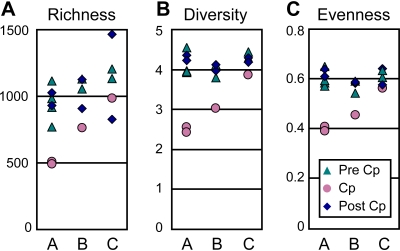
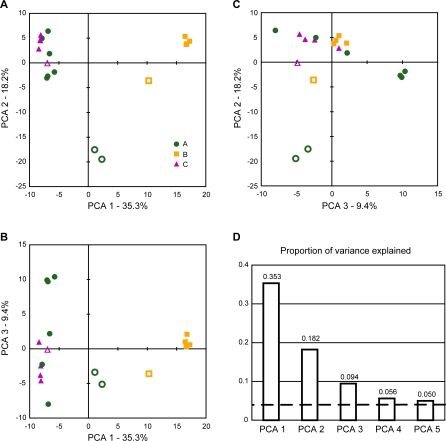
The human intestinal microbiota is essential to the health of the host and plays a role in nutrition, development, metabolism, pathogen resistance, and regulation of immune responses. Antibiotics may disrupt these coevolved interactions, leading to acute or chronic disease in some individuals. Our understanding of antibiotic-associated disturbance of the microbiota has been limited by the poor sensitivity, inadequate resolution, and significant cost of current research methods. The use of pyrosequencing technology to generate large numbers of 16S rDNA sequence tags circumvents these limitations and has been shown to reveal previously unexplored aspects of the "rare biosphere." We investigated the distal gut bacterial communities of three healthy humans before and after treatment with ciprofloxacin, obtaining more than 7,000 full-length rRNA sequences and over 900,000 pyrosequencing reads from two hypervariable regions of the rRNA gene. A companion paper in PLoS Genetics (see Huse et al., doi: 10.1371/journal.pgen.1000255) shows that the taxonomic information obtained with these methods is concordant. Pyrosequencing of the V6 and V3 variable regions identified 3,300-5,700 taxa that collectively accounted for over 99% of the variable region sequence tags that could be obtained from these samples. Ciprofloxacin treatment influenced the abundance of about a third of the bacterial taxa in the gut, decreasing the taxonomic richness, diversity, and evenness of the community. However, the magnitude of this effect varied among individuals, and some taxa showed interindividual variation in the response to ciprofloxacin. While differences of community composition between individuals were the largest source of variability between samples, we found that two unrelated individuals shared a surprising degree of community similarity. In all three individuals, the taxonomic composition of the community closely resembled its pretreatment state by 4 weeks after the end of treatment, but several taxa failed to recover within 6 months. These pervasive effects of ciprofloxacin on community composition contrast with the reports by participants of normal intestinal function and with prior assumptions of only modest effects of ciprofloxacin on the intestinal microbiota. These observations support the hypothesis of functional redundancy in the human gut microbiota. The rapid return to the pretreatment community composition is indicative of factors promoting community resilience, the nature of which deserves future investigation.
Overview
The claims and statistics of this paper haven’t been checked yet.
Free: it reads the open-access text and checks the first 5 claims that cite a source we can check. Create a free account to check every claim.
Integrity signals
Registry
Cites
Statistics
Figures
Verification
Claims the paper makes
The claims and statistics of this paper haven’t been checked yet.
Free: it reads the open-access text and checks the first 5 claims that cite a source we can check. Create a free account to check every claim.
Claims other papers make about this one
Each is checked against this paper’s own text: does it say what the citing paper says it does?
The source backs part of the claim, not all of it — or backs it for a different population, condition or comparison.
In the citing paper
“The greatest risk factor for CDI is the use of antibiotics,46 though only a small proportion of patients on antibiotics develop the infection.”
From Update on Fecal Microbiota Transplantation 2015: Indications, Methodologies, Mechanisms, and Outlook (2015) · cites this paper as [46]
Experimental — accuracy not yet measuredThe source backs part of the claim, not all of it — or backs it for a different population, condition or comparison.
In the citing paper
“The taxonomic composition of the gut microbiota changes throughout the gastrointestinal tract, according to nutrient availability, mucus structure, pH and oxygen availability [1–6].”
From Role of the gut microbiota in nutrient competition and protection against intestinal pathogen colonization (2023) · cites this paper as [6]
Experimental — accuracy not yet measuredThe cited source says what the claim attributes to it.
In the citing paper
“Individual bacterial taxa can show variable responses to antibiotics, which will impact the nutrient niches that are created in the intestine following antibiotic treatment [6].”
From Role of the gut microbiota in nutrient competition and protection against intestinal pathogen colonization (2023) · cites this paper as [6]
Self-check
Percentages, sums and reported differences re-computed from the paper’s own numbers.
The self-check needs the paper’s full text.
Citations
Cites
Naïve Bayesian Classifier for Rapid Assignment of rRNA Sequences into the New Bacterial Taxonomy
Wang, Q., Garrity, G. M., Tiedje, J. M., & Cole, J. R. (2007) · Applied and Environmental Microbiology · doi:10.1128/aem.00062-07 · Cited by 19,885 · cited 5×
“The taxonomic affiliation of fulllength sequences was determined using the Classifier tool of the RDP, with an 80% bootstrap threshold [41].”
BackgroundMethodInfluentialGreengenes, a Chimera-Checked 16S rRNA Gene Database and Workbench Compatible with ARB
DeSantis, T. Z., Hugenholtz, P., Larsen, N., Rojas, M., Brodie, E. L., Keller, K., Huber, T., Dalevi, D., Hu, P., & Andersen, G. L. (2006) · Applied and Environmental Microbiology · doi:10.1128/aem.03006-05 · Cited by 10,891 · cited 1×
“Forward and reverse sequencing reads were assembled using the Phred/Phrap/Consed suite of programs with default parameters [50–52]; assembled sequences were aligned via the NAST algorithm [53] at the Greengenes Website (http:// greengenes.lbl.gov/) [ 54 ].”
MethodHuman gut microbes associated with obesity
Ley, R. E., Turnbaugh, P. J., Klein, S., & Gordon, J. I. (2006) · Nature · doi:10.1038/4441022a · Cited by 8,785 · cited 1×
“A high proportion of tags in the current study have an exact match in the database, due to the substantial sequencing effort that has already been directed to the human gut microbiota [7,30,90].”
BackgroundDiversity of the Human Intestinal Microbial Flora
Eckburg, P. B., Bik, E. M., Bernstein, C. N., Purdom, E., Dethlefsen, L., Sargent, M., Gill, S. R., Nelson, K. E., & Relman, D. A. (2005) · Science · doi:10.1126/science.1110591 · Cited by 7,913 · cited 4×
“A high proportion of tags in the current study have an exact match in the database, due to the substantial sequencing effort that has already been directed to the human gut microbiota [7,30,90].”
BackgroundResultInfluentialSelf-citationGenome sequencing in microfabricated high-density picolitre reactors
Margulies, M., Egholm, M., Altman, W. E., Attiya, S., Bader, J. S., Bemben, L. A., Berka, J., Braverman, M. S., Chen, Y.-J., Chen, Z., et al. (2005) · Nature · doi:10.1038/nature03959 · Cited by 7,693 · cited 2×
“lower than that of capillary dideoxy sequencing, although considerably better than the 96% accuracy initially reported [38].”
BackgroundResultBase-Calling of Automated Sequencer Traces Using Phred. I. Accuracy Assessment
Ewing, B., Hillier, L., Wendl, M. C., & Green, P. (1998) · Genome Research · doi:10.1101/gr.8.3.175 · Cited by 6,967 · cited 1×
“Forward and reverse sequencing reads were assembled using the Phred/Phrap/Consed suite of programs with default parameters [48-50]; assembled sequences were aligned via the NAST algorithm [51] at the Greengenes website (http://greengenes.”
MethodARB: a software environment for sequence data
Ludwig, W. (2004) · Nucleic Acids Research · doi:10.1093/nar/gkh293 · Cited by 6,702 · cited 6×
“Uncultivated Taxon V3_Clostridiales_refOTU_2 The maximum-likelihood phylogenetic tree (calculated via AxML using default parameters in Arb [55]) shows the relationship between a clade containing 174 full-length V3 RefDB 16S rRNA sequences with exact matches to V3_Clostridiales_refOTU_2 and the most closely related seq…”
MethodInfluentialPruesse, E., Quast, C., Knittel, K., Fuchs, B. M., Ludwig, W., Peplies, J., & Glockner, F. O. (2007) · Nucleic Acids Research · doi:10.1093/nar/gkm864 · Cited by 6,668 · cited 1×
“de/)[57] with taxonomic classifications obtained from the RDP Classifier [41] (minimum 80% bootstrap score) as described in [48].”
MethodThe gut microbiota as an environmental factor that regulates fat storage
Bäckhed, F., Ding, H., Wang, T., Hooper, L. V., Koh, G. Y., Nagy, A., Semenkovich, C. F., & Gordon, J. I. (2004) · Proceedings of the National Academy of Sciences · doi:10.1073/pnas.0407076101 · Cited by 6,245
Obesity alters gut microbial ecology
Ley, R. E., Bäckhed, F., Turnbaugh, P., Lozupone, C. A., Knight, R. D., & Gordon, J. I. (2005) · Proceedings of the National Academy of Sciences · doi:10.1073/pnas.0504978102 · Cited by 6,176 · cited 1×
“cations for cancer [18,19] and obesity [20,21], among other”
Background
Research works printed but not linked: 89
- Dethlefsen, 2007, Nature, 449, 811
- Ley, 2006, Cell, 124, 837
- Guarner, 2006, Digestion, 73, 5
- Brook, 2005, Otolaryngol Head Neck Surg, 133, 139
- Servin, 2004, FEMS Microbiol Rev, 28, 405
- Reid, 2006, World J Urol, 24, 28
- Li, 2008, Proc Natl Acad Sci U S A, 105, 2117
- Hooper, 2004, Trends Microbiol, 12, 129
- Mazmanian, 2005, Cell, 122, 107
- Rakoff-Nahoum, 2004, Cell, 118, 229
- Sullivan, 2001, Lancet Infect Dis, 1, 101
- Beaugerie, 2004, Best Pract Res Clin Gastroenterol, 18, 337
- Wilcox, 2003, Best Pract Res Clin Gastroenterol, 17, 475
- Marra, 2006, Chest, 129, 610
- Noverr, 2005, Clin Exp Allergy, 35, 1511
- Prioult, 2005, Immunol Rev, 206, 204
- Nicholson, 2005, Nat Rev Microbiol, 3, 431
- O'Keefe, 2007, J Nutr, 137, 175S
- McGarr, 2005, J Clin Gastroenterol, 39, 98
- Ley, 2005, Proc Natl Acad Sci U S A, 102, 11070
- Bäckhed, 2004, Proc Natl Acad Sci U S A, 101, 15718
- Stewart, 2004, FEMS Microbiol Lett, 230, 1
- Lode, 2001, Scand J Infect Dis, 33, 899
- De La Cochetiere, 2005, J Clin Microbiol, 43, 5588
- Donskey, 2003, J Microbiol Meth, 54, 249
- Jernberg, 2007, Isme J, 1, 56
- Lofmark, 2008, Anaerobe, 14, 157
- Sjolund, 2003, Ann Intern Med, 139, 483
- Bäckhed, 2005, Science, 307, 1915
- Eckburg, 2005, Science, 308, 1635
- Suau, 1999, Appl Environ Microbiol, 65, 4799
- Zoetendal, 2004, J Nutr, 134, 465
- Mai, 2004, J Nutr, 134, 459
- Bartosch, 2004, Appl Environ Microbiol, 70, 3575
- Bartosch, 2005, Clin Infect Dis, 40, 28
- Vanhoutte, 2004, FEMS Microbiol Ecol, 48, 437
- Jernberg, 2005, Appl Environ Microbiol, 71, 501
- Margulies, 2005, Nature, 437, 376
- Sogin, 2006, Proc Natl Acad Sci U S A, 103, 12115
- Liu, 2007, Nucleic Acids Res, 35, e120
- Wang, 2007, Appl Environ Microbiol, 73, 5261
- Huber, 2007, Science, 318, 97
- Huse, 2007, Genome Biol, 8, R143
- Roesch, 2007, Isme J, 1, 283
- Hamady, 2008, Nat Methods, 5, 235
- Sundquist, 2007, BMC Microbiol, 7, 108
- Thompson, 2002, Nucleic Acids Res, 30, 2083
- Ewing, 1998, Genome Res, 8, 186
- Ewing, 1998, Genome Res, 8, 175
- Gordon, 1998, Genome Res, 8, 195
- DeSantis, 2006, Nucleic Acids Res, 34, W394
- DeSantis, 2006, Appl Environ Microbiol, 72, 5069
- Ludwig, 2004, Nucleic Acids Res, 32, 1363
- Schloss, 2005, Appl Environ Microbiol, 71, 1501
- Pruesse, 2007, Nucleic Acids Res, 35, 7188
- Colwell, 2005, EstimateS: Statistical estimation of species richness and shared species from samples. Version 7.5
- Leek, 2006, Bioinformatics, 22, 507
- Hughes, 2001, Appl Environ Microbiol, 67, 4399
- Chao, 1984, Scan J Stat, 11, 265
- Chao, 1992, Biometrics, 48, 201
- Colwell, 1994, Philos Trans R Soc Lond B Biol Sci, 345, 101
- Good, 1953, Biometrika, 40, 237
- Derrien, 2004, Int J Syst Evol Microbiol, 54, 1469
- Jost, 2006, Oikos, 113, 363
- Jost, 2007, Ecology, 88, 2427
- Franks, 1998, Appl Environ Microbiol, 64, 3336
- Matsuki, 2004, Appl Environ Microbiol, 70, 7220
- Hayashi, 2002, Microbiol Immunol, 46, 819
- De La Cochetiere, 2008, Microb Ecol, 56, 395
- Ozaki, 2004, J Med Microbiol, 53, 167
- Flint, 2007, Environ Microbiol, 9, 1101
- Belenguer, 2006, Appl Environ Microbiol, 72, 3593
- Martin, 2007, Mol Syst Biol, 3, 112
- Ridlon, 2006, J Lipid Res, 47, 241
- Pena, 2004, Appl Environ Microbiol, 70, 558
- Servin, 2003, Best Pract Res Clin Gastroenterol, 17, 741
- Sullivan, 2003, J Antimicrob Chemother, 52, 308
- Bedford Russell, 2006, Bjog, 113, 758
- Young, 2004, J Clin Microbiol, 42, 1203
- Duncan, 2004, Appl Environ Microbiol, 70, 5810
- Duncan, 2006, Int J Syst Evol Microbiol, 56, 2437
- Louis, 2004, J Bacteriol, 186, 2099
- Schumacher, 1997, Clin Microbiol Infect, 3, 134
- Jacoby, 2005, Clin Infect Dis 41 Suppl, 2, S120
- Forney, 2004, Curr Opin Microbiol, 7, 210
- von Wintzingerode, 1997, FEMS Microbiol Rev, 21, 213
- Ley, 2006, Nature, 444, 1022
- von Mering, 2007, Science, 315, 1126
- Ashelford, 2006, Appl Environ Microbiol, 72, 5734
Cited by
Items 801–900 of 1,011
Devine, A. A., Gonzalez, A., Speck, K. E., Knight, R., Helmrath, M., Lund, P. K., & Azcarate-Peril, M. A. (2013) · PLoS ONE · doi:10.1371/journal.pone.0073140 · Cited by 71
“in total diversity [21,45,48,49] and increased numbers of”
BackgroundFood Components and the Immune System: From Tonic Agents to Allergens
Faria, A. M. C., Gomes-Santos, A. C., Gonçalves, J. L., Moreira, T. G., Medeiros, S. R., Dourado, L. P. A., & Cara, D. C. (2013) · Frontiers in Immunology · doi:10.3389/fimmu.2013.00102 · Cited by 73
“…the composition and diversity of microbiota are the widespread use of antibiotics, diet composition, elimination of parasitic infections, cesarean birth, and formula feeding (Dethlefsen et al., 2008; De Filippo et al., 2010; Dominguez-Bello et al., 2010; Walk et al., 2010; Yatsunenko et al., 2012).”
BackgroundDirectly Sampling the Lung of a Young Child with Cystic Fibrosis Reveals Diverse Microbiota
Brown, P. S., Pope, C. E., Marsh, R. L., Qin, X. G., McNamara, S., Gibson, R. L., Burns, J. L., Deutsch, G. H., & Hoffman, L. R. (2014) · Annals of the American Thoracic Society · doi:10.1513/annalsats.201311-383oc · Cited by 71
Xun, W., Xiong, W., Huang, T., Ran, W., Li, D., Shen, Q., Li, Q., & Zhang, R. (2015) · Applied Soil Ecology · doi:10.1016/j.apsoil.2015.12.003 · Cited by 74
The Human Microbiome and Surgical Disease
Morowitz, M. J., BABROWSKI, T. A., Carlisle, E. M., Olivas, A. D., Romanowski, K. S. S., Seal, J. B., Liu, D. C., & Alverdy, J. C. (2011) · Annals of Surgery · doi:10.1097/sla.0b013e31821175d7 · Cited by 73
Modulating Composition and Metabolic Activity of the Gut Microbiota in IBD Patients
Matijašić, M., Meštrović, T., Perić, M., Paljetak, H. Č., Panek, M., Bender, D. V., Kelečić, D. L., Krznarić, Ž., & Verbanac, D. (2016) · International Journal of Molecular Sciences · doi:10.3390/ijms17040578 · Cited by 77
“[113] demonstrated that ciprofloxacin usage can result in rapid reduction of gut microbiota diversity with substantial effects on roughly one third of bacterial taxa.”
BackgroundPop, M., Paulson, J. N., Chakraborty, S., Astrovskaya, I., Lindsay, B. R., Li, S., Bravo, H. C., Harro, C. D., Parkhill, J., Walker, A. W., et al. (2016) · BMC Genomics · doi:10.1186/s12864-016-2777-0 · Cited by 81
“Both diarrhea [20] and ciprofloxacin treatment [21, 24] led to significant decreases in overall diversity (p < 0.”
BackgroundEffect of barrier microbes on organ-based inflammation
Garn, H., Neves, J. F., Blumberg, R. S., & Renz, H. E. (2013) · Journal of Allergy and Clinical Immunology · doi:10.1016/j.jaci.2013.04.031 · Cited by 78
“It is therefore interesting that antibiotics, for example, can have profound effects on the composition of the microbiota and that these changes in the microbiota caused by antibiotic ingestion can be durable and persistent.(29,42,43) Interestingly, early-life exposure to antibiotics (during the first year of life) ha…”
Gut microbiota response to antibiotics is personalized and depends on baseline microbiota
Rashidi, A., Ebadi, M., Rehman, T. U., Elhusseini, H., Nalluri, H., Kaiser, T., Holtan, S. G., Khoruts, A., Weisdorf, D. J., & Staley, C. M. (2021) · Microbiome · doi:10.1186/s40168-021-01170-2 · Cited by 81
“Considering that only a small fraction of gut microbiota is shared among healthy individuals [38, 39], our results explain the previous observations that the microbiota in different individuals responds differently to antibiotics [2, 40].”
ResultGrowth promotion and gut microbiota: insights from antibiotic use
Brüssow, H. (2015) · Environmental Microbiology · doi:10.1111/1462-2920.12786 · Cited by 79
“Ciprofloxacin antibiotic treatment strongly decreased the taxonomic richness and diversity of gut microbiota in two of three investigated healthy adults (Dethlefsen et al., 2008).”
BackgroundAntibiotic Selection Pressure Determination through Sequence-Based Metagenomics
Willmann, M., El-Hadidi, M. S., Huson, D. H., Schütz, M., Weidenmaier, C., Autenrieth, I. B., & Peter, S. (2015) · Antimicrobial Agents and Chemotherapy · doi:10.1128/aac.01504-15 · Cited by 73
Niu, T., Smith, D. L., Yang, Z., Gao, S., Yin, T., Jiang, Z., You, M., Gibbs, R. A., Petrosino, J. F., & Hu, M. (2012) · Pharmaceutical Research · doi:10.1007/s11095-012-0925-z · Cited by 71
Pyrosequencing Analysis of the Salivary Microbiota of Healthy Chinese Children and Adults
Ling, Z., Liu, X., Wang, Y., Li, L., & Xiang, C. (2012) · Microbial Ecology · doi:10.1007/s00248-012-0123-x · Cited by 73
Auclair, J., Frappier, M., & Millette, M. (2015) · Clinical Infectious Diseases · doi:10.1093/cid/civ179 · Cited by 67
Liu, Z., Liu, W., Ran, C., Hu, J., & Zhou, Z. (2016) · Scientific Reports · doi:10.1038/srep23214 · Cited by 76
“These results are consistent with the studies investigating the risks of antibiotics usage in humans and mice 43,44 , also indicating the reliability of the tilapia model.”
The Dimension of Time in Host-Microbiome Interactions
Uhr, G. T., Dohnalová, L., & Thaiss, C. A. (2019) · mSystems · doi:10.1128/msystems.00216-18 · Cited by 65
Hu, X., Liu, G., Li, Y., Wei, Y., Lin, S., Liu, S., Zheng, Y., & Hu, D. (2018) · Frontiers in Microbiology · doi:10.3389/fmicb.2018.01674 · Cited by 69
“, 2016), though microbial communities can recover more or less within a few days or weeks after drug withdrawal (Dethlefsen et al., 2008).”
BackgroundBailey, M. T. (2012) · Hormones and Behavior · doi:10.1016/j.yhbeh.2012.02.006 · Cited by 69
“These climax communities are relatively resistant to change (Allison and Martiny, 2008), but many factors, including diet, antibiotic use, or exposure to different types of stressors, can cause transient alterations in the microbial communities (Antonopoulos et al., 2009; Bailey et al., 2010, 2011; Dethlefsen et al.,…”
Common Oral Medications Lead to Prophage Induction in Bacterial Isolates from the Human Gut
Sutcliffe, S. G., Shamash, M., Hynes, A. P., & Maurice, C. F. (2021) · Viruses · doi:10.3390/v13030455 · Cited by 84
Staubach, F., Künzel, S., Baines, A. C., Yee, A., McGee, B. M., Bäckhed, F., Baines, J. F., & Johnsen, J. M. (2012) · The ISME Journal · doi:10.1038/ismej.2011.204 · Cited by 66
“Universal bacterial primers for the V3 16S rRNA variable region were used to amplify bacterial 16S RNA as described by Dethlefsen et al. (2008).”
MethodBonfrate, L., Tack, J., Grattagliano, I., Cuomo, R., & Portincasa, P. (2013) · Scandinavian Journal of Gastroenterology · doi:10.3109/00365521.2013.799220 · Cited by 67
“[34] Dethlefsen L, Huse S, SoginML, Relman DA.”
BackgroundGaleote, D. C., Bedmar, E. J., Fernandez-Gonzalez, A. J., Fernández‐López, M., & Gaspar, G. J. A. (2016) · Frontiers in Plant Science · doi:10.3389/fpls.2016.01016 · Cited by 69
“…complex habitats such as the deep sea (Sogin et al., 2006; Huse et al., 2008; Polymenakou et al., 2015), human microbiome (Sundquist et al., 2007; Dethlefsen et al., 2008; Claesson et al., 2009; Hang et al., 2014), coastal microbial mats (Bolhuis and Stal, 2011; Tytgat et al., 2014) and dental…”
BackgroundVemuri, R. C., Gundamaraju, R., Shinde, T., & Eri, R. (2017) · Beneficial Microbes · doi:10.3920/bm2016.0115 · Cited by 66
Subtle Microbiome Manipulation Using Probiotics Reduces Antibiotic-Associated Mortality in Fish
Schmidt, V. T., Marta Gómez-chiarri, G., Roy, C., Smith, K. F., & Amaral‐Zettler, L. (2017) · mSystems · doi:10.1128/msystems.00133-17 · Cited by 75
“A clear signal of antibiotic drug administration is evident in the microbiomes of mice (7), swine (39), rats (40), and humans (41).”
Wang, E., Yuan, Z., Wang, K., Gao, D., Liu, Z., & Liles, M. R. (2018) · Aquaculture · doi:10.1016/j.aquaculture.2018.11.019 · Cited by 73
Commensal-derived metabolites govern Vibrio cholerae pathogenesis in host intestine
You, J. S., Yong, J. H., Kim, G. H., Moon, S., Nam, K. T., Ryu, J. H., Yoon, M. Y., & Yoon, S. S. (2019) · Microbiome · doi:10.1186/s40168-019-0746-y · Cited by 79
Duan, Y., Chen, Z., Tan, L., Wang, X., Xue, Y., Wang, S., Wang, Q., Das, R., Lin, H., Hou, J., et al. (2020) · Science of The Total Environment · doi:10.1016/j.scitotenv.2019.135674 · Cited by 67
Brown, E., Arrieta, M., & Finlay, B. B. (2013) · Seminars in Immunology · doi:10.1016/j.smim.2013.09.003 · Cited by 76
Prebiotics Modulate the Effects of Antibiotics on Gut Microbial Diversity and Functioning in Vitro
Johnson, L., Walton, G., Psichas, A., Frost, G. S., Gibson, G. R., & Barraclough, T. G. (2015) · Nutrients · doi:10.3390/nu7064480 · Cited by 75
“However, antibiotics can have an adverse effect on gut communities by reducing the abundance and diversity of commensal microbes [5,6].”
Briskey, D. R., Tucker, P. S., Johnson, D. W., & Coombes, J. S. (2016) · Clinical and Experimental Nephrology · doi:10.1007/s10157-016-1255-y · Cited by 75
“Following antibiotics, the full microbiome typically recovers in a few days, but can take as much as a month [84, 85] and, in some cases, may be compromised permanently [83].”
Gut microbiota-host interactions and juvenile idiopathic arthritis
Arvonen, M., Berntson, L., Pokka, T. M.-L., Karttunen, T. J., Vähäsalo, P., & Stoll, M. L. (2016) · Pediatric Rheumatology · doi:10.1186/s12969-016-0104-6 · Cited by 82
“Dethlefsen 2008 [73] One course of ciprofloxacin x 5 days 3 adults None Feces Sequencing of 16S rDNA 30 days Samples returned to baseline at the community level after 30 days, although individual taxa failed to recover.”
BackgroundChoi, S. H., Oh, J., Ryu, J. S., Kim, H. M., Im, S., Kim, K. P., & Kim, M. K. (2020) · Investigative Ophthalmology & Visual Science · doi:10.1167/iovs.61.3.42 · Cited by 72
Björklund, M., Ouwehand, A. C., Forssten, S. D., Nikkilä, J., Tiihonen, K., Rautonen, N., & Lahtinen, S. J. (2012) · AGE · doi:10.1007/s11357-011-9294-5 · Cited by 67
Maughan, H., Wang, P. W., Caballero, J. D., Fung, P., Gong, Y., Donaldson, S. L., Yuan, L., Keshavjee, S. H., Zhang, Y., Yau, Y. C. W., et al. (2012) · PLoS ONE · doi:10.1371/journal.pone.0045791 · Cited by 67
“, 454 and Illumina Paired-End), we simulated reads of varying lengths using published primer sequences [4,5,12,13].”
MethodThe human intestinal microbiota
Dore, J. M., & Corthier, G. (2010) · Gastroentérologie Clinique et Biologique · doi:10.1016/s0399-8320(10)70015-4 · Cited by 91
Bugging inflammation: role of the gut microbiota
Shen, S., & Wong, C. H. Y. (2016) · Clinical & Translational Immunology · doi:10.1038/cti.2016.12 · Cited by 82
Gupta, S., Fernandes, J. M. O., & Kiron, V. (2019) · Microorganisms · doi:10.3390/microorganisms7080233 · Cited by 73
Merenstein, D. J., Fraser, C. M., Roberts, R., Liu, T., Grant-Beurmann, S., Tan, T., Smith, K. H., Cronin, T., Martin, O. A., Sanders, M. E., et al. (2021) · Nutrients · doi:10.3390/nu13082814 · Cited by 71
Fallucca, F., Porrata, C., Fallucca, S., & Pianesi, M. (2014) · Diabetes/Metabolism Research and Reviews · doi:10.1002/dmrr.2518 · Cited by 64
“correlated with the number of these protective bacteria [38].”
BackgroundInferring Dynamic Signatures of Microbes in Complex Host Ecosystems
Gerber, G. K., Onderdonk, A. B., & Bry, L. (2012) · PLoS Computational Biology · doi:10.1371/journal.pcbi.1002624 · Cited by 72
“performed, in which subjects were intentionally exposed to agents that perturb the microflora, with subsequent evaluation of changes in host ecosystems over time [12,13].”
The Kidney–Gut Axis: Implications for Nutrition Care
Rossi, M., Johnson, D. W., & Campbell, K. L. (2015) · Journal of Renal Nutrition · doi:10.1053/j.jrn.2015.01.017 · Cited by 70
Cheng, C. C., Duar, R. M., Lin, X., Perez-Munoz, M. E., Tollenaar, S., Oh, J.-H., van Pijkeren, J.-P., Li, F., van Sinderen, D., Gänzle, M. G., et al. (2020) · Applied and Environmental Microbiology · doi:10.1128/aem.00190-20 · Cited by 65
Rose, E. C., Blikslager, A. T., & Ziegler, A. L. (2022) · Frontiers in Veterinary Science · doi:10.3389/fvets.2022.834598 · Cited by 72
Berg, D., Clemente, J. C., & Colombel, J.-F. (2015) · Expert Review of Gastroenterology & Hepatology · doi:10.1586/17474124.2015.1013031 · Cited by 64
“, three healthy subjects were recruited to donate stool samples before, during and after a short course of ciprofloxacin for 5 days [25].”
BackgroundInfluentialDistinct gut microbiota of healthy children from two different geographic regions of Thailand
La-ongkham, O., Nakphaichit, M., Leelavatcharamas, V., Keawsompong, S., & Nitisinprasert, S. (2015) · Archives of Microbiology · doi:10.1007/s00203-015-1089-0 · Cited by 72
“Human microbial communities are affected by the host factors of age, gender, race, host genotype and external factors such as lifestyle, dietary patterns and antibiotic usage (Hayashi et al. 2002; Mueller et al. 2006; Dicksved et al. 2007; Dethlefsen et al. 2008; Turnbaugh et al. 2009; De Filippo et al. 2010).”
BackgroundModulation of Salmonella gene expression by subinhibitory concentrations of quinolones
Yim, G., McClure, J., Surette, M. G., & DAVIES, J. E. (2010) · The Journal of Antibiotics · doi:10.1038/ja.2010.137 · Cited by 68
Probiotics or antibiotics: future challenges in medicine
Nami, Y., Haghshenas, B., Abdullah, N., Barzegari, A., Biak, D. R. A., Rosli, R., & Khosroushahi, A. Y. (2014) · Journal of Medical Microbiology · doi:10.1099/jmm.0.078923-0 · Cited by 71
Partial recovery of microbiomes after antibiotic treatment
Raymond, F., Déraspe, M., Boissinot, M., Bergeron, M. G., & Corbeil, J. (2016) · Gut Microbes · doi:10.1080/19490976.2016.1216747 · Cited by 64
Current understanding of the role of gut dysbiosis in type 1 diabetes
Abdellatif, A. M., & Sarvetnick, N. (2019) · Journal of Diabetes · doi:10.1111/1753-0407.12915 · Cited by 75
Impact of Antibiotic Gut Exposure on the Temporal Changes in Microbiome Diversity
Burdet, C., Nguyen, T. T., Duval, X., Ferreira, S., Andremont, A., Guedj, J., Mentré, F., the DAV132-CL-1002 Study Group, Ait-Ilalne, B., Alavoine, L., et al. (2019) · Antimicrobial Agents and Chemotherapy · doi:10.1128/aac.00820-19 · Cited by 79
“These bacteria may then be disseminated in the environment, making antibiotic-modified gut microbiota the epicenter of bacterial resistance spread (10, 14, 15).”
BackgroundRussell, G. H., Kaplan, J. L., Youngster, I., Baril‐Dore, M., Schindelar, L., Hohmann, E., & Winter, H. S. (2014) · Journal of Pediatric Gastroenterology and Nutrition · doi:10.1097/mpg.0000000000000283 · Cited by 64
Fecal microbiota signatures of adult patients with different types of short bowel syndrome
Huang, Y., Guo, F., Li, Y., Wang, J., & Li, J. (2017) · Journal of Gastroenterology and Hepatology · doi:10.1111/jgh.13806 · Cited by 64
Diet creates metabolic niches in the "immature gut" that shape microbial communities.
Poroyko, V. A., Morowitz, M. J., Bell, T., ULANOV, A. V., Wang, M., Donovan, S. M., Bao, N., Gu, S., Hong, L., Alverdy, J. C., et al. (2011) · PubMed · doi:10.1590/s0212-16112011000600015 · Cited by 70
Drug-Induced Inflammatory Bowel Disease and IBD-Like Conditions
Dubeau, M.-F., Iacucci, M., Beck, P. L., Moran, G. W., Kaplan, G. G., Ghosh, S., & Panaccione, R. (2012) · Inflammatory Bowel Diseases · doi:10.1002/ibd.22990 · Cited by 72
Allostasis and Resilience of the Human Individual Metabolic Phenotype
Ghini, V., Saccenti, E., Tenori, L., Assfalg, M., & Luchinat, C. (2015) · Journal of Proteome Research · doi:10.1021/acs.jproteome.5b00275 · Cited by 69
How conserved are the conserved 16S-rRNA regions?
Martínez‐Porchas, M., Villalpando‐Canchola, E., Ortiz-Suárez, L. E., & Vargas‐Albores, F. (2017) · PeerJ · doi:10.7717/peerj.3036 · Cited by 74
“…et al., 2007) 3 ACTGAGAYACGGYCCARACTCCTACGGRNGGCNGCAGTRRGGAA 320–363 (Amann et al., 1990; Baker, Smith & Cowan, 2003; Chakravorty et al., 2007; Dethlefsen et al., 2008; Fierer et al., 2008; Hang et al., 2014; Hansen et al., 1998; Lane, 1991;Muyzer, De Waal & Uitterlinden, 1993; Reysenbach…”
Nazzal, L., Roberts, J., Singh, P., Jhawar, S. R., Matalon, A., Gao, Z., Holzman, R. S., Liebes, L., Blaser, M. J., & Lowenstein, J. (2017) · Nephrology Dialysis Transplantation · doi:10.1093/ndt/gfx029 · Cited by 68
“A study of the response to ciprofloxacin in three normal subjects observed ‘taxonomic composition of the community closely resembled its pretreatment state by 4 weeks after the end of treatment, but several taxa failed to recover within 6 months’ [31].”
BackgroundGray, A., Todd, D. A., & Hershey, A. E. (2019) · The Science of The Total Environment · doi:10.1016/j.scitotenv.2019.136286 · Cited by 70
McLean, J. S., Lombardo, M., Ziegler, M. G., Novotny, M. A., Yee-Greenbaum, J. L., Badger, J. H., Tesler, G., Nurk, S., Lesin, V. M., Brami, D., et al. (2013) · Genome Research · doi:10.1101/gr.150433.112 · Cited by 67
“An additional BLASTN analysis was performed against a curated database of near full-length to full-length 16S sequences (at least 900 bp) from human fecal sample 16S rRNA sequences (at least 900 bp) from several survey studies (Eckburg et al. 2005; Gill et al. 2006; Dethlefsen et al. 2008; Tap et al. 2009; Turnbaugh e…”
BackgroundMethodDrugs and Bugs: The Gut-Brain Axis and Substance Use Disorders
Simpson, S., Mclellan, R., Wellmeyer, E., Matalon, F., & George, O. (2021) · Journal of Neuroimmune Pharmacology · doi:10.1007/s11481-021-10022-7 · Cited by 70
Social Interaction, Noise and Antibiotic-Mediated Switches in the Intestinal Microbiota
Bucci, V., Bradde, S., Biroli, G., & Xavier, J. B. (2012) · PLoS Computational Biology · doi:10.1371/journal.pcbi.1002497 · Cited by 75
Composition and stability of intestinal microbiota of healthy children within a Dutch population
de Meij, T. G. J., Budding, A. E., de Groot, E. F. J., Jansen, F. M., Kneepkens, C. M. F., Benninga, M. A., Penders, J., Bodegraven, A. A. V., & Savelkoul, P. H. M. (2015) · The FASEB Journal · doi:10.1096/fj.15-278622 · Cited by 78
“The second primer was a forward primer consisting of a 9:1 mixture of 2 oligonucleotides, 59-B-AGAGTTTGATCMTGGCTCAG-39 and 59-BAGGGTTCGATTCTGGCTCAG-39, where B represents the B linker (59-CCTATCCCCTGTGTGCCTTGGCAGTCTCAG-39) followed by the 16S rRNA8F and 8F-Bif primers, respectively (18).”
MethodThe role of the commensal microbiota in adaptive and maladaptive stressor-induced immunomodulation
Mackos, A. R., Maltz, R., & Bailey, M. T. (2017) · Hormones and Behavior · doi:10.1016/j.yhbeh.2016.10.006 · Cited by 63
Does the microbiome and virome contribute to myalgic encephalomyelitis/chronic fatigue syndrome?
Newberry, F., Hsieh, S.-Y., Wileman, T., & Carding, S. R. (2018) · Clinical Science · doi:10.1042/cs20171330 · Cited by 69
O'Toole, P. W., & Shiels, P. G. (2020) · Journal of Internal Medicine · doi:10.1111/joim.13021 · Cited by 62
Aardema, H., Lisotto, P., Kurilshikov, A., Diepeveen, J. R. J., Friedrich, A. W., Sinha, B. N. M., de Smet, A. M. G. A., & Harmsen, H. J. M. (2020) · Frontiers in Cellular and Infection Microbiology · doi:10.3389/fcimb.2019.00467 · Cited by 63
“These findings are in line with available literature (Dethlefsen et al., 2008; Iapichino et al., 2008; Sekirov et al., 2010; Zaborin et al., 2014).”
ResultIntestinal Microbiota in Colorectal Cancer Surgery
Koliarakis, I., Athanasakis, E., Sgantzos, M. N., Mariolis-Sapsakos, T. D., Xynos, E., Chrysos, E., Souglakos, J., & Tsiaoussis, J. (2020) · Cancers · doi:10.3390/cancers12103011 · Cited by 67
Li, J., Hao, H., Cheng, G., Liu, C., Ahmed, S., Shabbir, M. A. B., Hussain, H. I., Dai, M., & Yuan, Z. (2017) · Frontiers in Microbiology · doi:10.3389/fmicb.2017.01711 · Cited by 66
“Dethlefsen et al. (2008) reported that administration of ciprofloxacin to human affected the bacterial taxa in human gut and resulted in decreased richness and diversity of microbiota.”
BackgroundResultOur Evolving Understanding of Kawasaki Disease Pathogenesis: Role of the Gut Microbiota
Kaneko, K., Akagawa, S., Akagawa, Y., Kimata, T., & Tsuji, S. (2020) · Frontiers in Immunology · doi:10.3389/fimmu.2020.01616 · Cited by 69
Nakamura, N., Amato, K. R., Garber, P. A., Estrada, A., Mackie, R. I., & Gaskins, H. R. (2011) · American Journal of Primatology · doi:10.1002/ajp.20961 · Cited by 70
“pretreatment state [Dethlefsen et al., 2008].”
BackgroundLeatham-Jensen, M. P., Frimodt-Møller, J., Adediran, J., Mokszycki, M. E., Banner, M. E., Caughron, J. E., Krogfelt, K. A., Conway, T., & Cohen, P. S. (2012) · Infection and Immunity · doi:10.1128/iai.06193-11 · Cited by 59
“Commensal Escherichia coli strains colonize the human intestine in the presence of a dense and diverse intestinal microbiota comprised of at least 500 cultivable species and 10(13) to 10(14) total bacteria (15).”
BackgroundPublic health evolutionary biology of antimicrobial resistance: priorities for intervention
Baquero, F., Lanza, V. F., Cantón, R., & Coque, T. M. (2014) · Evolutionary Applications · doi:10.1111/eva.12235 · Cited by 64
“…select for multi-environment opportunistic pathogens with high transmissibility and propensity for LGT, thus amplifying the chances to arise emerging properties located either on MGEs or on chromosome (Dethlefsen et al. 2007, 2008; Gillings and Stokes 2012; Looft and Allen 2012; Petty et al. 2014).”
BackgroundLong-term use of ceftriaxone sodium induced changes in gut microbiota and immune system
Guo, Y., Yang, X., Qi, Y., Shu, W., Liu, Y., Tang, S., Huang, R., & Tang, L. (2017) · Scientific Reports · doi:10.1038/srep43035 · Cited by 75
Evaluation of the impact of dental prophylaxis on the oral microbiota of dogs
Flancman, R., Singh, A., & Weese, J. S. (2018) · PLoS ONE · doi:10.1371/journal.pone.0199676 · Cited by 61
Johnson, T. A., Sylte, M. J., & Looft, T. P. (2019) · Scientific Reports · doi:10.1038/s41598-019-44338-5 · Cited by 65
Friedman, J. E. (2015) · Diabetes Care · doi:10.2337/dc15-0628 · Cited by 59
“These two interventions have no direct contribution to host caloric intake or metabolism (58) but have large effects on the MB (59,60).”
BackgroundCollateral Damage: Microbiota-Derived Metabolites and Immune Function in the Antibiotic Era
Lopez, C. A., Kingsbury, D. D., Velazquez, E. M., & Bäumler, A. J. (2014) · Cell Host & Microbe · doi:10.1016/j.chom.2014.07.009 · Cited by 59
“Within four weeks after withdrawal of antibiotics the microbiota returns to an overall composition that resembles the pretreatment state, although some changes in the community can persist for longer periods of time (Dethlefsen et al., 2008; Dethlefsen and Relman, 2011; Jernberg et al., 2007).”
BackgroundAntibiotic treatments and microbes in the gut
Macfarlane, S. (2014) · Environmental Microbiology · doi:10.1111/1462-2920.12399 · Cited by 66
“…on the physiology and antibiotic resistance of commensal bacteria, advances in molecular approaches (Donskey et al., 2003; Bartosch et al., 2004; Jernberg et al., 2007; Dethlefsen et al., 2008) have increased our knowledge of antibiotic-related changes in gut community structure and function.”
BackgroundIn Vitro Evaluation of Antimicrobial Activity of Lactic Acid Bacteria against Clostridium difficile
Lee, J., Chung, M.-J., & Seo, J. (2013) · Toxicological Research · doi:10.5487/tr.2013.29.2.099 · Cited by 61
“Antibiotics are known to disturb the normal intestinal microbiota, leading to depletion of the epithelial barrier and subsequent colonization of pathogenic bacteria (5,6).”
BackgroundInfluence of Hand Rearing and Bird Age on the Fecal Microbiota of the Critically Endangered Kakapo
Waite, D. W., Eason, D., & Taylor, M. W. (2014) · Applied and Environmental Microbiology · doi:10.1128/aem.00975-14 · Cited by 61
Nakata, T., Kyoui, D., Takahashi, H., Kimura, B., & Kuda, T. (2016) · Carbohydrate Polymers · doi:10.1016/j.carbpol.2016.01.064 · Cited by 63
Gut microbiome and chronic prostatitis/chronic pelvic pain syndrome
Arora, H., Eng, C., & Shoskes, D. A. (2017) · Annals of Translational Medicine · doi:10.21037/atm.2016.12.32 · Cited by 62
“Analysis revealed alterations to both the abundance and diversity of the gut microbiome, with changes persisting until about 4 weeks after treatment ended (86).”
Role of Microbiome and Antibiotics in Autoimmune Diseases
Vangoitsenhoven, R., & Cresci, G. (2020) · Nutrition in Clinical Practice · doi:10.1002/ncp.10489 · Cited by 65
Pride, D. T., Salzman, J., & Relman, D. A. (2012) · Environmental Microbiology · doi:10.1111/j.1462-2920.2012.02775.x · Cited by 60
“Following antibiotic perturbation, microbial community composition may slowly return to a profile similar to that which pre-dated the antibiotic administration [5, 6].”
Self-citationZheng, S., Zhu, Y., Wu, W., Zhang, Q., Wang, Y., Wang, Z., & Yang, F. (2021) · Brain and Behavior · doi:10.1002/brb3.2036 · Cited by 57
“Then, the 16S rRNA high- throughput sequencing technology was used to analyze the differences in flora between the PC and HC groups (Claesson et al., 2011; Dethlefsen et al., 2008).”
MethodAasmets, O., Krigul, K. L., Lüll, K., Metspalu, A., & Org, E. (2022) · Nature Communications · doi:10.1038/s41467-022-28464-9 · Cited by 61
Safety and Efficacy of an AIEC-targeted Bacteriophage Cocktail in a Mice Colitis Model
Titécat, M., Rousseaux, C., Dubuquoy, C., Foligné, B., Rahmouni, O., Mahieux, S., Desreumaux, P., Woolston, J., Sulakvelidze, A., Wannerberger, K., et al. (2022) · Journal of Crohn s and Colitis · doi:10.1093/ecco-jcc/jjac064 · Cited by 66
Jena, P. K., Singh, S., Prajapati, B., Nareshkumar, G., Mehta, T. A., & Seshadri, S. (2014) · Applied Biochemistry and Biotechnology · doi:10.1007/s12010-014-0772-y · Cited by 60
Gut microbiota and hematopoietic stem cell transplantation: where do we stand?
Zama, D., Biagi, E., Masetti, R., Gasperini, P., Prete, A., Candela, M., Brigidi, P., & Pession, A. (2016) · Bone Marrow Transplantation · doi:10.1038/bmt.2016.173 · Cited by 63
Relationship between diet, the gut microbiota, and brain function
Tengeler, A. C., Kozicz, T., & Kiliaan, A. J. (2018) · Nutrition Reviews · doi:10.1093/nutrit/nuy016 · Cited by 56
Sun, C., Zhang, B., Chen, Z., Qin, W., & Wen, X. (2020) · Environmental Pollution · doi:10.1016/j.envpol.2020.114140 · Cited by 62
Expansion and persistence of antibiotic-specific resistance genes following antibiotic treatment
Kang, K., Imamovic, L., Misiakou, M.-A., Sørensen, M. B., Heshiki, Y., Ni, Y., Zheng, T., Li, J., Ellabaan, M. M. H., Colomer-Lluch, M., et al. (2021) · Gut Microbes · doi:10.1080/19490976.2021.1900995 · Cited by 62
Metagenomic profiling of gut microbiome in early chronic kidney disease
Sato, N., Kakuta, M., Hasegawa, T., Yamaguchi, R., Uchino, E., Murashita, K., Nakaji, S., Imoto, S., Yanagita, M., & Okuno, Y. (2020) · Nephrology Dialysis Transplantation · doi:10.1093/ndt/gfaa122 · Cited by 62
Impacts of dietary exposure to pesticides on faecal microbiome metabolism in adult twins
Mesnage, R., Bowyer, R. C. E., Balkhi, S. E., Saint‐Marcoux, F., Gardere, A., Ducarmon, Q. R., Geelen, A. R., Zwittink, R. D., Tsoukalas, D., Sarandi, E., et al. (2022) · Environmental Health · doi:10.1186/s12940-022-00860-0 · Cited by 64
“Xenobiotics can also affect human health indirectly by changing gut microbiome composition [18], decreasing the protective effects of some bacteria or modulating the production of bacterial metabolites [19, 20].”
BackgroundGut Microbiota and Alzheimer’s Disease: How to Study and Apply Their Relationship
Nguyen, N. M., Cho, J., & Lee, C.-H. (2023) · International Journal of Molecular Sciences · doi:10.3390/ijms24044047 · Cited by 62
“For example, the fecal microbiota transfer to different individuals exhibited different responses to the ciprofloxacin treatment [134,135].”
BackgroundAgents that act luminally to treat diarrhoea and constipation
Menees, S. B., Saad, R. J., & Chey, W. D. (2012) · Nature Reviews Gastroenterology & Hepatology · doi:10.1038/nrgastro.2012.162 · Cited by 61
The Human Microbiota as a Marker for Migrations of Individuals and Populations
Dominguez-Bello, M. G., & Blaser, M. J. (2011) · Annual Review of Anthropology · doi:10.1146/annurev-anthro-081309-145711 · Cited by 56
Gut microbiota impact on stroke outcome: Fad or fact?
Winek, K., Meisel, A., & Dirnagl, U. (2016) · Journal of Cerebral Blood Flow & Metabolism · doi:10.1177/0271678x16636890 · Cited by 60
“However, shifts in several taxa were detected even 6 months after antibiotic therapy.(51) The individual adult human microbiome seems to be relatively stable,(101) but nonetheless there are studies reporting high variability over time.”
BackgroundTakhampunya, R., Korkusol, A., Pongpichit, C., Yodin, K., Rungrojn, A., Chanarat, N., Promsathaporn, S., Monkanna, T., Thaloengsok, S., Tippayachai, B., et al. (2019) · Frontiers in Microbiology · doi:10.3389/fmicb.2019.00319 · Cited by 64
“…of its sequence are hypervariable between species, which makes it an ideal marker for species identification and for understanding evolutionary relationships (Gill et al., 2006; Sogin et al., 2006; Dethlefsen et al., 2008; McInerney et al., 2008; Tringe and Hugenholtz, 2008; Sunagawa et al., 2009).”
BackgroundThe microbiota and immune‐mediated diseases: Opportunities for therapeutic intervention
Fitzgibbon, G., & Mills, K. H. G. (2020) · European Journal of Immunology · doi:10.1002/eji.201948322 · Cited by 62
Metadata
- Authors
- Dethlefsen, L., Huse, S., Sogin, M. L., & Relman, D. A.
- Affiliations
- Stanford University (US)
- Marine Biological Laboratory (US)
- VA Palo Alto Health Care System (US)
- Corresponding author
- Relman, David A
- Venue
- PLoS Biology
- Publisher
- Public Library of Science (PLoS)
- Published
- 2008-11-18
- Volume
- 6
- Issue
- 11
- Pages
- e280
- ISSN
- 1544-9173 (ISSN-L)
- 1545-7885
- PMC
- PMC2586385
- OpenAlex
- W1967821667
- Cited by
- 2,361
- References
- 95
- Citations by year
- 2026: 60 · 2025: 81 · 2024: 89 · 2023: 96 · 2022: 123 · 2021: 142 · 2020: 172 · 2019: 159 · 2018: 155 · 2017: 161 · 2016: 164 · 2015: 174 · 2014: 158 · 2013: 159 · 2012: 138
- FWCI
- 45.07
- Type
- journal article
- Language
- en
- Open access
- gold
- doi.org
- Locations
- PLoS Biology (publishedVersion, cc-by)
- Europe PMC (PubMed Central) (publishedVersion, cc-by)
- PubMed Central (publishedVersion, cc-by)
- PubMed (publishedVersion)
- RePEc: Research Papers in Economics (submittedVersion)
- Open Access Server of the Woods Hole Scientific Community (Woods Hole Scientific Community) (submittedVersion, cc-by)
- DOAJ (DOAJ: Directory of Open Access Journals) (submittedVersion, cc-by-sa)
- Figshare (submittedVersion, cc-by)
- Funders
- National Institutes of Health (DP1OD000964)
- National Institute of Environmental Health Sciences (P50ES012742)
- Topics
- Life Sciences › Biochemistry, Genetics and Molecular Biology › Molecular Biology › Gut microbiota and health
- Physical Sciences › Environmental Science › Ecology › Microbial Community Ecology and Physiology
- Health Sciences › Dentistry › Periodontics › Oral microbiology and periodontitis research
- Keywords
- ciprofloxacin, antibiotic effects on gut microbiota, human gut microbiome, 16S rRNA gene pyrosequencing, rare biosphere, bacterial community diversity, interindividual variability, community recovery, functional redundancy, community resilience
- MeSH terms
- Anti-Bacterial Agents, Bacteria, Base Sequence, Ciprofloxacin, Feces, Humans, Intestines, RNA, Bacterial, RNA, Ribosomal, 16S, Genetic Variation, Principal Component Analysis, Gastrointestinal Tract
About these checks
Registry, retraction, Cites and statistics results are computed, not judged, with one exception: a printed reference that no index lists is read once by a model before it counts as a citation error. Claims are extracted by a model and kept only when their quote appears verbatim in the text; each cited source is then checked, with a model’s help, for whether it says what the claim relies on. Those verdicts can be wrong — read the claim’s quote and the cited source before relying on one.
Statistics and arithmetic are recomputed, not judged.
Confidence bands are shown only for fields calibrated on our annotated test set. None is calibrated yet, so no band is shown.
What counts as a claim ›How we measure confidence ›How we check this ›
Are you an author, or do you see a problem with this page? Request a review
Data sources
Bibliographic data: Semantic Scholar, OpenAlex, Crossref.
Contains information from the Semantic Scholar Academic Graph Datasets, made available under the ODC Attribution License (ODC-BY 1.0).
Semantic Scholar’s data is described in: Kinney, R., et al. (2023). The Semantic Scholar Open Data Platform. arXiv:2301.10140.
