

The Pervasive Effects of an Antibiotic on the Human Gut Microbiota, as Revealed by Deep 16S rRNA Sequencing
Open accessThe DOI matches its Crossref record; 95 of the 95 references it cites were found in a registry or an index.
Abstract
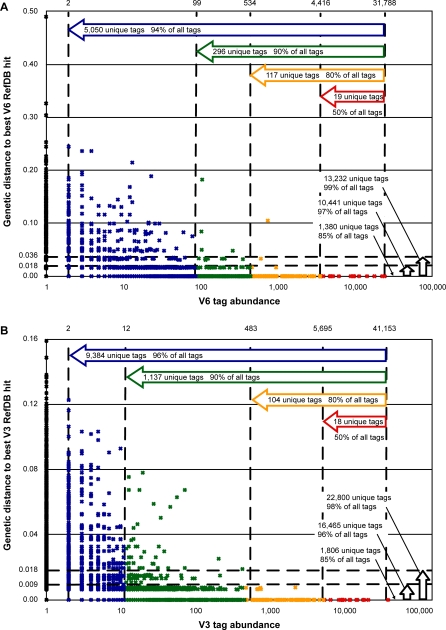
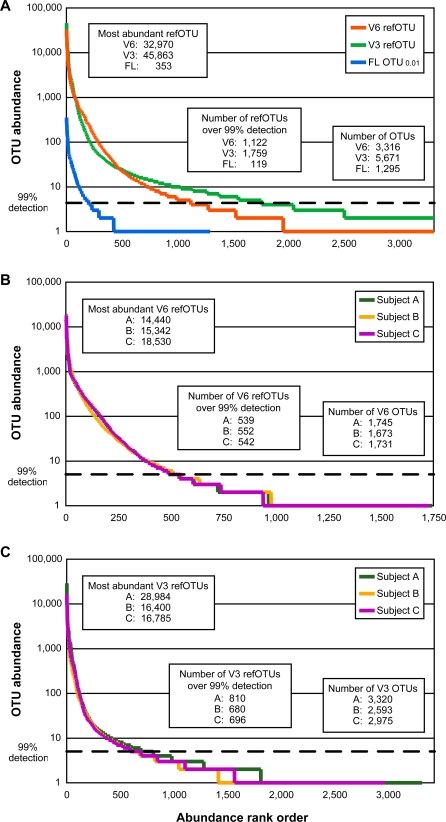
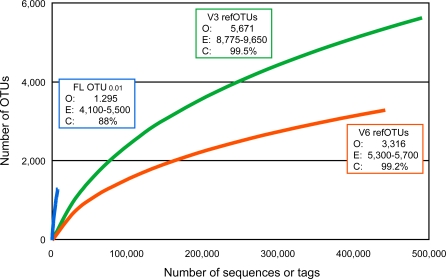
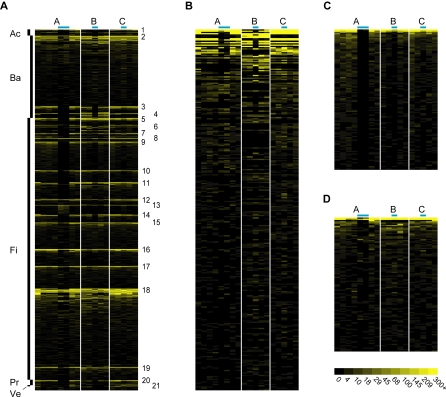
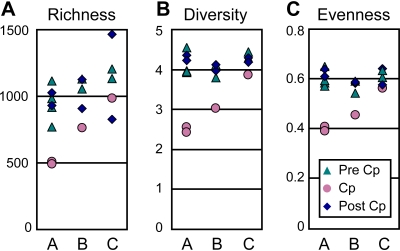
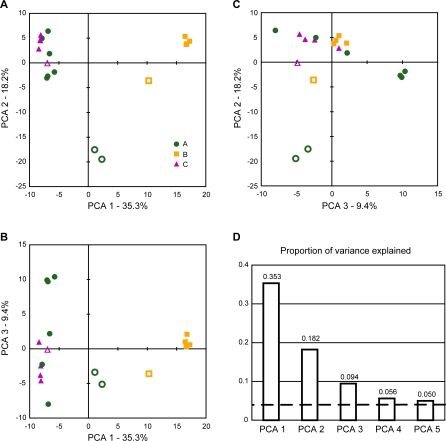
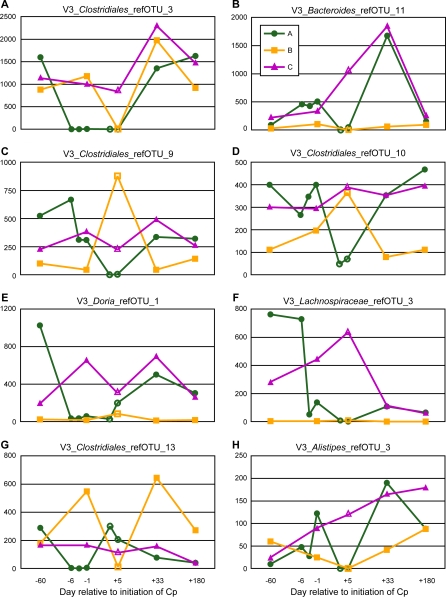
The human intestinal microbiota is essential to the health of the host and plays a role in nutrition, development, metabolism, pathogen resistance, and regulation of immune responses. Antibiotics may disrupt these coevolved interactions, leading to acute or chronic disease in some individuals. Our understanding of antibiotic-associated disturbance of the microbiota has been limited by the poor sensitivity, inadequate resolution, and significant cost of current research methods. The use of pyrosequencing technology to generate large numbers of 16S rDNA sequence tags circumvents these limitations and has been shown to reveal previously unexplored aspects of the "rare biosphere." We investigated the distal gut bacterial communities of three healthy humans before and after treatment with ciprofloxacin, obtaining more than 7,000 full-length rRNA sequences and over 900,000 pyrosequencing reads from two hypervariable regions of the rRNA gene. A companion paper in PLoS Genetics (see Huse et al., doi: 10.1371/journal.pgen.1000255) shows that the taxonomic information obtained with these methods is concordant. Pyrosequencing of the V6 and V3 variable regions identified 3,300-5,700 taxa that collectively accounted for over 99% of the variable region sequence tags that could be obtained from these samples. Ciprofloxacin treatment influenced the abundance of about a third of the bacterial taxa in the gut, decreasing the taxonomic richness, diversity, and evenness of the community. However, the magnitude of this effect varied among individuals, and some taxa showed interindividual variation in the response to ciprofloxacin. While differences of community composition between individuals were the largest source of variability between samples, we found that two unrelated individuals shared a surprising degree of community similarity. In all three individuals, the taxonomic composition of the community closely resembled its pretreatment state by 4 weeks after the end of treatment, but several taxa failed to recover within 6 months. These pervasive effects of ciprofloxacin on community composition contrast with the reports by participants of normal intestinal function and with prior assumptions of only modest effects of ciprofloxacin on the intestinal microbiota. These observations support the hypothesis of functional redundancy in the human gut microbiota. The rapid return to the pretreatment community composition is indicative of factors promoting community resilience, the nature of which deserves future investigation.
Overview
The claims and statistics of this paper haven’t been checked yet.
Free: it reads the open-access text and checks the first 5 claims that cite a source we can check. Create a free account to check every claim.
Integrity signals
Registry
Cites
Statistics
Figures
Verification
Claims the paper makes
The claims and statistics of this paper haven’t been checked yet.
Free: it reads the open-access text and checks the first 5 claims that cite a source we can check. Create a free account to check every claim.
Claims other papers make about this one
Each is checked against this paper’s own text: does it say what the citing paper says it does?
The source backs part of the claim, not all of it — or backs it for a different population, condition or comparison.
In the citing paper
“The greatest risk factor for CDI is the use of antibiotics,46 though only a small proportion of patients on antibiotics develop the infection.”
From Update on Fecal Microbiota Transplantation 2015: Indications, Methodologies, Mechanisms, and Outlook (2015) · cites this paper as [46]
Experimental — accuracy not yet measuredThe source backs part of the claim, not all of it — or backs it for a different population, condition or comparison.
In the citing paper
“The taxonomic composition of the gut microbiota changes throughout the gastrointestinal tract, according to nutrient availability, mucus structure, pH and oxygen availability [1–6].”
From Role of the gut microbiota in nutrient competition and protection against intestinal pathogen colonization (2023) · cites this paper as [6]
Experimental — accuracy not yet measuredThe cited source says what the claim attributes to it.
In the citing paper
“Individual bacterial taxa can show variable responses to antibiotics, which will impact the nutrient niches that are created in the intestine following antibiotic treatment [6].”
From Role of the gut microbiota in nutrient competition and protection against intestinal pathogen colonization (2023) · cites this paper as [6]
Self-check
Percentages, sums and reported differences re-computed from the paper’s own numbers.
The self-check needs the paper’s full text.
Citations
Cites
Naïve Bayesian Classifier for Rapid Assignment of rRNA Sequences into the New Bacterial Taxonomy
Wang, Q., Garrity, G. M., Tiedje, J. M., & Cole, J. R. (2007) · Applied and Environmental Microbiology · doi:10.1128/aem.00062-07 · Cited by 19,885 · cited 5×
“The taxonomic affiliation of fulllength sequences was determined using the Classifier tool of the RDP, with an 80% bootstrap threshold [41].”
BackgroundMethodInfluentialGreengenes, a Chimera-Checked 16S rRNA Gene Database and Workbench Compatible with ARB
DeSantis, T. Z., Hugenholtz, P., Larsen, N., Rojas, M., Brodie, E. L., Keller, K., Huber, T., Dalevi, D., Hu, P., & Andersen, G. L. (2006) · Applied and Environmental Microbiology · doi:10.1128/aem.03006-05 · Cited by 10,891 · cited 1×
“Forward and reverse sequencing reads were assembled using the Phred/Phrap/Consed suite of programs with default parameters [50–52]; assembled sequences were aligned via the NAST algorithm [53] at the Greengenes Website (http:// greengenes.lbl.gov/) [ 54 ].”
MethodHuman gut microbes associated with obesity
Ley, R. E., Turnbaugh, P. J., Klein, S., & Gordon, J. I. (2006) · Nature · doi:10.1038/4441022a · Cited by 8,785 · cited 1×
“A high proportion of tags in the current study have an exact match in the database, due to the substantial sequencing effort that has already been directed to the human gut microbiota [7,30,90].”
BackgroundDiversity of the Human Intestinal Microbial Flora
Eckburg, P. B., Bik, E. M., Bernstein, C. N., Purdom, E., Dethlefsen, L., Sargent, M., Gill, S. R., Nelson, K. E., & Relman, D. A. (2005) · Science · doi:10.1126/science.1110591 · Cited by 7,913 · cited 4×
“A high proportion of tags in the current study have an exact match in the database, due to the substantial sequencing effort that has already been directed to the human gut microbiota [7,30,90].”
BackgroundResultInfluentialSelf-citationGenome sequencing in microfabricated high-density picolitre reactors
Margulies, M., Egholm, M., Altman, W. E., Attiya, S., Bader, J. S., Bemben, L. A., Berka, J., Braverman, M. S., Chen, Y.-J., Chen, Z., et al. (2005) · Nature · doi:10.1038/nature03959 · Cited by 7,693 · cited 2×
“lower than that of capillary dideoxy sequencing, although considerably better than the 96% accuracy initially reported [38].”
BackgroundResultBase-Calling of Automated Sequencer Traces Using Phred. I. Accuracy Assessment
Ewing, B., Hillier, L., Wendl, M. C., & Green, P. (1998) · Genome Research · doi:10.1101/gr.8.3.175 · Cited by 6,967 · cited 1×
“Forward and reverse sequencing reads were assembled using the Phred/Phrap/Consed suite of programs with default parameters [48-50]; assembled sequences were aligned via the NAST algorithm [51] at the Greengenes website (http://greengenes.”
MethodARB: a software environment for sequence data
Ludwig, W. (2004) · Nucleic Acids Research · doi:10.1093/nar/gkh293 · Cited by 6,702 · cited 6×
“Uncultivated Taxon V3_Clostridiales_refOTU_2 The maximum-likelihood phylogenetic tree (calculated via AxML using default parameters in Arb [55]) shows the relationship between a clade containing 174 full-length V3 RefDB 16S rRNA sequences with exact matches to V3_Clostridiales_refOTU_2 and the most closely related seq…”
MethodInfluentialPruesse, E., Quast, C., Knittel, K., Fuchs, B. M., Ludwig, W., Peplies, J., & Glockner, F. O. (2007) · Nucleic Acids Research · doi:10.1093/nar/gkm864 · Cited by 6,668 · cited 1×
“de/)[57] with taxonomic classifications obtained from the RDP Classifier [41] (minimum 80% bootstrap score) as described in [48].”
MethodThe gut microbiota as an environmental factor that regulates fat storage
Bäckhed, F., Ding, H., Wang, T., Hooper, L. V., Koh, G. Y., Nagy, A., Semenkovich, C. F., & Gordon, J. I. (2004) · Proceedings of the National Academy of Sciences · doi:10.1073/pnas.0407076101 · Cited by 6,245
Obesity alters gut microbial ecology
Ley, R. E., Bäckhed, F., Turnbaugh, P., Lozupone, C. A., Knight, R. D., & Gordon, J. I. (2005) · Proceedings of the National Academy of Sciences · doi:10.1073/pnas.0504978102 · Cited by 6,176 · cited 1×
“cations for cancer [18,19] and obesity [20,21], among other”
Background
Research works printed but not linked: 89
- Dethlefsen, 2007, Nature, 449, 811
- Ley, 2006, Cell, 124, 837
- Guarner, 2006, Digestion, 73, 5
- Brook, 2005, Otolaryngol Head Neck Surg, 133, 139
- Servin, 2004, FEMS Microbiol Rev, 28, 405
- Reid, 2006, World J Urol, 24, 28
- Li, 2008, Proc Natl Acad Sci U S A, 105, 2117
- Hooper, 2004, Trends Microbiol, 12, 129
- Mazmanian, 2005, Cell, 122, 107
- Rakoff-Nahoum, 2004, Cell, 118, 229
- Sullivan, 2001, Lancet Infect Dis, 1, 101
- Beaugerie, 2004, Best Pract Res Clin Gastroenterol, 18, 337
- Wilcox, 2003, Best Pract Res Clin Gastroenterol, 17, 475
- Marra, 2006, Chest, 129, 610
- Noverr, 2005, Clin Exp Allergy, 35, 1511
- Prioult, 2005, Immunol Rev, 206, 204
- Nicholson, 2005, Nat Rev Microbiol, 3, 431
- O'Keefe, 2007, J Nutr, 137, 175S
- McGarr, 2005, J Clin Gastroenterol, 39, 98
- Ley, 2005, Proc Natl Acad Sci U S A, 102, 11070
- Bäckhed, 2004, Proc Natl Acad Sci U S A, 101, 15718
- Stewart, 2004, FEMS Microbiol Lett, 230, 1
- Lode, 2001, Scand J Infect Dis, 33, 899
- De La Cochetiere, 2005, J Clin Microbiol, 43, 5588
- Donskey, 2003, J Microbiol Meth, 54, 249
- Jernberg, 2007, Isme J, 1, 56
- Lofmark, 2008, Anaerobe, 14, 157
- Sjolund, 2003, Ann Intern Med, 139, 483
- Bäckhed, 2005, Science, 307, 1915
- Eckburg, 2005, Science, 308, 1635
- Suau, 1999, Appl Environ Microbiol, 65, 4799
- Zoetendal, 2004, J Nutr, 134, 465
- Mai, 2004, J Nutr, 134, 459
- Bartosch, 2004, Appl Environ Microbiol, 70, 3575
- Bartosch, 2005, Clin Infect Dis, 40, 28
- Vanhoutte, 2004, FEMS Microbiol Ecol, 48, 437
- Jernberg, 2005, Appl Environ Microbiol, 71, 501
- Margulies, 2005, Nature, 437, 376
- Sogin, 2006, Proc Natl Acad Sci U S A, 103, 12115
- Liu, 2007, Nucleic Acids Res, 35, e120
- Wang, 2007, Appl Environ Microbiol, 73, 5261
- Huber, 2007, Science, 318, 97
- Huse, 2007, Genome Biol, 8, R143
- Roesch, 2007, Isme J, 1, 283
- Hamady, 2008, Nat Methods, 5, 235
- Sundquist, 2007, BMC Microbiol, 7, 108
- Thompson, 2002, Nucleic Acids Res, 30, 2083
- Ewing, 1998, Genome Res, 8, 186
- Ewing, 1998, Genome Res, 8, 175
- Gordon, 1998, Genome Res, 8, 195
- DeSantis, 2006, Nucleic Acids Res, 34, W394
- DeSantis, 2006, Appl Environ Microbiol, 72, 5069
- Ludwig, 2004, Nucleic Acids Res, 32, 1363
- Schloss, 2005, Appl Environ Microbiol, 71, 1501
- Pruesse, 2007, Nucleic Acids Res, 35, 7188
- Colwell, 2005, EstimateS: Statistical estimation of species richness and shared species from samples. Version 7.5
- Leek, 2006, Bioinformatics, 22, 507
- Hughes, 2001, Appl Environ Microbiol, 67, 4399
- Chao, 1984, Scan J Stat, 11, 265
- Chao, 1992, Biometrics, 48, 201
- Colwell, 1994, Philos Trans R Soc Lond B Biol Sci, 345, 101
- Good, 1953, Biometrika, 40, 237
- Derrien, 2004, Int J Syst Evol Microbiol, 54, 1469
- Jost, 2006, Oikos, 113, 363
- Jost, 2007, Ecology, 88, 2427
- Franks, 1998, Appl Environ Microbiol, 64, 3336
- Matsuki, 2004, Appl Environ Microbiol, 70, 7220
- Hayashi, 2002, Microbiol Immunol, 46, 819
- De La Cochetiere, 2008, Microb Ecol, 56, 395
- Ozaki, 2004, J Med Microbiol, 53, 167
- Flint, 2007, Environ Microbiol, 9, 1101
- Belenguer, 2006, Appl Environ Microbiol, 72, 3593
- Martin, 2007, Mol Syst Biol, 3, 112
- Ridlon, 2006, J Lipid Res, 47, 241
- Pena, 2004, Appl Environ Microbiol, 70, 558
- Servin, 2003, Best Pract Res Clin Gastroenterol, 17, 741
- Sullivan, 2003, J Antimicrob Chemother, 52, 308
- Bedford Russell, 2006, Bjog, 113, 758
- Young, 2004, J Clin Microbiol, 42, 1203
- Duncan, 2004, Appl Environ Microbiol, 70, 5810
- Duncan, 2006, Int J Syst Evol Microbiol, 56, 2437
- Louis, 2004, J Bacteriol, 186, 2099
- Schumacher, 1997, Clin Microbiol Infect, 3, 134
- Jacoby, 2005, Clin Infect Dis 41 Suppl, 2, S120
- Forney, 2004, Curr Opin Microbiol, 7, 210
- von Wintzingerode, 1997, FEMS Microbiol Rev, 21, 213
- Ley, 2006, Nature, 444, 1022
- von Mering, 2007, Science, 315, 1126
- Ashelford, 2006, Appl Environ Microbiol, 72, 5734
Cited by
Items 701–800 of 1,011
Microbiome, Parkinson’s Disease and Molecular Mimicry
Miraglia, F., & Colla, E. (2019) · Cells · doi:10.3390/cells8030222 · Cited by 91
“For instance, a longitudinal study in a small cohort of human subjects demonstrated how the use of ciprofloxacin had a long-term reduction in bacterial diversity, even after 6 months from the completion of the treatment [35].”
BackgroundWang, L., Ai, C., Wen, C., Qin, Y., Liu, Z., Wang, L., Gong, Y., Su, C., Wang, Z., & Song, S. (2020) · Food & Function · doi:10.1039/d0fo00668h · Cited by 85
Gut Microbiota Influence in Hematological Malignancies: From Genesis to Cure
Uribe‐Herranz, M., Klein-González, N., Rodríguez‐Lobato, L. G., Juan, M., & de Larrea, C. F. (2021) · International Journal of Molecular Sciences · doi:10.3390/ijms22031026 · Cited by 89
“Antibiotics are the most relevant drugs affecting gut microbiota composition [11,12], but non-antibiotic drugs like antimetabolites, antipsychotics, and calcium-channel blockers can also affect the human microbiome [13].”
BackgroundSeekatz, A. M., Safdar, N., & Khanna, S. (2022) · Therapeutic Advances in Gastroenterology · doi:10.1177/17562848221134396 · Cited by 101
Assessing phage therapy against Pseudomonas aeruginosa using a Galleria mellonella infection model
Beeton, M. L., Alves, D. R., Enright, M. C., & Jenkins, A. T. A. (2015) · International Journal of Antimicrobial Agents · doi:10.1016/j.ijantimicag.2015.04.005 · Cited by 84
Patterns and Scales in Gastrointestinal Microbial Ecology
Camp, J. G., Kanther, M., Semova, I., & Rawls, J. F. (2009) · Gastroenterology · doi:10.1053/j.gastro.2009.02.075 · Cited by 86
Colonization Resistance of the Gut Microbiota against Clostridium difficile
Pérez-Cobas, A., Moya, A., Gosalbes, M., & Latorre, A. (2015) · Antibiotics · doi:10.3390/antibiotics4030337 · Cited by 83
“So far, Dethlefsen and colleagues carried out the two longest follow-up studies about antibiotic effects on human gut diversity and composition [66,67].”
BackgroundSanMiguel, A. J., Meisel, J. S., Horwinski, J., Zheng, Q., & Grice, E. A. (2017) · Antimicrobial Agents and Chemotherapy · doi:10.1128/aac.00774-17 · Cited by 79
Surveying Gut Microbiome Research in Africans: Toward Improved Diversity and Representation
Brewster, R., Tamburini, F. B., Asiimwe, E., Oduaran, O., Hazelhurst, S., & Bhatt, A. S. (2019) · Trends in Microbiology · doi:10.1016/j.tim.2019.05.006 · Cited by 79
“The disruptive effects of antibiotics on the GM are well-established [24,25].”
BackgroundImpact of enrofloxacin on the human intestinal microbiota revealed by comparative molecular analysis
Kim, B. S., Kim, J. N., Yoon, S.-H., Chun, J., & Cerniglia, C. E. (2012) · Anaerobe · doi:10.1016/j.anaerobe.2012.01.003 · Cited by 86
Theriot, C. M., & Young, V. B. (2014) · Gut Microbes · doi:10.4161/gmic.27131 · Cited by 80
Luis-Villaseñor, I. E., Castellanos, T., Gómez‐Gil, B., Carrillo-García, Á. E., Campa‐Córdova, Á. I., & Ascencio, F. (2012) · World Journal of Microbiology and Biotechnology · doi:10.1007/s11274-012-1177-0 · Cited by 83
“two indices were calculated: (1) Shannon’s diversity index: H0 = P [pi(lnpi)], which reflects the diversity of the whole microbial community and (2) Shannon’s equitability index E0 = H0/ln(S), where S is the number of observed operational taxonomic units (presumed species) and pi is the proportion of the intensity ban…”
MethodTephritidae fruit fly gut microbiome diversity, function and potential for applications
Raza, M. F., Yao, Z., Bai, S., Cai, Z., & Zhang, H. (2020) · Bulletin of Entomological Research · doi:10.1017/s0007485319000853 · Cited by 88
“As mentioned by Colman et al. (2012), the complexity of the insect microbiome is considerably reduced compared with mammals (tens to hundreds vs. thousands bacterial species) (Dethlefsen et al., 2008; Ley et al., 2008; Robinson et al., 2010; Broderick and Lemaitre, 2012).”
BackgroundMagruder, M. L., Edusei, E., Zhang, L., Albakry, S., Satlin, M. J., Westblade, L. F., Malha, L. P., Sze, C., Lubetzky, M., Dadhania, D. M., et al. (2020) · Gut Microbes · doi:10.1080/19490976.2020.1805281 · Cited by 90
Hong, H., Flurin, L., Thoendel, M., Wolf, M. J., Abdel, M. P., Greenwood‐Quaintance, K. E., & Patel, R. (2022) · Clinical Infectious Diseases · doi:10.1093/cid/ciac646 · Cited by 83
Patro, J. N., Ramachandran, P., Barnaba, T., Mammel, M. K., Lewis, J. L., & Elkins, C. A. (2016) · mSphere · doi:10.1128/msphere.00057-16 · Cited by 81
“extended beyond diet supplementation and has been used in clinical situations (7, 10).”
MethodHerbal Therapy is Equivalent to Rifaximin for the Treatment of Small Intestinal Bacterial Overgrowth
Chedid, V. G., Dhalla, S., Clarke, J. O., Roland, B. C., Dunbar, K. B., Koh, J. M., Justino, E., Tomakin, E., & Mullin, G. E. (2014) · Global Advances in Health and Medicine · doi:10.7453/gahmj.2014.019 · Cited by 84
Alshehri, D., Saadah, O. I., Mosli, M. H., Edris, S., Al-Hindi, R. R., & Bahieldin, A. (2021) · Biomolecules and Biomedicine · doi:10.17305/bjbms.2020.5016 · Cited by 107
“, environment (39), travel (40), interactions with other humans or pets (41), diet (42), antibiotics (43), and tobacco use (44)).”
BackgroundHe, S., Zhou, Z., Meng, K., Zhao, H., Yao, B., Ringø, E., & Yoon, I. (2010) · Journal of Animal Science · doi:10.2527/jas.2010-3032 · Cited by 82
Dysbiosis of oral buccal mucosa microbiota in patients with oral lichen planus
He, Y., Gong, D., Shi, C., Shao, F., Shi, J., & Fei, J. (2017) · Oral Diseases · doi:10.1111/odi.12657 · Cited by 82
“Other researches also suggested that V1-V3 region primers could detect higher richness (Huse et al, 2012) andbetter classification consistency of oral microbiome (Dethlefsen et al, 2008; Zhou et al, 2013).”
BackgroundDigestive tract colonization by multidrug-resistant Enterobacteriaceae in travellers: An update
Ruppé, É., Andremont, A., & Armand-Lefèvre, L. (2017) · Travel Medicine and Infectious Disease · doi:10.1016/j.tmaid.2017.11.007 · Cited by 91
Importance of gut microbiota for the health and disease of dogs and cats
Blake, A. B., & Suchodolski, J. S. (2016) · Animal Frontiers · doi:10.2527/af.2016-0032 · Cited by 95
Pitta, D., Parmar, N. R., Patel, A. K., Indugu, N., Kumar, S., Prajapathi, K. B., Patel, A. B., Reddy, B., & Joshi, C. G. (2014) · PLoS ONE · doi:10.1371/journal.pone.0111710 · Cited by 86
“Diet has a direct influence on the composition of the rumen microbiome [4,34] and studies have elucidated diet-induced shifts in the microbiome using different molecular techniques [5,26,29,52,53,55,56].”
MethodLongitudinal Prediction of the Infant Gut Microbiome with Dynamic Bayesian Networks
McGeachie, M. J., Sordillo, J. E., Gibson, T., Weinstock, G. M., Liu, Y.-Y., Gold, D. R., Weiss, S. T., & Litonjua, A. (2016) · Scientific Reports · doi:10.1038/srep20359 · Cited by 82
Shen, X., Miao, J., Wan, Q., Wang, S., Li, M., Pu, F., Wang, G., Qian, W., Yu, Q., Marotta, F., et al. (2018) · Gut Pathogens · doi:10.1186/s13099-018-0231-3 · Cited by 79
Jha, A. R., Shmalberg, J. W., Tanprasertsuk, J., Perry, L. M., Massey, D., & Honaker, R. W. (2020) · PLoS ONE · doi:10.1371/journal.pone.0227289 · Cited by 95
Rudney, J. D., Xie, H., Rhodus, N. L., Ondrey, F. G., & Griffin, T. J. (2010) · Molecular Oral Microbiology · doi:10.1111/j.2041-1014.2009.00558.x · Cited by 78
“Recent progress in metagenomics has been greatly aided by improvements in the speed and efficiency of high throughput sequencing of short DNA segments (pyrosequencing) (10,18,24,49,51).”
BackgroundCaecal fermentation, putrefaction and microbiotas in rats fed milk casein, soy protein or fish meal
An, C., Kuda, T., Yazaki, T., Takahashi, H., & Kimura, B. (2013) · Applied Microbiology and Biotechnology · doi:10.1007/s00253-013-5271-5 · Cited by 83
“The adult human intestine contains 10 to 10 bacteria, involving at least 500 different species or strains (Dethlefsen et al. 2009).”
BackgroundMima, K., Ogino, S., Nakagawa, S., Sawayama, H., Kinoshita, K., Krashima, R., Ishimoto, T., Imai, K., Iwatsuki, M., Hashimoto, D., et al. (2017) · Surgical Oncology · doi:10.1016/j.suronc.2017.07.011 · Cited by 85
Xiao, Y., Zhou, K., Lu, Y., Yan, W., Cai, W., & Wang, Y. (2018) · Experimental & Molecular Medicine · doi:10.1038/s12276-018-0181-3 · Cited by 84
Cheng, D., Liu, Y., Shehata, E., Yao, F., Lin, H., Xue, J., & Li, Z. S. (2020) · Journal of Hazardous Materials · doi:10.1016/j.jhazmat.2020.123710 · Cited by 83
Harlow, B. E., LAWRENCE, L. M., & Flythe, M. D. D. (2013) · Veterinary Microbiology · doi:10.1016/j.vetmic.2013.05.003 · Cited by 79
Systems biology of the gut: the interplay of food, microbiota and host at the mucosal interface
dos Santos, V. A. P. M., Müller, M. M., & de Vos, W. M. (2010) · Current Opinion in Biotechnology · doi:10.1016/j.copbio.2010.08.003 · Cited by 91
“Moreover, the adult community is remarkably stable and resilient, even against major perturbations such as the use of antibiotics [35].”
BackgroundPerlin, M. H., Clark, D. R., McKenzie, C. E., Patel, H., Jackson, N., Kormanik, C., Powell, C. M., Bajorek, A. J., Myers, D. A., Dugatkin, L. A., et al. (2009) · Proceedings of the Royal Society B Biological Sciences · doi:10.1098/rspb.2009.0997 · Cited by 81
“Moreover, despite the apparent resilience of the gut community, long-lasting changes in composition often do occur (Dethlefsen et al. 2008).”
BackgroundModeling the Impact of Antibiotic Exposure on Human Microbiota
Zhao, J., Murray, S., & LiPuma, J. J. (2014) · Scientific Reports · doi:10.1038/srep04345 · Cited by 80
Decoding molecular interactions in microbial communities
Abreu, N. A., & Taga, M. E. (2016) · FEMS Microbiology Reviews · doi:10.1093/femsre/fuw019 · Cited by 88
“…human gut harbors over a thousand microbial taxa, largely composed of bacteria, and higher microbial diversity is indicative of a healthy gut in many circumstances (Eckburg et al. 2005; Ley et al. 2006; Dethlefsen et al. 2008; Turnbaugh et al. 2008, 2009a; Human Microbiome Project Consortium 2012).”
BackgroundDysbiotic gut microbiome: A key element of Crohn's disease
Øyri, S. F., Műzes, G., & Sípos, F. (2015) · Comparative Immunology Microbiology and Infectious Diseases · doi:10.1016/j.cimid.2015.10.005 · Cited by 85
Wu, S., Li, T., Niu, H., Zhu, Y., Liu, Y., Duan, Y., Sun, Q., & Yang, X. (2018) · Poultry Science · doi:10.3382/ps/pey393 · Cited by 82
“Microbial enzymatic activities can also act directly on the fermentation of polysaccharides and bile-acid metabolism, or act in conjunction with the host on the metabolism of choline (Swann et al., 2010; Donohoe et al., 2011; Tremaroli and Bäckhed, 2012).”
BackgroundEarly Antibiotic Exposure and Weight Outcomes in Young Children
Block, J. P., Bailey, L. C., Gillman, M. W., Lunsford, D., Daley, M. F., Eneli, I., Finkelstein, J. A., Heerman, W. J., Horgan, C. E., Hsia, D. S., et al. (2018) · PEDIATRICS · doi:10.1542/peds.2018-0290 · Cited by 84
“Hispanic ethnicity, n (%) 26 757 (21) 3577 (15) 29 498 (16) 4187 (15) Pretermb, n (%) 6977 (5) 3513 (15) 10 002 (6) 5527 (19) Asthmac, n (%) 10 596 (8) 2577 (11) 27 750 (15) 6673 (23) Systemic corticosteroid episodesd at <24”
Antibiotic Treatment Drives the Diversification of the Human Gut Resistome
Li, J., Rettedal, E. A., van der Helm, E., Ellabaan, M., Panagiotou, G., & Sommer, M. O. A. (2019) · Genomics, Proteomics & Bioinformatics · doi:10.1016/j.gpb.2018.12.003 · Cited by 74
Influences on allergic mechanisms through gut, lung, and skin microbiome exposures
Kemter, A. M., & Nagler, C. R. (2019) · Journal of Clinical Investigation · doi:10.1172/jci124610 · Cited by 70
“The composition of the commensal microbiome is affected by multiple environmental factors, including the mode of delivery during childbirth (9), breast versus formula feeding (10, 11), a “Western diet” low in fiber and high in fat content (12, 13), and misuse of antibiotics (14).”
BackgroundAdministration of antibiotics can cause dysbiosis in fish gut
Kim, A., Kim, N., Roh, H., Chun, W., Ho, D. T., Lee, Y., & Kim, D. (2019) · Aquaculture · doi:10.1016/j.aquaculture.2019.734330 · Cited by 85
Adamberg, S., Tomson, K., Vija, H., Puurand, M., Kabanova, N., Visnapuu, T., Jõgi, E., Alamäe, T., & Adamberg, K. (2014) · Frontiers in Nutrition · doi:10.3389/fnut.2014.00021 · Cited by 74
“More than 90% of 16S rRNA gene sequences of the human intestinal microflora belong to the phyla Firmicutes and Bacteroidetes (1), with the genus Bacteroides accounting for 14–40% of cultivable bacteria in human feces (2).”
BackgroundKorpela, K., Salonen, A., Virta, L. J., Kumpu, M., Kekkonen, R. A., & de Vos, W. M. (2016) · PLOS ONE · doi:10.1371/journal.pone.0154012 · Cited by 72
Hu, X., Liu, G., Shafer, A. B. A., Wei, Y., Zhou, J., Lin, S., Wu, H., Zhou, M., Hu, D., & Liu, S. (2017) · Frontiers in Microbiology · doi:10.3389/fmicb.2017.00572 · Cited by 87
Carlucci, C., Petrof, E. O., & Allen-Vercoe, E. (2016) · EBioMedicine · doi:10.1016/j.ebiom.2016.09.029 · Cited by 77
“However, broad-spectrum antibiotic use disrupts host-microbiota homeostasis by decreasing gut microbiota abundance, diversity, community structure, and altering metabonomic functional profiles (Dethlefsen et al., 2008; Perez-Cobas et al., 2013a, 2013b; Theriot et al., 2016, 2014).”
BackgroundAlterations in intestinal microbiota of elderly Irish subjects post-antibiotic therapy
O'Sullivan, O., Coakley, M., Lakshminarayanan, B., Conde, S., Claesson, M. J., Cusack, S., Fitzgerald, A. P., O'Toole, P. W., Stanton, C., Ross, R. P., et al. (2013) · Journal of Antimicrobial Chemotherapy · doi:10.1093/jac/dks348 · Cited by 77
Antibiotic-perturbed microbiota and the role of probiotics
Szajewska, H., Scott, K. P., de Meij, T. G. J., Forslund, S. K., Knight, R. D., Koren, O., Little, P. S., Johnston, B. C., Łukasik, J., Suez, J., et al. (2024) · Nature Reviews Gastroenterology & Hepatology · doi:10.1038/s41575-024-01023-x · Cited by 91
“In addition, it has been established that antibiotics have a clear effect on the gut microbiota 13,14 .”
Mangin, I., Suau, A., Gotteland, M., Brunser, O., & Pochart, P. (2010) · Anaerobe · doi:10.1016/j.anaerobe.2010.06.005 · Cited by 83
Ghosh, A., Dowd, S. E., & Žůrek, L. (2011) · PLoS ONE · doi:10.1371/journal.pone.0022451 · Cited by 77
“and mouse microbiota [93–95], it may be long lasting.”
BackgroundHoy-Schulz, Y. E., Bik, E. M., Lawley, T. D., Holmes, S., Monack, D. M., Theriot, J. A., & Relman, D. A. (2015) · PLoS ONE · doi:10.1371/journal.pone.0142825 · Cited by 85
“The V3 region of the bacterial 16S rRNA gene was amplified using bar-coded derivatives of primers 338F (ACT CCT ACG GGA GGC AGC AG) and 533R (TTA CCG CGG CTG CTG GCA C), as described in Dethlefsen, 2008 [52].”
MethodSelf-citationFecal Indole as a Biomarker of Susceptibility to Cryptosporidium Infection
Chappell, C. L., Darkoh, C., Shimmin, L. C., Farhana, N., Kim, D.-K., Okhuysen, P. C., & Hixson, J. E. (2016) · Infection and Immunity · doi:10.1128/iai.00336-16 · Cited by 82
“30 s at 94°C, 30 s at 55°C, and 90 s at 72°C; and 8 min at 72°C (36).”
Gutin, L. S., Piceno, Y. M., Fadrosh, D. W., Lynch, K. V., Zydek, M., Kassam, Z., LaMere, B. J., Terdiman, J. P., Ma, A. I., Somsouk, M., et al. (2019) · United European Gastroenterology Journal · doi:10.1177/2050640619845986 · Cited by 82
Host genetic susceptibility, dysbiosis, and viral triggers in inflammatory bowel disease
Sun, L., Nava, G. M., & Stappenbeck, T. S. (2011) · Current Opinion in Gastroenterology · doi:10.1097/mog.0b013e32834661b4 · Cited by 75
An, C., Kuda, T., Yazaki, T., Takahashi, H., & Kimura, B. (2012) · Applied and Environmental Microbiology · doi:10.1128/aem.02354-12 · Cited by 79
“Actually, the intestine hosts 10(13) to 10(14) bacteria belonging to at least 500 different species or strains in adult human intestine contents (1), with the majority unculturable.”
BackgroundCardinale, M., Kaiser, D., Lueders, T., Schnell, S., & Egert, M. (2017) · Scientific Reports · doi:10.1038/s41598-017-06055-9 · Cited by 83
The role of gut microbiota in Clostridium difficile infection
Samarkos, M., Mastrogianni, E., & Kampouropoulou, O. (2018) · European Journal of Internal Medicine · doi:10.1016/j.ejim.2018.02.006 · Cited by 75
“Reduced diversity affects the dominant phylae Bacteroides and Firmicutes along with an overgrowth of Enterobacteriaceae [32,34].”
BackgroundHeinsen, F.-A., Knecht, H., Neulinger, S. C., Schmitz, R. A., Knecht, C., Kühbacher, T., Rosenstiel, P. C., Schreiber, S., Friedrichs, A. K., & Ott, S. J. (2015) · Gut Microbes · doi:10.1080/19490976.2015.1062959 · Cited by 75
“reported before for the present microbiota.(14,34) The relative decrease of present and active F.”
BackgroundAntimicrobial Use, Human Gut Microbiota and Clostridium difficile Colonization and Infection
Vincent, C., & Manges, A. R. (2015) · Antibiotics · doi:10.3390/antibiotics4030230 · Cited by 82
“tracked changes in the distal gut bacterial communities of three healthy subjects before and after a five-day treatment with ciprofloxacin [4,5].”
BackgroundInfluentialMicrobial population dynamics in the faeces of wood-eating loricariid catfishes
Maiuta, N. D., Schwarzentruber, P., Schenker, M., & Schoelkopf, J. (2013) · Letters in Applied Microbiology · doi:10.1111/lam.12061 · Cited by 79
“Amplicon libraries were generated as recommended by Roche (Rotkreuz, Switzerland) in the 454 Life Sciences Genome Sequencer System manual and as described by other authors (Dethlefsen et al. 2008; Lauber et al. 2009).”
MethodThe sinonasal bacterial microbiome in health and disease
Ramakrishnan, V. R., Hauser, L. J., & Frank, D. N. (2015) · Current Opinion in Otolaryngology & Head & Neck Surgery · doi:10.1097/moo.0000000000000221 · Cited by 81
“For example, studies of the gut microbiome suggest that antibiotic administration can result in decreased diversity, which in some patients may be prolonged [16,18,38]; these patients are at increased risk of potentially life-threatening Clostridium difficile infections [39–41].”
BackgroundGastrointestinal Microbiota and Colon Cancer
Hold, G. L. (2016) · Digestive Diseases · doi:10.1159/000443358 · Cited by 76
Ma, J., Ibekwe, A. M., Yang, C., & Crowley, D. E. (2016) · The Science of The Total Environment · doi:10.1016/j.scitotenv.2016.04.122 · Cited by 80
Ross, C. L., Spinler, J. K., & Savidge, T. (2016) · Anaerobe · doi:10.1016/j.anaerobe.2016.05.006 · Cited by 87
Sha, Y., Liu, M., Wang, B., Jiang, K., Qi, C., & Wang, L. (2016) · Journal of Microbiology and Biotechnology · doi:10.4014/jmb.1603.03078 · Cited by 79
Effect of predatory bacteria on the gut bacterial microbiota in rats
Shatzkes, K., Tang, C. Y., Singleton, E., Shukla, S., Zuena, M., Gupta, S., Dharani, S., Rinaggio, J., Connell, N. D., & Kadouri, D. E. (2017) · Scientific Reports · doi:10.1038/srep43483 · Cited by 80
de Freitas, M. B., Moreira, E. A. M., Tomio, C., Moreno, Y. M. F., Daltoé, F. P., Barbosa, E., Neto, N. L., Buccigrossi, V., & Guarino, A. (2018) · PLoS ONE · doi:10.1371/journal.pone.0198457 · Cited by 79
Metagenomic Analysis and its Applications
Ghosh, A., Mehta, A., & Khan, A. M. (2018) · Elsevier eBooks · doi:10.1016/b978-0-12-809633-8.20178-7 · Cited by 87
Virulence‐targeted Antibacterials: Concept, Promise, and Susceptibility to Resistance Mechanisms
Ruer, S., Pinotsis, N., Steadman, D., Waksman, G., & Remaut, H. K. (2015) · Chemical Biology & Drug Design · doi:10.1111/cbdd.12517 · Cited by 82
“Some of these compounds have shown sufficient oral bioavailability and have been already been shown successful to clear chronic urinary tract infections in mice (17).”
BackgroundInfluentialGut Microbiota: Modulation of Host Physiology in Obesity
Nehra, V., Allen, J. M., Mailing, L. J., Kashyap, P. C., & Woods, J. A. (2016) · Physiology · doi:10.1152/physiol.00005.2016 · Cited by 73
D’Souza, A. W., Moodley-Govender, E., Berla, B. M., Kelkar, T., Wang, B., Sun, X., Daniels, B. B., Coutsoudis, A., Trehan, I., & Dantas, G. A. (2019) · Clinical Infectious Diseases · doi:10.1093/cid/ciz1186 · Cited by 78
Stable Neutralization of a Virulence Factor in Bacteria Using Temperate Phage in the Mammalian Gut
Hsu, B. B., Way, J. C., & Silver, P. A. (2020) · mSystems · doi:10.1128/msystems.00013-20 · Cited by 72
“Antibiotics nonspecifically decimate swaths of gut species (7), dietary changes affect both the overall microbiota and the mammalian host, probiotics poorly engraft due to colonization resistance (8), and even highly specific lytic phages can cause unintended changes in the bacterial community despite targeting specif…”
Gut microbiome and Clostridioides difficile infection: a closer look at the microscopic interface
Sehgal, K., & Khanna, S. (2021) · Therapeutic Advances in Gastroenterology · doi:10.1177/1756284821994736 · Cited by 80
El Aidy, S., Van den Abbeele, P., Van de Wiele, T., Louis, P., & Kleerebezem, M. (2013) · BioEssays · doi:10.1002/bies.201300073 · Cited by 72
“Misuse of antibiotic treatments, in particular in the first years of a newborn’s life, which are considered critical in the subsequent development of a balanced gut microbiota [31], further contribute to the decreased microbial diversity in the human gut microbiome.”
BackgroundYoussef, N. H., Couger, M. B., & Elshahed, M. S. (2010) · PLoS ONE · doi:10.1371/journal.pone.0012414 · Cited by 80
“Comparative studies have been used in multiple habitats to: correlate environmental variables to observed microbial community structure and composition [12], investigate the effect of natural and anthropogenic disturbances on a specific ecosystem, delineate intra and inter variations in microbial community patterns am…”
BackgroundKarlsson, F. H., Nookaew, I., & Nielsen, J. (2014) · PLoS Computational Biology · doi:10.1371/journal.pcbi.1003706 · Cited by 72
“The effect of antibiotics at subtherapeutic levels in mice is reduced diversity [23] and also in humans antibiotic use have been shown to have a major impact on the microbiota and reduced diversity [24].”
BackgroundJin, D., Chen, C., Li, L., Lu, S., Li, Z., Zhou, Z., Jing, H., Xu, Y., Du, P., Wang, H., et al. (2013) · BMC Microbiology · doi:10.1186/1471-2180-13-141 · Cited by 74
“Here, we used the previously described strategy of 16S rRNA gene polymerase chain reaction (PCR) and sequencing technology [3] to analyze quantitatively the densities of different bacterial species in fecal samples of patients with diarrhea of unknown etiology at different times relative to hospital admission, and ana…”
MethodSurgical Antibiotic Prophylaxis and Risk for Postoperative Antibiotic-Resistant Infections
Cohen, M. E., Salmasian, H., Li, J., Liu, J., Zachariah, P., Wright, J. D., & Freedberg, D. E. (2017) · Journal of the American College of Surgeons · doi:10.1016/j.jamcollsurg.2017.08.010 · Cited by 83
“(34) Short course antibiotics decrease bacterial taxonomic richness and diversity within the distal gut for up to 12 months.(18, 19, 35, 36) Even single dose antibiotics seem to lead to increased rates of colonization with resistant organisms(7, 37) although there is some inconsistency between studies.”
BackgroundBurdet, C., Grall, N., Linard, M., Bridier‐Nahmias, A., Benhayoun, M., Bourabha, K., Magnan, M., Clermont, O., d’Humières, C., Tenaillon, O., et al. (2019) · Antimicrobial Agents and Chemotherapy · doi:10.1128/aac.02244-18 · Cited by 78
“reducing bacterial diversity and in modifying the gut microbiome composition (4, 5).”
BackgroundExpression of the Blood-Group-Related Gene B4galnt2 Alters Susceptibility to Salmonella Infection
Rausch, P., Steck, N., Suwandi, A., Seidel, J. A., Künzel, S., Bhullar, K., Basic, M., Bleich, A., Johnsen, J. M., Vallance, B. A., et al. (2015) · PLOS Pathogens · doi:10.1371/journal.ppat.1005008 · Cited by 75
“Thus, in the context of a diminished and disturbed microbial community after streptomycin treatment [73], it is likely that the more resilient/resistant communities in B6 -/- mice maintain a greater potential for rapid recovery [48, 70, 74].”
BackgroundChiu, S.-T., Chu, T.-W., Simangunsong, T., Ballantyne, R., Chiu, C.-S., & Liu, C. (2021) · Fish & Shellfish Immunology · doi:10.1016/j.fsi.2021.07.024 · Cited by 76
Mezzelani, A., Landini, M., Facchiano, F., Raggi, M. E., Villa, L., Molteni, M., De Santis, B., Brera, C., Caroli, A. M., Milanesi, L., et al. (2015) · Nutritional Neuroscience · doi:10.1179/1476830513y.0000000108 · Cited by 71
As-yet-uncultivated oral bacteria: breadth and association with oral and extra-oral diseases
Siqueira, J. F., Jr., & Rôças, I. N. (2013) · Journal of Oral Microbiology · doi:10.3402/jom.v5i0.21077 · Cited by 84
“For instance, surveys of the human gut microbiome have shown that each individual may harbor 500 3,000 bacterial species in the gut, with a high interindividual variation (10, 11).”
BackgroundHalliday, E., McLellan, S. L., Amaral‐Zettler, L., Sogin, M. L., & Gast, R. J. (2014) · PLoS ONE · doi:10.1371/journal.pone.0090815 · Cited by 73
“Pyrosequencing was particularly advantageous for this combination of broad and specific queries, since the depth of sampling enables detection of many low-abundance members of the community and can document shifts in the community structure over time [21,28].”
BackgroundSelf-citationKubota, H., Tsuji, H., Matsuda, K., Kurakawa, T., Asahara, T., & Nomoto, K. (2010) · Applied and Environmental Microbiology · doi:10.1128/aem.03132-09 · Cited by 81
“plied successfully to study the microbial community in the human intestines (2, 9, 12, 54) and allowed estimates of subdominant populations.”
BackgroundClostridium difficile Infection and Fecal Microbiota Transplant
Liubakka, A., & Vaughn, B. P. (2016) · AACN Advanced Critical Care · doi:10.4037/aacnacc2016703 · Cited by 71
“Subsequent alterations in bile acids, sugar alcohols, and fatty acids can promote growth of C difficile.(79,80) The bulk of evidence for FMT exists for multiple recurrent CDI.”
BackgroundBacterial interspecies interactions modulate pH-mediated antibiotic tolerance
Aranda-Díaz, A., Obadia, B., Dodge, R., Thomsen, T., Hallberg, Z. F., Güvener, Z. T., Ludington, W. B., & Huang, K. C. (2020) · eLife · doi:10.7554/elife.51493 · Cited by 78
“In environments such as the human intestine, antibiotics impact communities in many ways, ranging from the loss of diversity (Dethlefsen et al., 2008; Jernberg et al., 2007) to the evolution of multidrug-resistant pathogens (Santajit and Indrawattana, 2016).”
BackgroundKim, H., Lee, J. E., Hong, S. H., Lee, M. A., Kang, J. H., & Kim, I.-H. (2019) · BMC Cancer · doi:10.1186/s12885-019-6267-z · Cited by 72
Effects and immune responses of probiotic treatment in ruminants
Raabis, S. M., Li, W., & Cersosimo, L. M. (2019) · Veterinary Immunology and Immunopathology · doi:10.1016/j.vetimm.2018.12.006 · Cited by 77
“In previous human studies, antibiotic treatment significantly decreased taxonomic richness, diversity and evenness of the fecal microbiota and increased the number of antibiotic resistance genes (Jernberg et al., 2007; Dethlefsen et al., 2008).”
BackgroundEncapsulated Fecal Microbiota Transplantation: Development, Efficacy, and Clinical Application
Halaweish, H., Boatman, S. M., & Staley, C. M. (2022) · Frontiers in Cellular and Infection Microbiology · doi:10.3389/fcimb.2022.826114 · Cited by 78
Larsen, N., Vogensen, F. K., Gøbel, R., Michaelsen, K. F., Al-Soud, W. A., Sørensen, S. J., Hansen, L. H., & Jakobsen, M. (2011) · FEMS Microbiology Ecology · doi:10.1111/j.1574-6941.2010.01024.x · Cited by 74
Application of Two-Part Statistics for Comparison of Sequence Variant Counts
Wagner, B. D., Robertson, C. E., & Harris, J. K. (2011) · PLoS ONE · doi:10.1371/journal.pone.0020296 · Cited by 69
“To date, there is a fundamental lack of development and investigation of statistical methods appropriate for integrated sequence and metadata that resulted in an analysis bottleneck and backlog of potentially informative studies [33,34,35].”
MethodFeline gastrointestinal microbiota
Minamoto, Y., Hooda, S., Swanson, K. S., & Suchodolski, J. S. (2012) · Animal Health Research Reviews · doi:10.1017/s1466252312000060 · Cited by 95
“This universal primer issue has been discussed extensively, and the use of multiple primer sets has been suggested (Baker et al., 2003; Dethlefsen et al., 2008).”
BackgroundCharacteristics of the Clostridium difficile cell envelope and its importance in therapeutics
Kirk, J. A., Banerji, O., & Fagan, R. P. (2017) · Microbial Biotechnology · doi:10.1111/1751-7915.12372 · Cited by 65
“Hospitalized patients are frequently treated with broadspectrum antibiotics, both as prophylactics and to treat infection, resulting in catastrophic damage to the gut microbiota (Dethlefsen et al., 2008).”
BackgroundReadmissions for Recurrent Sepsis: New or Relapsed Infection?*
DeMerle, K. M., Royer, S., Mikkelsen, M. E., & Prescott, H. C. (2017) · Critical Care Medicine · doi:10.1097/ccm.0000000000002626 · Cited by 82
Watts, G. S., Youens‐Clark, K., Slepian, M. J., Wolk, D. M., Oshiro, M. M., Metzger, G. S., Dhingra, D. M., Cranmer, L. D., & Hurwitz, B. L. (2017) · Journal of Applied Microbiology · doi:10.1111/jam.13590 · Cited by 72
“While 16S rRNA gene sequencing has been used extensively in surveys of diverse complex microbial communities (Kysela et al. 2005; Dethlefsen et al. 2008; Whiteley et al. 2012), the needs for clinical diagnosis of infections from normally sterile sites (i.”
BackgroundThe Yin and Yang of Bacterial Resilience in the Human Gut Microbiota
Gibson, M. K., Pesesky, M. W., & Dantas, G. (2014) · Journal of Molecular Biology · doi:10.1016/j.jmb.2014.05.029 · Cited by 71
H. pylori Eradication Treatment Alters Gut Microbiota and GLP-1 Secretion in Humans
Cornejo-Pareja, I. M., Martín‐Núñez, G. M., ROCA-RODRIGUEZ, M. M., Cardona, F., Coín‐Aragüez, L., Sánchez‐Alcoholado, L., Gutiérrez‐Repiso, C., Muñoz‐Garach, A., Fernández‐García, J. C., Moreno‐Indias, I., et al. (2019) · Journal of Clinical Medicine · doi:10.3390/jcm8040451 · Cited by 74
“Several studies have explored this field in both animals and humans, concurring on changes in the intestinal microbiota over a period of time, with their subsequent re-establishment [27,28], while others have described persistent effects with a long-term impact on the microbiota, where recovery may sometimes be incomp…”
BackgroundHuman Gut Microbiota in Health and Selected Cancers
Sędzikowska, A., & Szablewski, L. (2021) · International Journal of Molecular Sciences · doi:10.3390/ijms222413440 · Cited by 78
The Gut Microflora and Its Variety of Roles in Health and Disease
Frick, J.-S., & Autenrieth, I. B. (2012) · Current topics in microbiology and immunology · doi:10.1007/82_2012_217 · Cited by 86
“The alterations in the intestinal microbiota persist for a long time period after discontinuation of the administration of antibiotics (Dethlefsen et al. 2008; Lofmark et al. 2006; Jernberg et al. 2007; Lindgren et al. 2009).”
Background
Metadata
- Authors
- Dethlefsen, L., Huse, S., Sogin, M. L., & Relman, D. A.
- Affiliations
- Stanford University (US)
- Marine Biological Laboratory (US)
- VA Palo Alto Health Care System (US)
- Corresponding author
- Relman, David A
- Venue
- PLoS Biology
- Publisher
- Public Library of Science (PLoS)
- Published
- 2008-11-18
- Volume
- 6
- Issue
- 11
- Pages
- e280
- ISSN
- 1544-9173 (ISSN-L)
- 1545-7885
- PMC
- PMC2586385
- OpenAlex
- W1967821667
- Cited by
- 2,361
- References
- 95
- Citations by year
- 2026: 60 · 2025: 81 · 2024: 89 · 2023: 96 · 2022: 123 · 2021: 142 · 2020: 172 · 2019: 159 · 2018: 155 · 2017: 161 · 2016: 164 · 2015: 174 · 2014: 158 · 2013: 159 · 2012: 138
- FWCI
- 45.07
- Type
- journal article
- Language
- en
- Open access
- gold
- doi.org
- Locations
- PLoS Biology (publishedVersion, cc-by)
- Europe PMC (PubMed Central) (publishedVersion, cc-by)
- PubMed Central (publishedVersion, cc-by)
- PubMed (publishedVersion)
- RePEc: Research Papers in Economics (submittedVersion)
- Open Access Server of the Woods Hole Scientific Community (Woods Hole Scientific Community) (submittedVersion, cc-by)
- DOAJ (DOAJ: Directory of Open Access Journals) (submittedVersion, cc-by-sa)
- Figshare (submittedVersion, cc-by)
- Funders
- National Institutes of Health (DP1OD000964)
- National Institute of Environmental Health Sciences (P50ES012742)
- Topics
- Life Sciences › Biochemistry, Genetics and Molecular Biology › Molecular Biology › Gut microbiota and health
- Physical Sciences › Environmental Science › Ecology › Microbial Community Ecology and Physiology
- Health Sciences › Dentistry › Periodontics › Oral microbiology and periodontitis research
- Keywords
- ciprofloxacin, antibiotic effects on gut microbiota, human gut microbiome, 16S rRNA gene pyrosequencing, rare biosphere, bacterial community diversity, interindividual variability, community recovery, functional redundancy, community resilience
- MeSH terms
- Anti-Bacterial Agents, Bacteria, Base Sequence, Ciprofloxacin, Feces, Humans, Intestines, RNA, Bacterial, RNA, Ribosomal, 16S, Genetic Variation, Principal Component Analysis, Gastrointestinal Tract
About these checks
Registry, retraction, Cites and statistics results are computed, not judged, with one exception: a printed reference that no index lists is read once by a model before it counts as a citation error. Claims are extracted by a model and kept only when their quote appears verbatim in the text; each cited source is then checked, with a model’s help, for whether it says what the claim relies on. Those verdicts can be wrong — read the claim’s quote and the cited source before relying on one.
Statistics and arithmetic are recomputed, not judged.
Confidence bands are shown only for fields calibrated on our annotated test set. None is calibrated yet, so no band is shown.
What counts as a claim ›How we measure confidence ›How we check this ›
Are you an author, or do you see a problem with this page? Request a review
Data sources
Bibliographic data: Semantic Scholar, OpenAlex, Crossref.
Contains information from the Semantic Scholar Academic Graph Datasets, made available under the ODC Attribution License (ODC-BY 1.0).
Semantic Scholar’s data is described in: Kinney, R., et al. (2023). The Semantic Scholar Open Data Platform. arXiv:2301.10140.
