

The Pervasive Effects of an Antibiotic on the Human Gut Microbiota, as Revealed by Deep 16S rRNA Sequencing
Open accessThe DOI matches its Crossref record; 95 of the 95 references it cites were found in a registry or an index.
Abstract
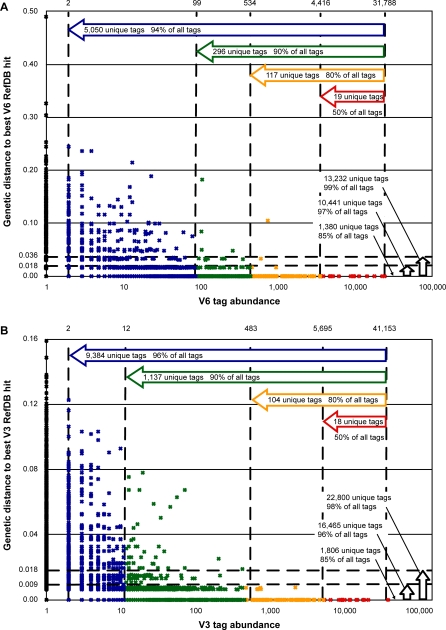
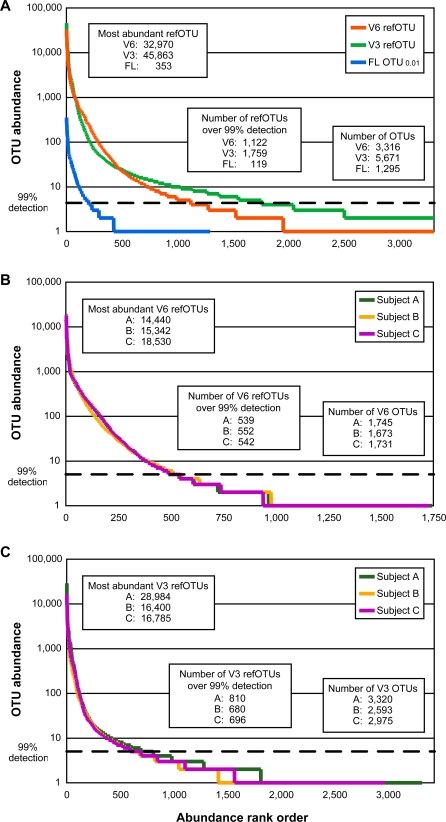
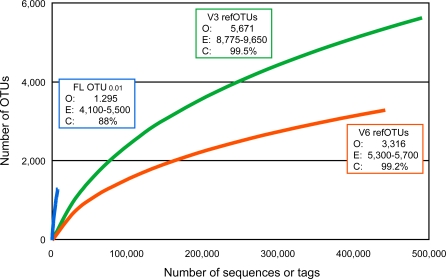
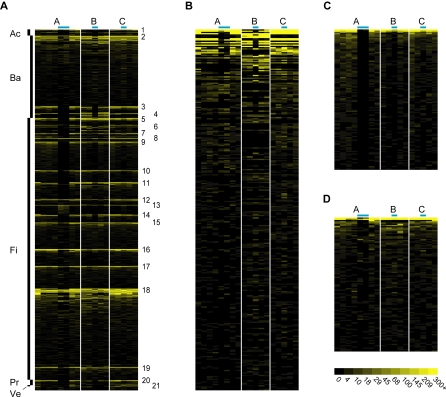
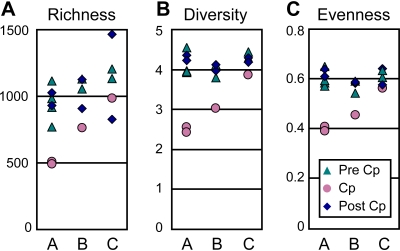
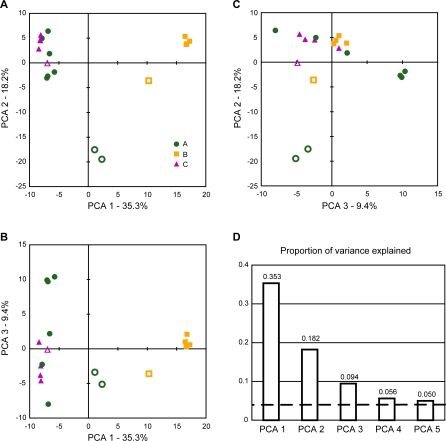
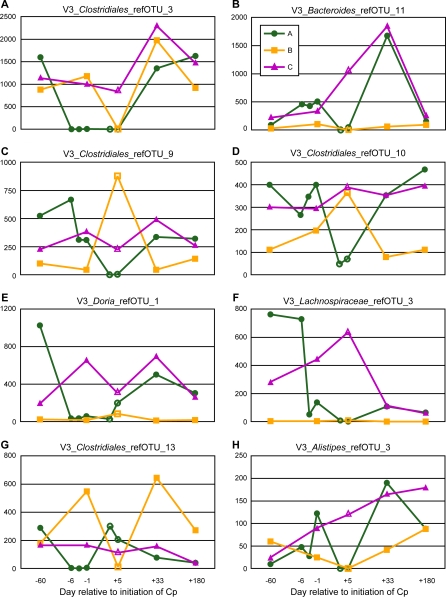
The human intestinal microbiota is essential to the health of the host and plays a role in nutrition, development, metabolism, pathogen resistance, and regulation of immune responses. Antibiotics may disrupt these coevolved interactions, leading to acute or chronic disease in some individuals. Our understanding of antibiotic-associated disturbance of the microbiota has been limited by the poor sensitivity, inadequate resolution, and significant cost of current research methods. The use of pyrosequencing technology to generate large numbers of 16S rDNA sequence tags circumvents these limitations and has been shown to reveal previously unexplored aspects of the "rare biosphere." We investigated the distal gut bacterial communities of three healthy humans before and after treatment with ciprofloxacin, obtaining more than 7,000 full-length rRNA sequences and over 900,000 pyrosequencing reads from two hypervariable regions of the rRNA gene. A companion paper in PLoS Genetics (see Huse et al., doi: 10.1371/journal.pgen.1000255) shows that the taxonomic information obtained with these methods is concordant. Pyrosequencing of the V6 and V3 variable regions identified 3,300-5,700 taxa that collectively accounted for over 99% of the variable region sequence tags that could be obtained from these samples. Ciprofloxacin treatment influenced the abundance of about a third of the bacterial taxa in the gut, decreasing the taxonomic richness, diversity, and evenness of the community. However, the magnitude of this effect varied among individuals, and some taxa showed interindividual variation in the response to ciprofloxacin. While differences of community composition between individuals were the largest source of variability between samples, we found that two unrelated individuals shared a surprising degree of community similarity. In all three individuals, the taxonomic composition of the community closely resembled its pretreatment state by 4 weeks after the end of treatment, but several taxa failed to recover within 6 months. These pervasive effects of ciprofloxacin on community composition contrast with the reports by participants of normal intestinal function and with prior assumptions of only modest effects of ciprofloxacin on the intestinal microbiota. These observations support the hypothesis of functional redundancy in the human gut microbiota. The rapid return to the pretreatment community composition is indicative of factors promoting community resilience, the nature of which deserves future investigation.
Overview
The claims and statistics of this paper haven’t been checked yet.
Free: it reads the open-access text and checks the first 5 claims that cite a source we can check. Create a free account to check every claim.
Integrity signals
Registry
Cites
Statistics
Figures
Verification
Claims the paper makes
The claims and statistics of this paper haven’t been checked yet.
Free: it reads the open-access text and checks the first 5 claims that cite a source we can check. Create a free account to check every claim.
Claims other papers make about this one
Each is checked against this paper’s own text: does it say what the citing paper says it does?
The source backs part of the claim, not all of it — or backs it for a different population, condition or comparison.
In the citing paper
“The greatest risk factor for CDI is the use of antibiotics,46 though only a small proportion of patients on antibiotics develop the infection.”
From Update on Fecal Microbiota Transplantation 2015: Indications, Methodologies, Mechanisms, and Outlook (2015) · cites this paper as [46]
Experimental — accuracy not yet measuredThe source backs part of the claim, not all of it — or backs it for a different population, condition or comparison.
In the citing paper
“The taxonomic composition of the gut microbiota changes throughout the gastrointestinal tract, according to nutrient availability, mucus structure, pH and oxygen availability [1–6].”
From Role of the gut microbiota in nutrient competition and protection against intestinal pathogen colonization (2023) · cites this paper as [6]
Experimental — accuracy not yet measuredThe cited source says what the claim attributes to it.
In the citing paper
“Individual bacterial taxa can show variable responses to antibiotics, which will impact the nutrient niches that are created in the intestine following antibiotic treatment [6].”
From Role of the gut microbiota in nutrient competition and protection against intestinal pathogen colonization (2023) · cites this paper as [6]
Self-check
Percentages, sums and reported differences re-computed from the paper’s own numbers.
The self-check needs the paper’s full text.
Citations
Cites
Naïve Bayesian Classifier for Rapid Assignment of rRNA Sequences into the New Bacterial Taxonomy
Wang, Q., Garrity, G. M., Tiedje, J. M., & Cole, J. R. (2007) · Applied and Environmental Microbiology · doi:10.1128/aem.00062-07 · Cited by 19,885 · cited 5×
“The taxonomic affiliation of fulllength sequences was determined using the Classifier tool of the RDP, with an 80% bootstrap threshold [41].”
BackgroundMethodInfluentialGreengenes, a Chimera-Checked 16S rRNA Gene Database and Workbench Compatible with ARB
DeSantis, T. Z., Hugenholtz, P., Larsen, N., Rojas, M., Brodie, E. L., Keller, K., Huber, T., Dalevi, D., Hu, P., & Andersen, G. L. (2006) · Applied and Environmental Microbiology · doi:10.1128/aem.03006-05 · Cited by 10,891 · cited 1×
“Forward and reverse sequencing reads were assembled using the Phred/Phrap/Consed suite of programs with default parameters [50–52]; assembled sequences were aligned via the NAST algorithm [53] at the Greengenes Website (http:// greengenes.lbl.gov/) [ 54 ].”
MethodHuman gut microbes associated with obesity
Ley, R. E., Turnbaugh, P. J., Klein, S., & Gordon, J. I. (2006) · Nature · doi:10.1038/4441022a · Cited by 8,785 · cited 1×
“A high proportion of tags in the current study have an exact match in the database, due to the substantial sequencing effort that has already been directed to the human gut microbiota [7,30,90].”
BackgroundDiversity of the Human Intestinal Microbial Flora
Eckburg, P. B., Bik, E. M., Bernstein, C. N., Purdom, E., Dethlefsen, L., Sargent, M., Gill, S. R., Nelson, K. E., & Relman, D. A. (2005) · Science · doi:10.1126/science.1110591 · Cited by 7,913 · cited 4×
“A high proportion of tags in the current study have an exact match in the database, due to the substantial sequencing effort that has already been directed to the human gut microbiota [7,30,90].”
BackgroundResultInfluentialSelf-citationGenome sequencing in microfabricated high-density picolitre reactors
Margulies, M., Egholm, M., Altman, W. E., Attiya, S., Bader, J. S., Bemben, L. A., Berka, J., Braverman, M. S., Chen, Y.-J., Chen, Z., et al. (2005) · Nature · doi:10.1038/nature03959 · Cited by 7,693 · cited 2×
“lower than that of capillary dideoxy sequencing, although considerably better than the 96% accuracy initially reported [38].”
BackgroundResultBase-Calling of Automated Sequencer Traces Using Phred. I. Accuracy Assessment
Ewing, B., Hillier, L., Wendl, M. C., & Green, P. (1998) · Genome Research · doi:10.1101/gr.8.3.175 · Cited by 6,967 · cited 1×
“Forward and reverse sequencing reads were assembled using the Phred/Phrap/Consed suite of programs with default parameters [48-50]; assembled sequences were aligned via the NAST algorithm [51] at the Greengenes website (http://greengenes.”
MethodARB: a software environment for sequence data
Ludwig, W. (2004) · Nucleic Acids Research · doi:10.1093/nar/gkh293 · Cited by 6,702 · cited 6×
“Uncultivated Taxon V3_Clostridiales_refOTU_2 The maximum-likelihood phylogenetic tree (calculated via AxML using default parameters in Arb [55]) shows the relationship between a clade containing 174 full-length V3 RefDB 16S rRNA sequences with exact matches to V3_Clostridiales_refOTU_2 and the most closely related seq…”
MethodInfluentialPruesse, E., Quast, C., Knittel, K., Fuchs, B. M., Ludwig, W., Peplies, J., & Glockner, F. O. (2007) · Nucleic Acids Research · doi:10.1093/nar/gkm864 · Cited by 6,668 · cited 1×
“de/)[57] with taxonomic classifications obtained from the RDP Classifier [41] (minimum 80% bootstrap score) as described in [48].”
MethodThe gut microbiota as an environmental factor that regulates fat storage
Bäckhed, F., Ding, H., Wang, T., Hooper, L. V., Koh, G. Y., Nagy, A., Semenkovich, C. F., & Gordon, J. I. (2004) · Proceedings of the National Academy of Sciences · doi:10.1073/pnas.0407076101 · Cited by 6,245
Obesity alters gut microbial ecology
Ley, R. E., Bäckhed, F., Turnbaugh, P., Lozupone, C. A., Knight, R. D., & Gordon, J. I. (2005) · Proceedings of the National Academy of Sciences · doi:10.1073/pnas.0504978102 · Cited by 6,176 · cited 1×
“cations for cancer [18,19] and obesity [20,21], among other”
Background
Research works printed but not linked: 89
- Dethlefsen, 2007, Nature, 449, 811
- Ley, 2006, Cell, 124, 837
- Guarner, 2006, Digestion, 73, 5
- Brook, 2005, Otolaryngol Head Neck Surg, 133, 139
- Servin, 2004, FEMS Microbiol Rev, 28, 405
- Reid, 2006, World J Urol, 24, 28
- Li, 2008, Proc Natl Acad Sci U S A, 105, 2117
- Hooper, 2004, Trends Microbiol, 12, 129
- Mazmanian, 2005, Cell, 122, 107
- Rakoff-Nahoum, 2004, Cell, 118, 229
- Sullivan, 2001, Lancet Infect Dis, 1, 101
- Beaugerie, 2004, Best Pract Res Clin Gastroenterol, 18, 337
- Wilcox, 2003, Best Pract Res Clin Gastroenterol, 17, 475
- Marra, 2006, Chest, 129, 610
- Noverr, 2005, Clin Exp Allergy, 35, 1511
- Prioult, 2005, Immunol Rev, 206, 204
- Nicholson, 2005, Nat Rev Microbiol, 3, 431
- O'Keefe, 2007, J Nutr, 137, 175S
- McGarr, 2005, J Clin Gastroenterol, 39, 98
- Ley, 2005, Proc Natl Acad Sci U S A, 102, 11070
- Bäckhed, 2004, Proc Natl Acad Sci U S A, 101, 15718
- Stewart, 2004, FEMS Microbiol Lett, 230, 1
- Lode, 2001, Scand J Infect Dis, 33, 899
- De La Cochetiere, 2005, J Clin Microbiol, 43, 5588
- Donskey, 2003, J Microbiol Meth, 54, 249
- Jernberg, 2007, Isme J, 1, 56
- Lofmark, 2008, Anaerobe, 14, 157
- Sjolund, 2003, Ann Intern Med, 139, 483
- Bäckhed, 2005, Science, 307, 1915
- Eckburg, 2005, Science, 308, 1635
- Suau, 1999, Appl Environ Microbiol, 65, 4799
- Zoetendal, 2004, J Nutr, 134, 465
- Mai, 2004, J Nutr, 134, 459
- Bartosch, 2004, Appl Environ Microbiol, 70, 3575
- Bartosch, 2005, Clin Infect Dis, 40, 28
- Vanhoutte, 2004, FEMS Microbiol Ecol, 48, 437
- Jernberg, 2005, Appl Environ Microbiol, 71, 501
- Margulies, 2005, Nature, 437, 376
- Sogin, 2006, Proc Natl Acad Sci U S A, 103, 12115
- Liu, 2007, Nucleic Acids Res, 35, e120
- Wang, 2007, Appl Environ Microbiol, 73, 5261
- Huber, 2007, Science, 318, 97
- Huse, 2007, Genome Biol, 8, R143
- Roesch, 2007, Isme J, 1, 283
- Hamady, 2008, Nat Methods, 5, 235
- Sundquist, 2007, BMC Microbiol, 7, 108
- Thompson, 2002, Nucleic Acids Res, 30, 2083
- Ewing, 1998, Genome Res, 8, 186
- Ewing, 1998, Genome Res, 8, 175
- Gordon, 1998, Genome Res, 8, 195
- DeSantis, 2006, Nucleic Acids Res, 34, W394
- DeSantis, 2006, Appl Environ Microbiol, 72, 5069
- Ludwig, 2004, Nucleic Acids Res, 32, 1363
- Schloss, 2005, Appl Environ Microbiol, 71, 1501
- Pruesse, 2007, Nucleic Acids Res, 35, 7188
- Colwell, 2005, EstimateS: Statistical estimation of species richness and shared species from samples. Version 7.5
- Leek, 2006, Bioinformatics, 22, 507
- Hughes, 2001, Appl Environ Microbiol, 67, 4399
- Chao, 1984, Scan J Stat, 11, 265
- Chao, 1992, Biometrics, 48, 201
- Colwell, 1994, Philos Trans R Soc Lond B Biol Sci, 345, 101
- Good, 1953, Biometrika, 40, 237
- Derrien, 2004, Int J Syst Evol Microbiol, 54, 1469
- Jost, 2006, Oikos, 113, 363
- Jost, 2007, Ecology, 88, 2427
- Franks, 1998, Appl Environ Microbiol, 64, 3336
- Matsuki, 2004, Appl Environ Microbiol, 70, 7220
- Hayashi, 2002, Microbiol Immunol, 46, 819
- De La Cochetiere, 2008, Microb Ecol, 56, 395
- Ozaki, 2004, J Med Microbiol, 53, 167
- Flint, 2007, Environ Microbiol, 9, 1101
- Belenguer, 2006, Appl Environ Microbiol, 72, 3593
- Martin, 2007, Mol Syst Biol, 3, 112
- Ridlon, 2006, J Lipid Res, 47, 241
- Pena, 2004, Appl Environ Microbiol, 70, 558
- Servin, 2003, Best Pract Res Clin Gastroenterol, 17, 741
- Sullivan, 2003, J Antimicrob Chemother, 52, 308
- Bedford Russell, 2006, Bjog, 113, 758
- Young, 2004, J Clin Microbiol, 42, 1203
- Duncan, 2004, Appl Environ Microbiol, 70, 5810
- Duncan, 2006, Int J Syst Evol Microbiol, 56, 2437
- Louis, 2004, J Bacteriol, 186, 2099
- Schumacher, 1997, Clin Microbiol Infect, 3, 134
- Jacoby, 2005, Clin Infect Dis 41 Suppl, 2, S120
- Forney, 2004, Curr Opin Microbiol, 7, 210
- von Wintzingerode, 1997, FEMS Microbiol Rev, 21, 213
- Ley, 2006, Nature, 444, 1022
- von Mering, 2007, Science, 315, 1126
- Ashelford, 2006, Appl Environ Microbiol, 72, 5734
Cited by
Items 301–400 of 1,011
Gut microbiota, host health, and polysaccharides
Xu, X., Xu, P., Ma, C., Tang, J., & Zhang, X. (2013) · Biotechnology Advances · doi:10.1016/j.biotechadv.2012.12.009 · Cited by 245
“, 2011), increases antibiotic resistant bacteria, and reduces the amount of antimicrobial peptides (AMPs) (Dethlefsen et al., 2008; Jarchum et al., 2011; Jernberg et al., 2007, 2010; Kinnebrew et al., 2010).”
Suchodolski, J. S., Dowd, S. E., Wilke, V., Steiner, J. M., & Jergens, A. E. (2012) · PLoS ONE · doi:10.1371/journal.pone.0039333 · Cited by 236
“Studies have shown that administration of antimicrobials leads to alterations in the fecal microbiota of healthy humans”
BackgroundFaura, J., Bustamante, A., Miró-Mur, F., & Montaner, J. (2021) · Journal of Neuroinflammation · doi:10.1186/s12974-021-02177-0 · Cited by 233
“The administration of antibiotics affects human bacterial communities and may lead to a dysbiosis of intestinal microbiota, which could remain altered for 6 months after antibiotic therapy [13].”
BackgroundWeber, D., Jenq, R. R., Peled, J. U., Taur, Y., Hiergeist, A., Koestler, J., Dettmer, K., Weber, M., Wolff, D., Hahn, J., et al. (2017) · Biology of Blood and Marrow Transplantation · doi:10.1016/j.bbmt.2017.02.006 · Cited by 245
Fouhy, F., Ross, R. P., Fitzgerald, G. F., Stanton, C., & Cotter, P. D. (2012) · Gut Microbes · doi:10.4161/gmic.20169 · Cited by 225
Fungi of the Murine Gut: Episodic Variation and Proliferation during Antibiotic Treatment
Dollive, S., Chen, Y.-Y., Grunberg, S., Bittinger, K., Hoffmann, C., Vandivier, L., Cuff, C., Lewis, J. D., Wu, G. D., & Bushman, F. D. (2013) · PLoS ONE · doi:10.1371/journal.pone.0071806 · Cited by 239
“studied the gut microbiome of three humans treated with ciprofloxacin [48], and found that while diversity was reduced upon treatment, the response of bacterial lineages differed among the individuals studied.”
BackgroundBritton, R. A., & Young, V. B. (2012) · Trends in Microbiology · doi:10.1016/j.tim.2012.04.001 · Cited by 240
“Both animal and human studies indicate that short-term antibiotic administration can result in long-term impacts on the gut microbiome [22-25].”
BackgroundZeissig, S., & Blumberg, R. S. (2014) · Nature Immunology · doi:10.1038/ni.2847 · Cited by 236
Recurrent Clostridium difficile Infection: Risk Factors, Treatment, and Prevention
Song, J. H., & Kim, Y. S. (2019) · Gut and Liver · doi:10.5009/gnl18071 · Cited by 219
“However, antibiotics reduce the diversity of the intestinal microbiota.(46) Compared with the fecal microbiota of patients without CDI, the fecal microbiota of patients with rCDI is more variable in bacterial composition and is characterized by a marked decrease in ecological diversity and lower species richness.”
BackgroundComparative Analysis of Korean Human Gut Microbiota by Barcoded Pyrosequencing
Nam, Y.-D., Jung, M.-J., Roh, S. W., Kim, M.-S., & Bae, J.-W. (2011) · PLoS ONE · doi:10.1371/journal.pone.0022109 · Cited by 232
“However, each person harbored an average of 771 species level phylotypes (SD = 313), which is constant with previous reports that the diversity of specific taxa at the phylum to genus levels is relatively low but is extremely high at the species and strain levels [33,45].”
BackgroundMethodResultInfluentialLi, E., Hamm, C. M., Gulati, A. S., Sartor, R. B., Chen, H., Wu, X., Zhang, T., Rohlf, F. J., Zhu, W., Gu, C., et al. (2012) · PLoS ONE · doi:10.1371/journal.pone.0026284 · Cited by 236
“difficile could contribute to the observed shifts in microbial composition [64,65].”
BackgroundNon-alcoholic fatty liver and the gut microbiota
Bashiardes, S., Shapiro, H., Rozin, S., Shibolet, O., & Elinav, E. (2016) · Molecular Metabolism · doi:10.1016/j.molmet.2016.06.003 · Cited by 241
“Oral antibiotics can dramatically affect the gut microbial configuration [126,127] and may modify microbial drivers of NAFLD.”
BackgroundDubourg, G., Lagier, J.-C., Armougom, F., Robert, C., Audoly, G., Papazian, L., & Raoult, D. (2013) · International Journal of Antimicrobial Agents · doi:10.1016/j.ijantimicag.2012.10.012 · Cited by 234
“Thus, antibiotics such as vancomycin [6] and ciprofloxacin [7] were responsible for a critical reduction in the gut biomass.”
BackgroundMicrobiome, inflammation, epigenetic alterations, and mental diseases
Alam, R., Abdolmaleky, H. M., & Zhou, J. (2017) · American Journal of Medical Genetics Part B Neuropsychiatric Genetics · doi:10.1002/ajmg.b.32567 · Cited by 240
Anthony, W. E., Wang, B., Sukhum, K. V., D’Souza, A. W., Hink, T., Cass, C., Seiler, S., Reske, K. A., Coon, C., Dubberke, E. R., et al. (2022) · Cell Reports · doi:10.1016/j.celrep.2022.110649 · Cited by 220
“…also result in significant unintended consequences, including acute and persistent changes in the commensal host microbiome (Wipperman et al., 2017; Dethlefsen et al., 2008; Ubeda et al., 2010; Palleja et al., 2018; De Gunzburg et al., 2018), as well as selection for antibiotic resistance (AR)…”
InfluentialEmerging roles of the microbiome in cancer
Bultman, S. J. (2014) · Carcinogenesis · doi:10.1093/carcin/bgt392 · Cited by 239
Suchodolski, J. S., Dowd, S. E., Westermarck, E., Steiner, J. M., Wolcott, R. D., Spillmann, T., & Harmoinen, J. A. (2009) · BMC Microbiology · doi:10.1186/1471-2180-9-210 · Cited by 226
“Antibiotic activity has a profound effect on the intestinal microbiota [8,16], and it is important to characterize changes in bacterial diversity, their magnitude and the resilience of the intestinal microbiota against antibioticrelated modifications.”
BackgroundResultInfluentialMicrobiota-mediated inflammation and antimicrobial defense in the intestine
Caballero, S., & Pamer, E. G. (2015) · Annual Review of Immunology · doi:10.1146/annurev-immunol-032713-120238 · Cited by 238
Contributions of intestinal bacteria to nutrition and metabolism in the critically ill
Morowitz, M. J., Carlisle, E. M., & Alverdy, J. C. (2011) · Surgical Clinics of North America · doi:10.1016/j.suc.2011.05.001 · Cited by 237
Su, C., Lei, L., Duan, Y., Zhang, K.-Q., & Yang, J. (2012) · Applied Microbiology and Biotechnology · doi:10.1007/s00253-011-3800-7 · Cited by 220
“…Dethlefsen and Relman 2011 Pyrosequencing, cloning and sequencing 8F/1391R, (967–985F)/ (1064–1046R) for V6 region, (338–357F)/(533–515R) for V3 region Dethlefsen et al. 2008 The relation between gut microbial ecology and body fat Cloning and sequencing 8F/1391R Ley et al. 2005; Ley et al. 2006…”
BackgroundMethodInfluentialHansen, E. E., Lozupone, C. A., Rey, F. E., Wu, M., Guruge, J. L., Narra, A., Goodfellow, J., Zaneveld, J. R., McDonald, D. T., Goodrich, J. A., et al. (2011) · Proceedings of the National Academy of Sciences · doi:10.1073/pnas.1000071108 · Cited by 229
Gil-Cardoso, K., Ginés, I., Pinent, M., Ardévol, A., Blay, M., & Terra, X. (2016) · Nutrition Research Reviews · doi:10.1017/s0954422416000159 · Cited by 231
McFarland, L. V. (2014) · BMJ Open · doi:10.1136/bmjopen-2014-005047 · Cited by 235
“As it has been shown that recovery from a disrupting factor can be prolonged (typically 8 weeks), 7 8 and studies that failed to fi nd microbiota recovery might have detected a return to normal baseline levels if a suf-fi ciently long time was given for the recovery to have occurred.”
Stearns, J. C., Davidson, C. J., McKeon, S., Whelan, F. J., Fontes, M. E., Schryvers, A. B., Bowdish, D. M. E., Kellner, J. D., & Surette, M. G. (2015) · The ISME Journal · doi:10.1038/ismej.2014.250 · Cited by 234
“Maturation of the host-associated microbial community is known to occur in gut communities where progression from colonization to climax and stability (Adlerberth and Wold, 2009), as well as refraction of this community to disturbance (Dethlefsen et al., 2008), has been studied.”
BackgroundRapid bacterial genome sequencing: methods and applications in clinical microbiology
Bertelli, C., & Greub, G. (2013) · Clinical Microbiology and Infection · doi:10.1111/1469-0691.12217 · Cited by 218
“[62] pyrosequenced tagged hypervariable regions of the 16S rRNA from the gut microbiome of patients before and after ciprofloxacin treatment.”
BackgroundNewton, R. J., Bootsma, M. J., Morrison, H. G., Sogin, M. L., & McLellan, S. L. (2013) · Microbial Ecology · doi:10.1007/s00248-013-0200-9 · Cited by 228
“Human fecal sample V6 16S rRNAgene community data were collected from [38] and [39] and were processed in the same manner as all community sequencing datasets presented in this study.”
BackgroundMethodInfluentialSelf-citationThe gut microbiota of Colombians differs from that of Americans, Europeans and Asians
Escobar, J. S., Klotz, B., Valdes, B. E., & Agudelo, G. M. (2014) · BMC Microbiology · doi:10.1186/s12866-014-0311-6 · Cited by 227
“It has been established that the composition of the gut microbiota dramatically varies among individuals [1,3,30] and populations [31,32] according to the geographic [31-34] and ethnic origin [27,31,32,35], diet [15,36-39], host genetics [25,40,41], age [31,42,43] and several other factors [44-53].”
BackgroundVeiga, P., Gallini, C. A., Beal, C., Michaud, M., Delaney, M. L., DuBois, A., Khlebnikov, A., van Hylckama Vlieg, J. E. T., Punit, S., Glickman, J. N., et al. (2010) · Proceedings of the National Academy of Sciences · doi:10.1073/pnas.1011737107 · Cited by 221
Xia, X., Zheng, D., Zhong, H., Qin, B., Gurr, G. M., Vasseur, L., Lin, H., Bai, J., He, W., & You, M. (2013) · PLoS ONE · doi:10.1371/journal.pone.0068852 · Cited by 222
“To amplify 16S rRNA for Illumina deep sequencing, universal primers targeting the V6 region, V6F: 59- CAACG CGARG AACCT TACC -39, V6R: 59- CGACA GCCAT GCASC ACCT -39, were designed as described previously [30,31,32].”
MethodThe Mechanism of Bacterial Resistance and Potential Bacteriostatic Strategies
Zhang, F., & Cheng, W. (2022) · Antibiotics · doi:10.3390/antibiotics11091215 · Cited by 213
“At present, the small molecule drugs are still adopted as the first choice of clinical antibacterial drugs, which, however, will bring some issues, as for example, they all act as the metabolic pathways shared by microorganisms, rather than drugs killing specific pathogenic bacteria, thus destroying the microbial ecol…”
BackgroundZhang, B., Ning, D., Yang, Y., Van Nostrand, J. D., Zhou, J., & Wen, X. (2020) · Water Research · doi:10.1016/j.watres.2019.115276 · Cited by 227
The intestinal microbiota: its role in health and disease
Biedermann, L., & Rogler, G. (2015) · European Journal of Pediatrics · doi:10.1007/s00431-014-2476-2 · Cited by 211
Massively parallel tag sequencing reveals the complexity of anaerobic marine protistan communities
Stoeck, T., Behnke, A., Christen, R., Amaral-Zettler, L., Rodriguez-Mora, M. J., Chistoserdov, A., Orsi, W., & Edgcomb, V. P. (2009) · BMC Biology · doi:10.1186/1741-7007-7-72 · Cited by 221
“Pyrosequencing has subsequently unveiled the richness and complexity of soil bacterial communities [18], human [19] and Macaque [20] gut microbiota.”
BackgroundThe Fungal Mycobiome and Its Interaction with Gut Bacteria in the Host
Sam, Q., Chang, M., & Chai, L. (2017) · International Journal of Molecular Sciences · doi:10.3390/ijms18020330 · Cited by 213
“from the start of treatment for microbiota to revert back close to their pre-treatment status [35,36].”
Microbial Communities of the Upper Respiratory Tract and Otitis Media in Children
Laufer, A. S., Metlay, J. P., Gent, J. F., Fennie, K. P., Kong, Y., & Pettigrew, M. M. (2011) · mBio · doi:10.1128/mbio.00245-10 · Cited by 224
“calculate the Shannon diversity and evenness indices (25, 26, 52, 53).”
MethodUse of antibiotics in children younger than two years in eight countries: a prospective cohort study
Rogawski, E. T., Platts-Mills, J. A., Seidman, J. C., John, S., Mahfuz, M., Ulak, M., Shrestha, S. K., Soofi, S. B., Yori, P. P., Mduma, E., et al. (2017) · Bulletin of the World Health Organization · doi:10.2471/blt.16.176123 · Cited by 217
Functional and phylogenetic assembly of microbial communities in the human microbiome
Shafquat, A., Joice, R., Simmons, S. L., & Huttenhower, C. (2014) · Trends in Microbiology · doi:10.1016/j.tim.2014.01.011 · Cited by 212
Aging, Frailty, and the Microbiome—How Dysbiosis Influences Human Aging and Disease
Haran, J. P., & McCormick, B. A. (2021) · Gastroenterology · doi:10.1053/j.gastro.2020.09.060 · Cited by 216
Amar, J., Lange, C., Payros, G., Garret, C., Chabo, C., Lantieri, O., Courtney, M., Marre, M., Charles, M. A., Balkau, B., et al. (2013) · PLoS ONE · doi:10.1371/journal.pone.0054461 · Cited by 219
“In this respect, the resilience of the microbial community to a short-course antibiotic challenge has been repeatedly established [39,40].”
BackgroundHost adaptive immunity alters gut microbiota
Zhang, H., Sparks, J. B., Karyala, S. V., Settlage, R., & Luo, X. M. (2015) · The ISME Journal · doi:10.1038/ismej.2014.165 · Cited by 213
“Antibiotic use, on the other hand, has been shown as a key factor to the perturbation of gut microbiota (Young and Schmidt, 2004; Dethlefsen et al., 2008).”
BackgroundWright, E. K., Kamm, M. A., Teo, S. M., Inouye, M., Wagner, J., & Kirkwood, C. D. (2015) · Inflammatory Bowel Diseases · doi:10.1097/mib.0000000000000382 · Cited by 202
The human gut microbiome in health: Establishment and resilience of microbiota over a lifetime
Greenhalgh, K., Meyer, K. M., Aagaard, K. M., & Wilmes, P. (2016) · Environmental Microbiology · doi:10.1111/1462-2920.13318 · Cited by 218
“The administration of antibiotics directly perturbs the GIT microbiome leading to decreased bacterial diversity and richness (Dethlefsen et al., 2008; Claesson et al., 2011).”
BackgroundInfluentialZhao, J., Zhang, R., Xue, C., Xun, W., Sun, L., Xu, Y., & Shen, Q. (2014) · Microbial Ecology · doi:10.1007/s00248-013-0322-0 · Cited by 215
“[25] and Huse et al.”
Milani, C., Ticinesi, A., Gerritsen, J., Nouvenne, A., Lugli, G. A., Mancabelli, L., Turroni, F., Duranti, S., Mangifesta, M., Viappiani, A., et al. (2016) · Scientific Reports · doi:10.1038/srep25945 · Cited by 217
Current perspectives on gut microbiome dysbiosis and depression
Capuco, A., Urits, I., Hasoon, J., Chun, R., Gerald, B., Wang, J. K., Kassem, H., Ngo, A. L., Abd-Elsayed, A., Simopoulos, T., et al. (2020) · Advances in Therapy · doi:10.1007/s12325-020-01272-7 · Cited by 216
Probiotic approach to prevent antibiotic resistance
Ouwehand, A. C., Forssten, S., Hibberd, A. A., Lyra, A., & Stahl, B. (2016) · Annals of Medicine · doi:10.3109/07853890.2016.1161232 · Cited by 216
“Antimicrobial treatment has a substantial effect on the composition and functional characteristics of intestinal microbiota (5,55) potentially elevating risk of AAD and”
BackgroundInfluentialWaging War against Uropathogenic Escherichia coli: Winning Back the Urinary Tract
Sivick, K. E., & Mobley, H. L. T. (2010) · Infection and Immunity · doi:10.1128/iai.01000-09 · Cited by 216
“ations of the normal host microbiota (52) and selection for”
BackgroundA role for bacterial urease in gut dysbiosis and Crohn’s disease
Ni, J., Shen, T.-C. D., Chen, E. Z., Bittinger, K., Bailey, A., Roggiani, M., Sirota-Madi, A., Friedman, E. S., Chau, L., Lin, A., et al. (2017) · Science Translational Medicine · doi:10.1126/scitranslmed.aah6888 · Cited by 218
Louie, T., Golan, Y., Khanna, S., Bobilev, D., Erpelding, N., Fratazzi, C., Carini, M., Menon, R., Ruisi, M., Norman, J. M., et al. (2023) · JAMA · doi:10.1001/jama.2023.4314 · Cited by 203
Magnetotactic Bacteria Powered Biohybrids Target E. coli Biofilms
Stanton, M. M., Park, B.-W., Vilela, D., Bente, K., Faivre, D., Sitti, M., & Sánchez, S. (2017) · ACS Nano · doi:10.1021/acsnano.7b04128 · Cited by 209
Ly, N. P., Litonjua, A., Gold, D. R., & Celedón, J. C. (2011) · Journal of Allergy and Clinical Immunology · doi:10.1016/j.jaci.2011.02.015 · Cited by 214
“However, it has been observed that a majority of bacterial species return to pretreatment levels relatively quickly after an antibiotic course, with the exception of a few species that fail to recover after an extended period of time.(72,73) Although the effect of antibiotic treatment might have long-term effects, no…”
BackgroundWipperman, M. F., Fitzgerald, D. W., Juste, M. A. J., Taur, Y., Namasivayam, S., Sher, A., Bean, J. M., Bucci, V., & Glickman, M. S. (2017) · Scientific Reports · doi:10.1038/s41598-017-10346-6 · Cited by 201
Influence of functional food components on gut health
Wan, M. L. Y., Ling, K. H., El-Nezami, H., & Wang, M. F. (2019) · Critical Reviews in Food Science and Nutrition · doi:10.1080/10408398.2018.1433629 · Cited by 201
“Sufficient evidence vindicates that microbial imbalance (dybiosis) undermines intestinal defence system (Dethlefsen et al. 2008, Jeong, Song, and Cho 2009).”
BackgroundDifferential Effects of Antibiotic Therapy on the Structure and Function of Human Gut Microbiota
Pérez-Cobas, A. E., Artacho, A., Knecht, H., Ferrús, M. L., Friedrichs, A., Ott, S. J., Moya, A., Latorre, A., & Gosalbes, M. J. (2013) · PLoS ONE · doi:10.1371/journal.pone.0080201 · Cited by 212
“[15,18] when they used ciprofloxacin, as in our patient A, an AB belonging to the cell replication inhibitor group.”
BackgroundMethodBifidobacteria and the infant gut: an example of co-evolution and natural selection
Turroni, F., Milani, C., Duranti, S., Ferrario, C., Lugli, G. A., Mancabelli, L., van Sinderen, D., & Ventura, M. (2018) · Cellular and Molecular Life Sciences · doi:10.1007/s00018-017-2672-0 · Cited by 197
Microbiota Signaling Pathways that Influence Neurologic Disease
Cox, L. M., & Weiner, H. L. (2018) · Neurotherapeutics · doi:10.1007/s13311-017-0598-8 · Cited by 207
The role of the gut microbiota in metabolic health
Janssen, A. W. F., & Kersten, S. (2015) · The FASEB Journal · doi:10.1096/fj.14-269514 · Cited by 197
MacKenzie, D. A., Jeffers, F., Parker, M. L., Vibert-Vallet, A., Bongaerts, R. J., Roos, S., Walter, J., & Juge, N. (2010) · Microbiology · doi:10.1099/mic.0.043265-0 · Cited by 201
“INTRODUCTION The adult human intestine hosts 10(13) to 10(14) bacteria belonging to at least 500 different species or strains (Dethlefsen et al., 2008).”
Next-Generation Sequencing for Infectious Disease Diagnosis and Management
Lefterova, M. I., Suarez, C. J., Banaei, N., & Pinsky, B. A. (2015) · The Journal of Molecular Diagnostics · doi:10.1016/j.jmoldx.2015.07.004 · Cited by 207
Site and Strain-Specific Variation in Gut Microbiota Profiles and Metabolism in Experimental Mice
Friswell, M. K., Gika, H., Stratford, I. J., Theodoridis, G., Telfer, B., Wilson, I. D., & McBain, A. J. (2010) · PLoS ONE · doi:10.1371/journal.pone.0008584 · Cited by 207
“Other environmental variables may significantly influence the composition of the GTM, including antibiotic use where it has for example been shown that oral ciprofloxacin dosing alters the abundance of approximately one third of GTM taxa, decreasing the richness and diversity with profiles returning to re-treatment st…”
BackgroundPreventing urinary tract infection: progress toward an effective Escherichia coli vaccine
Brumbaugh, A. R., & Mobley, H. L. (2012) · Expert Review of Vaccines · doi:10.1586/erv.12.36 · Cited by 202
Long-term use of antibiotics and risk of colorectal adenoma
Cao, Y., Wu, K., Mehta, R., Drew, D. A., Song, M., Lochhead, P., Nguyen, L. H., Izard, J., Fuchs, C. S., Garrett, W. S., et al. (2018) · Gut · doi:10.1136/gutjnl-2016-313413 · Cited by 192
COMPANION ANIMALS SYMPOSIUM: Microbes and gastrointestinal health of dogs and cats1
Suchodolski, J. S. (2011) · Journal of Animal Science · doi:10.2527/jas.2010-3377 · Cited by 185
“Several members of the community are able to perform similar functions, and if one microbial group is displaced because of perturbations (e.g., antibiotic therapy), other members of the community are capable of maintaining a stable ecosystem function (Dethlefsen et al., 2008; Suchodolski et al., 2009 ).”
BackgroundInfluentialShort-Read Assembly of Full-Length 16S Amplicons Reveals Bacterial Diversity in Subsurface Sediments
Miller, C. S., Handley, K. M., Wrighton, K. C., Frischkorn, K. R., Thomas, B. C., & Banfield, J. F. (2013) · PLoS ONE · doi:10.1371/journal.pone.0056018 · Cited by 200
Hypothesis testing and statistical analysis of microbiome
Xia, Y., & Sun, J. (2017) · Genes & Diseases · doi:10.1016/j.gendis.2017.06.001 · Cited by 190
Finkel, O. M., Burch, A. Y., Lindow, S. E., Post, A. F., & Belkin, S. (2011) · Applied and Environmental Microbiology · doi:10.1128/aem.05565-11 · Cited by 199
“most similar reference sequences in the V6 reference database (V6 RefDB) (9),”
BackgroundMethodEmerging Priorities for Microbiome Research
Cullen, C. M., Aneja, K. K., Beyhan, S., Cho, C. E., Woloszynek, S., Convertino, M., McCoy, S. J., Zhang, Y., Anderson, M. Z., Alvarez-Ponce, D., et al. (2020) · Frontiers in Microbiology · doi:10.3389/fmicb.2020.00136 · Cited by 190
“Ingestion of antibiotics, in contrast, has immediate and severe consequences, decreasing the taxonomic diversity, richness, and evenness by up to 30% (Dethlefsen et al., 2008; Dethlefsen and Relman, 2011).”
Background(2021) · doi:10.3322/caac.21697 · Cited by 201
The developing intestinal microbiome and its relationship to health and disease in the neonate
Torrazza, R. M., & Neu, J. (2011) · Journal of Perinatology · doi:10.1038/jp.2010.172 · Cited by 191
Kolmeder, C. A., de Been, M., Nikkilä, J., Ritamo, I., Mättö, J., Valmu, L., Salojärvi, J., Palva, A., Salonen, A., & de Vos, W. M. (2012) · PLoS ONE · doi:10.1371/journal.pone.0029913 · Cited by 199
“The molecular characterization of the intestinal microbiota by phylogenetic approaches has received considerable attention in recent years and revealed a remarkable compositional stability and resilience in adult life, even after pervasive treatments such as the use of antibiotics [4–6].”
BackgroundHydrography shapes bacterial biogeography of the deep Arctic Ocean
Galand, P. E., Potvin, M., Casamayor, E. O., & Lovejoy, C. (2010) · The ISME Journal · doi:10.1038/ismej.2009.134 · Cited by 191
Mathematical modeling of primary succession of murine intestinal microbiota
Marino, S., Baxter, N. T., Huffnagle, G. B., Petrosino, J. F., & Schloss, P. D. (2014) · Proceedings of the National Academy of Sciences · doi:10.1073/pnas.1311322111 · Cited by 196
“Later in life, antibiotic therapies are known to perturb the structure of the gut microbiome, and for most people the community largely reassembles to its previous state (19); however, in others, they can become colonized by opportunists such as Clostridium difficile.”
BackgroundToxicological effects of microplastics and phenanthrene to zebrafish (Danio rerio)
Xu, K., Zhang, Y., Huang, Y., & Wang, J. (2021) · Science of The Total Environment · doi:10.1016/j.scitotenv.2020.143730 · Cited by 197
Redefining the Role of Intestinal Microbes in the Pathogenesis of Necrotizing Enterocolitis
Morowitz, M. J., Poroyko, V., Caplan, M., Alverdy, J., & Liu, D. C. (2010) · Pediatrics · doi:10.1542/peds.2009-3149 · Cited by 196
Tedijanto, C., Olesen, S. W., Grad, Y. H., & Lipsitch, M. (2018) · Proceedings of the National Academy of Sciences · doi:10.1073/pnas.1810840115 · Cited by 199
“In addition, off-target antibiotic exposures also contribute to resistance dynamics in other ways not captured in this analysis, including selection for resistance elements among nonpathogenic bacteria that may be horizontally transferred to pathogens and depletion of beneficial bacteria which play active roles in met…”
BackgroundVandeWalle, J. L., Goetz, G. W., Huse, S. M., Morrison, H. G., Sogin, M. L., Hoffmann, R. G., Yan, K., & McLellan, S. L. (2012) · Environmental Microbiology · doi:10.1111/j.1462-2920.2012.02757.x · Cited by 193
“First, the probable faecal organisms were identified by comparison with human faecal samples from two previously published datasets (Dethlefsen et al., 2008; Turnbaugh et al., 2009).”
BackgroundInfluentialSelf-citationCulture Enriched Molecular Profiling of the Cystic Fibrosis Airway Microbiome
Sibley, C. D., Grinwis, M. E., Field, T. R., Eshaghurshan, C. S., Faria, M. M., Dowd, S. E., Parkins, M. D., Rabin, H. R., & Surette, M. G. (2011) · PLoS ONE · doi:10.1371/journal.pone.0022702 · Cited by 195
“After removing singletons and doubletons to improve the robustness for comparison between samples [55], 37 bacterial families were detected with the culture-independent deep sequencing from four sputum samples.”
BackgroundMethodSynthetic ecology of the human gut microbiota
Vrancken, G., Gregory, A. C., Huys, G. R. B., Faust, K., & Raes, J. (2019) · Nature Reviews Microbiology · doi:10.1038/s41579-019-0264-8 · Cited by 193
Biased Diversity Metrics Revealed by Bacterial 16S Pyrotags Derived from Different Primer Sets
Cai, L., Ye, L., Tong, A. H. Y., Lok, S., & Zhang, T. (2013) · PLoS ONE · doi:10.1371/journal.pone.0053649 · Cited by 187
“To solve this problem, pyrosequencing of PCR amplified 16S rRNA gene fragments has been demonstrated as the current most promising approach [24,25].”
MethodFecal Transplants: What Is Being Transferred?
Bojanova, D. P., & Bordenstein, S. R. (2016) · PLOS Biology · doi:10.1371/journal.pbio.1002503 · Cited by 190
Shahinas, D., Silverman, M., Sittler, T., Chiu, C., Kim, P., Allen-Vercoe, E., Weese, S., Wong, A., Low, D. E., & Pillai, D. R. (2012) · mBio · doi:10.1128/mbio.00338-12 · Cited by 191
“discovery procedure were chosen for the comparison of community memberships and structures on the basis of the thoroughness of the results previously published for this type of analysis with pooled data using the refOTU approach (19).”
BackgroundMethodResultInfluentialGut microbiome composition is associated with temperament during early childhood
Christian, L. M., Galley, J. D., Hade, E. M., Schoppe-Sullivan, S., Kamp Dush, C., & Bailey, M. T. (2015) · Brain, Behavior, and Immunity · doi:10.1016/j.bbi.2014.10.018 · Cited by 191
“Once established, these profiles are relatively stable; although the gut microbiome changes in response to illness, diet, and exposures such as antibiotics, overall profiles and the majority of dominant microbes tend to revert back to the pre-exposure state after a given disruption has passed (David et al., 2014; De L…”
BackgroundRelated actions of probiotics and antibiotics on gut microbiota and weight modification
Angelakis, E., Merhej, V., & Raoult, D. (2013) · The Lancet Infectious Diseases · doi:10.1016/s1473-3099(13)70179-8 · Cited by 190
Estimating Diversity via Frequency Ratios
Willis, A., & Bunge, J. (2015) · Biometrics · doi:10.1111/biom.12332 · Cited by 188
“Species richness analysis is a tool that frequently provides an indication of ecosystem health (Dethlefsen et al., 2008; Gao et al., 2013).”
BackgroundUnderstanding the role of the gut microbiome in gastrointestinal cancer: A review
Ağagündüz, D., Cocozza, E., Cemali, Ö., Bayazıt, A. D., Nanì, M. F., Cerqua, I., Morgillo, F., Saygılı, S. K., Berni Canani, R., Amero, P., et al. (2023) · Frontiers in Pharmacology · doi:10.3389/fphar.2023.1130562 · Cited by 189
“It has been known for a long time that excessive use of antibiotics has some negative effects on increasing antibiotic-resistant pathogens (Dethlefsen et al., 2008).”
BackgroundMunyaka, P. M., Eissa, N., Bernstein, C. N., Khafipour, E., & Ghia, J.-E. (2015) · PLOS ONE · doi:10.1371/journal.pone.0142536 · Cited by 182
“Similarly, incomplete recovery of the gut microbiota after a 5 d antibiotic administration has been demonstrated in adults aged 22–43 years [57].”
BackgroundEffect of Lactobacillus salivarius Bacteriocin Abp118 on the Mouse and Pig Intestinal Microbiota
Riboulet-Bisson, E., Sturme, M. H. J., Jeffery, I. B., O'Donnell, M. M., Neville, B. A., Forde, B. M., Claesson, M. J., Harris, H., Gardiner, G. E., Casey, P. G., et al. (2012) · PLoS ONE · doi:10.1371/journal.pone.0031113 · Cited by 177
“salivarius UCC118 administration were limited to a small number of genera and are clearly less dramatic than microbiota disruption caused by antibiotic treatment [32,33].”
Shepherd, M. L., Swecker, W. S., Jensen, R. V., & Ponder, M. A. (2012) · FEMS Microbiology Letters · doi:10.1111/j.1574-6968.2011.02434.x · Cited by 177
“0) (Andersson et al., 2008; Dethlefsen et al., 2008), and cattle (4.”
Collateral effects of antibiotics on mammalian gut microbiomes
Looft, T., & Allen, H. K. (2012) · Gut Microbes · doi:10.4161/gmic.21288 · Cited by 178
“In a microbial community analysis of humans over a longer time period that ended four weeks after the withdrawl of ciprofloxacin, the microbiota of the treated individuals merely resembled the pretreated state, and several taxa did not recover.(9) This is potentially concerning because loss of specific commensal bacte…”
BackgroundDeveloping a metagenomic view of xenobiotic metabolism
Haiser, H. J., & Turnbaugh, P. J. (2013) · Pharmacological Research · doi:10.1016/j.phrs.2012.07.009 · Cited by 186
“Fortunately, unlike the human genome, the structure and/or function of the gut microbiome has the potential to be shaped by a variety of environmental factors [3], such as antibiotics [4,5], diet [6–8], and probiotics (live microorganisms administered in food or capsules) [9].”
BackgroundAntibiotics and the resistant microbiome
Sommer, M. O., & Dantas, G. (2011) · Current Opinion in Microbiology · doi:10.1016/j.mib.2011.07.005 · Cited by 174
“Deep 16S rDNA pyrosequencing was used to investigate the effect of two courses of ciprofloxacin on the gastrointestinal microbiota of three healthy individuals, which revealed dramatic and immediate antibiotic-induced decreases in phylogenetic diversity of the previously stable microbial ecosystem [12,15].”
MethodGut microbiome transition across a lifestyle gradient in Himalaya
Jha, A. R., Davenport, E. R., Gautam, Y., Bhandari, D., Tandukar, S., Ng, K. M., Fragiadakis, G. K., Holmes, S., Gautam, G. P., Leach, J., et al. (2018) · PLOS Biology · doi:10.1371/journal.pbio.2005396 · Cited by 186
Pyrosequencing as a tool for better understanding of human microbiomes
Siqueira, J. F., Fouad, A. F., & Rôças, I. N. (2012) · Journal of Oral Microbiology · doi:10.3402/jom.v4i0.10743 · Cited by 163
“(76) surveyed the distal gut bacterial communities of healthy individuals before and after treatment with ciprofloxacin.”
BackgroundKaiser, P., Diard, M., Stecher, B., & Hardt, W. (2012) · Immunological Reviews · doi:10.1111/j.1600-065x.2011.01070.x · Cited by 181
Gut Microbiota Community and Its Assembly Associated with Age and Diet in Chinese Centenarians
Wang, F., Yu, T., Huang, G., Cai, D., Liang, X., Su, H., Zhu, Z., Li, D., Yang, Y., Shen, P., et al. (2015) · Journal of Microbiology and Biotechnology · doi:10.4014/jmb.1410.10014 · Cited by 184
“Recent studies on the gut microbiota in human beings have found that their population is associated with numerous factors, including age [40, 41], region [40, 41], disease [21], and antibiotic use [12].”
BackgroundTemporal and technical variability of human gut metagenomes
Voigt, A. Y., Costea, P. I., Kultima, J. R., Li, S. S., Zeller, G., Sunagawa, S., & Bork, P. (2015) · Genome Biology · doi:10.1186/s13059-015-0639-8 · Cited by 184
“Antibiotic intervention leads to a rapid decrease of diversity and post-treatment recovery is slow and incomplete, even up to 4 years after the treatment [13-17].”
BackgroundHospitalization type and subsequent severe sepsis
Prescott, H. C., Dickson, R. P., Rogers, M. A. M., Langa, K. M., & Iwashyna, T. J. (2015) · American Journal of Respiratory and Critical Care Medicine · doi:10.1164/rccm.201503-0483oc · Cited by 181
“We considered the duration of the resulting microbiome perturbation to be the 90 days after hospitalization, because several studies suggest that the human microbiome closely resembles its predisturbance state within a few weeks to months after antibiotic exposure (27, 28).”
BackgroundMartínez, I., Muller, C. E., & Walter, J. (2013) · PLoS ONE · doi:10.1371/journal.pone.0069621 · Cited by 181
“The use of antibiotics and invasions by better adapted microbes have the potential to remove members from the community, whose loss might alter the niche environment and may lead to more global and permanent changes [56].”
BackgroundThe Role of Diet in Multiple Sclerosis: Mechanistic Connections and Current Evidence
Katz Sand, I. (2018) · Current Nutrition Reports · doi:10.1007/s13668-018-0236-z · Cited by 172
Felizardo, R. J. F., Watanabe, I. K. M., Dardi, P., Rossoni, L. V., & Câmara, N. O. S. (2019) · Pharmacological Research · doi:10.1016/j.phrs.2019.01.019 · Cited by 175
Metadata
- Authors
- Dethlefsen, L., Huse, S., Sogin, M. L., & Relman, D. A.
- Affiliations
- Stanford University (US)
- Marine Biological Laboratory (US)
- VA Palo Alto Health Care System (US)
- Corresponding author
- Relman, David A
- Venue
- PLoS Biology
- Publisher
- Public Library of Science (PLoS)
- Published
- 2008-11-18
- Volume
- 6
- Issue
- 11
- Pages
- e280
- ISSN
- 1544-9173 (ISSN-L)
- 1545-7885
- PMC
- PMC2586385
- OpenAlex
- W1967821667
- Cited by
- 2,361
- References
- 95
- Citations by year
- 2026: 60 · 2025: 81 · 2024: 89 · 2023: 96 · 2022: 123 · 2021: 142 · 2020: 172 · 2019: 159 · 2018: 155 · 2017: 161 · 2016: 164 · 2015: 174 · 2014: 158 · 2013: 159 · 2012: 138
- FWCI
- 45.07
- Type
- journal article
- Language
- en
- Open access
- gold
- doi.org
- Locations
- PLoS Biology (publishedVersion, cc-by)
- Europe PMC (PubMed Central) (publishedVersion, cc-by)
- PubMed Central (publishedVersion, cc-by)
- PubMed (publishedVersion)
- RePEc: Research Papers in Economics (submittedVersion)
- Open Access Server of the Woods Hole Scientific Community (Woods Hole Scientific Community) (submittedVersion, cc-by)
- DOAJ (DOAJ: Directory of Open Access Journals) (submittedVersion, cc-by-sa)
- Figshare (submittedVersion, cc-by)
- Funders
- National Institutes of Health (DP1OD000964)
- National Institute of Environmental Health Sciences (P50ES012742)
- Topics
- Life Sciences › Biochemistry, Genetics and Molecular Biology › Molecular Biology › Gut microbiota and health
- Physical Sciences › Environmental Science › Ecology › Microbial Community Ecology and Physiology
- Health Sciences › Dentistry › Periodontics › Oral microbiology and periodontitis research
- Keywords
- ciprofloxacin, antibiotic effects on gut microbiota, human gut microbiome, 16S rRNA gene pyrosequencing, rare biosphere, bacterial community diversity, interindividual variability, community recovery, functional redundancy, community resilience
- MeSH terms
- Anti-Bacterial Agents, Bacteria, Base Sequence, Ciprofloxacin, Feces, Humans, Intestines, RNA, Bacterial, RNA, Ribosomal, 16S, Genetic Variation, Principal Component Analysis, Gastrointestinal Tract
About these checks
Registry, retraction, Cites and statistics results are computed, not judged, with one exception: a printed reference that no index lists is read once by a model before it counts as a citation error. Claims are extracted by a model and kept only when their quote appears verbatim in the text; each cited source is then checked, with a model’s help, for whether it says what the claim relies on. Those verdicts can be wrong — read the claim’s quote and the cited source before relying on one.
Statistics and arithmetic are recomputed, not judged.
Confidence bands are shown only for fields calibrated on our annotated test set. None is calibrated yet, so no band is shown.
What counts as a claim ›How we measure confidence ›How we check this ›
Are you an author, or do you see a problem with this page? Request a review
Data sources
Bibliographic data: Semantic Scholar, OpenAlex, Crossref.
Contains information from the Semantic Scholar Academic Graph Datasets, made available under the ODC Attribution License (ODC-BY 1.0).
Semantic Scholar’s data is described in: Kinney, R., et al. (2023). The Semantic Scholar Open Data Platform. arXiv:2301.10140.
